


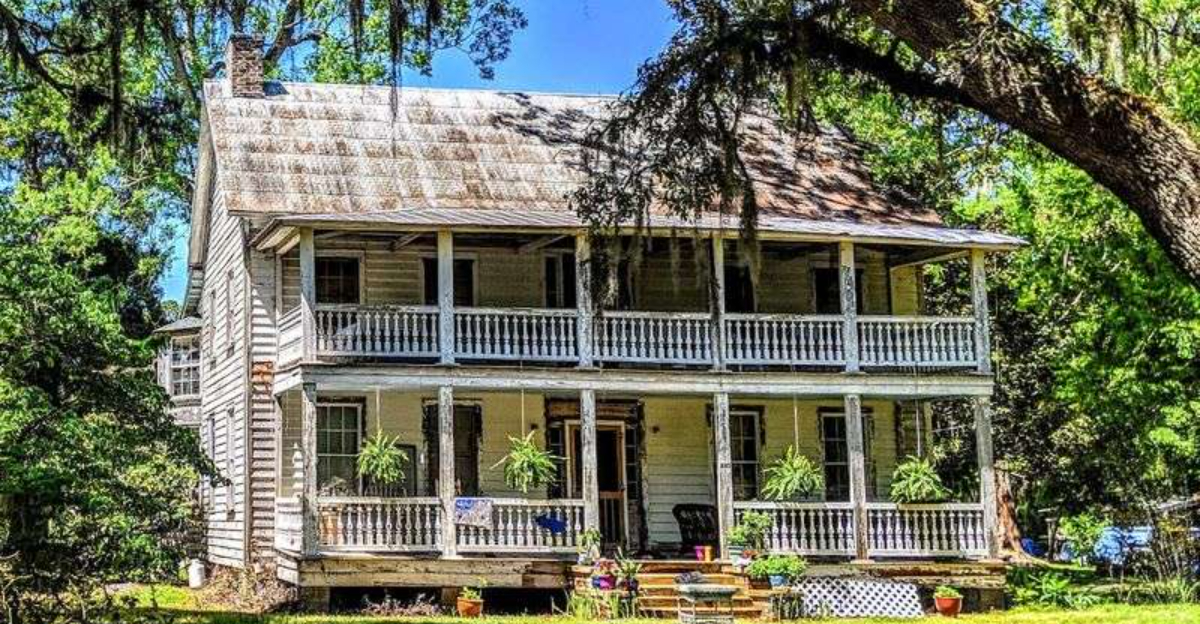
Tucked along the marshy shores of Jeremy Creek in rural Charleston County, McClellanville is one of South Carolina’s best-kept secrets. With a population of just over 600 people, this tiny fishing village moves at its own unhurried pace, wrapped in Spanish moss and salt air.
Its historic homes, working shrimp docks, and peaceful waterways give it a feeling more like a quiet coastal town in Portugal or France than a spot in the American South. Once you visit, it’s nearly impossible not to fall completely in love with it.
The Historic District That Looks Straight Out of a Storybook
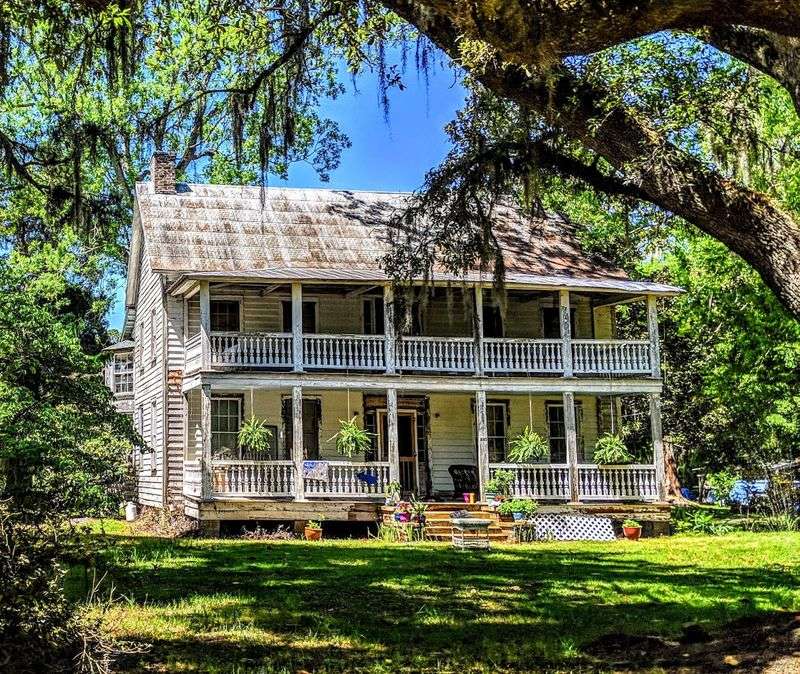
Walking through McClellanville’s historic district feels like stepping back in time. The streets are lined with beautifully preserved 19th-century homes, draped in Spanish moss and framed by ancient live oak trees.
It’s the kind of place that makes you slow down, breathe deeply, and just look around.
Many of these homes date back to the 1800s, built by wealthy planters and merchants who chose this quiet spot for its coastal breezes. Unlike flashier tourist towns, McClellanville hasn’t tried to modernize its charm away.
The architecture here feels genuinely European in spirit, with covered porches, tall windows, and gardens spilling over wooden fences.
History buffs will love wandering the streets and spotting details like original heart-pine floors visible through open doors. The historic district is also listed on the National Register of Historic Places, making it a truly special stop.
Jeremy Creek and the Working Shrimp Docks
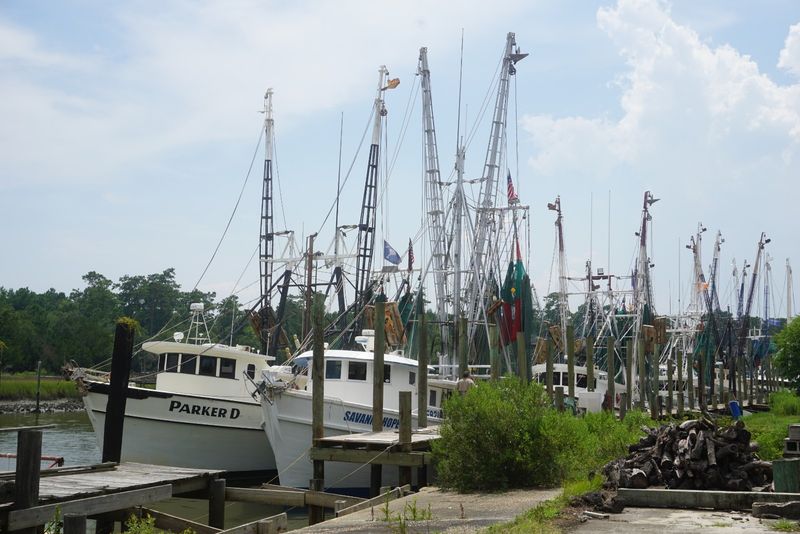
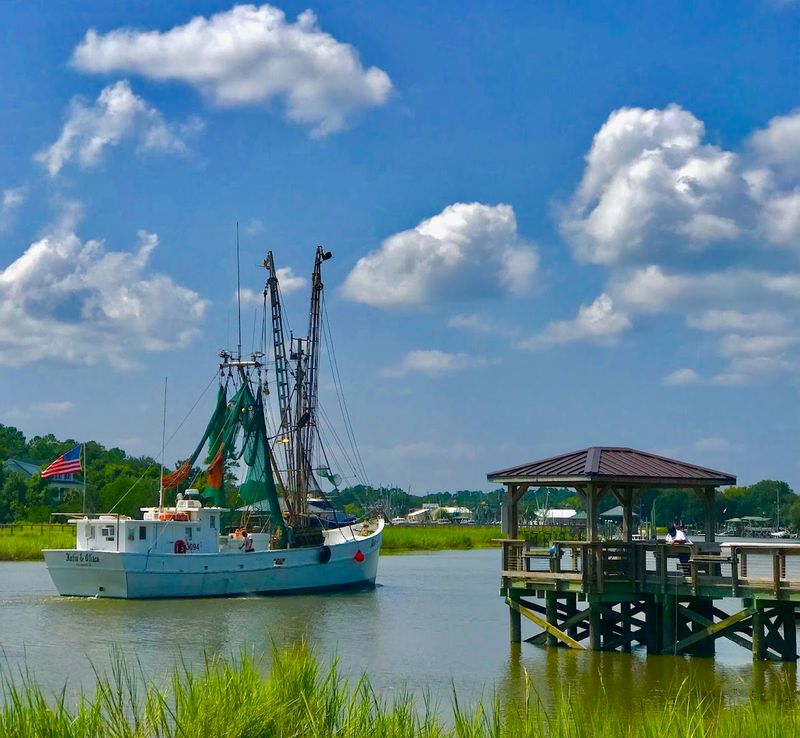
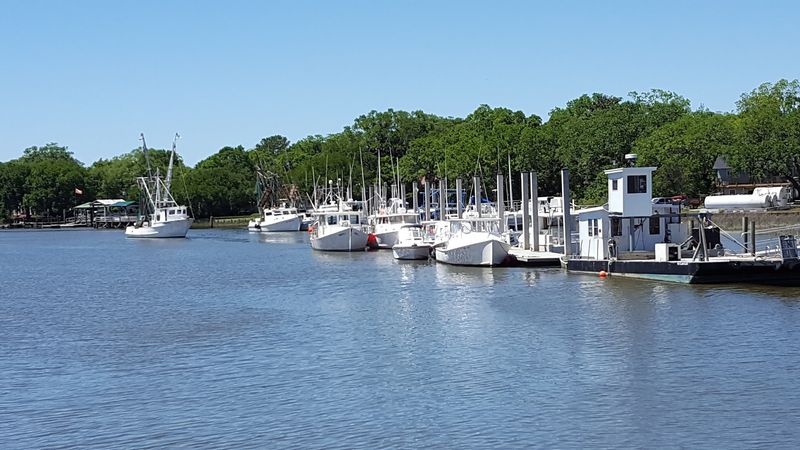
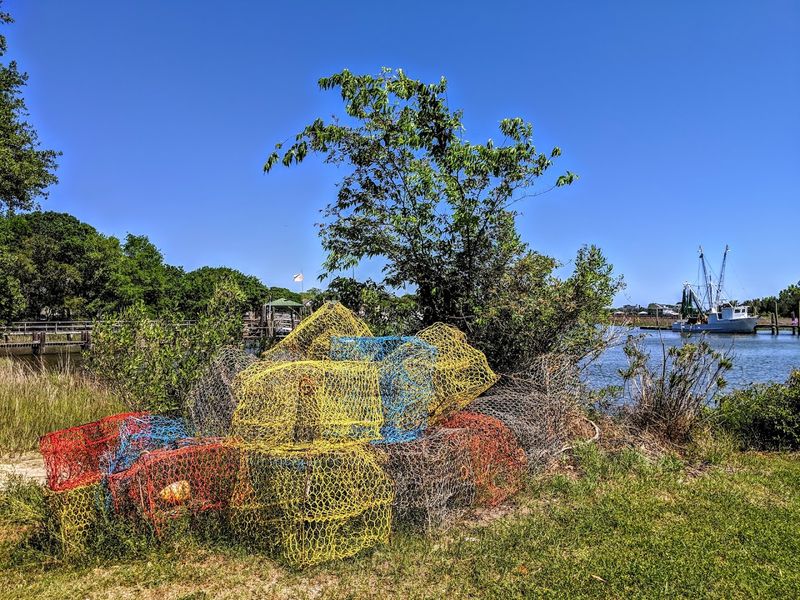
There’s something almost cinematic about watching shrimp boats glide along Jeremy Creek as the sun sets behind the marsh. McClellanville is one of the last true working shrimp fishing villages on the East Coast, and Jeremy Creek is its beating heart.
Nets hang from tall wooden poles, and the smell of saltwater hangs in the air like a familiar friend.
The docks here aren’t for show. Actual fishermen haul in fresh catches daily, supplying local restaurants and markets with shrimp, crab, and fish.
Visitors can sometimes buy fresh seafood right off the boat, which is an experience you simply can’t replicate anywhere else.
Watching the boats come in at dusk, with the golden light reflecting off the water, feels like a scene from a small Mediterranean fishing village. It’s raw, real, and absolutely beautiful in every way.
St. James Santee Episcopal Church and Its Quiet Reverence
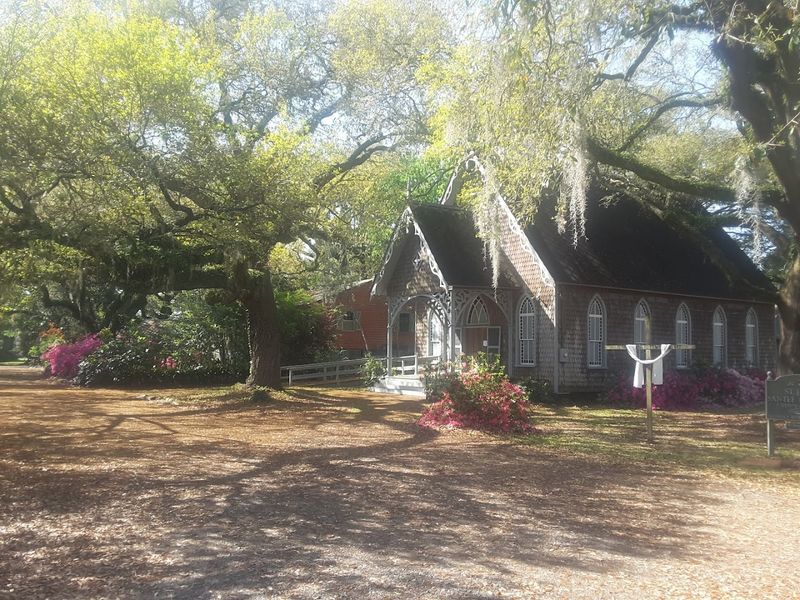
Built in 1768, St. James Santee Episcopal Church is one of the oldest surviving churches in South Carolina, and standing in its shadow feels genuinely humbling. The brick walls are thick, the windows narrow, and the graveyard surrounding it tells stories going back centuries.
Time seems to pause the moment you step onto the grounds.
The church served the local Santee River planters long before the American Revolution, making it older than the country itself. Its simple Georgian architecture and moss-covered tombstones give it an atmosphere closer to a rural English parish than anything typically American.
Services are still held here today, connecting modern worshippers to generations of local history. Whether you’re religious or not, visiting this church is a moving experience.
It’s the kind of place that reminds you how much history can be packed into a small, quiet corner of the world.
Cape Romain National Wildlife Refuge on the Doorstep
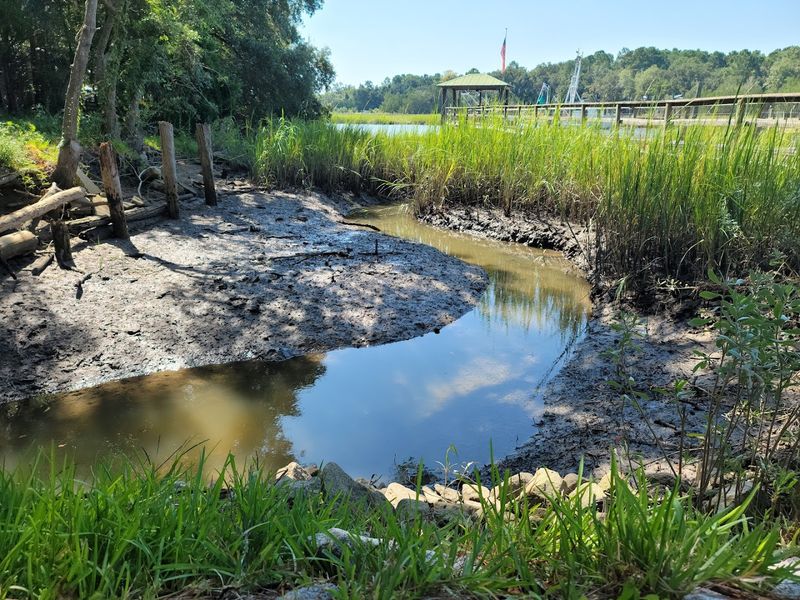
Just offshore from McClellanville lies one of the most pristine and undisturbed wildlife refuges on the entire East Coast. Cape Romain National Wildlife Refuge stretches across 66,000 acres of barrier islands, salt marshes, and open water, and it’s practically in the village’s backyard.
Birdwatchers, kayakers, and nature lovers treat it like a personal paradise.
The refuge is home to endangered loggerhead sea turtles, nesting shorebirds, and countless migratory species. Bull Island, accessible only by ferry from the nearby Garris Landing, offers some of the most spectacular undeveloped beaches anywhere in South Carolina.
There are no crowds, no shops, and no noise except the wind and the waves.
For anyone who loves the feeling of a remote European nature reserve, Cape Romain delivers that same sense of wild, untouched beauty. It’s the kind of place that resets your soul completely.
The Sweetgrass Basket Tradition Woven Into Village Life
Few crafts in America carry as much cultural weight as the sweetgrass baskets made by the Gullah Geechee people of the South Carolina Lowcountry. Around McClellanville, this centuries-old tradition is still very much alive, passed down through families with pride and precision.
Each basket is a work of art that can take days or even weeks to complete.
The technique was brought over from West Africa by enslaved people and has survived for more than 300 years. Artisans use native sweetgrass, bulrush, and pine needles to create intricate coiled designs.
No two baskets are ever exactly alike, which makes each one genuinely unique.
Spotting a basket maker at work along a roadside stand is one of those quietly magical moments that McClellanville offers. Buying one feels less like a souvenir purchase and more like supporting living history.
It’s a deeply meaningful experience.
Fresh Local Seafood That Rivals Any European Fish Market
Ask any food lover who’s visited McClellanville what they remember most, and the answer is almost always the seafood. Because this is an active fishing village, the shrimp, crab, oysters, and fish served here are as fresh as it gets anywhere in the country.
There’s no freezer mystery here — what’s on your plate likely came off a boat that morning.
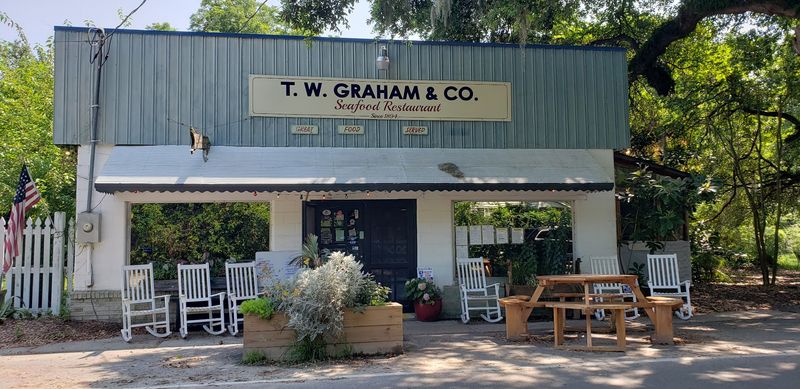
Local spots like the T.W. Graham and Co. seafood restaurant have earned legendary status among food enthusiasts across the Southeast.
The menu is simple, the portions are generous, and the flavors are extraordinary. Eating there feels like stumbling into a beloved family-run trattoria on the Italian coast.
Even picking up fresh shrimp from a roadside cooler by the docks is an experience in itself. McClellanville’s food culture is unpretentious, honest, and deeply satisfying.
Every meal here tastes like it was made with real love and zero shortcuts.
Kayaking Through the Lowcountry Salt Marshes
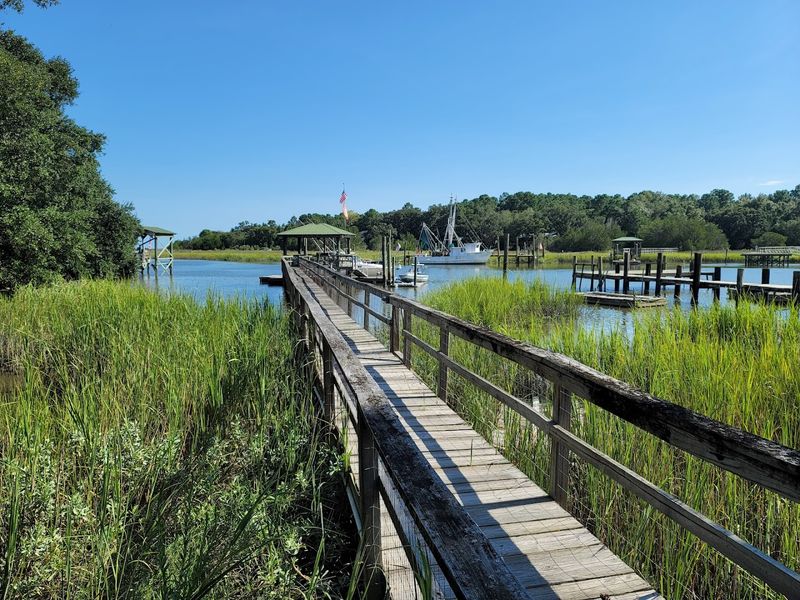
Paddling through the salt marshes around McClellanville is the kind of experience that stays with you long after you’ve gone home. The waterways twist and turn through tall cordgrass, opening up into wide tidal flats where herons stand perfectly still, watching for fish.
It’s peaceful in a way that feels almost otherworldly.
The marsh ecosystem here is one of the healthiest and most biodiverse in the entire Southeast. Dolphins sometimes follow kayakers through the channels, and sightings of bald eagles and osprey are surprisingly common.
The light in the late afternoon turns the whole landscape a warm, honeyed gold.
Several outfitters near the village offer guided kayak tours for beginners and experienced paddlers alike. Even a short two-hour paddle gives you a completely different perspective on McClellanville’s beauty.
It’s the kind of quiet adventure that reminds you why wild places still matter so much.
The Village’s Beloved Annual Shrimp Festival
Every October, McClellanville throws one of the most beloved small-town festivals in all of South Carolina. The McClellanville Shrimp Festival draws visitors from across the state for a weekend packed with live music, local art, and — naturally — enormous amounts of fresh shrimp prepared every imaginable way.
It’s a joyful, unpretentious celebration of everything this village stands for.
The festival takes place right along the waterfront, with the shrimp boats as a dramatic backdrop. Local fishermen, artists, and food vendors fill the area with color, sound, and irresistible smells.
There’s a real community spirit here that you don’t find at bigger, more commercialized events.
For families, couples, or solo travelers, the Shrimp Festival is a perfect window into authentic Lowcountry culture. It has the warmth and festivity of a small European village fair, complete with genuine hospitality and a sense of genuine local pride.
Centuries-Old Live Oak Trees That Create Cathedral-Like Canopies
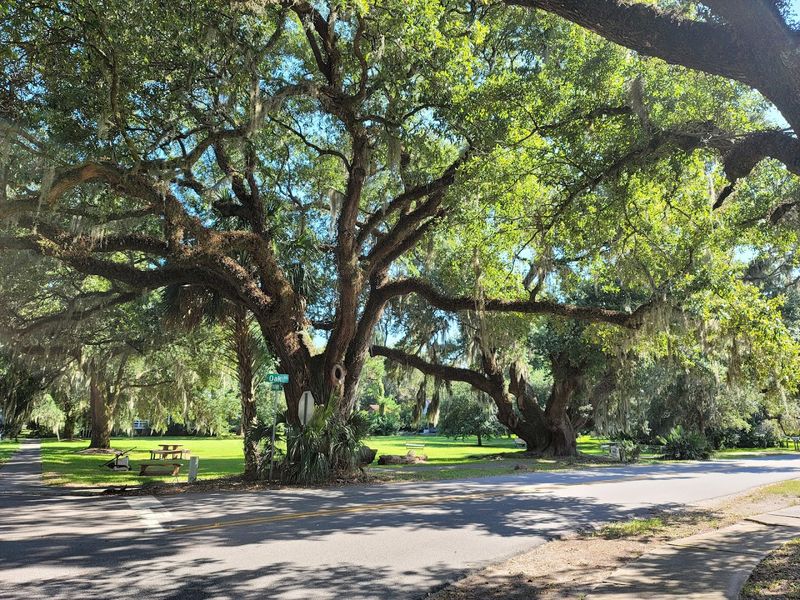
Some of the live oak trees in and around McClellanville are estimated to be several hundred years old, and standing beneath them feels like being inside a natural cathedral. Their massive, twisting branches stretch wide overhead, draped in curtains of silvery Spanish moss.
On a quiet morning, with light filtering through the canopy, the scene is almost impossibly beautiful.
These trees are deeply woven into the identity of the Lowcountry. They provided timber for early American warships and shade for generations of families who built their lives in this corner of South Carolina.
Locals speak of certain trees by name, the way you might speak of a beloved neighbor.
Photographers, painters, and writers have long been drawn to McClellanville specifically for these trees. They appear in the background of nearly every image taken here, lending the village a timeless, romantic quality that no filter could ever replicate.
Garris Landing and the Ferry to Bull Island
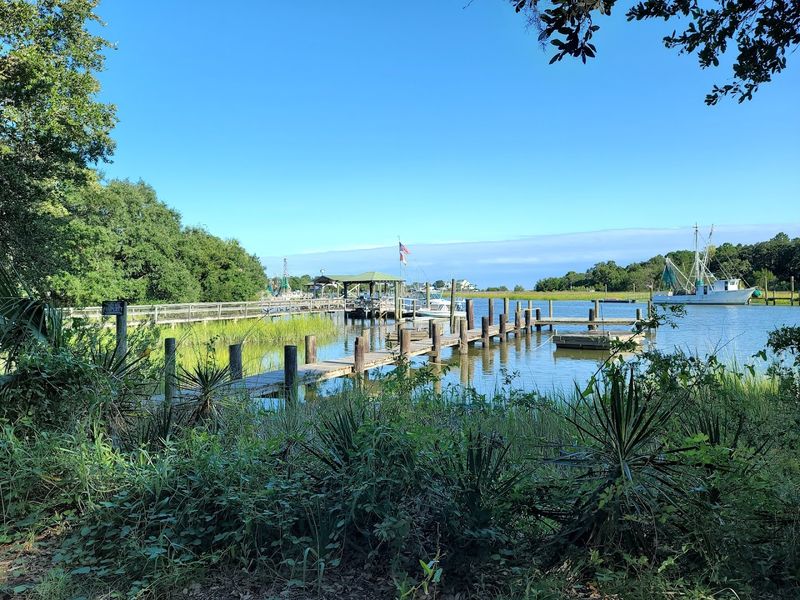
Garris Landing, just a short drive from the village center, is where adventurers board the ferry to Bull Island inside Cape Romain National Wildlife Refuge. It’s a humble little dock, nothing fancy, but what waits on the other side of that short water crossing is genuinely breathtaking.
Bull Island is one of the most unspoiled barrier islands on the entire Atlantic Coast.
The island has no permanent residents, no development, and no noise beyond birdsong and surf. Miles of pristine beach, maritime forest, and freshwater ponds create an ecosystem that feels completely separate from the modern world.
Ghost crabs skitter across the sand, and alligators sun themselves along the pond edges without a care.
The ferry ride itself, surrounded by open water and sky, sets the mood perfectly. Arriving at Bull Island feels like landing on a deserted island off the coast of Ireland — wild, windswept, and magnificently free.
The Quiet, Unhurried Pace of Small-Town Lowcountry Life
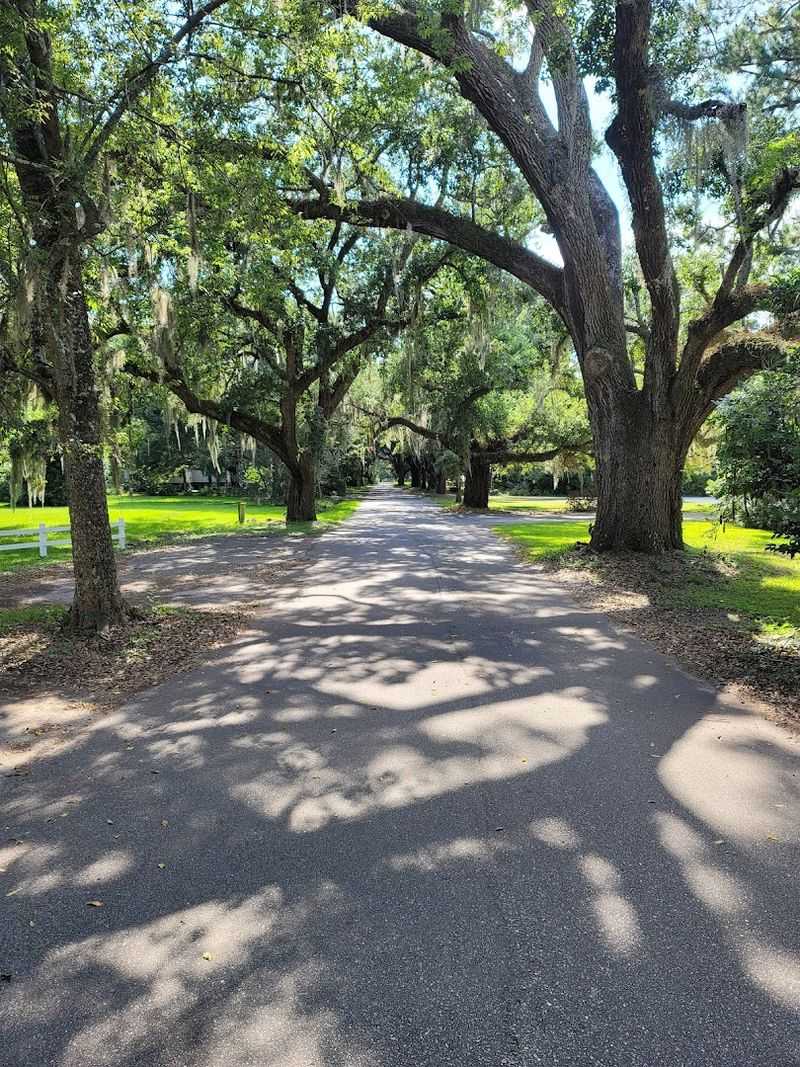
One of the most striking things about McClellanville is what it doesn’t have. No traffic jams, no chain restaurants, no billboards competing for your attention.
Life here unfolds slowly and deliberately, the way it might in a tiny village in Brittany or along the coast of Portugal. Neighbors wave from porch swings, and strangers are greeted with genuine warmth.
The town has a population of just over 600 people, which means everyone more or less knows everyone. That creates a sense of community that feels increasingly rare in today’s world.
Children play outside without supervision, dogs wander freely, and the biggest daily decision might be whether to fish before or after lunch.
Visitors who come expecting the hustle of a tourist hotspot leave pleasantly surprised. McClellanville teaches you something important: that slowness, when embraced fully, can feel like the richest kind of luxury.
Murrell’s Legacy and the Village’s Deep Maritime History
McClellanville’s story stretches back to the mid-1800s, when it was established as a summer retreat for planters from the nearby Santee River delta. Over time, it evolved into a working fishing community, shaped by the rhythms of the sea and the resilience of the people who lived there.
That layered history gives the village a depth that many larger towns simply can’t match.
The community’s maritime identity was tested severely by Hurricane Hugo in 1989, which devastated the area with a catastrophic storm surge. Residents sheltered inside Lincoln High School as floodwaters rose around them.
The village rebuilt with remarkable determination, and that spirit of perseverance is still visible today.
Understanding that history makes a visit to McClellanville far more meaningful. You’re not just seeing a pretty village — you’re seeing a community that fought hard to remain exactly who it is, and won.
Sunsets Over the Marsh That Stop You Cold
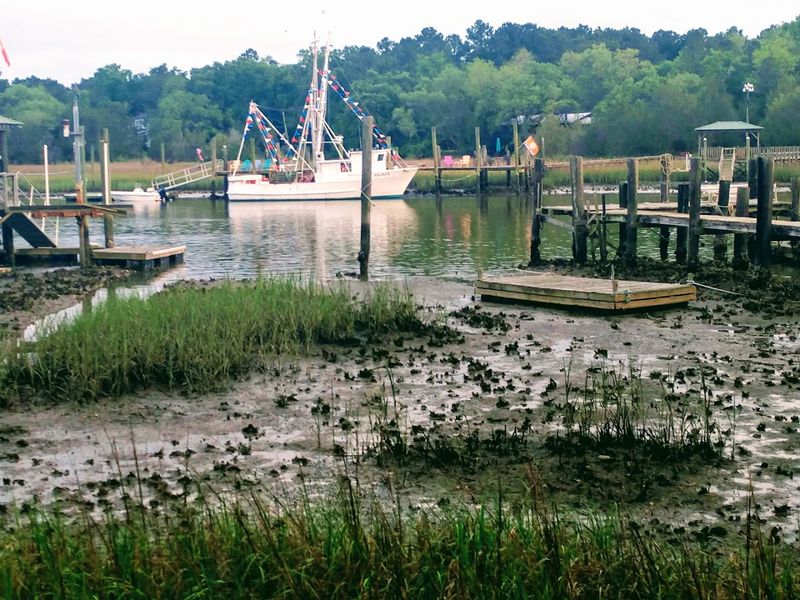
Ask anyone who has ever watched a sunset from the edge of the marsh in McClellanville, and they’ll struggle to find the right words. The sky turns colors that don’t seem real — deep orange bleeding into violet, reflected perfectly in the still tidal water below.
It’s the kind of moment that makes even the most restless traveler go completely quiet.
The flat Lowcountry landscape means there’s nothing blocking the horizon, giving you an unobstructed view that stretches for miles in every direction. Birdsong fills the air as the light fades, and the marsh grass glows like burnished copper in the final minutes of daylight.
Locals know the best spots to watch from, and if you ask nicely, they’ll usually share. Whether you’re standing on a dock or sitting in the marsh grass, these sunsets are the kind of beauty that changes the way you see the world.
Enjoyed this story?
Add Fast Food Club as a preferred source to see more of our reporting on Google.