


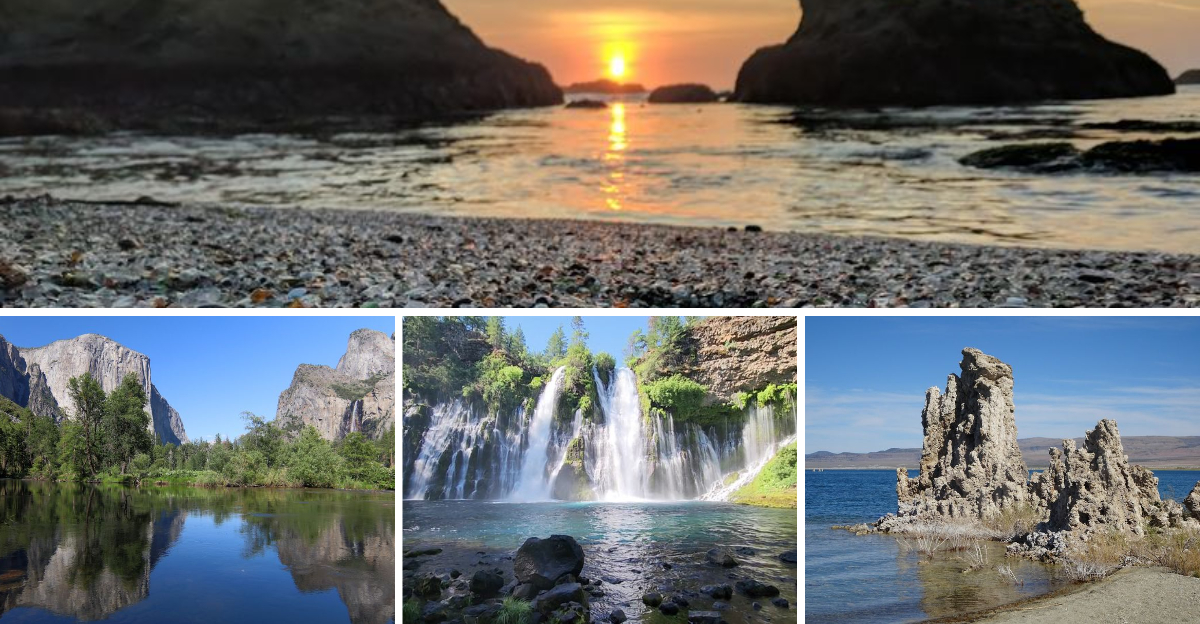
California is home to some of the most jaw-dropping scenery on the entire planet. From towering ancient trees to glowing turquoise lakes, the Golden State never runs out of ways to leave you speechless.
Whether you love hiking, photography, or simply soaking in nature’s beauty, these stunning spots will make you feel like you’ve stepped into another world. Pack your bags, because these natural wonders are worth every mile of the journey.
Yosemite Valley – California
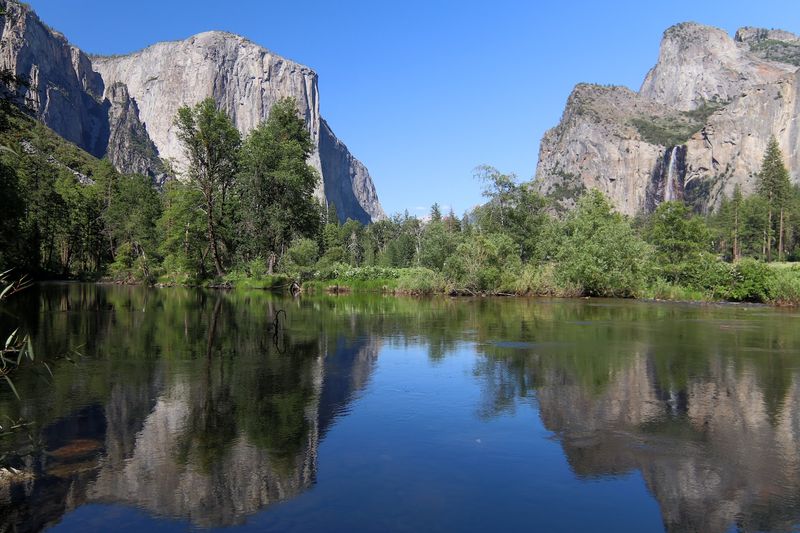
Standing in Yosemite Valley for the first time feels like walking into a painting that someone forgot to tell you was real. Towering granite cliffs like El Capitan and Half Dome shoot straight up into the sky, making even the tallest person feel wonderfully small.
Waterfalls cascade down rocky walls, deer graze peacefully in open meadows, and the air smells like pine and possibility. Yosemite Valley is one of those places that genuinely changes how you see the world.
Glass Beach – Fort Bragg, California
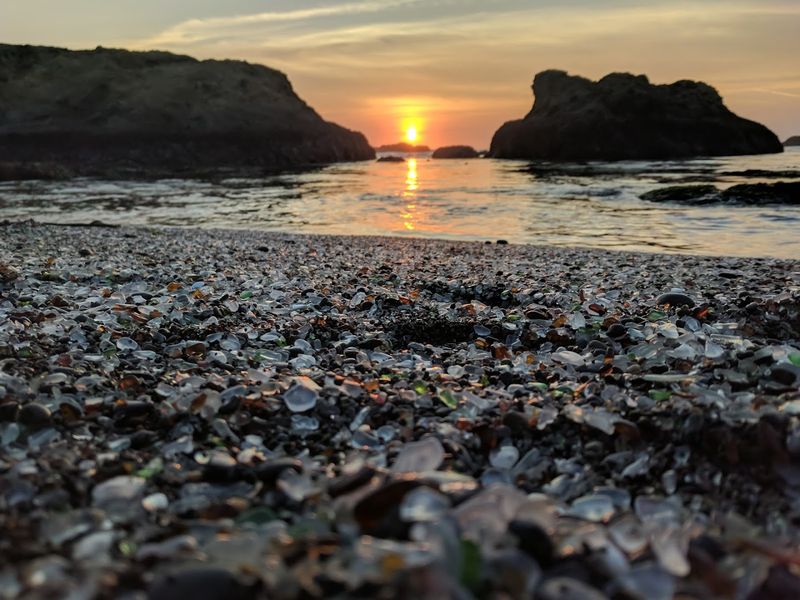
What was once a dumping ground has transformed into one of California’s quirkiest coastal treasures. Decades of ocean waves tumbling old bottles and jars against the rocks created the smooth, jewel-like sea glass that now covers Glass Beach in Fort Bragg.
Walking along the shore feels like stepping on a carpet of colorful gems. Visitors are asked not to take the glass home, so future guests can enjoy the same magical experience you did.
Burney Falls – Burney, California
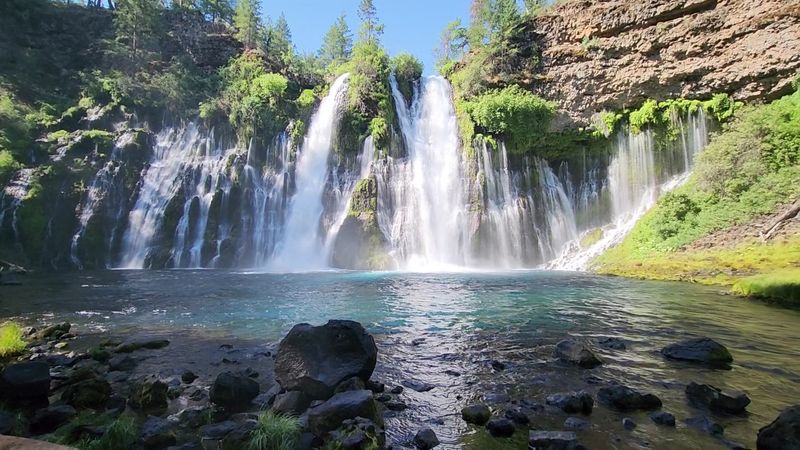
Teddy Roosevelt once called Burney Falls the eighth wonder of the world, and honestly, it is hard to argue with him. Water pours over the 129-foot drop not just from the top but also seeps directly through the volcanic rock face, creating a misty, almost magical curtain effect.
The surrounding forest stays cool and green even in summer, making it a perfect escape from the heat. A short trail loops around the falls and offers several breathtaking viewpoints along the way.
Mono Lake – Lee Vining, California
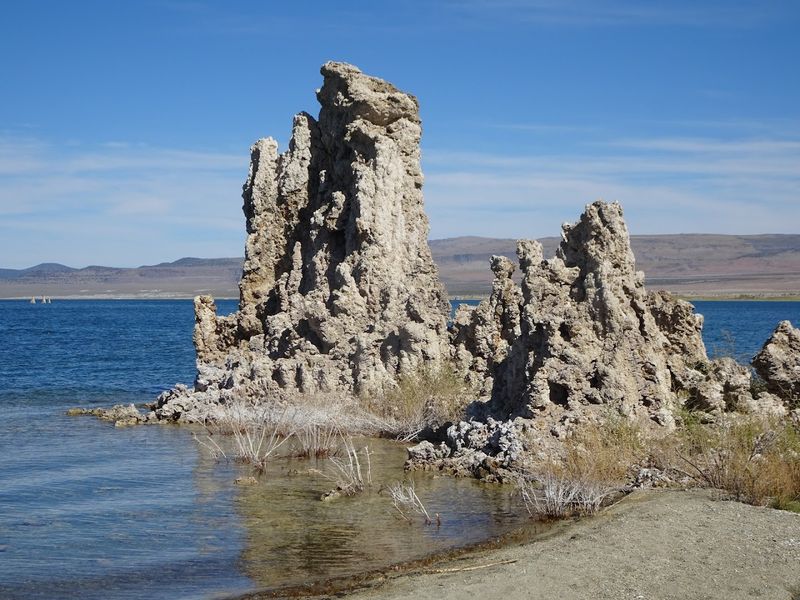
Mono Lake looks like it belongs on another planet. The ghostly white tufa towers jutting out of the water are actually ancient calcium carbonate formations that took thousands of years to build up beneath the surface before being exposed.
This ancient lake near Lee Vining is nearly three times saltier than the ocean, which means no fish but plenty of brine shrimp and migratory birds. Sunrise and sunset here produce colors so vivid they seem almost digitally enhanced.
Pfeiffer Beach – Big Sur, California
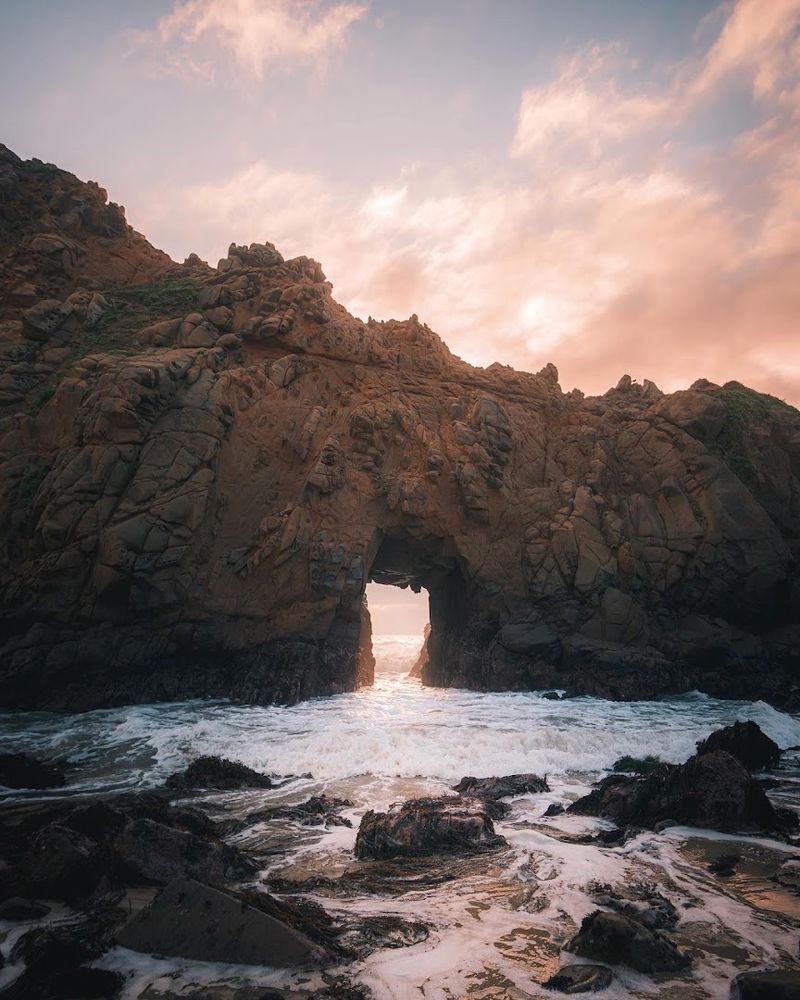
Purple sand might sound like something from a fairy tale, but Pfeiffer Beach in Big Sur is very much real. The unique violet hue comes from manganese garnet particles that wash down from the cliffs above and mix with the regular sand below.
Add in the iconic rock arch that frames the crashing waves perfectly, and you have one of the most photogenic beaches in the entire country. The narrow access road keeps crowds manageable, which makes the whole experience feel like a personal discovery.
Redwoods National and State Parks – Crescent City, California
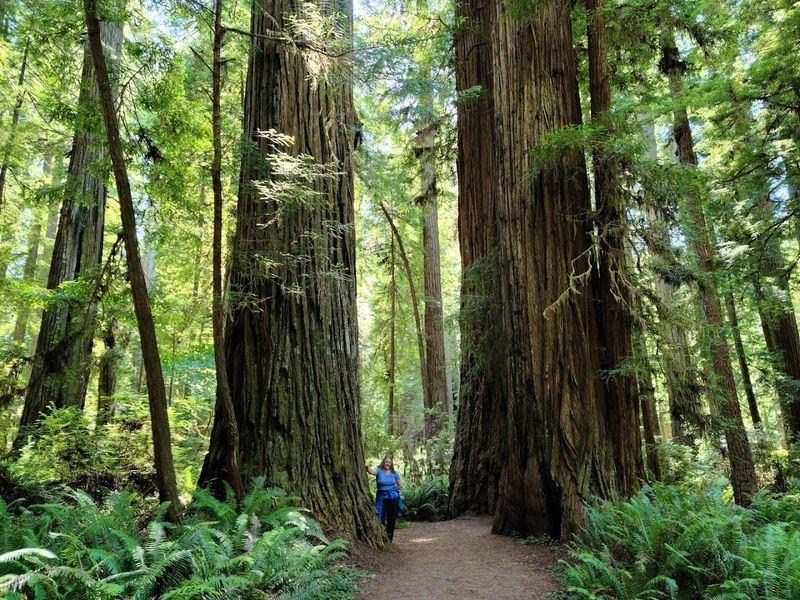
Some of the tallest living things on Earth call this stretch of Northern California home. The coastal redwoods growing in Redwoods National and State Parks near Crescent City can reach over 350 feet tall, making a walk through the forest feel genuinely humbling.
The trees are so massive that their trunks can be wider than a car is long. Ferns carpet the forest floor, elk roam the meadows, and the quiet here is the kind that actually restores your energy.
Emerald Bay State Park – South Lake Tahoe, California
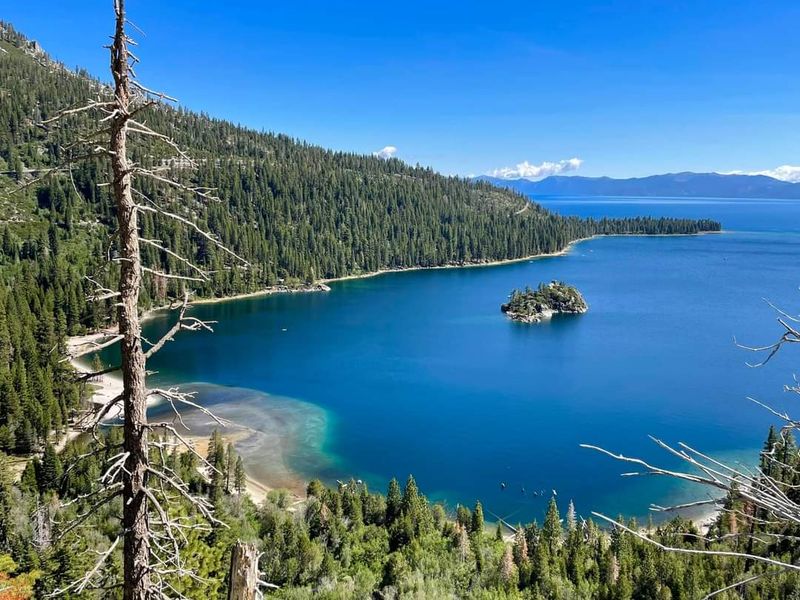
Few views in California stop people in their tracks quite like the first glimpse of Emerald Bay. The water shifts from deep blue to brilliant turquoise depending on the light, and the tiny Fannette Island sitting in the middle of the bay adds a storybook charm that feels almost unreal.
Located near South Lake Tahoe, this state park offers hiking, kayaking, and even a Scandinavian-style tea house perched on the island. Every season brings a completely different kind of beauty to this iconic spot.
McWay Falls – Big Sur, California
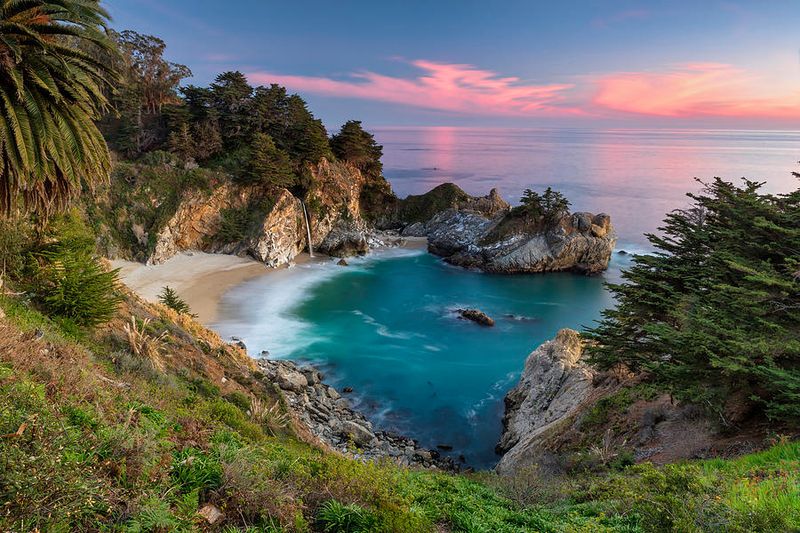
Imagine an 80-foot waterfall dropping straight onto a perfect sandy beach that you cannot actually reach. That is exactly what McWay Falls in Big Sur offers, and the inaccessibility somehow makes it even more enchanting.
Viewed from the Overlook Trail at Julia Pfeiffer Burns State Park, the scene looks almost too composed to be natural. The teal water, golden sand, and tumbling waterfall together create a postcard image that photographers travel hundreds of miles just to capture.
Alabama Hills – Lone Pine, California
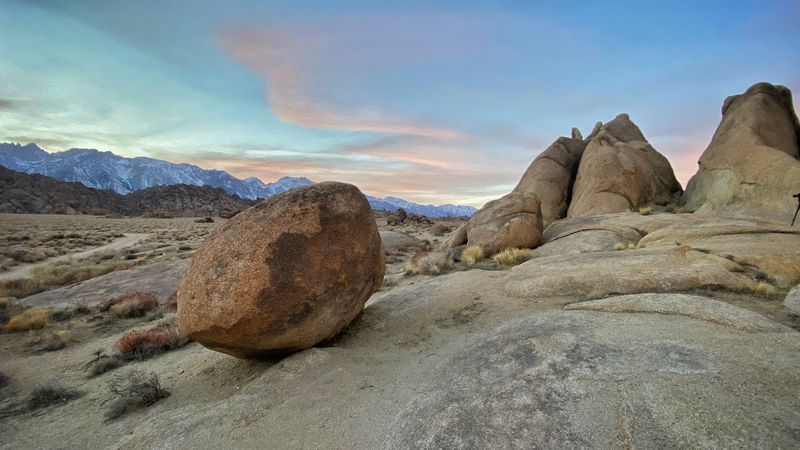
The Alabama Hills near Lone Pine look like a movie set because they literally are one. Hundreds of Western films and TV shows have been filmed among these rounded, rust-colored boulders sitting at the base of the Sierra Nevada mountains.
The contrast between the warm-toned rocks in the foreground and the snow-dusted peaks behind them is genuinely stunning. Arch Rock is a popular short hike here, and the area is open year-round with wide-open skies perfect for stargazing after dark.
Lassen Volcanic National Park – California
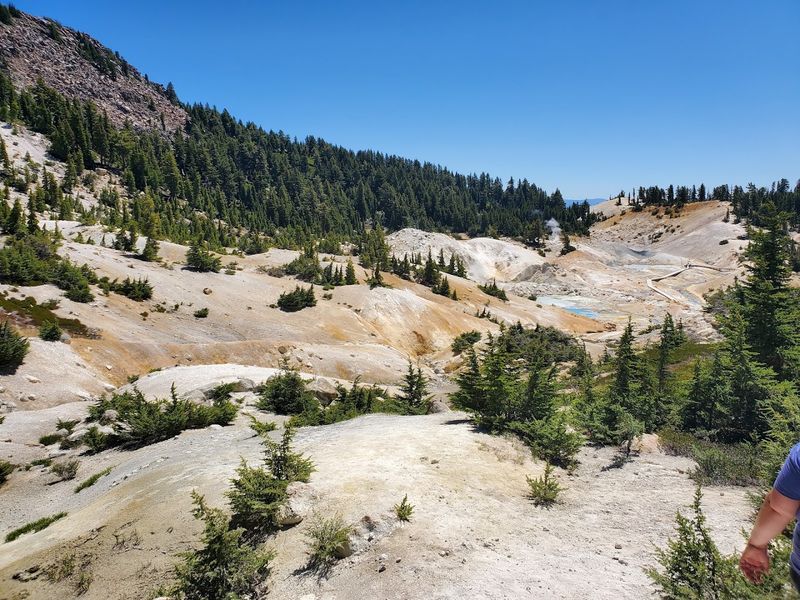
Not many places let you watch the Earth literally bubble and steam right in front of you. Lassen Volcanic National Park is one of the few spots in the world where all four types of volcanoes exist in the same place, making it a geology lover’s dream destination.
Boiling mud pots, steaming fumaroles, and bright sulfur-stained ground make areas like Bumpass Hell look almost otherworldly. Lassen Peak itself last erupted in 1915, and the park wears that volcanic history proudly across its entire landscape.
Point Reyes National Seashore – California
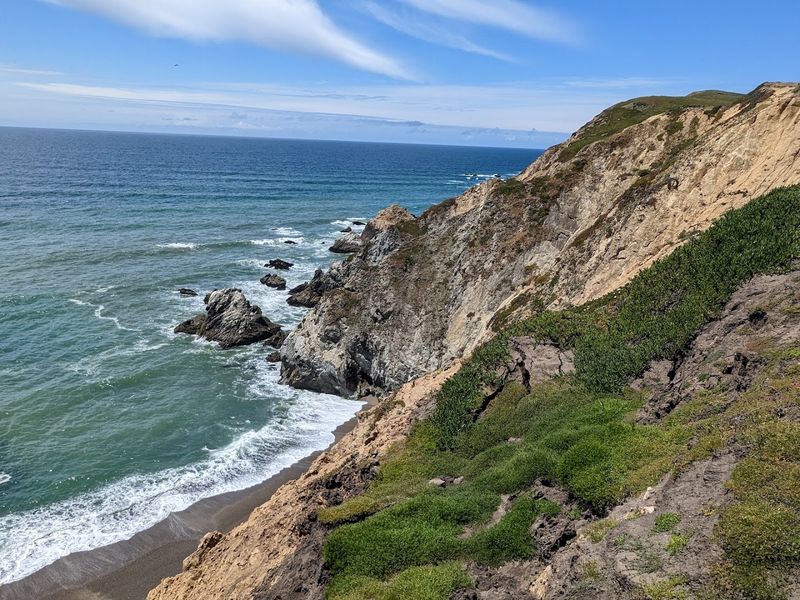
Point Reyes National Seashore is the kind of place where you can spot tule elk grazing on a cliff, watch gray whales breach offshore, and stand inside a working lighthouse all in the same afternoon. The landscape here shifts dramatically from windswept beaches to dense forests to open grasslands within just a few miles.
Located about an hour north of San Francisco, this rugged peninsula sits on a separate tectonic plate from the rest of California. That geological quirk gives Point Reyes a wild, untamed character unlike anywhere else on the coast.
Joshua Tree National Park – California
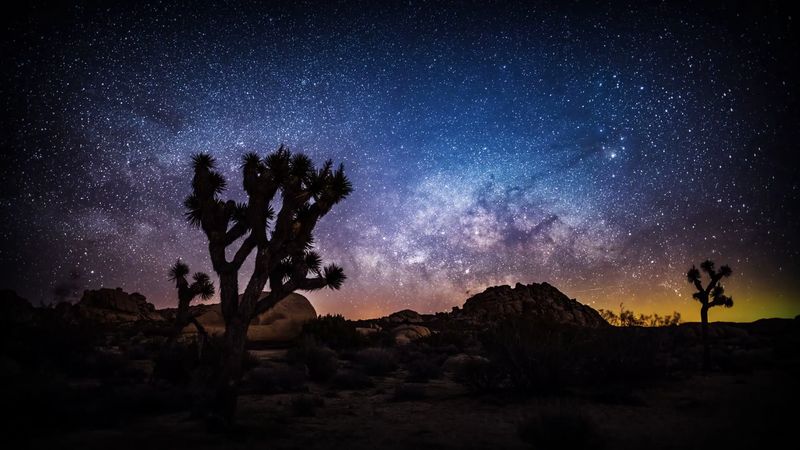
Joshua trees do not look like they belong on Earth. Their twisted, spiky arms reach out in every direction, giving the entire desert landscape a surreal, almost sculptural quality that has inspired artists and musicians for generations.
Joshua Tree National Park sits where the Mojave and Sonoran deserts meet, creating a unique mix of ecosystems packed with wildlife and plant life. At night, the park is one of the best places in Southern California to see the Milky Way stretched across a perfectly dark sky.
Devils Postpile National Monument – Mammoth Lakes, California
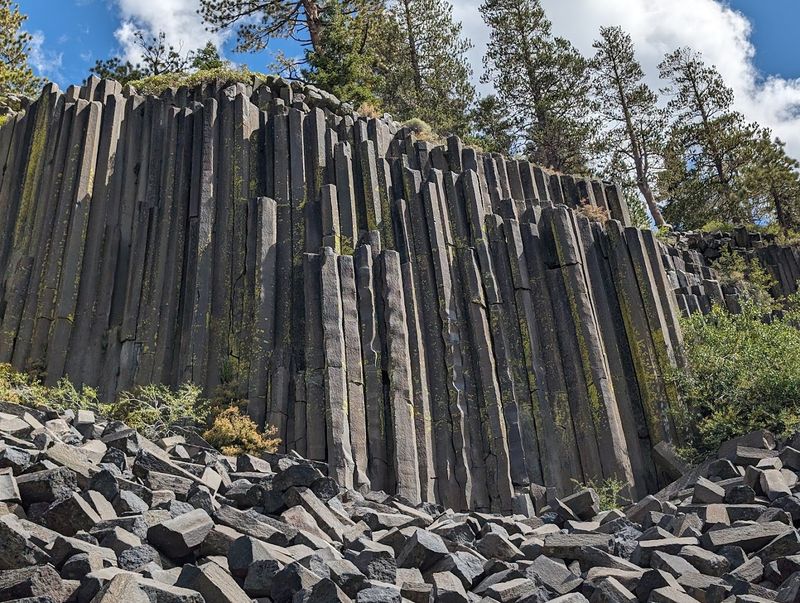
Nature turned into an architect about 100,000 years ago when volcanic lava cooled so evenly near Mammoth Lakes that it cracked into near-perfect hexagonal columns. Devils Postpile National Monument preserves this bizarre and beautiful formation, which stands about 60 feet tall and looks like a giant bundle of pencils packed tightly together.
A short hike from the monument leads to Rainbow Falls, where the San Joaquin River drops 101 feet into a misty pool below. Visiting both in one trip makes for an unforgettable day in the Eastern Sierra.
Enjoyed this story?
Add Fast Food Club as a preferred source to see more of our reporting on Google.