


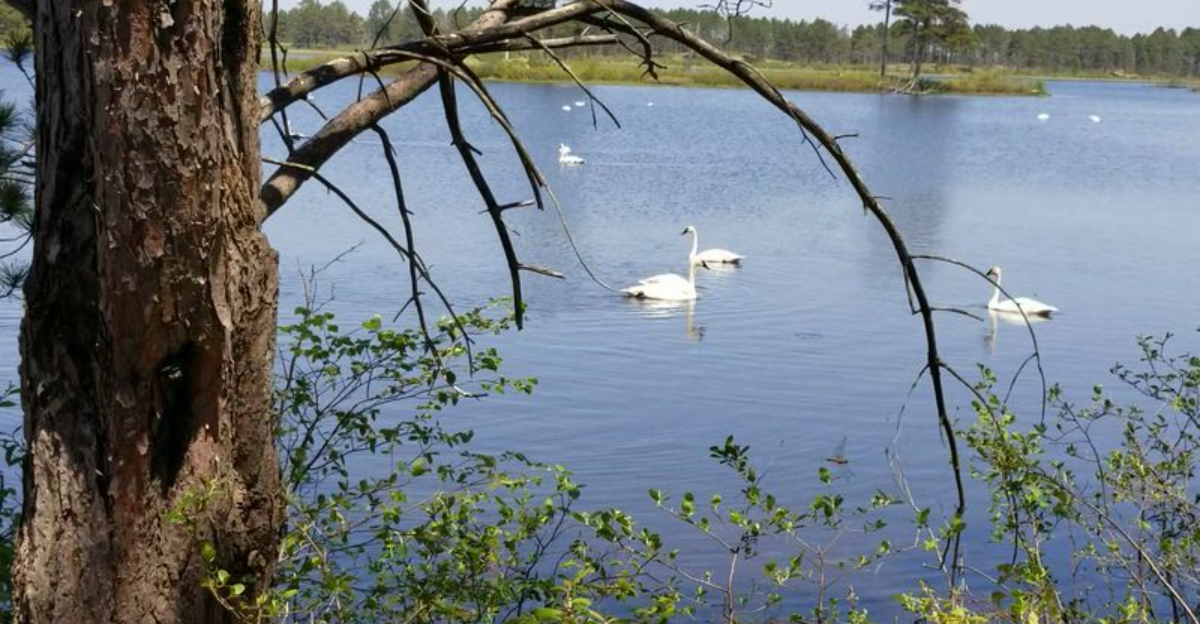
Tucked deep in Michigan’s Upper Peninsula, Seney National Wildlife Refuge is one of those rare places that feels like a secret the natural world kept just for itself. Sprawling across nearly 96,000 acres of wetlands, pine forests, and open marshes near Germfask, this refuge is a paradise for wildlife lovers, birders, and anyone craving a true escape from everyday life.
Whether you roll through on the scenic auto tour or pedal along quiet trails, the sights and sounds here are unlike anything else in the Midwest. With a near-perfect rating from hundreds of visitors, Seney is proof that Michigan’s most breathtaking treasures don’t always come with a crowd.
The Scenic Auto Tour Route
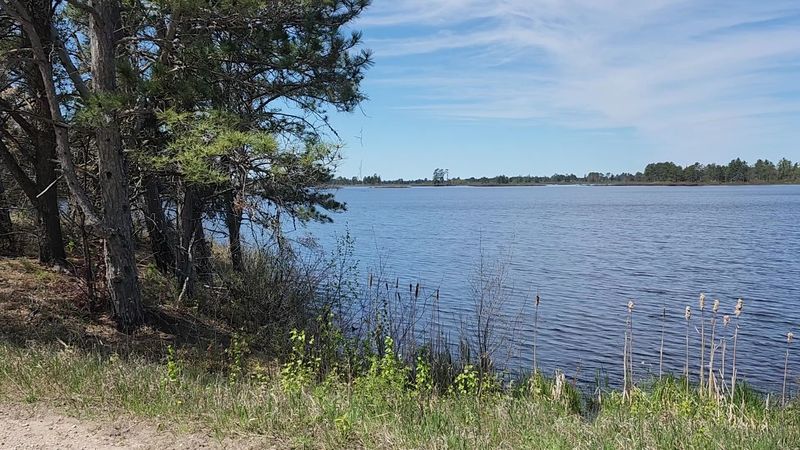
Picture this: you roll down your windows, cut the radio, and let the sounds of the wild take over. That’s exactly what the 7-mile Nature Auto Drive at Seney National Wildlife Refuge offers every single visitor.
No hiking boots required.
The loop winds through open marshes, forested stretches, and peaceful pools where wildlife practically poses for photos. Visitors regularly spot trumpeter swans, sandhill cranes, bald eagles, beavers, and river otters without ever leaving their vehicles.
The drive takes about one to two hours at a relaxed pace, and slow is definitely the way to go.
Signs along the route remind drivers to keep speeds under 20 mph, giving animals time to move at their own rhythm. For families with young kids or anyone with limited mobility, this tour is a total game-changer.
It’s one of the most accessible wildlife experiences in all of Michigan.
World-Class Birdwatching Opportunities
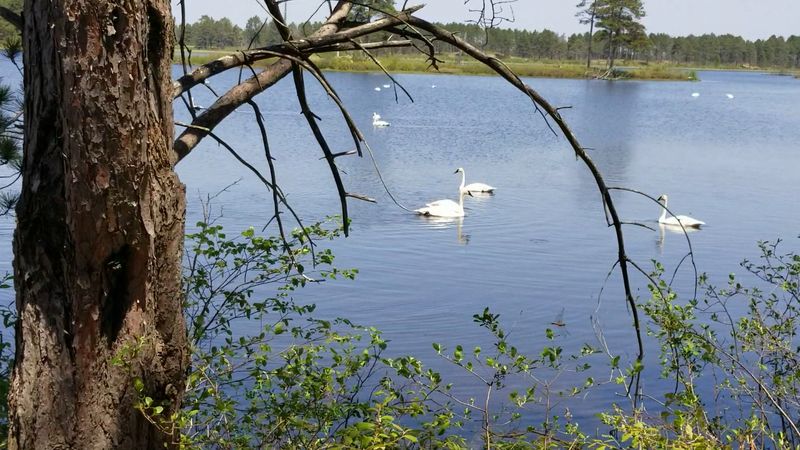
Seney National Wildlife Refuge earned its reputation as a birding paradise fair and square. With over 200 bird species recorded within its boundaries, this place is a dream come true for anyone who gets excited at the sight of a loon or a bald eagle soaring overhead.
Trumpeter swans are among the most iconic residents here. These massive, graceful birds nest in the refuge’s open pools and are almost guaranteed sightings during the warmer months.
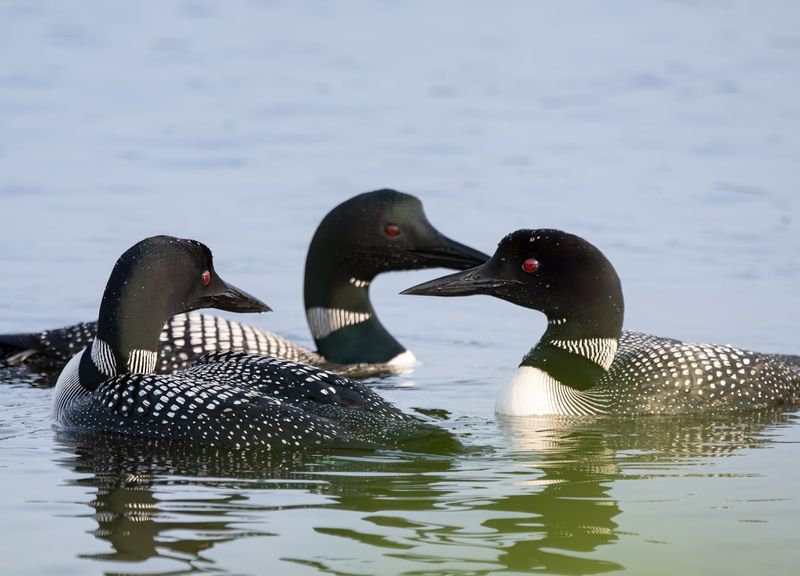
Sandhill cranes, osprey, kingfishers, wood ducks, and common loons round out a truly spectacular lineup.
Seasoned birders recommend arriving at dawn when the morning chorus is in full swing and activity peaks near the water. Binoculars are a must, and a field guide never hurts.
Even beginners walk away amazed by what they spot. Seney is the kind of place that turns casual nature lovers into passionate birdwatchers overnight.
The Strangmoor Bog Landmark
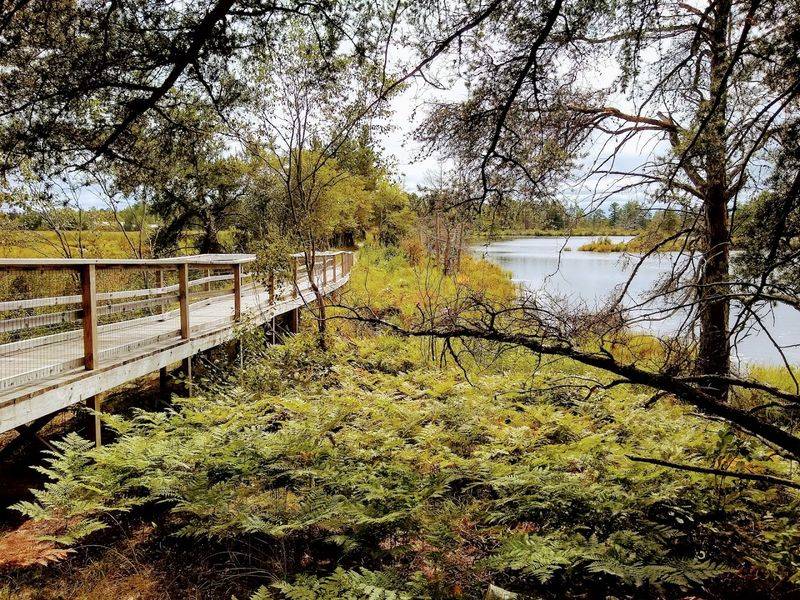
Few places in Michigan carry the kind of ancient, almost otherworldly energy that the Strangmoor Bog does. This landmark bog sits within Seney National Wildlife Refuge and represents one of the most ecologically significant peatland systems in the entire Great Lakes region.
Strangmoor Bog is a raised string bog, a rare landform shaped over thousands of years by the slow accumulation of sphagnum moss and organic material. The result is a hauntingly beautiful landscape of undulating ridges, open pools, and stunted black spruce trees that look like something out of a fairy tale.
Access to the bog’s interior is limited to protect its fragile ecosystem, but its presence shapes the entire character of the refuge. Wildlife biologists study it closely, and its quiet presence reminds visitors that some places in nature deserve reverence more than recreation.
Seney is richer for having it.
Beaver and Otter Sightings
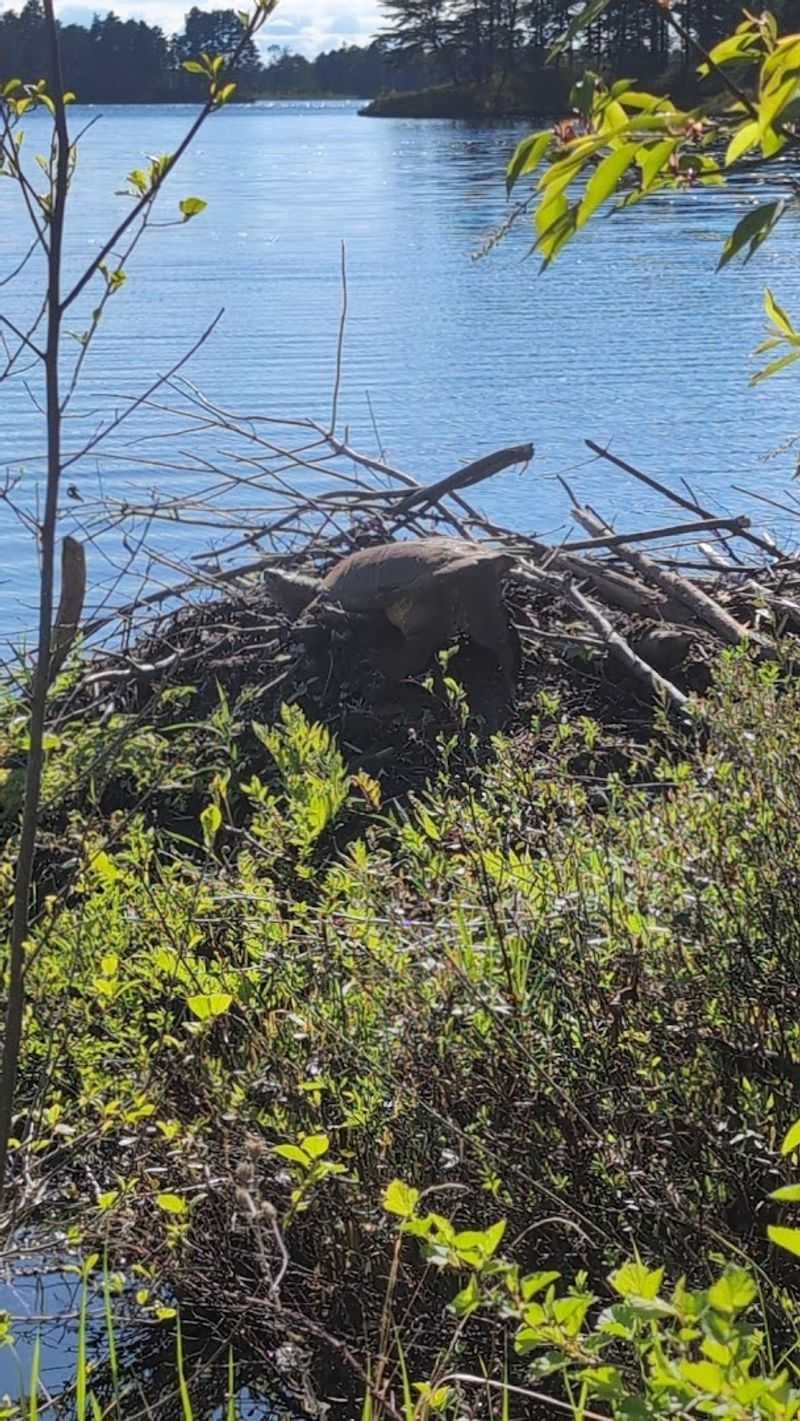
Spotting a river otter in the wild feels like winning a small lottery, and at Seney, the odds are surprisingly in your favor. Multiple visitors have reported seeing otters and beavers during broad daylight, which is a rare treat since both animals tend to be most active at dawn and dusk.
Beavers are practically engineers of the refuge. Their dams help create and maintain the shallow pools that dozens of other species depend on, making them one of the most ecologically important residents in the entire wetland system.
Watch for their distinctive lodges poking out of still water along the auto route.
River otters, on the other hand, are pure entertainment. Playful and quick, they zip through the water with acrobatic ease.
Early morning visits dramatically increase your chances of catching both species in action. Bring patience and a camera with a good zoom lens.
Robinson Road Trails for Hikers and Bikers
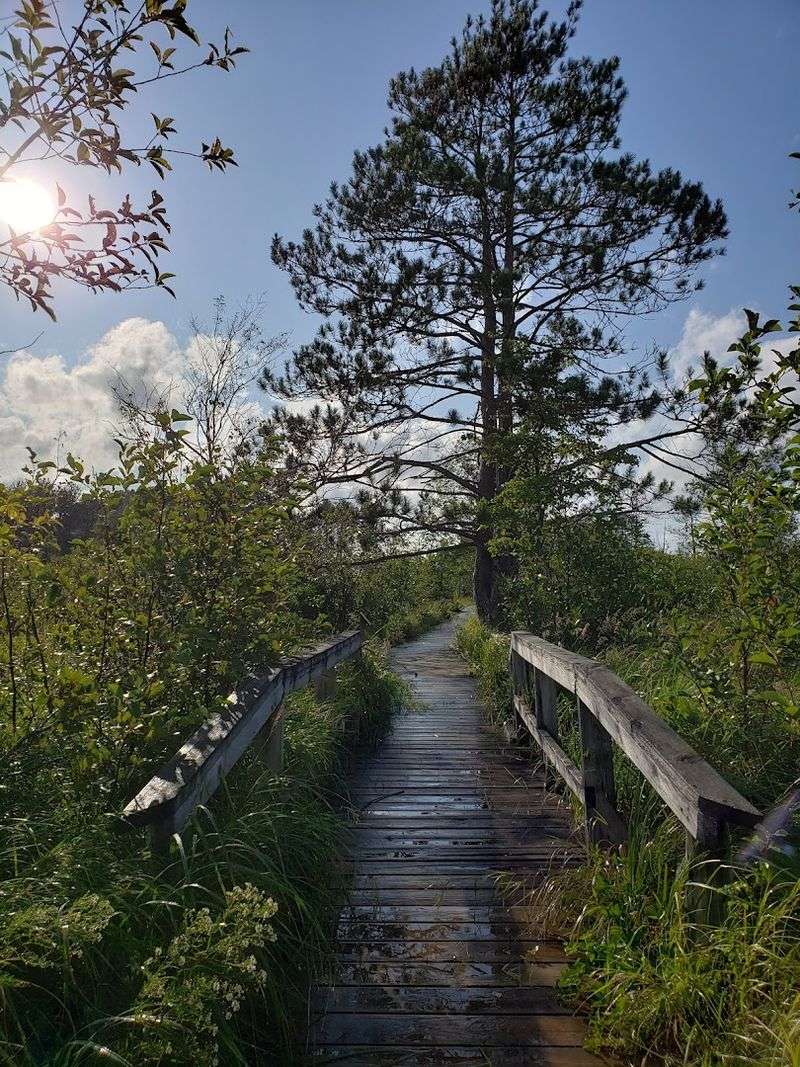
Not everyone wants to stay in their car, and Seney’s Robinson Road trails are the perfect answer for those craving a more hands-on adventure. These trails wind through some of the refuge’s most remote and scenic terrain, offering a completely different perspective than the auto tour provides.
Mountain bikers especially rave about Robinson Road. The flat, manageable terrain makes it accessible to a wide range of fitness levels, while the surrounding landscape of open swamp and forest keeps things visually interesting every mile of the way.
Cyclists often report spotting wildlife that car-bound visitors miss entirely.
Hikers will find the trails peaceful and uncrowded, which is a big part of their appeal. The farther you go from the main road, the quieter it gets.
Bring insect repellent because horse flies and deer flies can be aggressive during summer months. A little preparation goes a long way out here.
The Visitor Center Experience
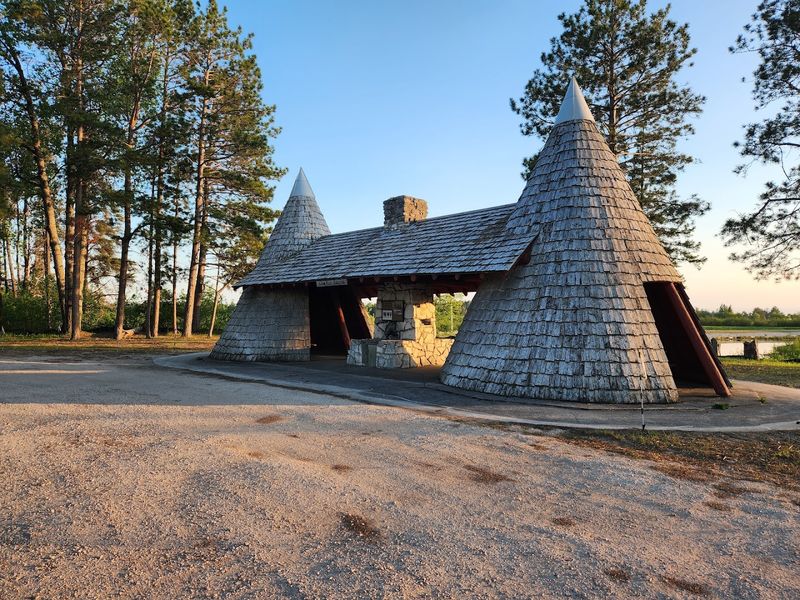
Walking into the Seney visitor center feels like getting a warm welcome from people who genuinely love where they work. Staff members are known for being exceptionally knowledgeable and friendly, handing out maps, postcards, and useful tips that make your visit far more rewarding.
One of the coolest features inside is a spotting scope aimed directly at a bald eagle nest in the refuge. On a good day, you can watch a nesting eagle or its fledglings without taking a single step outside.
That alone is worth stopping in for, especially for first-time visitors.
The center also carries educational materials about the refuge’s history, ecology, and wildlife. It’s a great place to orient yourself before hitting the auto route or trails.
Hours run Wednesday through Saturday from 9 AM to 4 PM. Admission to the refuge is free, though donations are warmly welcomed and genuinely appreciated.
Free Admission and Easy Accessibility
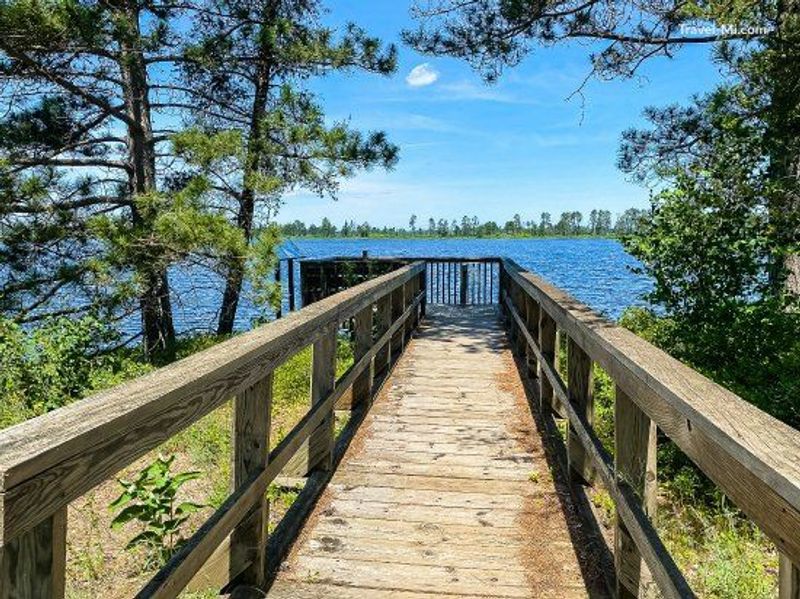
In a world where outdoor experiences often come with a hefty price tag, Seney National Wildlife Refuge stands out as a genuinely free destination. There is no entrance fee, making it one of the most budget-friendly nature escapes in all of Michigan’s Upper Peninsula.
That open-door policy means families, students, solo travelers, and retirees can all enjoy the same stunning landscape without worrying about cost. A donation box at the visitor center gives those who want to give back an easy way to support the refuge’s continued care and conservation efforts.
Accessibility is another major plus. The auto tour route is perfectly suited for visitors with limited mobility, elderly guests, and families with very young children.
You don’t need to be an experienced outdoorsperson to have an incredible time here. Seney genuinely welcomes everyone, and that spirit of inclusion is a big part of what makes it so beloved.
Fall Migration Season Magic
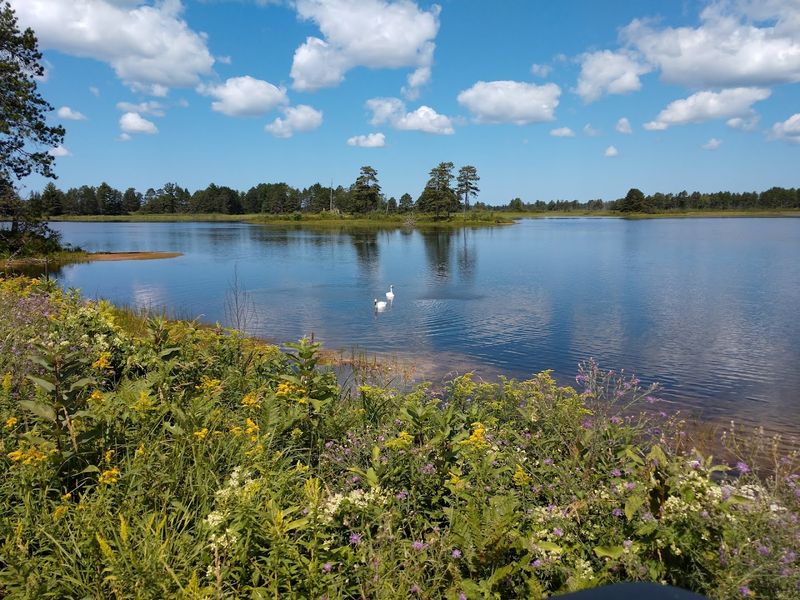
If you only visit Seney once, make it during fall migration. From late August through October, the refuge transforms into one of the most spectacular wildlife spectacles in the entire Midwest as thousands of migratory birds pass through on their journeys south.
Waterfowl of every description pack the pools and marshes during peak migration. Canada geese, various duck species, and shorebirds create a visual feast that experienced birders plan entire trips around.
The fall foliage adds another layer of beauty, painting the landscape in deep golds, oranges, and reds that reflect perfectly off still water.
One important tip from seasoned visitors: don’t wait too long into the season. By late October, many of the birds have already moved on, and the refuge quiets considerably.
Aim for mid-September through early October for the best combination of color, wildlife activity, and comfortable temperatures. It’s genuinely unforgettable.
Sandhill Cranes Up Close
There is something almost prehistoric about watching a sandhill crane stride through a marsh. These tall, gray birds with their striking red foreheads have been around for millions of years, and seeing them at Seney feels like a connection to a much older version of the world.
Sandhill cranes are one of the signature species of the refuge and are spotted regularly by visitors throughout the warmer months. One reviewer even described a crane dancing in the middle of the road, refusing to yield to oncoming traffic.
That kind of wild, unscripted moment is exactly what makes Seney so special.
During early morning hours, their rolling, rattling calls echo across the wetlands in a way that’s impossible to forget. Cranes often forage in the open pools visible from the auto route, giving visitors excellent viewing opportunities.
Keep your camera ready because they can appear without warning.
Bald Eagles and Their Nesting Habitat
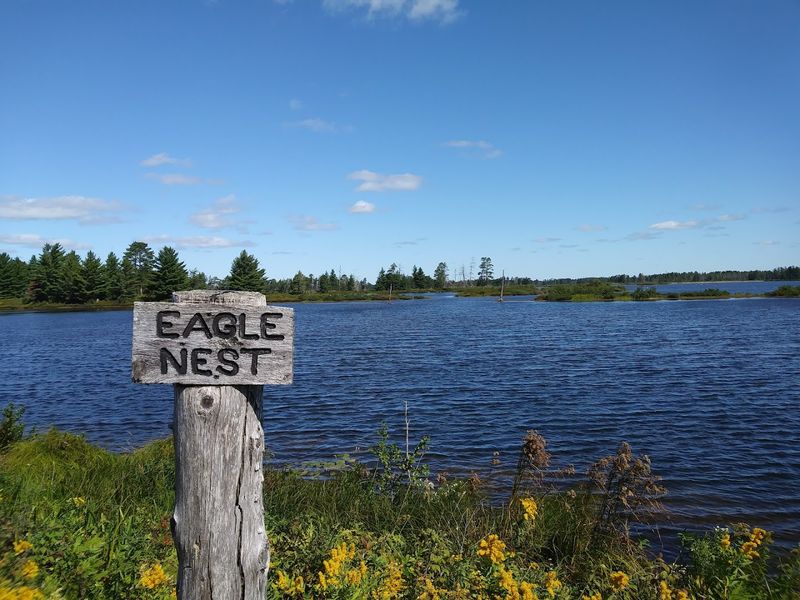
Few wildlife sightings carry the same emotional punch as a bald eagle soaring over open water. At Seney National Wildlife Refuge, these magnificent birds are not rare exceptions but regular residents, nesting and hunting throughout the refuge each year.
The visitor center’s spotting scope is aimed directly at an active eagle nest in the tree canopy, and staff report that visitors consistently get to observe mama eagles tending to their young during nesting season. Watching a fledgling eagle take its first uncertain flights is the kind of memory that sticks with you for life.
Out on the auto route, eagles can sometimes be spotted perched on dead snags along the water’s edge or cruising low over the pools in search of fish. Early mornings and overcast days tend to bring out the most hunting activity.
Seney is undeniably one of Michigan’s finest spots for eagle observation.
Fishing Opportunities in the Refuge
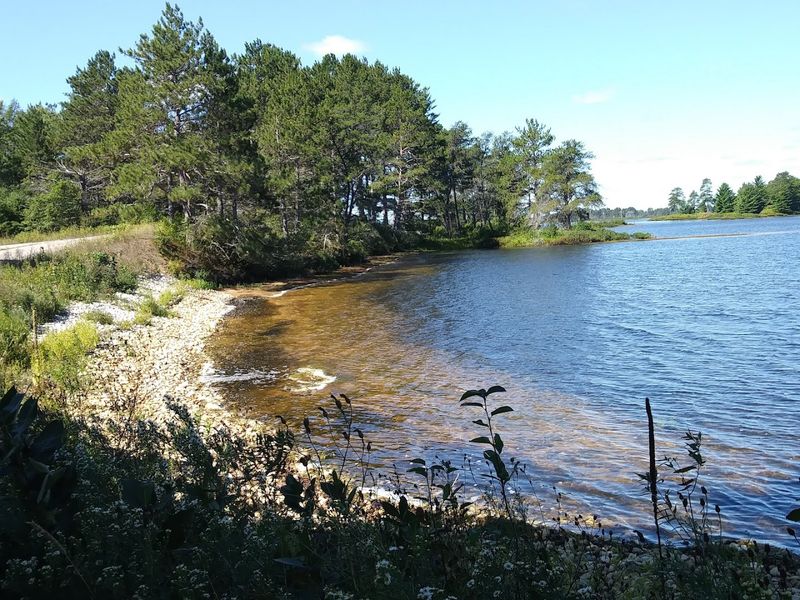
Beyond the birdwatching and scenic drives, Seney National Wildlife Refuge also offers some genuinely rewarding fishing. The refuge’s waterways are home to northern pike, and anglers have reported pulling in catches from several accessible spots throughout the property.
One reviewer mentioned trying their luck for pike during Labor Day weekend near the fishing loop, noting that even without a catch, the experience of fishing in such a pristine, remote setting was more than worth the trip. The combination of solitude, clean water, and wild surroundings makes it unlike any typical fishing outing.
Fishing within the refuge is subject to Michigan state regulations, so anglers should check current rules before heading out. A valid Michigan fishing license is required.
The refuge’s remote location means you’re unlikely to compete with crowds for a good spot, which is a luxury that serious anglers genuinely appreciate. Pack your gear and enjoy.
Peaceful Solitude and Natural Silence
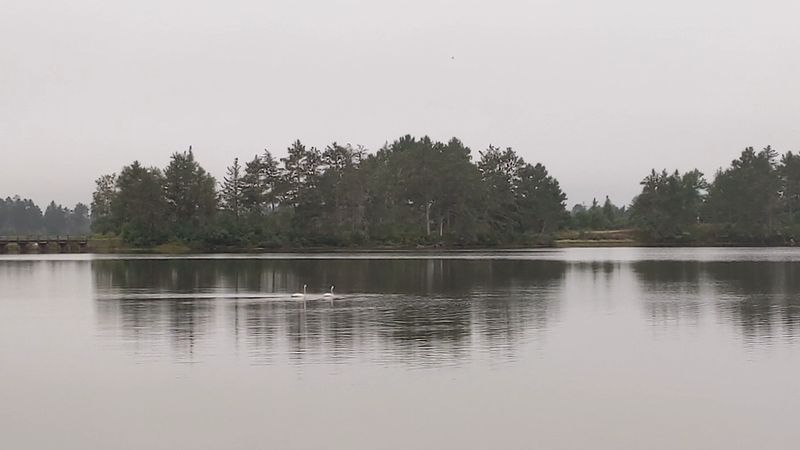
One visitor wrote that Seney is the place they feel closest to something greater than themselves. That kind of emotional response is hard to manufacture, and it speaks volumes about what this refuge does to people who spend real time inside it.
The silence here is a living thing. Turn off your engine on the auto route, step out, and listen.
What you hear is the wind moving through sedge grass, the distant call of a loon, the splash of a beaver entering the water. No traffic.
No city noise. Just the world working the way it always has.
That quality of stillness is increasingly rare, and Seney guards it well. Visitor guidelines encourage a leave-no-trace approach, and the low speed limits help maintain the refuge’s calm atmosphere.
For anyone feeling burned out by modern life, an afternoon at Seney can feel genuinely restorative in a way that’s hard to put into words.
Planning Your Visit to Seney National Wildlife Refuge
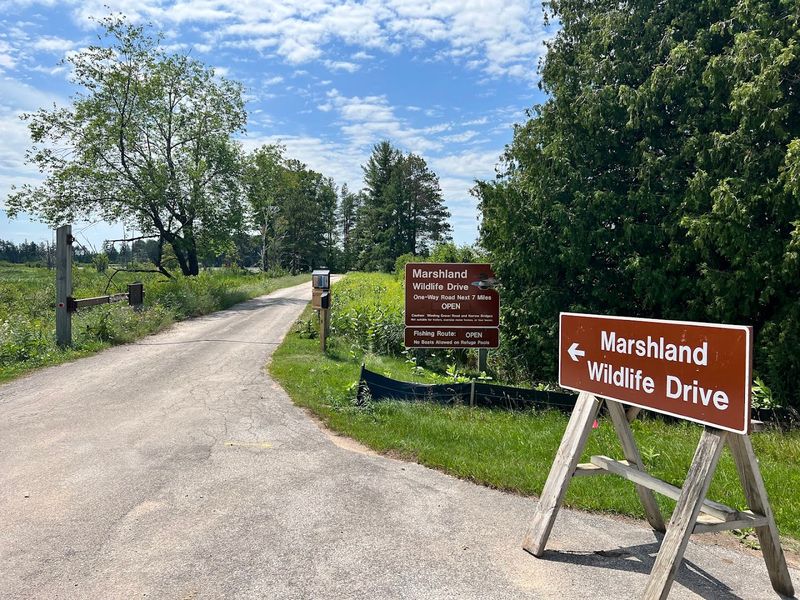
Getting to Seney National Wildlife Refuge is part of the adventure. Located at 1986 River Road in Germfask, Michigan, the refuge sits in the heart of the Upper Peninsula, making it a natural add-on to trips that include Pictured Rocks National Lakeshore or Tahquamenon Falls.
The refuge is open Wednesday through Saturday from 9 AM to 4 PM, with the auto route accessible during daylight hours. Phone ahead at 906-586-9851 or visit fws.gov/refuge/seney for the most current information on seasonal closures and special programs.
The refuge typically closes for the season in late August or early September.
Pack insect repellent because mosquitoes, horse flies, and deer flies can be intense during summer. Bring binoculars, a field guide, snacks, and plenty of water.
An AWD or higher-clearance vehicle is helpful for the rougher two-track roads. Most importantly, slow down and let the refuge work its magic on you.
Enjoyed this story?
Add Fast Food Club as a preferred source to see more of our reporting on Google.