


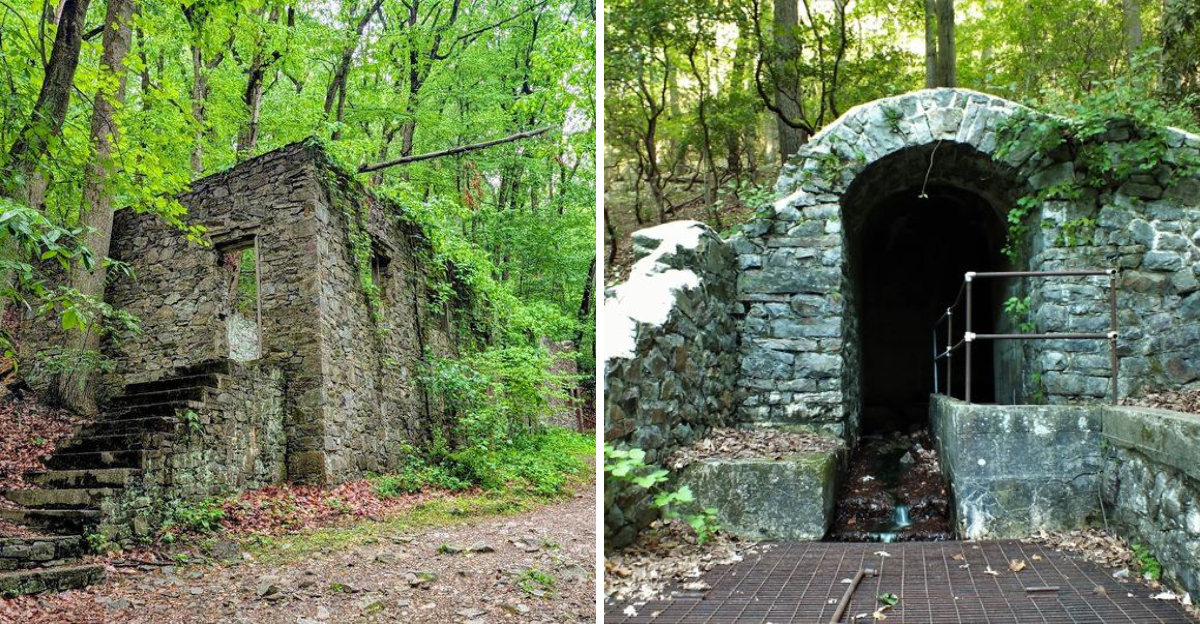
Tucked along the Horse-Shoe Trail in Phoenixville, Pennsylvania, the Colonial Springs Bottling Plant sits in quiet, crumbling glory inside Valley Forge National Historical Park. Once a thriving source of pure spring water that traveled by rail to Philadelphia hotels, this forgotten ruin now draws hikers, history lovers, and curious explorers from across the region.
Nature has slowly reclaimed its stone walls, wildflowers bloom between the cracks, and crystal-clear water still trickles nearby. Whether you are chasing history or just a great hike, this hauntingly beautiful spot is unlike anything else in Pennsylvania.
The Ghostly Stone Ruins That Still Stand
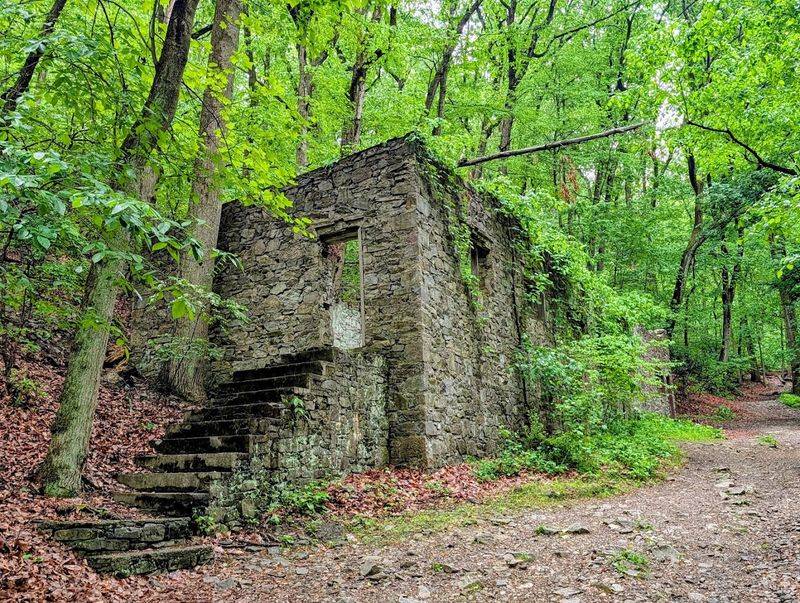
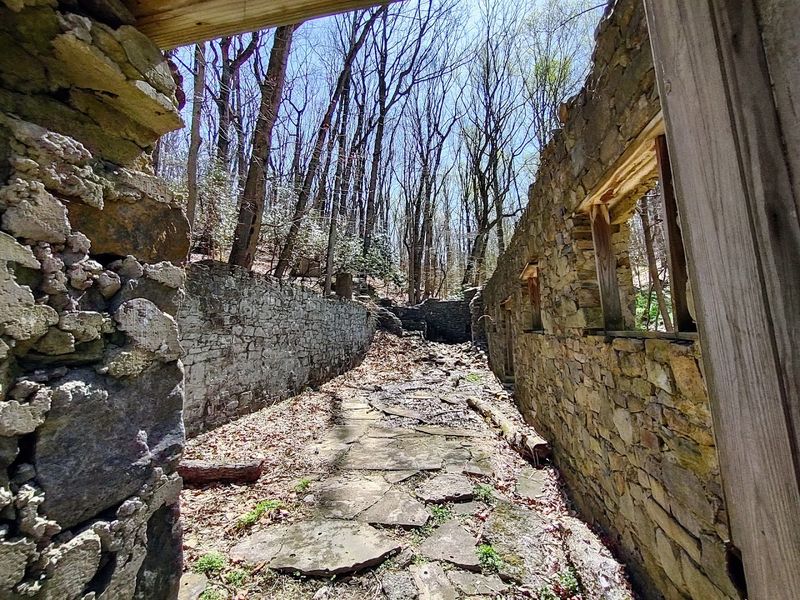
Some ruins whisper history so loudly you can almost hear the clatter of old machinery. The stone walls of the Colonial Springs Bottling Plant have stood through harsh Pennsylvania winters, summer storms, and more than a century of silence.
They lean and crack, but they refuse to fall completely.
Moss creeps across every surface, and ivy threads itself through gaps where windows once were. Visitors who stumble upon the site often stop mid-step, struck by how dramatic the scene looks against the surrounding forest.
It feels like a movie set, except everything here is completely real.
Valley Forge National Historical Park has begun maintaining the ruins, which means future generations will get to experience this eerie beauty too. Standing inside those crumbling walls, you get a powerful sense of how quickly time turns busy places into silent ones.
General Benjamin Franklin Fisher and His Mountain Empire
Behind every forgotten ruin is a fascinating person, and the Colonial Springs story belongs largely to General Benjamin Franklin Fisher. A Civil War hero turned lawyer, Fisher spent years quietly buying up land tracts on the mountain until he controlled a sprawling single holding that stretched from Colonial Springs down to Valley Creek.
He was fiercely protective of his springs. When a quarry operator named Francis Bean built a narrow-gauge railroad nearby to haul quartzite, Fisher protested loudly, worried the operation might threaten his precious water source.
That kind of stubborn pride over a natural spring tells you everything about how valuable clean water was back then.
Fisher died in 1915, leaving behind a property rich with history and potential. His heirs eventually sold the land, setting off a chain of ownership that would bring one of America’s most famous beverage brands into the picture.
Charles Hires and the Root Beer Connection
Few names in American beverage history are as iconic as Charles Hires, the man who made root beer a household staple. After General Fisher died, his heirs sold the Colonial Springs property to Hires, sparking decades of curious speculation about whether root beer was ever brewed right there on the mountain.
Spoiler alert: probably not. Researchers have found no solid evidence that Hires ever used the Colonial Springs water for commercial root beer production.
His main operation in the area was based in Malvern, and the springs simply could not produce enough water at the scale Hires needed.
Still, locals grew up calling the ruins the Hires Plant, a nickname that stuck long after the facts faded. There is something charming about a community holding onto a story even when history turns out to be a little more complicated than the legend.
Crystal-Clear Spring Water That Once Traveled by Rail
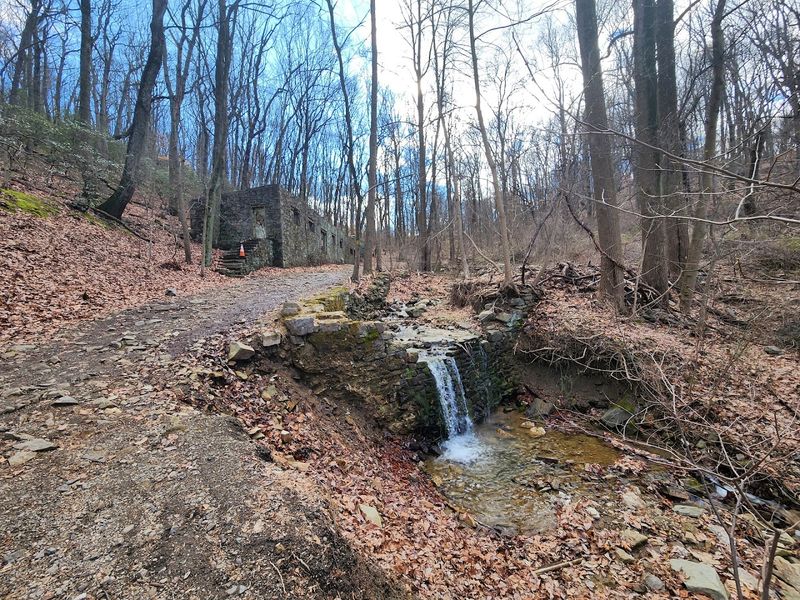
Long before bottled water filled every grocery store shelf, the cold spring at Colonial Springs was considered something special. Around 1900, a man named C.T.
Chase agreed to purchase at least 5,000 gallons of Cold Springs water per month from General Fisher, shipping it off to Philadelphia hotels in large glass containers called carboys.
Those heavy carboys were hauled to the nearby Reading Railroad tracks and loaded onto trains headed into the city. Imagine the effort it took just to get a glass of clean water to a hotel guest in those days.
It makes your reusable water bottle feel like a miracle of modern convenience.
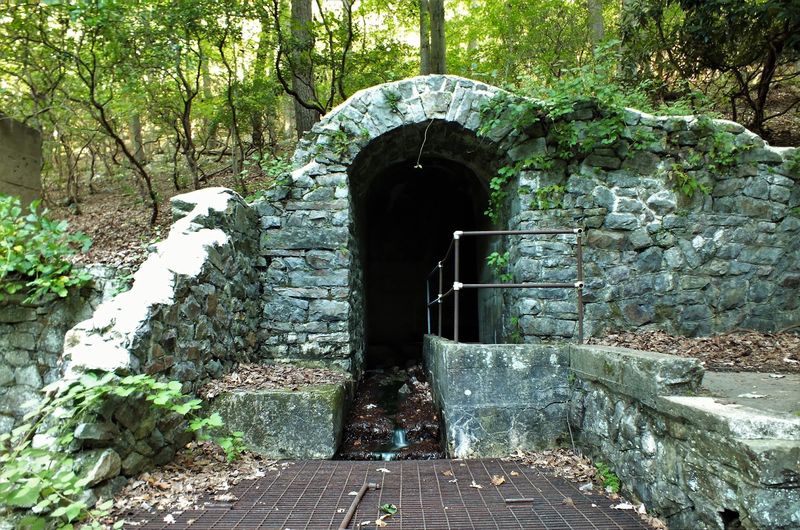
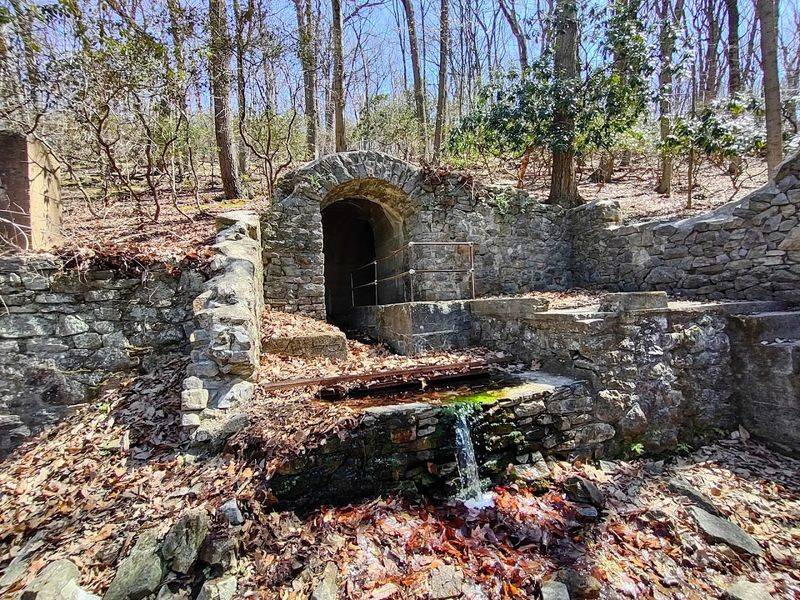
Visitors today still notice how remarkably clear the water near the ruins looks. One reviewer simply wrote, “Water is crystal clear,” and honestly, that four-word review captures something timeless about this place that longer descriptions sometimes miss.
The Horse-Shoe Trail: Your Path to the Past
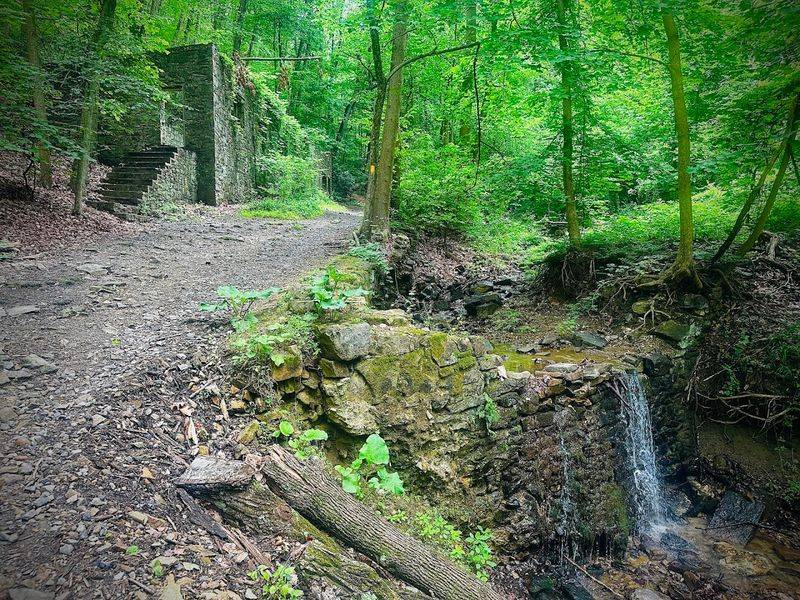
Getting to the Colonial Springs Bottling Plant requires a little effort, and that effort is absolutely worth it. The ruins sit along the Horse-Shoe Trail, also known locally as the Mt.
Misery Trail, winding through Valley Forge National Historical Park with rocky, hilly terrain that keeps casual strollers on their toes.
Hikers consistently warn newcomers: leave the flip-flops at home. The trail involves real elevation changes, loose rocks underfoot, and sections that will test even moderately experienced walkers.
Trekking poles are a popular choice among visitors, and for good reason since your knees will thank you on the downhill stretches.
Parking fills up fast, especially on weekends, so arriving early gives you the best shot at a spot without waiting. Once you hit the trail, though, the reward is a journey through beautiful Pennsylvania woodland that ends at one of the most atmospheric historical landmarks in the region.
Why Valley Forge Park Took Over the Springs
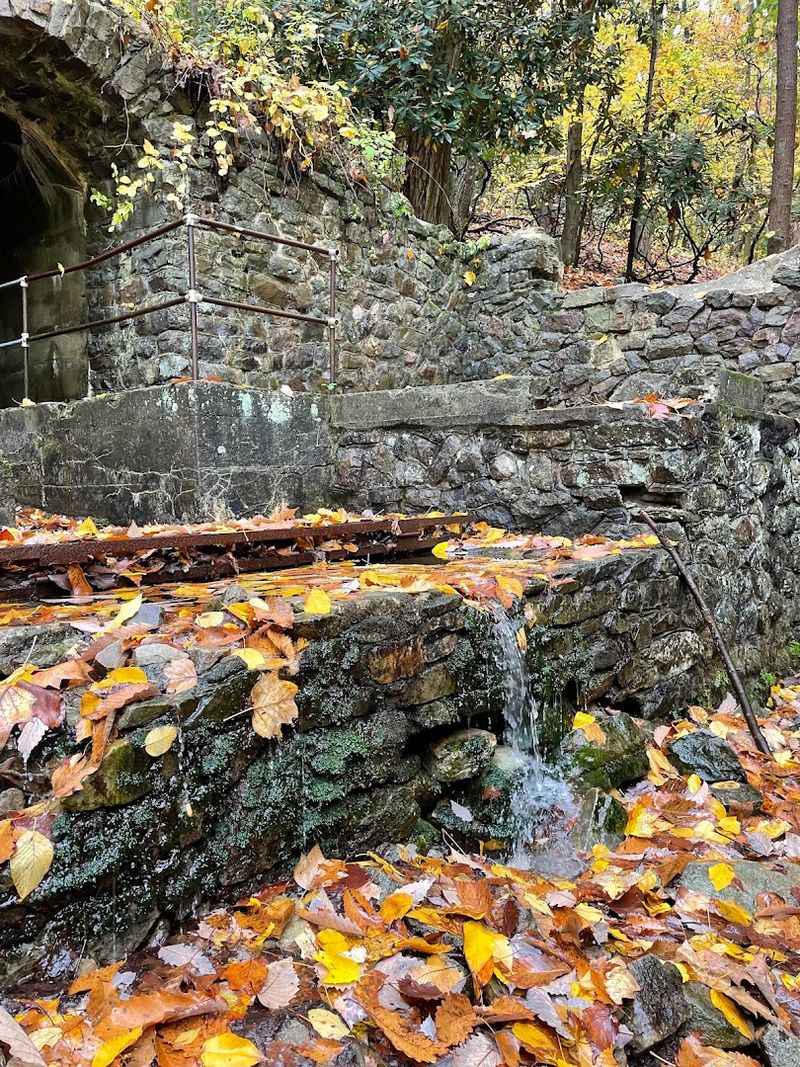
By the 1930s, the industrial energy that once buzzed through Valley Forge had largely fizzled out. The iron forges that built the region’s economy had closed, woolen mills had relocated, and the surrounding population had shrunk considerably.
The Colonial Springs property, by then owned by the Hires company, became part of a broader acquisition as Valley Forge State Park expanded its boundaries.
The park’s takeover was a turning point for the bottling plant site. Buildings were demolished, including the house where General Fisher once lived, though its foundations are still visible across from the ruins today.
What remained was left to nature, slowly transforming from a working operation into a hauntingly atmospheric historical landmark.
That transition from active industry to quiet ruin happened across much of the Valley Forge area during this era. The park’s preservation of the Colonial Springs site ensures that at least one chapter of that industrial story remains readable for curious visitors.
Wildflowers, Birds, and the Beauty of Slow Reclamation
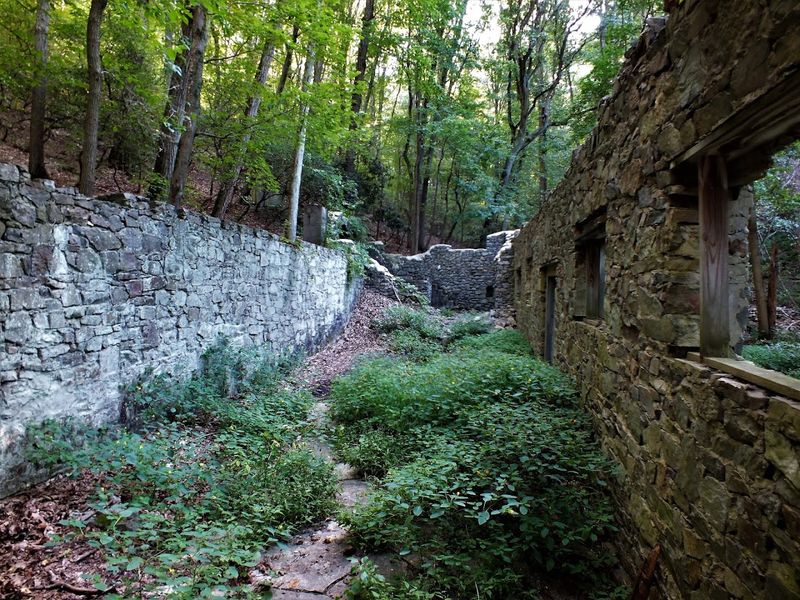
Nature does not wait for permission to move back in. At the Colonial Springs Bottling Plant, wildflowers push through every crack in the stone, birds nest in the hollows of old walls, and the surrounding forest presses closer every year.
The result is something that feels less like decay and more like a slow, quiet celebration.
One longtime visitor described how the wildflowers and birds provided so much room for reflection and imagination during childhood visits. That sense of peaceful wonder has not faded.
People still come here and find themselves standing quietly, just listening to the sounds of the forest filling spaces where machinery once clattered.
Photographers especially love the contrast between rough, weathered stone and delicate blooms. Every season brings a different mood to the ruins, from snowy winter silence to the lush green chaos of midsummer, making repeat visits feel like discovering a new place each time.
The Eerie Graffiti and Urban Legend Vibes
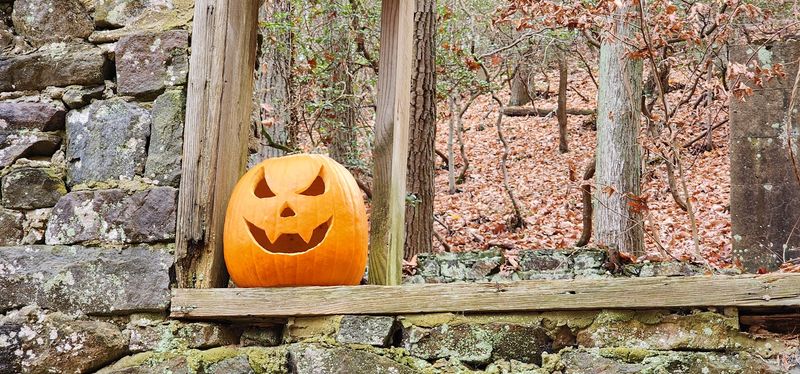
Every abandoned place collects its share of ghost stories, and the Colonial Springs Bottling Plant is no exception. One visitor casually reported spotting graffiti on the walls declaring the site a portal to hell, which is exactly the kind of detail that makes an already atmospheric ruin feel ten times more dramatic after sunset.
The graffiti is a reminder that abandoned places attract all kinds of visitors, from serious history enthusiasts to thrill-seeking teenagers looking for a spooky backdrop for their stories. The crumbling walls, dark interior spaces, and isolation of the site make it easy to understand why imaginations run wild here.
Another reviewer humorously noted that the water tasted of freedom, which is a very different kind of supernatural claim. Whether you come for history, mystery, or just a great photo opportunity, the Colonial Springs ruins deliver an experience that sticks with you long after you leave the trail.
What the Carboy Trade Tells Us About 19th-Century Commerce
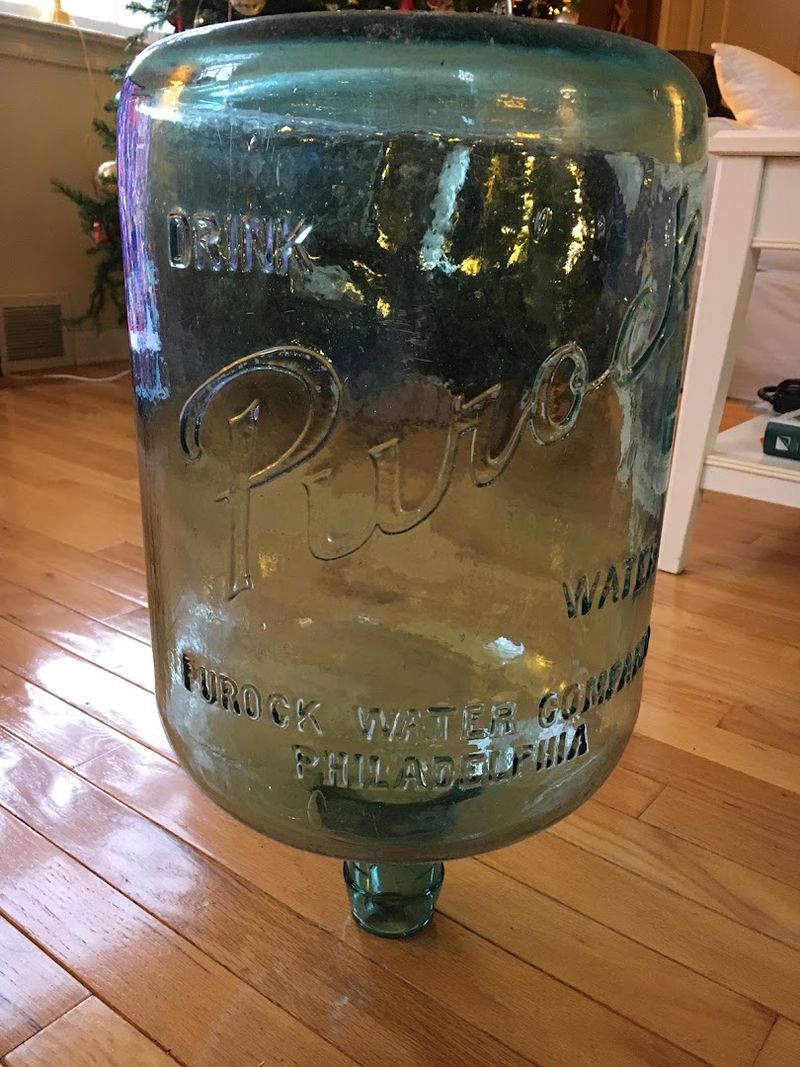
Before plastic packaging and refrigerated trucks, getting clean drinking water to city residents was a serious logistical challenge. The carboy trade at Colonial Springs offers a fascinating window into how 19th-century commerce actually worked.
Large glass containers, sometimes holding five gallons or more, were filled with spring water and transported by horse to the Reading Railroad tracks.
From there, the carboys rode the rails into Philadelphia, where hotels and wealthy customers paid a premium for water that came from a clean mountain source. It was essentially an early version of the premium bottled water market that fills store shelves today, just without the plastic and the designer labels.
Understanding this trade helps explain why General Fisher was so protective of his springs and why leasing agreements were carefully written and negotiated. Clean water was not just a luxury back then.
In many cases, it was genuinely hard to find.
Tips for Visiting the Colonial Springs Site Today
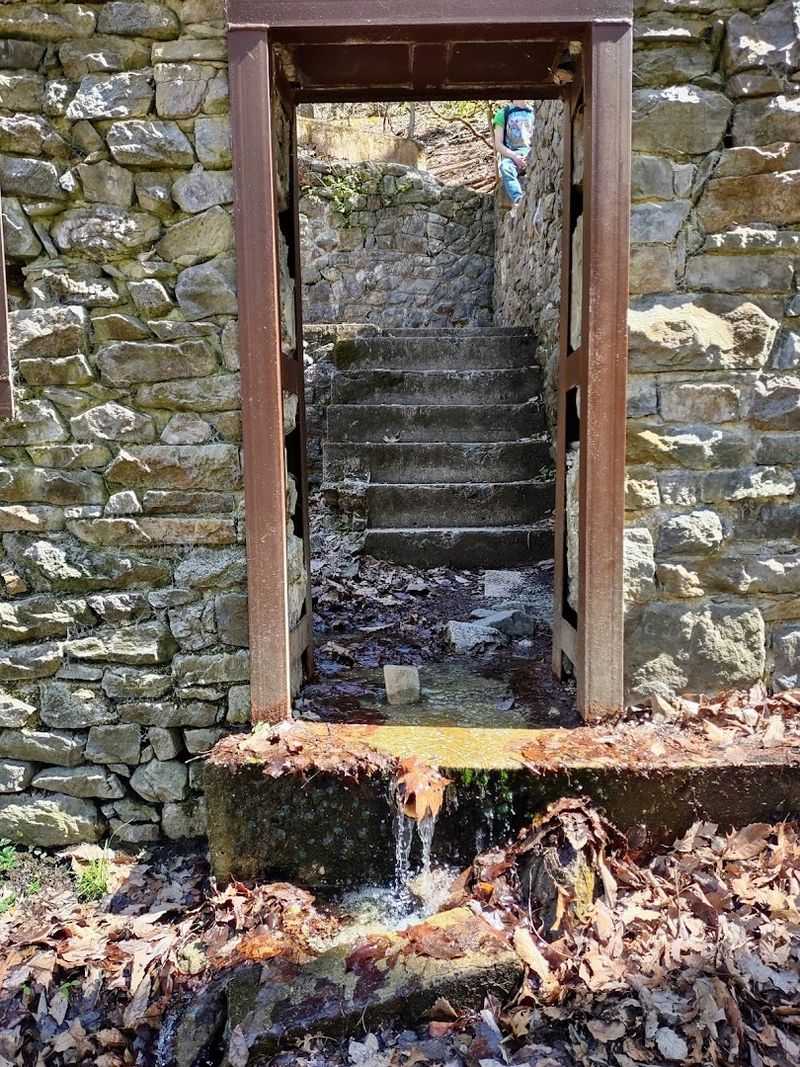
Planning a visit to Colonial Springs Bottling Plant means preparing for a real outdoor adventure, not just a casual stroll. The site is open daily from 7 AM to 8 PM, giving you a solid window of daylight to work with.
Arriving early on weekends is smart since the parking lot fills up fast and waiting for a spot can eat into your hiking time.
Wear proper hiking boots because the Mt. Misery Trail earns its name with rocky, uneven footing and noticeable elevation changes.
Trekking poles are genuinely helpful, especially for anyone with knee concerns. Bring water, a snack, and a fully charged phone for navigation and photos.
The ruins themselves are muddy in wet seasons, so waterproof footwear makes a big difference. Cell service can be spotty, so downloading an offline trail map before you go is a practical step that saves a lot of frustration once you are deep in the woods.
The Narrow-Gauge Railroad and the General’s Fury
History is full of neighborly disputes, but few are as colorful as the clash between General Fisher and quarry operator Francis Bean. When Bean started pulling quartzite from Mt.
Misery and built a narrow-gauge railroad to haul the stone down to the Reading Railroad connection, Fisher was furious. He feared the operation would somehow damage or contaminate his prized spring.
Researchers have found no evidence that the quarry actually harmed the springs in any way. But Fisher’s aggressive protests paint a vivid picture of a man who valued his water source above almost everything else.
That kind of territorial passion over a natural resource feels both very 19th century and surprisingly modern.
The narrow-gauge railroad itself is long gone, but knowing it once rattled through these same woods adds another layer of texture to a hike through the area. Every trail here seems to carry a story just beneath the surface of the leaves.
How the Ruins Rate Among Pennsylvania’s Hidden Gems
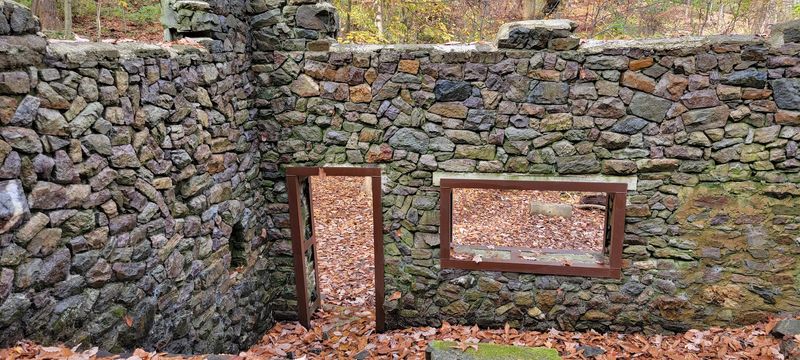
With a 4.8-star rating from dozens of visitors, the Colonial Springs Bottling Plant punches well above its weight as a historical attraction. Most people find it as a pleasant surprise along the Horse-Shoe Trail rather than a planned destination, which makes the discovery feel even more rewarding.
That element of surprise is part of what gives the site its magic.
Reviewers consistently highlight two things: the beauty of the hike itself and the emotional impact of standing inside ruins that few people know exist. One visitor summed it up perfectly by saying it was a portal to another time, which is about as high a compliment as a historical ruin can receive.
Pennsylvania is full of overlooked historical treasures, but Colonial Springs stands out because it combines natural beauty, genuine history, and just enough mystery to keep people talking. Hidden gems do not get much more satisfying than this one.
Why Preserving This Place Matters for Future Generations
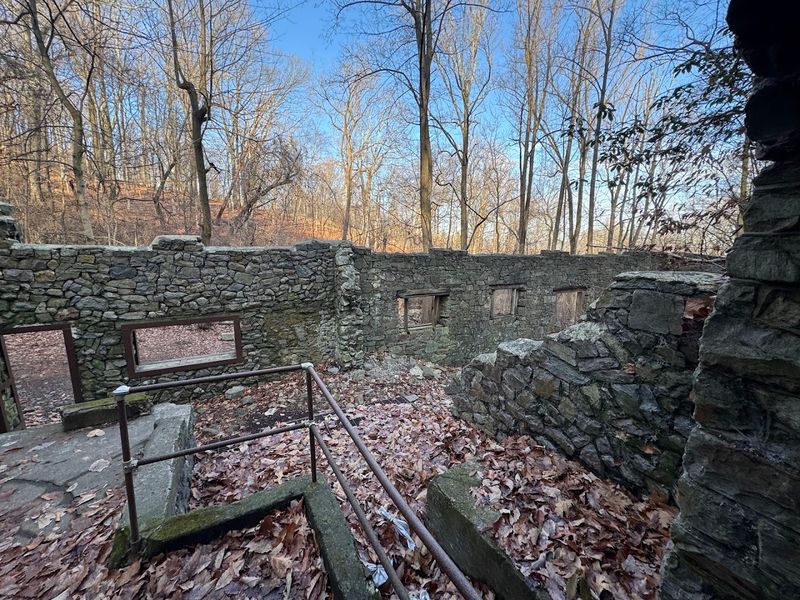
One reviewer wrote simply, “Hopefully this place is preserved forever,” and it is hard to argue with that wish. The Colonial Springs Bottling Plant represents a rare intersection of industrial history, natural beauty, and community memory.
Once ruins like these are lost to neglect or development, that specific combination of stories disappears with them permanently.
Valley Forge National Historical Park has already taken steps to maintain the site, which is genuinely encouraging news. Preservation work ensures that the stone walls keep standing, the spring keeps flowing, and visitors keep discovering this remarkable corner of Pennsylvania history for decades to come.
Places like Colonial Springs remind us that history does not only live in museums and textbooks. Sometimes it lives along a rocky hiking trail, half-hidden by wildflowers and moss, waiting patiently for the next curious person to come around a bend and stop in their tracks.
Enjoyed this story?
Add Fast Food Club as a preferred source to see more of our reporting on Google.