


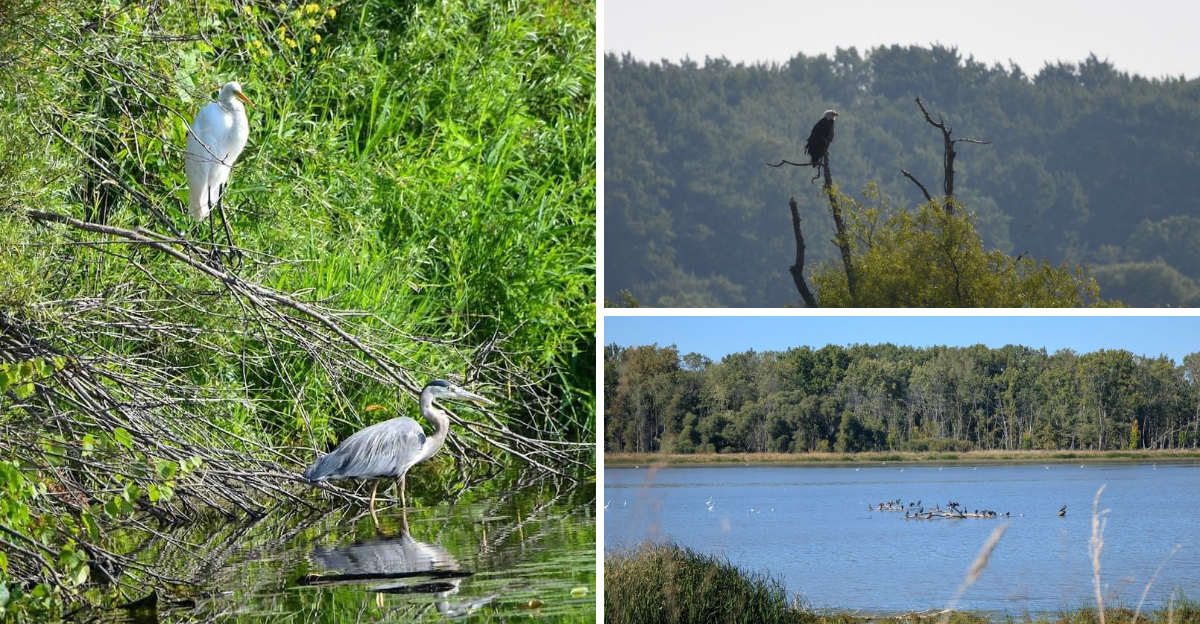
Michigan is full of surprises, and tucked near Saginaw is one of its best-kept secrets: the Shiawassee National Wildlife Refuge. Most people drive right past it without ever knowing what they are missing.
This incredible wetland sanctuary is home to hundreds of bird species, stunning scenery, and peaceful trails that feel worlds away from everyday life. Whether you love birdwatching, photography, or simply breathing fresh air, this hidden gem deserves a spot on your must-visit list.
The Auto Tour Route That Feels Like a Nature Documentary
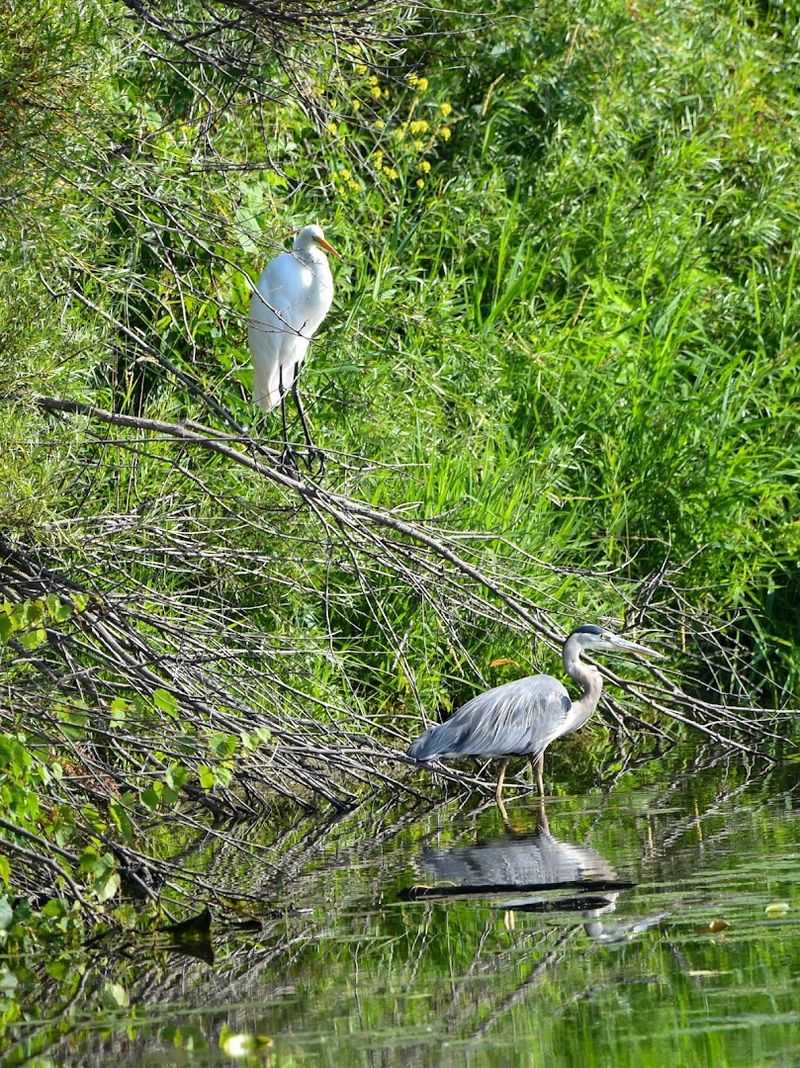
Imagine sitting in your car while bald eagles soar overhead and great blue herons wade through shallow water just feet away. That is exactly what the auto tour route at Shiawassee National Wildlife Refuge delivers.
This one-way gravel path stretches through some of the most breathtaking wetland scenery in Michigan.
The drive can take anywhere from 30 minutes to a couple of hours, depending on how often you stop to soak it all in. Pull-off spots are scattered along the route so you can park safely and watch wildlife without disturbing them.
Reviewers consistently call it peaceful and soul-refreshing.
Keep in mind the gravel surface can kick up small rocks, so sensitive vehicles should proceed carefully. Bring binoculars and a camera with a zoom lens to get the best views of the wildlife.
You will not regret taking this slow, scenic journey.
Bald Eagles Spotted Almost Every Visit
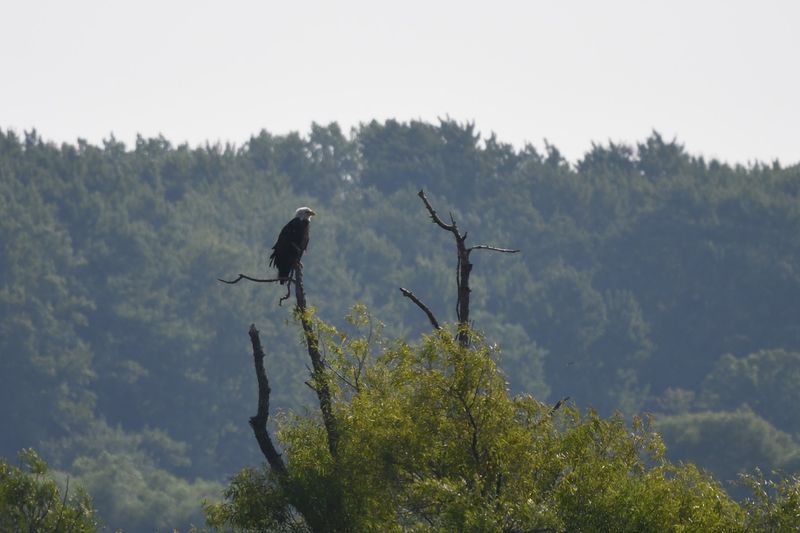
Few wildlife sightings match the thrill of watching a bald eagle circle low over a marsh before landing in a nearby tree. At Shiawassee National Wildlife Refuge, this kind of moment happens regularly enough that visitors practically expect it.
Multiple reviewers mention spotting these iconic birds on nearly every trip.
Bald eagles were once a rare sight across much of the Midwest, but conservation efforts have helped their population rebound significantly. The refuge’s protected wetlands provide the perfect hunting ground, giving eagles easy access to fish and waterfowl.
Early morning visits tend to offer the best chances of a close-up sighting.
A camera with a long telephoto lens is strongly recommended if you want to capture sharp, detailed shots. Even without one, just watching a bald eagle in flight is an unforgettable experience that will stay with you long after you leave.
Sandhill Cranes Putting On a Show
Standing nearly four feet tall with a distinctive red forehead, sandhill cranes are impossible to miss when they gather at Shiawassee. Visitors who arrive in early summer are often treated to large flocks moving gracefully through the marsh.
Their loud, rattling calls echo across the wetlands in a way that feels almost prehistoric.
One reviewer described seeing loads of sandhill cranes during a July visit, calling the experience genuinely breathtaking. These birds are migratory, so timing your visit between spring and early fall gives you the best shot at witnessing them.
Watching them feed and interact in the open fields is surprisingly entertaining.
Sandhill cranes are known for their elaborate courtship dances, which involve jumping, bowing, and wing-spreading. If you catch that display, consider yourself incredibly lucky.
The refuge’s open wetland habitat makes it one of the best places in Michigan to observe these remarkable birds up close.
Walking Trails Perfect for a Quiet Escape
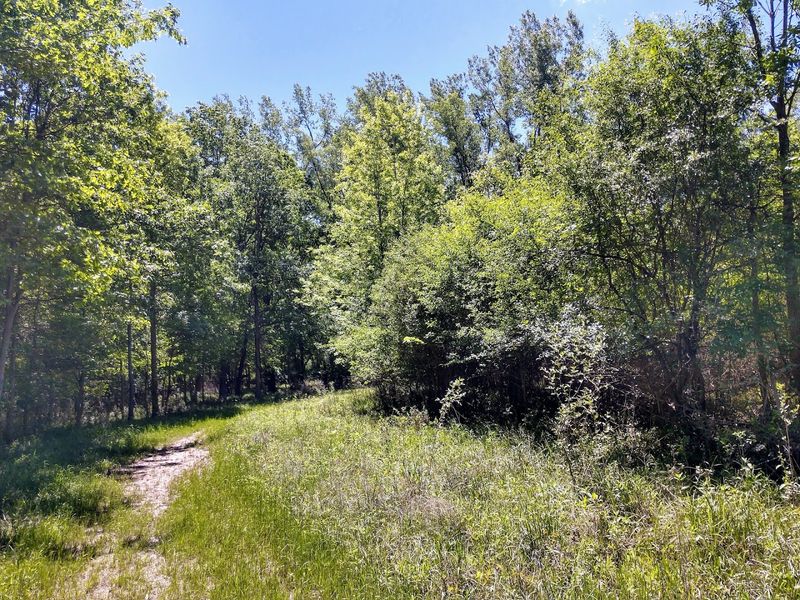
Not everyone wants to experience nature from behind a steering wheel, and the refuge’s walking trails offer a much more personal connection with the landscape. The trails are wide and clearly marked, making them easy to navigate for hikers of all experience levels.
One visitor hiked 5.5 miles and encountered wildlife around nearly every bend.
Walking through the refuge gives you sounds and smells you simply cannot get from a car. In the evening, frogs and insects create a natural symphony, while geese, swans, and sandhill cranes call out across the water.
Even coyotes have been heard yammering in the distance, adding a wild edge to the peaceful atmosphere.
The trails run along the river in sections, giving anglers a chance to cast a line during their visit. Comfortable walking shoes and a good supply of water are essential gear.
Bug spray is equally important, especially during the warmer months when insects are active.
Great Blue Herons Doing Something Unforgettable
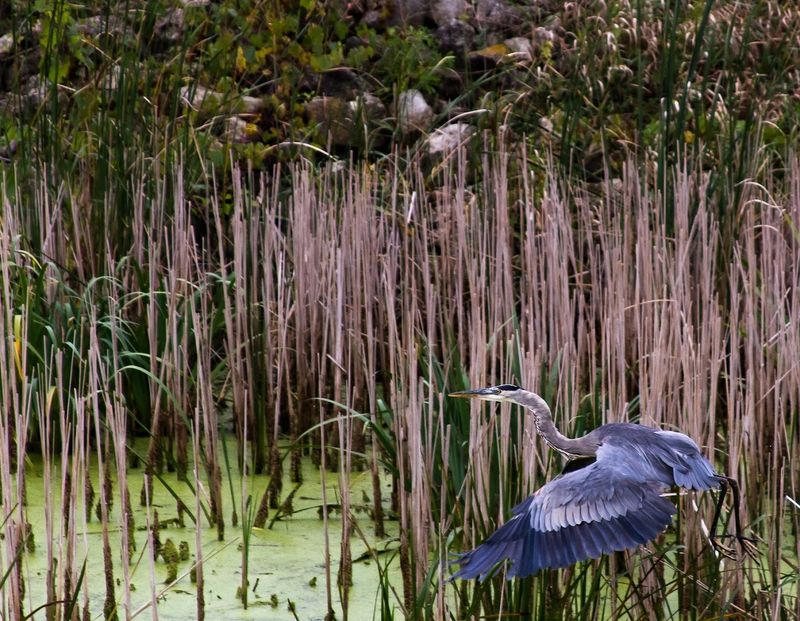
One reviewer witnessed something that stopped them in their tracks: a great blue heron swallowing an entire carp whole. Moments like that remind you just how wild and wonderful nature can be.
Shiawassee is loaded with great blue herons, and watching them hunt is endlessly fascinating.
These birds are masters of patience, standing completely still in shallow water for long stretches before striking with lightning speed. Their wingspan can reach nearly six feet, making them one of the most visually impressive birds at the refuge.
They are also surprisingly common here, showing up along nearly every section of the auto tour and walking trails.
Great blue herons tend to be most active during early morning and late afternoon, so plan your visit around those windows for the best sightings. Their slow, deliberate movements make them easier to photograph than faster species.
Watching one take flight is a moment that genuinely takes your breath away.
Migratory Waterfowl Season Brings Thousands of Birds
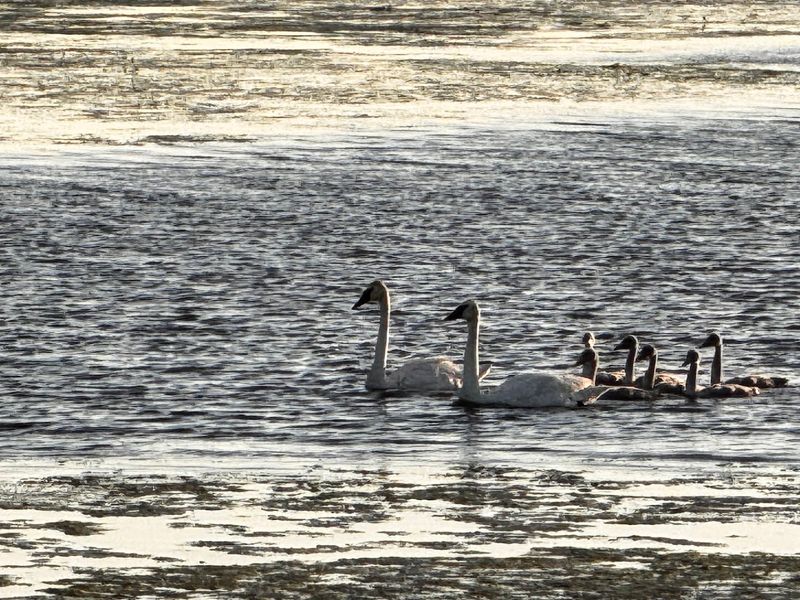
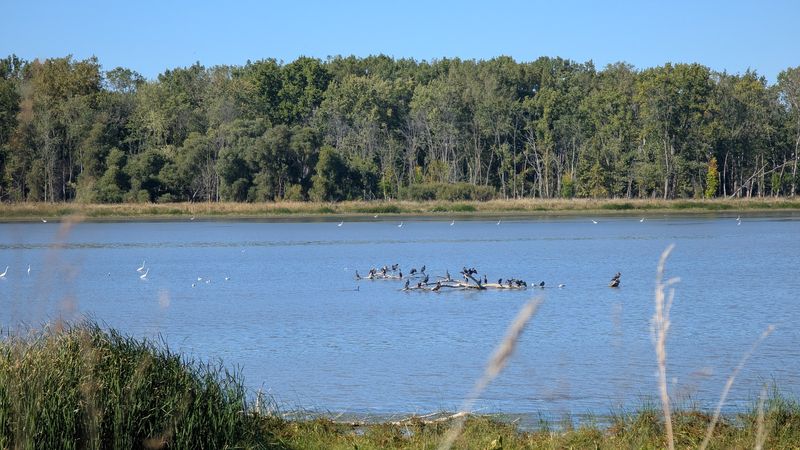
Every year, Shiawassee National Wildlife Refuge becomes a major stopover for thousands of migratory birds traveling along the Mississippi and Atlantic flyways. Ducks, geese, and other waterfowl descend on the wetlands in staggering numbers during spring and fall migration seasons.
The sight of massive flocks lifting off the water together is something that genuinely makes your jaw drop.
The refuge was specifically designed with migratory waterfowl in mind, with water levels managed carefully to create ideal resting and feeding conditions. Tundra swans, Canada geese, and dozens of duck species all pass through at various points in the year.
Birders travel from across the Midwest just to witness these seasonal spectacles.
Fall migration, typically from September through November, tends to draw the largest concentrations of birds. Bringing a field guide or a birding app will help you identify the many species on display.
This is honestly one of the most underrated birding events in all of Michigan.
Egrets Glowing White Against the Marsh Grass
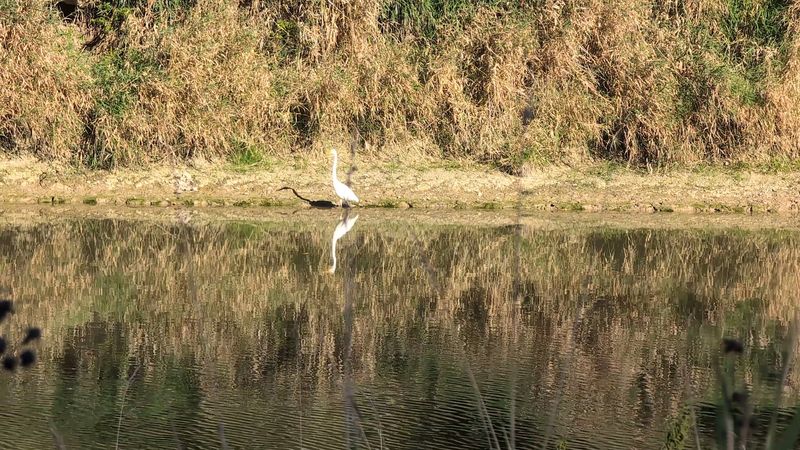
There is something almost magical about spotting a great egret standing perfectly still against a backdrop of dark green marsh grass. Their brilliant white feathers seem to glow in the sunlight, making them one of the most photogenic birds at the refuge.
Multiple visitors mention egrets as a consistent highlight of their trips.
Great egrets were once hunted nearly to extinction for their decorative plumes, which were fashionable in hats during the late 1800s. Conservation efforts saved them, and today they thrive in wetland habitats like Shiawassee.
Seeing them in person gives you a real appreciation for how important wildlife protection truly is.
They tend to gather near the water’s edge where fish and frogs are plentiful, so keep your eyes on the shallower sections of the marsh during your visit. A zoom lens or binoculars will let you admire their elegant details without getting close enough to disturb them.
Observation Decks with Sweeping Wetland Views
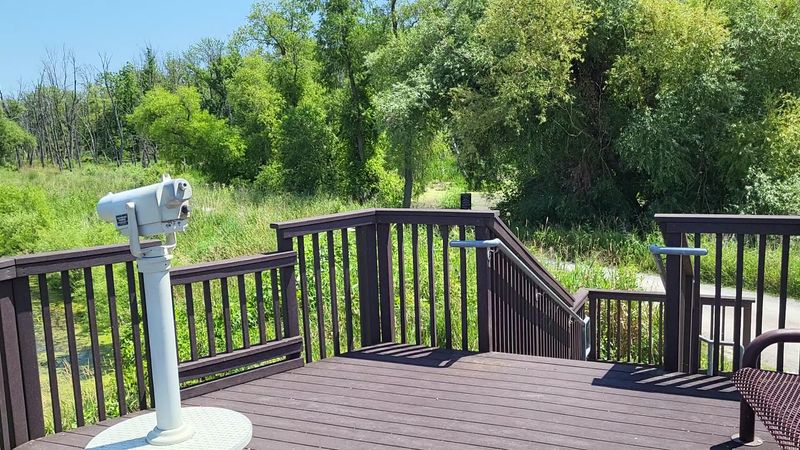
Scattered along both the auto tour and walking trails, the refuge’s observation decks give visitors an elevated vantage point to scan the marshes for wildlife. These platforms are well-positioned to offer wide, unobstructed views across the water and surrounding vegetation.
Bringing binoculars here makes a huge difference in what you are able to spot.
Reviewers specifically praise these stopping points as ideal places to slow down, breathe deeply, and take in the full scale of the refuge’s beauty. On a calm evening, the reflections on the water are absolutely stunning.
The decks are also excellent spots for landscape photography, especially during golden hour.
Some observation areas include interpretive signage that helps visitors identify common bird species and understand the ecology of the wetland. Even if wildlife is quiet on a particular day, the scenery alone makes these stops worthwhile.
The sense of stillness you feel standing on one of these platforms is genuinely hard to find anywhere else in Michigan.
Pelicans in Michigan? Yes, Really
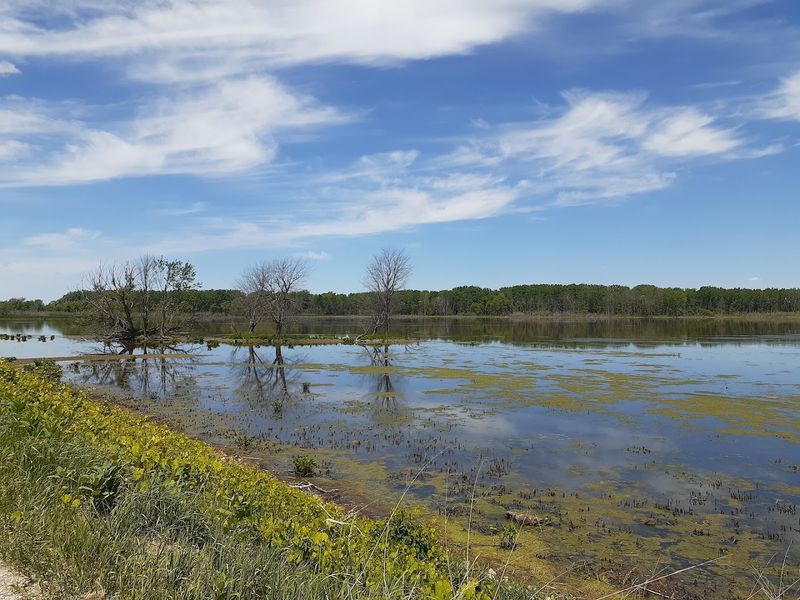
Most people picture pelicans on tropical coastlines, not in the middle of Michigan farmland. Yet visitors to Shiawassee National Wildlife Refuge have been genuinely surprised to find American white pelicans resting and feeding in the refuge’s open waters.
One reviewer admitted they had no idea pelicans even existed in Michigan before their visit.
American white pelicans are impressive birds, with wingspans that can reach nearly ten feet. Unlike brown pelicans, they do not dive from the air.
Instead, they cooperate in groups to herd fish into shallow water before scooping them up with their large pouched bills, which is a fascinating behavior to observe.
They typically appear during migration, so late spring and early fall offer the best chances of a sighting. Spotting a pelican at a Michigan wildlife refuge feels like stumbling onto a secret that most people will never discover.
That element of surprise is part of what makes this place so special.
Sunset Views That Are Worth Every Minute
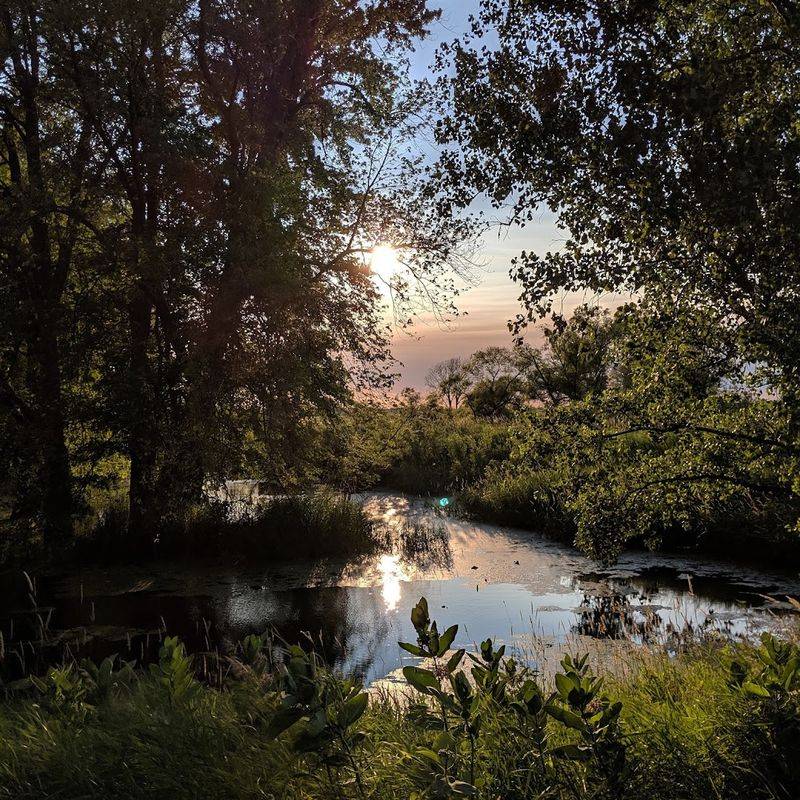
Ask anyone who has visited Shiawassee in the late afternoon, and they will tell you the sunsets here are something else entirely. The open wetlands create a wide, uncluttered horizon where colors spread across the sky in shades of orange, pink, and purple.
One reviewer specifically mentioned coming to the refuge just to catch the sunset and watch bird species settle in for the evening.
As the light fades, the sounds of the refuge shift in a beautiful way. Frogs begin their chorus, insects buzz steadily, and waterfowl call out across the marsh as they find their roosting spots.
The combination of sight and sound during those twilight hours is deeply calming in a way that is hard to put into words.
Arriving an hour before sunset gives you enough time to find a good spot along the trail or at an observation deck. A blanket, a thermos of something warm, and a pair of binoculars are all you need for a perfect evening here.
Wildlife Photography Opportunities Around Every Corner
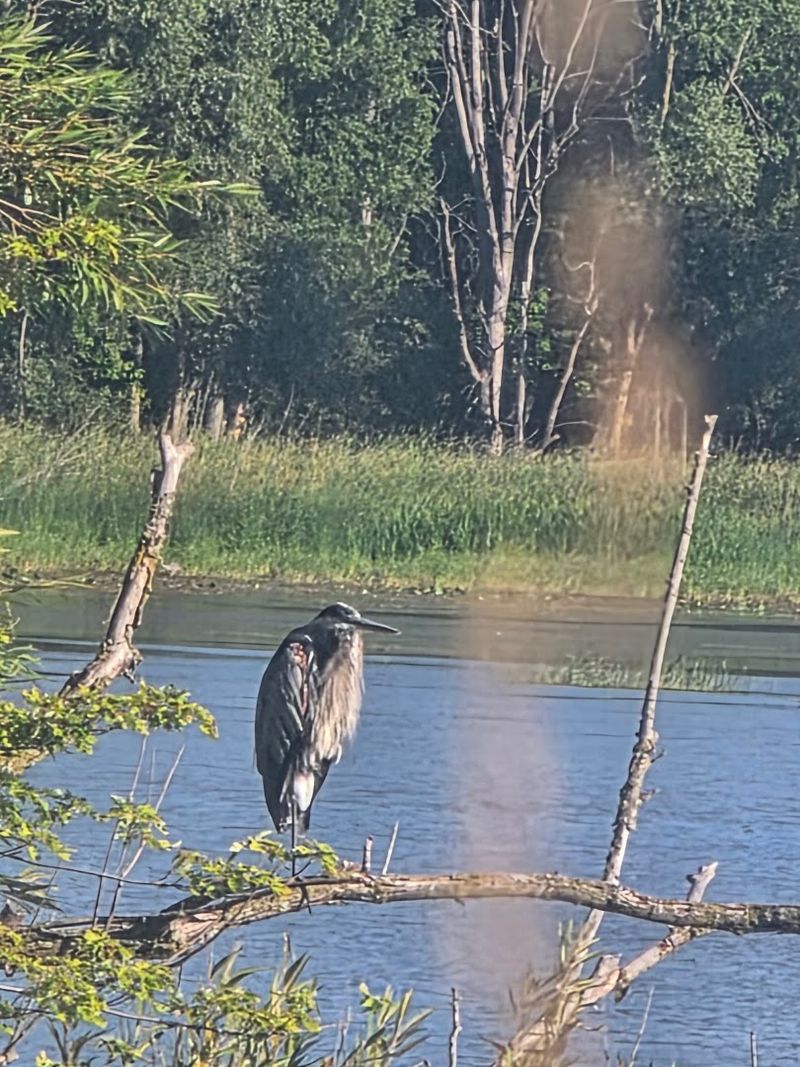
Photographers, both amateur and experienced, consistently rank Shiawassee as one of their favorite locations in Michigan. The sheer variety of subjects, from bald eagles and sandhill cranes to deer and dragonflies, means there is almost always something worth framing.
One reviewer hiked 5.5 miles specifically for wildlife photography and called it a definite go-to destination.
The refuge’s open wetlands and clear sightlines give photographers excellent opportunities to capture birds in natural light without heavy tree cover blocking the shot. Early morning visits are ideal since the soft golden light enhances colors and the wildlife tends to be more active.
Patience is the most important tool in your bag.
A telephoto lens with at least 300mm reach is highly recommended for getting frame-filling shots of distant subjects. Keeping movements slow and quiet will help you get closer to birds without flushing them away.
Some of the most stunning wildlife images captured in Michigan have come from right here at Shiawassee.
Deer Wandering Freely Through the Fields
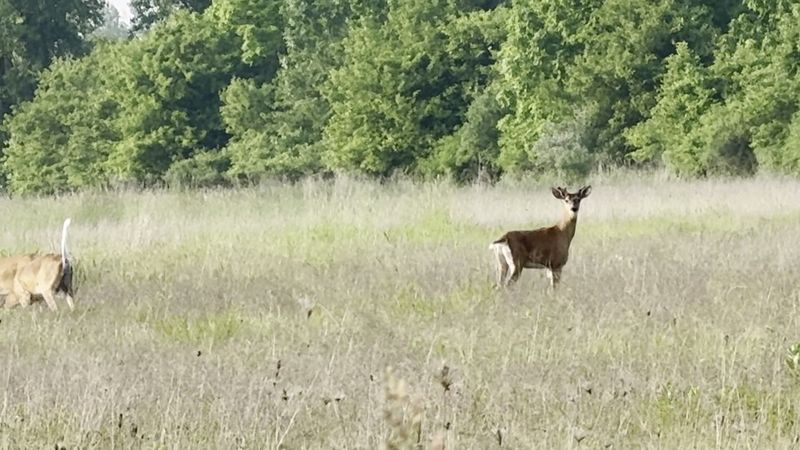
White-tailed deer are a common and always welcome sight at Shiawassee National Wildlife Refuge. Several reviewers mention spotting deer along both the driving route and the hiking trails, often grazing calmly in open fields as if visitors were barely worth noticing.
There is something wonderfully grounding about watching a deer go about its day in a protected space.
The refuge’s mix of wetlands, woodlands, and open meadows creates excellent habitat for deer throughout the year. Early morning and late afternoon are the best times to spot them, particularly along the edges of wooded areas where they feel most comfortable.
Autumn visits often reward patient observers with deer that are especially active during the fall rut season.
Unlike wildlife in parks where animals are heavily habituated to people, the deer here maintain a natural wariness that makes each encounter feel genuinely wild. Moving slowly and staying quiet will greatly increase your chances of watching them for longer before they disappear into the brush.
A Year-Round Destination With Something New Every Season
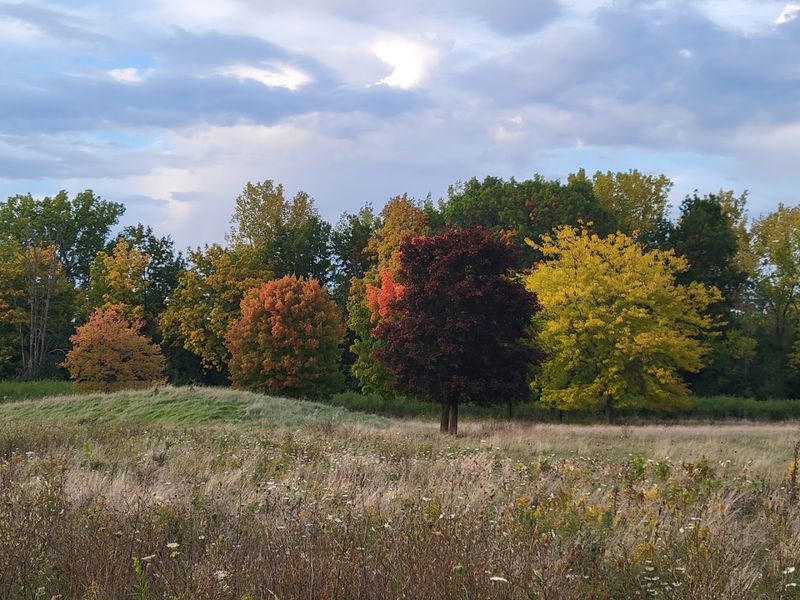
One of the most remarkable things about Shiawassee National Wildlife Refuge is that no two visits are ever quite the same. The landscape and wildlife shift dramatically with the seasons, giving repeat visitors a completely fresh experience each time they return.
One loyal visitor mentioned going year-round and always finding something new to discover on the trails.
Spring brings returning migratory birds and the sounds of frogs filling the air after a long winter. Summer offers lush green scenery, nesting birds, and active deer.
Fall migration turns the refuge into a birdwatcher’s paradise, while winter brings a quiet, frosty stillness that has its own understated beauty.
The refuge is open Monday through Friday from 7:30 AM to 4 PM, so plan your visit accordingly. Located at 6975 Mower Rd in Saginaw, it is easy to reach and well worth the trip no matter what time of year you decide to go.
Call ahead at 989-777-5930 for current trail conditions.
Enjoyed this story?
Add Fast Food Club as a preferred source to see more of our reporting on Google.