


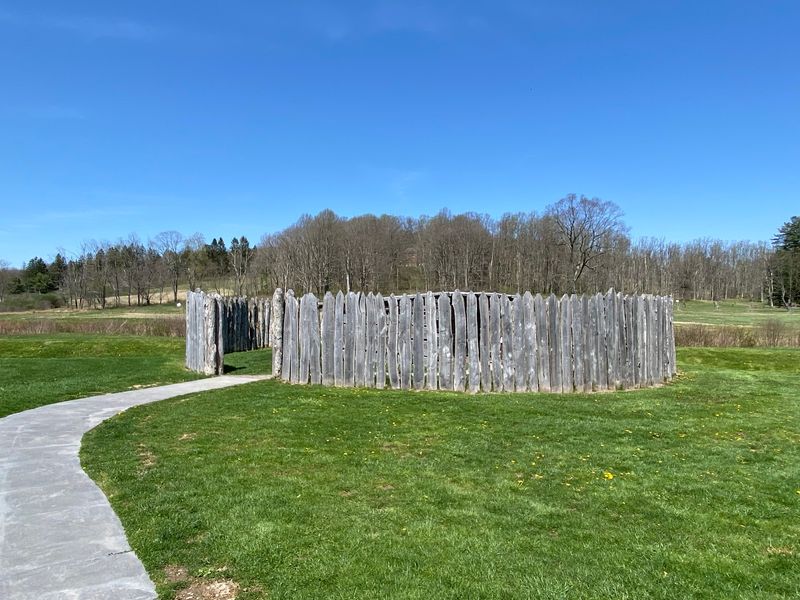
A young officer barely into his twenties once made a decision here that helped spark a conflict stretching across continents. That officer was George Washington, and the small wooden fort at the center of it all still stands in the Pennsylvania countryside, ringed by quiet meadows and easy walking paths.
The battle was tiny by modern standards, yet what happened on this rainy patch of ground rippled all the way to Europe. Today the site pairs its heavy history with something surprisingly gentle: trails that loop past reconstructed walls, a modern museum packed with interactive displays, and picnic tables under open sky.
Families wander the grounds, history buffs trace troop movements marked by signs, and road trippers pull off the highway for an hour that turns into three. Keep reading to find out where this remarkable place hides.
Where History Sits Along the National Pike
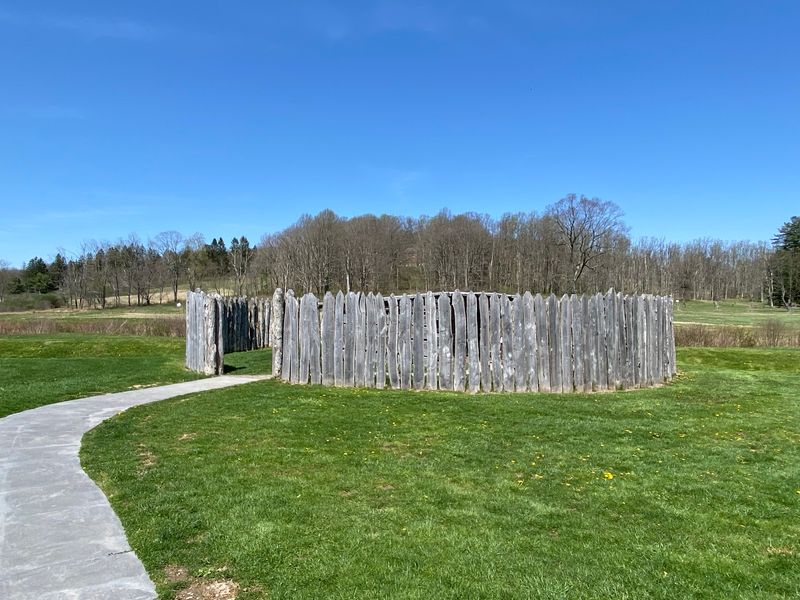
Tucked along National Pike in Farmington, Pennsylvania, with the mailing address simply listed as National Pike, Farmington, PA 15437, this national battlefield rests in the rolling hills of the state’s southwestern corner.
The site marks the location of a 1754 clash during the French and Indian War, a fight that carries far more weight than its modest size suggests. Managed by the National Park Service, the grounds combine a reconstructed fort, open fields, and a modern visitor center all in one stop.
Reaching it is refreshingly simple since the park sits right off Route 40, the historic road once known as the National Road. Travelers cruising through the region often spot the entrance and decide to pull in on a whim.
The parking lot is generous, with well over fifty spaces, so crowding almost never becomes an issue. Even on busy afternoons, drivers rarely circle for a spot.
What waits inside is a compact but layered experience that rewards curiosity. Few roadside stops pack this much American history into such a walkable footprint.
The Story of Washington’s First Battle
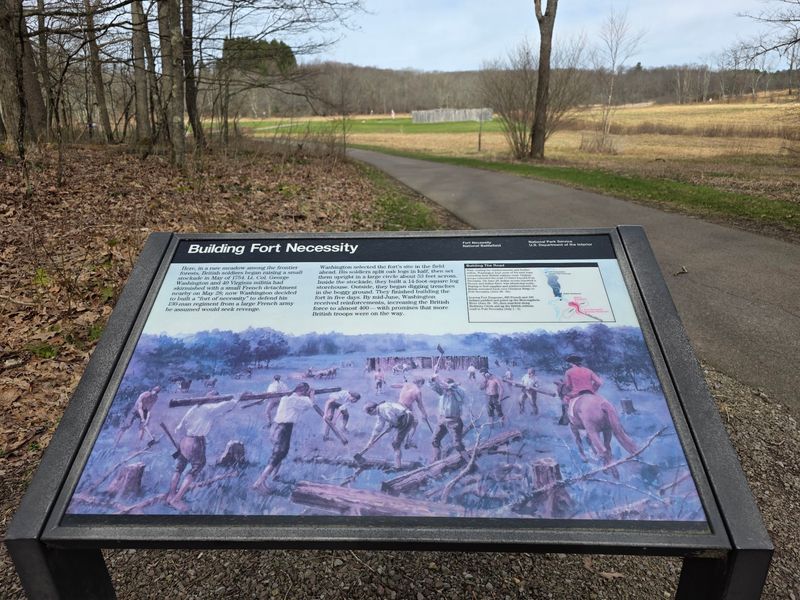
Few people realize that George Washington’s military record opened with a loss, and it happened right on this ground when he was just twenty-two years old.
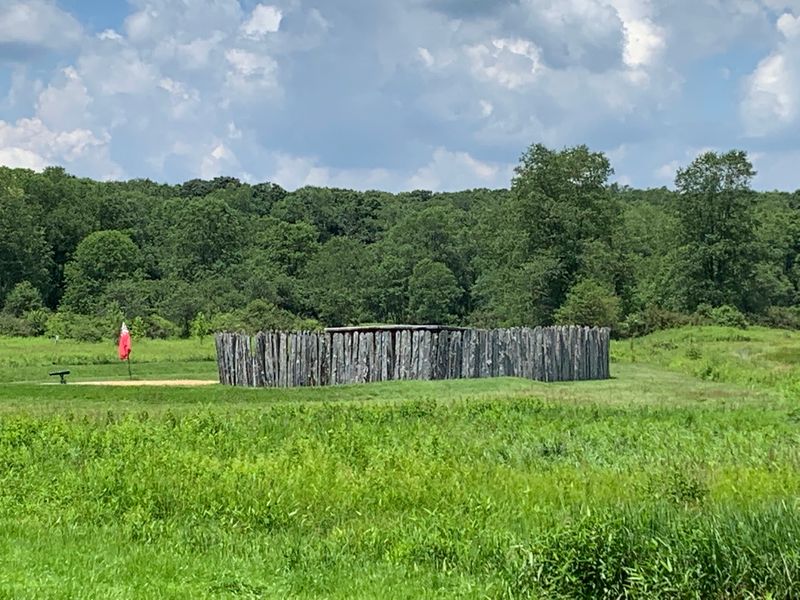
In 1754, French forces and their Indigenous allies surrounded Washington and his troops at a hastily built stockade. Rain poured throughout the fighting, and the young commander found himself boxed in with few good options.
The encounter ended with Washington’s surrender, an early stumble for a man who would later become the nation’s first president. Signs across the field mark exactly where the French positioned themselves in the surrounding woods.
Reading those markers, you can trace how the fort became encircled and understand why the situation grew so difficult. The layout tells the tale better than any textbook.
Many describe this as the place where the fight for American independence quietly began, since the French and Indian War reshaped the colonies for decades. A young man’s misstep helped ignite what some call the first true world war.
Standing where those events unfolded gives the history a weight that lingers long after you leave.
A Museum Built for Every Age
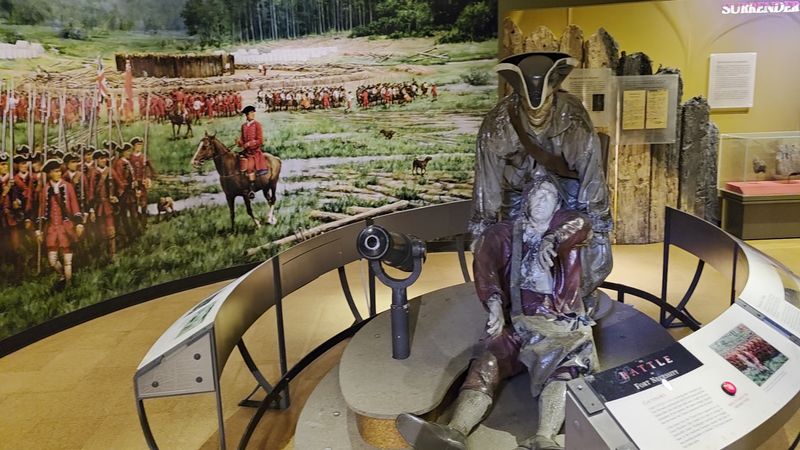
Walk through the doors of the visitor center and you land in a museum that feels far larger than the small park around it might suggest.
The exhibits cover the battle itself, the broader French and Indian War, and the story of the National Road that later ran through the area. Displays are bright, colorful, and interactive, designed so both children and adults stay engaged without feeling overwhelmed.
One standout touch is the audio in the exhibit area, which appears to be motion triggered. Walk into certain spots and sounds of the conflict echo from the left and right, pulling you into the moment.
The whole gallery looks recently renovated, with dynamic, themed presentations that keep the pace lively. It manages depth without ever becoming a wall of dense text.
Families with kids find plenty to hold their attention, and the interactive elements turn learning into something closer to play. Parents appreciate how the design balances fun with genuine information.
For a site this compact, the quality of the museum consistently surprises people. It sets the stage perfectly before you head out to the grounds.
The Film That Sets the Scene
Before you rush outside, the park staff will often point you toward the theater, and there is a good reason for that.
A short film running roughly fifteen to twenty minutes plays regularly throughout the day, sometimes every half hour. It recounts the story of George Washington, the building of the fort, the French and Indian War, and the death of General Braddock, all the way through to the beginnings of the National Road.
The movie uses actors and a cinematic style rather than a dry lecture, which keeps the history moving. Rangers frequently start it right as guests arrive, a small kindness that shows how attentive the team can be.
Watching it first makes the walk to the fort far more meaningful, since you understand exactly what those field markers represent. The context transforms a simple stroll into a guided journey through time.
The theater itself is comfortable enough to settle into for the full showing. Twenty or thirty minutes pass quickly once the story takes hold.
People almost universally recommend catching the film before anything else. Skip it, and you miss the thread that ties the whole visit together.
Trails That Loop Past the Old Walls
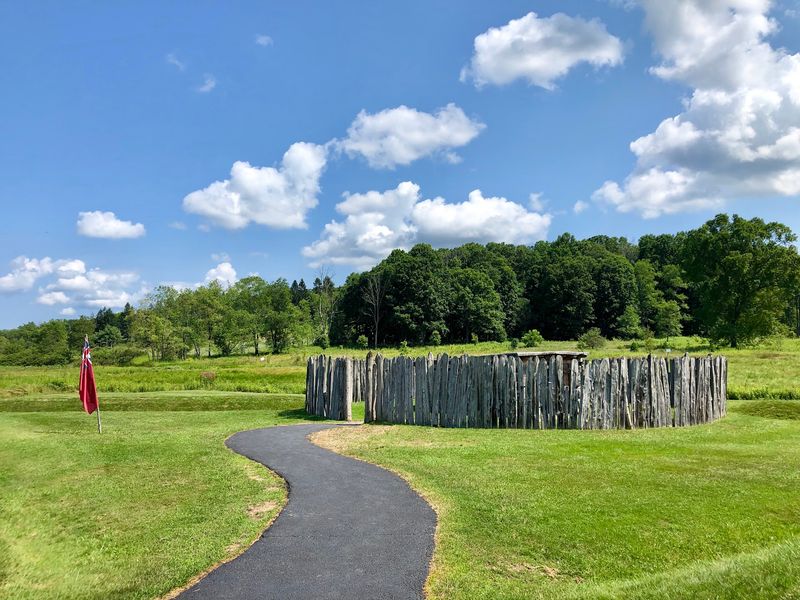
The real draw for many people is the network of paths that wind through the grounds and lead right up to the reconstructed fort.
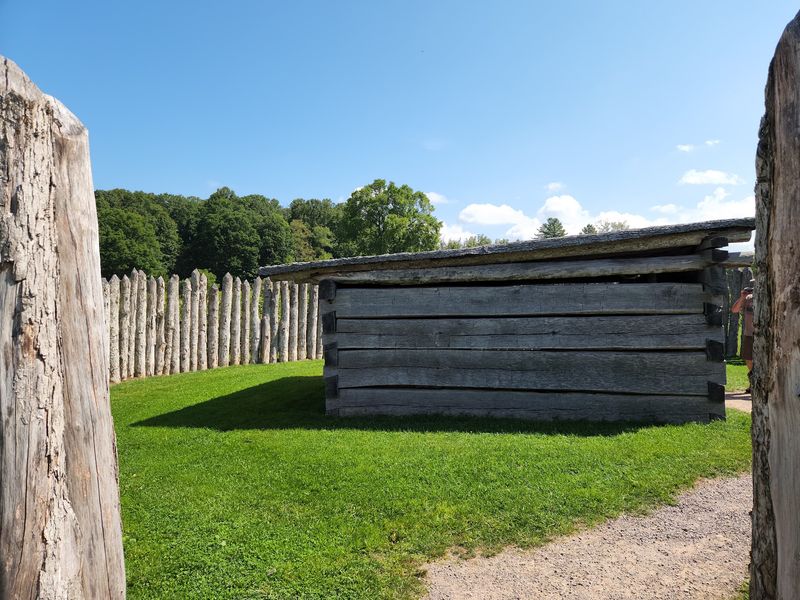
An easy walk from the visitor center brings you to the stockade, following gentle terrain that suits nearly all ability levels. Along the way, historical plaques and boards explain the events as they unfolded, so the story keeps building with every step.
Longer hiking trails branch off for those who want to stretch the outing into something more substantial. The routes stay well marked, and the surrounding landscape stays peaceful and open.
Because the paths are not too difficult or too long, they work well for grandparents and small children alike. Nobody needs special gear to enjoy the loop.
The grounds themselves remain quiet and well kept, dotted with markers showing French and English troop movements. Following them turns an ordinary walk into a self-guided history lesson.
Whether you want a quick fifteen-minute stroll or a longer ramble, the trail system flexes to fit. That flexibility is exactly what makes the place so approachable.
Mount Washington Tavern on the Hill
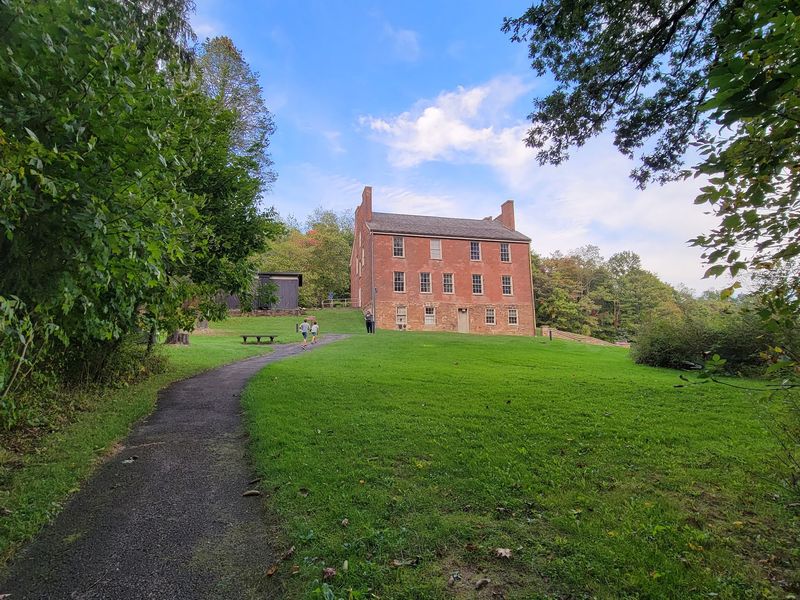
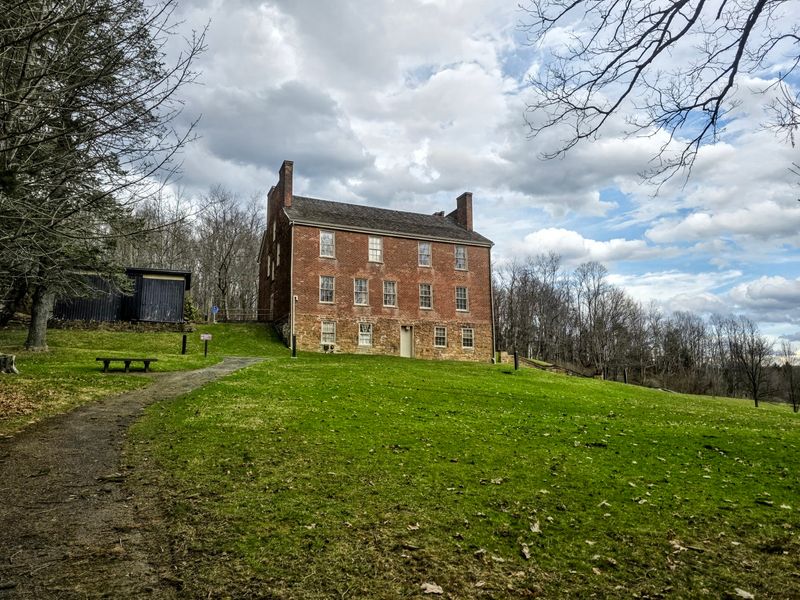
Perched a short distance uphill from the fort, Mount Washington Tavern offers a second layer to the site’s story.
The historic tavern once served travelers along the National Road, and it now stands as part of the battlefield’s collection of preserved buildings. Reaching it involves a hike that runs a bit more challenging than the flat walk to the fort.
That uphill climb is worth the effort for anyone curious about how the region evolved after the war years. The tavern connects the colonial chapter to the busy roadside era that followed.
Because it operates on its own schedule, some guests arrive to find it closed and leave hoping to catch it next time. Timing your visit to see the interior adds a rewarding stop.
The building sits close enough to combine easily with the main fort walk in a single trip. A little planning lets you experience both in one afternoon.
For history fans, the tavern rounds out the picture of life along one of early America’s most important routes. It quietly reminds visitors that the road kept telling stories long after the fighting ended.
Rangers Who Bring the Past to Life
Something that comes up again and again is how genuinely helpful the staff at this park tend to be.
Rangers share a wealth of information, answer questions with patience, and often go out of their way to make each visit personal. One family recalled a ranger inviting their son to help fold the flag as the park prepared to close, a moment the boy would not soon forget.
The Junior Ranger program adds another charming touch, complete with activity books and a badge ceremony where kids get sworn in. Choosing a pencil as your quote unquote weapon from the ranger’s box has become a small, playful tradition.
Guided ranger talks dig deeper into the fort’s role in the founding of the country. Catching one of these presentations elevates the whole experience.
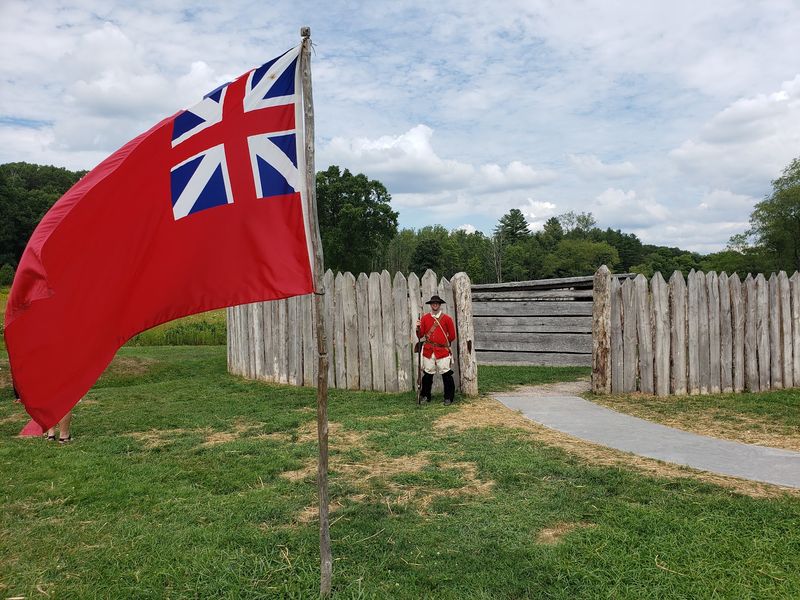
On certain days, costumed interpreters even stage demonstrations, such as a British soldier performing a musket firing display. These living history moments turn abstract dates into vivid scenes.
The warmth of the team leaves a strong impression on nearly everyone who stops. It is the kind of attention that keeps families coming back.
A Playground and Picnic Spot for Families
Not every historic site thinks about restless kids, but this one clearly does.
Right outside the visitor center sits a small playground built for younger children, giving them room to burn off energy between exhibits. Picnic tables scattered nearby make it easy to turn a quick stop into a relaxed midday break.
Packing a lunch is a popular move, since the open grounds invite you to linger rather than rush. The combination of play area and picnic space works wonders for families traveling with little ones.
Parents can enjoy the history while the kids have a place of their own to unwind. That balance keeps everyone happy on a day trip.
The setup fits neatly into the park’s overall friendliness toward all ages. Nobody feels like the odd one out, whether they are five or ninety-five.
Between the trails, the museum, and the playground, children stay busy from start to finish. It is a rare historic landmark that manages to entertain the whole crew.
Braddock’s Grave and Nearby Landmarks
The battlefield does not stand alone, and part of its appeal lies in the cluster of related sites just minutes away.
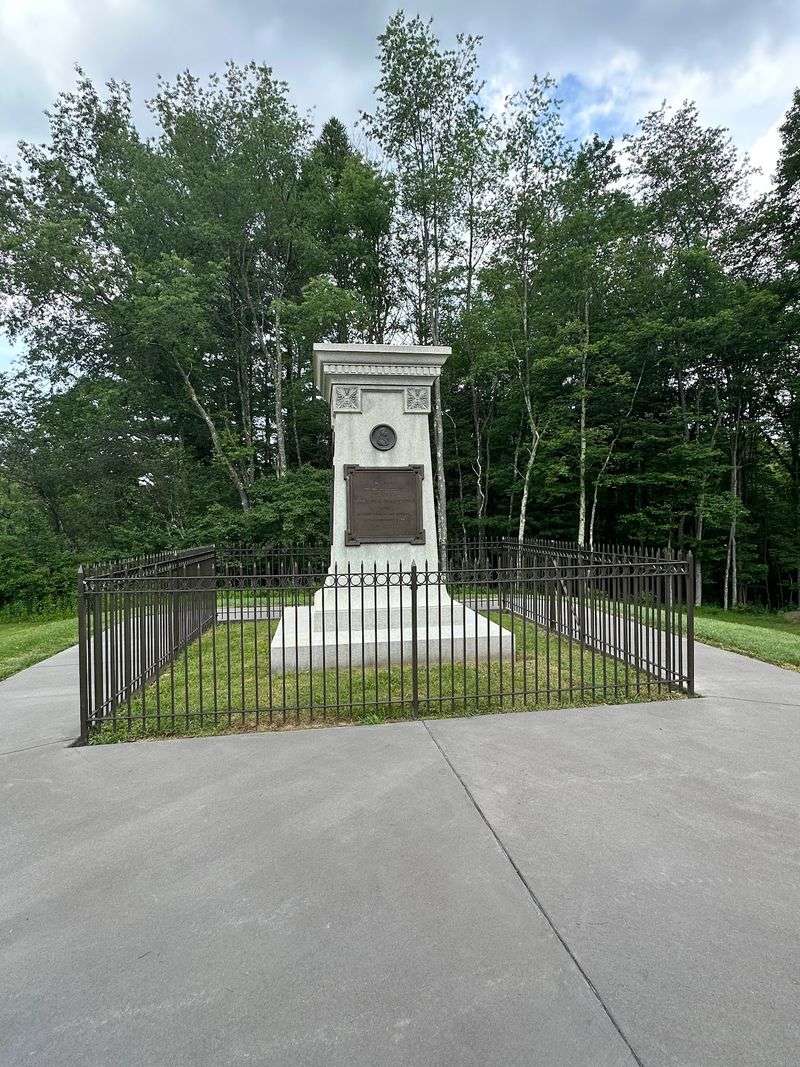
General Braddock’s grave rests nearby, tied directly to the film’s account of the campaign and its difficult outcome. A short drive also brings you to Jumonville Glen, another location central to the events of 1754.
Braddock’s Road, the historic route hacked through the wilderness, can be explored as well for those who want to follow the paths of the era. Each stop deepens the larger narrative the main park introduces.
Because these landmarks sit so close together, history enthusiasts can string them into a satisfying half-day loop. The proximity makes the region a genuine destination rather than a single quick pull-off.
Visitors regularly recommend seeing the tavern, the grave, and the glen alongside the fort itself. Together they paint a fuller portrait of a pivotal chapter in colonial America.
Setting aside extra time for these nearby spots pays off handsomely. They transform a brief visit into an immersive outing.
The Surprisingly Small Fort Itself
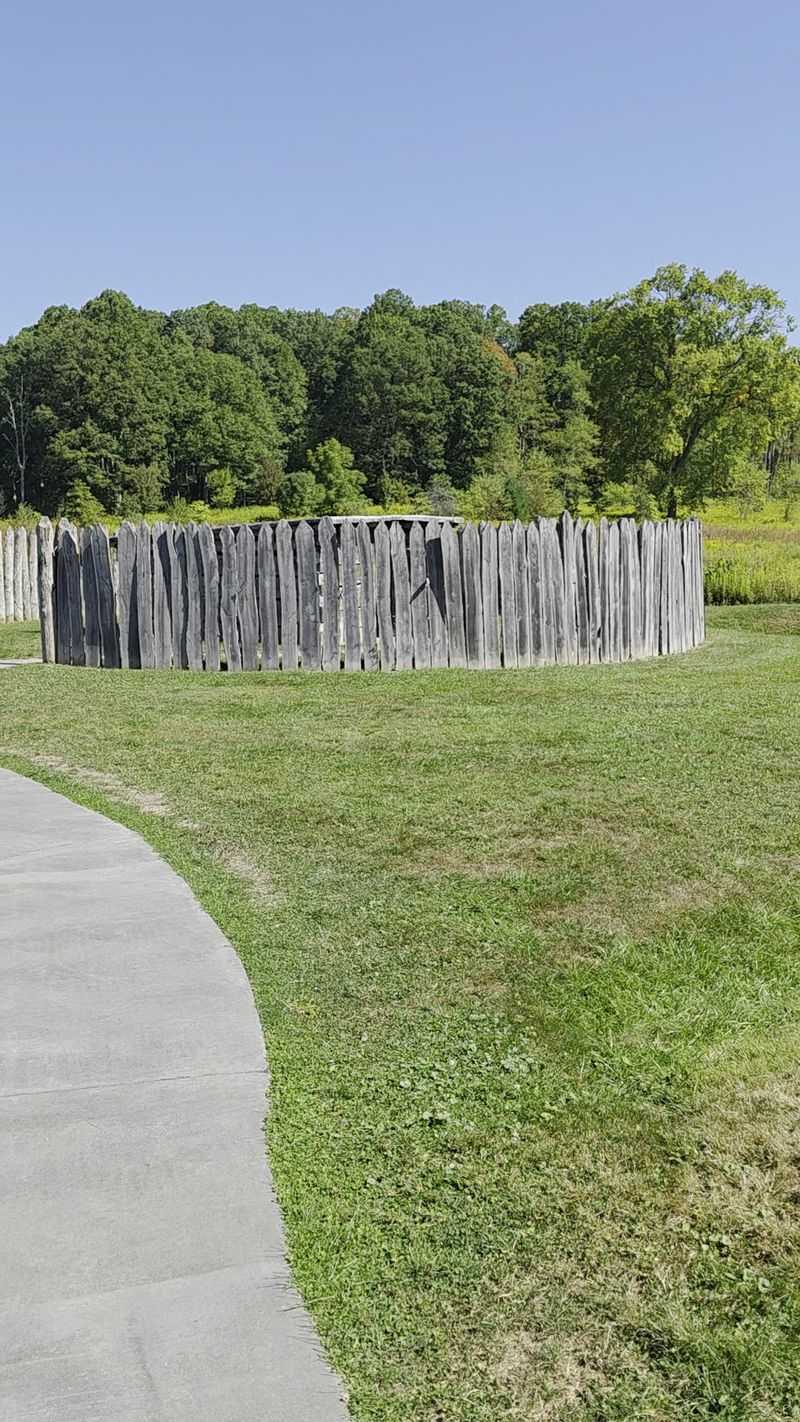
One detail catches nearly everyone off guard: the fort is far smaller than most people expect.
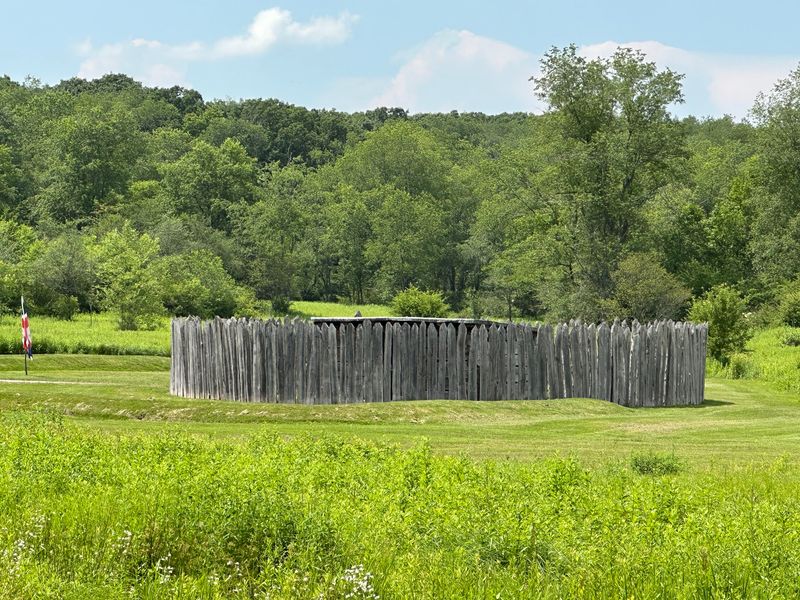
The reconstructed stockade is a compact circular structure, and standing beside it often prompts a double take. Its modest size actually helps explain how vulnerable Washington’s troops were when the French closed in around them.
Rather than a disappointment, the tiny footprint becomes part of the story’s power. You grasp just how exposed those defenders felt on that rainy day in 1754.
Walking through and around it takes only a few minutes, yet the impression sticks. Small does not mean insignificant here.
The compactness also makes the walk out from the visitor center quick and manageable for almost anyone. Even on a tight schedule, reaching the fort is entirely doable.
Some guests chuckle at how little the structure is, then quickly realize the historical lesson hidden in that scale. The fort proves that dramatic history can unfold on a very small stage.
Hours, Admission, and Planning Your Time
Good news for budget-conscious travelers: touring the museum, the fort, and the grounds costs nothing.
Like the rest of the National Park Service system, this site offers free admission, which makes it an easy addition to any road trip. The visitor center operates from 9 AM to 5 PM every day of the week, closing at 5 PM.
The grounds themselves stay open until sunset, so even a late arrival leaves room to walk out to the fort. Timing matters if you want to explore both the indoor exhibits and the outdoor paths.
Plan for at least ninety minutes to two hours if you hope to see everything, including the film and the walk. Rushing through in under an hour means missing pieces worth savoring.
You can also get your national parks passport stamped at the information desk, with a special stamp marking the 250 year celebration. Collectors will want to keep their booklets handy.
A little scheduling ahead ensures you catch a film showing and any ranger programs. The reward is a fuller, more relaxed visit.
A Gift Shop and Practical Comforts
Before heading back to the highway, the gift shop deserves a quick browse.
Decently sized for a small park, it stocks a solid selection of merchandise for souvenir hunters and history buffs alike. Restrooms and the theater sit conveniently adjacent to this area, keeping everything within easy reach inside the center.
The layout makes it simple to grab a stamp, watch the film, shop, and use the facilities without crisscrossing the building. That thoughtful design keeps families moving smoothly.
Hungry travelers will find good dining options close by, including the Braddock Inn about a mile down the road. A meal nearby rounds out a day of exploring nicely.
The park’s practical touches show that comfort was part of the planning, not an afterthought. Small conveniences add up to a smoother outing.
Everything you need for a pleasant few hours sits under one roof or just a short drive away. It is the kind of stop that treats guests well from arrival to departure.
Why This Roadside Stop Is Worth It
Plenty of people pass this park without a second thought, and those who stop often wish they had discovered it sooner.
Holding a strong 4.7 star average across more than 1,700 pieces of feedback, the battlefield has quietly become a favorite among road trippers and history lovers. Many arrive expecting a brief detour and end up ranking it among their top National Park Service sites.
The mix of a top-notch museum, gentle trails, friendly rangers, and free admission makes for an unusually well-rounded stop. It suits solo explorers, curious families, and anyone drifting along Route 40 with an hour to spare.
The clean grounds, personal attention, and short wait times reflect the care poured into this location. A place this small delivering this much is a genuine pleasant surprise.
Set aside a couple of hours, watch the film, walk out to the fort, and let the story of a young Washington settle in. You will likely leave planning a return trip to see whatever you missed.
Some corners of American history hide in plain sight, and this quiet Pennsylvania field is one of the best.
Enjoyed this story?
Add Fast Food Club as a preferred source to see more of our reporting on Google.