


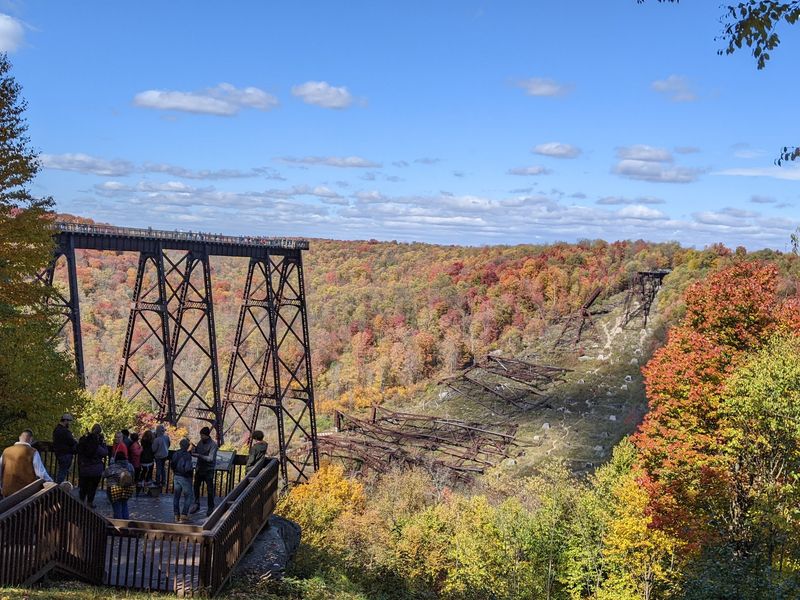
Some places make you feel small in the best possible way, and there is a spot in northern Pennsylvania that does exactly that. A towering railway structure once stretched across a wide gorge here, and after a powerful storm rearranged it in 2003, the state turned the surviving section into something no one expected.
Today people drive out from all over just to walk part of the way across and peer down into the valley below. There is also a museum packed with history, trails that wind toward the wreckage, and a playground for restless kids.
If you have been searching for a day trip that mixes engineering, nature, and a story you will not forget, keep reading. This one earns every mile of the drive.
Where This Skyward Wonder Lives
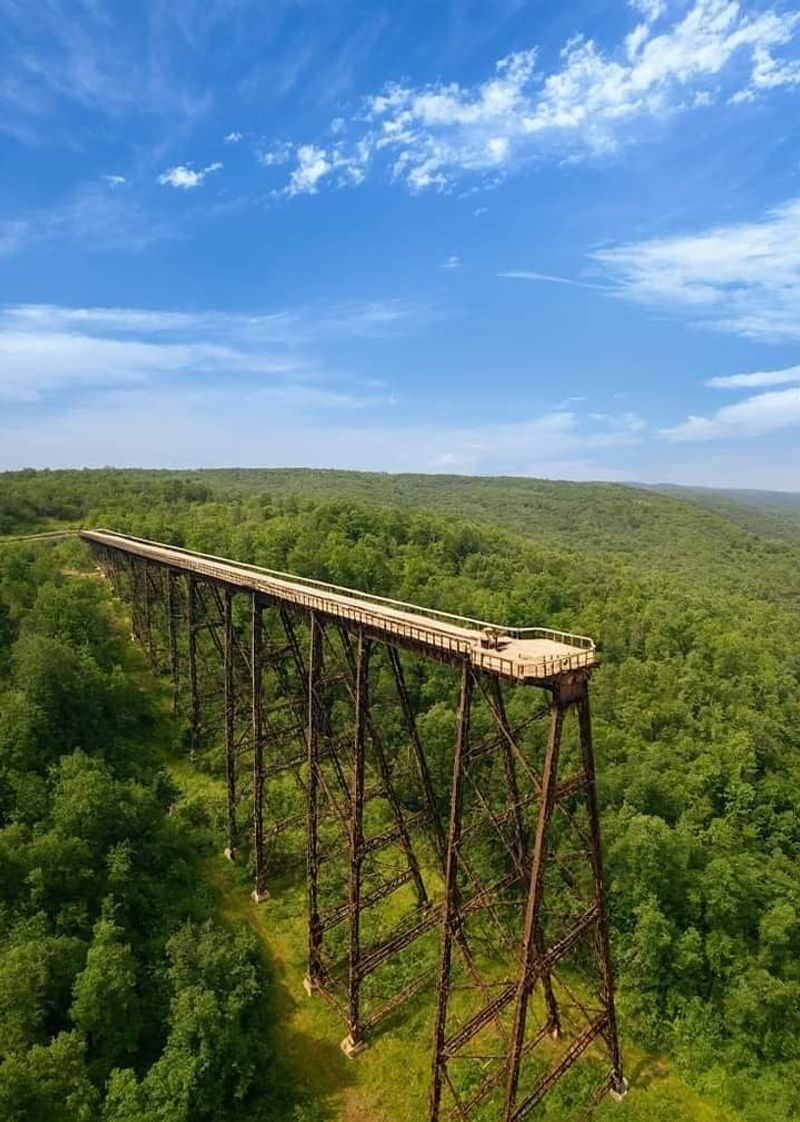
Tucked away in the forested hills of northern Pennsylvania, Kinzua Bridge State Park sits at 296 Viaduct Rd in Mt Jewett, PA 16740. The address alone hints at what is coming, since a viaduct is exactly what made this place famous.
The park rests in McKean County, deep in the region often called the PA Wilds. Rolling woodlands surround the property on every side, giving the whole area a quiet, remote feel.
Getting here takes a bit of intention, and that is part of the charm. The roads wind through small towns and thick stretches of trees before opening up to the park entrance and its free parking lot.
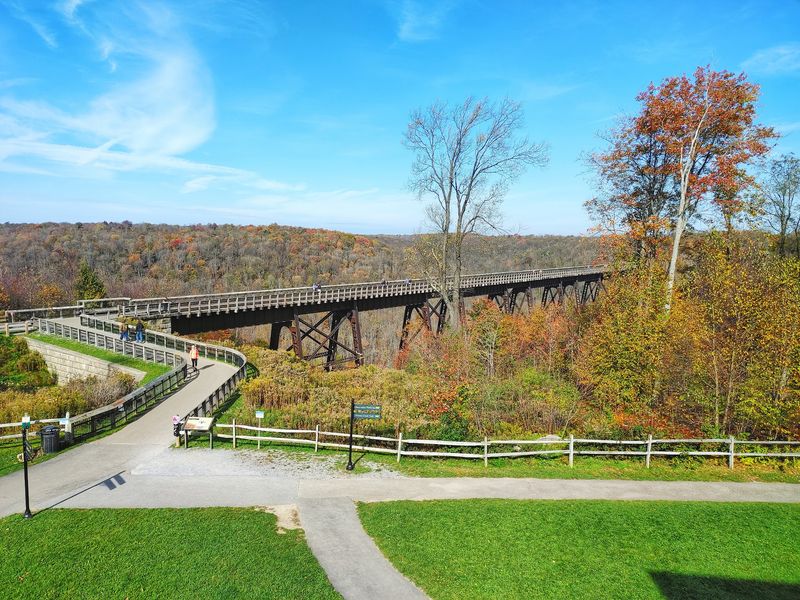
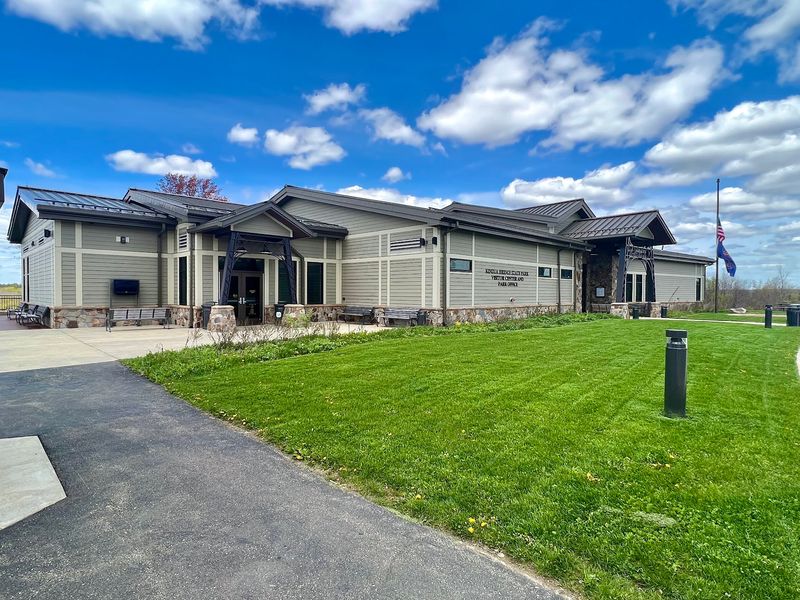
Once you arrive, the layout is simple to navigate. A visitor center anchors the property, with the famous skywalk stretching out beyond it and trails branching off toward the gorge.
People chasing all ten PA Wilds locations often mark this one as a highlight of the route. The ride out here has a reputation for being genuinely enjoyable rather than a chore.
Plan your arrival with a little curiosity, because the first glimpse of the structure tends to stop people in their tracks.
The Storm That Rewrote The Landscape
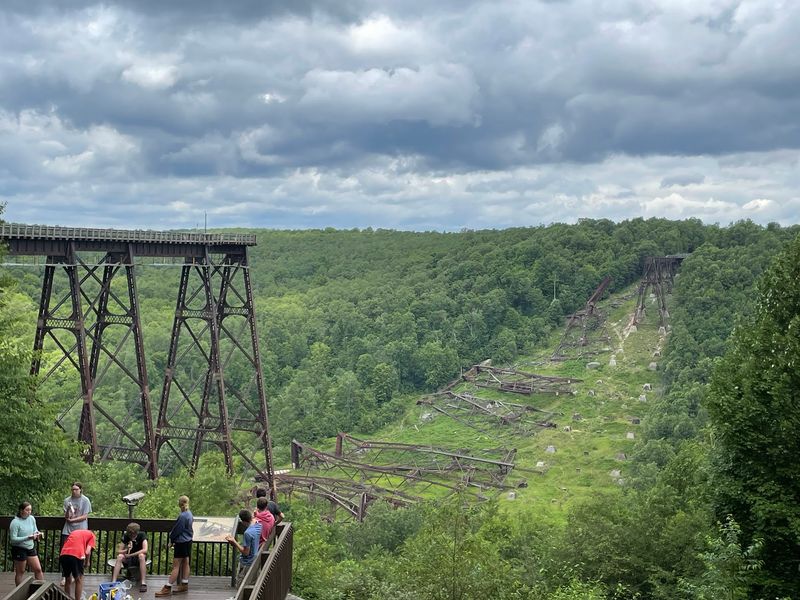
History here has a dramatic twist that most parks cannot claim. The original viaduct dates back to 1882, an era when this kind of engineering counted as a marvel of its time.
For well over a century the structure stood tall across the gorge, carrying rail traffic high above the valley floor. Then in July 2003 an F1 tornado tore through and brought a large portion of the bridge down.
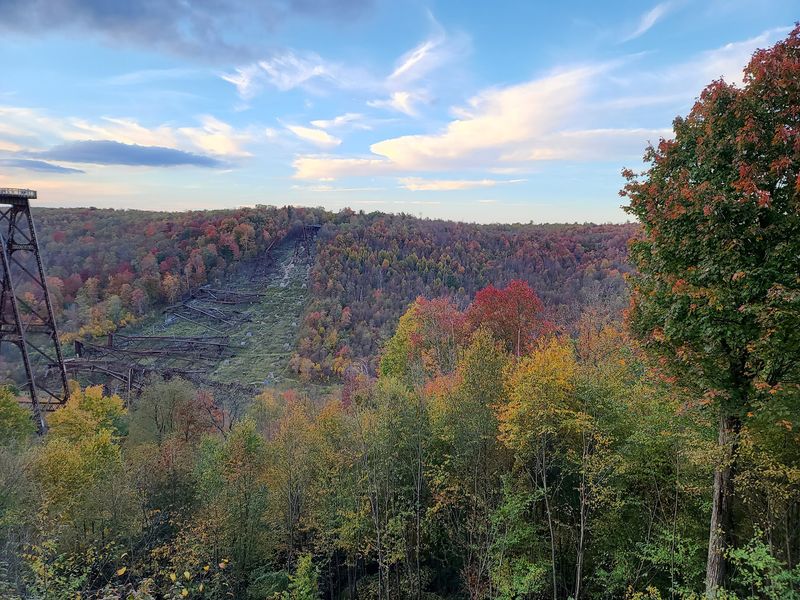
Rather than clear away the fallen sections, the state made a bold decision. The wreckage was left roughly where it landed, turning the site into an open-air lesson about the raw power of weather.
That choice is what makes a visit so memorable. You are not just looking at a restored relic, you are looking at a moment frozen in place.
Some folks first learned about the site through a Weather Channel special covering the 2003 event. The combination of history, nature, and engineering leaves a lasting impression on nearly everyone who studies it up close.
The story adds weight to every step you take along the surviving towers.
Walking Out On The Famous Skywalk
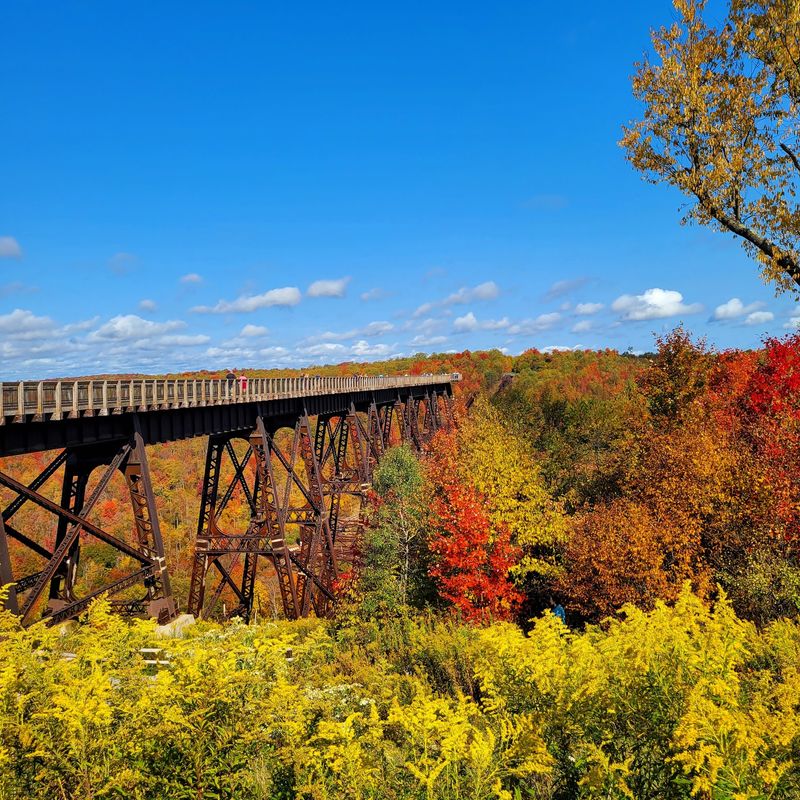
Standing tall above the gorge, the skywalk is the reason many people make the drive in the first place. Built on the remaining towers of the historic viaduct, it lets you walk partway across and gaze out over the valley.
An observation deck caps the far end, offering a full view of the valley floor both east and west. From up there the scale of the original structure becomes obvious.
One especially clever feature waits at the end of the deck. A glass floor section lets you look straight down toward the ground far below, a thrill for anyone brave enough to step onto it.
The skywalk has drawn thousands of admirers over the years and remains the park’s signature attraction. People often mention how photos simply cannot capture the sense of height and openness.
Worth noting for planning purposes, the skywalk has been closed for renovations and is expected to reopen around 2027, with a brief reopening possible in the fall of 2026. Always check the park website before heading out.
Even during the work, the towers stay visible from the visitor center and grounds.
Inside The Visitor Center And Museum
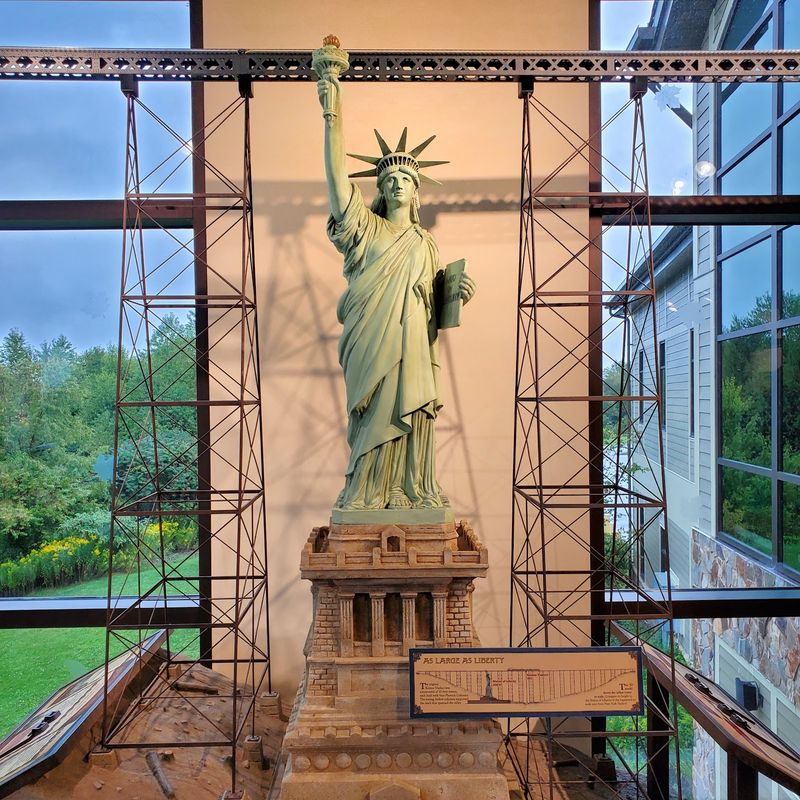
Before you head toward the towers, the visitor center is worth a genuine chunk of your time. It has become one of the most talked-about parts of the whole park, earning a steady stream of praise.
Interactive displays and exhibits walk you through the story of the viaduct, from its 1882 construction to the 2003 storm. Videos add extra depth for anyone who wants the full picture.
The staff here get a lot of appreciation for being helpful and courteous. They field questions, offer trail suggestions, and generally make first-time guests feel welcome.
Restrooms inside are kept clean, and a gift shop sits on the lower level for souvenirs. It is the kind of spot where you can escape the weather for a bit and still learn something.
Even when the skywalk is closed for construction, the museum keeps the visit meaningful. The exhibits give context that makes the view outside land even harder.
Give yourself time to read, watch, and soak in the history before stepping back into the open air.
The Steep Hike Down To The Wreckage
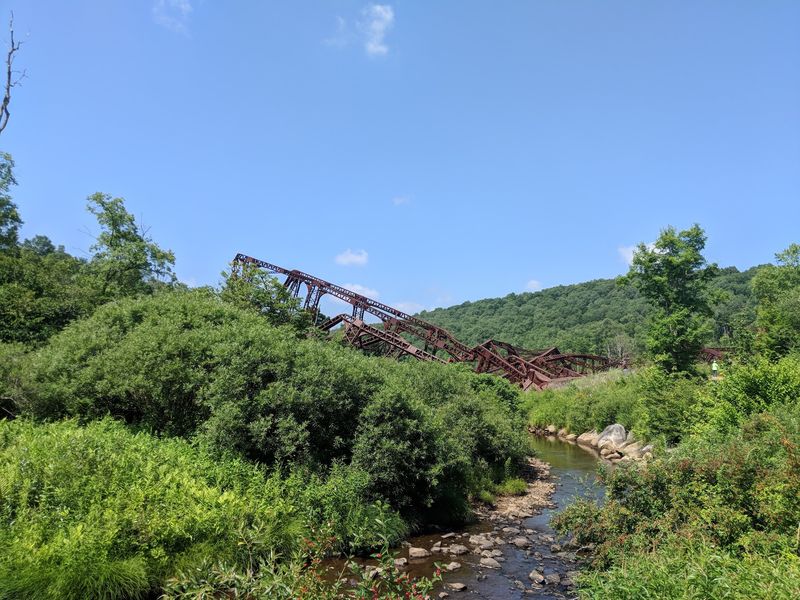
Adventurous types have a reward waiting below the towers, and it is not for the faint of heart. A steep trail leads all the way down to the valley floor where the fallen sections of the bridge came to rest.
The descent is a serious workout, and good shoes are strongly recommended. The path drops sharply, so taking it slow makes the trip far more manageable.
Down at the bottom, a stream runs through the valley and you can get up close to the twisted steel. Seeing the wreckage from ground level offers a whole new appreciation for what happened here.
Reaching the far side of the tracks takes double the effort, so pace yourself accordingly. Many people find the climb back up easier than expected, though sore legs the next day are common.
The unique nature of the experience makes the burn worthwhile for those who attempt it. Standing beside the fallen towers is something you will remember long after the leg soreness fades.
Check current trail status before you go, since some paths close during construction.
Easy Trails For A Gentler Outing
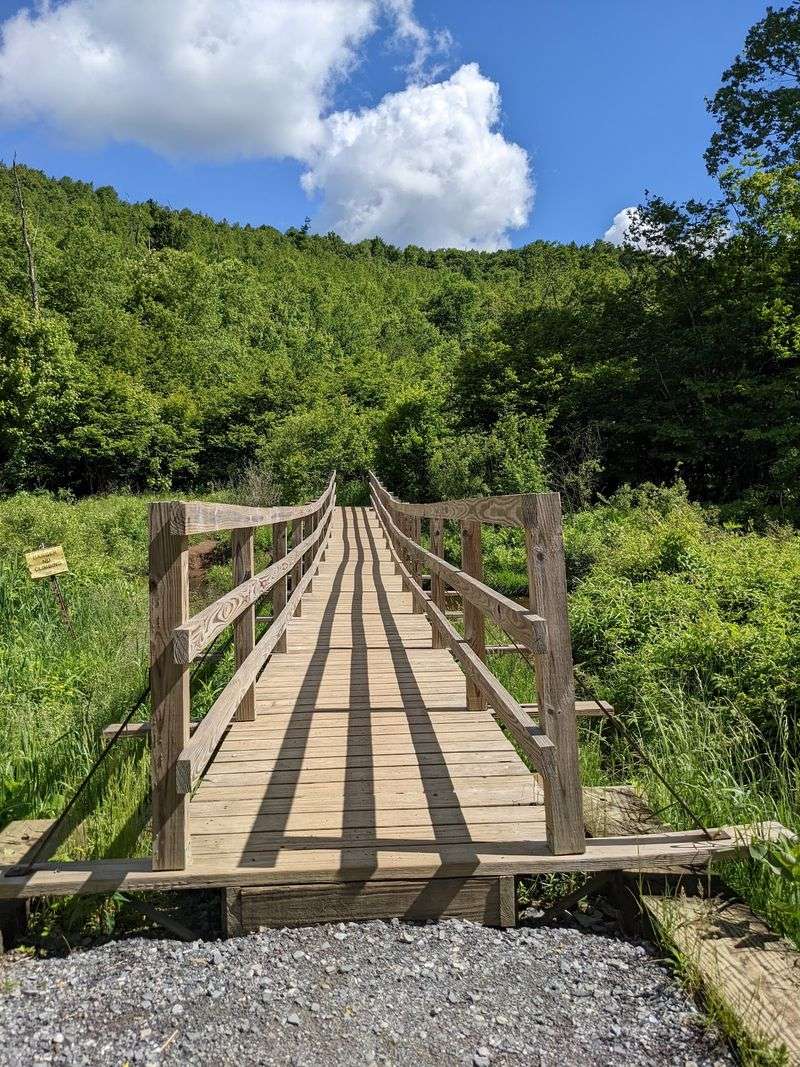
Not every trail here demands a leg-burning descent, which is great news for casual walkers. The General Kane Trail sits right next to the visitor center and offers a short, pleasant loop.
Park rangers often point newcomers toward it, and for good reason. The route stays manageable while still delivering scenic overlooks along the way.
Other walking paths branch out across the grounds, giving families and slower-paced explorers plenty of ground to cover. There are also little spots scattered around where you can pause and simply admire the surroundings.
A rail trail runs through the area too, adding options for those who prefer flatter terrain. It gives the park a relaxed feel beyond the headline attraction.
For visitors who want fresh air without a strenuous climb, these gentler routes hit the sweet spot. You can wander at your own speed and still feel like you have seen something special.
Bring a curious attitude and comfortable footwear, and the easier trails will treat you well.
Fun For The Kids And Four-Legged Friends
Families rolling in with restless little ones will find plenty to keep everyone happy. A large new playground gives kids a place to burn off energy, complete with slides and swings.
The park earns a solid reputation for being kid-friendly, with hikes gentle enough for smaller legs. Parents can explore the history while children have their own space to play.
Dogs are welcome here as well, so the family pet does not have to sit this trip out. Leashed pups can join the walks along the many paths.
Picnic tables dot the grounds, making it easy to pack a lunch and settle in for a while. Little corners around the property invite you to enjoy a snack while taking in the scenery.
Cycling lanes add yet another layer of activity for active families. Between the playground, the paths, and the picnic spots, a half-day here fills up fast.
It is the rare destination where kids, adults, and dogs all leave content.
Grab A Bite From The Food Truck
Hunger does not have to cut your day short, thanks to a food truck parked on the far side of the lot near the playground. It sits conveniently close to the picnic area, so grabbing a meal is easy.
Little Sister’s Big Rig has built up a loyal following among guests who stop by. The truck gets frequent shout-outs for serving genuinely satisfying food.
Having a spot to refuel means you can spend more time exploring without planning a trip into town. The convenience adds a nice touch to an already full day.
During the fall festival the food scene expands even further with a variety of vendors. Prices at those events tend to stay reasonable, and portions come out generous.
Combining a meal with the picnic tables makes for a relaxed midday break. You can eat, rest, and then head right back to the trails or the museum.
Keep the truck in mind so you do not arrive on an empty stomach.
The View That Steals Autumn
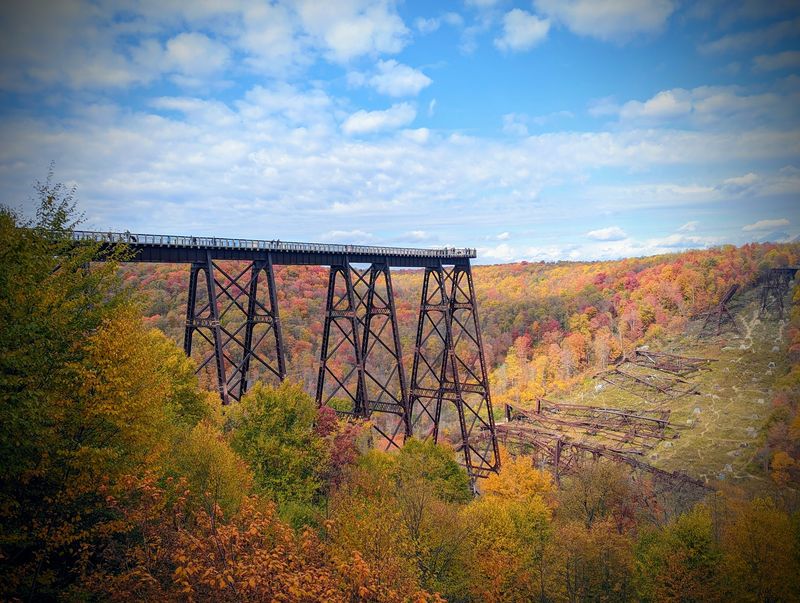
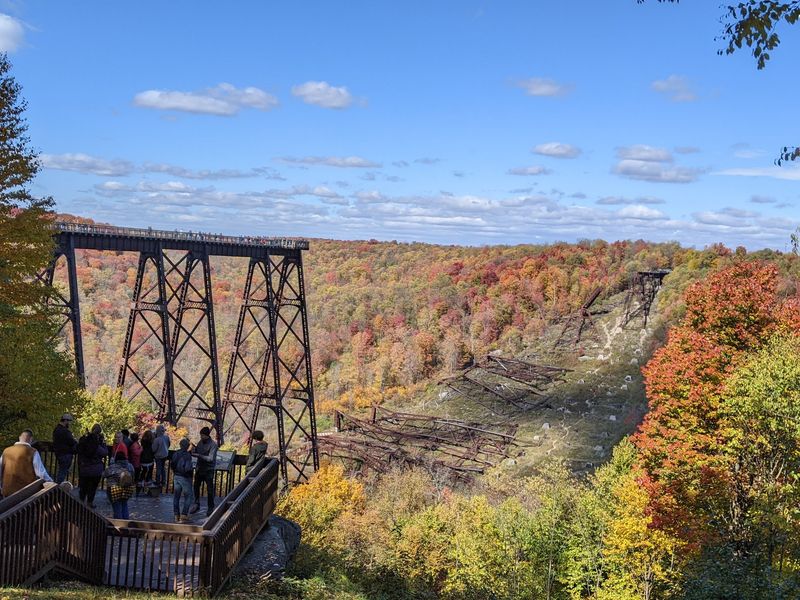
Timing your visit can transform an already impressive stop into an unforgettable one. When the leaves turn, the main lookout delivers what many consider the finest autumn view in all of Pennsylvania.
The gorge fills with color, and the surrounding forest lights up in shades of gold, orange, and red. Photographers flock here specifically to catch the changing trees against the towering structure.
Golden hour adds another layer of magic for anyone lucky enough to visit at the right moment. Sunrise and sunset both draw admirers looking for that perfect shot.
Fall does bring cooler air, so packing a warmer layer for September and beyond is a smart move. Always check the forecast before you head out.
Even a slightly late arrival for peak color still rewards you with a stunning scene. The park stays beautiful across the seasons, but autumn holds a special place in people’s memories.
Aim for a crisp fall day and you will understand why this spot tops so many lists.
Hours, Parking, And Planning Ahead
Sorting out the practical details keeps your day smooth. The park generally welcomes guests from 8 AM to 6 PM every day of the week, giving you a solid window to explore.
Parking is free and there is plenty of it, which takes one worry off your plate. The lot sits close to the visitor center, so you are only a short walk from the action.
Accessibility is a real strength here, with a wheelchair accessible entrance, parking, restroom, and seating. That makes the core experience reachable for a wide range of guests.
Restrooms are public and kept clean, and the visitor center offers a comfortable indoor stop. Cycling lanes and picnic tables round out the amenities.
One crucial tip stands above the rest. Check the official park website before you visit, since the skywalk and some trails have been closed for construction with a reopening expected around 2027.
A quick look at the alerts page saves you from surprises and helps you plan the best possible day.
Why This Stop Belongs On Your List
Few day trips manage to blend history, engineering, and open scenery the way this one does. Kinzua Bridge State Park pulls all three together into a single, memorable outing.
The story of the 1882 viaduct and the 2003 storm gives the visit real depth. The surviving towers and the wreckage below make that history tangible in a way books never could.
Between the museum, the trails, the playground, and the lookout, there is something here for nearly every kind of traveler. History buffs, nature lovers, families, and photographers all find a reason to linger.
Its near-perfect standing among thousands of guests speaks to how consistently it delivers. People routinely call it a must-visit and one of the finest spots the state has to offer.
Even with the skywalk temporarily closed, the views and exhibits keep the trip worthwhile. And when it reopens, there is every reason to come back for more.
Put this northern Pennsylvania treasure on your next day trip list and let the towering towers do the rest.
Enjoyed this story?
Add Fast Food Club as a preferred source to see more of our reporting on Google.