


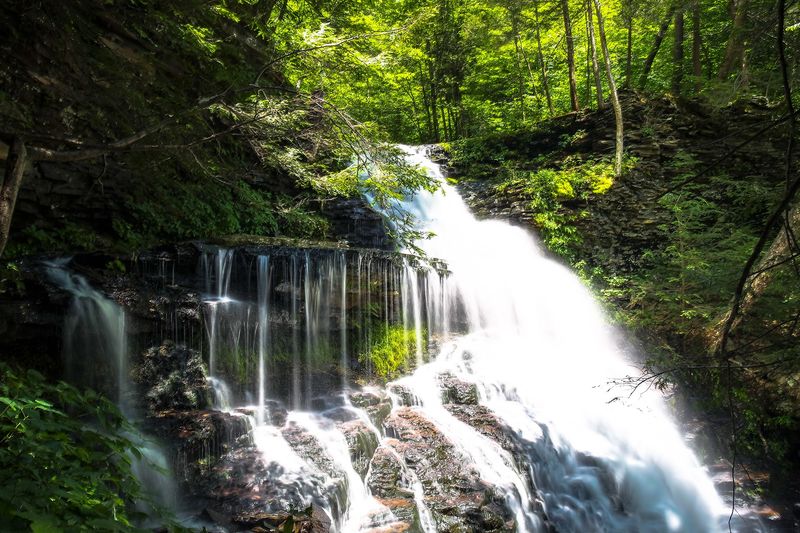
Deep in the Pennsylvania backcountry, past a string of smaller cascades, one waterfall stands taller than all the rest at a full 94 feet. Reaching it means committing to a rugged loop that rewards every uphill step with something genuinely worth the effort.
The trail links more than twenty waterfalls, but this one is the headliner, the payoff hikers plan their whole day around. Water pours off the mountain into a shallow pool below, and the sight is far bigger in person than any photo lets on.
There are no admission fees, only good boots and a bit of stamina standing between you and the view. Keep reading to learn where it hides, how to get there, and what makes this climb one of the most talked-about hikes on the East Coast.
Where the Tallest Cascade Hides
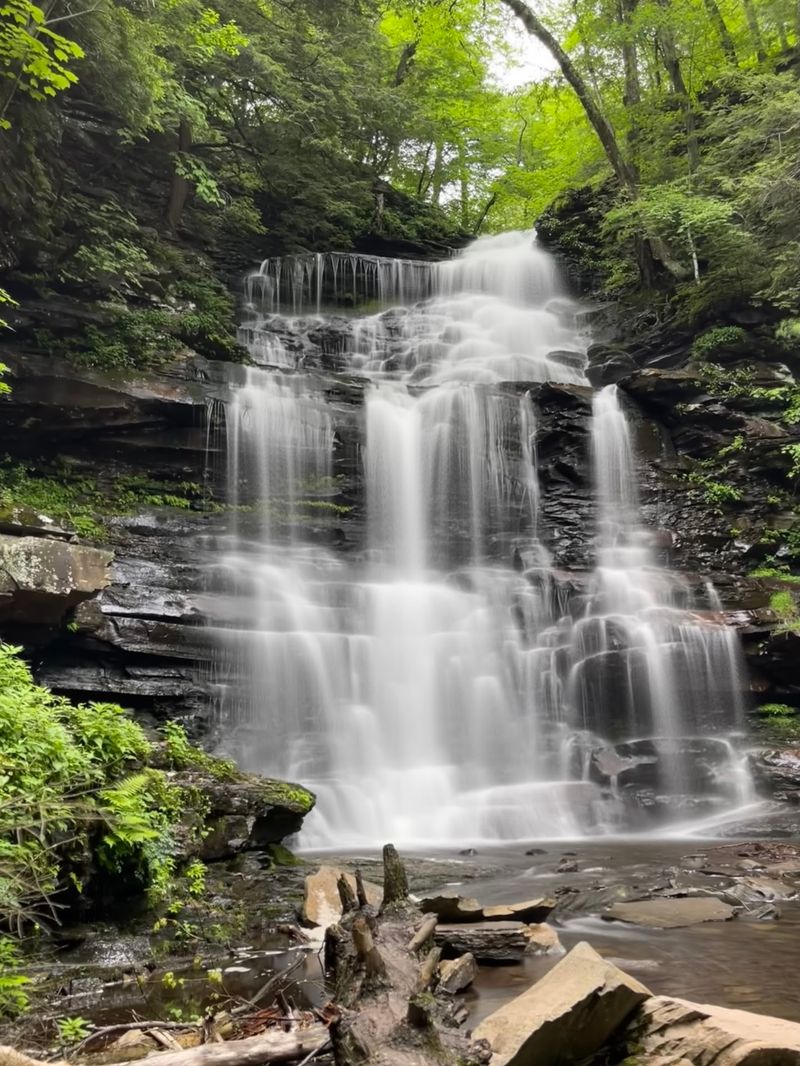
Tucked into Ricketts Glen State Park near Sweet Valley, Pennsylvania 18656, Ganoga Waterfall holds the title of the tallest drop in the entire park. The address places it in the rural highlands of northeastern Pennsylvania, well away from busy roads and crowded towns.
The name traces back to a phrase meaning water on the mountain, which fits perfectly. At 94 feet, it towers over the smaller falls that line the same trail.
Getting here is part of the appeal. The waterfall sits at the far end of the famous Falls Trail, so it feels earned rather than handed to you.
Because it belongs to the Pennsylvania state park system, there is no entrance charge to see it. That alone sets it apart from many waterfall attractions across the country.
The setting is remote enough that cell reception comes and goes, which adds to the sense of being genuinely off the grid. Anyone planning a trip should treat it as a real outdoor outing and not a quick roadside stop.
The Story Behind the Name
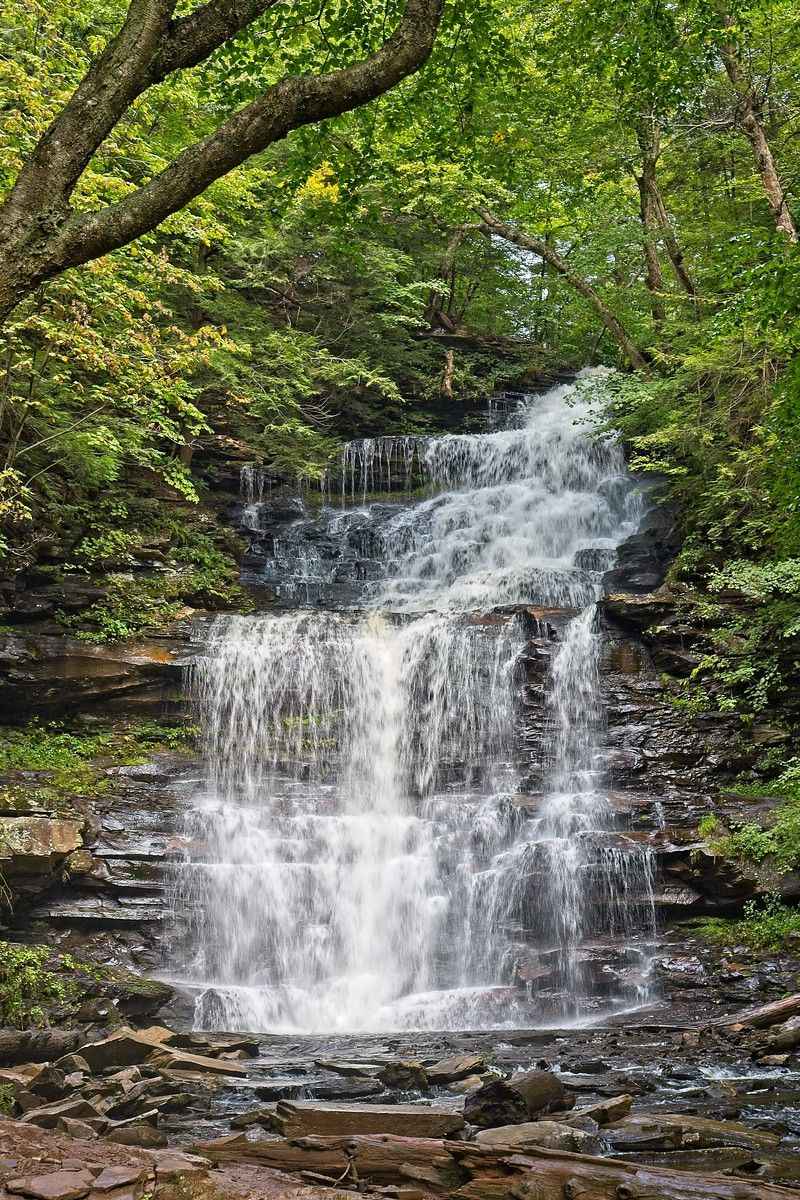
Ganoga carries a name rooted in the idea of water flowing on the mountain, and the meaning could not be more literal. The falls spill down a long slope rather than plunging in a single sheer drop, which gives them a sweeping, layered look.
Standing at 94 feet, it is the crown of a park celebrated for its collection of cascades. The mountain setting means the water benefits from seasonal runoff, so timing your visit changes what you see.
Spring tends to deliver the strongest flow, fed by winter melt. Later summer stretches can leave the falls thinner during dry weather.
The falls anchor a route that strings together more than twenty waterfalls along a single loop. That concentration of scenery in one place is rare and helps explain why hikers travel from far away to walk it.
Every element of the experience builds toward this final, towering cascade. It is the reason the trail exists in the form it does.
Walking the Legendary Falls Trail
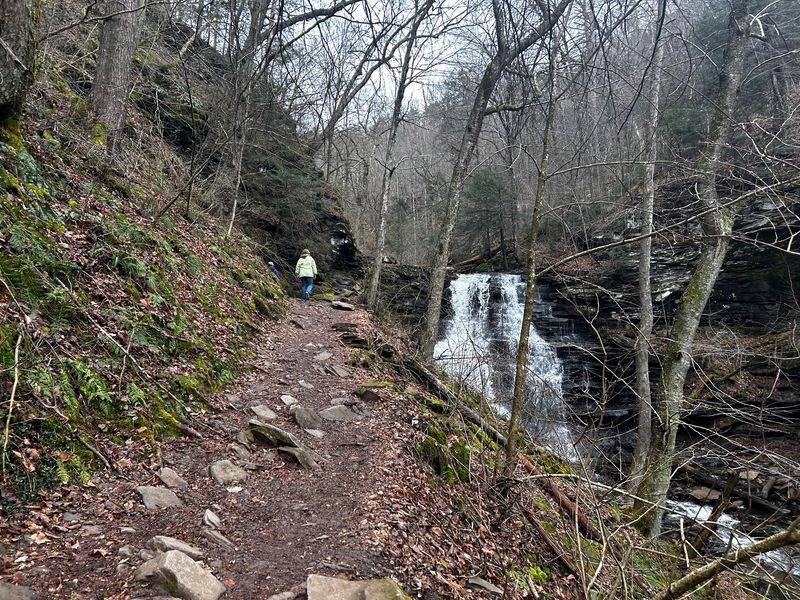
Hikers rank the Falls Trail among the finest waterfall walks anywhere, and the numbers back up the enthusiasm. The full loop connects around twenty-one falls, with Ganoga standing as the tallest and most dramatic of the bunch.
Completing the entire circuit takes most groups roughly three hours if they keep moving. Frequent photo stops can stretch that considerably, and plenty of people happily lose track of time.
The route is well marked and easy to follow, which takes some of the pressure off first-timers. That said, it demands steady legs because of the vertical climbs woven throughout.
Many describe reaching the final stairway beside Ganoga as feeling like a small summit victory. The build-up of one waterfall after another makes the last one land even harder.
For anyone drawn to moving water and forest scenery, this is a route that delivers again and again. The tallest falls simply crown a day already full of them.
A Waterfall Bigger in Person
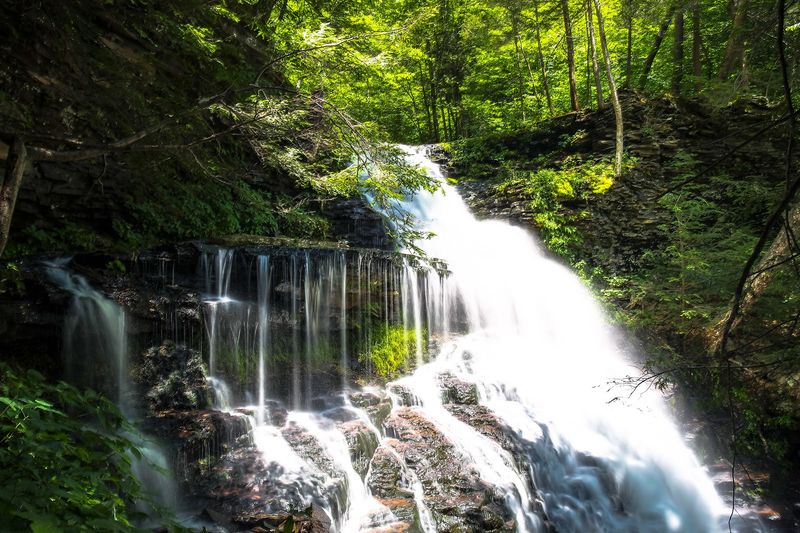
Photos rarely do Ganoga justice, and that surprise is a running theme among people who make the trek. The falls appear far larger in real life than any picture suggests, a fact that catches most visitors off guard.
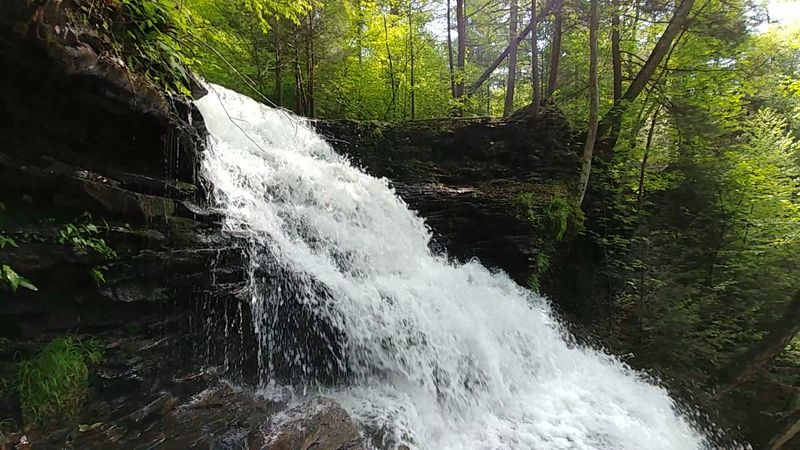
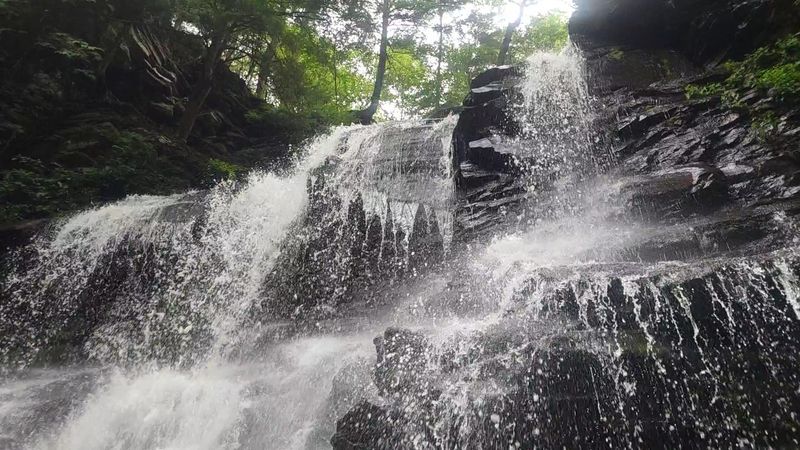
Water crashes down the towering slope with real force, especially after wet seasons. It gathers in a shallow pool at the base, where the scale of the drop becomes obvious.
The 94-foot height makes it the loudest and most powerful cascade in the park. That combination of size and sound gives it a presence that smaller falls simply cannot match.
People often wish they had budgeted more time to simply take it in. The pull to linger and stare is strong once you finally arrive.
Among a park filled with beautiful water features, this one earns the label of showstopper. It is the moment the whole hike has been leading toward.
Steep Grades and Slippery Footing
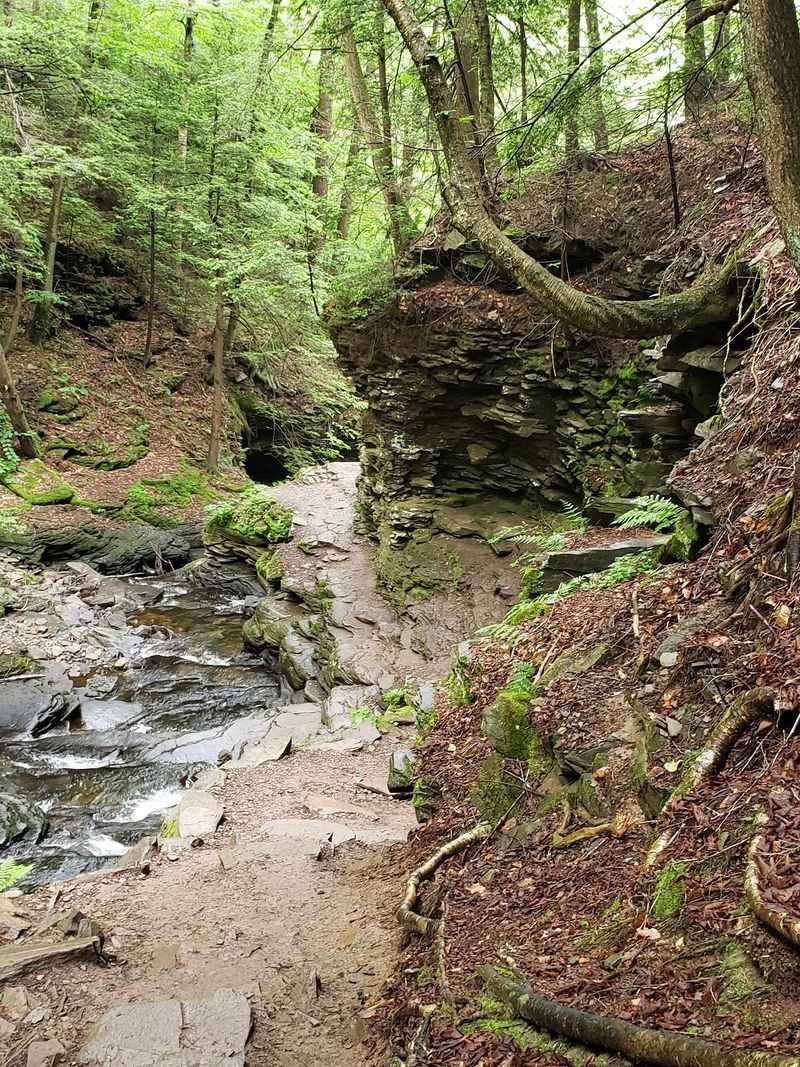
Nobody sugarcoats the climb, and that honesty helps set expectations. The trail packs plenty of vertical, with sections that stay wet even when it has not rained in a while.
Rocks along the route can turn slick, and inclines add a layer of challenge. Good hiking boots or shoes make a real difference, and trekking poles come highly recommended.
A walking stick can steady you on the trickier descents. Many find the south side easier to approach, since the climb down from the north can feel awkward.
Taking it slow is the key advice repeated over and over. The trail is very doable with patience, but rushing invites trouble on the wet stone.
Stamina matters as much as balance here. Anyone honest about their fitness level will enjoy the day far more than someone who underestimates the grade.
Chasing the Falls Through the Seasons
Timing shapes the entire experience, and each season paints Ganoga in a different mood. Spring often earns the top recommendation because winter runoff feeds a fuller, more robust flow.
Waiting until midsummer can mean a thinner curtain of water during dry spells. July and August conditions simply do not compete with the spring surge.
Autumn brings its own draw, with fall colors framing the cascade and drawing photographers up the trail. The mix of foliage and moving water makes for striking scenery.
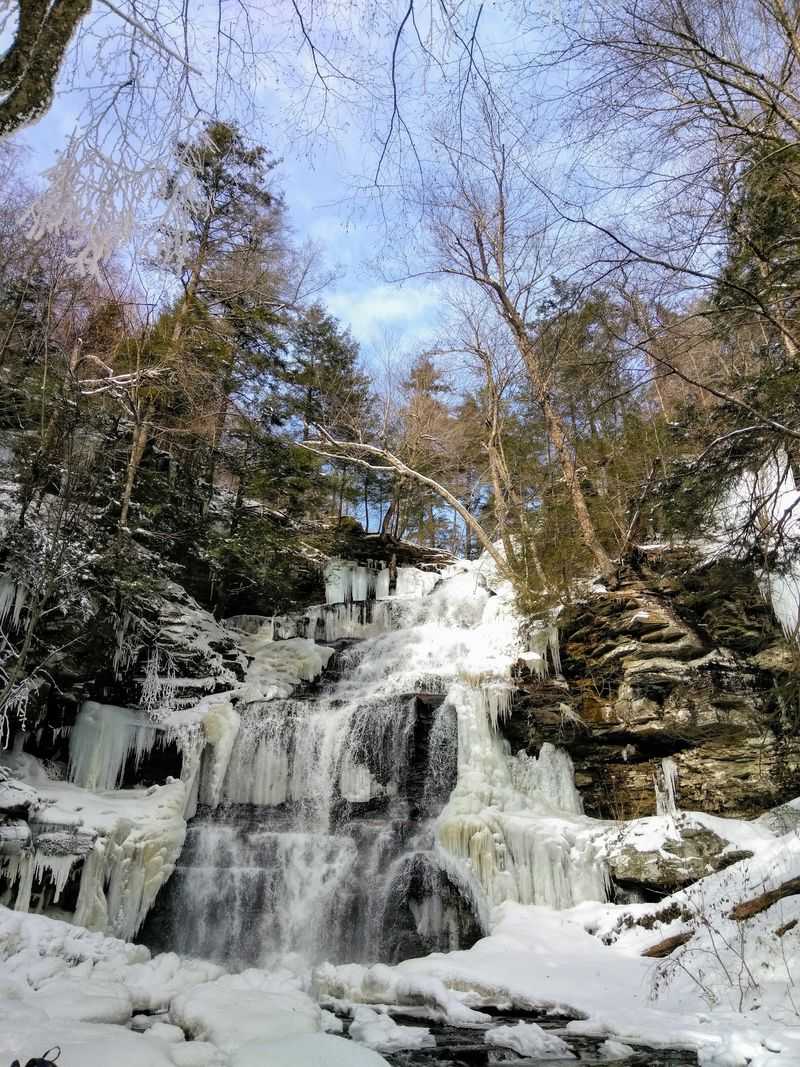
Winter turns the whole scene into something else entirely. Frozen bushes and ice along the trail create a quiet, dramatic version of the falls, though the footing gets far more demanding.
Adventurous hikers who brave the icy loop sometimes find they have the trail entirely to themselves. That solitude is a reward all its own.
Who Should Take On the Loop
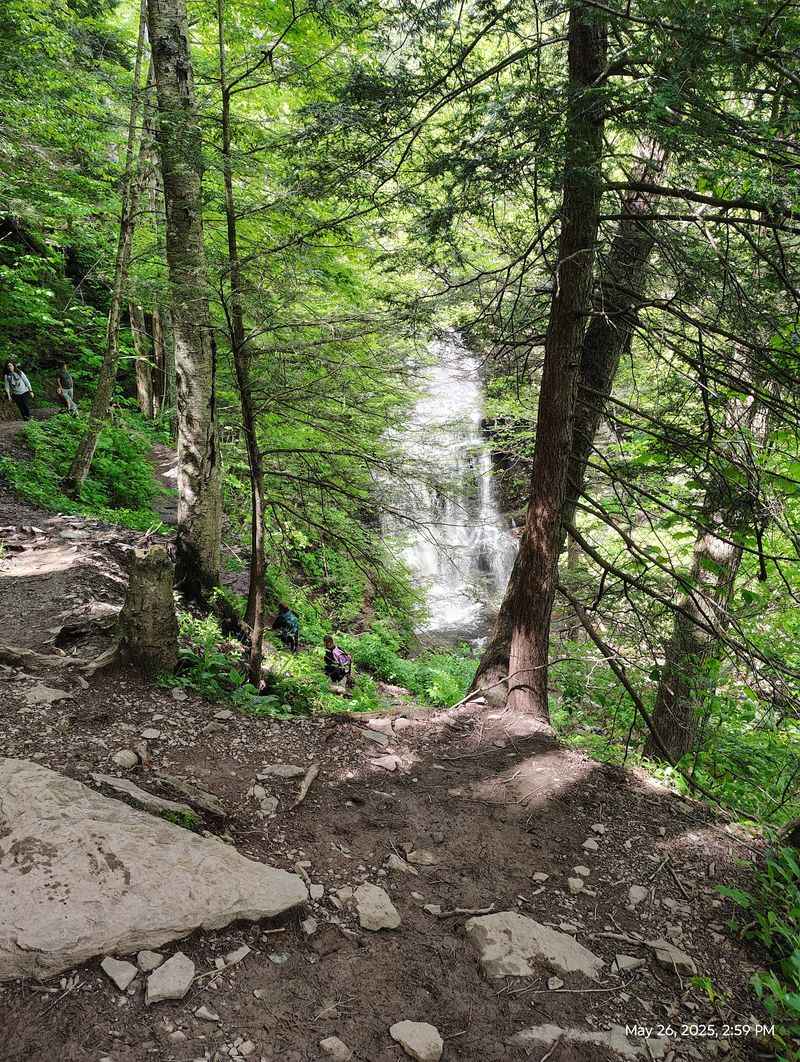
Honesty about difficulty helps every group plan well, and this hike suits some better than others. The full trail runs long, with stretches that get intricate as you approach certain falls.
Because of the length and rugged terrain, the complete loop is not the best fit for very young children or those with limited mobility. Some sections require careful navigation over uneven ground.
Families with older, energetic kids often handle it beautifully, treating the climb as a mini adventure. Reaching that final stairway can feel like a genuine accomplishment for younger hikers.
Groups have spent anywhere from three to five hours on the trail depending on pace and stops. Camping nearby lets people spread the experience over more than one day.
Preparation makes the difference. Good shoes, water, and a first aid kit turn a demanding hike into a memorable one.
Parking, Access, and Getting There
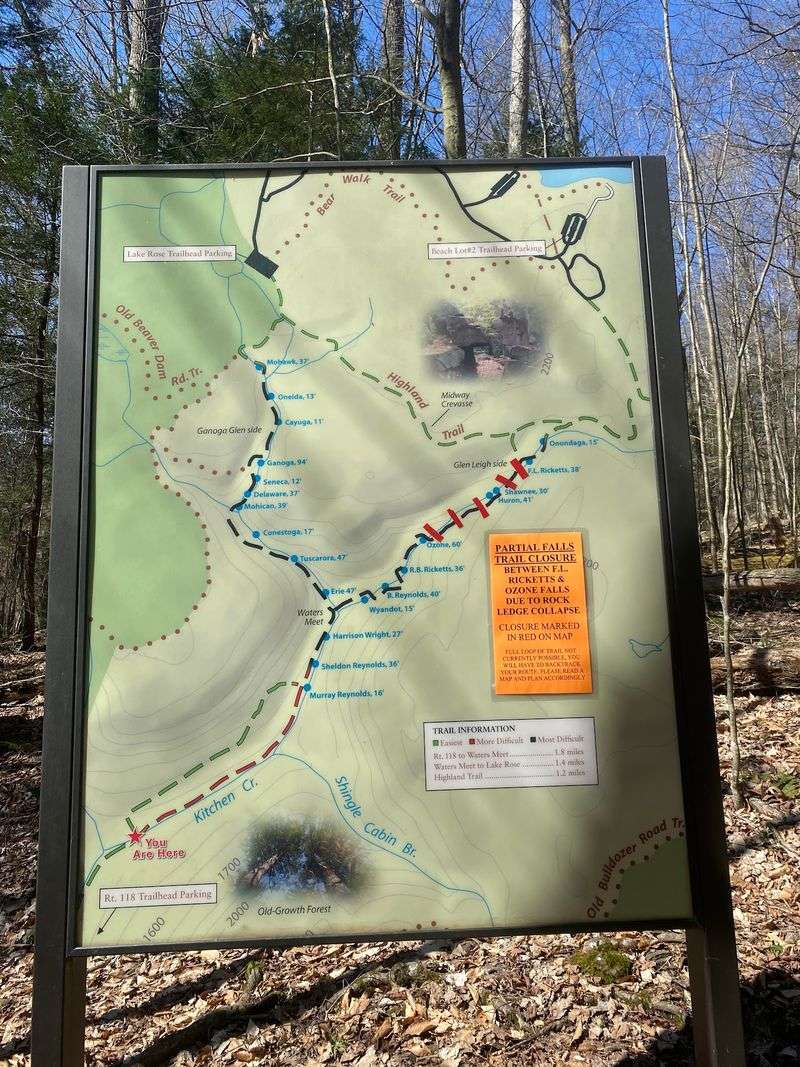
Reaching the trail is refreshingly straightforward once you plan around the crowds. Ganoga sits within easy reach of the Lake Rose parking lot, which makes one of the more accessible approaches to the falls.
Plenty of parking waits at the lots, so finding a spot is rarely the problem. The bigger challenge is timing, since the trail sees heavy foot traffic on popular days.
Arriving early is the trick locals swear by for beating the busiest hours. A morning start also leaves more daylight for the long loop ahead.
The route is well marked throughout, which keeps navigation simple even for newcomers. Following the signs steadily leads you through the sequence of falls.
Starting the loop from the highland trail and looping around helps build anticipation toward Ganoga. Planning your direction ahead of time shapes how the day unfolds.
Free Admission and Real Value
One detail wins over budget-minded travelers instantly: Pennsylvania state parks charge no admission. That means the tallest waterfall in the park costs nothing to visit beyond your time and effort.
Families who have paid fees elsewhere to see far smaller cascades tend to appreciate the difference here. The scale of Ganoga makes those pricier stops feel modest by comparison.
Free access opens the trail to everyone willing to make the walk. There is no ticket booth or reservation standing between you and the view.
The value goes beyond the price tag. A single loop delivers more than twenty waterfalls, culminating in one towering finale.
For anyone on the East Coast building a waterfall itinerary, this spot makes a strong starting point. Few places offer this much scenery for so little cost.
Why This Climb Stays With You
Some hikes fade from memory quickly, but the walk to Ganoga tends to stick around long after the boots come off. The combination of a demanding trail and a towering payoff creates a lasting impression.
People often describe every step as worth it once they reach the base of the falls. The vertical climb and wet footing become part of the story rather than a complaint.
The falls hold a near-perfect standing among those who make the trip, and the enthusiasm rarely wavers. It earns its reputation as a highlight of the entire park.
Plenty of hikers vow to return the next time they find themselves in Pennsylvania. That kind of loyalty says more than any single description could.
The tallest cascade in Ricketts Glen rewards patience, preparation, and a bit of grit. For those ready to earn the view, it delivers one of the most satisfying waterfall walks in the region.
Enjoyed this story?
Add Fast Food Club as a preferred source to see more of our reporting on Google.