


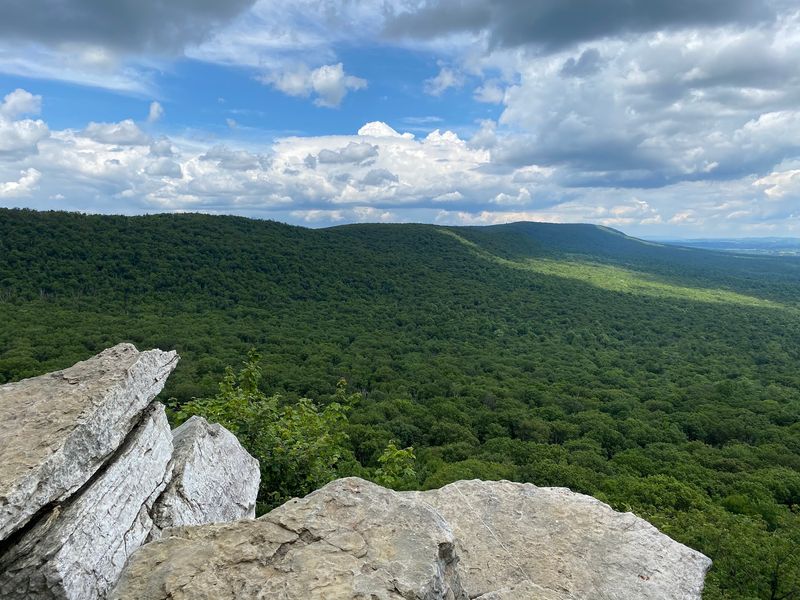
High above a quiet valley in eastern Pennsylvania sits a stretch of ridge where boulders pile up like a natural stone staircase and hawks glide by at eye level. The trails here range from a short stroll a small child can handle to leg-testing scrambles that make you use both hands.
People come for the wide overlooks, the birds of prey, and a chance to trade highway noise for open ridgeline. This mountain park has been protecting wildlife since 1934, and it still draws families, photographers, and serious hikers alike.
Stick around, because there is a lot to unpack about the trails, the views, and how to make the most of a day up top.
A Ridge Refuge in Kempton
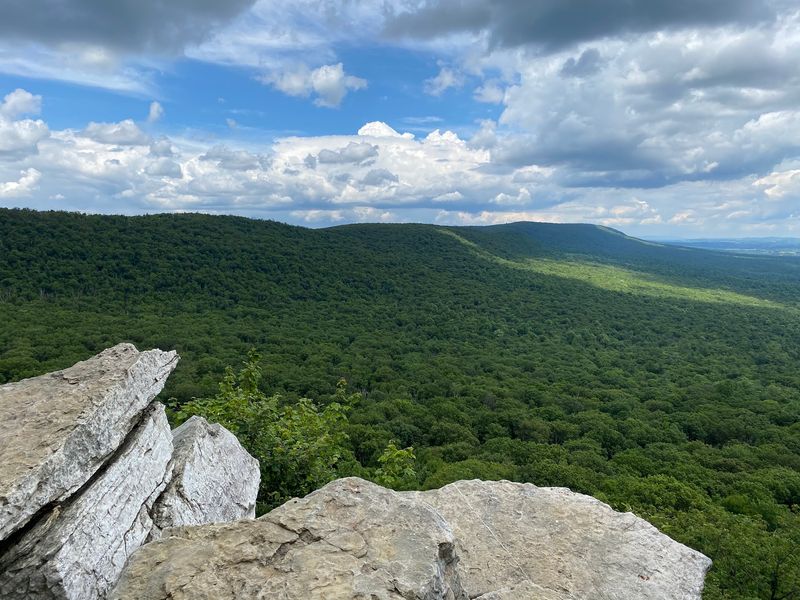
Tucked along a winding mountain road in Kempton, this 2,600-acre wild bird sanctuary carries a full address of 1700 Hawk Mountain Rd, Kempton, PA 19529. It sits on a forested ridge in eastern Pennsylvania, far enough from the highway to feel like a genuine escape.
The place has protected wildlife since 1934, which makes it one of the oldest refuges of its kind. Its main draw is a network of trails leading to rocky overlooks where birds of prey pass by on their seasonal travels.
Parking is generous and easy to navigate, so arriving does not turn into a chore. The office sits right next to the trailhead, so you buy your ticket and step straight onto the path.
A souvenir shop and educational exhibits round out the welcome, giving newcomers a sense of what they are about to explore. With a 4.8-star mark across more than two thousand pieces of feedback, the sanctuary clearly leaves a strong impression.
It is the kind of spot people return to year after year, sometimes bringing along kids who grow up hiking these same rocks.
Nearly a Century of Protecting Raptors
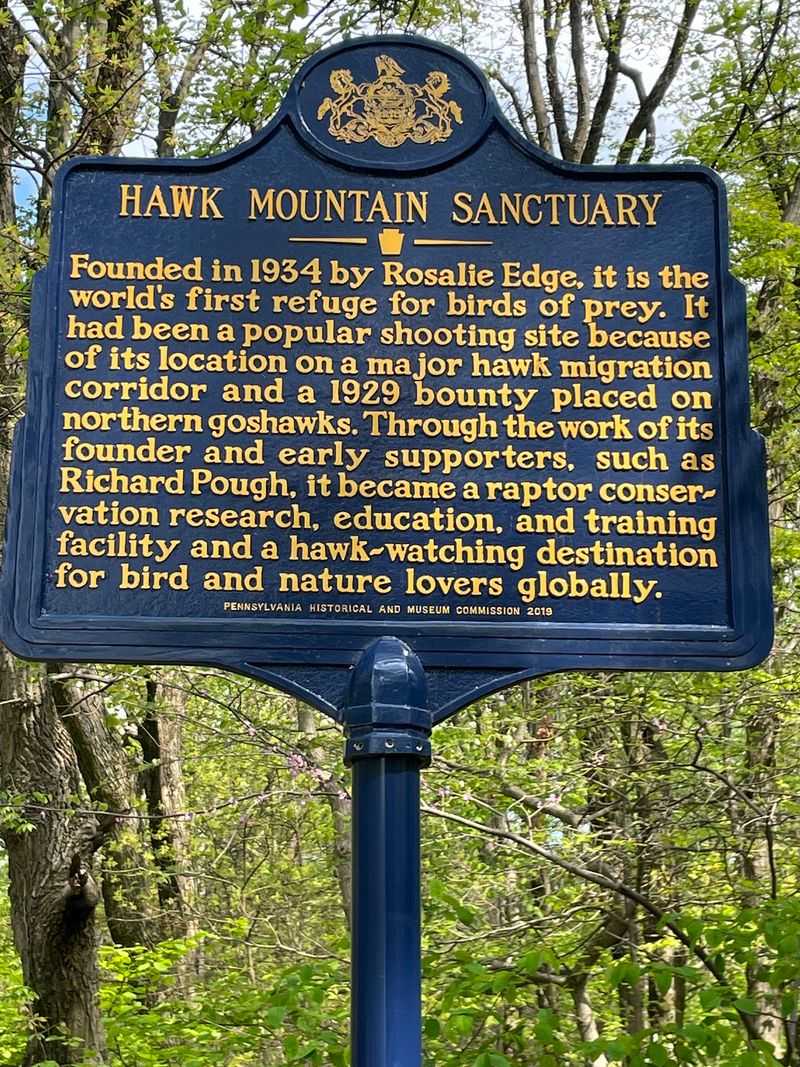
Long before mountain parks were common, this ridge became a sanctuary in 1934 with a mission to protect birds of prey. That founding purpose still shapes everything about the visit today.
Raptor conservation remains the heartbeat of the place, and the visitor center shares plenty of background on why these birds matter. Educational exhibits and lecture spaces help explain the science behind the flights overhead.
The story is not just about hawks. Vultures, ospreys, and eagles all pass through, and the sanctuary keeps track of what shows up throughout the year.
Its long history gives the grounds a sense of purpose that goes beyond a simple day hike. Staff and volunteers here clearly care about the work, and that dedication comes through in how they talk with guests.
Nearly a century of stewardship has turned this ridge into a trusted stop for anyone curious about wildlife. It is a rare thing to hike a trail and feel like you are also part of an ongoing conservation effort.
Overlooks That Steal the Show
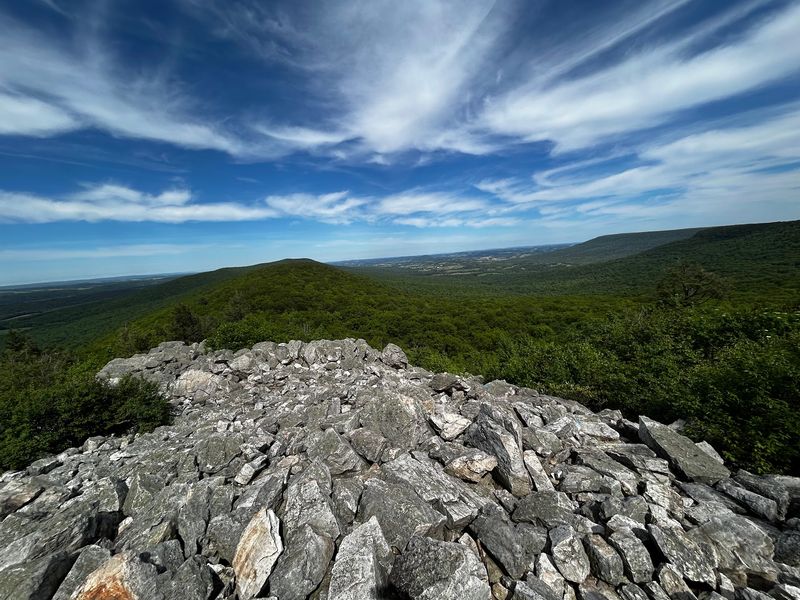
Wide, sweeping views are the reason most people make the trip, and the overlooks deliver them in generous supply. The panoramas rank among the most talked-about features of the entire sanctuary.
The South Lookout comes first and asks very little of your legs. A short walk brings you to a sitting area where the valley opens up below.
Keep going and the North Lookout waits at the top, considered a must-see especially during peak hawk migration. From up there the ridge and valley spread out in every direction.
The Sunset area earns praise too, giving photographers another angle worth chasing. Fall colors turn these viewpoints into something extra special.
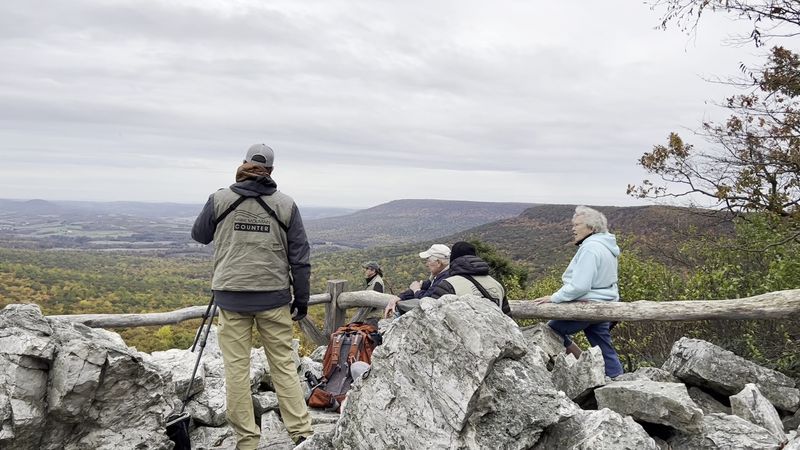
Giant summit boulders double as natural benches, perfect for settling in with a light lunch and a pair of binoculars. Many people plan their whole visit around simply sitting up top and watching the sky.
Reaching these spots takes some effort on the rockier stretches, but the payoff makes the climb feel more than fair.
Rock Scrambles for the Bold
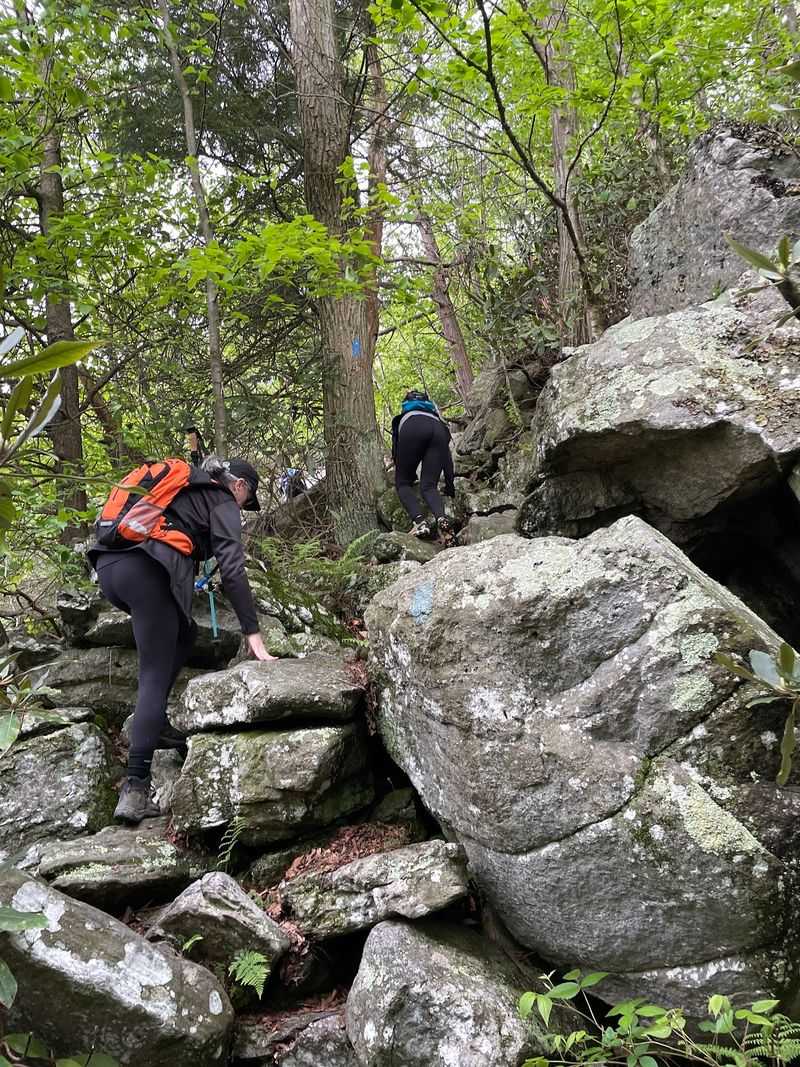
For those who want more than a stroll, the sanctuary hides some genuinely demanding terrain. Certain trails are marked Difficult and Most Difficult, and they earn every letter of those labels.
The River of Rocks Trail, Golden Eagle Trail, and Skyline Trail string together into a strenuous loop where you sometimes climb using both hands and feet. Big loops can stretch past five miles with roughly 1,000 feet of elevation gain.
Rock scrambling here is no joke, and good hiking boots make a real difference for traction. Not everyone in a group always finishes the toughest sections, and there are bypass routes for those who want to turn back.
Regulars mention that going counterclockwise on the big loop saves the rewarding North Lookout for near the end. The scrambling stretches are described as fun and exhausting in equal measure.
If you are fit and up for a challenge, these trails offer the kind of hands-on adventure that sticks with you. Just plan ahead, start early, and respect the difficulty.
Trails for Every Kind of Hiker
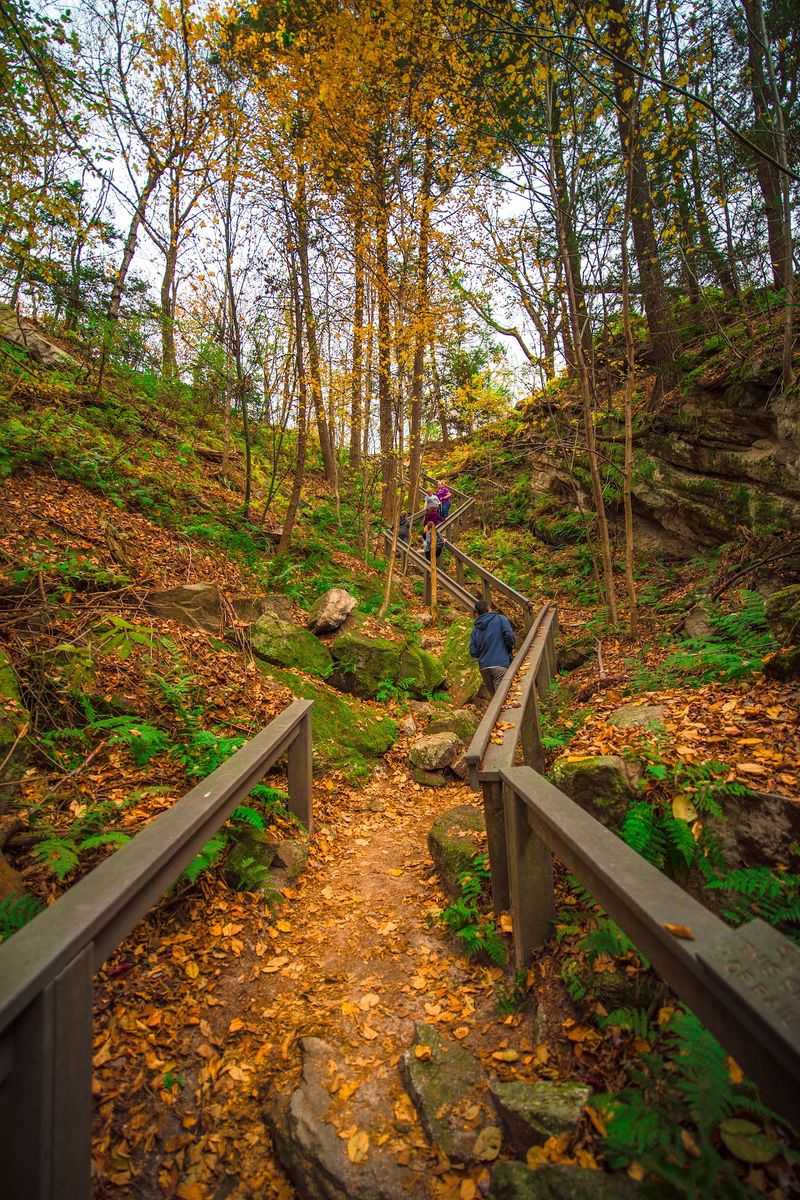
Not every path here demands rock scrambling, and that variety is part of the appeal. The sanctuary spreads its trails across the full range of ability levels.
The route to the South Lookout is described as very easy, and the walk to the North Lookout stays manageable with a few stairs and some rocky patches. A side trail even lets you skip the steep stairway near the highest points.
An ADA-accessible path makes at least one overlook reachable for wheelchairs and anyone who finds walking difficult. A gentle graded walkway near the start helps too.
Families with small kids can hike from the South to the North Lookout and back for a rewarding outing without the toughest terrain. A five-year-old managing that stretch is not unheard of.
Trails are well marked and clearly maintained, with railings on some of the trickier spots. The trail map explains each route so you know what you are getting into.
Whatever your pace, there is a path that fits.
Where Birdwatchers Gather
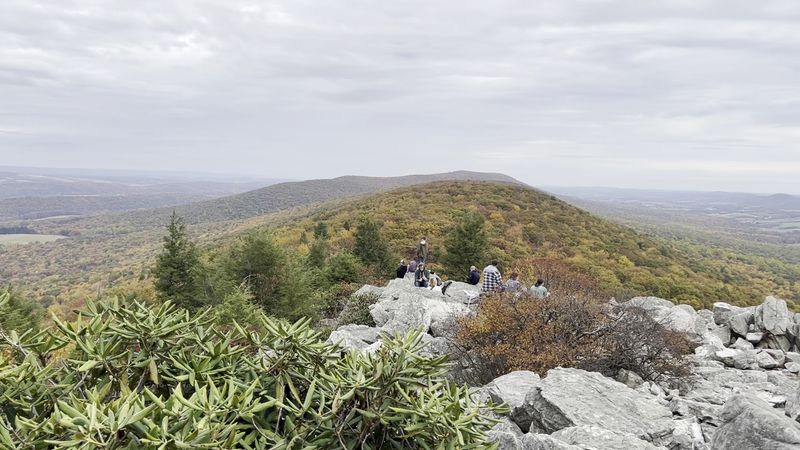
Binoculars are practically standard equipment up here, and for good reason. Bird watching sits right alongside the views as a top reason to visit.
Hawks, vultures, ospreys, and eagles all move through the airspace above the ridge. On some days three golden eagles have been spotted circling.
Migration season stacks the odds in your favor, so serious spotters plan around it. Outside those peak windows, sightings can be lighter, though the trip still rewards patience.
Up at the top, volunteers often count birds and share what they are seeing, naming species as they pass. That running commentary turns casual watching into a small lesson.
Even near the visitor center, feeders draw in a lively mix of birds that keep newcomers entertained. Checking the website beforehand shows which species have been active lately.
Bring good optics and a bit of patience, and the sky becomes the main event. For anyone who loves wildlife, this ridge is a front-row seat to one of nature’s great commutes.
The Visitor Center and Grounds
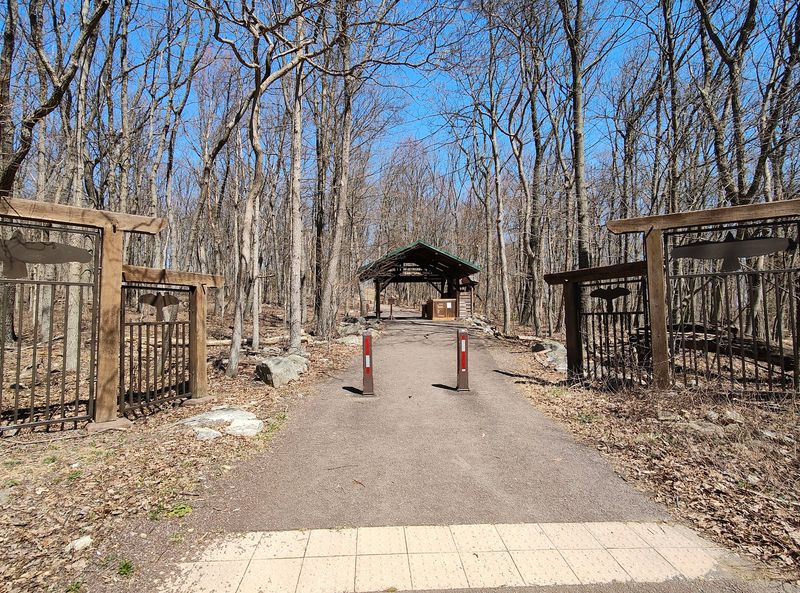
The trails get the attention, but the grounds near the entrance hold their own quiet charm. The visitor center packs in exhibits, information, and a well-stocked gift shop.
Educational displays cover the birds and the conservation work behind the sanctuary. A social hall and lecture space host talks, and an outdoor amphitheater adds another gathering spot.
Outside, a fenced native garden showcases local plants, changing character with the seasons. Even when it is past its peak bloom, the area stays interesting to wander through.
Staff and volunteers earn steady praise for being helpful and clearly happy in their work. One team member walking motorcyclists through trail options shows the kind of attention people notice.
Bird feeders near the center create a small show all their own, drawing curious guests who linger before or after a hike. Souvenirs and gifts give visitors a way to remember the day.
Even arriving too late for the trails leaves plenty to enjoy around the grounds. It is a welcoming home base that rounds out the whole outing.
Planning Your Visit
Timing and preparation go a long way toward a smooth day on the ridge. The sanctuary opens at 9 AM and closes at 5 PM every day of the week.
Admission runs a reasonable fee, with adult access noted around 10 dollars. You buy your ticket at the visitor center and receive a wristband before heading onto the trails.
Arriving early has real perks. Coming before opening puts photographers in position for morning light, and by late morning larger groups tend to arrive.
Good hiking shoes or boots are strongly recommended, since even the popular routes turn rocky. Pack a light lunch, water, and binoculars to make the most of the summit boulders.
Keep in mind the sanctuary follows a strict no-pets policy and knows ADA service animal rules well. The parking lot is large, so finding a spot is rarely a struggle.
Reaching it means a drive along Hawk Mountain Road in Kempton, out where the ridge rises above the valley. A little planning turns a good visit into a great one.
Enjoyed this story?
Add Fast Food Club as a preferred source to see more of our reporting on Google.