


Most Lake Michigan beaches come with parking lots, snack stands and a crowd. This one comes with a ferry schedule, a packing list and a real chance of having an ancient cedar forest all to yourself.
There are no stores, no cars and no deer, and that last detail matters more than you might think. The trip takes planning, patience and a serious supply of bug spray, but the payoff includes a lighthouse, a shipwreck resting near shore, towering perched dunes and trees that may have been growing for centuries.
The sections ahead cover the ferry, the trails, the camping, the history and the honest trade-offs, so the adventure ends up exciting instead of surprising.
An Uninhabited Island Off the Michigan Coast
Some destinations sit at the end of a long highway. This one sits at the end of a ferry line, with open water on every side.
South Manitou Island is listed at Glen Arbor Township, MI, USA, and it rises out of Lake Michigan off the northwestern shore of Michigan. Nobody lives here full time, which is a big part of the appeal.
The island is protected national park land, so it runs on a different rhythm than the mainland. Instead of shops and streets, it offers tree-shaded campsites, hilly hiking trails, long sandy beaches and a handful of historic sites.
A park pass is required to visit. Rangers and volunteers staff the island during the season, and they have earned a reputation as some of the friendliest people anyone could hope to meet on a trail.
Size is the first surprise for many first-timers. The island is much bigger than it looks on a map, and a single day barely scratches the surface.
Campers who want to see most of it often plan for more than two days. Day-trippers, meanwhile, learn quickly that choosing a few highlights beats trying to sprint everywhere at once.
Consider it a place that rewards planning, and that planning starts at a small harbor on the mainland.
The Ferry From Leland Sets the Pace
Every trip here begins with a boat and a clock. The ferry departs from Leland, and it serves as the main way most people reach the island.
Check-in has started at 9:15 in the morning, and boarding can begin almost right away. Getting there early is a smart move, since the ride tends to fill up.
Early arrivals usually claim the inside seats. Latecomers may end up standing out on the bow in the wind for the whole crossing, which is charming for roughly five minutes.
Once the boat docks, a restroom building with flush toilets waits near the landing. The line grows long as everyone steps off at once, but a set of permanent portable toilets painted brown sits a few steps farther away and usually moves faster.
The return trip deserves just as much attention. Missing the ferry back means either staying the night or hiring a private boat, and neither option is a fun surprise at the end of a long hike.
Kayaking around the island is popular, but launching from the mainland shore is strongly discouraged. Lake Michigan can turn dangerous even in summer, and help is far away out there.
Wear a watch, check the schedule twice and let the ferry set the tempo for the day.
Family Roots in the Island Soil
Long before campers showed up with backpacks, families showed up with plans to stay. Settlers from Germany arrived around 1870 and built lives on this remote patch of land.
Descendants of those families still return, and the connection runs deep. For them, a trip across the water is part vacation and part homecoming.
That history helps explain why the island feels less like empty wilderness and more like a place with memory. Historic sites are scattered across the landscape, and hiking between them has been described as moving through a truly spirited place.
For a structured look at the past, the island offers wagon tours. There are two different excursions, and a single day trip only allows time for one of them, so choosing ahead is wise.
The wagon rides do include short walks to each stop. Still, anyone who came mainly to hike may find the tour takes up most of the day, leaving little time to roam alone.
School groups have made the crossing for decades too. Teachers have brought small classes here for weekend trips, and some of those former students still talk about going back more than thirty years later.
So many trails pass somebody’s story that the empty paths never quite feel empty.
A Lighthouse at the Top of the List
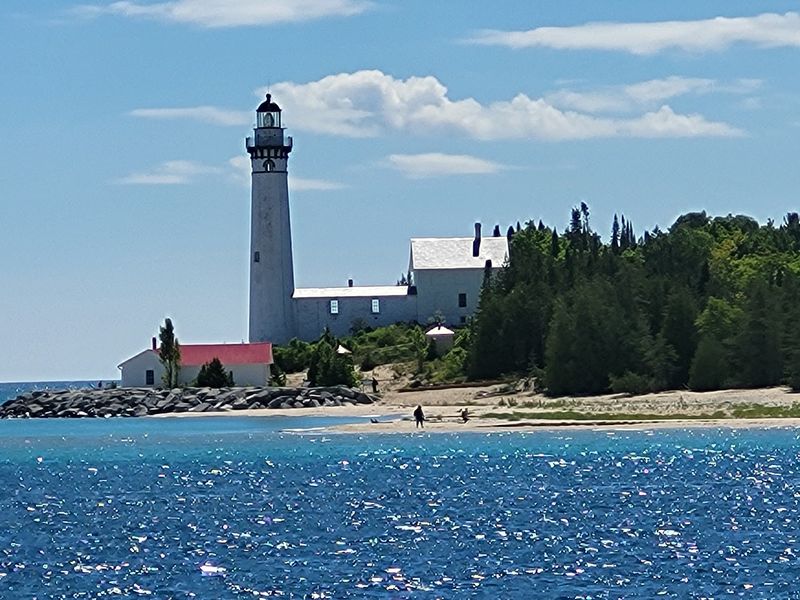
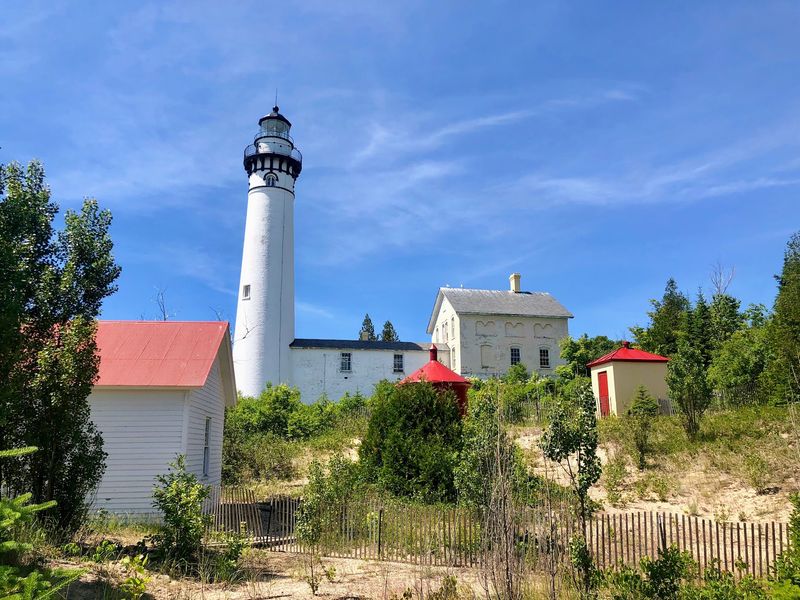
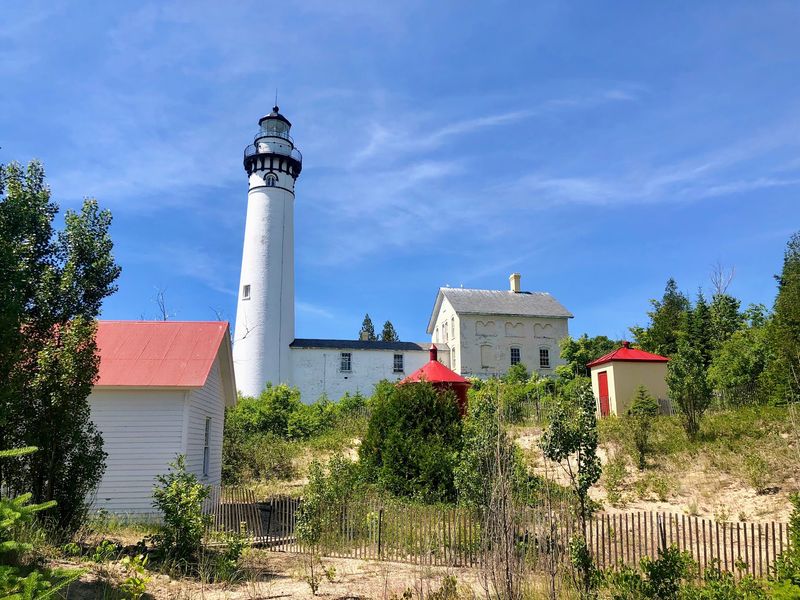
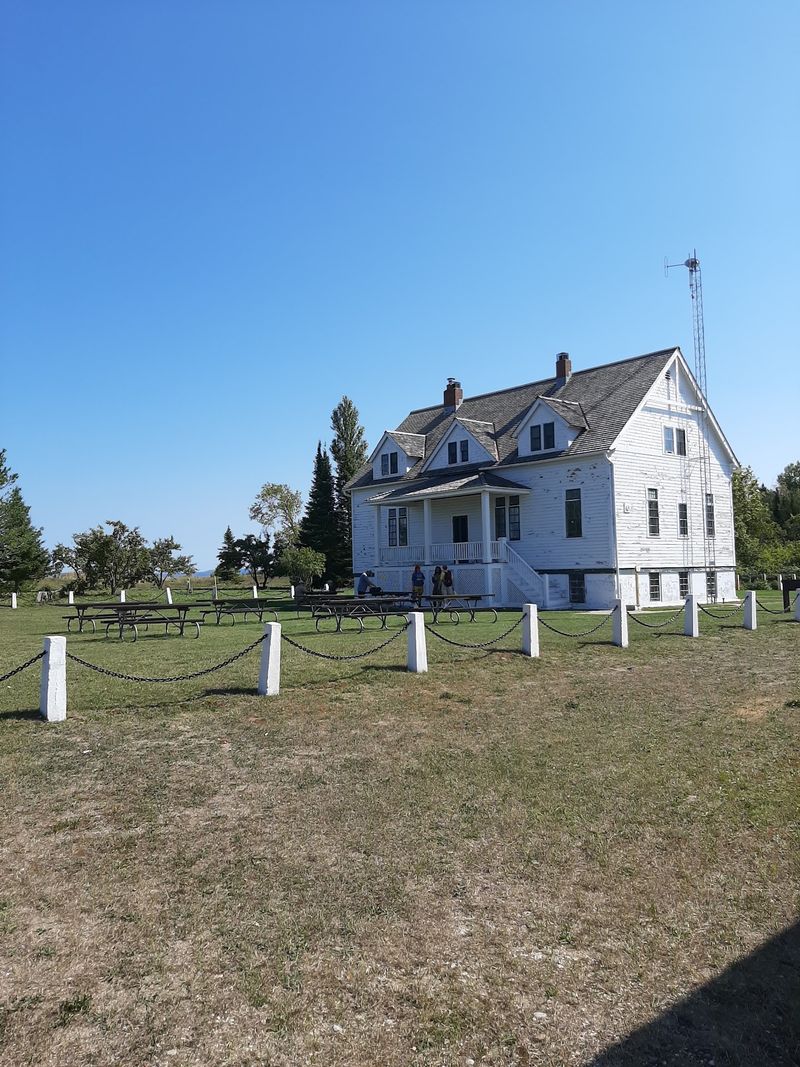
Few landmarks on the island draw as much attention as the lighthouse. It shows up again and again on must-see lists, often right alongside the old growth cedars.
The appeal is easy to understand. A lighthouse on a remote island tells the story of a busy shipping lake, and the shipwrecks resting near the shore make that story feel very real.
Exploring the lighthouse fits neatly into a larger outing. Many hikers pair it with an easygoing stroll along the southwest shore, where sandy beaches stretch out for miles.
For day-trippers, it counts as one of the most practical highlights to choose. The history and setting deliver a lot of payoff for a stop that fits comfortably inside a single ferry schedule.
Campers get the bonus of returning more than once. Some make a point of checking it out twice during a single stay, which says plenty about how memorable it is.
Families will find it a natural anchor for the day. Kids get a landmark to aim for, and adults get a quick lesson in why a lake this big once needed so much guidance.
Of all the stops on the island, this one tends to be the easiest to recommend and the hardest to skip.
The Morazan and Its Crowded Picnic Spot
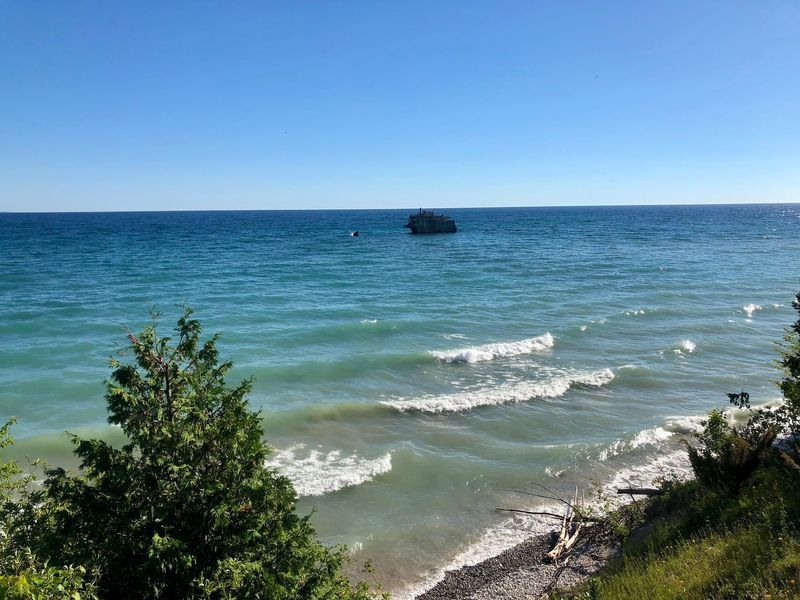
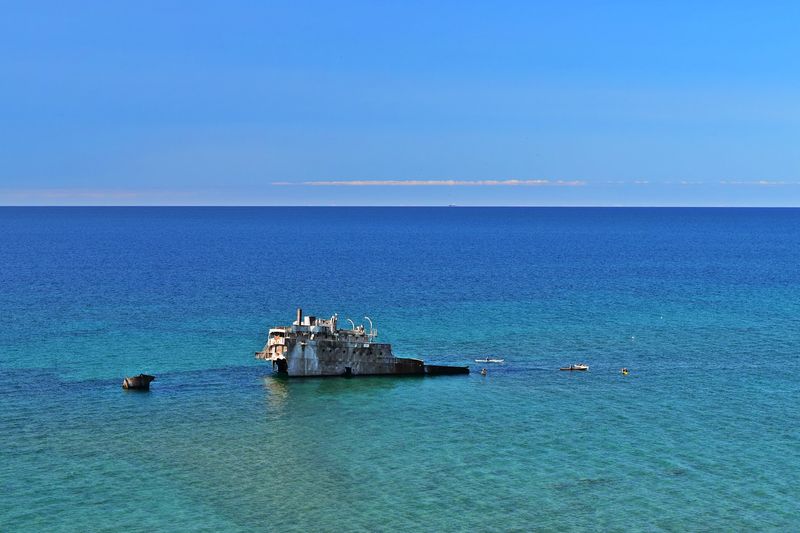
Ships did not always make it safely past this island. Shipwrecks are one of the most talked-about features here, and the best known is the Morazan.
The wreck sits along the route to the old growth cedar forest. That makes it an easy two-for-one stop on one of the island’s most recommended hikes.
The full round trip from the Ranger Station to the cedars covers about 6.9 miles. The Morazan appears along the way, so hikers get a dose of maritime history before they ever reach the big trees.
Right after the ferry lands, a large share of the crowd heads straight for the shipwreck. It has become the go-to picnic destination for day-trippers.
Space is limited, though. Expect side-by-side seating on the ground or on fallen trees rather than room to spread out a big blanket.
Anyone hoping for a quieter lunch can flip the order. Visiting the cedars first and the wreck later, or picnicking elsewhere, helps dodge the midday rush.
Remember to pack out everything that comes in. No food is sold on the island, and the wild residents are always happy to clean up whatever gets left behind.
Few picnic backdrops come with this much history attached.
Cedars Older Than the Country
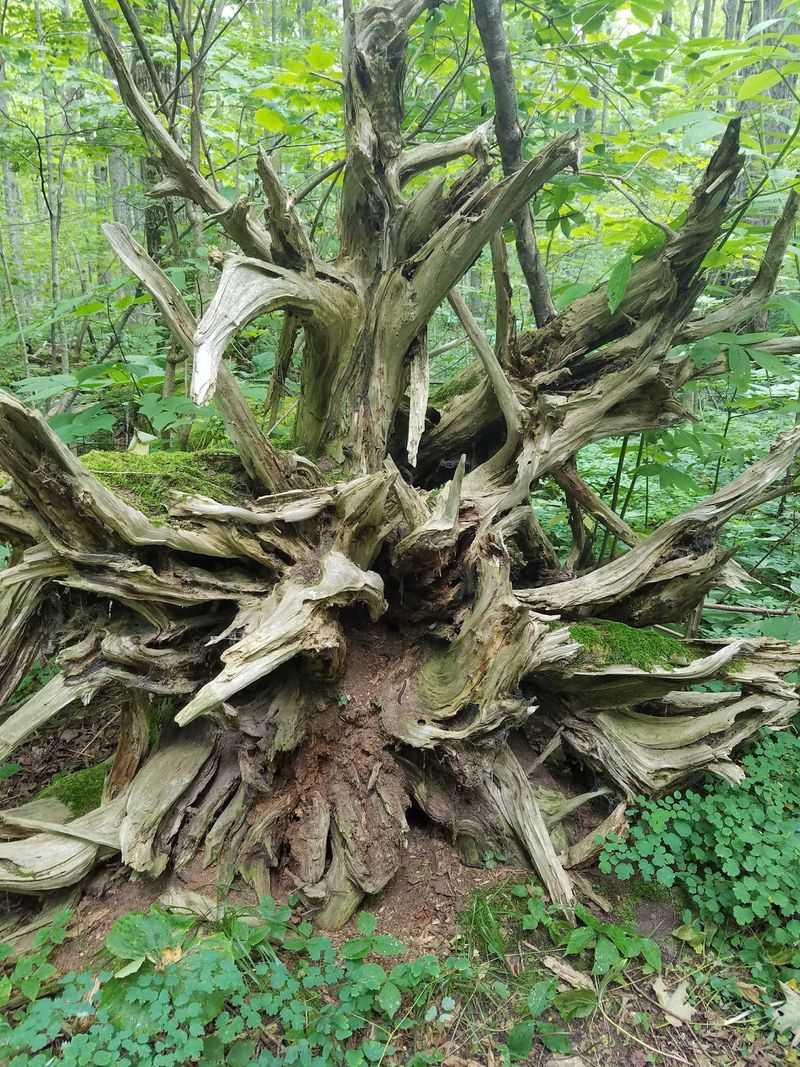
Some of these trees were already old when the first settlers arrived. The island’s grove of northern white cedars includes trees around 350 years old, and some may be closer to 900.
The old growth forest is regularly named as a must-see. It also happens to be one of the calmer spots on a busy ferry day, since many people head toward the dunes instead.
Hikers who choose the cedars often find the trail nearly to themselves. That solitude is a big part of the magic.
The forest floor here is unusually diverse and rich. A key reason is that the island has no deer, so young plants grow without constant nibbling.
A loop path winds through the cedars before rejoining the main trail. One section includes a steep climb up and down, and fallen leaves can make the descent slippery.
Anyone with walking difficulties may want to skip that part. Sturdy footwear helps everyone else, and waterproof boots come recommended for island hiking in general.
Time slows down in a grove like this. A few hundred years of patience are on display, and they make a strong case for leaving the phone in the backpack.
Perched Dunes and a Crescent Bay
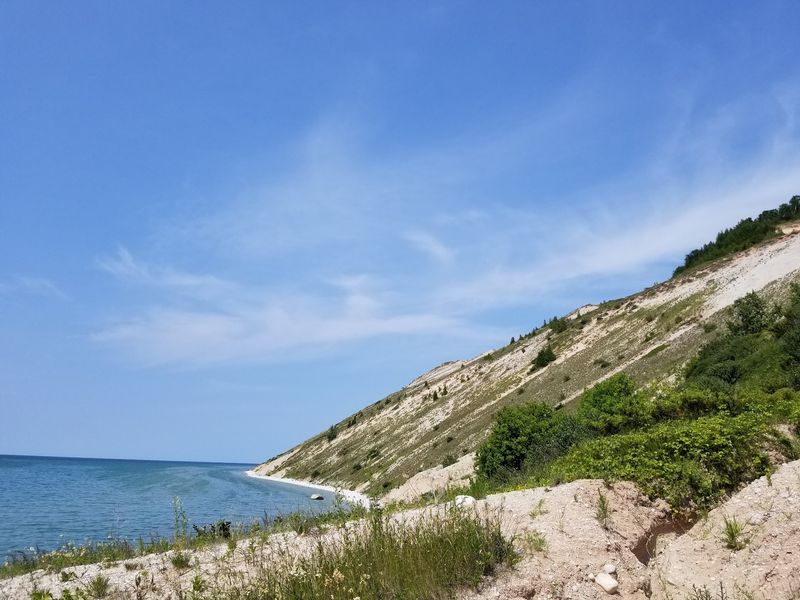
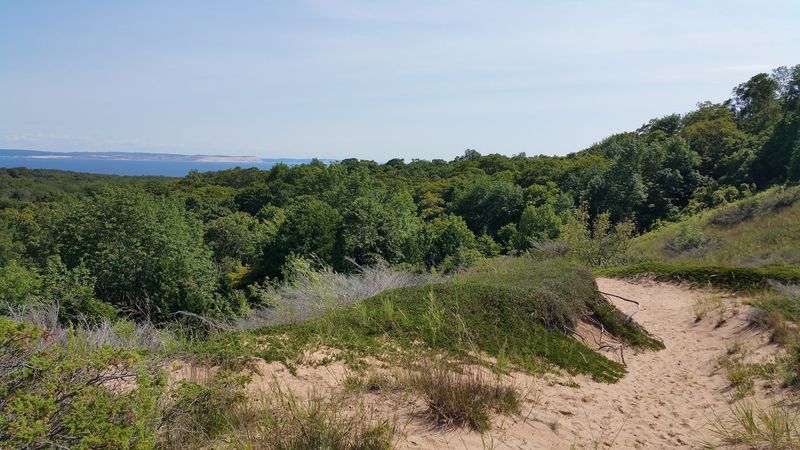
High above the western shoreline, the island shows off its most dramatic side. Soaring perched sand dunes line the west coast, and climbing them is a favorite outing.
Perched dunes sit on top of high bluffs rather than at water level. The result is a lofty view over Lake Michigan that makes the effort to reach them feel worthwhile.
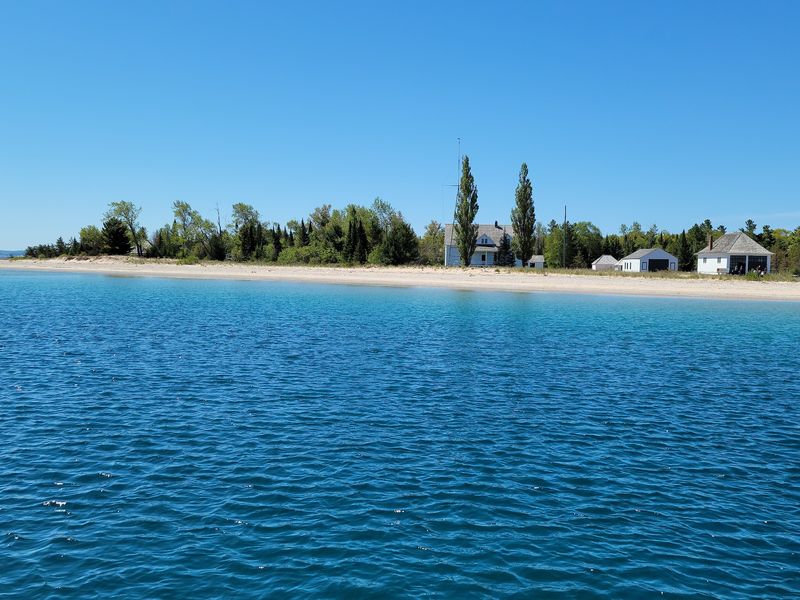
Hiking the dunes pairs nicely with the island’s miles of sandy beaches. Long stretches of shoreline invite slow walks with no crowds and no boardwalk vendors.
On the sheltered side of the island, a crescent-shaped bay earns high praise. In summer, it has been called one of the most beautiful places on the planet, and not many people have seen it in person.
Wildlife adds another reason to keep the eyes up. Bald eagles have been spotted near the island’s inland lake, a thrilling bonus for anyone carrying binoculars.
Plan the route with care, since the dunes take energy and the island is large. Water, snacks and plenty of time will make the climb far more pleasant.
Sand, sky and a lake that seems endless, all without a single ticket line in sight.
Campsites Worth Hauling a Backpack For
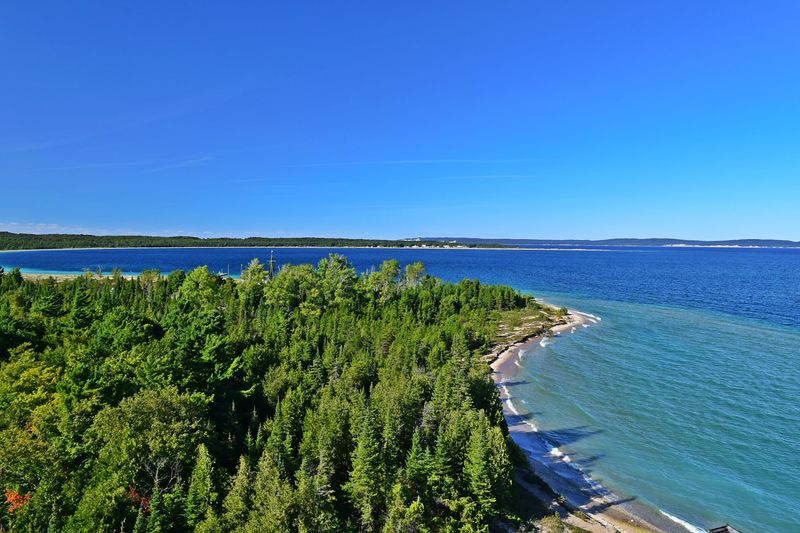
Overnight guests get the island at its quietest, after the last ferry pulls away. Camping here ranges from a single night to a stay of up to a week.
Campsites sit under the trees, and some have earned devoted fans. Site G3 comes with especially enthusiastic praise, including a beach entrance nearby.
Everything has to be carried in on foot. Wagons for hauling gear and firewood are not allowed, so a proper hiking backpack makes a huge difference.
Food planning deserves extra thought. Nothing is sold on the island, and experienced campers suggest bringing more than seems necessary.
Fire pits are shared among sites. That setup suits social groups but may frustrate campers hoping for a private fire.
Chipmunks have a reputation for raiding unsecured food. Some campers never see one, while others learn the hard way, so storing supplies securely is the safe bet.
Nights can turn cold, even when days feel mild. Warm layers belong in the pack, along with a water filter for extra peace of mind.
Friends and families both find the island a great base for a first backpacking trip. The rules are simple, the scenery does the heavy lifting and the memories tend to outlast the sore shoulders.
The Mosquito Question Nobody Can Skip
Every paradise has a catch, and this one has wings. Mosquitoes are the single most discussed topic about the island, and the warnings are not exaggerated.
Some campers in July and August have described conditions so intense that they retreated to their tents for many hours. Even heavy repellent and full-coverage clothing did not always solve the problem.
Black flies can join the party too. Trails heading toward the north side of the island have been singled out as especially buggy.
Timing makes a real difference. Earlier in the season tends to be much nicer, and at least one sunny day trip passed with no bug trouble at all.
Preparation is the best defense. Strong repellent is a must, and seasoned campers recommend bringing multiple cans instead of one.
Long sleeves, long pants and waterproof boots round out the kit. A good attitude helps as well, since plenty of people treat the bugs as simply part of the adventure.
Not everyone agrees, and that is fair. Backpackers used to drier western trails sometimes find the combination of insects and humidity a poor trade.
Pack for the worst, hope for a breezy day and let the island surprise you in the good way.
Day Trip Math and a Gentle Verdict
A good island day comes down to simple arithmetic. Ferry time, walking time and picnic time all have to fit before the boat heads back to Leland.
The basics are easy to remember. A park pass is required, dogs are not allowed and no food is sold anywhere on the island.
Clean restrooms, drinking water and picnic tables are available at the Visitor Center. A roomy picnic area with plenty of tables also sits right by the dock, which makes it a relaxed spot for a meal before boarding.
Choices matter on a short visit. Picking either a wagon tour or a self-guided hike to a few key points works better than trying to do everything.
Long-range planners should watch for dock work. South Manitou has reportedly been slated to close in 2026 for dock upgrades, so checking current access before booking is a must.
Is the trip worth the effort? For hikers, history fans and anyone craving quiet, the answer leans strongly toward yes.
Bug season and logistics ask for patience, and the island does not bend its rules for anyone. In return, it offers ancient cedars, soaring dunes, a lighthouse and room to breathe, all a single ferry ride away.
Enjoyed this story?
Add Fast Food Club as a preferred source to see more of our reporting on Google.