


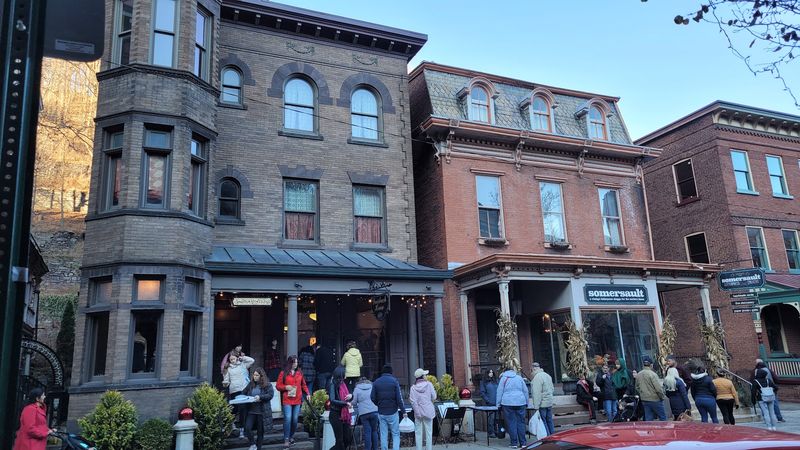
Some towns were built around a church or a courthouse. This one was built around coal, rails, and a river gorge that trains still roll through today.
In eastern Pennsylvania, a small mountain town has held onto its railroad roots with century-old coaches, a mining past you can learn about up close, and a name with one of the most unusual stories in American history. Fall is when it really shines, as the hills around the gorge turn color and the scenic train becomes the hottest ticket around.
Keep reading to find out where this town is, why it carries the name of a famous athlete, which museums are worth your time, and how to plan a weekend that feels like a trip back to the age of steam and coal.
A Mountain Town in Eastern Pennsylvania
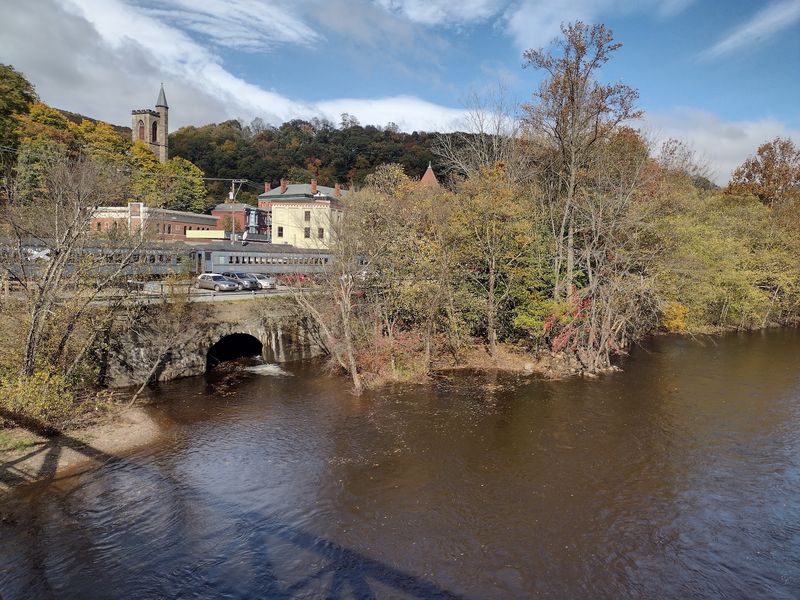
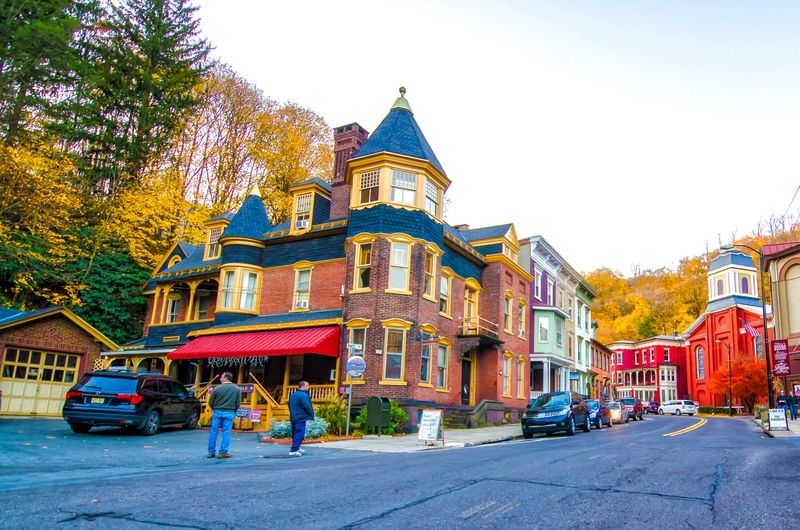
Tucked into the hills of eastern Pennsylvania, USA, sits Jim Thorpe, a town that wears its history right out in the open. Its official home on the web, jimthorpe.org, is a handy starting point for planning.
The town grew up in the coal and railroad era, and that past still shapes nearly everything here. Streets, museums, and rail lines all point back to the days when anthracite coal powered the region.
What makes the spot stand out is how much of that story stayed in place. Instead of fading into the background, the old industries became the backbone of a visitor-friendly town.
Railroad fans get a working scenic line. History buffs get museums tied to mining and to a legendary athlete.
Outdoor lovers get Lehigh Gorge State Park right next door. That mix makes a single weekend feel surprisingly full.
Small towns sometimes struggle to offer enough to fill two days. This one has the opposite problem, and choosing what to skip may turn out to be the hardest part of the trip.
The Story Behind an Unusual Name
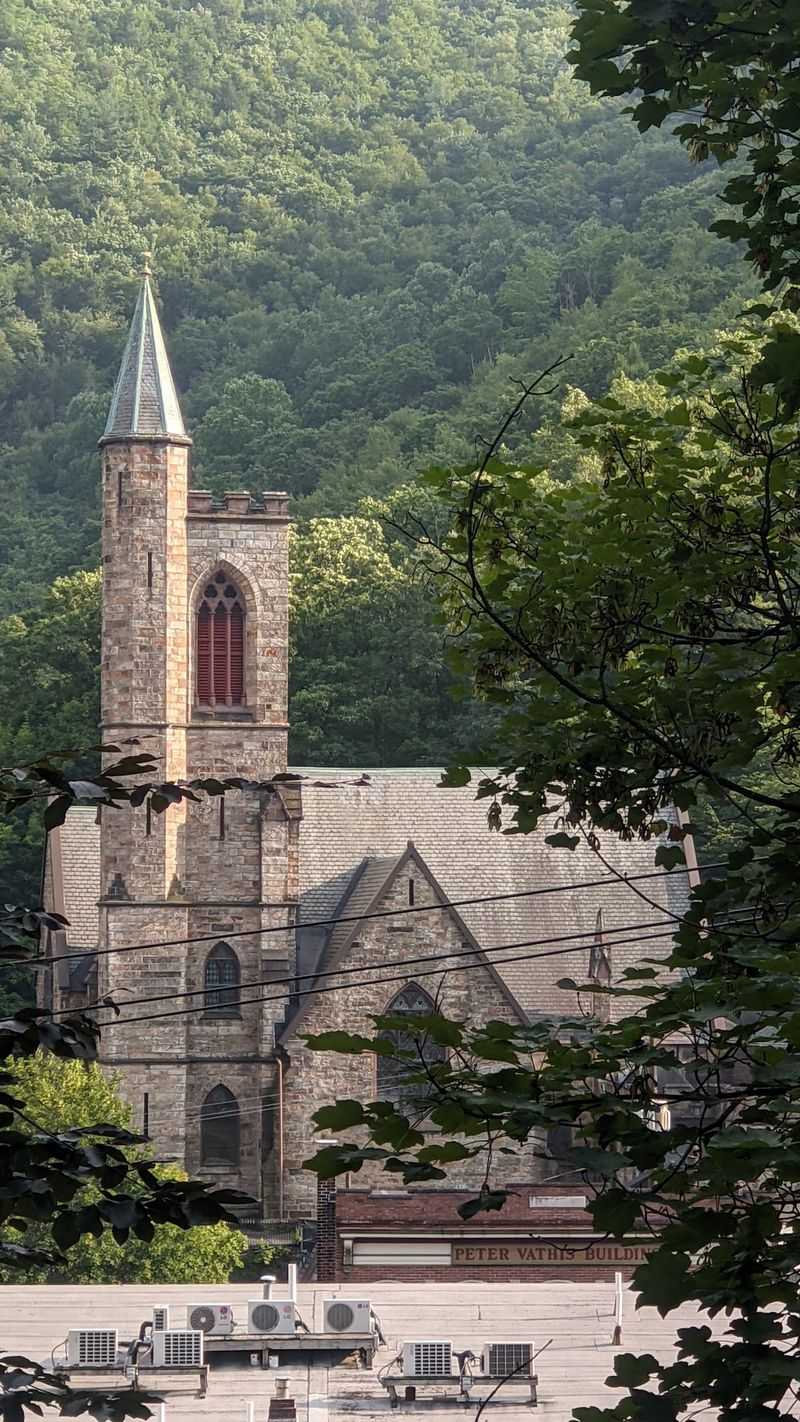
Few towns in America share a name with a sports legend. Jim Thorpe is one of them, named for the famous Native American athlete whose achievements still draw admiration today.
Before it carried his name, the area was known as Mauch Chunk. That older name lives on in the Mauch Chunk Museum and Cultural Center, which keeps both chapters of the story connected.
The museum details the life of the town’s namesake alongside the region’s industrial past. It is a rare chance to learn about a world-class athlete in a place shaped by coal and rail.
That pairing gives the town a personality all its own. Railroad history and sports history rarely sit side by side, yet here they share the same main stage.
Visitors who arrive knowing only about the trains often leave with a new hero to read about. For a town with deep roots, the name itself is a pretty good conversation starter.
Coal Country Roots
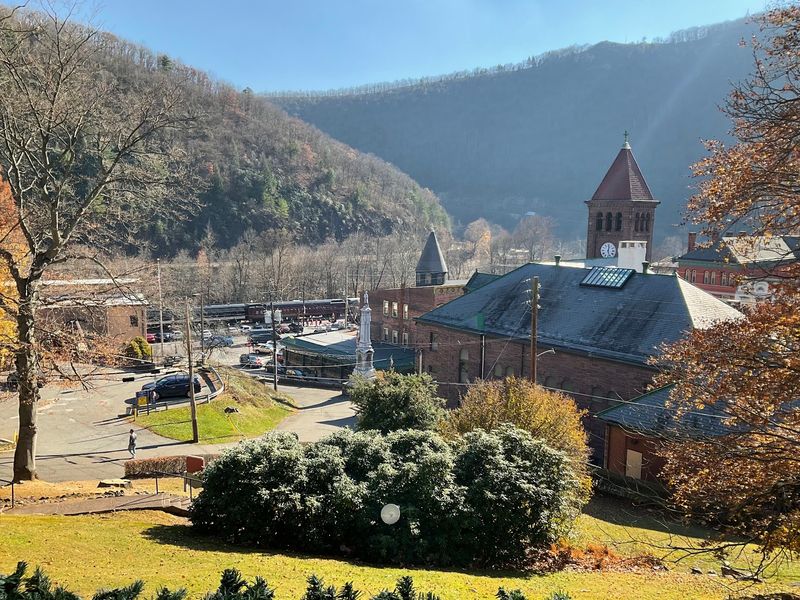
Anthracite coal is the reason this corner of Pennsylvania boomed. The hard, clean-burning fuel came out of the surrounding mountains and needed a way to reach the rest of the country.
Rail lines answered that need, and towns like this one grew along the routes. The connection between mining and railroading explains why the area feels so tied to tracks.
Today, that heritage is the main draw. Museums and rail excursions turn an industrial past into something families can explore in an afternoon.
The Mauch Chunk Museum and Cultural Center lays out the area’s coal mining history in a clear way. It makes a smart first stop before heading out to see mines and rails in person.
Understanding the coal story first makes everything else click. Once the background is set, every rail car and mine entrance in the region carries a little more meaning.
Mauch Chunk Museum and Cultural Center
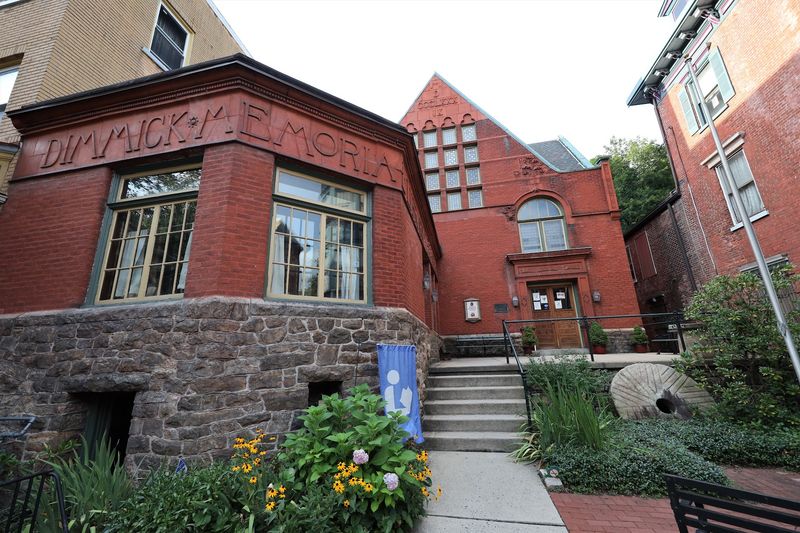
Every good railroad town needs a storyteller, and the Mauch Chunk Museum and Cultural Center plays that role here. It gathers the town’s biggest themes under one roof.
Exhibits cover the coal mining history that built the region. They also tell the story of Jim Thorpe the athlete, giving his legacy a proper home in the town that bears his name.
The museum works well as an orientation point. A visit early in the weekend helps the rest of the trip make sense.
History-minded travelers will appreciate how it ties industry and people together. Instead of focusing only on machines, it puts the community’s identity front and center.
Families with curious kids can use it as a launchpad for questions. Why coal?
Why trains? Why a famous athlete?
By the time you walk out, those answers will have you itching to see the rails and mines up close.
Century-Old Coaches on the Lehigh Gorge Scenic Railway
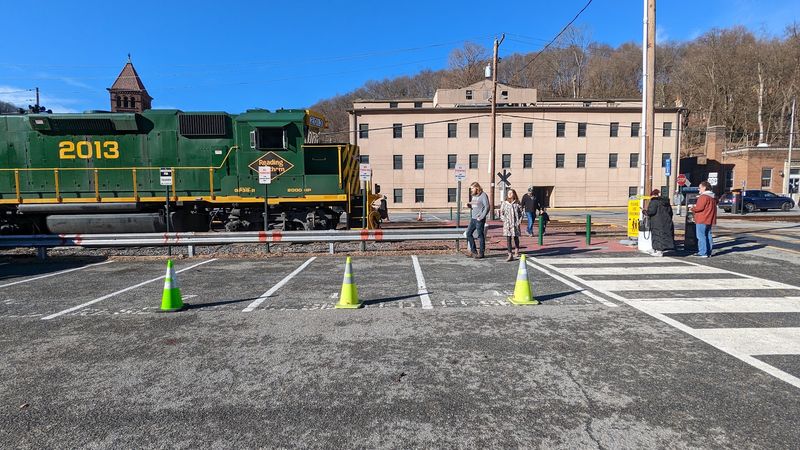
All aboard is more than a phrase in this town. The Lehigh Gorge Scenic Railway is the headline act for anyone who loves old rail lines.
Passengers ride in century-old coaches powered by diesel engines. That combination keeps the vintage character of the cars while keeping the trips running reliably.
The route heads into Lehigh Gorge State Park, which means the ride doubles as a scenic outing. It is a relaxed way to see the gorge without lacing up hiking boots.
Riding in coaches that have been around for roughly a hundred years adds a real sense of history. Each seat has carried generations of travelers before you.
Fall weekends are an especially popular time to hop on. The changing leaves in the gorge give the trip an extra layer of appeal, so planning ahead is a wise move.
For rail fans, this is the reason to come. Everything else is a bonus on the line.
Lehigh Gorge State Park Next Door
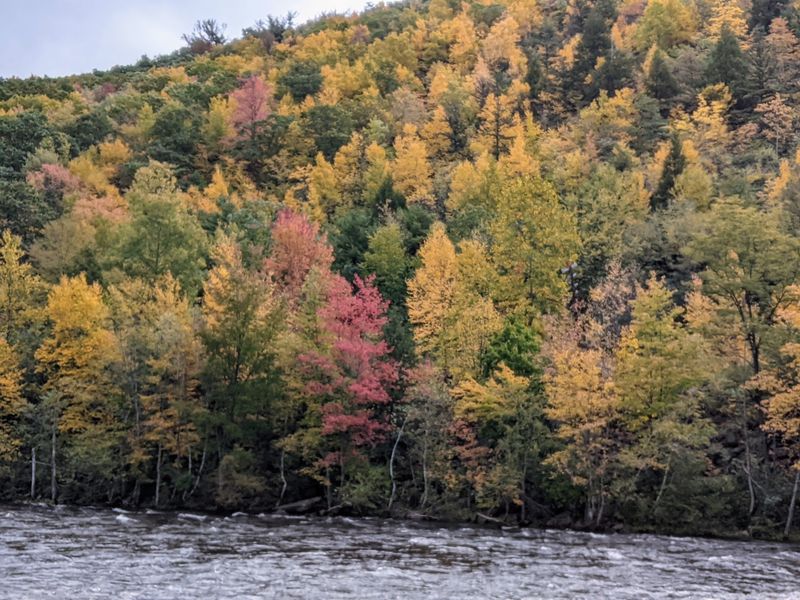
Trains get you there, but the park is what keeps you staring out the window. Lehigh Gorge State Park sits close to town and forms the backdrop for the scenic railway.
The gorge gives the area a wild, natural counterpart to its industrial history. It is a reminder that rail lines often followed rivers and valleys through rugged country.
For travelers who like a bit of both, the setup is ideal. Ride the rails in the morning, then plan time to explore the park on your own terms.
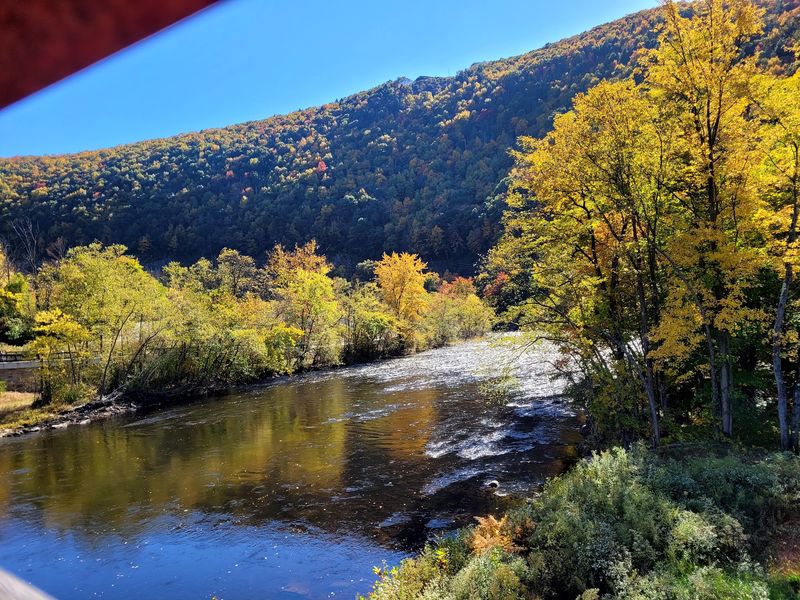
Autumn is a strong season to visit. The forested slopes change color, making the whole valley a favorite for leaf-peeping weekends.
Having a state park this close means the town never feels boxed in. There is always room to stretch out beyond the museums and depots.
Nature and railroading turn out to be very good traveling companions.
Underground at No. 9 Mine and Museum
Some history lessons happen above ground. The best mining lesson in the area takes you a little deeper.
In nearby Lansford, the No. 9 Mine and Museum is set in a 19th-century anthracite coal mine. It offers a direct look at the kind of work that fueled the entire region.
A short drive from Jim Thorpe makes it an easy add-on to the weekend. Pairing it with the Mauch Chunk Museum gives a fuller picture of coal country.
Seeing an actual historic mine adds weight to everything learned in town. The coal that rode the rails came from places just like this one.
It is a great pick for families and anyone curious about how miners lived and worked. The experience brings textbook history to eye level.
Just remember to dig into your schedule early, since this side trip deserves a few unhurried hours.
Why Autumn Steals the Show
Timing can make or break a trip to a mountain town. Here, fall is the season that tends to win.
The hills around town and the slopes of Lehigh Gorge put on their seasonal color show. A train ride through the gorge becomes a front-row seat for it.
Cooler weather also makes walking between museums and town sights comfortable. A full day outdoors feels easy instead of exhausting.
Popularity comes with the territory, though. Weekends in peak foliage season draw plenty of travelers, so booking train tickets and lodging early is smart.
Arriving early in the day helps too. It gives you more breathing room before the crowds settle in.
Fall simply lines everything up: rails, mountains, and history all in their best light.
Who Will Love This Weekend Most
Rail buffs are the obvious match, but the guest list runs longer than that. The town works for a surprisingly wide range of travelers.
History lovers get coal mining stories, a museum devoted to the area’s past, and a historic mine nearby. Sports fans get the tale of a legendary athlete.
Families can mix a train ride with museum stops. Kids often find vintage coaches and mine tours far more exciting than a classroom.
Couples looking for a low-key getaway will find a slower pace and pretty fall scenery. The town suits travelers who prefer meaningful sights over busy schedules.
Outdoor fans have Lehigh Gorge State Park within easy reach. That gives active travelers a break from indoor exhibits.
Groups with mixed interests rarely argue here. There is a track for everyone, quite literally.
Planning Notes Before You Go
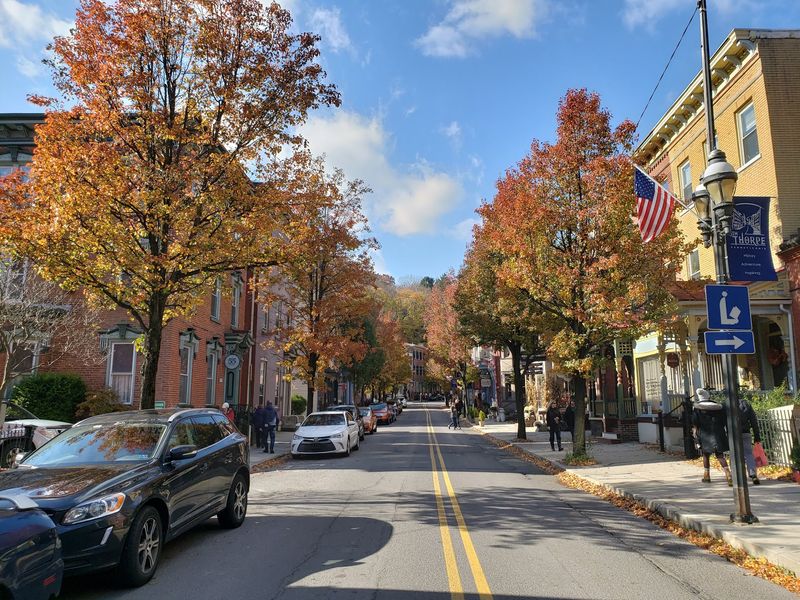
A little homework goes a long way in a popular small town. Start with the official site at jimthorpe.org for current event details and visitor information.
Train schedules, museum hours, and ticket prices can change by season. Checking directly with the Lehigh Gorge Scenic Railway, the Mauch Chunk Museum, and the No. 9 Mine and Museum before you go avoids surprises.
Plan your weekend around the train first. Once your ride time is set, fit the museums and Lansford mine visit around it.
Driving is the most practical way to reach the town and nearby Lansford. Allow extra time on busy fall weekends.
Comfortable walking shoes help, since exploring town and the park involves time on your feet. Layers are useful in autumn mountain weather.
A clear plan means less time scrambling and more time enjoying the ride.
The Verdict on a Railroad Weekend
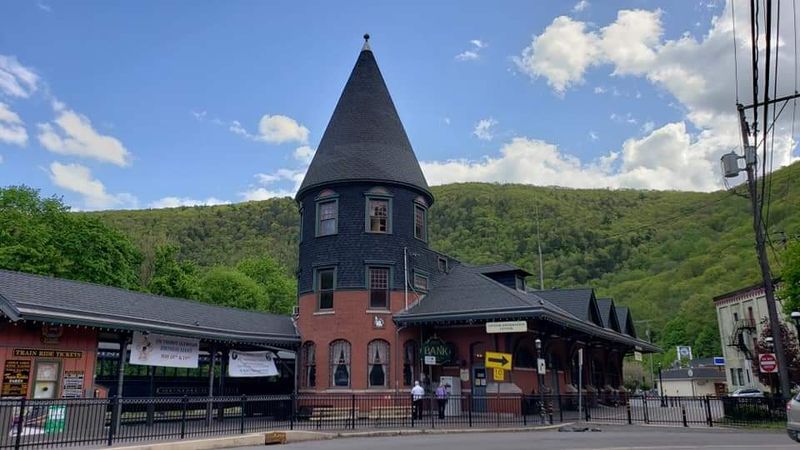
Plenty of towns have old tracks. Very few still put them to work for travelers the way this one does.
Jim Thorpe combines century-old coaches, a gorge worth riding through, and a coal heritage you can explore in museums and a real 19th-century mine. Add the remarkable story of its namesake, and the town feels like more than a quick stop.
Fall gives all of it an extra lift. Color in the hills and comfortable weather make a two-day stay feel just right.
It is not a place for nonstop thrills. It is a place for slowing down, learning something, and enjoying the ride.
For anyone who loves railroad towns, that is exactly the right speed. Pack a bag, book a seat on the train, and let this mountain town carry you back a century or so.
Enjoyed this story?
Add Fast Food Club as a preferred source to see more of our reporting on Google.