


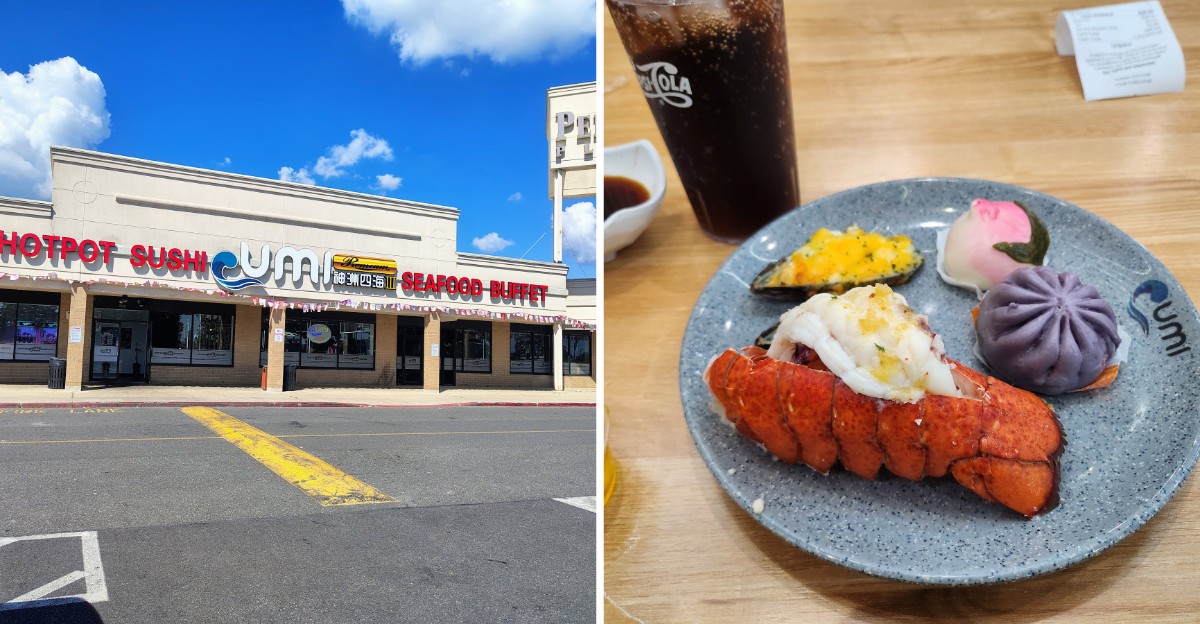
Southwest Philadelphia has a buffet where lobster tails come out one at a time and crab legs are part of the deal. That alone gets plenty of seafood fans in the car.
Add a hibachi station, a hot pot bar, sushi, sashimi, ramen, and free-flowing boba, and the plate math gets complicated fast. The trick is knowing when to go, what to grab first, and what the bill really looks like before you sit down.
Keep reading for the full rundown, including the timing secret for the freshest lobster and the payment detail that surprises first-timers.
An Island Avenue Address Worth Knowing
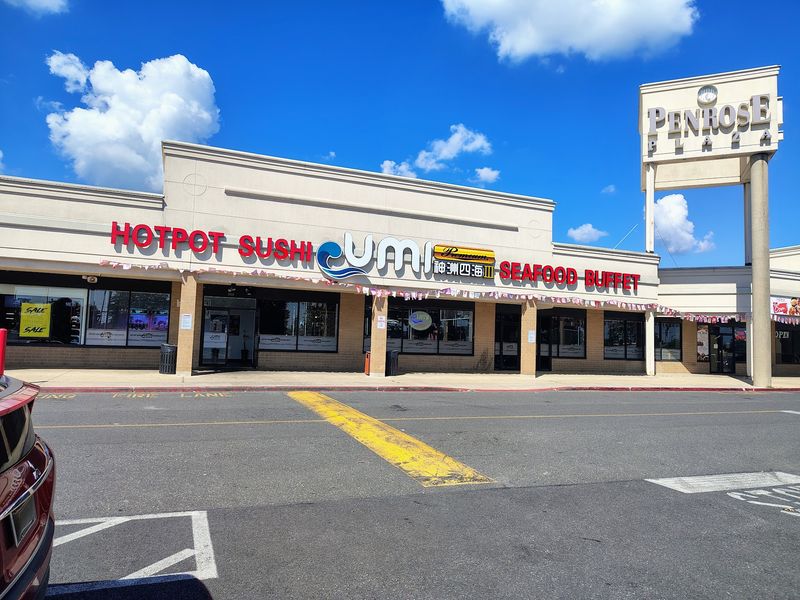
Umi Hot Pot Sushi & Seafood Buffet sits at 3000 Island Ave, Philadelphia, PA 19153, in the southwest corner of the city. It is a buffet restaurant, but calling it just a buffet undersells the lineup.
The restaurant belongs to the larger Umi family, with other locations across Pennsylvania, New Jersey, and New York. This Island Avenue spot is one of the newer members of that group.
Diners who already know the brand often arrive with comparisons ready. Some favor the New Jersey branches, like Deptford, while others are glad to finally have an Umi closer to home.
The neighborhood outside is plain and busy, and some guests describe the surroundings as rough around the edges. Parking and a quick walk to the door are part of the routine.
Once through the entrance, though, the mood shifts. The dining room is bright, polished, and very different from the strip of road outside.
The concept is simple. Pay one price, then work through stations for seafood, sushi, hot pot, ramen, hibachi, dim sum, desserts, and drinks.
It holds a 4.4-star standing from more than 1,000 diners, which says a lot of people keep coming back. The question is what pulls them in, and the answer starts with a shell.
A Dining Room That Breaks the Buffet Mold
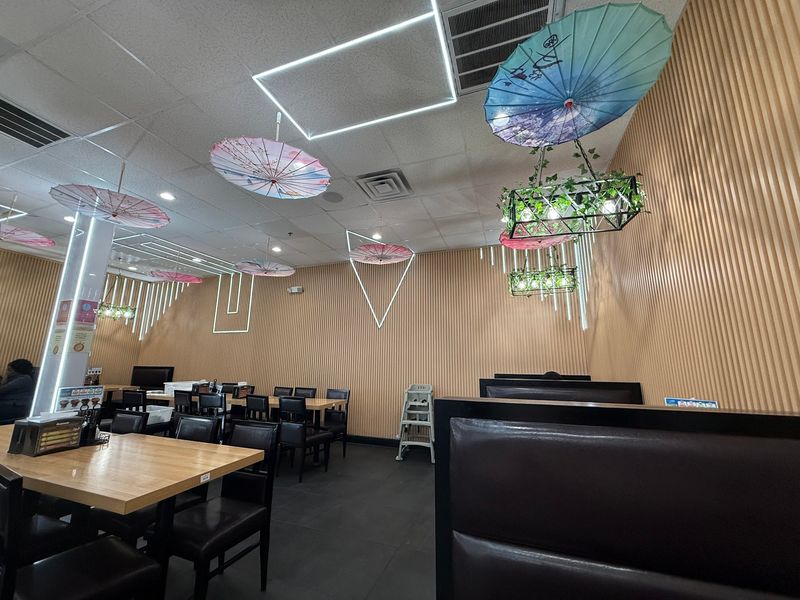
Forget the tired buffet look of faded carpet and dim lights. Umi goes the other direction with a bright, trendy layout and decor that many guests call beautiful.
The space is well lit and kept clean, which matters in a place with this much food and this many guests rolling through. The aesthetic feels closer to a modern restaurant than a classic all-you-can-eat hall.
Some guests describe it as quiet and welcoming. Others mention the music can run a little loud, so energy levels may vary by the hour.
The stations are laid out so you can move between them without much confusion. A few dishes have gone without name tags at times, so it helps to ask staff if something is a mystery.
One small knock is the floor near the food stations, which has been called sticky on busy nights. The seating area itself tends to stay tidy.
Overall, the room sets a tone that feels like a night out rather than a quick refuel. That matters when the next stop on the tour involves lobster.
Lobster Tails, One at a Time
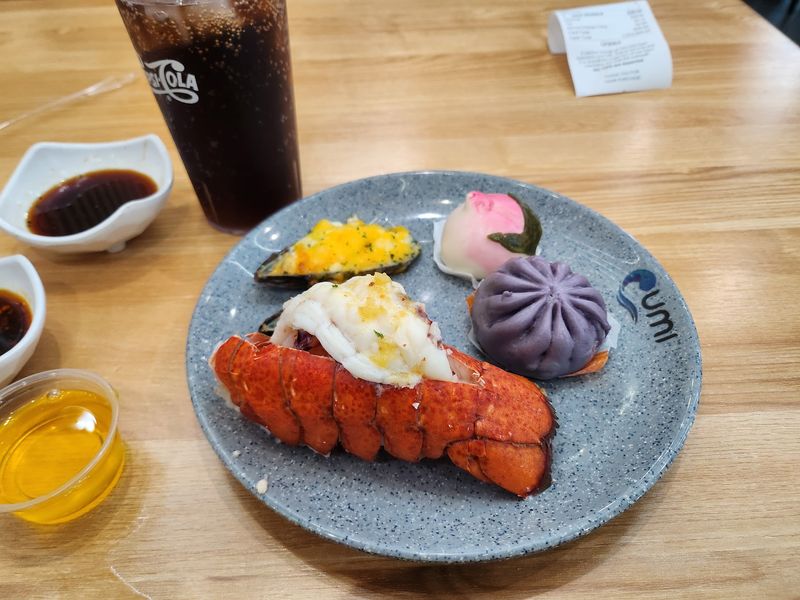
Lobster is the headline act here, and it is all you can eat. The catch is that you get one tail at a time, so patience pays off.
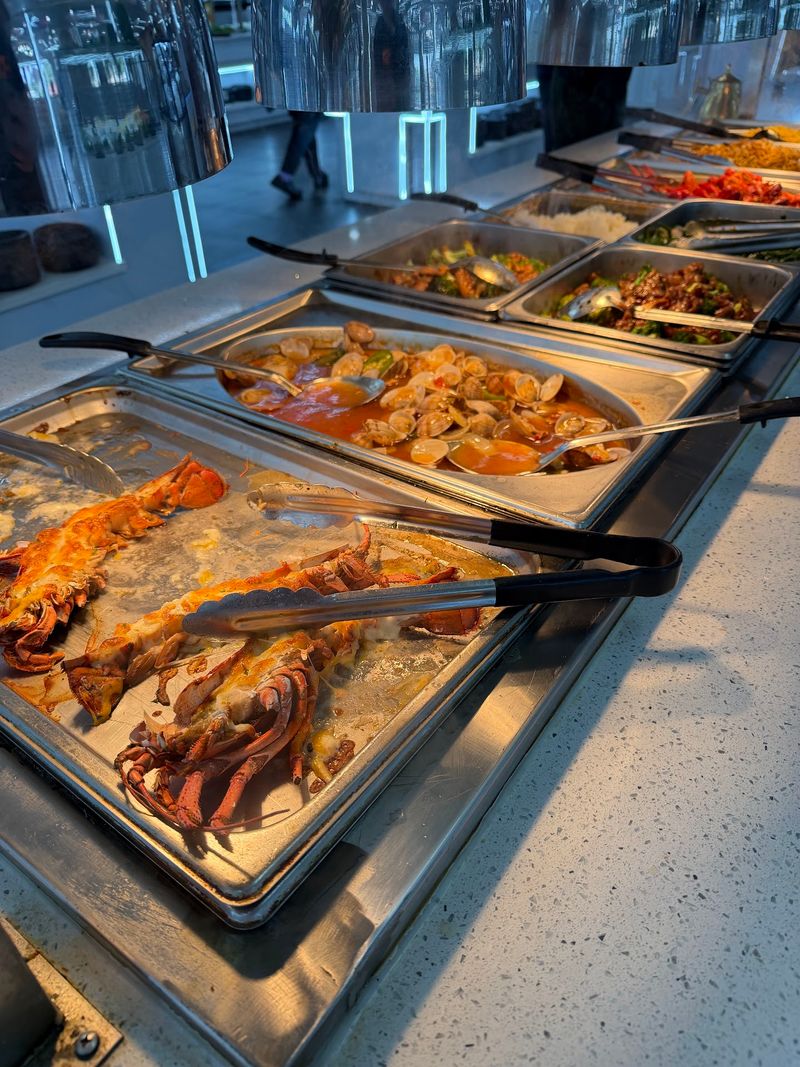
The style changes with the calendar. On weekdays the tails are baked with cheese, and on weekends they switch to steamed.
Timing is the insider move. Grabbing a tail right as a fresh batch comes out gives you the best shot at a great bite.
Drawn butter is the classic pairing. A clever alternative is to swing by the hot pot sauce bar and build your own dipping sauce.
Opinions on the lobster swing widely. Some guests are happy with it, while others have found certain batches disappointing, so freshness can depend on the day and timing.
Diners hoping for whole lobster or abalone should know those have not been part of recent spreads. The tails are the main lobster event.
Treat it like a strategy game. Watch the tray, time your trip, and leave room for the crab legs waiting nearby.
Crab Legs and the Wider Seafood Spread
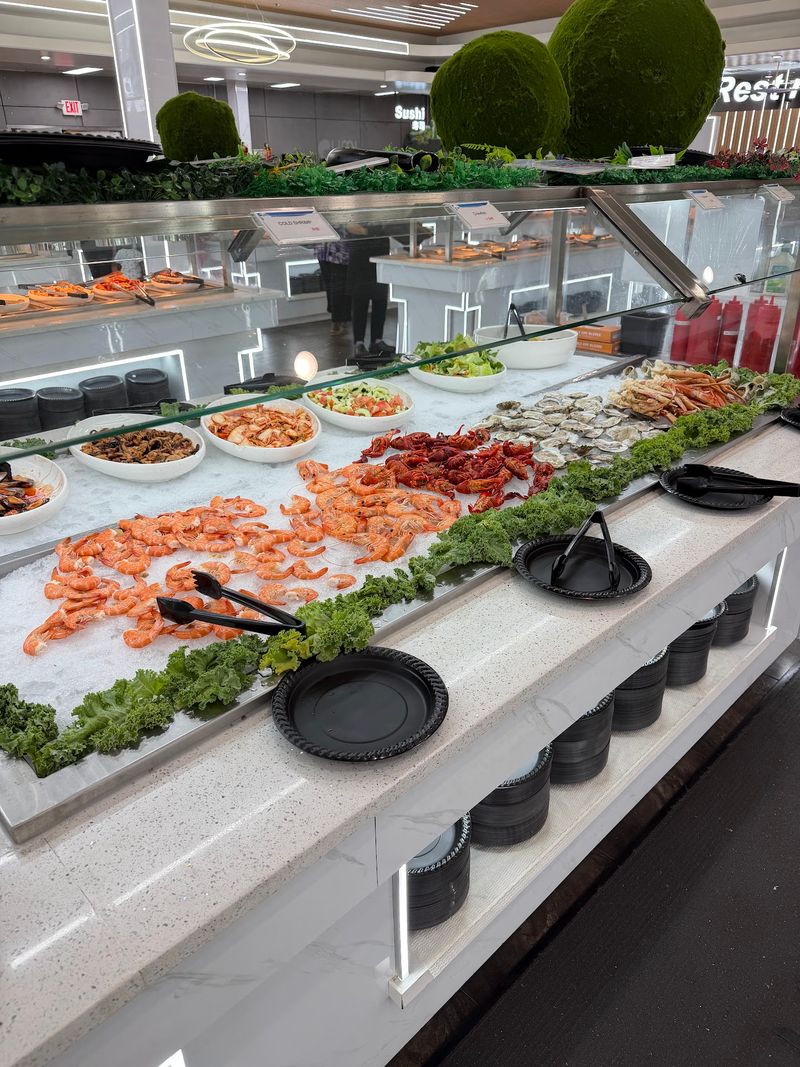
Crab legs are a big reason people make the drive. They are all you can eat, and fans of shell-cracking get plenty of chances to dig in.
Expect snow crab legs. Blue crabs have not been on the line, so do not plan a celebration around them.
The seafood section goes beyond crab. Shrimp, clams, oysters, sea snails, and whole crawfish have all appeared, which gives adventurous eaters room to try something new.
Those extras can rotate, and some premium items may be missing at certain times. Lunch tends to be lighter than dinner, so check what is out before committing your appetite.
For many guests, the crab and shrimp alone make the visit feel worth it. Others feel the seafood here trails behind other Umi branches, so expectations should stay realistic.
A good approach is to scan the whole seafood row first, then return for favorites. Speaking of returns, the next station turns raw fish into a starring role.
Sushi and Sashimi on a Buffet Line
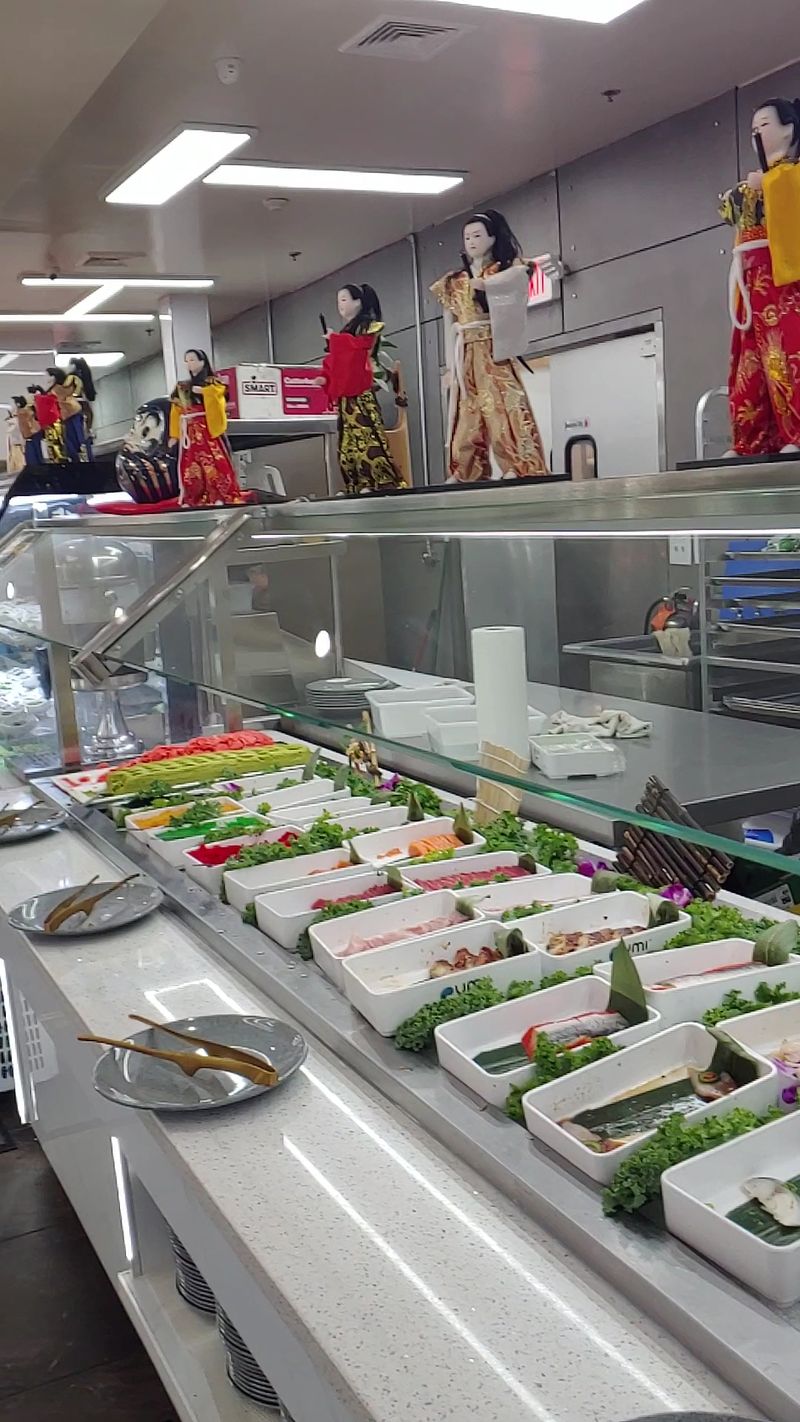
Sashimi at a buffet is rare, and that makes Umi stand out. Salmon and tuna slices sit alongside other fish for diners who skip the rice.
The roll selection covers specialty rolls and basics like California rolls. Seared pepper tuna and seaweed salad also turn up in the mix.
The rolls generally hold together well. For buffet-style sushi, it gets solid marks from casual fans.
Purists might notice some gaps. A Philly roll and a spicy tuna roll have been missing from the lineup, which is a little ironic in this city.
Tempura shrimp and other cooked items sit nearby, so non-raw eaters still have options. General Tso’s chicken and fried rice cover the comfort side of things.
A smart plate pairs a few sashimi pieces with a roll or two. That leaves space for the station many people consider the most fun, the one where you cook your own meal.
Hot Pot, Ramen, and a Sauce Bar
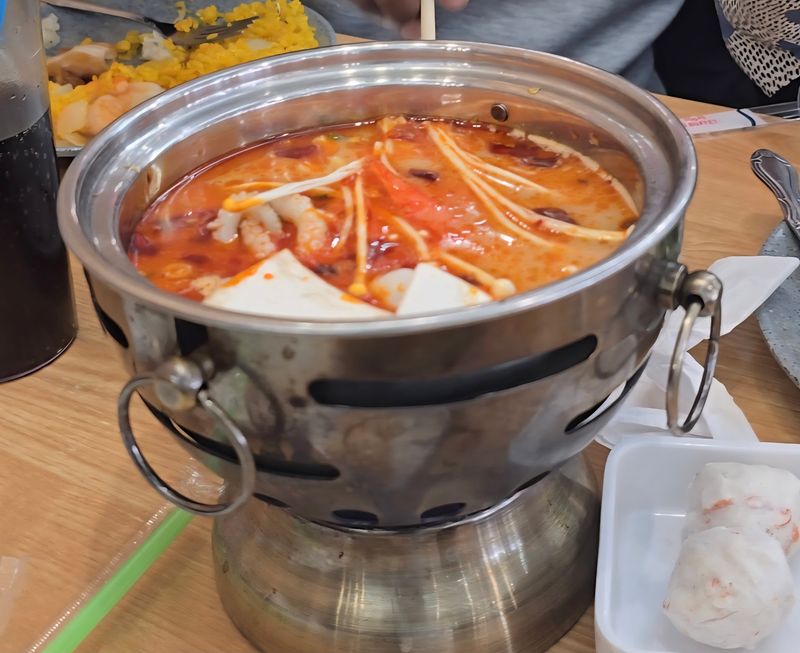
Hot pot is the most talked-about feature here, and it works a little differently than at a dedicated hot pot restaurant. Ask your server for broth, and a bowl arrives at your table.
Tomato or mushroom broth makes a friendly starting point. Spicier choices are there for those who want to level up.
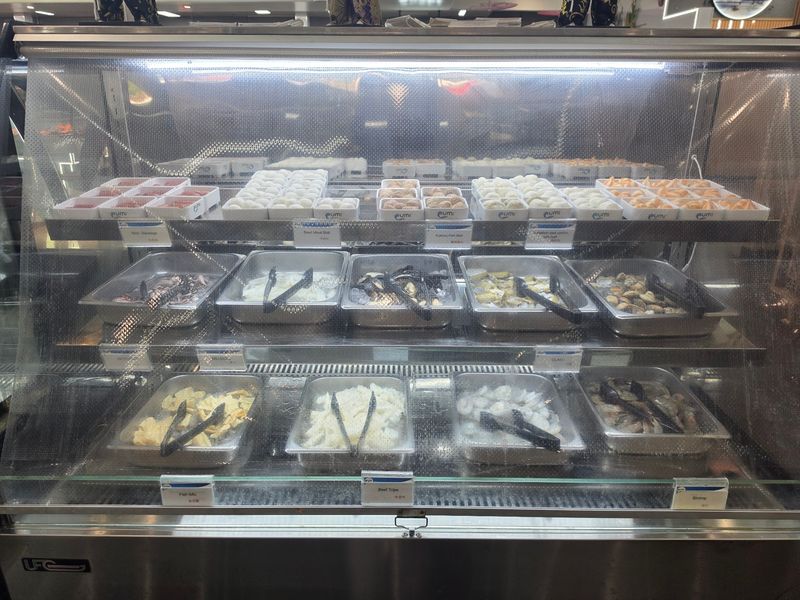
A cold bar holds ingredients to cook, including a wide range of meatballs. Thinly sliced meats are more limited than at a specialty hot pot spot.
The sauce bar is a highlight for mix-and-match fans. Ladling thin liquids like soy sauce with regular spoons can be tricky, so go slow.
Ramen has its own station too. The spicy miso ramen earns praise, though the broth quality has varied, with some bowls coming out too weak.
Early birds should note that stations may not be fully set at opening. Arriving a bit after 11 a.m. can mean a smoother start.
Next up is the grill that gives this article its title.
The Hibachi Station Detour
After the lobster and crab, plenty of guests wander over to the hibachi bar for something hot off the grill. It adds a made-to-order feel to an otherwise grab-and-go meal.
The ingredient choices are decent but on the narrow side. A cook handles the grilling for you.
Beef can come out a bit more done than some prefer. Speaking up clearly about how you want it is worth a try.
Teriyaki is the main sauce, and it leans sweet. Diners who prefer savory flavors may want to bring a dish from the sauce bar instead.
Special requests have not always landed. One guest asked for steamed ingredients with no oil, and the oil went in anyway, so double-check before the cooking starts.
Think of the hibachi as a fun side quest rather than the main mission. The real bonus is waiting in a fridge full of colorful cups.
Boba, Desserts, and Sweet Surprises
Here is a perk most buffets skip. Boba drinks come included with the price, and there is a whole fridge of Umi-branded options.
Mango boba tea and milk tea are popular picks. Drinking as much boba as you want without an extra charge feels like a small win.
Soda fans should know Dr. Pepper is not on the menu. Plenty of other drink choices fill the gap.
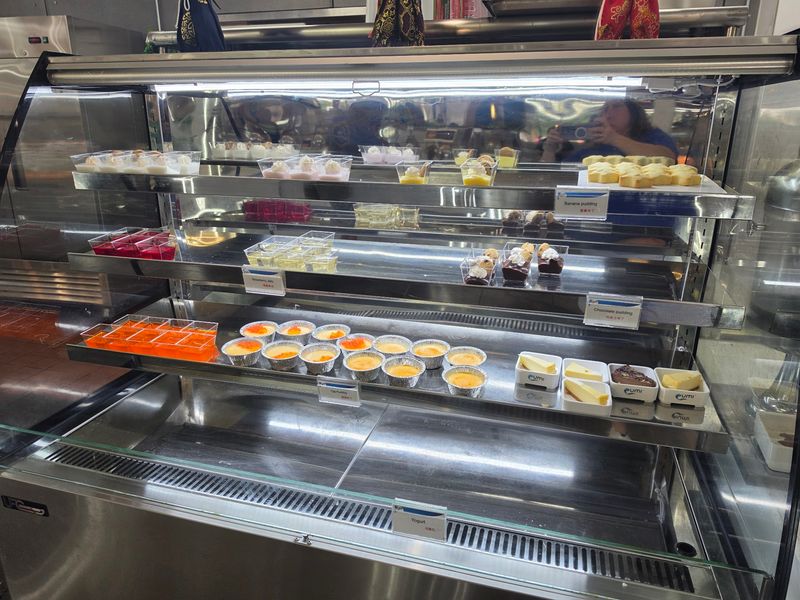
The dessert bar keeps things going with cheesecake that holds up well for buffet standards. Real mochi, an ice cream case, and a fruit bar round it out.
Not every sweet lands for everyone, and fruit ripeness has been uneven. Sampling small portions first is the safest plan.
Dim sum also sits in the mix for anyone not quite done with savory bites. Birthday groups get a nice touch too, since staff have brought out a sign and music for celebrations, even unasked.
Hours, Costs, and the Final Call
Plan around the clock before heading out. Umi opens daily at 11 a.m., closing at 10 p.m.
Sunday through Thursday and at 11 p.m. on Friday and Saturday.
Payment happens up front at the entrance. That bill includes a service charge, so tipping is already handled.
A dinner base price of about $39 can land closer to $46 after tax and the service charge. Paying cash brings a slight discount.
There is a two-hour dining limit, and staff keep an eye on it. Pace yourself and hit the priority stations first.
The switch from lunch to dinner can leave some trays thin during the changeover. Arriving well into dinner service may give you the fullest spread.
The verdict is mixed but interesting. Some love the variety, clean room, and friendly team, while others feel the quality varies from visit to visit.
For seafood fans chasing lobster, crab legs, and a hibachi stop under one roof, Umi is worth a well-timed visit with a big appetite and clear expectations. Go hungry and leave with a story.
Enjoyed this story?
Add Fast Food Club as a preferred source to see more of our reporting on Google.