


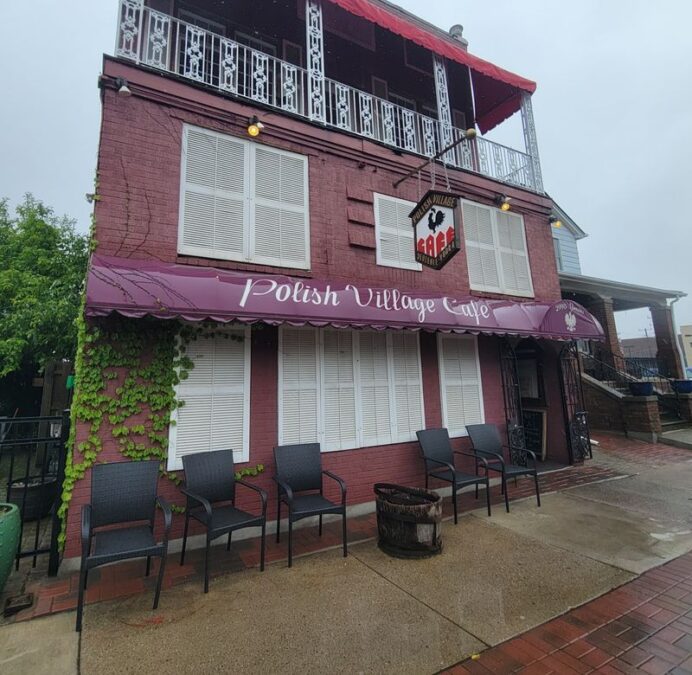
Some of the best meals in Michigan are served below street level. In Hamtramck, a small city wrapped inside Detroit, there is a dining room tucked under an old hotel where pierogi have been part of the routine for generations.
People drive an hour or more to get there, and some fly in from overseas and leave wishing they could come back the next night. The menu is old-fashioned on purpose, the portions are large, and the room has no interest in chasing trends.
Families celebrate here, ballgame crowds stop in before heading downtown, and delivery drivers line up for carryout. Keep reading to learn where this basement hideaway sits, what keeps the tables full, what to order beyond the pierogi, and the practical tips that will save you a headache, starting with what to bring in your wallet.
A Cafe Below an Old Hotel
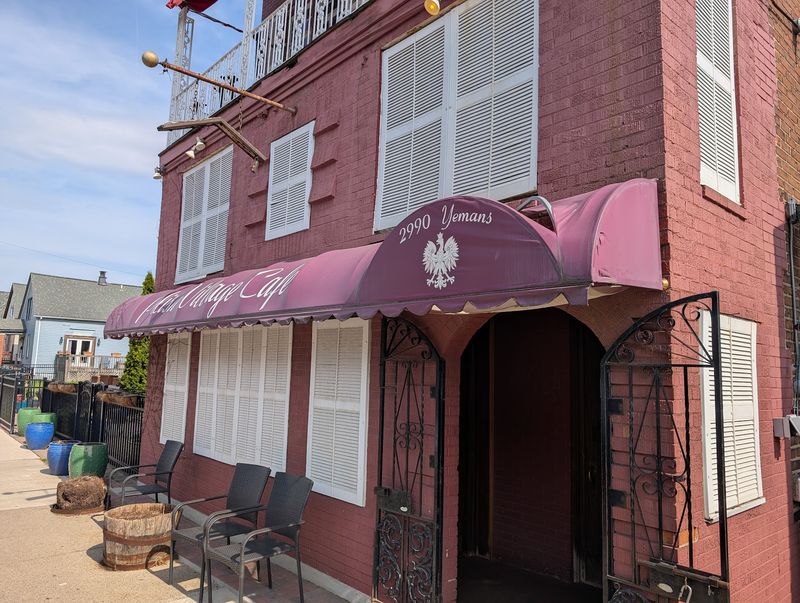
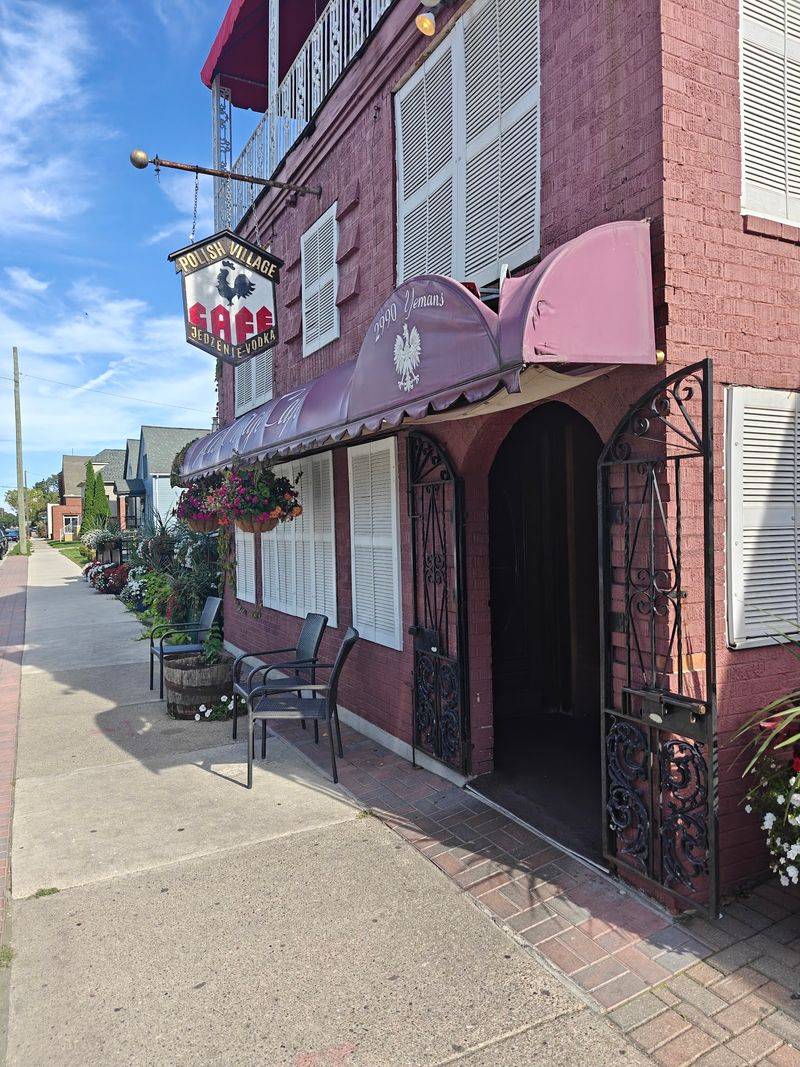
The address worth writing down is 2990 Yemans St, Hamtramck, MI 48212, in the United States. That is the home of Polish Village Cafe, a Polish restaurant that sits beneath an old hotel.
Hamtramck has long carried a reputation as a Polish neighborhood. Today the area around the cafe has a mix of cultures, and the restaurant feels a little hidden among its neighbors.
The entire dining room is downstairs. Guests take a set of stairs from the street to reach the tables, which gives the place its famous basement identity.
The kitchen focuses on traditional Eastern European food. Expect simply prepared, old-fashioned comfort dishes rather than modern twists or fusion experiments.
The cafe sits slightly off the beaten path, yet it is easy to reach from downtown Detroit. Plenty of out-of-towners pair a meal here with a Detroit Tigers game.
Free parking is available in the area, including a lot next door. That small detail matters when the dining room fills up on busy evenings.
With the location settled, the next question is why a basement has stayed so popular for so long.
Nearly a Century of Staying Put
Restaurants come and go quickly in most cities. A spot that keeps serving pierogi in the same basement since 1925 belongs to a different category.
The space shows its age, and nobody pretends otherwise. Some parts of the room could use updating, but many guests consider that wear part of the charm.
Loyalty runs deep here. Some diners have been coming for decades and still find the cooking and service consistent from visit to visit.
The cafe also carries cultural weight for the neighborhood. For many families, it keeps Polish tradition alive in Hamtramck and serves as a link to the heritage that brought them to the area.
A common description is that a visit feels like returning to a grandmother’s house. The phrase welcome home comes up often in conversations about this place.
First-timers notice the history right away. Even without a guidebook, the room makes it clear that this restaurant has been part of local life for a very long time.
History alone does not fill tables, though, and the setting downstairs deserves its own look.
String Lights and Low Ceilings
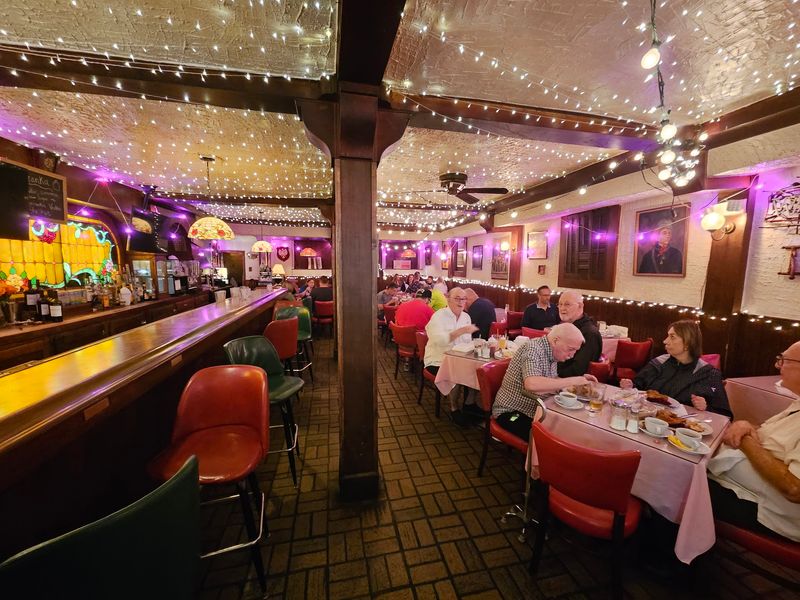
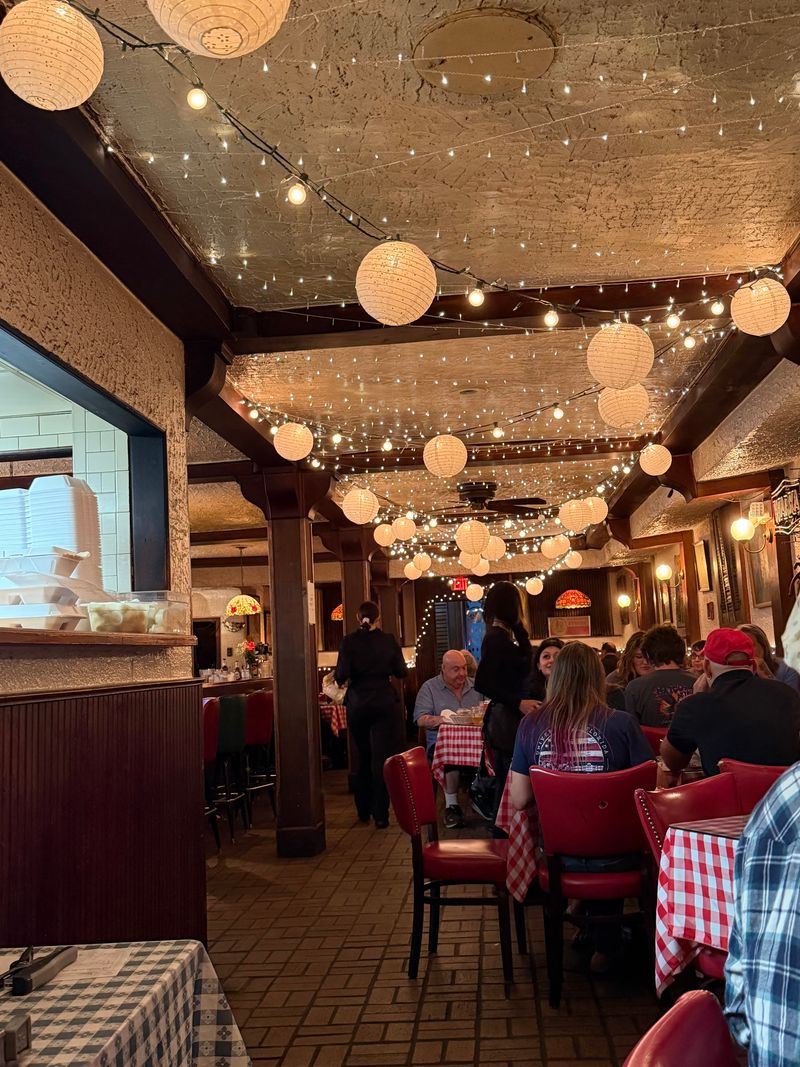
Dim lighting is the first thing most people mention. String lights hang overhead, and the overall effect is cozy and old-school rather than polished.
The basement layout turns out to be practical too. On a scorching summer day, the underground room stays far cooler than the street above, a welcome break during a heat wave.
Holiday decorations make an appearance as well. Christmas trimmings have been known to stay up into the new year, and they are done with care.
A bar area offers seats for those who prefer to eat there. It is a handy option for couples or solo diners when the tables are full.
Space gets tight when the dining room is busy. Walking carefully between tables is wise, especially during dinner rush.
Some guests compare the look to a neighborhood tavern at first glance. Give it a few minutes, and most settle into the comfortable, lived-in feel.
Each table gets a bread basket with white slices, packaged breadsticks, and butter. It is a small, old-fashioned touch that suits the room perfectly.
Of course, the real reason to head downstairs is the food, starting with the dish in the headline.
Pierogi in Many Flavors
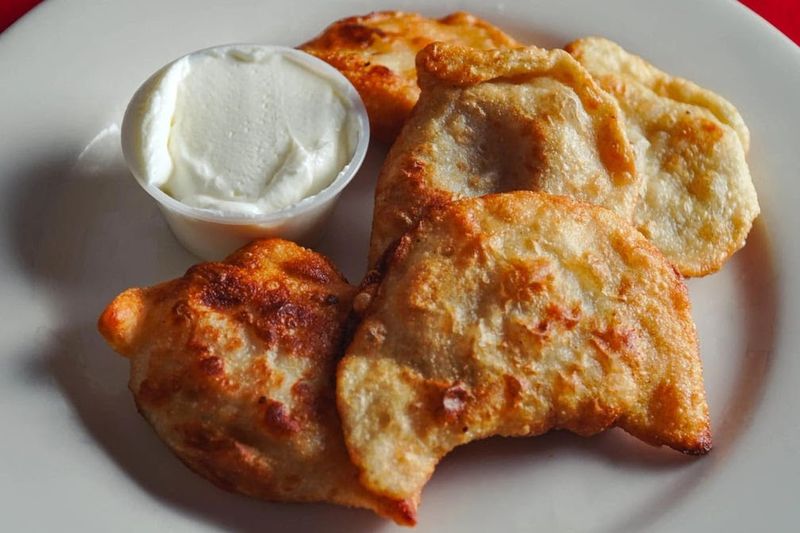
Pierogi are the star of the title, and the kitchen treats them with respect. They come in many flavors, giving repeat guests plenty to work through.
The dumplings are described as fresh and authentic. That reputation helps explain why people who grew up on Polish cooking keep returning.
Pierogi also appear as part of bigger combination plates. That makes them easy to try even when another dish is the main event.
Diners from places with few Polish restaurants find the selection especially appealing. One Grand Rapids regular makes the trip partly to explore beyond the usual handful of dishes available back home.
The menu sits alongside other classics such as kielbasa, golabki, potato pancakes, sauerkraut, and beets. Pierogi fit naturally into that lineup of comfort food.
Portions run generous across the board. Leftovers are common, so a takeout container may come in handy.
Ordering a few varieties for the table is a smart move for groups. Sharing makes it easier to find a personal favorite without overdoing it.
Still, many loyal fans say the real surprise on the menu is a soup.
The Soup Everyone Talks About
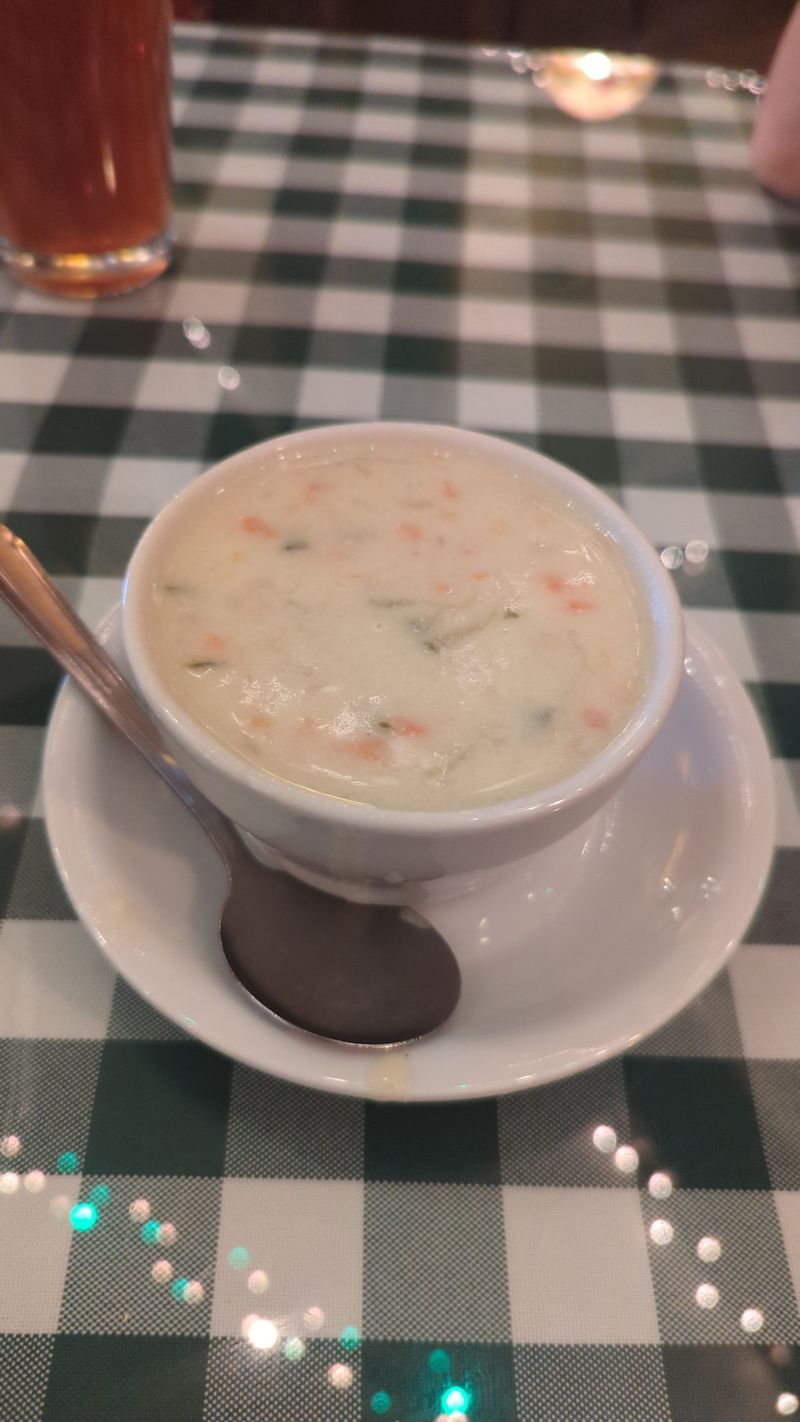
Dill pickle soup might sound like a dare. At this cafe, it is the most talked-about item on the menu.
Fans call it one of the best soups they have ever had. Anyone who likes pickles and potatoes is urged to give it a try.
Beet soup has its own loyal following too. First-timers, including a guest visiting from Japan, have walked away impressed with it.
The soup lineup goes further than those two. Chicken noodle and mushroom soup also show up, giving lighter eaters a comfortable starting point.
Soup is a natural opener before a larger plate. It also works as a small lunch on its own for those not ready for a full dinner.
Cucumbers with sour cream make a classic side to pair with a bowl. The combination fits right into the traditional spirit of the menu.
Soups clearly earn their spot as a signature of the house. Regulars often mention them before anything else.
Once the bowl is empty, the next decision is the big one: which plate to commit to.
Combo Plates and City Chicken
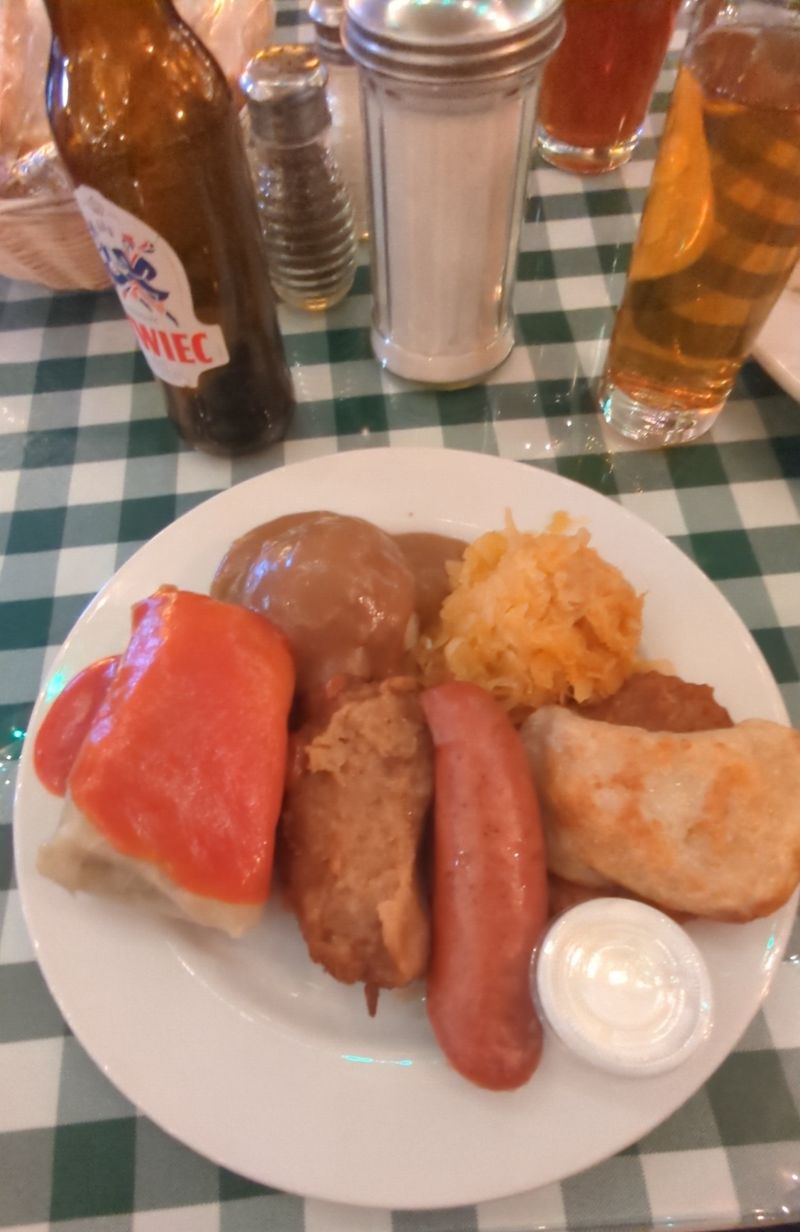
Indecision has a cure here, and it comes on one large plate. The Polish Plate and Super Polish Dinner let diners sample several favorites at once.
These combos include stuffed cabbage and other classics in smaller portions. Even so, the total serving is big enough that finishing it becomes a challenge.
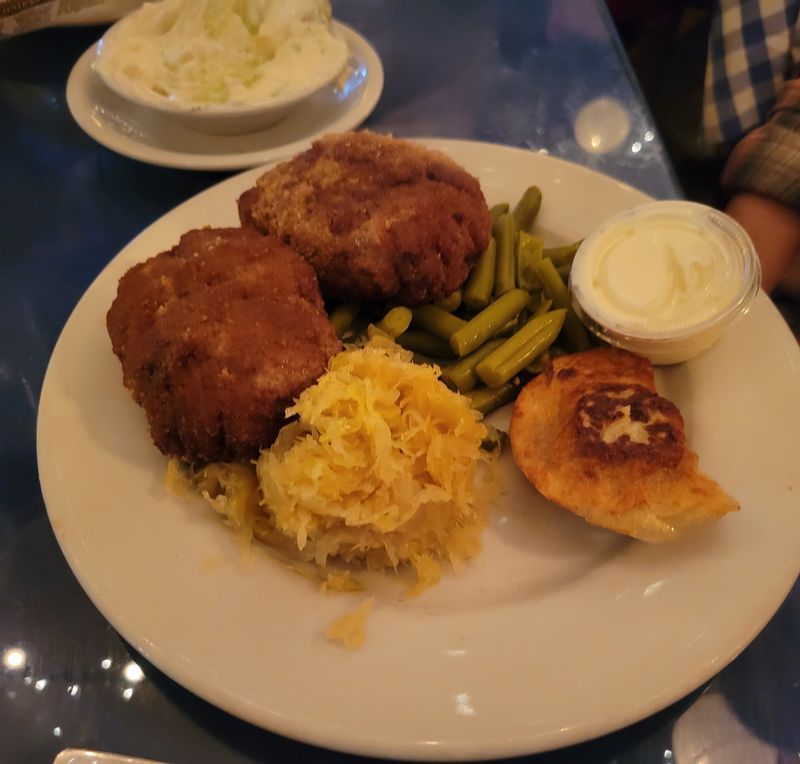
City chicken is the dish many regulars order every single time. It is frequently named as a standout and has impressed catering guests too.
Kielbasa remains another popular pick. Garlic chicken and schnitzel also round out the choices for those wanting something different.
Potato pancakes deserve a mention, including the Hungarian style. They earn praise as a side or a main.
The value is strong for the amount of food served. Prices are considered fair, and the plates are far from skimpy.
Food tends to arrive quickly and hot. That speed helps on busy nights and before games downtown.
Save a little room, though, because dessert here has its own fan club.
A Cheesecake Worth Traveling For
Some desserts end a meal. Delores’ Cheesecake tends to become the reason for the next one.
The cheesecake draws plenty of enthusiasm from diners. Words like out of this world come up often.
Its reputation reaches well beyond Michigan. One family called ahead to buy a whole cheesecake, then carried it all the way to Arkansas for a holiday dinner.
That kind of effort says a lot about a dessert. It also shows the cafe is willing to help with special requests.
Catering is available for larger gatherings as well. A meal for 40 people was once delivered to Ann Arbor on time and set up neatly by staff.
Carryout is busy too. Delivery drivers come and go regularly, proof that the food travels well beyond the basement.
Calling ahead is a smart step for whole desserts or large orders. It keeps things smooth for everyone involved.
Of course, a meal is shaped by the people serving it, and the staff here plays a big role.
Friendly Faces and a Garden Patio
Good cooking gets people in the door, but kindness brings them back. Servers here are often described as friendly, attentive, and polite.
Many know the menu well and can guide newcomers. That help matters for anyone trying Polish food for the first time.
Nobody rushes guests out of their seats. Lingering over a meal feels perfectly acceptable, even when the room is busy.
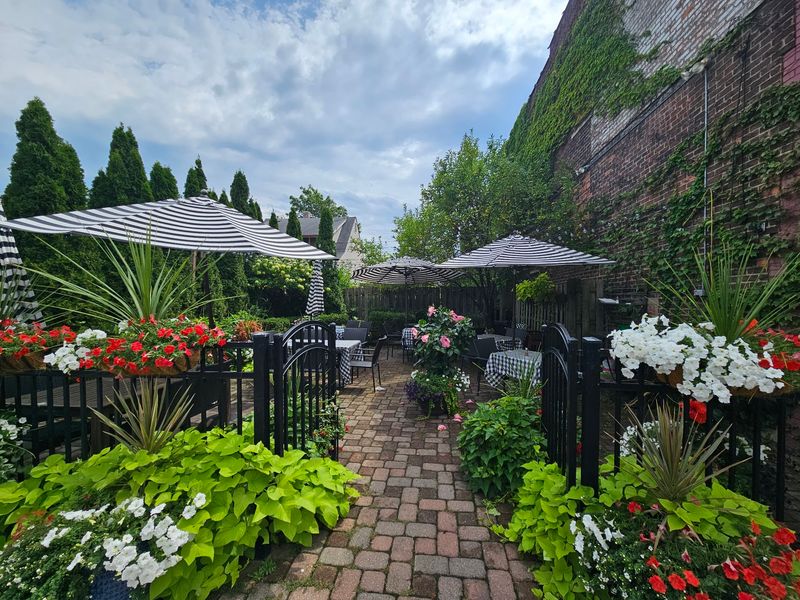
Warmer months bring another option. A garden patio offers outdoor seating, and some prefer it to the dining room downstairs.
Live music has been mentioned on occasion too. It adds a festive note to the already relaxed mood.
The cafe suits a wide mix of people. Families, nostalgic locals, curious travelers, and sports fans all find a seat here.
Groups craving tradition feel especially at home. The setting encourages long conversations and second helpings.
Before heading over, a few practical details can make the visit go far more smoothly.
Cash, Stairs, and Other Smart Tips
Bringing cash is the most useful tip of all. The cafe is widely known as cash only, though cards have been accepted at times.
An ATM is on site, but it is not always working. Carrying enough cash ahead of time avoids surprises.
The cafe is open Monday through Saturday from 11 AM to 9 PM. Sunday hours run from noon to 8 PM.
Accessibility is limited. Stairs lead down into the building, and there does not appear to be an accessible entrance.
The restroom is a single shared room and shows its age. Wear and tear appears throughout the space, so set expectations accordingly.
Free parking nearby makes arrival easy. The lot next door is a handy choice.
Still, the bottom line is simple. With hearty portions, fair prices, and nearly a century of tradition, Polish Village Cafe remains a basement worth descending into, one pierogi at a time.
Enjoyed this story?
Add Fast Food Club as a preferred source to see more of our reporting on Google.