


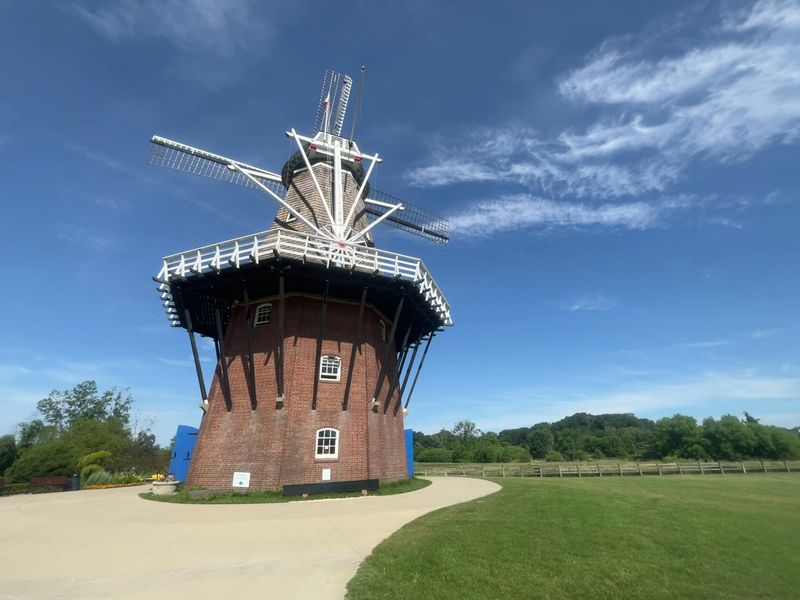
Somewhere in Holland, Michigan, a working windmill older than the United States itself stands on a patch of land ringed by canals. It was not built here.
It crossed an ocean in pieces, and it still turns today. Each spring, tens of thousands of tulips in roughly 85 varieties spread out around its base, and the crowds arrive with cameras ready.
Yet the story does not stop when the petals drop, because this spot keeps its doors open well into summer and fall. The guide below covers the mill’s journey from the Netherlands, the five-story climb inside it, the gardens and their yearly replanting cycle, a carousel and playground for younger travelers, a tribute to a famous World War II operation, and the practical tips that help a visit go smoothly.
Keep reading to see why this little Dutch corner keeps drawing people back year after year.
An Island Address With Dutch Roots
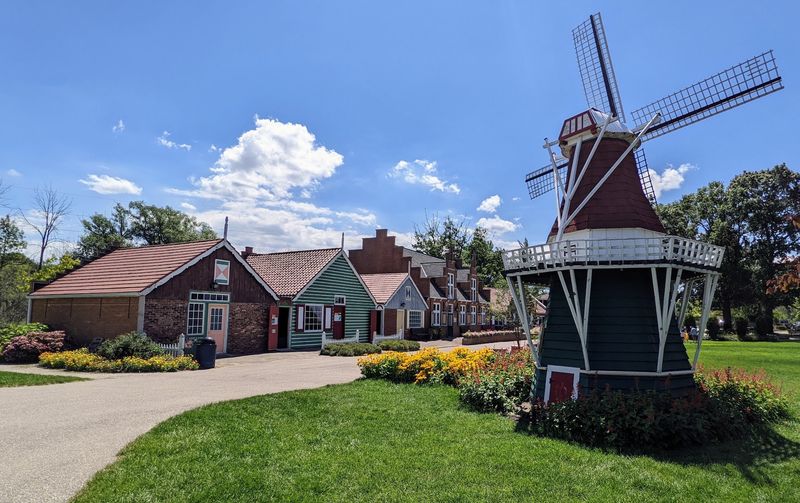
Finding the place is half the adventure, since it sits a little off the main path in town. The spot in question is Windmill Island Gardens, located at 1 Lincoln Ave, Holland, MI 49423, in the western part of Michigan.
It is a seasonal, Dutch-themed park built around gardens and a historic windmill. The grounds hold tulip beds, a carousel, a playground, shops, and guides dressed in traditional Dutch costume.
The overall goal is simple. The park celebrates the Dutch heritage that shaped the city of Holland, and it does so with real history instead of a theme-park imitation.
Its popularity is no small thing. The attraction holds a 4.5-star standing on Google from more than 6,000 people, which says plenty about how well it delivers on its promise.
Getting there may take a moment of searching, because the entrance is tucked away from the busiest roads. Once found, the reward is a spacious set of grounds that invites a long, easy walk.
The canals around the property give it the feel of a true island. That setting helps explain why so many people describe parts of the park as a small slice of the Netherlands placed right in Michigan.
So where did all of this come from, and how did a centuries-old mill end up here? The answer starts in the 1960s.
How the 1960s Changed Everything
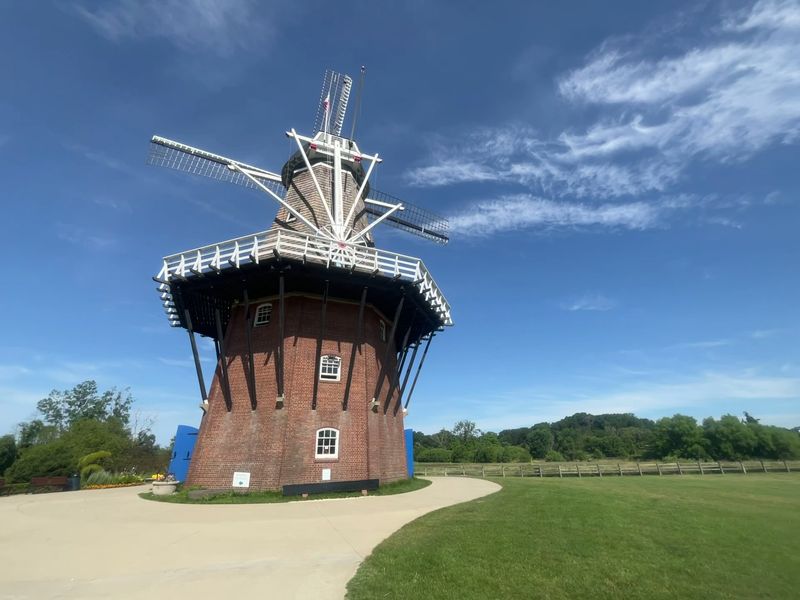
Back in the 1960s, the land that now holds the park was transformed into a tribute to the city’s Dutch heritage. Holland, Michigan, has long embraced its connection to the Netherlands, and this project gave that pride a permanent home.
The centerpiece arrived in 1964. That year, the De Zwaan windmill was brought over from the Netherlands and set up on the island.
Moving a mill across the Atlantic is not a weekend project. The effort shows just how seriously the community took the idea of honoring its roots.
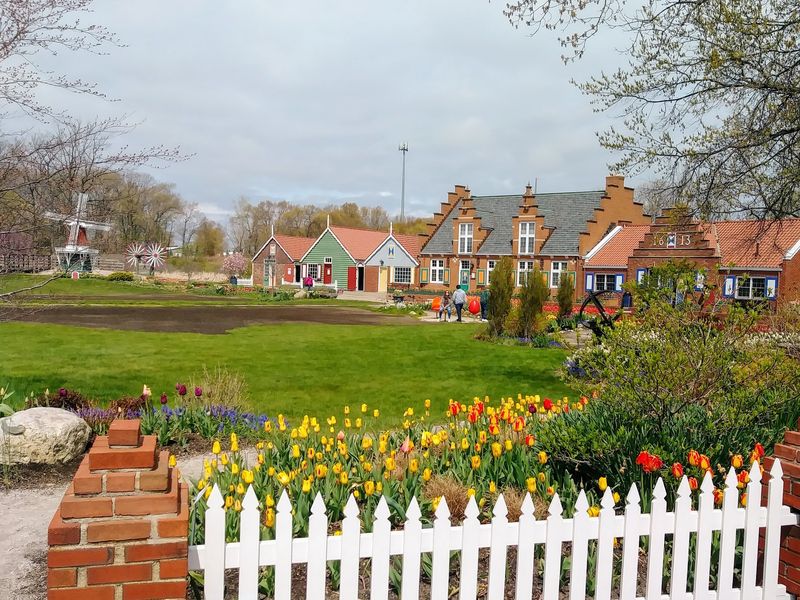
Around the mill, planners built a setting that echoes a small Dutch town. Historic-style buildings, old-world architecture, and carefully designed gardens now fill the grounds.
The result feels less like a museum and more like a village people can wander through at their own pace. Costumed guides add to that effect by sharing stories about the past and answering questions along the way.
Decades later, the vision still holds up. Families who first came as kids now return with their own children, and some people come back after ten years away to find the same charm in place.
History here is not locked behind glass. It stands right in the middle of the grounds, ready to be climbed, which brings the story to its most famous resident.
De Zwaan, a Mill That Crossed an Ocean
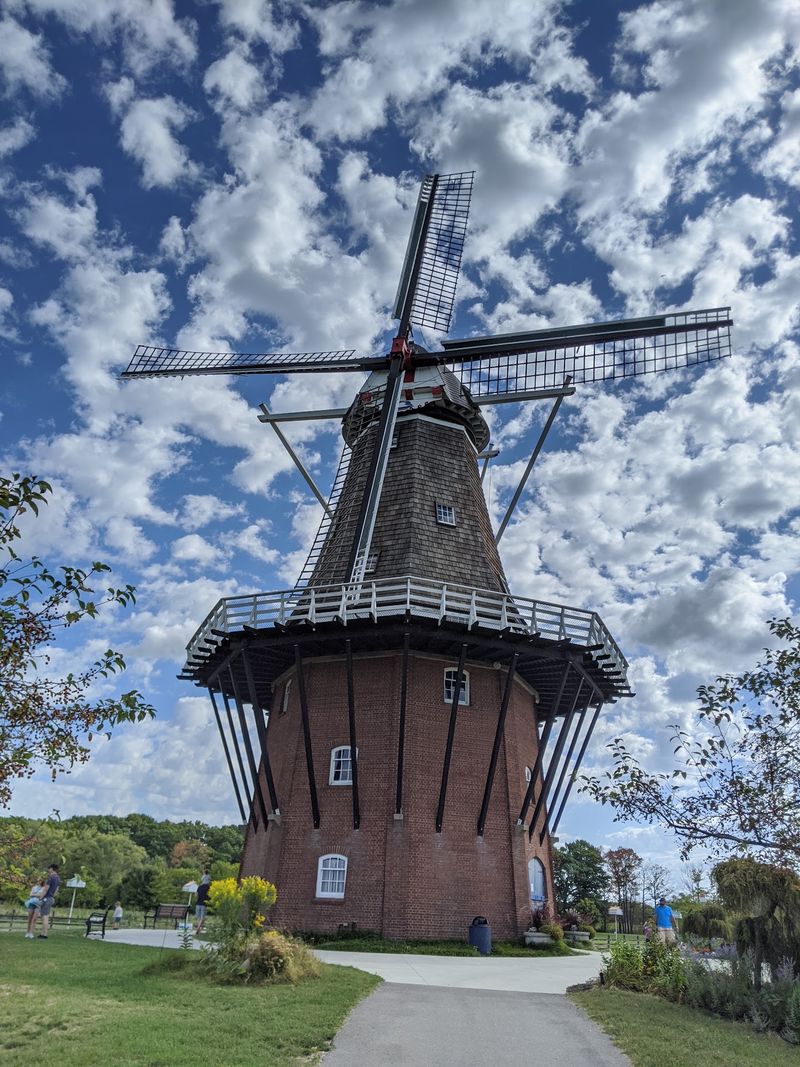
Around 250 years old and still working, De Zwaan is the kind of landmark that makes history feel very real. It is known as the only authentic Dutch windmill operating in the United States.
That title matters. Plenty of places have decorative windmills, but this one is a genuine, functioning mill that came straight from the Netherlands.
Its name translates to The Swan. The tall structure rises above the gardens and can be spotted from many corners of the park, so getting lost is rarely a problem.
Staff explain that the mill still grinds grain today. Learning how the gears, sails, and stones work together turns a simple sightseeing stop into a small lesson in engineering.
Guides at the mill are a highlight in their own right. Families have described a friendly windmill worker who explained every step of how the mill operates, leaving young kids talking about her long after the trip.
The mill also connects the park to a bigger story about craftsmanship. Structures like this once powered daily life in Dutch towns, and seeing one up close helps explain how people produced flour long ago.
Looking at it from the ground is only the beginning, though. The real fun starts when the stairs come into play.
Five Stories of Gears and Views
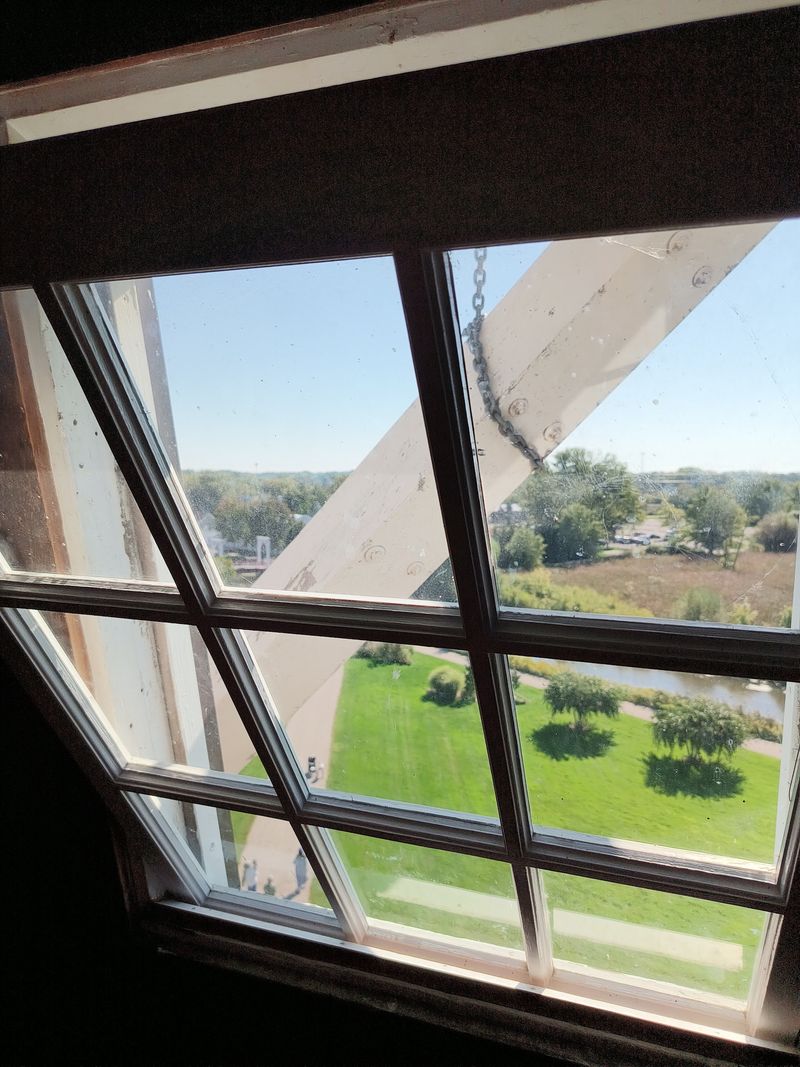
Few historic attractions let people climb all the way up inside, but De Zwaan does. Tours lead through the mill floor by floor, reaching as high as the fifth story.
Each level shows a different part of the process. The climb reveals how people once used the mill to make flour, from the machinery near the top to the work areas below.
Stairs in old mills tend to be steep, so comfortable shoes are a smart choice. Taking it slow also leaves more time to study the wooden beams and giant gears up close.
The higher floors deliver a payoff beyond the history lesson. From up there, the view stretches across the tulip beds and the surrounding island.
In spring, that view becomes one of the most popular photo spots in the park. Rows of color spread out below, and the canals frame the scene.
Guides stationed in the mill are ready with answers. Questions about the mill, its history, or the park in general are welcome, and staff are known for being friendly and patient.
Kids tend to love the climb as much as adults do. Even a family of six can make the trip up and down, turning the mill into a shared adventure.
After seeing the gardens from above, the next step is to head back down and walk among them.
Tulip Time in Full Swing
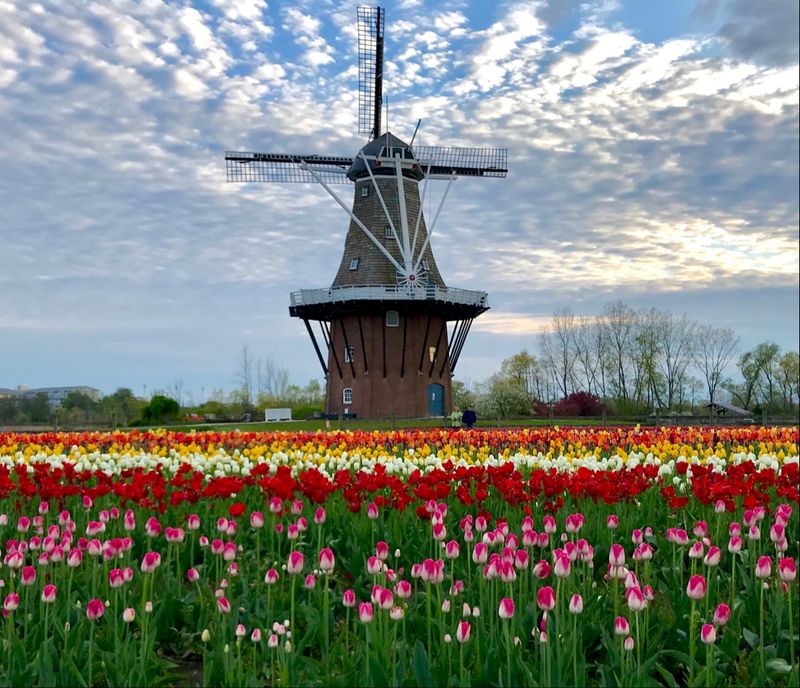
Spring is the season that put this park on the map. During the Tulip Time festival, the grounds fill with blooms in about 85 varieties.
The range of colors and types surprises many people. Some arrive with no idea that so many tulip varieties even existed, and the named variations become part of the fun.
Timing makes a big difference. Coming about a week before the festival can mean many tulips are already open while the crowds stay manageable.
Once the festival begins, the park gets much busier. Hotels and restaurants around town can also fill up quickly, so planning ahead is wise.
Even during peak weekends, the grounds are spread out enough that everyone can find a little space. The flow of people stays steady, and the layout keeps things from feeling packed.
Weather is a wild card in early May. Cool days with strong wind are common, so bringing a coat helps the visit stay pleasant.
Early bloomers may already be finishing by the time the festival is underway. Still, thousands of tulips usually remain at their best, offering plenty of photo opportunities.
Mother’s Day outings and romantic dates are popular during this stretch as well. Those tulips do not plant themselves, though, and the work behind them is a story worth knowing.
The Secret Life of a Tulip Bulb
Behind every spring display is a whole year of planning. Each fall, thousands of bulbs are planted by hand in carefully designed patterns across the gardens.
Hand planting takes time and skill. The patterns are mapped out ahead of time so that the beds look organized and balanced when spring arrives.
After the season ends, most of the bulbs are removed. They are then sold or donated, and the beds are prepared for the next year’s show.
That approach keeps the gardens fresh. Starting over each year allows the displays to stay vibrant instead of fading as old bulbs wear out.
It is a cycle of renewal that repeats every year. Fall planting, spring blooming, summer clearing, and then the whole process begins again.
Gardeners at home can join in on the fun. The park sells bulbs and seeds for many types of tulips and other flowers, which means a small piece of the island can travel back with you.
Knowing how much effort goes into the beds changes the way they are seen. Each row represents hours of careful work by people who care about getting it right.
Once the tulips are lifted, the gardens do not sit empty. In fact, the later months hold some pleasant surprises.
Summer and Fall Without the Crowds
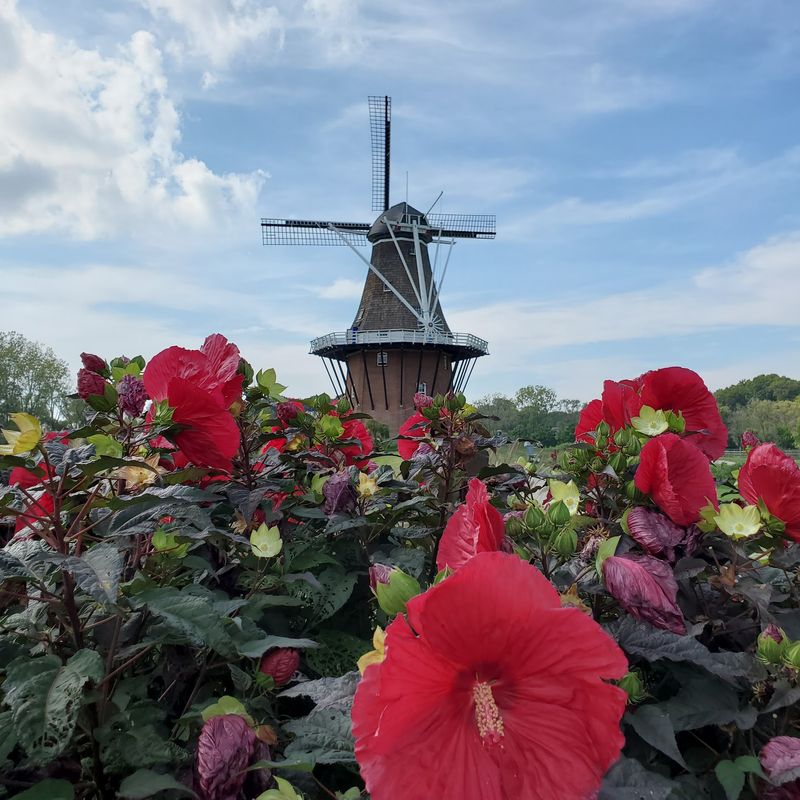
Most people link Holland with spring, yet the later seasons may be the park’s best-kept secret. From June through September and into autumn, the grounds stay colorful and calm.
Once the tulips are gone, manicured beds of late-blooming flowers take over. Those gardens make a lovely replacement and keep the walking paths cheerful.
Fall adds another layer. Changing leaves paired with the tall windmill create striking photo opportunities.
The biggest perk is space. With far fewer people around than in spring, there is plenty of room to explore the shops, linger in the gardens, and climb the mill without waiting.
Quieter months also suit people who want time to read signs and chat with staff. Guides can spend longer answering questions about the mill and the park’s history.
Families who missed tulip season often say the trip still did not disappoint. The plantings remain beautiful, and the village setting keeps its character all year.
A breeze off the canals can make autumn days cool, so a light jacket is handy. Comfortable shoes also help, since the grounds are spacious enough for a long stroll.
Every season has its own appeal here. Among the yearlong attractions, one musical piece stands out for being impossible to ignore.
A Street Organ That Steals the Show
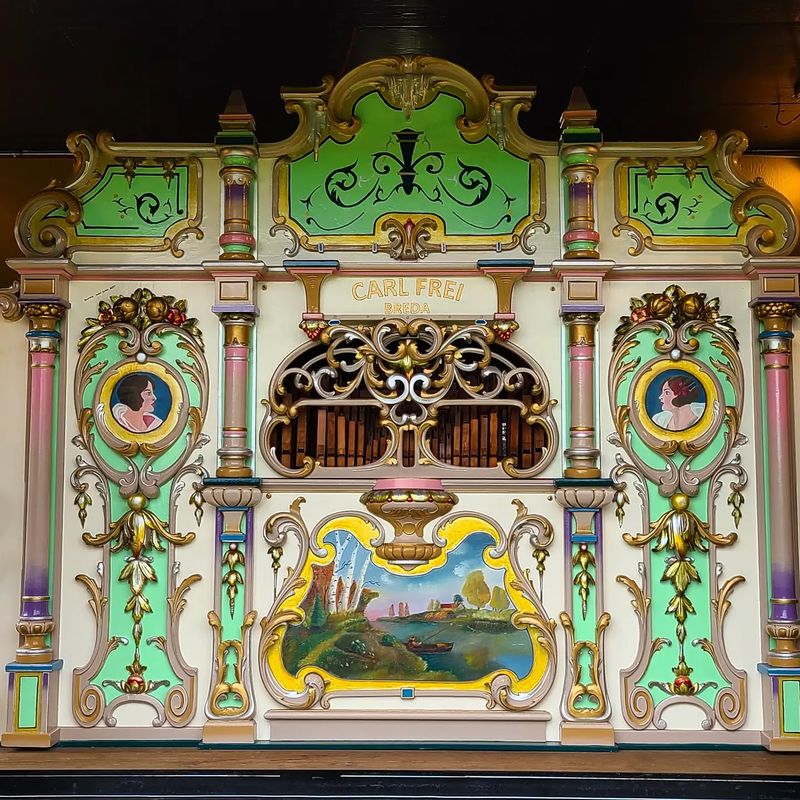
Fair warning: one of the park’s treasures is loud. The historic Dutch street organ is a crowd favorite, and it does not believe in playing quietly.
The organ is an antique piece that adds a strong dose of old-world charm. Its decorative design makes it a showpiece even before it starts playing.
When the music begins, the whole area comes alive. Kids tend to stop in their tracks, and adults often pull out phones to record a few moments.
Staff can explain how the organ works. Questions about its history are welcome, and guides are known for sharing details with a friendly attitude.
The organ sits among the park’s Dutch village buildings. Together, the structures and the music help the setting feel like a small town in the Netherlands.
That village area is one of the best places to slow down. Old-world architecture, costumed guides, and storytelling turn a quick stop into a relaxed wander.
Children especially enjoy exploring the buildings scattered around the grounds. Each one offers a sense of discovery, which keeps young travelers curious from corner to corner.
Speaking of younger travelers, the park has a few spots built just for them. A spin on a classic ride is right around the corner.
Carousel Rides and Playground Breaks
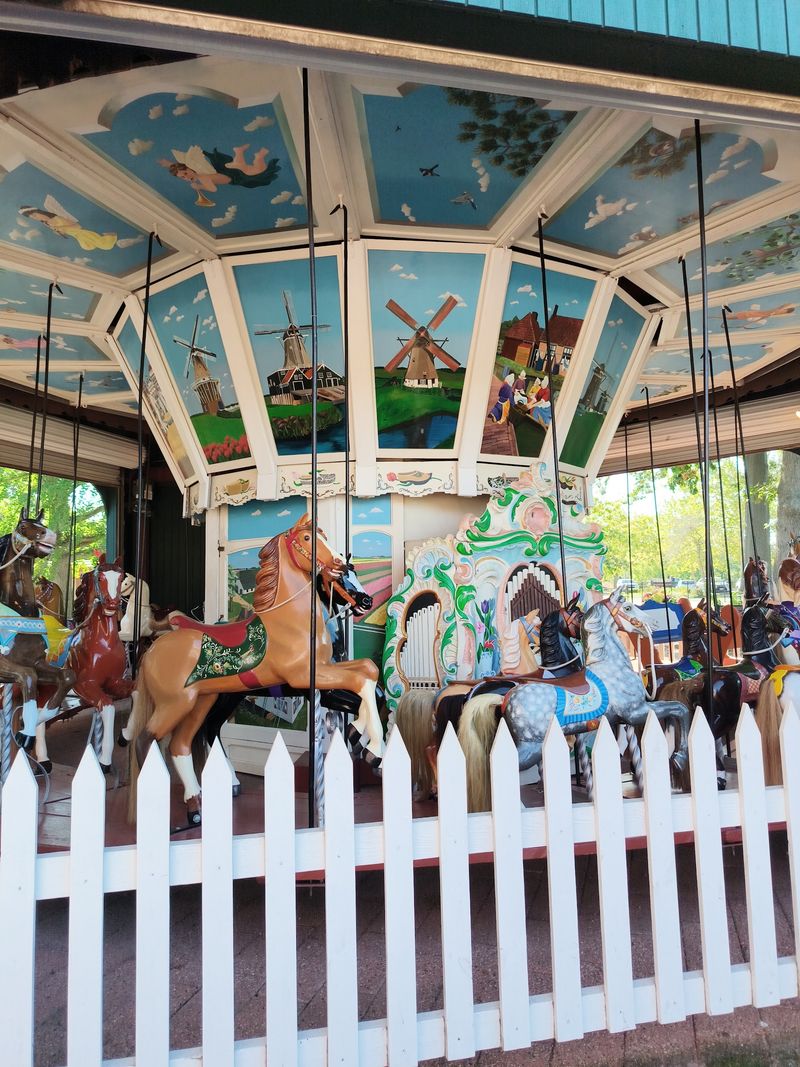
Little legs need a reason to keep going, and the park has that covered. A classic carousel gives kids a fun break between the windmill and the gardens.
Parents appreciate one smart detail. The carousel sits right next to the playground, so siblings of different ages can find something to enjoy in the same spot.
The playground itself is large. On a dry day, it can easily become the favorite part of the trip for energetic kids.
Rain can change plans quickly, though. Families caught in a sudden downpour have missed the playground but still found plenty to do elsewhere on the grounds.
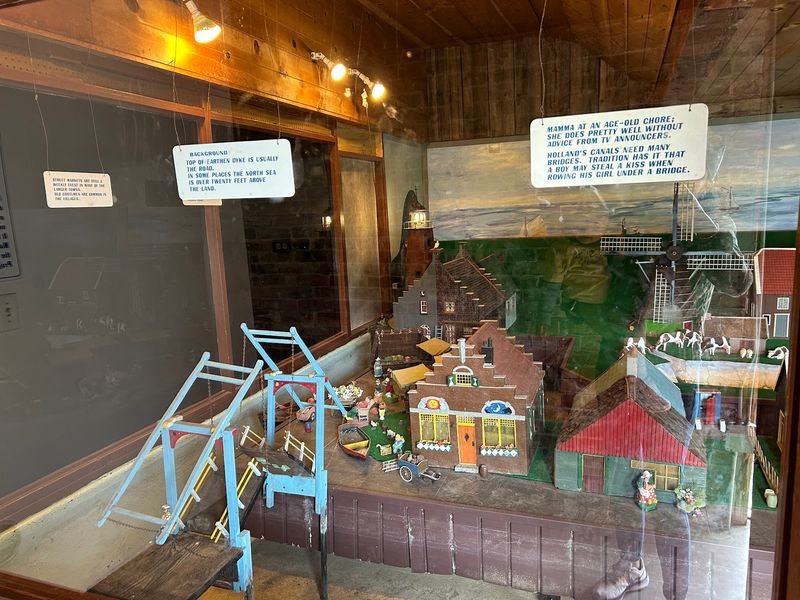
Kids also love Little Netherland, a miniature display that brings the Dutch theme down to their size. Paired with the shops and carousel, it rounds out a full afternoon.
Families of all sizes fit right in. Groups with four kids, grandparents with granddaughters, and parents with toddlers all find ways to make the day work.
The paths are also friendly for dog walkers, which makes the park a relaxed choice for a family outing that includes a four-legged member.
Fun is only part of the story, though. Tucked into the grounds is a tribute that carries a much more serious history.
Honoring Operation Market Garden
Not every corner of the park is about flowers and carousels. The grounds also include a US Army Airborne memorial honoring service during Operation Market Garden in World War II.
Operation Market Garden took place in the Netherlands in 1944. Including a tribute here ties the American and Dutch stories together in a meaningful way.
The connection makes sense for a park devoted to Dutch heritage. It reminds people that the relationship between the two nations runs deeper than tulips and windmills.
History fans often count the memorial as an unexpected highlight. It offers a quiet moment of reflection in the middle of an otherwise cheerful day.
Families can use the stop as a chance to talk with kids about history. A short visit adds depth to the trip without taking much time away from other activities.
The tribute fits naturally into a walk around the grounds. Since the park is easy to explore on foot, it is simple to include it on the way between the gardens and the windmill.
Learning something new is a common theme for people who come here. Between the mill, the organ, and the memorial, few leave without a fresh fact or two.
With the highlights covered, it is time for the practical side of a trip, especially during busy weeks.
Smart Moves for Festival Weekends
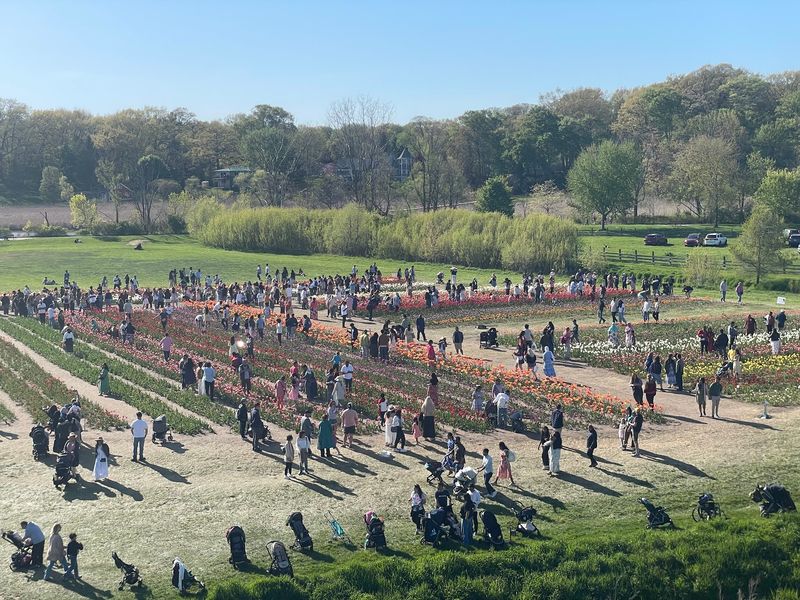
Tulip Time weekends bring big crowds, and a little planning goes a long way. Parking can fill up fast, so many people end up leaving cars on nearby streets.
The walk from outer parking areas can take around 30 minutes, about half a mile. For anyone who prefers not to walk that far, a free shuttle bus runs during the festival.
Families with young kids find the shuttle especially helpful. It keeps everyone away from busy festival routes and gets people to the gate quickly.
Admission for adults has been listed at about $15 to $20. Some people find it reasonable, while others feel it is a bit pricey, so checking the official website before going is a good idea.
Guided bus tours of the festival exist too, but one runs about $80 for three hours. Many people find that seeing the island independently covers the tulips just fine for far less.
Food options can be limited during peak times. Lines at the stands can grow long, so bringing snacks or planning a meal elsewhere in town makes sense.
Portable restrooms are placed around the grounds during the festival and are kept clean. The visitor center also has restrooms, though they may close a little before the park does.
With logistics sorted, the last stop on most itineraries is a little retail therapy.
Gift Shops, Time Budgets, and a Fond Farewell
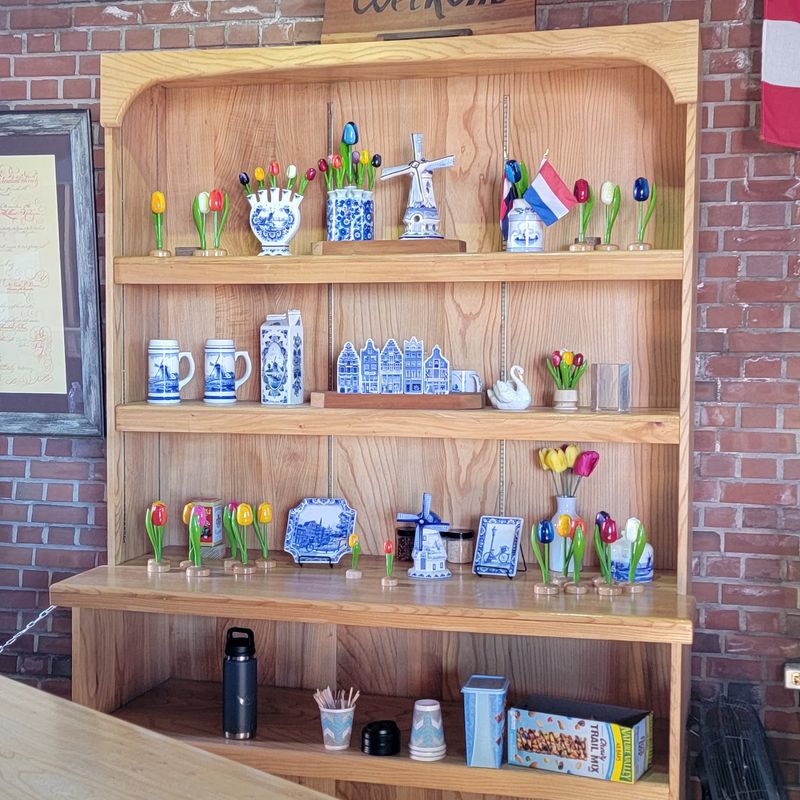
Souvenir hunters, take note. The gift shop at the park is large and well stocked, with a strong focus on Dutch culture.
Prices in the shop are generally considered fair. The selection includes plenty of souvenirs, plus tulip bulbs and flower seeds for anyone hoping to grow a garden at home.
Several smaller shops are scattered around the grounds as well. Browsing them fits nicely between the windmill climb and a walk through the gardens.
As for timing, this is not an all-day commitment. About one and a half to two hours covers the main highlights at a comfortable pace.
That leaves room to explore other parts of town. Centennial Park, downtown Holland, and Tulip Lane are popular add-ons during festival season.
Is it worth the trip? For anyone curious about history, flowers, or a working piece of the Netherlands on American soil, the answer leans strongly toward yes.
Spring brings the famous tulips, while summer and fall offer calmer paths and colorful late blooms. Either way, the 250-year-old mill waits at the center, sails ready.
The park suits couples, families, and solo explorers alike. It rewards those who slow down, ask questions, and look up.
A short drive, a long story, and one remarkable windmill make this island an easy stop to love, and plenty of people find themselves planning a return before they even leave.
Enjoyed this story?
Add Fast Food Club as a preferred source to see more of our reporting on Google.