


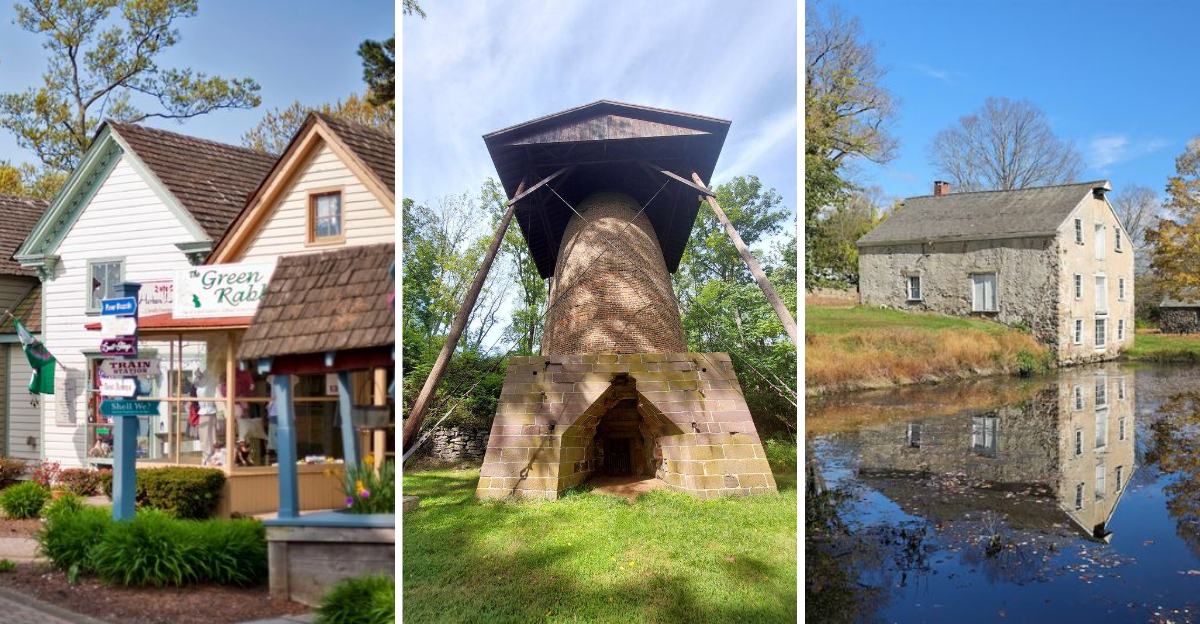
New Jersey might be known for its busy highways and city life, but tucked away across the state are quiet villages that seem frozen in time. From colonial-era homes to iron-making settlements, these places tell the real story of American history.
Walking through them feels like stepping out of the present and into another century. Whether you love history, architecture, or just a good adventure, these villages are worth every step.
Historic Smithville – Smithville, New Jersey
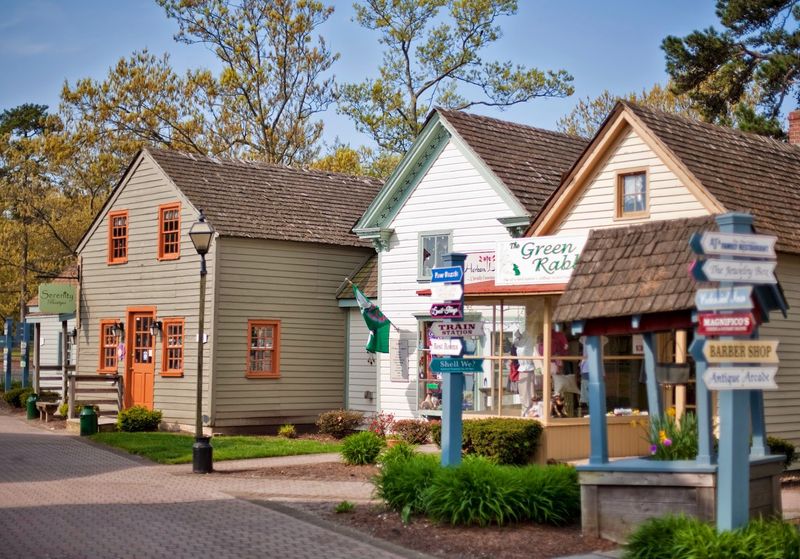
Step onto the cobblestone paths of Historic Smithville and you might forget what year it is. This beautifully restored 18th-century village sits around a peaceful lake and features dozens of unique shops, restaurants, and attractions.
Originally built in the 1700s, many of the buildings were relocated here to preserve their history. Families love visiting on weekends, especially during seasonal festivals.
It is a rare place where shopping and history blend perfectly together.
Allaire Village – Wall Township, New Jersey
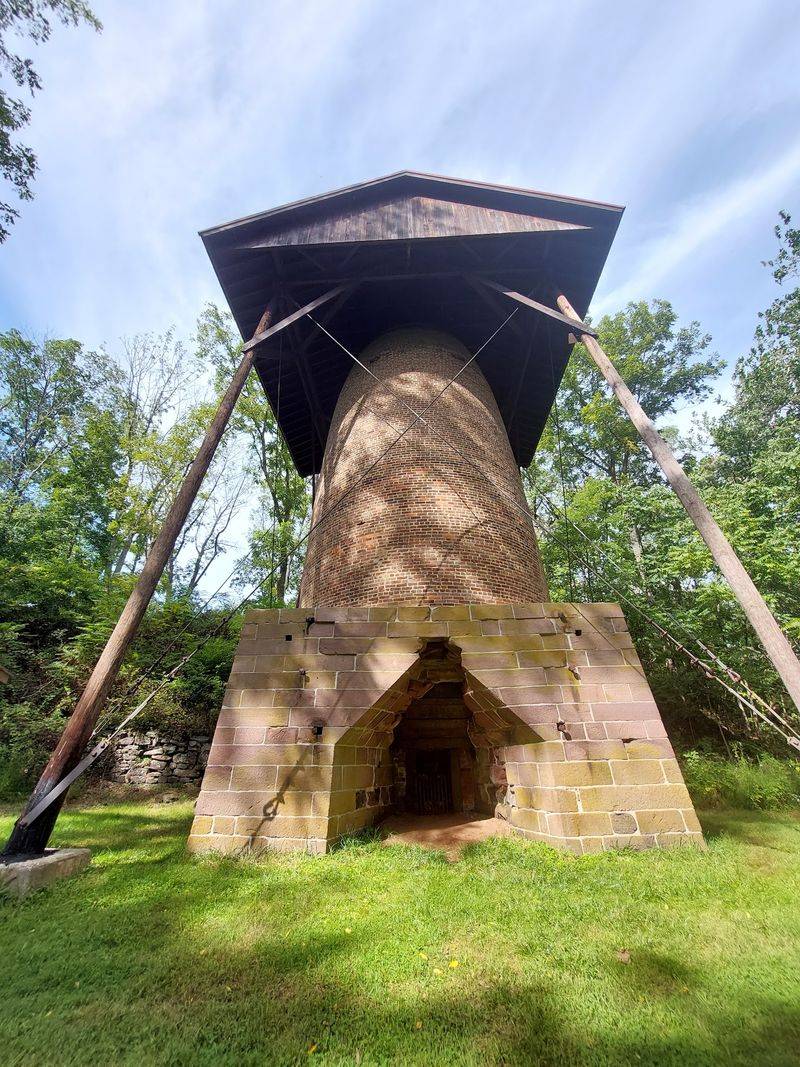
Allaire Village once roared with the sounds of a working iron furnace back in the early 1800s. Today, the site sits quietly inside Allaire State Park, offering visitors a rare look at life during the Industrial Revolution.
Costumed interpreters bring the past to life by demonstrating blacksmithing, carpentry, and other old trades. Kids and adults alike are drawn in by the hands-on demonstrations.
The surrounding forest adds a peaceful, almost magical atmosphere to the whole experience.
Waterloo Village Historic Site – Stanhope, New Jersey
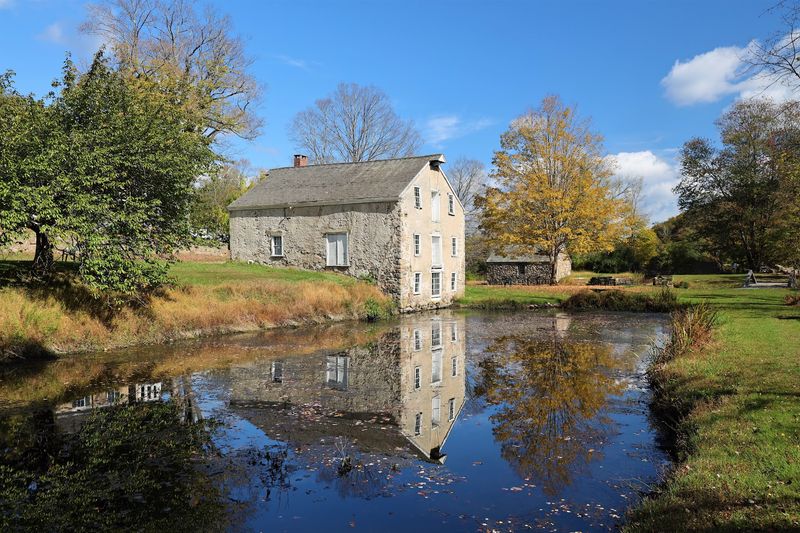
Perched along the Morris Canal, Waterloo Village has roots stretching back to the late 1700s. The site once thrived as a bustling canal port where goods like iron and grain were shipped across New Jersey.
Visitors today can explore a gristmill, a blacksmith shop, and several restored homes. The setting beside the water makes it especially scenic in the fall.
History here feels alive, not just preserved behind glass, which makes every visit feel genuinely rewarding.
Batsto Village – Hammonton, New Jersey
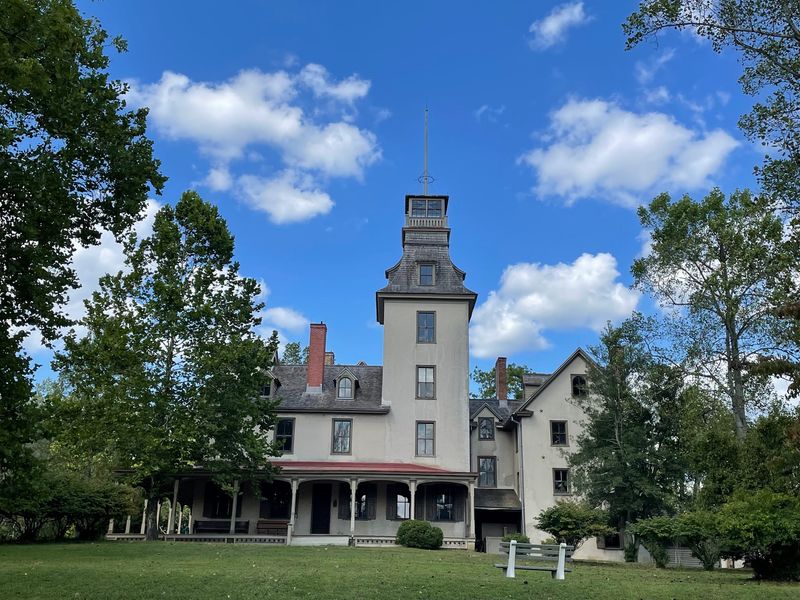
Hidden deep in the New Jersey Pinelands, Batsto Village is one of the most complete historic sites in the entire state. Founded in 1766, it operated as an iron and glass manufacturing center for over a century.
The ironmaster’s mansion stands tall at the center of the village, surrounded by original workers’ cottages, a gristmill, and a sawmill. Guided tours reveal fascinating stories about the people who lived and worked here.
The Pinelands setting gives Batsto an eerie, enchanting quality unlike anywhere else.
Walnford – Upper Freehold, New Jersey
Walnford is a hidden gem that most people drive right past without knowing what they are missing. Nestled along Crosswicks Creek in Upper Freehold, this historic property centers around an 18th-century gristmill that still stands today.
The site preserves a rare example of rural New Jersey life from the colonial period through the early 20th century. Walking the grounds feels unhurried and calm, a refreshing escape from modern noise.
It is a favorite spot for history lovers who prefer quiet exploration over crowds.
The Deserted Village – Berkeley Heights, New Jersey
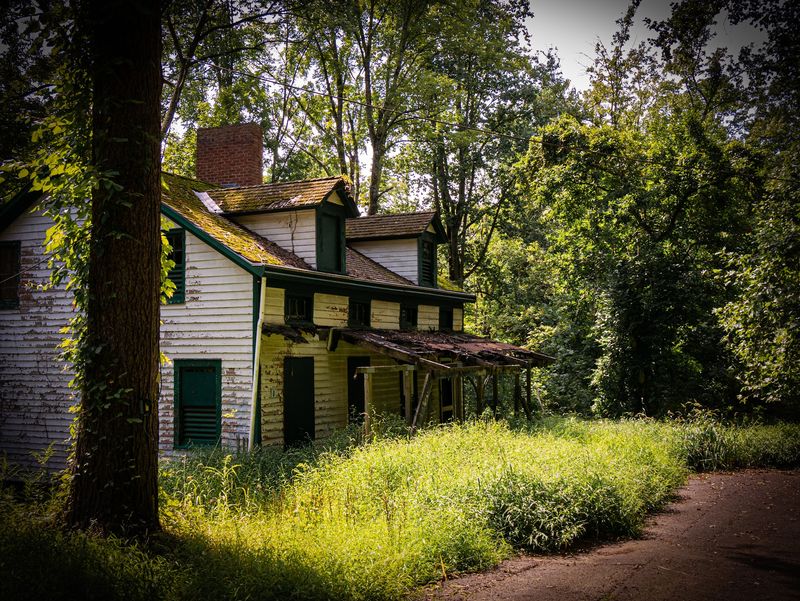
Few places in New Jersey carry as much mystery as The Deserted Village, also known as Feltville. Built in the 1840s by businessman David Felt, this self-contained mill community was once home to over 175 people.
After Felt left, the village was repurposed as a summer resort and later abandoned entirely. Today, the crumbling stone cottages stand quietly inside the Watchung Reservation.
Nature has slowly reclaimed many of the buildings, giving the whole place a hauntingly beautiful, almost storybook feel.
Crosswicks – Chesterfield Township, New Jersey
Crosswicks is one of those rare places where time genuinely seems to have stood still. This small village in Chesterfield Township dates back to the late 1600s, when Quaker settlers first built their homes along the creek.
The Crosswicks Friends Meetinghouse, built in 1773, still bears a cannonball lodged in its wall from the Revolutionary War. That single detail alone makes the village worth a visit.
Strolling past the original homes feels like reading a living history book, page by page.
Greenwich – Lower Alloways Creek, New Jersey
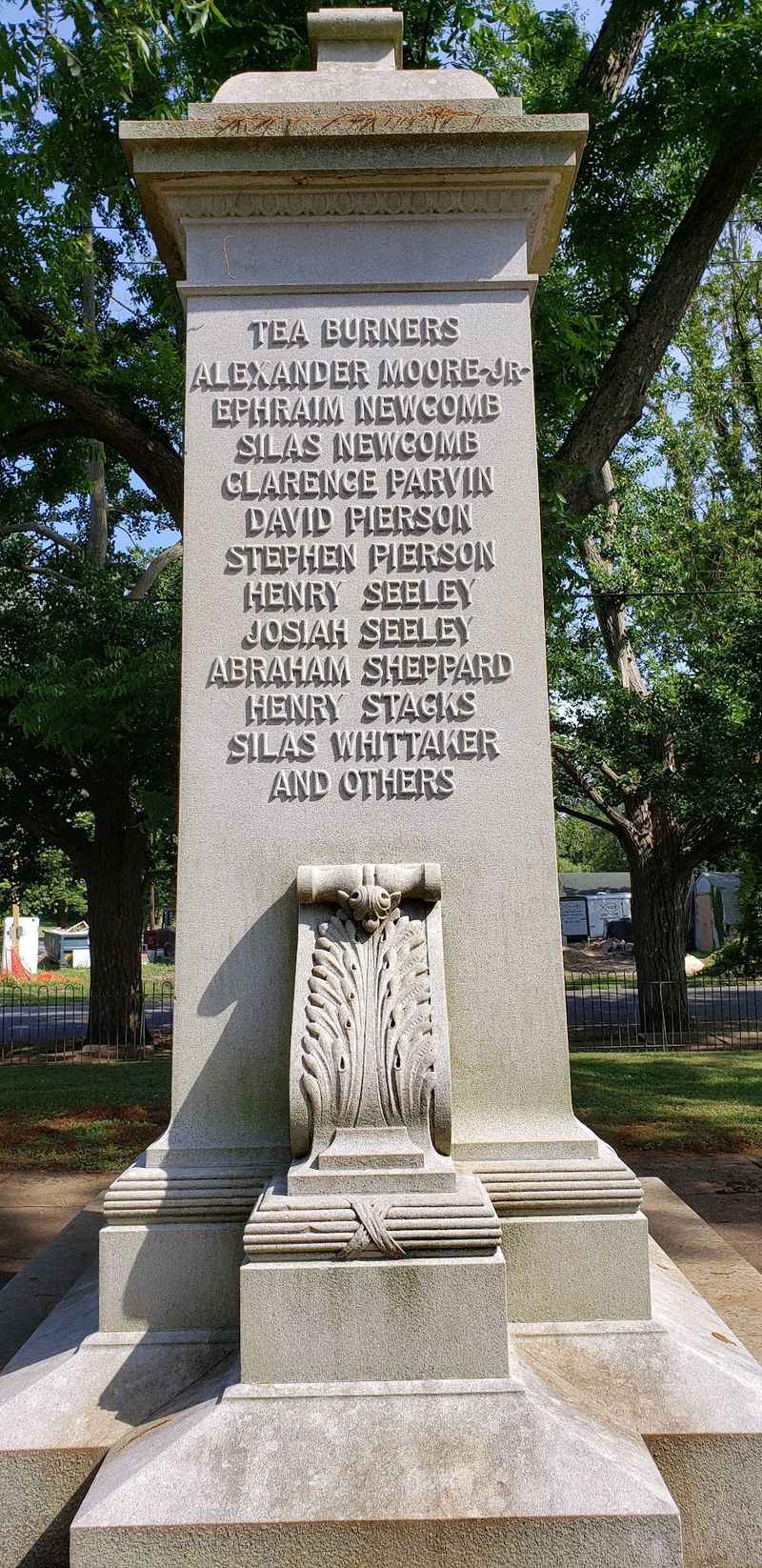
Long before Boston held its famous tea party, Greenwich had one of its own. In 1774, colonists burned a shipment of British tea right here on Ye Greate Street, making this quiet village a true footnote in American history.
Greenwich is remarkably well-preserved, with original 18th-century homes lining its wide, tree-shaded main road. The town feels almost untouched by time, which is exactly its charm.
Visiting feels like a personal discovery, a secret piece of history most people never hear about.
Historic Hunterdon County Courthouse – Flemington, New Jersey
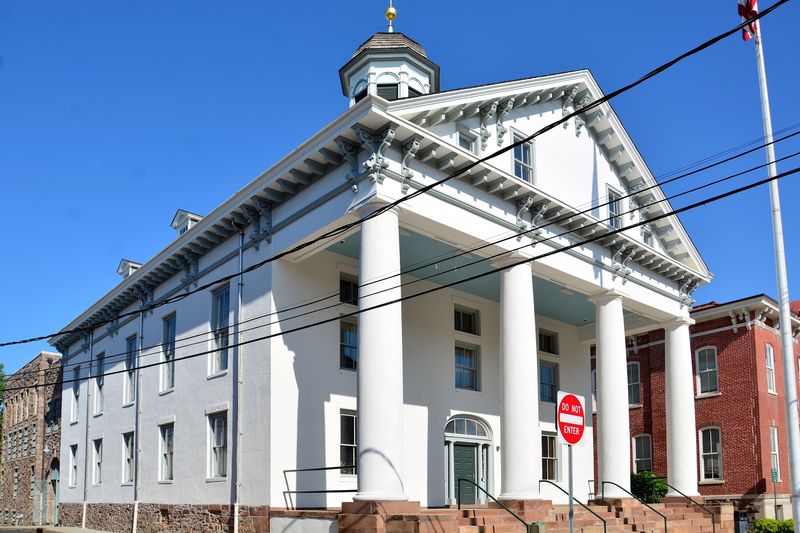
Flemington is a town where courtroom drama and colonial charm come together on the same block. The Hunterdon County Courthouse, built in 1828, is a striking Greek Revival building that has hosted some of New Jersey’s most notable legal cases.
The most famous was the 1935 trial of Bruno Hauptmann, accused in the Lindbergh baby kidnapping. Beyond the courthouse, Flemington’s downtown is filled with Victorian architecture and local shops.
History here feels personal, grounded, and genuinely fascinating for visitors of all ages.
Lambertville Railroad Historical Marker – Lambertville, New Jersey
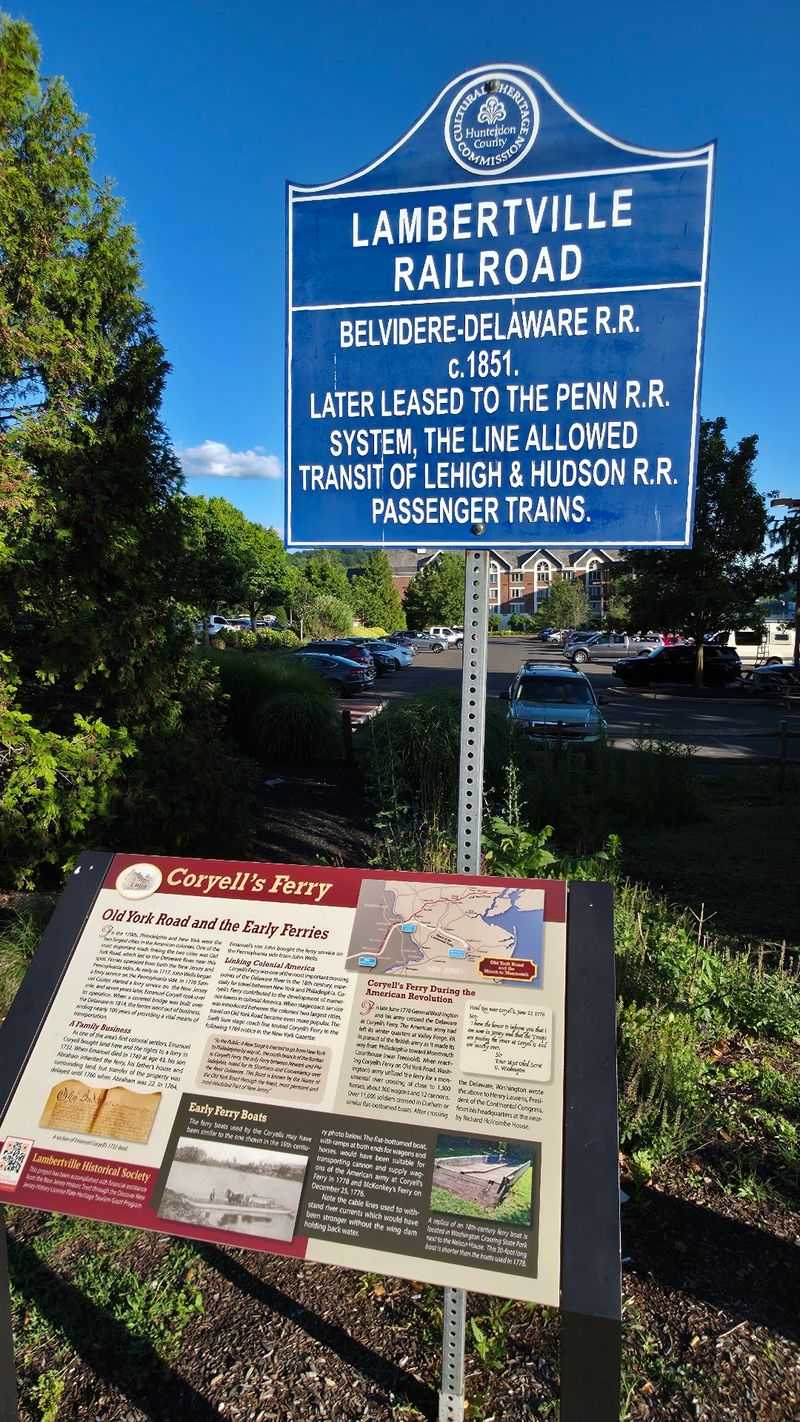
Lambertville sits quietly on the Delaware River, holding onto its 19th-century identity with remarkable grace. The railroad historical marker here tells the story of how the town connected to the larger industrial world during the 1800s.
Beyond the marker, the entire town functions like an open-air museum, lined with Federal and Victorian architecture. Art galleries, antique shops, and cozy cafes fill the old storefronts.
Lambertville rewards slow walkers, the kind of visitors who enjoy noticing small details in old brickwork and weathered signs.
Millbrook Village Historic Site – Hardwick Township, New Jersey
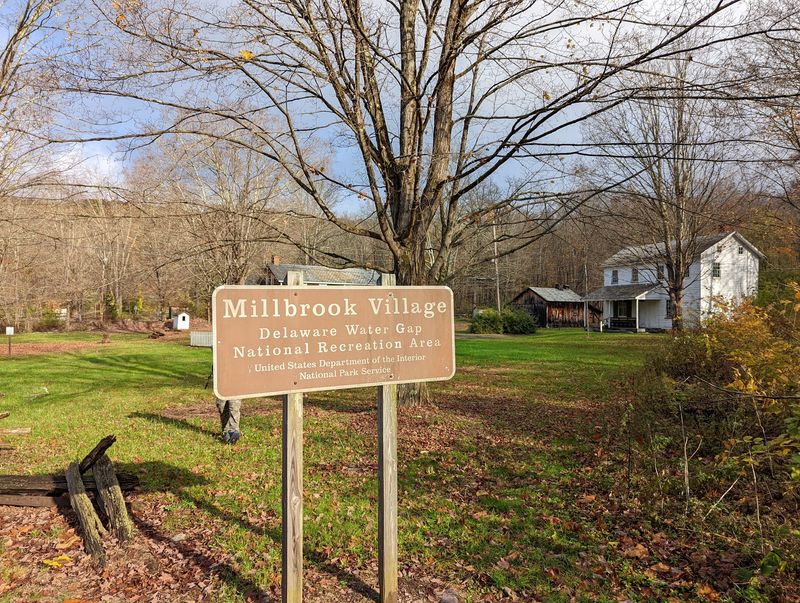
Tucked inside the Delaware Water Gap National Recreation Area, Millbrook Village is a carefully reconstructed 19th-century community that brings rural farm life back to vivid reality. The village originally thrived in the mid-1800s before being abandoned by the early 1900s.
Today, restored buildings include a gristmill, a church, a blacksmith shop, and several homes. Living history weekends draw crowds eager to see old trades performed in real time.
The surrounding natural beauty of the Water Gap makes the entire visit feel like a true escape.
Enjoyed this story?
Add Fast Food Club as a preferred source to see more of our reporting on Google.