


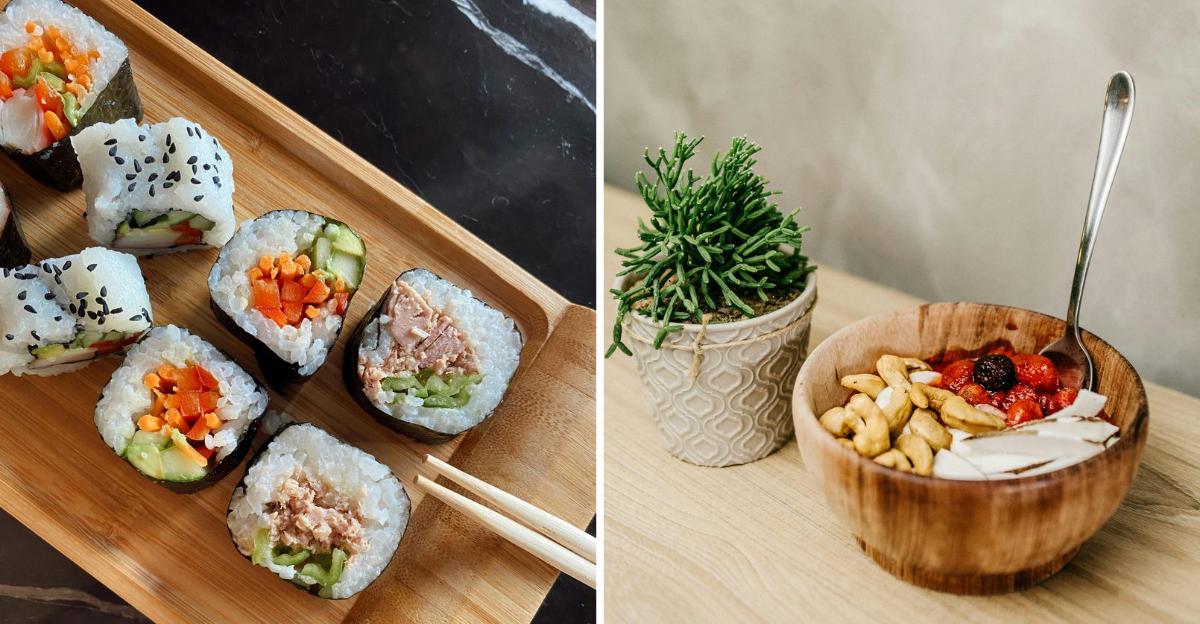
Some foods wear a health halo that makes them feel like smart choices, but the nutrition facts tell a different story. Hidden sugars, refined oils, and sneaky portions can turn a “healthy” snack into a setback.
Before you toss these favorites into your cart, learn what to watch for and what to swap. You will walk away with simple tweaks that keep flavor high and nutrition honest.
Granola
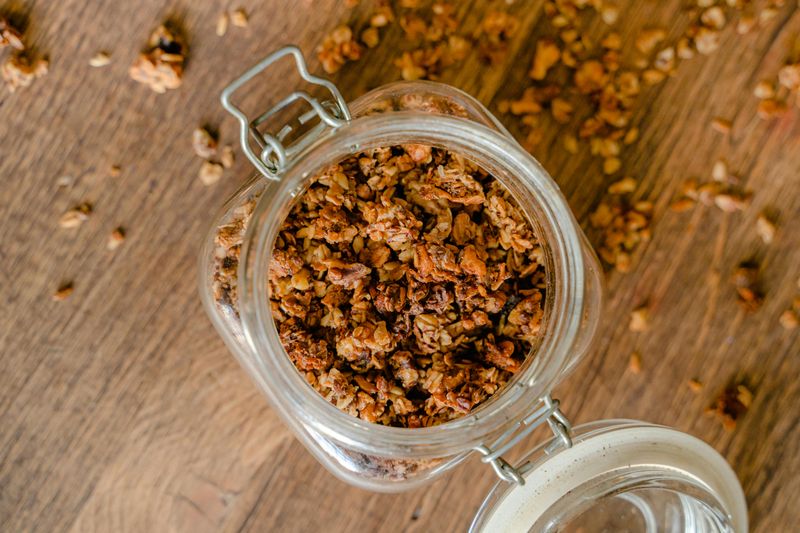
Granola sounds wholesome, but many store versions pack more sugar than cookies. Clusters are often bound with syrups and oils that spike blood sugar and add hidden calories.
A small half cup can equal a dessert, especially when topped with sweet yogurt.
If you love crunch, build your own with plain oats, nuts, seeds, and cinnamon. Bake lightly, then sweeten with a little fruit.
Pair with unsweetened yogurt or sprinkle over berries so you control portions. Read labels, aiming for single digit sugars and higher fiber.
That way, you keep the satisfying crunch without the stealth candy bar effect.
Smoothie Bowls
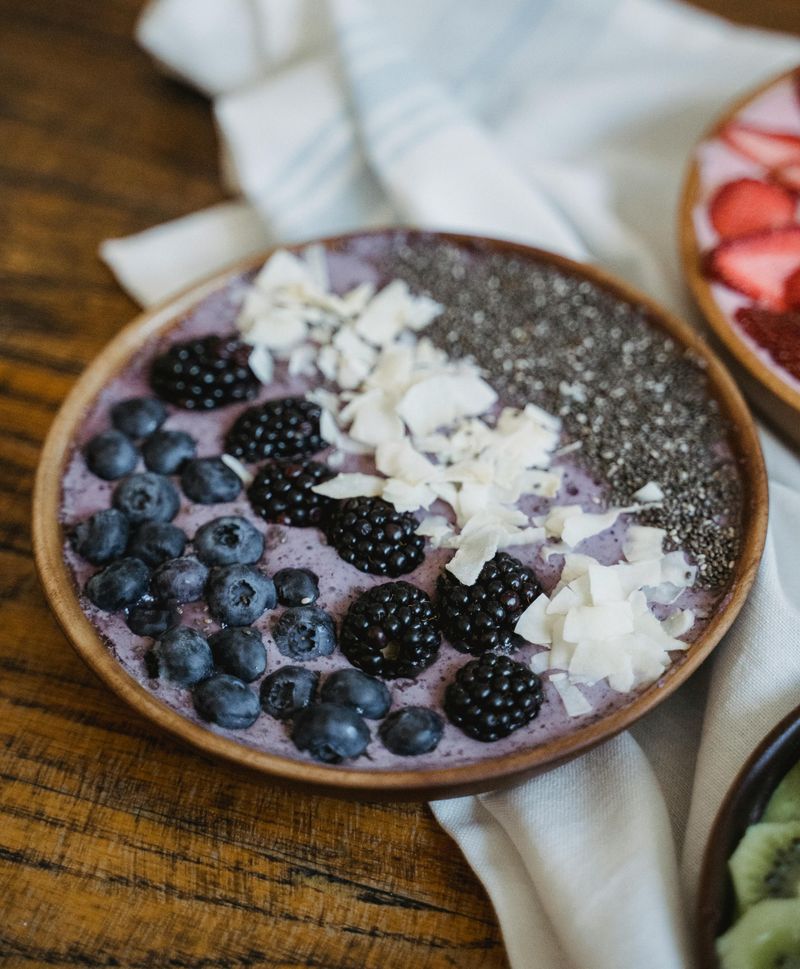
Smoothie bowls look vibrant and feel virtuous, yet they can hide a mountain of sugar. Blended fruit concentrates calories, and generous toppings like granola, honey, and nut butters quickly stack up.
Eat it fast and you miss fullness cues, making overeating easy.
Keep the color, lose the sugar rush. Start with leafy greens, unsweetened milk, and one modest fruit serving.
Add protein like Greek yogurt or a scoop of protein powder, plus chia for fiber. Measure toppings, do not pour freely.
Aim for a spoonable texture you savor slowly, so you leave satisfied rather than spun by a sugar spike.
Fruit Juices
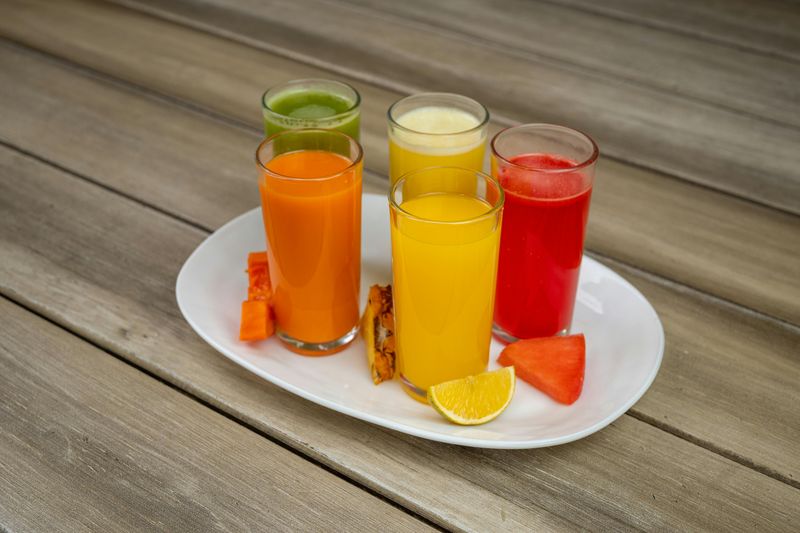
Fruit juice feels like a shortcut to vitamins, but it strips away fiber and leaves straight sugar. Even 100 percent juices can match soda in fructose and calories.
Without chewing, you drink multiple servings quickly, spiking blood sugar and appetite.
Prefer whole fruit where fiber slows absorption and boosts fullness. If you want juice, pour a small glass, dilute with sparkling water, and sip with a meal.
Better yet, blend whole fruit with greens for thickness. Read labels for added sugars and serving sizes.
Your teeth and your energy will thank you for choosing the slower, steadier option.
Protein Bars
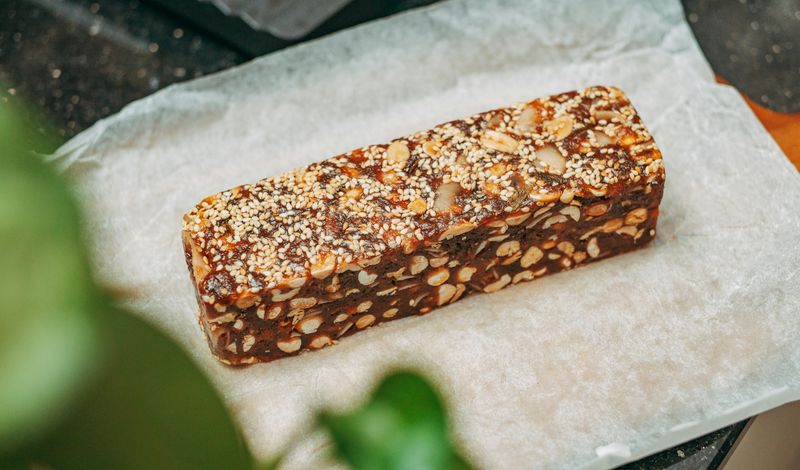
Protein bars promise gym friendly fuel, yet many are candy bars in disguise. Coatings, syrups, and sugar alcohols add sweetness and bloat.
Some use low quality proteins and fillers that do little for recovery or hunger control. Portions often exceed a snack.
Choose bars with short ingredients, 15 to 20 grams of protein, and single digit sugars. Look for nuts, seeds, and whey or pea protein as the base.
Skip dessert flavors that trigger cravings. Or pack real food like jerky, cheese sticks, or a homemade oat bar.
Your stomach and workout performance will notice the difference fast.
Flavored Yogurt
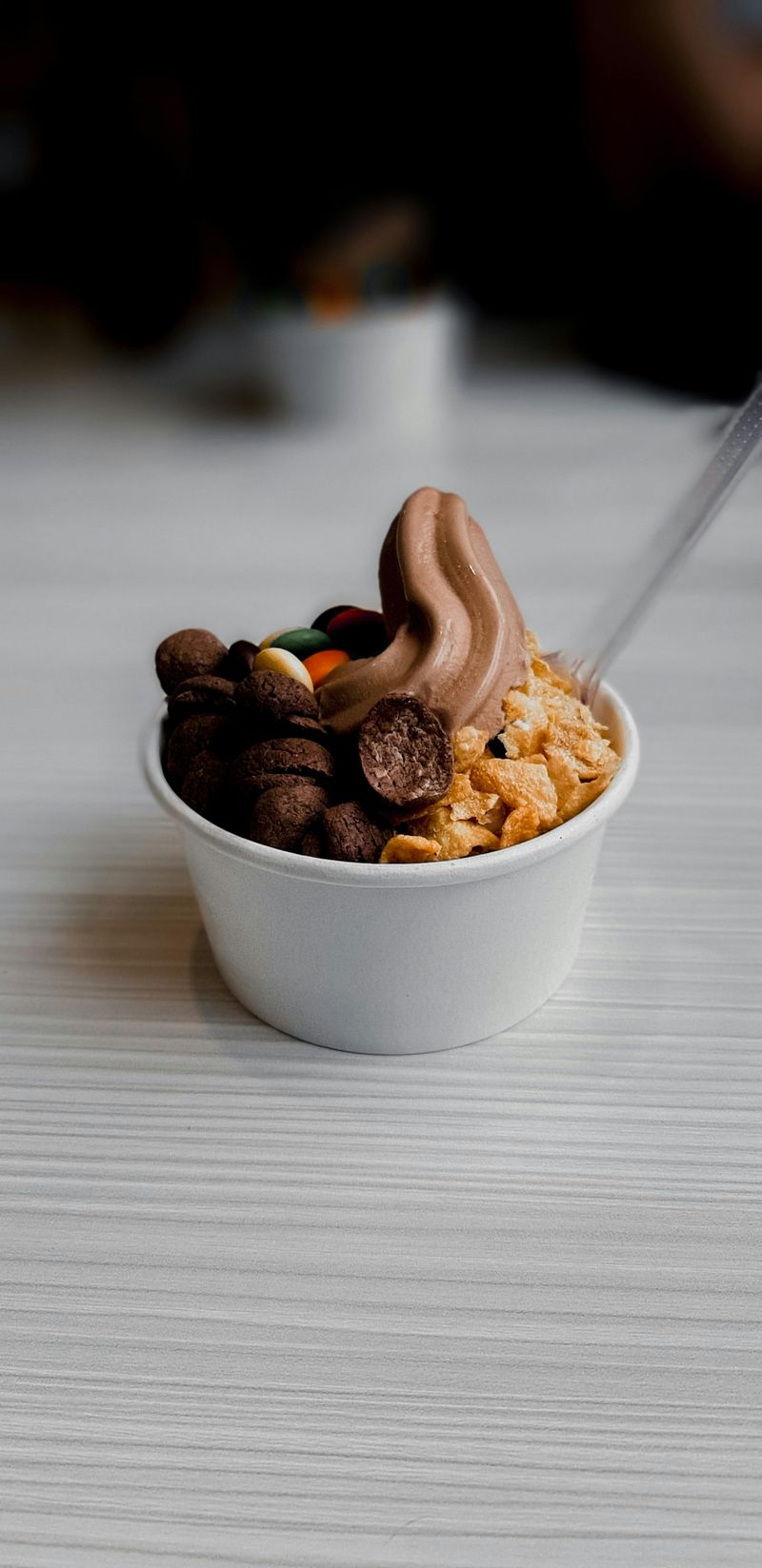
Flavored yogurt wears a health halo while hiding spoonfuls of sugar. Many cups rival ice cream in sweetness, and tiny portions disappear fast.
Artificial flavors and colors do not help your gut or goals either.
Pick plain yogurt, then add fruit, vanilla, and a drizzle of honey if needed. Greek or Icelandic styles offer more protein and creaminess, keeping hunger at bay.
Crunch with nuts or seeds, not candy-like mix ins. Check labels for live cultures and minimal ingredients.
You will enjoy a dessert level treat that actually supports digestion, protein needs, and stable energy.
Veggie Chips
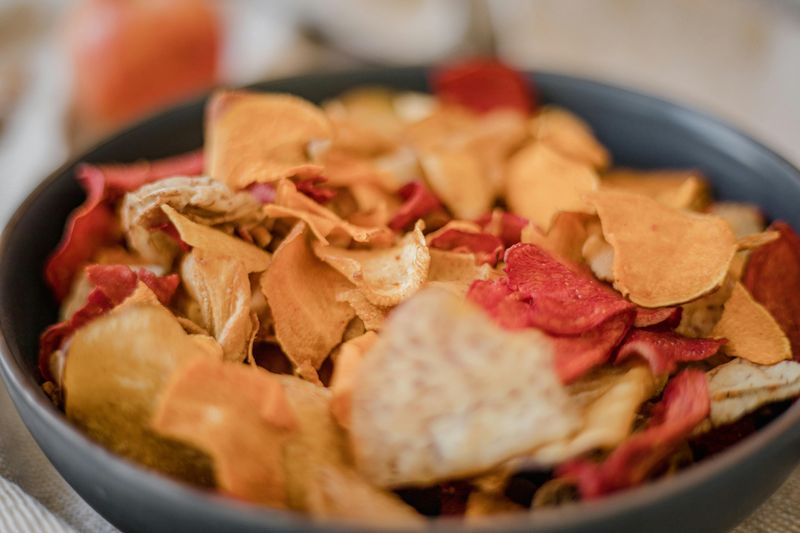
Veggie chips seem lighter than potato chips, but they are often just dyed starch. Thin slices or powders are fried in oils and salted heavily, concentrating calories.
You get the illusion of vegetables without the fiber, water, or nutrients.
For real crunch, roast sliced carrots, beets, or zucchini at home with olive oil lightly. Air fry if you prefer less oil.
Pair with protein like hummus or Greek yogurt dip to stay full. When buying, choose baked versions with vegetables listed first.
Keep portions mindful, because even better choices add up quickly when munching mindlessly.
Gluten-Free Snacks
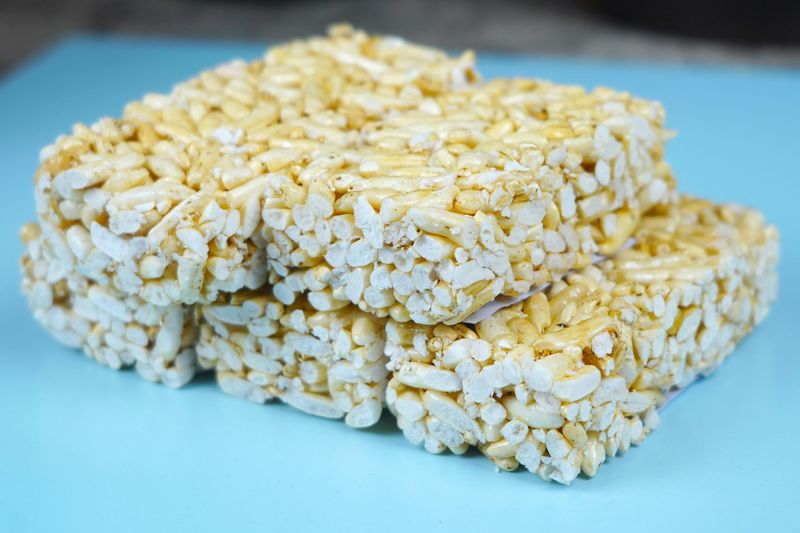
Gluten-free on the label does not equal healthier. Many gluten-free crackers, cookies, and pretzels rely on refined starches like rice flour and potato starch.
Those swap fiber for fast carbs, leaving you hungry again soon.
If you need gluten free for medical reasons, focus on whole foods. Choose nuts, fruit, yogurt, or popcorn instead of ultra processed snacks.
When buying packaged items, scan for fiber, protein, and minimal added sugars. Look for whole grain gluten free blends like buckwheat or sorghum.
Otherwise, that pricey label might be selling you less nutrition in a shinier wrapper.
Bottled Green Juices
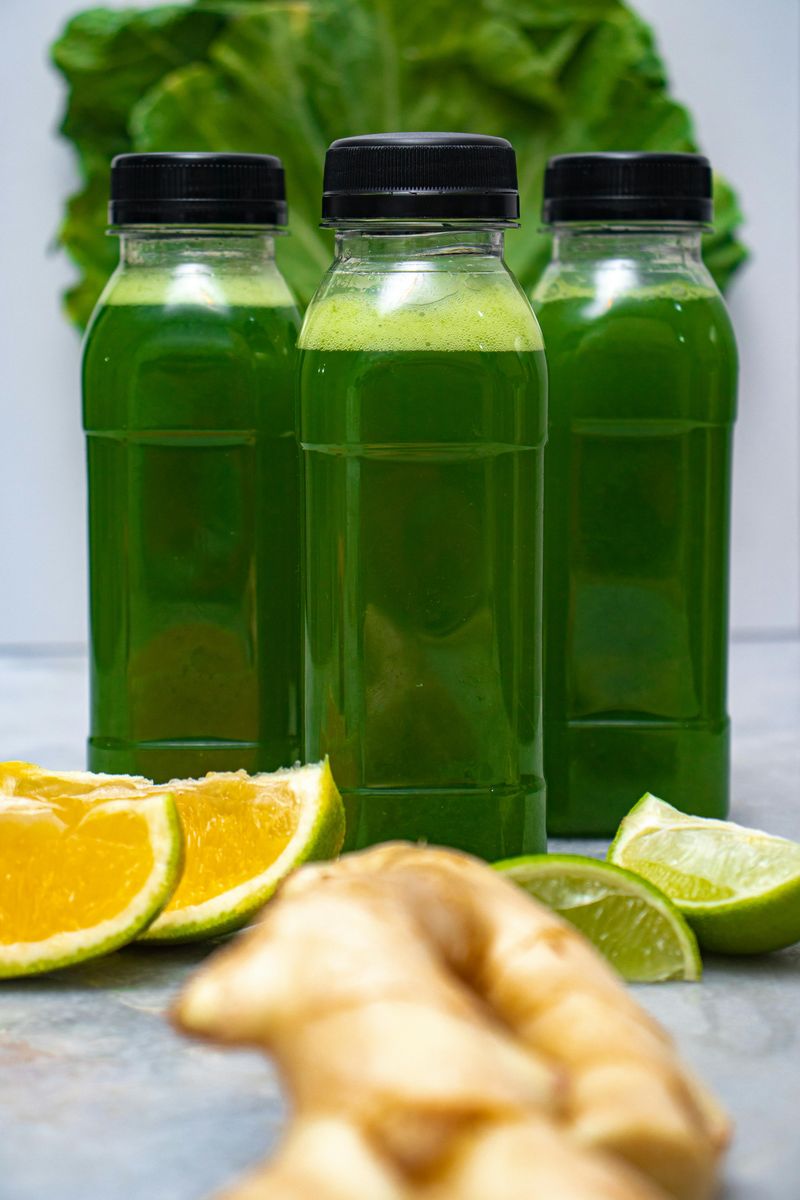
Bottled green juices look detoxifying, yet many blend apples and pineapple to mask bitterness. That sweetness drives up sugar without the balancing fiber from whole produce.
Pasteurization can also reduce heat sensitive vitamins and flavors.
If you want greens to drink, choose options that list vegetables first and total sugars low. Better, make a blender smoothie using spinach, cucumber, lemon, and a small fruit.
Add ginger for bite and protein powder to steady hunger. Sip slowly with a meal.
You will feel energized without the crash that often follows a bottled sugar bomb labeled healthy.
Salad Dressings
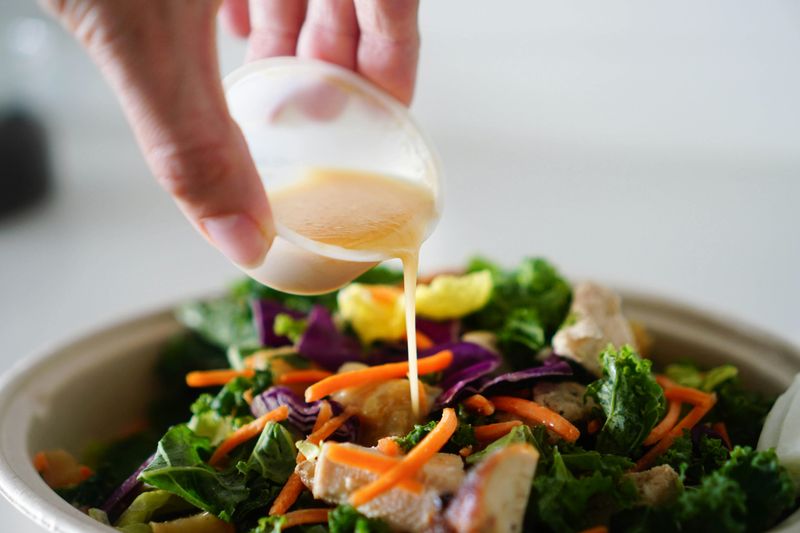
Salad dressings often smuggle sugar, sodium, and cheap oils into an otherwise great bowl. Creamy bottles can hide dozens of calories per spoon, and portions quickly double.
Light versions sometimes swap fat for extra sugar and thickeners.
Build your own with olive oil, vinegar, mustard, citrus, and herbs. Measure a tablespoon or two, then toss thoroughly for even coating.
If buying, look for avocado or olive oil bases, minimal sugar, and short ingredients. Consider salsa, tahini lemon, or plain olive oil with salt.
Your vegetables will taste brighter without the heavy, sneaky calorie load today.
Trail Mix
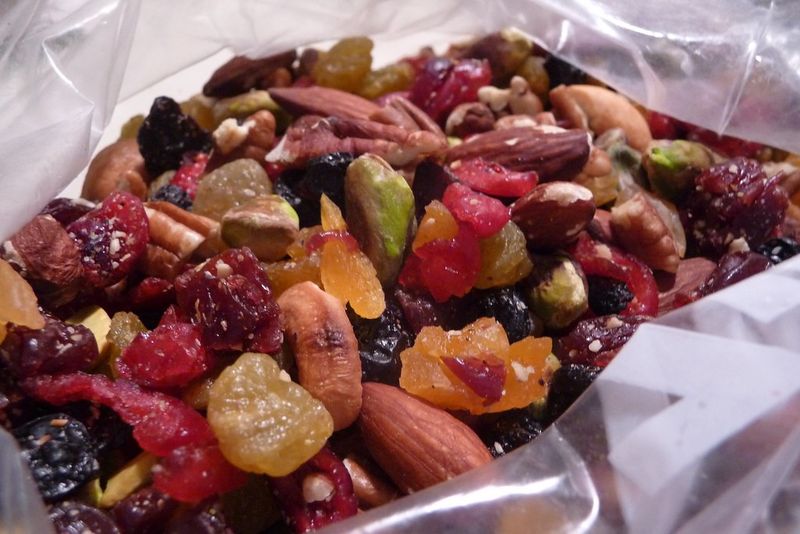
Trail mix starts nutritious, but the store versions often include chocolate candies and sweetened fruit. Those tasty bits raise sugars and calories fast, especially by the handful.
Oily coatings and salted nuts can also push sodium beyond daily goals.
Make your own with mostly raw nuts, seeds, and unsweetened dried fruit. Add dark chocolate sparingly for satisfaction, not as the base.
Portion into small bags so a snack stays a snack. If buying, scan for sugar per serving and the order of ingredients.
You want nuts first, not candy starring as health food in disguise.
Rice Cakes
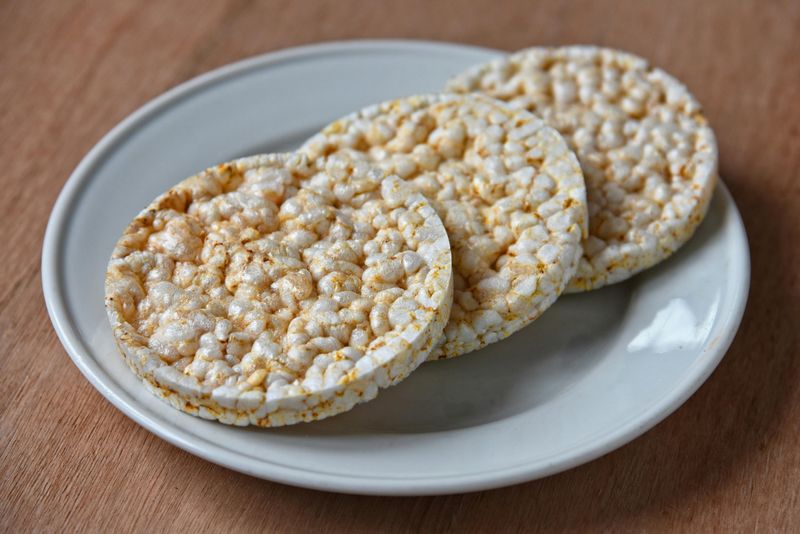
Rice cakes have a light crunch but almost no staying power. They are mostly puffed refined rice that digests quickly and leaves you hungry.
Flavored versions often add sugar or artificial ingredients for taste. Sodium can creep up too.
Use rice cakes as a vehicle, not the whole snack. Top with peanut butter, cottage cheese, or avocado for fat and protein.
Add cucumber or tomato for volume and fiber. If weight loss is a goal, consider whole grain crackers instead.
They provide more texture, nutrients, and satisfaction for similar calories, helping you avoid the snack again loop.
Flavored Oatmeal Packs
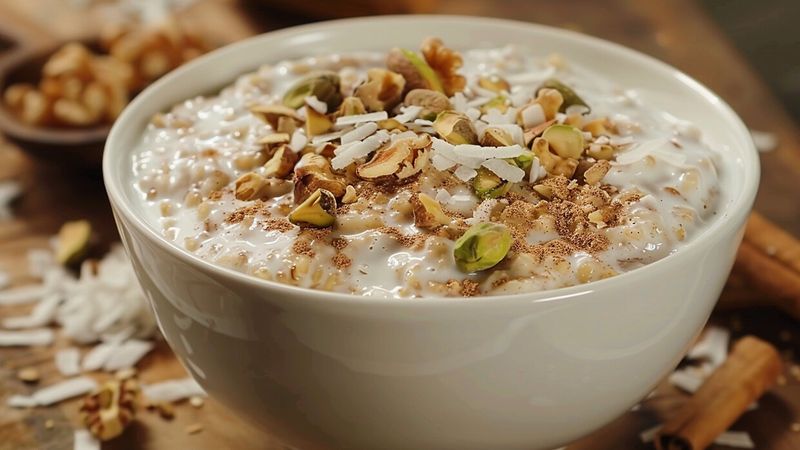
Instant flavored oatmeal seems heart healthy, yet packets often add lots of sugar. The fine cut oats digest faster, leading to quick hunger and a mid morning crash.
Artificial flavors can crowd out the whole grain benefits you expect.
Buy plain old fashioned oats and sweeten yourself. Stir in cinnamon, vanilla, and chopped fruit, then add peanut butter or protein powder.
A pinch of salt and extra water make it creamy. Batch cook for busy mornings and reheat with milk.
You will save money, lower sugar, and gain steady energy that lasts well beyond the commute.
Low-Fat Snack Foods

Low-fat snacks promise fewer calories, but they often swap fat for extra sugar and starch. Without fat, flavors feel flat, so manufacturers add thickeners and sweeteners.
You end up eating more to feel satisfied, undermining the label’s promise. Texture often suffers too.
Choose naturally lower fat foods like fruit, popcorn, or yogurt, then add a little healthy fat. Nuts, olive oil, or avocado help with satisfaction and vitamin absorption.
Read labels and favor fiber, protein, and ingredients you can pronounce. Portion snacks into bowls, not from bags.
Real foods with balanced macros beat low-fat marketing tricks every time.
Detox Teas
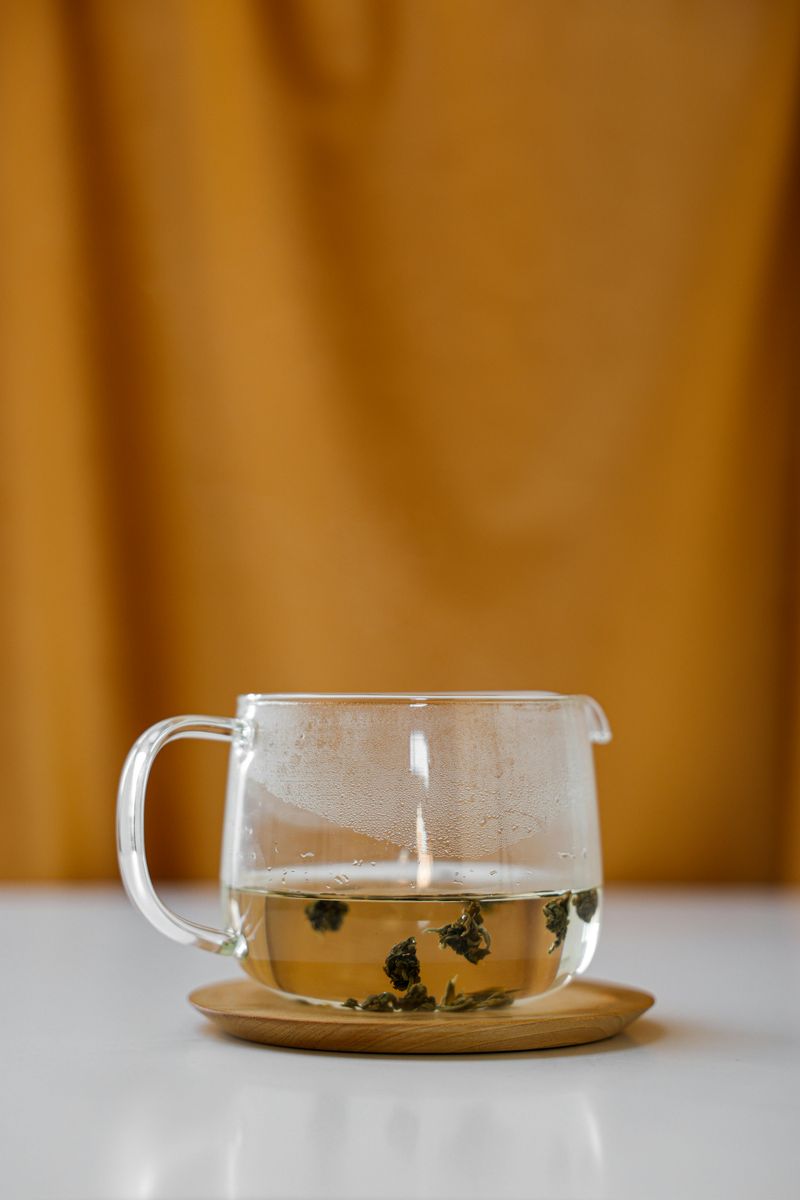
Detox teas promise cleansing, but many are just laxatives and diuretics dressed up in wellness words. They can cause dehydration, cramps, and dependence, not fat loss.
Weight drops are mostly water, and the rebound can feel brutal. Labels can mislead easily.
Your liver and kidneys already detox brilliantly. Support them by sleeping, hydrating, eating fiber, and moving daily.
If tea helps ritual, choose gentle green or peppermint without gimmicks. Read reviews and ingredient lists before buying.
Your bathroom schedule, your metabolism, and your sanity will all be happier without a tea that bullies your gut for likes.
Plant-Based Burgers
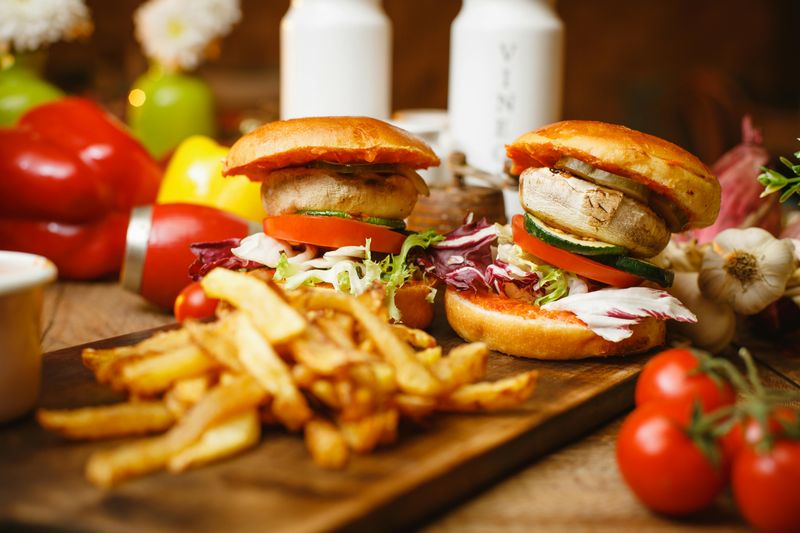
Plant-based burgers can mimic meat, but many rely on refined oils, isolates, and lots of sodium. They are convenient, yet processing strips away the bean and veggie benefits people imagine.
Slapping on cheese and sugary sauces pushes them further from healthy.
Swap in homemade patties made from beans, mushrooms, and whole grains. If buying packaged, compare protein quality, sodium, and ingredients you recognize.
Choose whole grain buns, stack lettuce and tomato, and use mustard. Pair with a salad instead of fries.
That way, you enjoy the plant vibe without turning dinner into an ultra processed salt delivery system.
Acai Bowls
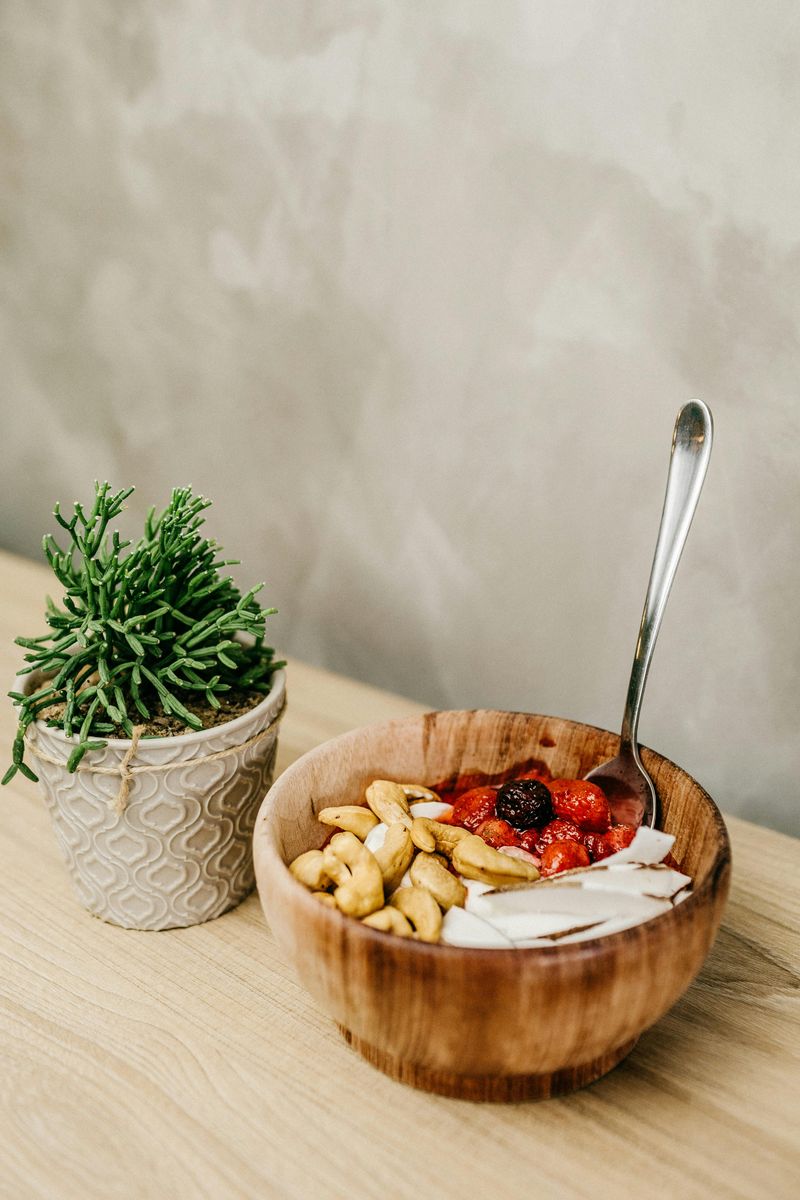
Acai bowls wear superfood branding, but toppings turn them into fancy desserts. Sweetened puree, granola, syrups, and banana slices can push sugar sky high.
Gigantic café portions add hundreds of calories before lunch even starts.
Order the smallest size and prioritize protein. Ask for unsweetened puree, then add nuts, seeds, and a few berries.
Skip honey and coconut flakes unless you portion carefully. At home, blend frozen acai with spinach and Greek yogurt for balance.
You will keep the berry flavor while steering clear of the sugar trap that sabotages afternoon energy. Hydrate alongside to slow intake.
Sushi Rolls
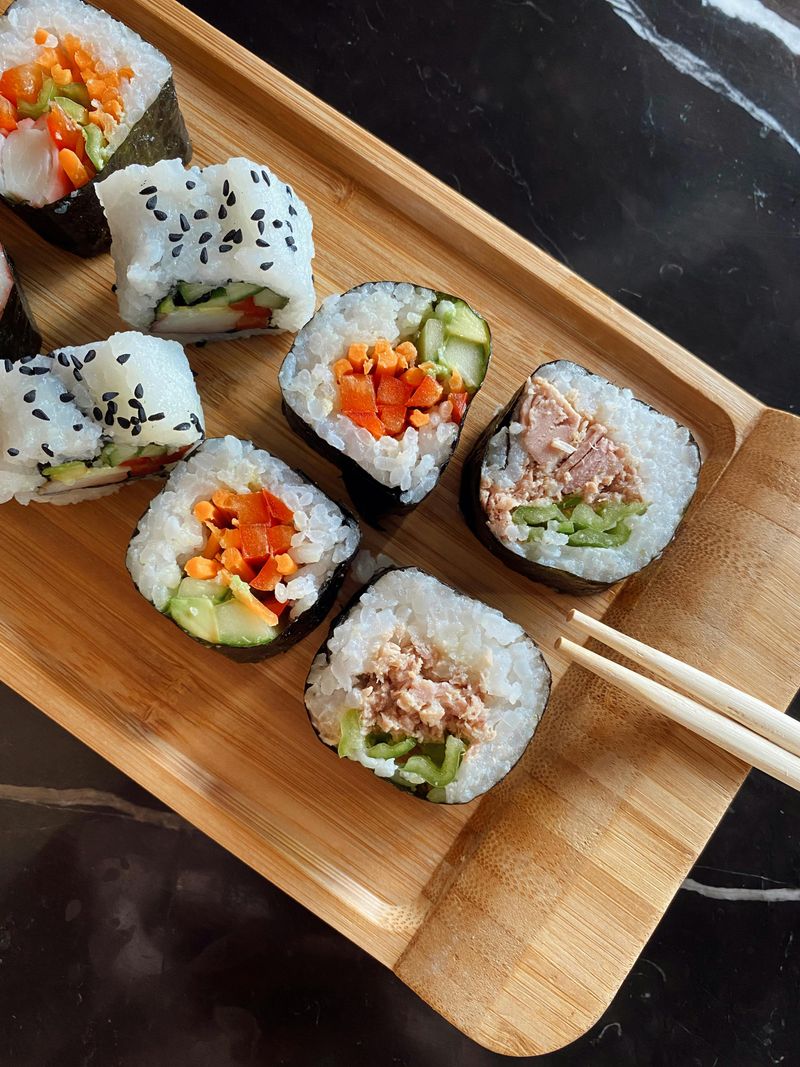
Sushi rolls can be more rice than fish, turning a light meal into a carb bomb. Sauces like spicy mayo and eel sauce add sugar and fats, while tempura fillings add even more oil.
You might eat several rolls before feeling full.
Order sashimi or simple rolls with extra vegetables. Ask for less rice or choose hand rolls to cut volume.
Swap creamy sauces for ponzu or plain soy, and mind the soy sodium. Add miso soup or edamame for protein.
You will leave truly satisfied without needing a nap after a supposed healthy lunch.
Enjoyed this story?
Add Fast Food Club as a preferred source to see more of our reporting on Google.