


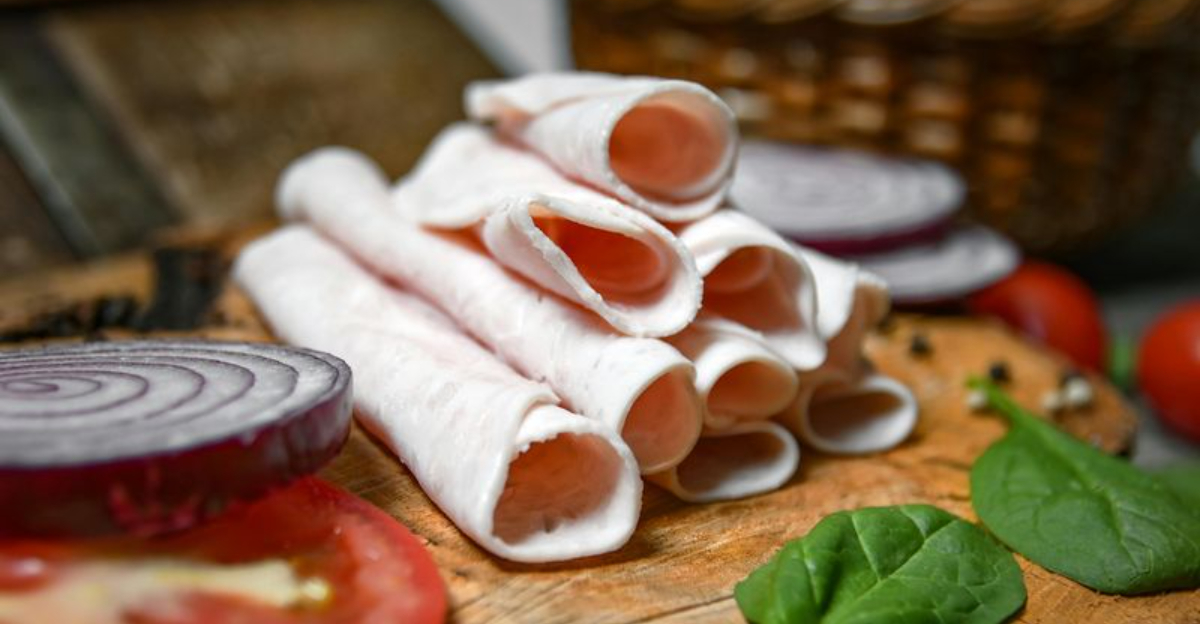
You might be watching the salt shaker, yet your blood pressure still creeps up. The real trouble often hides in everyday staples that seem harmless at first glance.
Once you know where sneaky sodium, stimulants, and saturated fats live, you can make smarter swaps without feeling deprived. Let’s pinpoint the biggest culprits so you can take back control and feel better fast.
Processed meats
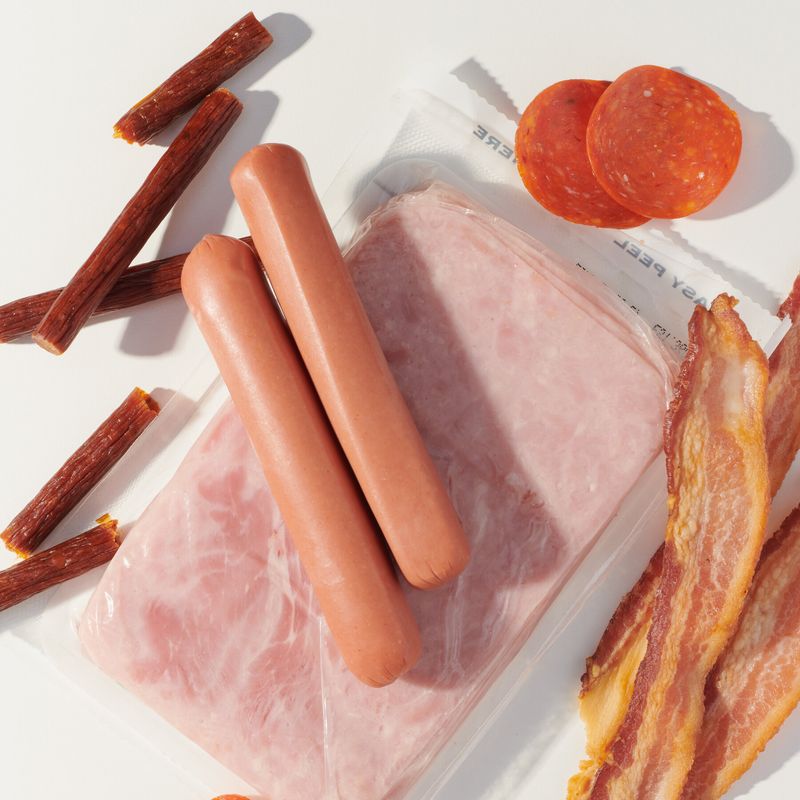
Processed meats pack a salty punch that adds up fast. Sausages, hot dogs, and pepperoni are often cured with sodium and preservatives that pull extra water into your bloodstream.
That extra fluid makes your heart work harder, nudging blood pressure higher than you might expect.
If you love deli-style flavors, choose lower sodium varieties and smaller portions. Pair with potassium-rich sides like tomatoes, oranges, or spinach to help balance fluid shifts.
Try roasting fresh chicken or turkey and slicing it yourself for sandwiches. Season with herbs, garlic, and pepper instead of salt-heavy rubs, and you will still get bold, satisfying flavor.
Fast food
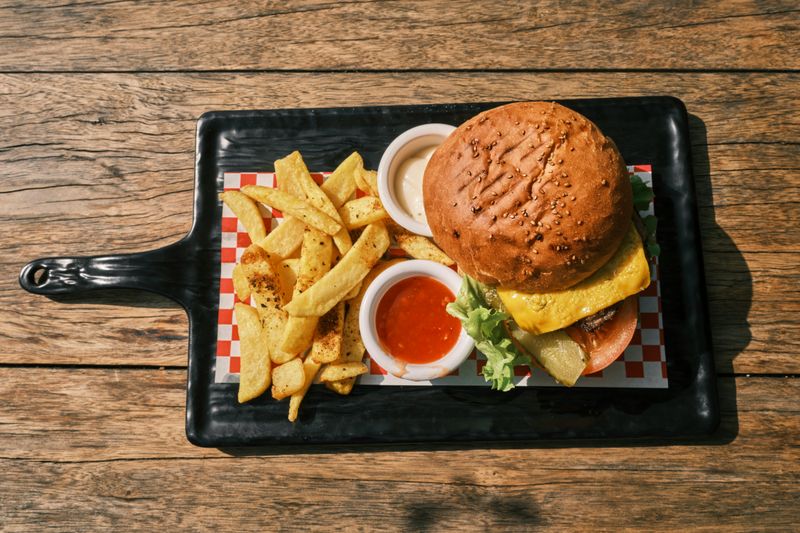
Fast food tastes craveable because it is engineered with salt, fat, and sugar. That combo can spike blood pressure by pushing fluid retention and encouraging over eating.
Even a single meal can exceed your daily sodium target before you blink.
When you need convenience, choose grilled items, skip cheese, and hold the special sauce. Order the smallest size fry or swap for a side salad and light dressing.
Ask for no added salt on fries, then add your own pepper or vinegar. Keep a water bottle handy and sip slowly.
Small, consistent choices create big wins.
Canned soups
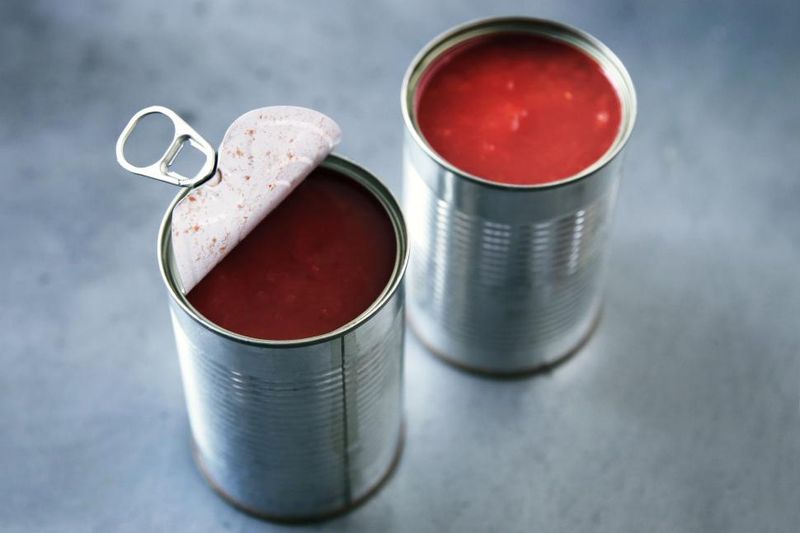
Canned soups are comforting, but many hide a hefty sodium load per serving. Those servings are tiny, so you might eat the whole can and double the number.
That surge of salt encourages water retention, raising blood pressure subtly but steadily.
Look for low sodium or no salt added labels and taste before salting. Boost flavor with herbs, lemon, garlic, or a swirl of olive oil instead of extra salt.
Add beans, frozen vegetables, or cooked grains to dilute sodium by volume. If you batch-cook soup at home, you control the salt from the start and feel better.
Cheese
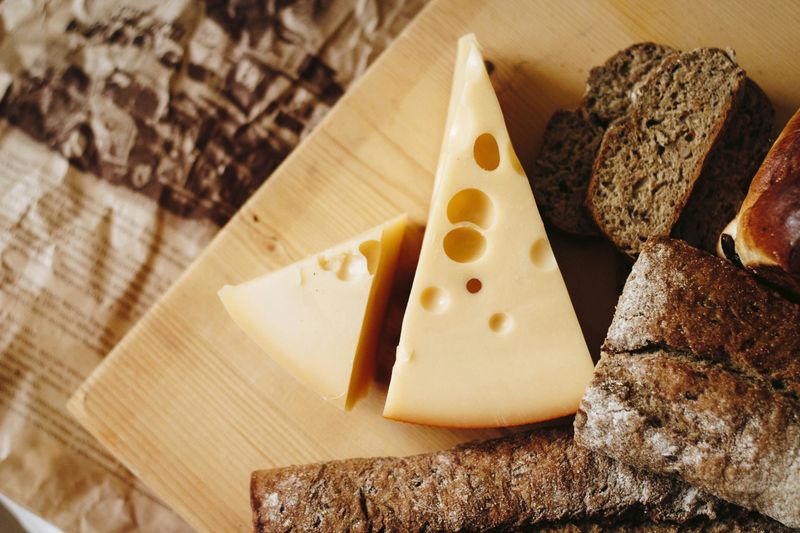
Cheese delivers rich flavor, but sodium builds quickly as portions grow. A few slices on sandwiches or pizza can push your salt budget over the line.
Some aged varieties are saltier, and that matters if you are watching your numbers closely.
Try bold cheeses like Parmesan or blue in smaller amounts to get satisfaction without excess. Pair cheese with potassium-rich produce such as pears, berries, or greens.
Choose part skim mozzarella or Swiss for gentler sodium profiles. Grate rather than slice to spread flavor farther.
When in doubt, read labels closely, measure portions, and balance each plate with fresh sides.
Pickles
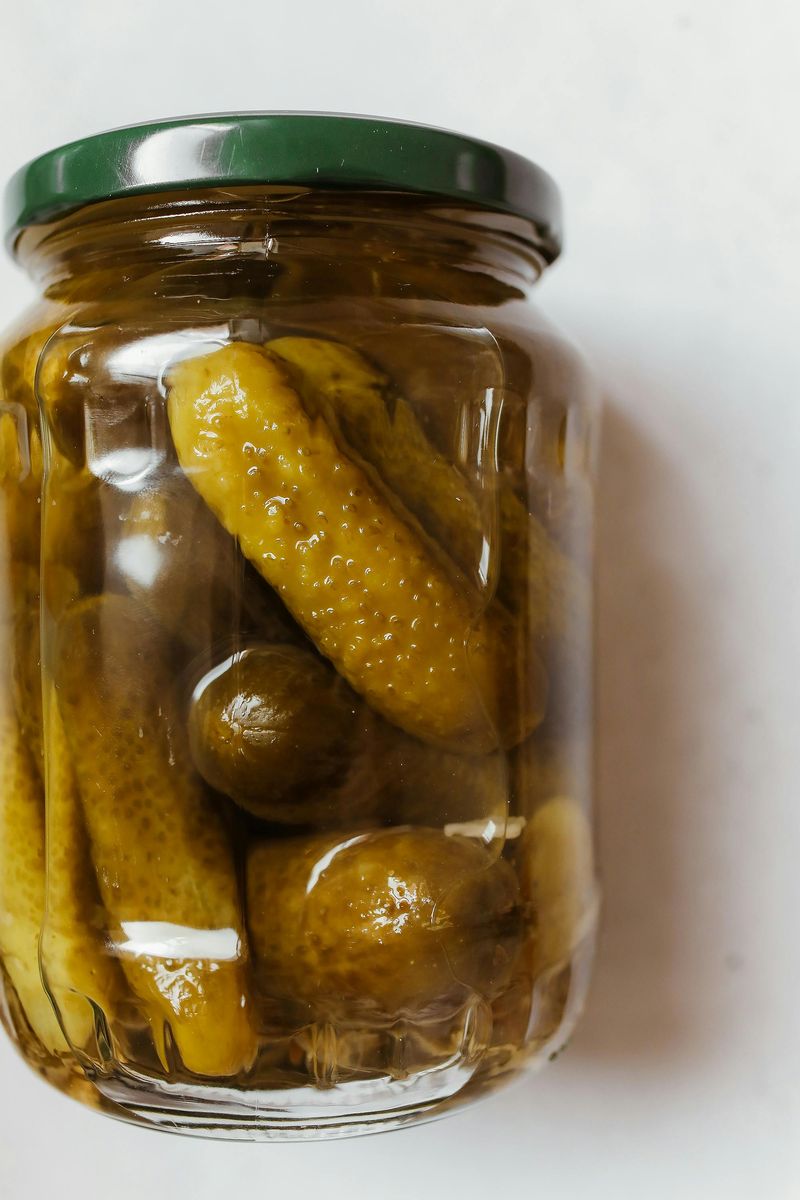
Pickles are crunchy, tangy, and extremely salty. The brine preserves cucumbers but also saturates them with sodium that hikes blood pressure for many people.
A few spears might not seem like much, yet the numbers add up fast across the day.
If you crave that bite, rinse pickles to wash away surface brine and eat smaller portions. Explore quick fridge pickles using vinegar, spices, and less salt.
Try fresh cucumbers with lemon, dill, and cracked pepper for a lighter crunch. Balance salty bites with potassium rich foods like avocado.
Your taste buds adjust faster than you think.
Soy sauce
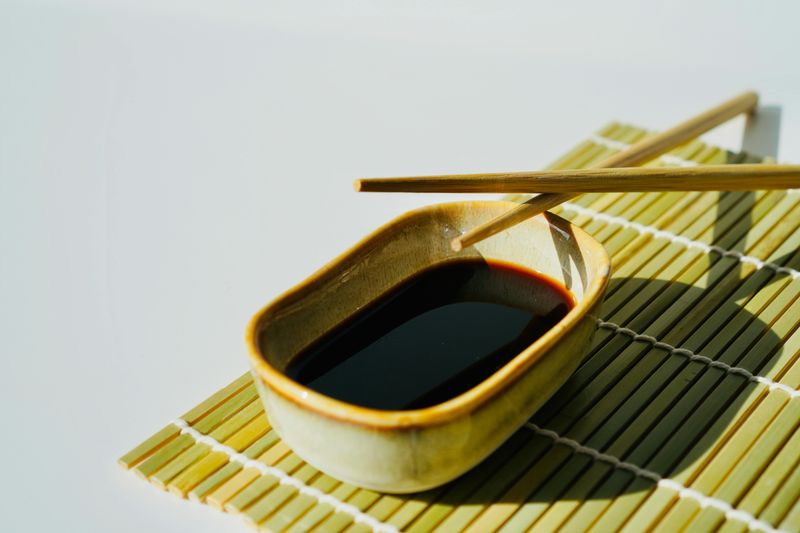
Soy sauce is intensely salty, so even a small drizzle can be a big deal. One tablespoon can contain more than a quarter of your daily sodium goal.
That concentrated hit may cause fluid shifts that raise blood pressure, especially if meals already lean salty.
Reach for reduced sodium soy sauce or coconut aminos, then taste first. Add ginger, garlic, scallions, or rice vinegar to deepen flavor without extra salt.
Use a light hand and measure, do not pour. Finish stir fries with citrus instead of more sauce.
With a few tweaks, you keep umami satisfaction while easing strain on your heart.
Frozen meals
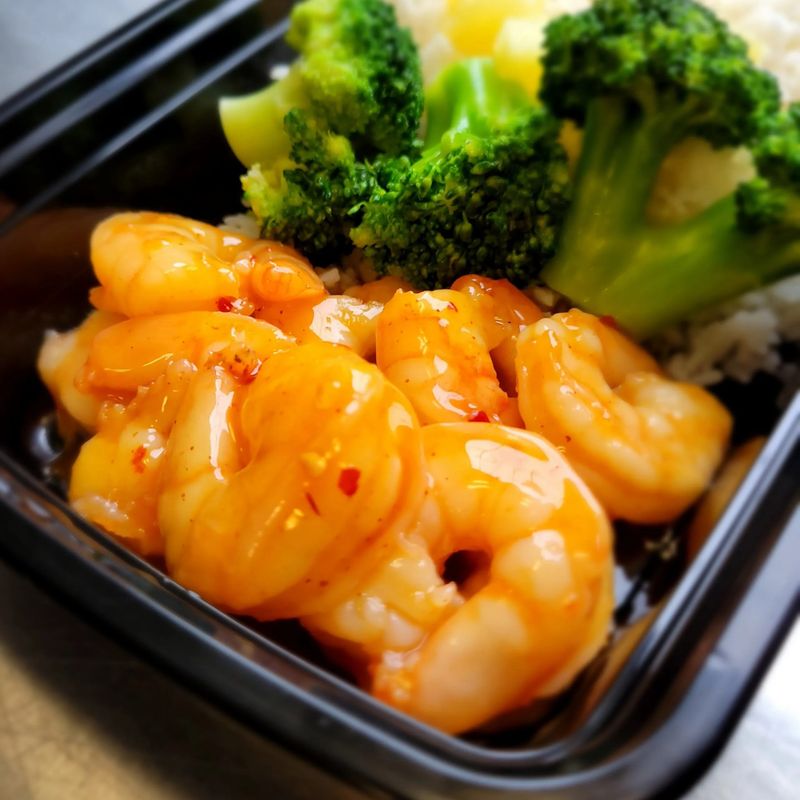
Frozen meals deliver convenience, but many rely on sodium for flavor and preservation. A single tray can approach your entire daily limit, especially if sauces and cheese are heavy.
That level of salt raises blood pressure as your body holds onto fluid.
Choose options labeled low sodium, and add steamed vegetables to increase volume. Season with lemon, chili flakes, or herbs instead of sprinkling salt.
Consider batch cooking and freezing individual portions you season yourself. If you use store-bought meals, drink water, watch the next meal, and balance your day.
Progress, not perfection, keeps you moving forward.
Bread
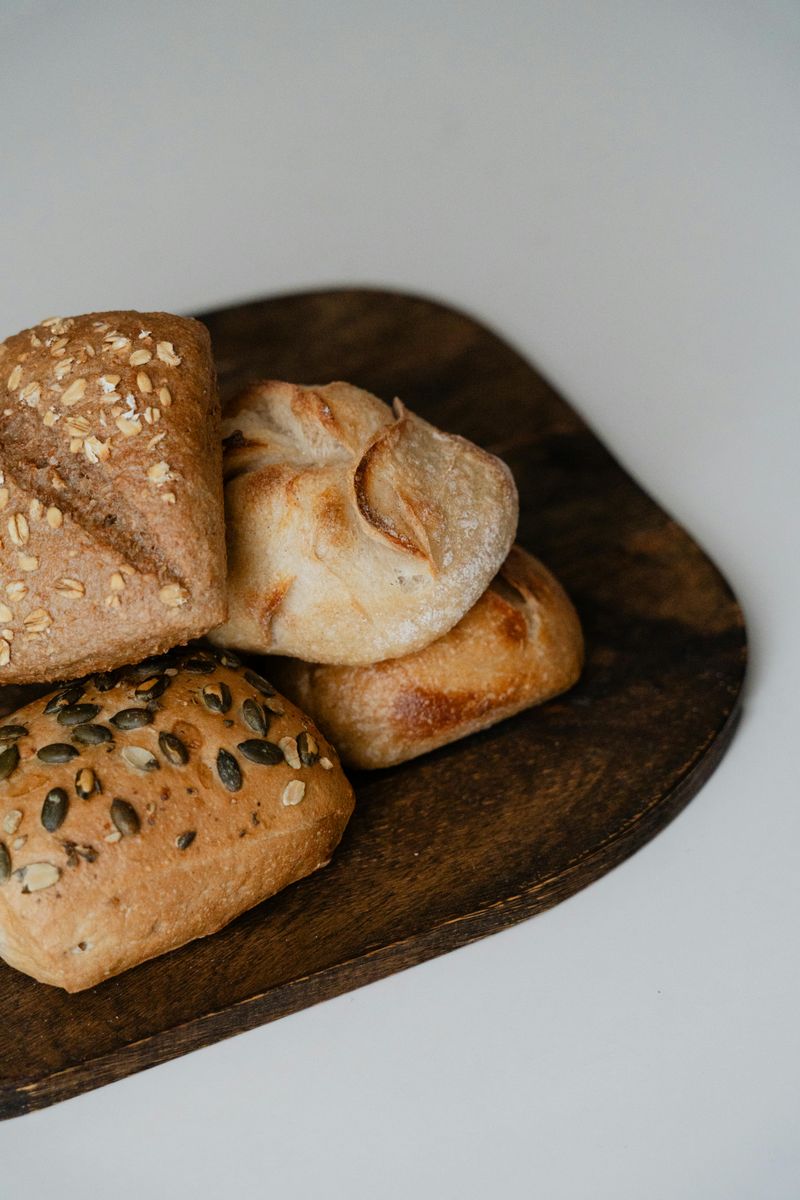
Bread tastes mild, yet the sodium quietly stacks up slice by slice. Sandwiches, toast, and dinner rolls each contribute small amounts that become meaningful.
If your blood pressure is sensitive to salt, everyday bread can be an invisible driver.
Scan labels for lower sodium loaves and aim for whole grains. Build sandwiches with more vegetables and lean protein so one slice can suffice.
Try open faced toast, or swap one slice for lettuce wraps. When baking at home, cut salt slightly and boost flavor with seeds.
Every small adjustment helps your daily totals land right where you want.
Pizza
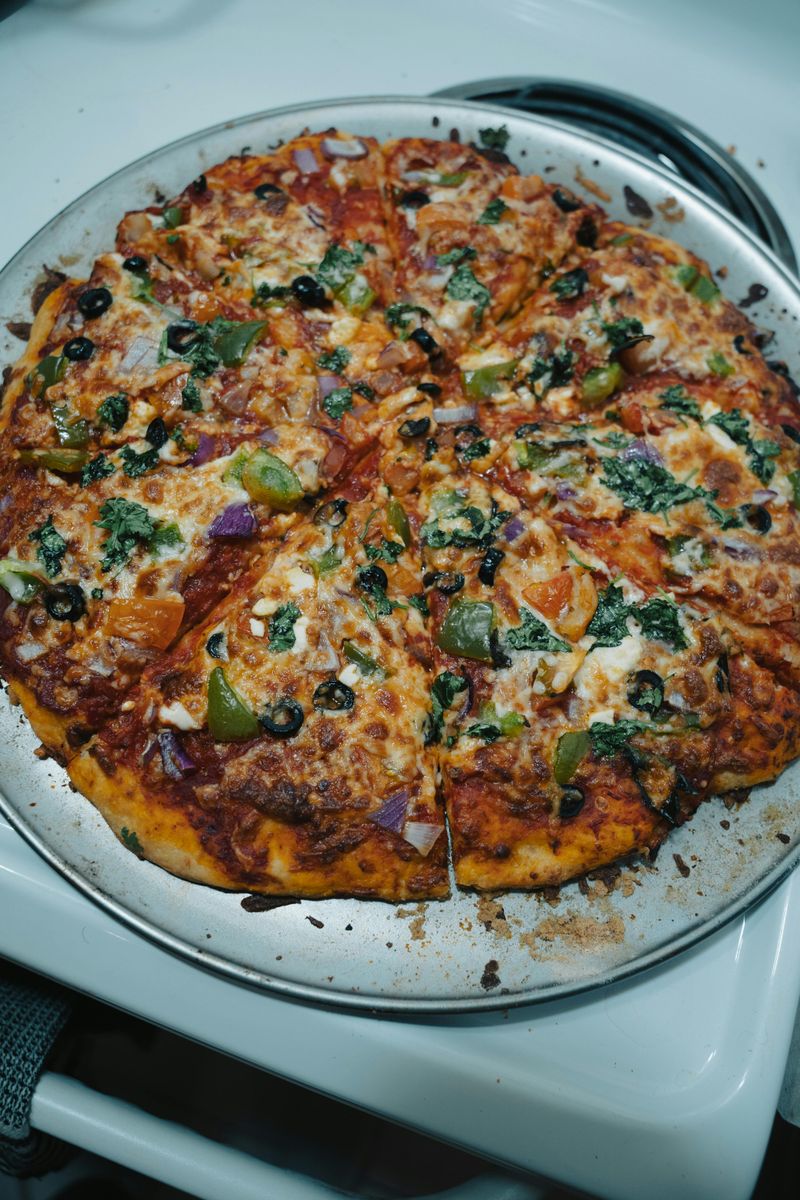
Pizza combines salty components into one irresistible package. The crust, cheese, cured meats, and sauces all contribute sodium, then you likely eat more than one slice.
That makes it easy to overshoot targets and feel puffy afterward.
You can still enjoy pizza with smart tweaks. Choose thin crust, extra vegetables, and go lighter on cheese.
Pick grilled chicken over pepperoni or sausage. Ask for less sauce or a low sodium marinara if available.
Balance the meal with a big salad, sparkling water, and mindful portions. Savor slowly, and you will be satisfied with less while protecting your pressure.
Chips
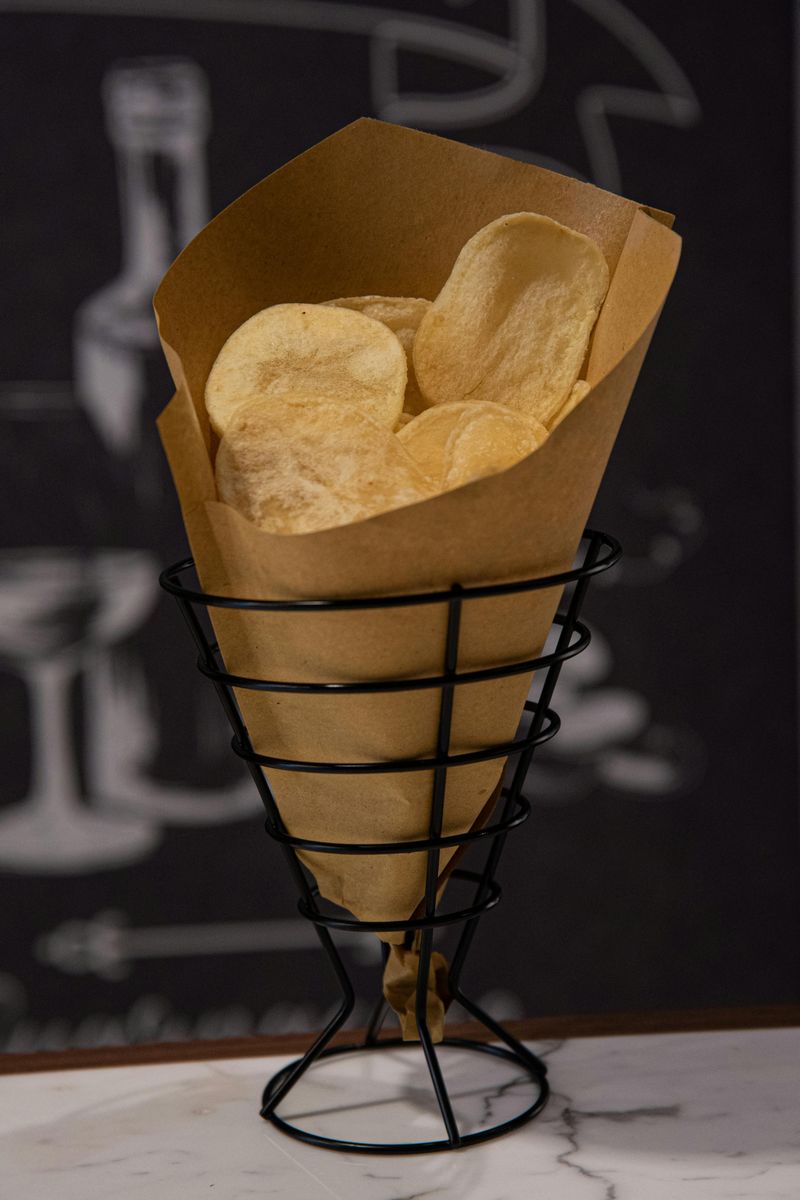
Chips are engineered to be hard to stop eating. Thin slices plus salt and oil create a bliss point that encourages handfuls.
That pattern can produce water retention and short term blood pressure bumps that add stress over time.
Buy smaller bags or portion chips into bowls, not from the package. Choose baked or lightly salted versions, or try popcorn for a bigger volume per calorie.
Add salsa, lime, or chili powder to create brightness without more salt. Pair with crunchy veggies to extend the snack.
You keep the pleasure while cutting the risk substantially.
Bacon
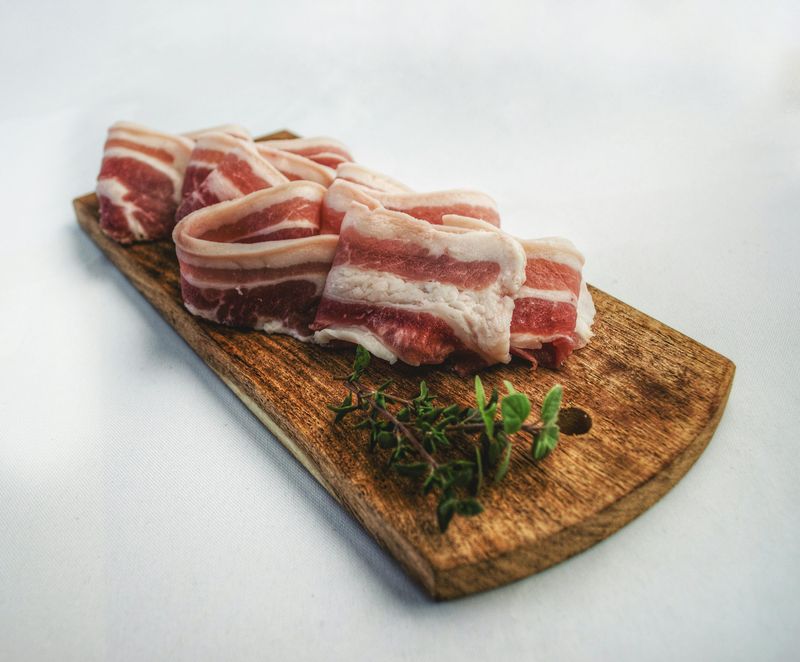
Bacon is salty and rich, a double whammy for blood pressure. Sodium drives fluid retention, while saturated fat can affect arterial stiffness over time.
It is easy to overshoot portions, especially with brunch spreads or add ons in salads and burgers.
Scale back by using bacon as a garnish, not the main event. Choose center cut or reduced sodium versions, and actually measure servings.
Balance plates with berries, greens, and whole grains for potassium and fiber. Try smoked paprika or mushrooms to mimic savoriness.
You will still enjoy the flavor spark without sacrificing your goals.
Instant noodles
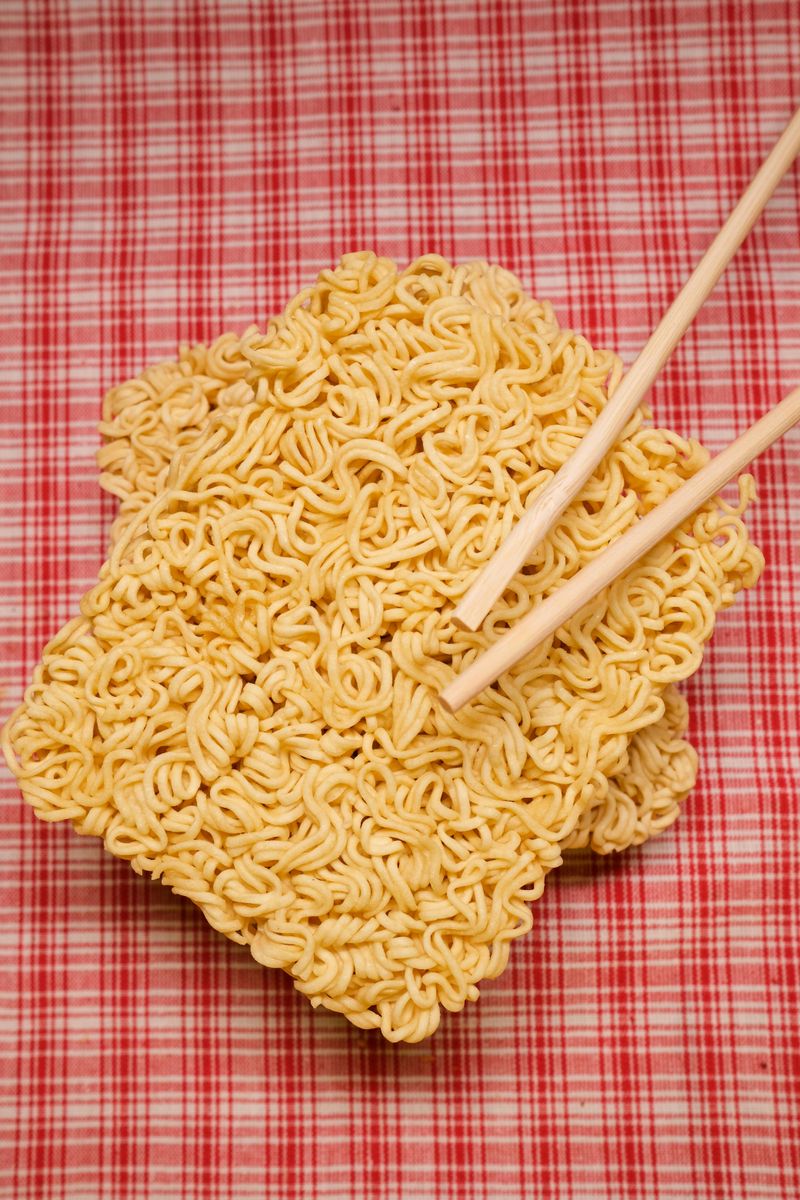
Instant noodles come with concentrated seasoning packets loaded with sodium. The broth tastes great, but that saline bath increases water retention and pressures your cardiovascular system.
Two servings per package can trick you into doubling the sodium unknowingly.
Use half the packet, add extra hot water, and toss in vegetables or leftover protein. A squeeze of lime, garlic, and chili oil can boost flavor without extra salt.
Consider low sodium broths as a base. If you crave noodles, try whole grain or rice noodles with a homemade sauce.
You control the seasoning and feel better afterward.
Sauces
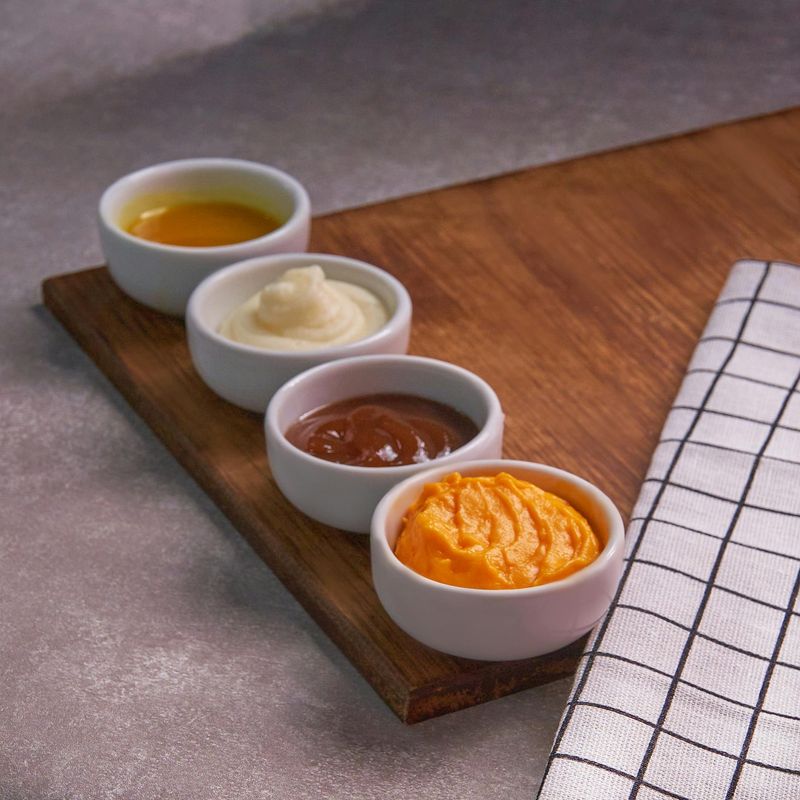
Sauces are stealthy sources of sodium and sugar. A tablespoon here and there quickly totals more than you planned.
Teriyaki, barbecue, and creamy dressings often pack both salt and sweetness that can nudge blood pressure higher when used freely.
Measure sauces, do not pour. Choose reduced sodium versions, or make your own with herbs, citrus, yogurt, or olive oil.
Thin concentrated sauces with water, vinegar, or unsalted stock to stretch flavor. Taste first before adding more.
With a mindful approach, you keep meals exciting while keeping your sodium budget on track.
Restaurant meals
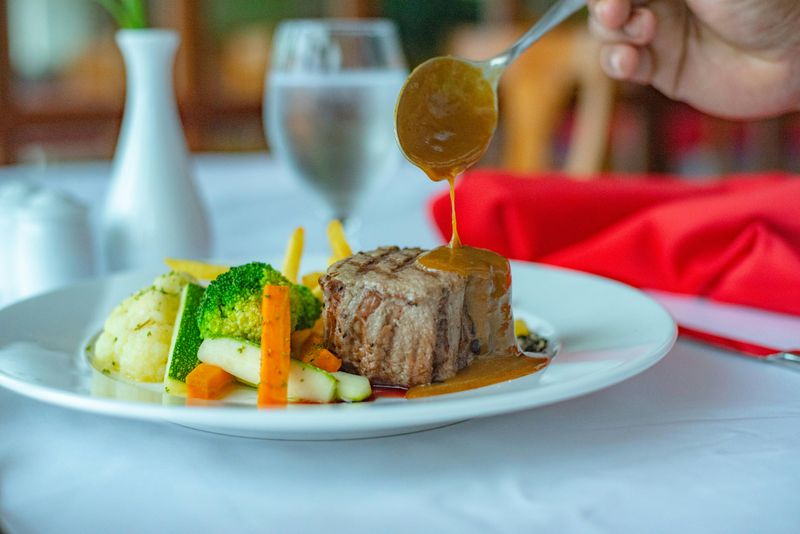
Restaurant meals are generously seasoned, and salt is a chef’s favorite tool. Portion sizes tend to be big, multiplying the sodium you actually eat.
Sauces, bread, and sides quietly contribute more, making it tough to estimate totals accurately.
Scan menus for grilled, steamed, or baked items. Request sauces and dressings on the side, and ask for no added salt during cooking.
Split entrees, box half early, or choose appetizers as mains. Add a side of vegetables and water or sparkling water with citrus.
You still enjoy the outing without the next-day bloat or blood pressure spike.
Butter
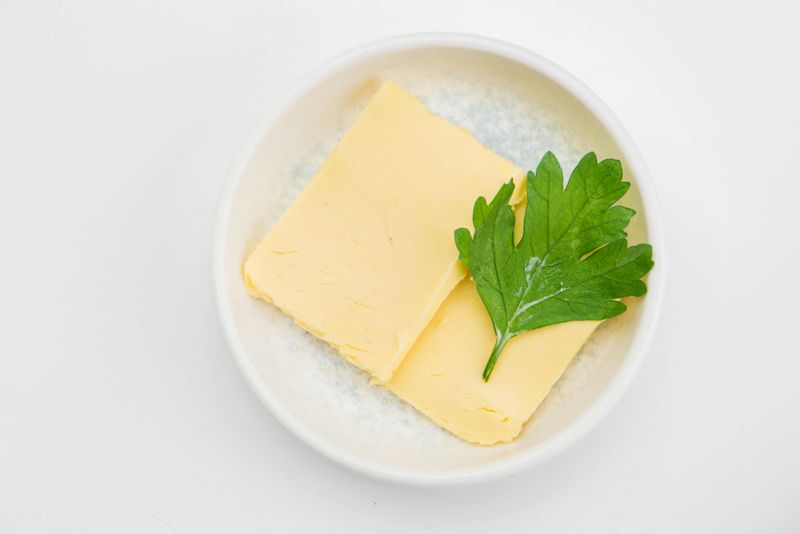
Butter is not salty by default, but salted versions add hidden sodium. The bigger issue is saturated fat, which can affect vessel stiffness over time.
When spread thick on toast or melted over sides, it displaces heart friendlier fats that support steady blood pressure.
Use a thin swipe of butter and add olive oil for richness. Try herbs, citrus zest, or cinnamon to lift flavor without salt.
Consider yogurt based spreads or avocado on toast for creamy balance. If baking, reduce butter slightly and incorporate nuts or seeds.
Small swaps accumulate into meaningful cardiovascular benefits.
Alcohol

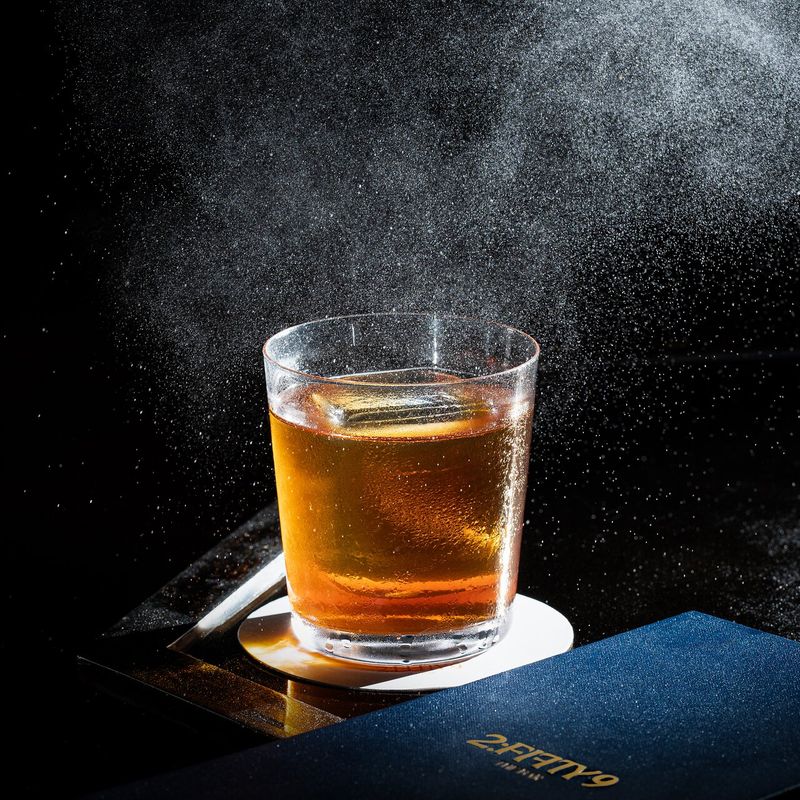
Alcohol can raise blood pressure in the short term and with regular heavy use. It may also disrupt sleep, increase appetite for salty foods, and interfere with medications.
Even moderate drinking might nudge numbers if you are sensitive.
Set a personal limit, alternate drinks with water, and choose smaller pours. Save alcohol for special occasions and avoid daily habits that creep up.
Dry days help you notice how your body feels at baseline. If you drink, pair with lower sodium snacks and end with a walk.
Your heart appreciates moderation more than rules do.
Energy drinks
Energy drinks deliver caffeine, sugar, and sometimes added sodium. That combo can raise heart rate and constrict blood vessels, nudging blood pressure higher.
Large cans equal multiple servings, so it is easy to overshoot without realizing.
Check caffeine amounts and consider coffee or tea as simpler alternatives. Choose sugar free options sparingly, and avoid stacking with pre workout or multiple cups of coffee.
Hydrate with water and electrolytes that are not sodium heavy, like potassium forward blends. If you need a boost, try movement, sunlight, or a protein rich snack.
Your energy becomes steadier and kinder to your heart.
Deli meats
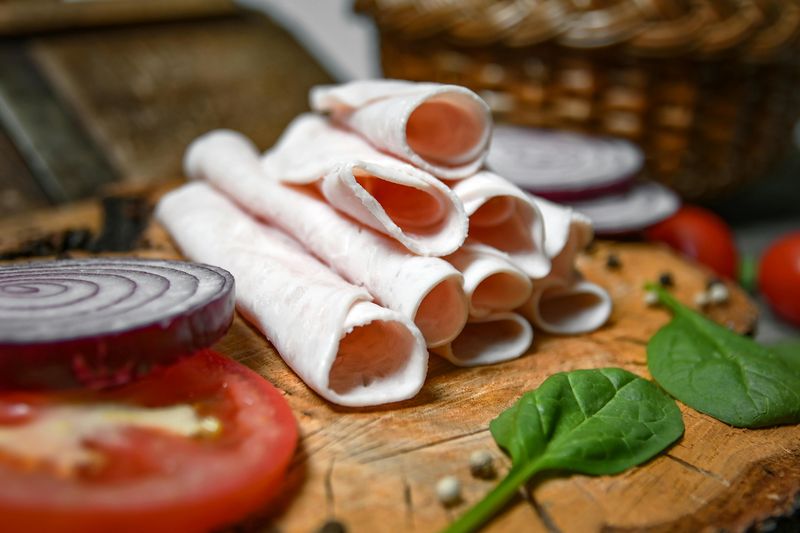
Deli meats seem lean, but curing and brining add significant sodium. Even turkey or chicken slices can carry a heavy salt load by the ounce.
Layering multiple slices into a sandwich compounds the effect in a single meal.
Ask for low sodium options at the counter and request thin slices to stretch flavor. Add crunchy vegetables, mustard, and avocado for moisture instead of extra meat.
Try roasting your own poultry and slicing it for the week. Keep portions measured and pair with high potassium sides.
You get the sandwich you love while softening the blood pressure impact.
Enjoyed this story?
Add Fast Food Club as a preferred source to see more of our reporting on Google.