


Some leftovers come back to life beautifully, but others turn into a soggy, rubbery mess the second you hit reheat. If you have ever wondered why crispy, juicy, or delicate foods betray you the next day, you are not alone.
The way heat moves through moisture, fat, and starch can sabotage texture and flavor fast. Here is a friendly guide to help you dodge disappointment and save dinner.
Fried Chicken
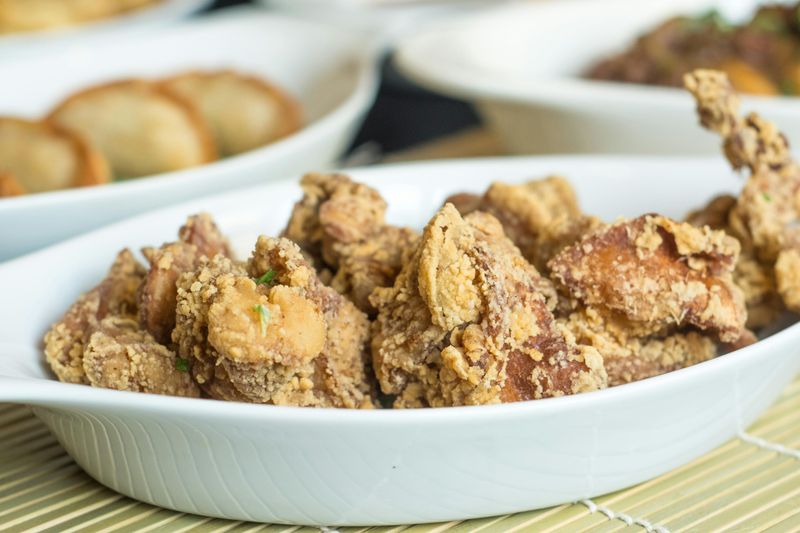
Microwaved fried chicken loses its crunch and turns rubbery as steam softens the crust. The coating absorbs moisture from the meat and grease, making every bite feel heavy.
Skin separates, breading slides off, and the whole thing tastes tired. You deserve better than that.
Reheat on a wire rack in a hot oven or air fryer so heat circulates. Ten to fifteen minutes restores crispness without drying the meat.
Let pieces rest on paper towels before reheating to wick extra oil. If you can, slice breast meat for salads or sandwiches instead of reheating whole pieces, keeping texture pleasant and flavorful.
Pizza Slices
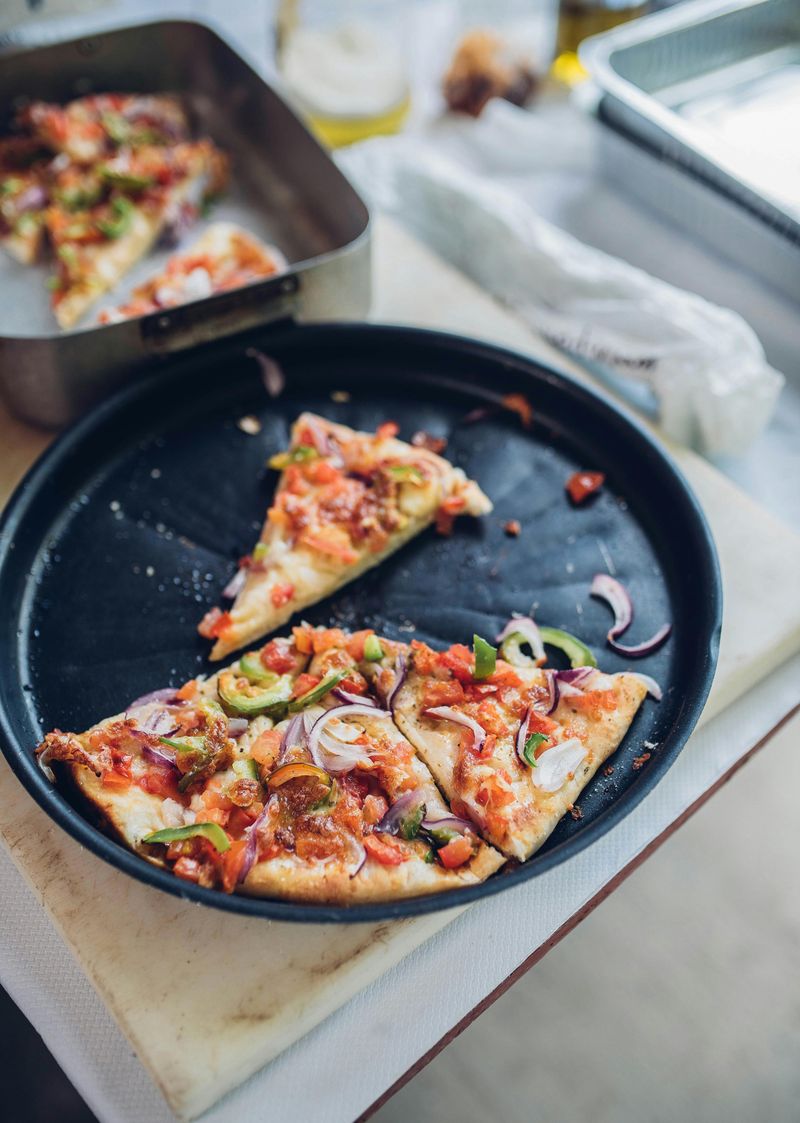
Microwave pizza seems convenient, but it yields chewy crust, sweaty cheese, and floppy slices. The crust gelatinizes, moisture rushes into the crumb, and the bottom goes soft.
Pepperoni releases grease that never crisps, leaving a slick surface. You end up folding sadness, not pizza.
Use a covered skillet on medium heat to crisp the base while warming toppings. A few drops of water on the pan edge create gentle steam under a lid.
Finish briefly under the broiler for bubbling cheese. If reheating a lot, a preheated pizza stone works wonders.
Or eat cold with hot sauce for a bold move.
Onion Rings
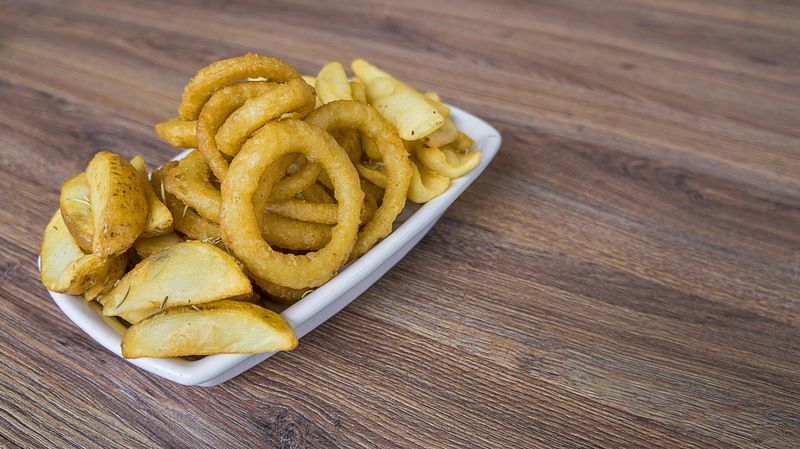
Onion rings collapse in the microwave because steam saturates the batter. The onion inside steams aggressively, and the crust turns gummy.
Oil weeps out, flavors dull, and the ring loses its airy crunch. That perfect shatter becomes a chew you fight through.
Reheat on a wire rack in a very hot oven so air reaches all sides. A quick blast restores structure without overcooking the onion.
An air fryer works even faster, especially in small batches. If you are stuck with soggy rings, chop them into a topping for burgers or casseroles.
Texture hides better when mixed into something crunchy.
Fish Sticks
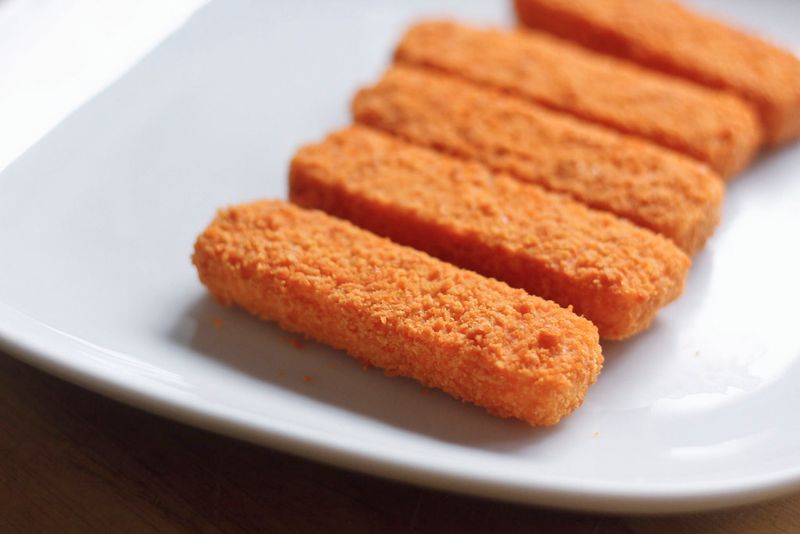
Fish sticks go from crunchy to spongey fast when microwaved. Steam trapped inside the breadcrumb coating softens everything, while the fish turns watery.
You lose that crisp shell against a flaky interior. The ocean flavor fades behind oiliness and sogginess.
Bake or air fry on a rack for best results. Preheat fully, avoid crowding, and flip once to dry out the coating evenly.
If they are very cold, let them sit a few minutes first to reduce internal steam bursts. Serve with a bright dip like lemony yogurt to lift flavors.
Or crumble leftovers into fish tacos where texture matters less.
Mozzarella Sticks
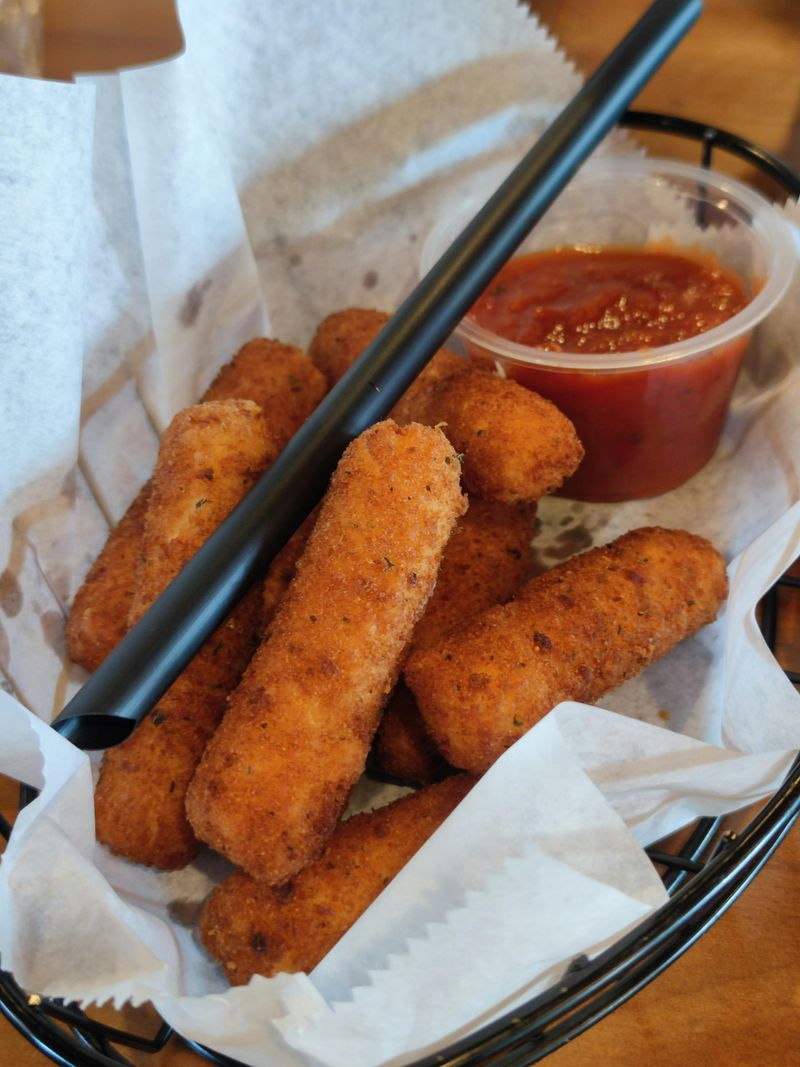
Mozzarella sticks explode in the microwave, leaking cheese and leaving empty shells. The breading softens while the center overheats, and you are left with greasy pockets.
That stretchy pull you crave becomes rubbery strands. No one wants a cheese crime scene on the plate.
Reheat from chilled in a hot oven or air fryer, just until the coating crisps and the cheese loosens. Do not overdo it or the cheese escapes.
Let them rest one minute so the melt stabilizes. If things go south, chop them into a toasted sub with marinara.
Texture blends better when tucked inside crusty bread and greens.
Chicken Nuggets
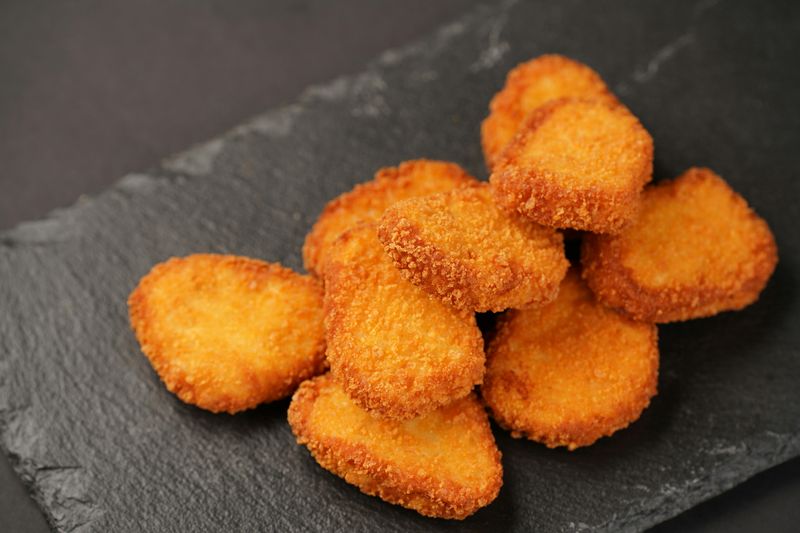
Chicken nuggets turn rubbery in the microwave and the coating gets soggy. Steam trapped under the breading kills crunch, while the meat tightens.
Grease rises to the surface and the flavors taste flat. Kids notice, and honestly, so do you.
Use a preheated oven or air fryer, placing nuggets on a rack for airflow. A quick high heat blast revives crispness without drying the center.
Shake or flip once, then salt lightly after reheating. If leftovers still disappoint, slice them into wraps with crunchy lettuce and pickles.
The contrast saves the meal and adds brightness that nuggets alone often lack.
Loaded Fries
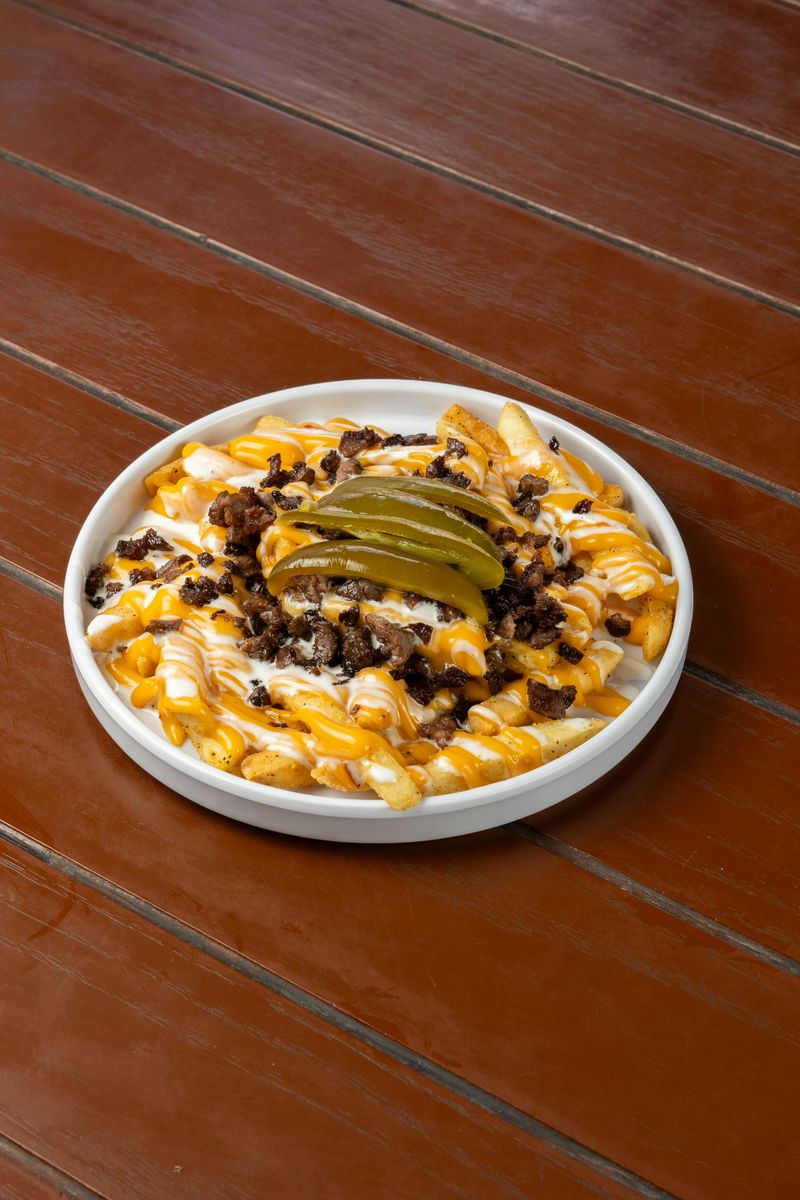
Loaded fries are a reheating nightmare. Cheese, sour cream, and toppings trap moisture, turning the base into mush.
Bacon loses snap, scallions wilt, and everything blends into a heavy heap. You bite down and get warm, salty paste instead of layered textures.
Deconstruct to salvage. Scrape toppings aside, reheat fries hot and dry in a skillet or air fryer, then add cheese under the broiler.
Spoon cooled toppings like sour cream back on at the end. Freshen with extra scallions or pickled jalapenos for brightness.
Or pivot entirely and make poutine style gravy fries where saucy comfort becomes the goal.
Garlic Bread
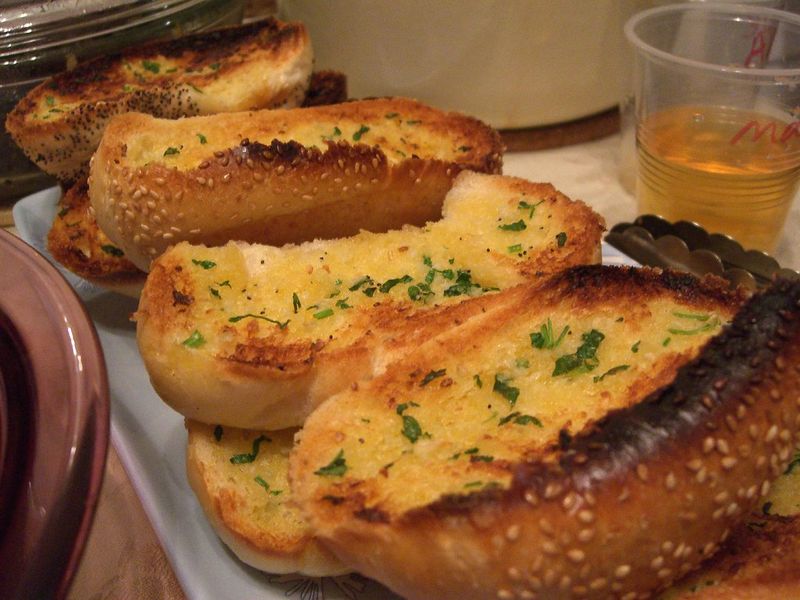
Microwaved garlic bread turns leathery outside and soggy inside. Butter melts into the crumb, steam gets trapped, and the crust loses its gentle crackle.
The garlic aroma dulls, and you are left with heavy, sweetish bread. It feels wrong for something meant to be simple joy.
Wrap in foil and reheat briefly in a hot oven, then uncover to crisp. Or toast slices face down on a skillet to revive the crust.
Add a quick swipe of fresh garlic butter post bake for fragrance. If it still feels tired, cube and toast into croutons.
They will shine again in salad.
Burger Patties
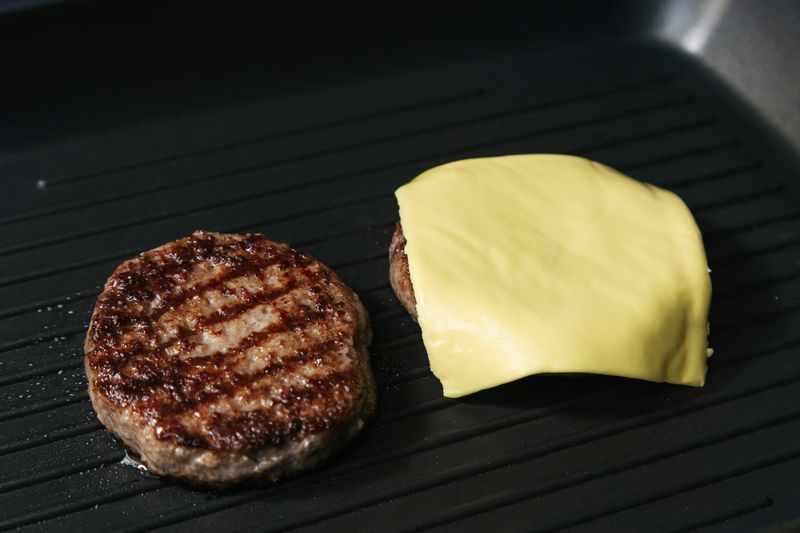
Reheating burger patties in the microwave pushes out juices and tightens the proteins. The result is gray, dry meat with a bouncy chew.
Melted cheese rehardens oddly, and buns go chewy if heated together. That backyard magic disappears fast.
Warm patties gently in a covered skillet with a splash of water to create light steam. Then sear briefly to refresh the crust.
Add cheese at the end so it melts without overcooking the meat. Rebuild on a fresh toasted bun with crisp lettuce and pickles.
Or crumble leftovers into chili or tacos where moisture and seasoning restore joy.
Taco Shells
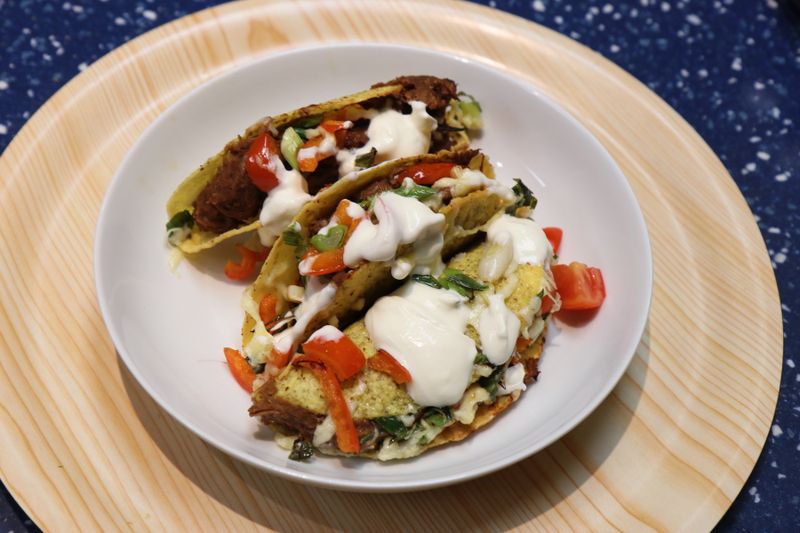
Hard taco shells can shatter or go chewy when microwaved. Steam trapped inside the shell softens the structure, then it stiffens as it cools.
You end up with fractured edges or bendy cardboard. Neither holds fillings well.
Warm shells in a hot oven for a few minutes, propped on the rack bars to let air circulate. They will crisp evenly and stay sturdy longer.
For soft tortillas, use a dry skillet or a quick steam in a damp towel, then toast lightly. If shells already failed, crush them over taco salads.
Crunch becomes a topping instead of a container.
Chicken Wings
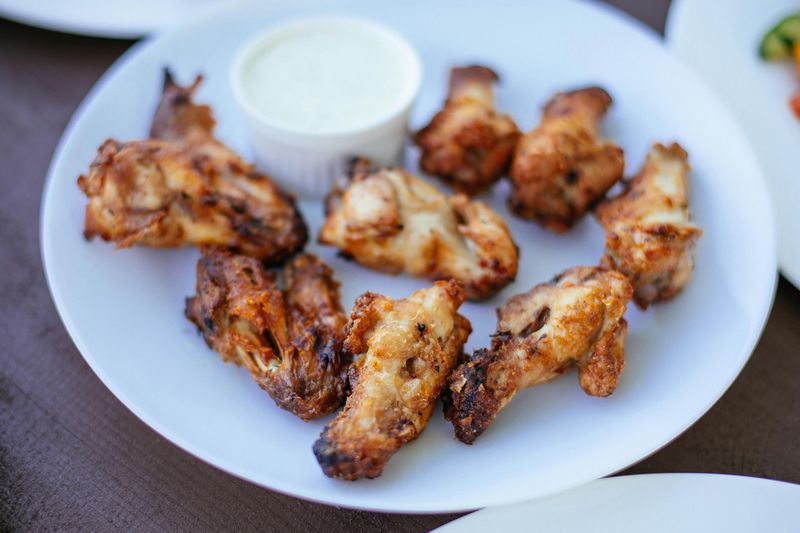
Chicken wings turn soggy when reheated with sauce on. The skin steams, fat congeals, and that prized bite through disappears.
Microwaves worsen it, leaving flabby skin and uneven temperatures. You deserve snap and sizzle, not soft and sticky.
Pat wings dry, reheat on a rack in a hot oven, then toss in warmed sauce after. An air fryer works brilliantly for restoring crisp skin.
Keep pieces spaced out so air can circulate. If you have extra sauce, glaze halfway through to build layers.
Or pull the meat for sandwiches, adding slaw for crunch when crisping feels like too much work.
Potato Wedges
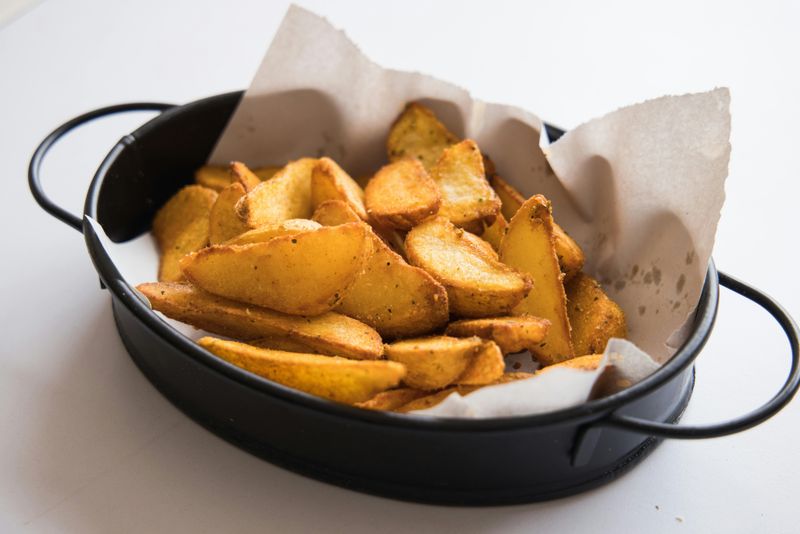
Thick potato wedges trap steam inside, so the exterior softens fast in the microwave. Starch retrogrades, the crust loses structure, and edges turn mealy.
Seasonings fade under oiliness, and you miss that crackly surface. It is a texture letdown.
Spread wedges on a hot sheet pan or in an air fryer basket so every side gets heat. A little oil and a shake of salt after reheating help restore life.
Flip once and do not crowd. If they still feel heavy, smash and pan fry to create crispy sides.
Serve with vinegar or herby yogurt to add zing and freshness.
Quesadilla Melt
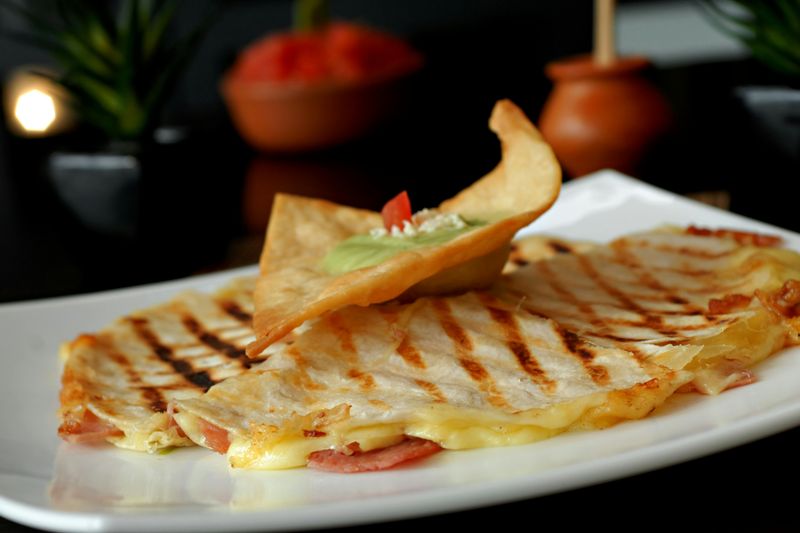
Quesadillas go limp in the microwave because tortillas steam and the cheese sweats. The browned spots soften, edges sag, and fillings slide out.
Grease pools, and the tortilla turns leathery as it cools. Not the golden, melty snack you want.
Reheat in a dry skillet on medium, pressing lightly to re crisp the tortilla. Cover briefly if the center needs extra warmth, then uncover to finish.
Slice and let rest one minute so cheese settles. If you are rescuing a very packed quesadilla, separate layers and reheat open face.
Close it again just before serving for the best texture.
Baked Fish
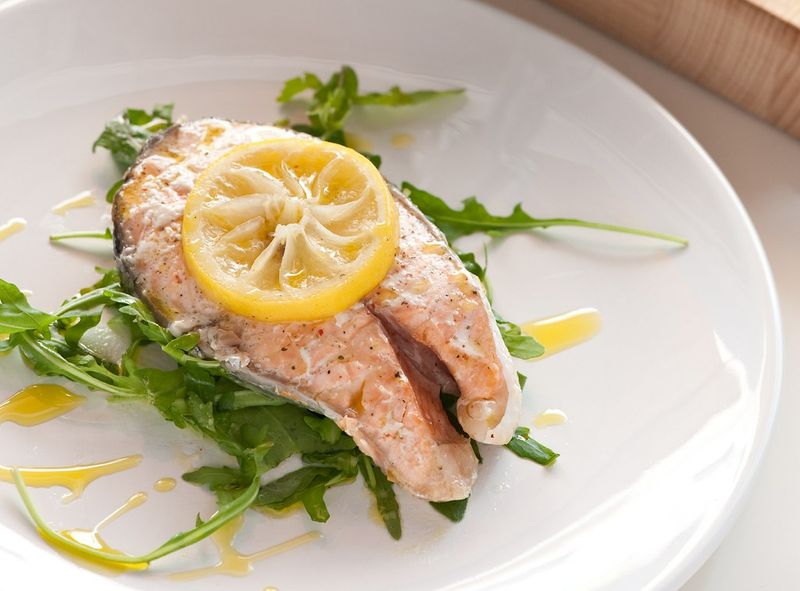
Baked fish dries out quickly when reheated, especially in the microwave. Proteins seize, juices run, and delicate flakes become chalky.
The lovely aroma dulls, and any breadcrumb topping turns soggy. It is heartbreak for a dish that shines fresh.
Warm gently with moisture. Use a low oven with a splash of broth, wine, or lemon butter and cover loosely.
Pull it as soon as it is just warm, not hot. Serve with a fresh squeeze of citrus and herbs to revive brightness.
Or flake cold into salads or fish cakes where tender texture is easier to preserve.
Rice Bowls
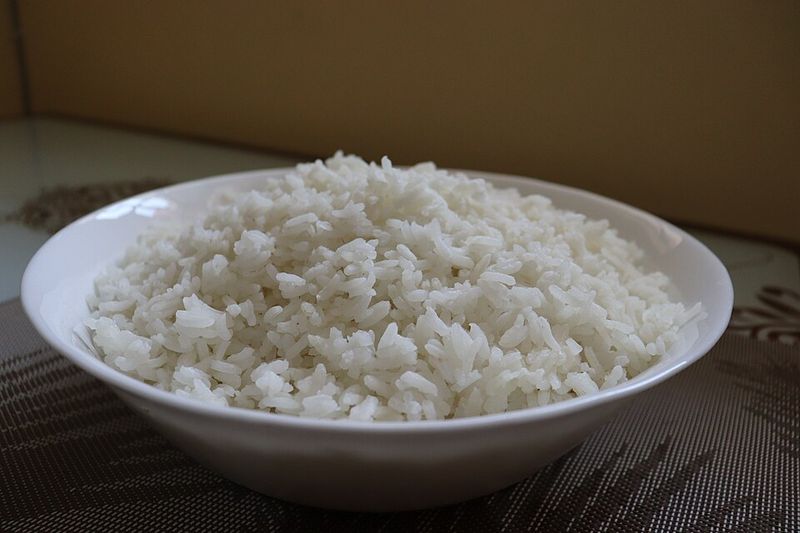
Cold rice reheated poorly can turn dry, hard at the edges, or mushy in spots. Grains clump, sauce over thickens, and vegetables go limp.
Microwaves heat unevenly, making the bowl taste bland and tired. You lose the fluffy bounce that makes rice appealing.
Break up clumps, sprinkle water, and cover to steam gently, whether in a microwave or skillet. Stir halfway so heat distributes.
Refresh with a splash of soy, vinegar, or citrus, and add crunchy toppings like nuts or scallions. If the rice is beyond help, fry it hot with oil.
High heat separates grains and adds craveable texture.
Corn Dogs
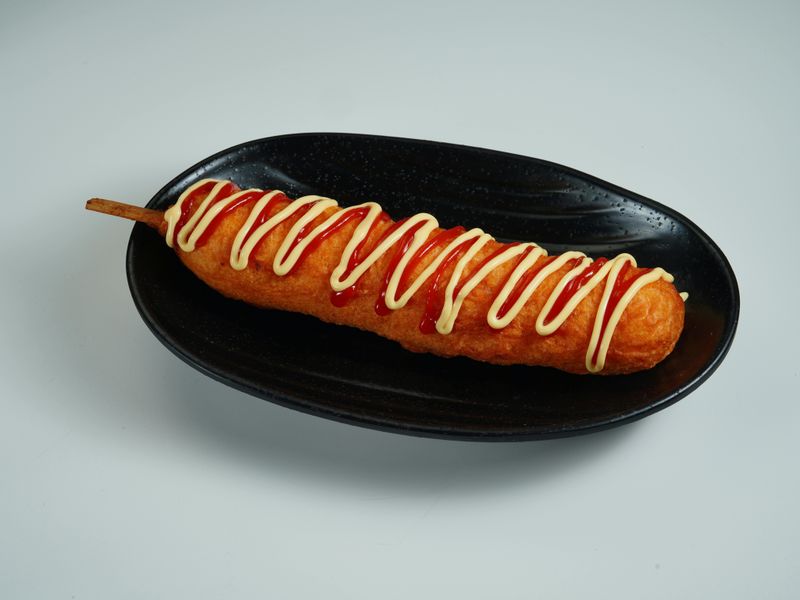
Corn dogs suffer in the microwave as the cornbread coating steams and softens. The hot dog can split, juices leak, and the stick ends get weirdly tough.
Grease rises to the surface, leaving a glossy, rubbery bite. That fair food crunch is gone.
Bake on a rack in a fully preheated oven or air fryer so hot air dries the crust. Rotate once and let them rest a minute so steam escapes.
If the dog is already sad, slice coins and pan fry to crisp edges. Serve with tangy mustard or pickles to cut richness and wake up flavors.
Egg Rolls
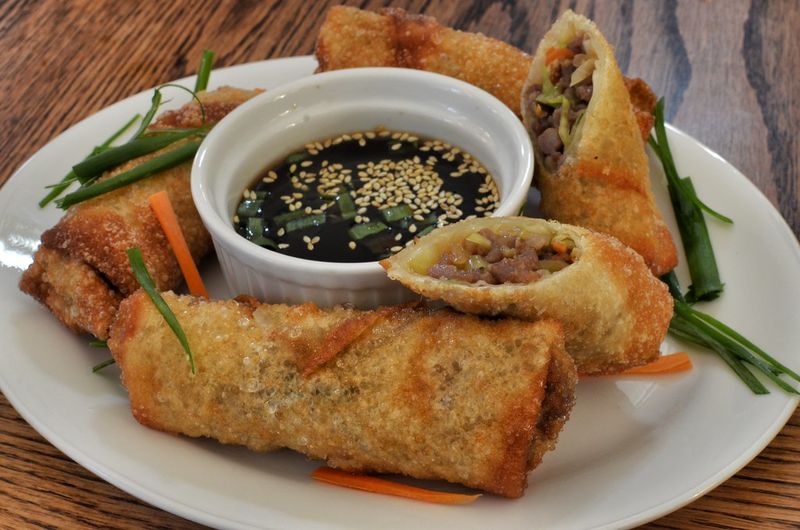
Egg rolls rely on a blistered wrapper that cannot survive the microwave. Steam saturates the layers, turning crackle into chew and sending oil to the surface.
Filling warms, but the exterior slumps. That contrast you crave just vanishes.
Reheat on a wire rack in a very hot oven or air fryer until blistery again. Rotate once for even crispness, and let them rest briefly before biting.
If the wrapper is beyond saving, slice and toss the contents into a stir fry. Add fresh shredded cabbage to bring back crunch.
Serve with a sharp dipping sauce to brighten heavy flavors.
French Fries
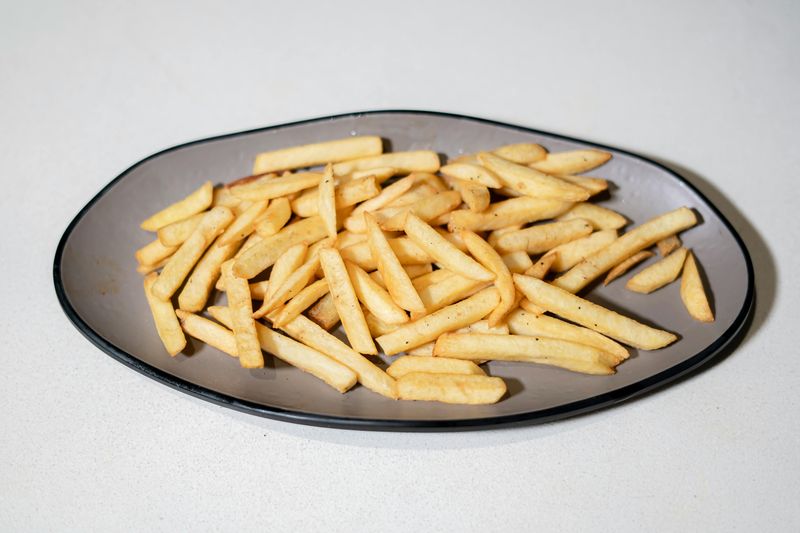
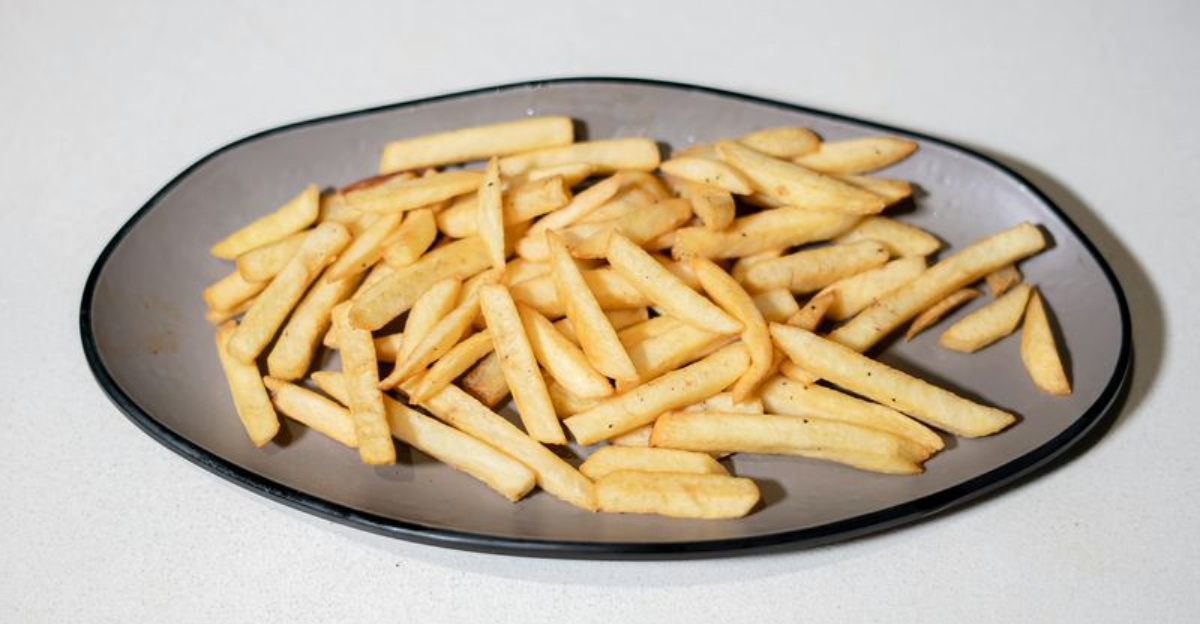
Reheating french fries seems easy, but they almost always turn limp and greasy. Moisture leaves the potato, then steam gets trapped, killing that crisp bite.
Microwaves worsen things by heating water fast and softening the starches. You end up with sad fries that taste stale and heavy.
Your best rescue is a ripping hot skillet or air fryer with a light oil spritz. Spread them out, let the edges sizzle, and salt right after.
Next time, store fries on a paper towel lined plate so they do not steam. Or skip reheating and chop leftovers into breakfast hash with eggs and peppers.
Enjoyed this story?
Add Fast Food Club as a preferred source to see more of our reporting on Google.