


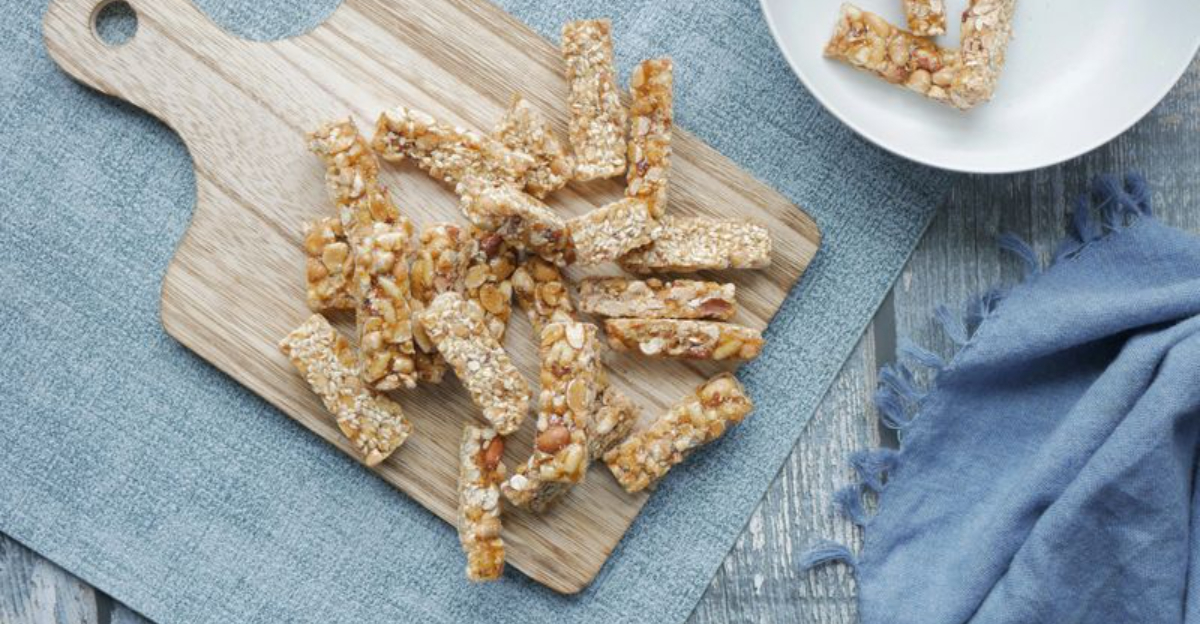
Ever grab a “healthy” snack, only to feel hungrier an hour later? You are not alone.
Many classic diet foods looked virtuous on the label but fell short in real life, thanks to sugar spikes, sneaky additives, and missing nutrients. Here are the biggest offenders and what to consider instead.
Rice Cakes
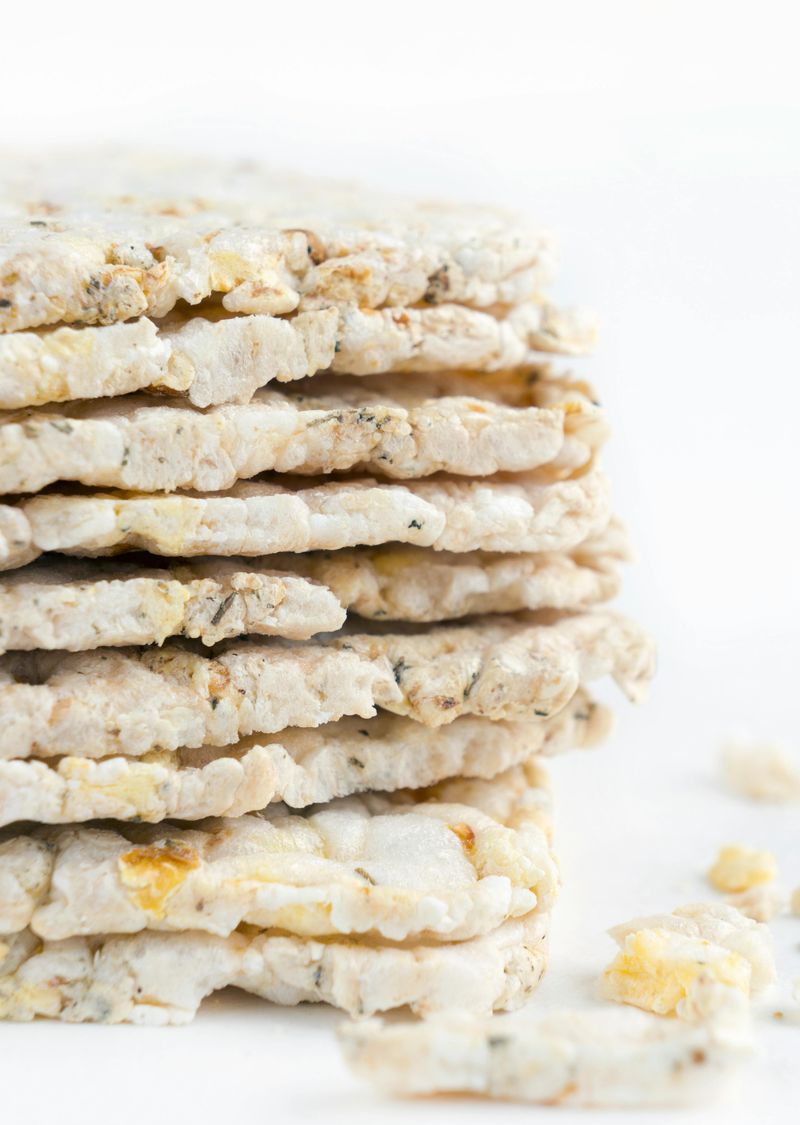
Rice cakes seemed light and virtuous, but many are mostly air and quickly digestible starch. That combo spikes blood sugar, making you hungry soon after.
Flavor varieties often add sugar, salt, and gums that do nothing for fullness. Plain ones taste fine with toppings, but alone they are mostly crunch.
Pairing them with protein or fat helps, yet calling them a diet staple was misleading. You were not getting vitamins, minerals, or fiber in meaningful amounts.
A small handful of nuts would have satisfied longer with fewer crashes. Whole fruit with peanut butter beats them for nutrients and staying power.
Fat Free Yogurt

Fat free yogurt sounded smart, but the missing fat had to be “fixed” for taste. Many brands added sugar, starches, and artificial sweeteners to replace creaminess.
You got a sweet dessert in disguise, not a balanced snack. Without fat, you digested it faster and felt hungry again soon.
Choosing plain yogurt with live cultures and adding your own fruit and nuts works better. It gives protein, probiotics, and satisfying fat without a sugar blast.
Vanilla versions often seem innocent but hide syrups. Read labels carefully, and prioritize simple ingredients over splashy diet claims.
Diet Soda
Diet soda promised zero calories, so it felt like a free pass. Yet artificial sweeteners can keep your sweet tooth loud and demanding.
Some research links them to altered gut microbes and confusing hunger signals. You might crave more snacks later, undermining the very goal of cutting calories.
Hydrating with water, seltzer, or unsweetened tea treats your thirst without training taste buds toward constant sweetness. If bubbles help, try lime or berry infused seltzer.
Switching gradually eases the habit. Your energy and focus may feel steadier when sweetness is no longer the baseline expectation.
Frozen Yogurt

Frozen yogurt felt lighter than ice cream, but portions and toppings told another story. A heaping swirl plus candy, cookie crumbs, and syrup quickly rivaled ice cream calories.
Many shops oversell probiotics, which often do not survive freezing and storage. What you really bought was dessert marketed as healthier.
Choosing a small serving, skipping syrups, and adding fresh fruit helps. Better yet, enjoy real ice cream occasionally and savor it mindfully.
That satisfaction may reduce constant nibbling. Honesty about dessert is more effective than pretending a treat is health food.
Low Fat Muffins
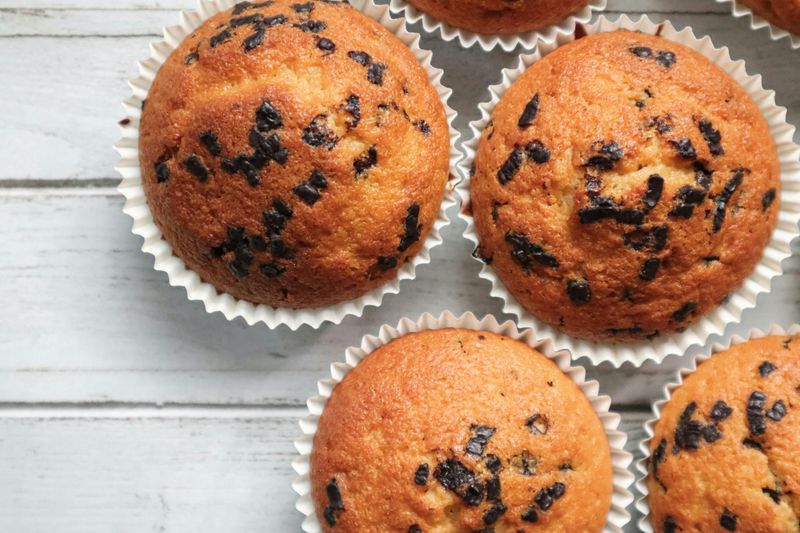
Low fat muffins traded butter for sugar and refined flour to keep them moist. That swap spikes blood sugar, then hunger creeps back.
A “morning glory” label could hide syrups and jumbo portions. Without protein or fiber, your breakfast became cake in a coffee cup.
Smaller homemade muffins using whole grains, nuts, and fruit are different. Add eggs or Greek yogurt for protein, and keep sweetness minimal.
Pair with berries and a dab of nut butter for staying power. The goal is balance, not a fat free badge.
Turkey Bacon
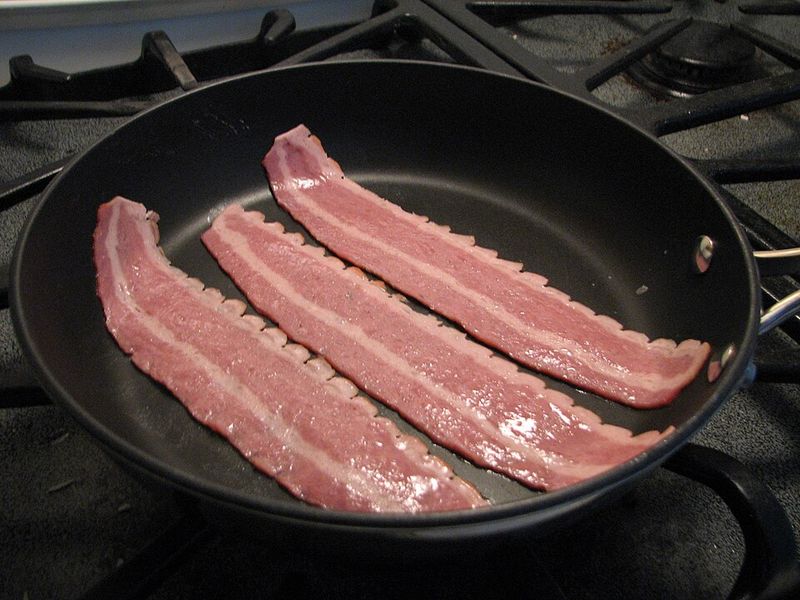
Turkey bacon wore a lean halo, yet processing and sodium often ran high. Strips can include fillers, sugar, and emulsifiers that do not scream wholesome.
The calorie savings shrink when you eat extra slices to feel satisfied. It is still a salty, cured meat, just made from poultry.
If you love bacon, a small portion of the real thing occasionally may work better. Otherwise, try Canadian bacon, smoked salmon, or avocado with eggs for flavor and balance.
Building meals around vegetables and protein makes bacon optional garnish, not the main event.
Veggie Chips
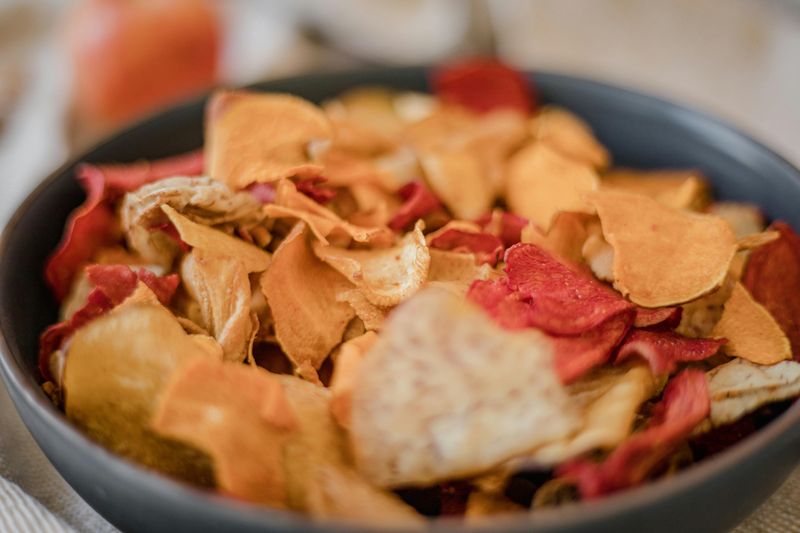
Veggie chips sound like vegetables, but many are potato starch or root powders fried in oil. A dusting of beet or spinach does not equal a serving of produce.
Salt, oils, and crunch make them easy to overeat. Your body still misses fiber, water, and micronutrients from real vegetables.
Bake or air fry sliced veggies at home for a different experience. Better yet, pair raw vegetables with hummus, yogurt dip, or guacamole.
The texture, protein, and fat help with fullness. Labels shouting “made with vegetables” rarely mean the benefits you imagine.
Granola Bars
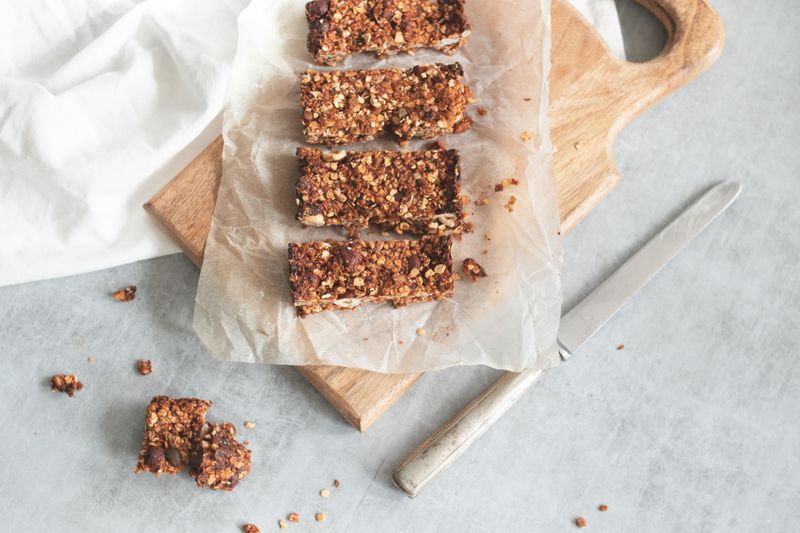
Granola bars started as hiker fuel, not desk snacks. Many commercial bars pack syrups, chocolate, and crispy rice that digest fast.
You get a sweet hit, then a slump. Tiny protein amounts rarely offset the sugar rush, especially when the bar is basically candy in a rectangle.
Choose bars with nuts, seeds, and limited sweeteners, or make your own. Pair with a piece of fruit or cheese for balance.
If a bar lists five kinds of sugar, it is not a balanced snack. Look for fiber and at least 8 to 12 grams of protein.
Instant Oatmeal
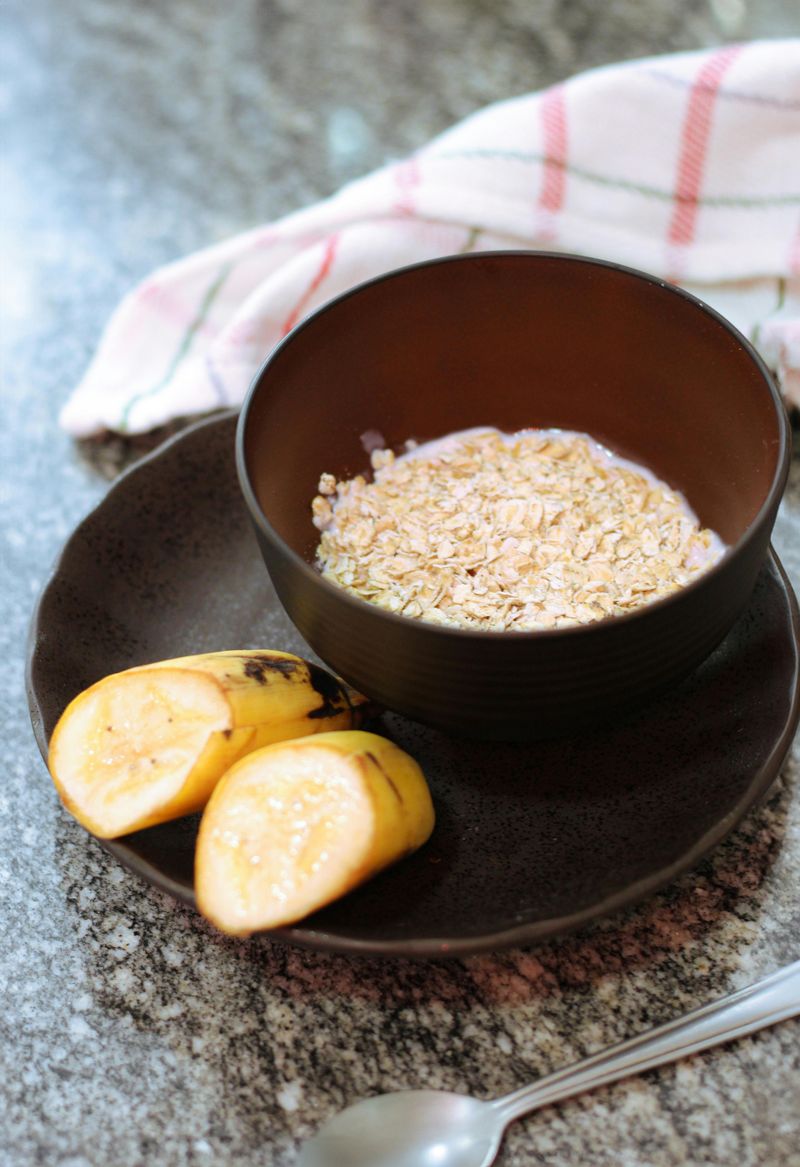
Instant oatmeal is convenient, but flavored packets often spike sugar and slash fiber. The oats are more processed, so they digest quicker and leave you hungry.
Cinnamon roll or maple flavors can hide multiple sweeteners. It feels warm and wholesome, yet behaves like dessert for breakfast.
Choose plain, thick cut oats and add fruit, nuts, and spices yourself. A scoop of protein powder or yogurt helps staying power.
If time is tight, overnight oats with chia and milk are simple. You get steady energy without the midmorning crash.
Fruit Cups
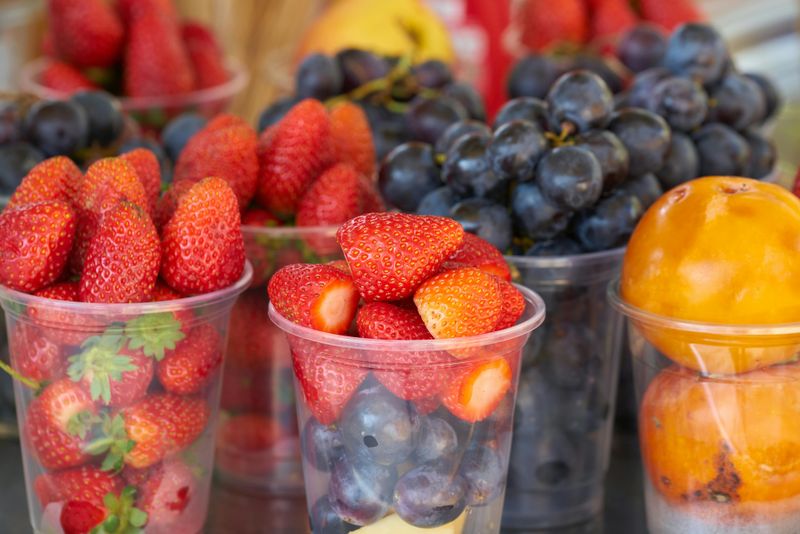
Fruit cups beat candy, but many swim in syrup that adds unnecessary sugar. Even “100 percent juice” versions concentrate sweetness without fiber.
Portions feel small, so you might grab two. The texture often lacks the satisfying crunch or chew that whole fruit gives naturally.
Choosing fruit packed in water or its own juice helps, then drain it. Better yet, carry an apple, orange, or grapes and some nuts.
You get fiber, volume, and balanced energy. Convenience matters, but syrupy shortcuts can sabotage the goal.
Rice Crackers

Rice crackers feel delicate and light, so portions slide by. Their refined starch burns fast, leaving you peckish again.
Flavored versions add sugars, soy sauce, and seasonings that encourage nonstop nibbling. You get crunch without staying power, which is the opposite of a satisfying snack.
Swap in whole grain crackers with seeds, cheese, or hummus for protein and fat. A small stack becomes a real mini meal.
If you love rice crackers, portion them into a bowl and add edamame or nuts. Balance turns mindless munching into intentional snacking.
Snack Packs
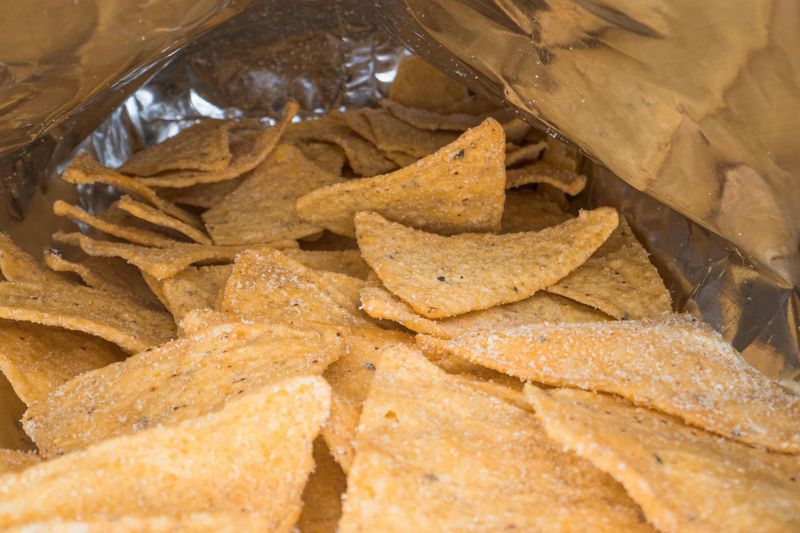
100 calorie snack packs looked clever, but tiny bags of cookies or chips still act like cookies or chips. The sweet and salty profile keeps cravings alive.
You might eat two or three bags and call it control. Portion control without satisfaction rarely works for long.
Pick snacks with protein and fiber so one serving actually fills you up. Think roasted chickpeas, Greek yogurt, or cheese and fruit.
If you enjoy treats, buy the real thing and savor a measured portion. Counting alone is not the same as nourishing.
Protein Shakes

Protein shakes can help, but many are sugar bombs or rely on sugar alcohols that upset stomachs. Some powders hide gums, additives, and artificial flavors that taste like dessert.
A shake without fiber or fat digests fast, leaving you prowling for snacks. The “meal replacement” promise often overreaches.
Choose a clean powder and blend with milk, berries, and nut butter for balance. Or eat real food like eggs, oats, and yogurt.
Use shakes to fill gaps, not as a default breakfast. Your body appreciates variety and chew.
Margarine Spread

Margarine once posed as heart healthy because it lacked butter’s saturated fat. Early versions were high in trans fats, which proved far worse.
Newer spreads cut trans fats, yet many still rely on highly processed oils and emulsifiers. Texture tricks can hide a long ingredient list you would not cook with.
If you use spreads, pick ones with olive oil and no trans fats. Otherwise, small amounts of real butter within a balanced diet can fit.
Prioritize whole foods and cooking methods beyond bread and spread. Your heart cares about the whole pattern.
Microwave Meals
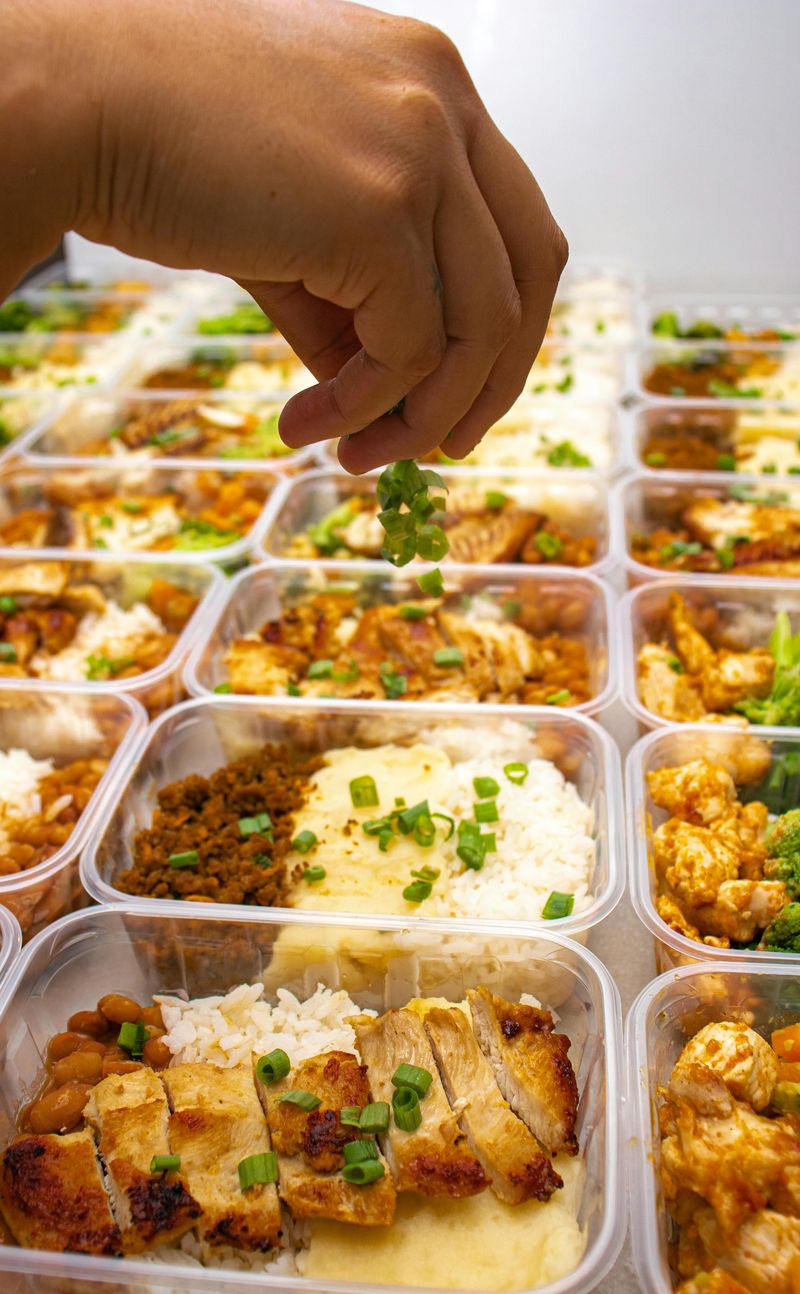
Microwave meals save time, but convenience often trades flavor for sodium. Portions can be tiny, pushing you toward snacks later.
Sauces carry sugars and starches to mimic slow cooking. Vegetables might be sparse, leaving a beige, unsatisfying plate that misses key nutrients.
You can hack them by adding frozen vegetables, olive oil, or a side salad. Choose meals with clear ingredients and at least 20 grams of protein.
Batch cooking on weekends gives control without daily effort. Time saving is great, but nutrition still benefits from planning.
Fruit Juice
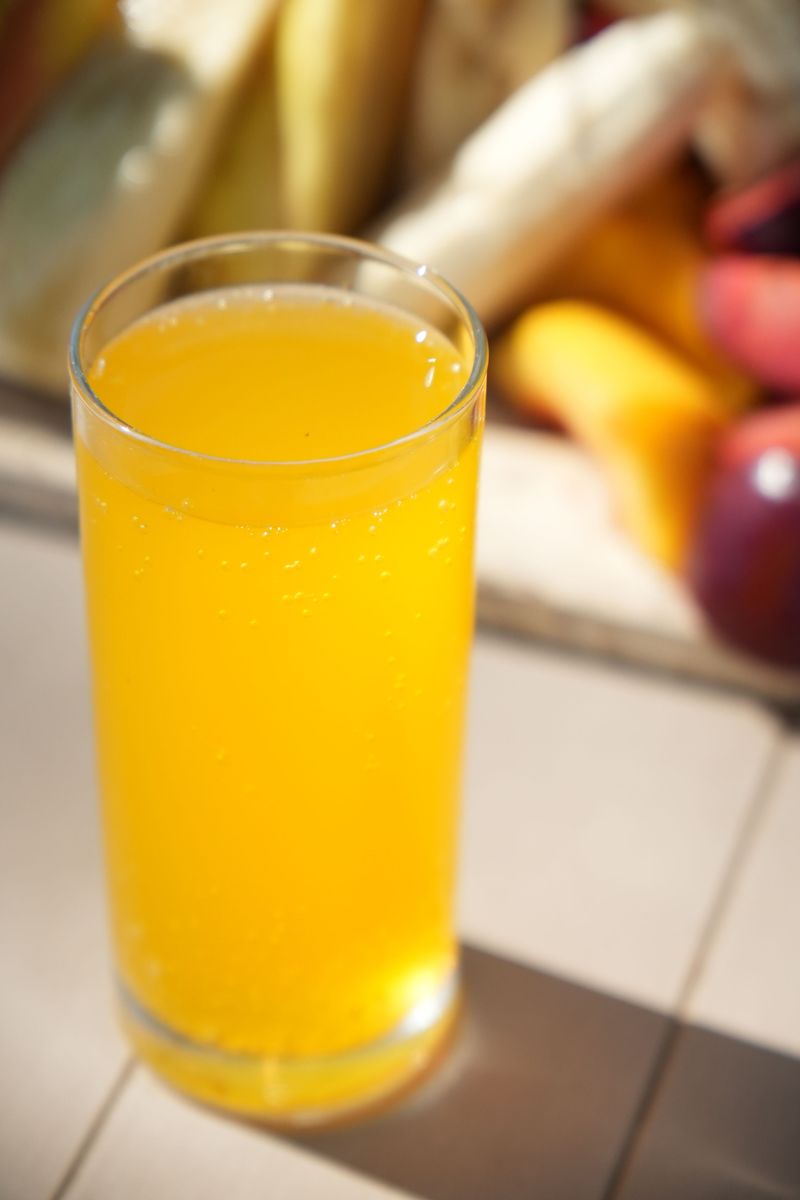
Fruit juice sounds natural, but it is fruit with the fiber removed. That means quick sugar delivery and little fullness.
A tall glass can equal several pieces of fruit in calories. Your body misses the chewing, volume, and slow release that whole fruit provides.
If you love juice, pour a small glass and pair it with a protein rich breakfast. Better yet, eat the fruit and drink water or fizzy water with citrus slices.
You get nutrients, hydration, and fewer sugar spikes. Your teeth will thank you too.
Pretzel Sticks
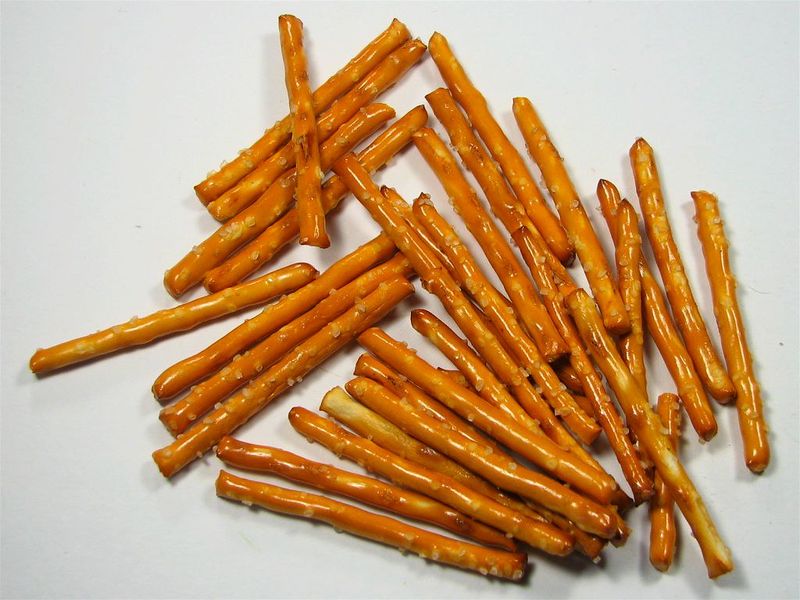
Pretzel sticks wore a low fat halo, yet they are mostly refined flour and salt. The crunch satisfies your mouth, not your stomach.
Without protein or fiber, handfuls go down fast and hunger soon returns. Pairing them with dip can accidentally double calories without adding real nutrition.
Choose whole grain crackers with seeds, or snack on nuts with fruit. If pretzels are your thing, add a protein like hummus or cheese.
Measure a portion and enjoy mindfully. Low fat does not equal filling or nourishing.
Bran Muffins
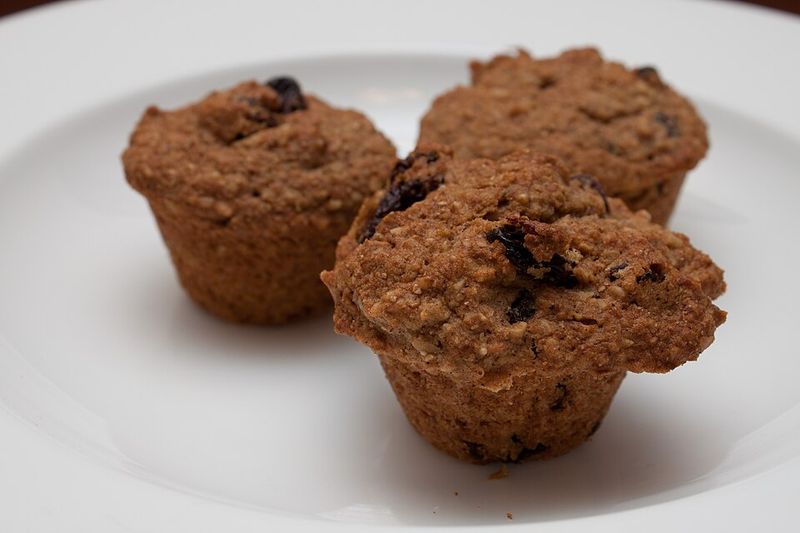
Bran muffins sound virtuous because of fiber, but many are sugar heavy and huge. Honey, molasses, or brown sugar still act like sugar.
The fiber helps a bit, yet the oversized portion can rival cake. You get a health halo while blood sugar quietly surges.
Smaller homemade muffins with whole grains, nuts, and less sweetener change the story. Pair one with eggs or yogurt for protein.
Or skip muffins and choose oatmeal with fruit and seeds. Fiber matters, but the package and portion matter too.
Cereal Bars
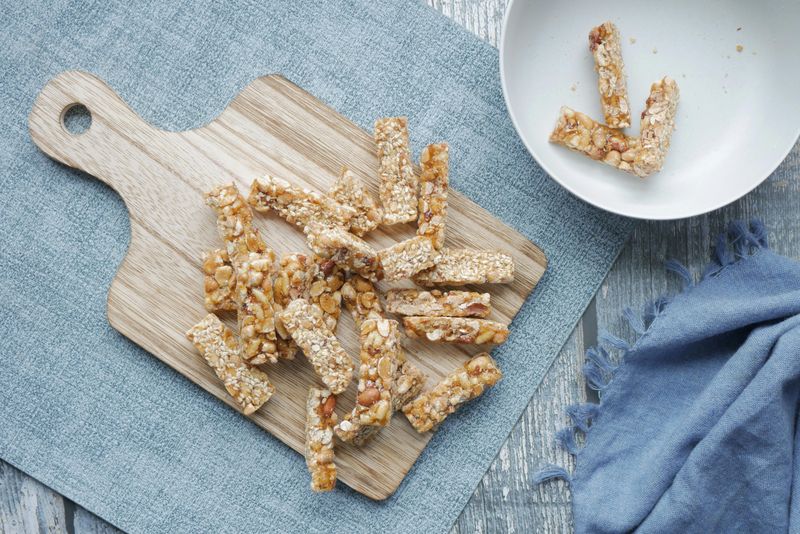
Cereal bars dressed up as breakfast, but many are fortified candy. Refined grains, syrups, and frosting create a quick blast of sweetness.
Added vitamins do not fix the blood sugar roller coaster. You end up hungry, distracted, and hunting for snacks by midmorning.
A better move is pairing whole fruit with nuts or yogurt for protein plus fiber. If buying a bar, hunt for short ingredient lists, little added sugar, and real nuts or seeds.
Marketing words like wholesome or energy rarely guarantee balanced nutrition. Read past the front of the box.
Enjoyed this story?
Add Fast Food Club as a preferred source to see more of our reporting on Google.