


Remember when low fat labels felt like a free pass to eat anything? The 1990s sold a comforting story that calories and fat were the only villains, and many of us bought it.
Today, nutrition science tells a different tale about sugar, processing, and satiety. Let’s revisit those once loved “healthy” picks and see what experts think now, so you can make smarter swaps without losing the joy of eating.
Fat Free Cookies
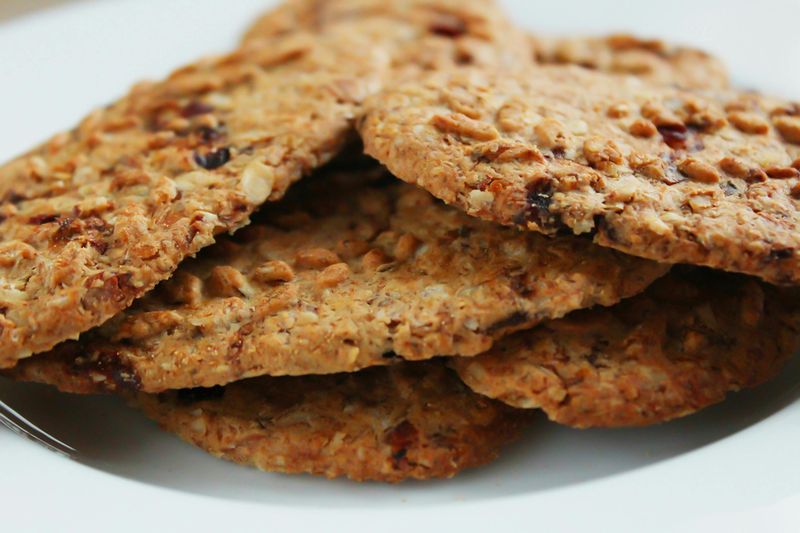
Back in the day, fat free cookies sounded like a hack for guilt free snacking. You probably ate a sleeve, thinking the label meant healthy.
The catch was sugar and refined starch replaced fat, spiking blood sugar and leaving you hungry again.
Today, experts look beyond fat grams and focus on overall quality. A short ingredient list, fiber, and less added sugar matter more.
If you crave a cookie, enjoy one made with real butter and whole grains, and savor it slowly. You will likely feel satisfied sooner and snack less later.
Frozen Yogurt
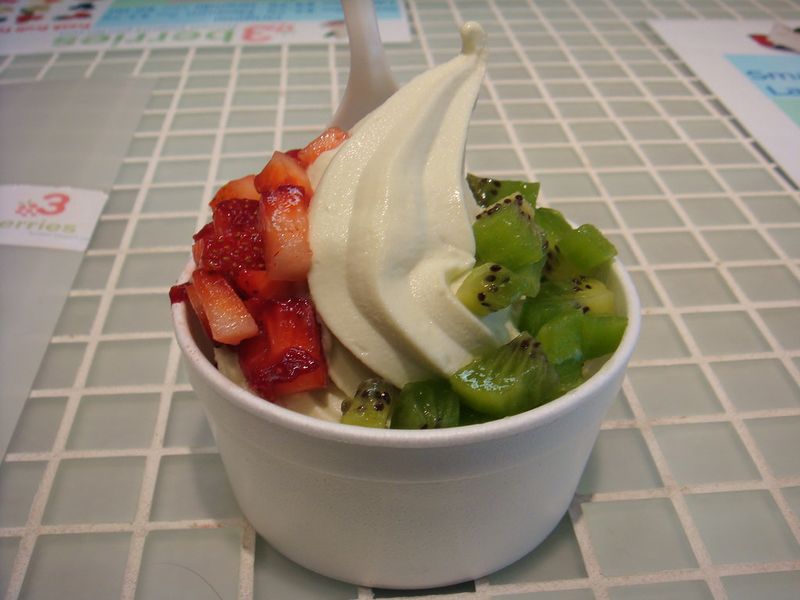
Frozen yogurt wore a halo because it had less fat than ice cream. But many versions were pumped with sugar and stabilizers, which can add up quickly with toppings.
A giant cup and a sprinkle of candy turned dessert into a sugar bomb.
Now, you can do better by choosing smaller portions and simpler toppings like fruit and nuts. Look for lower sugar varieties or a tangy plain base.
If you love the treat, enjoy it mindfully rather than chasing fat free claims. Satisfaction plus balance beats a towering cup that leaves you crashing later.
Margarine Spread

Margarine once seemed like the hero because it cut saturated fat. Many sticks, though, relied on partially hydrogenated oils, creating trans fats linked to heart disease.
That tradeoff looked smart then and risky now as research evolved.
Today, some spreads have no trans fat and use olive or canola oils, which can fit a heart friendly plan. Still, whole foods win.
Choose real butter in small amounts or a soft spread with simple oils, and pair with fiber rich bread. The goal is not fear, but balance.
Your heart cares about patterns, not one ingredient alone.
Diet Soda
Zero calories felt like magic, but diet soda is not a wellness shortcut. Artificial sweeteners can keep your palate chasing hyper sweet flavors, making real food taste dull.
Some studies link heavy intake with changes in gut microbes and cravings.
Hydration still matters most. If you enjoy fizz, try sparkling water with citrus or a splash of juice.
Save diet soda for occasional moments, not an all day habit. Your energy, appetite, and taste buds may steady out when sweetness is dialed down.
Small shifts add up more than you think, especially over weeks and months.
Granola Bars
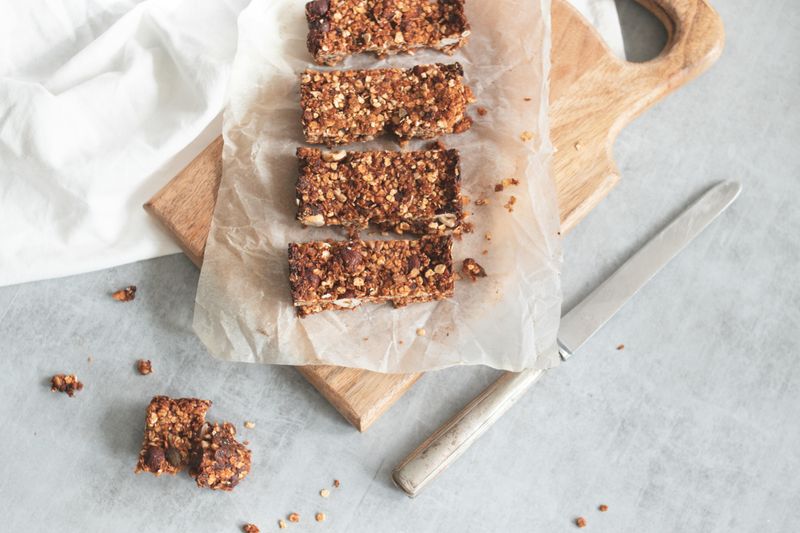
Granola bars looked like portable health, but many were basically candy with oats. Syrups, chocolate chips, and low fiber grains made them sweet and fast burning.
You felt hungry again soon, often grabbing another snack.
Better bars exist, but the label matters. Aim for at least 3 grams of fiber, around 8 to 12 grams of protein, and minimal added sugar.
Nuts, seeds, and whole oats help with staying power. Or make simple no bake bars at home so you control sweetness.
The right pick can be handy, but it should eat like food, not dessert.
Fruit Snacks
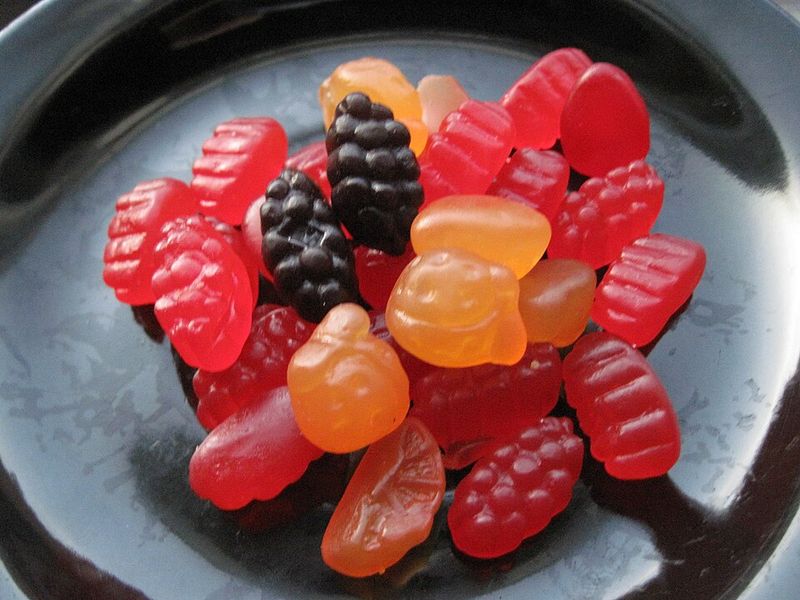
Those chewy little fruit shapes felt wholesome thanks to fruit pictures and vitamin claims. But they were mostly sugar, concentrates, and gelatin with barely any real fruit fiber.
They stick to teeth too, which is not great for dental health.
If you want sweetness, fresh fruit wins for fiber, water, and micronutrients. Dried fruit can work in small portions with nuts to slow the sugar hit.
For lunchboxes, try applesauce with no added sugar or sliced fruit you actually like. Keep joy, skip the candy in disguise.
Your afternoon energy and your dentist will thank you.
Sugary Smoothies

Big smoothies can hide dessert level sugar under a health halo. Juice bases, sherbet, and sugary boosters add up fast.
You drink it quickly, and the missing fiber means a quicker blood sugar spike and crash.
Build smarter blends at home or choose better options out. Use whole fruit, add leafy greens, include protein like Greek yogurt or protein powder, and a fat source like peanut butter or chia.
Keep portions reasonable. Sip slowly and treat it like a meal if it is meal sized.
You will stay fuller, longer, without the sneaky sugar surge.
Instant Oatmeal
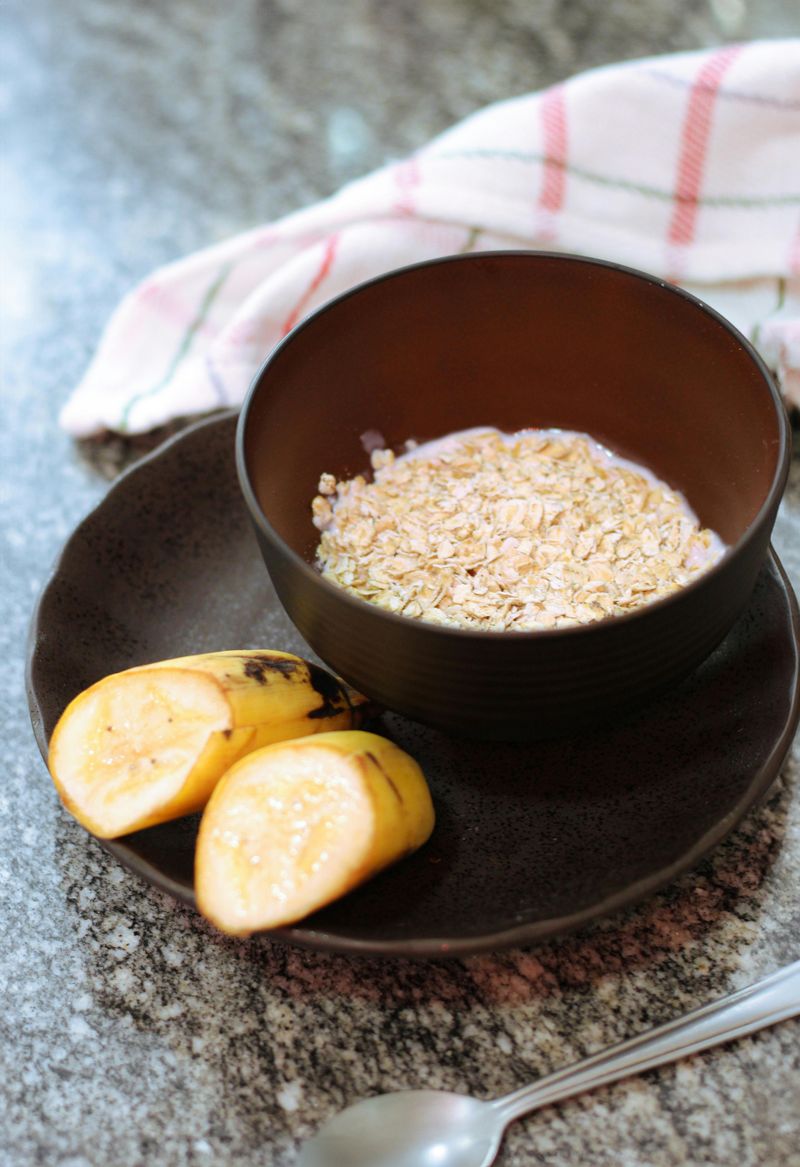
Instant oatmeal felt like a warm, wholesome start. Many flavored packets, though, stack in sugar and use finely milled oats that digest fast.
That means a quick spike, quick crash, and a grumbly stomach before the meeting ends.
You can still love oats. Choose plain packets or quick cooking oats without flavors, then add fruit, nuts, and a pinch of cinnamon.
A splash of milk or yogurt boosts protein. Steel cut or old fashioned oats offer more texture and staying power.
With small tweaks, you keep the comfort while gaining steady energy that actually lasts.
Veggie Chips
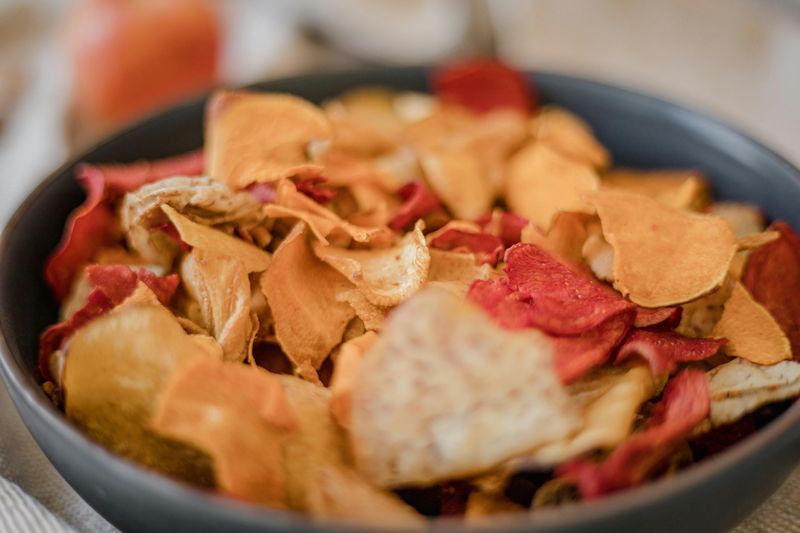
Veggie chips sound like a salad you can crunch, but most are still fried or baked with lots of oil and salt. The vegetable powders do not replace real produce.
You get a snack, not a serving of veggies.
For real crunch, try roasted chickpeas, popcorn with olive oil, or baked pita with hummus. If you love chips, enjoy a modest portion and balance your day with actual vegetables at meals.
Read labels for fiber and ingredients you recognize. The goal is not perfection, just clarity.
A chip is a chip, even in a green bag.
Rice Cakes
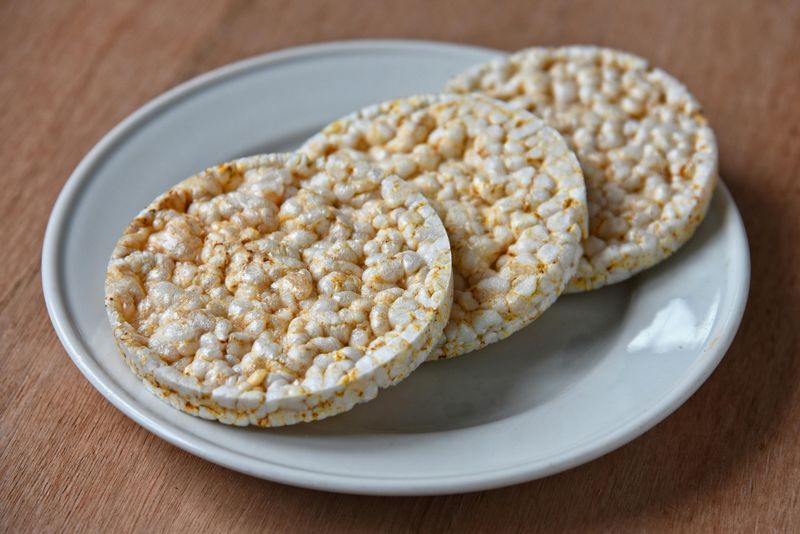
Airy, crunchy, and basically fat free, rice cakes felt like smart snacking. But they are mostly quick carbs with little fiber or protein, so hunger returns fast.
Eating them plain can feel like eating air, then suddenly reaching for more.
Dress them up to work better. Add nut butter, cottage cheese, avocado, or smoked salmon for staying power.
Or swap in whole grain crackers with seeds for more fiber. If you enjoy the crunch, keep them, but make the topping do the heavy lifting.
Your snack should help you bridge the gap, not stoke more cravings.
Sweet Yogurt
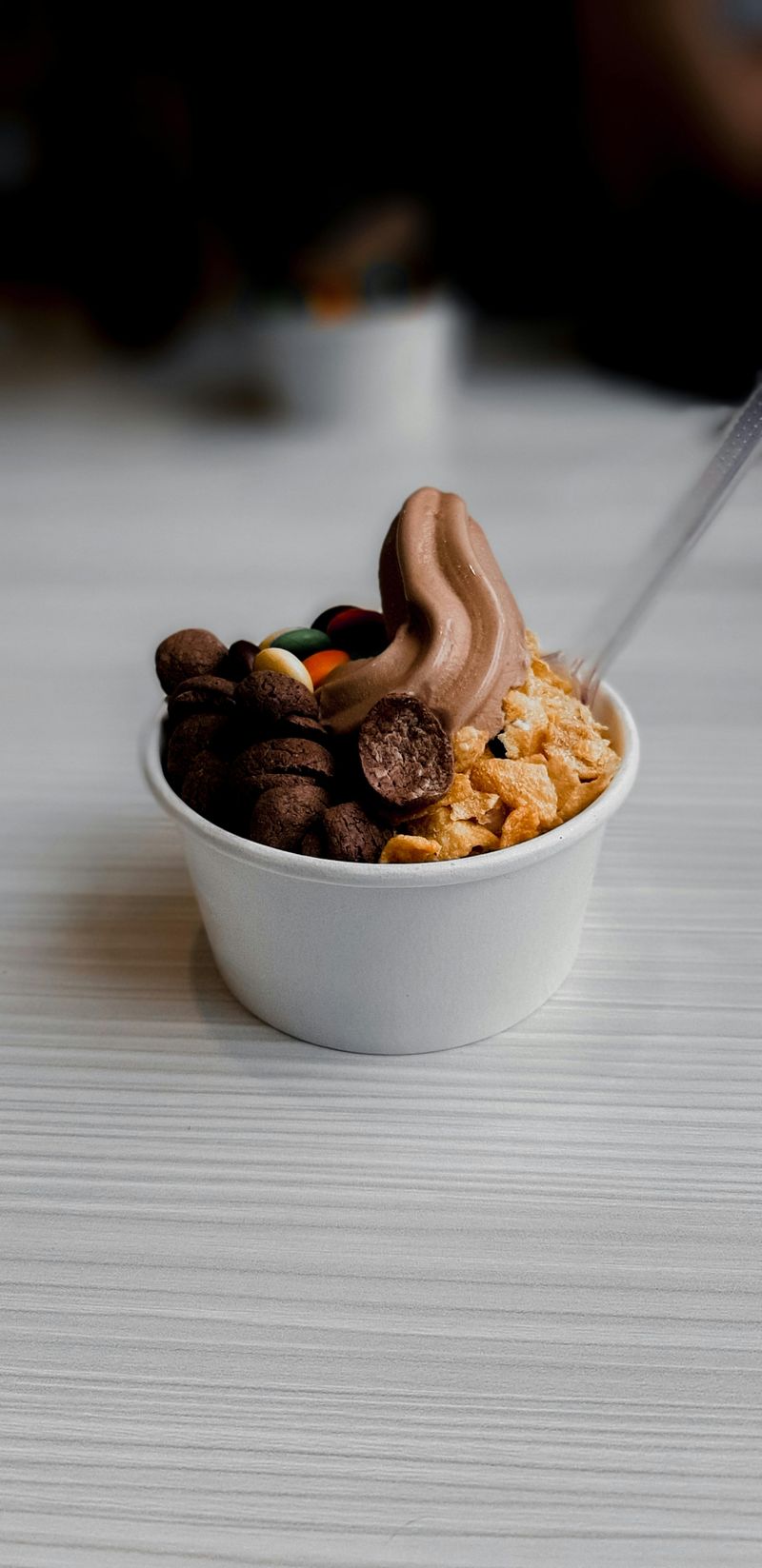
Fruit on the bottom yogurt seems wholesome, yet many cups hide dessert level sugar. The low fat label made it feel safe, but protein took a back seat.
You ate it quickly and felt ready for another snack soon after.
Pick plain or lightly sweetened options and add your own berries, a drizzle of honey, and nuts. Greek style yogurt boosts protein and keeps you full.
Check added sugars, not just total carbs. With a few swaps, you get the creamy comfort without the sugar roller coaster.
Your mornings will feel steadier, and your taste buds will adjust.
Protein Shakes
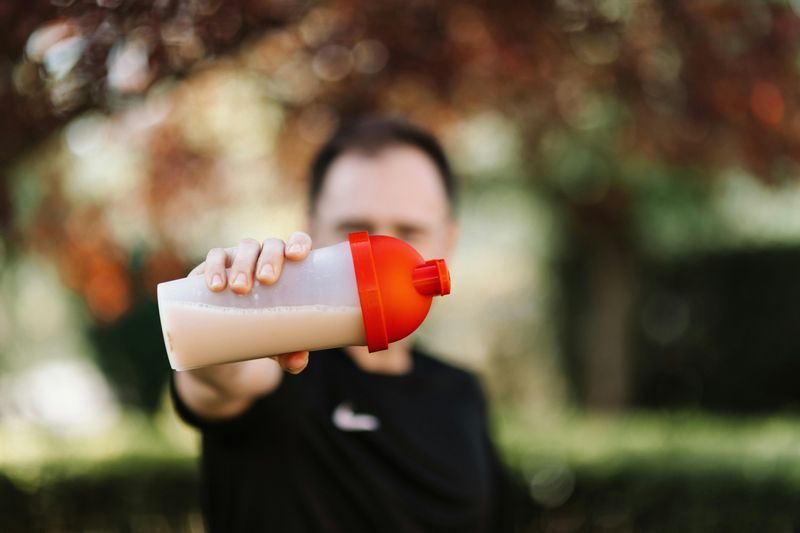
Protein shakes promised quick recovery and easy meals, but more is not always better. Many powders rely on artificial sweeteners, gums, and flavors that can upset some stomachs.
Without fiber or fat, a shake alone may not keep you satisfied.
Use shakes as tools, not crutches. Choose brands with simple ingredients and tested quality.
Blend with fruit, greens, and healthy fats to make a balanced mini meal. Or pair a shake with whole foods like toast and eggs.
Hitting your protein target matters, but so does the rest of the plate. Aim for nourishment, not just numbers.
Frozen Meals
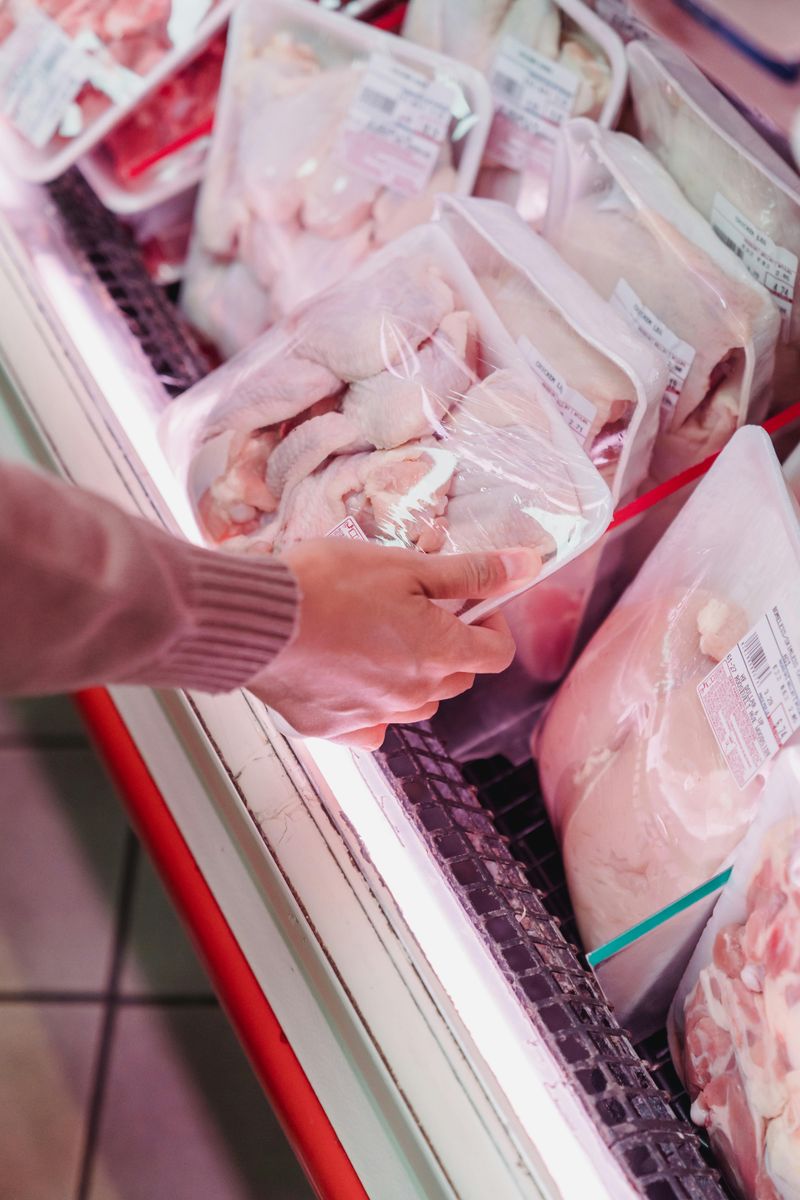
Frozen meals saved time, and some fit tight calorie goals. The tradeoff was often sodium, sugar in sauces, and tiny portions that left you hunting snacks.
Low fat did not mean high satisfaction, especially when veggies were skimpy.
There are better options now, but reading labels matters. Look for plenty of vegetables, at least 15 grams protein, and manageable sodium.
Add a side salad or extra veggies to round it out. Batch cooking on weekends can also beat the freezer aisle.
Convenience helps, but your body still needs color, protein, and fiber to feel good.
Flavored Water

Flavored waters seemed like a smart upgrade from soda. Some are fine, but many rely on sweeteners and acids that can bother teeth or taste buds over time.
Vitamin claims often outshine what you actually need from food.
If bubbles and flavor help you drink more, great. Choose options without heavy sweeteners or rotate with plain water and citrus slices.
Electrolyte versions can help after heavy sweat, not just a desk day. The goal is hydration you enjoy daily.
Keep it simple, and let real meals cover your micronutrients most of the time.
Cereal Bars
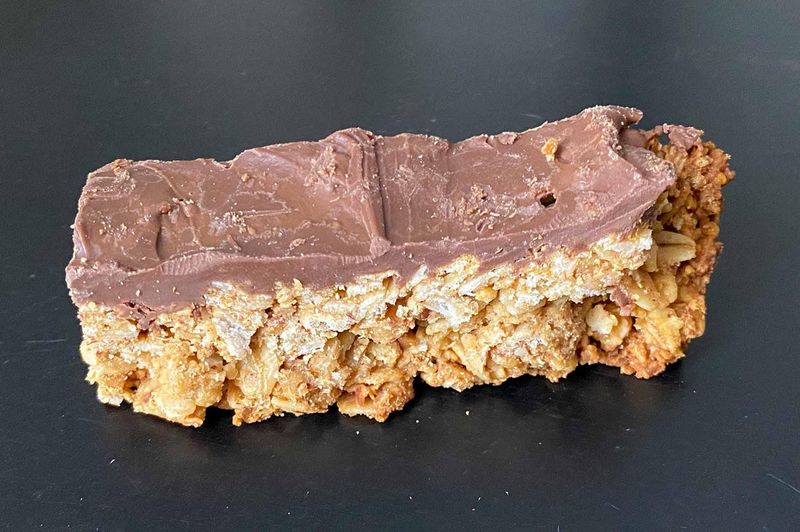
Cereal bars promised breakfast on the go, but many were cereal plus glue. Icing drizzle, marshmallow binders, and lots of syrup kept them sweet and sticky.
The result was quick energy and a quicker crash.
For a real grab and go, try a bar with nuts, seeds, and at least 3 grams fiber, or pack yogurt with fruit. Leftover frittata squares travel well too.
If you love bars, keep them as backups and choose those with minimal sugar alcohols. Breakfast should help you focus, not start a snack spiral by 10 a.m.
Juice Cocktails

Juice cocktails wore a fruit halo while packing added sugars and concentrates. Without fiber, it goes down fast and does not fill you up.
Even 100 percent juice can spike blood sugar if portions get big.
Better approach: eat whole fruit most of the time. If you like juice, use a small glass with breakfast or splash a little into sparkling water.
Scan labels for added sugars and the word cocktail. Your taste buds will adjust, and you keep the bright fruit flavor without the big sugar dump.
Hydration and satisfaction both improve.
Low Fat Muffins
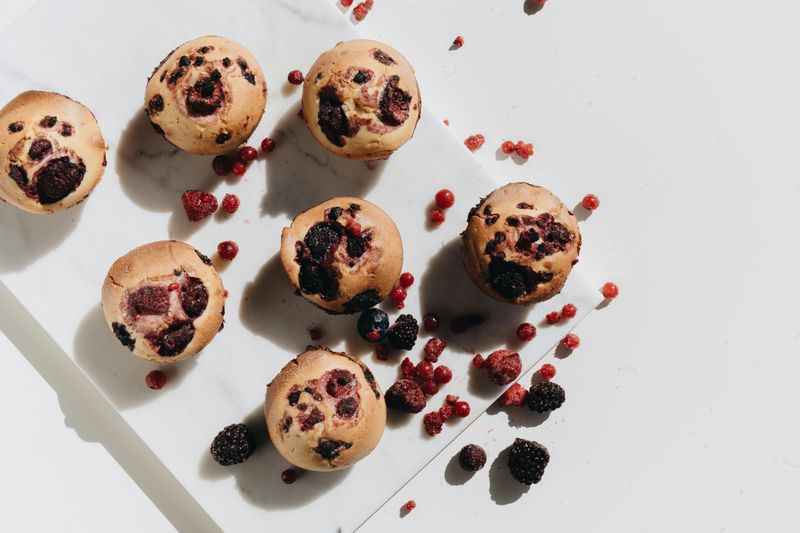
Low fat muffins were everywhere, and they tasted fine because sugar did the heavy lifting. Portion sizes ballooned too, turning breakfast into a stealth dessert.
You felt virtuous, but the energy crash showed up before lunch.
A better muffin is smaller, includes whole grain flour, nuts, and fruit, and keeps sweetness modest. Pair with protein like eggs or yogurt so you are not hungry an hour later.
Or skip muffins most days and choose oats or toast with nut butter instead. When you do want one, make it worth it and truly satisfying, not just low fat.
Snack Crackers

Snack crackers felt lighter than chips, especially with low fat badges. Many are refined flour, oil, and salt shaped into tidy squares.
You end up nibbling mindlessly and still feel unsatisfied because protein and fiber are low.
Pick crackers with whole grains and seeds, then add hummus, tuna, or cheese to anchor the snack. Or choose crunchy veggies alongside dip for real volume.
Portion some onto a plate instead of munching from the box. A few upgrades turn a flimsy crunch into something that actually tides you over.
Your afternoon brain will thank you.
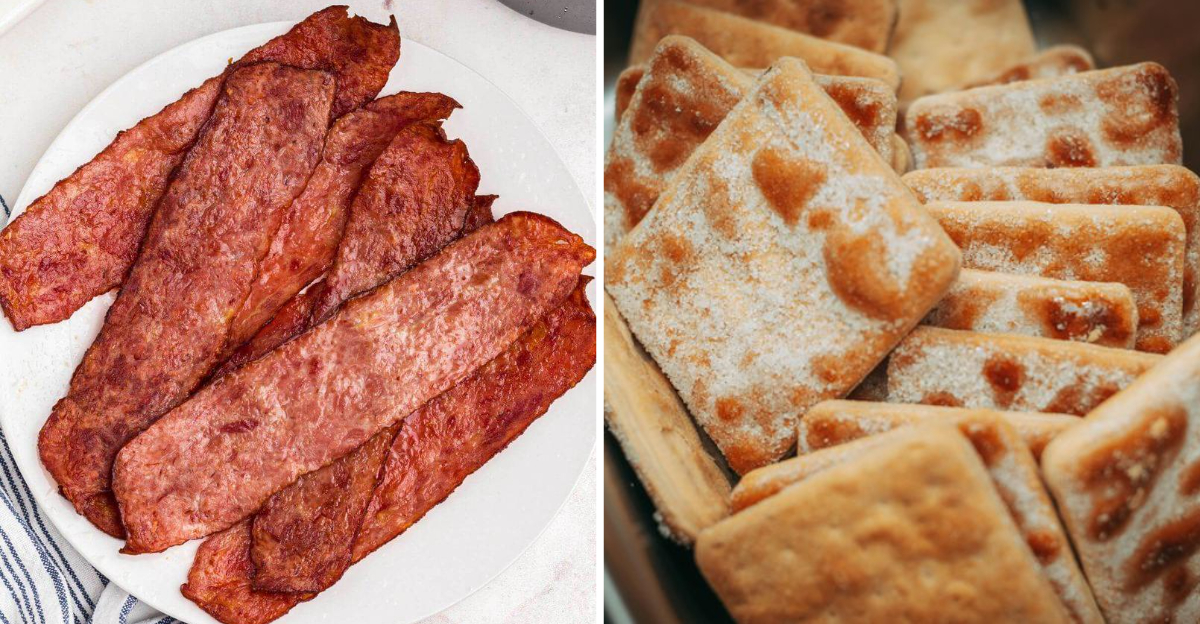
Turkey Bacon
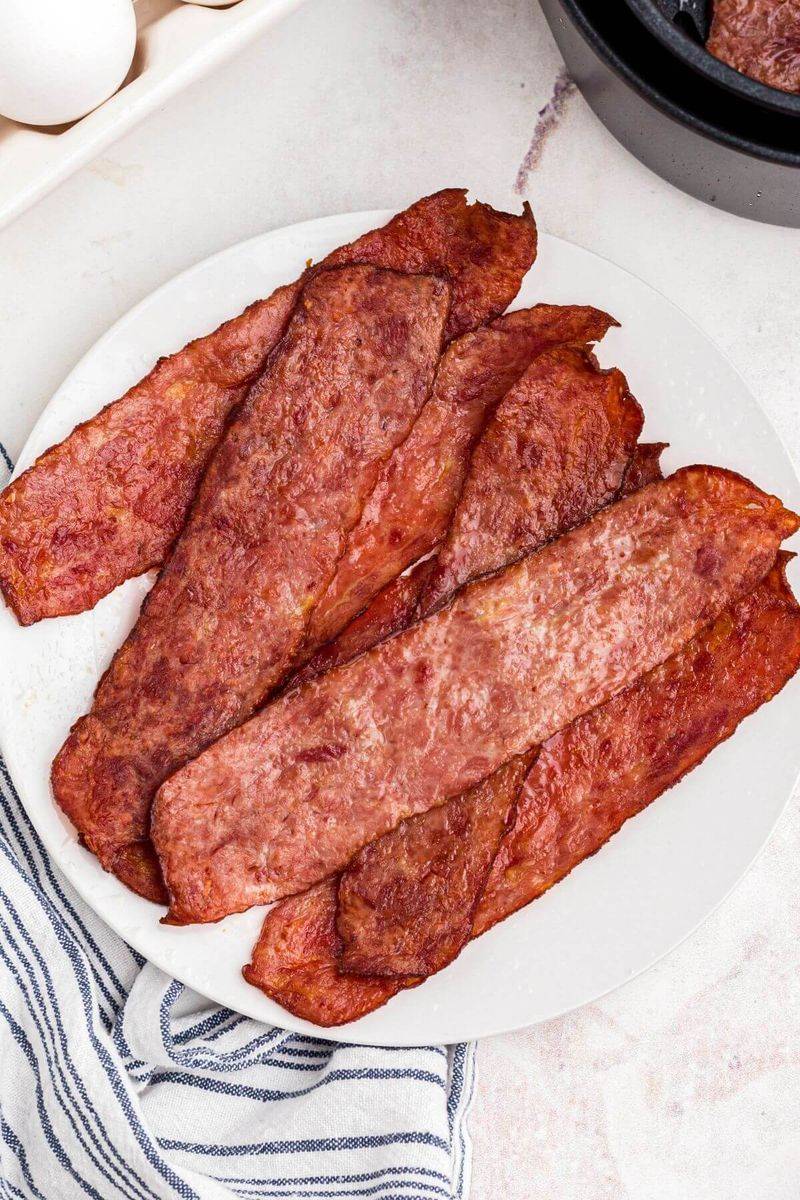
Turkey bacon seemed like a perfect swap for pork. It is leaner, but many brands add sodium, smoke flavor, and fillers to mimic the original.
Nutritionally, it is still a processed meat, which experts suggest limiting.
If you enjoy it, keep portions modest and choose brands with fewer additives. Balance your plate with eggs, veggies, and whole grains rather than piling on strips.
Or try alternatives like smoked salmon or tempeh bacon for variety. The upgrade is not automatic just because it is turkey.
Your overall pattern matters more than one breakfast choice.
Enjoyed this story?
Add Fast Food Club as a preferred source to see more of our reporting on Google.