


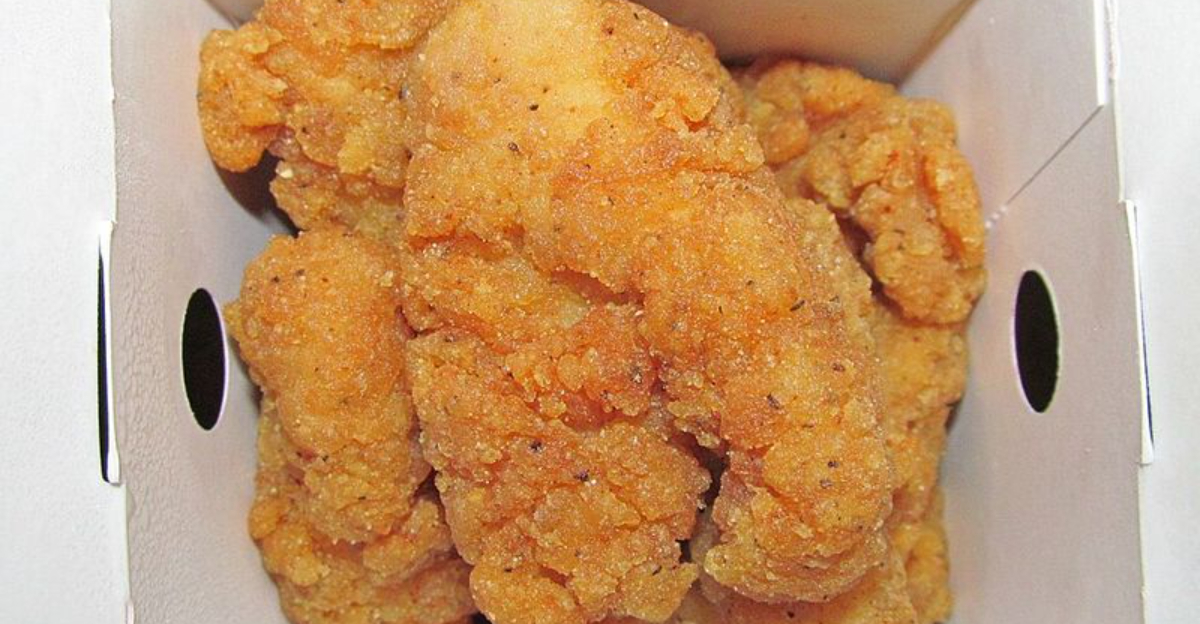
Some foods used to feel like foolproof staples, the kind you could toss in the cart without thinking twice. Over time, labels lengthened, portions shrank, and the flavor just did not match the promises on the box.
You noticed recalls, reformulations, and sugar or sodium numbers that made a quick bite feel like a compromise. Here are the once-beloved picks that now make you pause before reaching for the shelf.
Canned chili
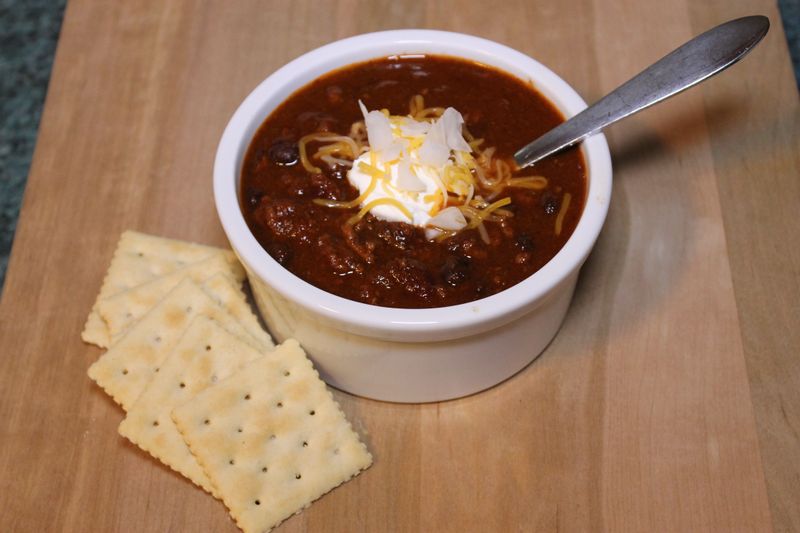
Canned chili used to feel like a cozy shortcut on hectic nights. Then the labels started looking crowded with fillers, stabilizers, and vague meat blends.
You tasted metallic tang and identical beans no matter the brand.
Portion sizes shrank while sodium crept up, leaving you parched after dinner. Recalls over mislabeling and surprise allergens chipped away at confidence.
Now, a small pot of beans and spices on the stove feels safer, cheaper, and honestly tastier.
When convenience truly matters, you probably scan for low-sodium options, recognizable ingredients, and clear sourcing. Those checkboxes are harder to find on the chili aisle than they should be.
Frozen burritos
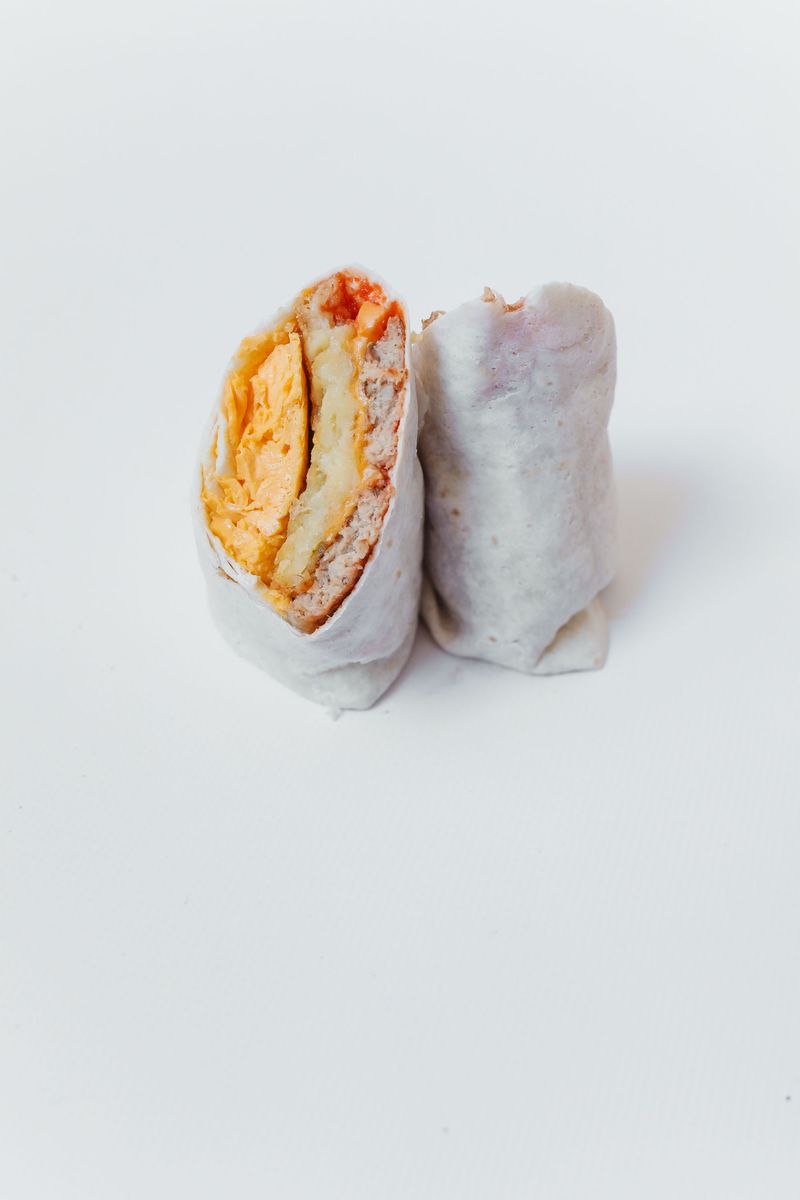
Frozen burritos promised a hot, handheld meal in minutes, but the reality often disappoints. You bite through rubbery tortillas and find sparse fillings pushed to one corner.
Labels highlight protein, yet the sodium wallop overshadows any convenience win.
Inconsistent quality across boxes makes trust slip fast. One tastes decent, the next leaks watery beans and mystery sauce.
Freezer burn sneaks in, even before the date, leaving edges dry and cardboard-like.
Microwave directions rarely match your appliance, so hot spots and cold cores keep happening. When a skillet rescue becomes necessary, the quick-fix promise feels misleading and not worth the price.
Instant noodles

Instant noodles used to be a lifesaver for late nights and tight budgets. Over time, the ingredient panels read like chemistry sets, and the broth tastes more like salt than soup.
You notice the crash afterward, thirsty and sluggish.
Marketing now touts protein add-ins or veggie flakes, but they rarely deliver substance. Some brands improved, yet price hikes squeezed the original value pitch.
The styrofoam cups also feel wasteful when you are trying to cut trash.
DIY upgrades help, but at that point boiling real noodles and broth is not harder. Convenience lost its magic when flavor, nutrition, and packaging all lagged.
Processed cheese slices
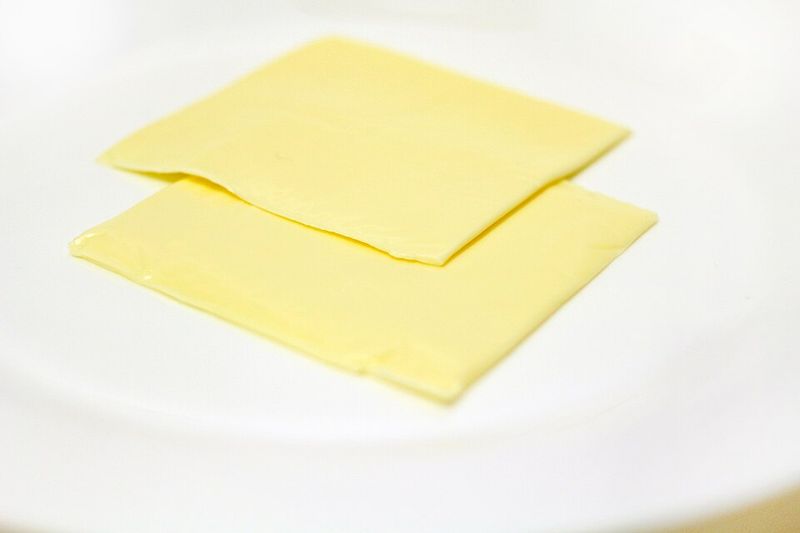
Those singles melted beautifully, but the aftertaste started giving things away. Ingredient lines stretched long, and the texture felt plasticky instead of creamy.
You realized grilled cheese tasted better with a modest slice of real cheddar.
Portion sizes stayed small while prices crept up, making the value math harder. The individually wrapped slices also create more trash than you want.
Marketing promises calcium, yet it is not the same experience as actual cheese.
When a food only shines when super-heated, it raises questions. You still want melty perfection, but now you reach for fewer ingredients, clearer labels, and sharper flavor.
Flavored oatmeal packets
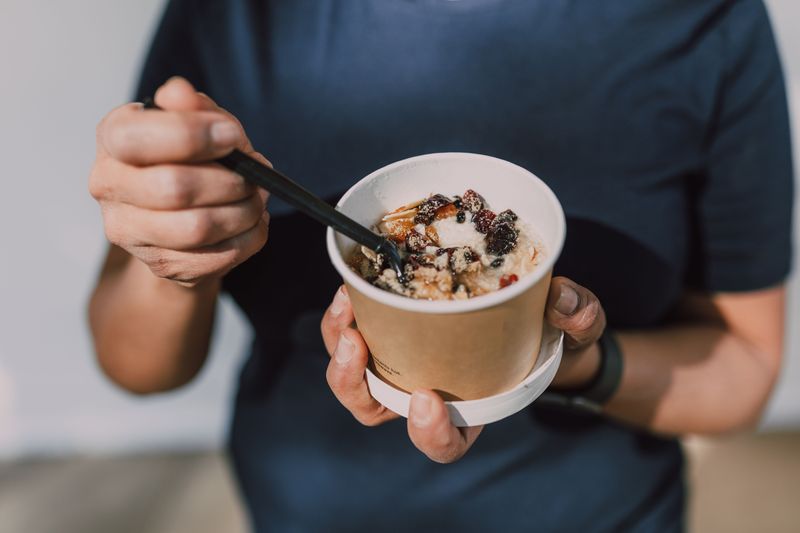
Flavored oatmeal packets seemed like a wholesome start, until you checked the sugar. The strawberry tastes like candy, and the apple is more perfume than fruit.
You end up hungry again quickly, even after two packets.
Prices rose while the oats stayed finely milled, leading to mushy texture and less staying power. Artificial flavors crowd the ingredient lists, clouding the health halo.
The eco-minded side of you also notices all the extra packaging.
Now, bulk oats with real fruit and cinnamon feel easier and cheaper. Convenience is great, but not when it disguises dessert as breakfast and still leaves you unsatisfied.
Microwave popcorn

Microwave popcorn made movie nights simple, until headlines about chemicals in bag linings raised eyebrows. The artificial butter aroma smells nostalgic but oddly overwhelming.
You finish the bowl and feel coated in salt and oil.
Kernels vary wildly, leaving scorched bites next to tooth-breakers. Some brands improved packaging, yet the trust crack remains.
Ingredient panels still list flavorings that feel murky, and portion sizes encourage mindless snacking.
Stovetop batches take a few minutes more but taste cleaner, with better control over salt and fat. When simplicity equals better flavor and fewer unknowns, the microwave shortcut loses appeal.
Shelf-stable pudding cups

Pudding cups were a lunchbox staple, but the sweetness now feels cloying and flat. Texture swings from gelatinous to gluey, far from bakery pudding.
Ingredient lists still lean on stabilizers to survive months at room temperature.
Portions quietly shrank while prices nudged upward, undermining the treat value. The single-use cups stack up in trash bins too.
You crave real dairy flavor, not a shelf-life science project.
Refrigerated options taste fresher, and homemade pudding is surprisingly easy. That shift makes the shelf-stable cup feel like the worst compromise of convenience without satisfaction, and your trust follows your spoon elsewhere.
Boxed stuffing mix
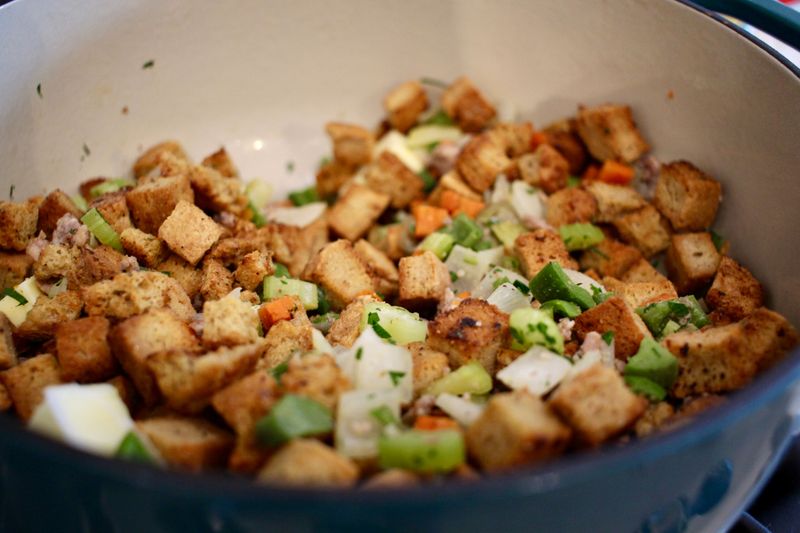
Boxed stuffing used to nail that holiday shortcut, but reformulations dulled the herbs. The bread cubes taste dusty, and the texture turns gummy fast.
You end up adding celery, onion, and stock just to wake it up.
Sodium runs high for something billed as a side. Portion claims feel optimistic once the box is opened.
Labels tout real butter flavor, yet you are the one supplying the actual butter.
From-scratch versions take slightly longer but deliver warmth and aroma. When convenience still requires rescue ingredients, the trust erodes, and the box becomes a backup instead of a centerpiece.
Frozen chicken nuggets

Chicken nuggets promised kid-friendly ease, yet bite after bite varies. Some are juicy, others spongy, and the breading often falls off.
Ingredient lists suggest slurries and starches rather than simple chicken pieces.
Portions shrank while claims about protein grew louder. Air fryers helped texture, but not the mystery of what is inside.
Recalls and headlines about processing plants did not help confidence.
When you crave real chicken, lightly seasoned tenders baked at home win on flavor and clarity. Convenience matters, but trust comes from recognizable meat, not complicated binders and a golden crust that feels suspiciously uniform.
Energy drinks

Energy drinks felt like rocket fuel for long days, until the jitters hit back. Sugar or artificial sweeteners mask medicinal flavors, and the crash lands hard.
Labels list mega-doses of caffeine plus extras that read like experiments.
Warnings in tiny print and stories of overuse shake trust. Price per can also adds up quickly for fleeting focus.
You wind up dehydrated and anxious instead of energized.
Coffee, tea, and balanced snacks deliver steadier lift with fewer surprises. When your heart races more than your productivity, the flashy cans lose their shine, and moderation starts looking like the smarter energy strategy.
Bottled smoothies
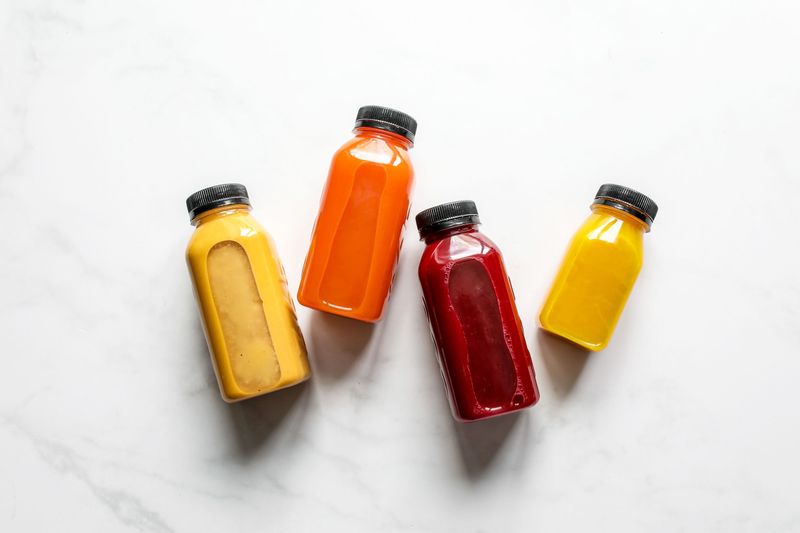
Bottled smoothies promised fruit-forward goodness, yet many drink like dessert. Sugar counts rival sodas, and fiber rarely matches whole fruit.
The flavors tend toward uniform sweetness, regardless of label claims.
Pasteurization and storage flatten brightness, making every bottle taste the same. Prices climbed, while bottles sized down almost imperceptibly.
You end up thirsty and still craving something real to chew.
Blending at home gives control over sweetness, texture, and greens. When a product trades freshness for shelf life and marketing, trust fades, and that chilled bottle begins to look more like a pricey compromise than breakfast.
Protein bars
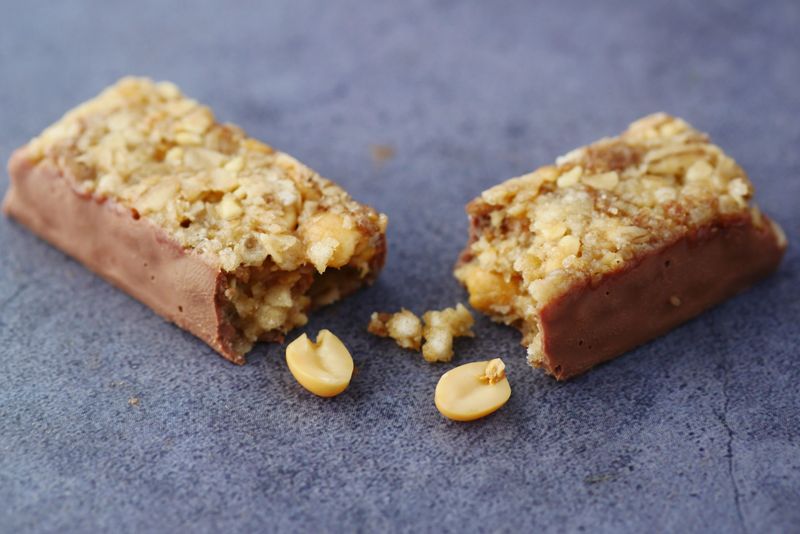
Protein bars aimed to be convenient fuel, but many chew like taffy with chalky notes. Sugar alcohols and artificial flavors try to hide strange aftertastes.
You read impressive protein numbers, then notice tiny serving sizes.
Claims change faster than formulas, leaving your favorites suddenly sweeter or grittier. Prices crept up while ingredient lists ballooned.
The promise of balanced macros often ignores how your stomach actually feels afterward.
Whole-food snacks deliver steadier satisfaction with fewer surprises. When a bar needs lab-level engineering to taste decent, trust wobbles, and you start reserving them for emergencies instead of everyday bites.
Powdered drink mixes

Powdered mixes promised hydration with fun flavors, but they often taste like candy water. You watch neon colors bloom in the glass and wonder about dyes.
Sweeteners leave lingering aftertastes that do not quite quench thirst.
Some brands lean on big vitamin claims that feel exaggerated. Others hide sugar in tiny serving sizes that no one actually uses.
Price per real-world portion can jump higher than expected.
Lemon slices, salt, and a splash of juice work better for daily sipping. When clarity and clean taste matter, powders lose appeal, and your bottle prefers simpler, more transparent ingredients.
Frozen breakfast sandwiches
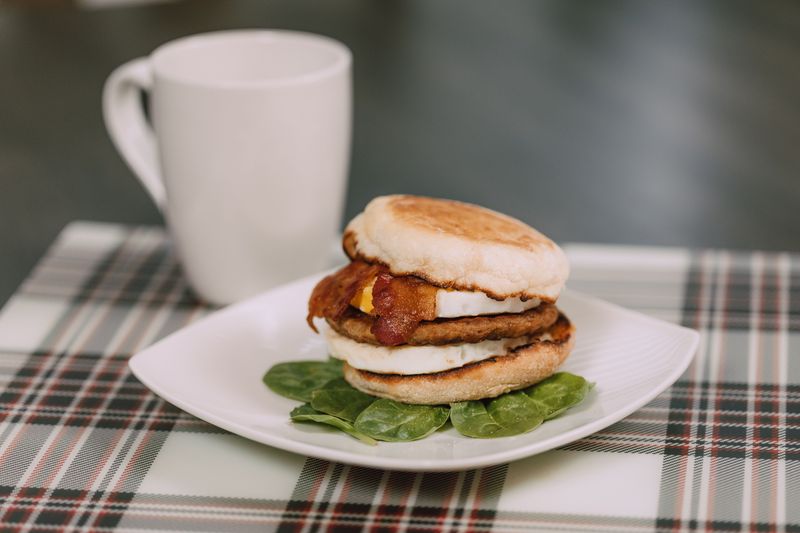
Breakfast sandwiches claim grab-and-go comfort, yet eggs taste spongy and the bread turns tough. Cheese oozes oddly, then congeals in minutes.
You juggle microwave steps to avoid a frozen center and scorched edges.
Portions seem smaller now, even as prices rise. Labels promise real eggs and fluffy biscuits, but the mouthfeel says otherwise.
After eating, you feel heavy without feeling satisfied.
Cooking a quick scramble and toasting an English muffin takes barely longer. When control over heat, texture, and salt is back in your hands, the frozen box starts gathering frost instead of trust.
Frozen mozzarella sticks
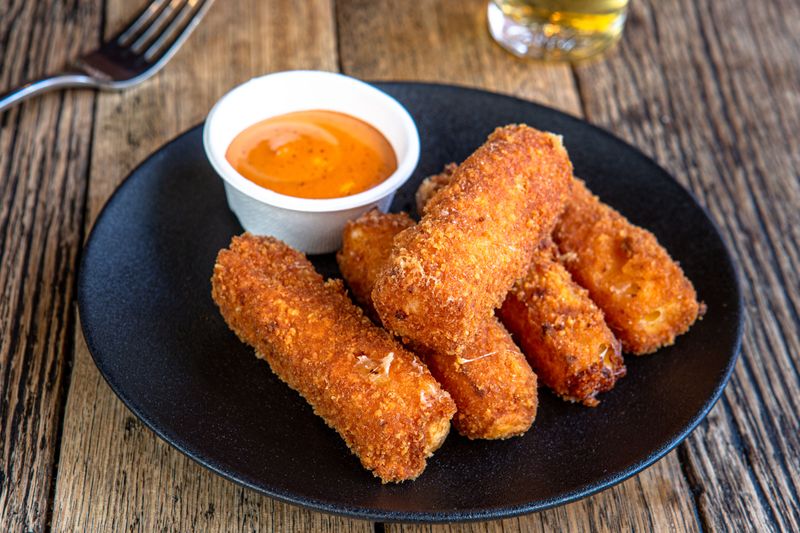
Mozzarella sticks promise golden crunch and stretchy cheese pulls, but home versions rarely deliver. Bread crumbs fall off, and the cheese either leaks or refuses to melt.
You chase oven temps and timers that never seem right.
Restaurant nostalgia lifts expectations that boxes cannot match. Ingredient lists add gums to fake elasticity.
Portions shrink while dipping sauce disappears from packages altogether.
Air fryers help, yet the center still tastes bland without real mozzarella character. When the wow factor turns into cleanup of exploded cheese, trust slides, and you save the craving for an actual appetizer out.
Canned pasta meals

Canned pasta felt like after-school comfort, then the sauce started tasting like sugar and metal. Noodles get mushy, losing any bite.
You finish the bowl and realize you were chasing nostalgia, not flavor.
Labels show low protein for a meal-sized portion. Marketing leans hard on fun shapes while the ingredient list stays long.
Portions quietly got smaller, too, making the value questionable.
A quick skillet of real pasta, jarred sauce, and cheese tastes brighter and costs similar. When the easiest option feels like syrupy mush, trust evaporates, and the can remains on the shelf.
Fruit juice cocktails

Fruit juice cocktails lean on sunny labels, but the glass tastes mostly like sugar. Real juice percentages hide in fine print.
You expect tart complexity and get syrupy sameness instead.
Portions nudge up your daily calories fast, especially when servings are misleading. Kids love them, which makes the marketing feel even trickier.
Watered-down versions barely help and still disappoint.
Whole fruit and sparkling water feel brighter, cheaper, and more filling. When your palate learns the difference, trust in cocktails fades, and those cheerful bottles start reading like dessert in disguise.
Sweetened iced tea

Bottled sweet tea should taste simple, yet many versions feel syrupy and flat. You expect brewed notes but get caramel color and a wall of sweetness.
After a bottle, thirst somehow sticks around.
Labels list tea solids oddly, and flavors remain strangely identical across brands. Serving sizes shrink while prices grow, making refills expensive.
The caffeine bump is inconsistent too.
Cold-brewing at home with lemon and modest sugar restores balance. Trust flows back when the ingredient list reads like your kitchen, not a chemistry set pretending to be grandma’s porch pitcher.
Frozen popcorn chicken
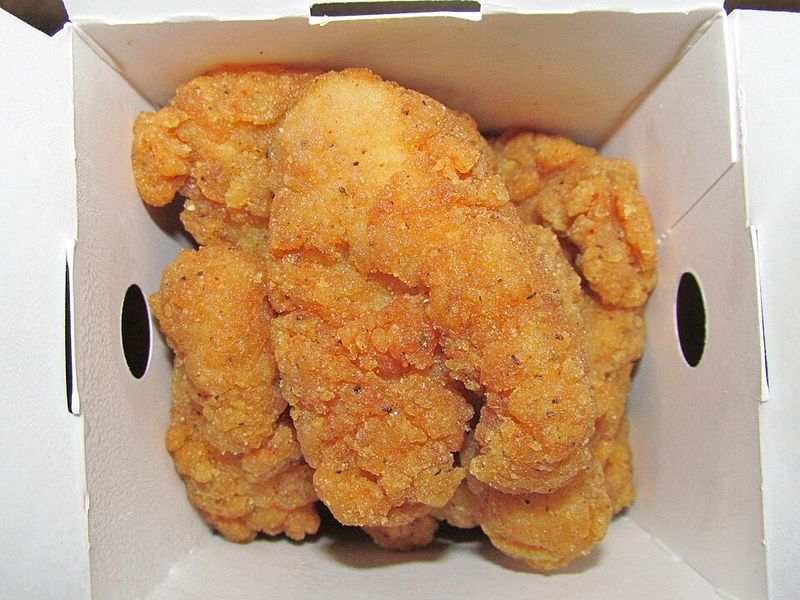
Popcorn chicken sounds fun until the breading outweighs the meat. You crunch through salty crusts to find tiny, inconsistent bites.
Heating instructions never nail crispiness without drying the centers.
Ingredient lists suggest blends and binders more than straightforward chicken. Portions show lots of crumbs in the bag.
Prices climbed while the meat-to-breading ratio felt worse.
Pan-seared chunks from real chicken taste cleaner and stay juicy. When the supposed treat becomes a salt delivery system, trust drops, and the freezer bag lingers behind other weeknight options that actually satisfy.
Enjoyed this story?
Add Fast Food Club as a preferred source to see more of our reporting on Google.