



Bloating can make even your favorite meals feel uncomfortable, but small food swaps may help more than you think. Dietitians consistently turn to simple, gut-friendly staples that soothe digestion and keep things moving.
If you want practical, tasty ideas that actually fit your routine, this list is for you. Let’s explore easy options you can add today for a calmer, happier belly.
Kefir Drink

Kefir is a tangy, drinkable fermented milk rich in diverse probiotics that may support regularity and reduce gas. Compared to yogurt, kefir often contains more strains, which some people find helps with bloat.
Sip it chilled, blend into smoothies, or pour over muesli. Start slow if you are new to fermented drinks.
Choose plain, unsweetened kefir to avoid added sugars that can aggravate symptoms. A half cup with breakfast is an easy entry point.
If dairy is tricky, look for water kefir or lactose reduced options. Consistency matters, so small daily servings can help your gut feel more settled.
Banana Soft

Ripe bananas offer gentle fiber and potassium, which can help balance sodium and reduce water retention related puffiness. Their soft texture is easy on sensitive stomachs, especially when you want something simple.
Mash a ripe banana for quick banana soft, then sprinkle cinnamon or a touch of peanut butter for richness.
Bananas also contain resistant starch when slightly green, supporting beneficial gut bacteria. If you feel gassy with larger portions, try half at a time.
I like pairing banana soft with plain yogurt or oatmeal for a soothing combo. Keep ripeness in mind, and find the texture your body prefers.
Ginger Tea

Ginger tea is a classic for easing nausea, sluggish digestion, and post meal discomfort. The natural compounds in ginger may help calm intestinal muscles and support motility.
Slice fresh ginger, steep in hot water, and add lemon if you like. Sip slowly before or after meals to gauge your response.
If fresh ginger feels strong, start with tea bags or shorter steep times. I keep a thermos handy on busy days and drink between meals.
Ginger pairs well with mint for added soothing benefits. Listen to your body’s cues and adjust strength until your stomach feels more at ease.
Sauerkraut Bite

Sauerkraut brings probiotics from fermented cabbage that can support a balanced gut environment. A bite or two with meals is often enough to sample the benefits without overdoing it.
I like adding a small forkful to grain bowls, turkey sandwiches, or roasted potatoes for tang and crunch without heavy sauces.
Choose unpasteurized, refrigerated sauerkraut to keep cultures alive. If bloating shows up, reduce portion and build slowly.
Rinse lightly if the brine tastes too salty. You can also try different varieties, like dill or caraway, to keep flavors interesting.
Small, steady servings make sauerkraut a practical, gut friendly side.
Bone Broth
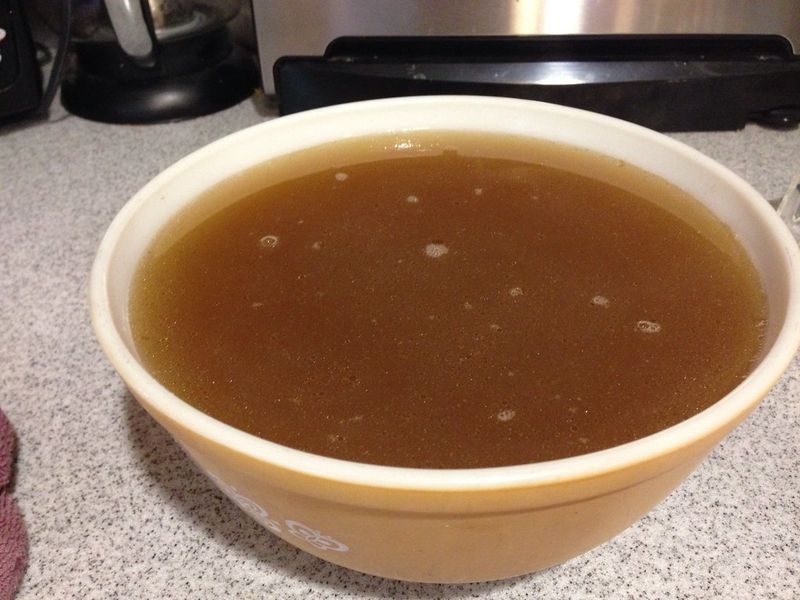
Warm bone broth can feel soothing when your stomach needs something simple and hydrating. It provides electrolytes and gelatin, which may support the gut lining and comfortable digestion.
Sip a mug between meals, or use it as a base for gentle soups with rice and vegetables. Start with low sodium options.
When bloated, keeping meals light and warm often helps. I simmer broth with ginger and a little turmeric for extra comfort.
If you prefer plant based, choose a well seasoned vegetable broth. The key is warmth, nourishment, and calm flavors that help your belly relax while you rehydrate effectively.
Papaya Fresh
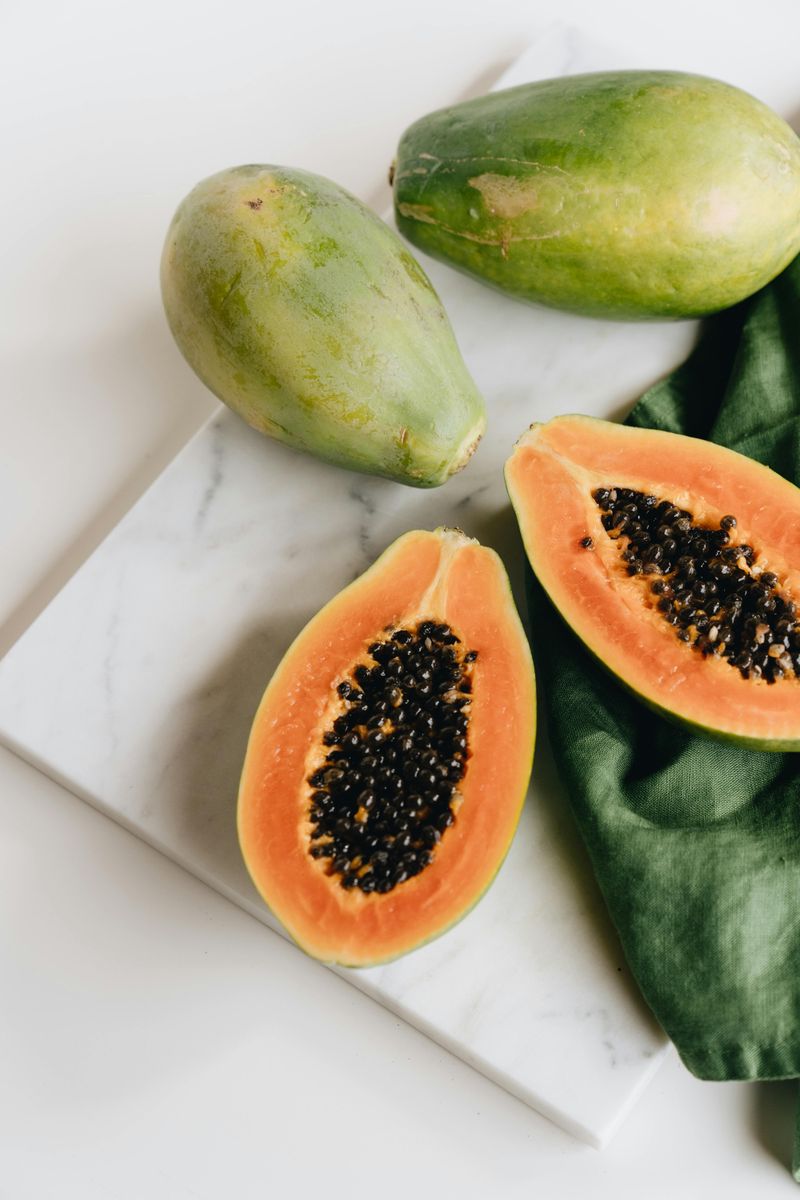
Papaya contains the enzyme papain, which may help break down proteins and support smoother digestion. Its juicy texture and gentle sweetness make it easy to enjoy even when feeling bloated.
Try a bowl of fresh papaya with a squeeze of lime for brightness. Keep portions moderate to see how your body responds.
For breakfast, combine papaya with plain yogurt or cottage cheese. If you prefer a drink, blend with kefir and mint for a cool smoothie.
Choose ripe fruit for best flavor and softness. Papaya’s water content also helps with hydration, which is important when your gut needs a calm reset.
Oatmeal Warm
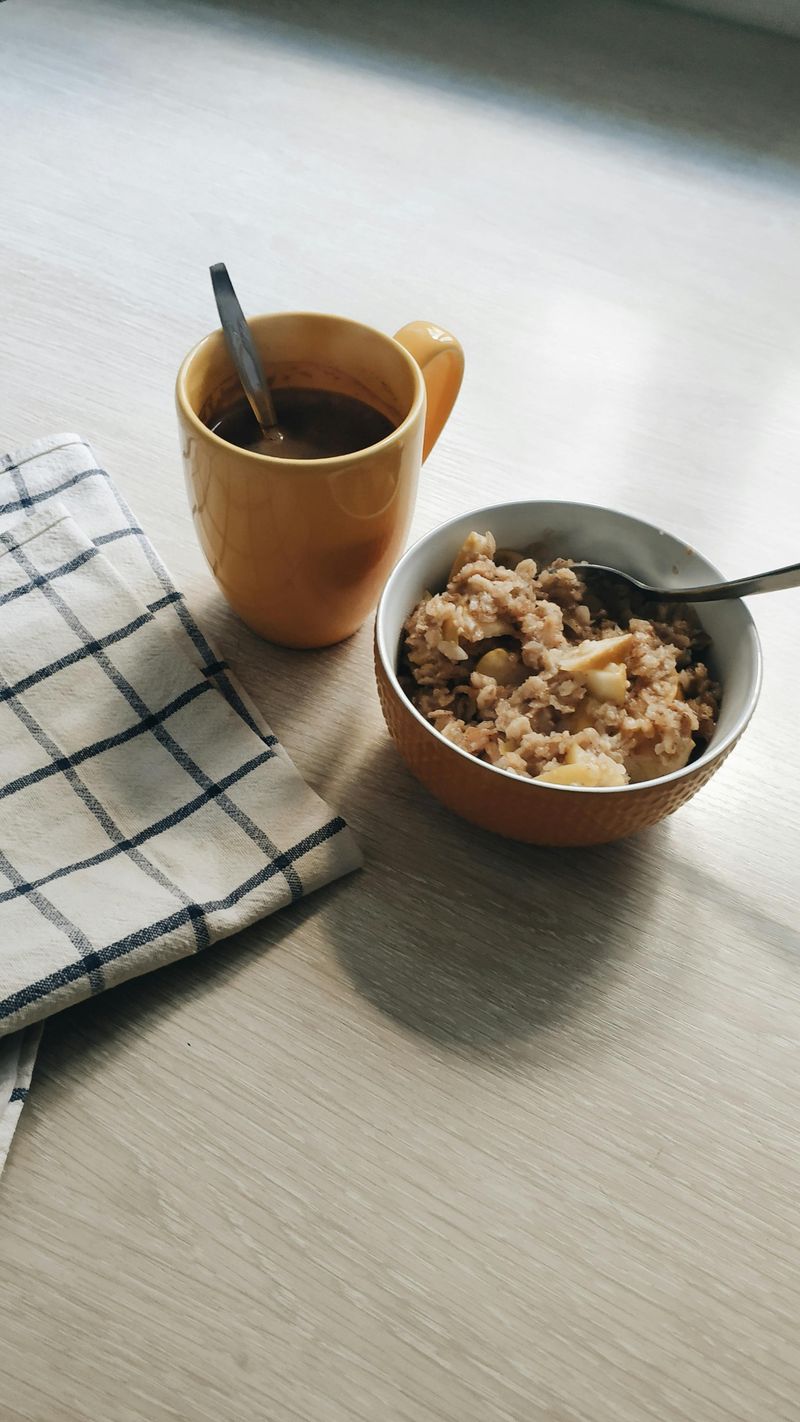
Warm oatmeal offers soluble fiber, especially beta glucan, that can support regularity without being harsh. Cook with water or milk and keep toppings simple while bloated.
I like cinnamon, banana, and a spoon of peanut butter for staying power. Avoid excessive sweeteners and large portions if your stomach is sensitive.
Steel cut, rolled, or instant oats can all work depending on time and texture preferences. Start with a half cup dry oats and adjust from there.
Add chia for extra fiber if tolerated. Oatmeal’s warmth and softness make it a reliable, comforting base when digestion needs a gentle nudge.
Kimchi Side
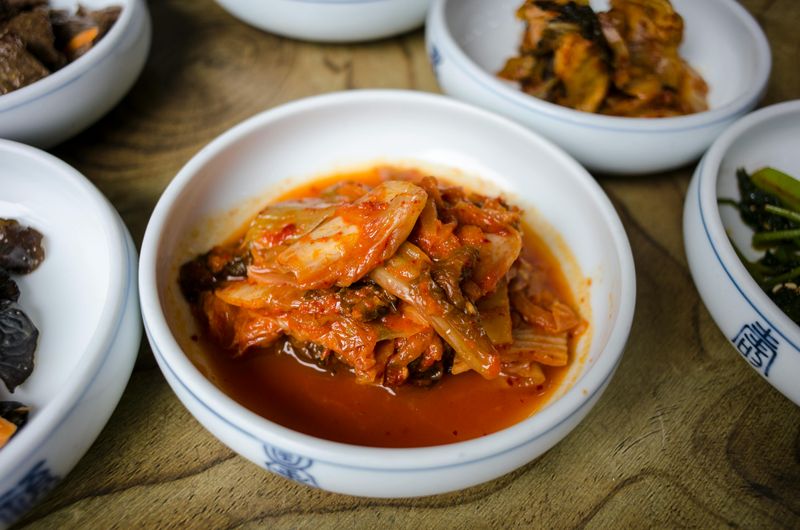
Kimchi is a spicy fermented cabbage dish rich in probiotics and bold flavor. A small side can enhance meals without overwhelming your stomach.
Pair a few bites with rice, eggs, or grilled fish. If heat triggers discomfort, choose milder styles or rinse lightly.
Start small to gauge your tolerance to spices and fermentation.
Look for refrigerated kimchi with simple ingredients and no excessive sugar. I enjoy it as a crunchy, tangy accent that wakes up simple bowls.
As your gut adapts, you may tolerate slightly larger portions. Consistent, modest servings can help support your microbiome while keeping bloat in check.
Rice White
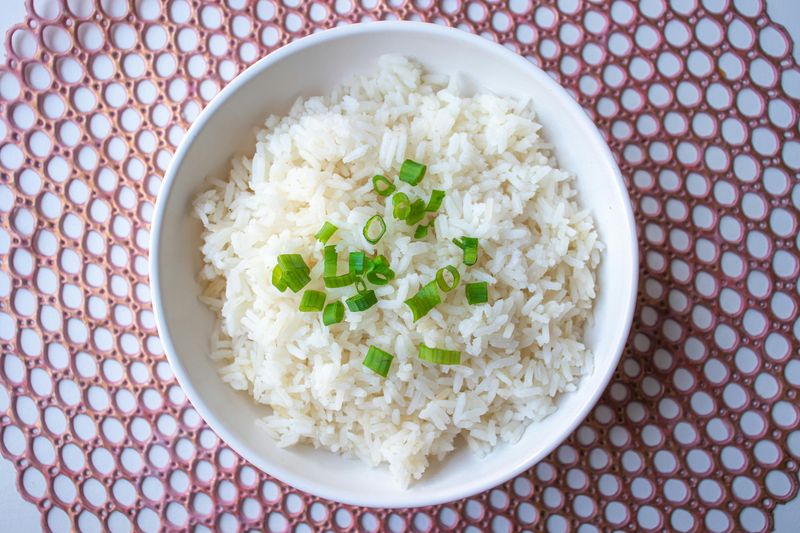
Plain white rice is low fiber and easy to digest, which can be helpful when your stomach needs a simple base. It provides quick energy without lots of fermentable fibers that may cause gas.
I like pairing rice with soft cooked vegetables, lean protein, and a splash of tamari for flavor.
If you are sensitive to high FODMAP foods, white rice often fits well. Keep portions moderate and chew slowly.
Consider congee for an even gentler option. When bloated, bland and warm meals can feel comforting, and rice delivers that calm, steady foundation your gut may be craving.
Fennel Seeds
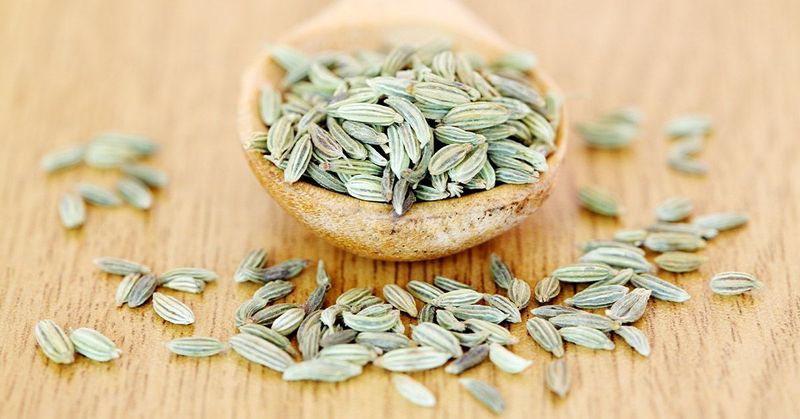
Fennel seeds are a classic digestive aid that many people chew after meals to reduce gas. Their aromatic oils may help relax intestinal muscles and ease cramping.
Brew a light fennel tea or crush a pinch and sprinkle over roasted vegetables. The flavor is sweet and herbal, making it easy to enjoy.
Start with half a teaspoon of seeds steeped in hot water for several minutes. I like combining fennel with ginger for a soothing blend.
If bloating persists, keep the rest of your meal simple. Gentle rituals like this can support digestion while you experiment with what feels best.
Cucumber Slices
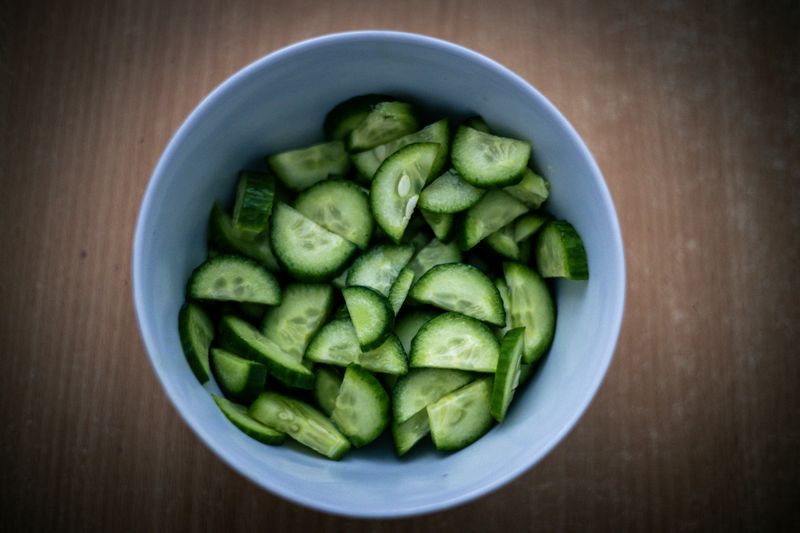
Cucumbers are crisp, hydrating, and low in fiber, which can feel comfortable when your belly is sensitive. Their high water content helps you stay hydrated, an often overlooked step for easing bloating.
Slice them thin with a pinch of salt and a squeeze of lemon. Keep portions reasonable to avoid extra sodium retention.
Pair cucumber with plain yogurt and dill for a quick, cooling side. I also like tossing slices into water with mint for a refreshing sip.
Simple textures and clean flavors calm a stressed gut. When in doubt, choose cooling produce that supports hydration and keeps meals light.
Pineapple Chunks

Pineapple contains bromelain, an enzyme that may assist protein digestion and reduce post meal heaviness. Sweet, juicy chunks feel refreshing and hydrating, especially on warmer days.
Enjoy a small bowl alone or add to cottage cheese for protein. If your mouth tingles, limit portions or choose very ripe fruit for gentler texture.
Bromelain supplements exist, but whole pineapple offers fiber and fluids too. I like pairing pineapple with mint and lime in a simple fruit salad.
If you are sensitive to acidity, balance it with yogurt. Listen to your stomach and adjust serving sizes to keep bloating under control.
Asparagus Cooked
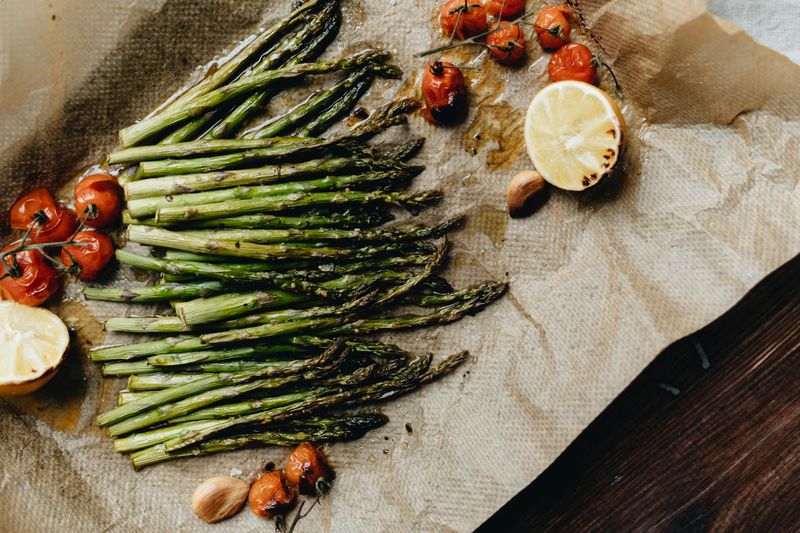
Lightly cooked asparagus can offer prebiotic fibers that feed good gut bacteria, supporting regularity over time. Cooking softens the stalks, making them easier to digest than raw.
Drizzle with olive oil and lemon, and season simply with salt. Keep portions moderate at first, since prebiotics can increase gas while your gut adapts.
Roasting or steaming both work well. I like chopping leftovers into an omelet or rice bowl.
If asparagus causes sulfurous odor, know it is harmless. Pair with gentle foods like rice or fish to keep the meal calm.
Gradual exposure can help your system handle fibers more comfortably.
Miso Soup

Miso soup is a soothing, savory option made from fermented soybean paste that may support a healthy gut. Warm broth feels gentle when you are bloated, and small tofu cubes add soft protein.
Keep the portion light, and avoid very salty versions. Pair with white rice for a simple, balanced meal.
Choose pasteurized or unpasteurized miso based on preference, knowing live cultures are highest in unpasteurized products. I stir miso into warm, not boiling, water to protect delicate compounds.
Add ginger or mushrooms if tolerated. Sip slowly, and let the warmth relax your belly while flavors stay clean and comforting.
Pumpkin Puree

Smooth pumpkin puree delivers soluble fiber that helps form soft, easy to pass stools while being gentle on the gut. Stir into oatmeal, blend into smoothies, or warm with cinnamon for a cozy side.
Choose plain canned puree, not pie filling. Start with a few spoonfuls if fiber sometimes makes you gassy.
Pumpkin’s potassium supports fluid balance when bloating feels puffy. I like mixing puree with yogurt for a quick snack.
When symptoms flare, keep add ins simple and avoid excess sweetener. The creamy texture and mellow flavor make pumpkin an approachable, digestion friendly staple you can use many ways.
Apple Cider

Apple cider vinegar is a popular pre meal tonic some people find helpful for digestion. Dilute one to two teaspoons in a large glass of water to reduce throat irritation and enamel concerns.
Sip before eating and notice how you feel. If it causes discomfort, skip it and choose gentler options.
Unfiltered versions contain the mother, which some believe supports gut health. I add a drizzle of honey and lemon when I want a softer taste.
It is not a cure all, but it might help appetite regulation and post meal comfort. Always listen to your body first.
Probiotic Drink

A ready to drink probiotic beverage can be a convenient way to support your microbiome. Look for products with clearly listed strains and colony counts, and minimal added sugar.
Start with a small daily serving and track how you feel. Consistency matters more than intensity, especially when bloated or sensitive.
Some drinks combine probiotics with prebiotic fiber, which may cause gas at first. If that happens, pick a simpler option and build slowly.
I keep one in the fridge for busy mornings. Pair with a gentle breakfast like oatmeal or eggs so your stomach stays calm while the cultures settle.
Carrot Steam

Steamed carrots offer gentle fiber with a soft texture that is kind to a sensitive stomach. Cooking breaks down some fibers, helping reduce bloating compared to raw.
Season lightly with olive oil and salt, or add a touch of ginger for warmth. Pair with rice and chicken for a simple, soothing plate.
Carrots also bring beta carotene and hydration. Start with a small serving and chew well.
I like mashing them slightly when I want ultra soft comfort. Keep spices minimal when symptoms flare.
Tuning into texture and temperature can make vegetables easier to enjoy during delicate digestive moments.
Plain Yogurt

Plain yogurt gives your gut friendly backup by delivering live and active cultures that may support a balanced microbiome. Choose unsweetened varieties to avoid extra sugar that can make bloating worse.
You can enjoy it as a snack, stir it into smoothies, or spoon it over fruit for a creamy, satisfying base.
If dairy bothers you, try lactose free or coconut based yogurts with added probiotics. Start with a small portion and see how your stomach responds.
I like pairing yogurt with chia seeds and cinnamon for gentle fiber and flavor. Keep it simple, and your digestion may thank you.
Enjoyed this story?
Add Fast Food Club as a preferred source to see more of our reporting on Google.