


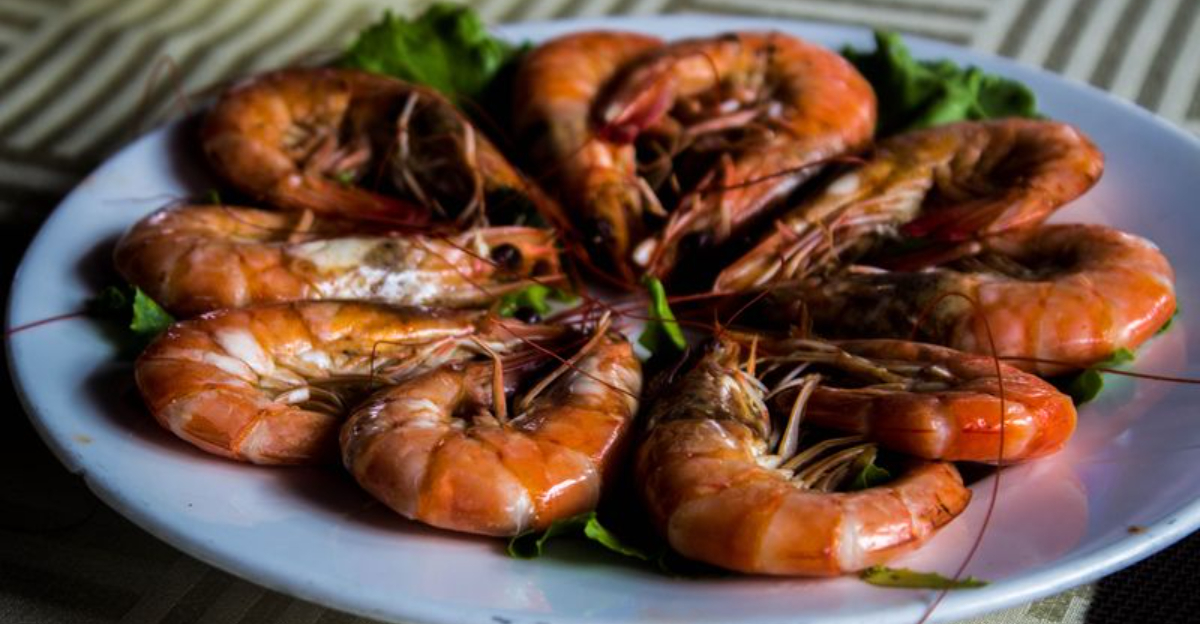
Remember when a few clever grocery choices could feed everyone and still leave wiggle room in the wallet? Lately, the old standbys that once stretched a family budget seem to do the opposite.
Prices climbed, packages shrank, and even leftovers feel less generous. Here is a real world tour of once thrifty foods and practical ways to keep them working for you.
Chicken Wings
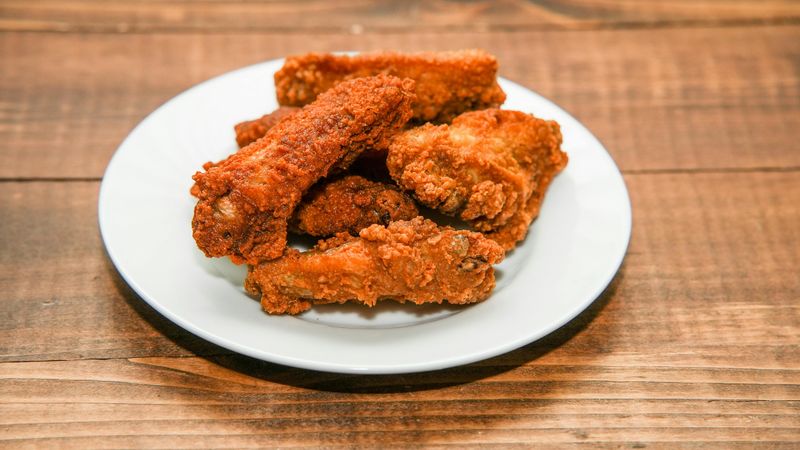
Once the cheapest party platter, chicken wings used to be bargain gold. You could feed a crowd with a saucy sheet pan and still keep change for dessert.
Then game day hype, fryer culture, and restaurant demand lifted prices faster than you can say extra crispy.
At home, you now pay premium rates for smaller portions and extra prep. Thrifty cooks pivot to drumsticks, bone in thighs, or whole chickens broken down in the kitchen.
If cravings hit, buy plain party packs, bake high heat, and toss in a butter cornstarch glaze for shattering crunch.
Brisket
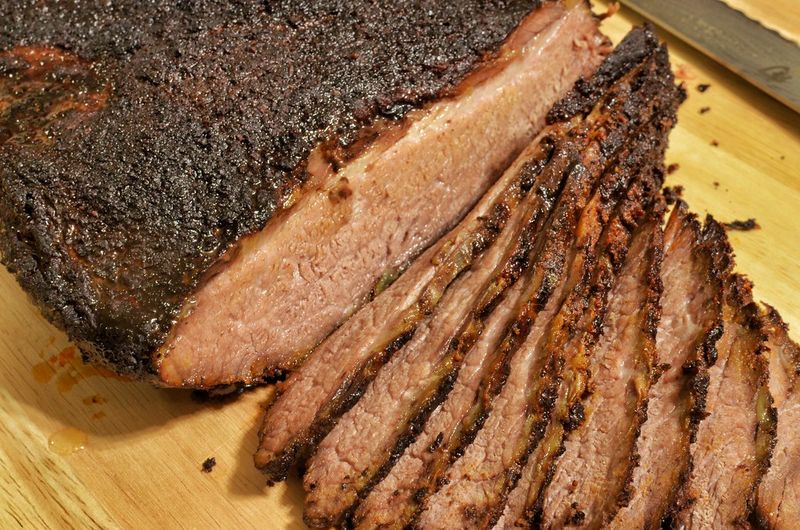
Brisket once meant big flavor on a small budget, slow cooked until tender. Barbecue fame and Instagram smoke rings changed the math, pushing a tough cut into luxury territory.
Holidays and competition teams bid up supply, so even supermarket flats carry steak like pricing today.
Stretch value by buying whole packers and trimming at home, then freezing portions for future cooks. Pressure cook or braise with onions to mimic smoke depth when time and fuel run short.
For sandwiches, slice thin against the grain, and spike leftovers into chili or tacos for second night wins.
Oxtail
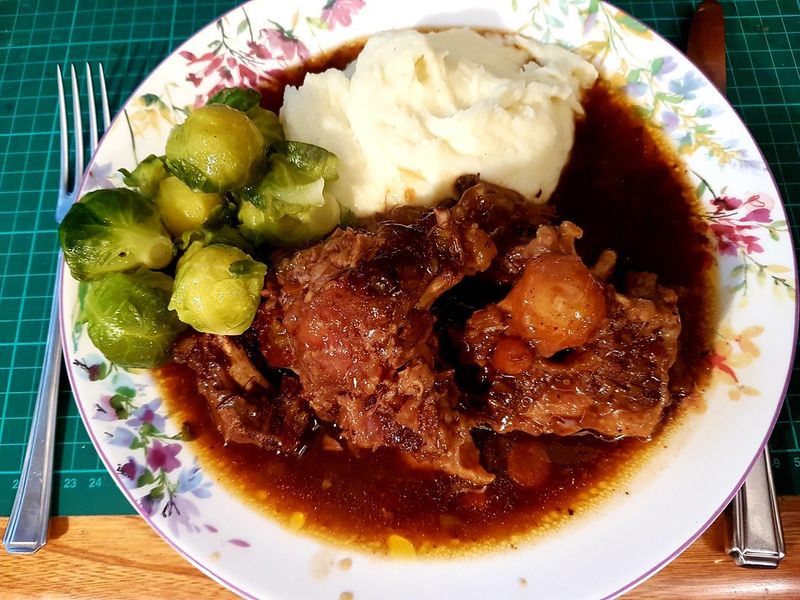
Oxtail used to be a butcher’s secret, bones and collagen sold for pennies. Global stew trends and slow cooker fame turned that secret into a splurge.
Rich braises now cost as much as prime steaks in some markets, leaving comfort food fans shocked at the register.
You can still coax value by buying mixed soup bones, shanks, or beef neck instead. Brown hard, pressure cook with aromatics, and finish uncovered to reduce into glossy sauce.
Serve over polenta or beans, and save the gelatin rich liquid for next week’s grains, stretching flavor across meals with ease.
Bacon
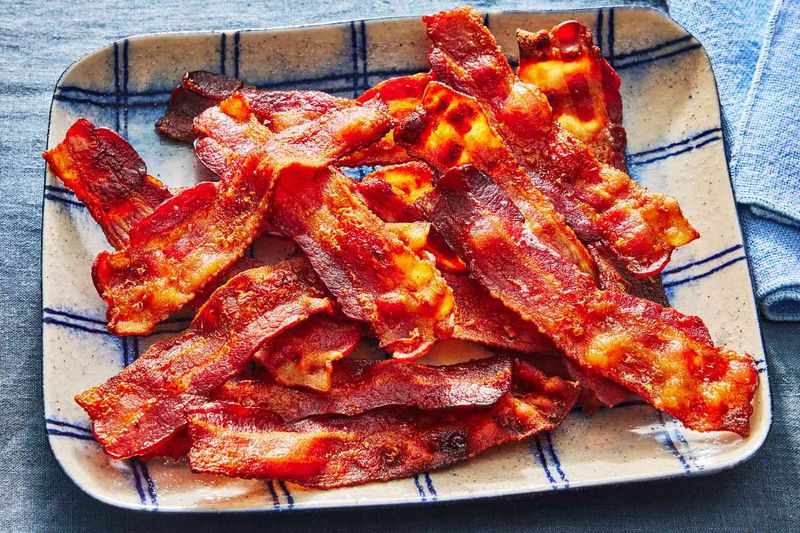
Bacon was the thrifty trim that made everything taste better, from beans to breakfast. Craft cures, thick slices, and maple infusions pushed prices up while packages shrank.
Even sale racks hide higher per ounce costs, so that weekend BLT suddenly eats the budget first.
Save money by buying ends and pieces, baking on racks, then chopping to sprinkle where flavor counts. Render fat for frying eggs and greens, and freeze cooked crumbles in flat bags.
When cravings hit, swap smoky paprika and miso butter on roasted vegetables to scratch that savory itch. Your skillet will thank you.
Eggs
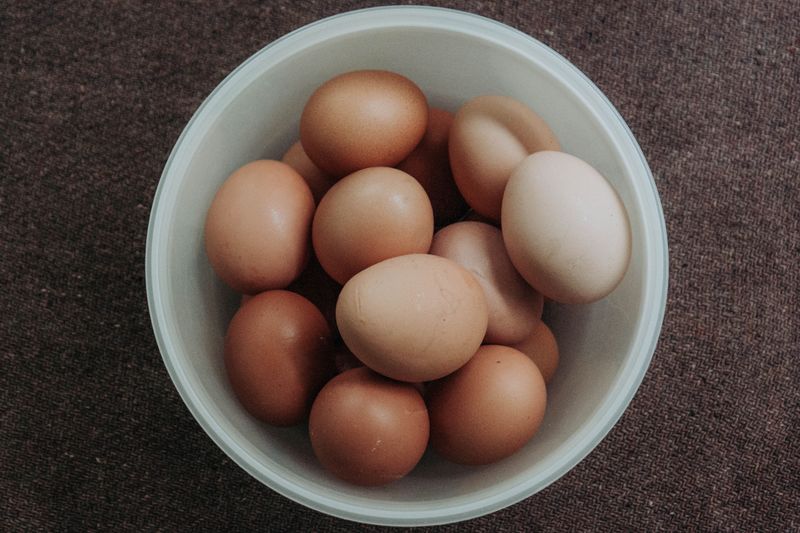
Eggs were the inflation proof hero, breakfast, baking, and dinner rescue in one carton. Then feed costs, supply shocks, and viral brunch culture pushed prices higher across regions.
Sticker surprise hit hard because families count on egg versatility to stretch proteins and add richness without spending much.
Work the budget by buying larger flats, rotating frittatas, and pairing with hearty greens and beans. Steam soft yolks over rice, or make soy marinated eggs for satisfying bowls through the week.
Use aquafaba or flax gel for some baking tasks, saving precious eggs for eating where texture shines.
Ground Beef
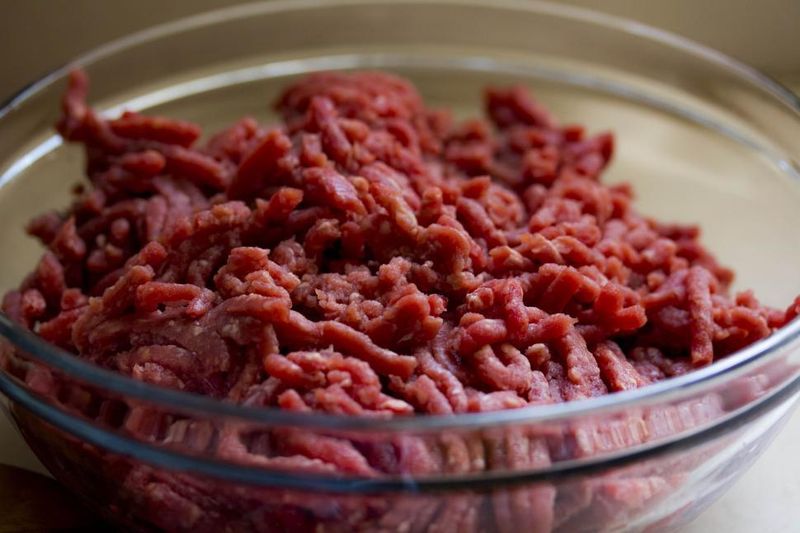
Ground beef was the weeknight anchor, turning into tacos, meatloaf, and skillet pasta with change to spare. Burger chains, export demand, and lean grind trends nudged prices upward while fat content dropped.
Suddenly, that family pound does not travel as far as your calendar needs.
Stretch it by mixing minced mushrooms, lentils, or grated zucchini for moisture and bulk. Brown deeply, drain, then stir back a spoon of butter for richness that rivals pricier blends.
Buy larger chubs, portion and freeze flat, and reserve a little for dumplings or stuffed peppers later. You will not notice.
Butter
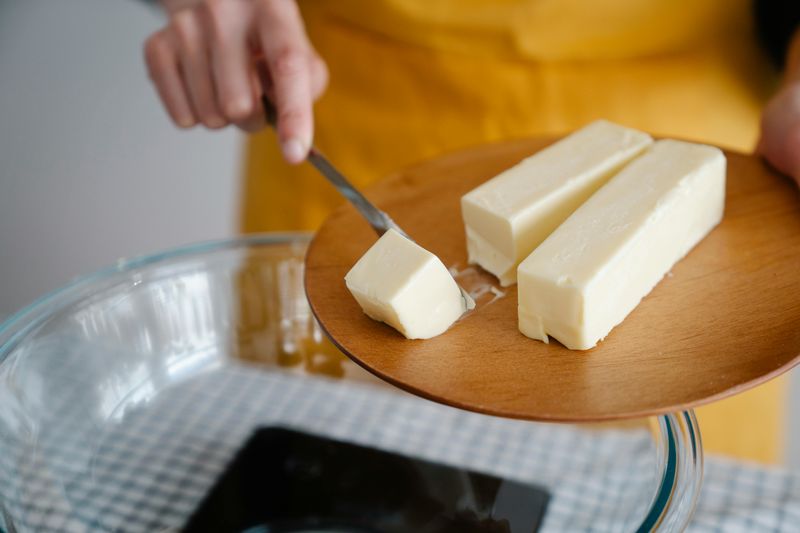
Butter used to be a stock up special, holiday bricks piled in the freezer. Dairy consolidation, feed costs, and baking booms tightened supply and bumped prices.
With smaller quarters and premium labels crowding shelves, pure butter flavor feels like a splurge on ordinary Tuesdays.
Stretch by blending half butter, half neutral oil when sauteing, saving pure pats for finishing. Brown it to amplify nuttiness, so you need less overall on vegetables and pasta.
Bake with oil based cakes, then showcase butter in cookies or sauces where its aroma sings loudly. Freeze sticks during sales.
Label dates.
Coffee Beans
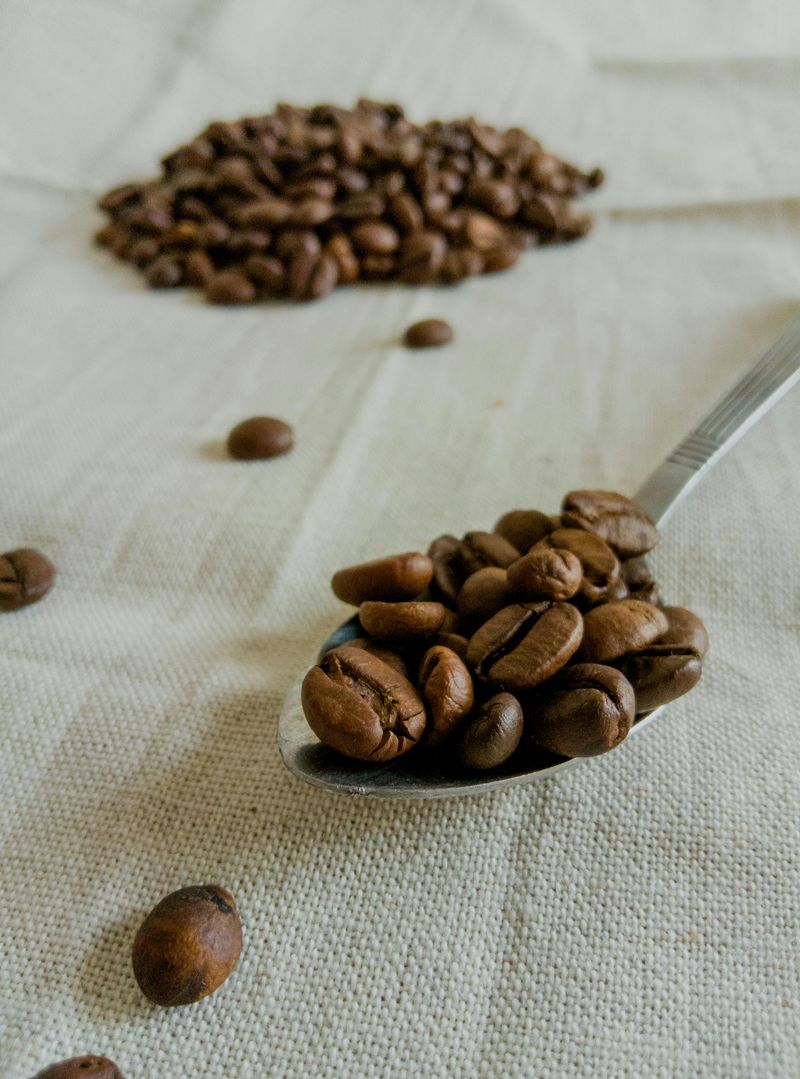
Whole coffee beans once delivered cafe vibes at home for quarters per cup. Climate swings, shipping snags, and specialty roaster buzz drove prices higher than many expected.
Even supermarket bags shrink while subscription boxes tempt you with tasting notes and limited lots.
Brew smarter by buying medium roast, grinding on demand, and using a scale to dial extraction. A coarser grind and cooler water can save grounds without sacrificing sweetness.
Stretch further with cold brew concentrate, then top with hot water for an Americano like cup that still tastes indulgent. Store beans airtight, away from light.
Salmon
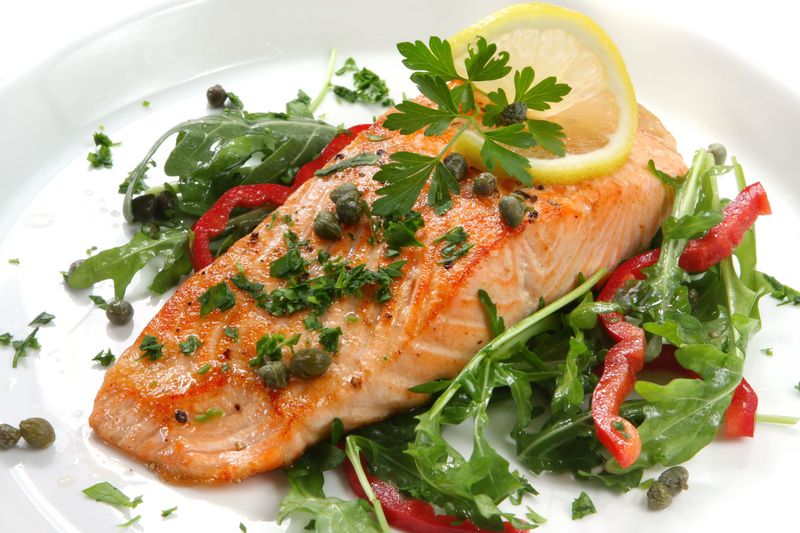
Salmon once felt like the healthy bargain fish, sold in generous sides for easy roasting. Supply pressures, brand premiums, and convenience fillets raised per pound costs sharply.
Even canned salmon climbed, turning pantry patties into a pricier play.
Buy whole sides during sales, portion and freeze flat with skin on to protect moisture. Roast low and slow, then flake into chowders, salads, and rice bowls to spread flavor.
For a cheaper omega boost, rotate mackerel and sardines, and use salmon trimmings for burgers or fish cakes. Smoky spice rubs add punch without extra fish.
Cost friendly magic.
Avocados
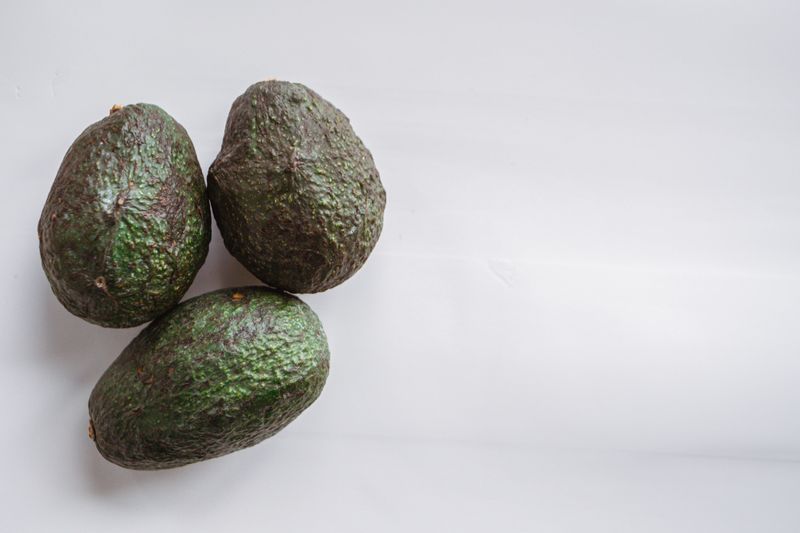
Avocados once meant creamy nutrition for pocket change, perfect for toast, salads, and tacos. Weather swings, labor, and marketing demand made prices unpredictable and often steep.
Ripeness losses also sting, since half a bag can brown before sandwich day arrives.
Nurse value by buying firm fruit, ripening in paper bags, then refrigerating at peak softness. Mash with peas or edamame for bulk, bright lime, and protein that stretches guacamole nights.
For sandwiches, spread thin, layer cucumbers, and finish with chili salt, keeping that buttery vibe without sacrificing tomorrow’s budget. Freeze puree for smoothies and dressings.
Olive Oil
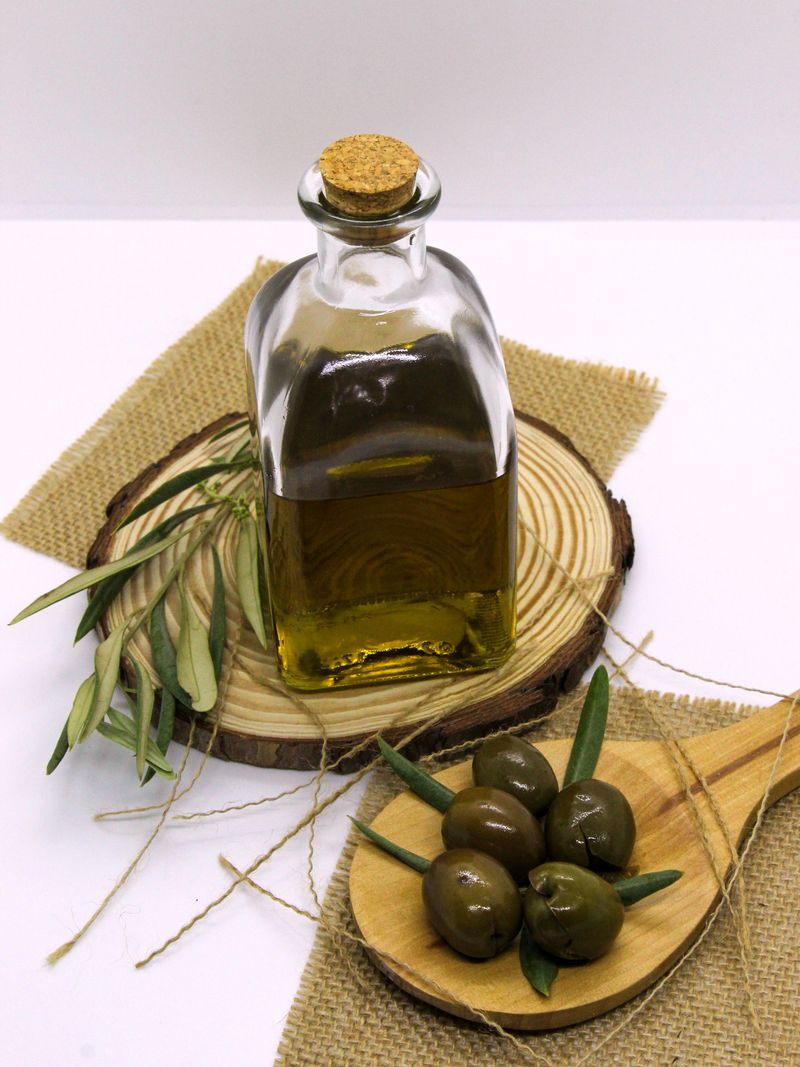
Olive oil long served as the economical upgrade, making beans, greens, and bread sing. Droughts, crop disease, and bottling costs sent prices skyward, especially for extra virgin.
Smaller bottles hide higher unit costs, and flavored blends often mask lower quality.
Buy larger tins, decant into dark glass, and reserve the good stuff for finishing. For cooking, use refined or blended oils, letting garlic and herbs bring character.
Bake with neutral oil, then drizzle real extra virgin on soups and salads, where peppery notes pop and you use less. Taste side by side to train your palate.
Rotisserie Chicken
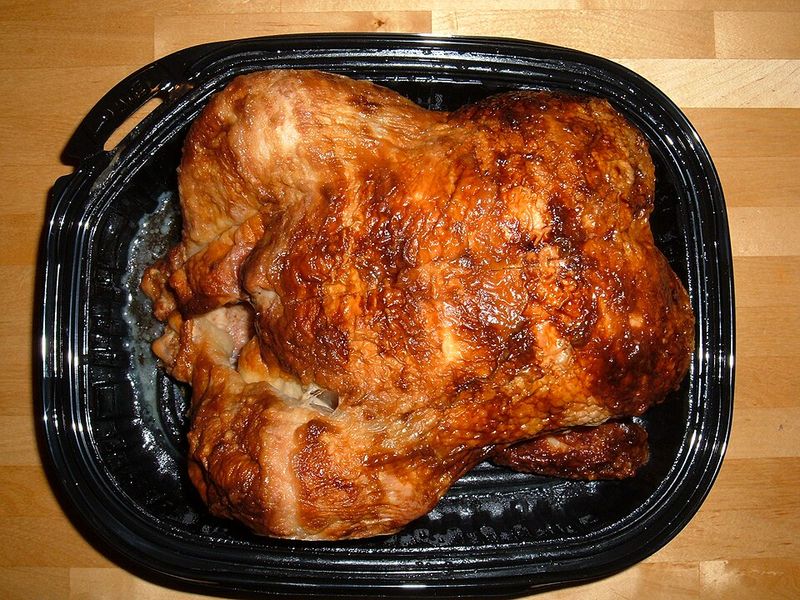
Rotisserie chickens once undercut raw birds, turning into two or three meals without fuss. Feed costs, packaging, and prepared foods margins narrowed the gap, especially outside warehouse clubs.
Seasoned birds may weigh less than labels suggest, making leftovers disappear sooner than planned.
Stretch value by carving immediately, chilling white meat for salads, and simmering bones into stock. Crisp the skin in a skillet and chop for fried rice or quesadillas.
If prices spike, roast two plain whole chickens on sale, spice at serving, and bank broth for noodles and gravy. Leftovers freeze beautifully in small bags.
Fresh Berries
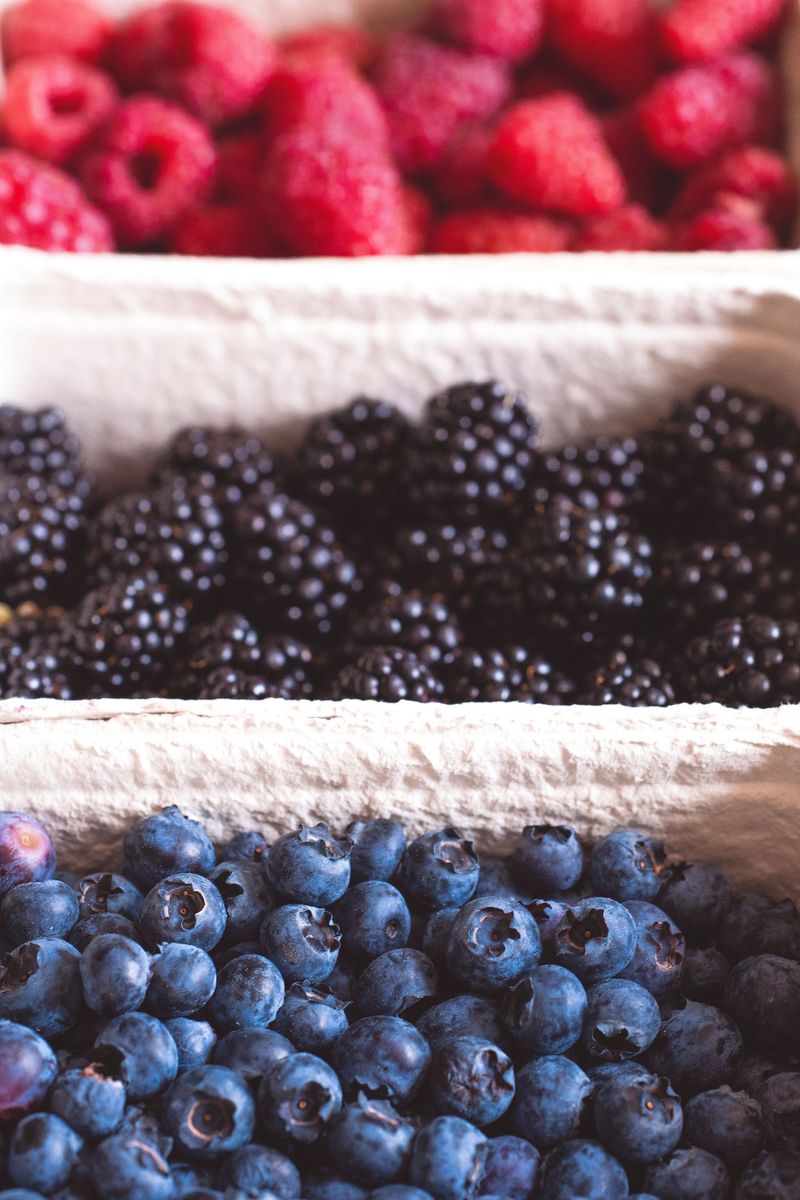
Fresh berries once felt like affordable summer luxury, piled on yogurt or pancakes. Weather volatility, labor, and clamshell logistics nudged prices upward, especially outside peak season.
Shrinkflation shows up as lighter packs and more air than fruit.
Buy frozen for smoothies and sauces, saving fresh for toppings when texture matters most. Mix pricier raspberries with cheaper blueberries, and rinse gently right before serving.
Macerate with sugar and lemon to extend shelf life, then spoon over biscuits, pancakes, or oats for bright, budget friendly sweetness. Freeze peak season hauls on trays.
Jam small batches for pancakes and gifts.
Sourdough Bread
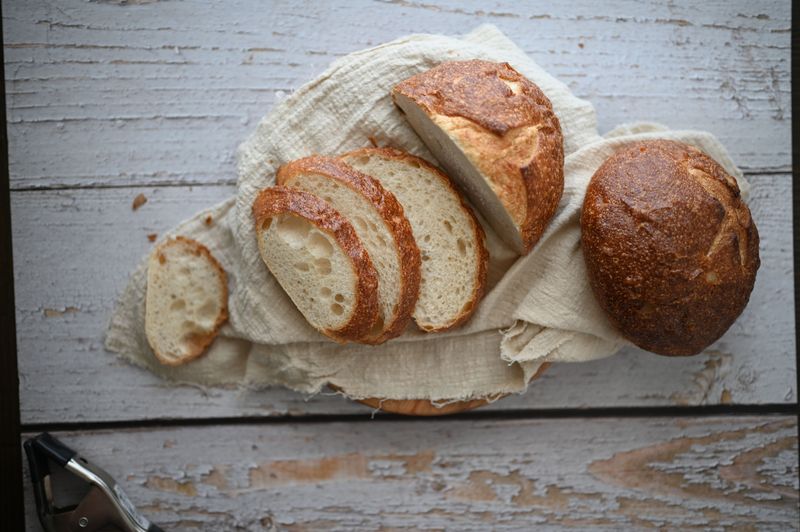
Sourdough used to be a humble bakery standby, big loaves priced to share. Trendy artisan crusts, specialty flours, and long ferments raised costs and shrank slices.
Paying extra for bubbles and blisters can feel rough when lunchboxes need steady sandwiches.
Return value by baking at home, keeping a small starter and feeding with all purpose flour. Bulk buy flour, track hydration, and bake two loaves, freezing slices between sheets.
For store loaves, toast to wake flavor, add olive oil and vinegar, and stack vegetables high to stretch servings. Share starter to cut waste and costs.
Ribeye Steak
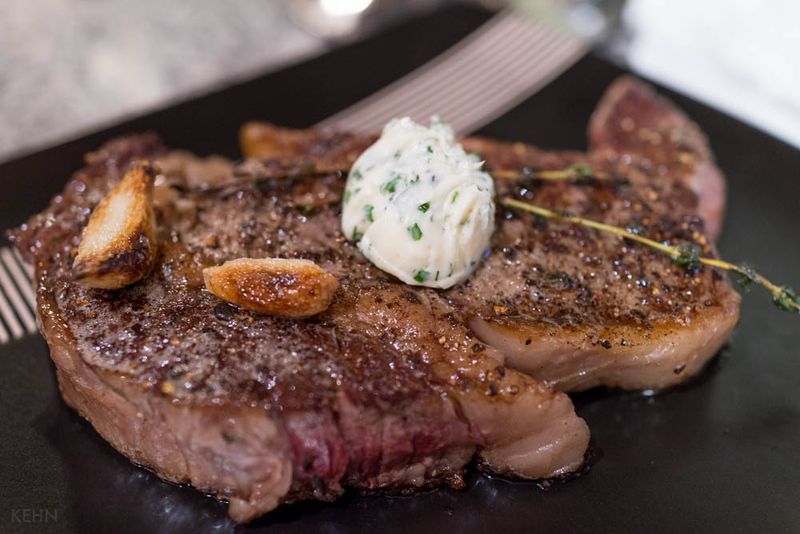
Ribeye felt like the occasional splurge that fed two with leftovers for hash. Now premium grading, dry aging, and steakhouse demand push prices to eye watering levels.
Boneless cuts weigh smaller but cost more, straining a weekend treat tradition.
Hunt value in chuck eye, sirloin cap, or tri tip, and slice thin after resting. Reverse sear to maximize crust, then finish with butter and herbs so smaller steaks satisfy.
Stretch further by serving family style over greens and grains, letting drippings dress the entire platter. Marinate trims for skewers and tacos.
Share one steak across four plates.
Pecans
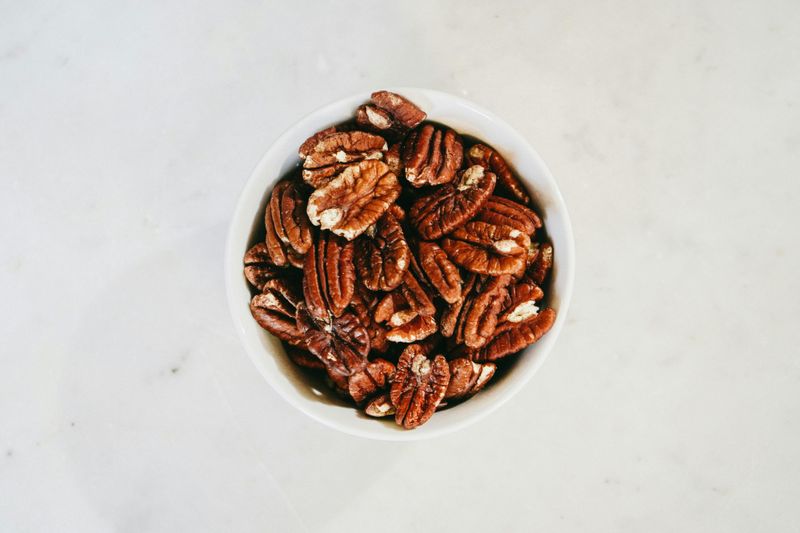
Pecans once lived in bulk bins as an affordable nut for pies and snacking. Weather, crop cycles, and export demand tightened supply and lifted prices sharply.
Pre toasted, pre chopped bags add markups that make simple granola surprisingly costly.
Buy raw halves, toast at home, and store airtight in the freezer to protect oils. Mix with cheaper sunflower seeds in trail mix, stretching crunch and nutrition smartly.
Candy small batches with maple and salt, then sprinkle over salads and oats where a little goes a long way. Chop finely to make coatings stretch.
Use sparingly.
Dark Chocolate
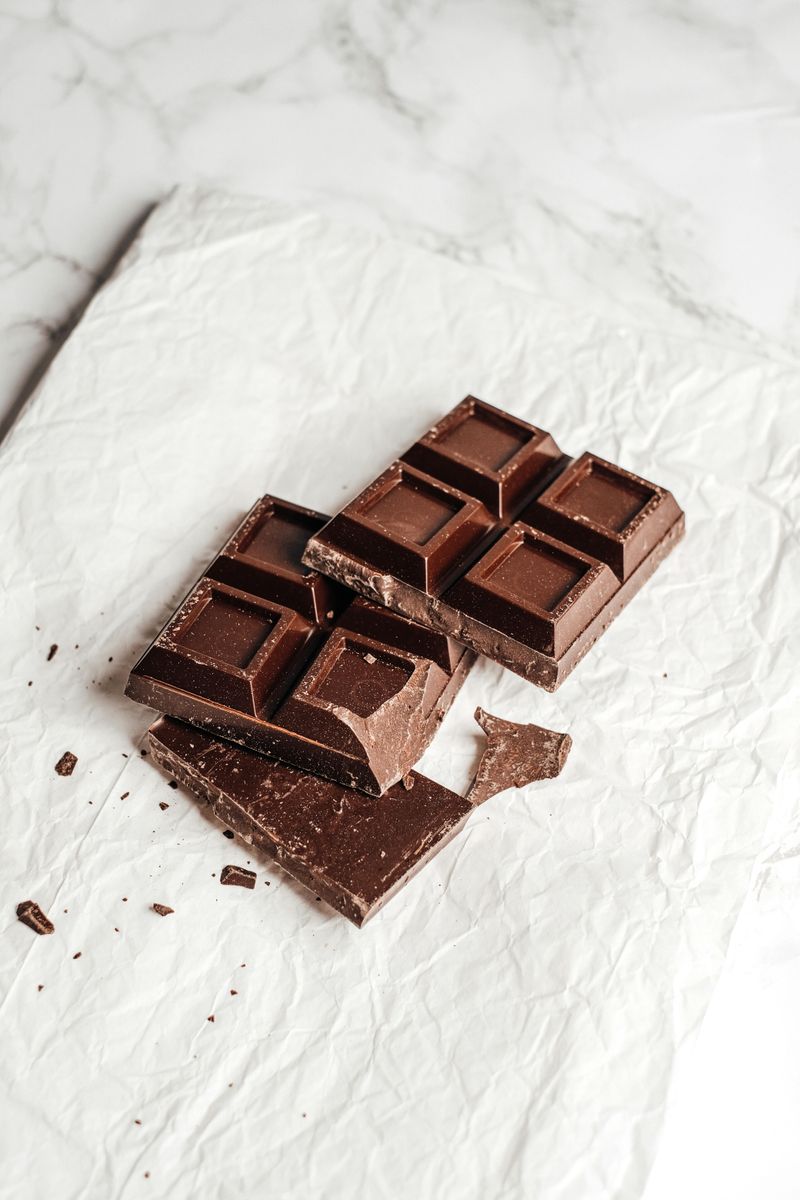
Dark chocolate used to be a luxe feeling bargain, a small square after dinner. Cocoa supply pressures, ethical premiums, and fancy packaging raised costs per ounce.
Bars shrank while inclusions multiplied, turning simple indulgence into a calculated purchase.
Stretch enjoyment by melting chips for bark with nuts and fruit, then portioning squares. Choose higher cacao bars, where a little satisfies more, and savor slowly with coffee.
Store cool and sealed, and save premium single origins for nights when tasting notes become your dessert conversation. Share plates make splurges feel generous.
Pair with oranges or cherries for brightness.
Crab Cakes
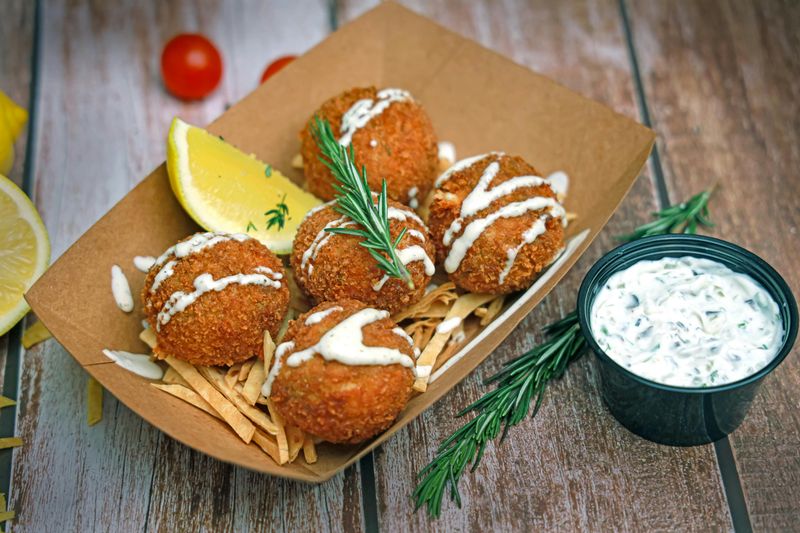
Crab cakes once stretched with breadcrumbs and herbs, offering seaside flavor on a budget. Now premium lump meat dominates labels, and filler free marketing drives costs sky high.
Restaurant pricing set expectations that home cooks feel at the fish counter.
Stretch seafood by mixing finely chopped shrimp or white fish with crab, keeping big flakes for the center. Pan fry smaller patties and serve on greens with lemony yogurt.
For sandwiches, make one cake per two buns, then layer tomatoes, pickles, and slaw so texture carries the bite. Chill mixes to firm before cooking.
Waste less oil by shallow frying.
Lobster Rolls
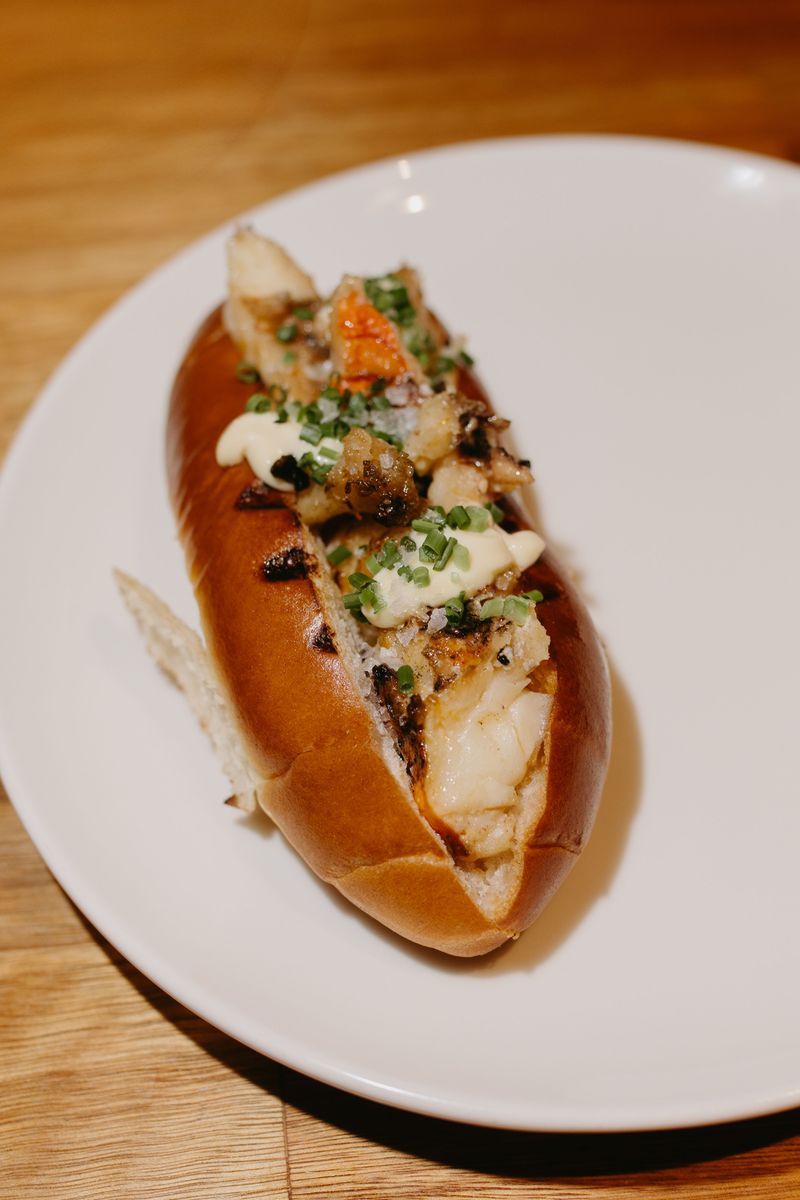
Lobster rolls used to be a special treat that shared one tail across two buns. Tourism, labor, and bait costs pushed prices higher than many vacation budgets allow.
Butter soaked hot dog buns now frame meat that feels more precious than steak.
Save by making split rolls at home, toasting in butter, and folding in celery for crunch. Use smaller amounts of lobster, padding with shrimp or pollock, and bright lemon mayo.
Serve with chowder and chips so each roll goes further, keeping that coastal joy without coastal prices. Buy frozen tails off season when sales hit.
Shrimp
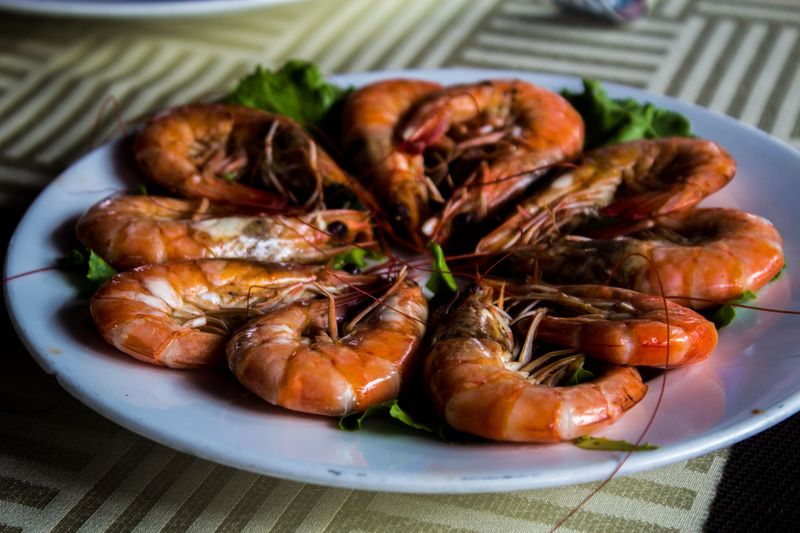
Shrimp used to be a freezer staple for fast, affordable dinners. Aquaculture shifts, labor, and feed costs pushed prices up while bag weights quietly dropped.
Pre cooked trays with sauces add premiums that make quick scampi feel strangely extravagant.
Buy raw, peeled, tail off when possible, and thaw gently in salted water for better texture. Stretch servings by pairing with grits, rice, or vegetables, letting garlicky butter sauce carry flavor.
Keep shells to simmer a quick stock, boosting tomorrow’s soup or risotto without buying more seafood. Buy larger, cook fewer, and chop for tacos or fried rice.
Enjoyed this story?
Add Fast Food Club as a preferred source to see more of our reporting on Google.