


Think milk is the only way to boost your calcium? Think again.
From crunchy seeds to leafy greens and even surprising fruits, there are delicious, everyday foods that stack up impressively against a glass of milk. Dive in to discover flavorful, easy options that help you build stronger bones, support muscles, and keep your heart ticking smoothly.
You will leave with simple, tasty ideas you can add to your plate today.
Yogurt

Yogurt is a creamy, versatile calcium hero that fits effortlessly into breakfast, snacks, and sauces. Choose plain Greek for more protein and less sugar, then dress it up with fruit, nuts, or a spoon of jam.
Many yogurts are fortified, so you can get even more bone-supporting goodness in every spoonful.
To keep added sugar low, read labels and pick unsweetened varieties you genuinely enjoy. Stir in chia seeds for extra fiber and a satisfying texture.
If dairy bothers you, try lactose free or plant based yogurts that still deliver calcium, live cultures, and a tangy, spoonable treat.
Cheese

Cheese brings concentrated calcium in a delicious, snackable package. A small slice of cheddar or Swiss can deliver impressive amounts, making it perfect for quick bites and satisfying toppings.
Pair it with crisp apples or whole grain crackers to balance richness with crunch and fiber.
Portion control matters because cheese is energy dense. Grate flavorful varieties to stretch a little further over salads, soups, and roasted vegetables.
If sodium is a concern, look for lower sodium options or choose naturally milder cheeses. Enjoy cheese mindfully and you will still capture its bone-loving benefits without overdoing calories or salt.
Sardines

Sardines are tiny but mighty, especially when eaten with their edible bones, which are rich in calcium. They also bring omega 3 fats, vitamin D, and protein, a dream team for strong bones and heart health.
Keep a few tins in your pantry for quick meals.
Toss sardines into salads with tomatoes, olives, and arugula, or mash with mustard and capers for toast. If the flavor is bold for you, start with lemon or tomato packed varieties.
Their convenience, affordability, and nutrients make sardines a smart, shelf stable staple you can enjoy anytime.
Tofu

Calcium set tofu is a plant based powerhouse when made with calcium sulfate. It delivers solid calcium alongside protein, iron, and versatility for countless recipes.
Press extra firm tofu to remove moisture, then pan sear, bake, or grill for a satisfying golden crust.
For gentle flavors, marinate with soy sauce, ginger, and garlic. Crumble tofu into tacos, blend into creamy sauces, or cube it into soups and curries.
Check labels to confirm calcium set varieties. With a neutral taste that absorbs seasonings, tofu slides into your weekly meals while quietly boosting your calcium intake.
Kale

Kale steps up with absorbable calcium, plus vitamin K and antioxidants that support whole body wellness. Massage the leaves with olive oil and lemon to tame bitterness and make salads tender.
You can also sauté kale with garlic until silky and bright for a fast, flavorful side.
Blend it into smoothies with pineapple for a sweet balance, or fold chopped kale into omelets, pasta, and grain bowls. If raw kale feels tough, remove the ribs first.
However you cook it, kale adds color, crunch, and calcium to everyday meals without much fuss or time.
Broccoli

Broccoli delivers calcium in a family friendly package, along with fiber, vitamin C, and plant compounds that support health. Light steaming keeps its crunch while preserving nutrients, making it easy to love.
Add a sprinkle of parmesan or a squeeze of lemon for brightness.
Toss roasted broccoli with olive oil, garlic, and chili for a caramelized edge. Chop it small to blend into pasta sauces or mac and cheese for picky eaters.
Frozen florets work beautifully for speed. Broccoli’s versatility means you can slide more calcium onto your plate without changing your routine much.
Almonds

Almonds bring crunch, healthy fats, and a respectable dose of calcium in every handful. They also add magnesium and vitamin E, creating a bone and skin friendly snack you can grab anytime.
Sprinkle chopped almonds over yogurt, oatmeal, salads, or roasted vegetables for easy texture.
If portions creep up, try pre portioning small bags to keep calories balanced. Almond butter offers the same benefits with creamy convenience for toast, smoothies, and sauces.
Roast almonds lightly to unlock deeper flavor. Keep them in your pantry and you will always have a nutrient dense, satisfying way to support bones.
Sesame seeds

Sesame seeds are tiny calcium gems, whether sprinkled on dishes or blended into tahini. A spoonful goes a long way, adding nutty depth to dressings, noodles, and roasted vegetables.
Toast the seeds briefly to release aroma and amplify crunch.
Tahini whisked with lemon, garlic, and water becomes a creamy, dairy free sauce for bowls and salads. Stir sesame into stir fries, scatter over avocado toast, or press onto baked tofu for a crisp coat.
Keep a jar within reach and you will easily elevate flavor while boosting your daily calcium in minutes.
Chia seeds

Chia seeds quietly deliver calcium, fiber, and plant omega 3 fats that help you feel full and nourished. When mixed with liquid, they form a pudding like texture that works for breakfasts and snacks.
Sweeten lightly with fruit or cinnamon to keep sugar in check.
Stir chia into yogurt, oatmeal, or smoothies for instant thickness and crunch. Make overnight chia pudding with almond milk for grab and go mornings.
If texture feels unusual, start with a teaspoon and build up. These tiny seeds are an easy, portable way to boost calcium without much effort.
White beans

White beans pack calcium along with plant protein and fiber, making meals hearty and satisfying. Canned beans save time, while dried beans offer a creamy texture when simmered slowly.
Add them to soups, stews, salads, or mash with herbs and lemon for a quick spread.
Pair beans with vitamin C rich veggies like peppers or tomatoes to support mineral absorption. For easier digestion, rinse canned beans well.
White beans take on flavors easily, so they adapt to whatever you are cooking. Keep them in rotation and your calcium intake gets a steady, budget friendly lift.
Figs

Figs, fresh or dried, offer gentle sweetness alongside calcium and fiber. Their jammy texture makes them perfect with yogurt, cheese boards, or grain bowls.
Dried figs are concentrated, so a few pieces can deliver a meaningful mineral nudge when you need it.
Chop figs into salads with arugula and walnuts, or simmer into a quick compote for toast. For dessert, roast figs with a splash of balsamic to deepen flavor.
If you prefer less sugar, pair with protein rich foods. Figs feel indulgent yet purposeful, bringing calcium to your day in a naturally elegant way.
Fortified plant milk

Fortified plant milks can rival or exceed dairy milk for calcium when you choose the right brand. Shake the carton, since added minerals can settle, and check labels for vitamin D, which helps your body use calcium.
Almond, soy, oat, and pea milks all work beautifully in coffee, cereal, and smoothies.
Pick unsweetened varieties to avoid hidden sugars. If you miss creaminess, try barista blends that foam well and feel richer.
Rotate types to keep flavors interesting. With smart choices, plant milk becomes an effortless daily habit that supports bones while fitting your taste, budget, and dietary preferences.
Oranges

Oranges are not just about vitamin C. Some varieties and juices are fortified with calcium, turning your glass or snack into a bone friendly boost.
The natural sweetness pairs well with yogurt, salads, and savory dishes that crave a bright, citrusy pop.
Enjoy whole oranges for fiber that keeps you full and slows sugar absorption. Zest the peel over oatmeal or roasted vegetables for intense aroma.
If you choose juice, look for calcium fortified and keep portions moderate. Oranges bring refreshment, antioxidants, and potential calcium in one sunny, easy to love package.
Collard greens

Collard greens are calcium rich leafy classics that turn tender and silky with a gentle braise. They also deliver vitamin K and fiber, supporting bones and digestion together.
Slice leaves thin and simmer with garlic, onion, and a splash of vinegar for balanced brightness.
For quicker meals, sauté collards with olive oil until just wilted, then finish with lemon. Add to grain bowls, beans, or scrambled eggs for a simple upgrade.
If bitterness worries you, remove thick stems or cook slightly longer. Collards are budget friendly, flavorful, and built to support your bones day after day.
Okra

Okra brings calcium with a pleasantly grassy flavor and a texture that can go crisp or silky. Roast the pods at high heat for browned edges, or simmer gently into stews where they naturally thicken.
That versatility makes okra a creative way to diversify your vegetable routine.
Toss with curry spices, fold into gumbo, or sauté with tomatoes and onions. If you dislike slime, keep the pods dry, cut larger, and cook hot.
Fresh or frozen both work. With a bit of technique, okra turns into a craveable, calcium carrying side that surprises everyone at the table.
Rhubarb

Rhubarb’s tart stalks bring a surprising dose of calcium, especially when used in compotes, crisps, or chutneys. Balance the tang with strawberries, orange zest, or just enough sweetness.
Remember, only the stalks are edible, so trim leaves entirely and discard them.
Simmer rhubarb gently to keep pieces intact, then spoon over yogurt, oatmeal, or pancakes. For savory dishes, try rhubarb chutney with grilled chicken or tofu.
Freeze chopped stalks to enjoy the season longer. That bold flavor wakes up recipes and sneaks in extra calcium, making rhubarb a bright, memorable addition to your kitchen rotation.
Soybeans

Soybeans, whether as edamame, tempeh, or soy milk, deliver plant protein with a meaningful calcium assist. Snack on steamed edamame with flaky salt, or toss shelled beans into salads for color and bite.
Soy also offers isoflavones and fiber, rounding out a nutrient dense profile.
For variety, try tempeh, which ferments soybeans into a hearty, savory cake that crisps beautifully in a skillet. Choose calcium fortified soy milk to maximize bone benefits.
Rotate soy forms through the week and you will cover meals from snacks to mains with ease.
Parmesan cheese

Parmesan is intensely flavorful and naturally rich in calcium, so a little goes a long way. Finely grate it over soups, roasted vegetables, and pasta to add savory depth without heavy portions.
Its salty, nutty profile makes dishes taste restaurant worthy in seconds.
Look for aged Parmigiano Reggiano for maximum complexity. Store wedges well wrapped to preserve aroma and grate fresh when possible.
For snacks, shave thin slices onto arugula with lemon and olive oil. Parmesan’s punch lets you enjoy calcium in elegant, measured amounts that fit seamlessly into everyday cooking.
Canned salmon with bones

Canned salmon with bones is a calcium standout because those soft bones are entirely edible. Mash them gently and they disappear into salads, patties, or spreads while delivering minerals and protein.
It is convenient, budget friendly, and shelf stable, so weeknight dinners come together fast.
Stir with Greek yogurt, mustard, and herbs for a lighter salad. Form into cakes and pan crisp for satisfying crunch.
Add lemon to brighten flavors and cut richness. With omega 3s and vitamin D alongside ample calcium, canned salmon with bones checks all the boxes for a smart pantry staple.
Salmon

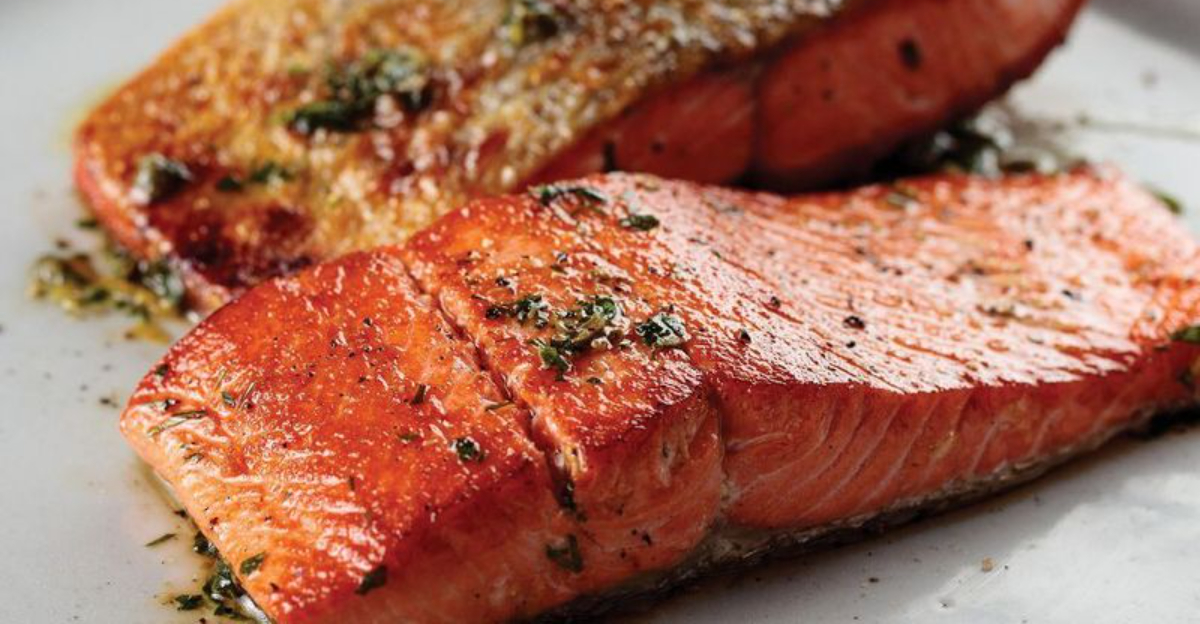
Salmon is better known for omega 3 fats, but it also contributes modest calcium, especially when paired with leafy sides. Its protein, vitamin D, and rich flavor make it a reliable anchor for balanced meals.
Choose wild or responsibly farmed options based on availability and budget.
Sear skin on for crisp texture, or roast with citrus and herbs for simplicity. Flake leftovers into salads, tacos, or grain bowls.
If you need more calcium, add a sesame, tahini, or yogurt based sauce. Salmon keeps dinner exciting while quietly supporting bones and overall wellness.
Enjoyed this story?
Add Fast Food Club as a preferred source to see more of our reporting on Google.