


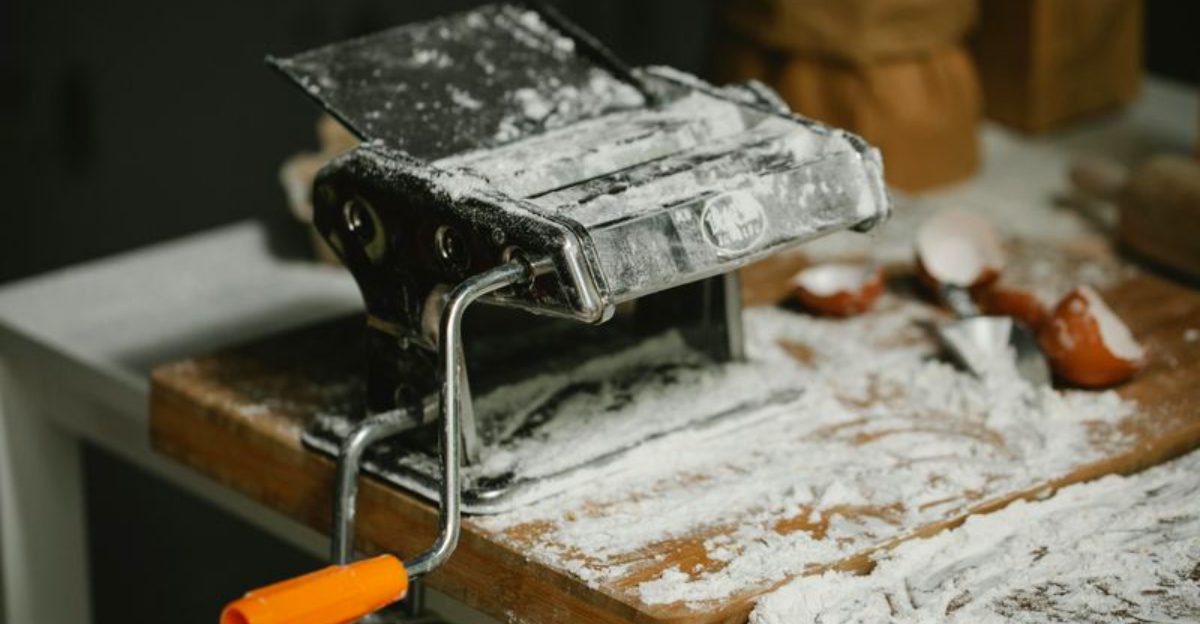
Tired cooking has a way of turning simple meals into mini disasters. One shortcut becomes two, and suddenly dinner tastes flat, burns fast, or takes twice as long.
The good news is small tweaks can rescue your weeknights without extra stress. Let’s break the most common slip ups and how to fix them fast so you can eat well even on low energy nights.
Skipping seasoning
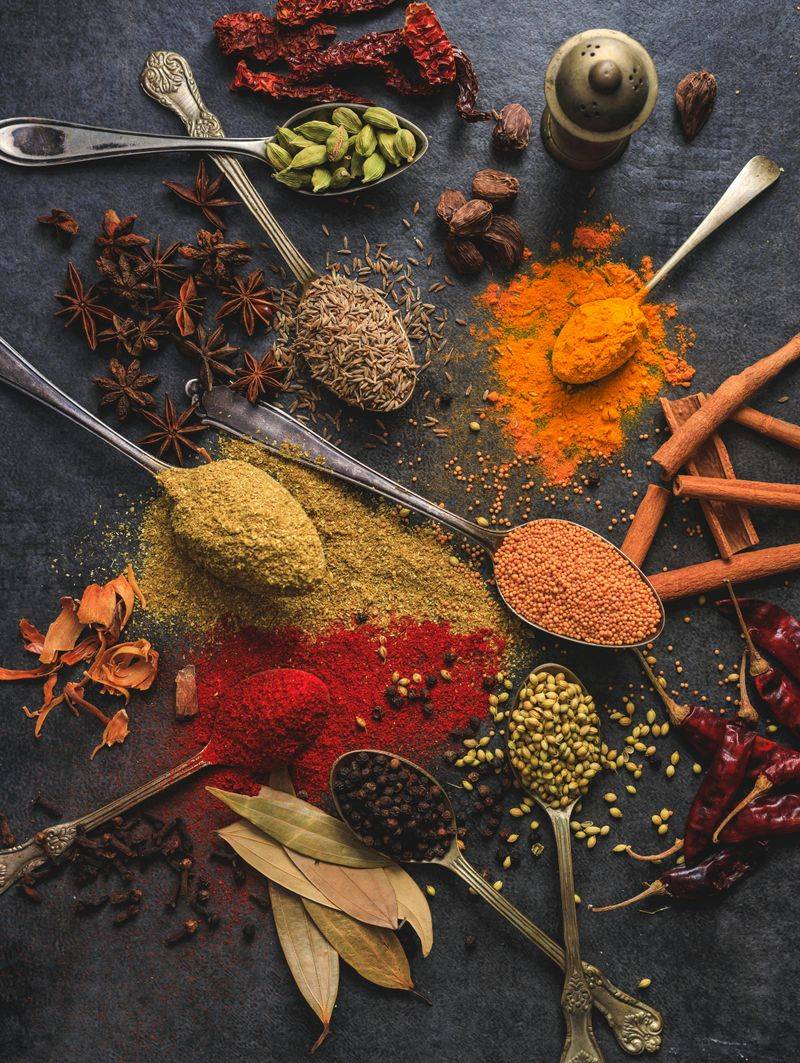
When you are exhausted, it feels faster to skip seasoning. But a pinch of salt at the right time unlocks flavor and makes vegetables, grains, and proteins taste alive.
Add salt early to draw out moisture and help browning, then adjust at the end.
Layer flavors with pepper, a squeeze of lemon, or a splash of vinegar. Taste as you go so you do not overcorrect later.
Keep a small salt dish and tasting spoon next to the stove for quick, no fuss checks.
Too much salt
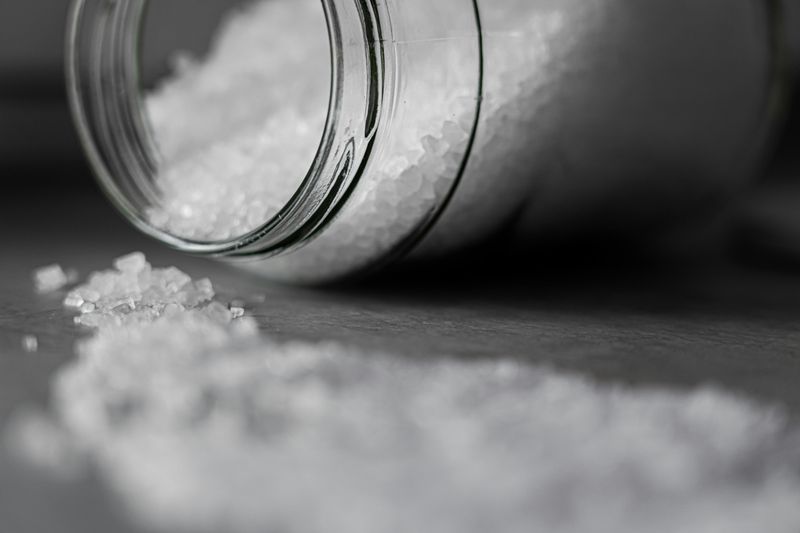
Oversalting happens fast when your mind is foggy. Do not panic.
Dilute by adding unsalted broth, water, or more of the main ingredient. Starches like rice, pasta, or unsalted potatoes help spread the salt through a larger volume.
Balance with acid like lemon juice or vinegar, which brightens and distracts from salinity. A touch of fat such as olive oil or butter softens harsh edges.
Taste, rest a minute, then taste again. Small adjustments beat drastic fixes when you are tired.
Burning garlic
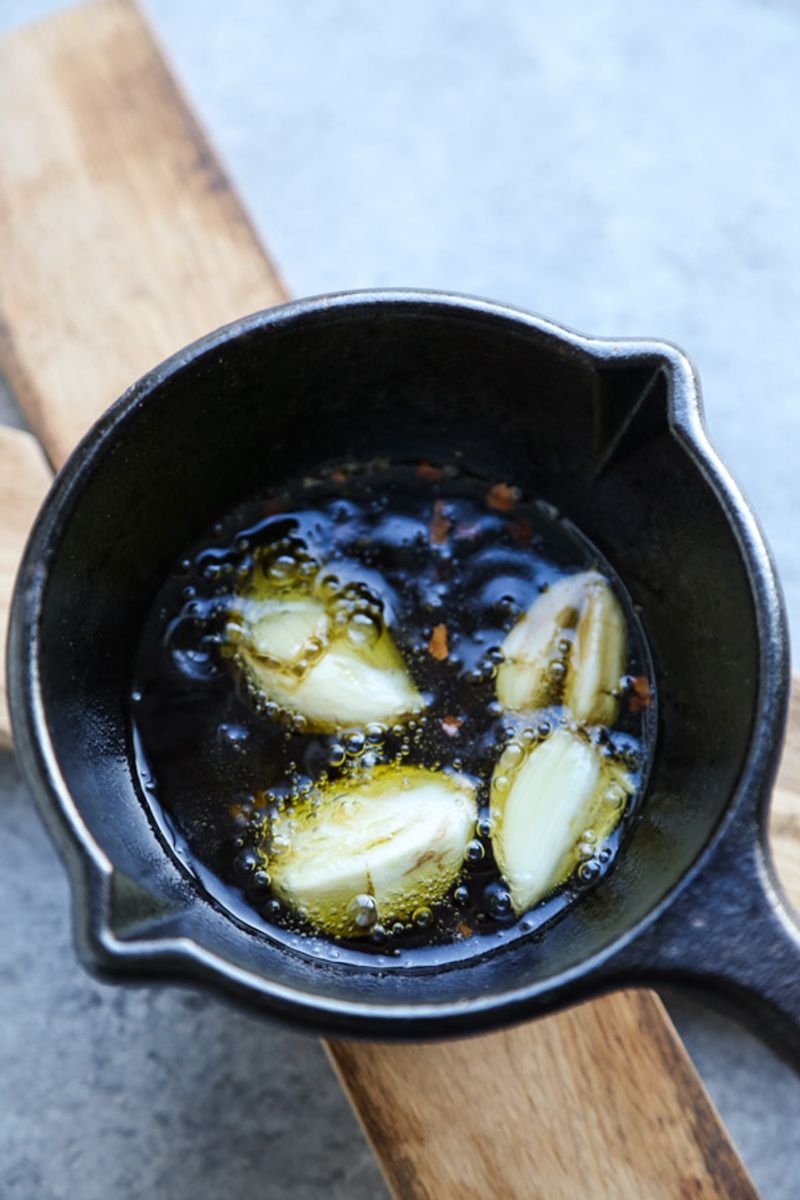
Garlic goes from golden to bitter in seconds, especially when your attention drifts. Start garlic in warm, not screaming hot, oil and keep it moving.
Add it later in the cooking process or bloom it gently before liquids or tomatoes go in.
If it burns, toss and restart rather than salvaging bitterness. Pre-minced garlic burns faster, so consider slicing or smashing cloves.
You can also infuse oil with garlic at low heat for a gentler flavor and less risk when tired.
Overcooking pasta
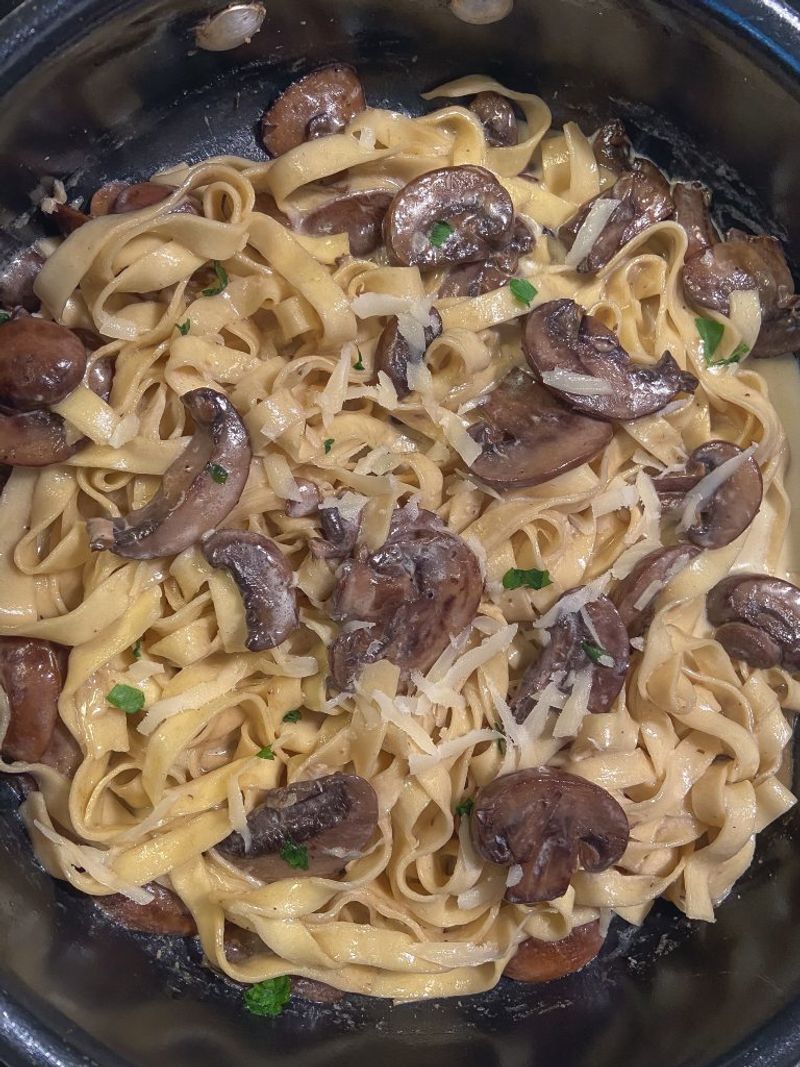
Pasta waits for no one, especially when you are scrolling. Set a timer and taste two minutes early.
Aim for al dente so carryover heat does not turn it mushy. Salt the water generously so noodles are seasoned from within.
Finish pasta in the sauce with a splash of starchy cooking water to help it cling. If it goes soft, shock briefly under cool water for salads.
Keep portions smaller to control timing and reduce overcooking risk.
Dry chicken
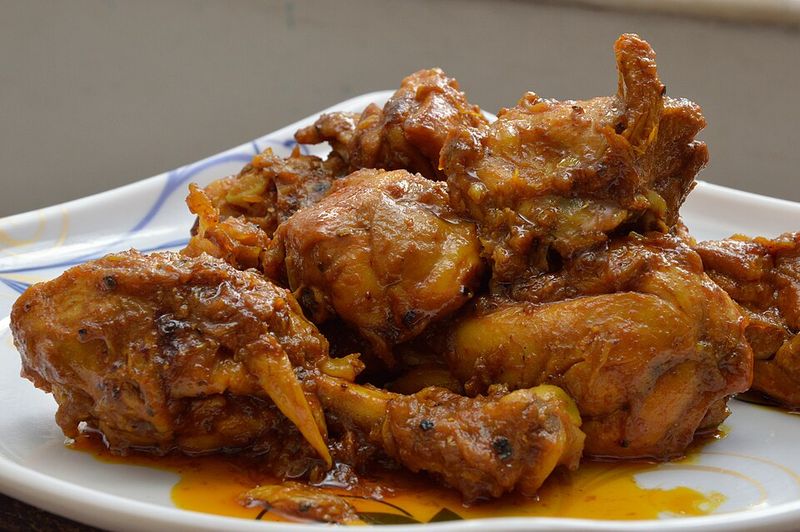
Dry chicken is a classic tired-night outcome. Prevent it with a quick brine or a generous sprinkle of salt 30 minutes ahead.
Cook to temperature, not guesswork. Use a digital thermometer and pull breasts at 160 degrees F, resting to 165.
Thighs are more forgiving because of fat and connective tissue. Pound breasts to even thickness so they cook uniformly.
Finish with a sauce, pan juices, or a knob of butter and lemon to restore moisture and flavor without extra effort.
Crowding the pan
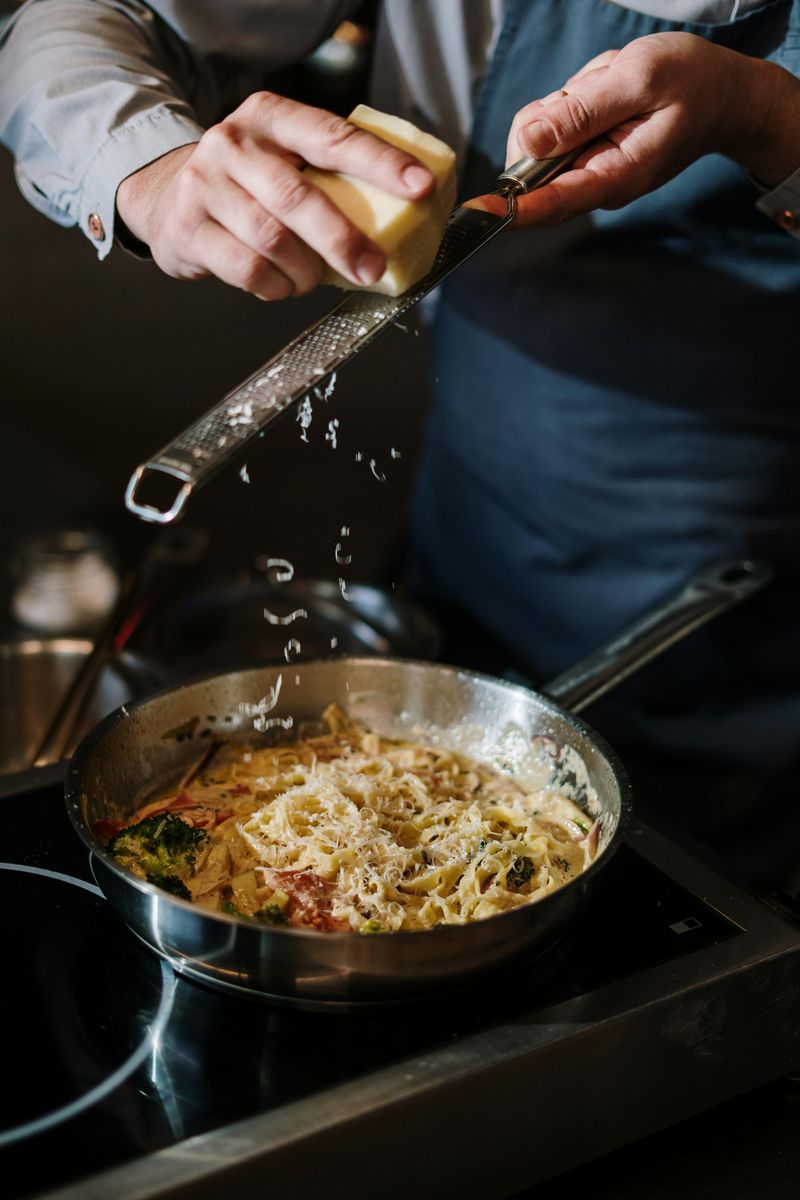
When you pack a pan tight, food steams instead of browns. That means pale chicken and soggy vegetables.
Work in batches for better color and deeper flavor. Give each piece space so moisture can escape and the surface can sear.
High heat plus dry surfaces are your friends. Pat ingredients dry and preheat the pan thoroughly.
Rest finished pieces on a warm plate while you sear the next batch, then combine with sauce at the end for even heating.
Not preheating oven
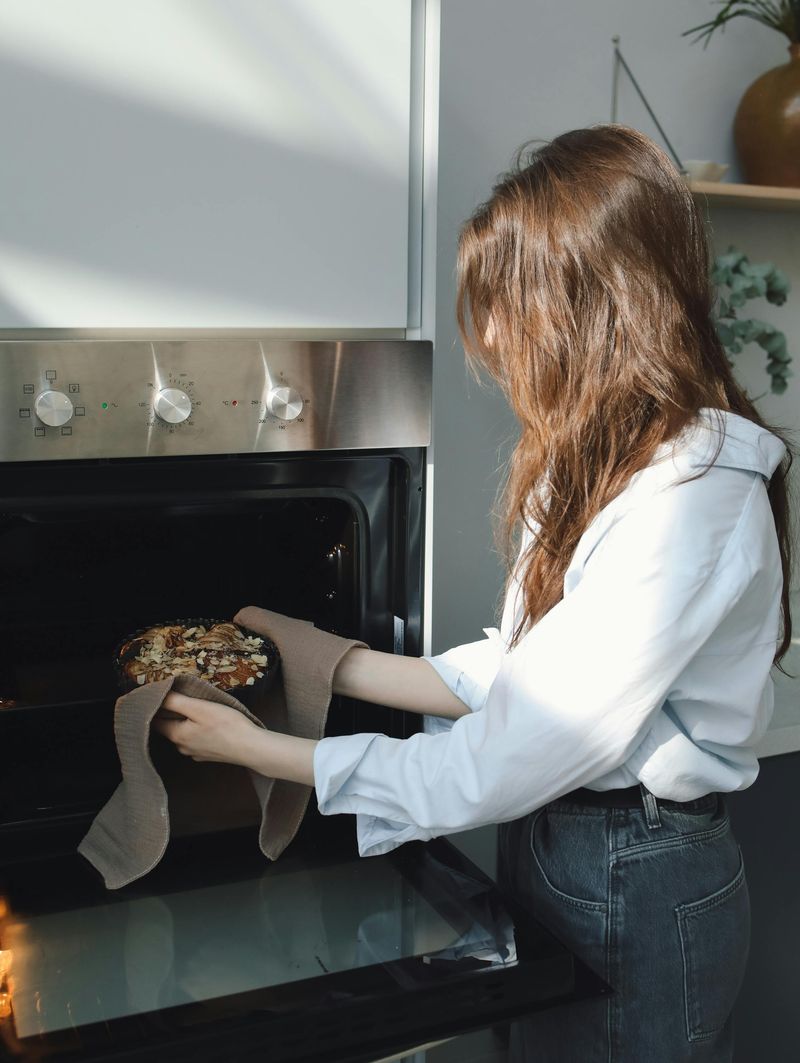
Throwing food into a cold oven sounds efficient but backfires. Preheating ensures proper rise, browning, and timing.
Without it, fries turn limp and cakes bake unevenly. Start preheating before you chop, and use an oven thermometer to verify accuracy.
Convection can speed preheating and crisping when you are short on time. Avoid opening the door repeatedly, which dumps heat and extends cooking.
Build the habit: set the oven first, then prep. Your results will improve immediately.
Using old spices
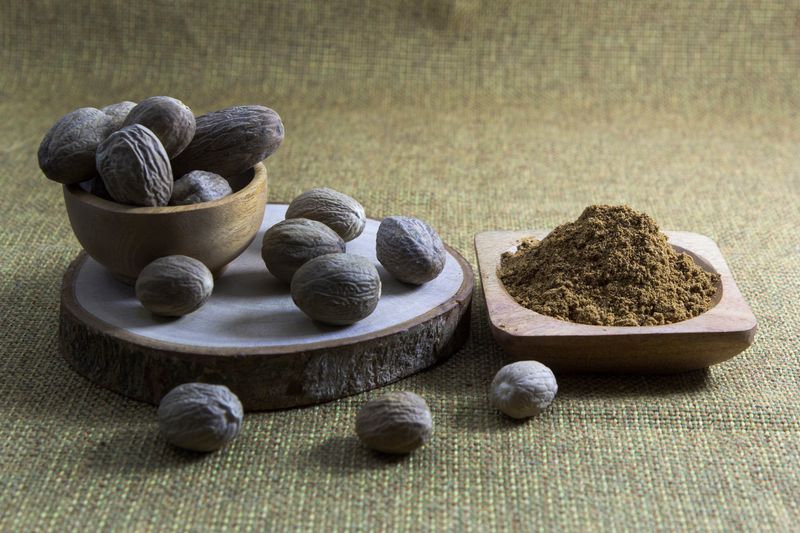
Tired cooks forget spices age. Old jars lose aroma and punch, leaving dishes flat.
Rub spices between fingers to test scent and color. If it smells faint, it tastes faint.
Whole spices last longer and toast beautifully for quick flavor boosts.
Mark purchase dates with a pen and rotate the front row. Buy smaller amounts so you use them up fresh.
Keep them away from heat, light, and moisture. A fresh jar of cumin or paprika instantly lifts simple meals.
Cutting meat early
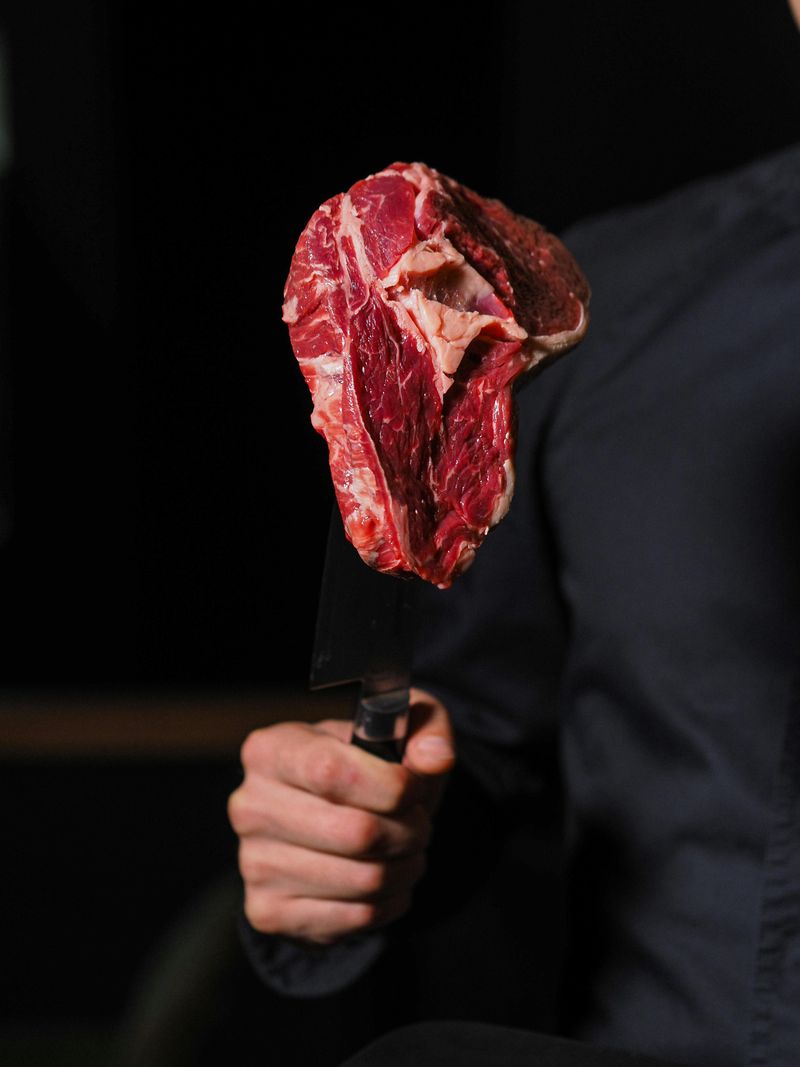
Slice meat too soon and the juices rush out, leaving dry bites. Rest steaks and roasts so juices redistribute.
Aim for 5 to 10 minutes for small cuts and longer for roasts. Tent loosely with foil to keep heat in without steaming the crust.
Use the pause to finish sides or set the table. When ready, slice against the grain for tenderness.
Resting also buys you forgiveness on temperature if you are tired and distracted.
No resting meat
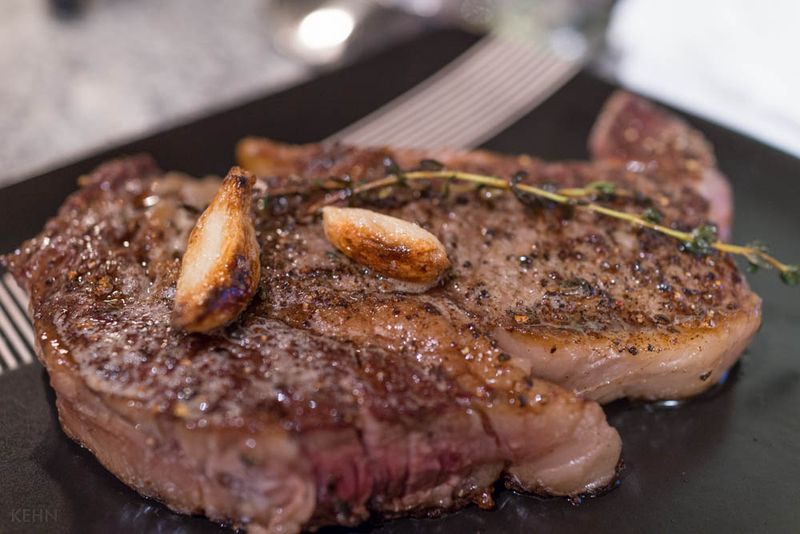
Skipping the rest feels like saving time, but it wastes juiciness. Resting lets muscle fibers relax and reabsorb moisture.
A short rest also evens out internal temperature. Keep the meat on a rack so the bottom does not steam.
Use a loose foil tent and a warm plate. For chicken breasts, a few minutes is enough.
For larger roasts, plan 10 to 20 minutes. Build resting time into your recipe so dinner stays succulent without extra work.
Watery sauce
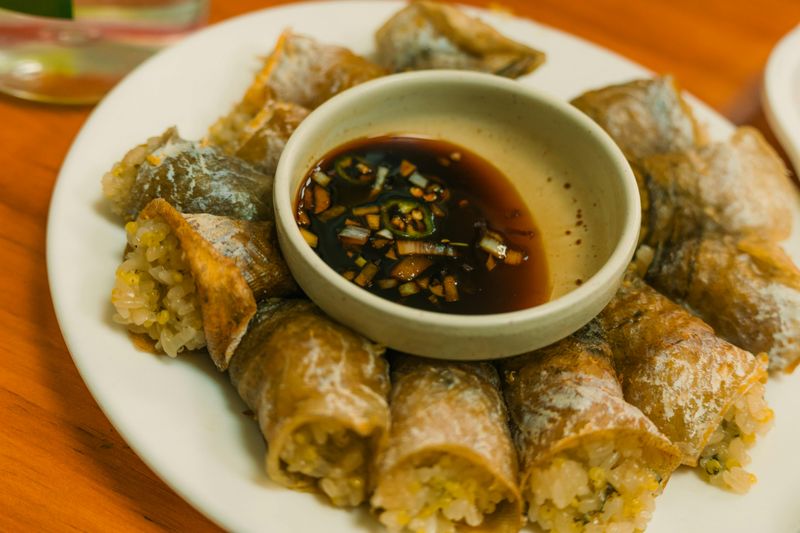
Tired cooks rush and end up with thin sauce. Reduce longer to concentrate flavor and thicken naturally.
A wider pan speeds evaporation. Taste as it reduces to avoid oversalting.
Add a small knob of butter for gloss and body.
Starches help in a pinch. Mix a teaspoon of cornstarch with cold water, then whisk it in and simmer.
Cheese, tomato paste, or a quick roux can also tighten texture. Finish with fresh herbs for lift.
Bland soup
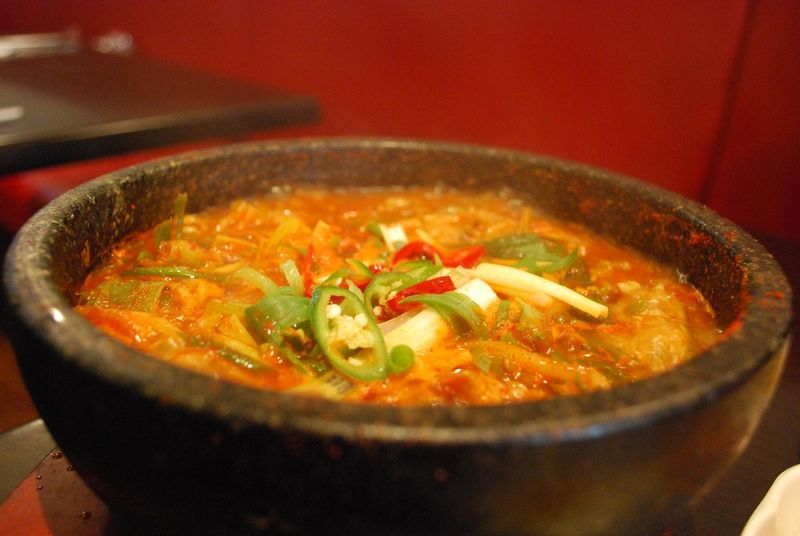
Fatigue makes you forget layering. Start with sweating aromatics in oil or butter and salt early.
Deglaze the pot to capture browned bits. Finish with acid like vinegar or lemon to sharpen flavors.
A spoon of miso or soy sauce deepens umami quickly.
Texture matters too. Puree part of the soup to thicken without cream.
Add fresh herbs or crunchy toppings for contrast. Always taste before serving.
One more pinch of salt or squeeze of citrus often transforms everything.
Overmixing batter
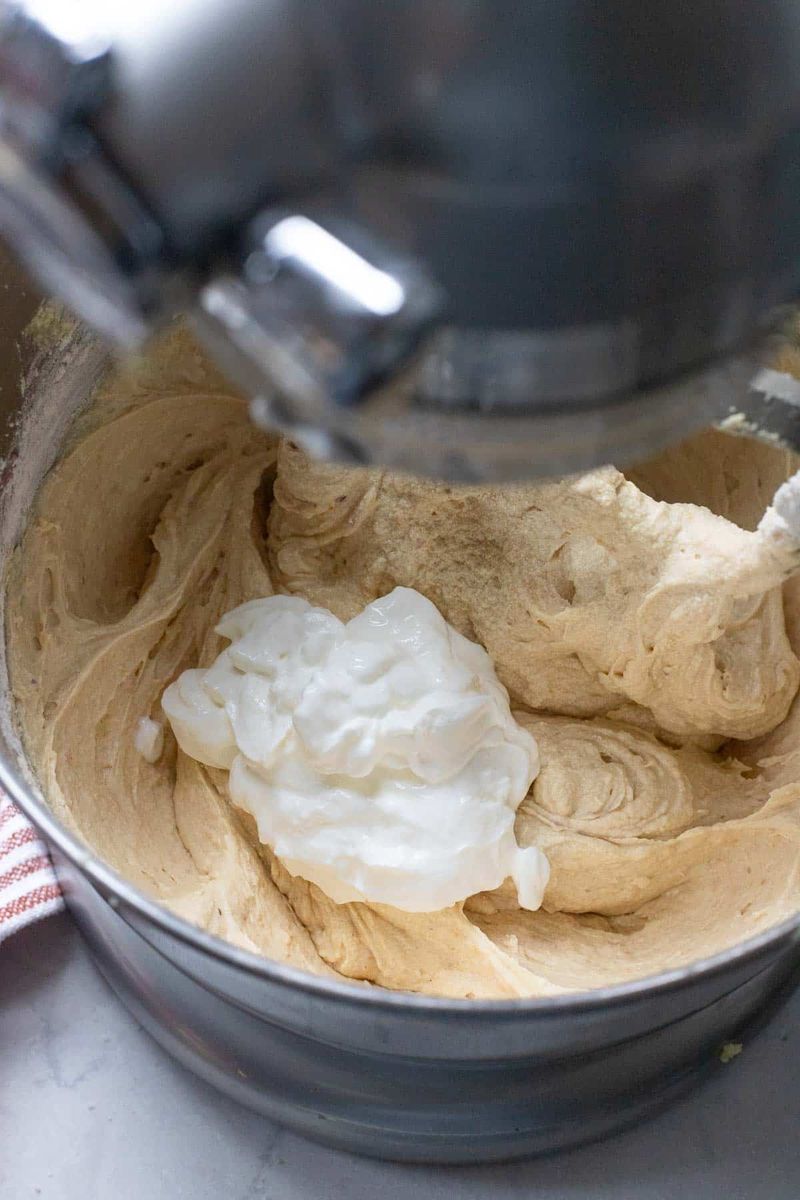
When tired, it is easy to keep stirring until smooth, but that builds gluten and toughens muffins and pancakes. Mix wet into dry gently until just combined.
Lumps are fine. Rest the batter a few minutes to hydrate flour and relax bubbles.
Use a spatula instead of a whisk for control. Fold add-ins lightly.
For cakes, cream butter and sugar properly, then avoid beating after flour goes in. Your bakes will stay tender without extra effort.
Wrong heat level
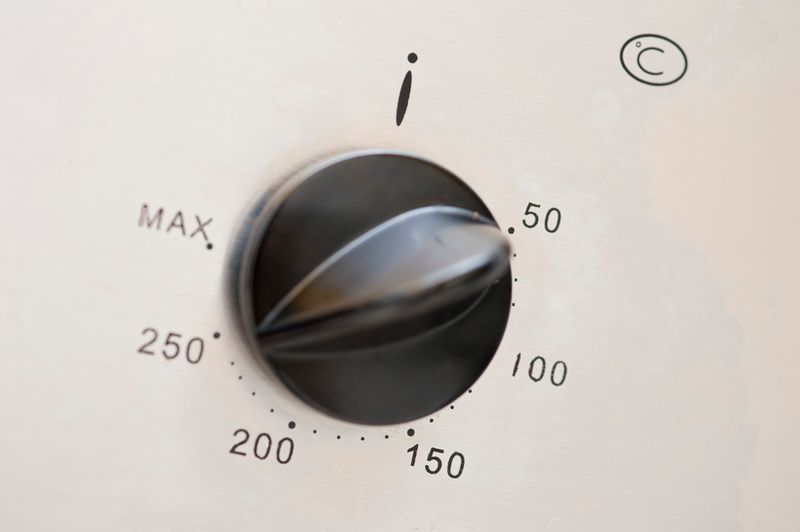
Heat control is everything, and fatigue makes it fuzzy. High heat for searing, medium for sauteing, low for simmering.
If oil smokes, you are too hot. If nothing sizzles, you are too cool.
Preheat pans and adjust quickly based on sound and smell.
Keep a heat guide taped inside a cabinet. Choose heavier pans that hold steady temperatures.
When unsure, start medium and move up. Controlled heat prevents burning, sticking, and uneven cooking without demanding extra attention.
Cold pan cooking
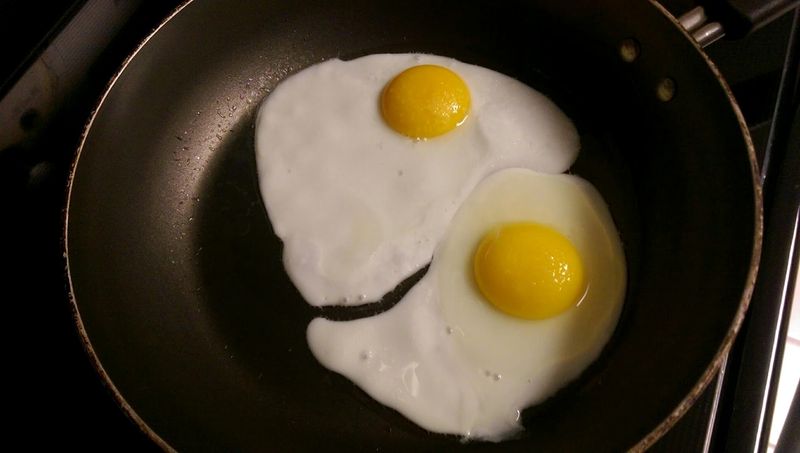
Dropping food into a cold pan leads to sticking and pale color. Preheat until oil shimmers or a water droplet skitters.
For proteins, dry the surface first. A hot pan builds a crust that releases naturally, giving you flavor and texture with minimal effort.
Test with the sizzle rule: food should sound alive on contact. If it does not, wait.
This simple habit saves you scraping and frustration after a long day.
Burnt toast

Burnt toast is the universal sign of tired cooking. Use lighter settings and check mid cycle.
Keep bread slices similar thickness so they toast evenly. Frozen bread needs a lower setting with a second pass, not one scorching round.
Scrape lightly to salvage, then add butter to mellow bitterness. Better yet, set a phone timer so you do not wander off.
A small habit prevents smoke alarms and saves breakfast.
Undercooked rice
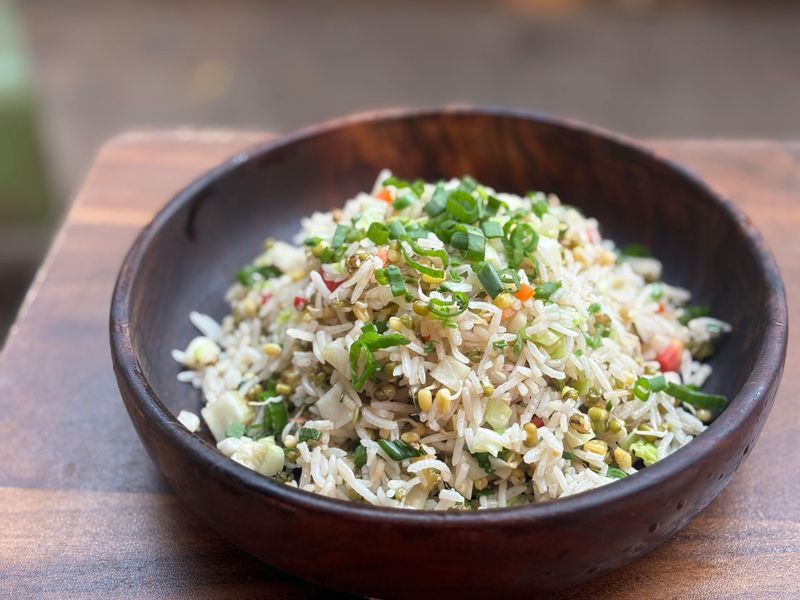
Rice punishes impatience. Measure water accurately, rinse grains, and keep the lid on.
Once simmering, reduce to low and do not peek. Steam does the finishing.
If underdone, sprinkle a bit of hot water, cover, and cook gently a few minutes more.
Let it rest off heat for 10 minutes to firm and fluff. Use a fork, not a spoon, to separate grains.
Consider a rice cooker for set-it-and-forget-it success on tired nights.
Microwave dinner
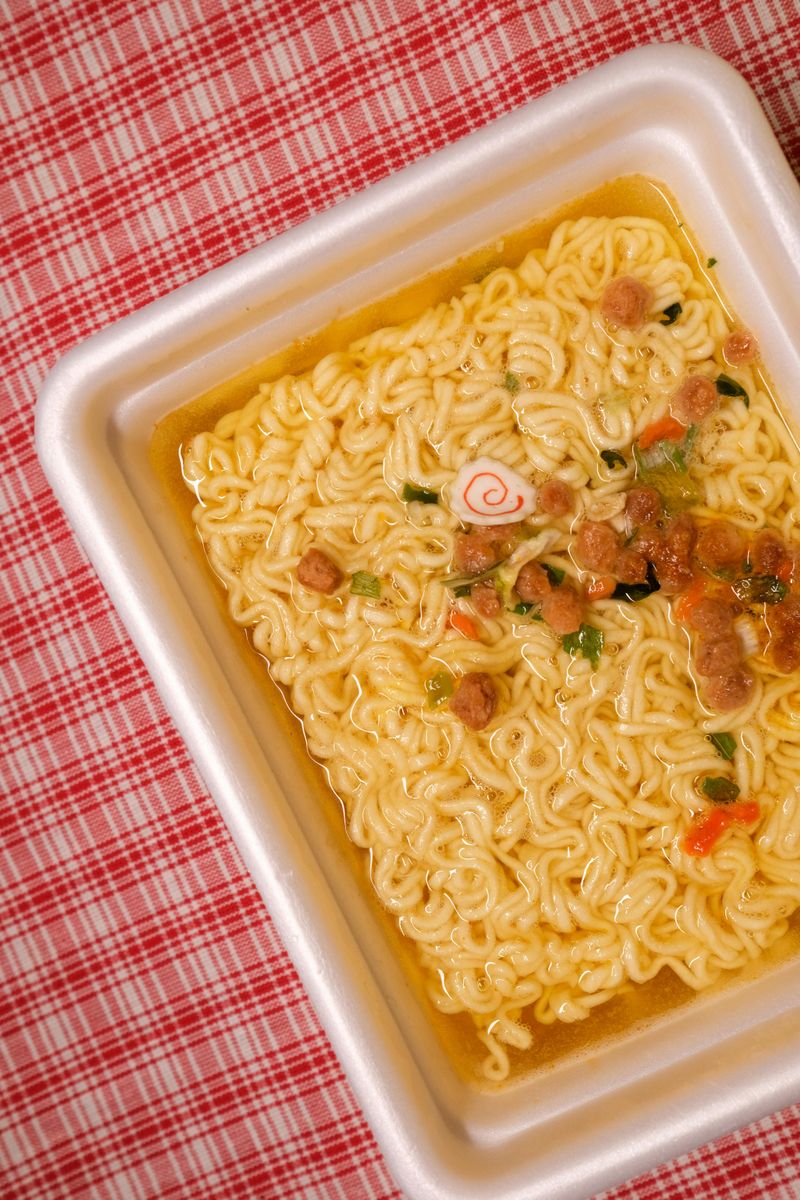
Microwaves can be lifesavers, but they heat unevenly. Stir and rotate halfway through.
Use lower power in longer bursts for even heating. Vent covers so steam escapes without drying edges.
Transfer to a plate or bowl for better texture.
Add freshness: a squeeze of lemon, fresh herbs, or a drizzle of olive oil. Pair with a quick salad or frozen vegetables for balance.
Small upgrades make convenience meals feel more like real dinner.
Takeout again
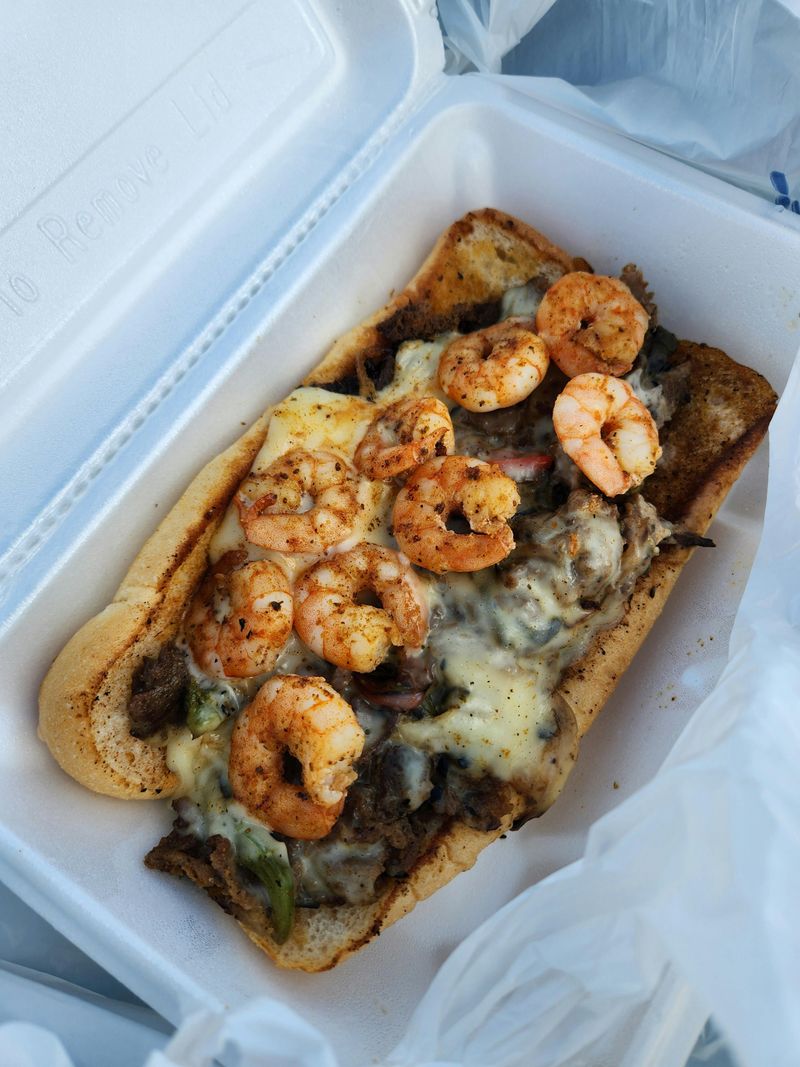
Ordering takeout is fine sometimes, but autopilot makes it expensive and less satisfying. Create a no-think meal list: eggs and toast, tuna salad, frozen dumplings, or roasted vegetables with beans.
Keep a few sauces on hand to make simple food exciting fast.
Set a weeknight rule: if groceries exist and energy is 3 out of 10, cook the easiest option. Save takeout for true zero-energy nights or social treats.
Your budget and body will thank you.
Messy kitchen
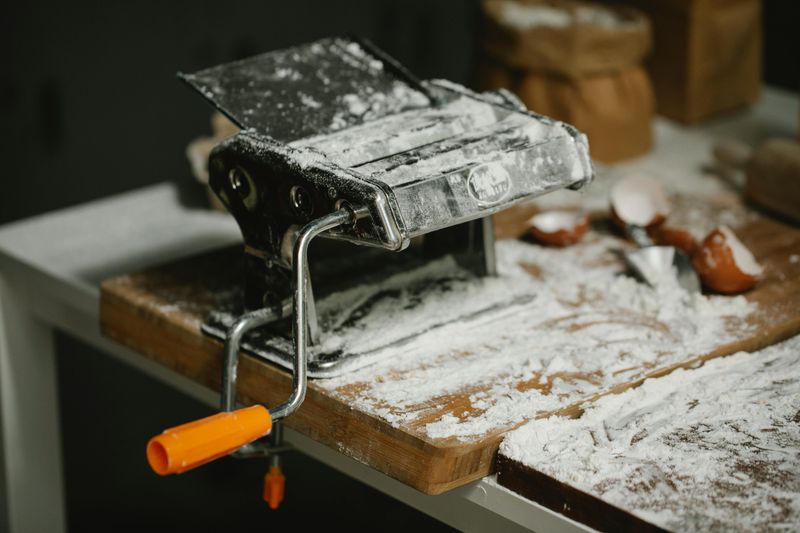
Mess multiplies when you are tired, making cooking feel harder. Start with a clean counter and a trash bowl for scraps.
As something sautés, wash a board or wipe the stove. Keep a warm soapy basin ready so pans soak themselves.
Organize tools you reach for most. Return salt, oil, and tongs to the same spot every time.
A tidy flow saves energy and keeps dinner moving without overwhelm.
Enjoyed this story?
Add Fast Food Club as a preferred source to see more of our reporting on Google.