


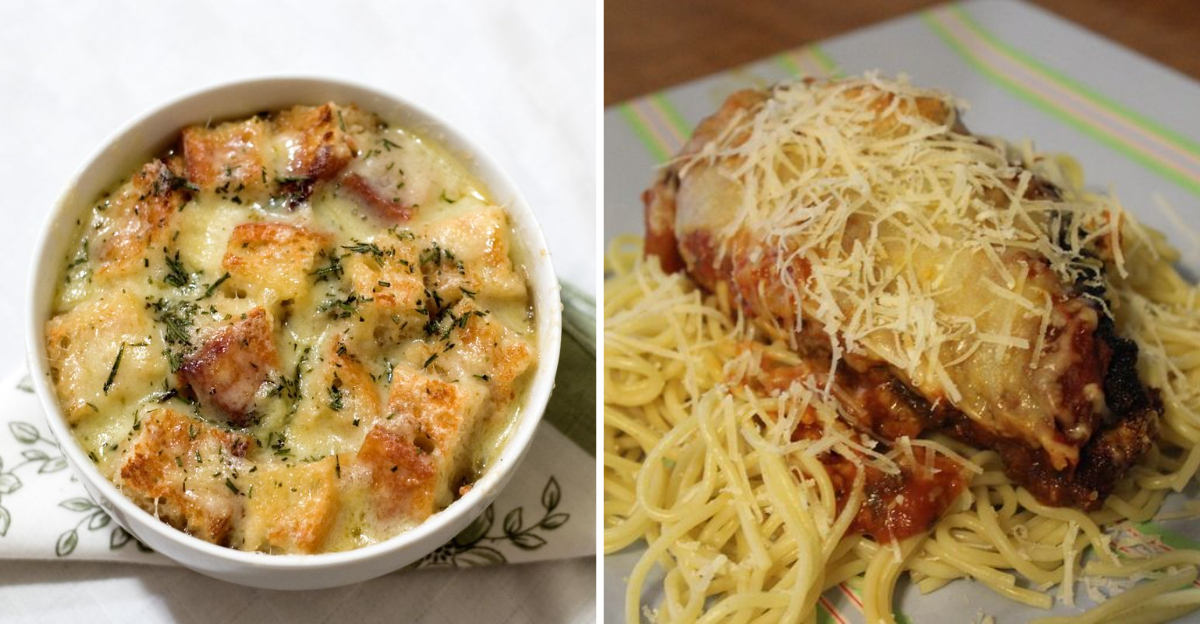
Some dishes used to stop a room, but now they barely raise an eyebrow. Trends moved on, palates sharpened, and the old showpieces often feel heavy or predictable.
If you want guests leaning in, you need updates that deliver freshness, contrast, and intention. Here is how to rescue the classics without losing their charm.
Shrimp Cocktail
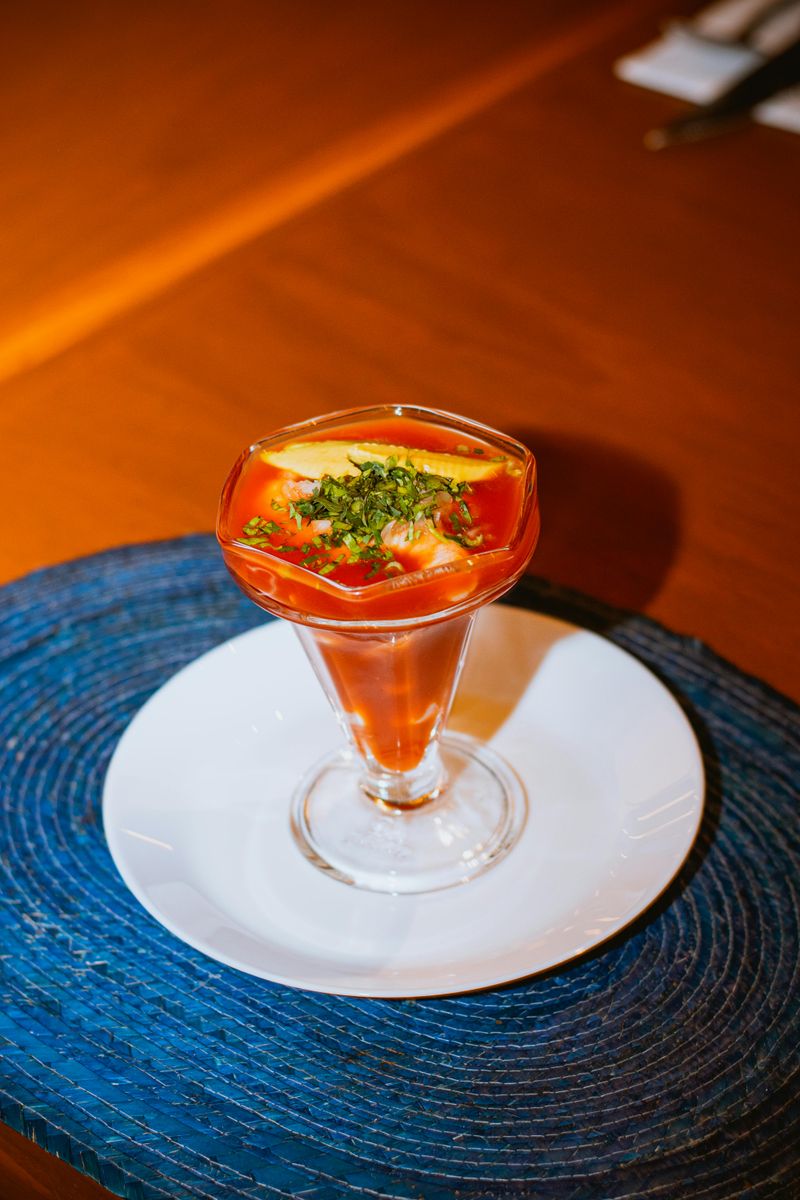
Shrimp cocktail used to scream luxury, but now it feels like a safe banquet standby. The sauce is predictable, the chill is unremarkable, and the platter often looks copied from a hotel conference.
Guests nibble politely, then move on searching for something fresher and bolder.
Swap the glass for warm, butter poached shrimp with citrus zest and herbs, or grill them with smoky paprika. Offer a punchy yuzu cocktail sauce or a spicy mango relish, and serve individually to avoid the trough effect.
You will still nod to nostalgia, yet deliver texture, aroma, and a memorable bite.
Prime Rib
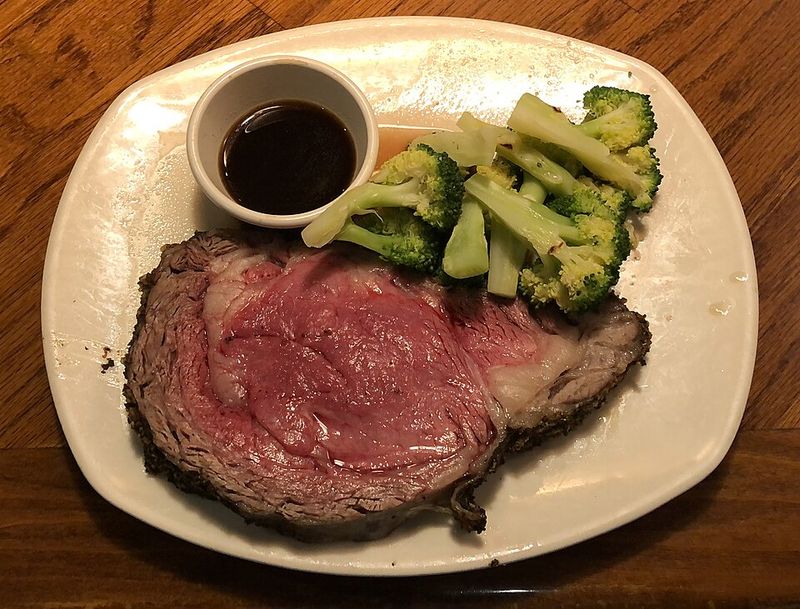
Prime rib used to be the ultimate showpiece, but now it suggests cruise buffet rather than celebration. The heavy slab, predictable jus, and horseradish routine feel tired when diners crave nuance.
People want crust, contrast, and thoughtful sourcing, not just a giant cut coasting on marbling.
Try dry aging for funk and complexity, then slice thinner and finish with a bright herb salad. Serve bone broth reduction with charred lemon, or brush miso butter and torch for caramelized edges.
Suddenly it feels intentional, generous, and modern, giving guests a reason to talk about the meat again.
Chicken Kiev
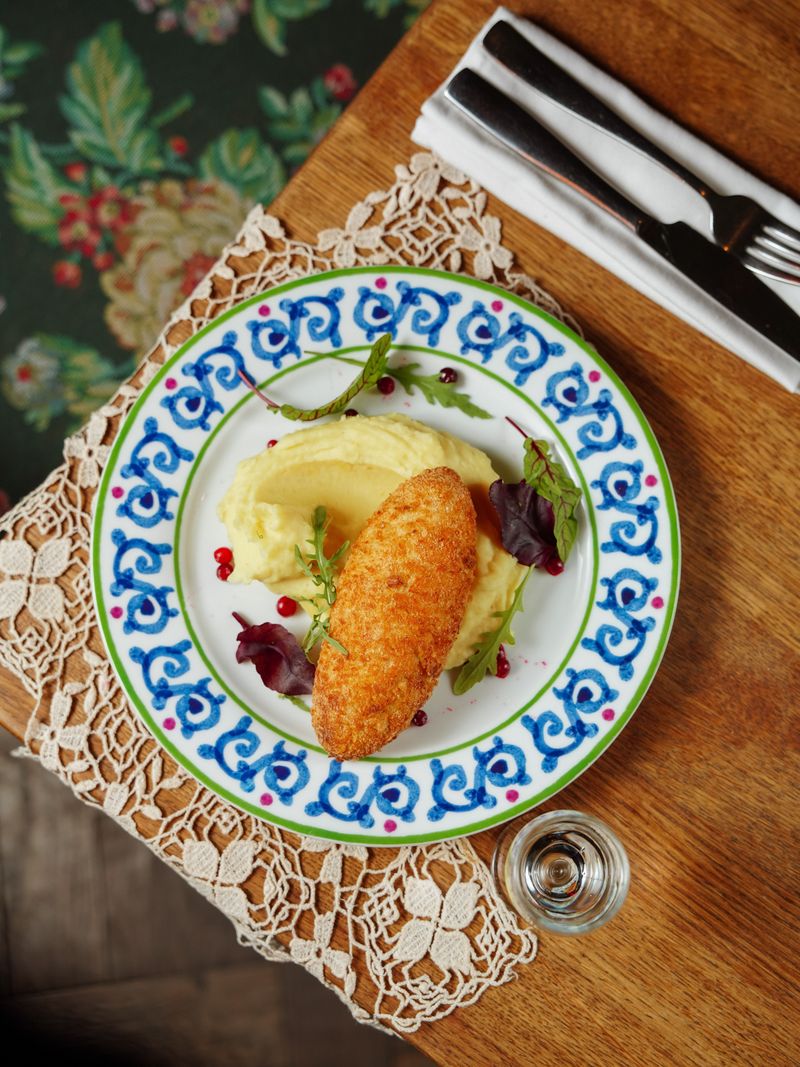
Chicken Kiev once impressed with a golden crust and that butter burst, but expectations have climbed. Diners now notice uneven seasoning, bland crumbs, and greasiness soaking the plate.
When the cut is oversized, the center can be rubbery, and the tableside ooze turns from drama into cleanup.
Butter still wins, so concentrate it. Pack herb butter with lemon zest, anchovy, and chives, use panko toasted in schmaltz, and go smaller for a crisp to meat balance.
Serve with shaved fennel salad and a sharp vinaigrette. Now the richness lands clean, and guests actually finish every bite.
Baked Alaska
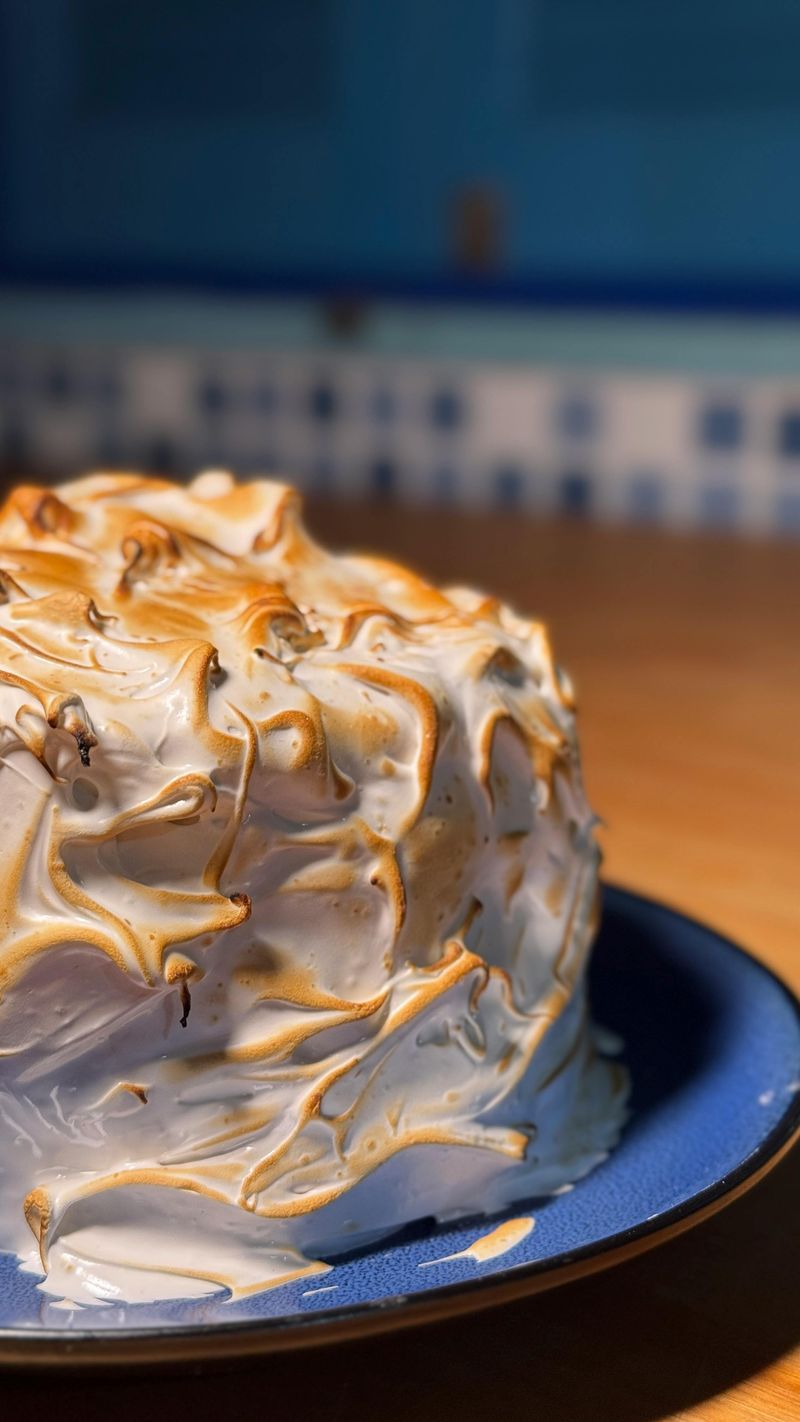
Baked Alaska looks theatrical, yet the ice cream is often rock hard and the cake dry by the time it arrives. The blowtorch flourish reads like a gimmick if flavor falls flat.
Many guests would rather have temperature contrast that feels natural and textures that are not cottony and cloying.
Mini versions help. Use semifreddo that softens faster, a genoise brushed with citrus syrup, and meringue scented with vanilla bean.
Torch lightly, then finish with a tart berry compote and a whisper of salt. Suddenly it is playful, balanced, and shareable, not a melting centerpiece you regret ordering halfway through.
Steak Diane
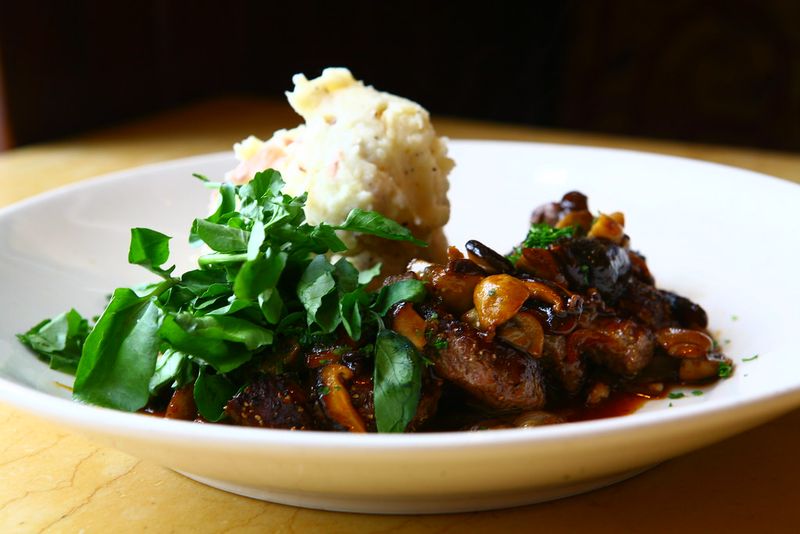
Steak Diane had tableside flair, but the shtick feels dated without stellar searing and sauce discipline. Mushrooms steam, brandy blazes, and then you get flabby medallions bathing in cream.
That combination can taste muddled, leaving you nostalgic for drama yet disappointed by limp texture and sleepy pepper notes.
Focus on heat control and brightness. Sear in a ripping hot pan, reduce a proper demi, and finish with green peppercorns, lemon, and a fresh herb shower.
Keep portions modest and plates warm. The flame becomes punctuation, not the point, and your guests will actually taste the steak again.
Lobster Bisque
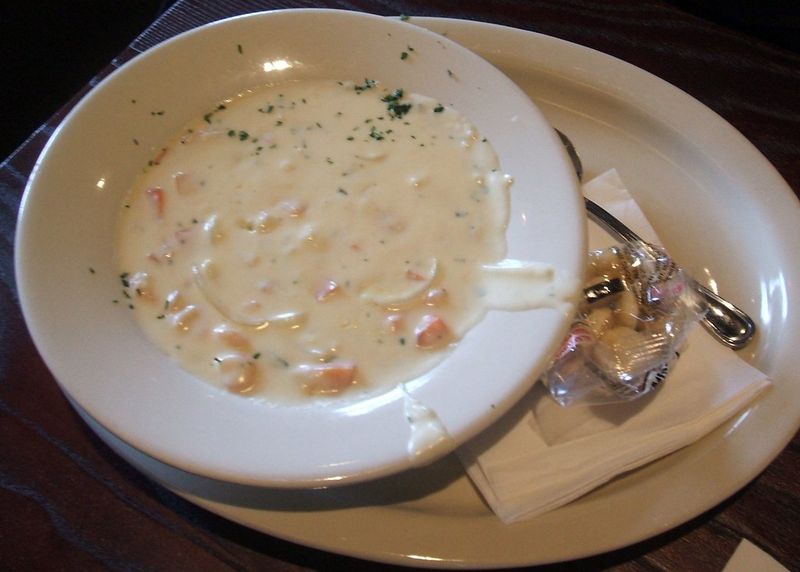
Lobster bisque once whispered refinement, but now it too often shouts cream and salt. Without deep shell roasting and careful reduction, the bowl tastes murky, like a hotel shortcut.
Guests expect sweetness, brine, and perfume, not heaviness and orange oil slicks that cling to lips.
Start with roasted shells, tomato paste, cognac, and fennel, then strain until glossy and clean. Fold in a restrained swirl of cream and a knob of butter to finish.
Serve smaller portions with chive oil and warm brioche soldiers. Suddenly the luxury reads as focused flavor, and the room quiets.
Crab Cakes
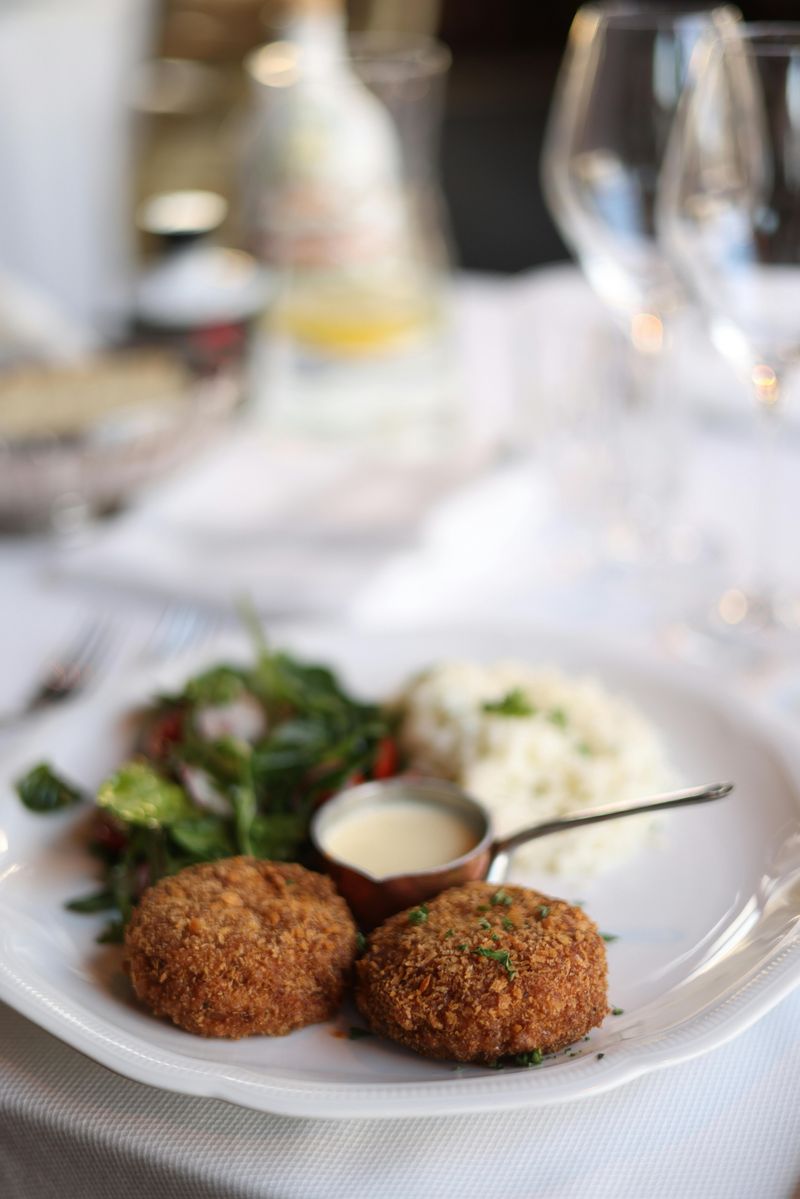
Crab cakes were once a flex, but filler and flat sears ruined the reputation. Too many arrive bready, mayonnaise heavy, and timidly seasoned, so the crab disappears.
Guests want sweet lumps, crisp edges, and a lively lift that says ocean rather than buffet tray.
Use jumbo lump, bind lightly with egg and a touch of mustard, and chill before searing hard. Spoon on lemony brown butter and caper relish, then add shaved celery salad for crunch.
Keep them small and focused for better portions. You will watch plates return empty, and the cake finally honors its namesake.
Chicken Cordon Bleu
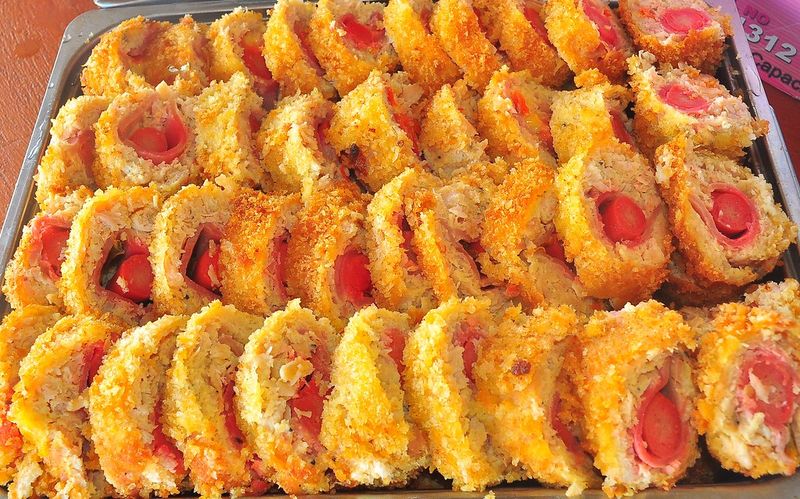
Chicken cordon bleu has nostalgic charm, yet the ham and cheese bomb can feel clunky and dated. When breading is thick and the meat is pounded thin, it dries out fast.
The molten center then tastes like cafeteria comfort, not something worthy of gathering a table.
Lighten it. Use prosciutto, a little Alpine cheese, and airy crumbs, then bake and baste with garlic butter.
Slice and serve with a lemony frisee salad and grainy mustard. Suddenly it eats like a crisp chicken roulade with character and restraint, not a stuffed cutlet from another decade entirely.
Stuffed Mushrooms
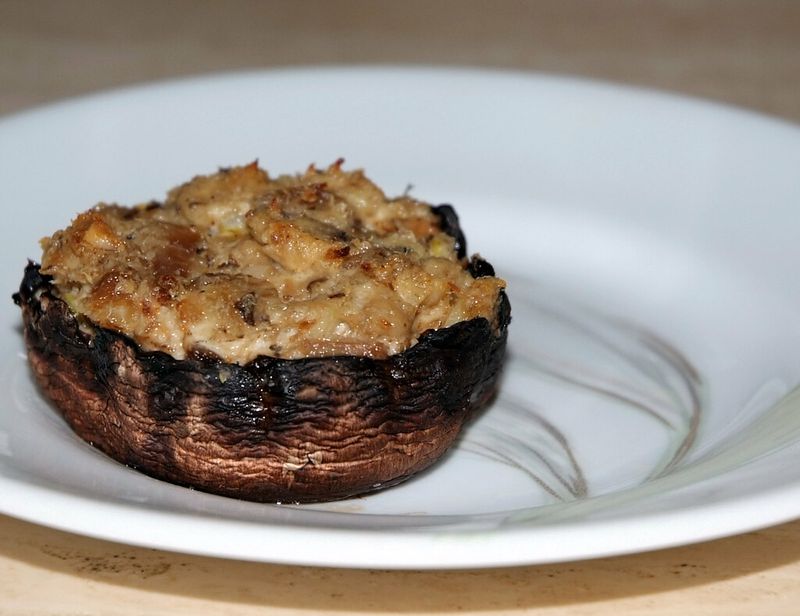
Stuffed mushrooms have traveled from cocktail parties to clearance platters. The caps get watery, the fillings turn mushy, and the flavor leans monotonous garlic.
People smile, take one, and then forget they ever existed, which is not exactly the wow factor you hoped to spark.
Choose bigger caps, roast first, then stuff with herby sausage, pecorino, and crunchy breadcrumbs. Add lemon zest and chopped stems for savory depth, and drizzle with olive oil before a hot finish.
Serve with skewers and a tangy yogurt dip. Suddenly they vanish, and guests ask where you hid the tray.
Beef Wellington
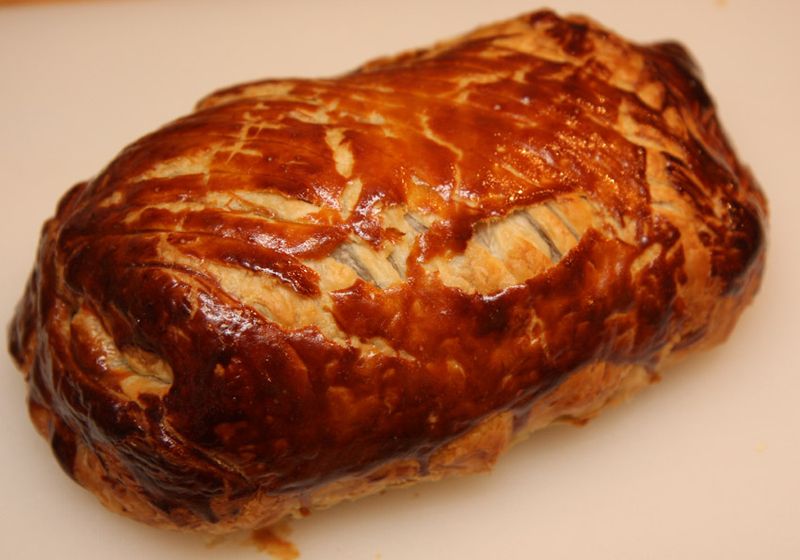
Beef Wellington used to announce occasion, but now it often arrives soggy, gray, and overworked. The pastry splits, the duxelles weeps, and the meat loses its rosy heart waiting in the pass.
Diners crave precision, not a gamble wrapped in puff. The slice can look impressive yet taste oddly anonymous.
Go smaller. Use individual Wellingtons, sear aggressively, brush mustard, and fully chill before wrapping with prosciutto, duxelles, and pastry.
Bake to temperature, rest well, and slice cleanly. Serve with madeira jus and a sharp green salad.
That control returns the magic, and everyone gets a perfect cross section.
Chocolate Mousse
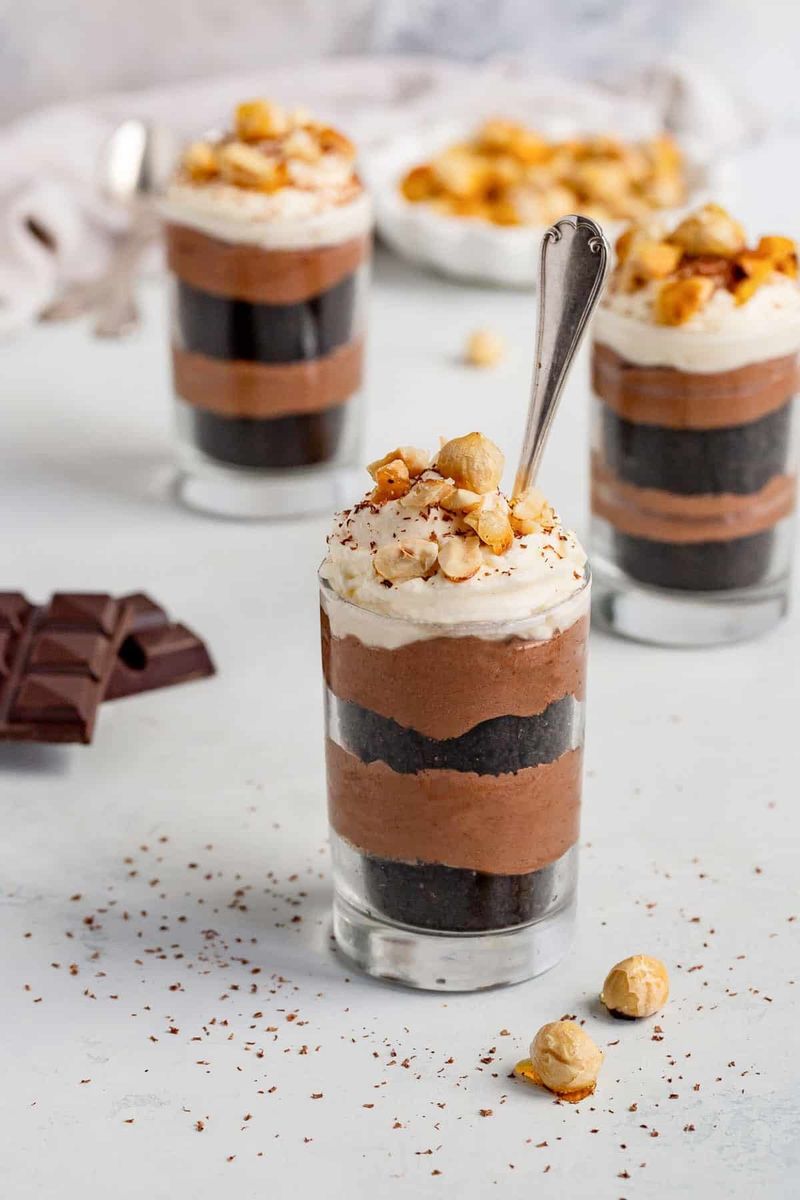
Chocolate mousse promised silken glamour, but the versions many spots serve are dense or overly sweet. You dig in and find pudding with a new name, topped with tired whipped cream.
That dulls the cocoa character and leaves guests wondering where the lightness and snap of good chocolate went.
Use quality dark chocolate, fold gently, and season with salt and espresso. Float a dollop of creme fraiche, add cacao nib crunch, and finish with orange zest.
Serve in small cups with tiny spoons. Suddenly each bite tastes layered, airy, and grown up, not a cafeteria dessert in a tux.
Caesar Salad
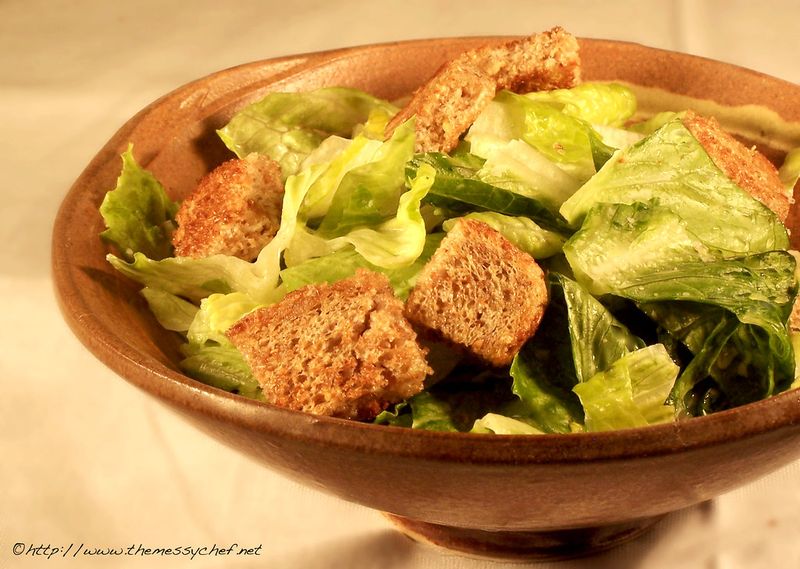
Caesar salad used to read luxe, but bagged versions and gummy dressings dulled its reputation. Too many plates arrive with pale croutons, timid anchovy, and a snowy blizzard of parmesan.
That is not decadence, it is monotony, and guests notice when the romaine lacks snap and personality.
Make it tableside with swagger, or at least mix fresh. Pound garlic, anchovy, lemon, yolk, and olive oil, then season assertively.
Fry garlicky breadcrumbs in butter, shave real Parmigiano, and finish with cracked pepper and lemon zest. Suddenly the old favorite tastes bright and bracing, and everyone spears seconds.
Lobster Tail
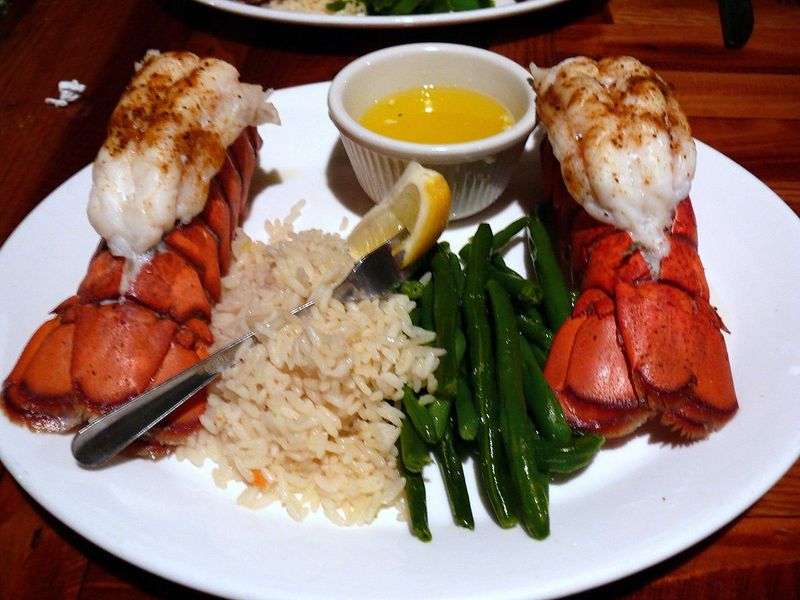
Lobster tail on its own rarely impresses anymore, because overcooking and bland butter show up too often. The meat turns chalky, the shell sits awkwardly, and the price primes expectations you cannot meet.
Diners want sweetness, smoke, and a plan beyond broil and plop.
Butter poach gently, then kiss with the grill for char and aroma. Brush with chili lime butter, serve with corn salad and herbs, and crack the shell off beforehand.
Offer warm lemon towels and tiny forks. Suddenly the portion feels generous, the flavor sings, and that splurge actually earns applause tonight.
Fettuccine Alfredo
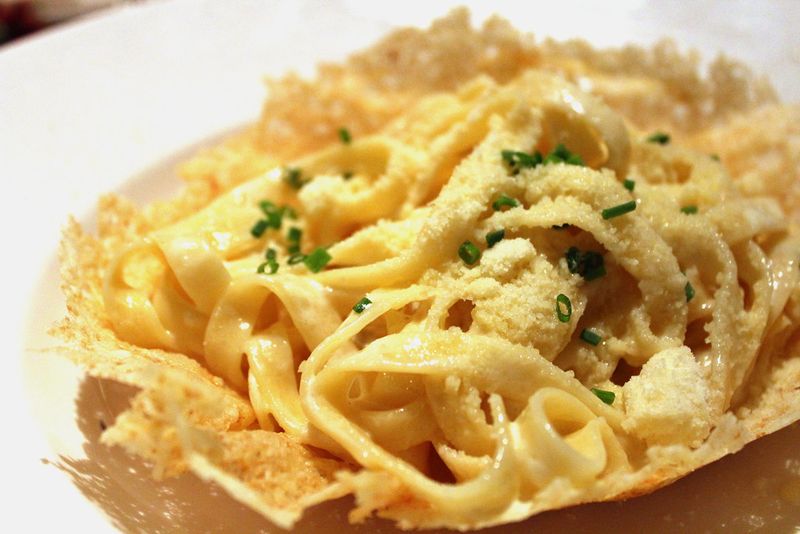
Fettuccine Alfredo used to signal richness, but heavy cream versions turned it into nap time. By the third bite, the gloss dulls and the noodles clump.
People want silk, depth, and peppery lift, not a white swamp that tastes identical from rim to center.
Go Roman. Emulsify butter and aged Parmigiano with starchy pasta water, add cracked pepper, and toss vigorously.
Finish with lemon zest and a splash of broth for mobility. The sauce hugs rather than smothers, and you can keep twirling without regret, which is the real luxury you were chasing.
Add peas if you insist.
Garlic Shrimp
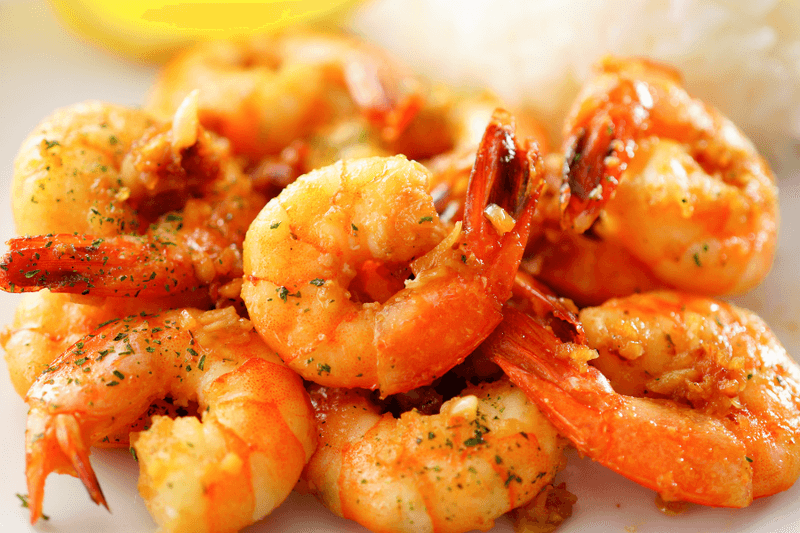
Garlic shrimp sounds exciting, but it often lands greasy, overcooked, and loud without nuance. Pools of oil hide rubbery seafood, and garlic burns into bitterness under fluorescent heat.
Guests appreciate aroma and snap, not a skillet that perfumes coats more than palates.
Marinate briefly with lemon, smoked paprika, and parsley stems, then sear fast in a thin film. Finish with butter, sherry, and lots of chopped parsley, and serve over warm beans or toasted bread.
Bring napkins and toothpicks. Suddenly it is succulent, balanced, and lively, and you will cook another batch for friends tonight.
Fish Fillet
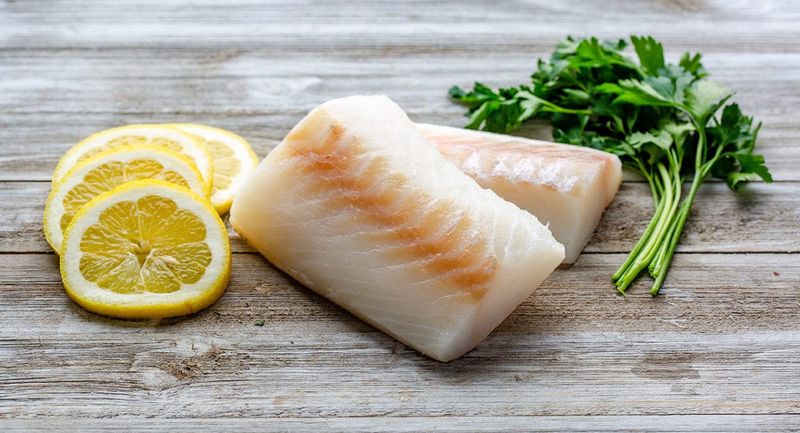
The generic fish fillet used to sound refined, but now it reads as noncommittal. Without a named species and a story, guests suspect commodity sourcing and timid cooking.
Overbaked portions flake sadly and sit in puddles of lemon butter that say caution rather than craft.
Name the catch and honor it. Sear snapper with brown butter and capers, steam cod with ginger and scallions, or roast halibut over tomatoes and olives.
Season assertively, finish with acidity, and serve with crispy potatoes. Specificity reads as confidence, and your table trusts that each bite had intention all along.
Spinach Dip
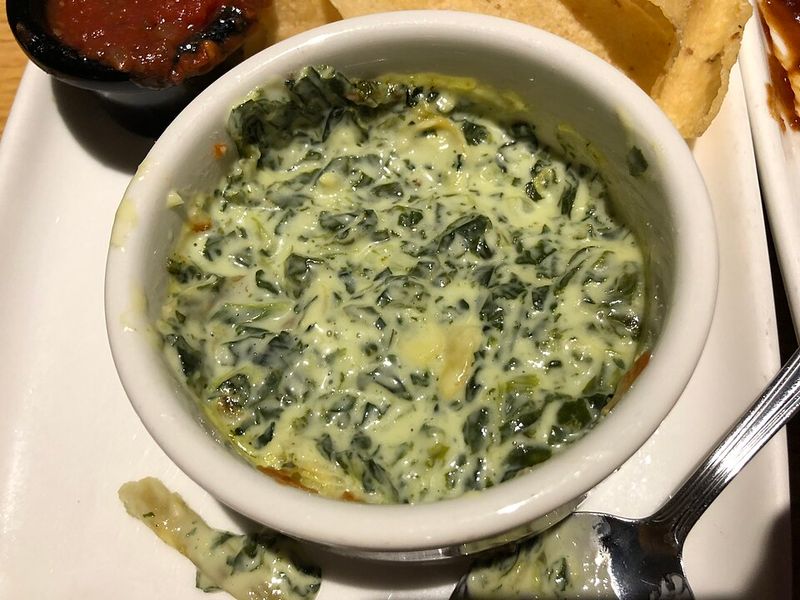
Spinach dip once made people cheer, but now it feels like a mall appetizer relic. The bowl is heavy, the bread goes soggy, and the flavors blur into creamy monotone.
Guests crave freshness, crunch, and herbs rather than ladlefuls of beige.
Keep the comfort, fix the balance. Whip Greek yogurt with mayo, fold in spinach, scallions, dill, lemon, and chopped artichokes.
Serve chilled with endive, cucumbers, and warm pita chips, plus hot sauce on the side. Now the dip tastes bright and snackable, and people return without feeling weighed down.
Add pistachios for crunch too.
Cheesecake Slice
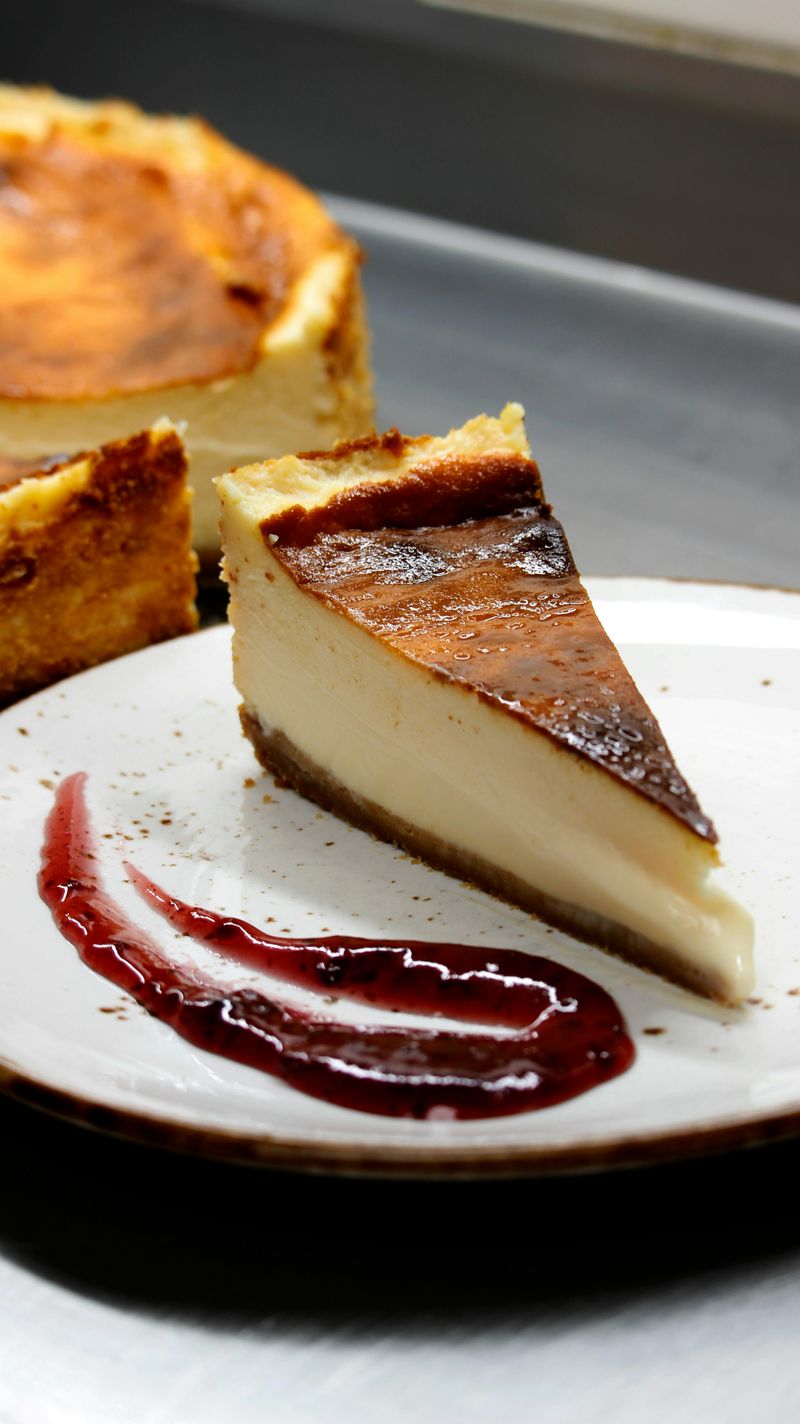
A lone cheesecake slice used to mean decadence, but it often lands dense and forgettable. The crust sogs out, the topping is gummy, and the portion feels obligatory rather than exciting.
Guests crave tang, silk, and a clean finish, not a brick they pass around the table.
Switch to a thinner New York base with sour cream and lemon, and bake gently in a water bath. Chill overnight, slice cold, and plate with seasonal fruit and salted crumbs.
Offer espresso alongside. Suddenly it eats feather light, the tang shines, and that humble slice becomes the closer you wanted.
French Onion Soup
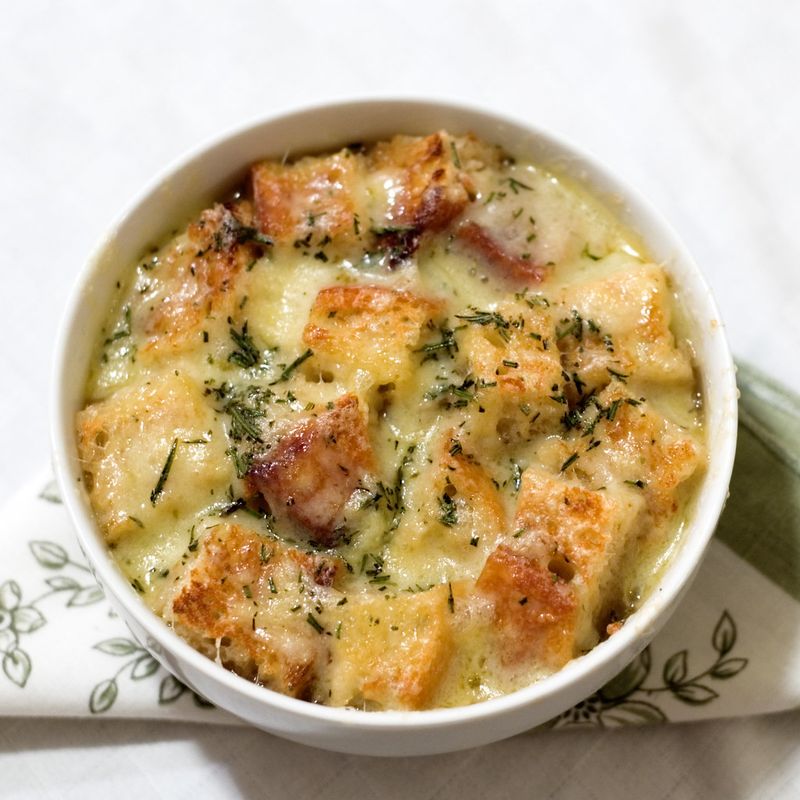
French onion soup feels fancy in theory, yet many versions drown under gluey cheese and weak stock. Soggy bread turns to paste, and the sweetness leans cloying rather than savory.
Without darkly caramelized onions and a proper broth backbone, the crock becomes a salty blanket instead of comfort.
Fix the base, then garnish with restraint. Build a rich roasted bone broth, deglaze onions with sherry, and add thyme and vinegar for lift.
Float a thin toast, broil Gruyere just until bubbling, and finish with black pepper. Suddenly it is aromatic, balanced, and spoonable to the very last sip.
Chicken Parmesan
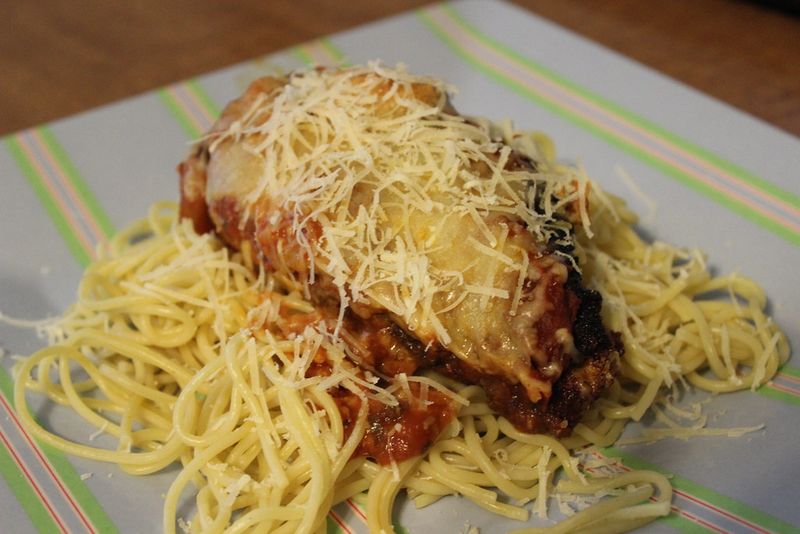
Chicken Parmesan used to wow with bubbling cheese and red sauce, but fatigue has set in. The cutlets sprawl, the crumbs soak through, and the plate becomes a heavy blanket.
Most guests crave crispness, acidity, and a sense of craft rather than a mound that tastes the same throughout.
Go thinner and crisp hotter. Spoon a bright, quick marinara underneath, lay cutlets on top, and finish with mozzarella in modest patches.
Shower basil and Parm, and add a lemon dressed salad on the side. Now each bite pops, and the dish finally feels lighter without losing that comforting hug.
Enjoyed this story?
Add Fast Food Club as a preferred source to see more of our reporting on Google.