


Once you hit your 40s, foods that used to feel harmless can suddenly turn on you. Digestion slows, hormones shift, and gut bacteria change the way you respond to fat, sugar, alcohol, and spice.
The good news is you can still enjoy favorites with a few smart tweaks. Use this list to understand what might be bothering your stomach and what to do instead.
Fried chicken
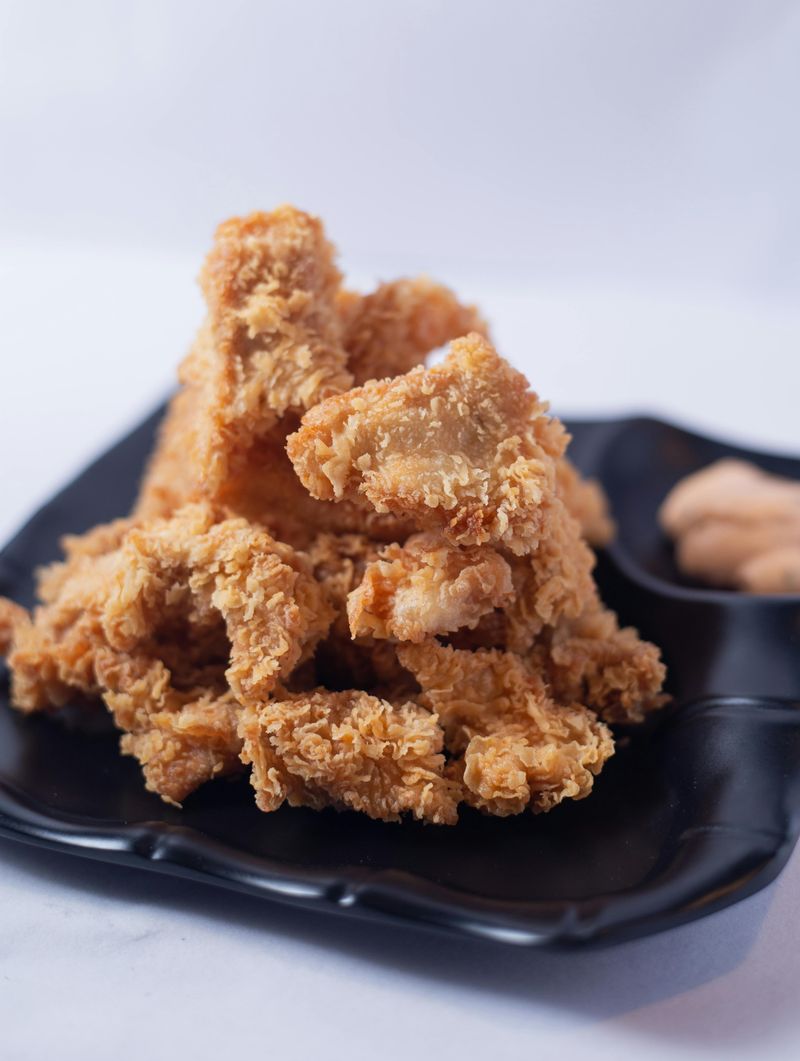
Fried chicken tastes nostalgic, but after 40 your gut may process it slower. The breading and skin soak up oil, creating a heavy, high fat load that lingers.
That fat can relax the lower esophageal sphincter, inviting reflux and nighttime burning.
Portion size matters, especially if you also pair it with fries or beer. Try removing the skin, air frying, or choosing grilled chicken for similar satisfaction.
If cravings hit, eat it earlier in the day, add a crisp salad with vinegar, and pause between bites to help fullness cues. Sip water, not soda, to reduce bloat.
Baked beans
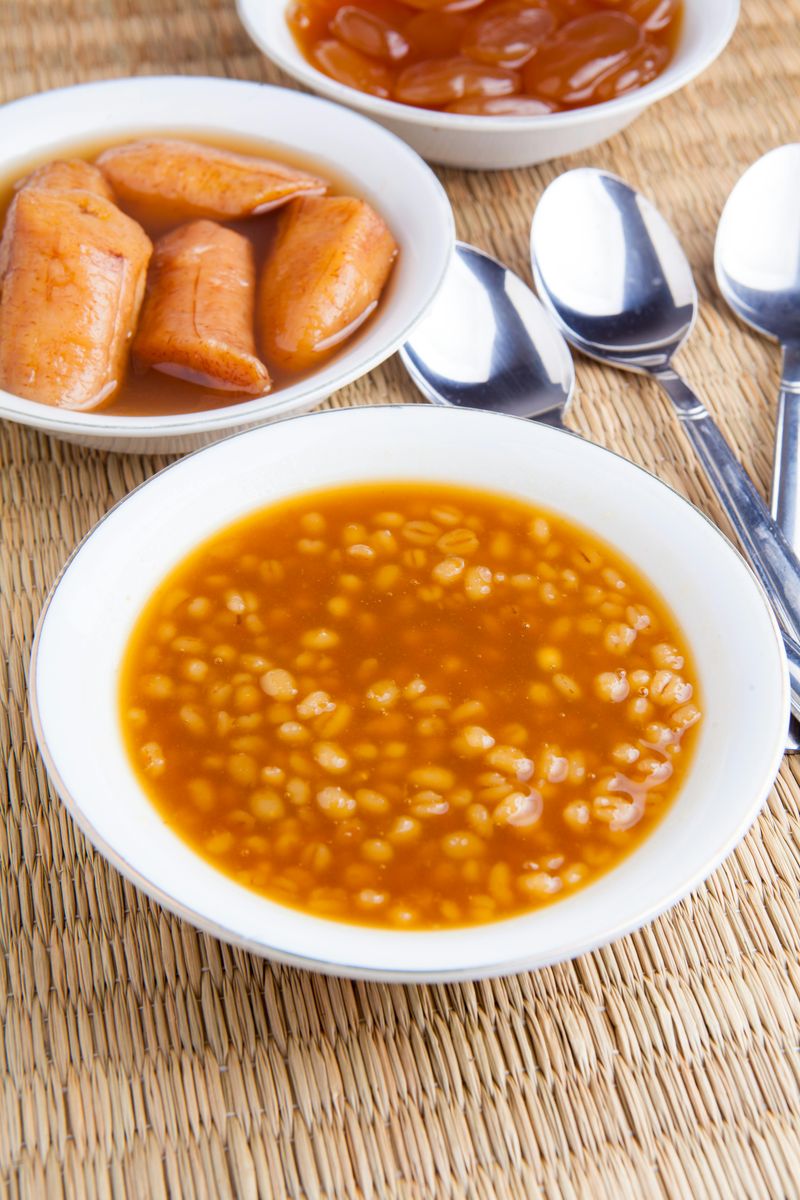
Baked beans offer fiber and plant protein, yet the combo of added sugar and fermentable carbs can be tough. The oligosaccharides feed gut bacteria quickly, creating gas and pressure.
If your microbiome has shifted with age, that pressure may translate into bloating or cramps.
You can drain extra sauce to cut sugar, or choose reduced sugar versions. Start with small servings and add slowly so your gut adapts.
Pair with lean protein and greens to balance the meal. Chew well and sip peppermint tea afterward.
If discomfort persists, try pressure cooking beans from scratch for better digestibility.
Raw cabbage
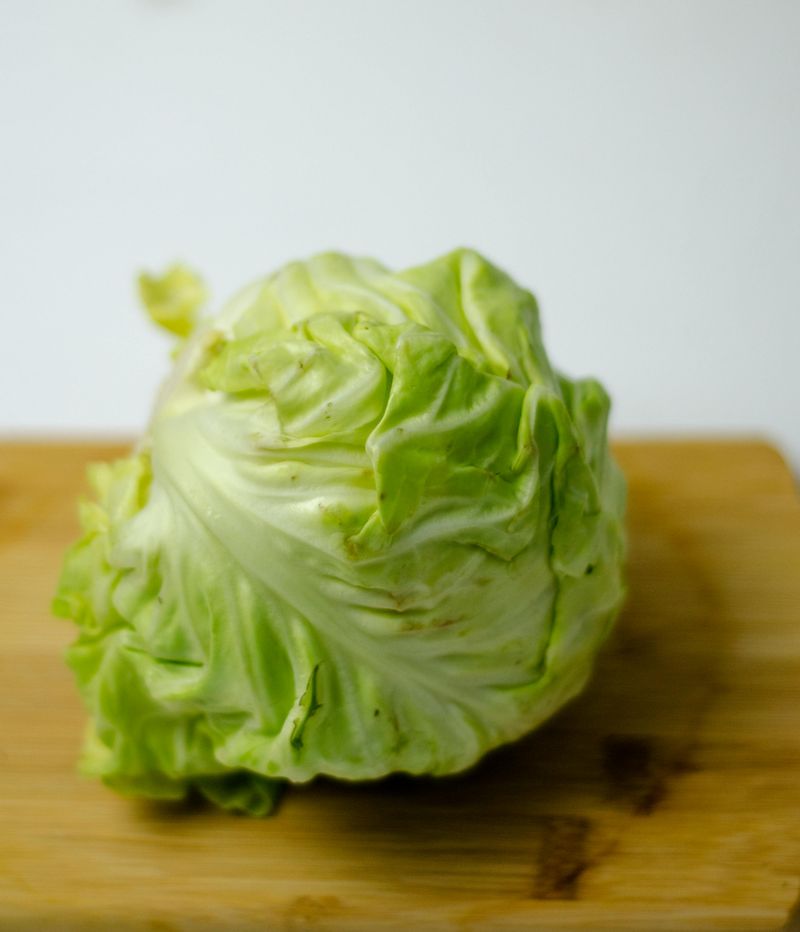
Raw cabbage is crunchy and refreshing, but its insoluble fiber and sulfur compounds can challenge a slower midlife gut. If you notice bloating after slaws, you are not imagining it.
The rough texture moves quickly, while fermentable sugars linger, creating gas and discomfort.
Lightly salting and massaging cabbage helps break down fibers. A quick sauté or steam softens it without losing nutrients.
Add apple cider vinegar and a bit of olive oil to improve tolerance. Keep portions modest and combine with cooked grains for balance.
If symptoms flare, choose cooked cabbage or napa cabbage, which many people find gentler.
Raw onions
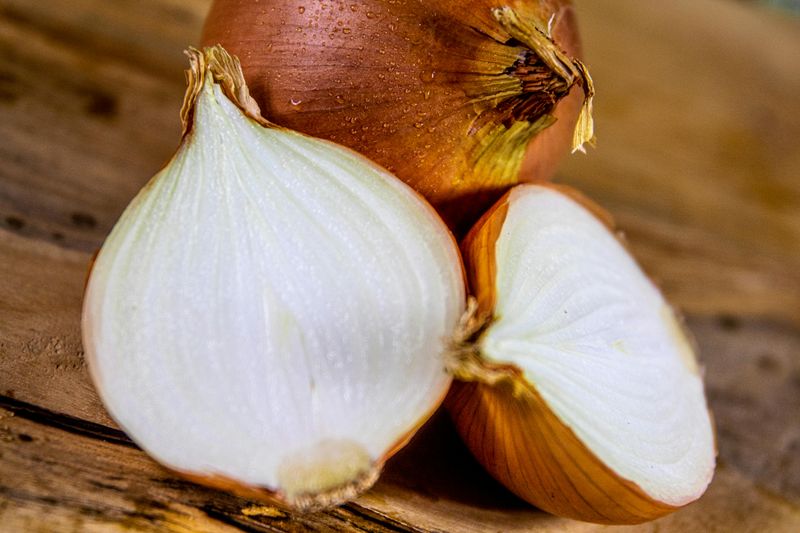
Raw onions are packed with flavor, but their fructans are famous gas producers. After 40, changes in enzyme activity and gut flora can magnify the effect.
That means a simple salad topping can trigger bloating, pressure, and even heartburn for some people.
Try soaking sliced onions in cold water or vinegar to reduce sharpness. Cook them slowly until sweet to make them gentler.
Use green onion tops or chives for onion flavor with fewer fermentable carbs. Keep serving sizes small and pair with protein and leafy greens.
If you still feel symptoms, consider low fructan alternatives like shallots in moderation.
Garlic
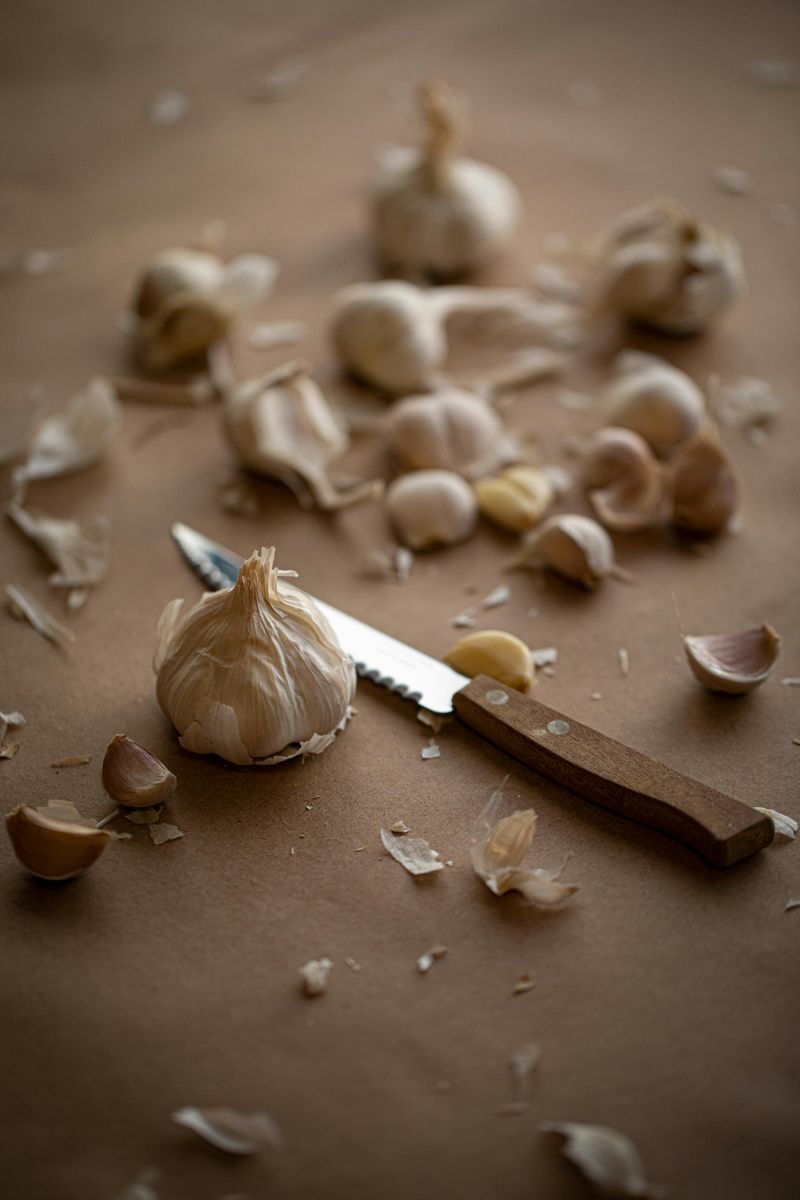
Garlic delivers big flavor and potential heart benefits, yet its fructans can ferment rapidly in a sensitive gut. After 40, that can translate into gas, cramps, or a tight, swollen feeling after meals.
Raw garlic is usually harder to tolerate than gently cooked forms.
Try infusing olive oil with whole cloves to capture flavor without as many fermentable carbs. Roast garlic until soft, and start with small amounts.
If symptoms persist, consider garlic powder or low fructan garlic infused oil. Pair with nonstarchy vegetables and lean protein.
Tracking portions helps you identify your personal threshold without giving up favorite dishes.
Spicy peppers
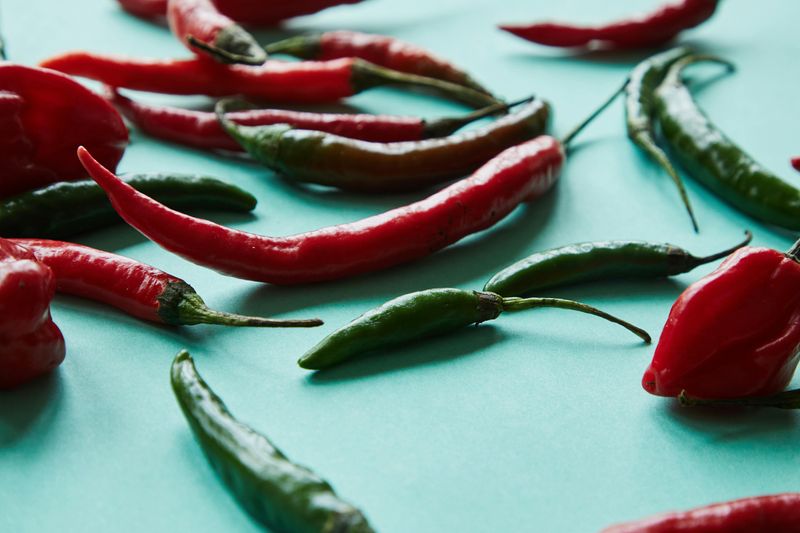
Spicy peppers can light up a dish, but capsaicin may irritate the gut lining and loosen the valve to the esophagus. After 40, reflux risk can creep up, leaving you with burning or nausea later.
Heat also speeds transit for some people, sending you urgently to the bathroom.
Dial down intensity by removing seeds and membranes. Pair spice with fat from yogurt or avocado to buffer irritation.
Eat smaller portions and avoid late night meals. If symptoms persist, choose milder peppers like poblanos or roasted bell peppers.
A cooling side of cucumber or kefir can help steady your stomach without sacrificing flavor.
Cheddar cheese
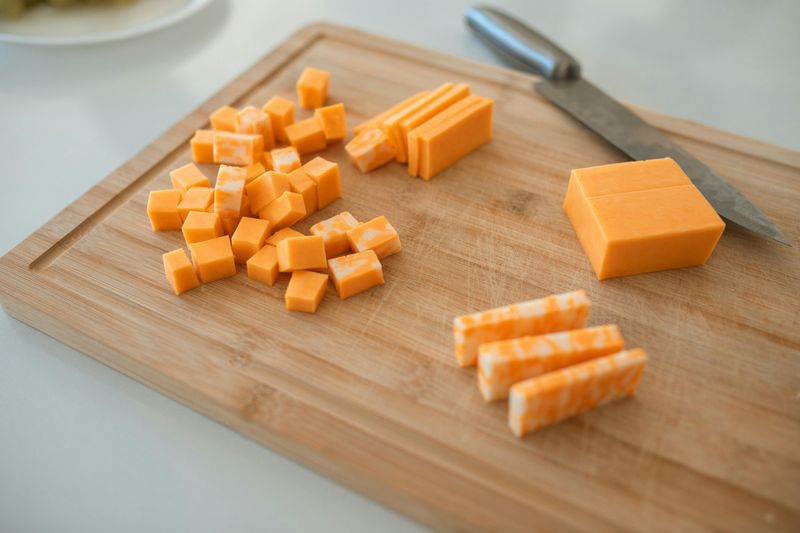
Cheddar is delicious, but lactose and dense fat can hit harder as lactase activity declines with age. Even aged cheddar, with less lactose, can feel heavy if portions are large.
The combination may slow stomach emptying and trigger reflux or post meal sluggishness.
Choose sharper aged varieties and savor smaller bites. Pair with fiber rich fruit or whole grain crackers to improve balance.
If lactose is the issue, try lactose free cheddar or take lactase tablets as needed. Melting cheese onto vegetables instead of bread can help.
Notice how you feel after different amounts and adjust your personal serving size.
Whole milk
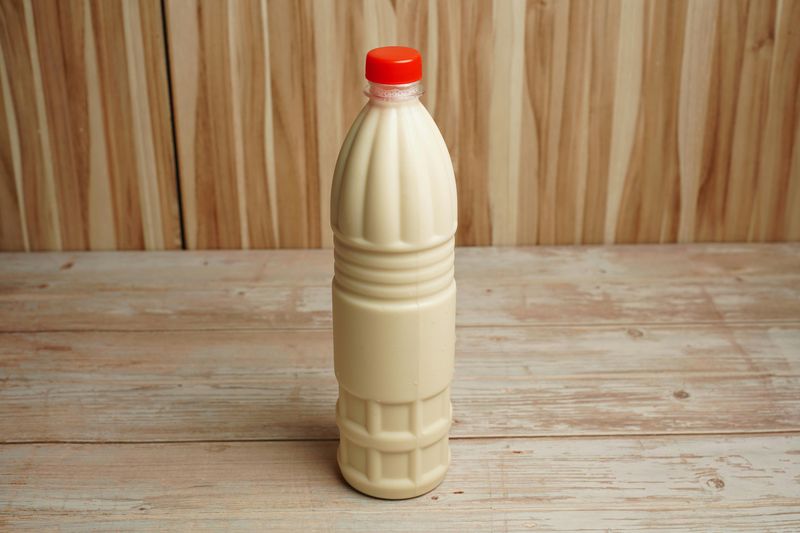
Whole milk brings creaminess, but higher fat and lactose can challenge a midlife gut. You might notice heaviness, nausea, or bathroom urgency, especially if you drink it on an empty stomach.
Some people also experience reflux when fat delays gastric emptying.
Test tolerance by switching to lactose free milk or reducing portion size. Try 2 percent or 1 percent milk to cut the fat load while keeping nutrients.
Pair milk with fiber or protein instead of sweets to stabilize digestion. If dairy remains difficult, consider calcium fortified alternatives like soy or pea milk and check labels for added sugars.
Heavy cream
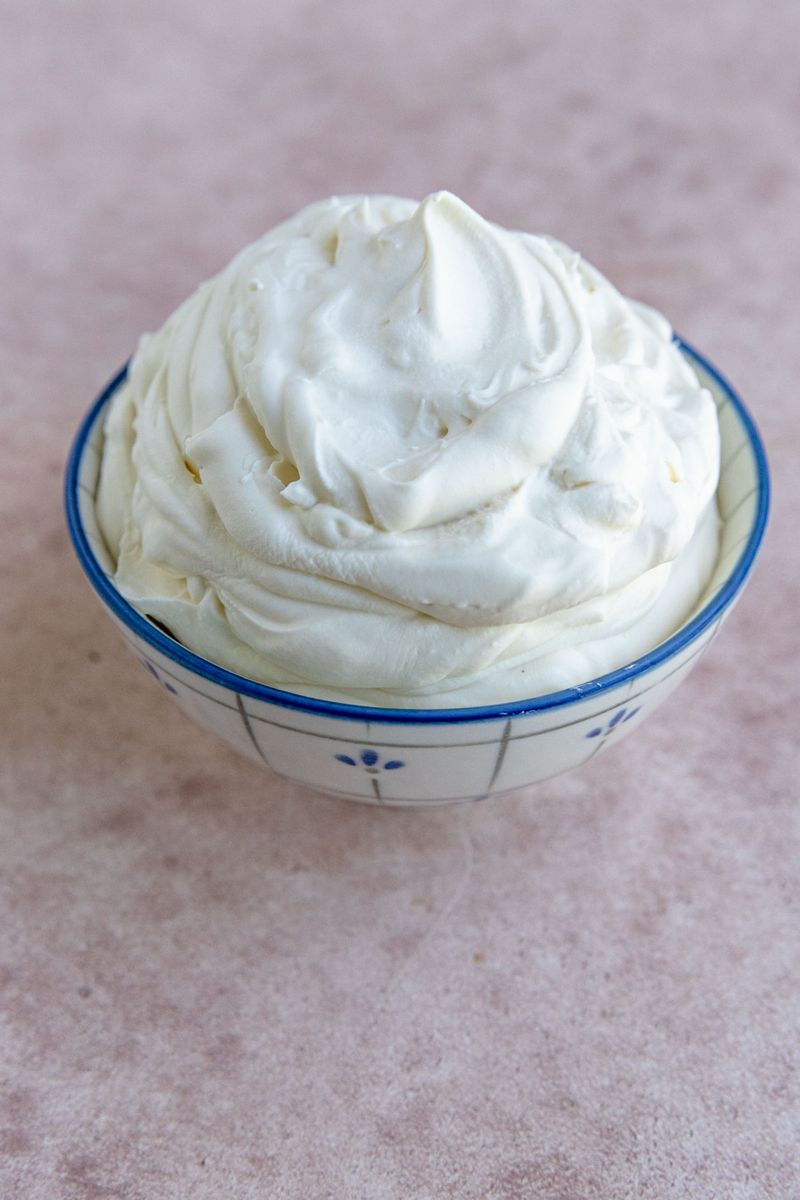
Heavy cream is almost pure fat, which can be slow to digest and may worsen reflux. After 40, that luxurious splash in coffee or pasta sauce can linger uncomfortably.
You might feel upper fullness, belching, or a sour taste rising after meals.
Use a measured spoon and savor the richness without overdoing it. Swap part of the cream for milk, broth, or a silky puree like cauliflower to lighten sauces.
In coffee, try half and half or barista style oat milk. Eating smaller, earlier meals helps.
Keep a food log for a week to pinpoint your ideal cream threshold.
Sweet pastries

Sweet pastries combine refined flour, sugar, and fat that can overwhelm digestion as metabolism slows. The rapid blood sugar spike followed by a crash can leave you nauseated or crampy.
Flaky layers also bring saturated fat that delays stomach emptying and fuels reflux.
Enjoy pastries occasionally and pair with protein like eggs or Greek yogurt. Choose smaller items, share, or freeze halves for later.
Opt for less icing and more fruit filled options. A brisk walk after breakfast supports glucose control and comfort.
If cravings hit, try whole grain toast with almond butter and cinnamon to satisfy that bakery vibe.
Milk chocolate
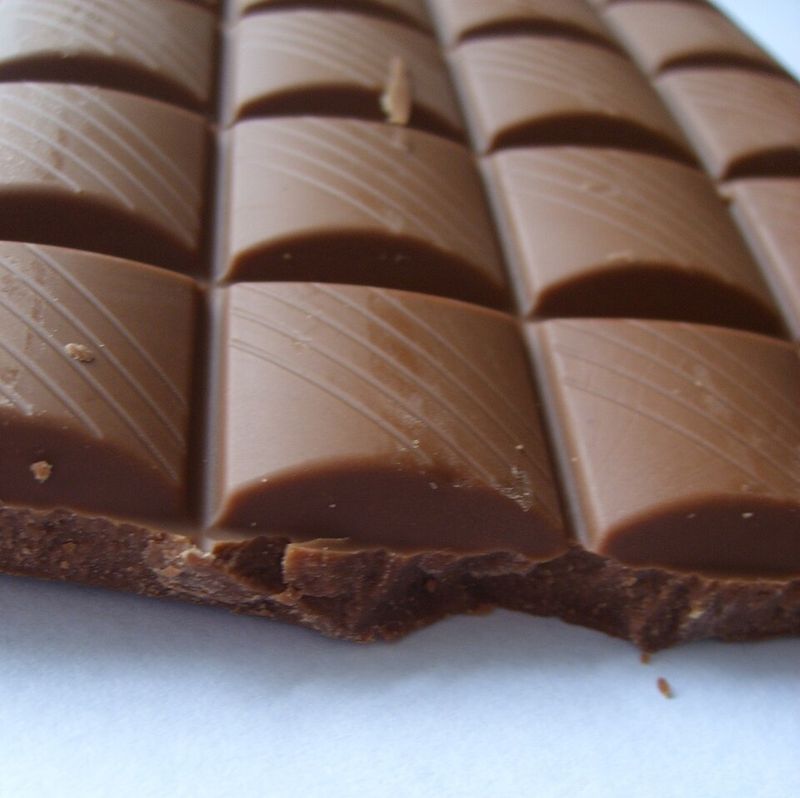
Milk chocolate is creamy and comforting, but its mix of sugar, dairy, and cocoa can be tricky. Sugar ferments rapidly, dairy may add lactose issues, and cocoa can relax the esophageal valve.
After 40, that trifecta can mean bloating with a side of heartburn.
Reach for smaller squares and savor slowly. Darker chocolate with less sugar may be easier, but test your tolerance.
Pair with nuts or berries to buffer blood sugar swings. Avoid eating chocolate late at night and keep portions mindful.
If dairy bothers you, try dairy free chocolate made with cocoa butter and check labels for additives.
Black coffee

Black coffee can stimulate acid production and speed gut transit. After 40, you might feel more sensitive to that acidity, noticing sour burps, jitters, or an urgent bathroom trip.
Empty stomach coffee can be especially rough, amplifying reflux or cramps.
Shift to a small cup with food rather than sipping first thing. Try low acid beans, cold brew, or adding a splash of milk to soften the impact.
Hydrate alongside coffee to protect your stomach. Avoid back to back cups and cut off caffeine by early afternoon.
Pay attention to dose, timing, and what you ate the meal before.
Red wine

Red wine feels sophisticated, but alcohol relaxes the lower esophageal sphincter and increases acid production. Tannins can also irritate sensitive stomachs.
After 40, even modest pours may bring flushing, reflux, or poor sleep that worsens digestive discomfort the next day.
Enjoy wine with food, not on an empty stomach. Alternate each glass with water and stop before bedtime.
Choose lighter styles and smaller pours to find your sweet spot. If tannins bother you, try chilling slightly or switching to white or a low alcohol option.
Track how different wines affect you so celebrations stay comfortable and enjoyable.
Soda
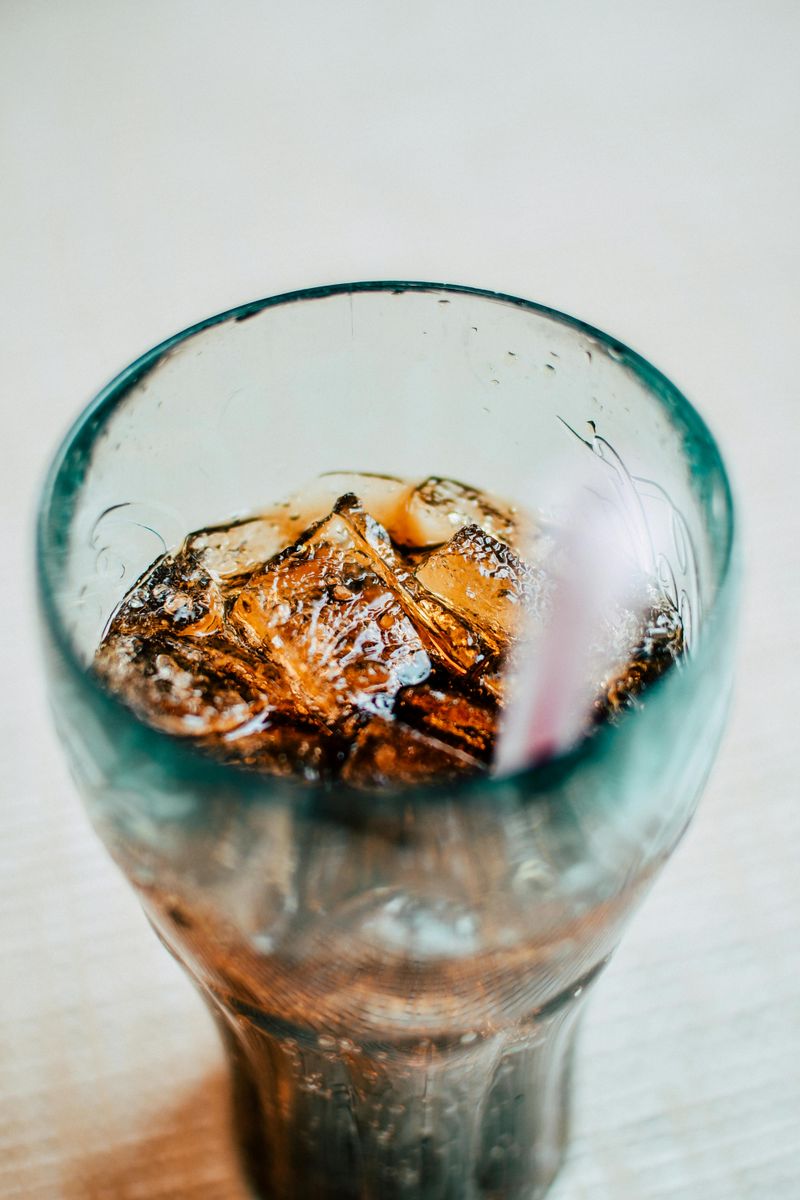
Soda delivers carbonation plus a sugar or artificial sweetener hit, both troublesome for sensitive guts. Bubbles expand in the stomach, while sugars or polyols ferment and pull in water.
After 40, that combination can mean pressure, belching, and bloat that sticks around.
If you love fizz, try plain sparkling water and add citrus or bitters. Reduce portion size and sip slowly to limit swallowed air.
Choose caffeine free options if stimulants worsen reflux. Pair with a protein rich snack, not sweets, to ease spikes.
If sweeteners trigger cramps, test different brands or go half sparkling, half still to compromise.
Processed meat
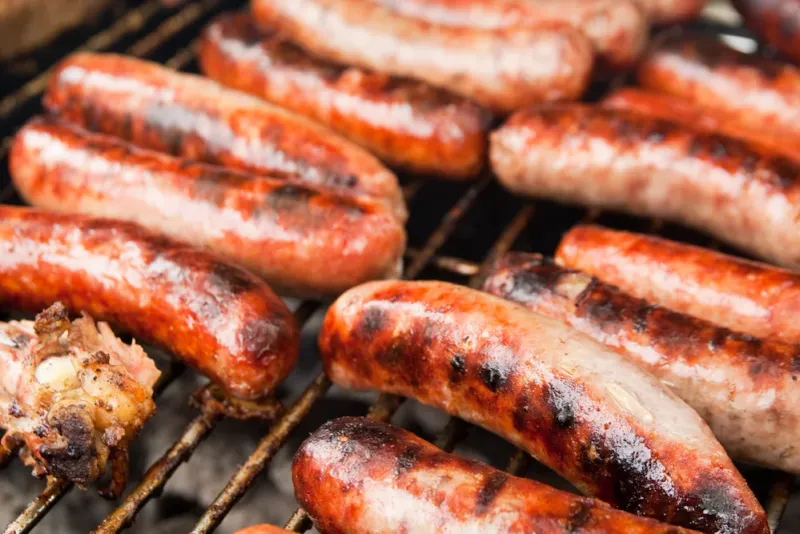
Processed meats like sausages and deli slices often contain added fat, salt, and preservatives. That mix can aggravate reflux, water retention, and general gut irritation.
After 40, you may notice more bloating or thirst, especially with smoked or heavily spiced varieties.
Limit frequency and choose minimally processed options with short ingredient lists. Look for leaner turkey or chicken slices and drain excess fat from cooked sausages.
Pair with fiber rich vegetables and whole grains. Mustard or yogurt based sauces beat creamy dressings.
If nitrates bug you, try uncured versions, but still watch sodium. Keep portions small and occasional.
Fast food burgers
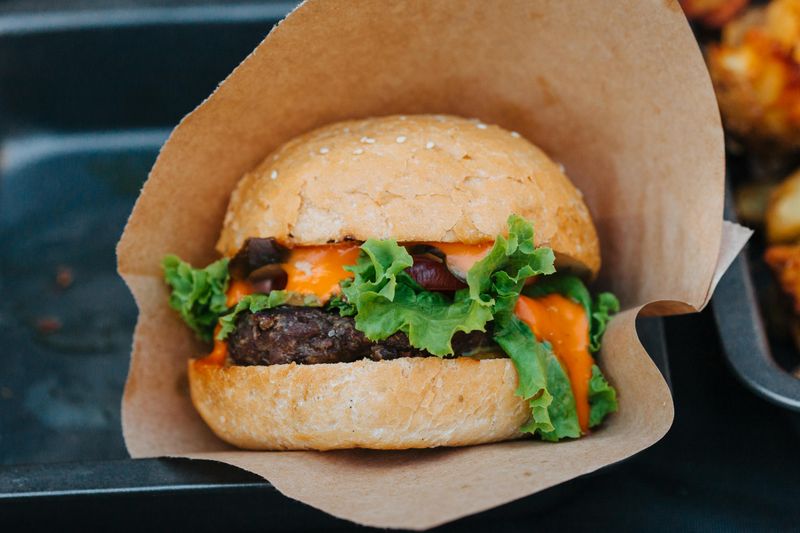
Fast food burgers stack refined buns, fatty patties, and salty sauces. After 40, that combo can sit like a brick, provoking reflux and afternoon sluggishness.
Ultra processed ingredients may also disrupt gut bacteria, worsening gas and bloat.
Downsize to a single patty and skip extra cheese or creamy sauce. Add lettuce, tomato, and pickles for fiber and freshness.
Choose a side salad or fruit cup instead of fries. Eat slowly, and split the meal if you are no longer hungry halfway through.
If cravings strike, try a grilled burger at home on a whole grain bun.
White bread
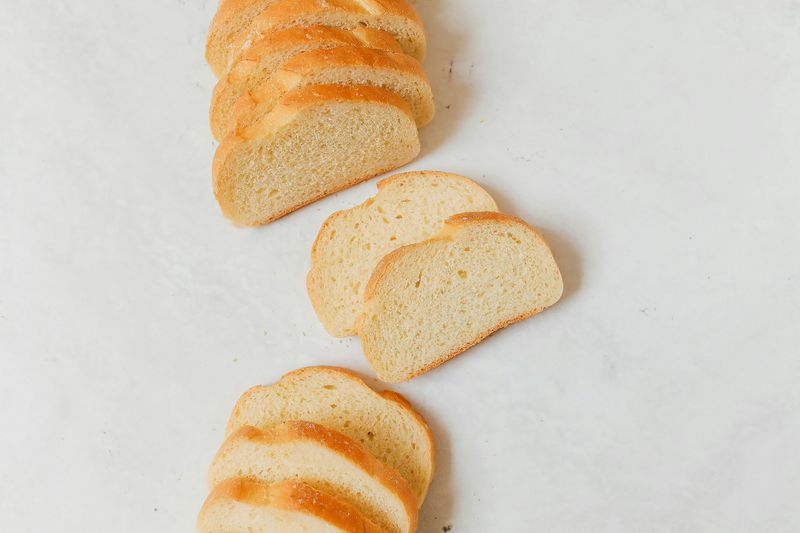
White bread digests quickly, spiking blood sugar and leaving you hungry soon after. That rapid swing can trigger nausea, shakiness, or reflux for some people over 40.
Without much fiber, it moves fast while still encouraging gas from added sugars.
Swap to whole grain or sourdough to slow digestion and boost comfort. If white bread is your favorite, pair it with protein, fat, and veggies to balance.
Toasting can make it slightly easier to tolerate. Keep portions modest and avoid late night sandwiches.
Read labels for added sugar and choose breads with at least three grams of fiber.
White sugar
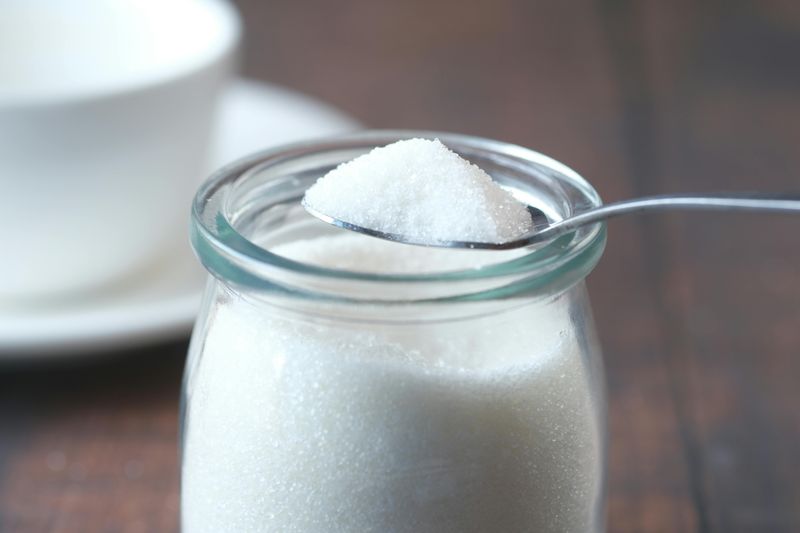
White sugar rushes into the bloodstream, provoking insulin spikes that may feel rougher after 40. Rapid swings can cause nausea, headaches, and cravings that strain your gut rhythm.
Excess sugar also feeds gas producing bacteria, increasing bloating and discomfort.
Stabilize with smaller portions and pair sweets with protein or fiber. Consider fruit forward desserts or lightly sweetened yogurt.
Add cinnamon or vanilla to enhance sweetness without more sugar. Read labels and choose options with fewer added sugars.
If sweet tooth moments strike, take a short walk and drink water first. Often the craving passes, sparing your stomach.
Vanilla ice cream
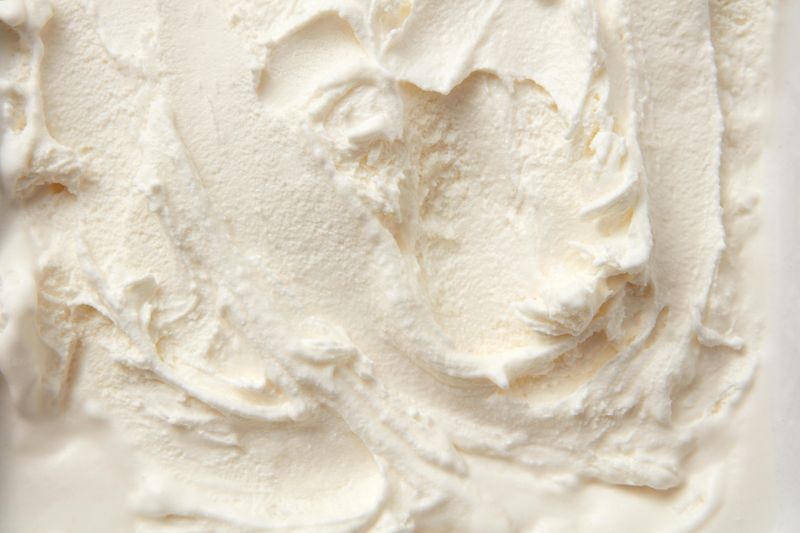
Vanilla ice cream looks innocent, but it combines lactose, sugar, and saturated fat. After 40, that trio can mean bloating, reflux, or bathroom urgency, especially at night.
Cold temperature may also mask fullness cues, making it easy to overeat.
Choose a small dish and savor slowly. Try lactose free ice cream or frozen Greek yogurt if dairy bothers you.
Pair with berries or chopped nuts to add fiber and reduce spikes. Enjoy it earlier in the evening to protect sleep and digestion.
If portions creep up, pre scoop servings and return the carton to the freezer promptly.
Red meat
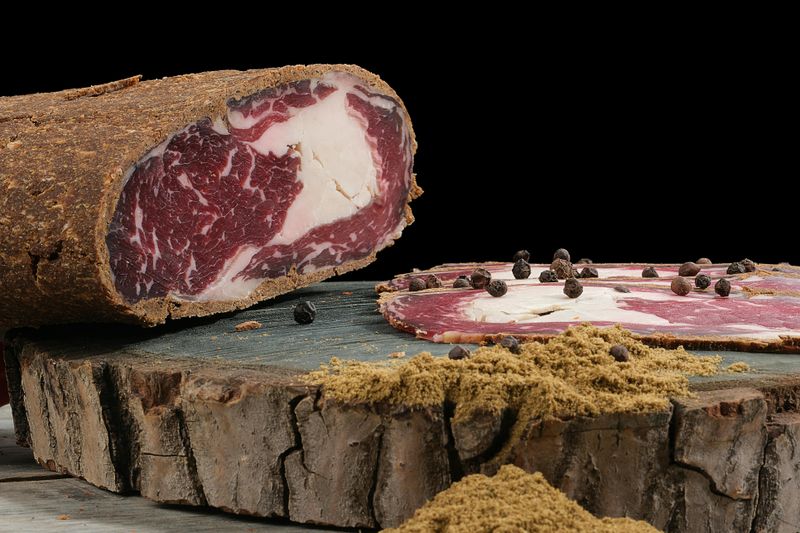
Red meat is dense in protein and fat, which can slow digestion as enzyme output changes with age. Larger portions increase stomach workload and may provoke reflux.
Some cuts also have connective tissue that takes longer to break down, causing heaviness.
Choose leaner cuts like sirloin, flank, or tenderloin, and keep portions palm sized. Marinate with acidic ingredients to tenderize and add herbs for flavor.
Pair steak with roasted vegetables instead of fries to balance fat. Chew thoroughly and eat earlier.
If red meat consistently bothers you, rotate in fish, lentils, or tofu to meet protein needs comfortably.
Enjoyed this story?
Add Fast Food Club as a preferred source to see more of our reporting on Google.