


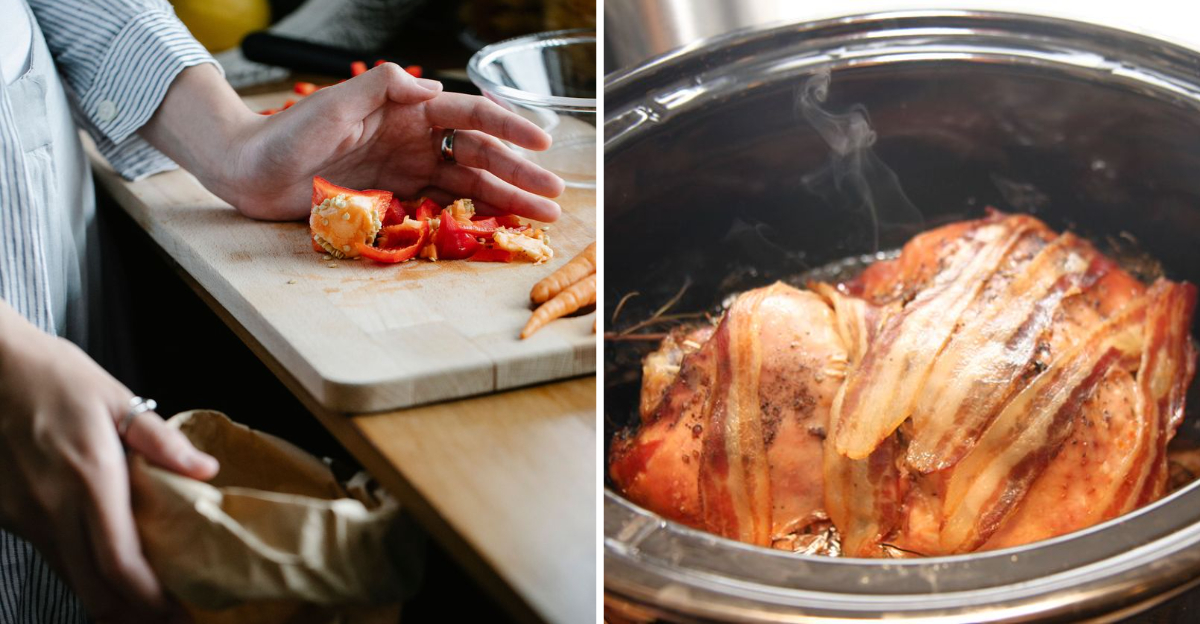
Grandma’s kitchen wisdom used to sound old-fashioned, but it keeps proving itself in studies and in real life. These bite-sized rules make cooking simpler, health saner, and meals more satisfying.
As science catches up, the advice you heard at the table starts to look brilliant. Let these time-tested tips meet today’s evidence and inspire your next plate.
Eat breakfast before leaving the house
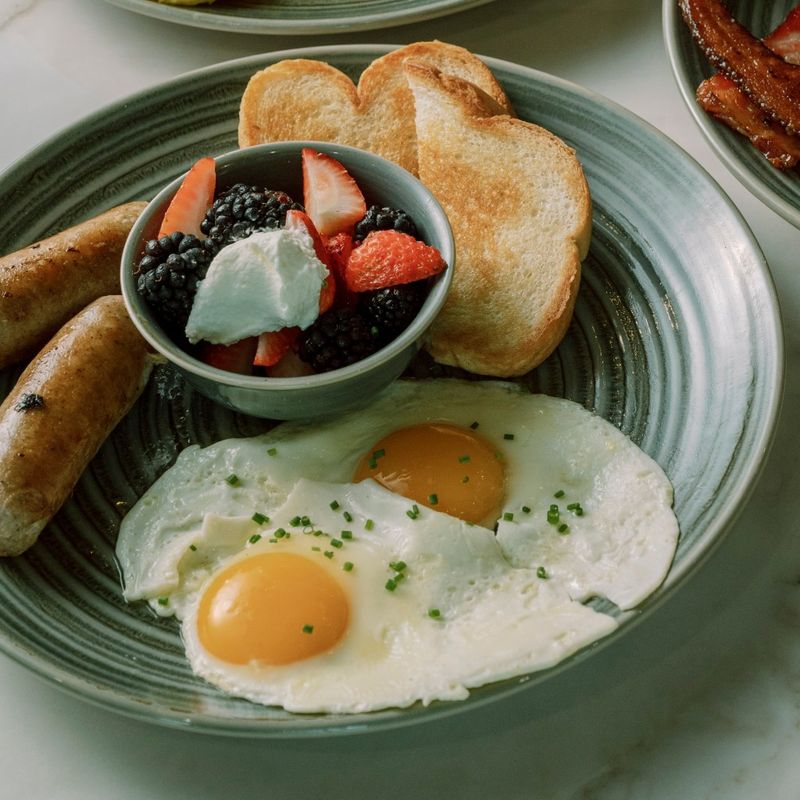
Grandma swore breakfast sets the tone, and research backs her up. A balanced morning meal steadies blood sugar, sharpens attention, and curbs mindless snacking later.
Aim for protein, fiber, and healthy fats so you feel satisfied, not sluggish.
Try eggs with veggies, Greek yogurt with berries, or oatmeal with nuts. Even a quick smoothie beats rushing out hungry and grabbing pastries.
When your first meal is thoughtful, you naturally make better choices all day long.
If mornings are chaotic, prep overnight oats, boil eggs ahead, or batch-cook breakfast burritos to freeze. Future you will thank your calmer, nourished brain and belly.
Chicken soup really helps when you’re sick
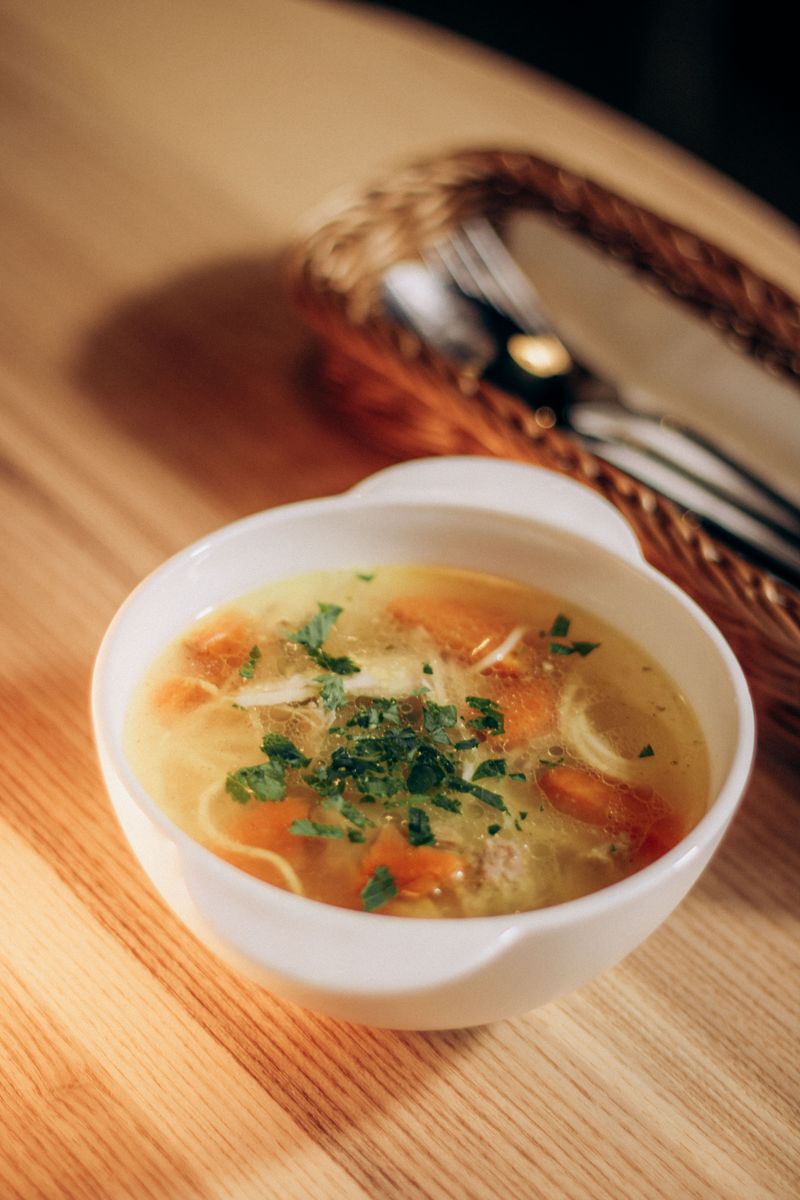
When a cold hits, chicken soup feels magical for good reasons. Warm broth keeps you hydrated, thins mucus, and eases a scratchy throat.
The vegetables add electrolytes and antioxidants, while protein supports immune repair.
Steam from a hot bowl even improves nasal airflow, so you breathe easier. Sip slowly, add ginger, garlic, or chili for extra comfort, and pair with rest.
It is not a cure, but it helps you bounce back faster.
Make it with real stock, plenty of vegetables, and tender chicken thighs for richer flavor. Freeze portions, because colds never arrive on schedule.
You will be ready.
Fermented foods are good for digestion
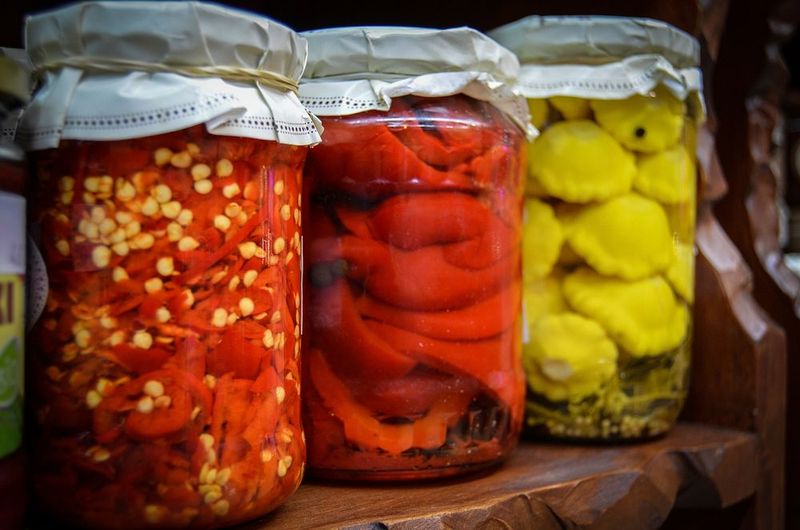
Sauerkraut, kimchi, kefir, and yogurt are not fads. Fermented foods seed your gut with beneficial microbes that help digest fiber, produce vitamins, and train immunity.
A healthier microbiome links to better mood, improved metabolism, and fewer digestive flare ups.
Start small to avoid bloating. Add a forkful alongside meals, sip kefir, or choose live culture yogurt without loads of sugar.
Your palate adjusts quickly, and your digestion will thank you within weeks.
If you cook, try fermenting carrots or pickles at home using just salt, water, and patience. It is easier than it sounds and deliciously rewarding.
For your gut.
Bone broth shouldn’t be thrown away
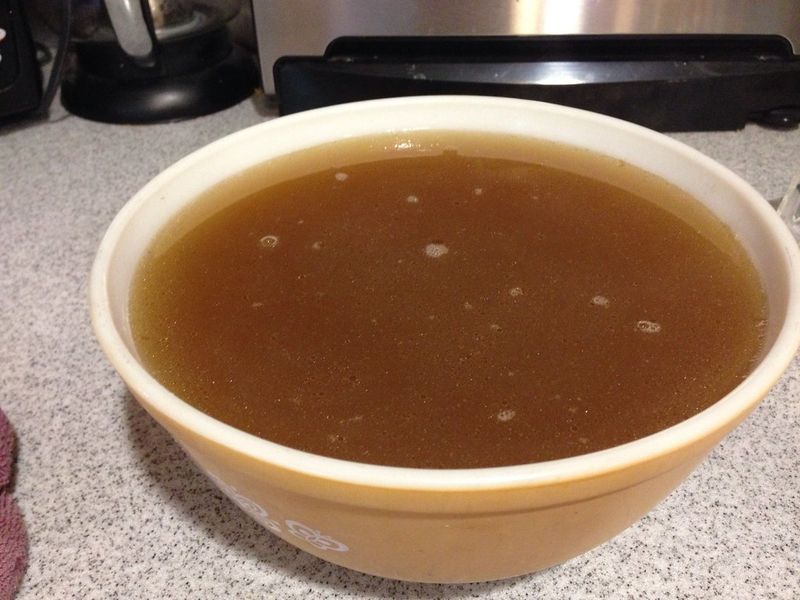
Grandma saved bones because broth turns scraps into nourishment. Simmered low and slow, bones release collagen, gelatin, and minerals that create body and comfort in soups and sauces.
The result is savory, silky stock that reduces food waste and grocery costs.
Use roasted chicken carcasses, beef shanks, or veggie trimmings. Add vinegar, onions, carrots, celery, and let time do the work.
Freeze in jars or cubes so flavor is always ready when you need it.
A cup alone can be soothing, especially during chilly nights or recovery. Your future soups will taste richer with almost no extra effort.
At all.
Butter belongs in moderation
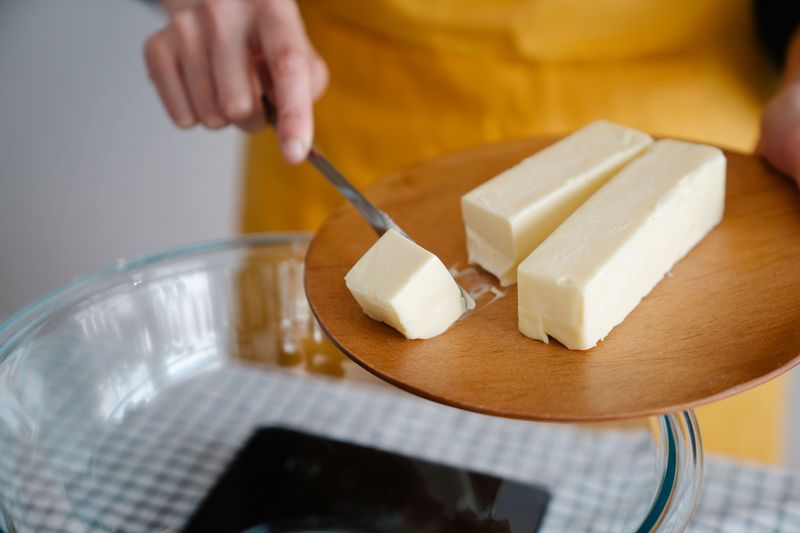
Butter is not the villain it was once made out to be. Science now distinguishes whole-food fats from ultra-processed trans fats, pointing to moderation and context.
A little butter can boost satiety and flavor, helping you enjoy vegetables and cook mindfully.
Use it where it shines, like on whole-grain toast or to finish a pan sauce. Pair with plenty of plants and skip mindless slathering.
Balance beats fear, and thoughtful portions let taste and health coexist beautifully.
If you bake, choose recipes that celebrate quality butter and restraint. You will savor every bite more.
Less can truly taste better today.
Eat seasonal produce
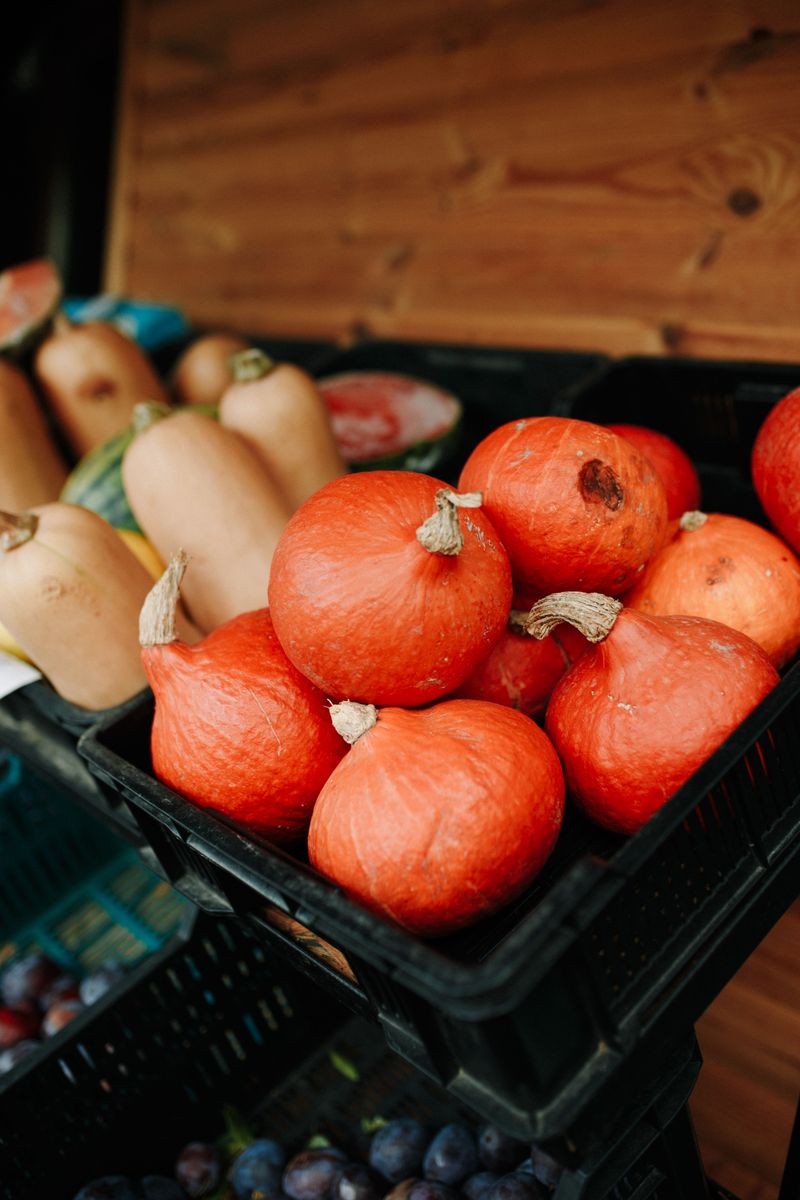
Seasonal fruits and vegetables travel shorter distances and taste brighter. They are picked nearer peak ripeness, meaning better texture, aroma, and nutrient retention.
Buying what is in season often costs less, too, which stretches your budget without sacrificing joy.
Build menus around markets, not cravings. Tomatoes sing in summer, squash comforts in winter, and citrus brightens dark days.
Eat the calendar and you will eat better, waste less, and feel more connected to place.
Freezing extras at peak ripeness locks in flavor for later months. Your freezer becomes a time capsule of sunshine.
That is smart seasonal eating for you.
Beans belong on the table every week
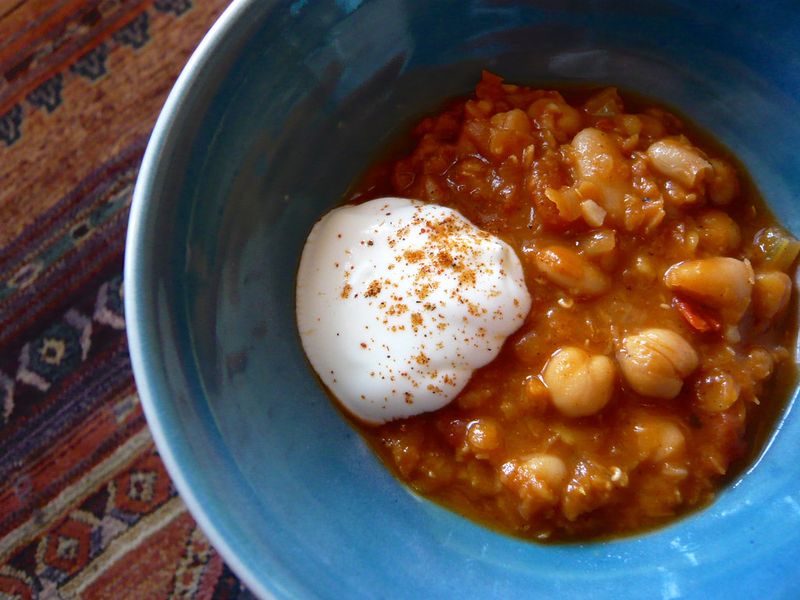
Beans offer protein, fiber, minerals, and serious satiety for spare change. Regular bean eaters tend to have steadier blood sugar, healthier hearts, and happier guts.
They are incredibly versatile in soups, tacos, salads, dips, and even brownies when you feel adventurous.
Soak and cook a big batch, then freeze in portions, or keep low sodium cans on hand. Season boldly with aromatics and acid.
Add beans to at least one meal each week and watch your grocery bill and hunger both relax.
Your future self will thank you for the comfort, nutrition, and convenience. It is budget brilliance for sure.
Homemade bread beats packaged bread
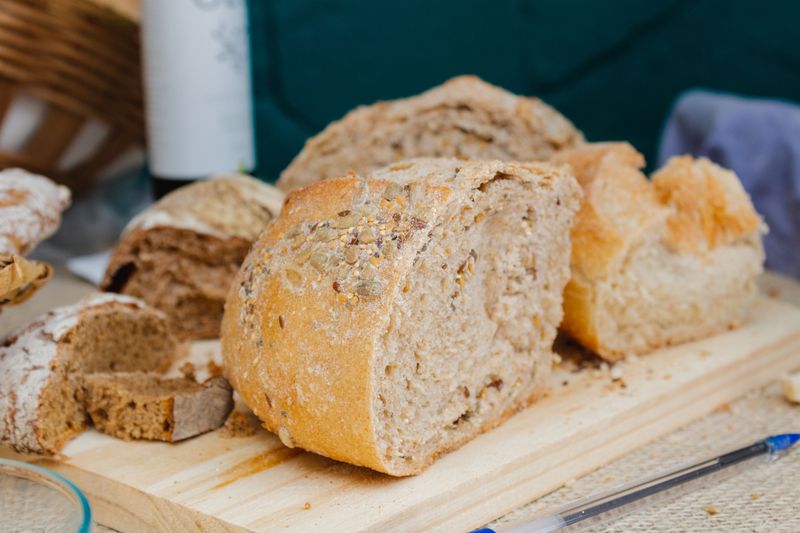
Fresh bread you bake fills the house with aroma and short, readable ingredients. Homemade loaves usually skip preservatives and excess sugar, focusing on flour, water, salt, and time.
Long fermentation can improve digestibility and flavor, giving you a crust and crumb worth sharing.
If kneading sounds scary, try no knead methods or a bread machine. Start simple, then play with seeds, whole grains, and mix ins.
Slices freeze beautifully, making weekday toast and sandwiches taste like a tiny bakery moment.
You control everything, which means better nutrition, satisfaction, and value. That first slice wins hearts every single time here today.
Don’t skip family dinners
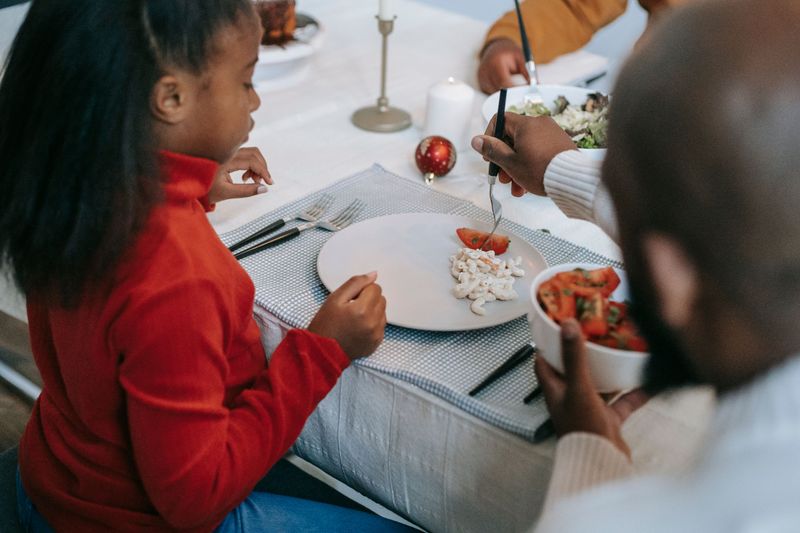
Shared meals are less about perfection and more about connection. Sitting together predicts better nutrition, stronger relationships, and calmer kids, partly because conversation slows eating.
Phones down, plates up, and suddenly vegetables seem less intimidating.
Keep it simple with soup, salad, or breakfast for dinner. Light a candle, ask a silly question, and let people serve themselves.
The ritual matters far more than any recipe.
Even one extra family dinner a week can improve mood and resilience. You will feel it, and so will the people you love.
Leftovers count and picnics qualify, make connection a delicious habit together tonight.
Oatmeal is a real breakfast
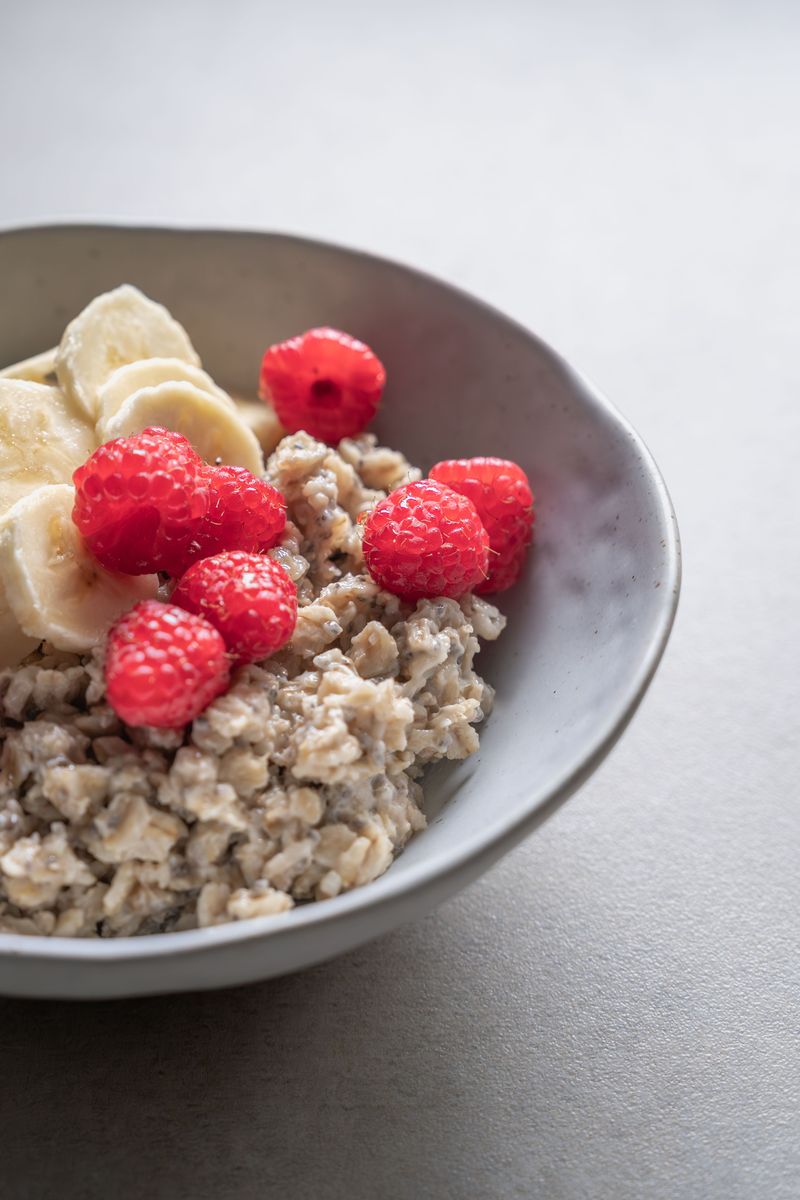
Oats deliver beta glucan fiber that helps lower cholesterol and keeps you comfortably full. They are a blank canvas for fruit, nuts, spices, and protein boosts like yogurt or eggs.
Sweet or savory, oatmeal adapts to your morning mood.
Cook it on the stove, microwave it, or bake a pan for the week. Stir in cinnamon and peanut butter, or go savory with spinach and cheese.
Quick, rolled, or steel cut, choose what fits your time and texture preferences.
Make extra and reheat with a splash of milk. Your future breakfasts just got easier and better.
That is smart planning.
Save bacon grease for cooking
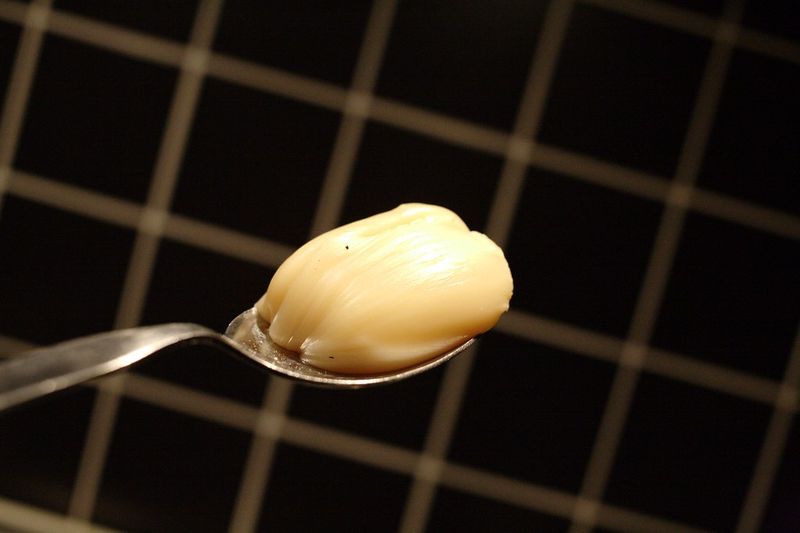
That jar by the stove is culinary gold. Strained bacon drippings add smoky depth to beans, cornbread, roasted potatoes, and sautéed greens.
Used sparingly, it boosts flavor so a little goes a long way, which helps you cook vegetables people crave.
Pour off while warm, filter crumbs, and store covered in the fridge. Swap a spoonful for oil when frying eggs or starting soups.
It is tradition and thrift, wrapped in undeniable deliciousness.
If you are concerned about saturated fat, use it like a seasoning, not a lubricant. Big flavor, tiny amount, happy taste buds.
Moderation protects both pleasure too. Store a backup jar frozen for longevity.
Apples make a good dessert

A crisp apple after dinner scratches the sweet itch without derailing your goals. Fiber slows sugar absorption and keeps you full, while crunch satisfies that snacky craving.
Pair with peanut butter, cheddar, or yogurt for staying power and a playful contrast.
Baked apples with cinnamon feel downright cozy and still lean wholesome. Slice into oats or tuck into a lunchbox.
Dessert can be simple, seasonal, and joyful without a mountain of dishes or guilt.
When fruit is the finale, you end satisfied and refreshed. Your sleep and tomorrow’s energy get a gentle boost.
Grandma called it balance for sweet tooth.
Drink water before soda

Thirst often masquerades as hunger or a craving for fizz. A glass of water first can reset taste buds, hydrate cells, and make sweet drinks feel too sweet.
Proper hydration supports focus, energy, and digestion all day.
Carry a bottle, add lemon, mint, or bubbles, and keep it within reach. If you still want soda after water, have a smaller one and really savor it.
Chances are you will want it less often.
Your wallet, teeth, and sleep benefit too. Small habits add up surprisingly fast.
Start with one week and notice the difference in cravings and energy today already.
Soup stretches a meal
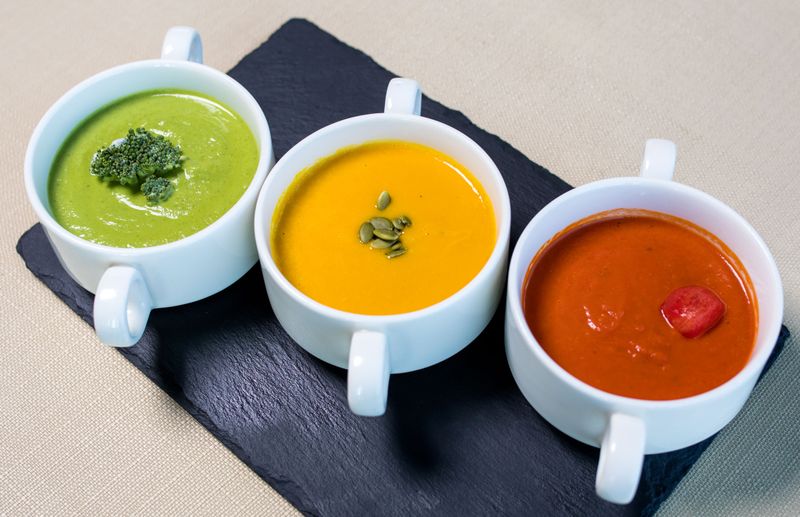
Grandma turned scraps into soup, and the pot always fed one more. Science applauds that trick because liquid volume, fiber, and protein boost fullness signals.
A bowl before the main course can help you eat fewer calories overall without feeling deprived.
Brothy bases keep sodium reasonable when you season with herbs, aromatics, and a parmesan rind. Add beans, leafy greens, and bits of leftover meat or tofu for staying power.
You get hydration, warmth, and a budget win, all while sneaking in vegetables you meant to use. Ladle generously and let the table slow down together.
Second helpings stay light.
Leftovers deserve a second chance
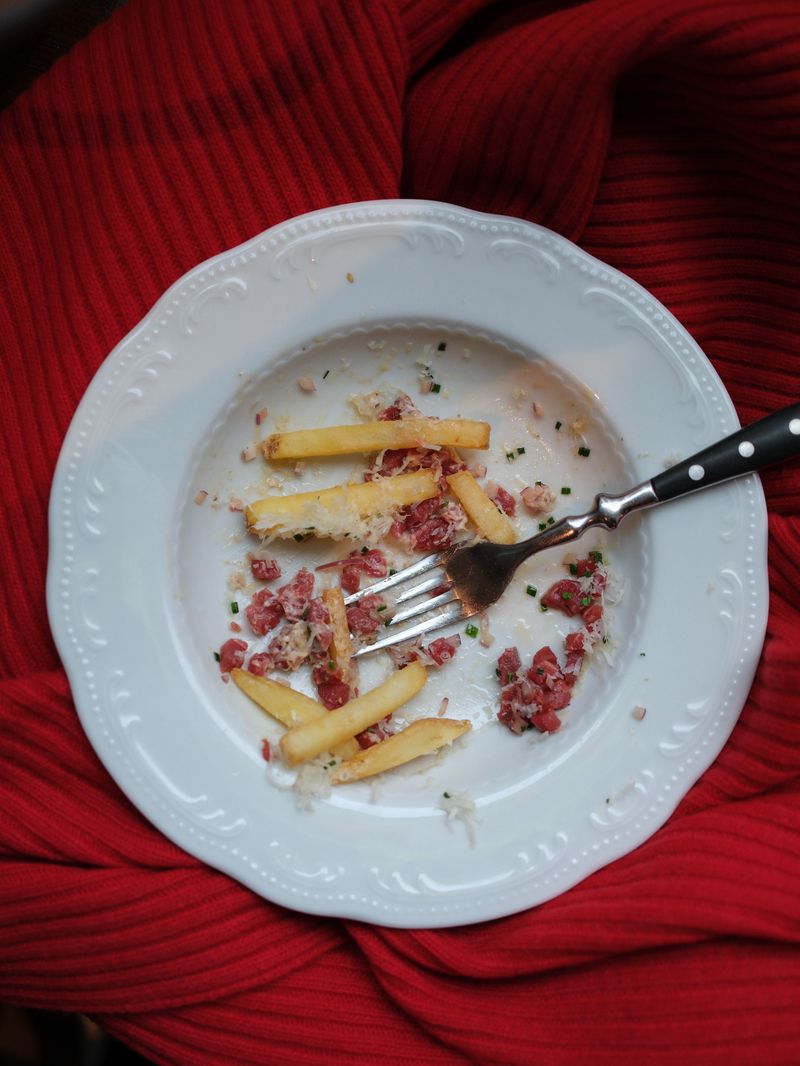
Leftovers are not failure; they are ingredients with a head start. Food safety guidelines say most cooked dishes keep three to four days refrigerated, so you have options.
Reheat to steaming, or repurpose quickly into tacos, frittatas, grain bowls, or soups to fight waste and boredom.
Cold rice becomes perfect fried rice when cooled starch turns more resistant. That means steadier blood sugar and better texture.
Roast vegetables reheat crisply in a hot pan, not the microwave. Label containers with dates, store smartly, and celebrate the saved money.
Your future self will cheer. Plan once, eat twice with pride, happily.
Frozen vegetables are better than none
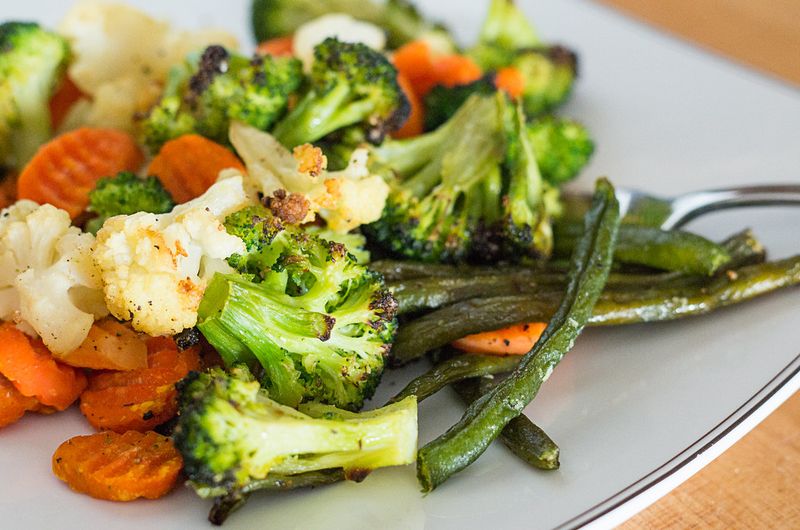
Grandma stocked a freezer for stormy weeks, and she was onto something. Frozen vegetables are picked at peak ripeness and flash frozen, often locking in vitamins as well as fresh.
When life gets busy, a bag of peas or spinach makes dinner greener in five minutes flat.
Steam lightly, toss with olive oil, lemon, and salt, and call it a side. Or fold into omelets, soups, stir fries, and pasta for color, fiber, and polyphenols.
You skip the trimming, reduce waste, and still nourish your body. Convenience can be healthy when you choose thoughtfully.
Stock extras and thank yourself later.
Eat until you’re satisfied – not stuffed
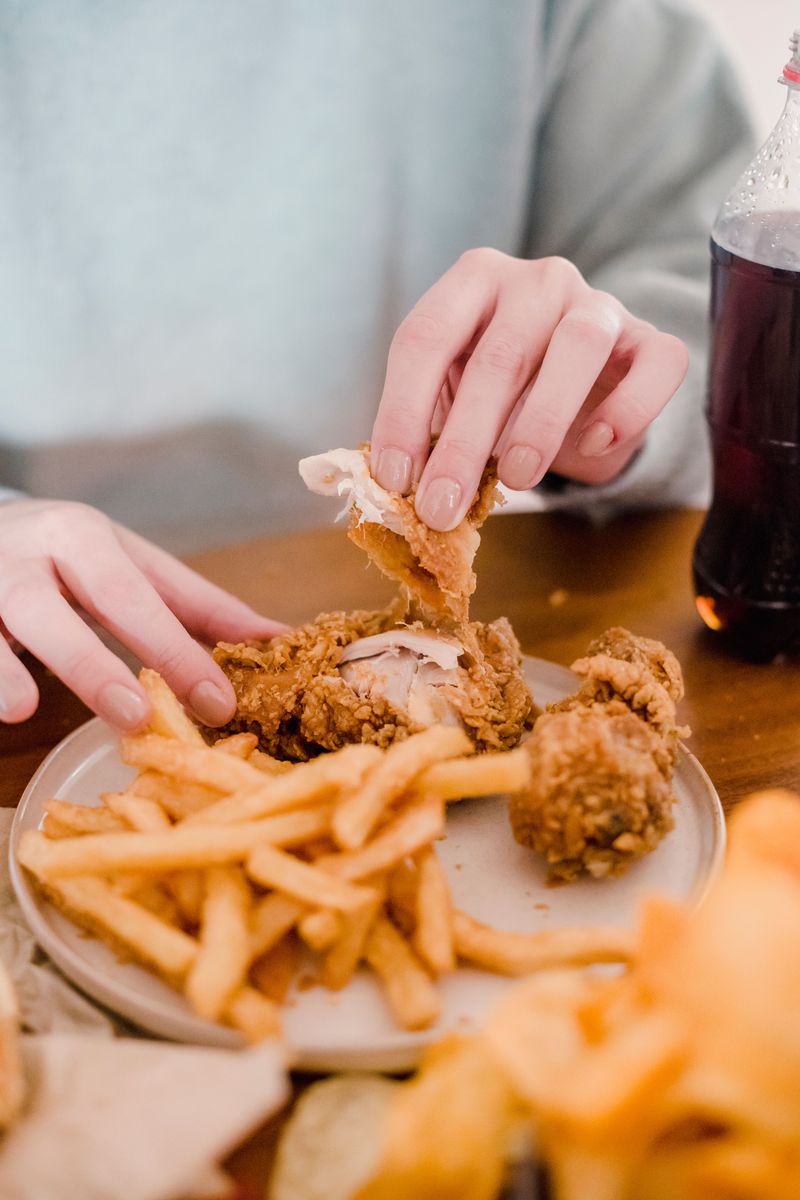
Grandma served modest portions and said to leave the table feeling light. That aligns with satiety science, which shows it takes time for gut and brain signals to sync.
Eating slowly, pausing between bites, and noticing flavors helps you stop at satisfied before discomfort creeps in.
Use smaller plates, sip water, and check hunger on a simple scale from zero to ten. Aim to finish around seven.
Fiber, protein, and healthy fats steady appetite, so build meals that work for you. Your energy stays even, sleep improves, and digestion thanks you.
Grandma would smile at that gentle, sustainable habit, daily.
Garden vegetables taste better
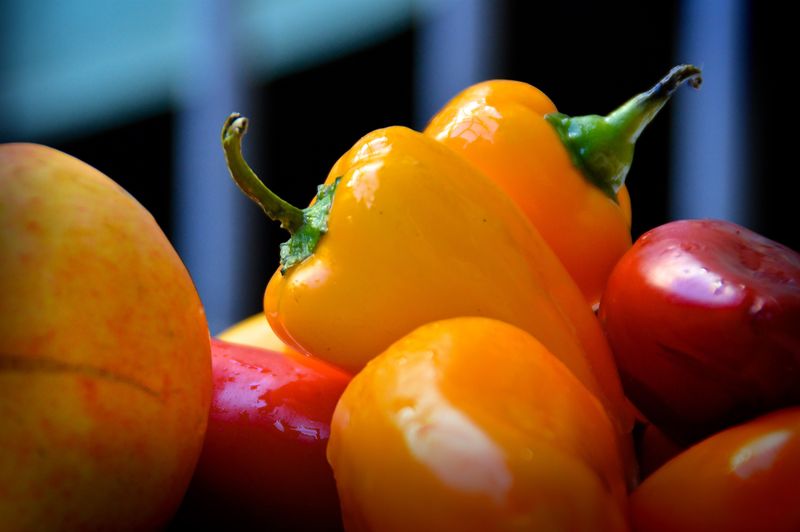
Pull a tomato warm from the vine and you understand. Local and just picked often means higher sugar, crisp texture, and brighter aroma compounds.
Studies show fewer days in transit can preserve vitamin C and delicate phytonutrients, while your senses reward the freshness with more mindful eating.
Grow a pot of herbs, a lettuce box, or a backyard patch if you can. If not, hit the farmers market and cook what smells incredible today.
You will waste less, season simply, and eat more vegetables. Flavor drives habit, and habit builds health one delicious forkful at a time.
Worth the wait.
Don’t waste vegetable scraps
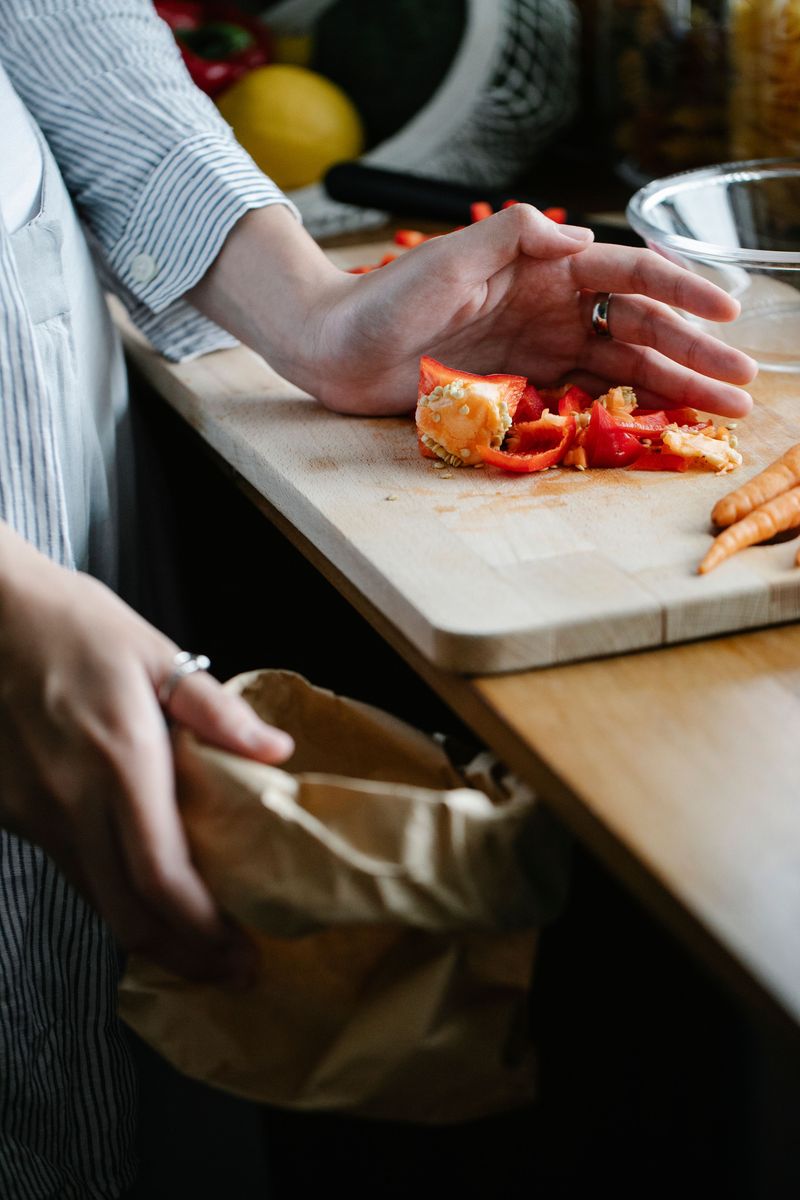
Peels, stems, and onion ends still hold flavor and nutrients. Keep a freezer bag for clean trimmings, then simmer a fragrant vegetable stock when the bag is full.
You will save money, reduce trash, and unlock deeper taste in soups, grains, and sauces.
Carrot tops become pesto, broccoli stems turn into slaw, and mushroom stems intensify risotto. Compost what is truly inedible.
Respecting the whole plant makes your kitchen greener and your meals more satisfying.
You are not being frugal, you are being smart and deliciously resourceful. Grandma would smile at that.
Your pantry and planet benefit together every day.
Slow cooking develops better flavor
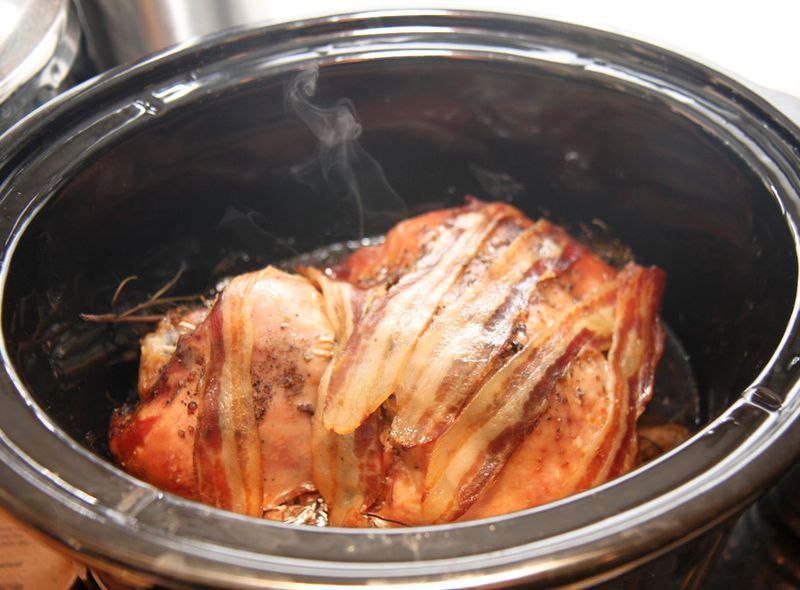
Low heat and time coax sweetness from onions, tenderness from tough cuts, and richness from simple beans. Slow cooking lets starches gel, collagen melt, and spices mingle into harmony.
The result is depth that quick, high heat rarely achieves.
Use a slow cooker, a Dutch oven, or an oven set gently low. Brown first for complexity, then let patience do the heavy lifting.
Dinner tastes like effort, even when you mostly waited.
Bonus savings appear because cheaper cuts shine. Your kitchen smells amazing, and leftovers get even better tomorrow.
That slow rhythm makes cooking kinder to busy weeknights everywhere today.
Enjoyed this story?
Add Fast Food Club as a preferred source to see more of our reporting on Google.