


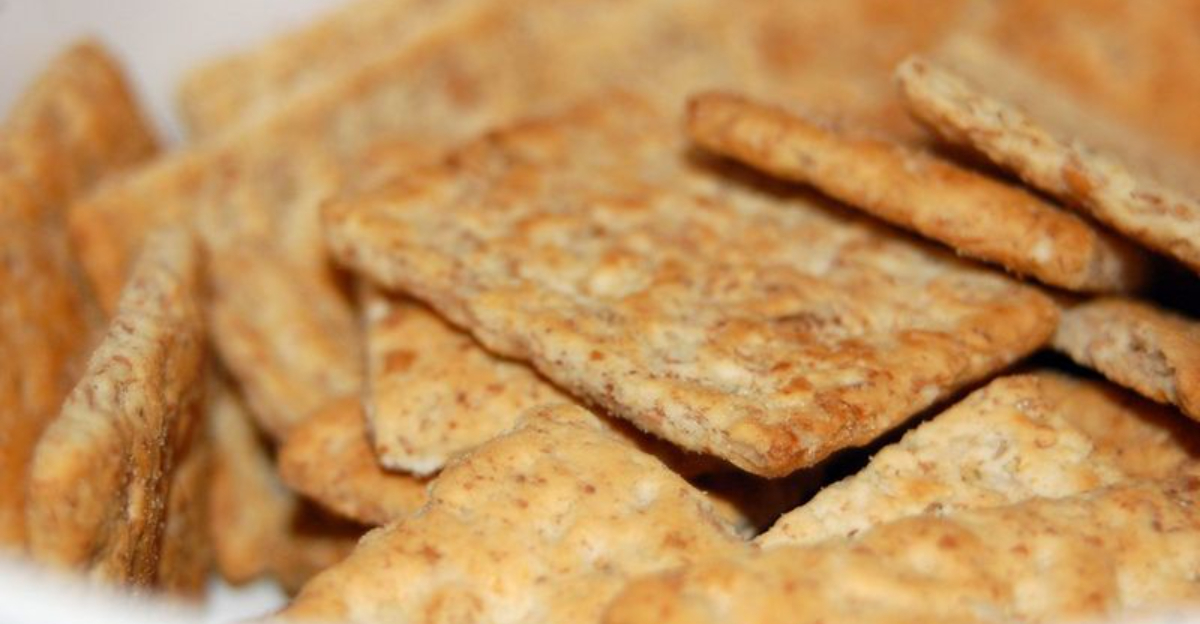
Walk through a supermarket and you will spot so many old favorites that somehow feel new again, but not always in a good way. Recipes shifted, shortcuts crept in, and suddenly the taste you remember is hiding under sugar, thickeners, and flashy flavors.
The good news is you can still find or recreate versions that honor what these foods used to be. Here is how to spot the real deal and bring back the flavors you love.
Ice cream
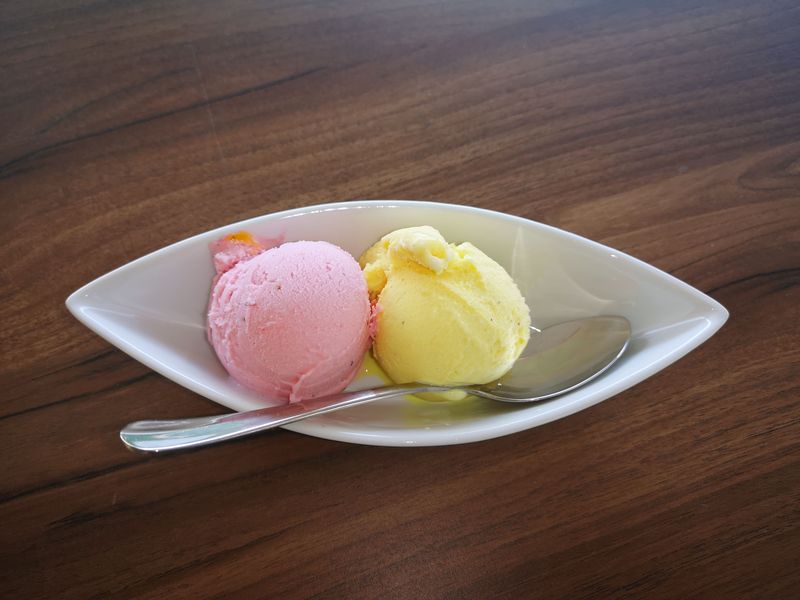
Remember when ice cream tasted like cream, sugar, and vanilla you could actually pronounce? Now many cartons whip in lots of air, stabilizers, and cheaper sweeteners to cut costs.
Some even use vegetable oils, then label it frozen dairy dessert instead of true ice cream.
You get scoopable texture, but the melt feels slick and the flavor vanishes faster. If you crave the old-school bite, scan ingredients for milk, cream, sugar, and minimal gums.
Smaller pints with fewer additives usually deliver richer body, slower melt, and that nostalgic dairy finish. Your spoon will notice the difference immediately.
Breakfast cereal
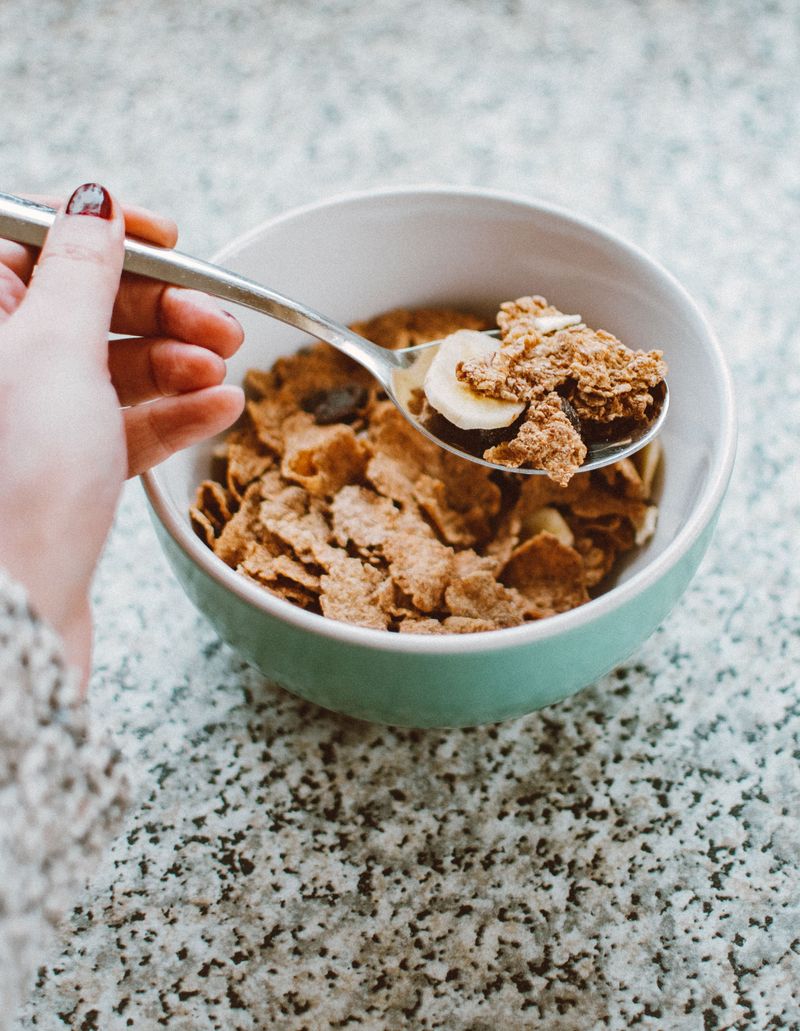
Cereal once meant toasted grains with a sprinkle of sugar and a happy crunch. Today boxes lean hard on marshmallows, colors, vitamin dust, and aggressive sweetness.
Extrusion cooking puffs shapes, then coatings add candy-like glaze that clings to milk.
You get a fun bowl, but blood sugar spikes fast and hunger returns sooner. Choose versions with short ingredient lists, whole grains first, and under 10 grams sugar.
Add nuts for crunch and staying power, so breakfast actually carries you to lunch. Unsweetened flakes with fruit can still taste amazing when you control the sweetness.
Your spoon calls the shots.
Potato chips
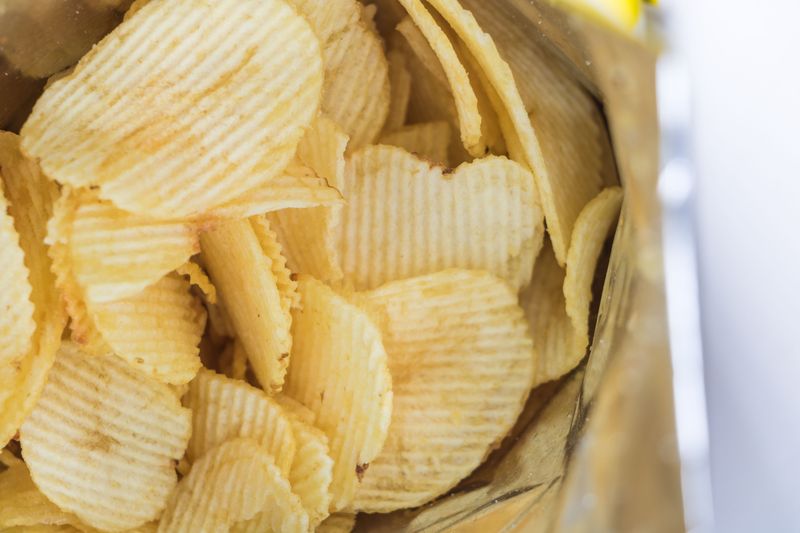
Chips started as thin potatoes fried in simple oil with salt and pure crunch. Now the aisle screams with bold powders, smoke flavor, sugar, and dairy seasoning.
Many use blended vegetable oils and reformed potato flakes pressed into uniform shapes.
You get fireworks, but the potato takes a back seat to engineered flavor. Look for kettle cooked chips, simple oils, and ingredients you can pronounce.
Pair with dips you control, letting real potatoes lead. Smaller bags also keep portions honest.
Crunch becomes flavor instead of flavor dust. Your fingers will thank you.
So will the potato.
Chocolate bars
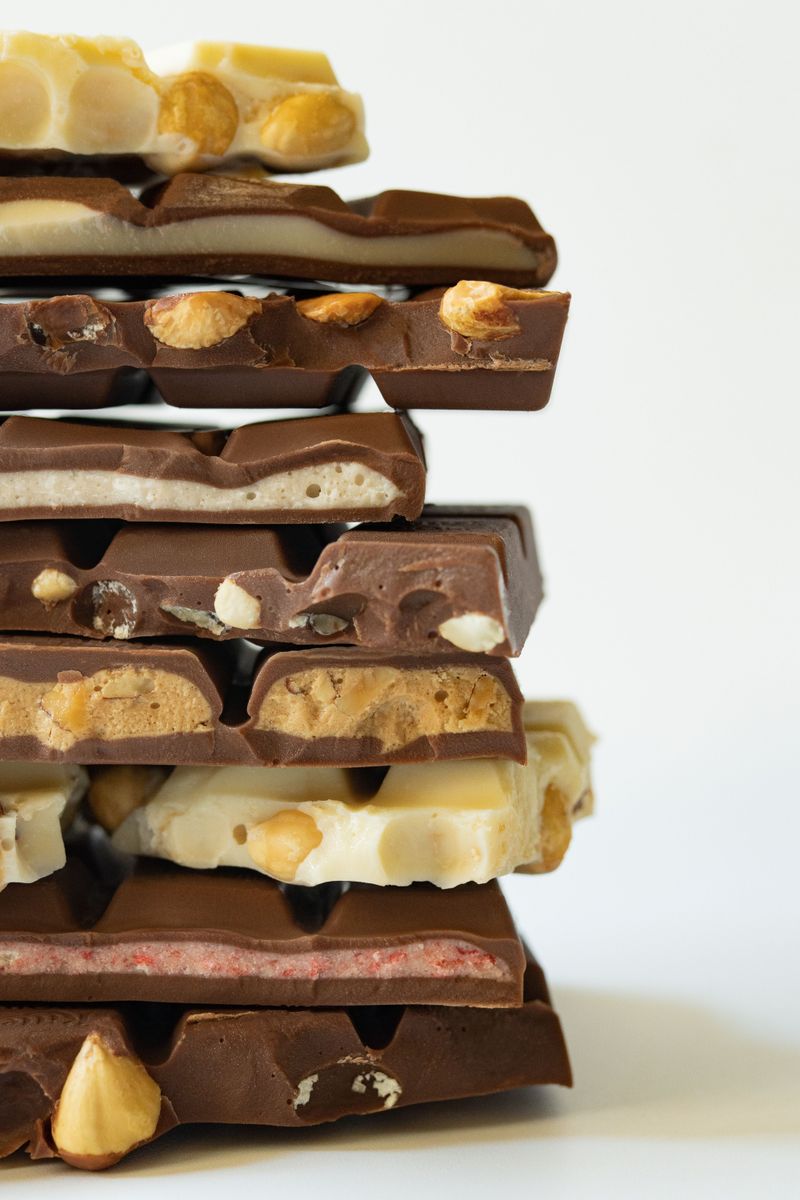
Old chocolate bars mixed cocoa, cocoa butter, sugar, and maybe milk for silkiness. Modern bars often swap cocoa butter with cheaper oils and add emulsifiers for snap.
Stuffed centers, colors, and cookie bits steal attention from honest cacao flavor.
You still get fun, but the melt and aroma feel less deep. Seek bars listing cocoa mass and cocoa butter high, with limited sugar.
Single origin bars highlight terroir, like coffee, delivering complex fruit, floral, and roasted notes. Let the square linger until it blossoms.
Your patience becomes flavor. Short labels usually mean better beans.
Skip waxy coatings. Your tongue knows.
Peanut butter
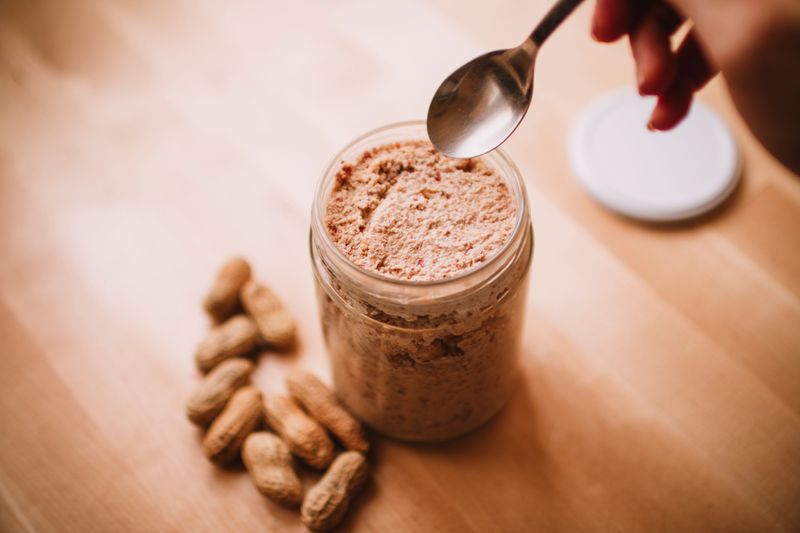
Peanut butter used to be peanuts and salt, maybe a touch of sugar. Now many jars include palm oil, stabilizers, and sweeteners that mask fresh roast character.
No-stir textures trade spreadability for a heavier, stickier aftertaste.
You can still win by choosing natural versions that separate and need a stir. Store upside down, mix once, then refrigerate for weeklong smoothness.
Your sandwiches, satay, and cookies taste like peanuts again, not frosting. Roast level matters, so try a few brands and pick your favorite depth.
Crunchy or creamy, let the nuts lead. Your spoon should smell roasty.
Yogurt
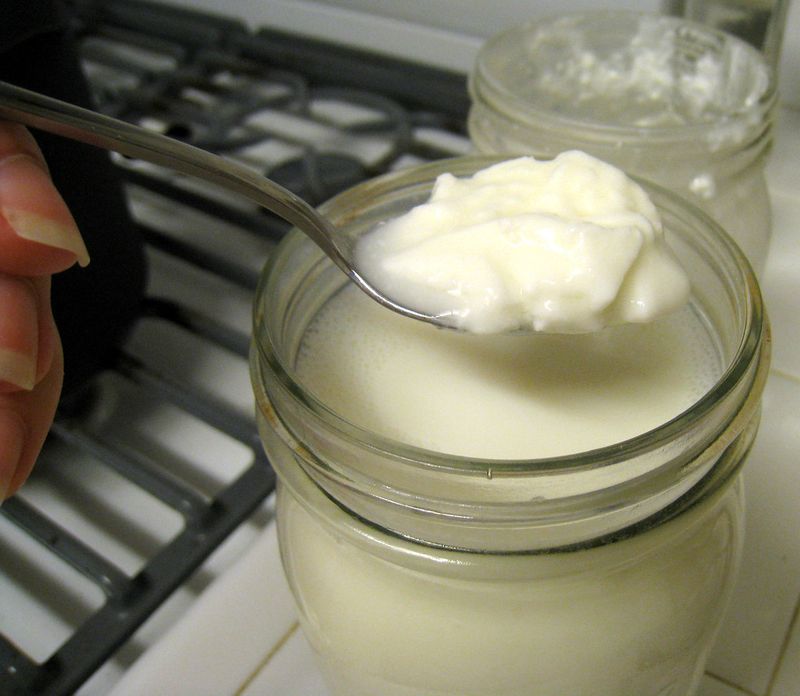
Yogurt used to be milk cultured slowly, tangy and lightly set. Today many cups read like dessert, with thickeners, flavors, and candy mix-ins.
Ultrafiltering and gums create body even when actual fermentation time shrinks.
You miss complexity, and added sugar drowns the cultured brightness. Choose plain or lightly sweetened, then add fruit, honey, and nuts yourself.
Greek or Icelandic styles with live cultures deliver protein, satiety, and real tang. Your morning bowl should taste alive, not syrupy.
Look for short labels, higher protein, and modest carbs. Let the tartness wake you up.
Your spoon will notice the cultured finish.
Sandwich bread
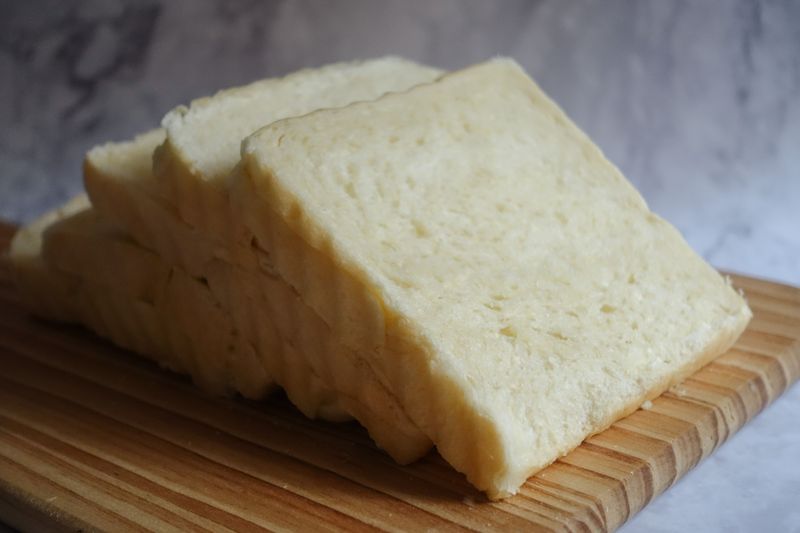
Bread used to rise from flour, water, salt, yeast, and time. Industrial loaves lean on conditioners, sugar, oils, and enzymes for softness and shelf life.
Airy slices squish nicely but taste oddly sweet and uniform.
You can switch to bakery loaves or long-fermented options for real aroma and chew. Sourdough keeps better naturally and brings complex tang without extra sugar.
Slice and freeze, then toast as needed so freshness keeps pace with life. Whole grains and seeds add minerals, texture, and satisfying bite.
Your sandwiches taste like bread again, not cotton candy. Crumbs on the cutting board are a good sign.
Frozen pizza
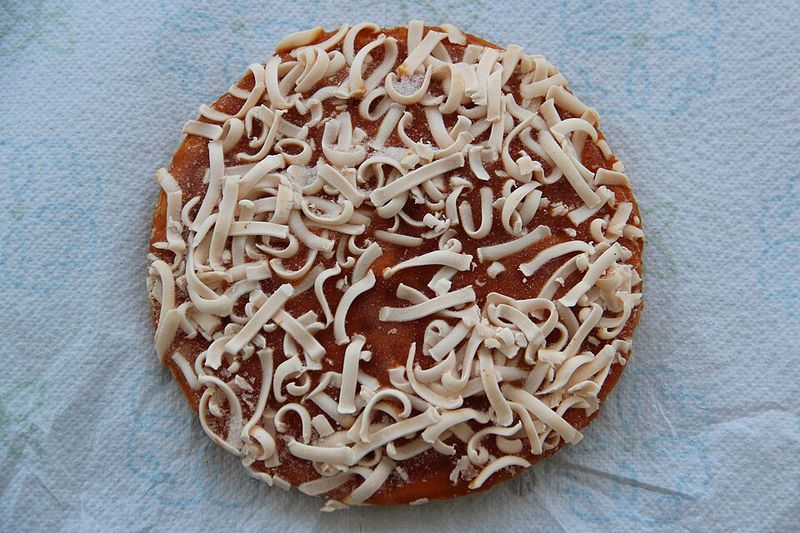
Frozen pizza morphed from humble backup meal to a lab for cheese pulls. Crusts are par-baked, sweetened, and stuffed, while toppings arrive in engineered pellets.
The result looks photogenic but often bakes into bready crust and oily puddles.
You can upgrade by adding fresh vegetables, extra sauce, and finishing with olive oil. Bake hotter on steel to crisp the bottom and wake the Maillard magic.
Your quick dinner suddenly tastes like pizza again. Choose simpler pies with real cheese, fewer meats, and shorter labels.
Let red pepper flakes and basil bring the drama. Crisp edges beat grease lakes every time.
Orange juice
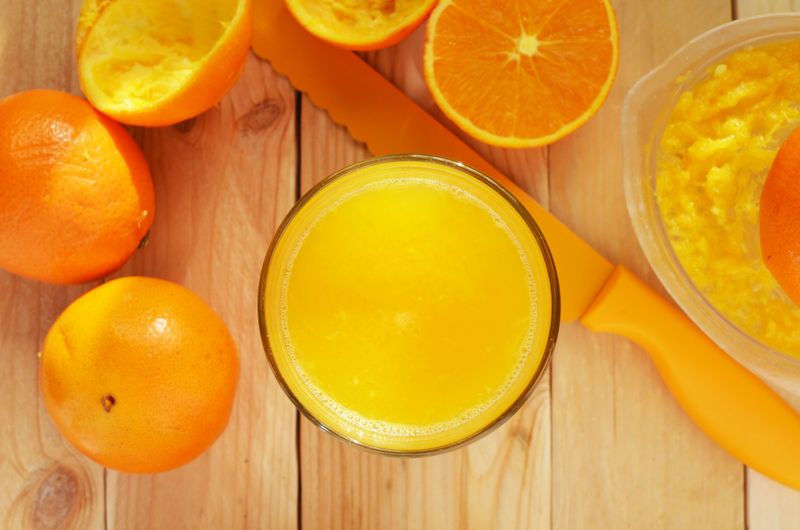
Fresh orange juice once meant squeezed fruit and fleeting aroma. Shelf versions rely on pasteurization, storage, and flavor packs to taste consistent yearround.
Some add calcium or sweetness that nudges the profile toward soda.
You can chase brightness by buying not-from-concentrate and finishing cartons quickly. Better yet, blend whole oranges with water for fiber and fresher zing.
Your breakfast glass becomes sunshine instead of syrup. Freeze cubes of juice to chill without dilution, and skip extra sugar.
Taste seasons by mixing varieties like Valencia, Cara Cara, and blood orange. Your tongue will notice the floral notes and gentle bitterness peel brings.
Bacon
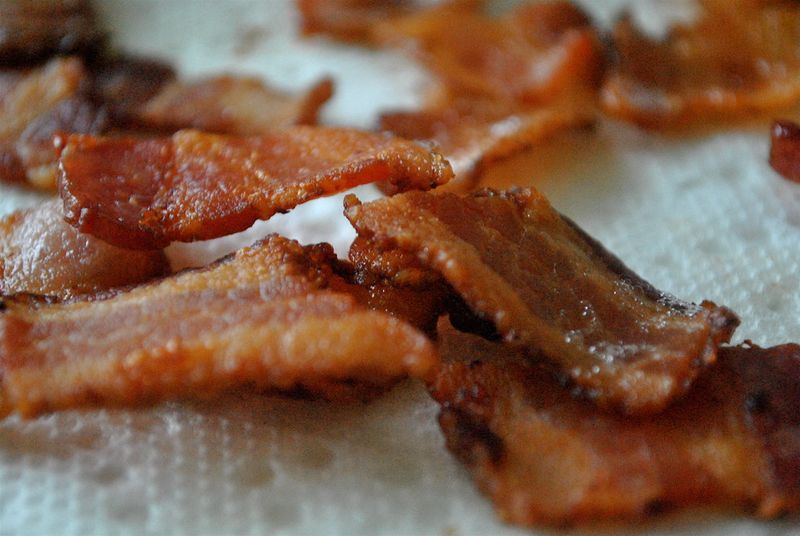
Bacon used to be pork belly cured with salt, sugar, and smoke. Today many strips are pumped with brine, liquid smoke, and fast cures.
Water sizzles away, shrinking slices and muting meaty depth.
Seek thick-cut bacon from slower cures, ideally dry-rubbed and naturally smoked. Roast on a rack to render gently, capturing fat for future cooking.
Your breakfast becomes savory perfume, not a splatter show. Look for heritage breeds or butcher slices with deeper color and firmer texture.
A little goes further when flavor is real. Crumble over greens, beans, or eggs so salt meets substance.
Coffee

Coffee used to be beans ground fresh, brewed hot, and savored for aroma. Now many options are instant, flavored, or stale from long storage and oxygen.
Dark roasts cover age, while syrups replace origin character.
Buy whole beans, roast date visible, and grind just before brewing. Use the right ratio, hotter water, and a clean brewer for clarity.
Your mug can taste like fruit, chocolate, spice, or flowers without syrups. Try pour-over, Aeropress, or French press to tune body and brightness.
Water quality matters more than most gadgets. Your nose leads, so follow the bloom.
Cookies
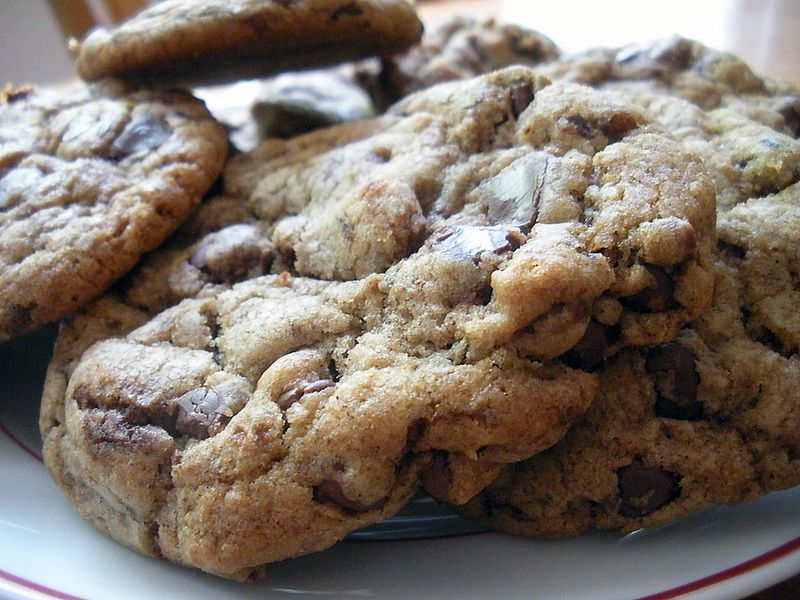
Store cookies evolved from butter, flour, and eggs to shortening, syrups, and stabilizers. They stay soft for months, but the buttery aroma is mostly memory.
Filling flavors scream while the dough tastes faintly of caramel color.
Bake a quick tray or buy bakery cookies with actual butter and vanilla. Moderation lands easier when one cookie satisfies instead of five.
Dunk in milk or coffee, and you will taste more than sugar. Spices like cinnamon or cardamom wake the dough without extra sweetness.
Chill dough for thicker chew and deeper browning. Your kitchen will smell like childhood.
Salad dressing
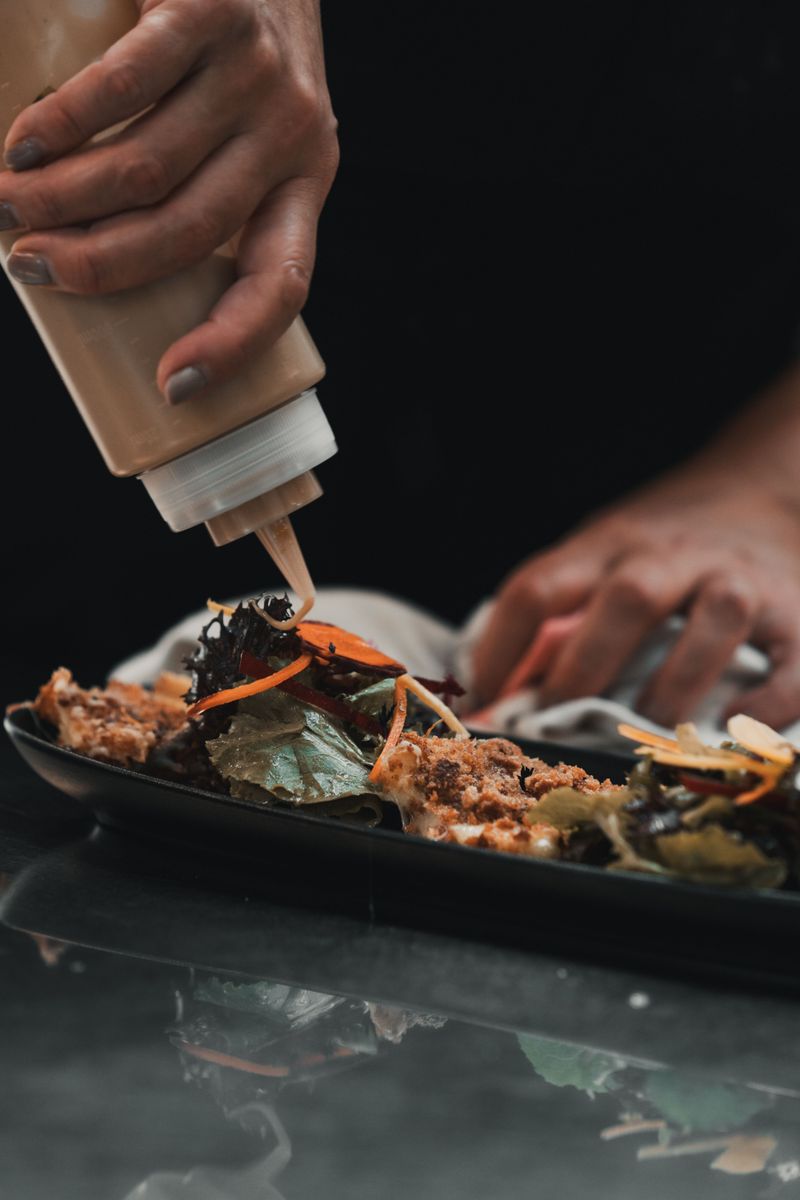
Bottled dressings turned from oil, vinegar, and herbs into thickeners and sugar. Stabilized emulsions feel creamy, yet flavor leans sweet with artificial notes.
Heavy bottles live forever, but salads end up candy coated.
Shake up your own with olive oil, acid, mustard, and salt. Add garlic or shallot, then finish with pepper and fresh herbs.
Your greens pop, and you control the sweetness completely. If buying, choose refrigerated, small-batch bottles with short labels.
Acid can be lemon, sherry vinegar, or even pickle brine. A pinch of sugar is fine when you decide.
Your salad should taste bright, savory, and clean.
Mayonnaise
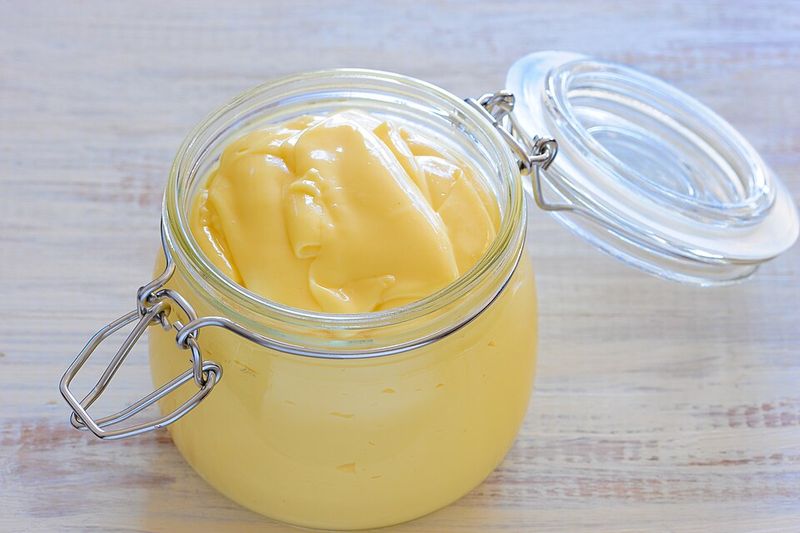
Classic mayo was egg yolk, oil, lemon, and salt whisked into silk. Many jars now rely on starches, calcium disodium EDTA, and industrial flavors.
Neutral oils mute character, and sweetness creeps in.
Pick brands using better oils like avocado or olive for cleaner finish. Whisk your own in minutes, or spike store mayo with lemon and mustard.
Your sandwiches, slaws, and sauces become lively instead of gloopy. Use a stick blender to avoid split disasters and keep cleanup simple.
Salt correctly so flavors bloom. A dab of miso or garlic turns it into dinner insurance.
Macaroni and cheese
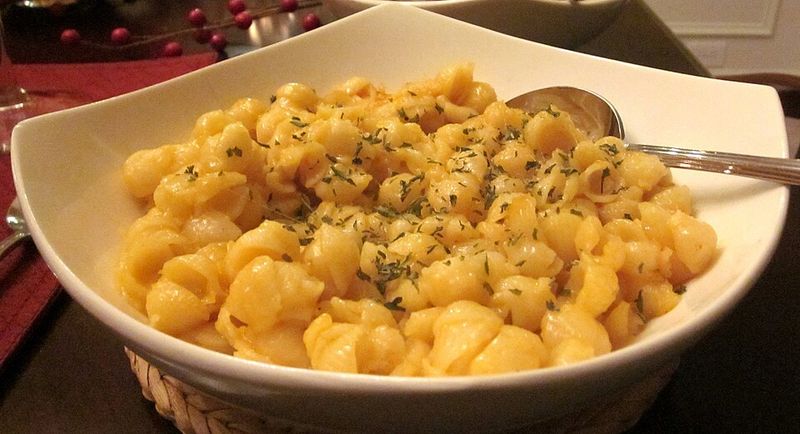
Boxed mac traded aged cheddar and béchamel for powders and quick-melt blends. Phosphates keep sauces glossy while flavor leans neon rather than nutty.
Portions balloon, yet satisfaction slips after the orange glow fades.
Upgrade the box with milk, butter, sharp cheese, and toasted breadcrumbs. Stir in broccoli or peas for bite and balance.
Your bowl becomes cozy and cheesy without tasting like candy. If time allows, make a quick roux and melt real cheddar for grown-up depth.
A dash of hot sauce wakes the cheese without screaming heat. Leftovers crisp beautifully in a skillet tomorrow.
Frozen waffles
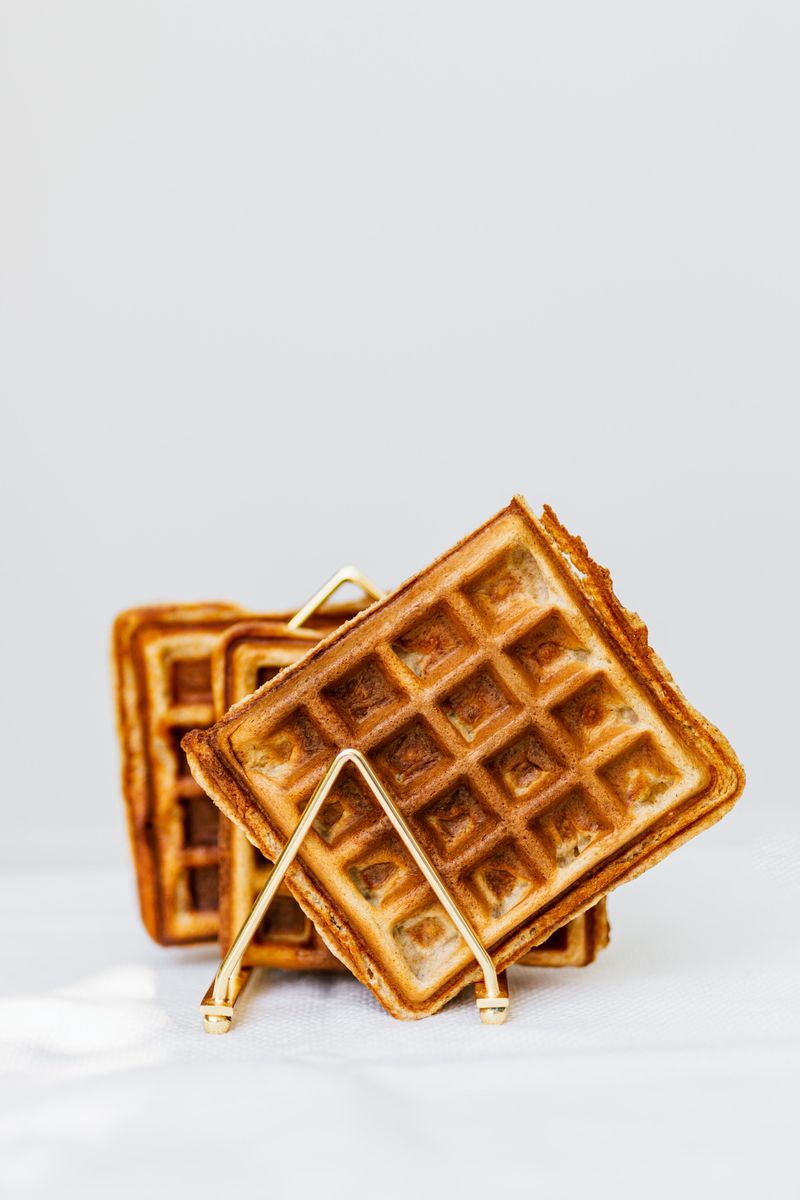
Frozen waffles used to taste like lightly sweet batter with toasted edges. Now they are stuffed with syrups, fortified, and engineered for springy chew.
Microwaves bring steam, not crispness, so flavor mutes fast.
Toast longer, then finish in a hot pan for crunch. Choose simpler ingredient lists and add butter, fruit, and real maple.
Your morning turns from squishy to satisfying in minutes. Whole grain varieties deliver nutty aroma and longer staying power.
Smear with yogurt or peanut butter for protein that carries you. Your toaster becomes a tiny griddle with better toppings.
Add cinnamon for warmth and breakfast finally smiles back.
Boxed cake mix
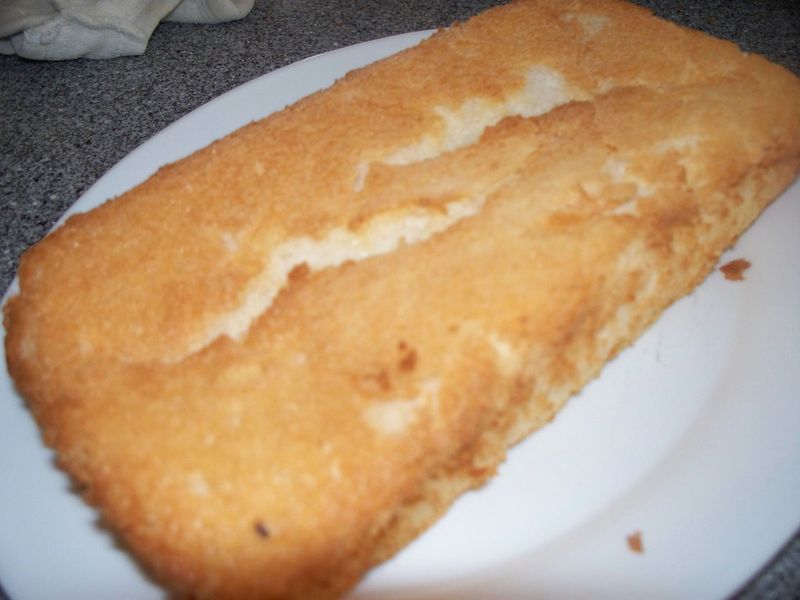
Cake mix shifted from pantry helper to chemistry set with emulsifiers and anti-caking agents. Moistness lasts forever, though butter flavor rarely shows up.
Frostings finish the sugar avalanche while texture feels springy instead of tender.
Hack the box with melted butter, extra yolk, vanilla, and a pinch of salt. Swap water for milk or coffee to add richness and aroma.
Your slices taste closer to bakery without losing weeknight ease. Line pans with parchment and do not overbake for velvety crumb.
A splash of booze, like rum, adds party perfume. Your whisk will feel smug.
Tortilla chips
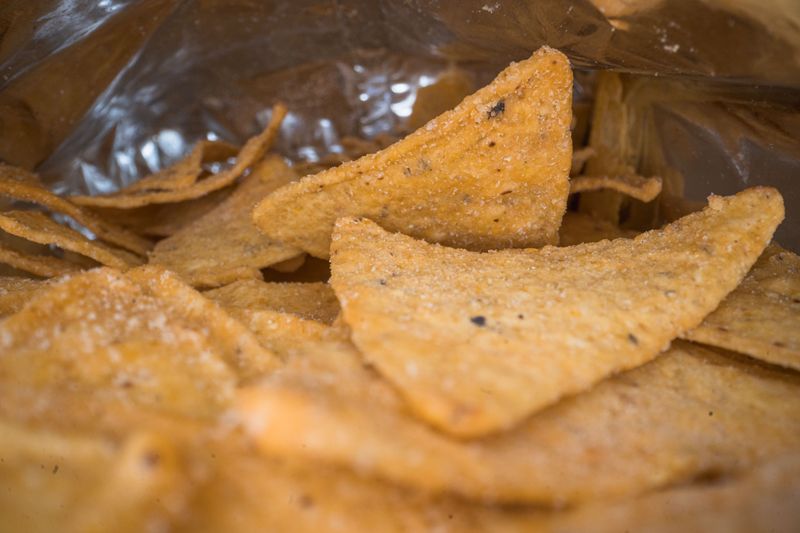
Real tortilla chips come from nixtamalized corn fried crisp, then salted. Many bags now use corn flour, added sugar, and heavy seasoning dust.
Triangles crunch loudly but the corn tastes muted.
Buy chips fried in better oil, or bake your own from fresh tortillas. Warm them briefly, then hit lime, salt, and a little chili.
Your salsa finally gets a worthy partner. Look for the word nixtamal or stone-ground on the bag.
Corn should lead, not cheese powder. Refry stale chips in a skillet to recover crunch.
Your nachos will stand tall instead of sogging.
Instant mashed potatoes
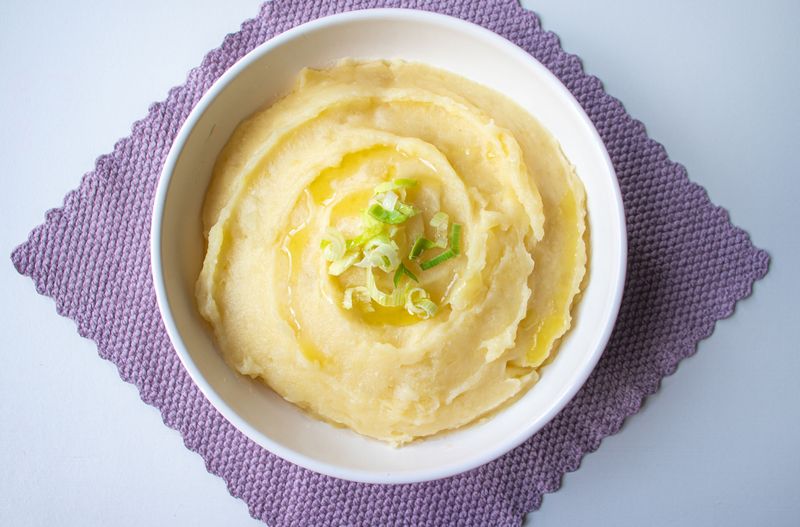
Instant mash began as emergency comfort, not a lifestyle. Flakes now include emulsifiers, milk powders, and flavors to mimic butter.
Texture often turns pasty while potato flavor hides.
Boost the base with hot stock, real butter, and sour cream or yogurt. Fold in roasted garlic, chives, or olive oil for aroma.
Your bowl regains potato soul and comforting steam. Choose plain flakes, then season yourself so salt and texture stay balanced.
A splash of potato cooking water adds authenticity and starch. Finish with black pepper and a knob of butter on top.
Your spoon should stand proudly.
Crackers
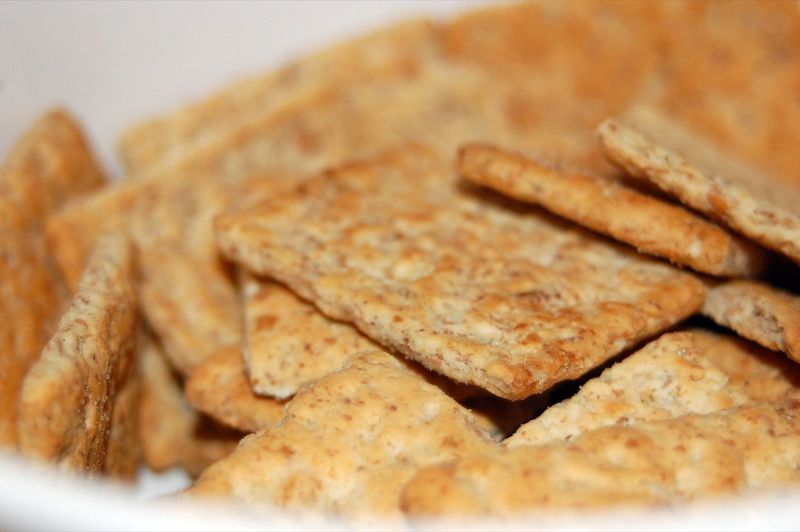
Crackers began as simple baked flour, fat, and salt with a toasty snap. Now many boxes bring sugar, colors, and dairy powders for flavor that shouts.
Some are extruded, fried, then dusted with seasonings that outlive the crunch.
Choose crackers with whole grains, seeds, olive oil, and short labels. Top them yourself with cheese, hummus, or smoked fish for balanced bites.
Your snack becomes a tiny sandwich, not just flavored salt. Baked not fried tends to keep flavors honest and textures crisp.
A drizzle of olive oil and pepper lifts everything. Your crumbs should taste like grain.
Enjoyed this story?
Add Fast Food Club as a preferred source to see more of our reporting on Google.