


Gardening in Arizona can feel like a battle against the sun, but the right plants actually thrive in that blazing heat. Many common garden favorites wilt and struggle when temperatures climb past 100 degrees, leaving yards looking sad and crispy.
Fortunately, nature has already done the hard work by creating tough, beautiful plants perfectly suited for desert conditions. These 20 heat warriors will keep your Arizona garden looking great all summer long without constant babying.
Agave americana
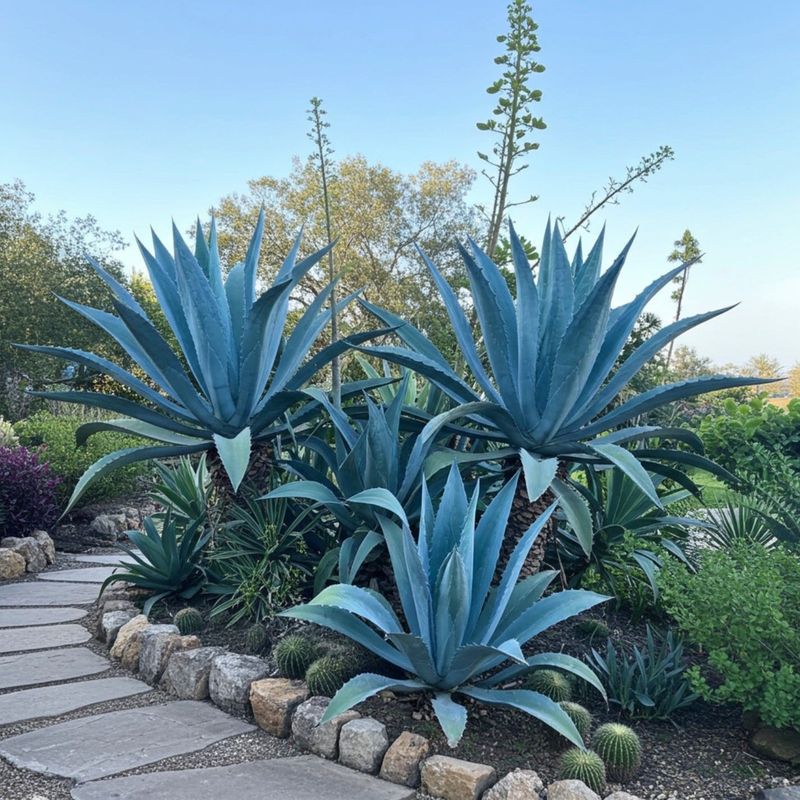
Few plants command attention quite like the Agave americana. Its massive rosette of thick, blue-green leaves can stretch over six feet wide, making it an instant showstopper in any yard.
Once established, this plant needs almost no water and laughs in the face of triple-digit heat.
Gardeners love it because it practically takes care of itself. Just plant it in well-drained soil, give it some room to spread, and step back.
It even blooms a spectacular tall flower stalk before completing its life cycle.
Red yucca
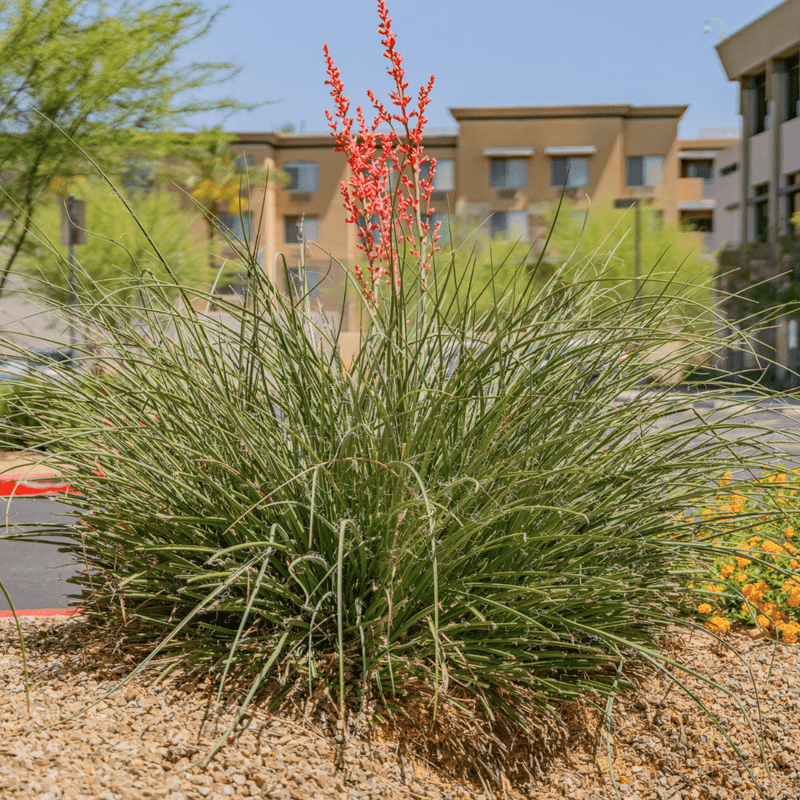
Hummingbirds go absolutely wild for red yucca, and honestly, who can blame them? Those tall, arching spikes loaded with coral-pink tubular flowers are practically a fast-food drive-through for pollinators.
Despite its tropical-looking blooms, this plant thrives in brutal desert heat without missing a beat.
Red yucca stays evergreen year-round, giving your garden structure even in winter. Plant it in full sun with sandy or gravelly soil, water occasionally during the first year, then let nature handle the rest.
Desert marigold
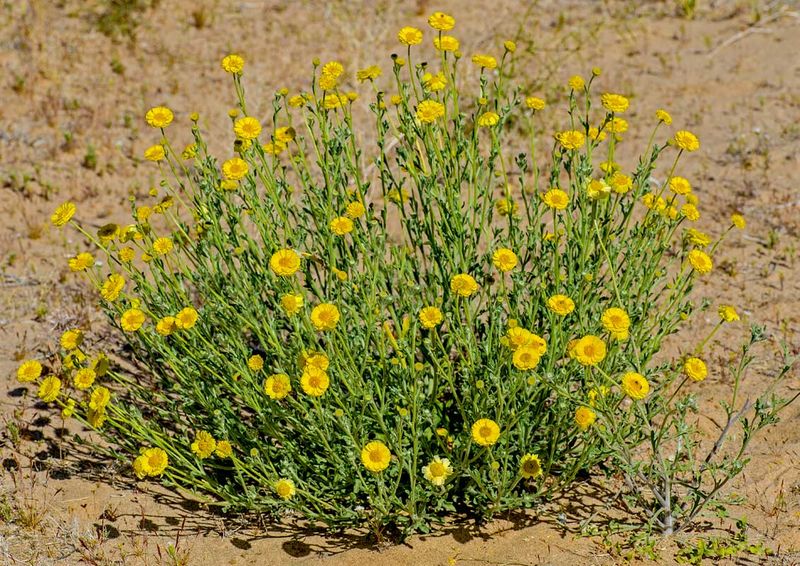
Sunshine yellow blooms that last from spring all the way through fall? Yes, please.
Desert marigold puts on one of the longest flower shows in the Arizona plant world, and it does it while baking in full sun with minimal water. Even deer tend to leave it alone, which is a bonus.
This cheerful wildflower reseeds itself readily, meaning your garden gets bigger every year for free. Plant it along borders or rocky slopes where drainage is good, and watch it multiply into a golden carpet.
Blackfoot daisy
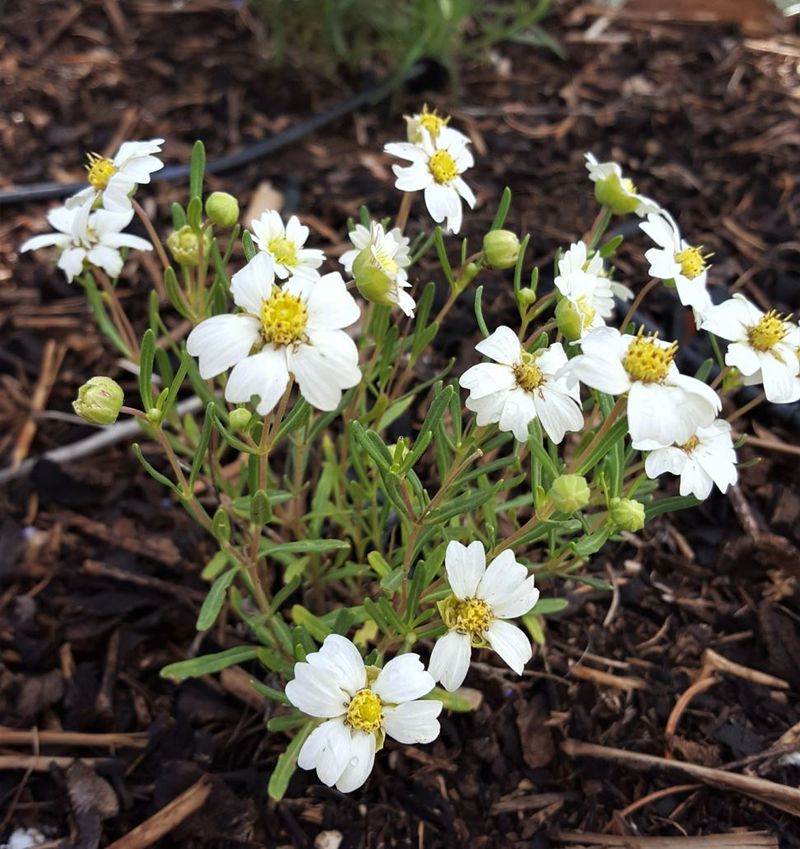
Small but mighty, the blackfoot daisy punches way above its weight class when it comes to flower production. Tiny white blooms with sunny yellow centers cover this low-growing plant from late winter through fall, often with barely a break.
The flowers even carry a faint honey scent on warm afternoons.
Standing only about a foot tall, it works beautifully as a ground cover or along pathways. Give it excellent drainage and full sun, and it will reward you with months of cheerful color without demanding much attention.
Angelita daisy
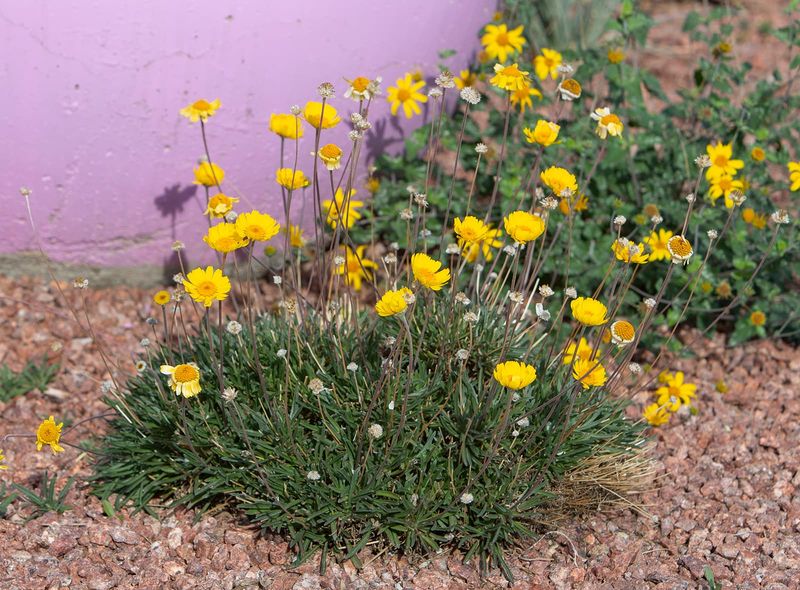
Angelita daisy is one of those plants that seems almost too good to be true. It blooms nearly year-round in Arizona, forming a tight, tidy mound absolutely smothered in golden yellow flowers.
It handles heat, drought, and cold snaps without complaint, making it a triple threat of toughness.
Landscapers reach for it often because it looks polished without requiring much grooming. Mass plantings create a stunning golden wave effect.
Water it deeply but infrequently once established, and it will keep blooming reliably season after season.
Globe mallow
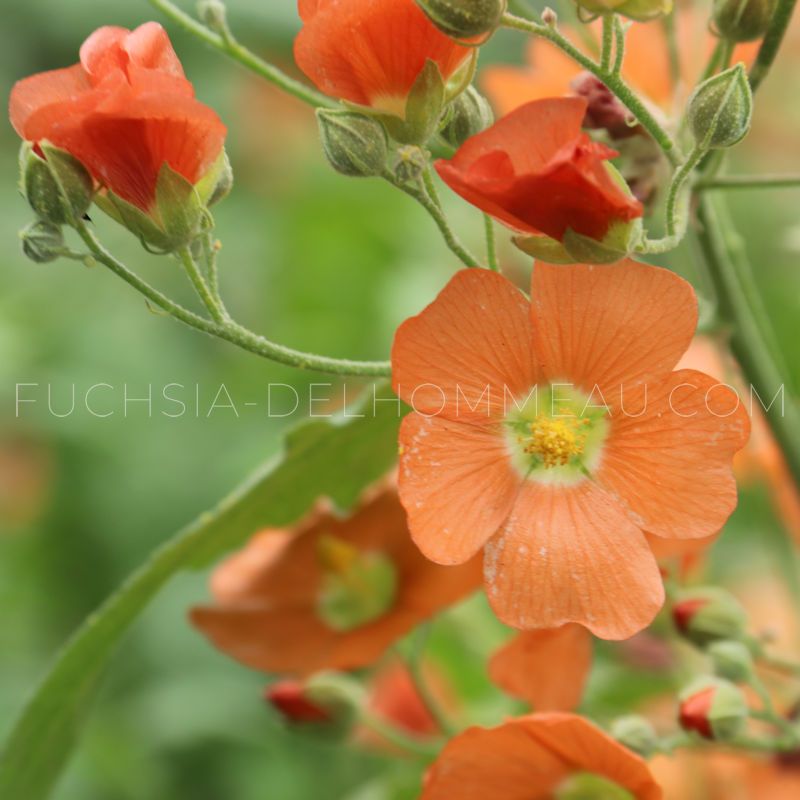
Walk past a blooming globe mallow on a warm morning and those vivid orange cup-shaped flowers practically glow. Native to the Sonoran Desert, this plant evolved specifically to handle the kind of heat that would cook most garden plants alive.
Its silvery-green foliage reflects sunlight, which is basically a built-in cooling system.
Globe mallow blooms heaviest in spring but often reblooms after summer rains. It spreads by seed, so expect it to naturalize across your yard over time.
A truly carefree plant once it finds its footing.
Damianita
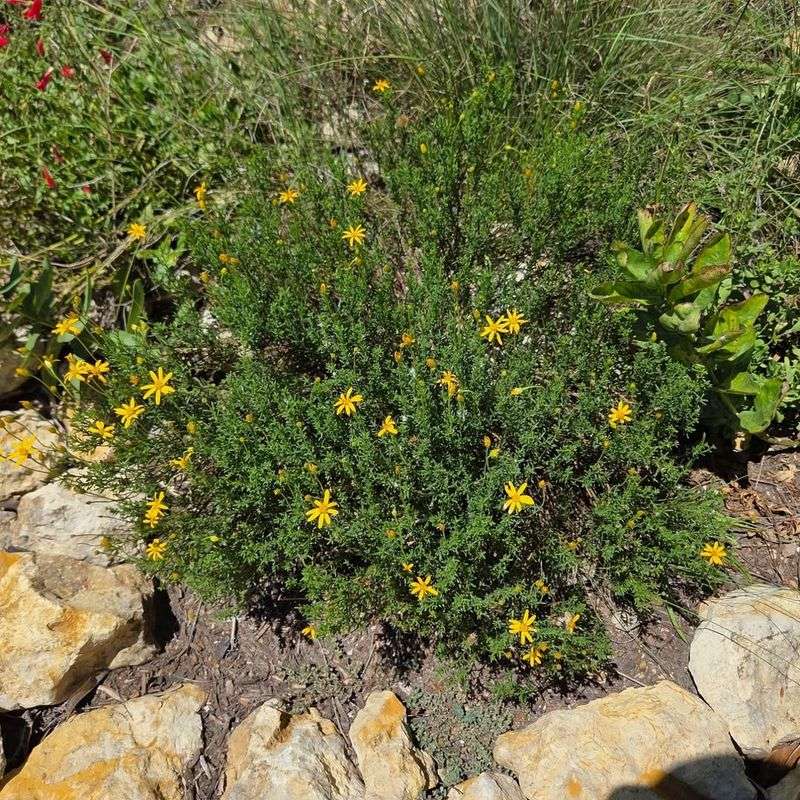
Damianita might be small, but it is fiercely determined. This compact evergreen shrub stays under two feet tall and produces waves of bright yellow daisy-like blooms in spring and again after monsoon rains arrive.
Crush a leaf between your fingers and you get a surprisingly pleasant herbal fragrance.
Rocky, well-drained slopes are where damianita truly shines. It handles reflected heat from walls and pavement without flinching, making it a smart choice for those challenging hot spots in your yard where other plants simply give up and die.
Desert zinnia
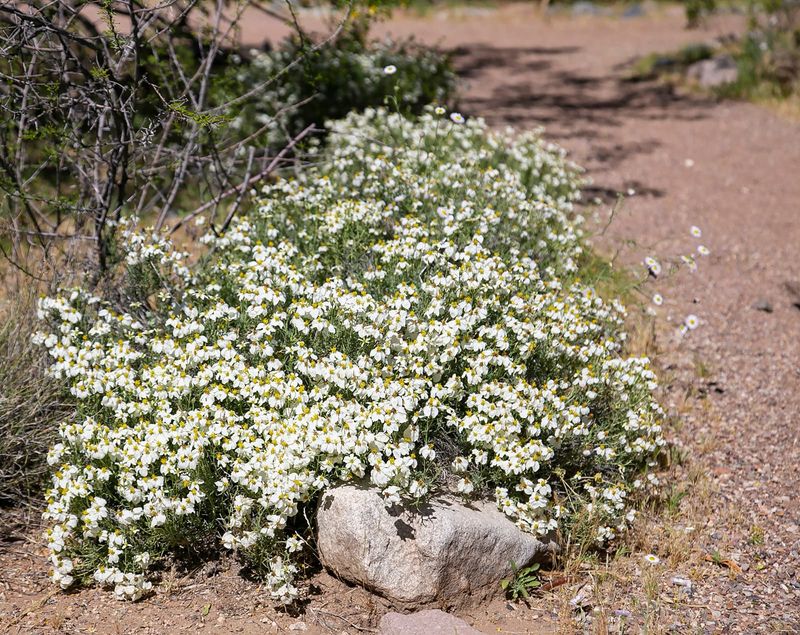
While garden-center zinnias need regular watering and fuss, desert zinnia takes the opposite approach. This tough little native thrives on neglect, spreading into a low mat of white flowers that bloom reliably through spring and into summer.
It is one of the few plants that actually performs better when you water it less.
Desert zinnia works great tucked between rocks or planted along dry garden edges. Butterflies visit the blooms frequently, adding extra life to the garden.
It stays under six inches tall, making it a perfect no-fuss ground cover.
Mexican bird of paradise
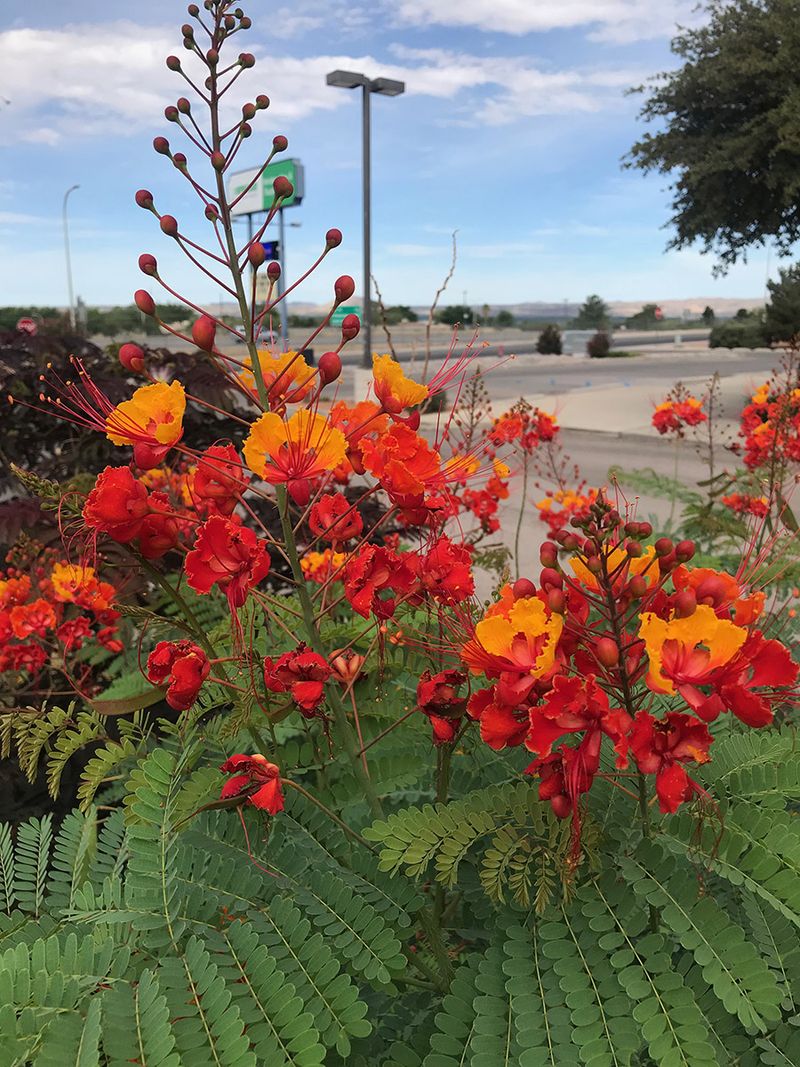
There is something almost tropical about Mexican bird of paradise, which makes it all the more surprising that it handles Arizona summers like a champion. The ferny, soft green leaves contrast beautifully with clusters of orange and red flowers that bloom from late spring through fall.
Butterflies and hummingbirds treat it like a buffet.
This fast-growing shrub can reach eight feet tall and wide, so give it space. It dies back in hard freezes but rebounds quickly from the roots.
Full sun and occasional deep watering keep it blooming at its best.
Yellow bells
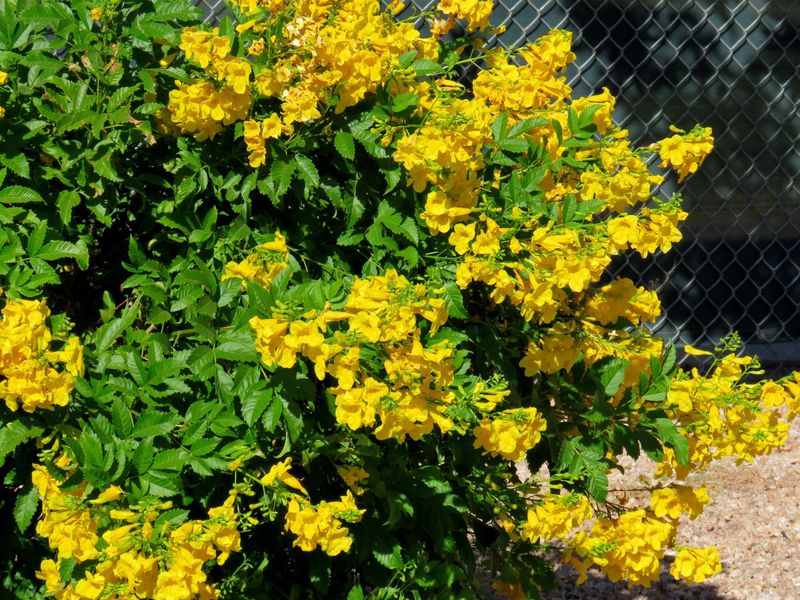
Yellow bells earns its name honestly. Those bright, trumpet-shaped yellow flowers bloom in cheerful clusters from summer through fall, exactly when most plants are struggling to survive the heat.
Tecoma stans, its botanical name, is a fast grower that can reach six feet or taller in a single season under good conditions.
Hummingbirds and bees adore the tubular blooms. Plant it against a south or west-facing wall where heat reflects intensely, and it will reward you with non-stop color.
Prune it back hard in late winter to keep the shape tidy.
Baja fairy duster
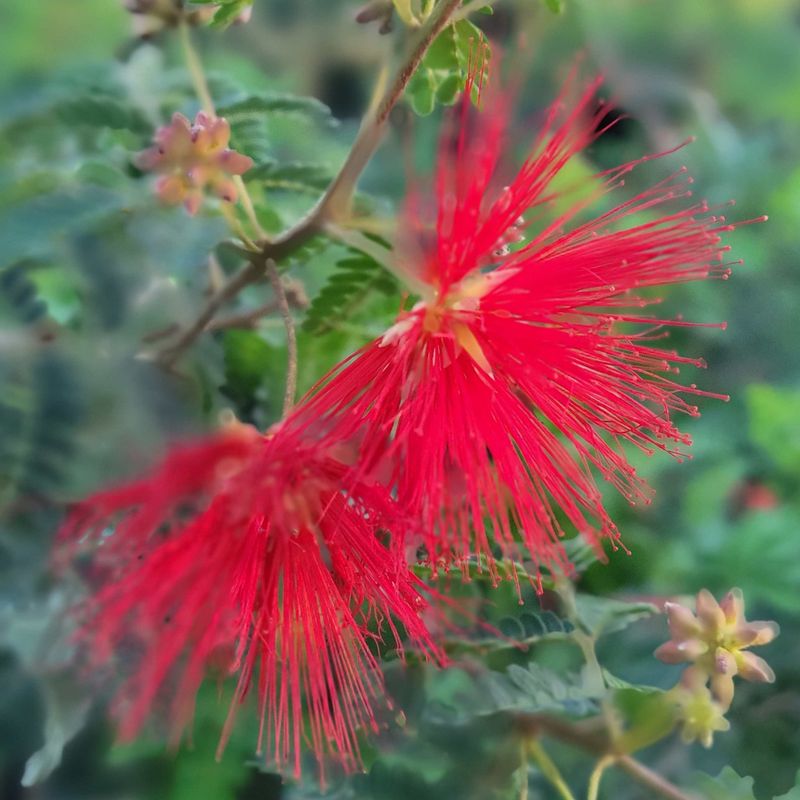
If a plant could be described as whimsical, the Baja fairy duster fits the bill perfectly. Its bright red, powder-puff blooms look like something from a fantasy garden, yet this shrub is tougher than it looks.
Native to Baja California, it handles Arizona heat and dry conditions with impressive ease.
Hummingbirds and butterflies flock to those fuzzy red flowers all season long. Unlike its cousin the fairy duster, this species blooms heavily in fall and winter, providing color when most of the garden has gone quiet.
A real seasonal standout.
Desert spoon
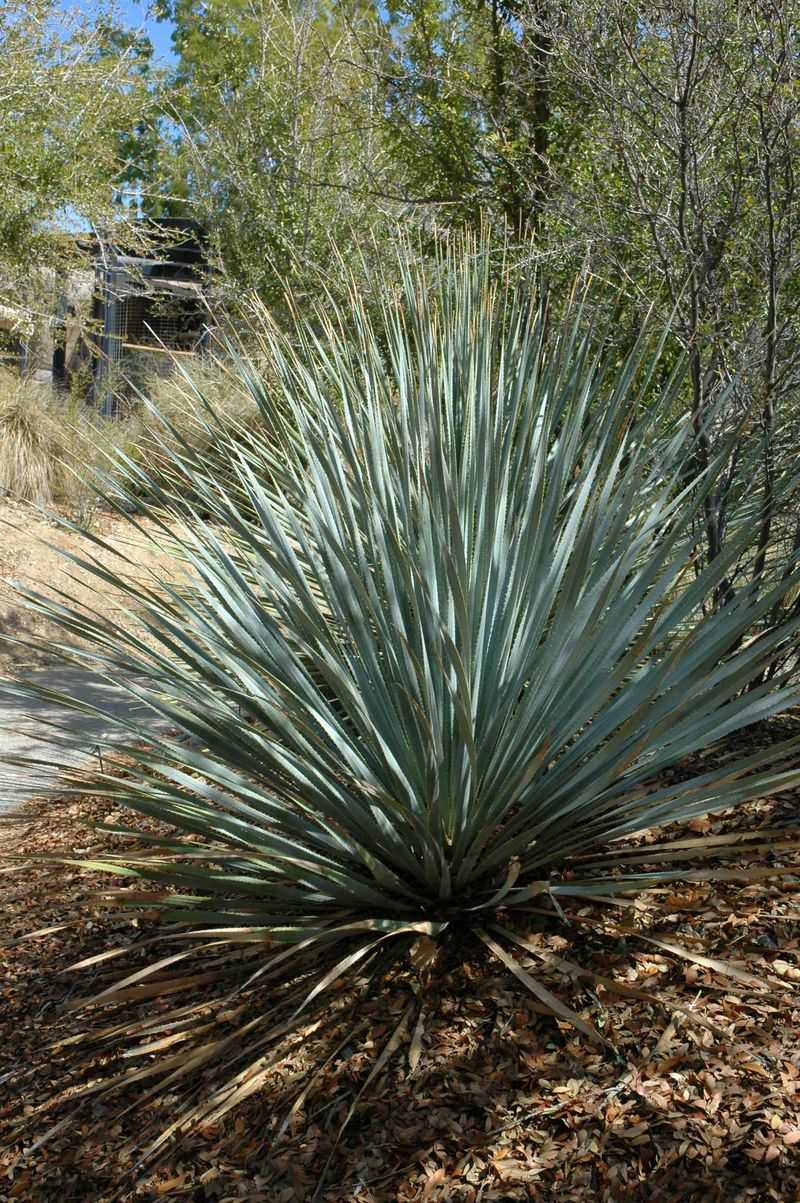
Desert spoon has a sculptural quality that landscape designers love. Its symmetrical rosette of long, narrow leaves fans out with architectural precision, creating a bold focal point even when it is not in bloom.
The common name comes from the spoon-shaped base where each leaf attaches to the trunk.
Extremely drought-tolerant once established, desert spoon can survive on rainfall alone in most Arizona locations. It grows slowly but lives for decades, making it a long-term investment in your landscape.
Plant it in full sun with fast-draining soil and enjoy it for years.
Parry’s agave
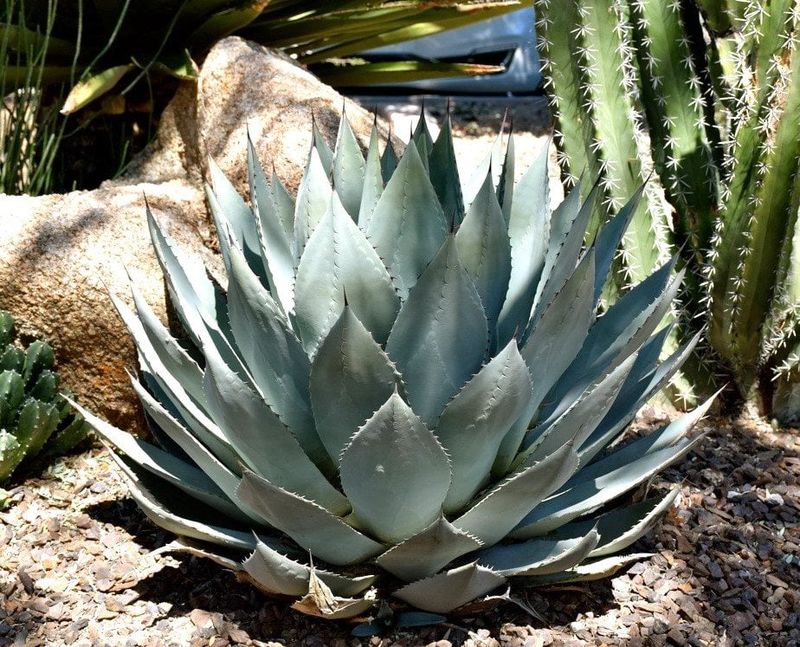
Parry’s agave is the more manageable cousin of the giant Agave americana, staying compact enough for smaller yards while still delivering that dramatic desert look. The blue-gray leaves form a tight, symmetrical rosette that looks stunning against red gravel or desert rock.
Those reddish spine tips add a nice color contrast too.
Native to Arizona, this agave is perfectly adapted to survive brutal summers and occasional hard freezes. After many years, it sends up a towering flower stalk that attracts bats and birds before the main plant finishes its life cycle.
Desert milkweed
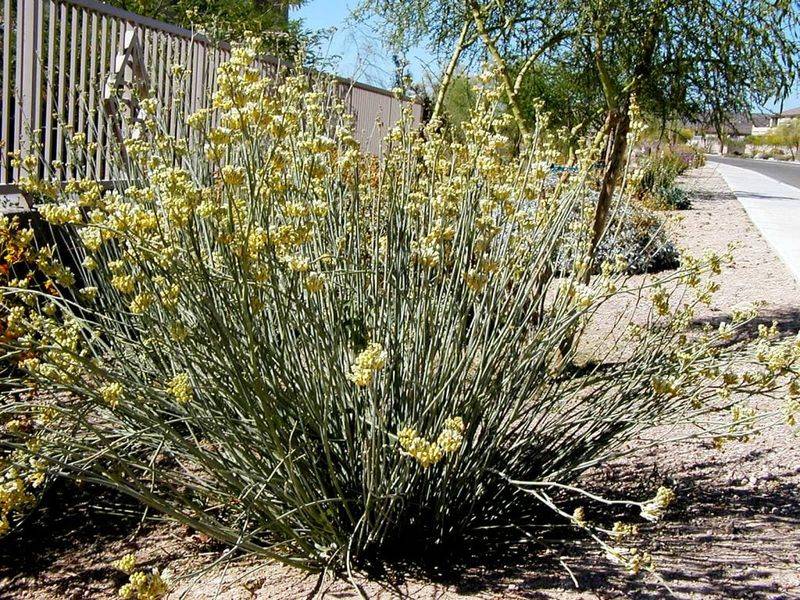
Monarch butterfly populations depend on milkweed plants, and desert milkweed is the native Arizona version built for the heat. Asclepias subulata looks sparse and wispy at first glance, but it is quietly doing important work as a host plant for monarch caterpillars passing through on migration routes.
The pale yellow-white flowers are small but attractive to a wide range of pollinators. It handles extreme drought and intense sun without any extra irrigation once established.
Planting desert milkweed is one of the easiest ways to actively support struggling butterfly populations.
Chuparosa
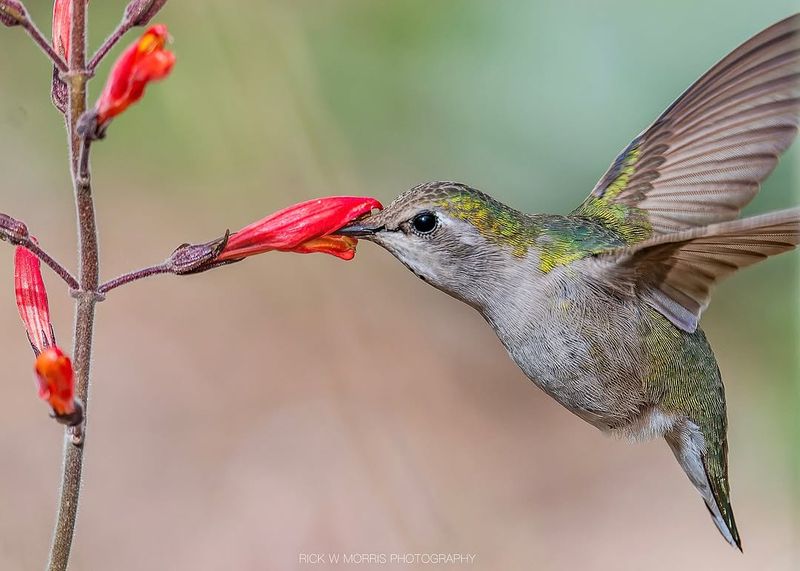
Hummingbirds in Arizona basically have chuparosa on speed dial. The name literally means hummingbird in Spanish, and the connection is real.
This sprawling shrub produces masses of bright red tubular flowers that hummingbirds visit constantly, especially during spring migration when the plant is at its showiest.
Chuparosa often drops its leaves in dry periods, which can alarm new gardeners, but the plant is just conserving energy. It rebounds quickly with rain or irrigation.
Plant it near a window or patio where you can watch the hummingbird action up close.
Bush morning glory
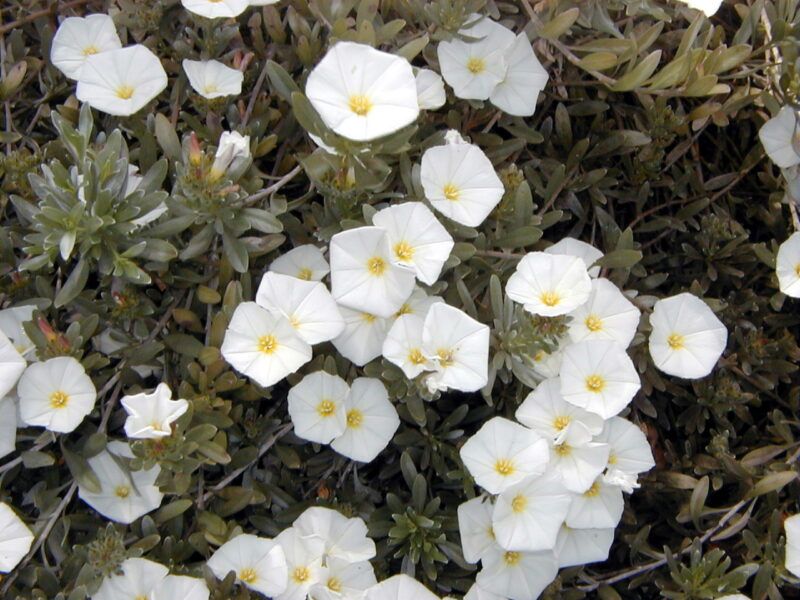
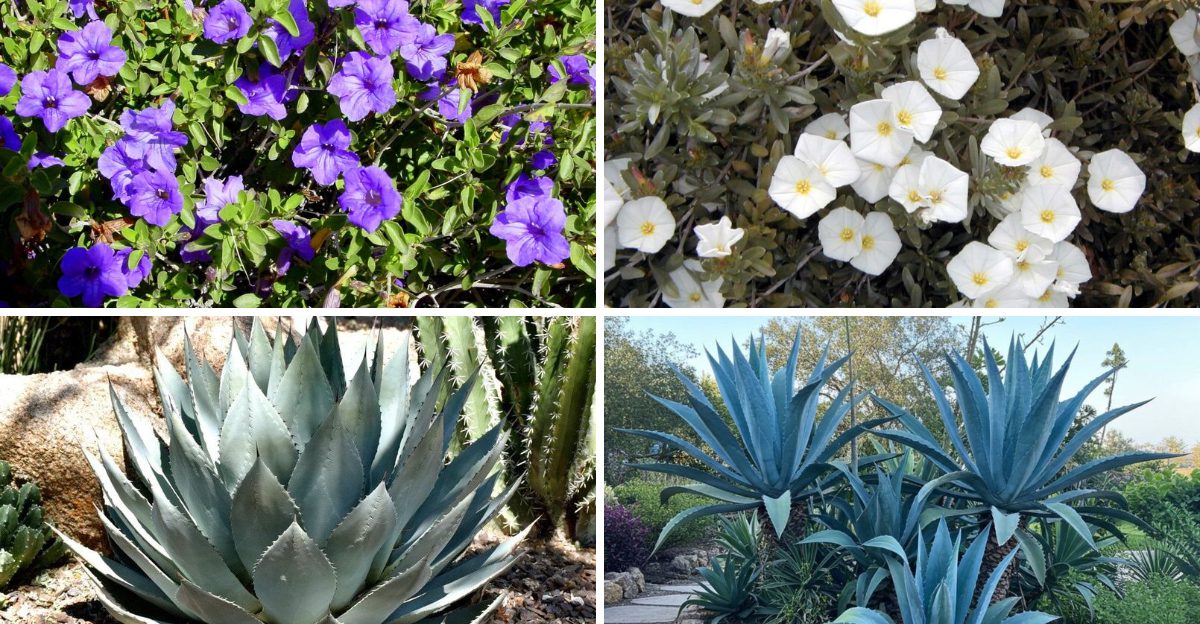
Bush morning glory breaks the mold of what most people expect from a desert plant. Those large, white funnel-shaped flowers look almost too delicate for the harsh Arizona climate, yet this shrub handles intense heat and poor soil without trouble.
The silvery foliage shimmers attractively in afternoon light.
It grows quickly into a mounding shrub about three feet tall and wide. Blooms appear from spring through fall, with the heaviest flush in cooler months.
Excellent drainage is non-negotiable, but given that, bush morning glory asks for very little in return.
Desert ruellia
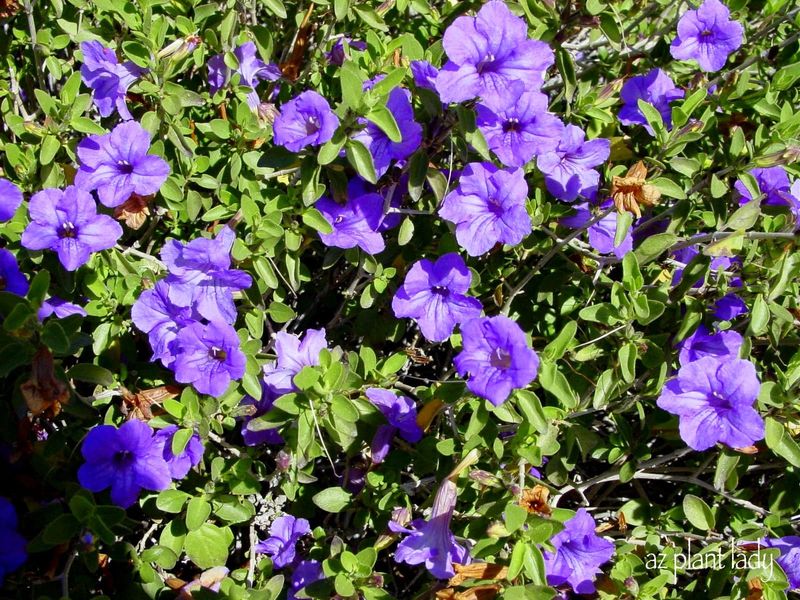
Purple flowers are somewhat rare among true desert natives, which makes desert ruellia a standout in any Arizona garden. Those bright lavender-purple trumpet blooms open fresh each morning and keep coming from spring all the way through fall.
The plant spreads gently by underground runners, slowly filling in bare spots.
Desert ruellia handles reflected heat from walls and pavement surprisingly well. It pairs beautifully with yellow-flowering plants like desert marigold or yellow bells for a bold color combination.
Cut it back in late winter to encourage dense, vigorous new growth each spring.
Apache plume
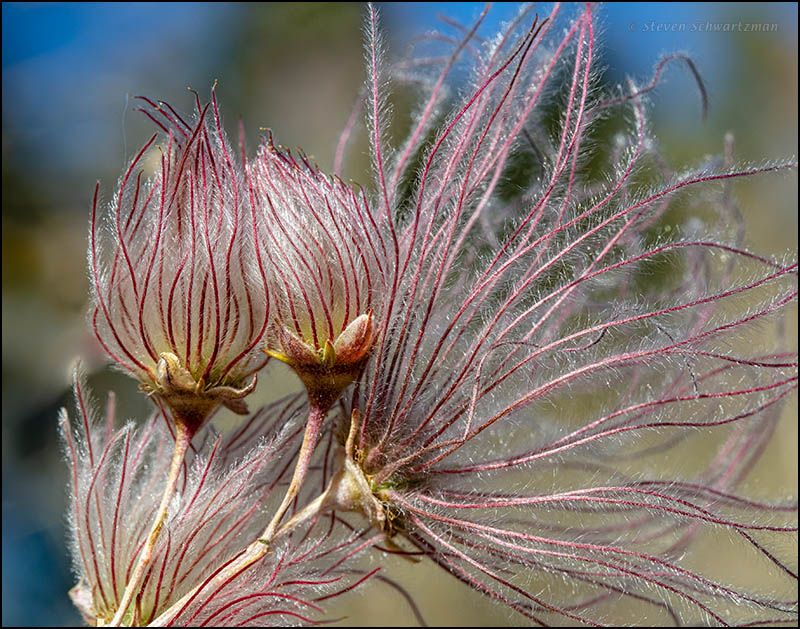
Apache plume has a two-season trick that makes it especially interesting. First come the white, rose-like flowers in spring, which are lovely on their own.
Then the seed heads develop into feathery, rosy-pink plumes that shimmer in the breeze and catch afternoon light in a magical way.
This native shrub grows naturally in Arizona foothills and canyons, which tells you everything about its toughness. It handles dry, rocky soil and temperature extremes without complaint.
Birds use the fluffy seed plumes as nesting material, adding another layer of wildlife value to your garden.
Desert four o’clock
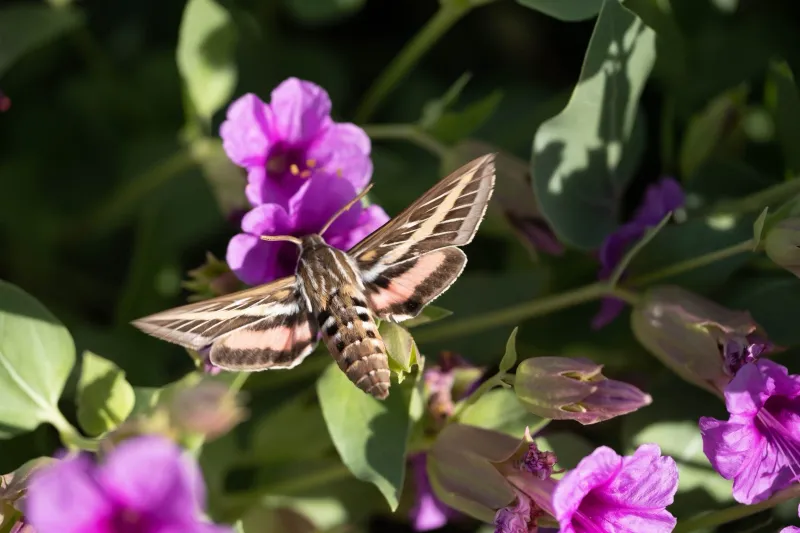
True to its name, desert four o’clock waits until late afternoon to open its brilliant magenta-pink flowers, giving your garden an evening show when temperatures finally start to drop. The blooms stay open through the night, attracting sphinx moths that hover like tiny hummingbirds while feeding.
This perennial dies back to a large underground tuber each winter, then returns with vigor each spring. The tuber stores water and energy, which is exactly why it handles Arizona summers so effortlessly.
Full sun and excellent drainage are all it really needs to thrive.
Fairy duster
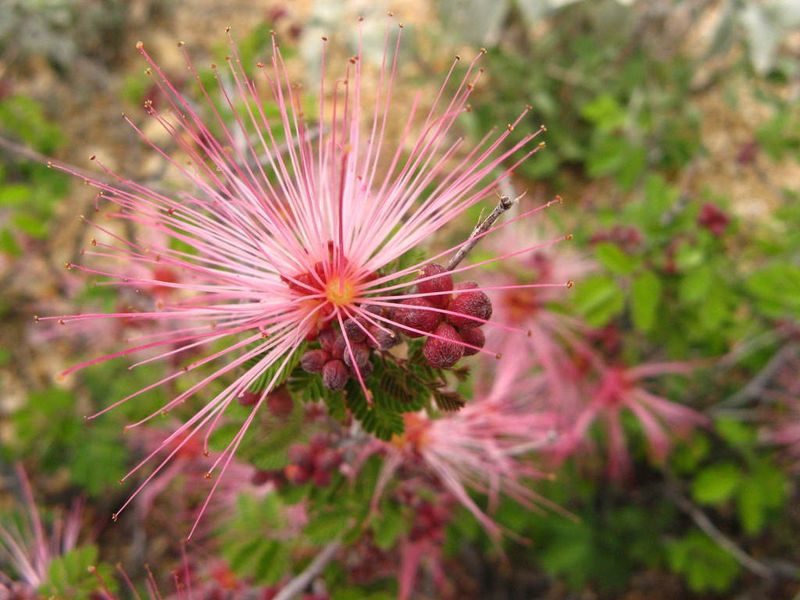
Calliandra eriophylla, commonly called fairy duster, is one of those plants that makes people stop and stare. The soft, powder-puff pink flowers look like they belong in a fairy tale, not a desert.
But this tough native shrub is completely at home in Arizona heat, rocky soil, and long dry spells between rains.
It blooms heavily in late winter and spring, then often reblooms after summer monsoons arrive. Quail, butterflies, and hummingbirds all visit regularly.
Fairy duster stays under four feet tall and wide, making it an easy fit in most desert garden designs.
Enjoyed this story?
Add Fast Food Club as a preferred source to see more of our reporting on Google.