


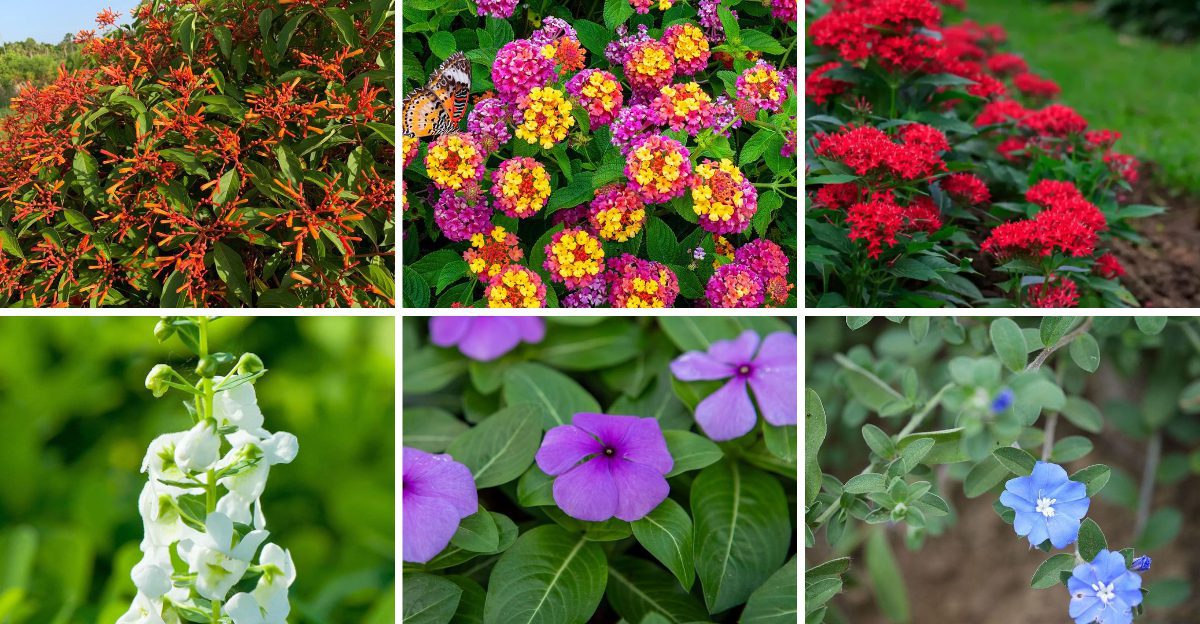
Florida weather can go from sunny and calm to a full-on downpour in minutes. Heavy rain, strong winds, and soggy soil are just part of life in the Sunshine State.
Not every plant can handle that kind of punishment, but the right ones will bounce right back and keep your garden looking great. Here are 20 tough, beautiful plants that laugh in the face of Florida rainstorms.
Firebush
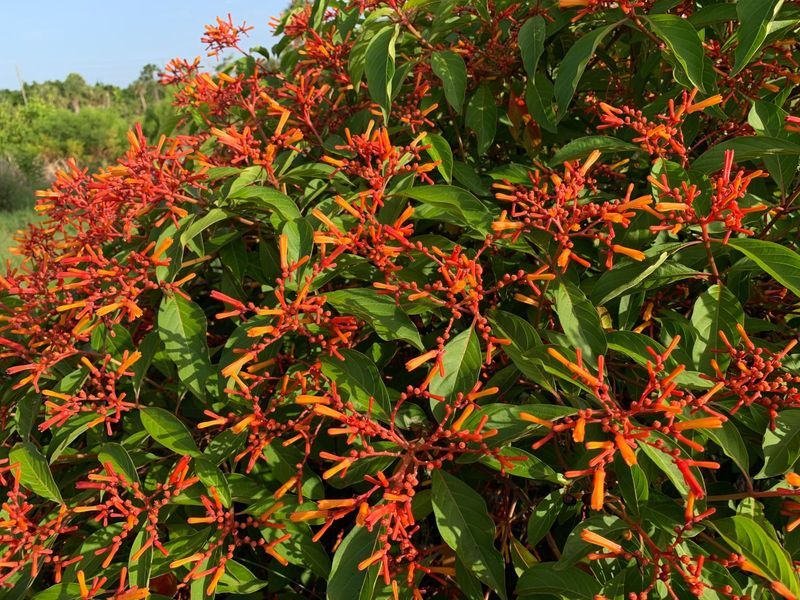
Firebush is basically Florida’s garden superhero. Its bright orange-red clusters of tubular flowers keep blazing through heavy downpours without missing a beat.
Native to Florida, this shrub has deep roots that anchor it firmly even in waterlogged soil.
It also happens to be a favorite of hummingbirds and butterflies, so you get wildlife activity on top of storm resilience. Plant it in full sun and watch it thrive all season long without much fuss from you.
Lantana
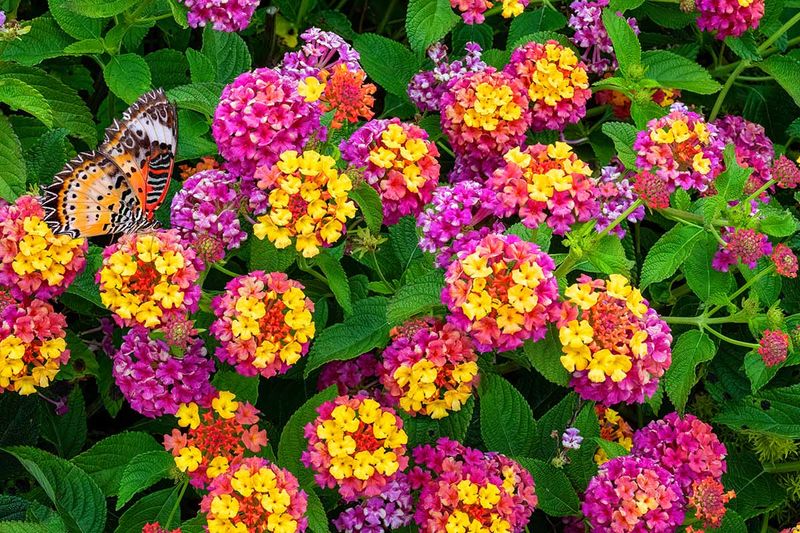
Few plants can match lantana’s attitude toward tough weather. Rain, heat, drought — this plant shrugs it all off and keeps producing those cheerful clusters of multicolored blooms season after season.
Lantana’s woody stems and extensive root system make it nearly impossible to knock down during a storm. It spreads easily and fills garden beds with color while requiring almost zero extra care from you.
Butterflies absolutely love it, which is a sweet bonus.
Pentas
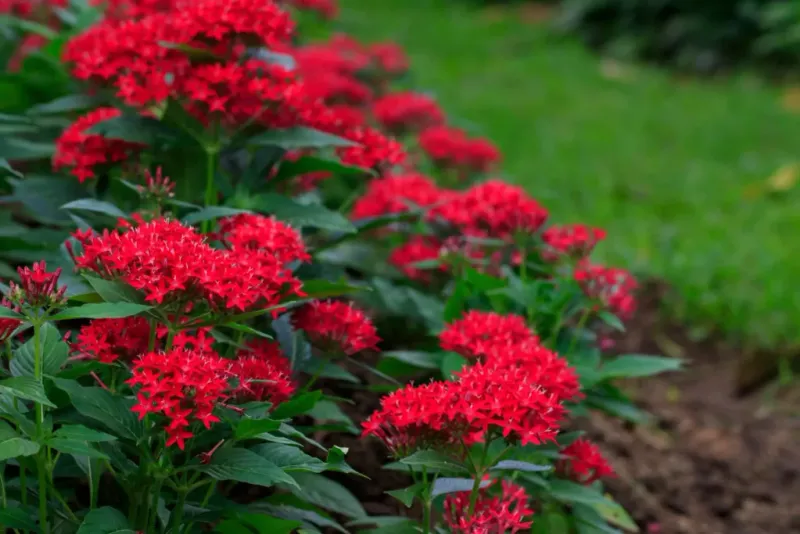
Star-shaped and sturdy, pentas is a go-to plant for Florida gardeners who want year-round color without constant replanting. Heavy rainfall barely phases it — the flowers may droop slightly during a downpour but bounce back quickly once the sun returns.
Pentas thrives in heat and humidity, making it perfectly built for Florida summers. Butterflies and hummingbirds flock to its blooms regularly.
Plant it in well-drained beds for the best results and enjoy months of reliable color.
Angelonia
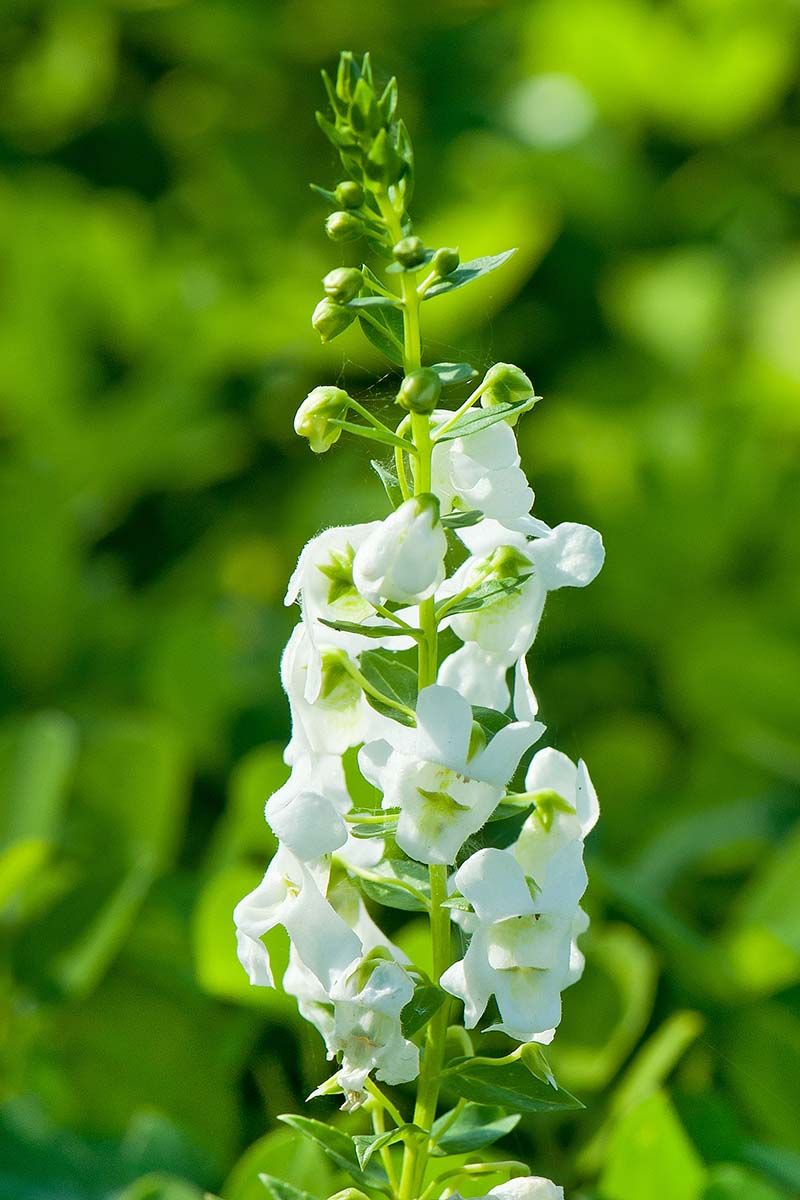
Sometimes called summer snapdragon, angelonia punches well above its weight when Florida storms roll in. Its slender upright stems hold their shape surprisingly well, and the delicate-looking blooms come right back after a good soaking.
What makes angelonia especially practical is that it thrives in heat and humidity without wilting or rotting at the base. The light fragrance it releases is a pleasant surprise too.
Tuck it into borders or containers for a pop of purple, pink, or white.
Vinca
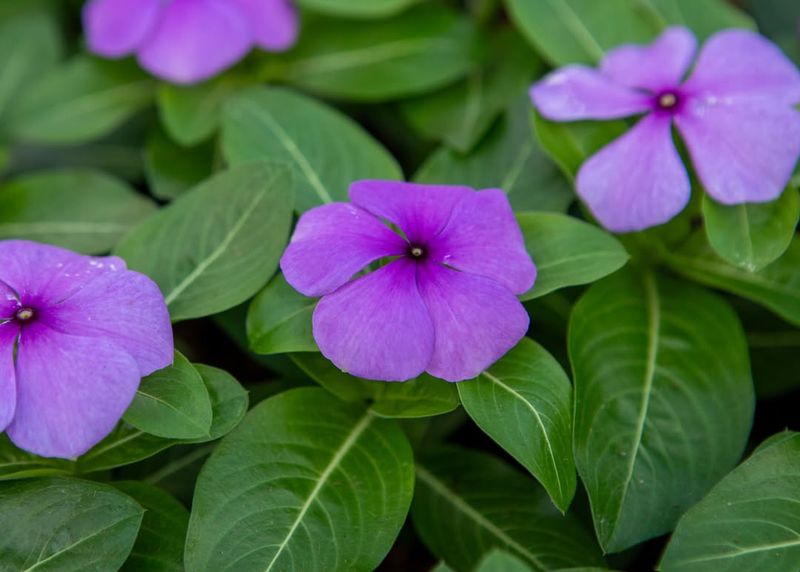
Vinca has earned its reputation as one of the toughest flowering annuals in Florida. Rain, blazing sun, and high humidity are basically its preferred living conditions.
The waxy coating on its leaves actually helps water roll off rather than pool and cause rot.
Gardeners love vinca because it fills spaces quickly and blooms non-stop from spring through fall. It handles neglect better than most plants, making it ideal for busy homeowners who still want a colorful, rain-proof yard.
Blue Daze
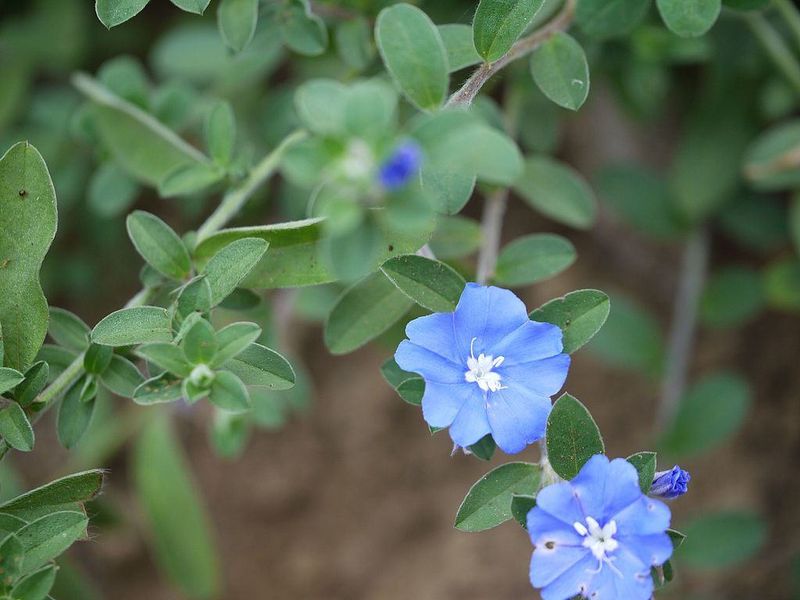
Blue daze has one of the most soothing color palettes in any Florida garden — soft sky-blue flowers over silvery-green foliage that practically glows after a rainstorm. Despite looking delicate, this ground cover handles wet conditions with ease.
Its low-spreading habit means it won’t get toppled by wind or heavy rain the way taller plants might. Blue daze loves full sun and bounces back quickly after storms.
It’s a reliable, low-maintenance choice that adds real charm to garden edges and pathways.
Plumbago
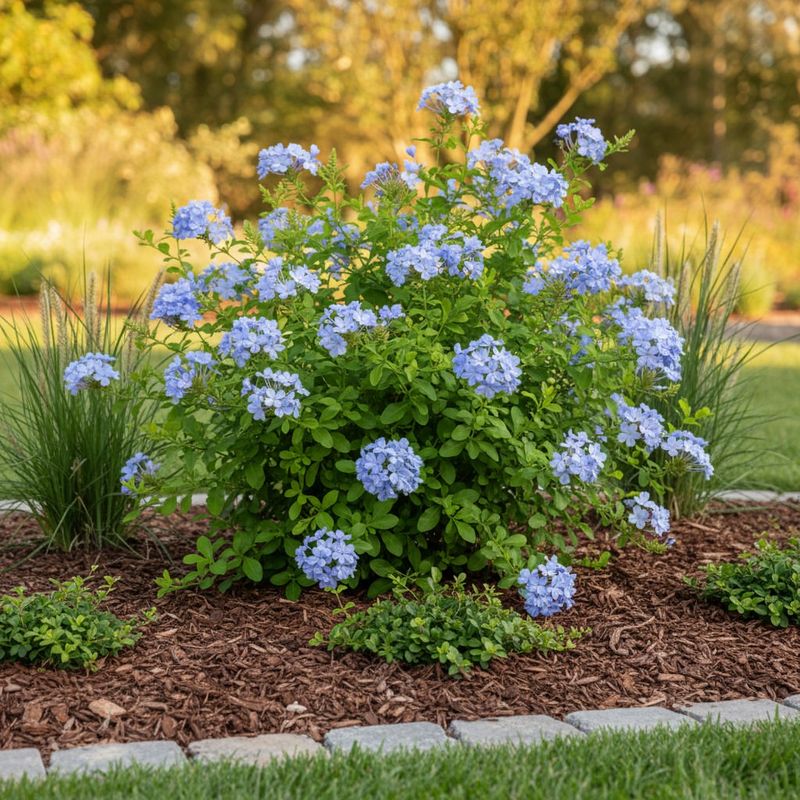
Plumbago is that cool, easygoing shrub that never seems rattled by anything — including Florida’s most dramatic afternoon thunderstorms. Its clusters of powder-blue flowers keep blooming reliably no matter how much rain falls.
Fast-growing and flexible, plumbago works well as a hedge, border plant, or sprawling accent shrub. Its root system anchors it well in sandy Florida soil, even during heavy downpours.
Butterflies visit constantly, and very little pruning or maintenance is needed to keep it looking sharp.
Cocoplum
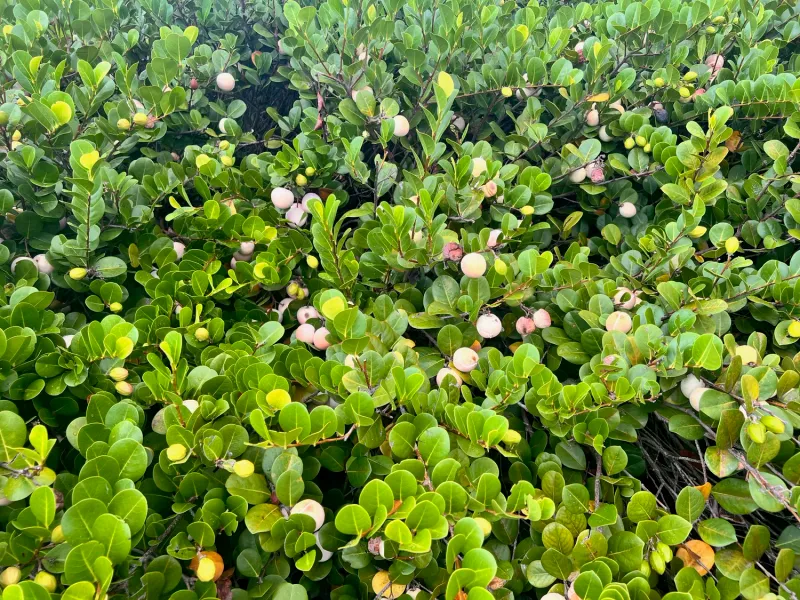
Cocoplum is a Florida native that was basically designed for tough conditions. Coastal winds, saltwater spray, heavy rain — none of it slows this shrub down.
Its dense, glossy foliage holds up beautifully even after a serious storm passes through.
Beyond its toughness, cocoplum produces small edible fruits that wildlife absolutely love. It works great as a privacy hedge or natural border and requires very little maintenance once established.
For homeowners near the coast, it’s practically an essential choice for the landscape.
Simpson’s Stopper
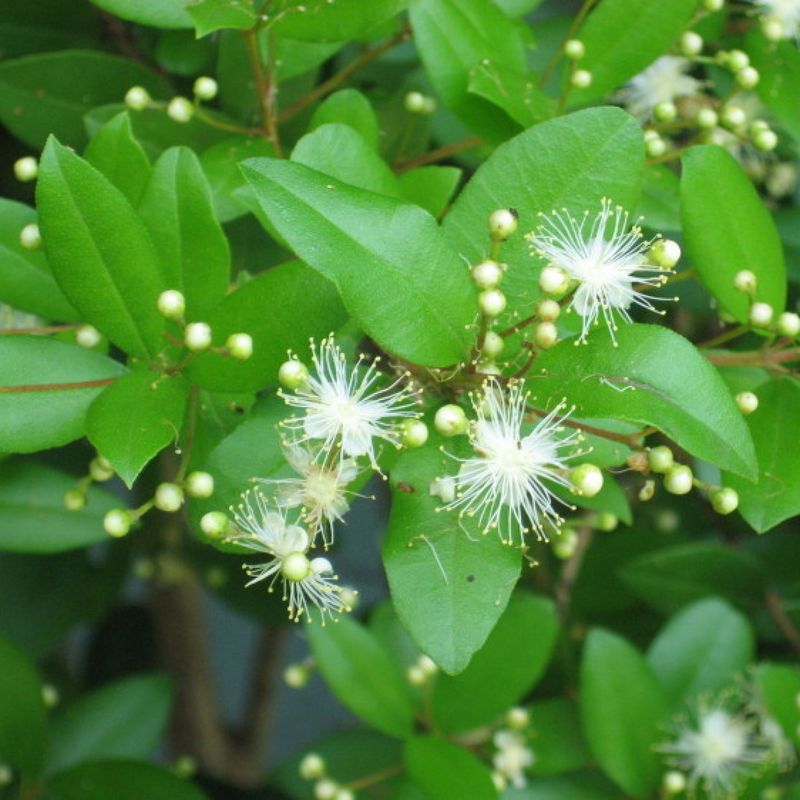
Named after a Florida botanist, Simpson’s stopper is a native shrub with real staying power. It handles heavy rain, partial shade, and even occasional flooding without complaint.
Small white flowers give way to bright red berries that birds find irresistible.
This shrub works perfectly as a hedge or understory plant beneath larger trees. Its dense branching structure keeps it upright and intact during storms.
Once established in the landscape, Simpson’s stopper practically takes care of itself, which is always a win for Florida gardeners.
Walter’s Viburnum
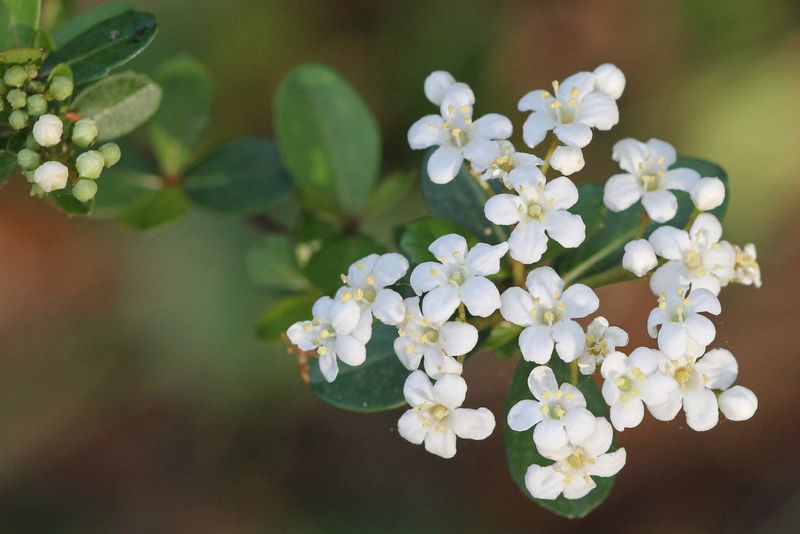
Walter’s viburnum is one of those dependable Florida natives that earns more respect the longer you grow it. Heavy rains don’t faze it — its sturdy branches and strong root system keep it grounded even during intense summer storms.
In spring, it lights up with clusters of tiny white flowers that attract pollinators by the dozen. Later, small dark fruits appear that local birds love to snack on.
It works beautifully as a privacy screen or naturalized hedge with very minimal care required.
Muhly Grass
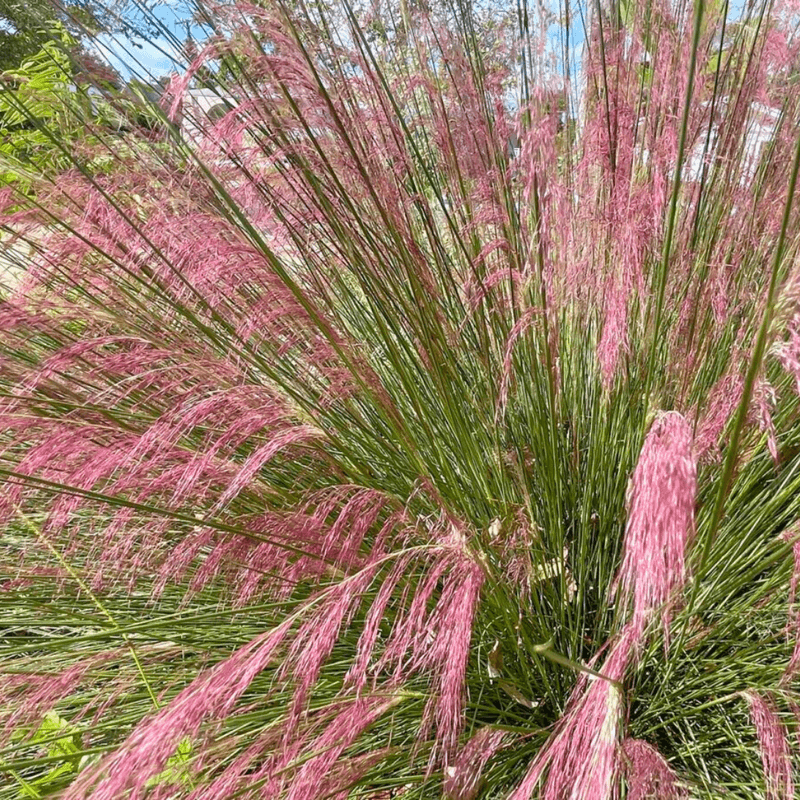
When muhly grass sends up its feathery pink plumes in the fall, it looks almost too pretty to be tough. But don’t let those soft clouds of color fool you — this ornamental grass handles Florida storms like a seasoned pro.
Its flexible stems bend dramatically in wind and rain without snapping, then spring right back up once the weather clears. Muhly grass thrives in full sun and sandy soil, making it perfectly suited for Florida’s challenging conditions.
Minimal watering and no fertilizing needed.
Coontie
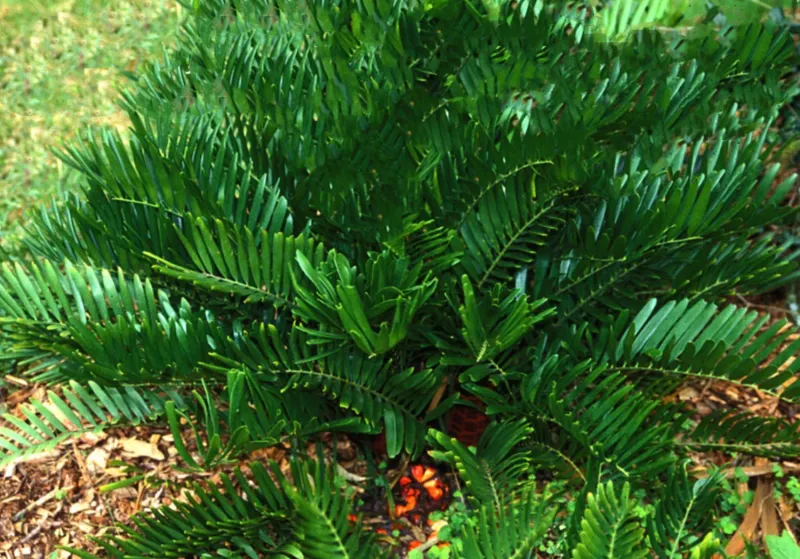
Coontie is technically a cycad, not a true palm, but it looks ancient and cool in any Florida garden. It’s one of the most storm-proof plants you can grow here — its low, compact form simply has nothing to catch the wind.
As a Florida native, coontie is perfectly adapted to the state’s rainy season and sandy soils. It’s also the only host plant for the beautiful atala butterfly, making it ecologically valuable.
Slow-growing but extremely long-lived, coontie is a genuine set-it-and-forget-it plant.
Society Garlic
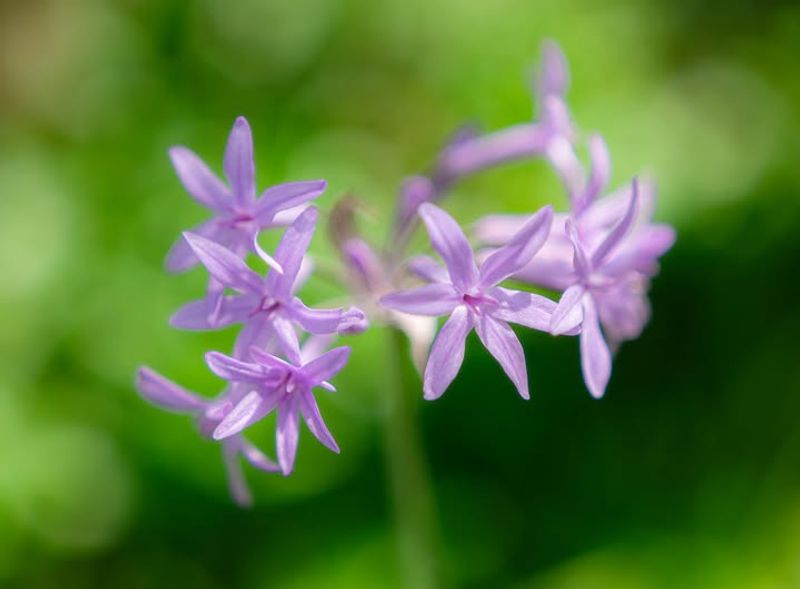
Society garlic earns its place in Florida gardens by being almost ridiculously easy to grow. Clusters of soft lavender flowers bloom repeatedly throughout the year, and heavy rainstorms barely make a dent in its upright, clumping form.
The leaves smell faintly of garlic when crushed, which naturally deters deer and rabbits — a handy built-in defense. It handles both wet and dry spells with equal ease.
Plant it along walkways or in mixed borders for cheerful, low-maintenance color that holds up all season.
Bulbine
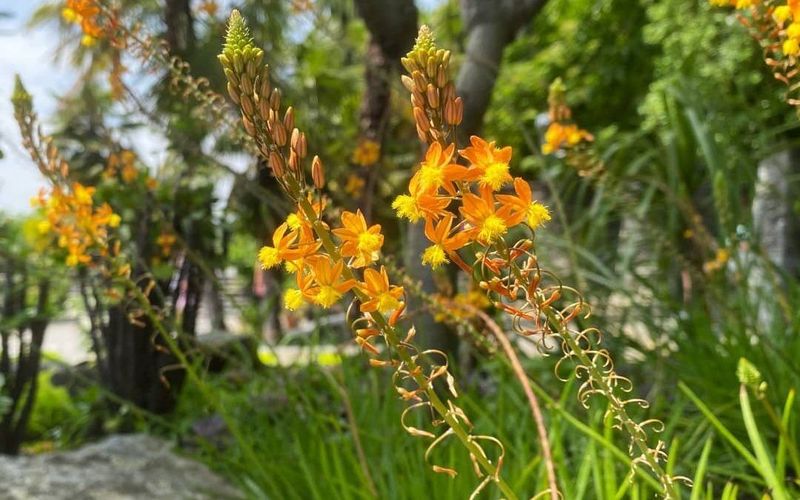
Bulbine looks like it belongs in a desert garden, but it actually performs surprisingly well in Florida’s rainy season. Its thick, succulent-like leaves store moisture without rotting, even when the ground stays wet for extended periods.
Cheery orange and yellow flower spikes pop up repeatedly throughout the year, giving you long-lasting color with almost no effort. Bulbine spreads gradually to fill bare spots in garden beds.
It’s especially useful in areas with poor drainage where other plants tend to struggle and give up.
Porterweed
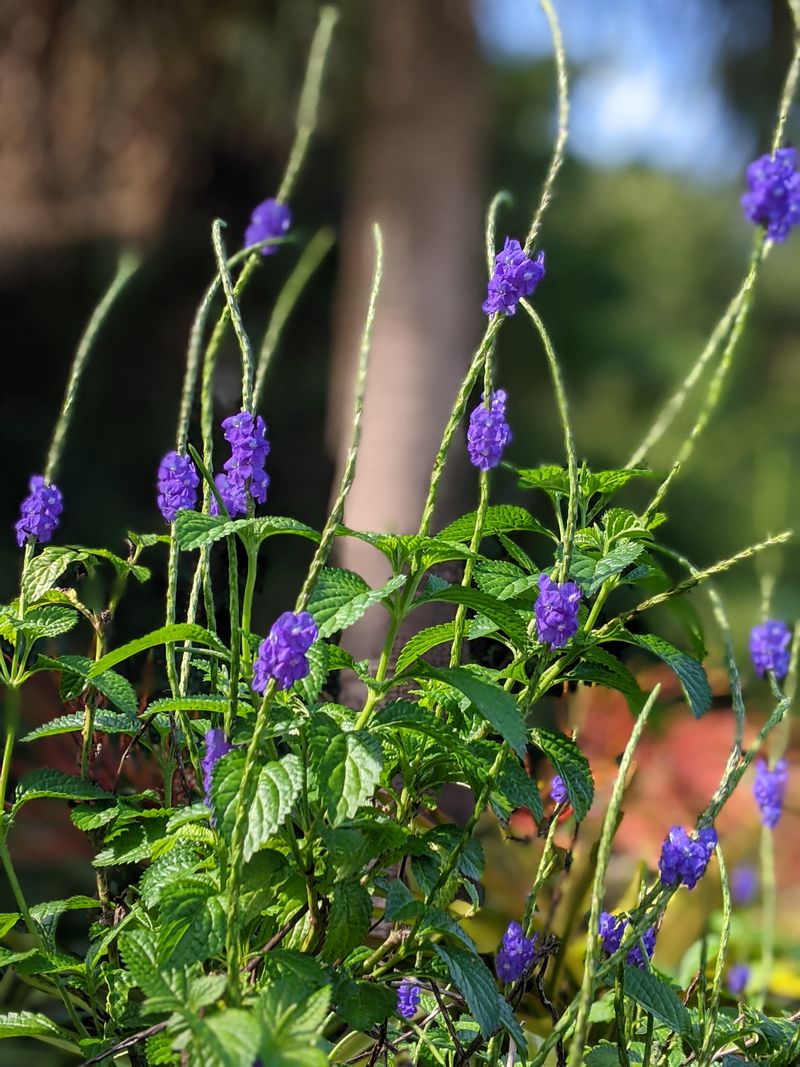
Porterweed grows with an almost rebellious energy — tall, sprawling, and absolutely covered in tiny purple flower spikes that butterflies can’t resist. A heavy rainstorm might knock it sideways temporarily, but it rights itself quickly and keeps on blooming.
Native to Florida, porterweed thrives in the heat and humidity that would wilt less adapted plants. It self-seeds readily, so once you have it established, it tends to stick around without much help.
Plant it toward the back of borders where its wild character really shines.
Ruellia
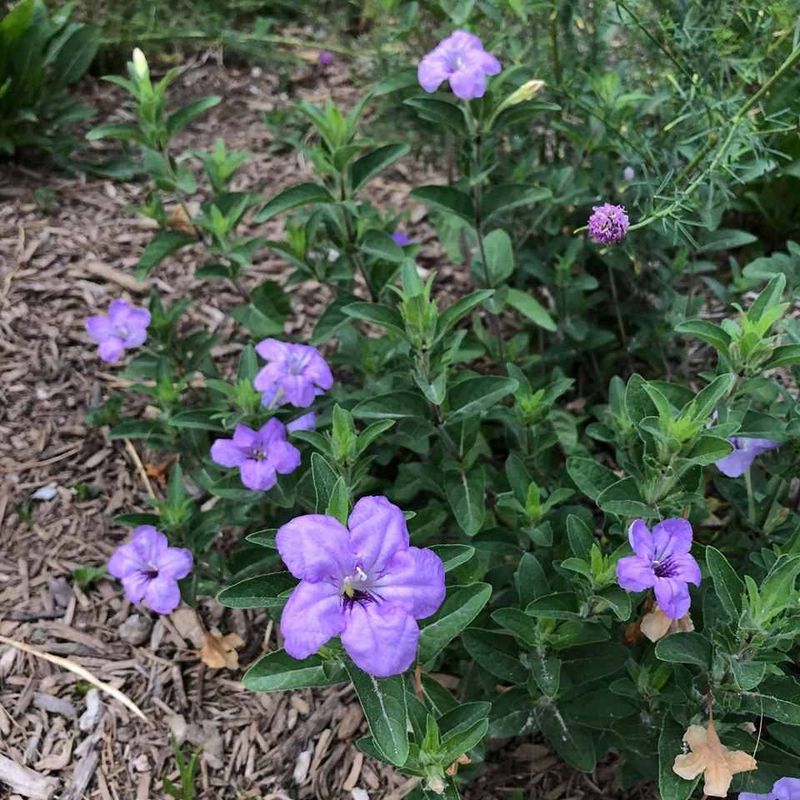
Ruellia, often called wild petunia, is one of those plants that seems genuinely happy in the middle of a Florida downpour. Its purple trumpet-shaped blooms open fresh every morning, rain or shine, giving your garden consistent color all summer long.
It spreads quickly by seed and underground runners, making it excellent for covering large areas fast. Ruellia tolerates wet, poorly-drained soil better than most flowering plants, which is a major advantage in flood-prone Florida yards.
Just be mindful that it can become invasive if left unchecked.
Salvia
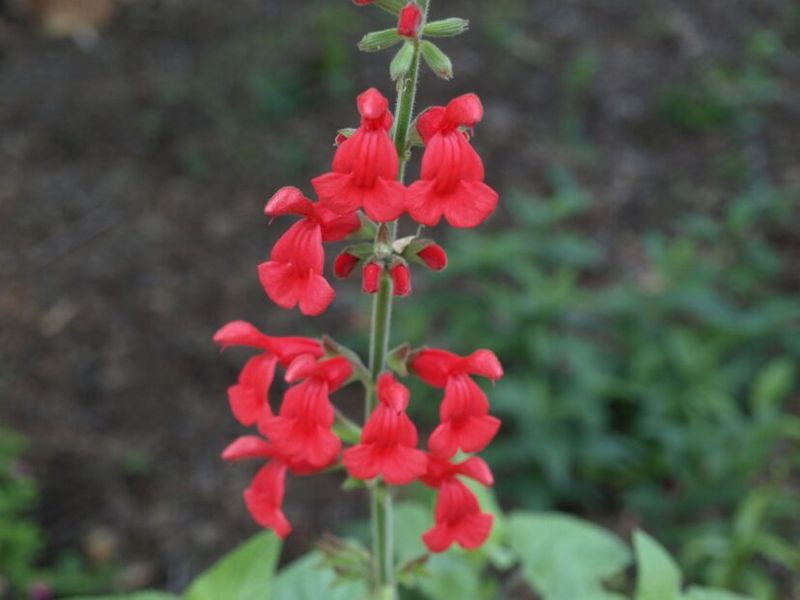
Salvia is the kind of plant that makes a Florida garden look polished and purposeful even after a brutal summer storm. Its tall flower spikes stand firm thanks to strong stems, and the blooms dry out quickly once the rain stops.
Florida-friendly varieties like red salvia and blue salvia attract hummingbirds and butterflies constantly. Salvia thrives in full sun and well-drained soil, and it actually blooms more vigorously when the heat is intense.
Regular deadheading keeps the show going from spring all the way through fall.
Thryallis
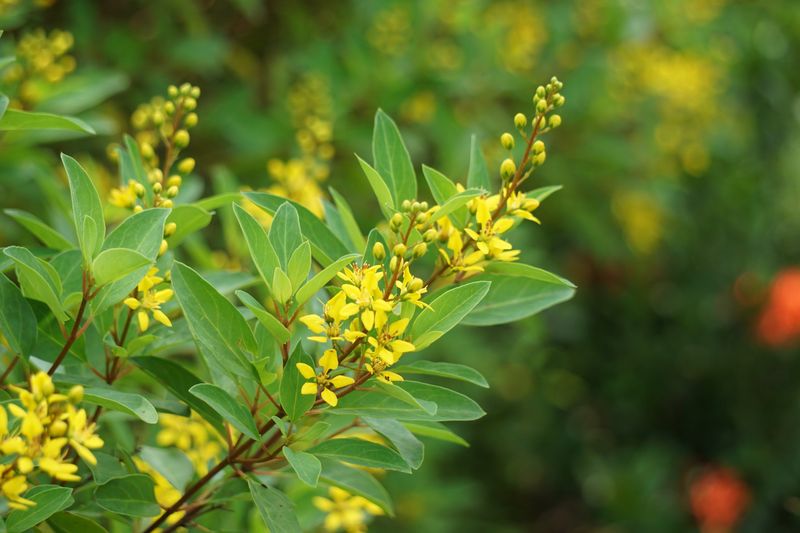
Thryallis brings a waterfall of golden yellow blooms to Florida gardens, and it does so with impressive toughness. Even after heavy afternoon storms, those cheerful yellow flower clusters bounce back quickly, looking fresh and bright the next morning.
This fast-growing shrub handles Florida heat and humidity without skipping a beat. It works beautifully as a border shrub, a low hedge, or a standalone accent plant.
Once established, thryallis is highly drought-tolerant too, making it a real two-season performer in South and Central Florida landscapes.
Ixora
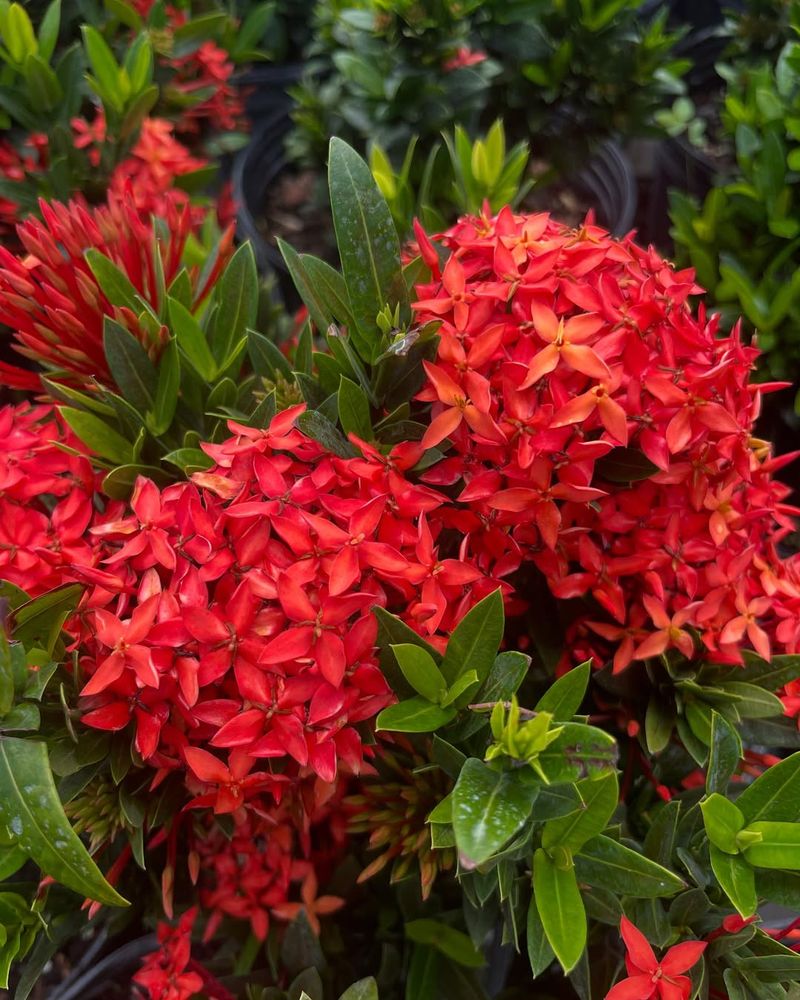
Walk through almost any Florida neighborhood and you’ll spot ixora — those dense, rounded shrubs absolutely loaded with clusters of tiny red, orange, or pink flowers. They’re a staple for a good reason: they handle Florida’s rainy season without flinching.
Ixora loves heat and acidic soil, both of which Florida has in abundance. Its compact form stays tidy even in stormy weather, and it rarely needs staking or extra support.
Feed it with an acidic fertilizer a few times a year and it rewards you with near-constant blooms.
Crossandra
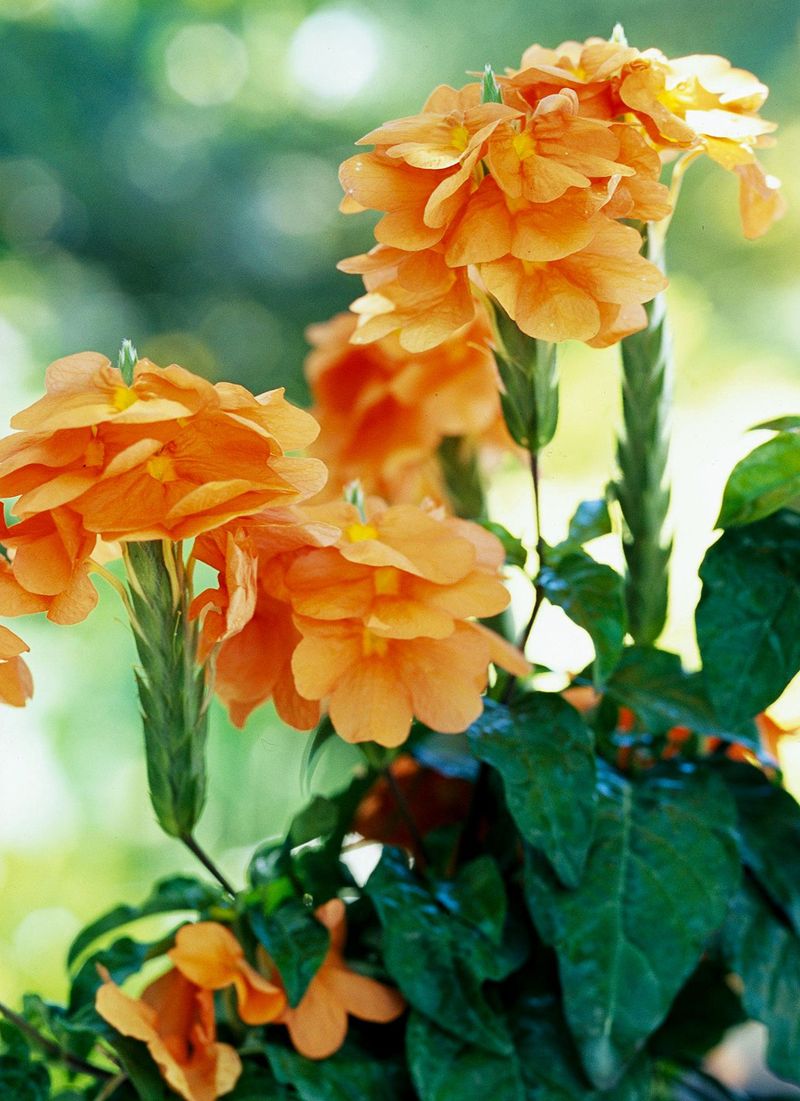
Crossandra might be the most underrated flower in Florida gardening. Its salmon-orange blooms are bold and glossy, and they hold up remarkably well through heavy summer rains without browning or falling apart like more delicate flowers tend to do.
It performs best in partial shade, which makes it a fantastic choice for spots under trees or along shaded walls where other flowering plants struggle. Crossandra stays compact and tidy naturally, so it needs very little trimming.
Pair it with green foliage plants for a vivid, tropical-looking combination.
Enjoyed this story?
Add Fast Food Club as a preferred source to see more of our reporting on Google.