


Gardening in Florida can feel like a battle against the blazing sun and unpredictable rain. The good news is that plenty of beautiful plants actually love the heat and can go days without a drink.
Whether you have a big backyard or a small patio, these tough, low-water plants will keep your outdoor space looking amazing all year long.
Lantana
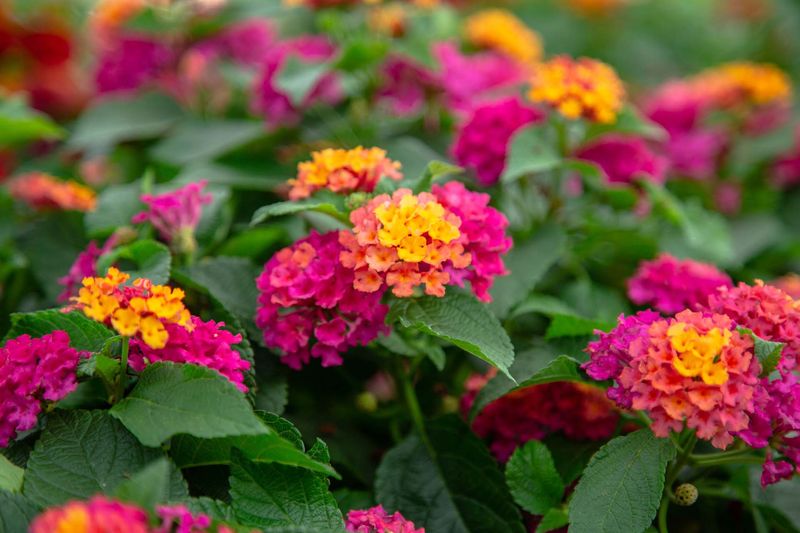
Few plants put on a show quite like lantana. Its clusters of tiny flowers shift from yellow to orange to pink as they age, creating a living rainbow right in your yard.
Butterflies absolutely flock to it.
Lantana handles Florida heat like a champion and barely needs watering once it gets established. Plant it in full sun and step back.
It spreads happily and blooms almost all year long in warm climates.
Blanket Flower
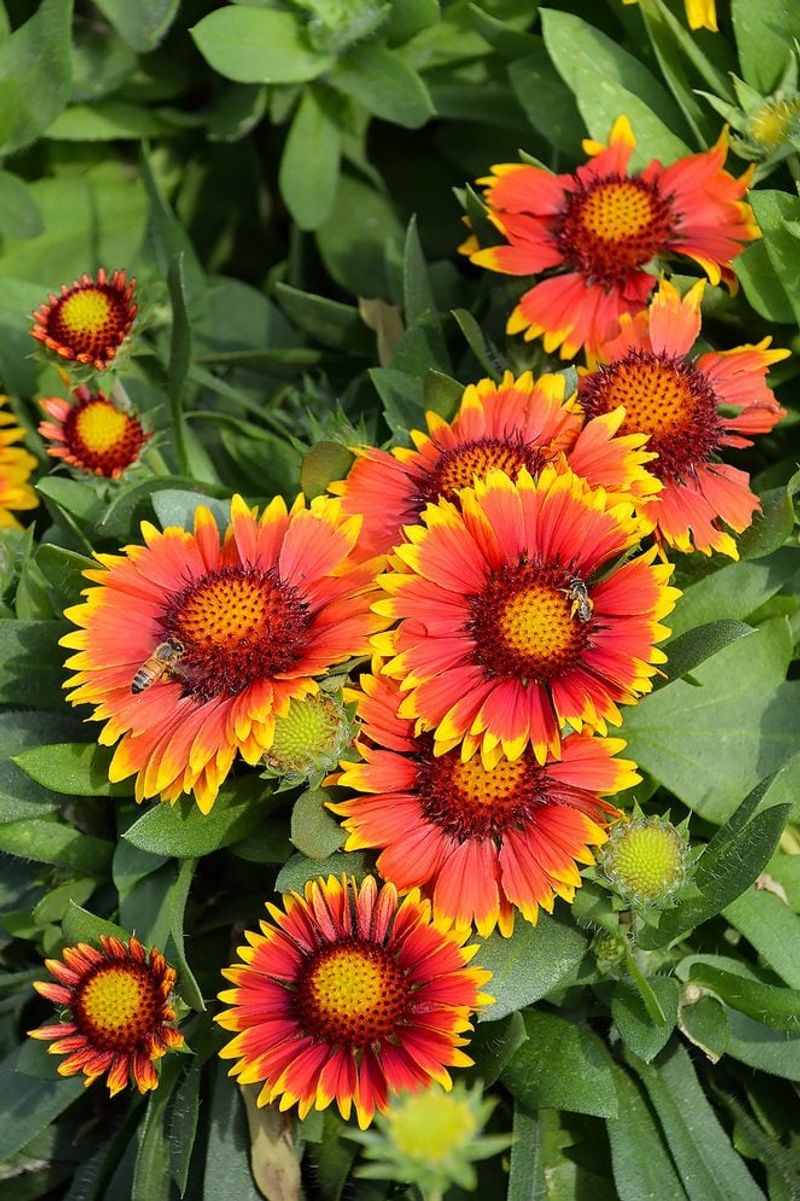
Named after the bold, patterned blankets made by Native American tribes, blanket flower brings that same vivid energy to any garden. Its red and yellow petals look like tiny sunsets you can hold in your hand.
Blanket flower thrives in sandy, well-drained soil, which makes it a natural fit for Florida. It handles drought without fuss and blooms from spring through fall.
Deadhead spent flowers to keep new blooms coming all season.
Coreopsis
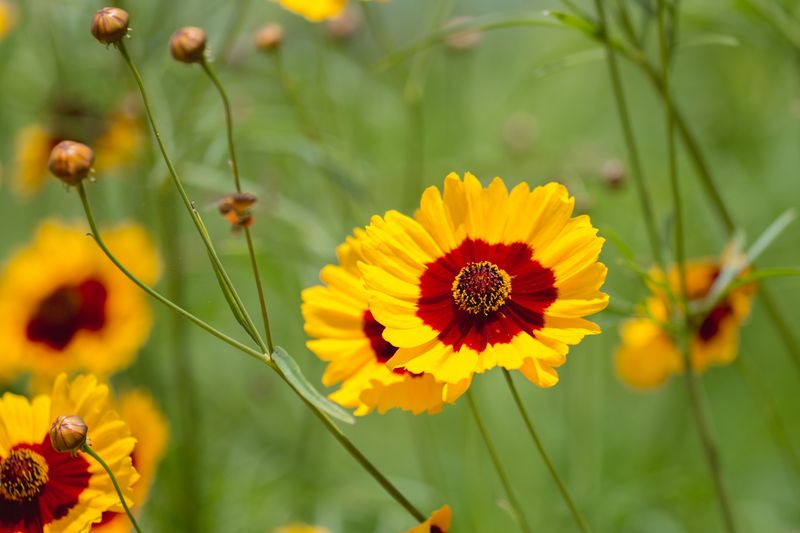
Coreopsis is Florida’s official state wildflower, and it earns that title every single spring. Waves of golden blooms pop up across roadsides, meadows, and home gardens without anyone lifting a finger to water them.
This cheerful plant loves full sun and poor soil, two things Florida has plenty of. Once established, rainfall is usually all it needs to survive.
Plant it in masses for a stunning golden effect that attracts bees and butterflies naturally.
Beach Sunflower
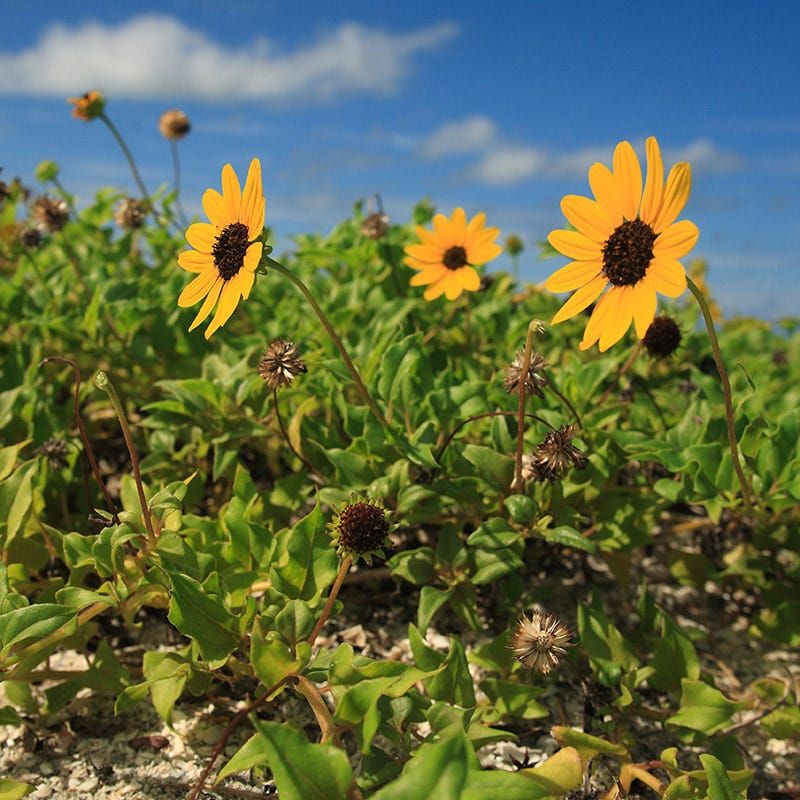
Walk along almost any Florida coastline and you will likely spot beach sunflower hugging the sandy ground with cheerful yellow blooms. It is one of those plants that seems to enjoy harsh conditions everyone else avoids.
Salt spray, scorching sun, and dry sandy soil are no problem for this tough native. It spreads as a low ground cover, which makes it excellent for controlling erosion.
Water it a few times after planting, then let Florida rain do the rest.
Coontie
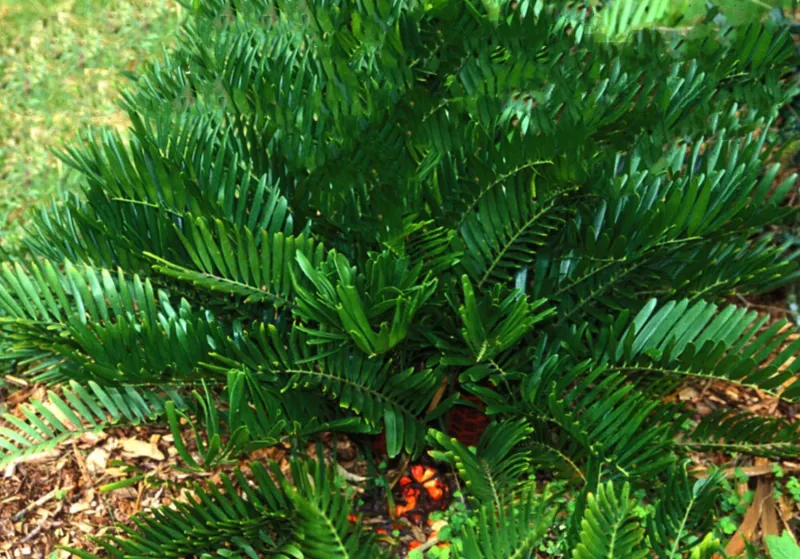
Coontie is one of the oldest plants in Florida, and it has been surviving here long before anyone thought about watering schedules. This low-growing cycad looks like a small, elegant fern and adds a prehistoric vibe to any landscape.
It grows slowly but lives for decades with almost no care. Coontie is also the only host plant for the endangered Atala butterfly, so planting it helps local wildlife too.
Shade or sun, it handles both with ease.
Muhly Grass
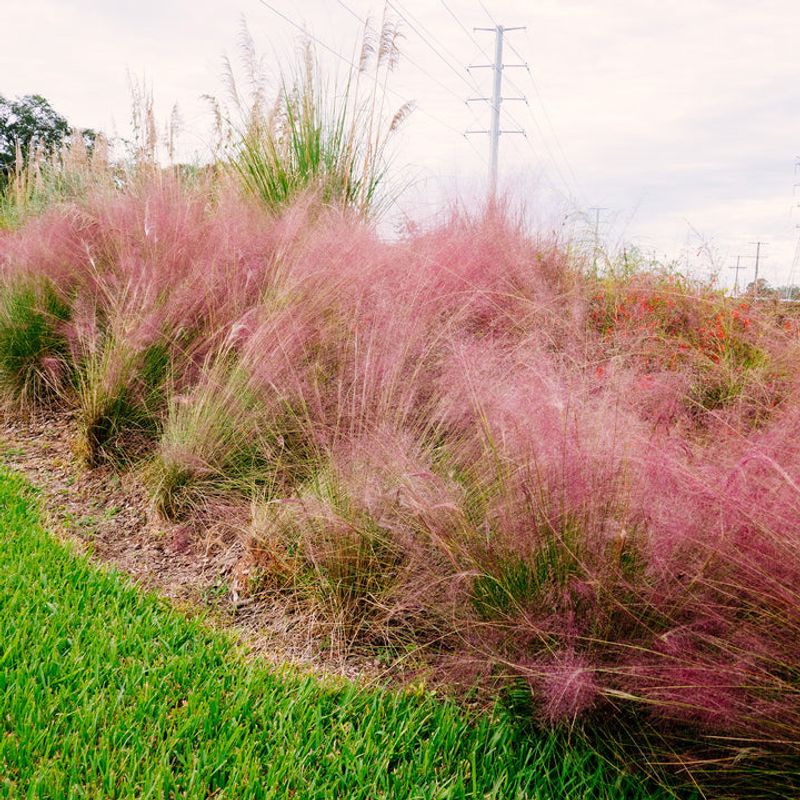
Every fall, muhly grass puts on one of the most magical shows in the Florida garden world. Its feathery pink and purple plumes catch the light and seem to glow like cotton candy clouds above the ground.
Beyond its beauty, muhly grass is incredibly tough. It tolerates drought, poor soil, and heat without any complaints.
Cut it back in late winter and it bounces right back. This native grass is a low-maintenance showstopper that rewards patience with breathtaking seasonal color.
Saw Palmetto
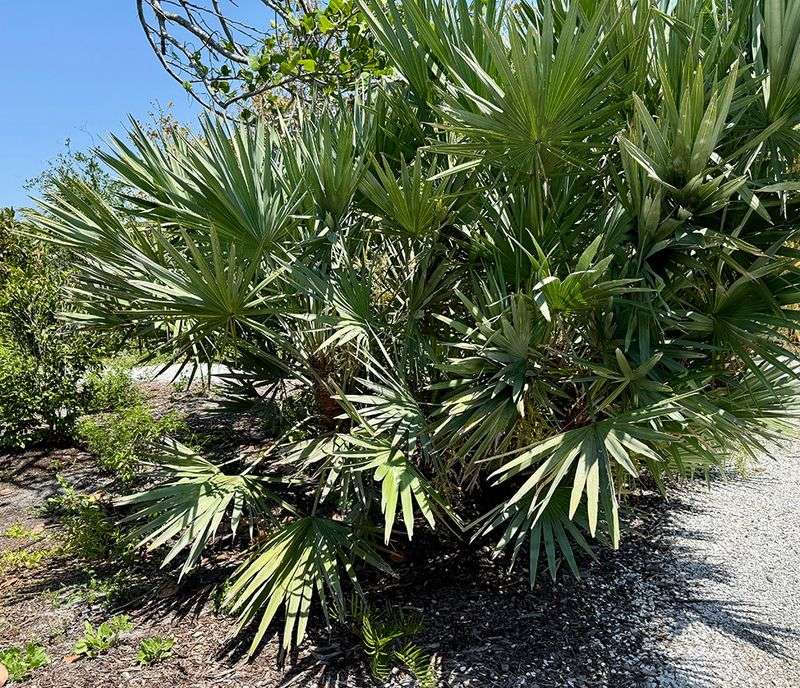
Saw palmetto has been part of Florida’s landscape for thousands of years, and there is a very good reason it is still here. This scrubby palm-like plant laughs at drought, heat, and even occasional flooding without missing a beat.
Its fan-shaped fronds provide great texture and structure in a native garden. Wildlife love the berries it produces in late summer.
Saw palmetto grows slowly, but once it is in the ground, it practically takes care of itself forever.
Dwarf Palmetto
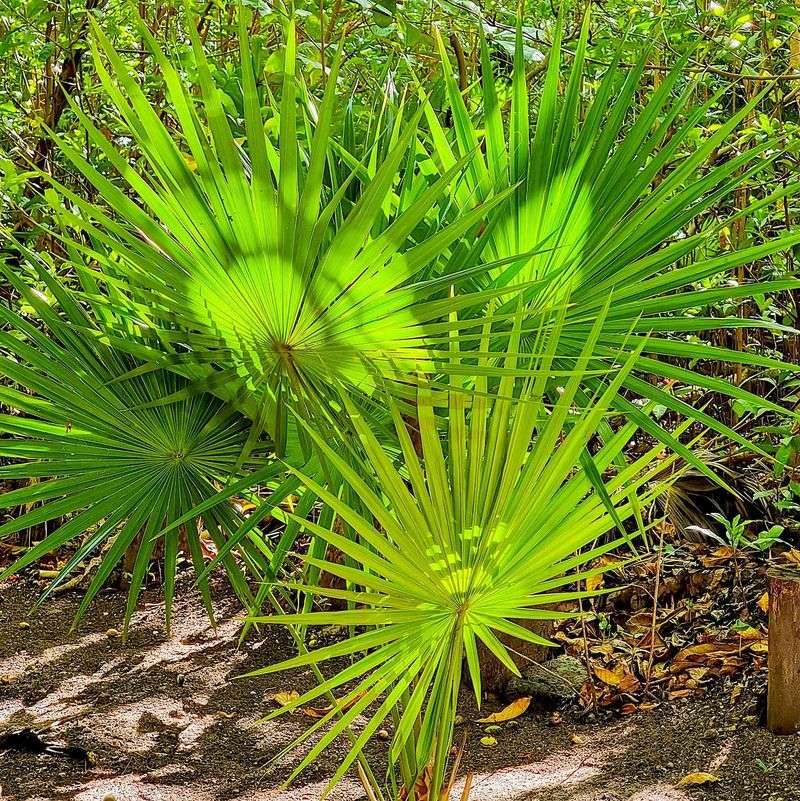
Think of dwarf palmetto as saw palmetto’s slightly more polished cousin. It stays low to the ground with broad, fan-shaped fronds that give a tropical feel without taking over your whole yard.
What makes it especially useful in Florida is its ability to handle both deep shade and full sun. Dry spells do not bother it once it is rooted in.
Use it as a lush understory plant beneath taller trees, or let it anchor a native garden bed beautifully.
Firebush
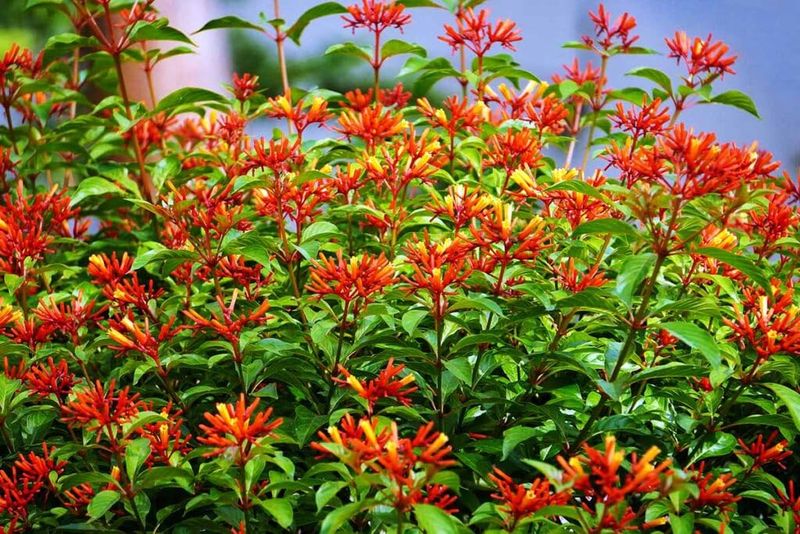
If you want to attract hummingbirds and butterflies without doing much work, firebush is your answer. Its clusters of red-orange tubular flowers are basically a neon sign that says “free food” to pollinators of all kinds.
Firebush grows fast and thrives in full sun with very little water once established. It can get large, so give it room to spread.
During winter in South Florida, it stays evergreen. In Central and North Florida, it may die back but returns reliably each spring.
Simpson’s Stopper
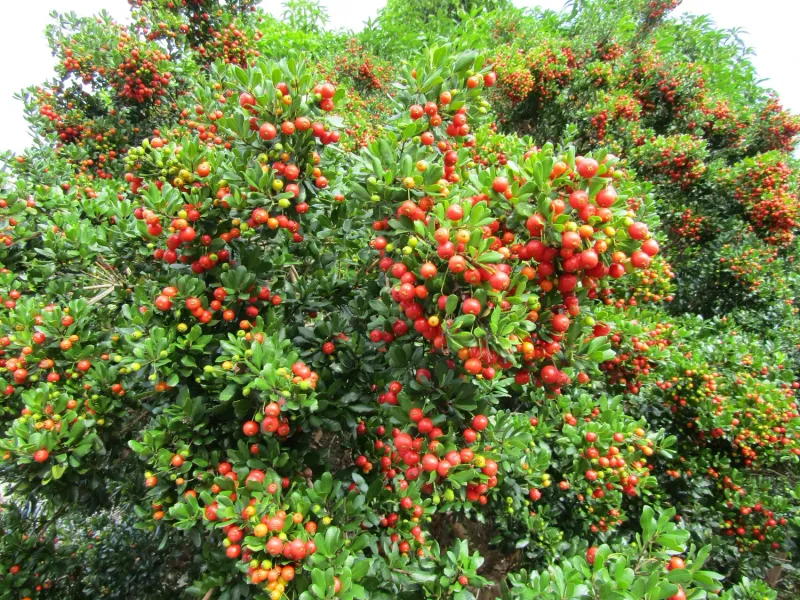
Simpson’s stopper is a quiet hero of the Florida native plant world. It does not shout for attention with huge blooms, but its small white flowers and clusters of red berries create a steady, understated beauty all year long.
Birds go crazy for those berries, making this shrub a natural wildlife magnet. It handles salt air, dry spells, and partial shade without any drama.
Use it as a hedge, a privacy screen, or a standalone specimen in a low-maintenance Florida landscape.
Cocoplum
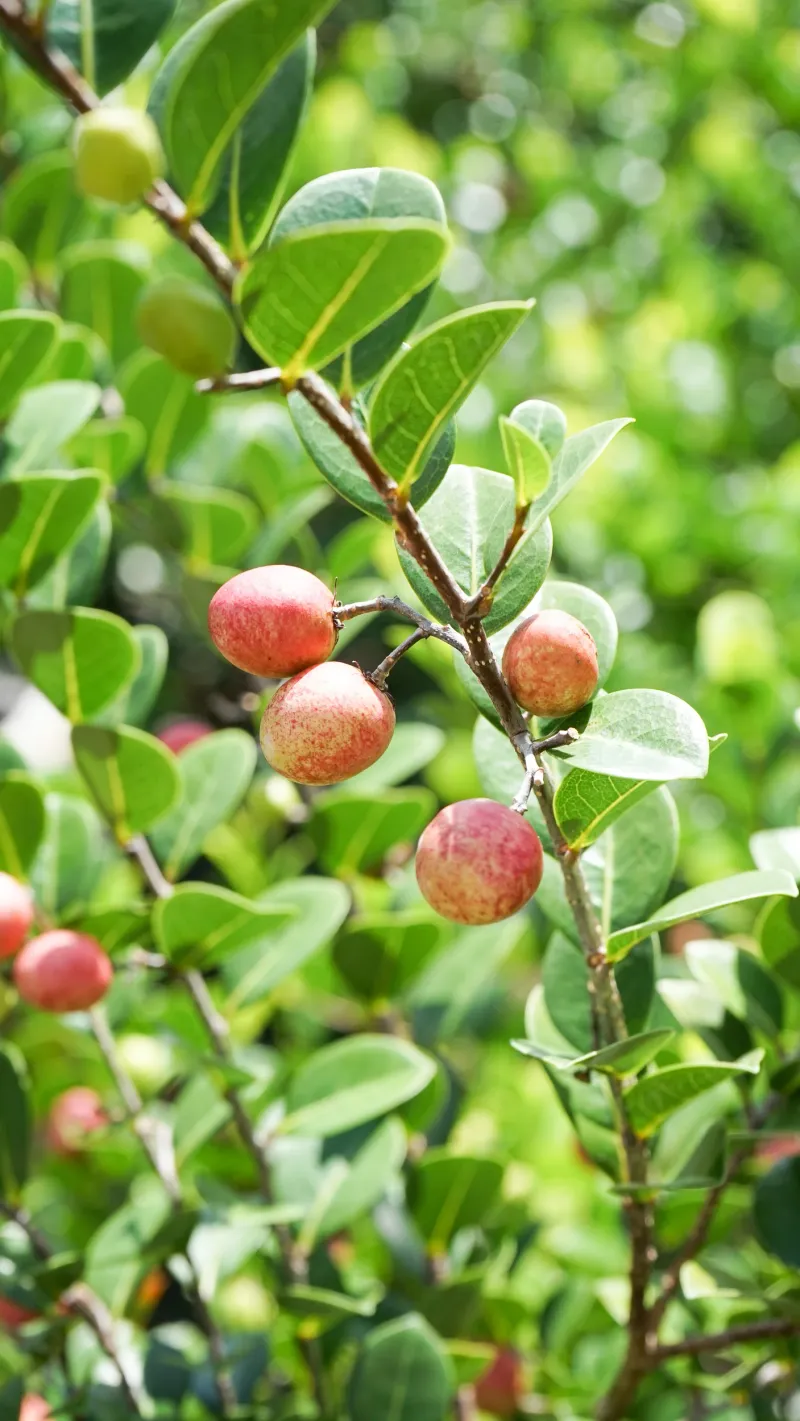
Cocoplum is a staple in South Florida landscapes, and for good reason. Its glossy, rounded leaves look neat and tropical, and the plant forms a dense, attractive hedge with very little pruning required.
It produces small plum-like fruits that wildlife love, turning your yard into a mini ecosystem. Cocoplum handles salt, heat, and occasional drought like a pro.
Plant it in full sun to partial shade and water it regularly at first, then back off and let it do its thing.
Wax Myrtle
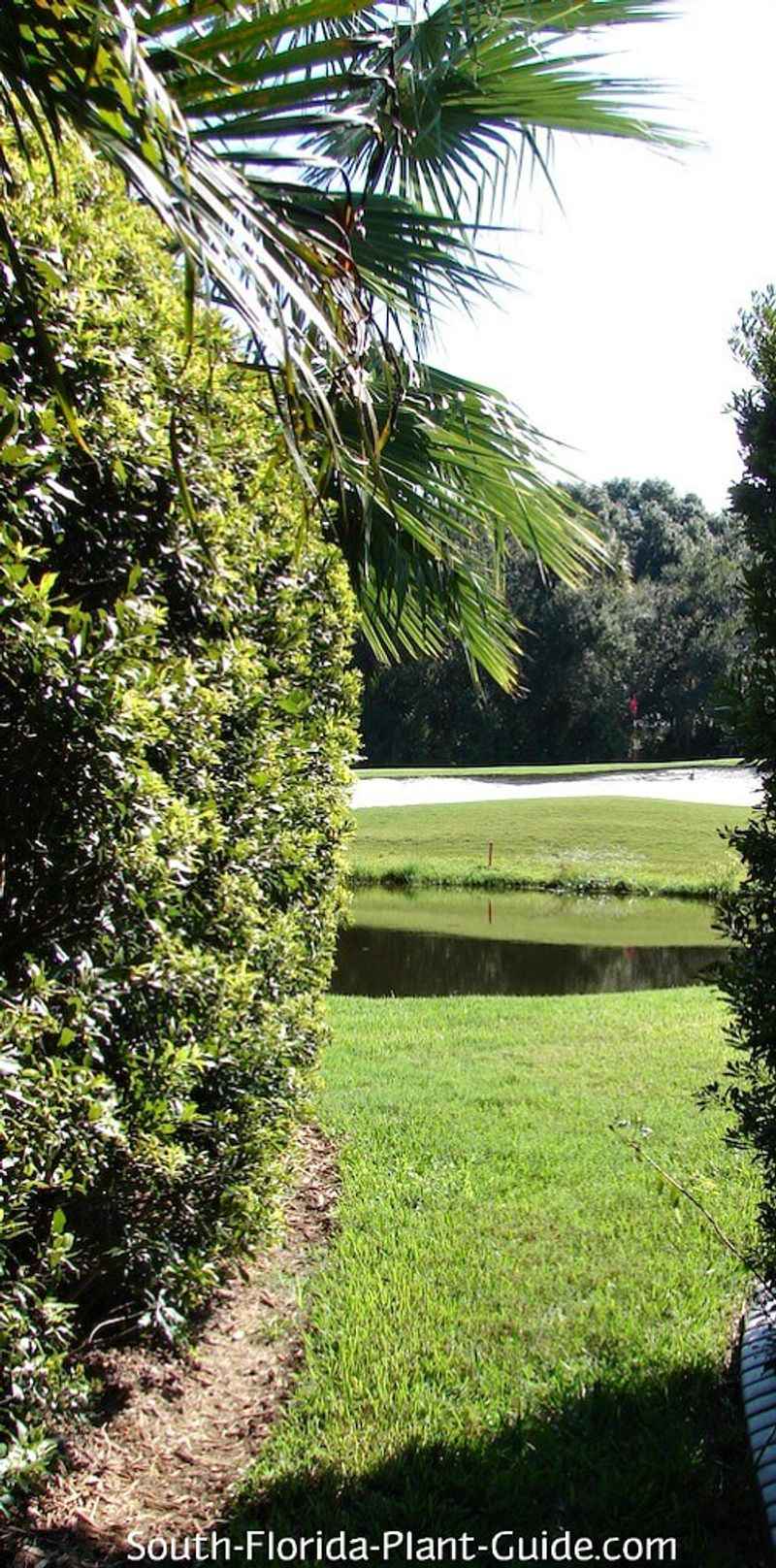
Wax myrtle grows fast, smells wonderful when you brush against its leaves, and provides excellent privacy screening without demanding constant attention. Early American settlers used its waxy berries to make bayberry candles, which is a pretty cool piece of history.
In Florida, it thrives in nearly every soil type, from wet to dry. Birds devour the blue-gray berries throughout fall and winter.
Prune it into a small tree shape or let it grow wild as a dense, natural hedge for your yard.
Agave
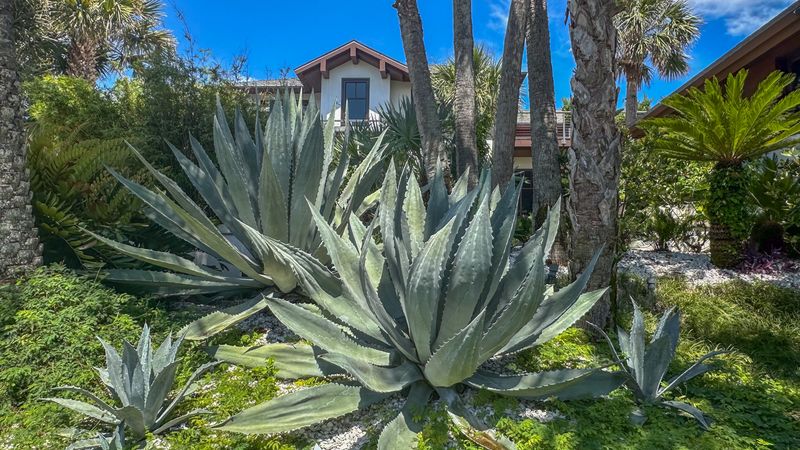
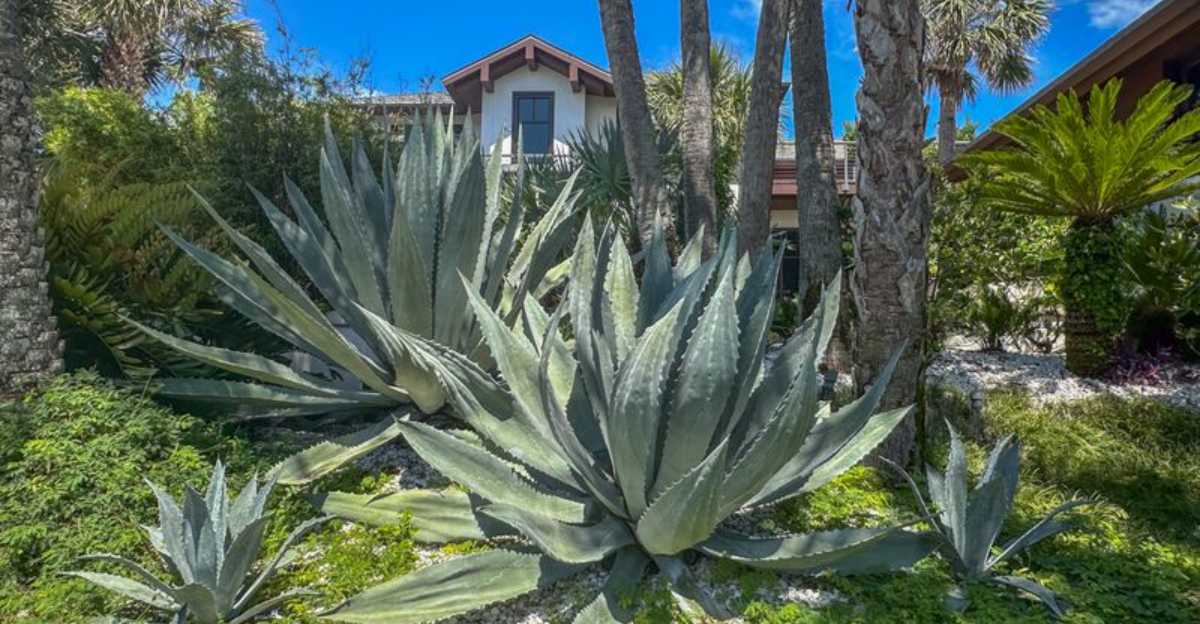
Agave plants look like they belong in a desert, but they actually do surprisingly well in Florida’s sandy, well-drained soils. Their thick, waxy leaves store water like natural reservoirs, which means they can handle weeks without rain without any stress.
Plant agave in a spot with excellent drainage and full sun, and it will reward you with bold, sculptural beauty for years. Watch out for the sharp leaf tips though.
They are serious, and gardeners who forget about them usually learn that lesson once.
Yucca
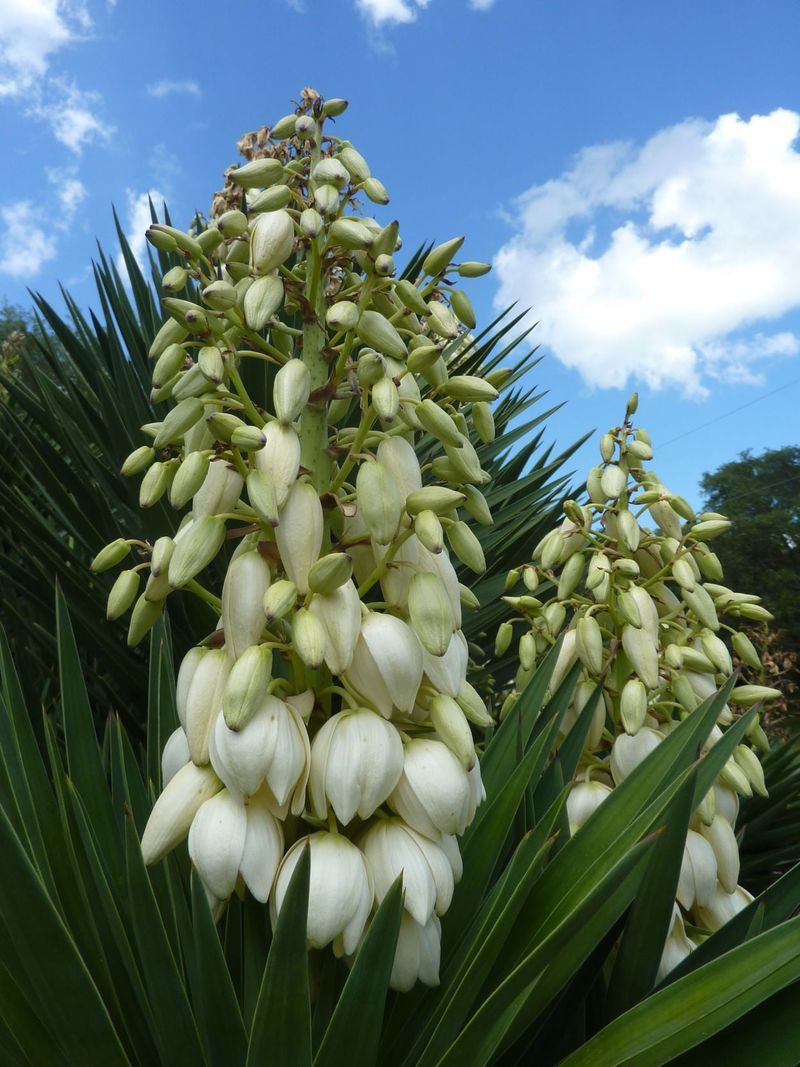
Yucca has a dramatic personality that makes it hard to ignore in any garden. Its stiff, sword-like leaves form a bold rosette, and when it blooms, it sends up a tall spike covered in creamy white bell-shaped flowers that look almost otherworldly.
Florida’s sandy soil and intense sun are exactly what yucca loves most. Once planted, it needs almost no supplemental water.
Some native yucca species are even pollinated exclusively by a single moth species, which is one of nature’s coolest partnerships.
Bulbine
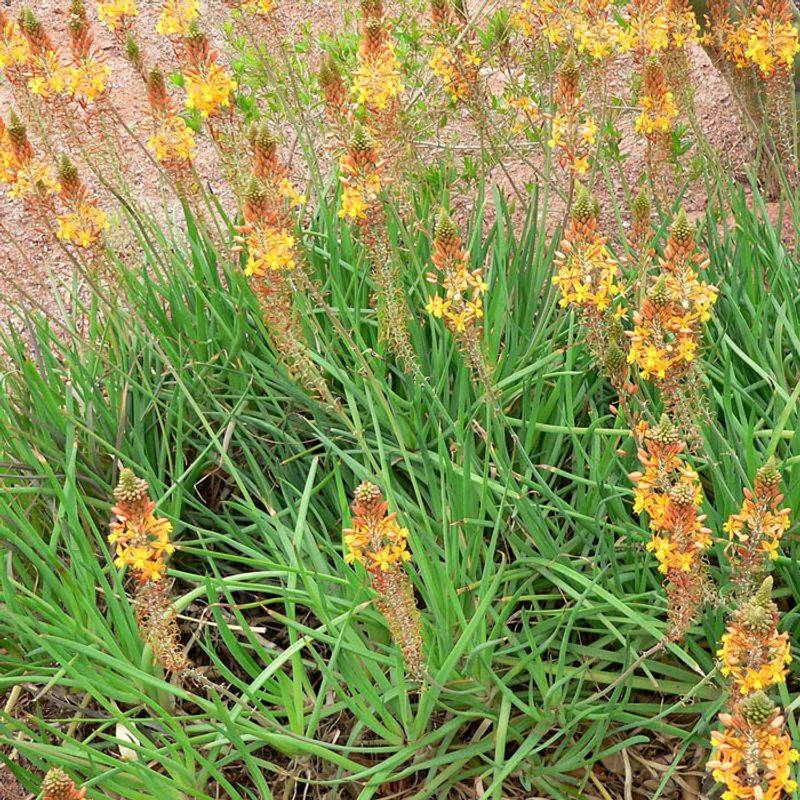
Bulbine is one of those underrated plants that quietly outperforms everything around it. Originally from South Africa, it has adapted beautifully to Florida’s heat and humidity, blooming almost continuously with cheerful yellow or orange star-shaped flowers on slender stalks.
Its fleshy, grass-like leaves store moisture, giving it serious drought tolerance once established. Plant it along borders, in rock gardens, or as a ground cover.
Bees love the flowers, and the plant itself asks for almost nothing in return for its long season of color.
Society Garlic
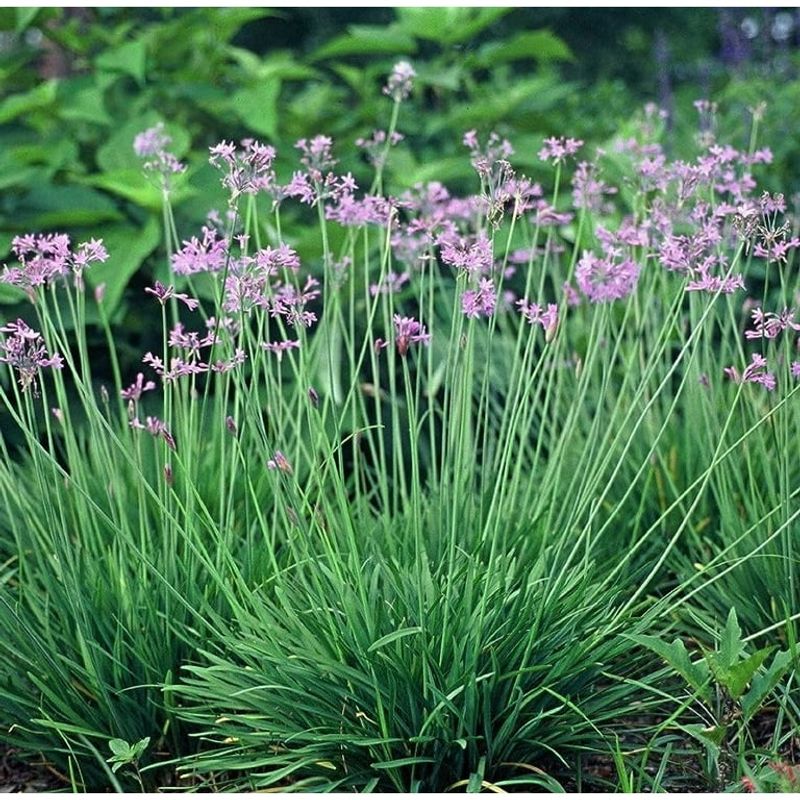
Society garlic has a funny name with a practical origin. It smells like garlic, but not strongly enough to be rude in public, hence the “society” part.
The lavender-purple flower clusters it produces are genuinely lovely and bloom on and off throughout the year.
Deer tend to avoid it because of the scent, which is a huge bonus in many Florida neighborhoods. It grows in clumps, tolerates heat and drought well, and works beautifully as a border plant or a low-growing accent in sunny garden beds.
Blue Porterweed
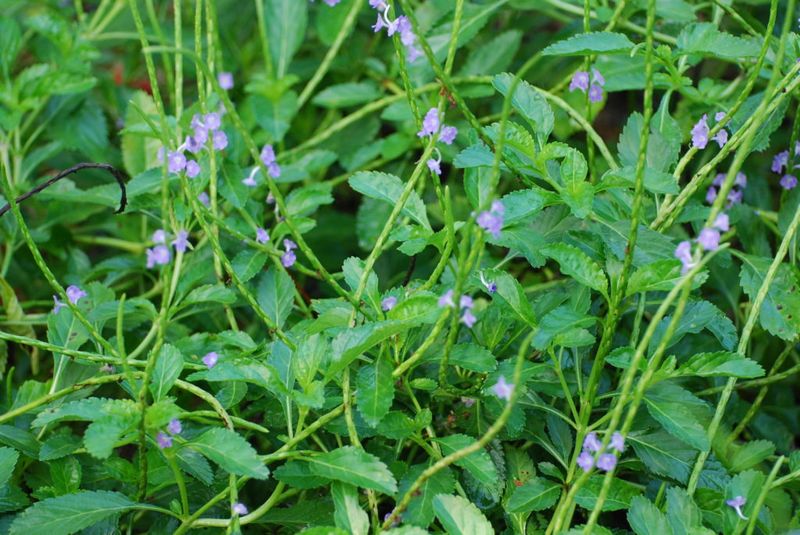
Butterflies treat blue porterweed like an all-you-can-eat buffet. The tiny, vivid blue-purple flowers appear along trailing stems almost constantly, making it one of the best butterfly-attracting plants you can grow in a Florida garden.
It spreads low and wide, which makes it a great ground cover option for sunny spots with dry or sandy soil. Blue porterweed blooms heavily in summer when most plants are struggling with the heat.
Trim it back occasionally to keep it tidy and encourage fresh new growth.
Goldenrod
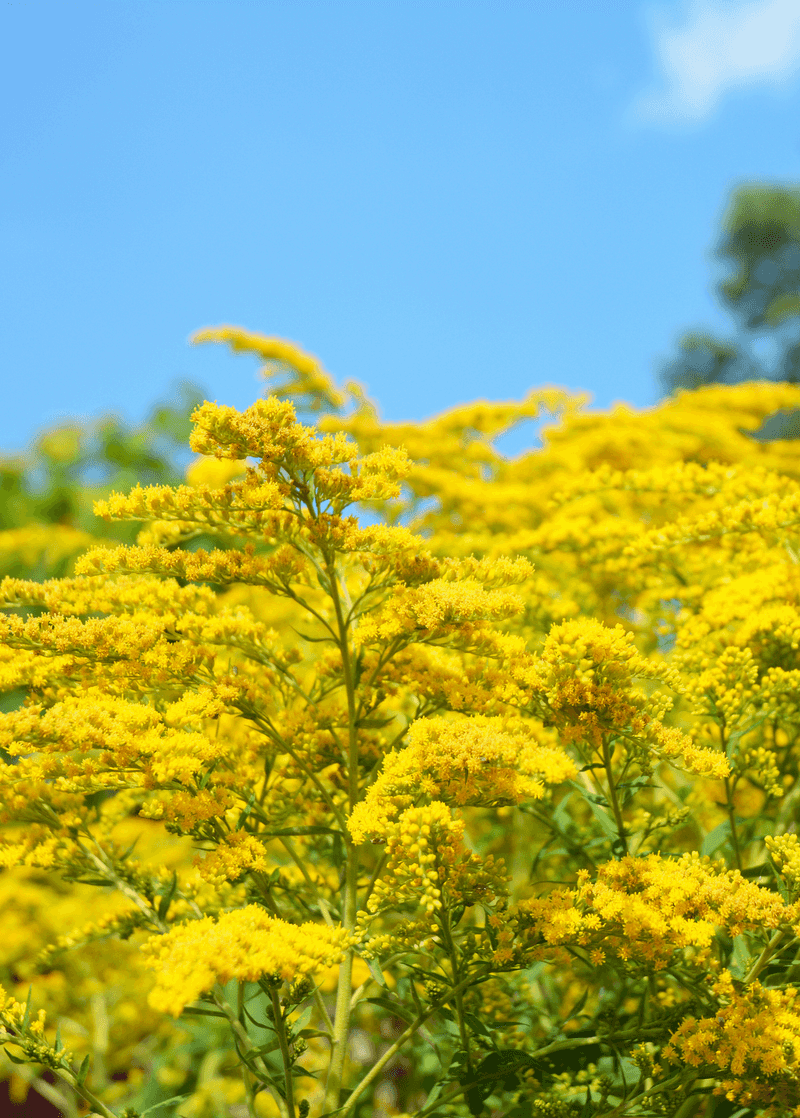
Goldenrod gets a bad reputation because people blame it for fall allergies, but that is actually a myth. The real culprit is ragweed, which blooms at the same time.
Goldenrod’s pollen is too heavy to float through the air and bother anyone.
Florida’s native goldenrod species are tough, cheerful plants that bloom in fall when most flowers are winding down. They love full sun and dry soil, spread naturally over time, and support dozens of native bee and butterfly species through the cooler months.
Perennial Peanut
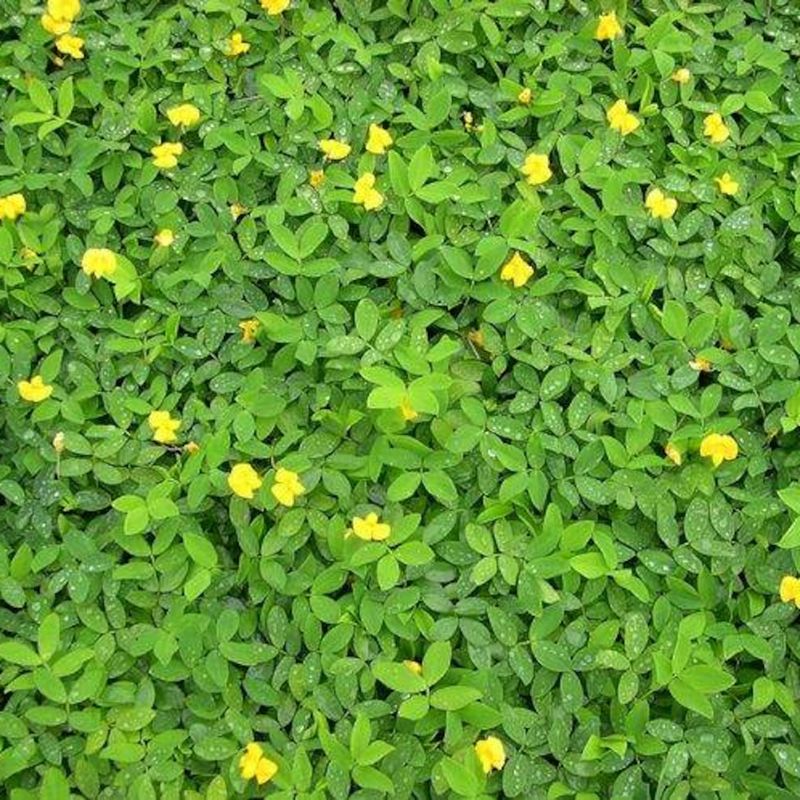
Perennial peanut is one of the best-kept secrets in Florida landscaping. It forms a dense, low carpet of green leaves dotted with cheerful yellow flowers, and it does this without irrigation, fertilizer, or much attention at all.
Many Florida homeowners use it as a lawn alternative in sunny areas where grass struggles to thrive. It fixes nitrogen in the soil, which actually improves the ground around it over time.
Once established, it spreads on its own and stays green even through dry spells.
Twinflower
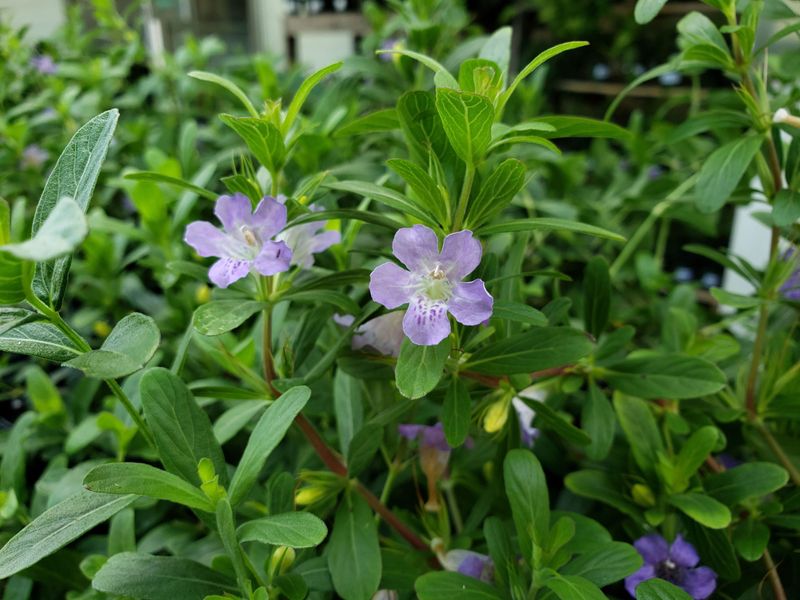
Twinflower is a sweet little native plant that often gets overlooked because of its modest size, but that would be a mistake. Its small purple blooms appear in pairs right along the stems, which is exactly how it got its charming name.
It grows low and spreads gently, making it a lovely ground cover for shaded or partially shaded spots in a Florida garden. Drought does not faze it once it settles in.
It also serves as a caterpillar host plant for certain native moths, adding real ecological value to your yard.