


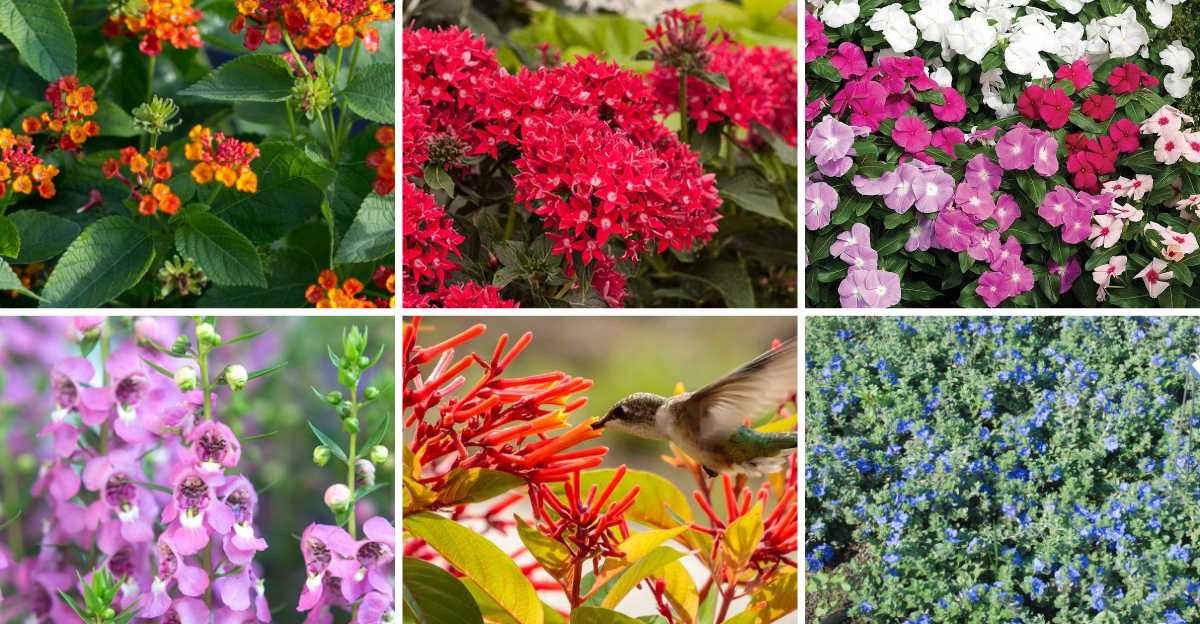
Florida heat can turn a pretty flower bed into a wilted disappointment fast, especially when humidity, sandy soil, and sudden storms all show up at once. The good news is that some flowers seem built for this climate, blooming when fussier plants give up.
If you want color that keeps working through long summers and mild winters, these are the dependable plants worth knowing. Think of this as your practical shortlist for a brighter, tougher Florida garden.
Lantana
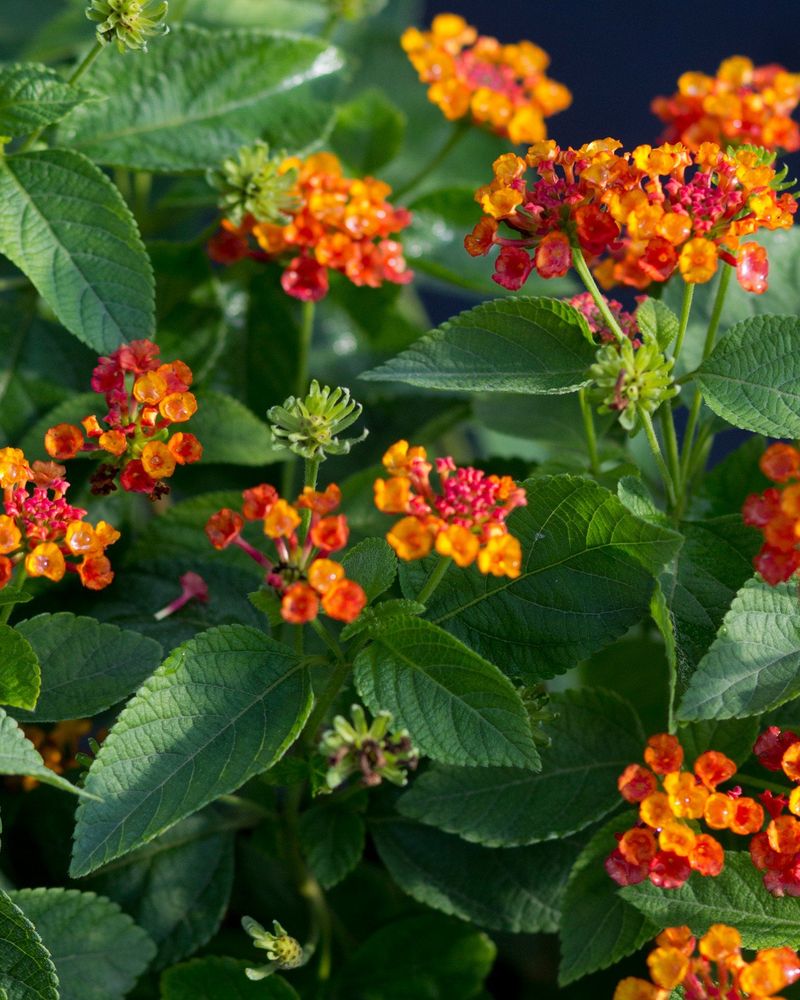
Lantana is one of those Florida flowers you can almost plant and forget, which is exactly why I love recommending it. It shrugs off blazing sun, sandy soil, salty breezes, and dry spells while still covering itself in clusters of cheerful blooms.
You will see butterflies visiting it constantly, so it brings movement and life to a tired garden bed. Choose compact varieties for borders or trailing types for containers, slopes, and walls.
Give lantana full sun and avoid overwatering, because too much kindness can make it leggy. A light trim now and then keeps it dense, colorful, and blooming through the toughest months.
Pentas
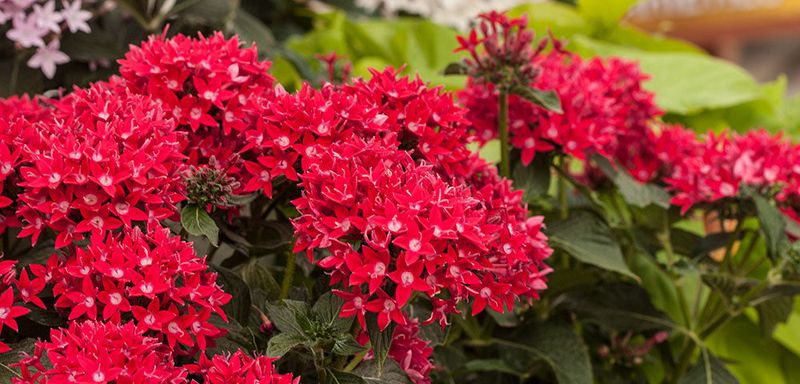
Pentas bring that soft, starry look to the garden, but they are far tougher than their pretty flowers suggest. In Florida, they bloom for months and handle humid heat without collapsing into a sad mess.
If you want butterflies and hummingbirds near your patio, pentas are a smart choice. Their red, pink, lavender, and white clusters keep pollinators busy and make beds look full fast.
Plant them where they get plenty of sun, though a little afternoon shade can help in the hottest inland spots. Keep the soil lightly moist, trim spent blooms, and you will have dependable color long after other flowers fade.
Vinca
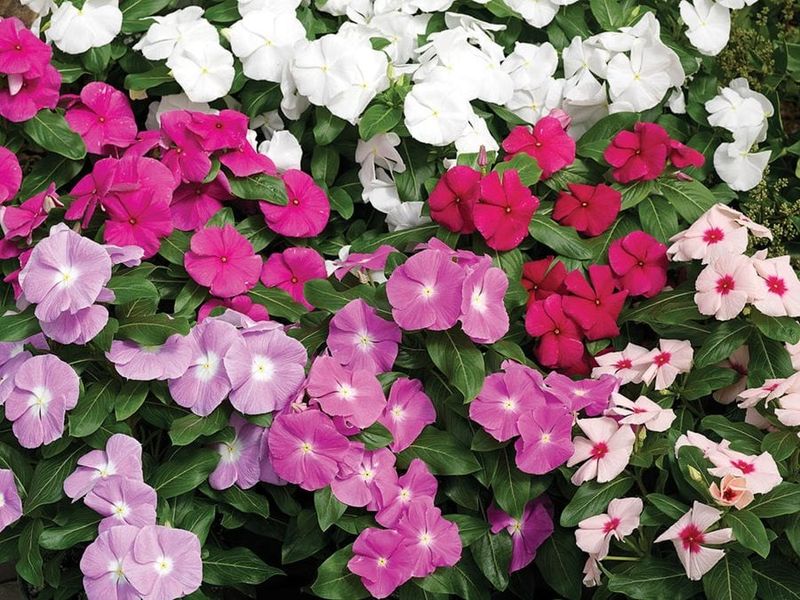
Vinca is a classic Florida survivor, especially when summer feels too hot for almost everything else. Its glossy leaves and clean, bright flowers keep looking fresh through heat, humidity, and stretches of dry weather.
You can use vinca along walkways, in containers, or as a simple mass planting that needs very little fuss. The blooms come in pink, white, red, lavender, and bicolor forms, so it is easy to match your style.
The biggest trick is drainage, because vinca hates sitting in wet soil. Give it full sun, space the plants for airflow, water at the base, and it will reward you with steady, polished color.
Angelonia
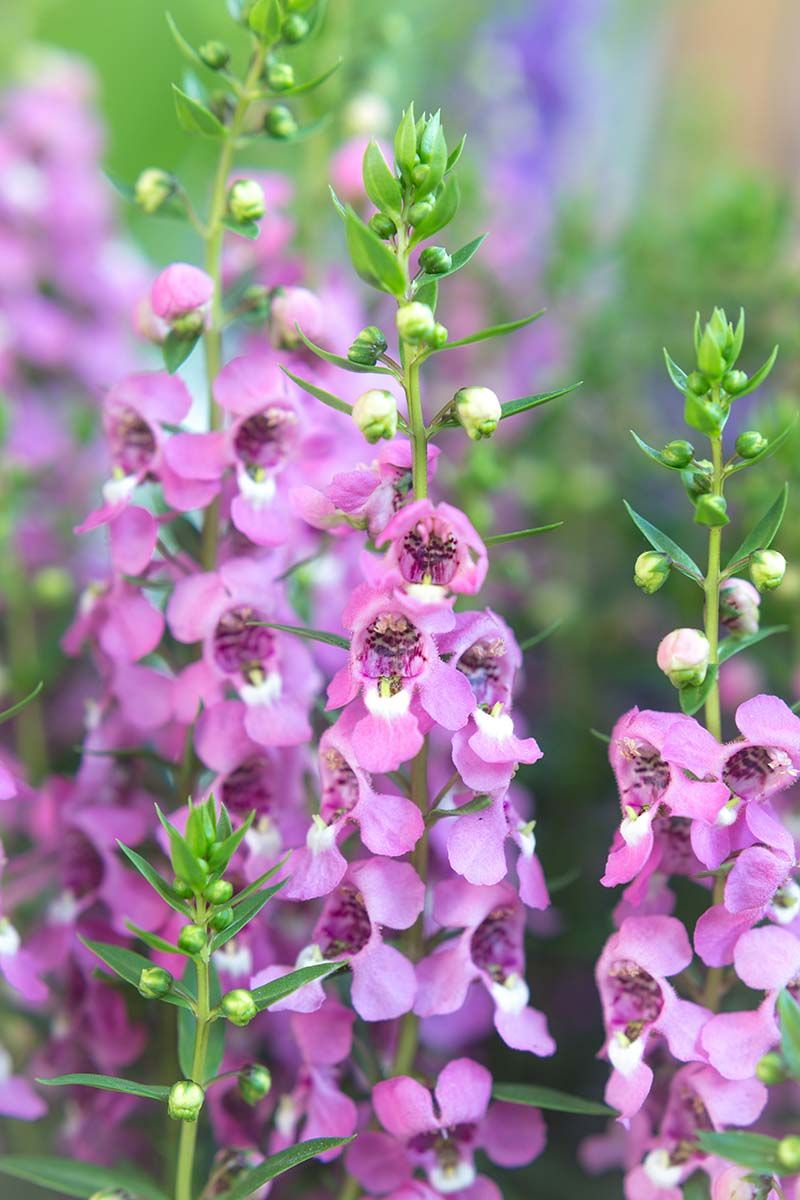
Angelonia looks delicate, almost like tiny snapdragons, but it is built for long, hot Florida days. Once established, it keeps sending up flower spikes without demanding constant deadheading or pampering.
I like it for adding height without making a bed feel heavy. Purple, pink, blue, and white varieties mix beautifully with lantana, vinca, and ornamental grasses in sunny borders.
Give angelonia full sun and well-drained soil, then water regularly until the roots settle in. After that, it becomes impressively forgiving and keeps blooming through heat that would make cooler-season flowers disappear.
A quick trim if plants stretch too tall will bring back a fuller shape and another flush of color.
Firebush
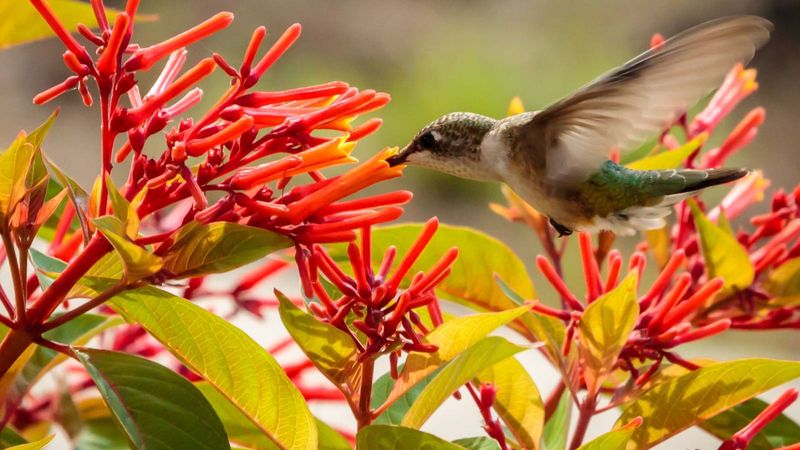
Firebush is the plant to choose when you want flowers, wildlife, and a little tropical drama all in one. Its orange-red tubular blooms glow in the sun and seem to call hummingbirds from across the yard.
In much of Florida, firebush grows fast and handles heat, drought, and poor soil with surprising grace. It can become a large shrub, so give it room or prune it regularly to fit your space.
You can use it as a backdrop, hedge, or bold accent near a patio where you will actually notice the pollinators. Full sun brings the heaviest bloom, but it also tolerates partial shade while still looking lush.
Blue daze
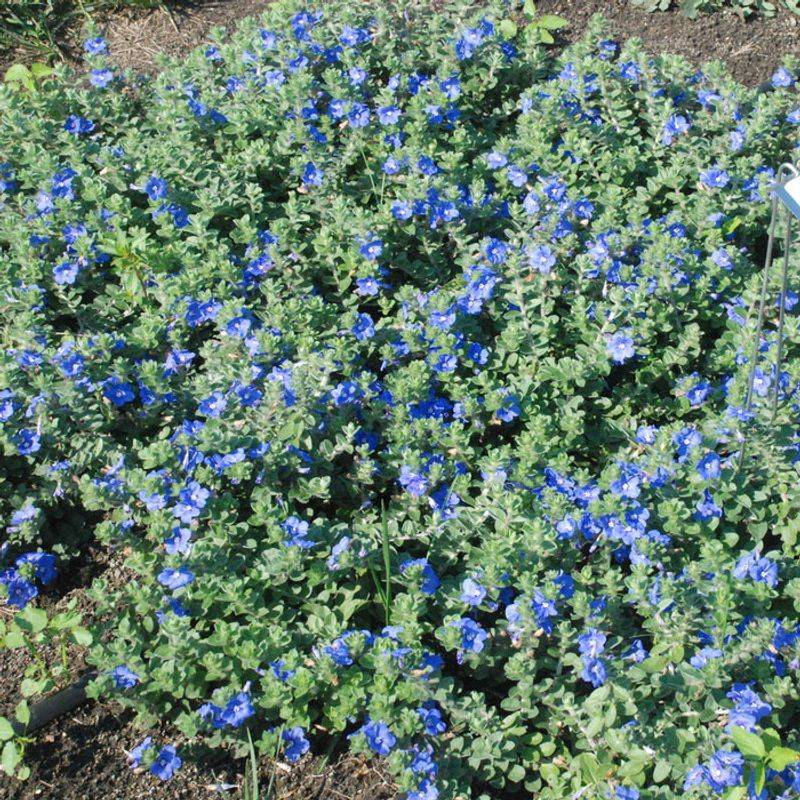
Blue daze gives you that rare true-blue flower color, and it does it without acting fragile. In sunny Florida beds, it forms a low, spreading mound covered with small sky-blue blooms.
It is especially useful along edges, in containers, or spilling over walls where you want a soft, relaxed look. The silvery green foliage makes the blue flowers stand out even more in harsh summer light.
Plant blue daze in full sun for best flowering, and make sure the soil drains well. It can sulk in soggy spots, but with warmth, sun, and moderate water, it keeps blooming when many bedding plants slow down.
Crossandra
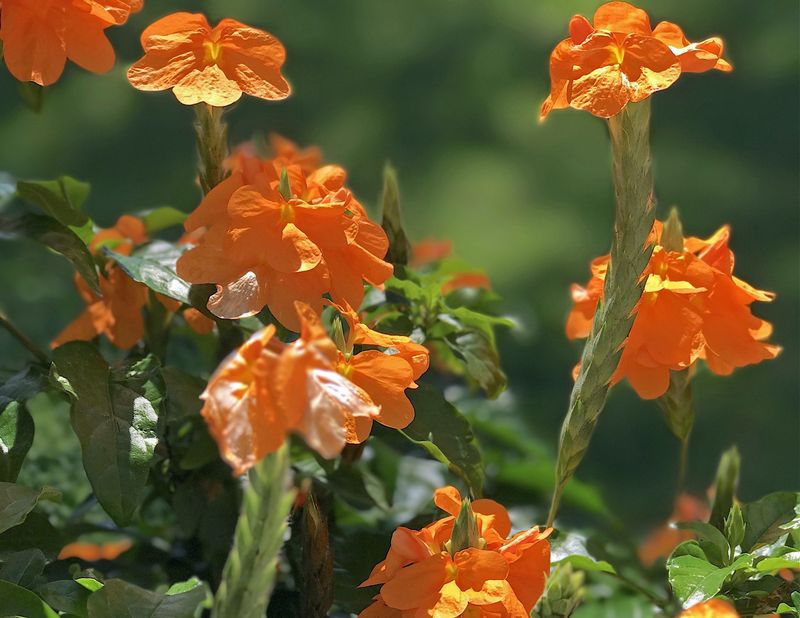
Crossandra is a great pick when your Florida garden has bright shade or filtered light instead of all-day sun. Its glowing orange, salmon, or yellow flowers look tropical and warm, even in a small corner bed.
Unlike many shade plants that offer mostly foliage, crossandra keeps producing blooms through humid weather. The glossy leaves stay attractive, giving you a neat plant that feels polished without much effort.
Give it rich, well-drained soil and consistent moisture, especially during dry spells. It does not like cold snaps, but in warm areas it can bloom nearly year-round and makes containers near porches or lanais feel instantly more colorful.
Mexican heather
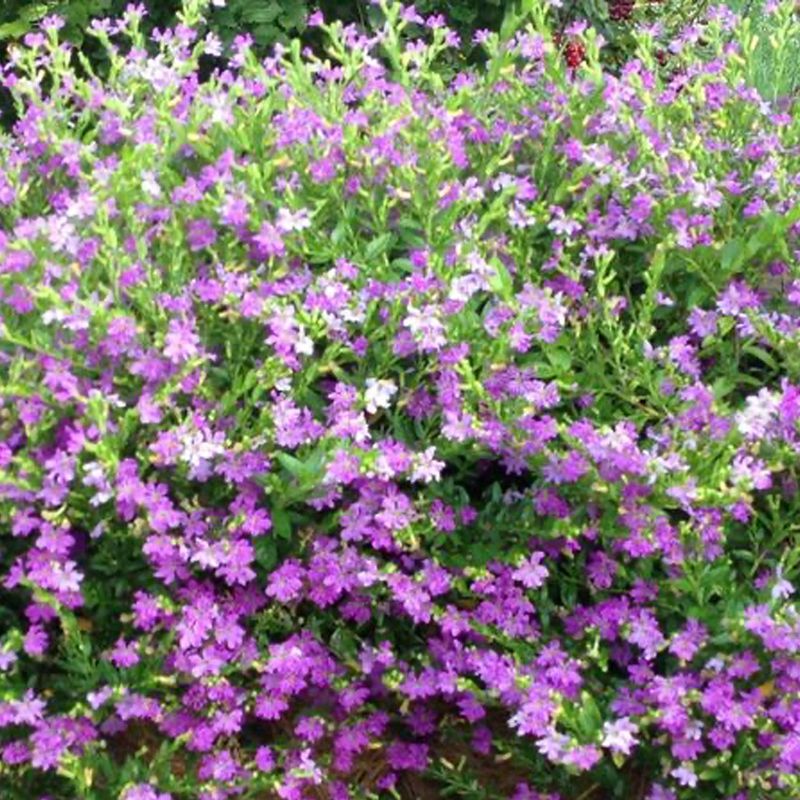
Mexican heather is small, tidy, and incredibly useful when you need a dependable edging plant. Its fine-textured foliage and tiny purple, pink, or white flowers create a soft border that stays attractive for ages.
In Florida, it handles heat well and keeps blooming with minimal attention. You can tuck it along paths, around mailbox beds, or in containers where larger flowers might feel too bold.
It likes sun to part shade and performs best with regular water, especially during dry weather. A quick shear keeps it compact if it starts to sprawl, but most of the time it simply sits there looking charming while other plants struggle.
Scaevola
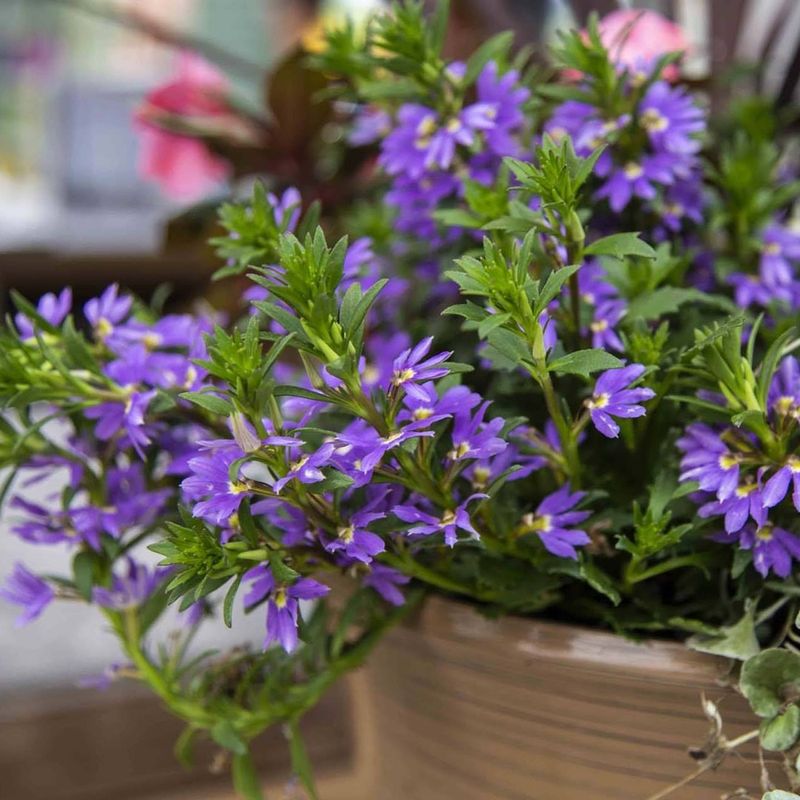
Scaevola, often called fan flower, is perfect when you want blooms that trail gracefully instead of standing stiffly. Its fan-shaped purple, blue, pink, or white flowers spill beautifully from hanging baskets and containers.
Florida heat rarely bothers it once it is established, and it does not need constant deadheading to stay attractive. That makes it a favorite for busy gardeners who still want a polished patio.
Use scaevola in full sun to part sun and plant it in a potting mix that drains quickly. Water regularly but avoid soggy roots, because good drainage is the difference between a thriving cascade and a tired-looking plant.
Plumbago
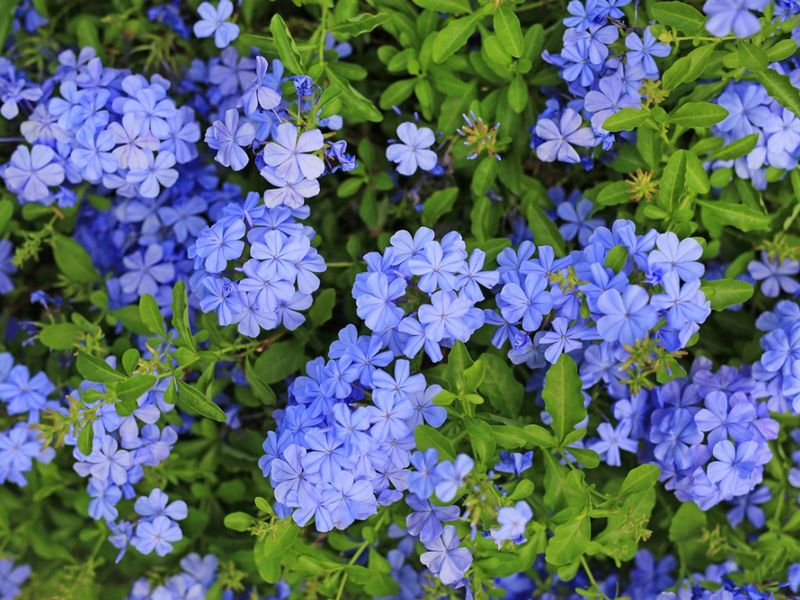
Plumbago is hard to beat if you want a relaxed shrub covered in soft blue flowers. It brings a cool color to hot Florida landscapes, which makes nearby reds, yellows, and oranges look even brighter.
This plant can grow into a loose mound or informal hedge, and it blooms heavily through warm weather. It is not fussy once established, though it appreciates room to stretch and good airflow.
Plant plumbago in full sun for the most flowers, or use light shade if your garden is brutally hot. Prune it to shape as needed, and enjoy the easy, breezy color it brings to fences, foundations, and sunny corners.
Bulbine
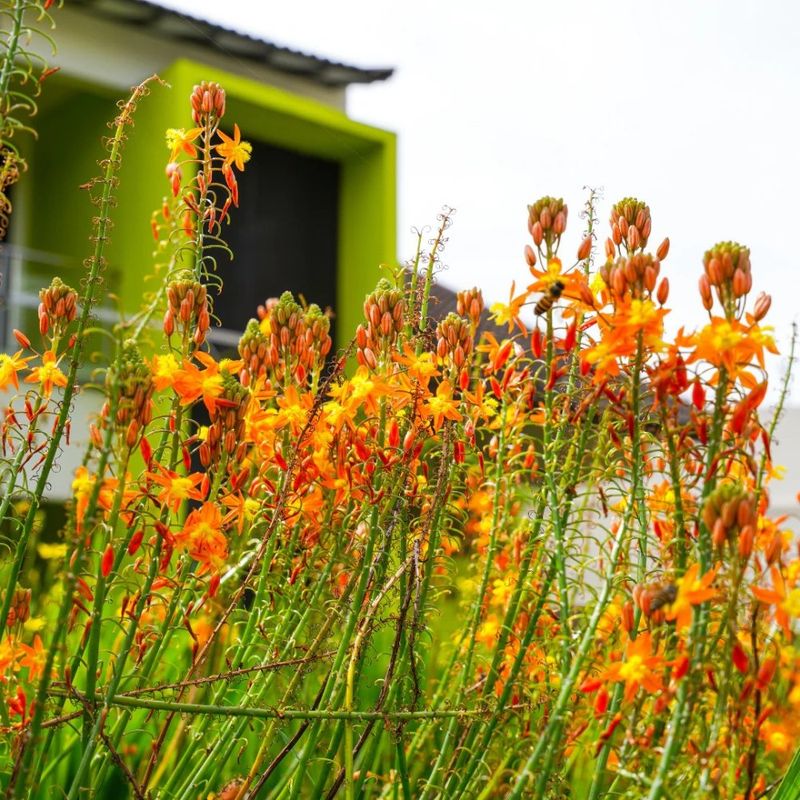
Bulbine is a tough little bloomer that deserves more attention in Florida gardens. Its grassy, succulent-like leaves store moisture, while slender spikes of yellow or orange flowers rise above the foliage for a bright, airy effect.
It works beautifully in hot borders, rock gardens, mailbox beds, and low-water landscapes. Once established, it tolerates drought better than many traditional bedding plants and still keeps sending up blooms.
Give bulbine full sun and sharply drained soil, because wet feet are its main enemy. If you want a plant that feels cheerful but not needy, this one fits easily into a low-maintenance Florida yard.
Remove tired flower stalks to keep it tidy.
Salvia
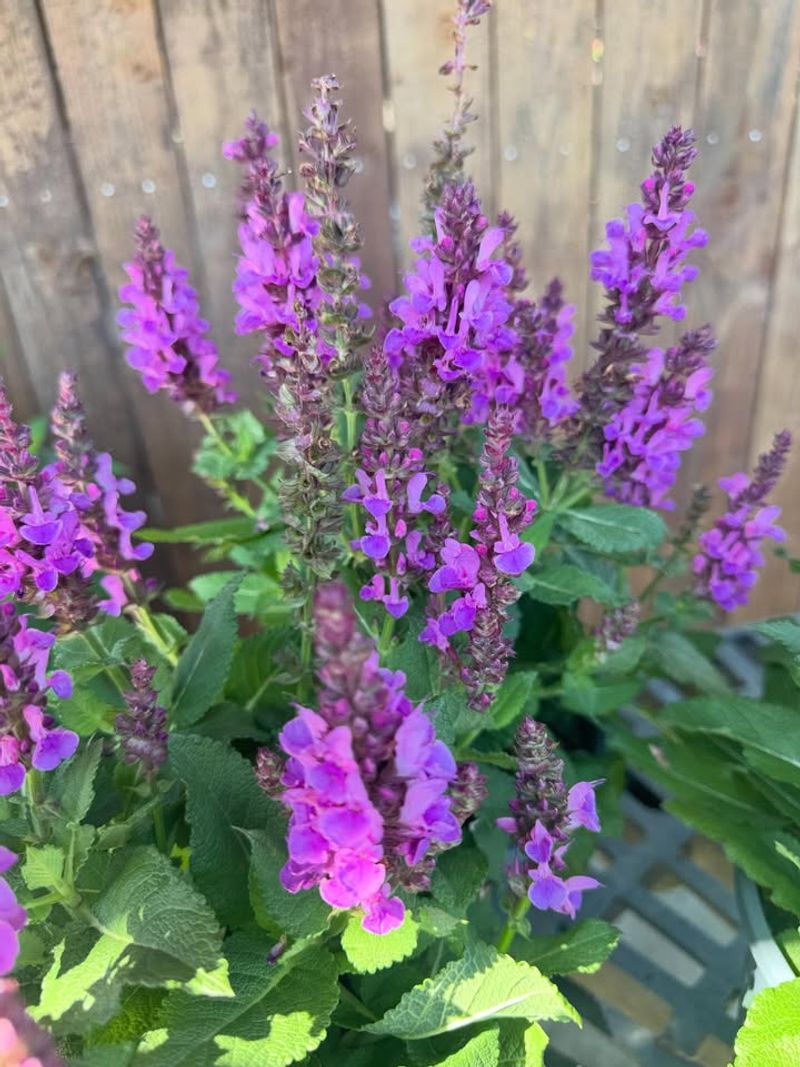
Salvia brings upright color and serious pollinator power to Florida gardens. Whether you choose red, blue, purple, or pink types, the flower spikes add structure while bees, butterflies, and hummingbirds stop by often.
Many salvias are surprisingly heat tolerant and bloom for long stretches with basic care. They pair well with softer plants because their vertical shape keeps a planting from looking flat.
Most salvias prefer full sun and well-drained soil, though a few appreciate afternoon shade in hotter areas. Trim back spent spikes to encourage fresh growth, and do not overwater.
Once the roots settle, salvia becomes one of those reliable bloomers you start finding room for everywhere.
Porterweed
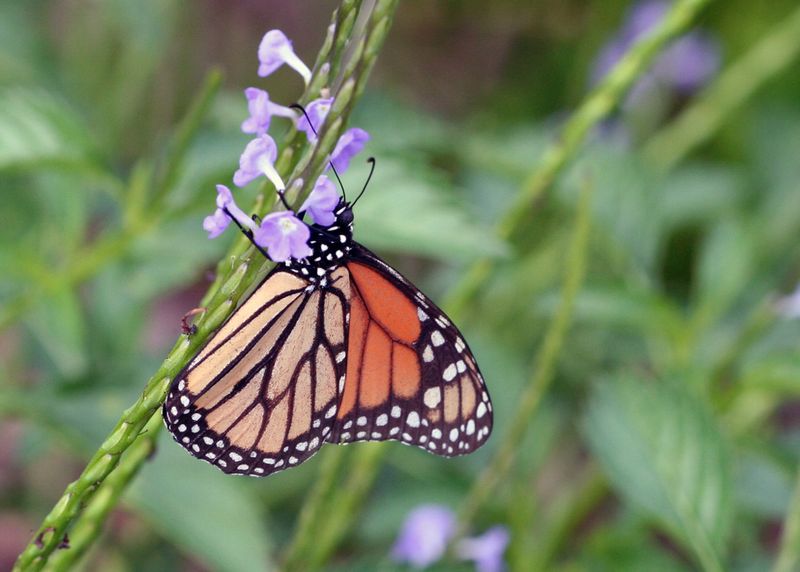
Porterweed may not look flashy from across the yard, but up close it is a pollinator magnet. Its small flowers line long, slender spikes and attract butterflies with the kind of consistency gardeners notice quickly.
In Florida, porterweed can bloom through much of the warm season and often becomes a lively feature near patios or wildlife gardens. Purple is common, but you can also find red, blue, and pink selections.
Give it sun to part shade and average soil, then let it do its thing. Some types grow large, so check the variety before planting.
With occasional pruning, porterweed stays manageable and keeps serving nectar when other flowers slow down.
Blanket flower
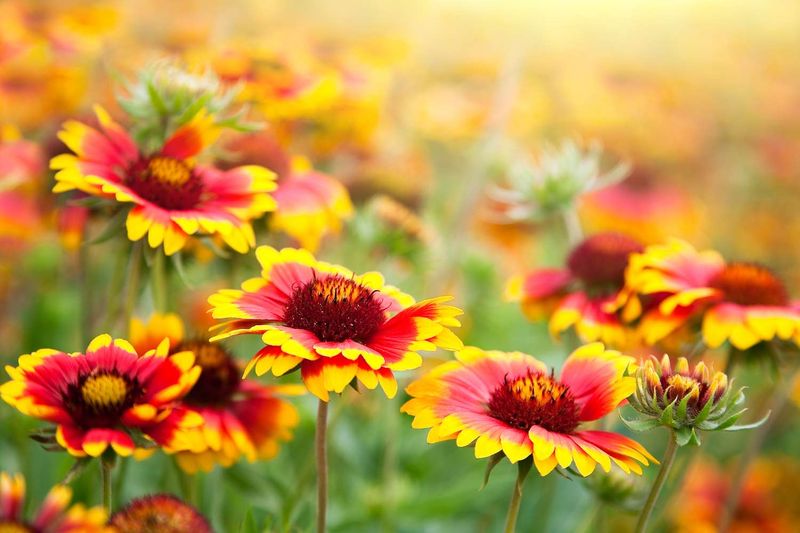
Blanket flower brings bold, sunset-colored blooms that look right at home in Florida sunshine. The red, orange, and yellow daisy-like flowers handle heat beautifully and give beds a casual wildflower feeling.
This is a strong choice for sandy soil, coastal gardens, and places where pampered plants never seem happy. It also attracts butterflies, which makes the bright flowers feel even more alive.
Plant blanket flower in full sun and avoid rich, soggy soil, because lean conditions often produce sturdier plants. Deadheading can extend bloom time, but even with light care, it keeps showing up with color.
If you want cheerful toughness, this flower earns its space.
Coreopsis
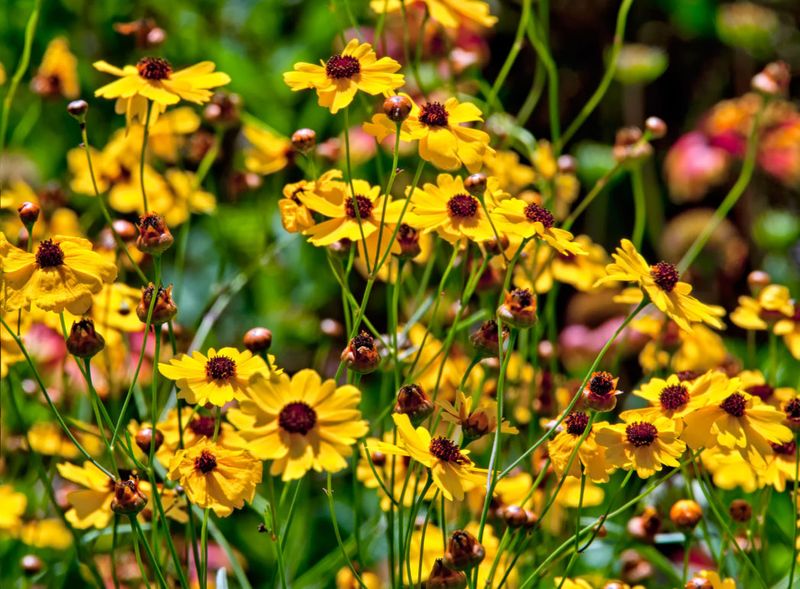
Coreopsis is Florida’s state wildflower, and it earns that honor with bright, sunny blooms that feel effortless. The yellow or golden flowers dance on slender stems and bring a meadow-like charm to home landscapes.
It is a wonderful pick if you want a natural look instead of a formal flower bed. Bees and butterflies appreciate it too, so it supports the garden beyond simple color.
Most coreopsis types like full sun and soil that drains well, especially in humid weather. Once established, they can handle dry periods and keep blooming with minimal fuss.
Let some seed heads remain if you want a more self-sustaining patch over time.
Purslane
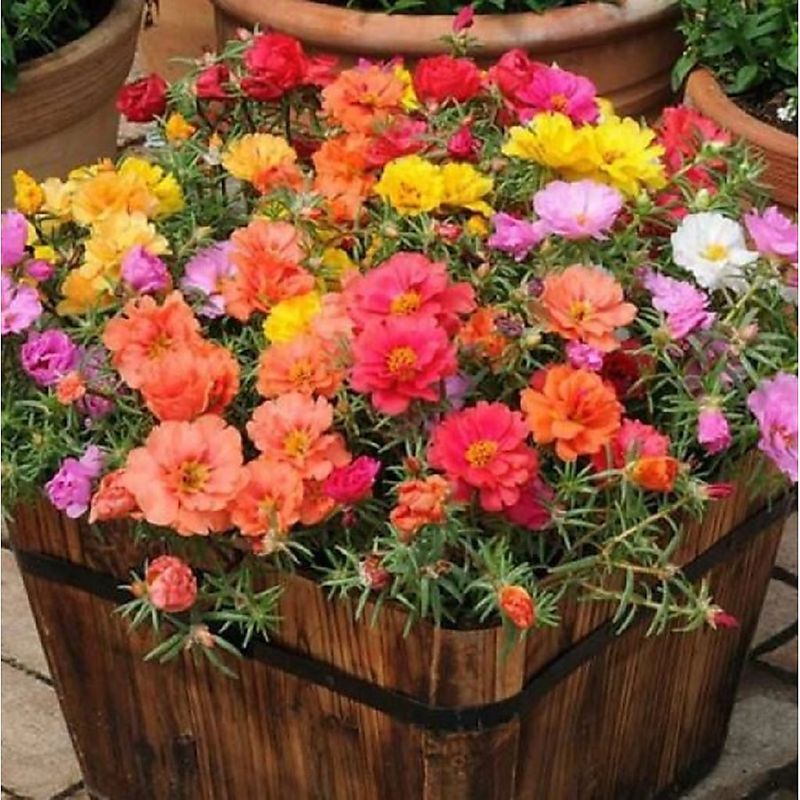
Purslane is made for hot, bright places where other flowers complain. Its succulent leaves hold moisture, and its jewel-toned blooms open in the sun like tiny pieces of garden candy.
You can use it in containers, hanging baskets, rock gardens, or dry edges where watering is not always consistent. Pink, yellow, orange, red, and white flowers make it easy to create a playful mix.
Give purslane full sun and excellent drainage, then resist the urge to overwater. It actually performs best when conditions are warm and a little lean.
For Florida gardeners who need color in tough spots, purslane is a simple win.
Ruellia
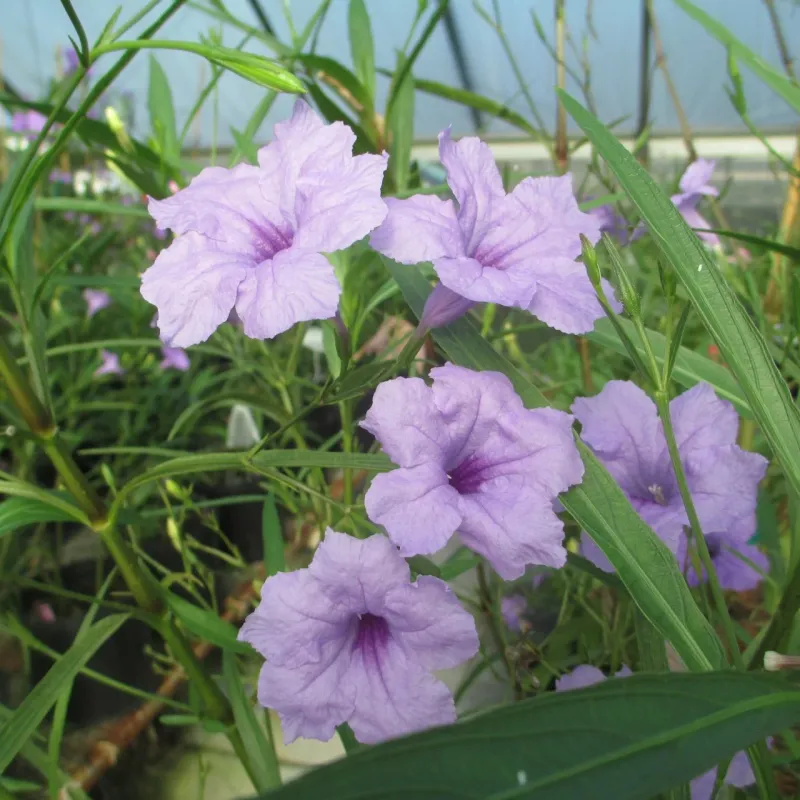
Ruellia, often called Mexican petunia, is one of those flowers that seems almost too tough. It handles heat, humidity, and regular Florida rain while producing purple, pink, or white blooms through warm weather.
The flowers last only a short time, but new ones keep appearing, so the plant rarely looks empty. It can spread enthusiastically, so choose sterile or well-behaved varieties if you want easier control.
Ruellia grows in sun to part shade and tolerates a range of soils, including damp areas. That flexibility makes it useful where other flowers struggle.
Give it space, trim as needed, and it will keep rewarding you with color.
Tropical sage
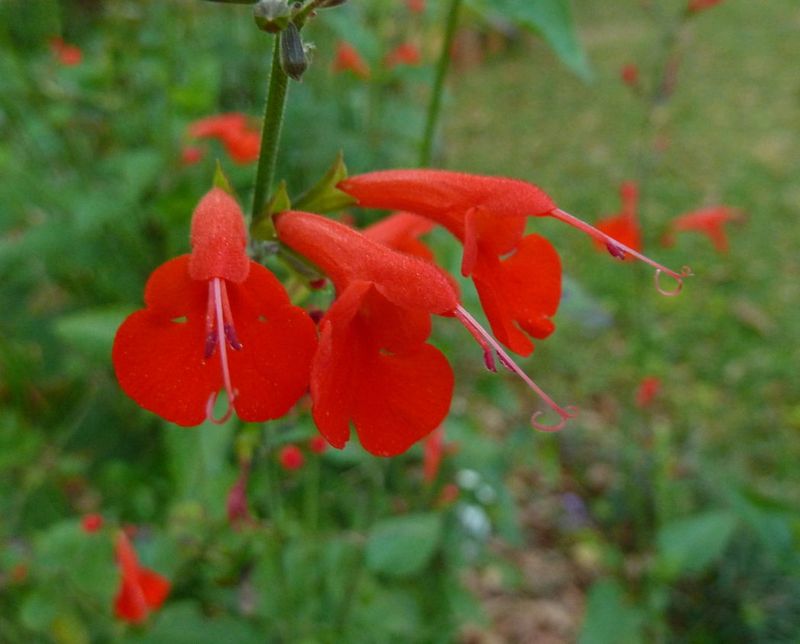
Tropical sage is a Florida-friendly native that gives you charm without much drama. Its small red, pink, or white tubular flowers bloom on airy stems and attract hummingbirds, bees, and butterflies.
It has a natural, informal look, so it fits beautifully in pollinator gardens, woodland edges, and relaxed cottage-style beds. You may even see it reseed gently where conditions suit it.
Plant tropical sage in sun to part shade and provide decent drainage. It handles heat well and can bloom across much of the year in warm areas.
Cut it back when it gets leggy, and fresh growth will quickly return with more flowers.
Society garlic
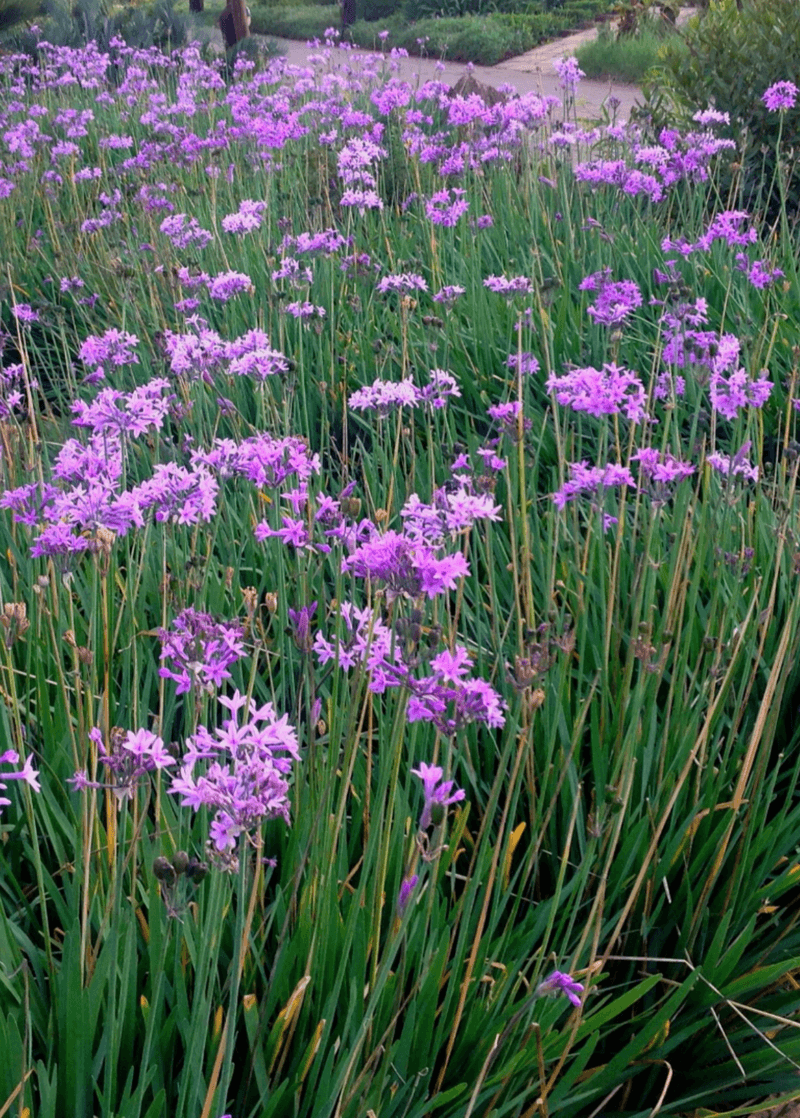
Society garlic is tougher than its delicate lavender flowers make it look. The narrow leaves form tidy clumps, while clusters of purple blooms rise above them and brighten borders for long stretches.
It handles heat, sun, and dry spells well, making it a useful choice for low-maintenance Florida landscapes. The foliage has a garlicky scent, which some gardeners like because it may help discourage browsing pests.
Use society garlic along walkways, in herb gardens, or mixed with other sun-loving perennials. Give it well-drained soil and avoid soggy conditions.
Once established, it asks for little and keeps offering neat texture, soft color, and dependable performance.
Coneflower
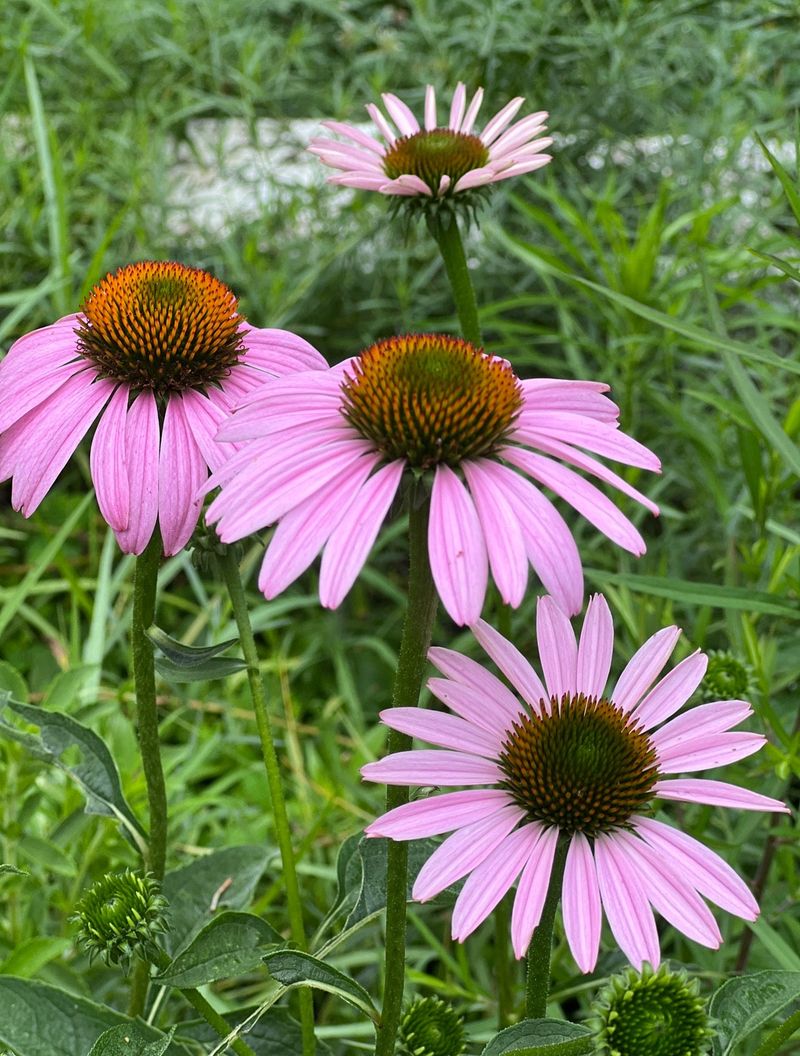
Coneflower brings a sturdy, prairie-style beauty that can work well in many Florida gardens with the right placement. Its raised centers and daisy-like petals attract bees, butterflies, and later seed-loving birds.
While some varieties prefer cooler conditions, heat-tolerant selections can perform nicely in sunny beds with good drainage. Purple is classic, but you can find pink, white, orange, yellow, and red cultivars.
Plant coneflower where it gets strong sun and avoid constantly wet soil, especially during the rainy season. Deadhead for more blooms, or leave seed heads for wildlife.
It adds a natural, resilient look when mixed with grasses, salvia, and coreopsis.
Enjoyed this story?
Add Fast Food Club as a preferred source to see more of our reporting on Google.