


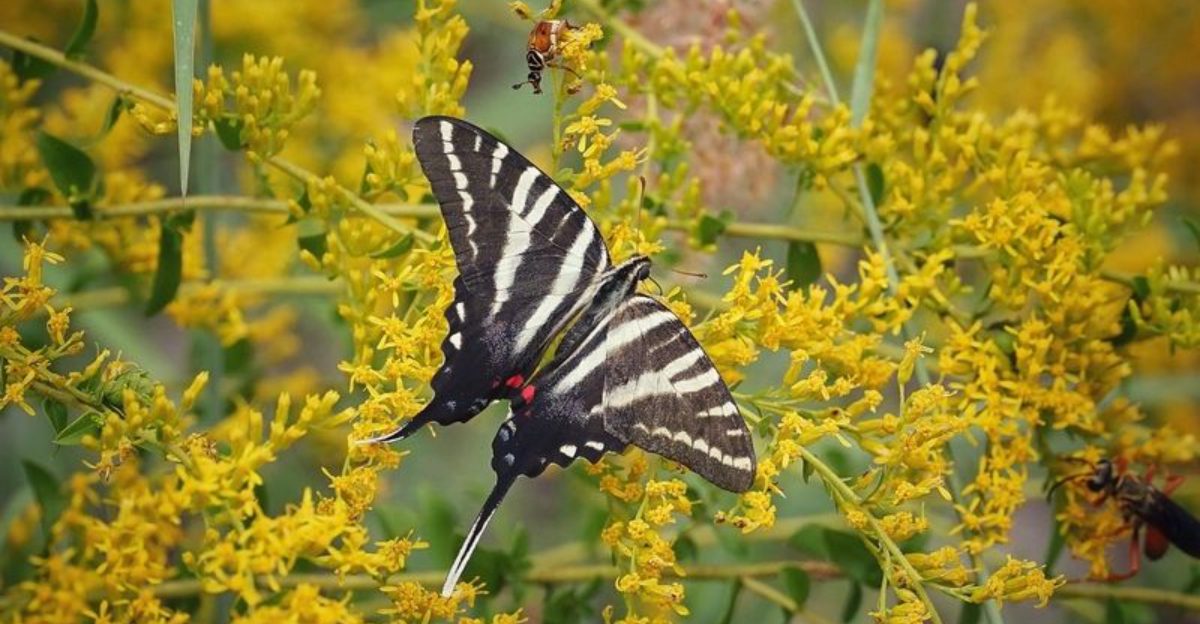
Florida gardens have a secret superpower: the right plants can turn your backyard into a butterfly paradise. From monarchs to swallowtails, butterflies need specific flowers for food and shelter to survive.
Planting the right species helps support local wildlife while adding stunning color and movement to your outdoor space. Whether you have a small patio or a sprawling yard, these 21 plants are ready to welcome wings.
Milkweed
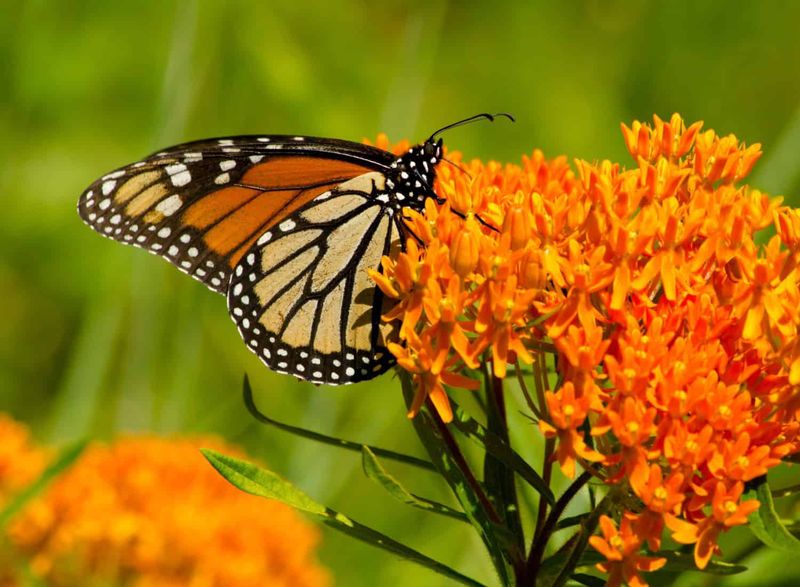
Milkweed is basically the monarch butterfly’s best friend. Without it, monarchs cannot complete their life cycle because it is the only plant their caterpillars will eat.
Planting milkweed in your Florida garden gives monarchs a place to lay eggs and feed their young.
Tropical milkweed is the most common variety in Florida and blooms nearly year-round. Just trim it back occasionally to encourage fresh growth and keep caterpillars well-fed.
Pentas
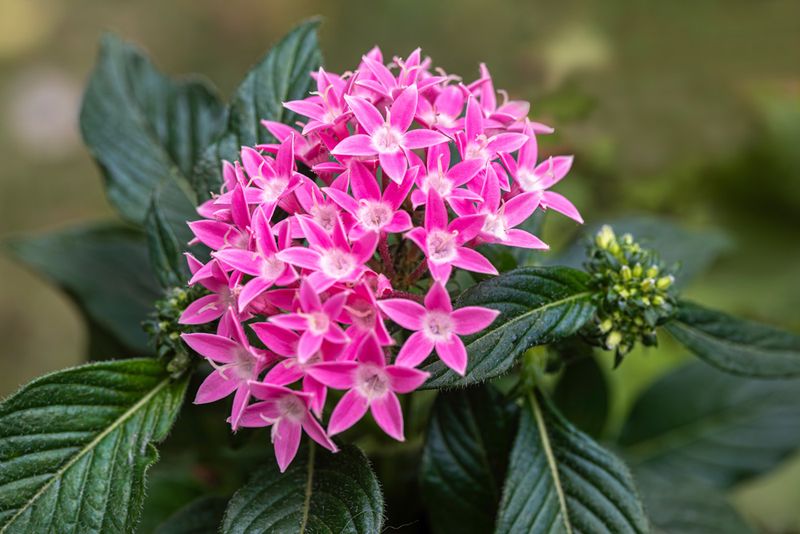
Few plants work as hard as pentas when it comes to attracting butterflies. Its star-shaped flower clusters come in red, pink, white, and lavender, and they bloom almost nonstop in Florida’s warm climate.
Butterflies flock to these blooms because they are rich in nectar.
Pentas thrives in full sun and handles Florida heat like a champ. Plant it in containers or garden beds, and you will have butterfly visitors from morning to dusk.
Firebush
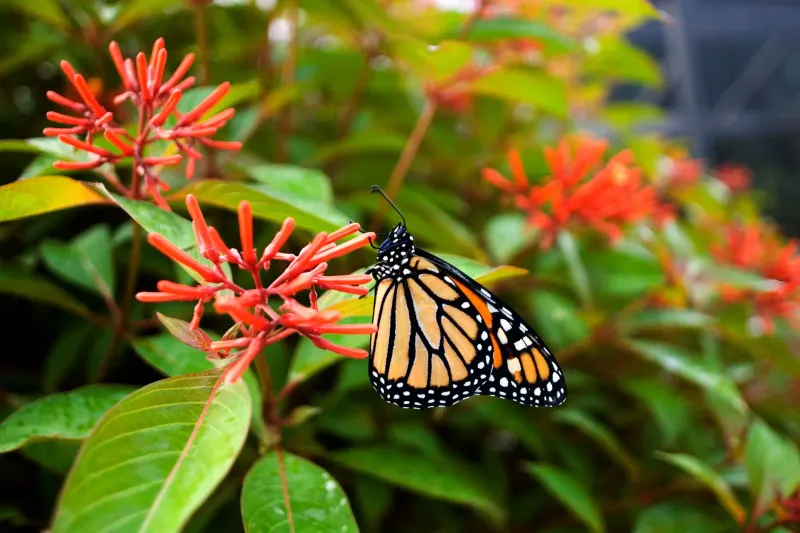
Named for its blazing red-orange blooms, firebush is one of Florida’s most reliable butterfly magnets. This native shrub produces tubular flowers that are perfectly shaped for butterflies and hummingbirds to access nectar.
It grows fast, handles drought well, and looks gorgeous all season long.
Firebush can grow quite large, so give it space to spread. Plant it as a backdrop in garden beds, and watch it become a busy hub of butterfly activity throughout the year.
Blue Porterweed
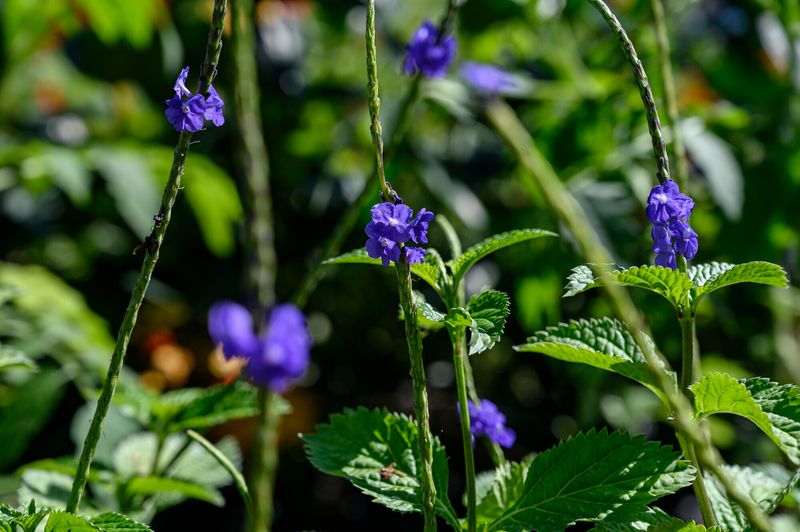
Blue porterweed flies a little under the radar, but butterflies absolutely love it. This low-growing Florida native produces tiny purple-blue flowers on long spikes, and butterflies like skippers and swallowtails visit constantly.
It spreads easily and fills in bare spots in garden beds beautifully.
It prefers full sun and well-drained soil, making it a smart pick for hot, dry Florida landscapes. Once established, it needs very little attention and keeps blooming reliably through warm months.
Blanket Flower
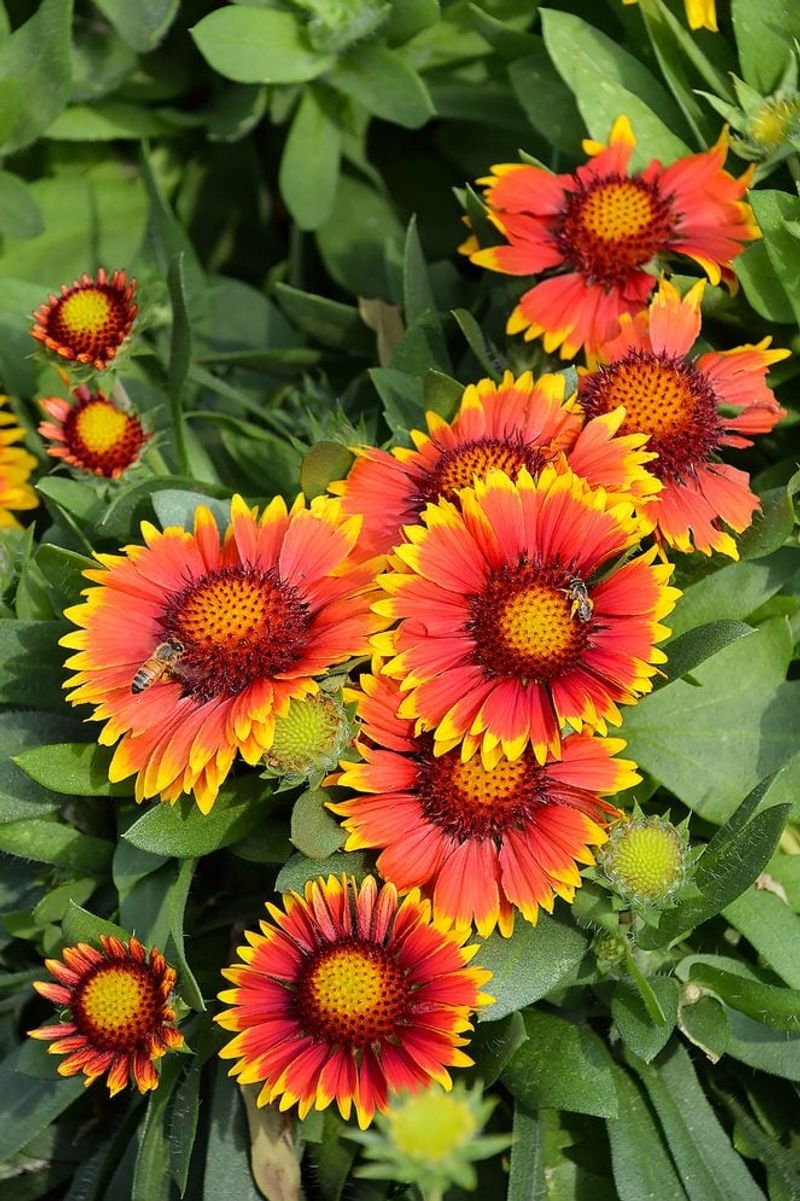
Blanket flower brings a bold burst of red, orange, and yellow to any garden, and butterflies cannot resist it. This cheerful wildflower is native to parts of Florida and thrives in sandy, well-drained soil with plenty of sunshine.
It is incredibly tough and drought-tolerant once established.
Beyond its good looks, blanket flower produces pollen and nectar that support a wide range of pollinators. Deadhead spent blooms regularly to encourage even more flowers and keep the show going all season.
Tickseed
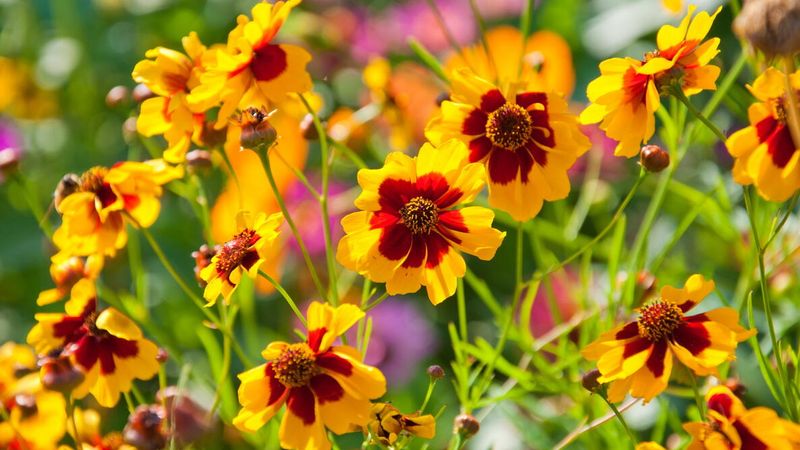
Tickseed, also known as coreopsis, is Florida’s official state wildflower, and it earns that title with ease. Fields of golden-yellow blooms light up roadsides and gardens from spring through summer, drawing in butterflies by the dozens.
It is one of the easiest native plants to grow in Florida.
Plant tickseed in full sun with sandy or average soil, and it practically takes care of itself. It self-seeds readily, meaning your colony will spread and grow more spectacular every single year.
Tropical Sage
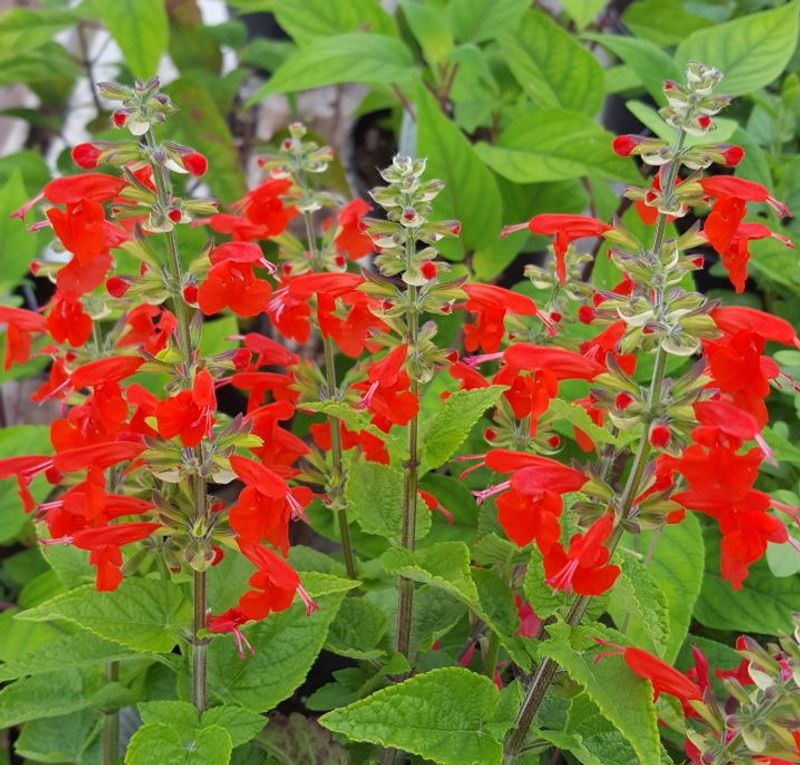
Tropical sage is a standout in any Florida butterfly garden, sending up tall spikes of vivid red flowers that are practically impossible for butterflies to ignore. This native perennial blooms heavily in fall and winter, which is exactly when many other plants have stopped flowering.
That timing makes it incredibly valuable for late-season pollinators.
It tolerates light shade and a range of soil types, giving gardeners plenty of flexibility. Hummingbirds compete with butterflies for its nectar, so expect a lively show.
Passionflower
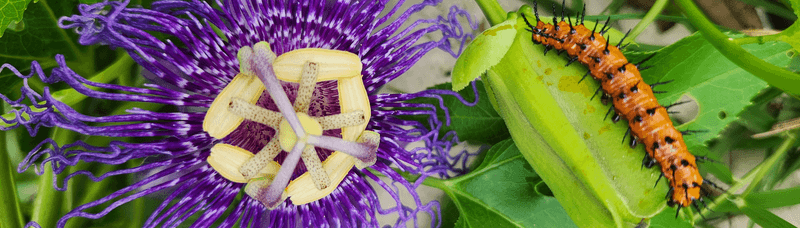
Passionflower looks like something out of a science fiction movie, with its wild, intricate blooms that spiral outward in purple and white. But beyond its jaw-dropping appearance, it serves a critical role: it is the only host plant for Gulf fritillary and zebra longwing butterfly caterpillars.
Without passionflower, these species cannot reproduce.
This vigorous vine climbs fences and trellises quickly and thrives in Florida’s heat. Plant it where it has room to roam, and you will be rewarded with non-stop butterfly action.
Coral Honeysuckle
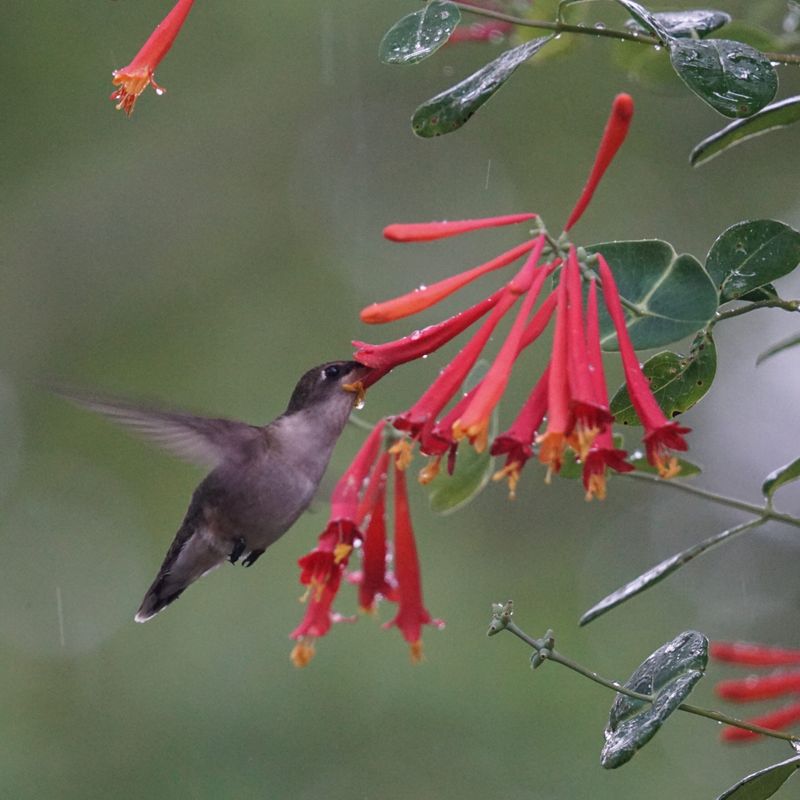
Coral honeysuckle is Florida’s native answer to the invasive Japanese honeysuckle, and it is far better for local wildlife. Its tubular, coral-red flowers attract swallowtail butterflies and hummingbirds who are drawn to its bright color and sweet nectar.
It blooms from spring through fall and looks stunning climbing a trellis or fence.
Unlike its invasive cousin, coral honeysuckle plays nicely in the garden without taking over. It handles full sun to partial shade and is surprisingly drought-tolerant once it settles in.
Mistflower
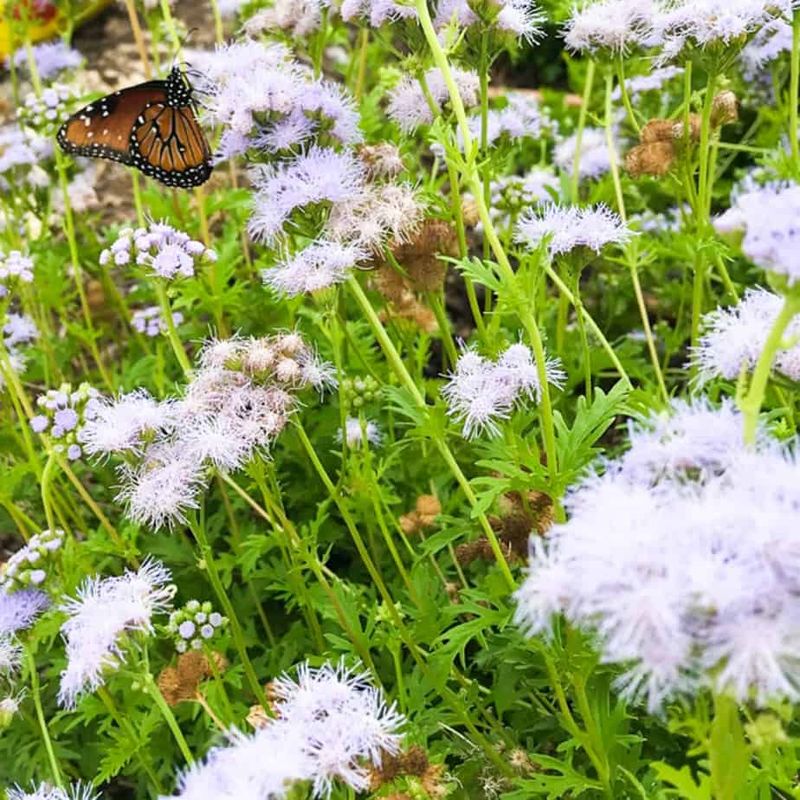
When fall arrives in Florida, mistflower becomes one of the most important pit stops for migrating monarch butterflies. Its fluffy, blue-purple flower clusters are rich in nectar and bloom right when monarchs are passing through on their journey south.
Watching dozens of monarchs feed on a single mistflower patch is an unforgettable sight.
This native wildflower prefers moist soil and partial shade, making it ideal for shadier garden spots. It spreads by runners, so give it a dedicated area to fill in freely.
Goldenrod
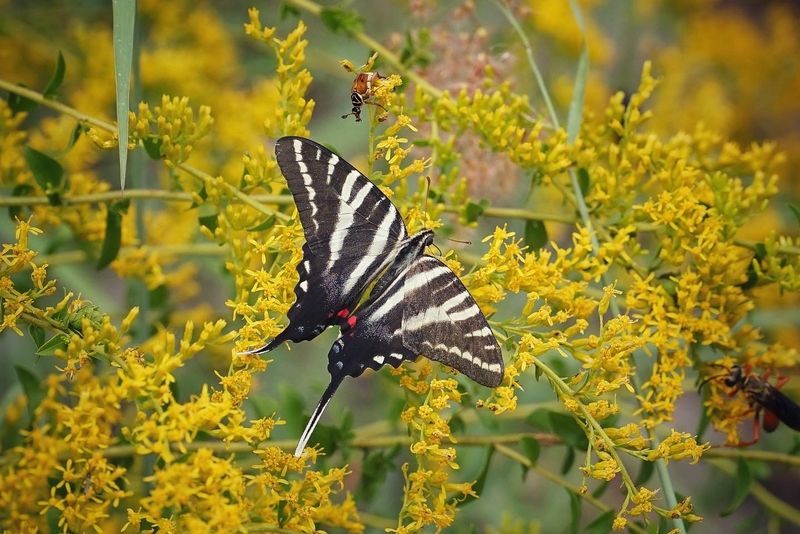
Goldenrod gets a bad reputation for allergies, but here is the truth: it is actually wind-pollinated ragweed causing those sneezes, not goldenrod. Goldenrod is actually a butterfly goldmine, producing masses of tiny yellow flowers that feed dozens of species simultaneously.
It blooms in late summer and fall, filling a critical gap in the nectar calendar.
Florida has several native goldenrod species perfect for local gardens. Plant it in full sun and average soil, and it will spread gradually into a gorgeous, wildlife-friendly colony.
Verbena
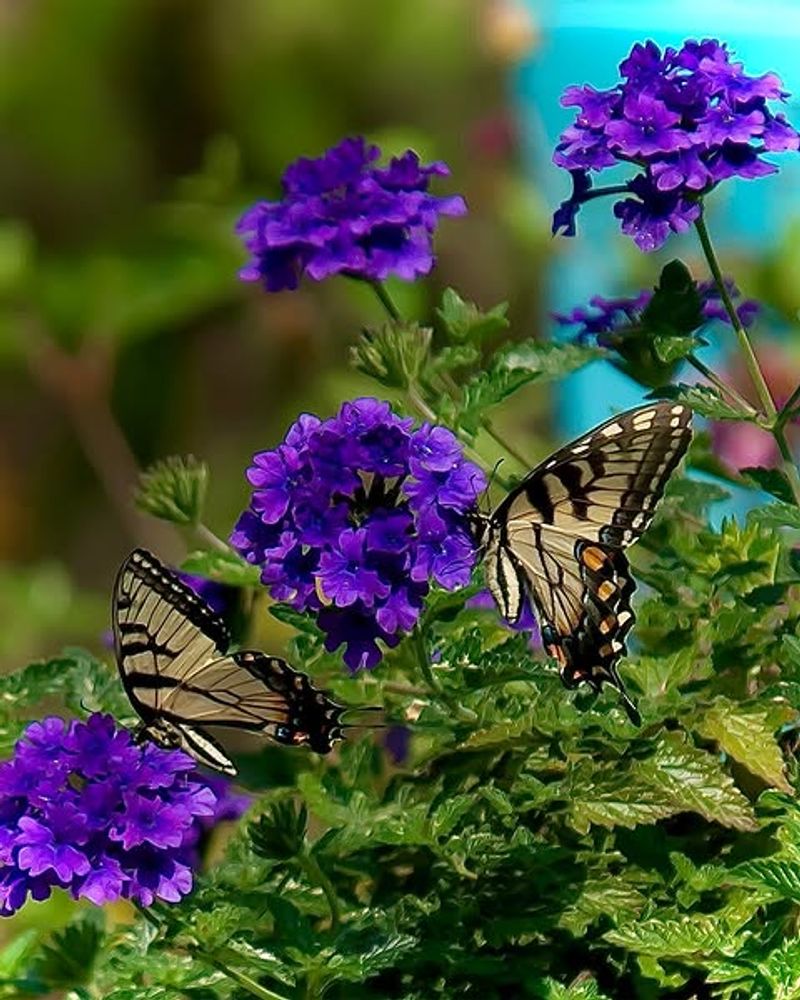
Verbena is a butterfly buffet in plant form. Its flat-topped clusters of tiny flowers give butterflies a wide, stable landing platform while they feed on nectar.
Purple verbena is especially attractive to swallowtails, skippers, and painted ladies. It blooms generously from spring through fall in Florida’s warm climate.
Brazilian verbena, a tall, airy variety, works beautifully as a filler plant in mixed garden beds. Both low-growing and tall varieties are low-maintenance and incredibly rewarding for gardeners who want reliable butterfly traffic.
Mexican Sunflower
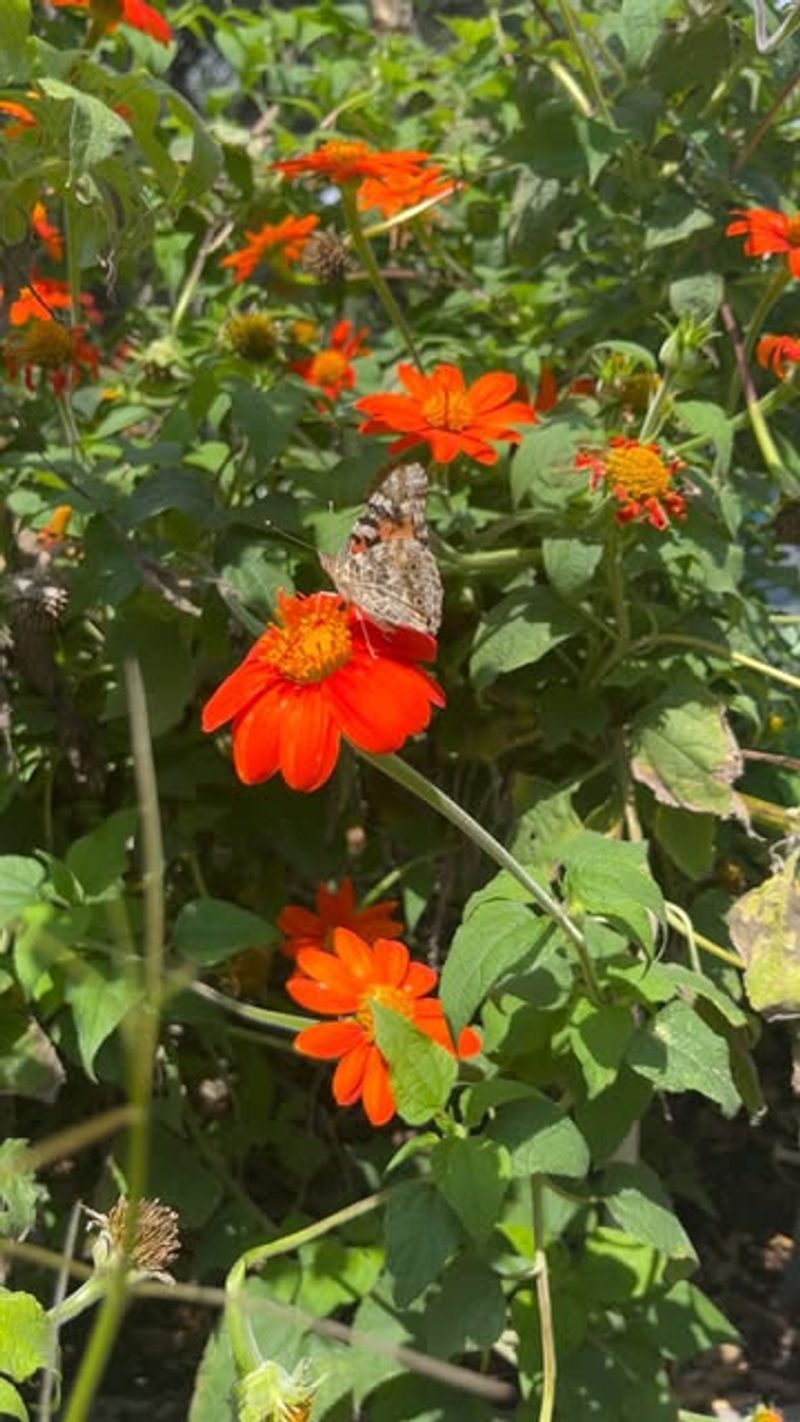
Mexican sunflower grows big, bold, and absolutely breathtaking, reaching up to six feet tall with blazing orange blooms the size of your fist. Swallowtail butterflies are especially fond of these flowers, and on a warm Florida afternoon, you might count five or six visiting a single plant.
It is a showstopper in every sense.
Plant it in full sun with room to grow tall. Mexican sunflower is an annual in most climates but self-seeds readily, often returning on its own the following season.
Ageratum
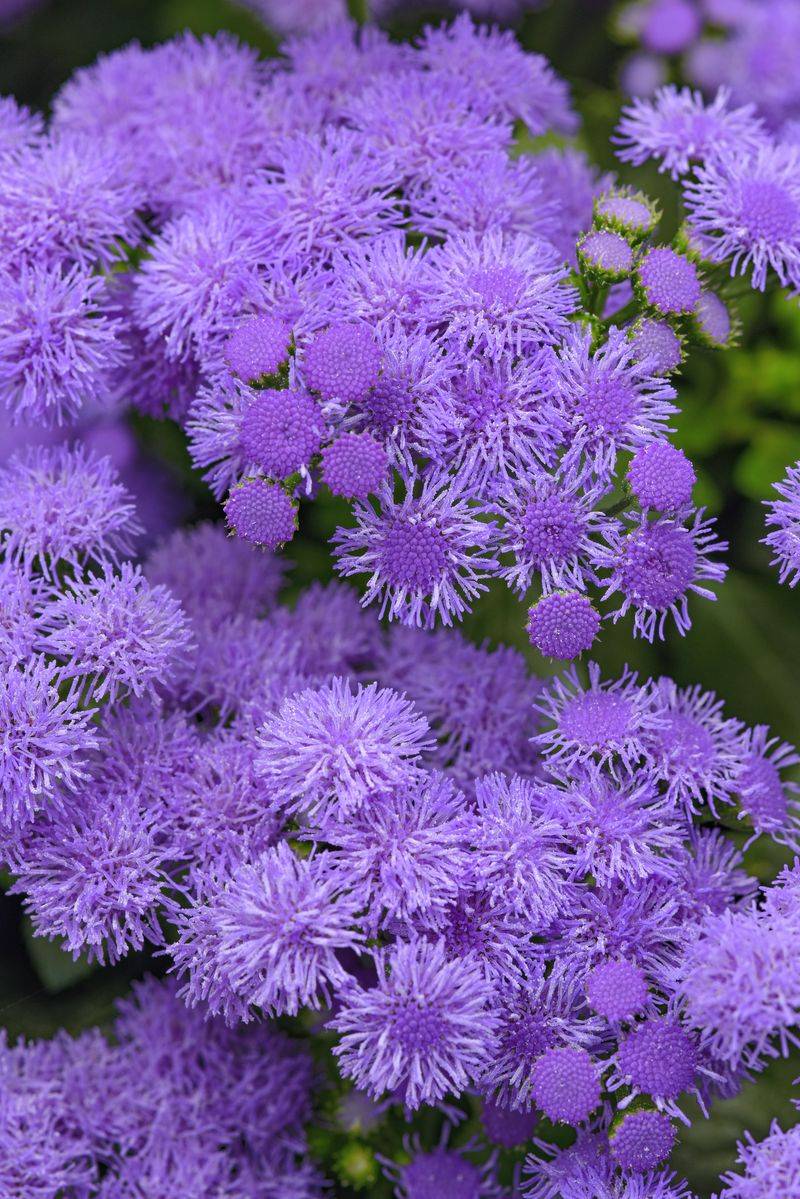
Ageratum’s soft, powder-puff blooms in shades of blue, purple, and white have a quiet charm that butterflies find irresistible. Skippers and small butterflies especially love the dense flower clusters, which make easy feeding stations.
It is a compact plant that works perfectly along garden borders and in containers.
In Florida, ageratum thrives in cooler months as a cool-season annual. Plant it in fall or early spring for the best results, and it will reward you with months of cheerful blooms and consistent butterfly visits.
Elliott’s Aster
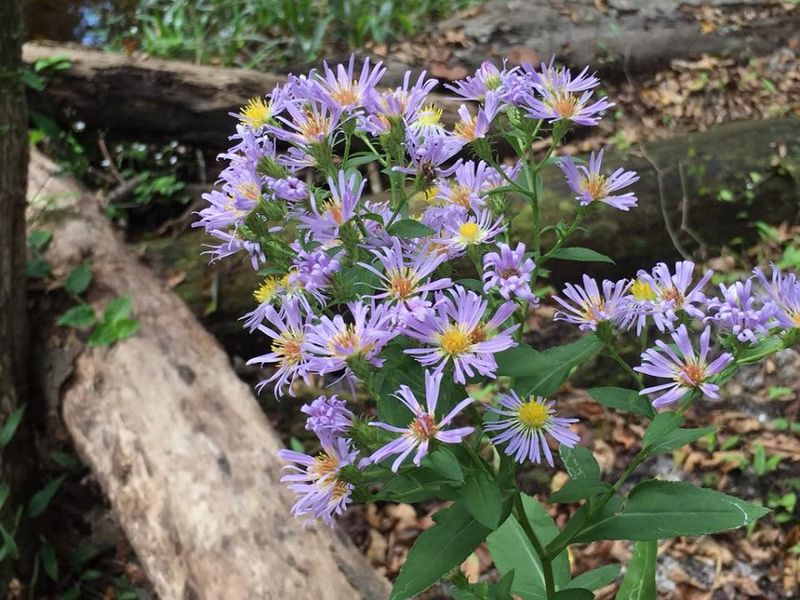
Elliott’s aster is a true Florida native that saves the day in fall when most garden flowers have faded. It produces clouds of small lavender to purple daisy-like flowers that attract migrating monarchs, painted ladies, and numerous skipper species.
For butterflies heading south for the winter, this plant is a critical fuel stop.
It grows well in moist to average soils and tolerates partial shade. Left to naturalize, Elliott’s aster forms beautiful, wildlife-rich colonies that get more impressive each autumn season.
Stokes’ Aster
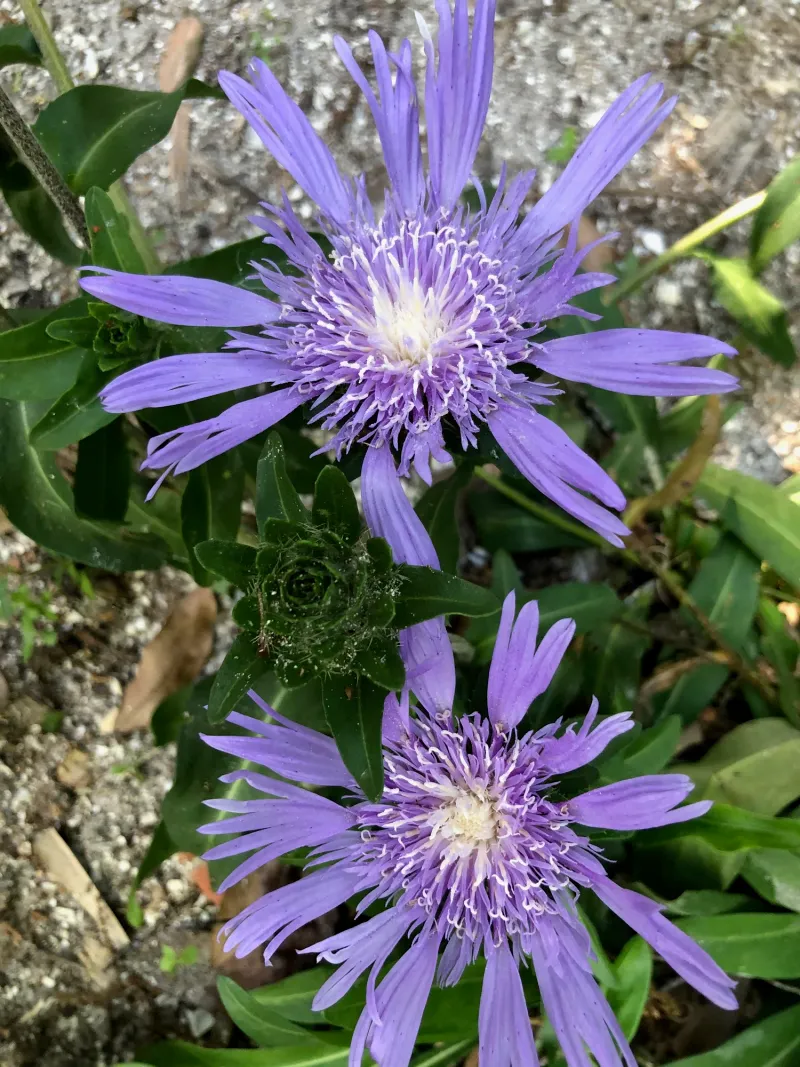
Stokes’ aster is one of those plants that looks delicate but is actually quite tough, which is why it does so well in Florida gardens. Its large, fringed flowers in shades of lavender, blue, and white are a magnet for swallowtails and bumblebees alike.
It blooms from late spring through summer, filling a key window in the butterfly season.
Give it well-drained soil and full to partial sun, and it will reward you generously. It is also a lovely cut flower, so you can bring some of that butterfly beauty indoors.
Lantana
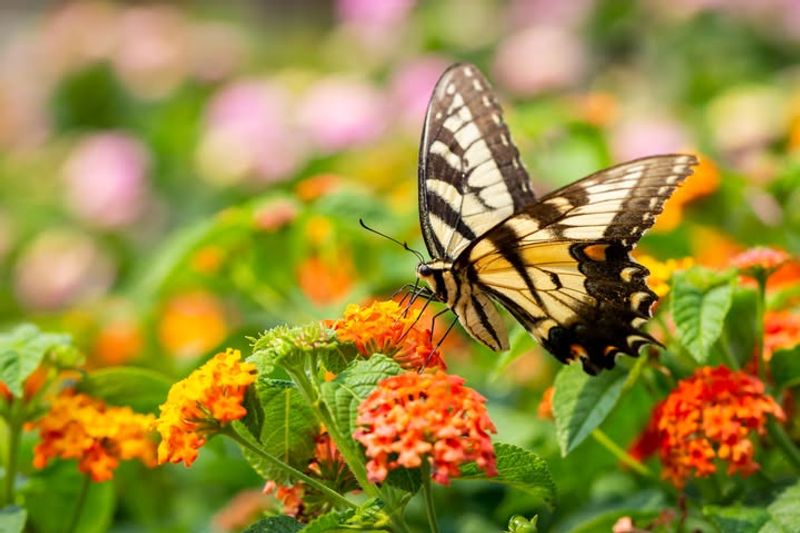
Lantana might just be the single most butterfly-visited plant in Florida. Its multicolored flower clusters, which shift from yellow to orange to pink as they age, provide nectar around the clock.
Swallowtails, monarchs, skippers, and painted ladies all compete for a spot on lantana’s blooms on any given sunny afternoon.
It thrives in heat, handles drought, and blooms nearly year-round in South Florida. Opt for native or sterile varieties to avoid the invasive spread that some non-native lantana types are known for.
Joe-Pye Weed
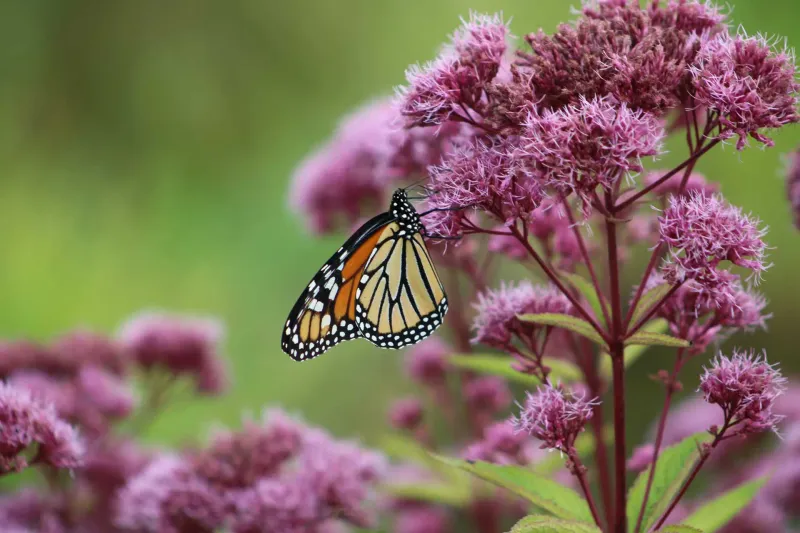
Do not let the name fool you. Joe-Pye weed is actually a majestic native wildflower that can tower over six feet tall and produce massive clusters of dusty-pink flowers in late summer.
Monarchs and swallowtails treat it like a five-star restaurant, spending long stretches feeding on its abundant nectar.
It prefers moist soil and full sun to light shade, making it a great choice for rain garden edges or low-lying areas. Its impressive height also makes it a dramatic backdrop in mixed native plantings.
Narrowleaf Sunflower
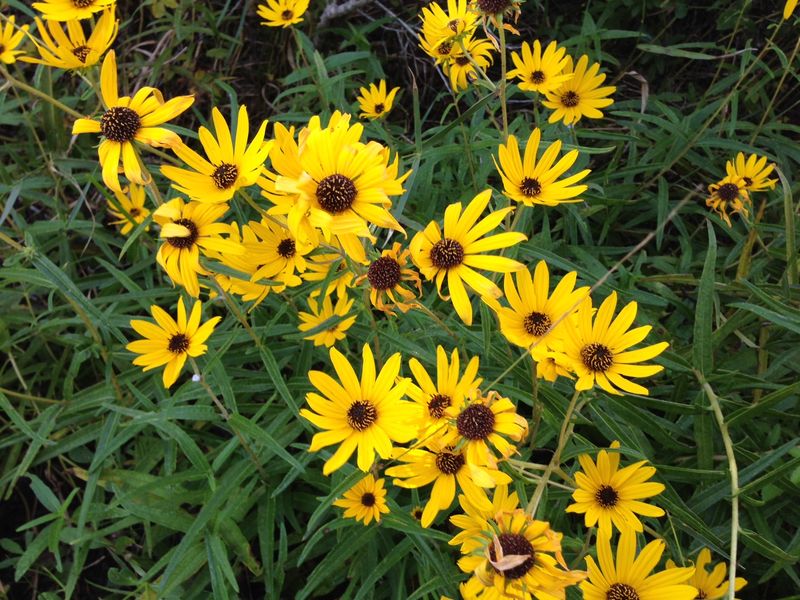
Narrowleaf sunflower is a Florida native wildflower that turns roadsides and meadows into rivers of gold every fall. Its cheerful yellow blooms attract a wide variety of butterflies, especially monarchs stocking up on nectar before their long migration.
It spreads naturally through rhizomes, forming large colonies over time.
This plant is incredibly low-maintenance and thrives in full sun with average to poor soil. Plant it in naturalized areas or the back of a garden bed, and it will fill in beautifully without much fuss.
Spiderwort
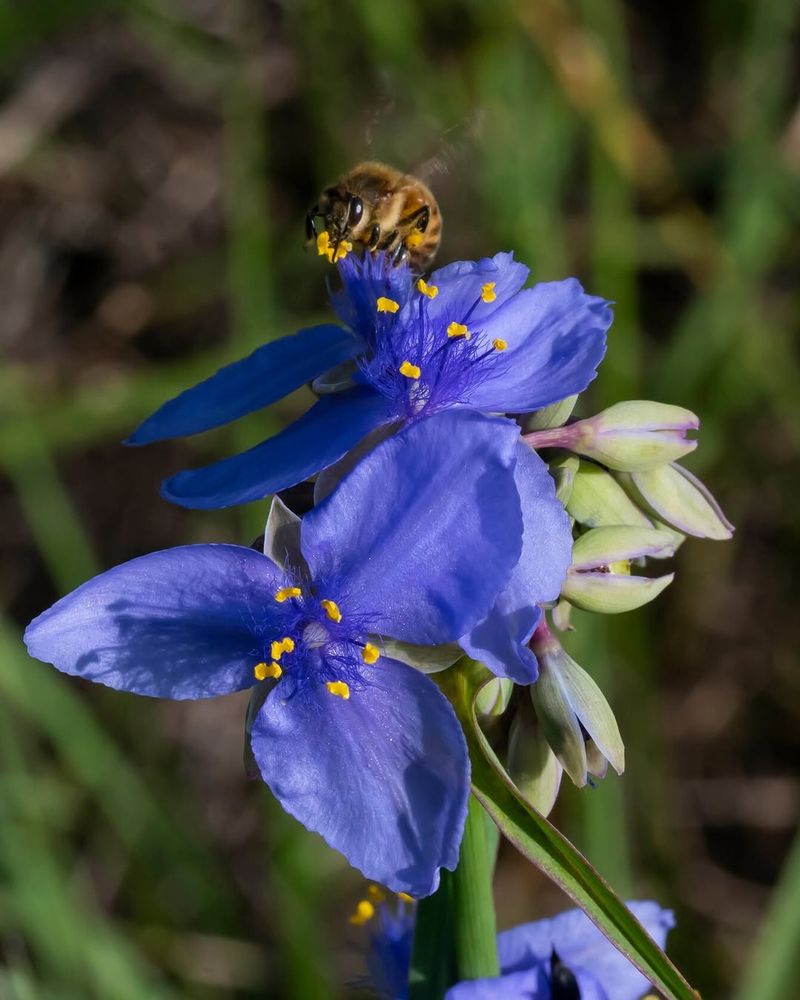
Spiderwort is one of Florida’s most underappreciated native wildflowers, quietly doing important work in shaded and semi-shaded garden spots. Its three-petaled blooms in purple, blue, and pink open in the morning and attract bees and small butterflies before closing by afternoon.
That daily rhythm makes it a charming, lively addition to any garden.
It thrives in moist, shaded areas where other butterfly plants might struggle. Spiderwort spreads readily and fills woodland garden edges with color from late winter through spring, extending the butterfly season earlier than most plants.
Swamp Milkweed
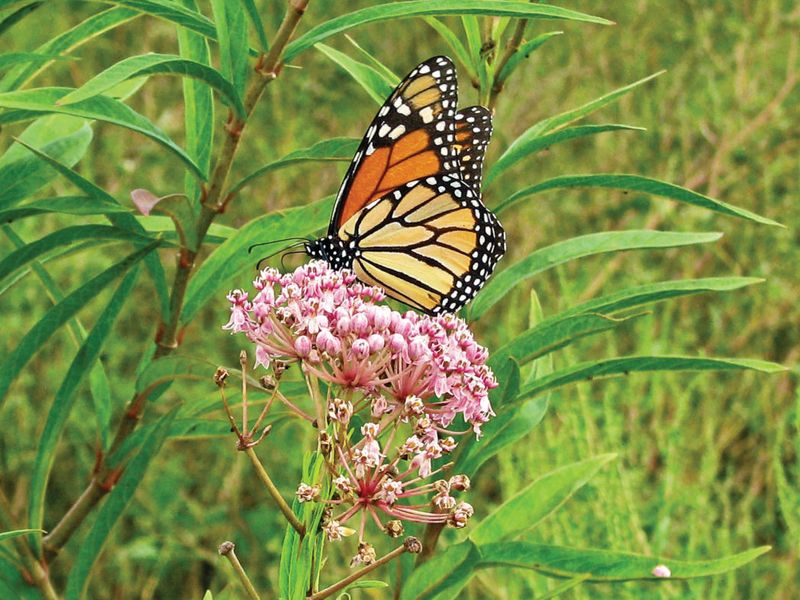
Swamp milkweed is a native Florida milkweed species that is especially well-suited to moist, wet areas where tropical milkweed might struggle. Its rosy-pink flower clusters are beautiful and highly attractive to monarch butterflies, which use it as both a nectar source and a host plant for their caterpillars.
It is a win-win for your garden and local monarch populations.
Plant it near water features, rain gardens, or low-lying spots that stay damp. Unlike some milkweed varieties, swamp milkweed dies back naturally in winter, which helps prevent monarch migration disruption.
Enjoyed this story?
Add Fast Food Club as a preferred source to see more of our reporting on Google.