


Some dishes lived in our hands long before they lived on paper. Elders cooked by sound, smell, and feel, and the results tasted like home every single time.
If you have ever tried to recreate those flavors and come up short, you are not alone. Let these gentle guardrails bring the memory back without losing the magic.
Chicken Dumplings
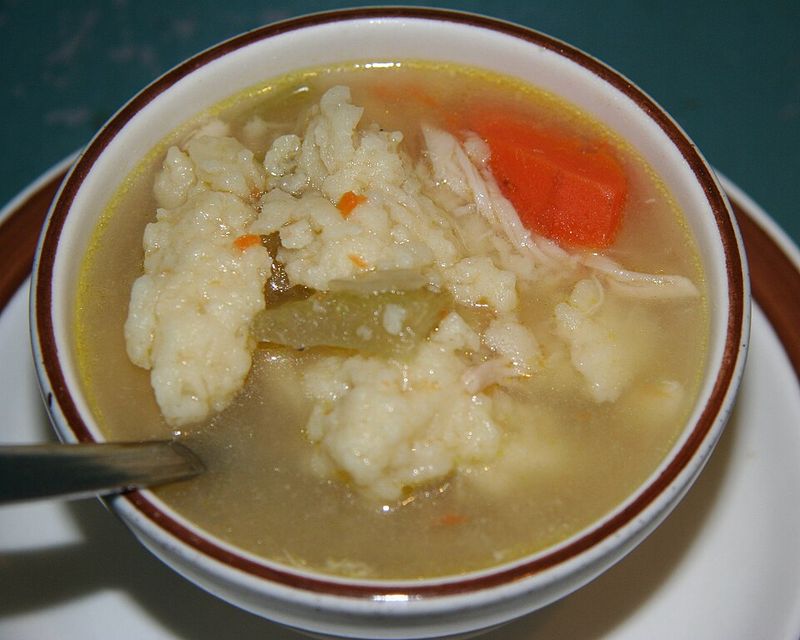
Chicken and dumplings lived in muscle memory for so many grandmas. You simmered a whole bird with onions, carrots, and celery, then thickened the broth with patience.
Flour, fat, and milk came together by feel to make tender dumplings. No one used a timer, just the nose and a spoon.
Today you want exacts. Use bone-in chicken, plenty of salt, and a gentle simmer for clarity.
Roll dumplings thin if you like chewy bites, thicker for pillowy softness. Do not overwork the dough.
Let the pot rest before serving so the broth clings to every dumpling.
Pot Roast
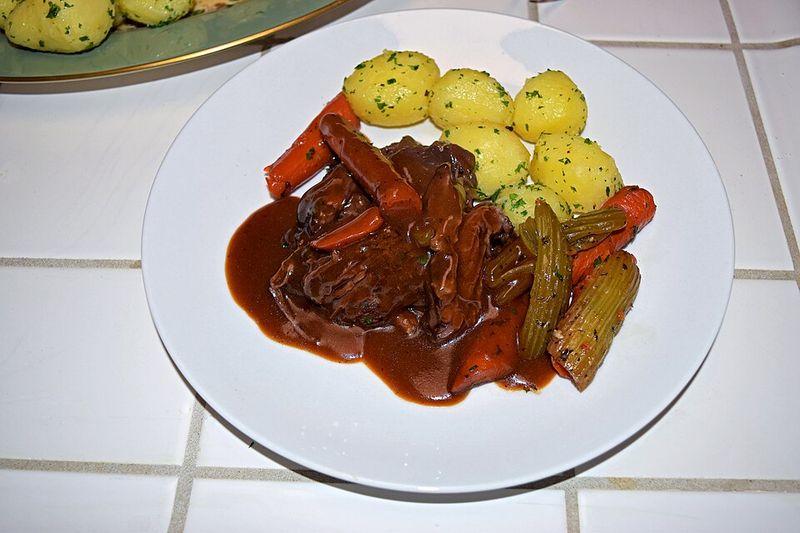
Pot roast used to start before dawn, tucked into a heavy pot while coffee brewed. A chuck roast browned hard, onions sweated, and garlic kissed the fat.
Carrots and potatoes joined later, never mushy. The house timed itself by aroma, not clocks, and gravy happened with a wooden spoon.
For repeatable comfort, season generously and sear patiently. Add tomato paste, Worcestershire, and beef stock for depth.
Keep the lid barely vented and braise low until a fork slips in clean. Thicken juices with a flour slurry or reduce uncovered.
Rest the meat so slices stay juicy and tender.
Cornbread Dressing
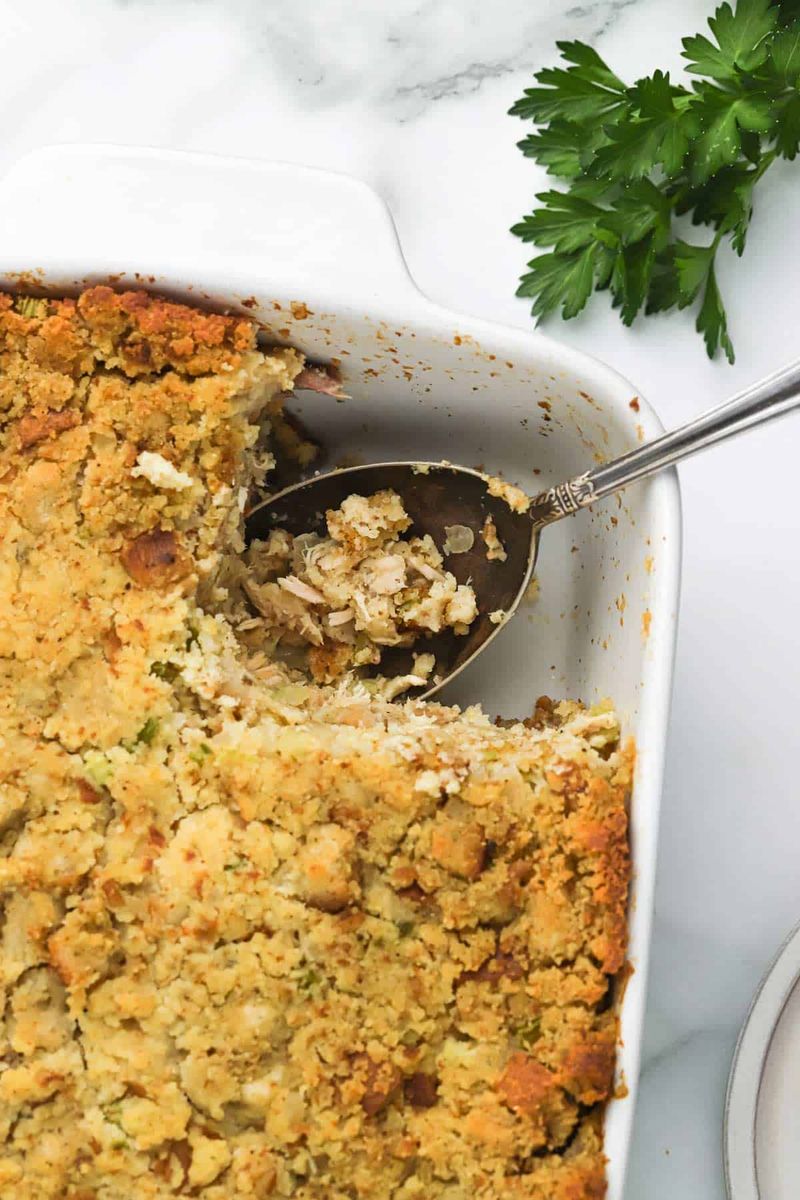
Cornbread dressing was a holiday ritual done by taste, not teaspoons. Day-old cornbread crumbled with sautéed onions and celery, a little sage, and black pepper.
Giblet broth moistened everything until it looked right. Someone pinched a bit to test salt, then baked until the top crackled and the edges browned.
To recapture that balance, bake unsweet cornbread a day ahead. Sweat vegetables in butter, then fold in herbs.
Add warm stock and beaten eggs until the mixture holds a gentle mound. Bake uncovered for crust, covered for plush.
Let it settle before scooping so squares keep their shape.
Meatloaf
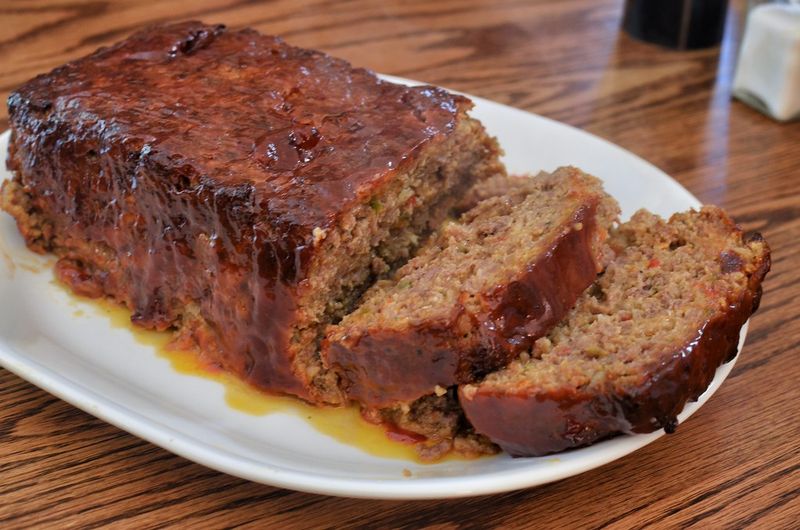
Meatloaf used to be mixed in a bowl by feel, cold knuckles judging texture. Ground beef met breadcrumbs, onion, milk, and ketchup without measuring cups.
Someone shaped a loaf and swiped on more sauce. It baked until the kitchen smelled right and the edges caramelized into coveted, crispy bites.
For reliable results, use a panade of milk and crumbs to keep it tender. Do not pack too tightly.
Add grated onion, Worcestershire, and eggs for structure. Bake on a sheet so fat renders away.
Rest ten minutes, then slice with a serrated knife to protect that juicy crumb.
Stuffed Peppers
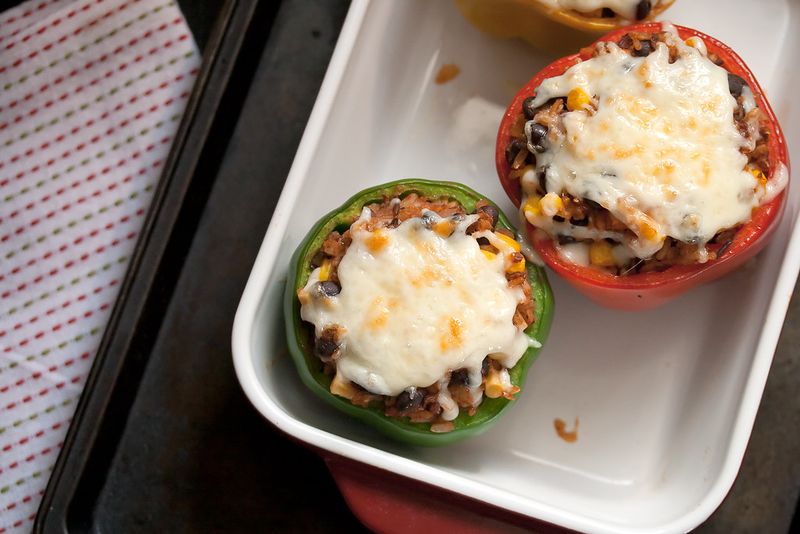
Stuffed peppers were a thrifty weeknight trick, bright with garden bell peppers. Leftover rice met crumbled beef, onion, and tomato sauce, then got spooned into hollowed shells.
A sprinkle of cheese finished the tops. You learned doneness by the pepper’s slump and the bubbles around the edges of the pan.
Today, parbake peppers so they soften without collapsing. Season the filling assertively with garlic, paprika, and herbs.
Use tomato paste for depth and a splash of broth for moisture. Cover to steam, uncover to brown.
Let them cool slightly so the juices redistribute and every bite stays balanced.
Salmon Patties
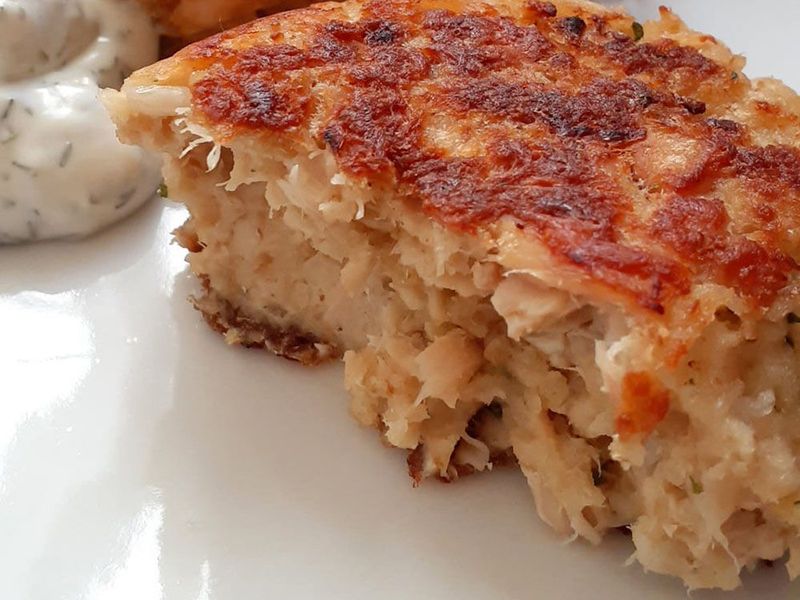
Salmon patties once came together from pantry staples, perfect on rushed nights. Canned salmon, bones and all, mixed with egg, crumbs, onion, and maybe dill.
Hands shaped patties while a skillet heated. They sizzled in butter until the crust crisped and the kitchen smelled like Friday suppers and lemon.
To nail texture, drain well and flake gently. Keep the mixture just bound, not pasty.
Add mustard, Old Bay, and a squeeze of citrus. Pan fry over medium so the center warms as the crust browns.
Serve with tartar or hot sauce, and a salad to keep things bright.
Swiss Steak
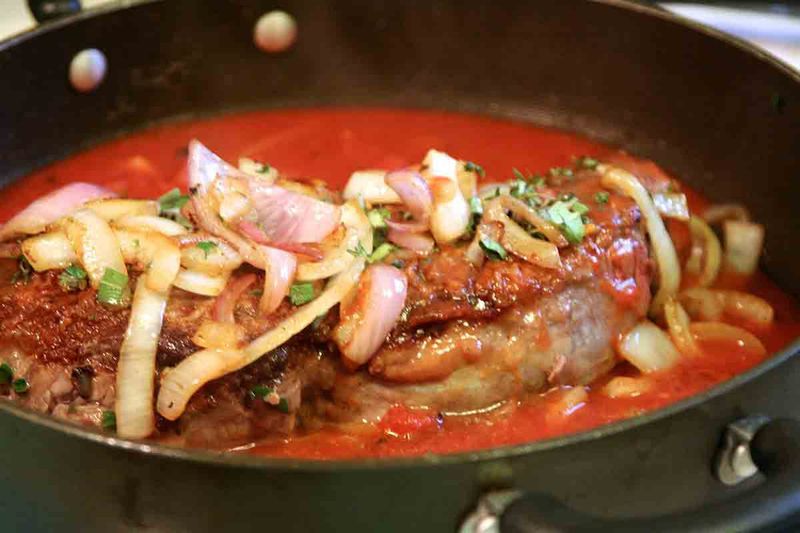
Swiss steak was less Swiss than savvy, turning tough cuts into Sunday comfort. Steaks got pounded, dredged in flour, and browned deeply.
Onions, peppers, and tomatoes simmered everything until the meat surrendered. You judged it by a fork twist, not a clock, and served over mashed potatoes or rice.
For consistency, use blade or round, sliced about half an inch. Brown patiently for fond.
Build sauce with tomato paste, paprika, and beef stock, then cover and braise gently. Check seasoning near the end.
Rest a few minutes so fibers relax and the sauce clings to every slice.
Rice Pudding
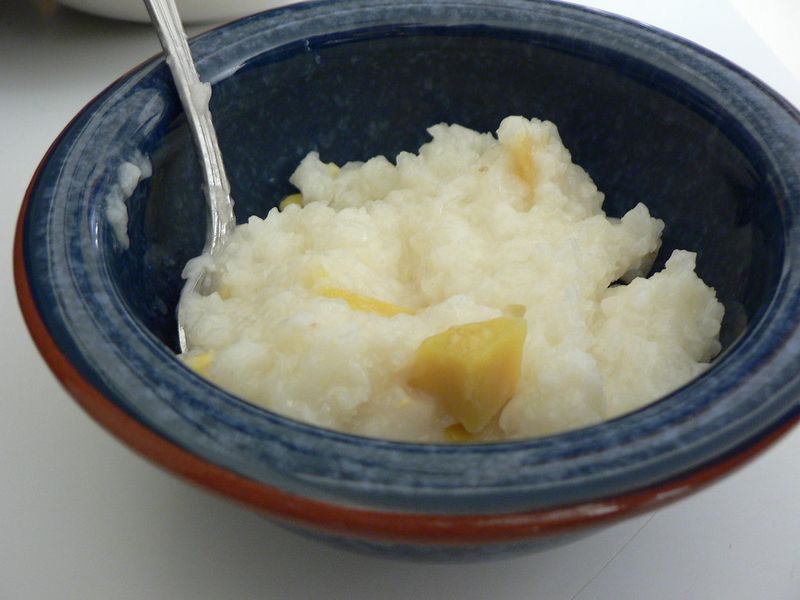
Rice pudding used leftover grains and sweet milk to soothe late evenings. No one measured vanilla, just a capful.
Raisins plumped while the pot burped gentle bubbles. A warm bowl dusted with cinnamon felt like a hug, and you could taste the memory of pots scraped clean.
For repeatable creaminess, use short grain rice and whole milk. Cook low, stirring often so starch releases.
Sweeten gradually, then finish with vanilla and a knob of butter. Fold in raisins last so they stay tender.
Chill for thick pudding, or serve warm with extra cream swirled in.
Bread Pudding
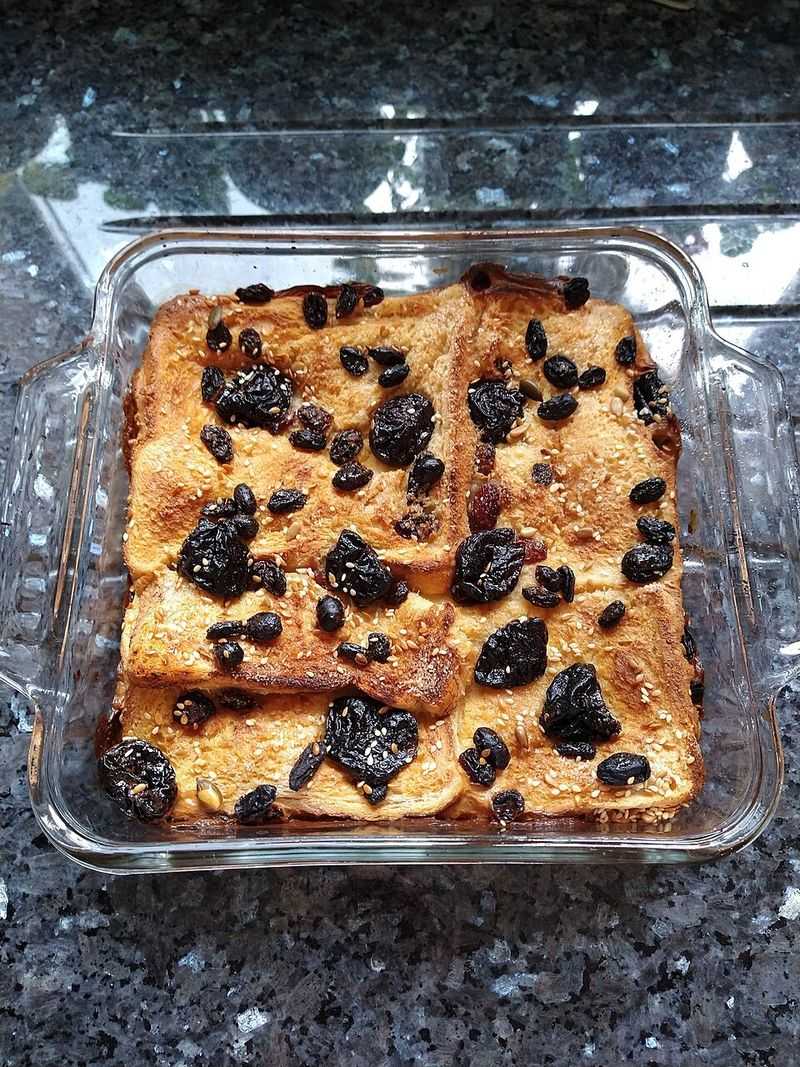
Bread pudding was born from frugality, turning stale loaves into dessert. Cubes soaked in a custard whisked by instinct, not ratios.
Buttered raisins and warm spices slipped between the cracks. It baked until the top bronzed and the center barely trembled, then rested while a sauce waited nearby.
For reliable richness, use equal parts milk and cream. Whisk eggs with sugar, vanilla, and cinnamon.
Pour over toasted bread so it absorbs evenly. Dot with butter, bake in a water bath, and test for a jiggly center.
Spoon bourbon or caramel sauce over warm slices for comfort.
Apple Pie
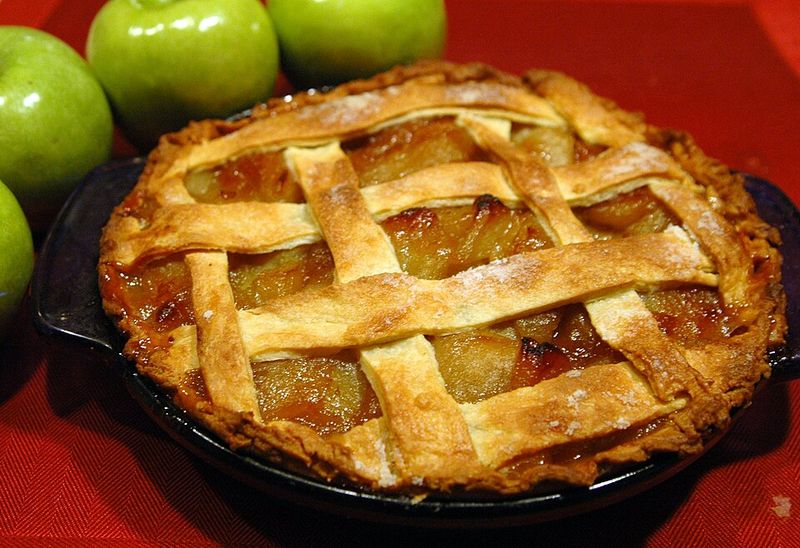
Apple pie was practically telepathy, the crust mixed by touch and breath. Tart apples met sugar, cinnamon, and a squeeze of lemon.
A vented top kissed with butter told you when it was ready. You listened for bubbling through the slits and waited for the juices to clear.
For a repeat win, use cold butter, icy water, and minimal handling. Toss apples with sugar, spices, salt, and cornstarch.
Chill the filled pie before baking hot to set the bottom. Bake until the thickest bubbles look glossy.
Cool completely so slices hold, then rewarm if you like.
Corn Chowder
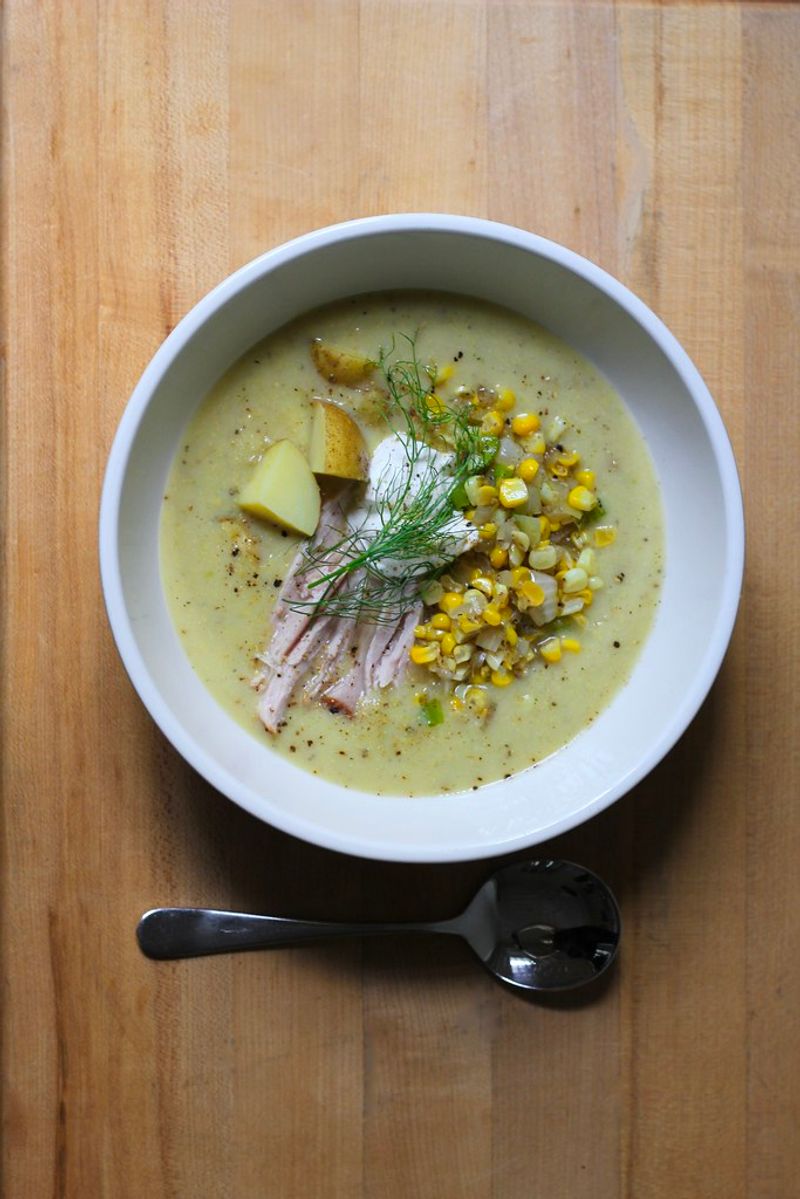
Corn chowder tasted like gardens and cool nights, ladled from big pots. You scraped cobs for sweet milk, then simmered kernels with potatoes, onions, and bacon.
Cream came last. The thickness was judged by how slowly it rolled off the spoon, not by any line on a measuring cup.
For steady success, sauté aromatics in bacon fat, then add thyme. Use stock before cream for body.
Mash a few potatoes to thicken naturally. Finish with cream and a pat of butter, then pepper liberally.
Let it sit a few minutes so flavors marry and sweetness blooms.
Beef Stew
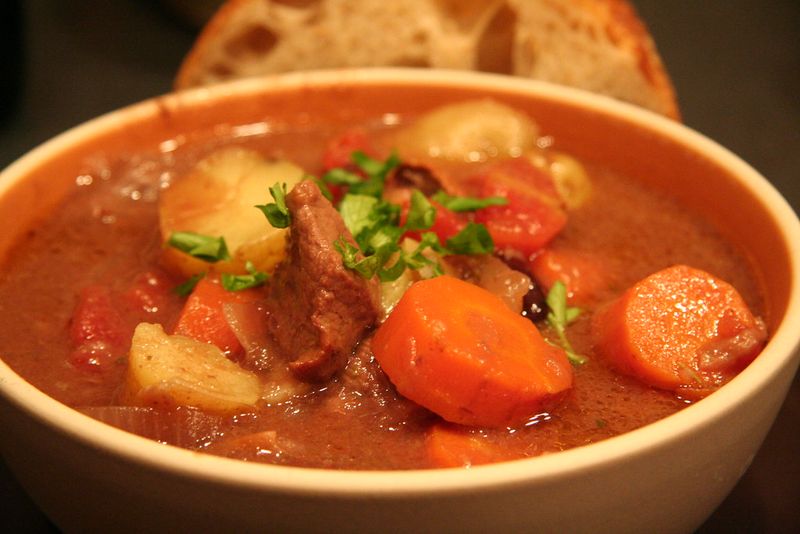
Beef stew once began with whatever chuck was on sale and a cold day. Cubes browned until crusty, then simmered with onions, carrots, and potatoes.
The broth darkened slowly as time did its magic. You tasted and adjusted salt, letting bay and thyme whisper while the house warmed around you.
For dependable depth, dry the meat and brown in batches. Deglaze with red wine or stock.
Add tomato paste and a splash of soy for savoriness. Simmer gently until the beef yields.
Thicken with a little slurry or reduction, and finish with vinegar to brighten without losing comfort.
Chicken Potpie
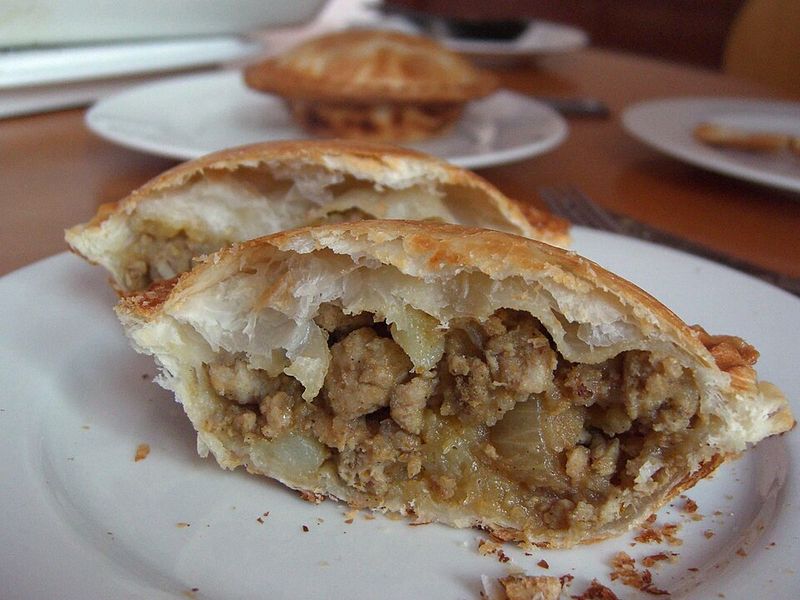
Chicken potpie felt like snow days and second helpings. Leftover chicken met peas, carrots, and potatoes in a creamy sauce.
A flaky lid sealed in steam and memories. People peeked to see bubbles at the vent and waited for the crust to color, then burned tongues stealing early bites.
For reliable layers, keep pastry cold and bake hot. Build filling with a roux and warm stock, then finish with cream.
Season assertively with salt, pepper, and thyme. Chill the filling before assembly to protect the bottom crust.
Rest after baking so slices stand tall on the plate.
Ham Loaf
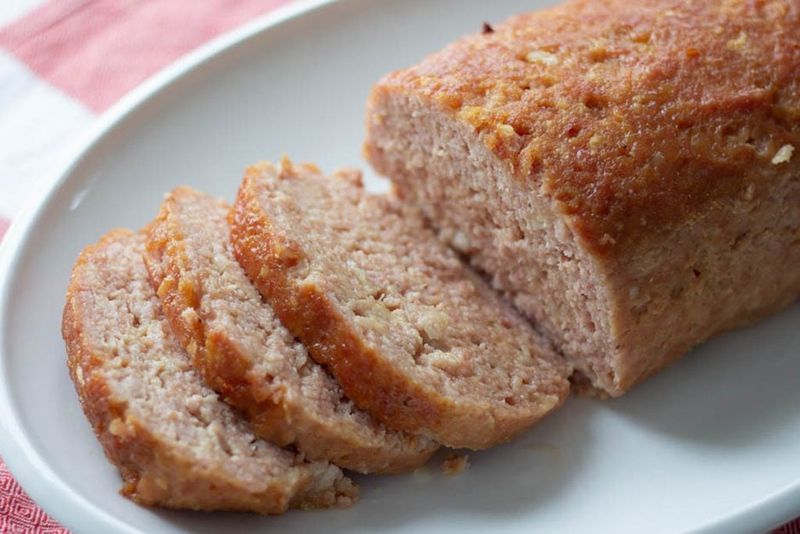
Ham loaf was the church-basement cousin to meatloaf, sweet and savory. Ground ham and pork mixed with crumbs, eggs, and milk, then baked.
A tangy glaze of brown sugar and vinegar lacquered the outside. Slices were firm yet tender, perfect with scalloped potatoes, and you always grabbed an extra piece.
To repeat that balance, grind or mince ham fine. Add pork for moisture and a soft bite.
Mix gently and shape loosely. Whisk a glaze with mustard, brown sugar, and apple cider vinegar.
Bake until glossy and 160 inside, then rest so juices settle before carving neat slices.
Potato Cakes
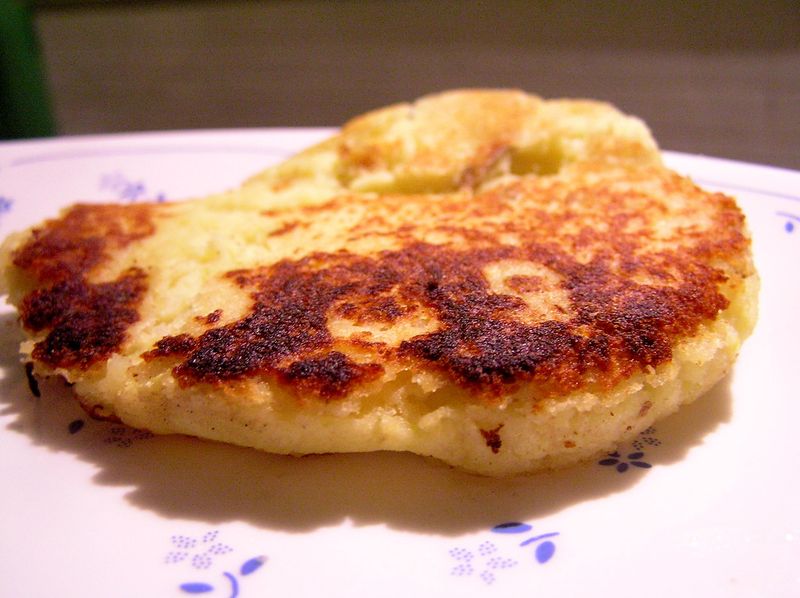
Potato cakes were the answer to leftover mash, fried until lacy at the edges. Cold potatoes met egg, flour, scallions, and pepper.
Patties sizzled in a shallow skillet, flipping once with confidence. You listened for that crisp whisper and served them hot with sour cream or applesauce nearby.
For consistency, keep the mix just firm enough to hold. Dust hands with flour to shape.
Fry in neutral oil and a touch of butter for flavor. Do not crowd the pan so browning happens right.
Season again at the end, because potatoes always welcome another pinch.
Baked Apples
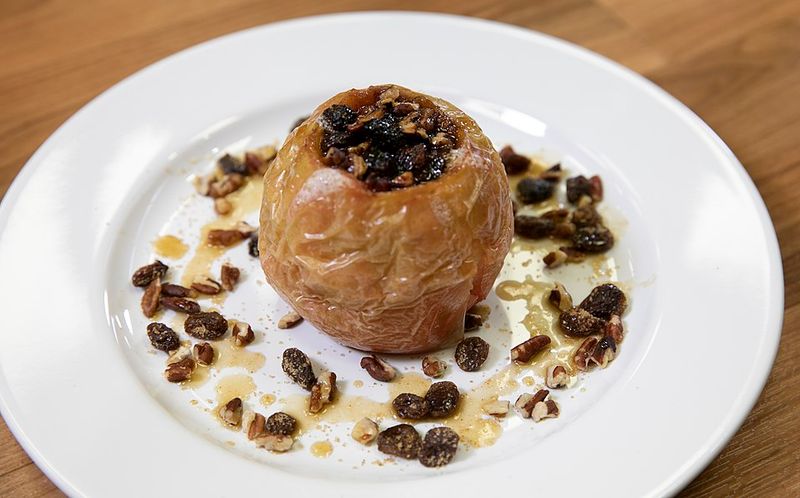
Baked apples perfumed the kitchen like a candle you could eat. Cores were scooped, then filled with butter, brown sugar, and cinnamon.
Sometimes oats or nuts joined the party. They slumped into tenderness under foil, then finished uncovered, juices thickening into syrup that begged for spooning over everything.
For easy success, choose firm apples that hold shape. Score the skin around the waist to prevent bursting.
Pack the centers snugly and add a splash of cider. Bake until a knife slides in with little resistance.
Serve warm with yogurt, ice cream, or sharp cheddar alongside.
Banana Pudding
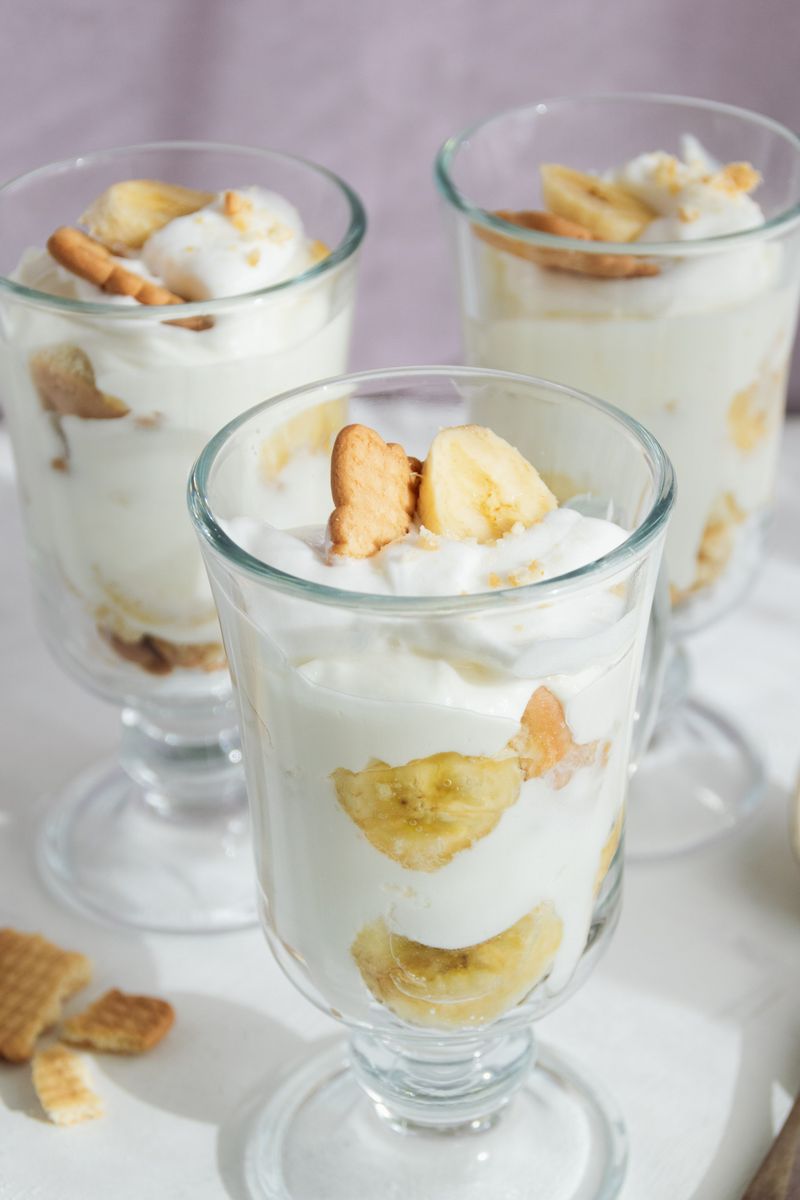
Banana pudding was layered by instinct, a cool escape on humid nights. Vanilla wafers lined a dish, bananas sliced over, then warm pudding poured to soften it all.
A cloud of whipped cream or meringue finished the top. You waited just long enough for the wafers to turn tender-cakey.
For consistent comfort, cook a cornstarch custard slowly. Temper eggs, whisk constantly, and add vanilla off heat.
Layer while warm so flavors mingle. Chill several hours for sliceable squares, or spoon soft if impatient.
Top with fresh banana right before serving to keep browning at bay.
Corn Pudding
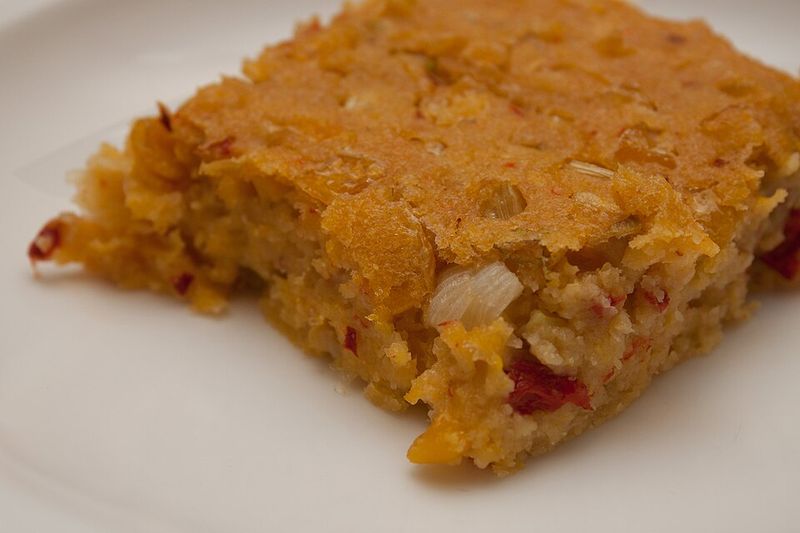
Corn pudding lived between spoonbread and custard, golden and jiggly. Fresh or canned corn folded into a batter with milk, eggs, and butter.
Sugar was optional, depending on the crowd. It baked until the center barely set and the edges browned, then arrived at the table quivering and fragrant.
To recreate it, blitz some kernels for body and leave some whole. Add a spoon of cornstarch for insurance.
Season with salt, pepper, and a pinch of nutmeg. Bake in a buttered dish in a moderate oven.
Rest a few minutes so slices scoop clean and tender.
Chicken Noodles
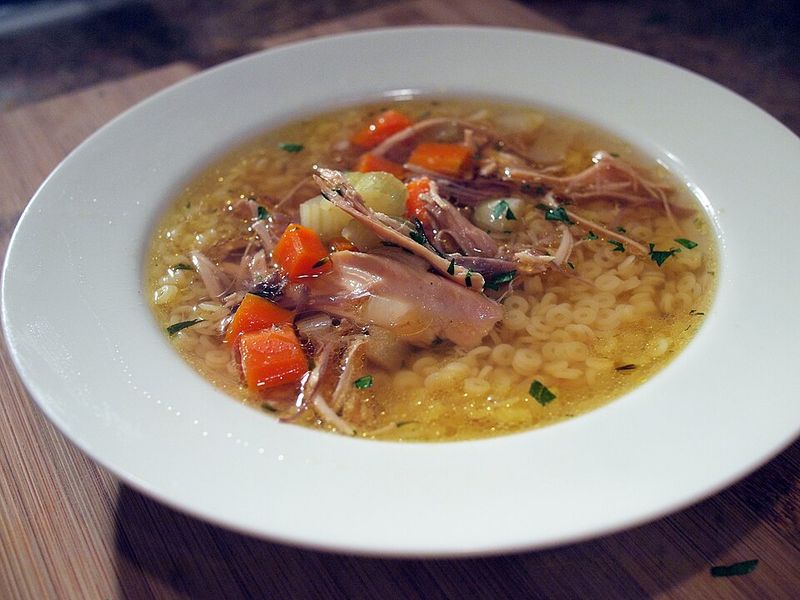
Chicken and noodles meant comfort without ceremony, especially after long days. Brothy pots simmered with bones, then wide noodles went in by feel.
The starch thickened everything just right. You ladled big bowls and felt better before the spoon even cooled, warmed by steam and that homestyle scent.
For reliable coziness, start with a rich stock. Salt early, then add carrots and celery for sweetness.
Cook noodles separately if you want clearer broth, or in the pot for thickness. Finish with parsley and black pepper.
Let it rest a minute so flavors round and noodles relax.
Deviled Eggs
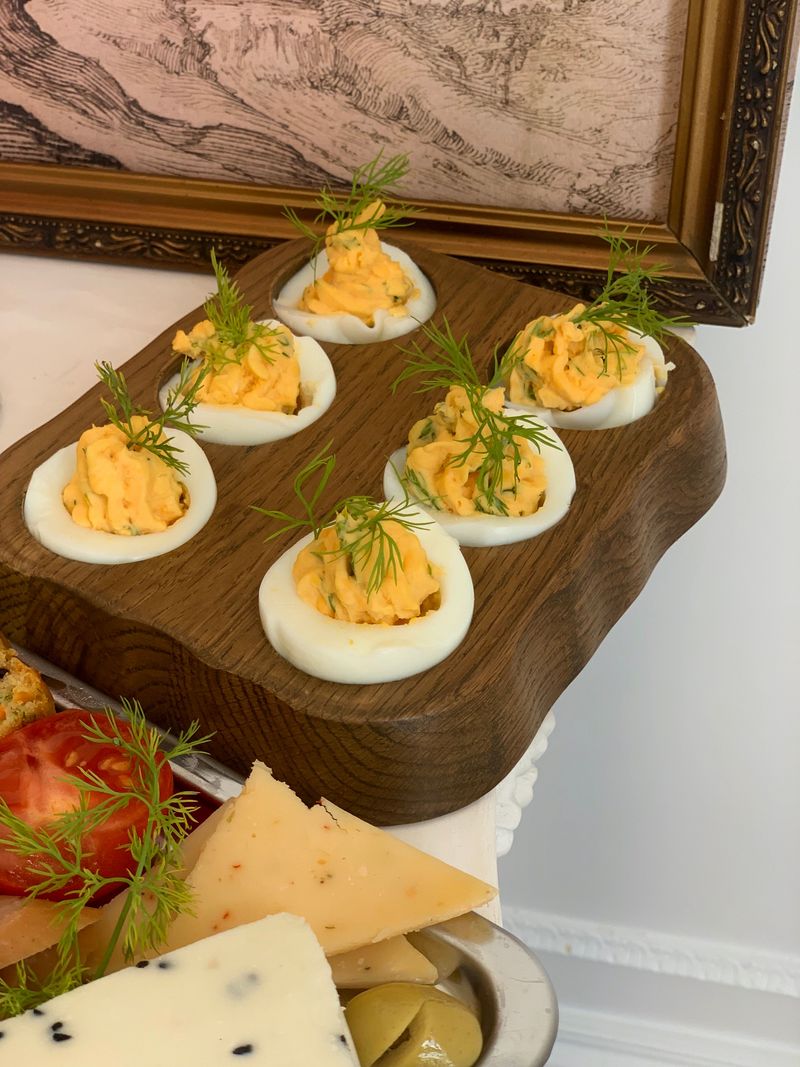
Deviled eggs showed up at every gathering, gone before the coats were hung. Yolks got mashed with mayo, mustard, and a splash of pickle juice.
Piped or spooned back in, they wore paprika freckles proudly. You judged success by how quietly the platter disappeared near the punch bowl.
For no-fuss peeling, steam or pressure-cook the eggs. Shock in ice water.
Mash yolks very smooth, then season boldly with salt and acid. Add a touch of sugar if you like balance.
Chill to set, garnish with chives or paprika, and bring extras because they vanish fast.
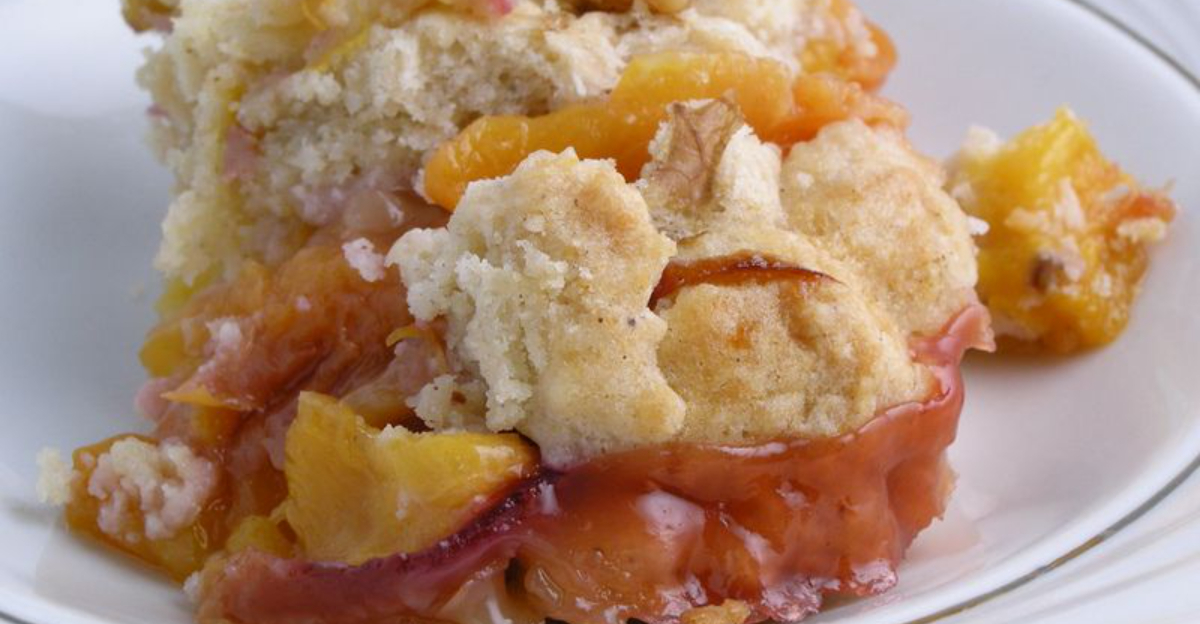
Peach Cobbler
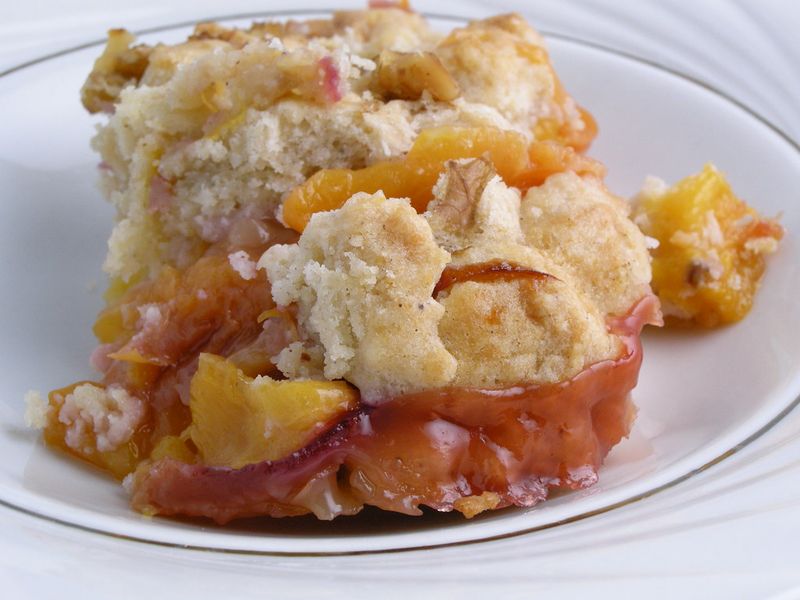
Peach cobbler tasted like late summer and open windows. Sliced peaches met sugar and a little lemon, juices pooling.
Batter or biscuits went on top, depending on the house. The skillet sang while edges caramelized, and you knew it was done when bubbles thickened and the peaches slumped softly.
For consistency, macerate fruit with sugar and salt. Thicken lightly with cornstarch so the syrup clings.
Use a hot buttered pan for better lift. Sprinkle with coarse sugar for crunch, and bake until golden and bubbling.
Let it rest so the juices set, then serve warm with melting ice cream.
Enjoyed this story?
Add Fast Food Club as a preferred source to see more of our reporting on Google.