


Florida’s warm climate and long growing season make it one of the best places in the country to grow a bold, beautiful garden. Whether your beds look tired and bare or just need a little extra life, the right plants can completely transform the space.
From fiery reds to cool purples and electric greens, Florida-friendly plants come in a stunning range of colors. These 21 picks are easy to find, simple to grow, and guaranteed to make your garden beds pop.
Coleus
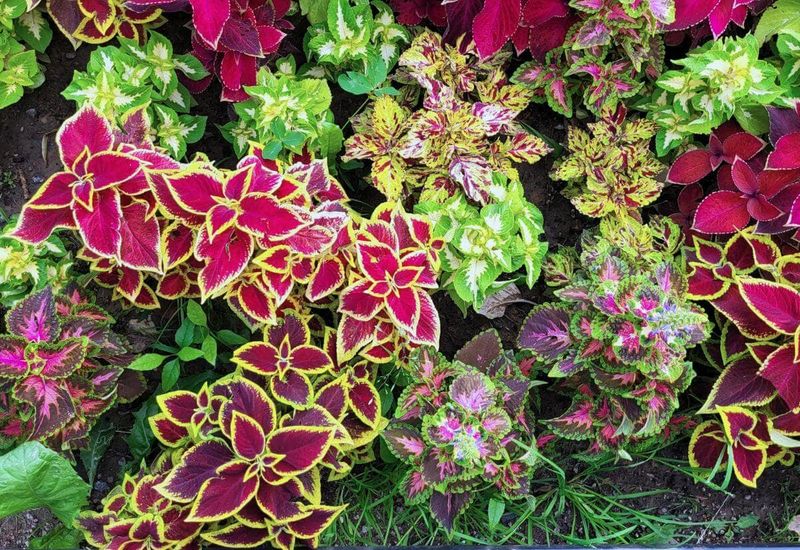
Few plants deliver as much drama as coleus, and it does it all without a single bloom. The leaves are the star here, splashed with combinations of red, lime green, burgundy, and cream that look almost painted by hand.
Coleus thrives in Florida’s heat and actually prefers some shade, making it perfect for spots under trees. Pinch off flower buds to keep the foliage lush and full.
It grows quickly and fills in bare garden beds with stunning color in just a few weeks.
Croton
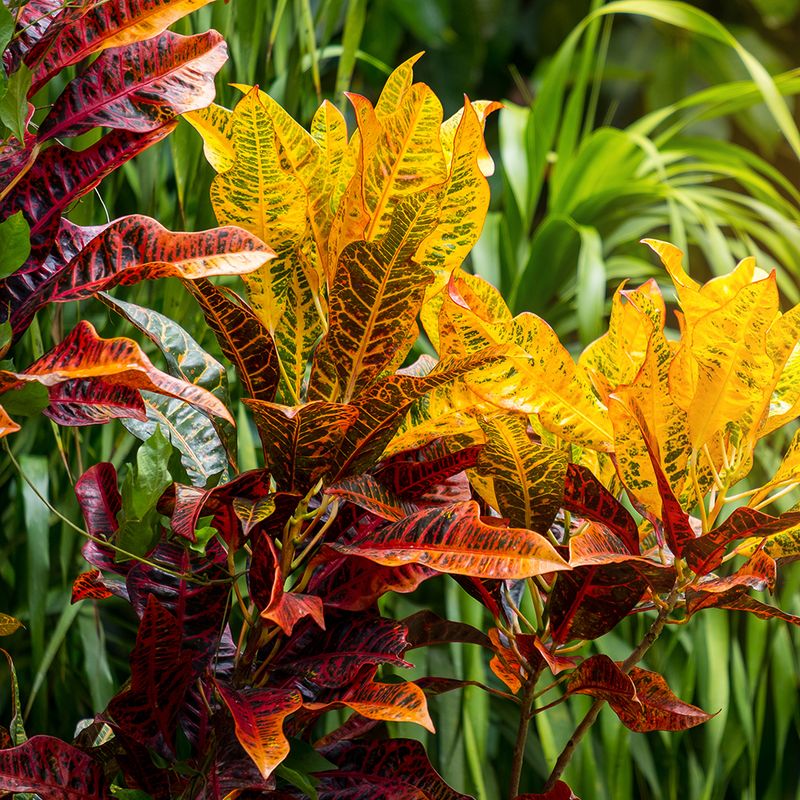
Croton looks like someone splashed a sunset across its leaves. The bold mix of yellow, orange, red, and green on a single plant makes it one of the most visually striking choices for Florida garden beds.
It loves full sun and handles Florida heat like a champ. Once established, croton is fairly drought-tolerant and low-maintenance.
Plant it as a border, a focal point, or alongside solid-green plants to let its wild color pattern really stand out.
Cordyline
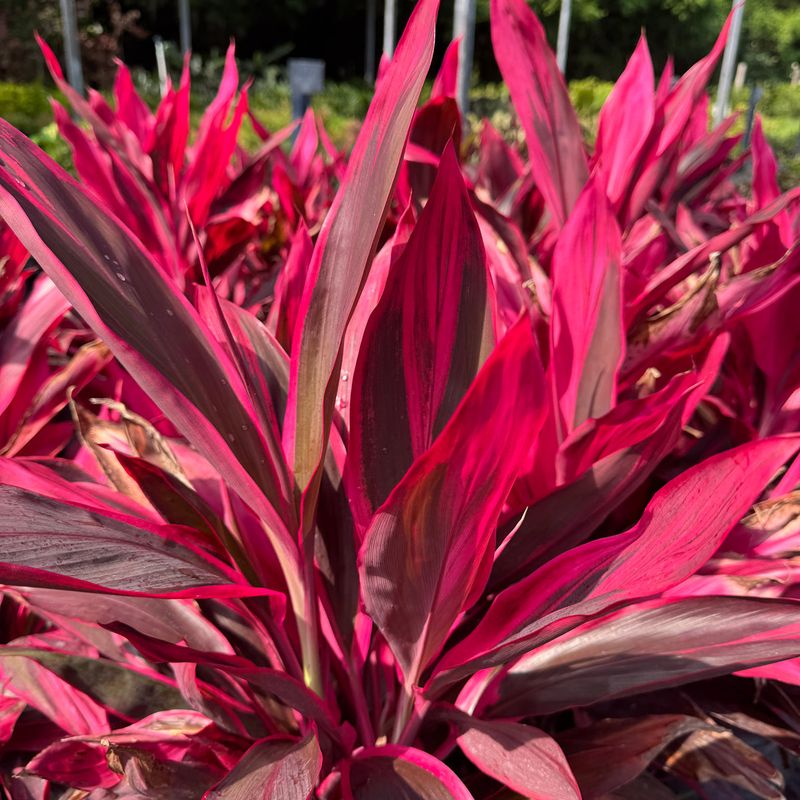
Cordyline brings a tropical, architectural feel to garden beds that few other plants can match. Its long, sword-shaped leaves come in shades of deep red, burgundy, pink, and green, giving any space a bold, structured look.
Also called ti plant by some gardeners, cordyline grows well in both sun and partial shade across Florida. It pairs beautifully with low-growing flowering plants.
Taller varieties can reach several feet, creating a dramatic vertical accent that draws the eye upward.
Caladium
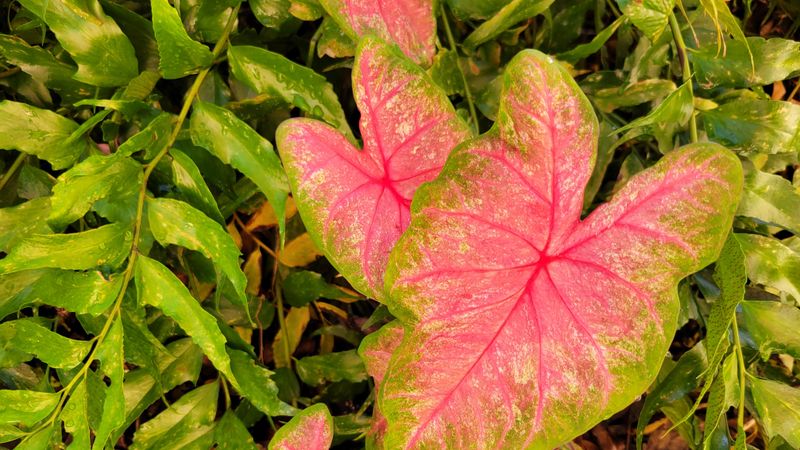
Walk through any Florida neighborhood in summer and you are almost guaranteed to spot caladiums lighting up shady garden beds. Their oversized, heart-shaped leaves come in combinations of pink, red, white, and green that practically glow in low-light spots.
Caladiums grow from tubers and thrive during Florida’s hot, humid summers. They prefer shade or filtered light and need consistent moisture.
When the weather cools, they die back and go dormant, but they return reliably when warm temperatures come back around.
Pentas
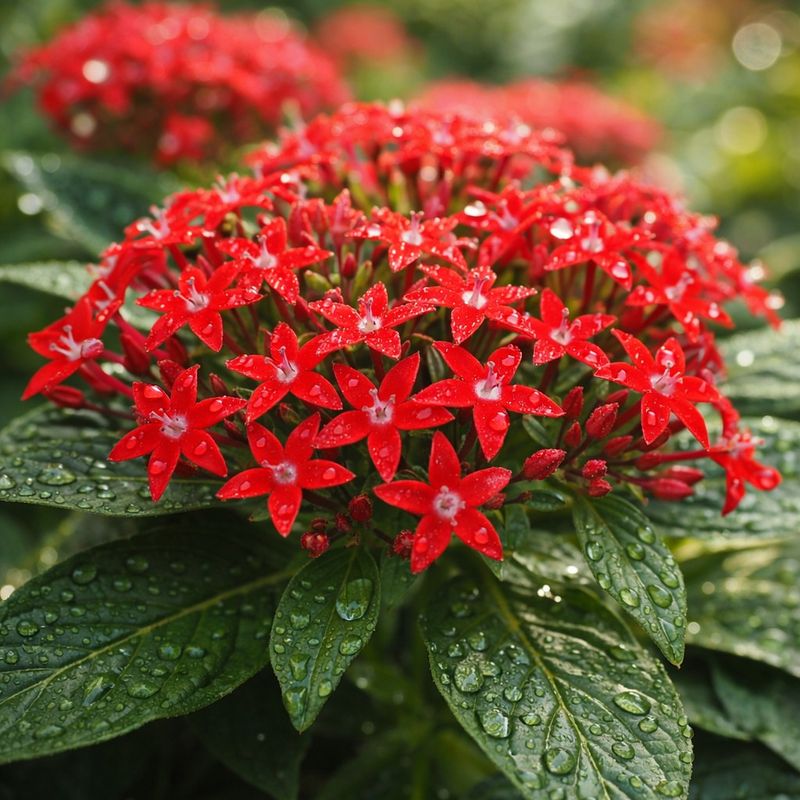
Butterflies and hummingbirds absolutely cannot resist pentas. This cheerful flowering plant produces dense clusters of tiny star-shaped blooms in red, pink, white, and lavender all season long, making it a garden favorite across Florida.
Pentas thrives in full sun and handles heat and humidity without complaint. It blooms almost nonstop from spring through fall, and sometimes even longer in South Florida.
Deadheading spent blooms encourages even more flowers. It works beautifully as a border plant or in mixed garden bed arrangements.
Angelonia
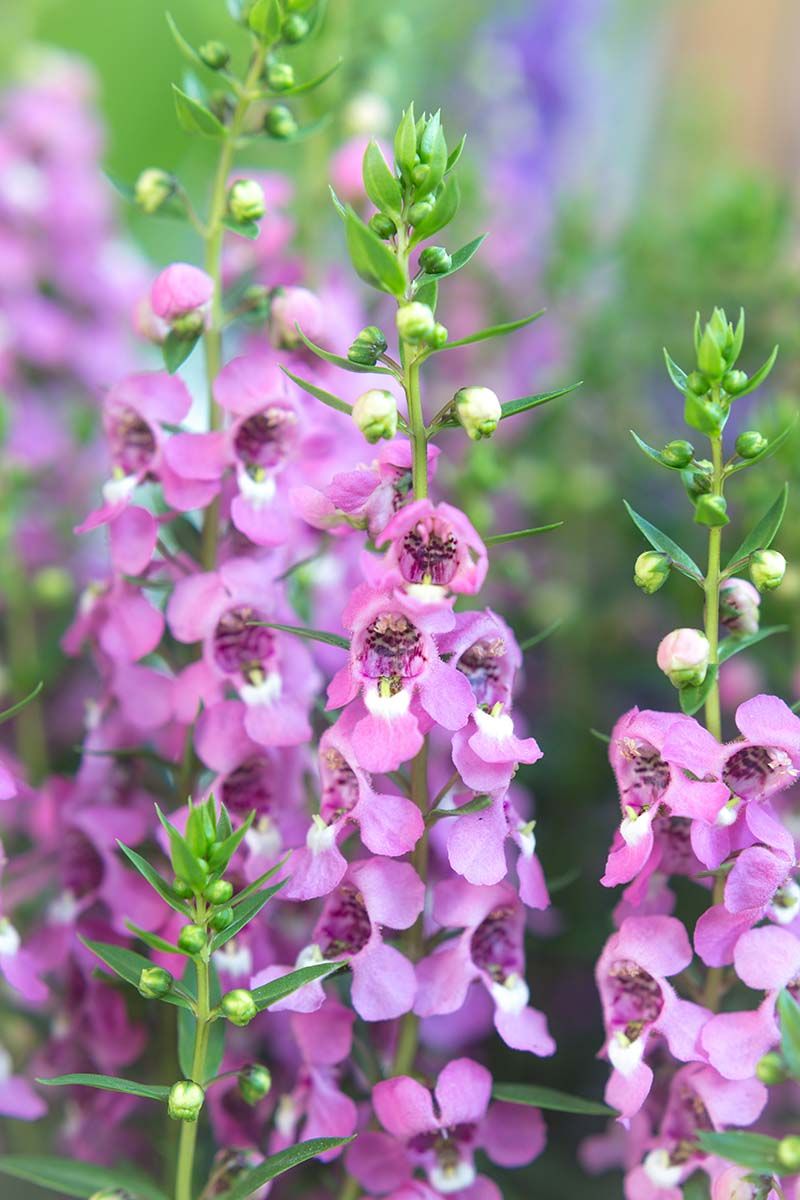
Sometimes called summer snapdragon, angelonia earns that nickname by producing elegant flower spikes in purple, pink, and white that hold up beautifully through Florida’s brutal summer heat.
Unlike many annuals that fizzle out in midsummer, angelonia keeps blooming without skipping a beat. It has a light, sweet fragrance and attracts pollinators regularly.
Plant it toward the back or middle of a garden bed for vertical interest. It needs full sun and well-draining soil to perform at its best all season.
Vinca
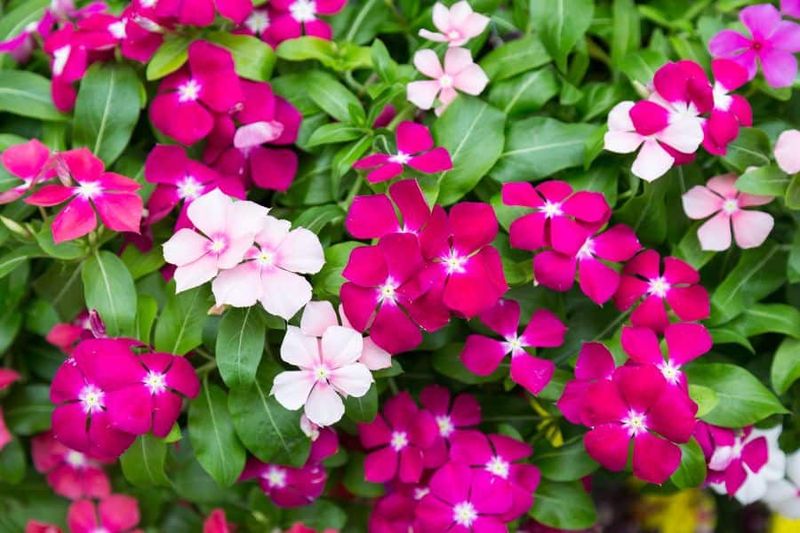
Vinca is practically built for Florida summers. This tough little flowering plant produces cheerful blooms in shades of red, pink, white, and purple while shrugging off heat, humidity, and even drought conditions that would wilt other plants.
Also known as periwinkle, vinca grows well in full sun and requires very little care once established. It works great as a ground cover or border plant.
One thing to watch for is good air circulation, since vinca can be susceptible to fungal issues in overly wet conditions.
Lantana
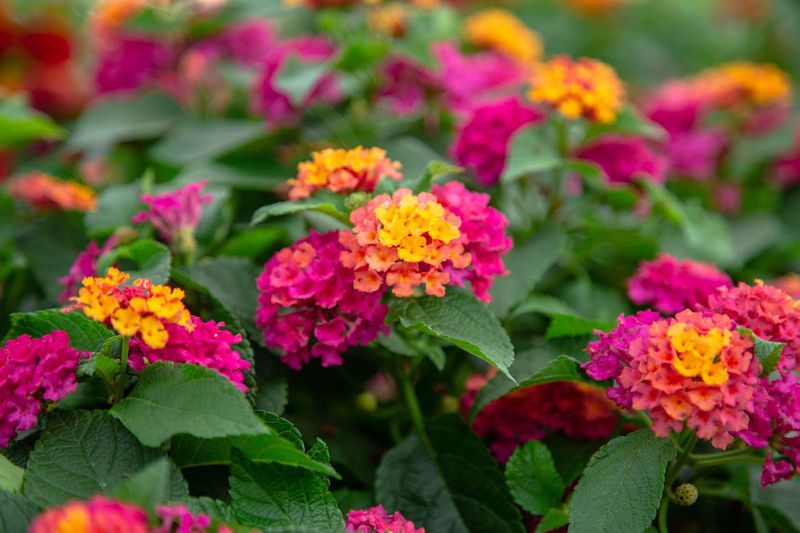
Lantana is practically a Florida garden legend. Its flower clusters shift colors as they mature, so a single bloom head can show yellow, orange, and pink all at once, creating a constantly changing display throughout the season.
It thrives in full sun, tolerates drought, and attracts butterflies in impressive numbers. Lantana grows vigorously and can spread, so give it room or trim it back regularly.
Some varieties are native to Florida, making them an especially smart and eco-friendly choice for pollinators.
Blue Daze
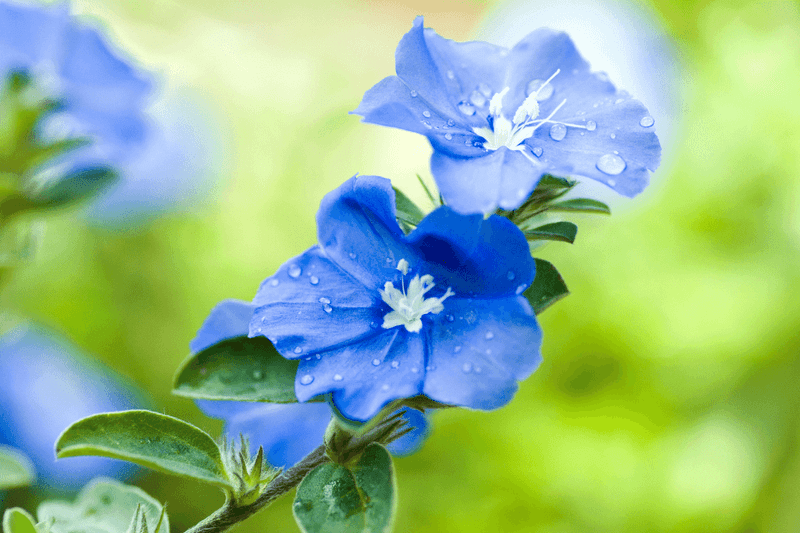
That soft, sky-blue color is surprisingly rare in the plant world, which makes blue daze such a refreshing addition to Florida garden beds. The small, funnel-shaped flowers open each morning and close by afternoon, creating a daily display of color.
Blue daze spreads low to the ground and works wonderfully as a trailing border or ground cover. It loves full sun and handles Florida heat with ease.
Pair it with bright orange or yellow flowers nearby for a color combination that really turns heads.
Crossandra
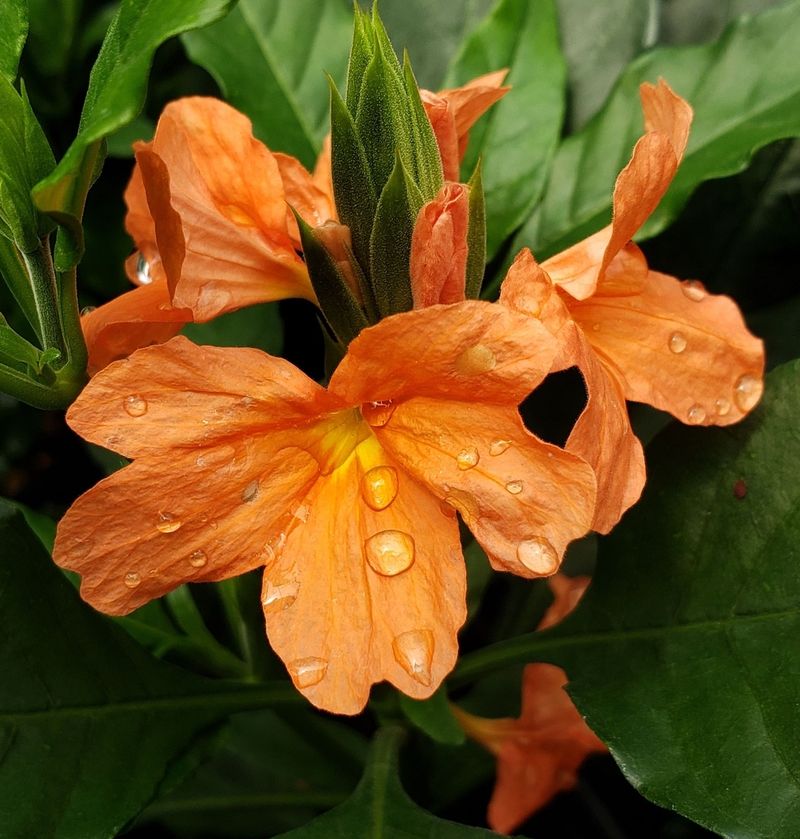
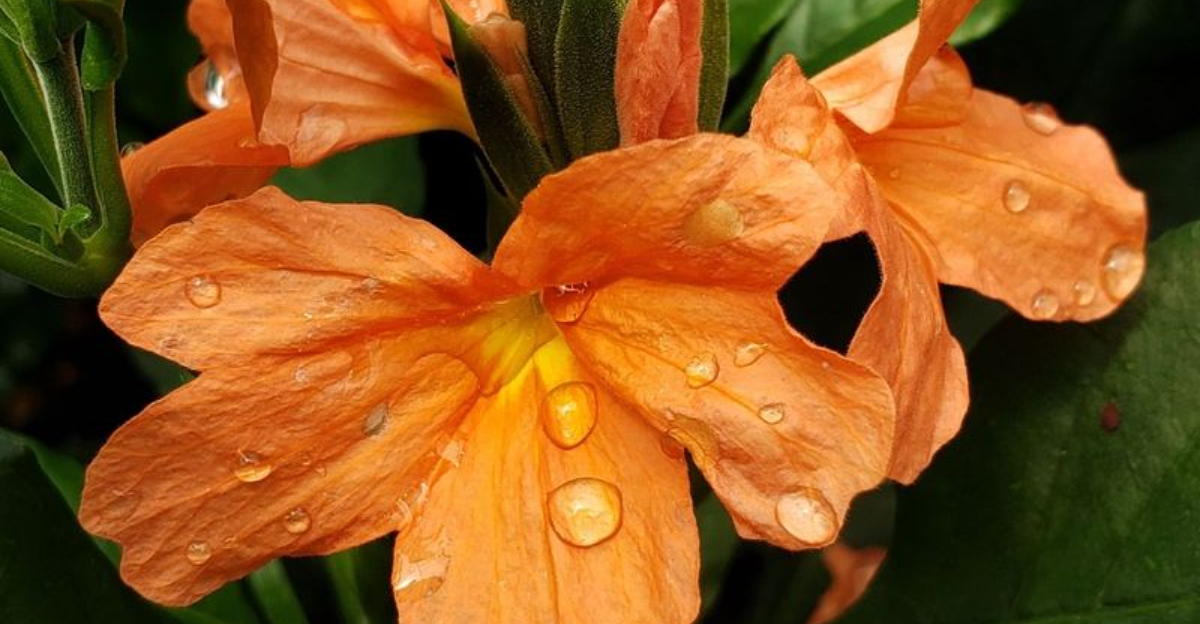
Crossandra brings a warm, tropical energy to garden beds with its clusters of salmon-orange blooms that seem to glow against its shiny, dark green leaves. It is sometimes called the firecracker flower, and once you see it in bloom, that name makes perfect sense.
This plant does well in partial shade to full sun and thrives in Florida’s humidity. It blooms for long stretches without much fuss.
Regular watering keeps it happy, and it pairs nicely with caladiums or impatiens in shadier spots of the yard.
Firebush
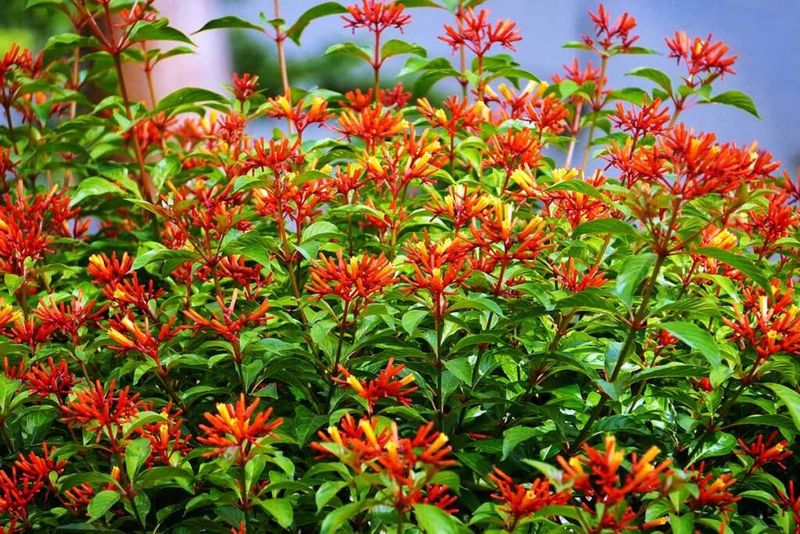
Firebush earns its name the moment it bursts into bloom. Clusters of tubular red and orange flowers cover this fast-growing shrub from spring through fall, and hummingbirds treat it like a favorite restaurant stop.
Native to Florida, firebush is extremely tough and drought-tolerant once established. It thrives in full sun and can grow quite large, so it works best as a background plant or informal hedge in a garden bed.
The bright berries that follow the flowers add even more seasonal color and attract birds.
Plumbago
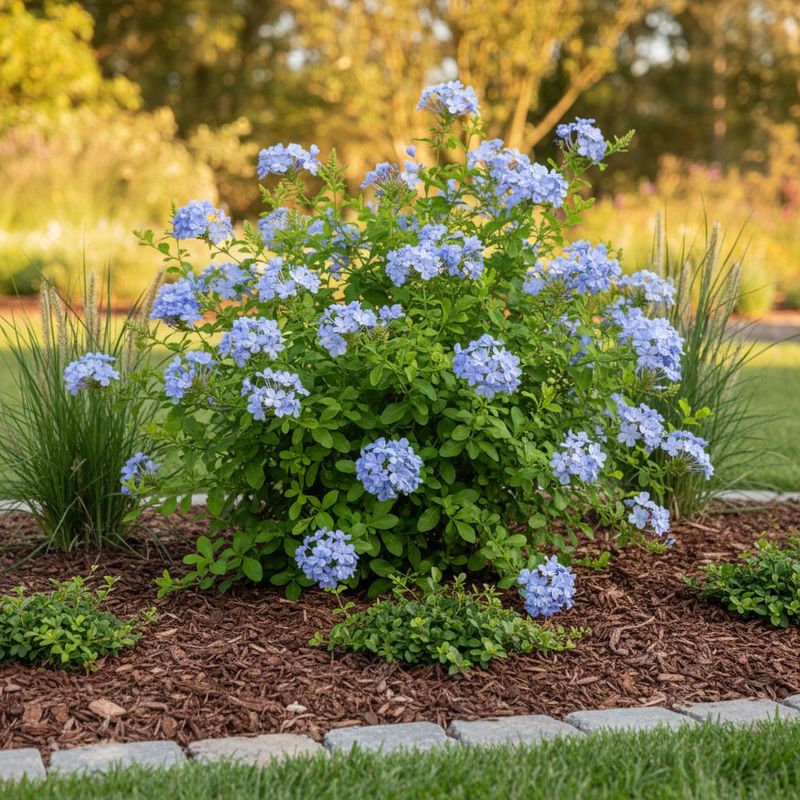
There is something almost dreamy about plumbago in full bloom. Soft clusters of sky-blue flowers cover this sprawling shrub for months, creating a cool, airy look that balances out bolder, hotter colors in mixed garden beds.
Plumbago grows vigorously in Florida’s full sun and handles heat and drought well once it is established. It can get large, so regular pruning keeps it tidy.
White-flowering varieties exist too, but the classic pale blue is the one that makes most gardeners do a double take.
Persian Shield
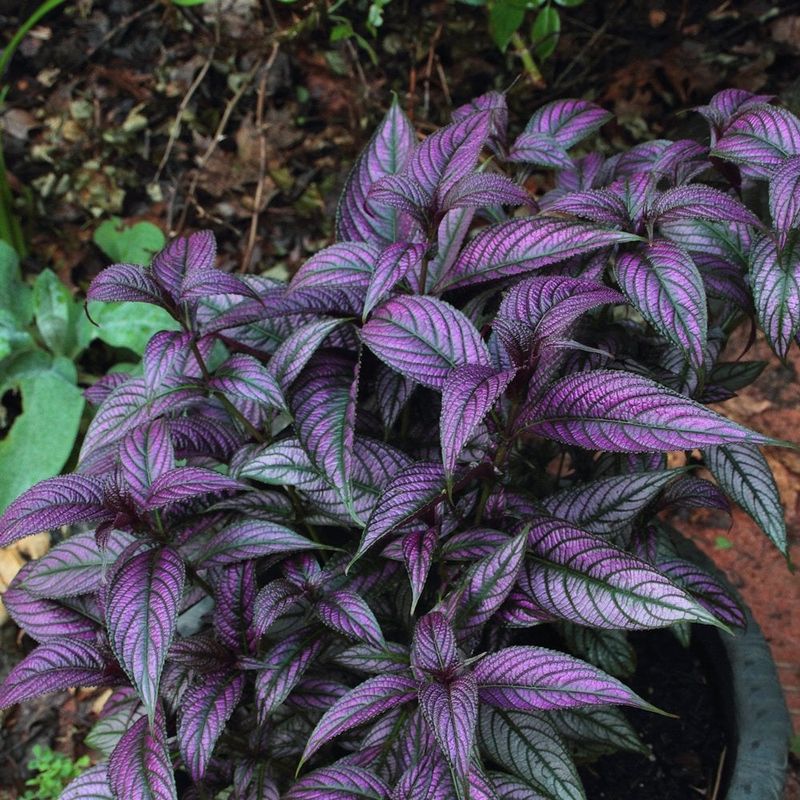
Persian shield looks less like a plant and more like something from another planet. Its leaves shimmer with an iridescent purple and silver metallic sheen that catches the light in a way that stops people mid-step to take a closer look.
It prefers partial shade and high humidity, which means Florida’s climate suits it beautifully. Persian shield works as a stunning accent plant or a bold backdrop for flowering annuals.
Keep the soil consistently moist and protect it from harsh afternoon sun to maintain its vivid metallic color.
Ti Plant
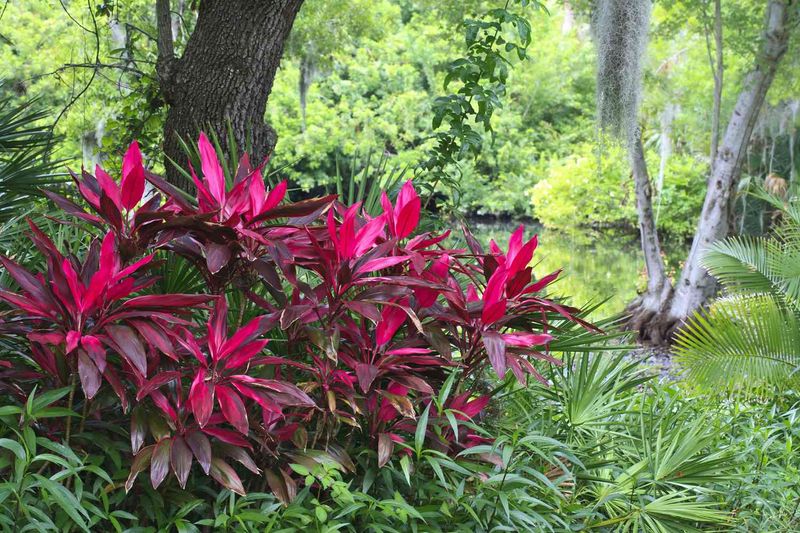
The ti plant has been used for centuries across tropical cultures, and it is easy to see why it has stood the test of time. Its long, glossy leaves come in rich shades of red, pink, burgundy, and green, giving it a bold, festive presence in any garden setting.
In Florida, ti plant grows well in full sun to partial shade and is fairly low-maintenance once established. It works beautifully as a tall accent plant or privacy screen.
Trim off lower leaves occasionally to keep it looking neat and well-shaped.
Joseph’s Coat
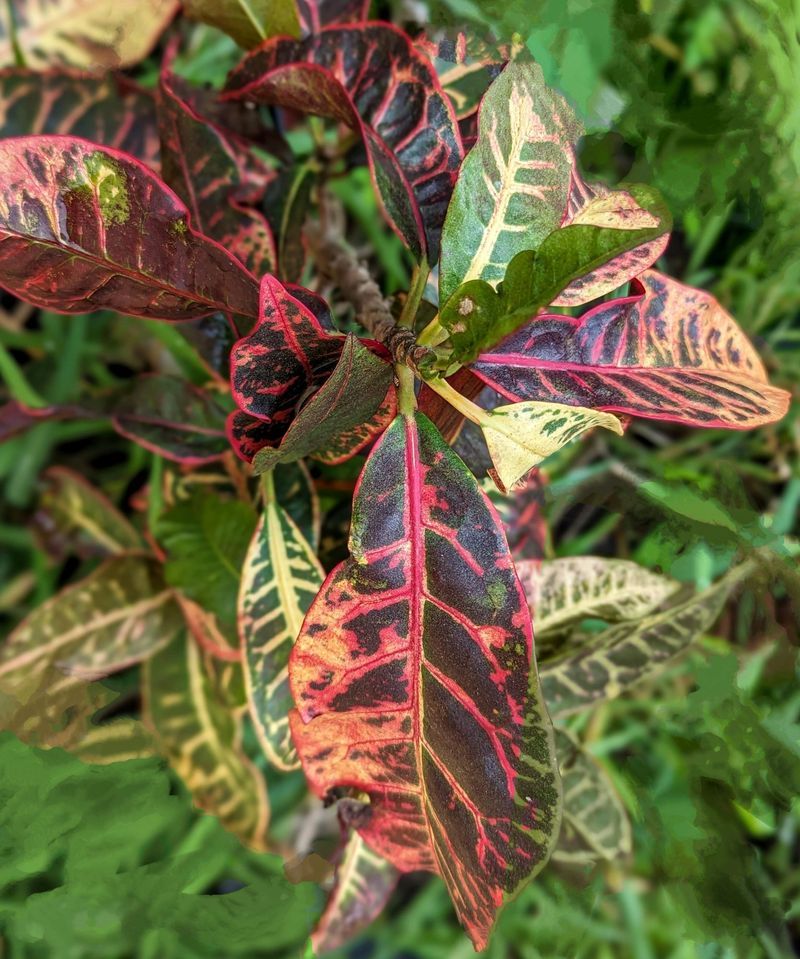
Named after the biblical coat of many colors, Joseph’s coat lives up to its legendary name with leaves that blaze in combinations of red, yellow, orange, and green. It is one of the most eye-catching foliage plants available for Florida gardens.
This plant loves full sun and heat, making it a natural fit for Florida’s climate. It is often used in formal garden designs to create patterns and borders.
Regular trimming keeps it compact and encourages the most vibrant new growth, since fresh leaves tend to show the boldest colors.
Alternanthera
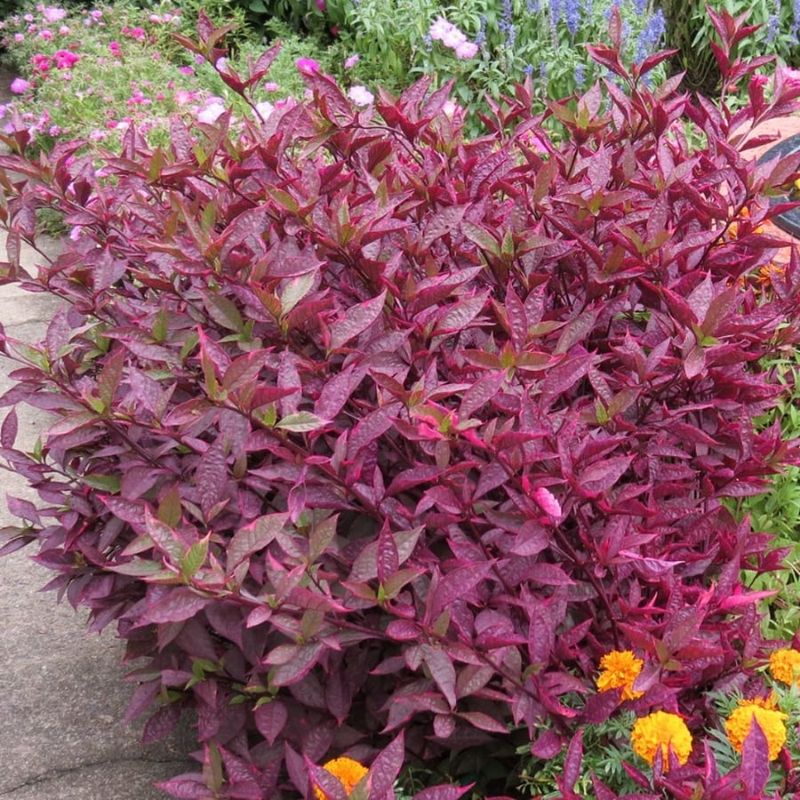
Alternanthera might be small, but it punches way above its weight in the color department. Also known as calico plant, it produces dense, low-growing mounds of richly colored leaves in shades of red, burgundy, yellow, and orange that hold their color even in intense Florida heat.
It thrives in full sun and is often used to create colorful edging, patterns, or carpet-style planting in formal garden beds. Trim it regularly to keep its shape tidy.
It pairs especially well with green or silver-foliaged plants that let its warm tones really pop.
Cuphea
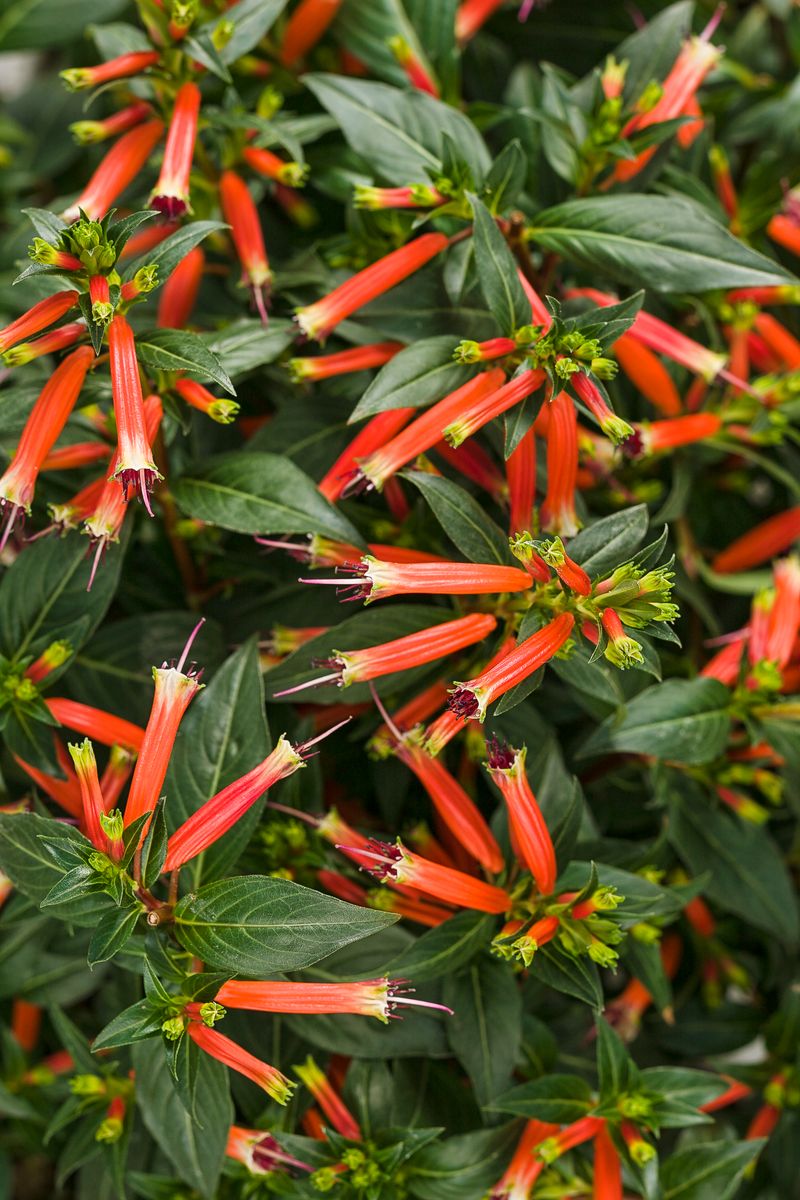
Hummingbirds go absolutely wild for cuphea. The tiny, tubular flowers in red, purple, and orange look like little cigars or matchsticks lined up along the stems, which is why one popular variety is nicknamed the cigar plant.
Cuphea blooms almost continuously in Florida’s warm climate and handles heat and humidity without issue. It stays compact and tidy, making it a great choice for borders or container gardens.
Full sun brings out the best blooming, and very little pruning is needed to keep it looking great all season long.
Begonia
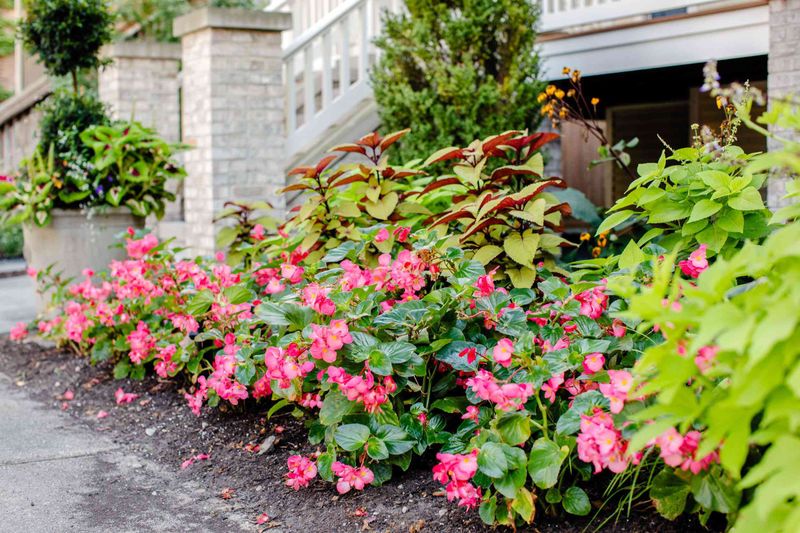
Begonias are one of Florida gardening’s most reliable workhorses. Whether you choose wax begonias with their glossy, waxy leaves or larger angel wing varieties, you get nonstop blooms in red, pink, orange, and white from spring through fall.
They perform well in partial shade to full sun, depending on the variety, and they handle Florida’s humidity better than many other flowering annuals. Begonias stay compact and tidy, making them ideal for neat borders or mass plantings.
Water them regularly at the base to avoid leaf disease from overhead watering.
Impatiens
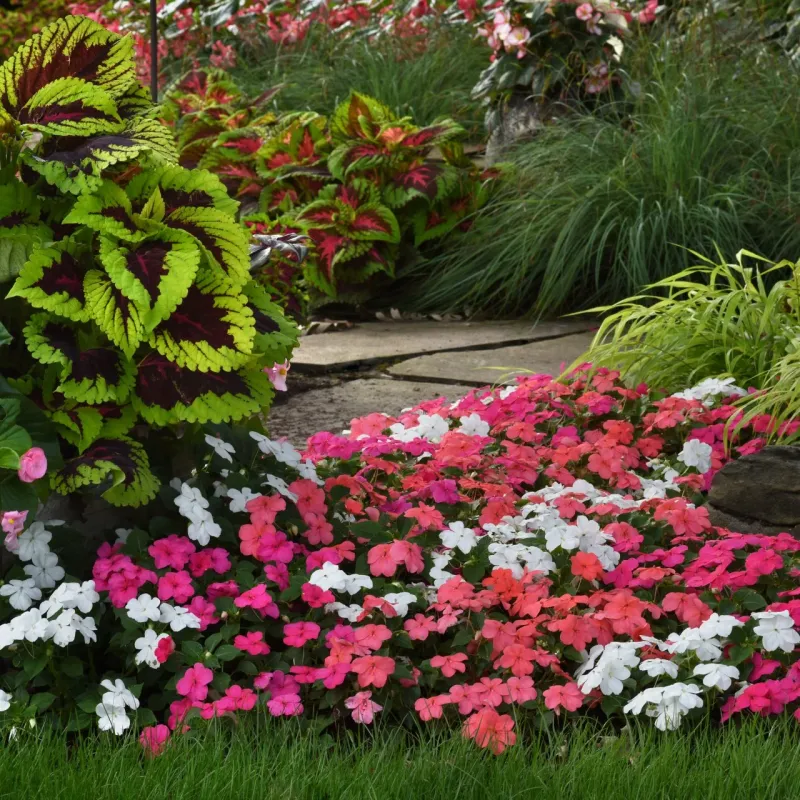
Impatiens have been brightening up shady garden spots for generations, and they remain one of the go-to choices for Florida gardeners who need reliable color in low-light areas. The cheerful blooms in pink, red, coral, white, and purple appear in abundance all season long.
New Guinea impatiens varieties handle more sun and are more disease-resistant, which makes them especially popular in Florida. All varieties appreciate consistent moisture and rich, well-draining soil.
Mass plant them under trees or along shaded walkways for a carpet of nonstop color that practically takes care of itself.
Scaevola
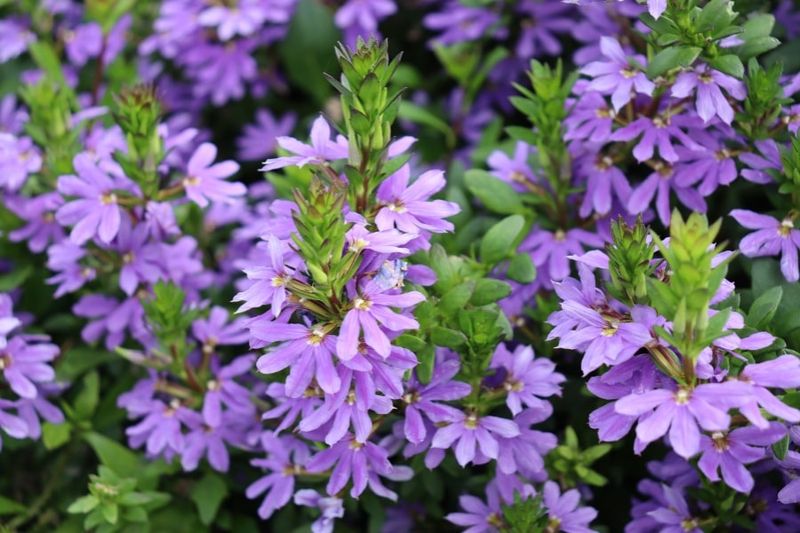
Scaevola, also called fan flower, gets its nickname from its uniquely shaped blooms that look like tiny half-fans fanned open across the plant. The lavender, purple, and white flowers cover the trailing stems generously all season long.
Originally from Australia, scaevola has found a very happy home in Florida’s sunny, coastal gardens. It tolerates salt spray, heat, and drought once established, making it especially useful near the beach or in sandy soil conditions.
Use it to spill over garden borders or cascade from raised beds for a relaxed, flowing effect.
Salvia
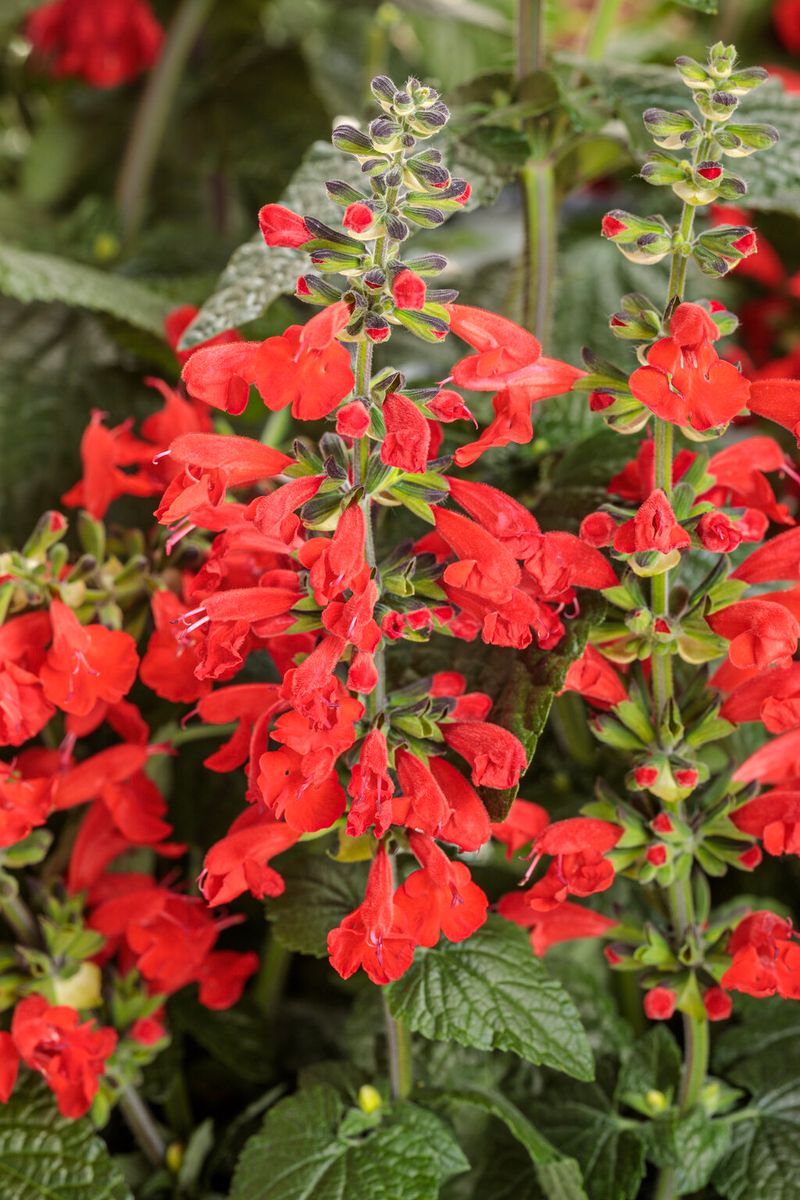
Salvia is a powerhouse in the Florida garden world, offering tall, vivid flower spikes in red, blue, purple, and coral that attract butterflies, bees, and hummingbirds in impressive numbers. There are dozens of salvia varieties suited to Florida’s climate, so there is truly one for every garden style.
Red salvia is a classic choice for bold summer color, while blue salvia adds a cooler, softer tone to mixed beds. Most varieties thrive in full sun with well-draining soil.
Regular deadheading encourages fresh blooms, and the plants often rebloom heavily after a light trim.
Enjoyed this story?
Add Fast Food Club as a preferred source to see more of our reporting on Google.