


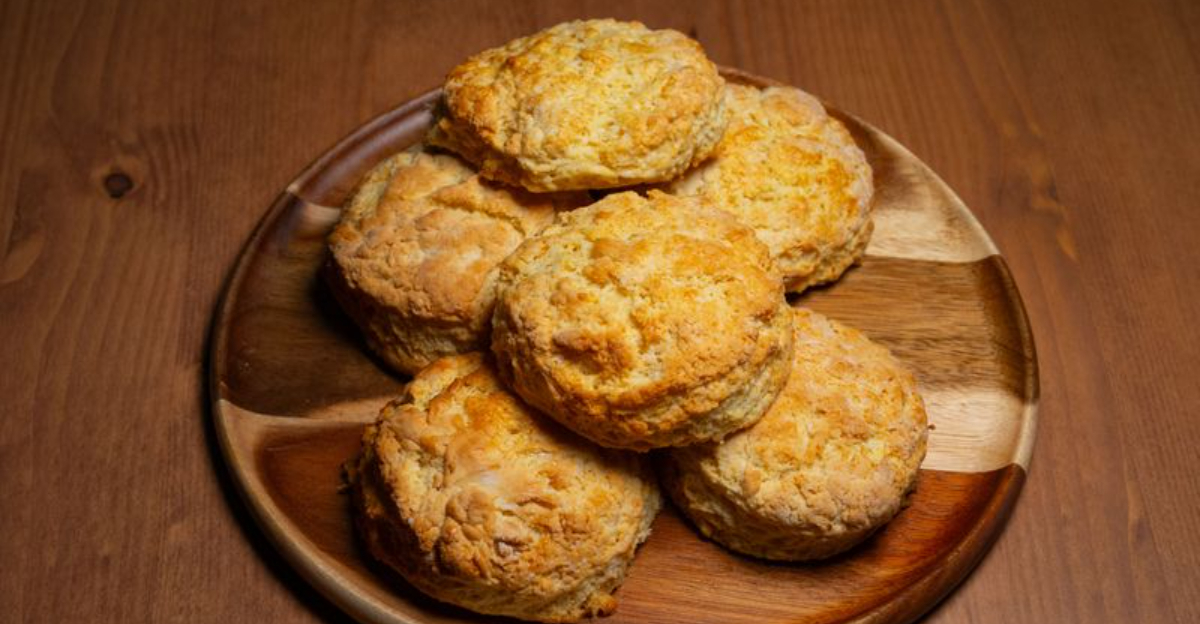
Some foods do more than fill your plate. They whisper about slow Sundays, handed down recipes, and the kind of patience you can taste.
If you grew up before shortcuts ruled the kitchen, you know exactly what these flavors mean. Get ready to feel seen, hungry, and a little sentimental.
Pinto beans
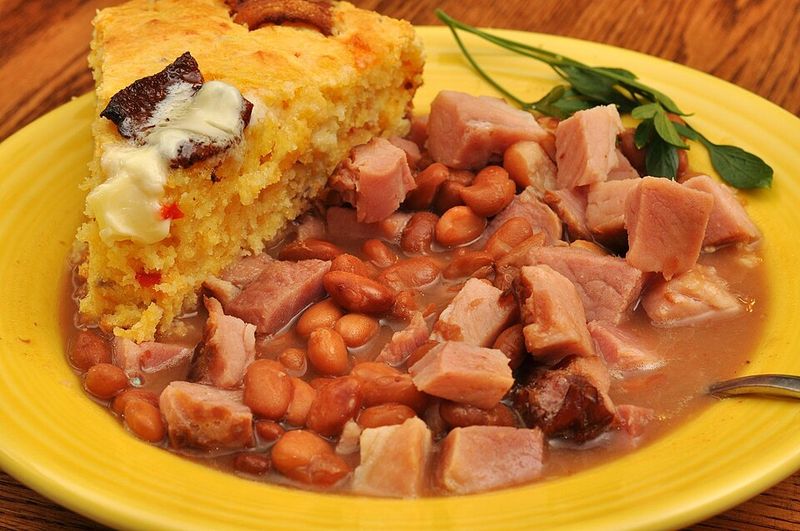
Pinto beans tell a story of patience and thrift. You soak them overnight, then let them simmer low until the broth turns creamy and speckled.
A ham bone or chili powder adds comfort you can taste.
Spoon them over rice, fold into tortillas, or serve alongside cornbread that soaks up every drop. They reward time, not gadgets, and invite everyone back for seconds.
If you grew up with a simmering pot, you already know dinner can be humble and perfect. Leftovers mash beautifully into refried beans for breakfast with eggs.
Simple, filling, and honest. They taste like home.
Cornbread

Cornbread is the edible handshake between pantry staples and pure comfort. You whisk cornmeal, buttermilk, an egg, and a hot cast iron pan that sizzles when batter hits metal.
The edges bake crisp while the middle stays tender enough to crumble.
Slice it thick, drizzle with honey, or dunk triangles into a pot of beans. You taste childhood in every bite, especially the corner piece with extra crust.
It is not fancy, just honest, relying on heat and timing more than tricks. Day old cornbread becomes dressing, croutons, or breakfast with jam.
It stretches meals and memories beautifully.
Chicken and dumplings

Chicken and dumplings taste like a hug you can eat. You simmer a whole bird with onion, celery, and carrots until the broth turns rich and golden.
Then drop dumplings that puff softly and float like clouds.
Each spoonful feels slow and steady, built on bones, not bouillon cubes. You will wait, stir, taste, and adjust, because shortcuts cannot mimic this kind of comfort.
The leftovers thicken into something almost stew like the next day. Black pepper, a pat of butter, and maybe peas make it perfect.
This is the dish that makes cold nights feel kind.
Pot roast
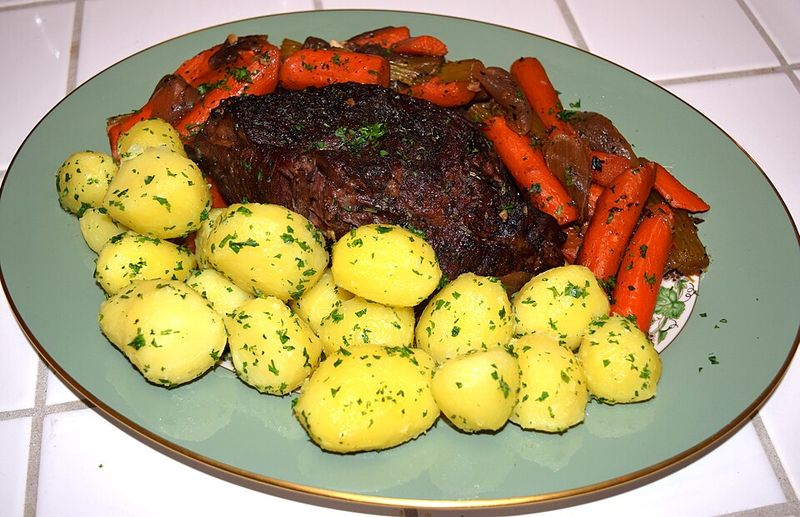
Pot roast is proof that time can transform tough into tender. You brown the beef, deglaze the pan, then tuck in onions, garlic, carrots, and potatoes.
Hours later, a fork slides through like it has always belonged there.
The gravy tastes like patience and browned bits rescued from the bottom. You do not rush this meal, you plan your day around it.
The house smells like Sunday promises while the oven does quiet work. Leftovers become sandwiches, hash, or a soup base.
It is the definition of make once, eat twice, and love every version.
Homemade applesauce
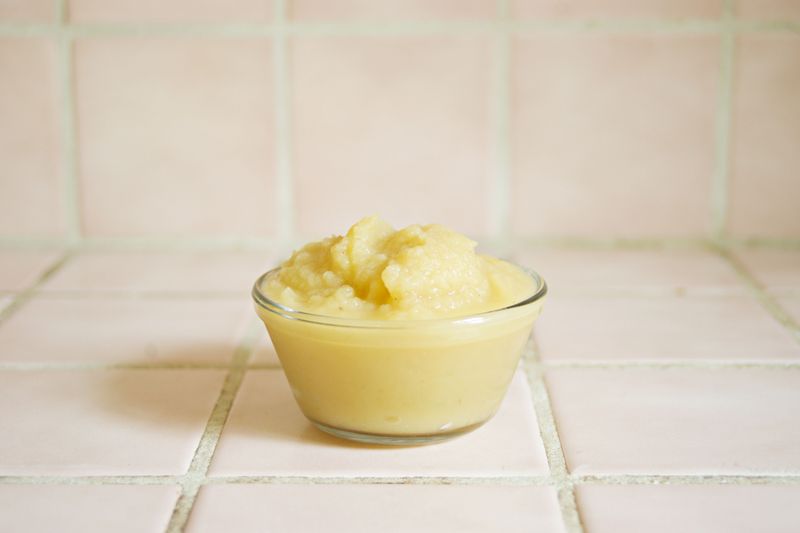
Homemade applesauce turns bruised apples into gold. Peel, core, and simmer with a splash of water until they slump into softness.
A little cinnamon and lemon wake everything up without hiding the fruit.
Serve it warm beside pork chops, swirl into oatmeal, or chill it for school lunches. You control the texture, chunky or smooth, and the sweetness stays honest.
It tastes like fall, orchard trips, and steam fogging the windows. No jar can imitate the way fresh apples perfume a kitchen.
You make it once and start planning another batch.
Liver and onions
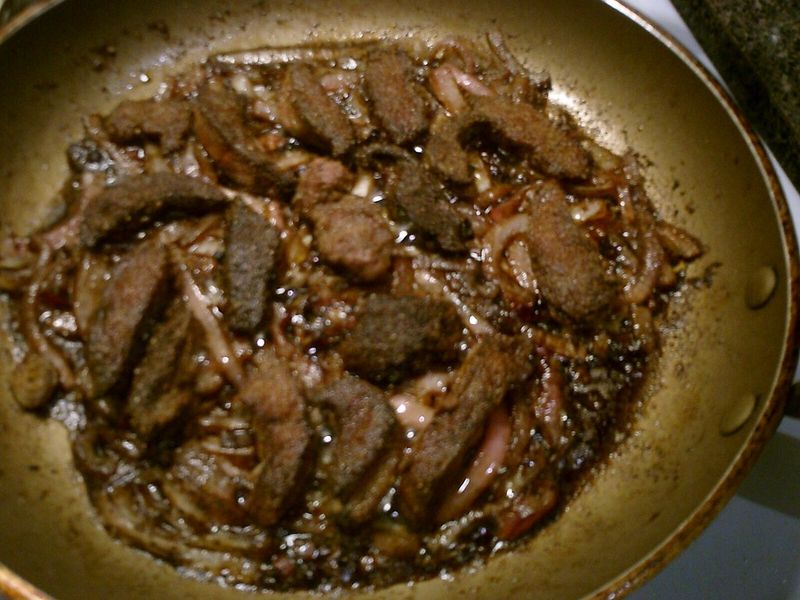
Liver and onions is not a trend, it is a memory you either love or learned to respect. The key is quick searing and buttery onions that turn sweet and deep.
Iron rich flavor meets velvet texture when cooked just so.
Serve with mashed potatoes and pan gravy for a diner style plate at home. If someone made this for you growing up, you know the ritual matters.
Soak in milk, dry well, season confidently, and do not overcook. It is humble, hearty, and unapologetically old school.
Some foods earn their place by nourishing first and charming later.
Rice pudding
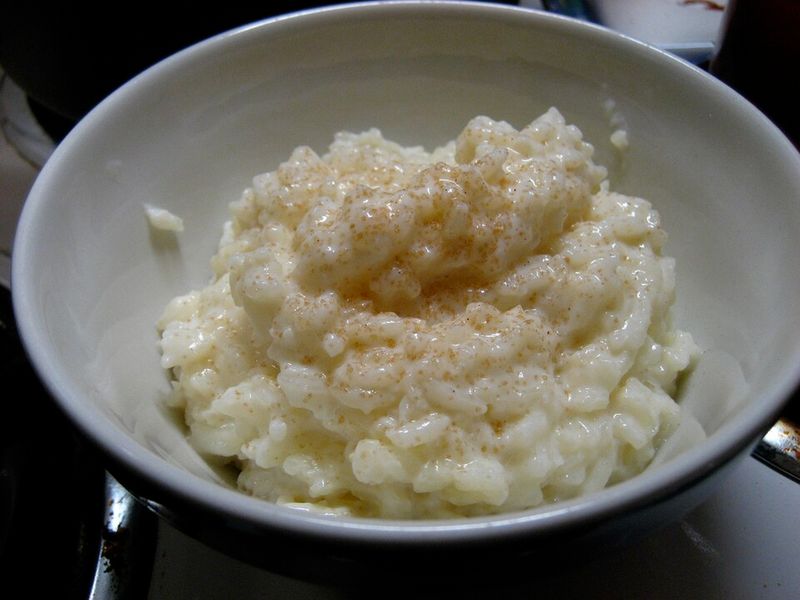
Rice pudding tastes like lullabies in a bowl. You simmer rice slowly in milk with sugar until the grains swell and surrender.
Vanilla and cinnamon make everything round and familiar.
Some add raisins, others a swirl of jam, but the soul stays the same. It is dessert that starts in the pantry and ends in silence because everyone is busy eating.
Served warm or cold, it feels like permission to slow down. Leftovers never last because breakfast finds them first.
Spoon by spoon, this is how simple ingredients become something people remember.
Vegetable soup
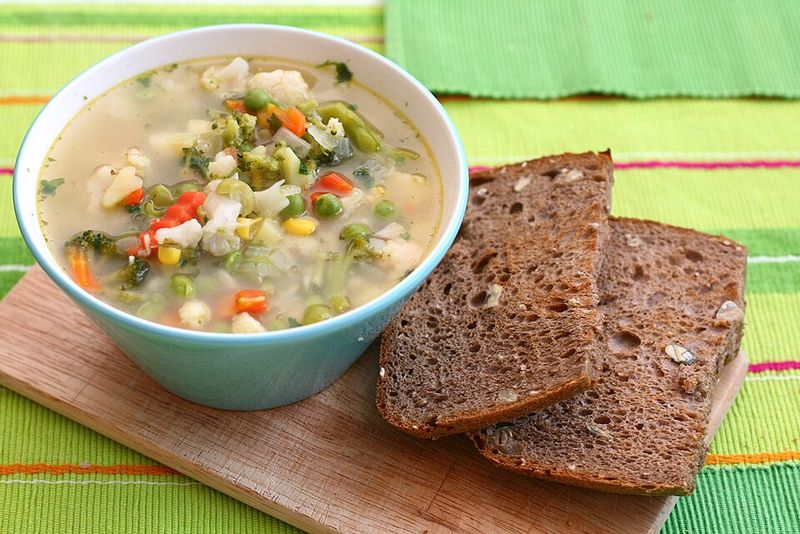
Vegetable soup starts as a clean out the fridge plan and ends as a ritual. Onions, carrots, and celery soften into a base that welcomes tomatoes, potatoes, and beans.
The pot grows generous as you stir.
Season with bay, pepper, and whatever herb needs using. You can taste a week’s worth of garden in a single bowl.
Serve with bread, maybe cheese, and call it dinner. It freezes beautifully, travels well in jars, and softens long days.
Nothing flashy, just steady comfort any season. The kind of cooking that keeps you grounded and grateful.
Cabbage rolls
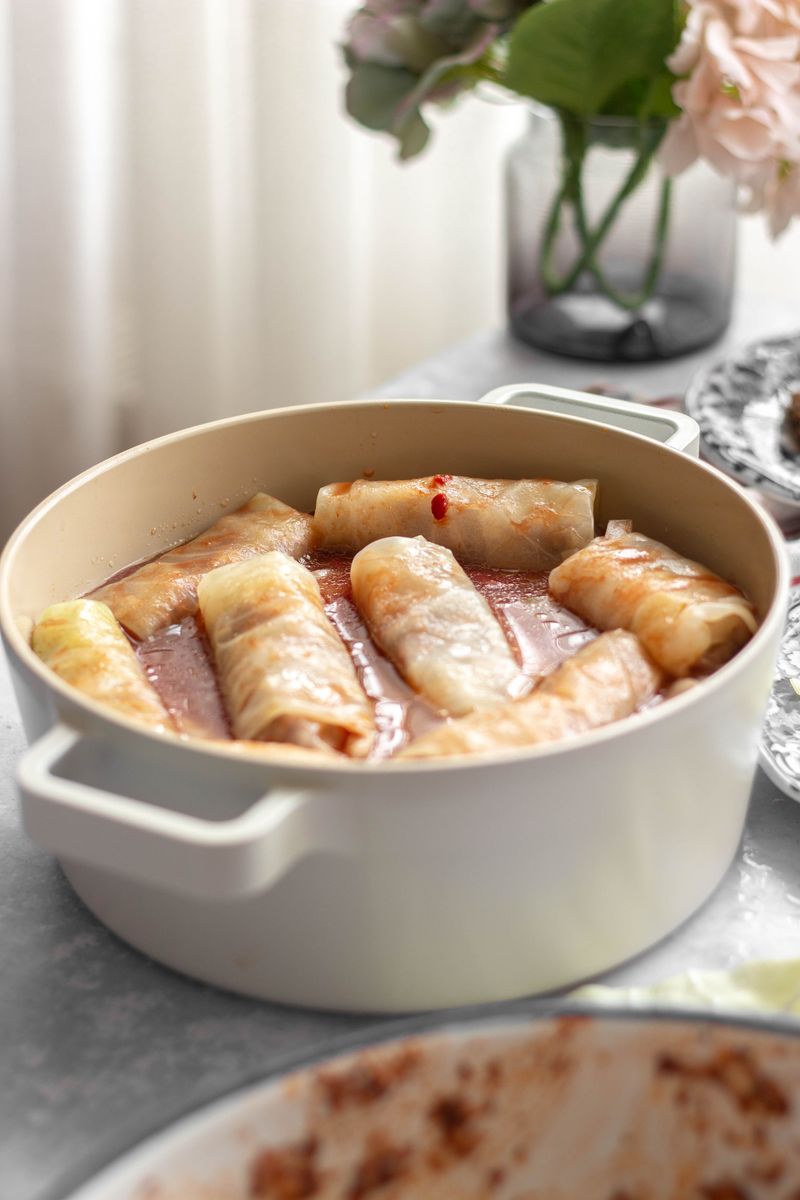
Cabbage rolls are a love letter wrapped in leaves. You blanch the cabbage until pliable, mix rice with seasoned meat, and roll each bundle tightly.
Tucked into a pan, they braise in tangy tomato sauce until tender.
They taste like neighbors talking at the table and recipes passed by memory. Every culture has a version because the idea is so practical and kind.
Serve with sour cream and bread for sopping. Leftovers reheat like a dream, even better the next day.
It is slow food that makes you feel looked after from the first bite.
Fried potatoes
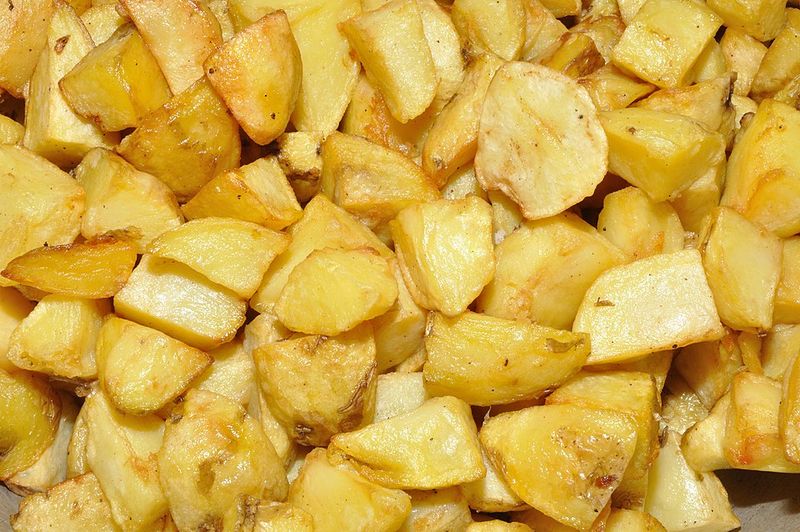
Fried potatoes prove that crunch plus salt equals happiness. Slice or cube, parboil if you are patient, then fry in hot fat until the edges sing.
Onions join the party and turn sweet in the sizzle.
They belong beside eggs, steak, or a late night snack plate. You chase crispy bits with your fork and pretend to save some for later.
Season boldly, maybe sprinkle paprika or herbs. Ketchup is welcome, but they do not need much help.
This is the skillet skill everyone should master and pass on.
Navy bean soup
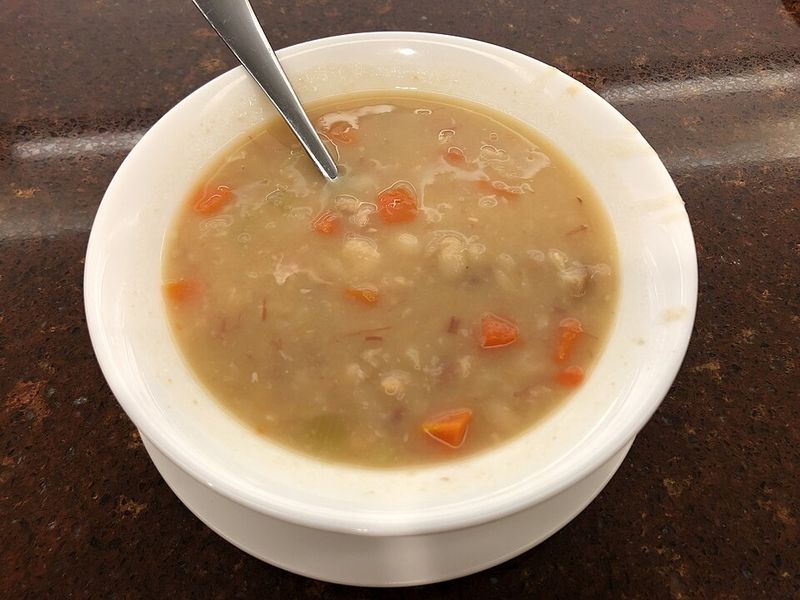
Navy bean soup tastes like winter surrendering. You soak the beans, simmer with a ham hock, bay leaf, onions, and patience.
The broth turns silky as starch and marrow mingle.
Some blend a cup to thicken, some leave it rustic. A dash of vinegar at the end brightens everything like sunlight after snow.
Serve with hot sauce, black pepper, and warm bread. The leftovers deepen overnight, becoming the best bowl.
This soup teaches you that cheap ingredients can taste like a feast when given time.
Oatmeal
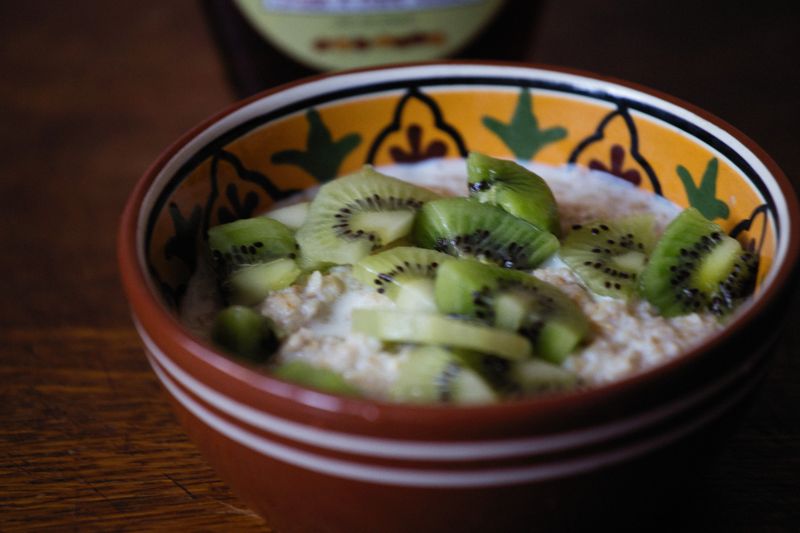
Oatmeal is proof breakfast can be both simple and generous. Cook it slow on the stove with milk or water until it turns creamy and comforting.
Salt first, sweet later, so the flavors land right.
Top with fruit, nuts, brown sugar, or a knob of butter that melts into rivers. Steel cut, rolled, or stone ground each has a personality and pace.
It sticks with you through cold mornings and busy days. Leftovers chill into oat cakes to fry tomorrow.
A bowl that asks little and gives a lot.
Homemade jam
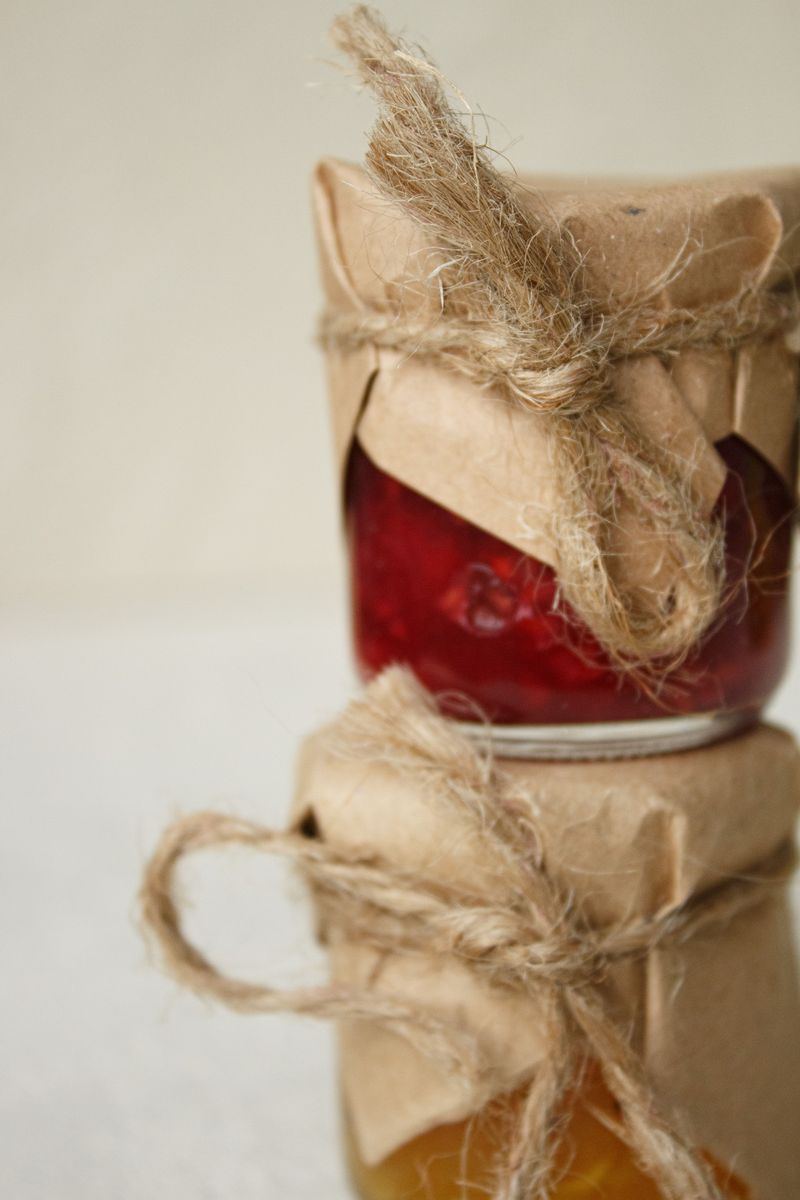
Homemade jam traps summer in glass. Berries, sugar, and lemon come alive in a bubbling pot that perfumes the whole house.
You test for set on a chilled spoon and feel like a magician.
Spread on toast, swirl into yogurt, or glaze cakes with a shine money cannot buy. Canning days mean tea towels, tongs, and careful listening for the ping of sealing lids.
Labels become love notes for later months. The color alone chases away gray weather.
It is patience, precision, and pure joy on a spoon.
Roast chicken
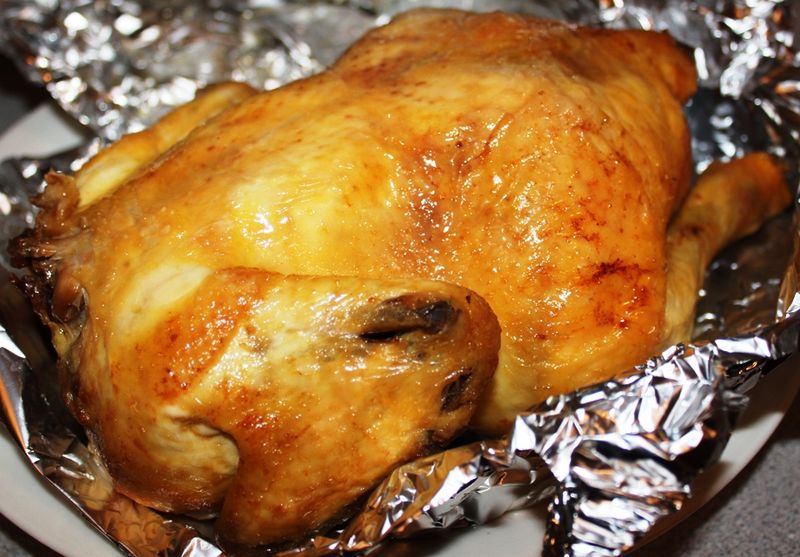
Roast chicken is a master class in basics done right. You salt early, dry the skin, and blast with heat until the kitchen smells celebratory.
The thighs wiggle, the skin shatters, and the juices run clear.
Serve with pan drippings over potatoes or bread. The carcass becomes tomorrow’s broth because nothing gets wasted.
It is a blueprint for confidence in the kitchen. With a lemon, garlic, and butter, you need very little else.
Every cook remembers their first perfect bird and chases it lovingly.
Beef stew
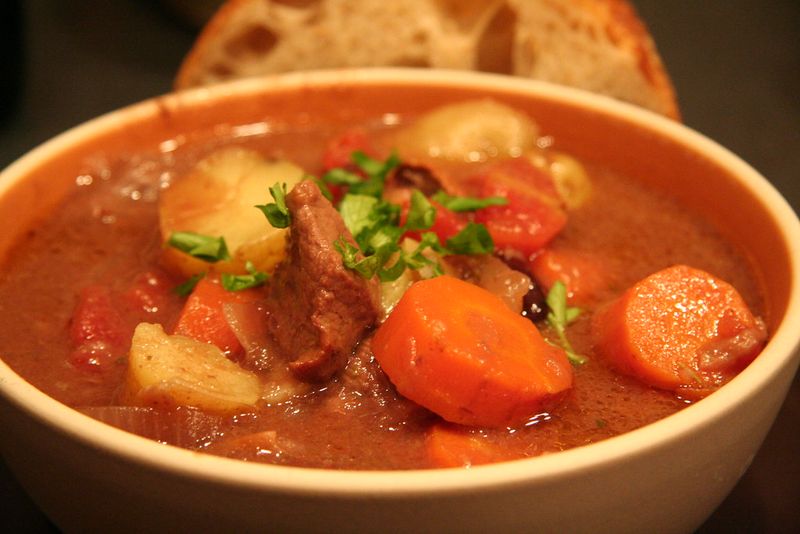
Beef stew makes cold weather feel optional. Browned cubes of beef meet onions, carrots, potatoes, and a slow braise that dissolves edges into gravy.
The house fills with the kind of smell that stops conversation.
Season with thyme, bay, and pepper, maybe a splash of stout. You learn to wait for tenderness, not a timer.
Serve with buttered noodles, biscuits, or a heel of bread. Tomorrow it is even better, thicker, and somehow deeper.
A pot that feeds many and forgives substitutions with grace.
Chicken noodle soup
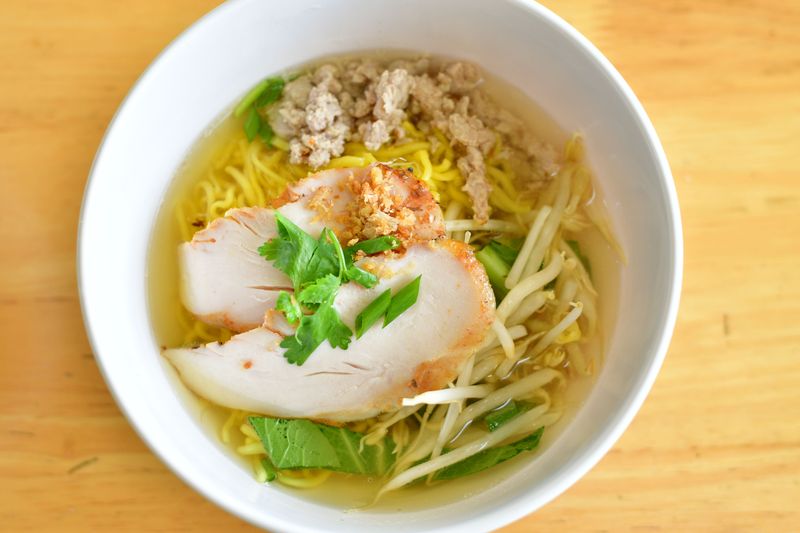
Chicken noodle soup tastes like care you can sip. You start with a real broth, then add shredded chicken, carrots, celery, and wide noodles.
The steam carries peppery perfume that unclogs a bad day.
Ladle it into big bowls and let the noodles go a little soft. Every spoonful says someone thought about you before you arrived.
Salt, lemon, and parsley brighten the finish. It is the soup you deliver to friends and keep in your freezer just in case.
Simple on paper, powerful in practice.
Bread pudding
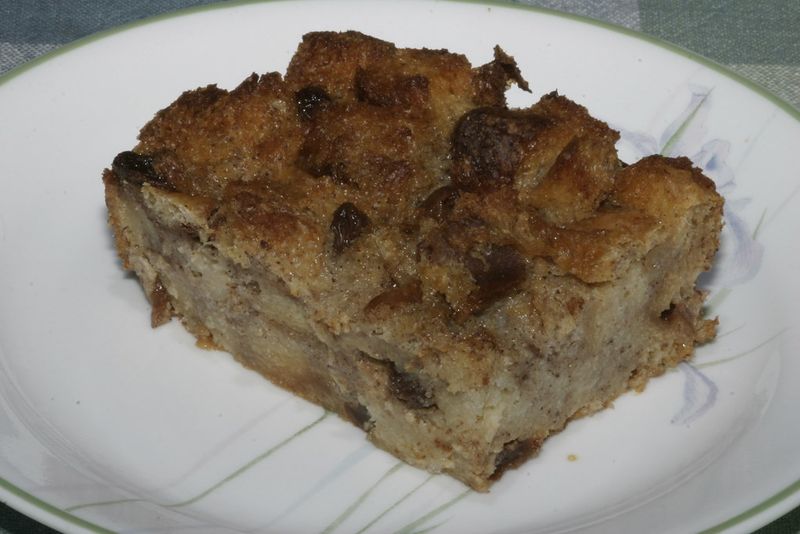
Bread pudding rescues stale loaves and turns them celebratory. Cubes soak in custard until saturated, then bake into a wobbly center with crisp peaks.
Cinnamon, raisins, or chocolate chips feel right at home.
Pour warm sauce over each serving and watch everyone lean in. It tastes like kindness and economy working together.
Breakfast the next day is somehow even better cold. This is dessert that started with a problem and ended with applause.
A reminder that waste not is still delicious advice.
Baked custard
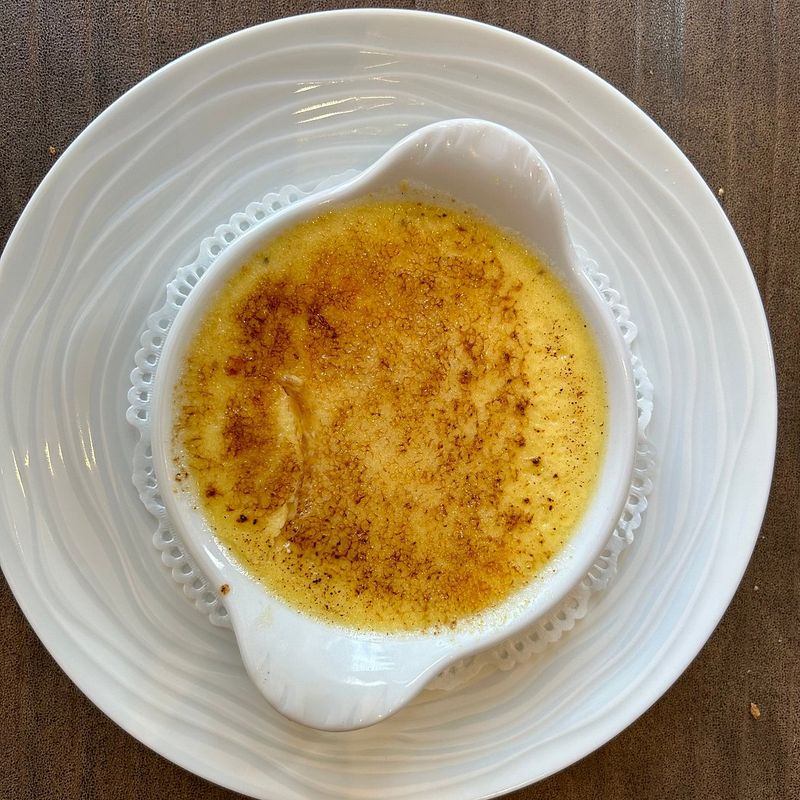
Baked custard is elegance born from eggs, milk, and sugar. Whisk gently, pour into ramekins, and bake in a water bath until barely set.
A shake of nutmeg announces its quiet confidence.
The spoon should meet the surface and sink slowly like a sigh. Serve warm or chilled, alone or with berries.
It is proof that technique outruns ingredients in the flavor race. Custard asks you to watch carefully and trust the jiggle.
The reward is silky, soothing, and timeless.
Peach cobbler
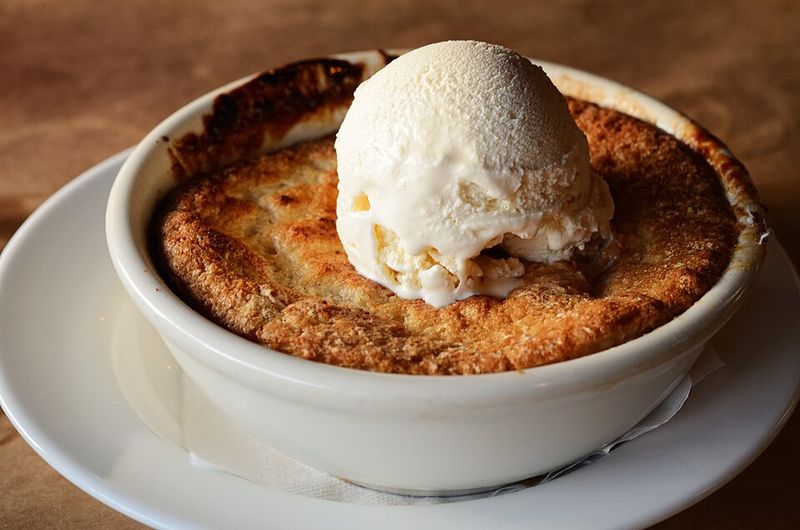
Peach cobbler tastes like sunshine baked into dessert. Sliced peaches mingle with sugar and lemon, then hide under a biscuit or batter topping that crisps at the edges.
The kitchen smells like summer vacation.
Serve warm with vanilla ice cream that melts into glossy pools. You can use canned fruit in winter, but fresh makes the world stop.
The best bites include tart skin, syrupy juice, and crunchy crust. It is the dessert that brings neighbors to the porch.
Seconds are not negotiable.
Homemade chili
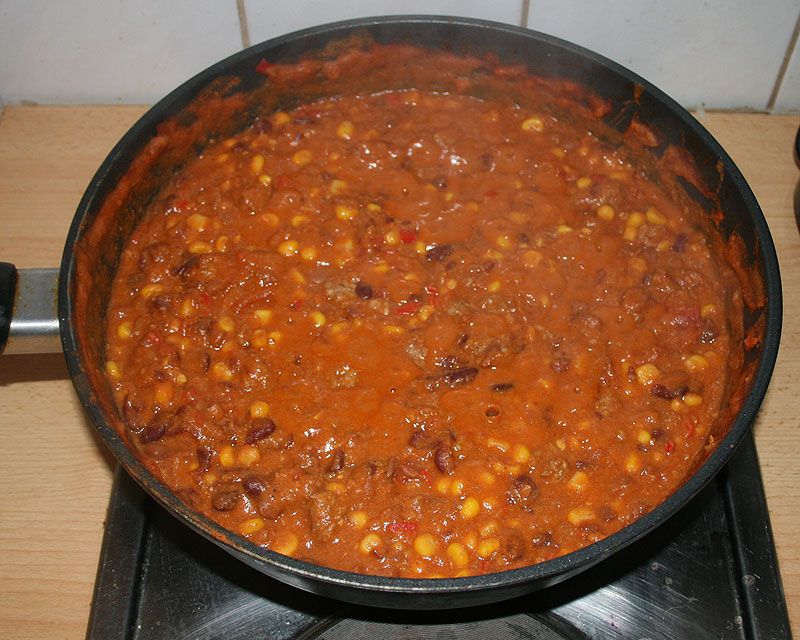
Homemade chili turns a pot into a gathering place. You brown meat or skip it, toast spices, and let tomatoes, beans, and aromatics become something sturdy.
The simmer does the heavy lifting while you taste and tinker.
Serve with cheddar, onions, sour cream, and cornbread for scooping. Everyone has an opinion, and that is part of the fun.
Heat can be gentle or bold, but flavor should be layered. Tomorrow’s bowl is thicker and bossier.
Chili night feels like teamwork, even when you cook solo.
Homemade biscuits
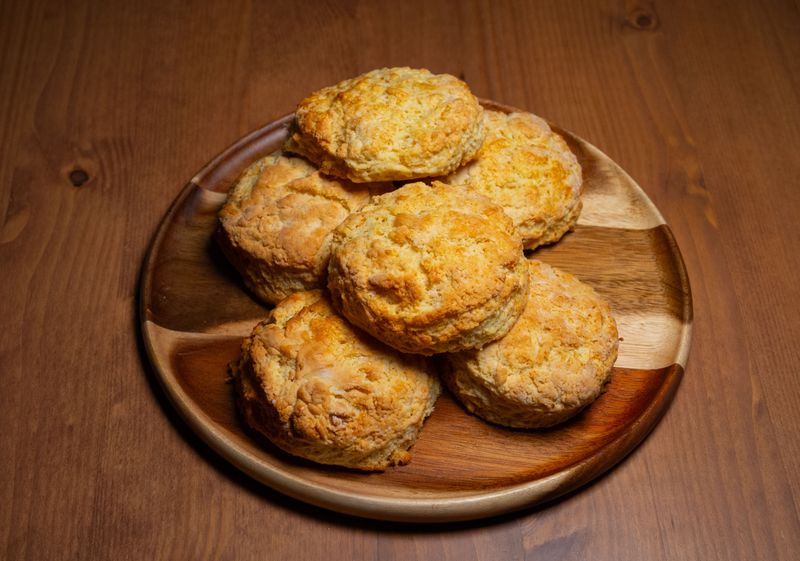
Homemade biscuits announce themselves the second butter hits a hot crumb. You cut cold fat into flour, add buttermilk, and handle gently to keep layers tender.
The oven lifts them skyward with steam and hope.
Serve with sausage gravy, jam, honey, or a fried egg tucked inside. They are five ingredients and a lifetime of practice.
You learn the feel of the dough more than the look. Saved scraps become tester biscuits that disappear first.
If you grew up on these, store bought never quite measures up. Warm biscuits make even ordinary mornings feel like occasion.
Enjoyed this story?
Add Fast Food Club as a preferred source to see more of our reporting on Google.