


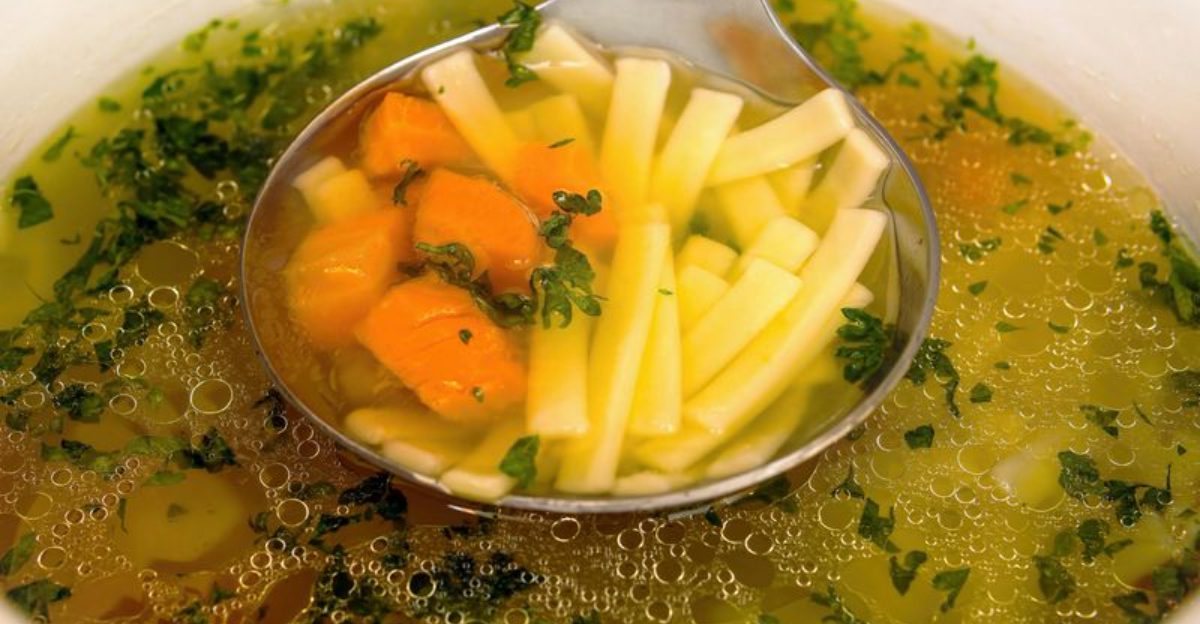
There is a kind of magic that happens when you slow down and cook the way your grandparents did. Flavors deepen, textures improve, and simple ingredients suddenly feel special again.
You can taste patience, care, and memory in every bite. If you have ever wondered why some foods never quite sparkle from a box, this list is for you.
Fresh bread
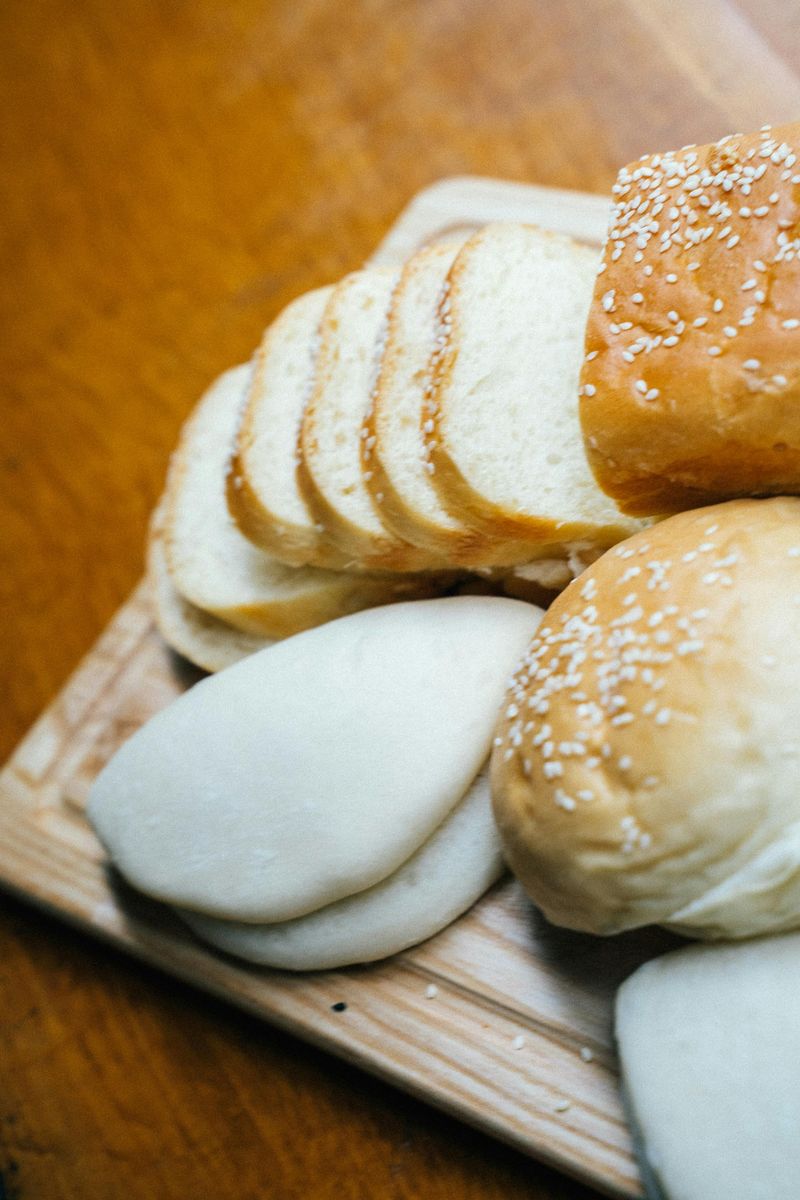
Nothing beats the crackle of a loaf pulled from your own oven. Traditional bread uses patient kneading, long fermentation, and simple ingredients that let wheat shine.
You taste a living crumb, springy yet tender, with a crust that sings when tapped. Store loaves try to mimic that, but shortcuts flatten flavor.
When you slow down, gluten develops gently and aromas bloom.
Your kitchen fills with toasty promise, and slices need only butter and a sprinkle of salt. You feel nourished, not just fed.
That is why the old way still wins. Flour, water, salt, time, and your hands.
Homemade soup
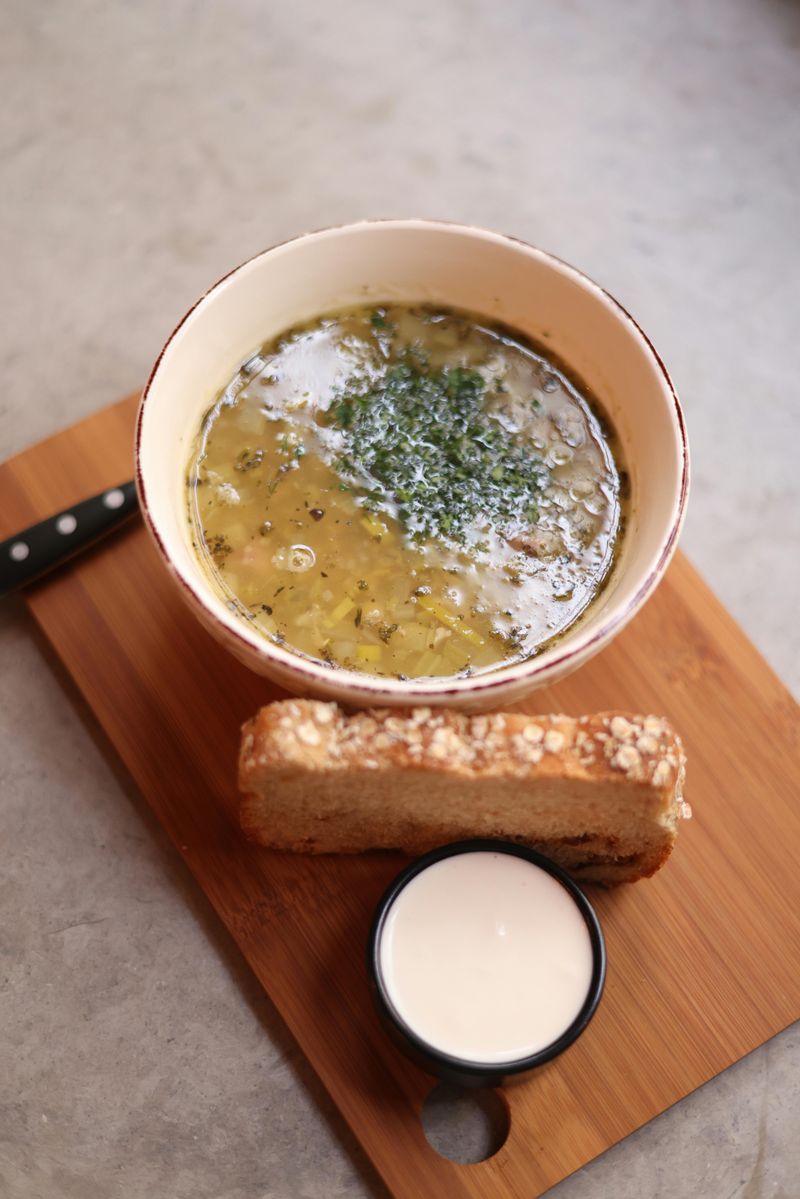
Real soup starts in a heavy pot with onions softening slowly until sweet. Bones or vegetable trimmings simmer low, releasing body that powdered packets just cannot fake.
Carrots, celery, and herbs round it out, while salt is added patiently. You wait for flavors to meet and marry.
The kitchen smells like comfort and rain after drought.
A bowl of homemade soup hugs your hands and steadies your mood. Each spoonful tastes alive, not shy, not muddy.
You can feel the broth coat your lips with richness. It is simple, soulful, sustaining, and worth every quiet minute.
Beef stew
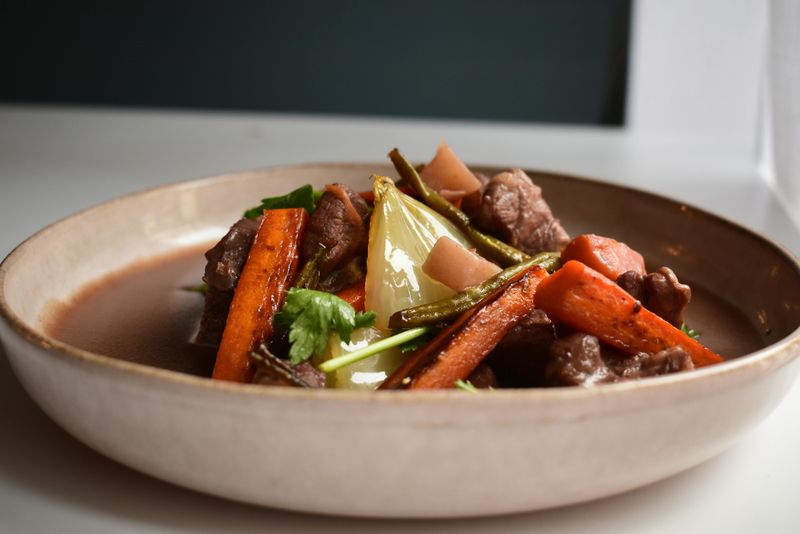
Great stew starts with browning, not boiling. Those dark fond bits scraped with stock turn into velvet gravy.
Cheaper cuts shine when given low heat and time, letting connective tissue melt into tenderness. Potatoes and carrots keep their shape when added late.
Bay, thyme, and a splash of wine deepen every spoonful.
You cannot rush that warmth. The house smells like Sunday, and you keep lifting the lid to peek.
When it is ready, the spoon slides through meat like butter. Ladle it over mash or crusty bread, and dinner feels honest and generous.
Mashed potatoes
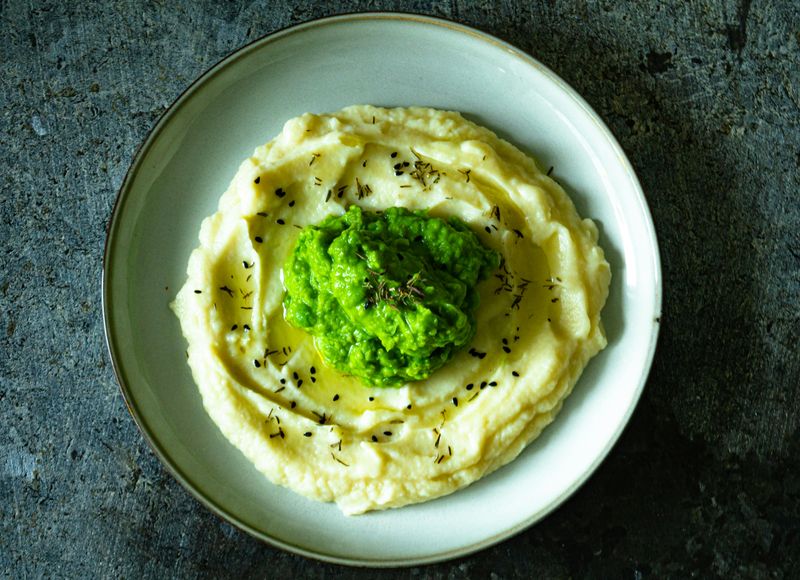
Perfect mash begins with floury potatoes simmered gently in salted water. Steam them dry, then press through a ricer for cloud soft texture.
Warm milk and real butter fold in slowly, so the starch stays silky, not gluey. Salt early and taste often.
A wooden spoon and patience trump gadgets every time.
You get a billowy pile that holds gravy like a hug. Each bite tastes like comfort wrapped in butter.
Boxed flakes cannot touch that quiet luxury. When you serve them beside stew or roast, the table goes quiet.
That is approval you can feel.
Roast chicken
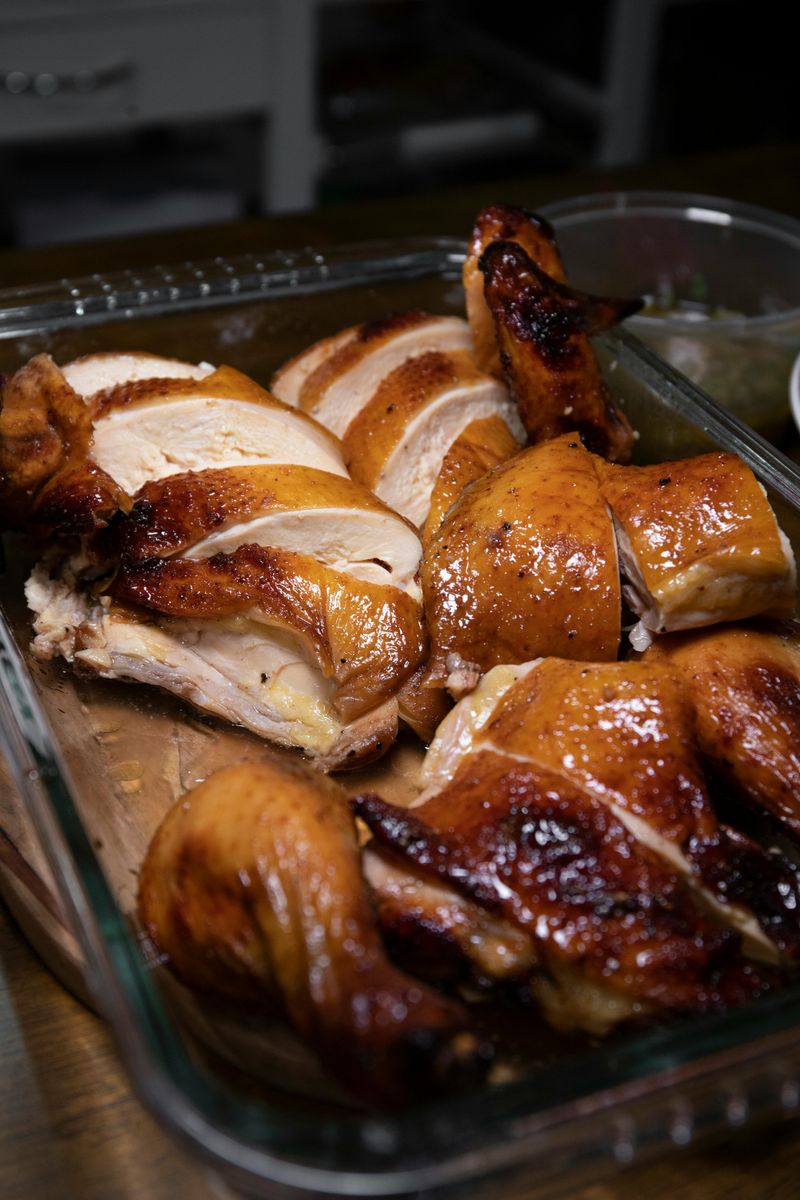
A proper roast chicken needs salt ahead of time and air in the fridge to dry the skin. High heat at first, then gentle roasting, makes the bird blush gold.
Butter under the skin melts into the meat. Pan drippings turn into a quick jus that feels like a secret.
The kitchen smells downright celebratory.
When you carve, juices glide rather than gush. The meat tastes clean, seasoned, and deeply chicken.
You pick at crispy bits while standing, because of course you do. Leftovers become sandwiches, soup, and salad.
One bird, many meals, endless gratitude.
Apple pie
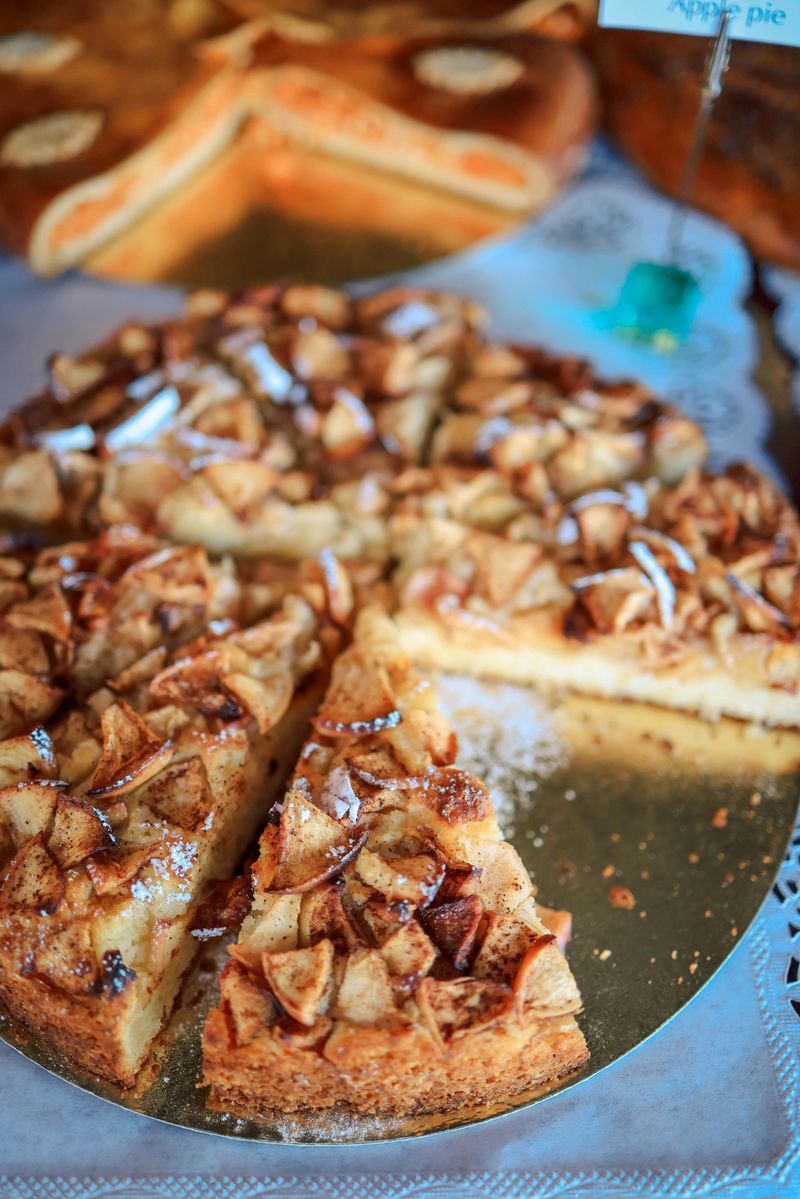
Old school apple pie starts with flaky pastry made cold and handled lightly. Tart apples, not mushy ones, keep their bite.
Sugar, cinnamon, and a whisper of lemon balance sweetness and tang. A lattice top vents steam and looks charming without trying.
You can hear the crust shatter under the knife.
Warm slices need only vanilla ice cream or a slice of cheddar. The filling tastes like orchard air and October sun.
Nothing from a box will ever smell like that. Every bite reminds you pie is an act of care, not a trick.
Chocolate cake
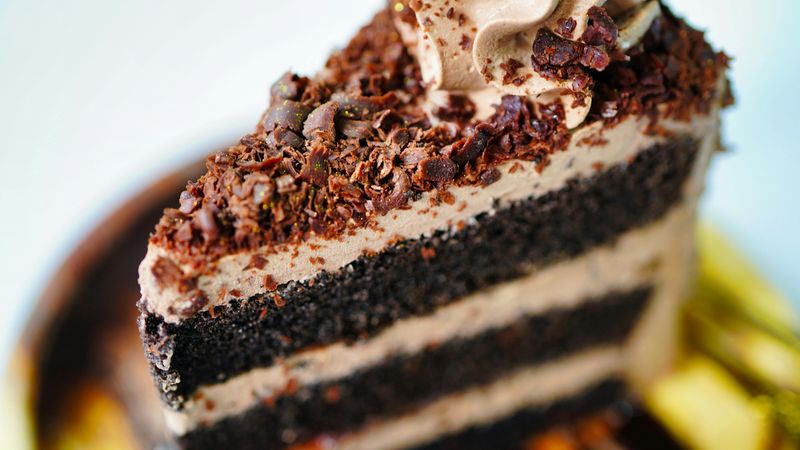
Classic chocolate cake earns its richness from sour cream or buttermilk, not excess sugar. Bloomed cocoa deepens flavor before batter comes together.
Butter and eggs at room temperature create a tender crumb. The frosting is glossy ganache or whipped buttercream, not cloying paste.
You taste chocolate first, sweetness second, the way it should be.
Cut a slice and crumbs cling to the fork just right. The kitchen smells like birthdays and late night whispers.
A boxed mix is fine in a pinch, but tradition feels truer. You will want another bite, and then another.
Butter cookies
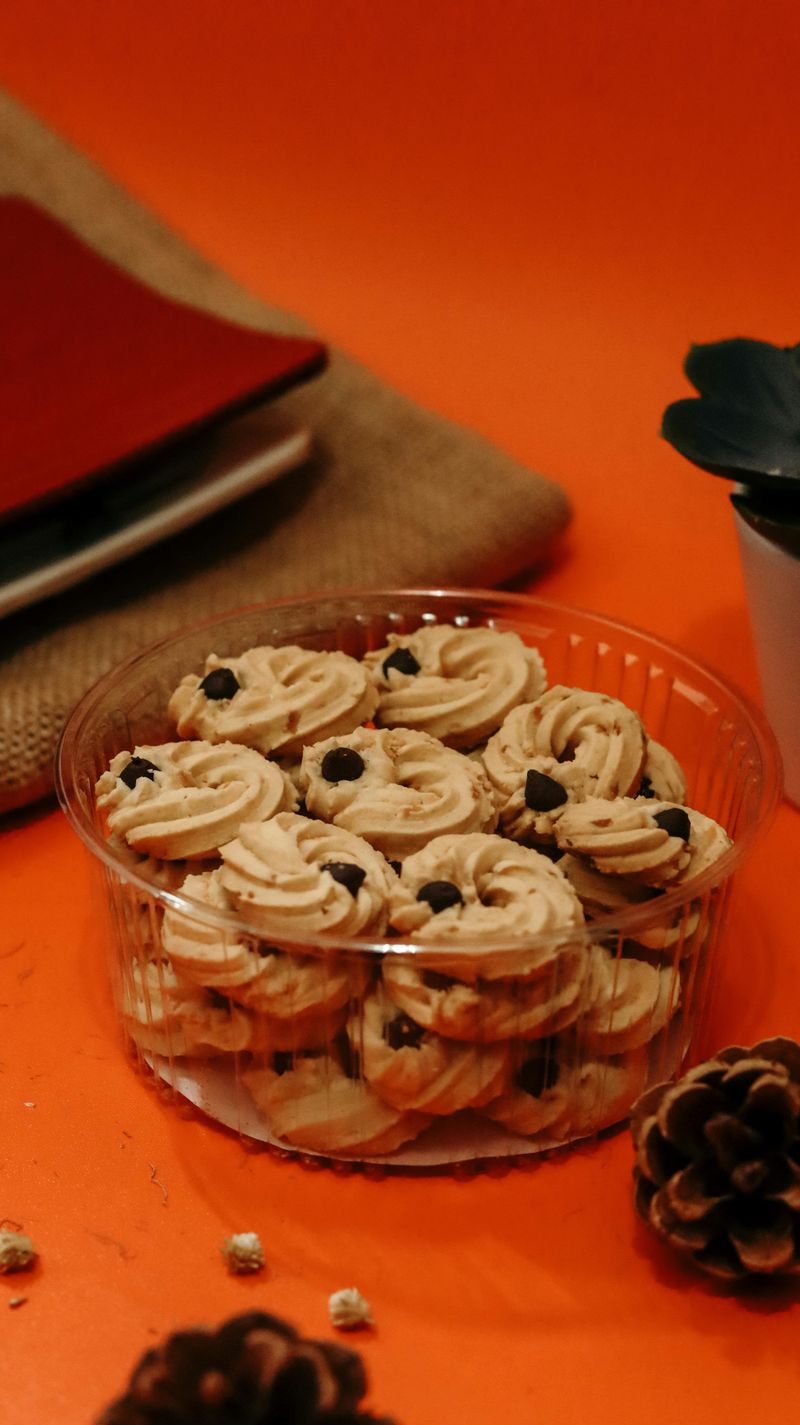
Real butter cookies have short lists and long flavor. Cold butter beaten with sugar becomes creamy clouds that trap air.
Flour follows, barely mixed, so the crumb stays tender. A pinch of salt wakes everything up.
Piped or hand shaped, they bake until edges barely bronze and centers stay pale.
They melt as soon as they hit your tongue. You taste dairy, vanilla, and memory.
Tins from the store are nostalgic, but nothing beats warm cookies cooling on wire racks. Make tea, share a plate, and watch conversations stretch longer.
Simplicity invites company and smiles.
Fruit jam
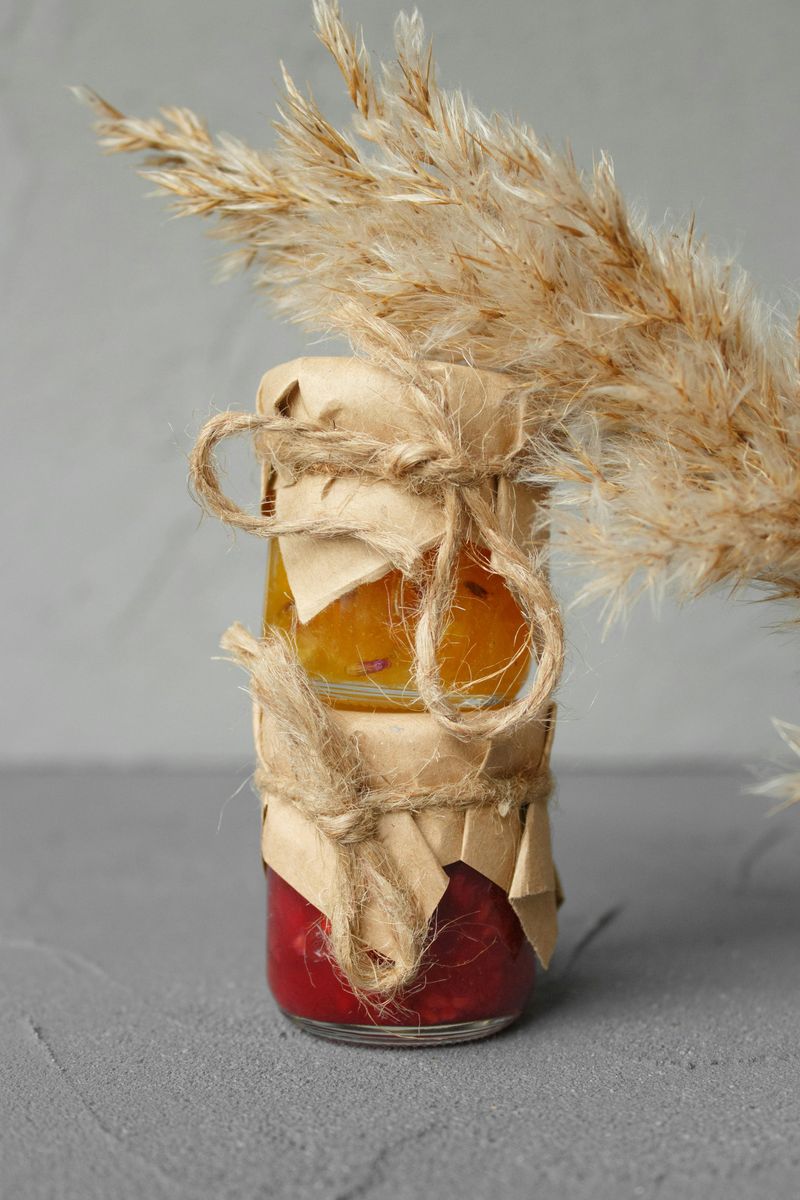
Traditional jam is fruit, sugar, lemon, and time. Maceration draws juice that becomes its own syrup.
A wide pan speeds evaporation and keeps flavor bright. You watch for the wrinkle test on a cold plate, then jar while hot.
No weird thickeners, just honest pectin doing its job.
When you open a jar in winter, summer returns for a moment. Spread it on toast, swirl into yogurt, or glaze a cake.
The color glows like stained glass. You taste the fruit, not a candy factory.
That is why small batches always win.
Pickles
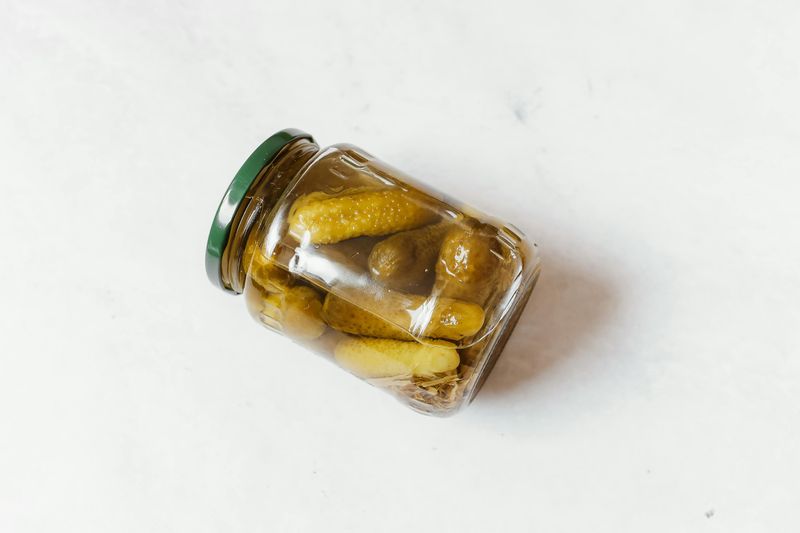
Old world pickles rely on salt, not vinegar, to coax lactic fermentation. Cucumbers soak in a brine with dill, garlic, and spices.
A cool corner and a weight keep them submerged while tiny bubbles begin. Days later, they taste bright, sour, and complex.
Crunch survives because the process is gentle and slow.
You hear the faint fizz when you crack the lid. That lively tang beats sharp vinegar bite every time.
Slice them onto sandwiches or eat one straight from the jar. The brine even perks up soups.
Tradition turns vegetables into small celebrations.
Smoked sausage
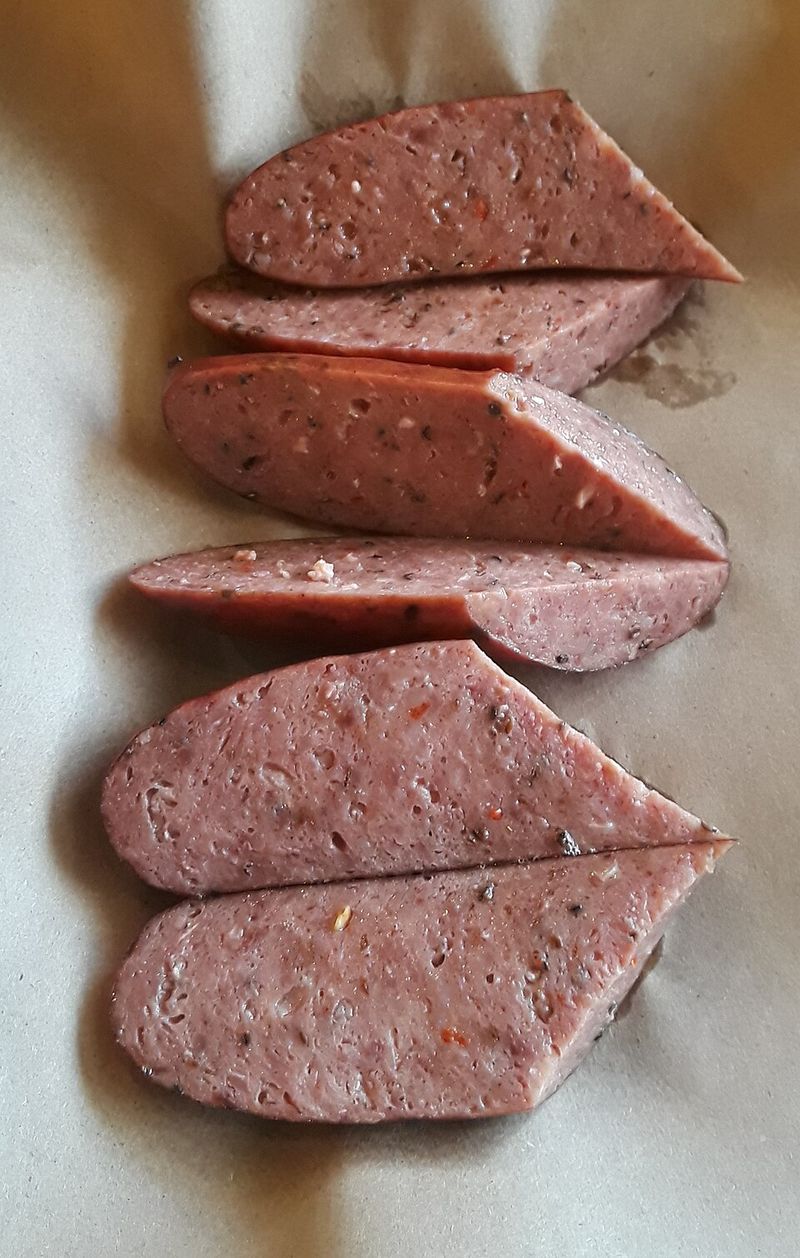
Good sausage starts with quality meat, proper fat ratio, and cold handling. Hand mixed seasoning builds character you can taste.
Natural casings snap, then give way to juicy richness. Slow smoke over hardwood kisses the links without smothering them.
Patience matters, because gentle heat sets texture instead of bursting fat.
Sliced on a board with mustard, it feels like a feast. Tossed into beans or stew, it perfumes the whole pot.
Supermarket versions hurry the process and lose soul. When tradition leads, smoke, spice, and meat sing in harmony.
You just keep slicing.
Cured meat
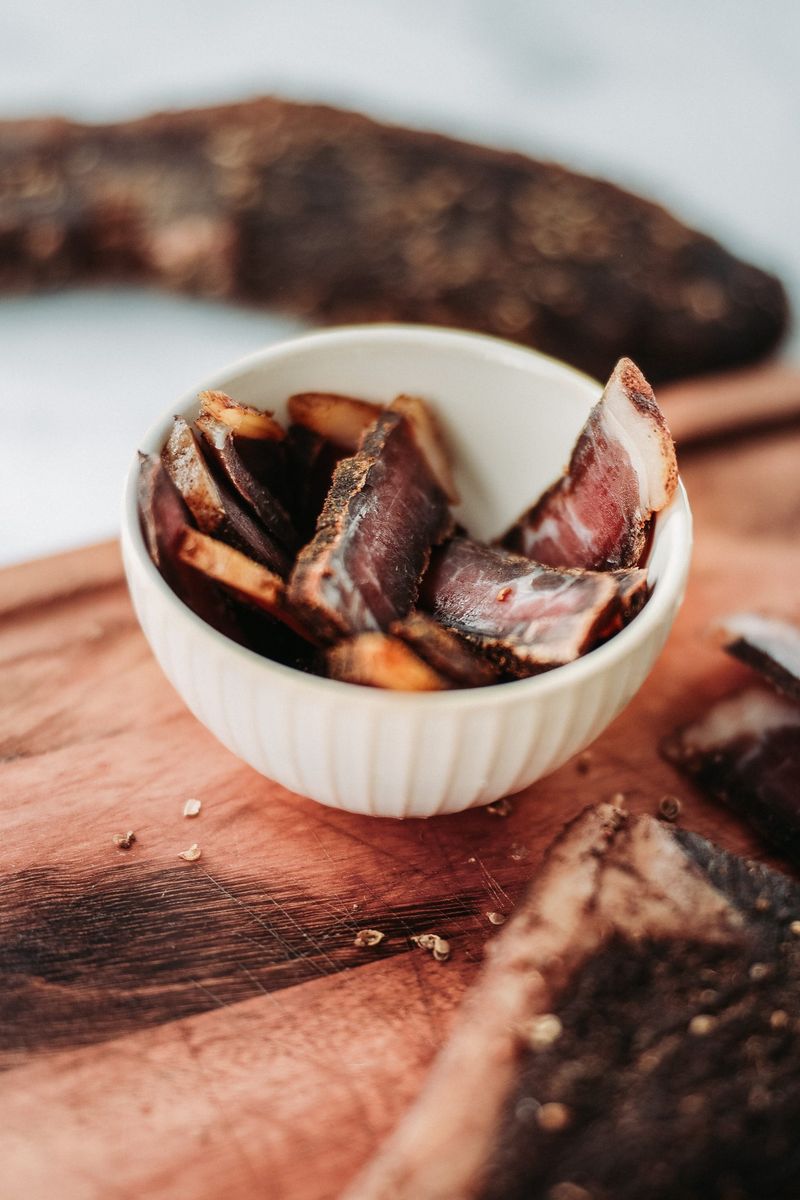
Salt, time, and airflow do what gadgets cannot. Traditional curing draws out moisture, concentrates flavor, and welcomes friendly molds.
Pork legs become prosciutto that tastes like sweet nuts and meadow air. Whole muscles and salami develop complex aromas that shortcuts miss.
You learn patience from a quiet cellar and a calendar.
Thin slices nearly melt on your tongue. Serve with crusty bread and pickles, and a simple meal turns memorable.
The craft asks for care, cleanliness, and respect. When you honor that, the result is generous and nuanced.
It is food that teaches waiting.
Potatoes
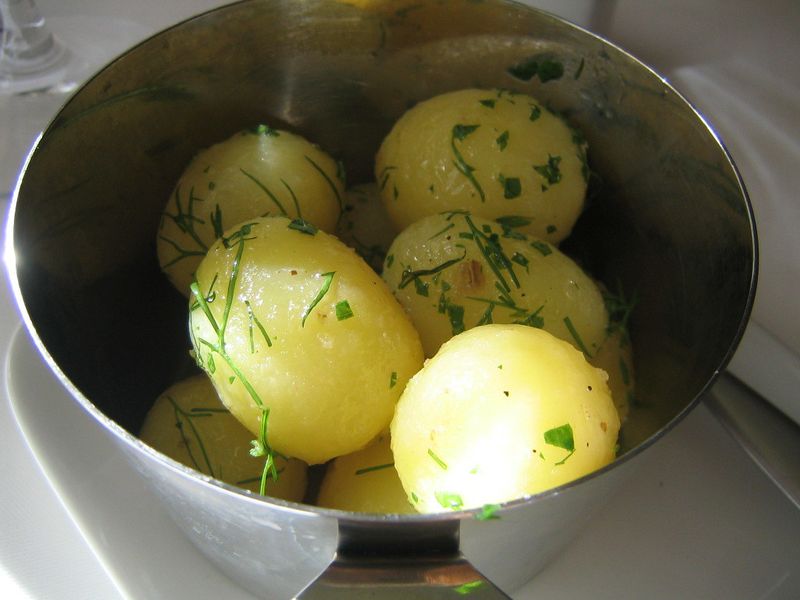
Plain potatoes are a lesson in restraint. Boiled in salted water and finished with butter and parsley, they taste earthy and clean.
Roasted in hot fat, their edges crisp while centers turn fluffy. A sprinkle of flaky salt finishes the job.
Nothing trendy required, just heat, seasoning, and timing.
You can serve them beside fish, stew, or eggs, and they never complain. Leftovers become crispy hash in the morning.
The tuber works hard when treated simply. You taste the field and the fire, not additives.
Tradition proves humble ingredients can shine without dressing up.
Fried eggs
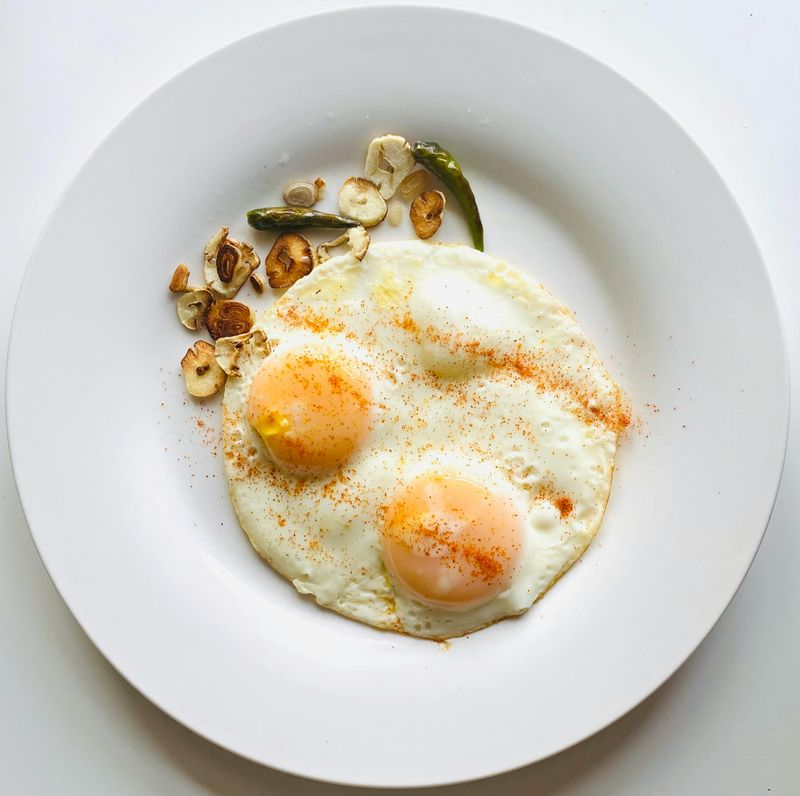
Great fried eggs start in a hot pan with butter just foaming. Crack gently, season lightly, and tilt to bathe whites until lacy.
Cover briefly to set the top while the yolk stays liquid sunshine. Cast iron adds flavor you can hear.
The spatula slides clean when the bottom crisps.
Toast waits, buttered and hopeful. Break that yolk and let it run, a sauce made in seconds.
You do not need gadgets or sprays, only heat and attention. Simple, fast, perfect.
Breakfast suddenly feels special, and you have barely started the day.
Rice pudding
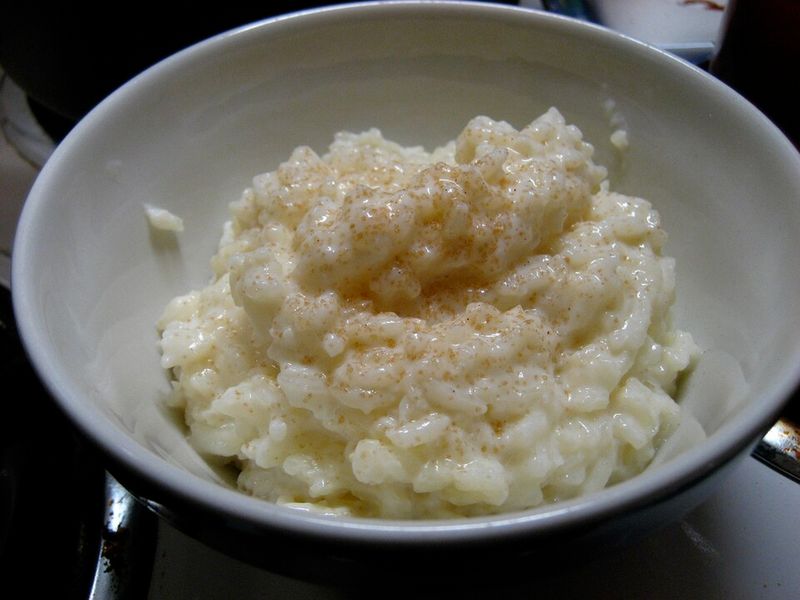
Stovetop rice pudding is slow, gentle, and soothing. Short grain rice releases starch into milk, creating natural creaminess without thickeners.
Sugar, vanilla, and a little salt make it sing. A cinnamon stick or lemon peel perfumes the pot.
Stirring now and then is part meditation, part safeguard.
Spoon it warm and the world softens. Raisins plump like tiny gifts.
Chilled, it becomes a silky dessert for later. Boxes try to fake that texture, but patience wins.
Each bite tastes like blankets and a good book, reassuring and kind.
Vanilla custard
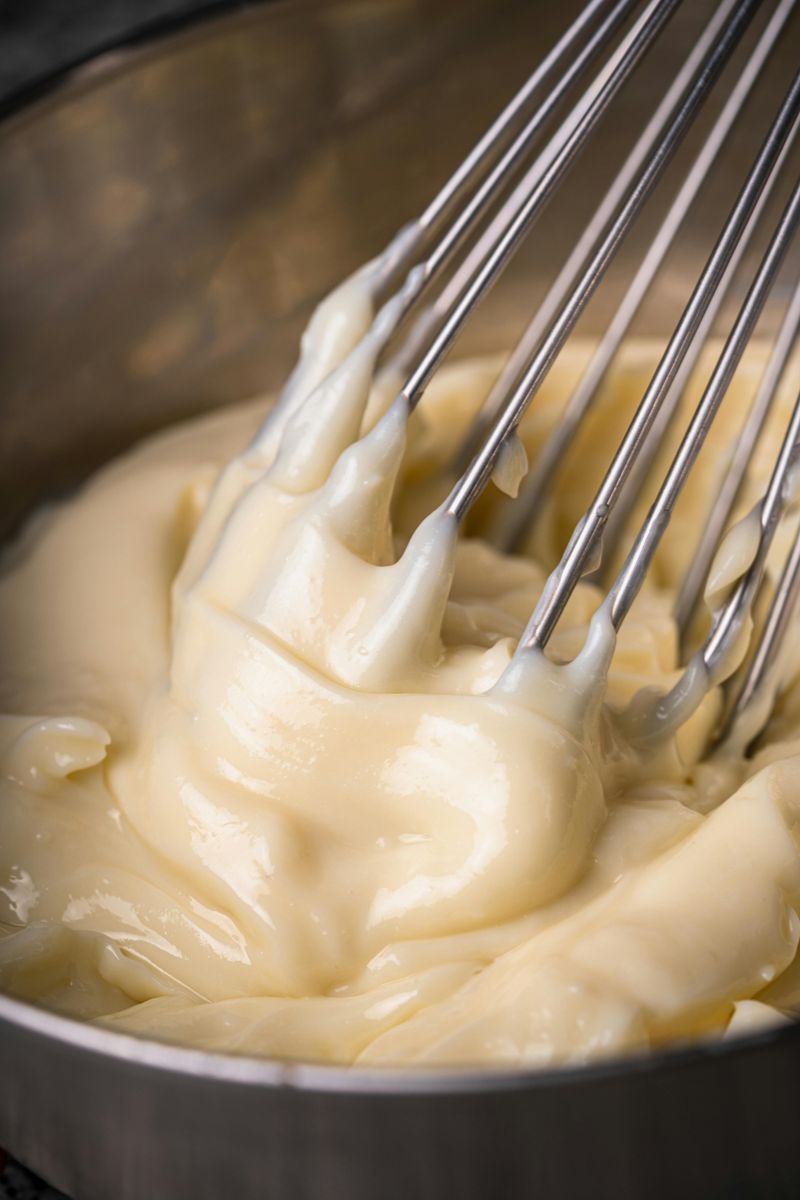
Classic custard whispers, it never shouts. Egg yolks, warm milk, sugar, and vanilla meet with respect.
Tempering keeps curds away, while a water bath holds the line. You watch edges set and centers barely tremble.
Chilled, it slices like satin without losing tenderness.
The flavor is pure and honest, sweet but not loud. You can eat it alone or pour over fruit and cake.
Powdered mixes cannot mimic that gentle wobble. Each spoonful feels like quiet joy.
When you crave calm, traditional custard delivers with grace.
Pancakes
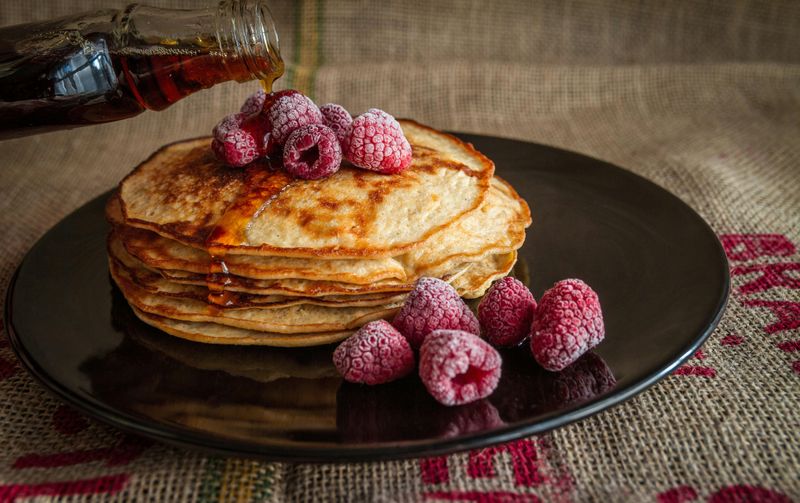
Real pancakes love a lumpy batter and a rested bowl. Buttermilk brings tang and tenderness, while melted butter adds flavor.
A hot griddle and a calm hand make even browning. Flip when bubbles set and edges look dry.
Do not press, let them breathe.
They come off light, steamy, and ready for syrup. You can taste the grain and the butter, not artificial fluff.
Weekends feel slower when a stack appears. Serve with fruit or bacon and call it happiness.
Tradition keeps breakfast friendly, simple, and deeply satisfying.
Warm milk
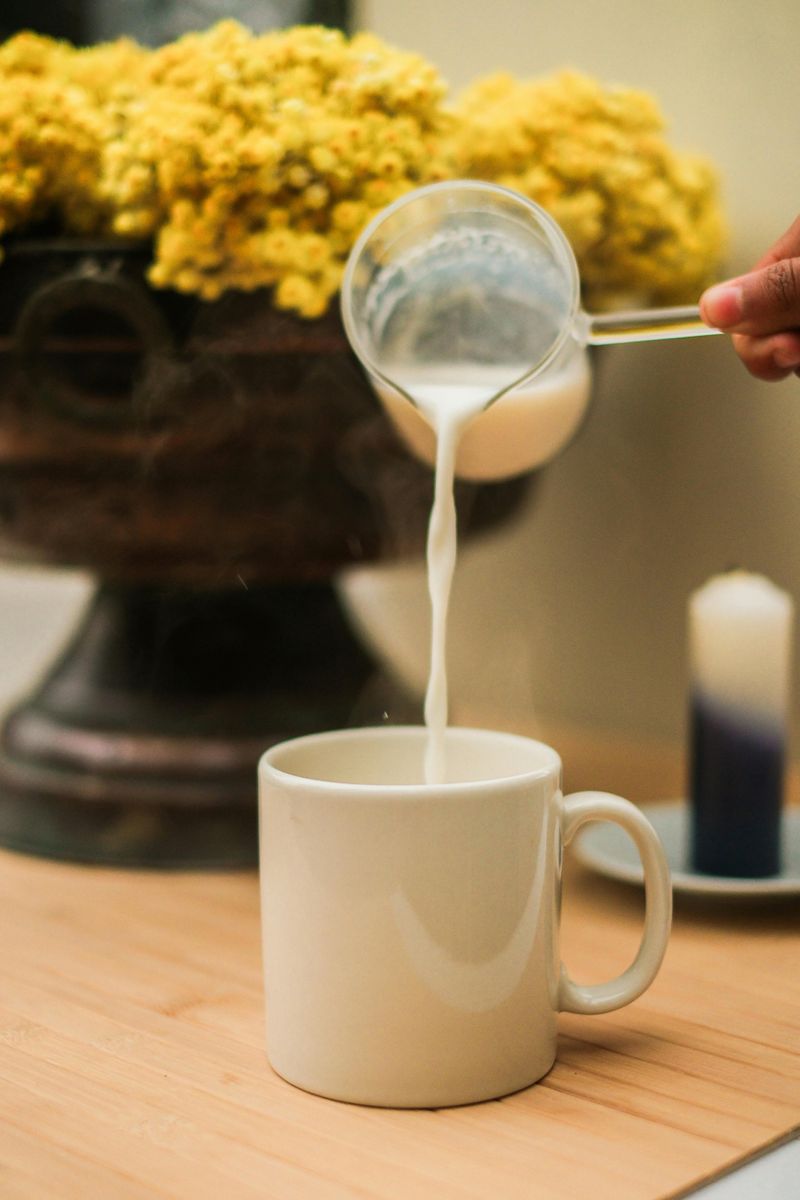
Warm milk is old fashioned comfort that still works. Heat it gently until steam curls, never to a boil.
A spoon of honey or a pinch of cinnamon adds quiet sweetness. The proteins relax as the kitchen dims.
You feel your shoulders drop without trying.
Sipped slowly, it smooths the edges of a long day. No fancy machine, just a pot and five minutes.
The warmth settles the room and your breath. Bedtime feels nearer, and screens can wait.
Tradition is sometimes simply choosing calm on purpose.
Herbal tea
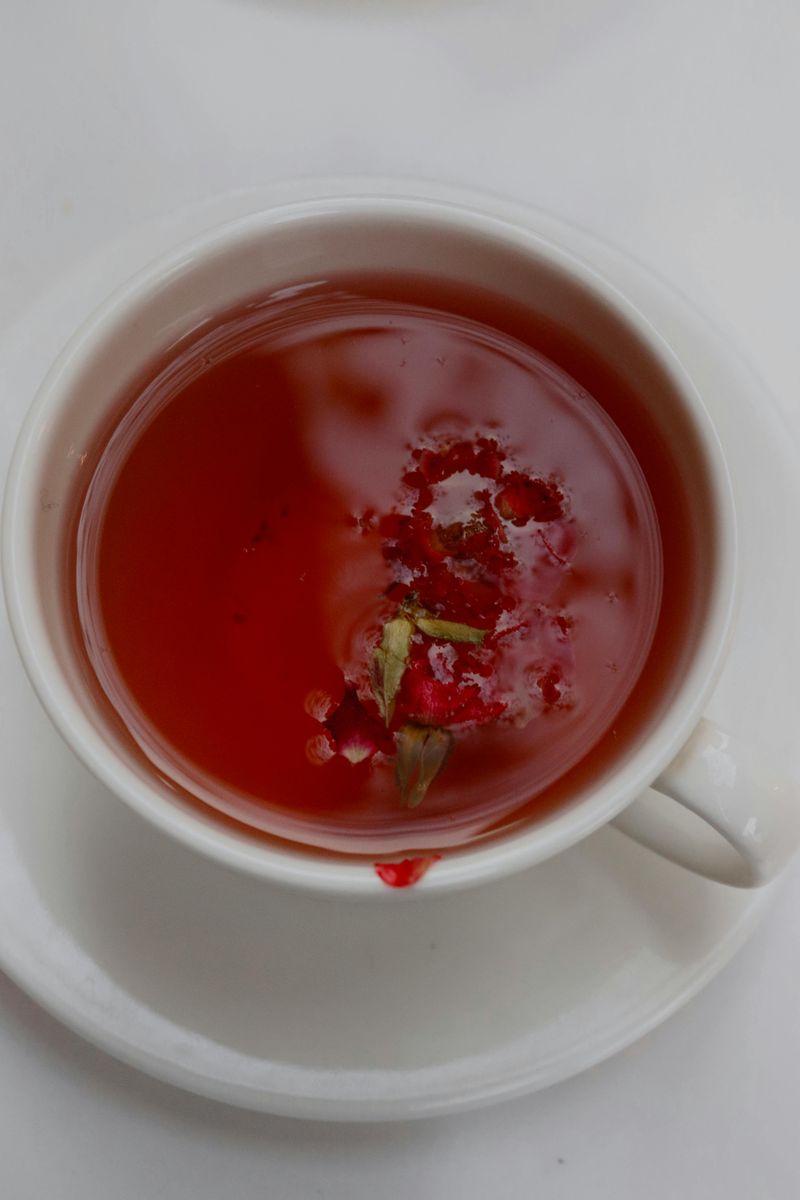
Herbal tea blooms when leaves and flowers meet water just off the boil. Cover the pot to trap delicate oils.
Five patient minutes make a world of difference. Chamomile, mint, or lemon balm each tell a story.
Sweeten lightly or not at all, and taste the plant itself.
The cup warms your hands and slows your thoughts. You breathe deeper without meaning to.
Tea bags are fine, but loose herbs feel alive. Strain, sip, and listen to the quiet.
Old habits like this never stop helping.
Honey cake
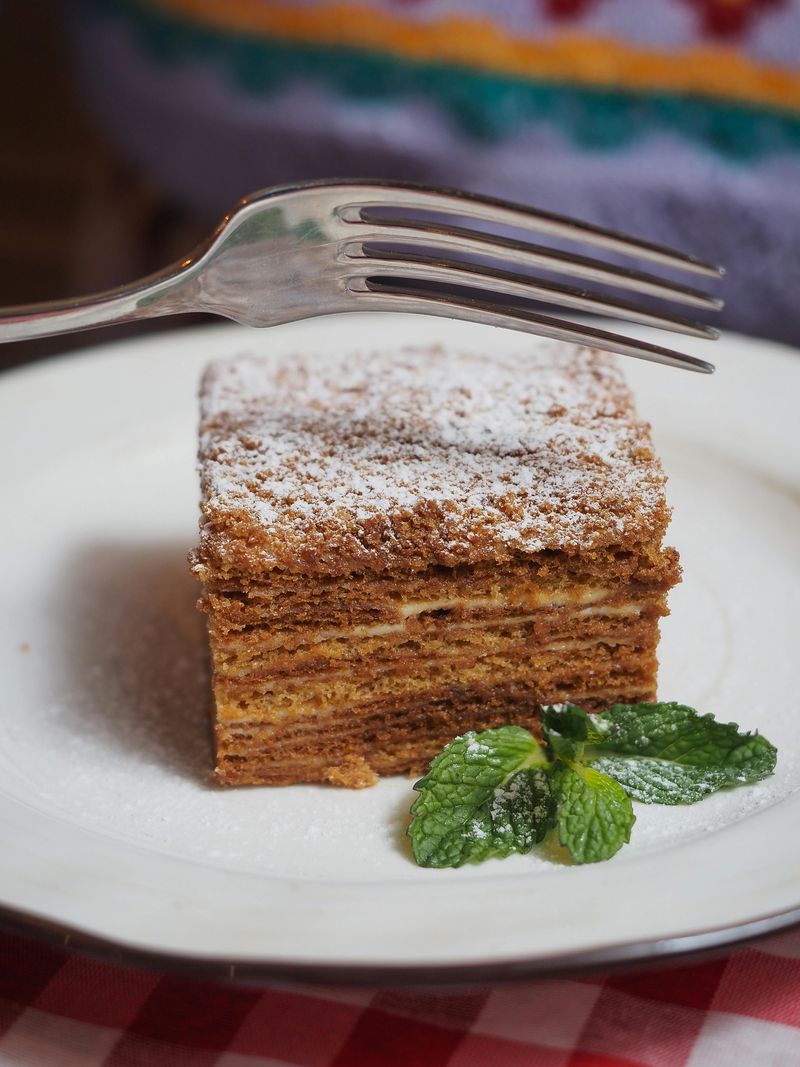
Honey cake tastes like celebration and gentleness together. Real honey, not just sugar, carries floral notes through the crumb.
Oil keeps it tender for days. Warm spices like cinnamon and clove add depth without noise.
A low, slow bake preserves moisture and perfume.
Sliced thin, it pairs beautifully with tea or coffee. The sweetness feels round and natural, never sharp.
Frosting is optional because the glaze shines enough. You taste seasons and fields in every bite.
It is humble, fragrant, and completely satisfying the old fashioned way.
Chicken broth
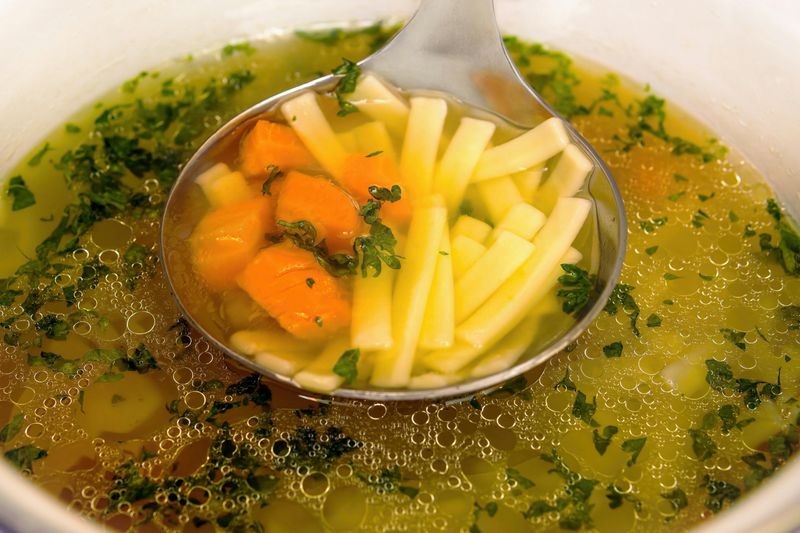
Traditional chicken broth begins with bones, skin, and collagen rich joints. A cold start and gentle heat pull out clarity and depth without clouding.
Onion, carrot, celery, bay, and peppercorns whisper, never shout. Skimming foam shows care, not fuss, and time repays you with gold.
Patience replaces shortcuts and delivers true body.
Sip it plain with a pinch of salt, and you will taste calm. Add noodles, and it becomes childhood again.
Freeze jars for quick healing meals later. A good broth anchors sauces, soups, and rice, proving the foundation matters more than tricks.
Enjoyed this story?
Add Fast Food Club as a preferred source to see more of our reporting on Google.