



Remember when your kitchen smelled like simmering sauce and fresh bread, and every jar on the shelf told a story. These days, most of us grab the boxed, jarred, or frozen version without thinking twice.
Convenience won, but the nostalgia never left. Let’s revisit the classics you might still crave making at home, and why store-bought often sneaks into the cart.
White bread
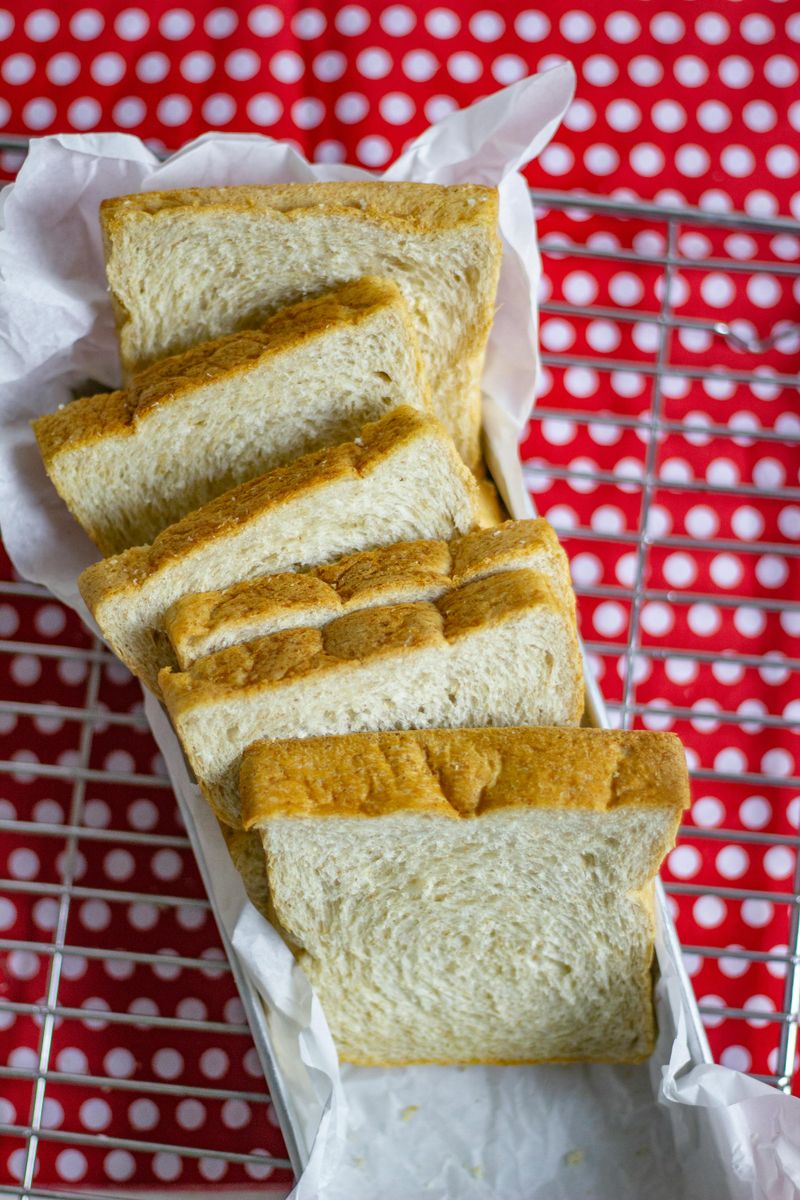
White bread once rose slowly on counters, covered by tea towels, while kitchens filled with yeasty warmth. Now you likely toss a plastic-wrapped loaf into your cart without a second thought.
Convenience rules breakfast toast and sandwich duty, but it trades character for uniform slices and a long ingredient list.
When you bake it yourself, you control sweetness, crumb, and crust. Store-bought offers predictability, softness, and shelf life that busy weeks demand.
If you crave both, try weekend baking for flavor and weekday backups for practicality. You might find the perfect middle ground, slice by slice, habit by habit.
Fruit jam
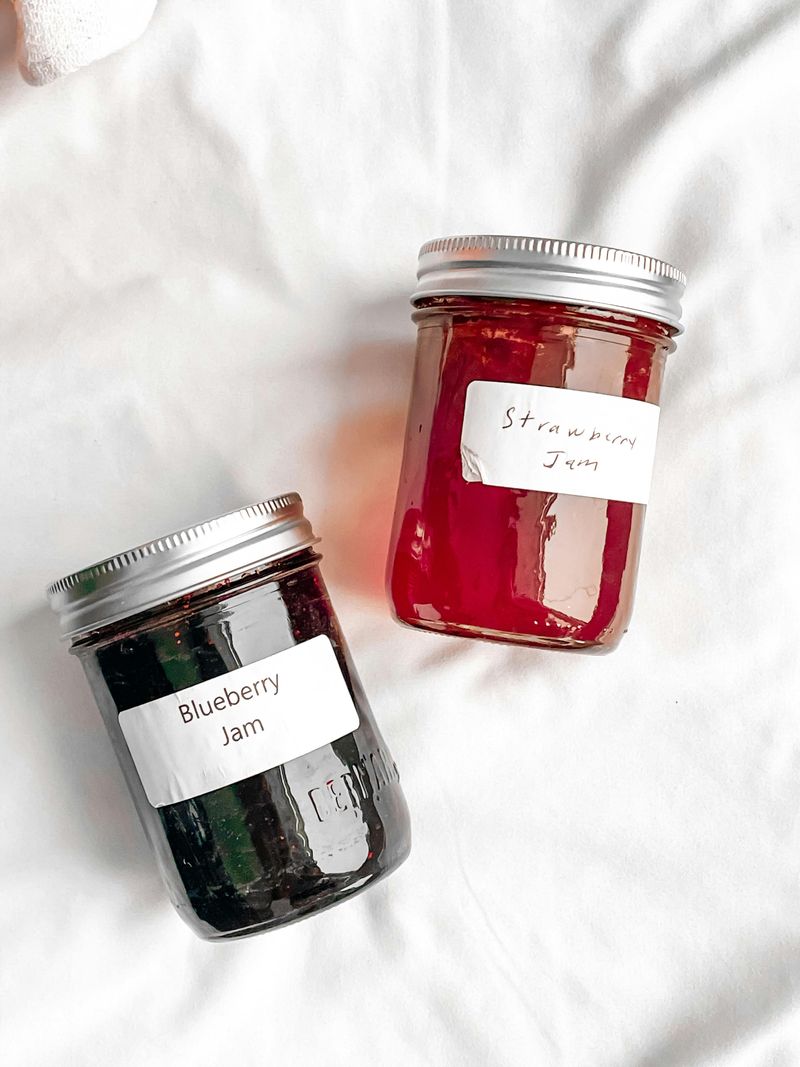
Grandparents simmered fruit jam until spoons stood upright, sealing summer sunshine in jars. Today, grocery shelves sparkle with flavors from classic strawberry to exotic blends.
You grab a jar for speed, but sometimes wonder about all that sugar, pectin choices, and the fruit’s real origin. The result is reliable, spreadable, and ready anytime.
Homemade jam feels like a project and a promise. You pick the fruit’s ripeness, adjust sweetness, and simmer to your favorite set.
A small batch can brighten toast, yogurt, and shortbread. If you fear canning, try refrigerator jam.
It keeps things simple, fresh, and deeply personal.
Pickles
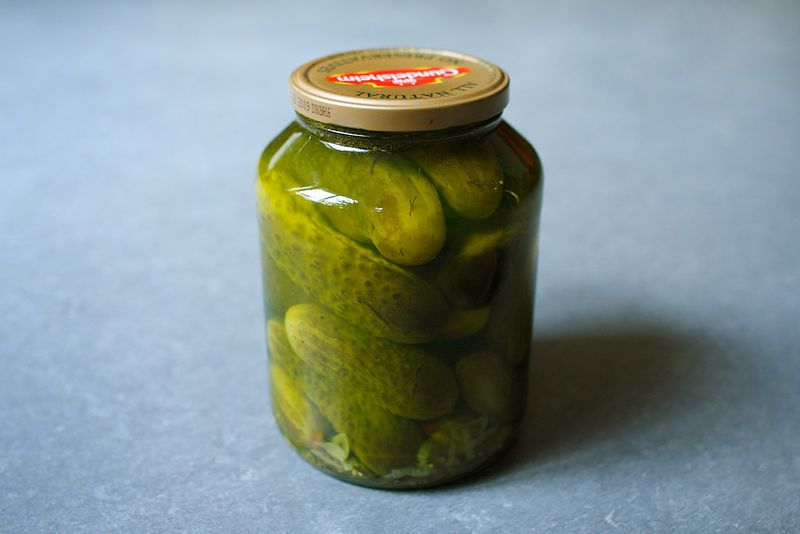
Pickles used to be a patient craft, with cucumbers quietly fermenting in cool cellars. Now crisp, uniform spears dominate the condiment aisle, bright and predictable.
You count on that crunch for sandwiches and snacking, no wait required. But commercial brines often lean on vinegar and stabilizers, not the tangy depth from natural fermentation.
Homemade gives you freedom to tweak garlic, heat, and herbs. Lacto-fermented versions deliver fizz, probiotics, and complexity store jars rarely match.
Quick pickles bridge the gap for busy weeks. Mix salt, vinegar, and spices, then chill.
Suddenly, vegetables transform, and your fridge hums with sharp, custom brightness.
Plain yogurt
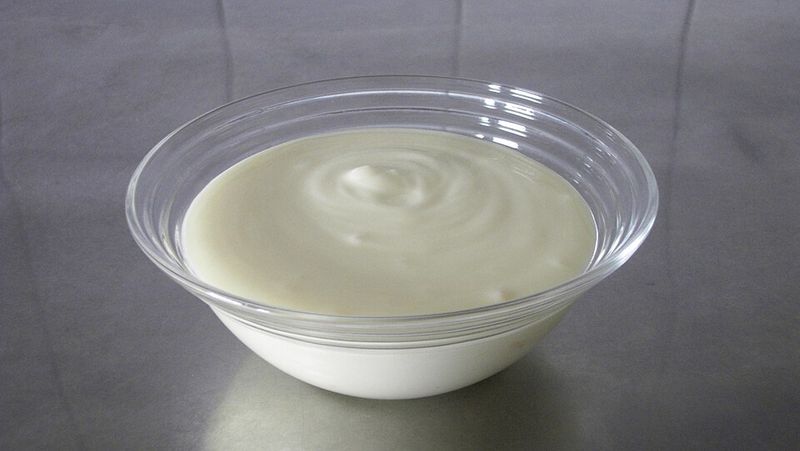
Plain yogurt once quietly incubated under towels, warmed by pilot lights and patience. Now tubs line the dairy case, each promising creaminess, cultures, and convenience.
You choose fat levels, strain types, and price points in seconds. Store options taste consistent, but sometimes list thickeners and stabilizers that shift texture away from old-school simplicity.
Homemade yogurt is mostly waiting. Warm milk, add culture, let time work.
The result feels fresher, tangier, and endlessly adjustable. Strain for Greek thickness or keep it pourable for smoothies.
A weekend batch can anchor breakfasts all week, giving you control with very little hands-on effort.
Cheddar cheese
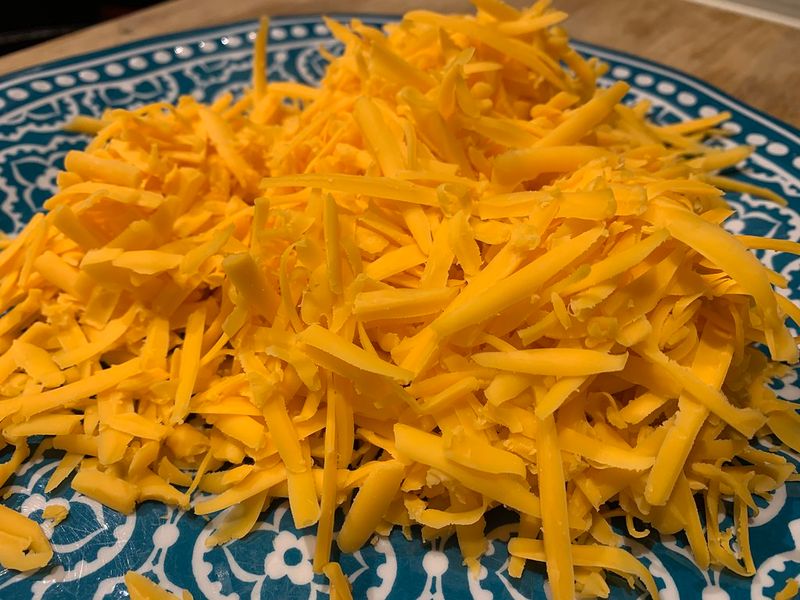
Cheddar once emerged from farmhouse cellars, clothbound and carefully turned. Today, supermarket blocks offer mild to extra sharp with predictable melt and slice.
You appreciate the ease, but sometimes miss that earthy, nutty character found in carefully aged wheels. Industrial cheddar prioritizes consistency, packaging, and price over slow, watchful aging traditions.
Home cheesemaking exists, yet demands space, tools, and patience. If you crave a throwback, seek out artisanal wedges and taste the difference.
Pair with apples, mustard, and crusty bread. Let it warm slightly before serving.
Suddenly, cheddar returns to its roots, and your cheese board tells a deeper story.
Dry pasta
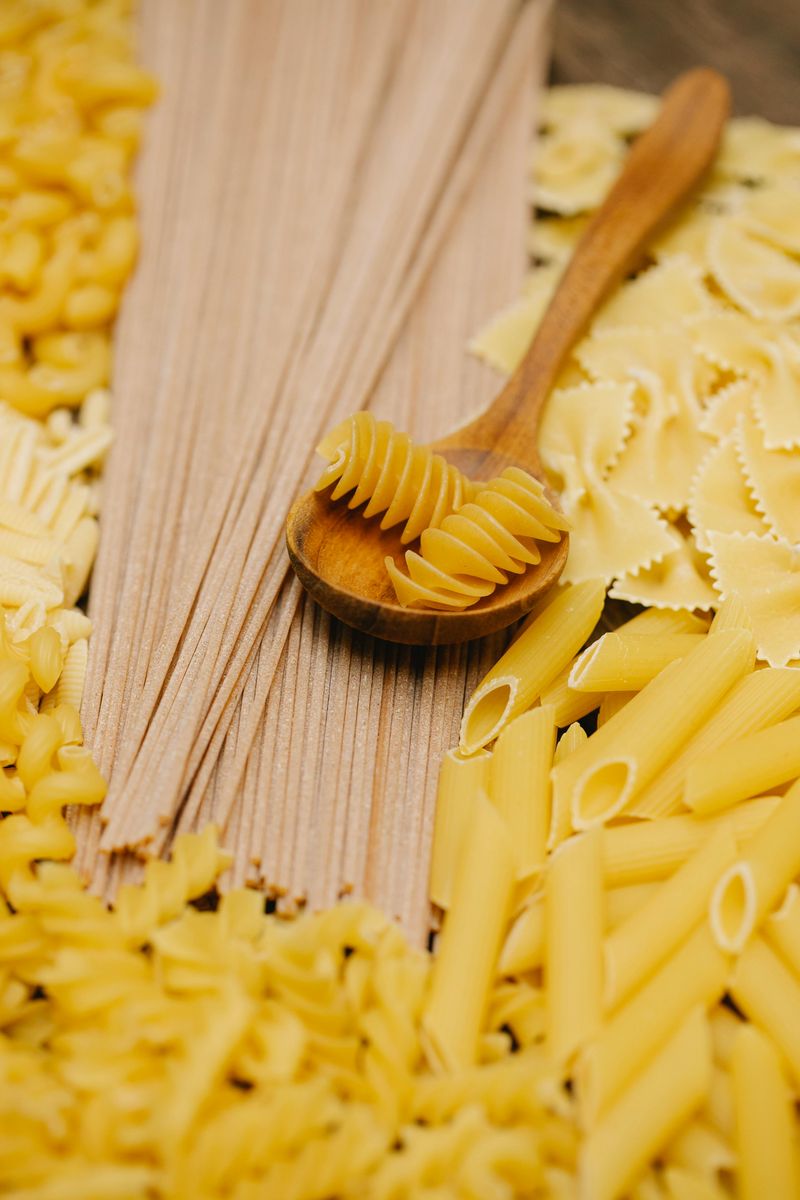
Dry pasta used to hang from chairs and broom handles, dusted with flour like edible ribbons. Now boxes fill pantries, shapes stacked for every sauce.
You rely on their bite and reliability for weeknights. Bronze-cut or not, store pasta offers shelf stability and speed, though it sometimes lacks the tender chew of fresh strands.
Homemade shines when you want silky pappardelle or delicate tagliolini. The dough’s feel guides thickness and texture.
Yet boxed pasta handles chunky ragus and late dinners without fuss. Keep both around.
You get tradition when there’s time, and dependable comfort when life moves quickly.
Tomato sauce
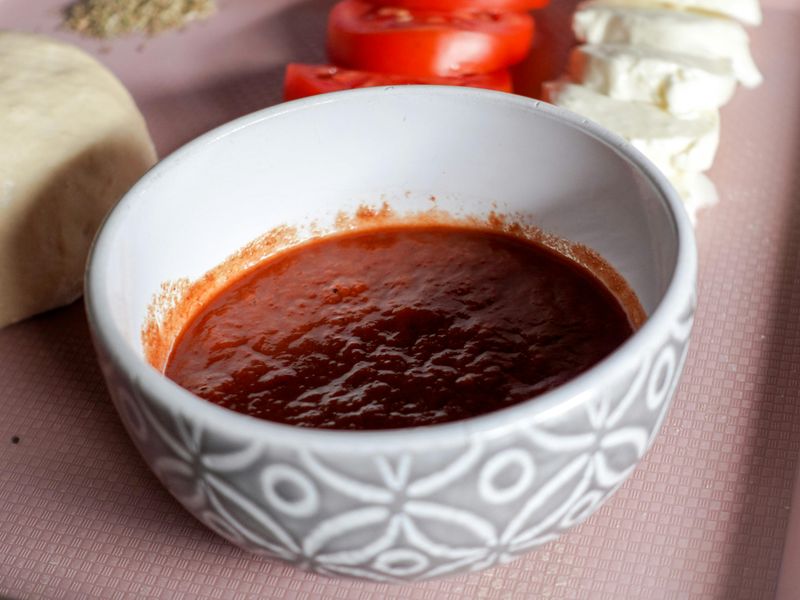
Tomato sauce once bubbled all Sunday, perfuming homes with garlic and basil. Today you twist off a jar and dinner begins in minutes.
Store versions deliver consistency and pantry security, but sometimes taste sweet or flat. You may scan labels for olive oil, whole tomatoes, and fewer additives, still missing grandma’s slow-simmered depth.
Homemade grants control over acidity, herbs, and texture. Roast tomatoes first for richer flavor, or add anchovy for umami.
Freeze in portions for quick wins. When time allows, let it burble gently.
The aroma alone feels like company, and every bite carries your choices.
Chicken soup
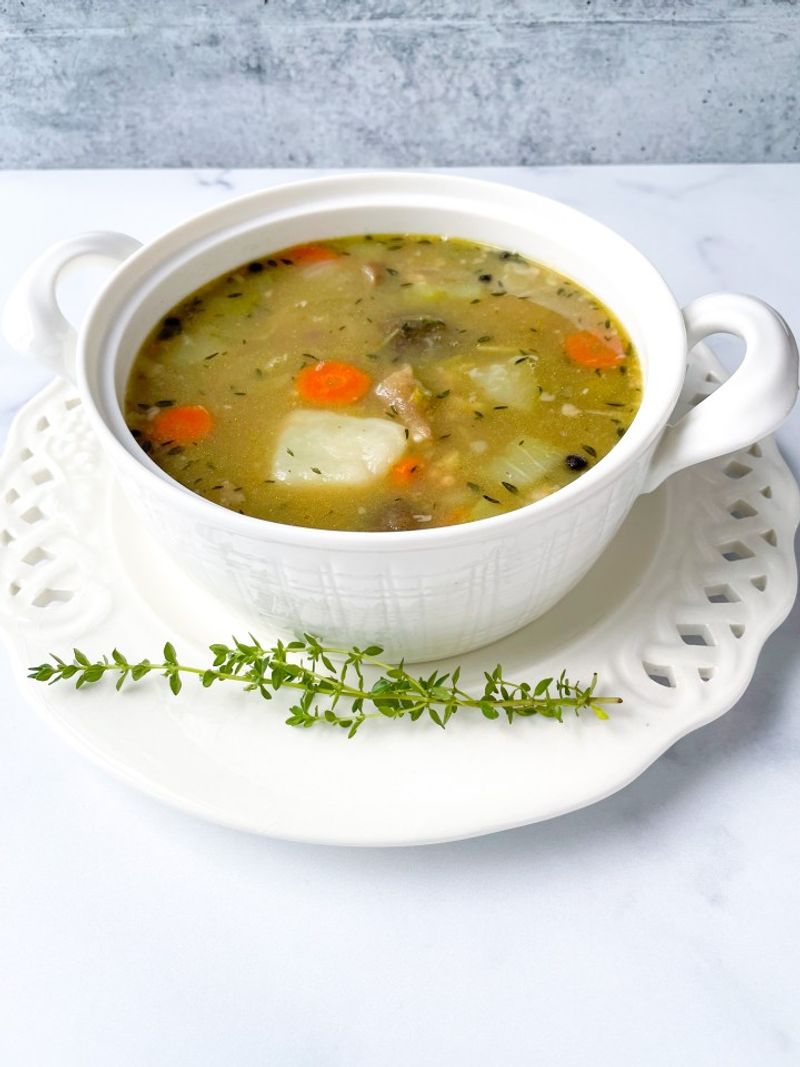
Chicken soup once started with bones, patience, and a stockpot murmuring all afternoon. Now cans and cartons promise comfort in minutes.
You get salt, noodles, and a familiar aroma, but often miss the layered broth that only slow simmering reveals. Store versions trade depth for speed and long shelf life.
Homemade is healing work. Roast bones first, add vegetables, and skim gently.
A handful of dill or lemon brightens everything. Freeze quarts for emergencies and quick lunches.
When sniffles strike or evenings feel long, your pot delivers something warmer than convenience, reminding you why this classic anchored so many kitchens.
Desserts
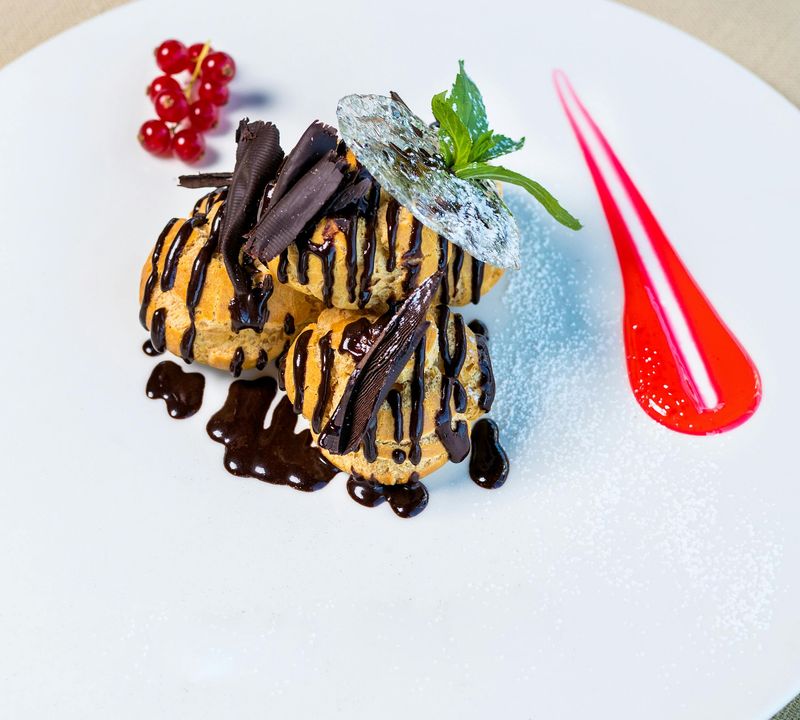
Desserts used to be weekend projects, from flaky pies to pudding slowly stirred on the stove. Today, bakery cases sparkle and freezer aisles overflow.
You pick reliable sweetness for birthdays and busy nights, but sometimes the flavors feel generalized. Commercial treats favor uniformity, long life, and glossy finishes over that just-baked aroma.
When you bake, you shape texture and sweetness to your taste. Salt levels, chocolate intensity, and fruit ripeness become personal decisions.
Even simple bakes win hearts. Keep a few shortcuts, like frozen puff pastry or high-quality chocolate.
Dessert becomes not just a finale, but an expression of your kitchen’s rhythm.
Chocolate cake

Chocolate cake once rose in home ovens for birthdays, frosted while still slightly warm. Now grocery cases display towering layers under plastic domes.
You appreciate instant celebration, but sometimes the sweetness overwhelms and frosting tastes airy rather than rich. Commercial cakes prioritize volume and stability over that fudgy, cocoa-forward depth you remember.
Baking at home restores control. Choose dark cocoa, espresso boosts, and tangy sour cream.
Balance sweetness with salt, then coat with ganache or buttercream you actually crave. Freeze layers for future parties.
When candles glow, your slice tells a story of choices, not compromises, and every crumb earns its cheers.
Butter cookies
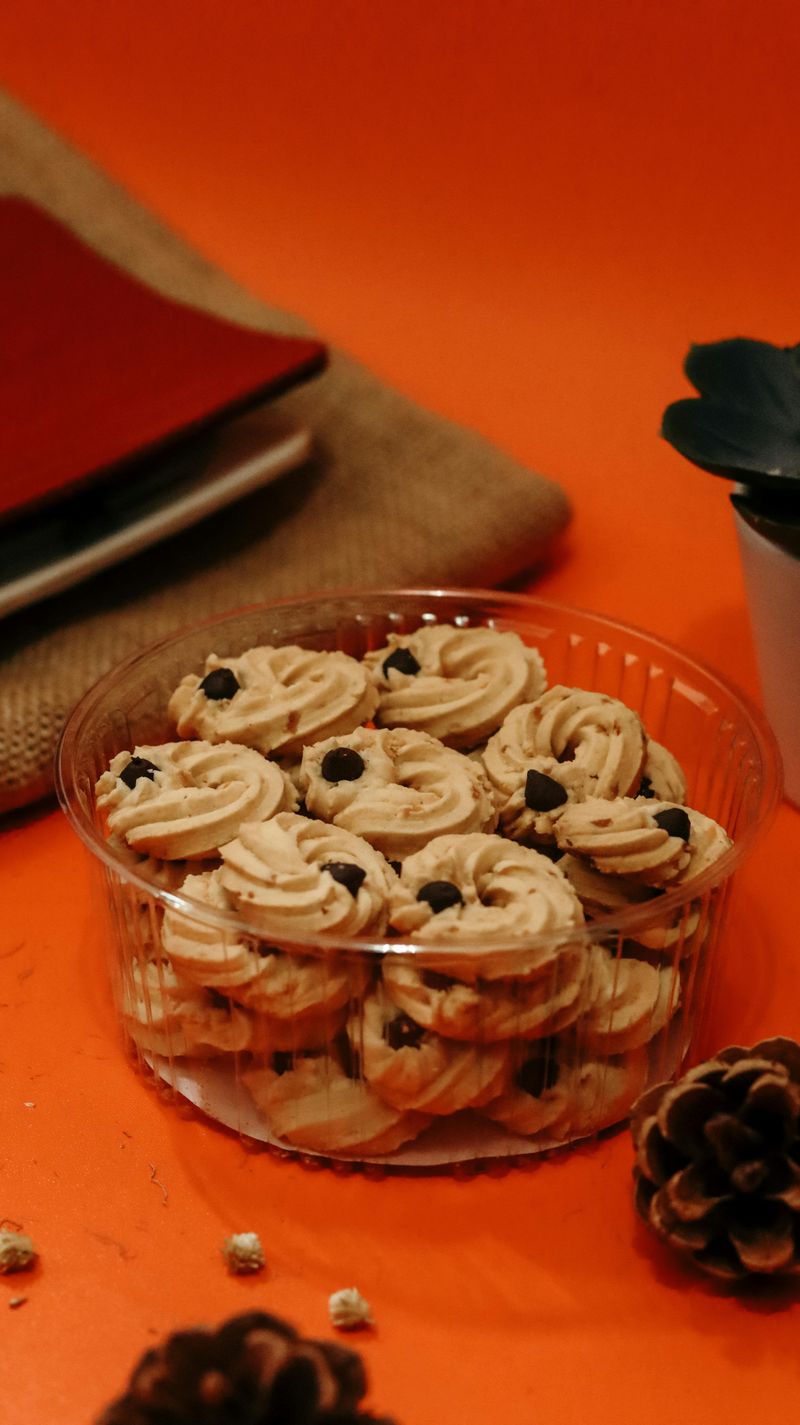
Butter cookies used to be mixed by hand, dough chilled, then pressed into familiar shapes. A single tin might scent the whole house.
Now boxes fill carts during holidays and coffee breaks. You get crisp sweetness instantly, but sometimes the ingredient list stretches far beyond butter, sugar, flour, and salt.
Homemade brings unmistakable richness and clean flavor. Brown the butter for nutty depth, or add citrus zest for brightness.
Keep the dough in the freezer for sudden guests. Store cookies still have a place, especially for variety.
Yet one warm tray can reset your standards with every buttery snap.
Vanilla ice cream
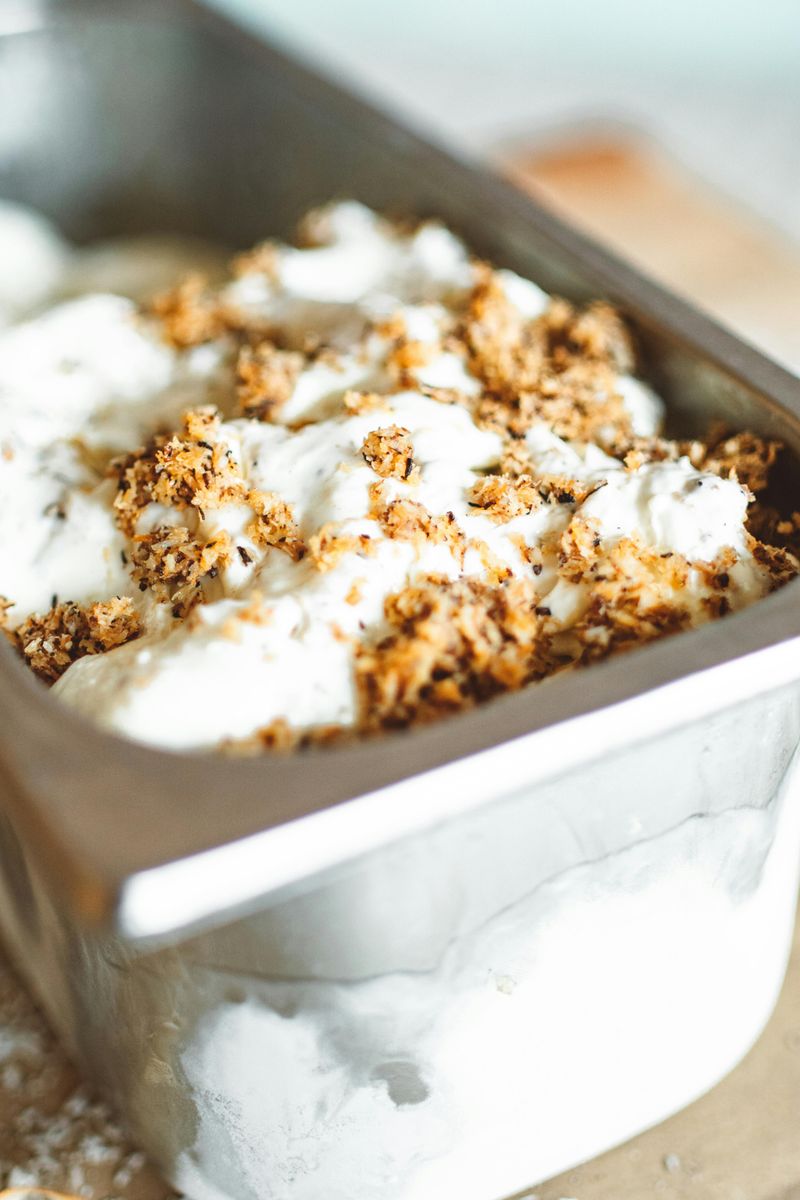
Vanilla ice cream once churned on porches with rock salt, laughter, and patience. Today, freezer cases stack cartons in endless styles.
You reach for familiar brands, but some lean sweet or gummy from stabilizers. The best pints shine, yet still cannot match that fresh-churned softness melting as you scoop.
Homemade lets vanilla beans sing. Choose custard-based richness or Philadelphia-style lightness.
Adjust sweetness for toppings, then freeze just enough to scoop. Keep a trusted base, and riff with swirls later.
Store pints handle cravings and guests, but your churned batch turns simple cones into a memory worth repeating.
Mayonnaise
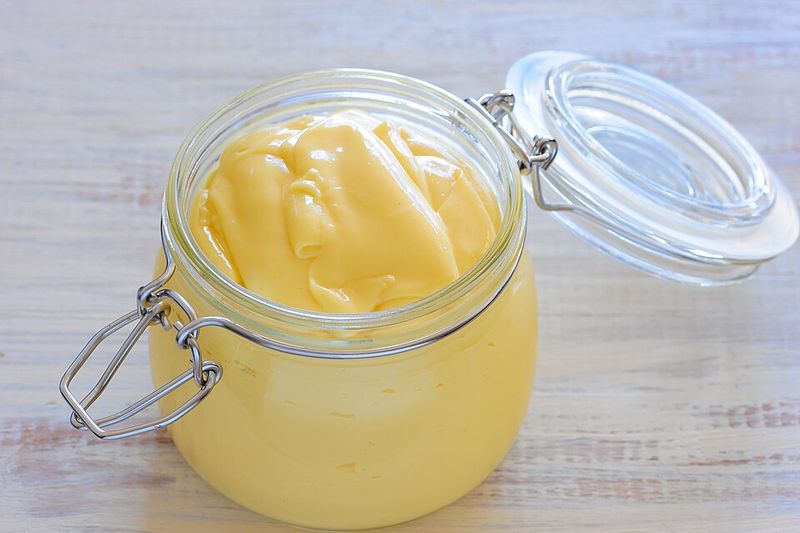
Mayonnaise was once a minute of courage with a whisk, egg yolk, and steady oil. Now squeeze bottles rule sandwiches and salads.
You count on their tang and thickness, but preservatives and neutral flavors can feel generic. Store mayo is steady and safe, yet often lacks that lemony snap and silky freshness.
Homemade transforms simple ingredients into magic. You choose oil type, acidity, and garlic if you like.
It takes five minutes and rewards you all week. Use it in dressings, slaws, and deviled eggs.
Keep a jar chilled, then reach for convenience when life speeds up.
Ketchup
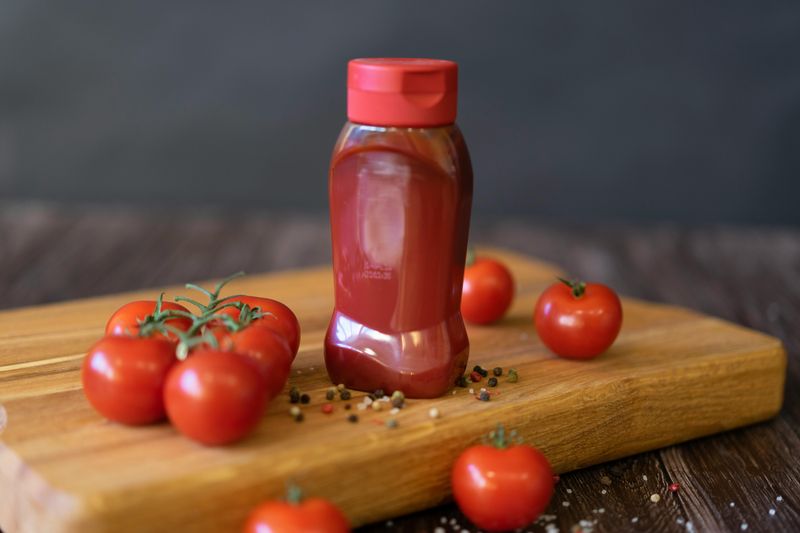
Ketchup started as a spiced preserve, evolving into today’s burger essential. You likely grab a bottle without thinking, loving the familiar tang and sweetness.
Store versions are perfectly blended, shelf stable, and kid friendly. Yet they often lean sugary, with a narrow flavor lane that steamrolls subtle fries and grilled meats.
Homemade ketchup adds nuance. Adjust vinegar, spice, and sweetness to fit your tastes.
Try smoky paprika or a touch of clove. Simmer until thick, then chill.
It may not replace the red icon daily, but for cookouts and roasted potatoes, a custom batch lifts everything with surprising depth.
Fruit juice
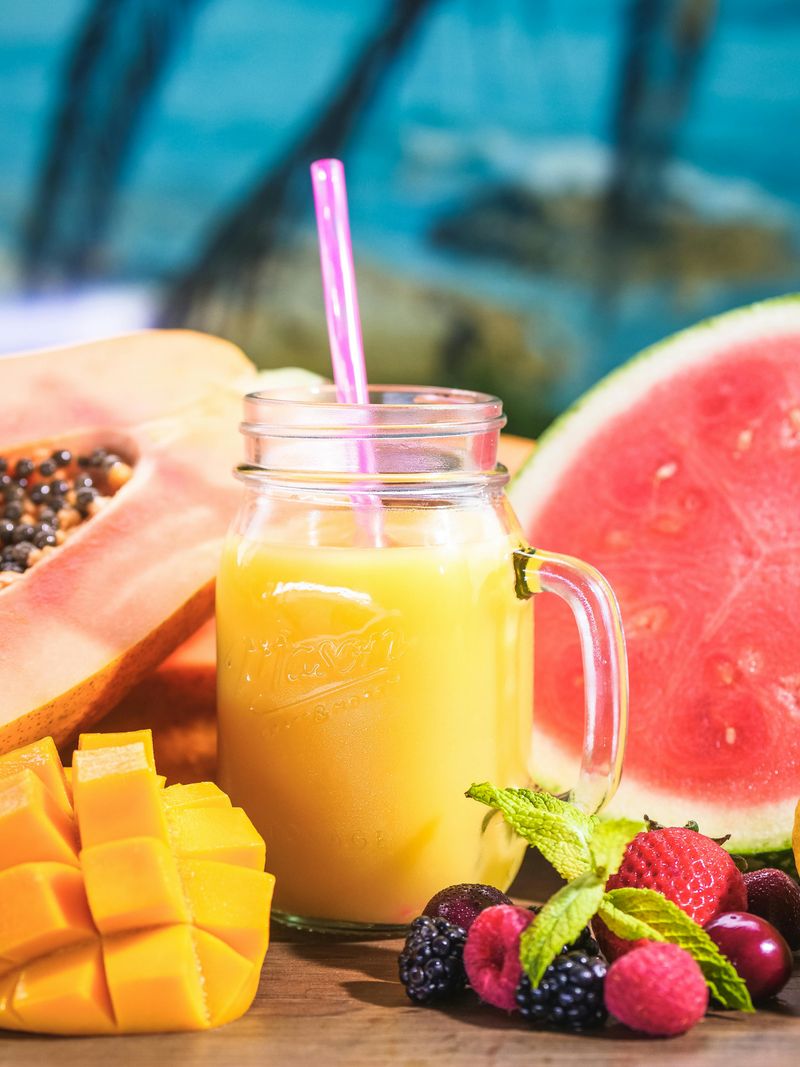
Fruit juice once meant squeezing oranges at the counter or pressing apples in the yard. Now cartons promise vitamins and convenience year round.
You appreciate the grab-and-go ease, but labels can hide concentrates and added flavors. Even not-from-concentrate juices vary in brightness and texture, sometimes tasting flat compared to fresh.
Homemade shines when you want aroma, lively acid, and real pulp. A small juicer turns weekend citrus into weekday sunshine.
Mix varieties for complexity, then dilute or sweeten to taste. Store juice still fills lunch boxes and recipes, but fresh-squeezed reframes breakfast in a single glass.
Smoked sausage

Smoked sausage once hung in cool sheds, seasoned by family spice blends and careful smoke. Now vacuum packs deliver uniform links ready for quick dinners.
You get consistency, safety, and long shelf life. But commercial smoking can be light, and seasonings often drift toward general appeal rather than bold, regional character.
Homemade or artisanal sausage brings back snap, fat balance, and true smoke. If you cannot stuff casings, seek local producers or try fresh links on a smoker.
Pair with mustard, onions, and bread. Suddenly, that backyard grill feels like an old smokehouse breathing tradition into Tuesday night.
Deli meat
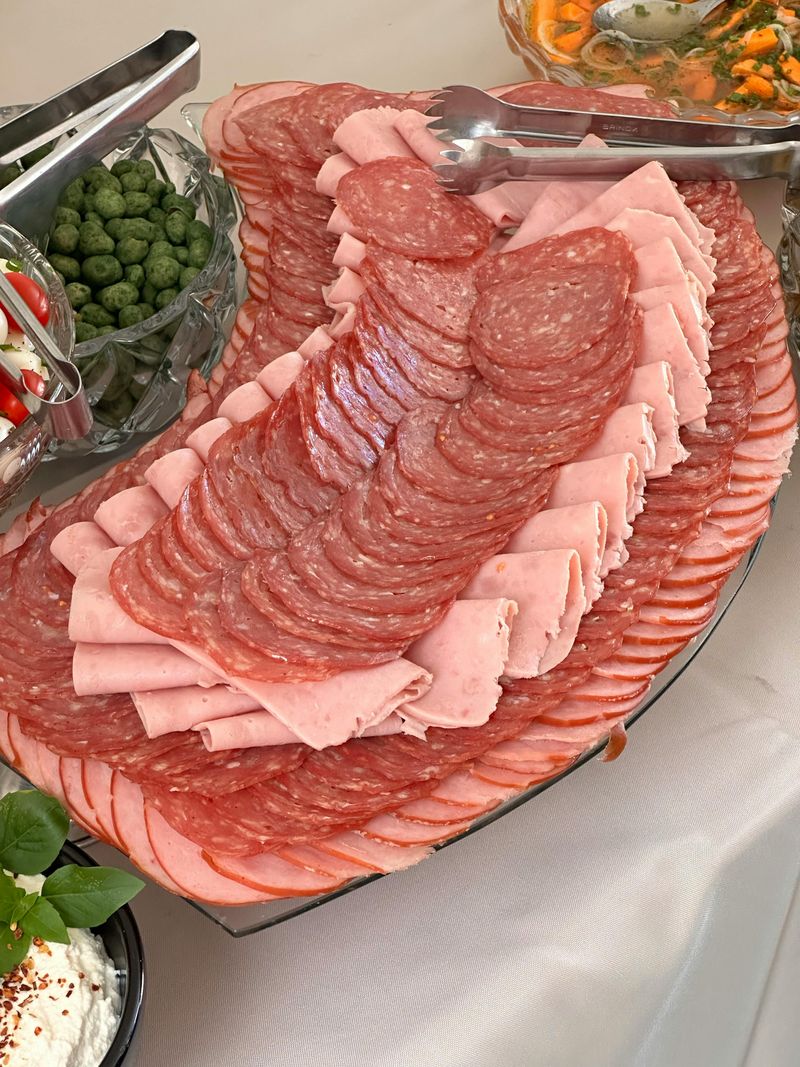
Deli meat used to mean a roasted turkey or glazed ham carved thin at home. Now packages promise lean protein in seconds.
You appreciate the convenience for sandwiches, yet water, binders, and uniform texture can dull the flavor. The slices stack neatly, but rarely deliver the juicy character of fresh roasts.
Roasting at home is simpler than it seems. Season generously, cook gently, then chill and slice.
The sandwiches sing, and leftovers stretch into salads and pastas. Keep packaged meats for crunch times, but when weekends allow, a roast sets you up for better lunches all week.
Frozen dumplings
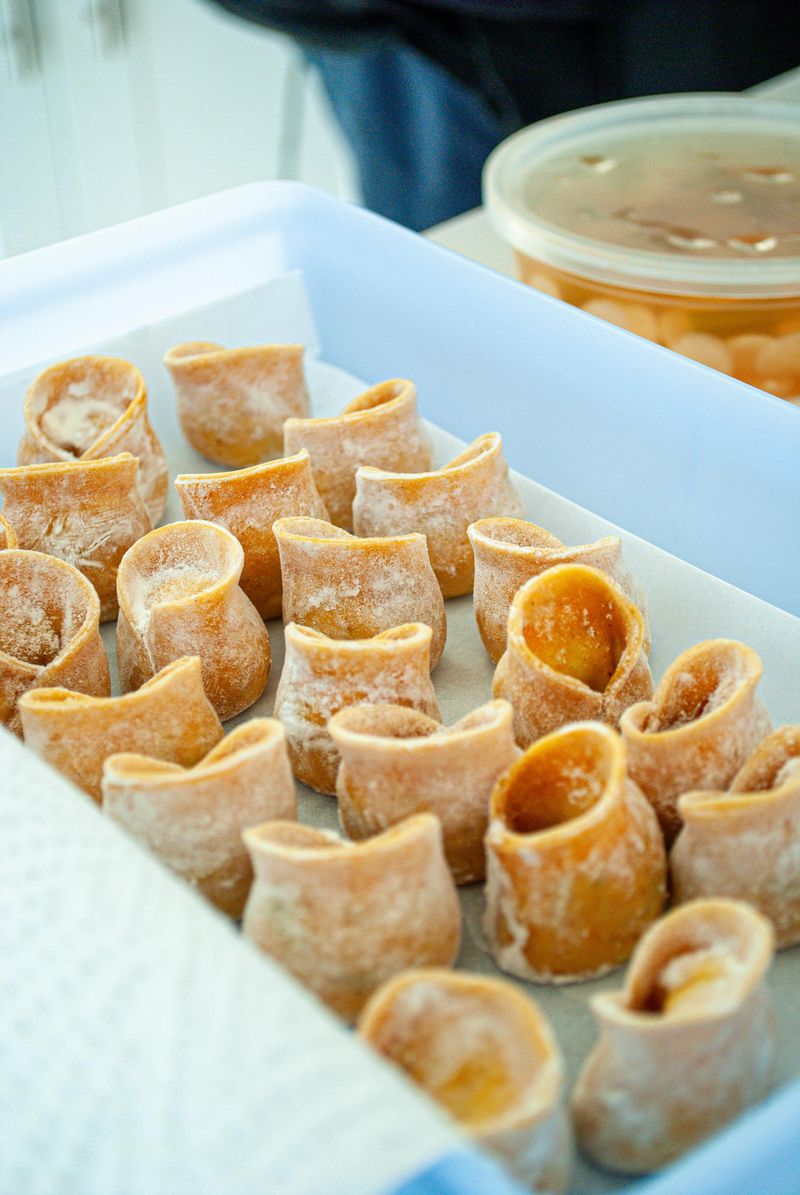
Dumplings were once a family assembly line, pleats pinched while stories flowed. Now frozen bags make weeknight potstickers wonderfully easy.
You get quick steam-fry satisfaction, though fillings can lean bland and wrappers a touch thick. Convenience wins, yet handmade versions carry brighter ginger, chives, and that delicate, springy bite.
Try a hybrid approach. Buy good frozen dumplings and doctor the dipping sauce with vinegar, chili crisp, and scallions.
On slower days, fold a batch and freeze your own. Pan-fry to golden for contrast.
Either way, the sizzle in your skillet delivers comfort fast, with room for personality.
Fruit pies
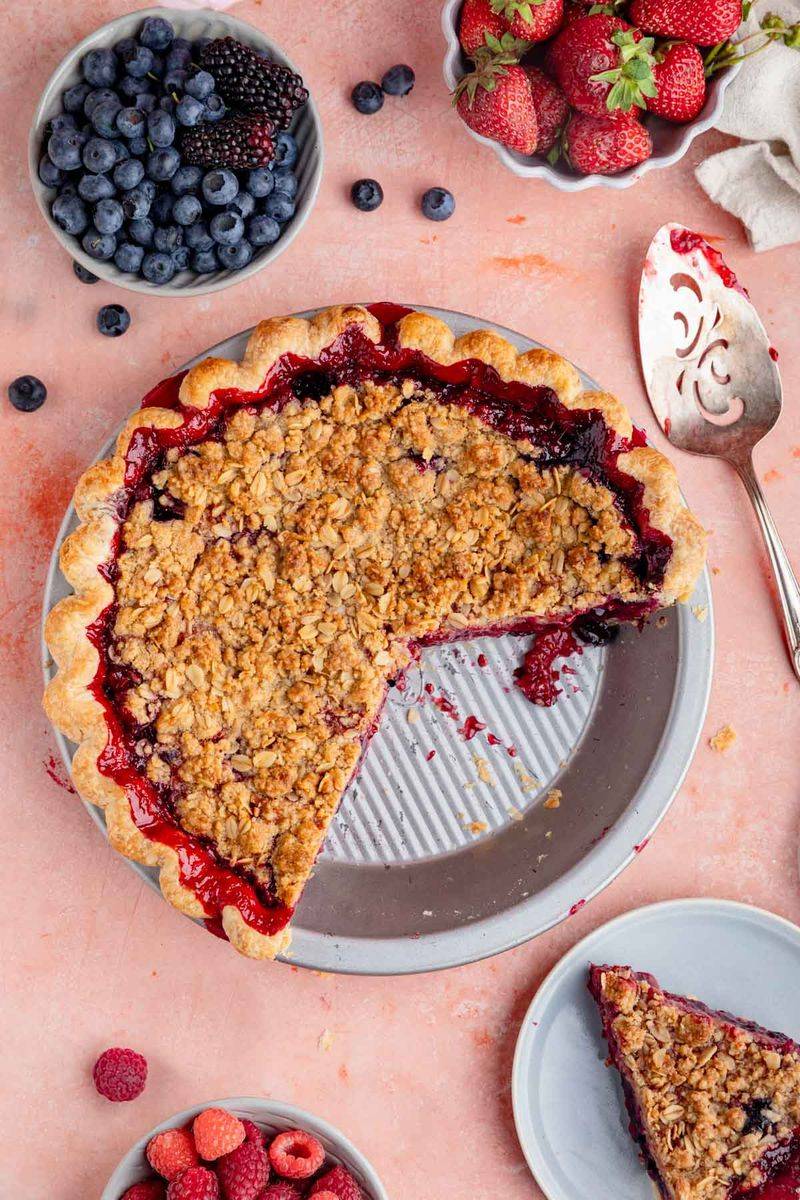
Fruit pies used to cool on windowsills, lattices gleaming with sugar. Now boxed pies wait in freezer aisles, ready for holiday shortcuts.
You appreciate how they save time, but crusts can taste sandy and fillings overly sweet or starchy. The homemade version balances tart fruit, buttery layers, and that irresistible syrupy edge.
When you bake, you choose apples that hold shape or berries that burst. Adjust sugar and spice, vent for bubbling, and let it rest.
A premade crust helps if time is short. Still, nothing replaces the first warm slice when your kitchen smells like home.
Sweet spreads
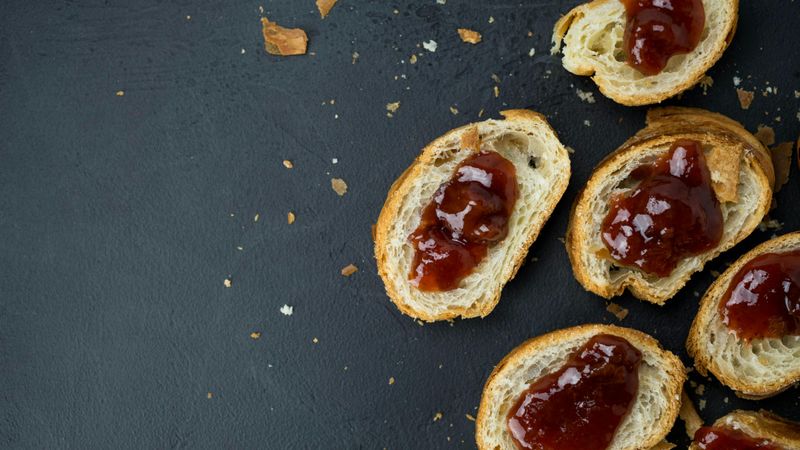
Sweet spreads once simmered on stovetops or whipped in mixers, from honey butter to caramel. Now shelves brim with jars ready for toast, crepes, and spoons.
You love the convenience and consistency, but many lean extra sweet, with oils or stabilizers that mute flavor. Homemade versions spotlight real chocolate, nuts, and dairy richness.
A small batch goes far. Toast nuts, bloom cocoa, and balance salt carefully.
Keep jars in the fridge, then bring to room temperature before spreading. Store-bought still rules rushed mornings, but your custom jar turns a simple slice of bread into something you remember later.
Sweet pastries

Sweet pastries once meant early starts, laminated doughs, and buttery counters. Now plastic clamshells offer instant variety.
You get sugar glaze, fillings, and flaky-ish layers without the mess. But mass production struggles with true lamination and fresh butter aroma, so the bite can feel sweet without the satisfying shatter you crave.
Homemade or bakery-fresh makes a difference. Even simple cinnamon rolls carry a warmth packages miss.
Use frozen puff as a shortcut, then finish with real butter and jam. A weekend bake turns coffee into ceremony, while store-bought keeps weekdays humming.
Keep both tools, and choose according to your morning.
Enjoyed this story?
Add Fast Food Club as a preferred source to see more of our reporting on Google.