


Remember when a few basic staples could carry your whole week for next to nothing? Lately, familiar favorites ring up like treats, and every trip down the aisle feels like a surprise.
If you have wondered why breakfast, snacks, and quick dinners suddenly cost so much, you are not imagining it. Here are the once-cheap foods that now demand strategy to enjoy without blowing your budget.
Eggs
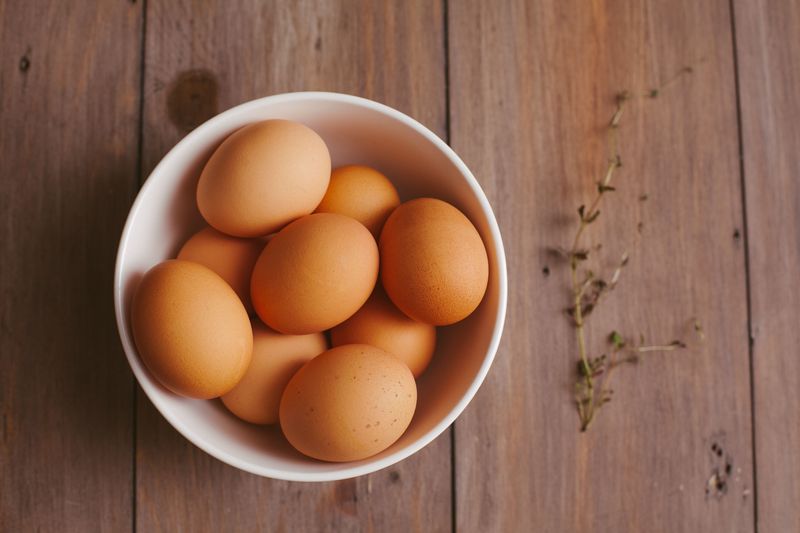
Remember when a carton of eggs felt like the ultimate budget saver? Prices spiked, eased, then climbed again, and suddenly breakfasts got pricier overnight.
Avian flu, feed costs, and consolidation all squeezed supply while demand stayed steady. You still reach for a dozen, but the total at checkout can sting.
To save, buy large store brands, compare unit prices, and consider local farm stands. Eggs freeze remarkably well if you crack and whisk them first for later scrambles or baking.
When prices swing, pivot to oats or yogurt a few mornings and use eggs strategically for bakes, quiches, and frittatas.
Butter
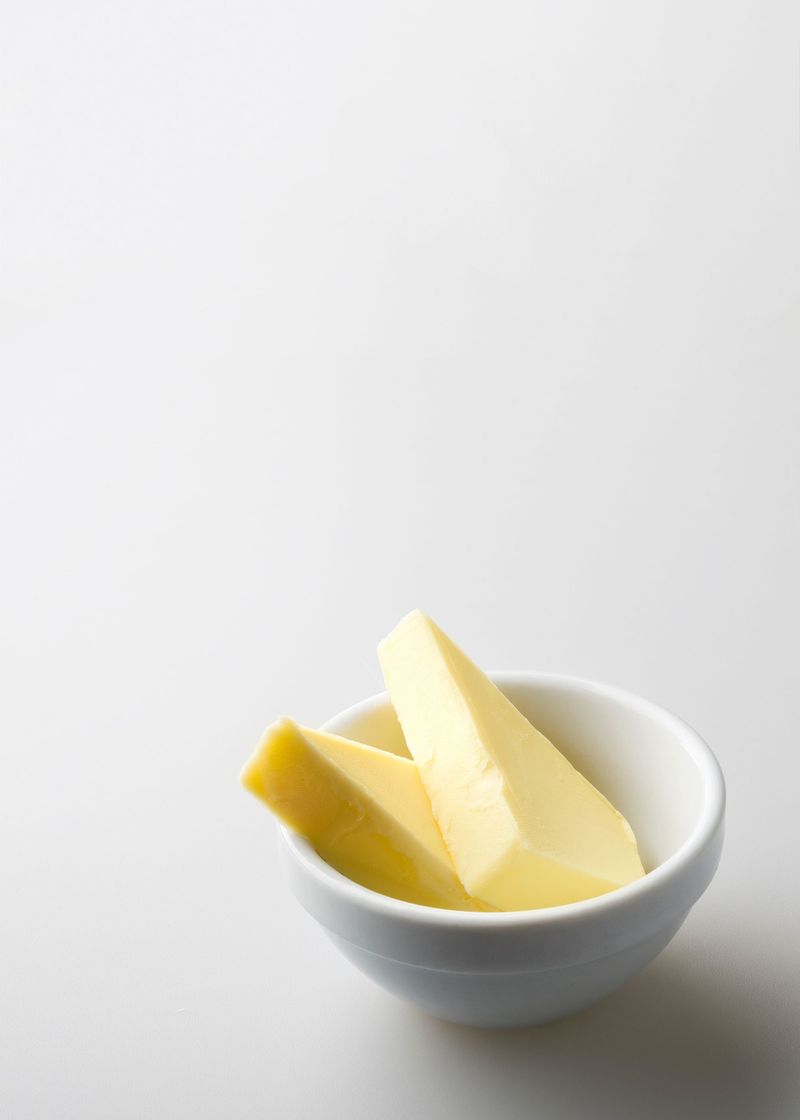
Butter used to be the quiet add-on that barely nudged your receipt. Then milk prices, labor, and packaging costs rose, and blocks turned into tiny luxuries.
Bakers felt it first, but everyone noticed toast suddenly tasted like splurge territory. Store brands help, yet even those jump during holiday baking seasons.
Stretch it by softening butter for better spread, or blend with olive oil for cooking. Bake smarter by weighing flour and sugar so you do not need extra butter for texture.
Freeze sale butter and rotate sticks, and try browned butter to amplify flavor so smaller amounts still feel rich.
Bacon
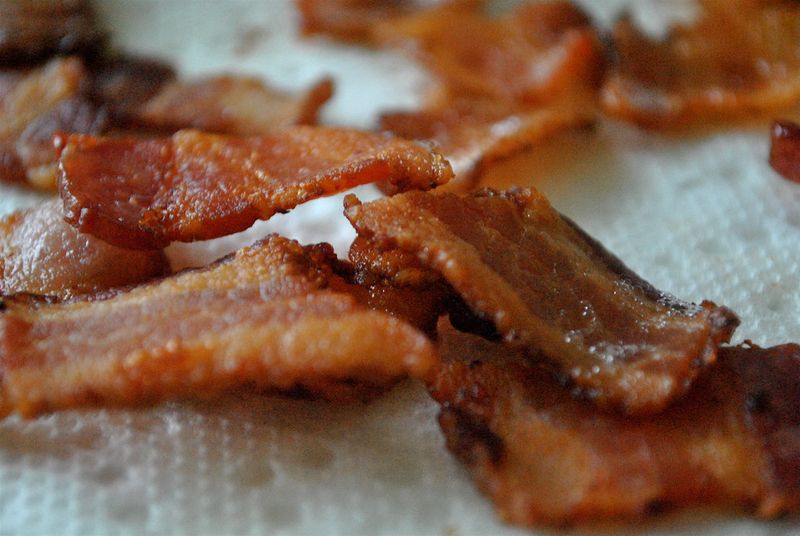
Bacon once lived in the bargain bin, a weekend treat with couch change. Now pork belly demand, fancy flavors, and restaurant trends pushed it into premium territory.
Shrinkflation quietly trimmed slices while prices climbed. You still crave that sizzle, but the cost per breakfast can rival an entire budget meal.
Buy ends and pieces for soups and beans, or crisp half strips to top sandwiches. Render fat and save it for frying potatoes or greens, stretching flavor across meals.
Try thick-cut only when on sale, and rotate in smoked paprika or turkey bacon so you keep the vibe without overspending.
Ground beef
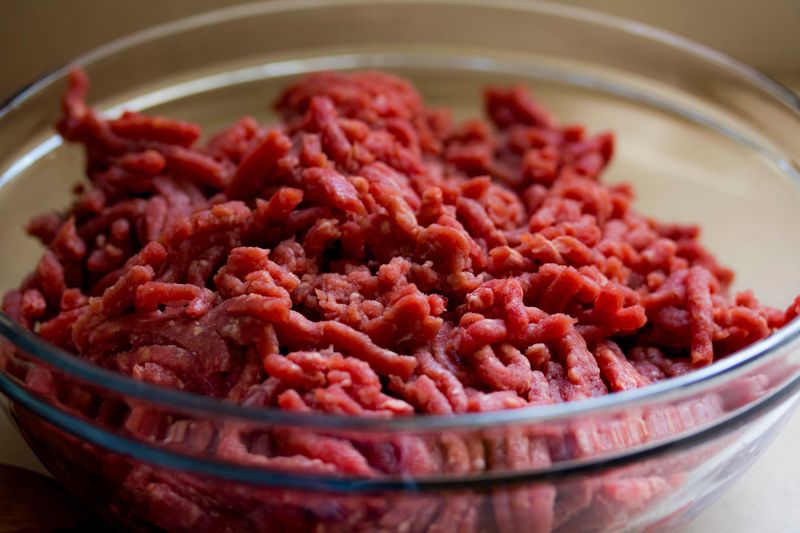
Ground beef used to anchor cheap spaghetti nights and taco Tuesdays. Herd reductions, feed costs, and processing bottlenecks tightened supply while demand stayed sturdy.
Fatty blends rose fastest, and family packs got pricier even on sale. Burgers still beckon, yet the per pound sticker can shock when you are rushing.
Work the sales cycle, grab smaller portions, and blend with lentils or mushrooms for juicy stretch. Season boldly so no one misses the extra meat.
Batch cook sauces and freeze flat in bags, then repurpose for sloppy joes, stuffed peppers, or chili. You will feel in control again.
Chicken wings
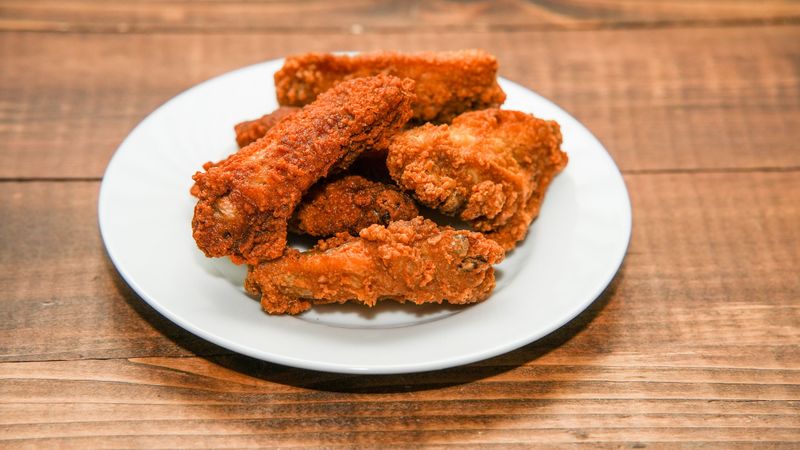
Wings were scraps once, practically free with drumsticks. Then game day culture, fryer fandom, and boneless trends sent demand soaring.
Processors struggled to keep up, and restaurants bid prices higher, pulling grocery tags along. Suddenly a tray of wings costs more than whole birds, and you are still hungry afterward.
Buy whole chickens and break them down, keeping wings for parties and using the rest for meals. Roast at high heat with baking powder for crisp without gallons of oil.
Sauce smarter with buttered hot sauce or gochujang glazes, and serve with hearty sides so portions satisfy without blowing budgets.
Coffee
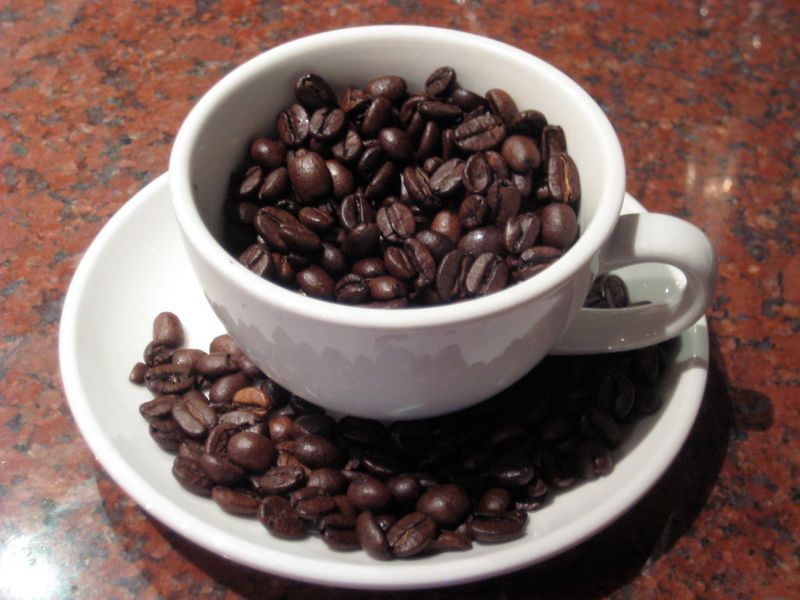
Coffee used to be the reliable cheap pick-me-up. Climate shifts, shipping costs, and specialty demand lifted beans into splurge status.
Smaller cans, pricier pods, and cafe comparison creep made home brewing feel less thrifty. You still need that morning ritual, but the math hits different when refills drain your budget.
Buy whole beans on sale, grind fresh, and use a scale for stronger cups with fewer grounds. Try a reusable pod or a pour-over to cut waste.
Cold brew concentrates stretch flavor across the week. Keep a treat fund for occasional lattes so you enjoy them, not replace your rent.
Orange juice
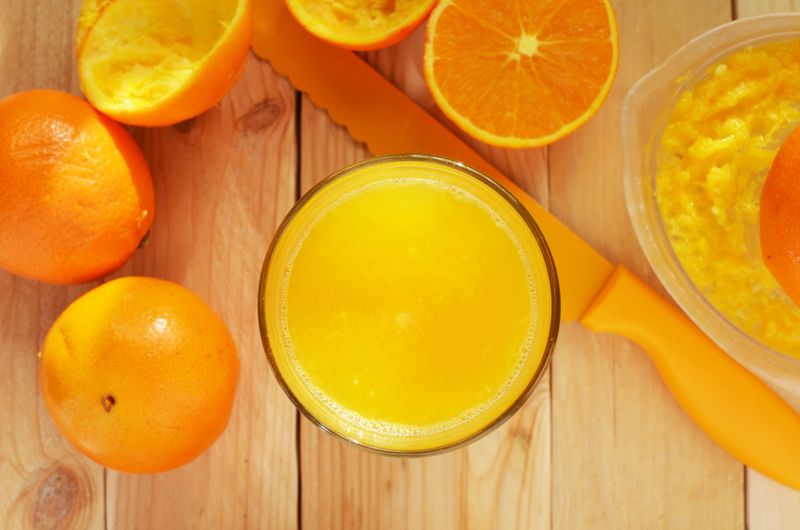
Orange juice used to be the sunny, cheap breakfast pitcher. Weather shocks, citrus disease, and fertilizer costs shrank harvests and pushed prices up.
Cartons got slimmer while not from concentrate crept higher. You pour a glass and wonder when it became a special-occasion item instead of a daily staple again.
Buy frozen concentrate and dilute slightly, or switch to whole oranges when they are cheaper. Water kefir or flavored seltzer scratches the refreshing itch with fewer dollars.
For brunch, make spritzers with half juice, half sparkling water. Save the pure stuff for recipes or mimosas when guests actually notice quality.
Olive oil
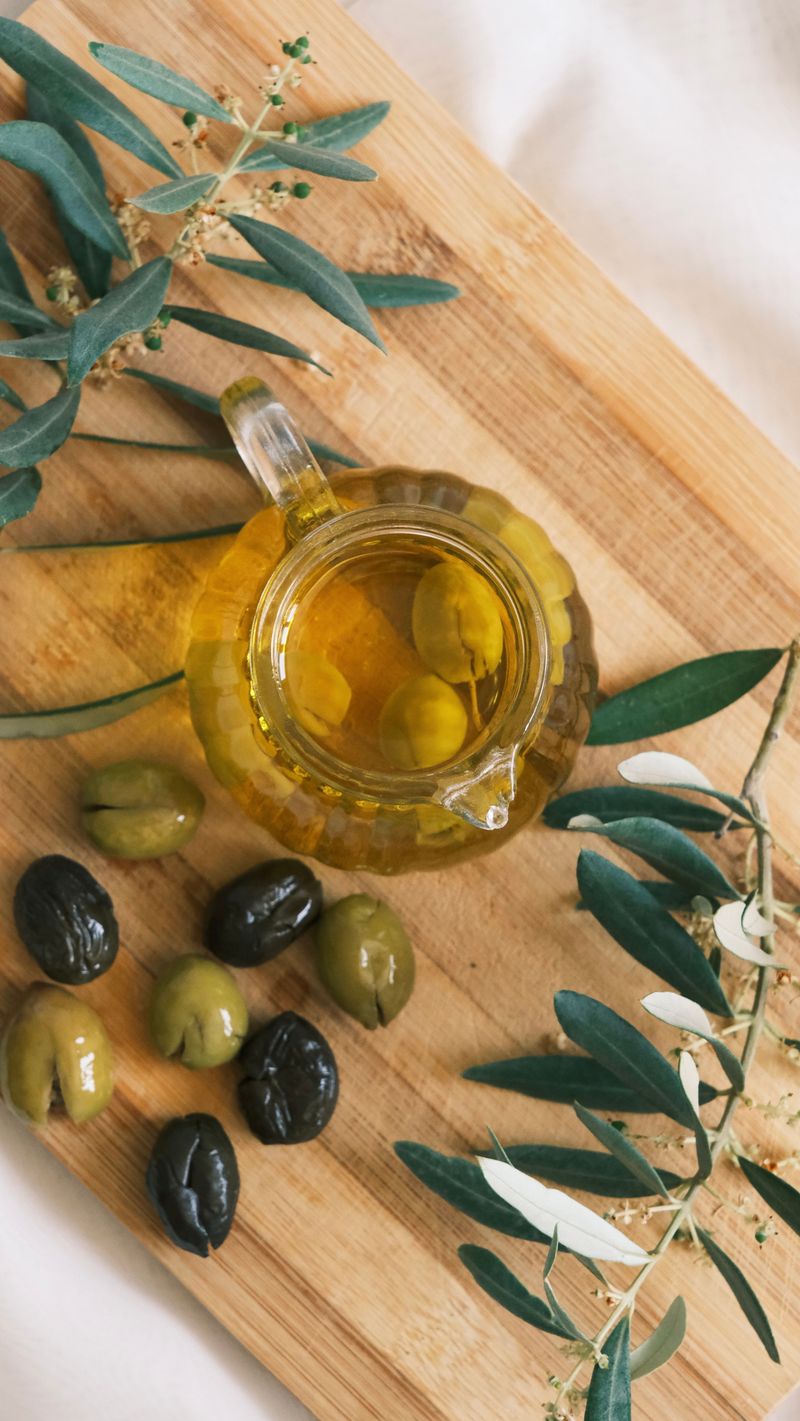
Olive oil once felt fancy yet attainable. Droughts, crop failures, and export limits in major regions sent prices soaring and shelves thinning.
Bottles that used to anchor weeknight cooking now feel like investments. You drizzle more carefully, realizing each glug costs what a whole pantry item used to before today.
Hunt trustworthy blends, check harvest dates, and compare unit prices across sizes. Use neutral oils for high heat, reserving extra virgin for finishing.
A squeeze bottle controls pours, saving money. Brighten dishes with lemon, herbs, and anchovy so smaller amounts deliver big flavor, and stash a backup when sales pop.
Cheese
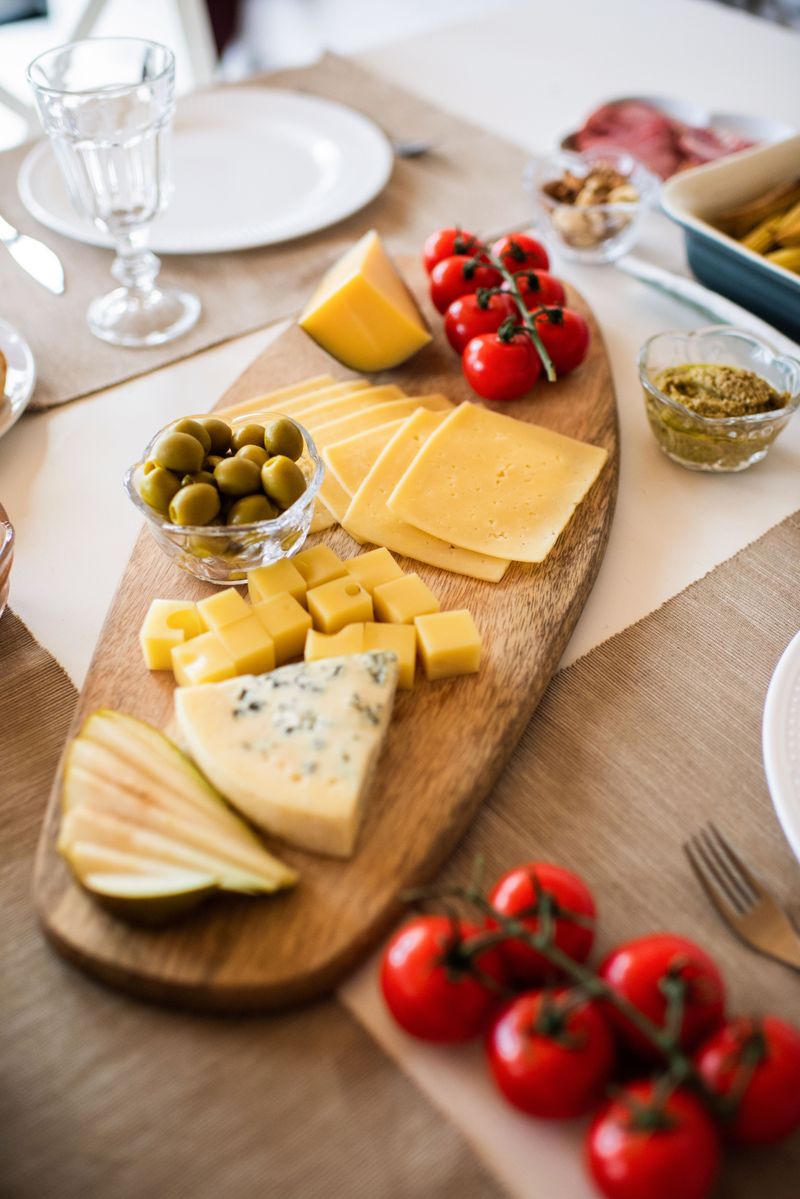
Blocks of cheese used to be quick add-ins that barely hit the budget. Milk prices, aging time, and import costs turned many varieties into splurges.
Even shredded bags hide air and starch, making unit prices worse. You still crave melty comfort, but the sticker shock can derail a simple casserole.
Buy by the block and grate at home, then freeze leftover rinds for soups. Choose flavorful cheeses like sharp cheddar or Parm so smaller amounts go farther.
Mix with béchamel to stretch, and rotate in cottage cheese for protein on toast or pasta bakes. Sale days become your friend again.
Bread
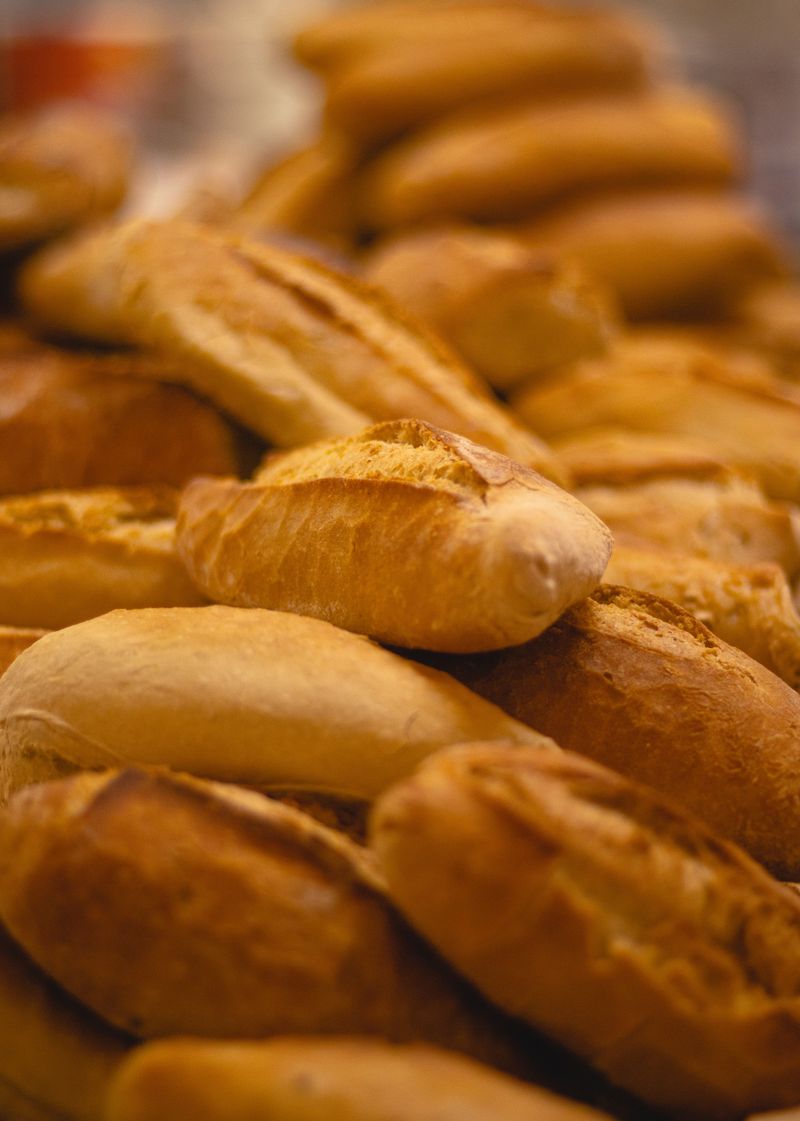
Bread once anchored the frugal basket, a dollar loaf feeding days. Wheat prices, labor, and bakery energy bills pushed shelf tags higher.
Artisanal trends raised expectations while basic loaves shrank. You still want reliable toast and sandwiches, but paying premium for crumb and crust feels wild when budgets are tight.
Bake at home with no-knead methods, or split bakery loaves and freeze halves. Compare unit price by ounce, not just sticker.
Toast revives day-old slices, and breadcrumbs save heels for meatballs or gratins. Bulk-buy flour when cheap, and let a spoon of oil keep dough soft without extra sugar added.
Potatoes
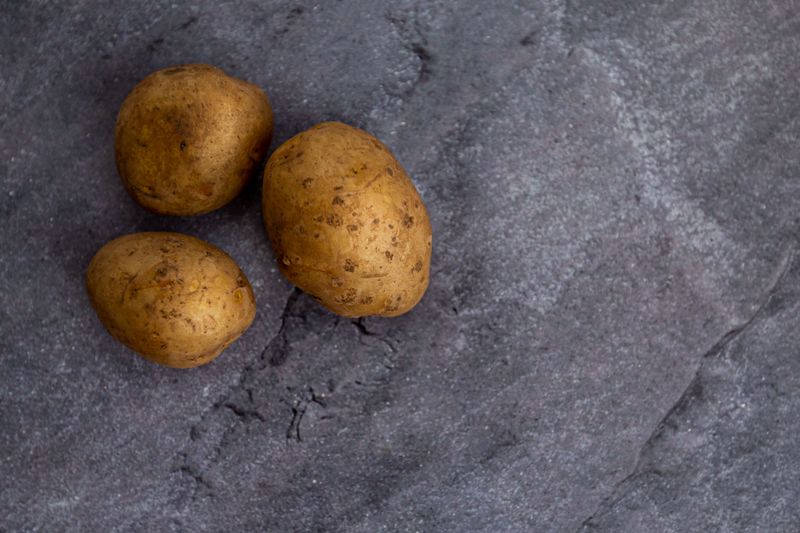
Potatoes used to be the definition of cheap calories. Weather swings, storage costs, and export shifts nudged prices up and bags smaller.
Restaurant demand for fries keeps pressure high. You can still stretch meals with spuds, but the old rock-bottom deals rarely appear, especially on convenient prewashed or petite varieties.
Buy 10-pound bags on sale, store cool and dark, and cook big batches for the week. Roast, mash, and pan-fry leftovers into crisp hash.
Keep skins on for nutrition and less waste. Pair with beans, eggs, or chili to build filling plates that keep everyone happy without wrecking grocery goals.
Ice cream

Ice cream felt like the classic cheap treat. Now pints masquerade as quarts, mix-ins add costs, and freezer logistics are pricier.
Promotions cycle, but base prices climbed. You open the lid and see more air than scoop, wishing dessert were still the effortless reward after a long weekday at home.
Watch unit sizes, target true quarts, and grab store brands during deep sales. Make no-churn batches with sweetened condensed milk and whipped cream for parties.
For nightly cravings, fruit and yogurt with chocolate chips scratches the itch. Save premium pints for date night so they feel special, not routine anymore.
Fresh berries
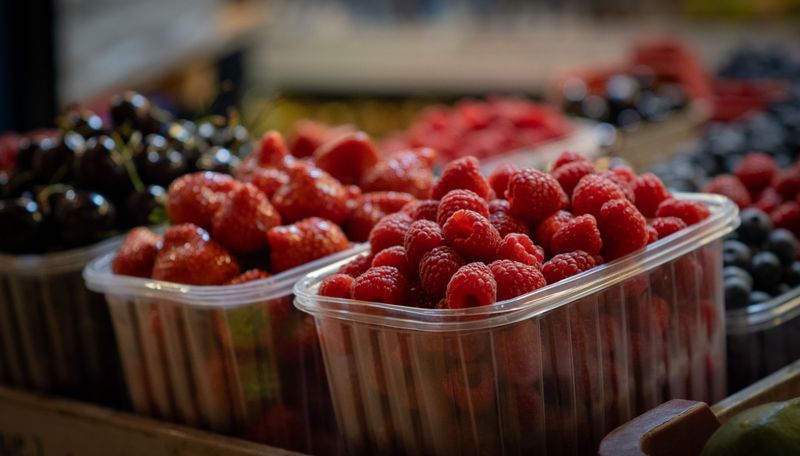
Fresh berries used to dip under two bucks in season. Weather, labor, and packaging now keep clamshells pricey year round.
Off-season imports add miles and cost. You still want that pop of color on yogurt, but a small box disappears in one sitting and the total hurts more than expected.
Buy frozen for smoothies and bakes, and pounce on local u-pick deals. Store with a paper towel and wash right before eating to slow spoilage.
Stretch flavor with compotes and chia jam. When prices spike, swap in apples, oranges, or bananas, then save berries for moments when freshness actually shines.
Avocados
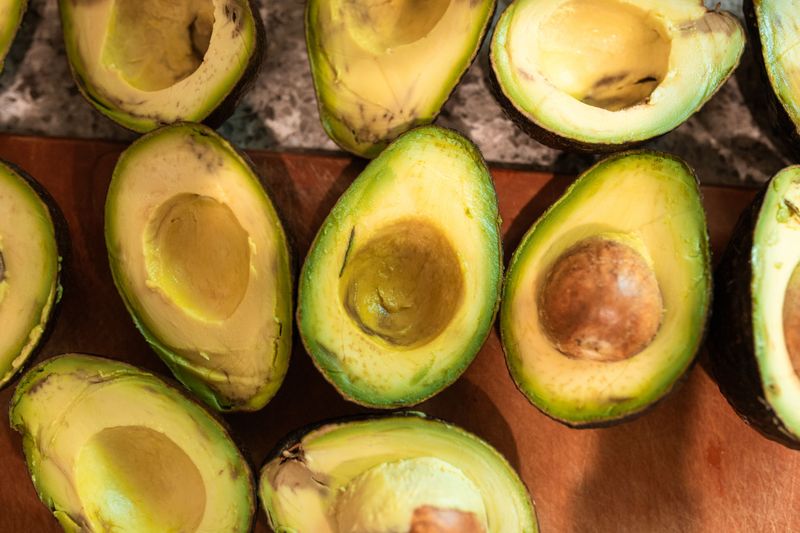
Avocados rode a boom from toast trends and wellness hype. Weather variability and global demand pushed prices up and sizes down.
Ripeness windows waste money if you mistime them. You love the creamy payoff, but it stings when two fruits equal a whole pack of tortillas and half the groceries.
Buy bags during sales, then stagger ripening with the fridge. Mash with peas or white beans plus lime to stretch for sandwiches and nachos.
Save pits for storage myths if you must, but plastic wrap on the surface works better. Roast halves with eggs and salsa for satisfying, budget brunches.
Peanut butter
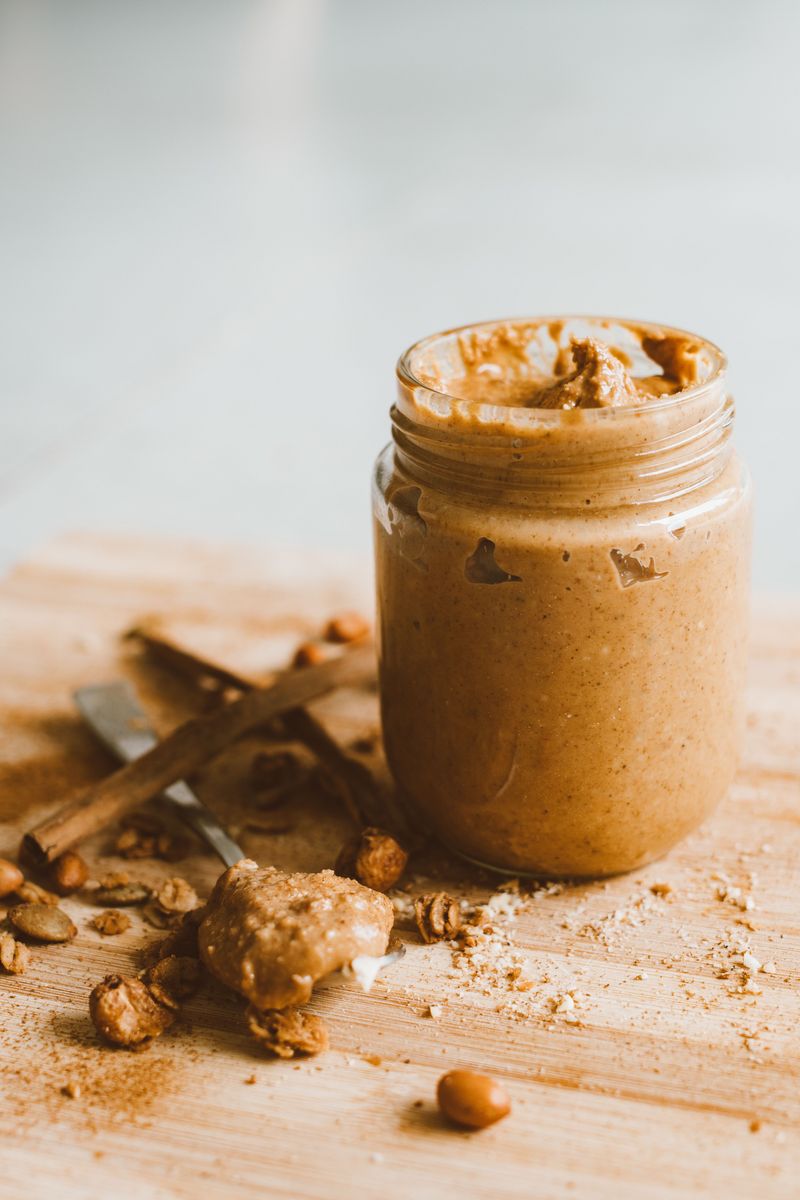
Peanut butter once anchored tight budgets with protein and comfort. Crop issues, shipping, and added sugar flavors nudged prices steadily higher.
Jars shrank while lids widened, somehow. You still want quick sandwiches and satay sauce, but paying extra for shelf-stable spread feels ironic when it used to be the fallback.
Choose natural store brands and drain oil into a separate jar for cooking. Stir once, then store upside down to simplify spreadability.
Use in baked oats, noodles, and smoothies so a spoon goes far. For snacks, mix with yogurt and honey for dip that makes fruit and crackers feel fancy.
Deli turkey
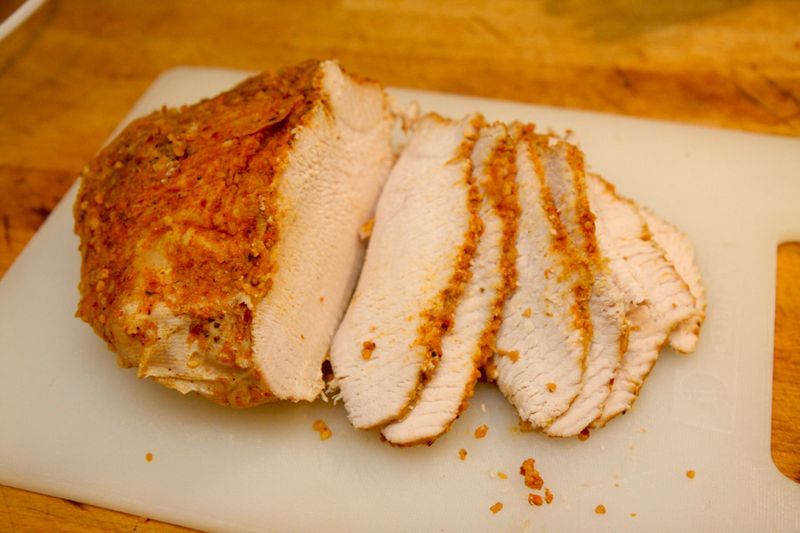
Deli turkey was the lean, cheap sandwich hero. Feed, processing, and slicing labor costs lifted price per pound beyond many roasts.
Sodium-laden ultra thin slices add insult. You still want quick lunches, but a week of sandwiches can cost what used to cover dinners, sides, and maybe even dessert entirely.
Buy whole turkeys or breasts on sale, roast, then slice and freeze portions. Season assertively so homemade deli meat tastes like a treat.
Add crunchy veg and spreads to reduce how much meat you need per sandwich. A hearty soup alongside turns two slices into a satisfying, smart lunch plan.
Frozen pizza
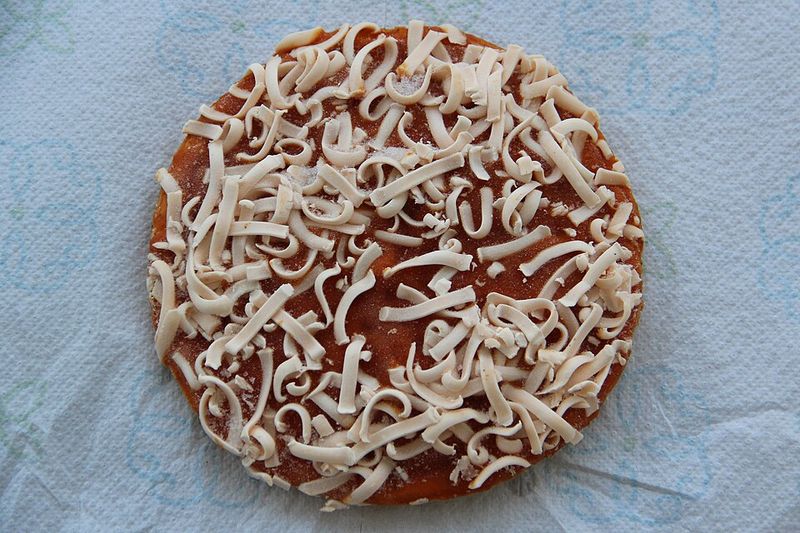
Frozen pizza used to be the emergency dinner that barely nicked the budget. Now crust innovations, fancy toppings, and supply costs pushed boxes higher.
Even basic pies feel premium on weeknights. You eye the freezer case, calculating whether delivery deals are suddenly competitive with what used to be the cheapest.
Stock during BOGO sales and bake on a preheated steel for pizzeria crisp. Boost with extra sauce, onions, and shredded cheese you already have.
Split one pie with a salad or garlic beans to fill out the meal. Or keep dough balls frozen and top with pantry heroes for speed.
Breakfast cereal
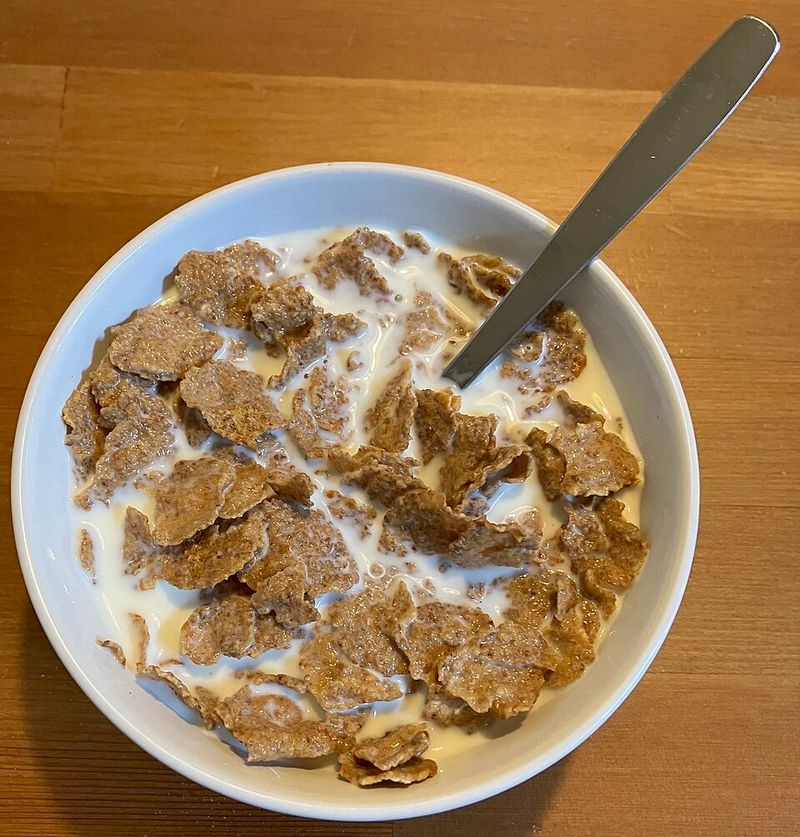
Cereal once filled bowls for pennies. Corn and sugar costs, branding, and shipping pushed prices up while boxes got narrower.
Promos look good, but unit pricing tells the truth. You pour a serving and realize the recommended size is tiny, which means breakfast costs more and hunger returns quickly today.
Buy store brands, mix in oats, and add nuts or fruit to boost satisfaction. Compare by ounce, not flashy coupons.
For warm mornings, overnight oats with yogurt and jam cost less and fill you up longer. Save the sugary stuff for movie-night snack mixes so boxes last instead of vanishing.
Chocolate
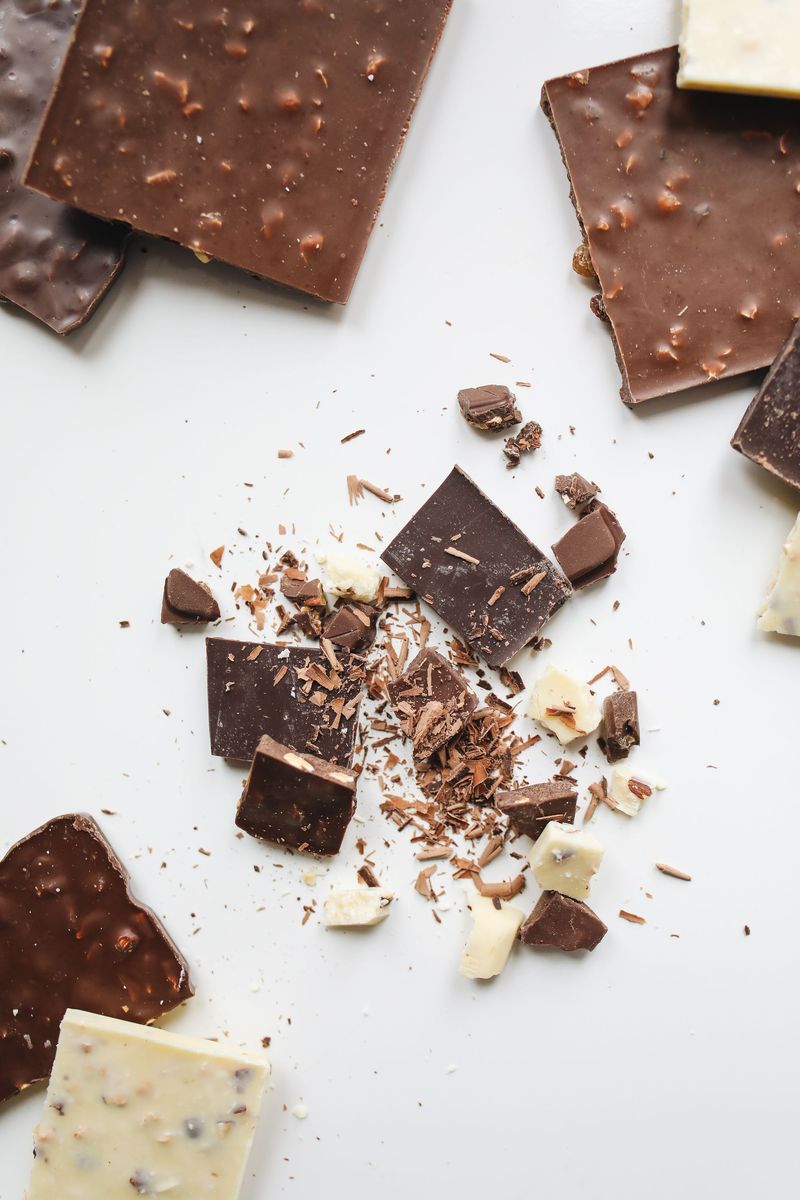
Chocolate used to be a cheap little luxury. Cocoa supply strain, climate impacts, and labor improvements pushed prices sharply higher.
Bars shrank while premiums and single-origin labels multiplied. You still want a square after dinner, but checkout totals can make sweets feel like an indulgence you have to schedule carefully.
Watch holiday clearance, choose darker bars for stronger flavor, and ration into pre-broken portions. Bake brownies with cocoa powder plus oil to save on chips.
Stir a spoon into chili or mole for depth, stretching one bar for multiple meals. Share tastings with friends so one purchase brings real joy.
Walnuts
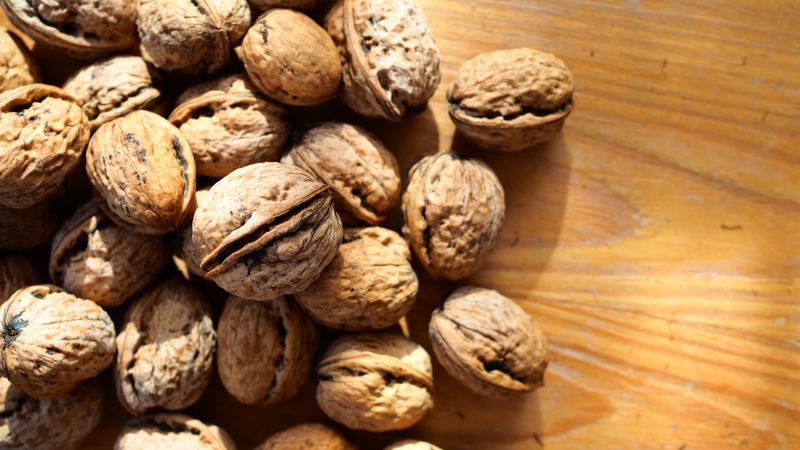
Walnuts used to be an affordable baking add-in. Drought, crop cycles, and export markets pushed nut prices up across the board.
Bags got smaller, and freshness mattered more. You still want crunch in salads and banana bread, but a handful feels like tossing quarters into your mixing bowl at once.
Buy halves and pieces, not whole halves, and store in the freezer to protect oils. Toast lightly to boost flavor, using less.
Swap with sunflower seeds or peanuts when baking, and save walnuts for topping where they shine. A small jar on the counter encourages mindful portions, not handfuls daily.
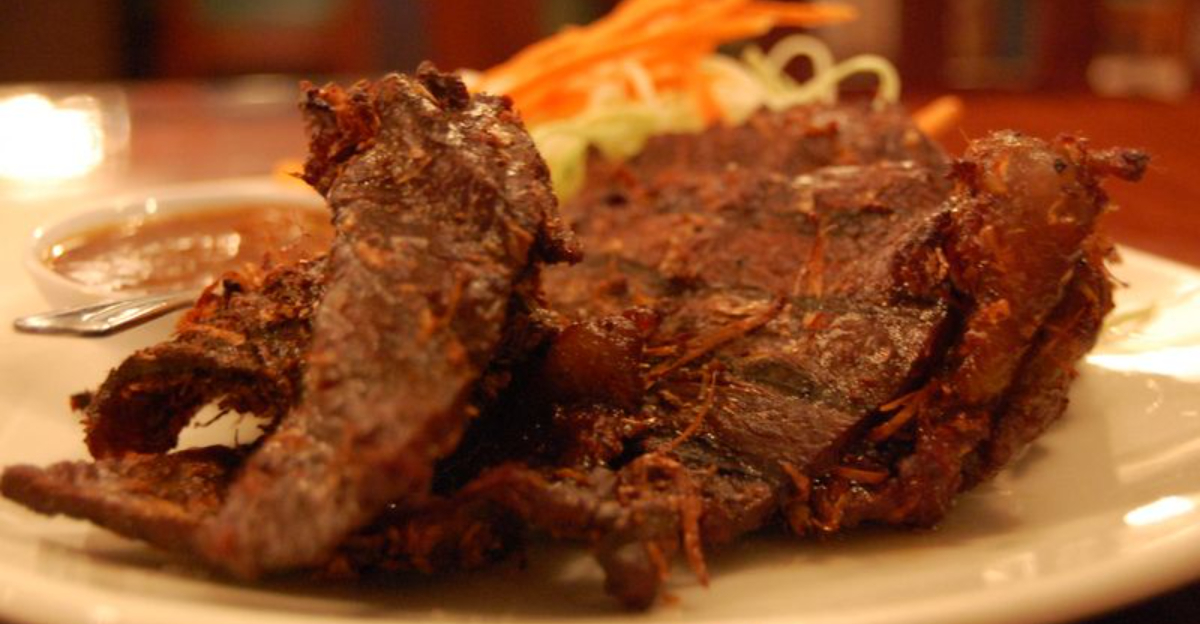
Beef jerky
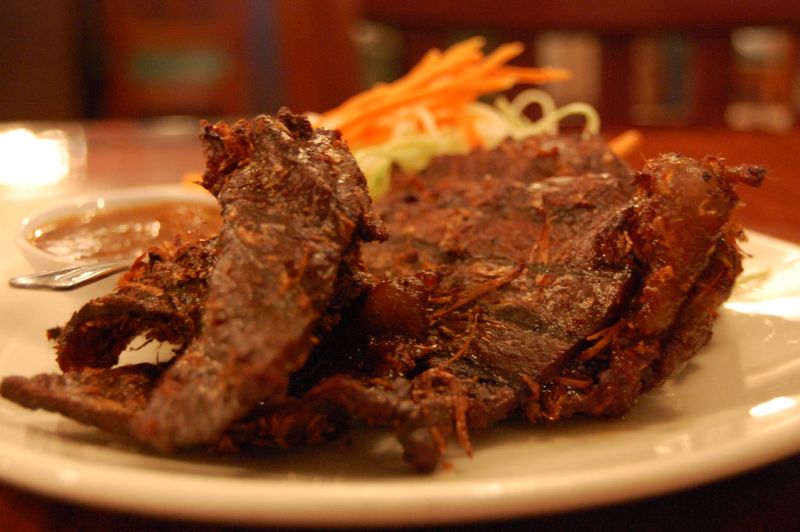
Beef jerky was a road trip bargain once. Now beef prices, spice costs, and protein fad demand turned it into a luxury snack.
Bags hide lots of air, and sodium does the heavy lifting. You still want that chewy hit, but the price per ounce reads like jewelry counter numbers.
Make stovetop jerky with thinly sliced marinated roasts when sales hit. Portion into snack bags so you do not inhale a whole pouch.
Add nuts, dried fruit, and popcorn for trail mixes. If you buy jerky, choose flavors and compare unit prices so you pay for meat, not marketing.
Enjoyed this story?
Add Fast Food Club as a preferred source to see more of our reporting on Google.