


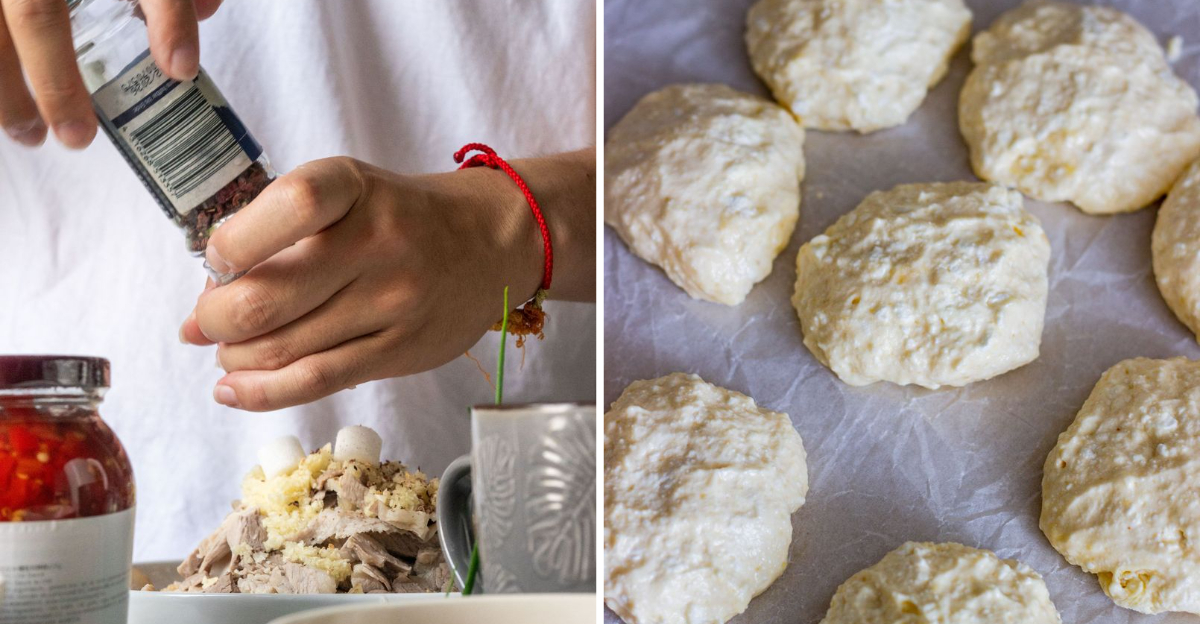
Some kitchen magic never needed a label or a trend. Grandpa’s quiet habits turned simple ingredients into food that felt bigger than the sum of its parts.
These are the little rituals that stretched flavor, saved money, and made dinner taste like home. Try a few, and you will taste the difference right away.
Saving bacon grease for cooking
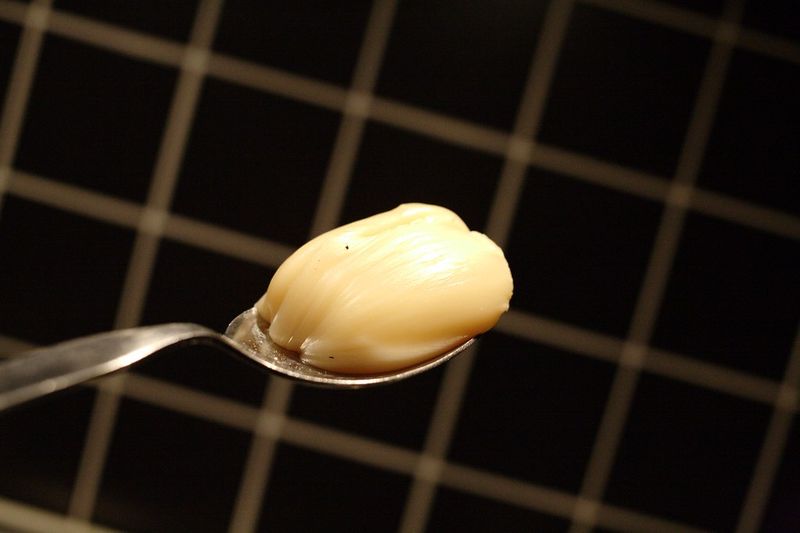
Grandpa kept a jar of bacon grease near the stove, like liquid gold. A spoonful transformed greens, cornbread, and eggs with smoky depth.
It delivered savoriness butter could not match.
You render more flavor when you cook onions or cabbage in it first. The fat carries spices, browns edges, and keeps cast iron happy.
Strain out bits, store in a clean jar, and use sparingly.
You get thrift without waste, flavor without effort, and crisp potatoes that sing. If you cook bacon rarely, save sausage drippings the same way.
Label the lid, keep it chilled, and enjoy little echoes of Sunday breakfast.
Making gravy from pan drippings
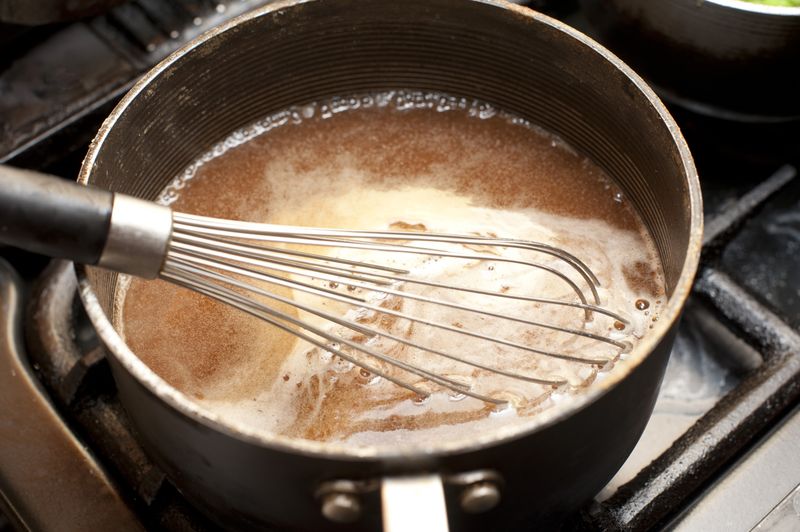
After roasting meat, Grandpa never tossed the brown bits. He whisked flour into sizzling fat, then splashed stock to build a glossy gravy.
Those drippings carried caramelized flavor you simply cannot bottle.
You scrape the pan, loosen fond, and season patiently with salt and pepper. A little vinegar or wine brightens everything.
Pour over potatoes, rice, or biscuits, and dinner suddenly tastes generous.
If the gravy feels heavy, whisk in a knob of butter to silk it out. If it seems thin, simmer a minute and let the bubbles tighten flavor.
Save a splash for tomorrow’s hash, because good gravy keeps paying dividends.
Baking fresh cornbread instead of buying it
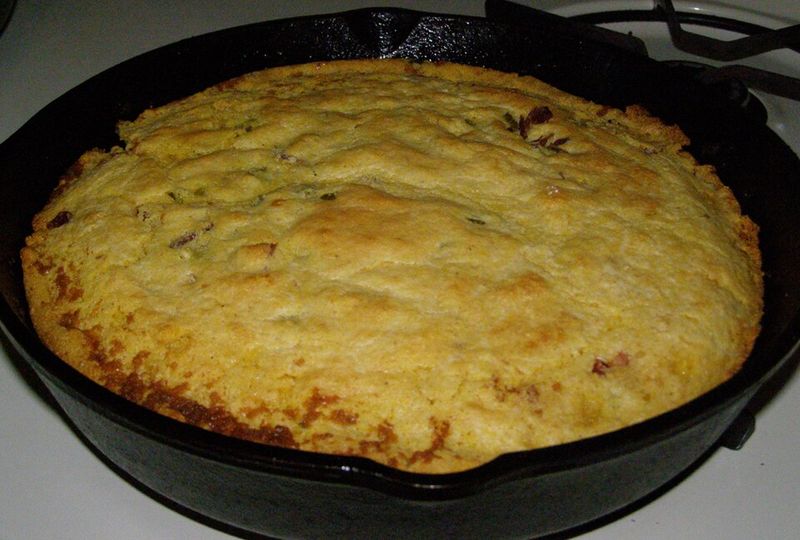
Warm cornbread out of the oven makes a meal feel complete. Grandpa mixed cornmeal, buttermilk, egg, and hot skillet grease for crackly edges.
Store-bought loaves never carried that toasty perfume.
You preheat the pan, pour the batter, and listen for an eager sizzle. Honey is optional, but salt is not.
Serve with beans, greens, or gravy, and watch plates go quiet.
Leftovers turn into breakfast croutons when toasted in bacon fat with pepper. If the crumb feels dense, sift the cornmeal and do not overmix.
Pull it when the top is deeply golden, so the center stays tender.
Cooking dried beans instead of canned
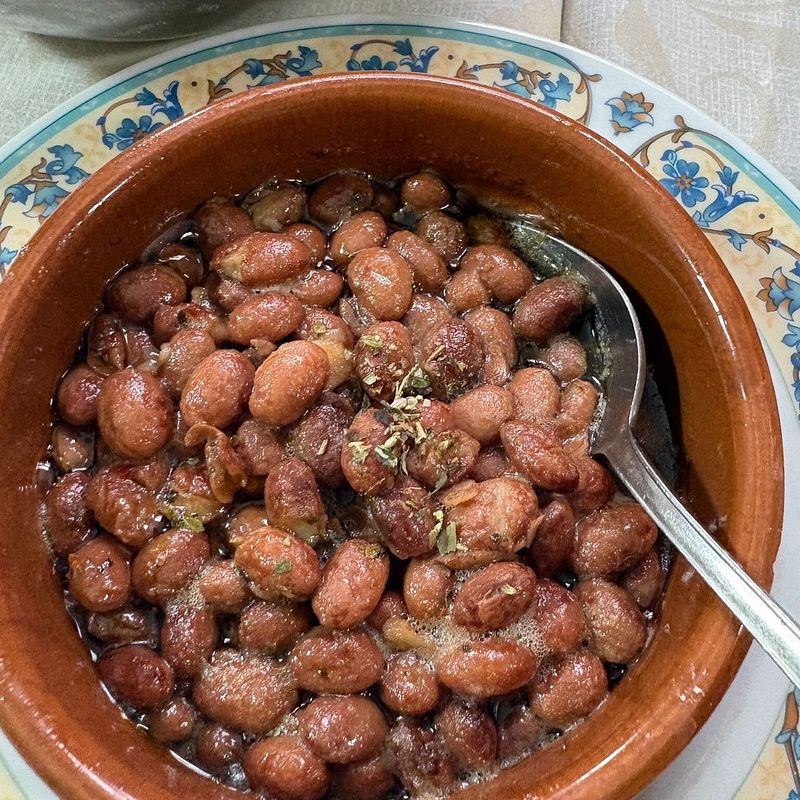
A pot of dried beans promises better texture and clean flavor. Grandpa soaked them, salted late, and let time do the work.
Canned beans are handy, but whole-house aroma is priceless.
You can add onion, bay, garlic, or a ham hock for soulful broth. Simmer gently until skins are soft yet intact.
Finish with olive oil, vinegar, and herbs, transforming simple beans into dinner.
Cook extra, then freeze with their liquid for quick soups, dips, and tacos. Salt the soaking water if you like creamier centers.
Patience gives buttery bites that never collapse on your spoon.
Using cast-iron skillets daily
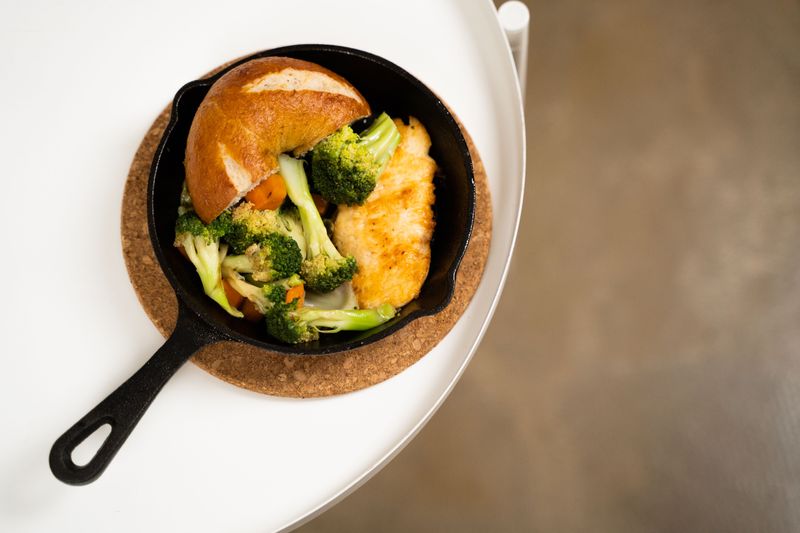
Cast iron rewards repetition with a slick, resilient surface. Grandpa cooked everything from cornbread to steak in the same trusty pan.
Heat stayed even, crusts browned confidently, and flavors felt grounded.
You preheat, avoid panic, and let the pan do the searing. Use enough fat, then clean with hot water and a gentle scrub.
Dry on the burner and wipe a whisper of oil to finish.
Rust fears attention, not you, so cook often and keep seasoning alive. That familiar heft teaches patience and makes quick meals taste slow.
Breakfast, lunch, and supper all thank the same black workhorse.
Making broth from leftover bones
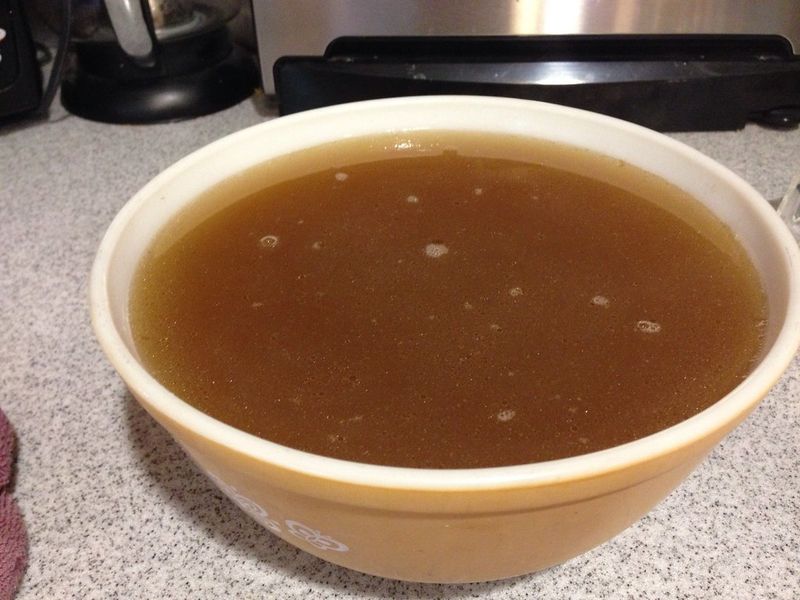
Bones meant broth, not trash. Grandpa simmered carcasses with onion ends, celery leaves, and peppercorns until the house sighed.
Gelatin rich stock gave soups body and sauces quiet shine.
You cover with cold water, bring to a lazy bubble, and skim gently. Hours extract goodness you cannot rush.
Strain, chill, lift the fat, then freeze in jars for future comfort.
Add a splash of vinegar to help coax minerals from the bones. Roasted bones deepen color and flavor, while raw bones taste cleaner.
Whatever path you choose, homemade broth makes ordinary rice, grains, and vegetables feel cared for.
Letting soups simmer for hours
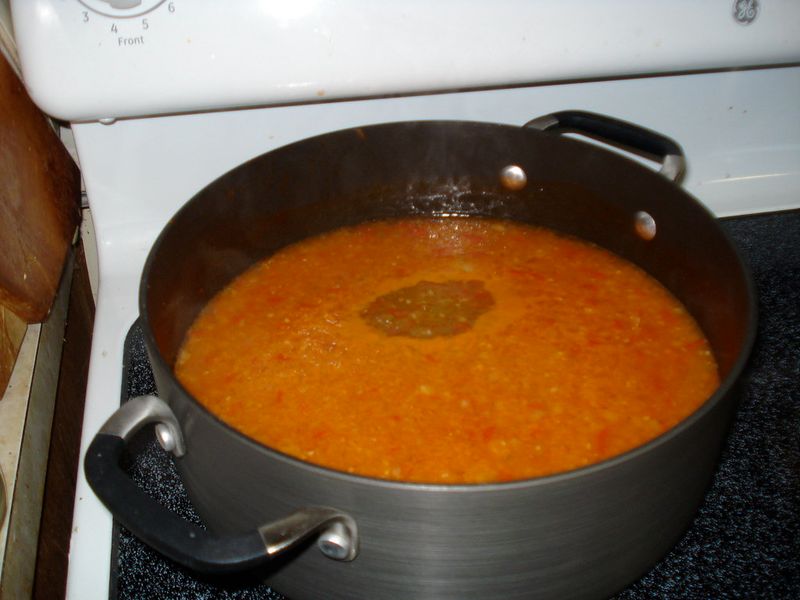
Time gives soup its velvet voice. Grandpa simmered low, letting bones, beans, and vegetables trade stories.
Quick boils taste thin, while gentle bubbles knit flavors together.
You skim occasionally, add water as needed, and resist constant fiddling. Salt gradually so the pot stays balanced as it reduces.
Finish with acid, fresh herbs, or a swirl of oil for sparkle.
Soups reward leftovers, growing deeper overnight, so tomorrow tastes somehow familiar and new. A slow afternoon can quietly cook for the whole week.
Let the house smell like patience, then ladle comfort into warm bowls. Taste again.
Saving stale bread for recipes
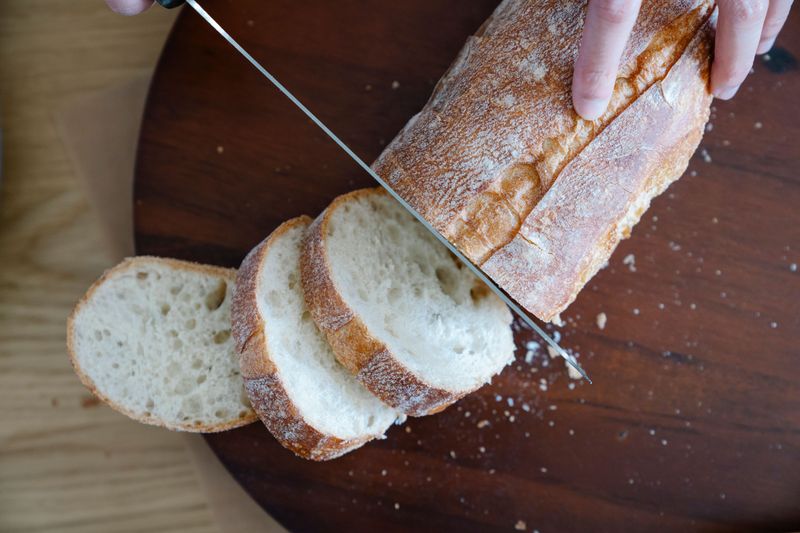
Stale bread is tomorrow’s texture hero, not a mistake. Grandpa dried cubes for stuffing and blitzed crumbs for cutlets.
He thickened soups with torn heels that melted into silk.
You can toast slices in the oven, then store in a jar. Panzanella turns day old into juicy salad magic.
Garlic, oil, and heat revive flavor fast.
Make custardy bread pudding, crunchy gratin topping, or herbed breadcrumbs for pasta. Nothing feels wasted, and dinner gains welcome contrast.
Dry, freeze, and grate as needed so you always have options. Croutons make soups friendlier and salads far more satisfying on busy weeknights too.
Using buttermilk in baking
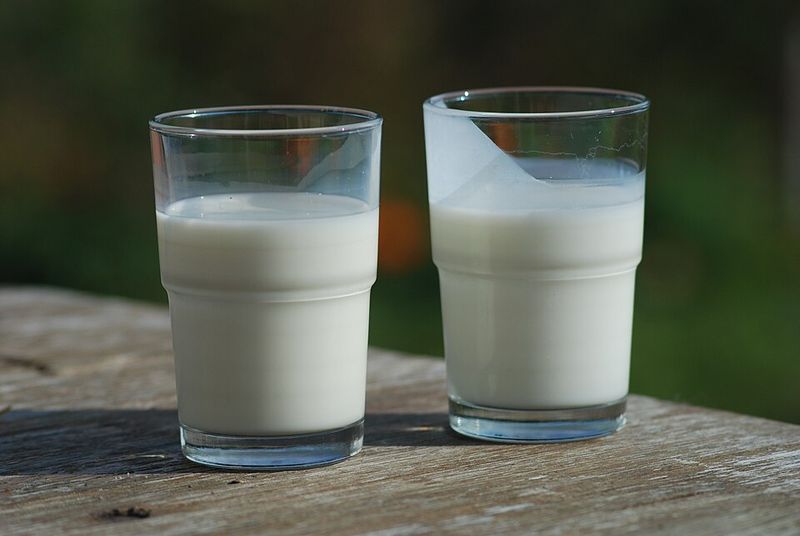
Buttermilk makes batters tender and tangy without heaviness. Grandpa used it for biscuits, pancakes, and chocolate cake.
Acid reacts with baking soda, lifting dough with tiny bubbles.
You swap milk for buttermilk and reduce other acids a little. Let batters rest so flour hydrates and gluten relaxes.
Brush chicken with it before frying for juicy, craggy crusts.
If you lack buttermilk, sour regular milk with lemon or vinegar. The same tang brightens dressings and quick breads beautifully.
Keep some on hand, and weekday baking suddenly tastes like Sunday. Cold butter plus buttermilk creates lofty layers in pastry at home easily.
Growing fresh herbs
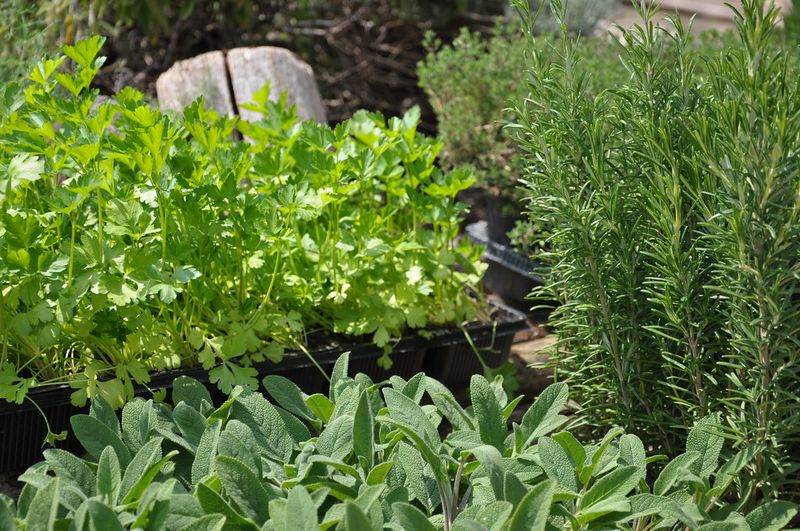
A pot of herbs by the back door changed everything. Grandpa pinched basil, thyme, and chives right before dinner.
Fresh leaves woke up eggs, soups, salads, and saucepans.
You grow what you use, snip small, and add late for aroma. Woody herbs can handle early heat, while tender ones prefer the finish.
Even a windowsill garden pays delicious rent.
Rinse, pat dry, and chop with a sharp knife so oils stay bright. Stems flavor broths and vinegars, so save those too.
Your food tastes fresher, and your kitchen smells alive. Little leaves deliver big returns, season after you chop gently.
Pickling vegetables at home
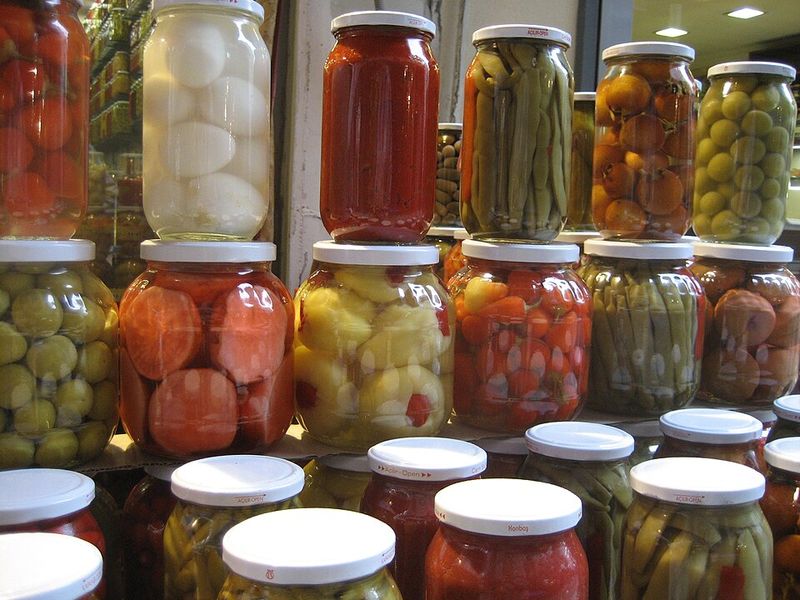
Quick pickles added snap to rich meals and sleepy sandwiches. Grandpa poured hot vinegar brine over cucumbers, onions, or okra.
In a day, everything brightened.
You balance salt, sugar, and spice, then tuck jars in the fridge. A splash on tacos, beans, or roasted meats cuts through heaviness.
The colors make leftovers feel new.
If you want longer keeping, learn proper canning, but quick pickles are weeknight magic. Carrots, grapes, and peppers all take well to brine.
Tuck herbs and garlic in the jar, and your pantry sings. Crunch wakes up every bite immediately without extra work at all.
Really.
Canning fruit each summer
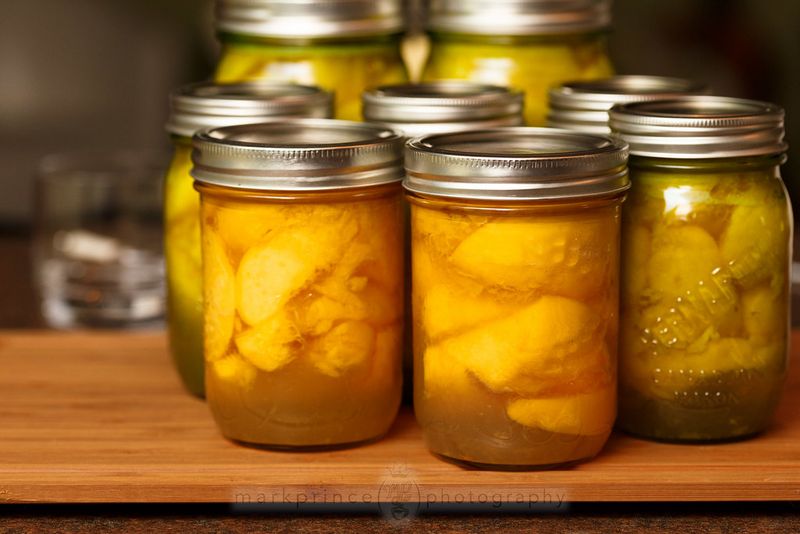
Jars of peaches on the shelf felt like sunshine saved. Grandpa canned strawberries, pears, and jam when orchards overflowed.
Winter pies and biscuits tasted like July.
You sterilize jars, simmer fruit with sugar, and seal carefully. Labels matter more than you think when months pass.
Canned syrup sweetens tea, cocktails, and cake glazes.
Follow trusted safety guides, because good habits make treats last. A pinch of salt or lemon gives balance and brighter color.
Open a jar in January, and the table goes quiet with gratitude. Summer work becomes winter comfort, and that trade feels perfect on cold dark nights.
Sharpening knives regularly
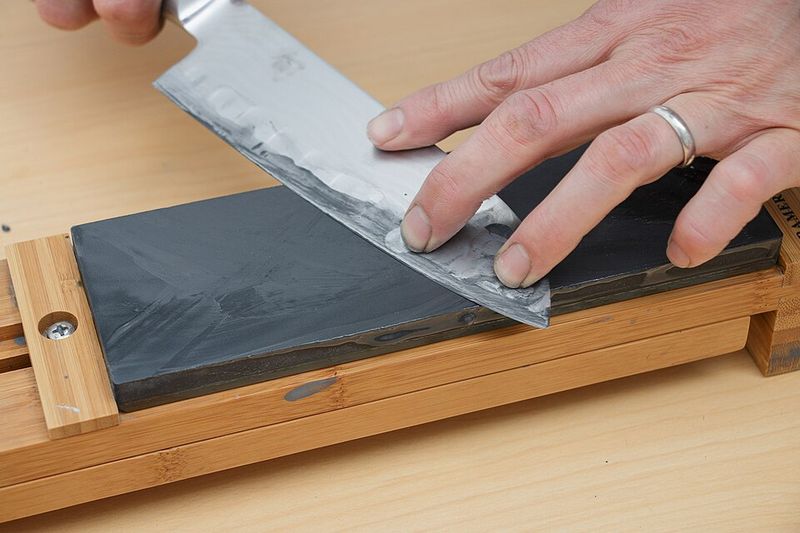
Sharp knives make cooking calmer, safer, and cleaner. Grandpa honed before meals and sharpened when slices crushed instead of cut.
A keen edge protects fingers by requiring less force.
You learn the feel, keep an angle, and respect the blade. Use a board that will not dull your efforts.
Dry knives immediately and never toss them into drawers.
Tomatoes, onions, and herbs taste fresher when sliced cleanly, not mashed. If you are nervous, start with a honing steel and practice slowly.
Confidence at the board spills into better seasoning and better timing. A sharp knife invites precision every single day.
Cooking with seasonal produce
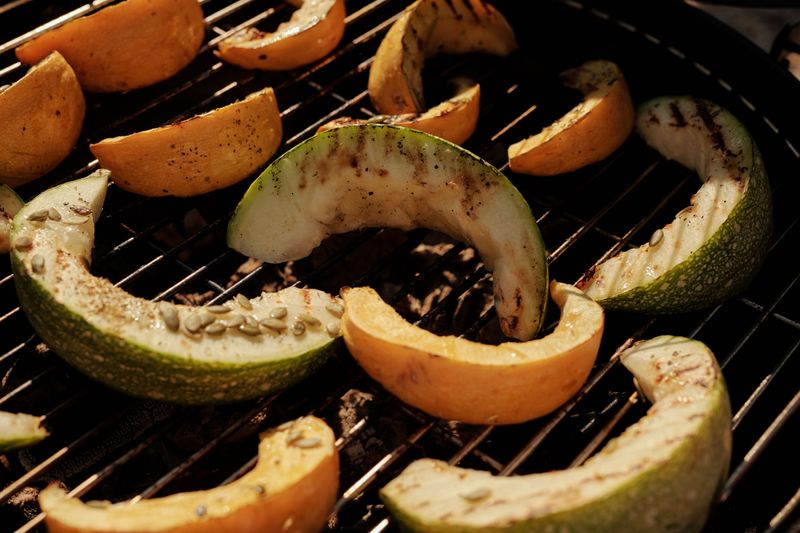
Seasonal food tastes like itself turned up. Grandpa shopped when fields peaked, then cooked simply.
Juicy tomatoes, sweet corn, and greens needed less messing.
You plan menus around markets, not the other way. Peak produce wants salt, heat, and restraint.
Out of season, you pivot to roots, citrus, and sturdy brassicas.
Buying smart saves money, reduces waste, and inspires dinners you actually cook. A ripe peach needs almost nothing beyond a plate.
Respecting the calendar quietly turns simple meals into small celebrations. Flavor shows up when nature leads the way and you follow with gentle technique and patience.
Using leftover meat in tomorrow’s meal
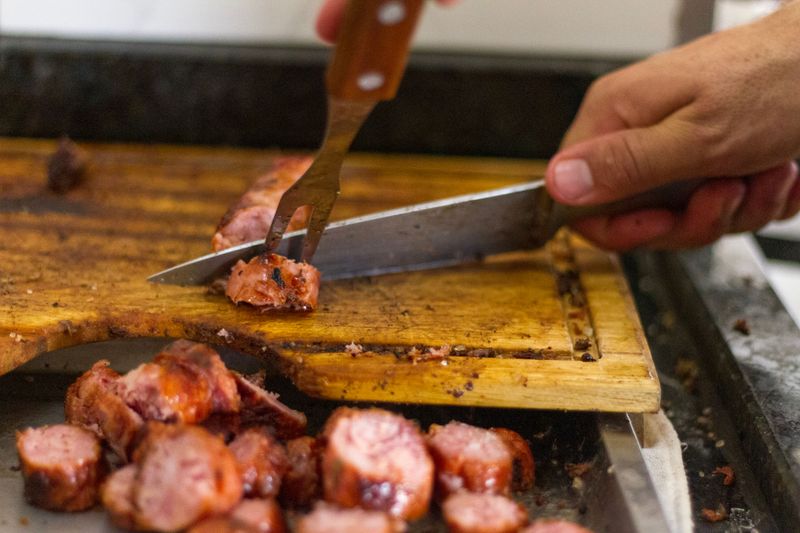
Leftover roast became tacos, fried rice, or a noodle soup. Grandpa sliced thin, stretched portions, and brightened with acid.
Nothing felt repetitive because textures changed.
You shred, crisp, or stew gently, then add fresh herbs and crunch. Leftovers are ingredients, not burdens.
A lemon, pickle, or salsa wakes sleepy meat instantly.
Wrap into burritos, stir into soups, or pile onto greens for dinner. Save drippings for frying potatoes, and you have breakfast solved.
One good roast feeds days, and each one tastes new. Planning leftovers is strategy, not surrender, and it tastes smart, especially on busy midweek evenings at home.
Mixing pancake batter by hand
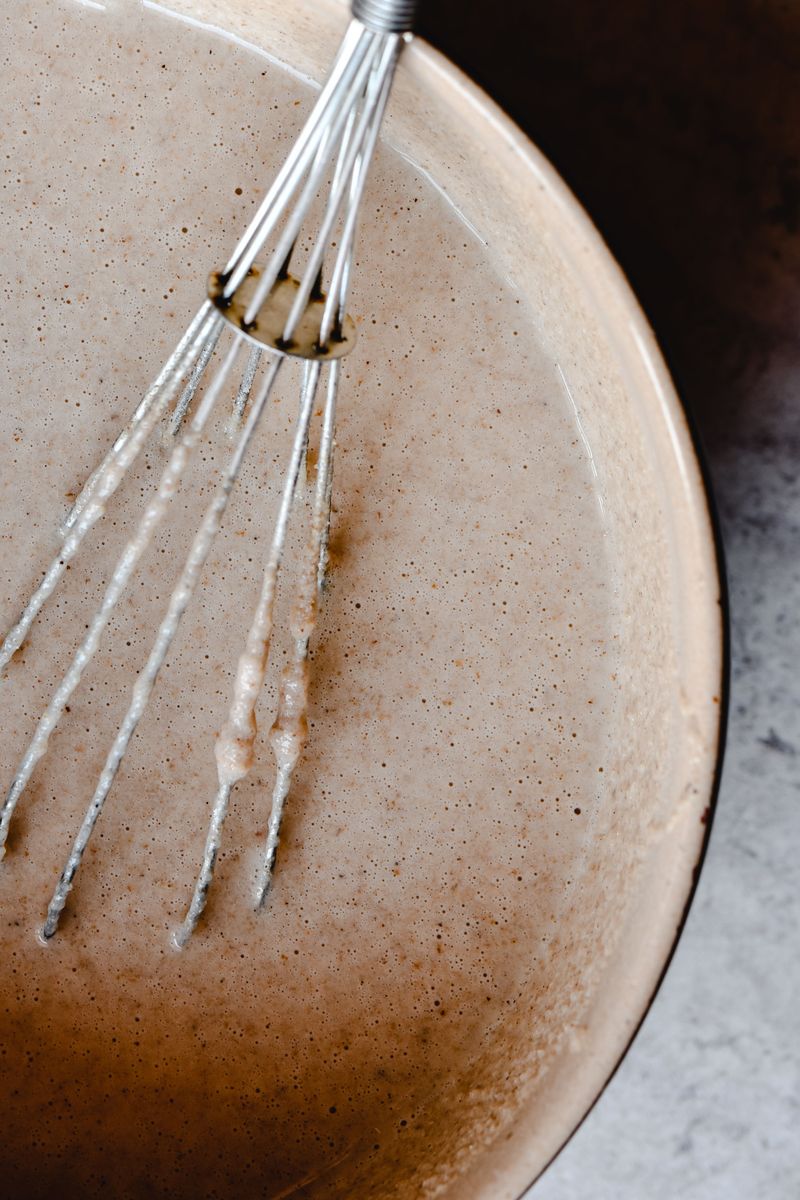
Grandpa whisked pancakes by hand until just combined. Little lumps meant fluff, not failure.
Overmixing made rubbery disks that soaked syrup sadly.
You stir wet into dry, rest the batter, and let bubbles bloom. A hot, lightly greased griddle gives even browning.
Flip when edges look set and little craters appear.
Buttermilk helps tenderness, while seltzer adds lift when you are short. Keep the first pancake as a tester for heat and timing.
Stack on a warm plate, cover with a towel, and serve proudly. Hand mixing keeps cleanup easy and your morning peaceful without extra gadgets or noise today.
Making homemade pie crust
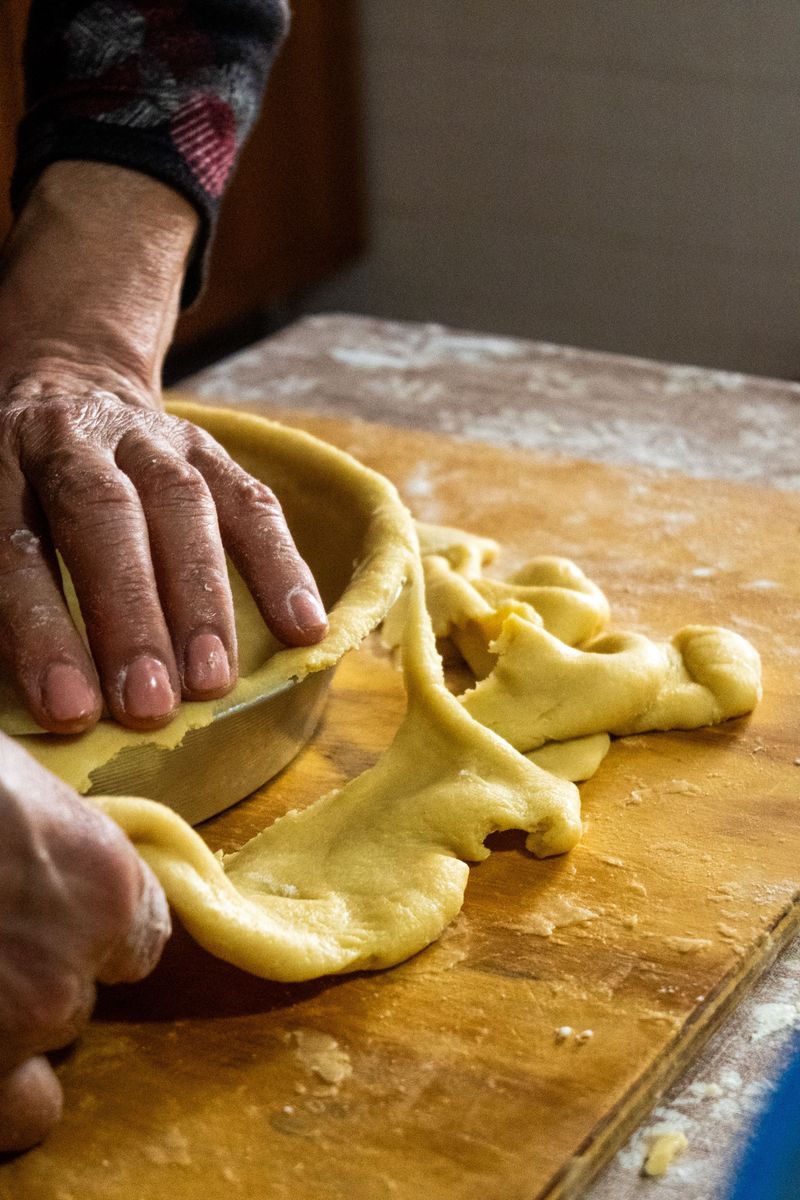
Flaky pie crust comes from cold fat, light hands, and patience. Grandpa used butter for flavor and lard for tenderness.
He chilled, rolled gently, and avoided adding extra flour.
You pulse or cut in fat until pea sized, then add icy water. Rest the dough so gluten relaxes and layers survive.
Bake cold crust in hot ovens for definition.
Patch tears with scraps, brush with egg, and shield edges if browning fast. Sugar and salt matter more than you expect.
A great crust turns simple fruit into celebration. Practice once a month and your confidence doubles before holiday baking arrives.
Roasting vegetables instead of steaming them
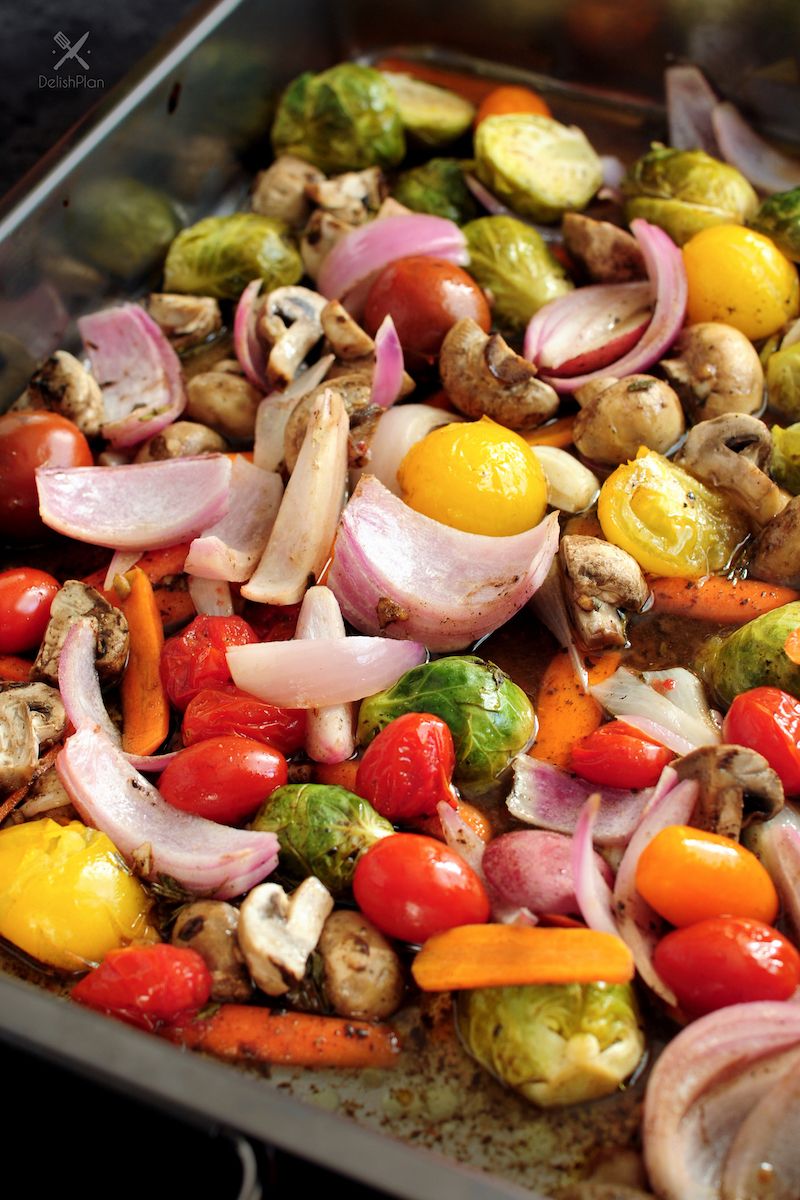
Roasting traded wet for caramelized, and vegetables loved it. Grandpa used high heat, wide pans, and enough oil to gloss.
Edges browned, centers stayed sweet.
You spread in a single layer, salt early, and avoid crowding. Flip once for balance, then finish with acid or fresh herbs.
Ovens do the work while you season the rest of dinner.
Cauliflower, carrots, and cabbage taste meaty when browned properly. Leave space so steam escapes and crisping happens.
A final drizzle of good oil makes everything shine without heaviness. Dinner gains contrast, and weeknights feel special with almost no effort at all really.
Eating together at the dinner table
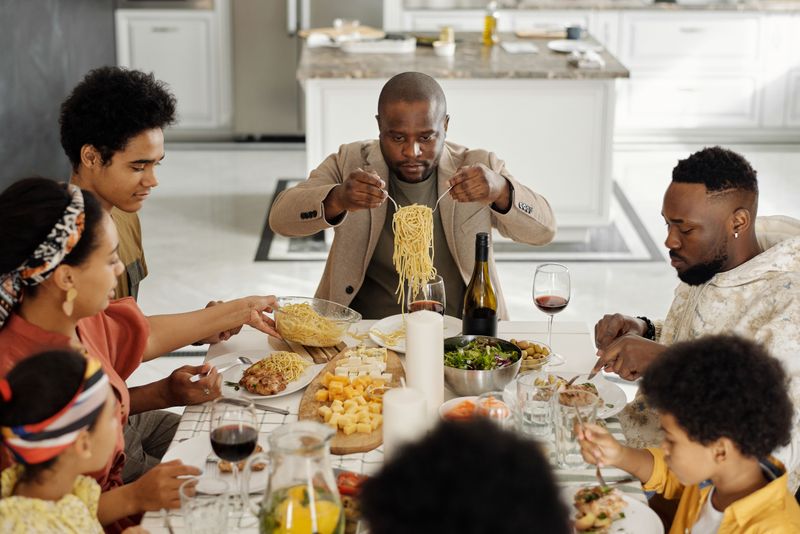
Grandpa set the table, then asked about your day. Food tasted better when conversation slowed the pace.
Plates emptied, worries softened, and seconds felt welcome.
You light a candle, sit down, and pass things around. Phones stay away so flavors and people can shine.
Shared meals build memory, teach patience, and season gratitude.
Even toast tastes grand when eaten together with laughter and time. Make dinner a small ritual and the kitchen becomes home.
The habit shapes families, and the food simply follows. Show up, sit down, and let the meal do gentle work for hearts and hunger each night.
Seasoning food patiently instead of rushing
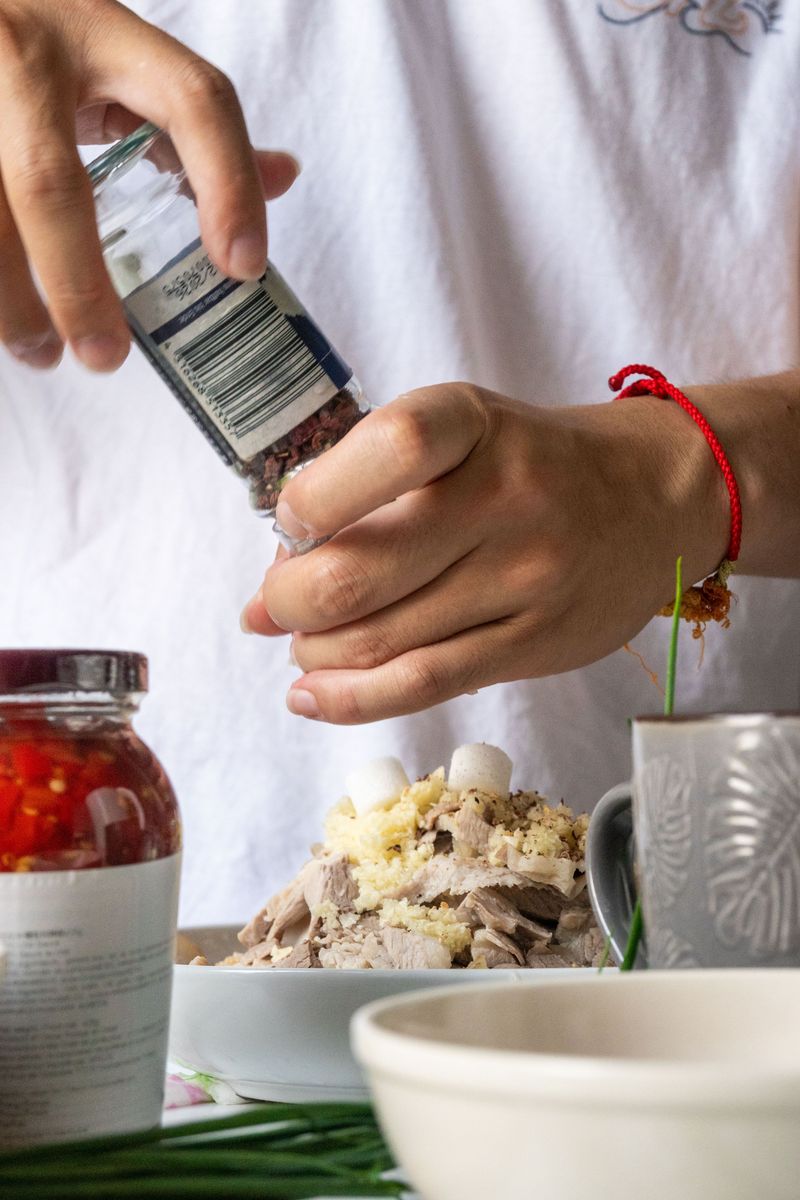
Grandpa salted early, tasted often, and adjusted calmly. Patience lets salt dissolve, herbs bloom, and heat soften sharp edges.
Hurrying piles flavors on top instead of weaving them through.
You season in layers, from marinades to finishing sprinkles. Acidity, fat, and sweetness balance each other like friendly neighbors.
A final rest on the counter lets juices settle and confidence rise.
Keep tasting with clean spoons, because the tongue teaches better than timers. Freshly ground pepper blooms late, so wait until the end.
Small pinches now save big fixes later, and dinner thanks you. Let rest before serving.
Making biscuits from scratch
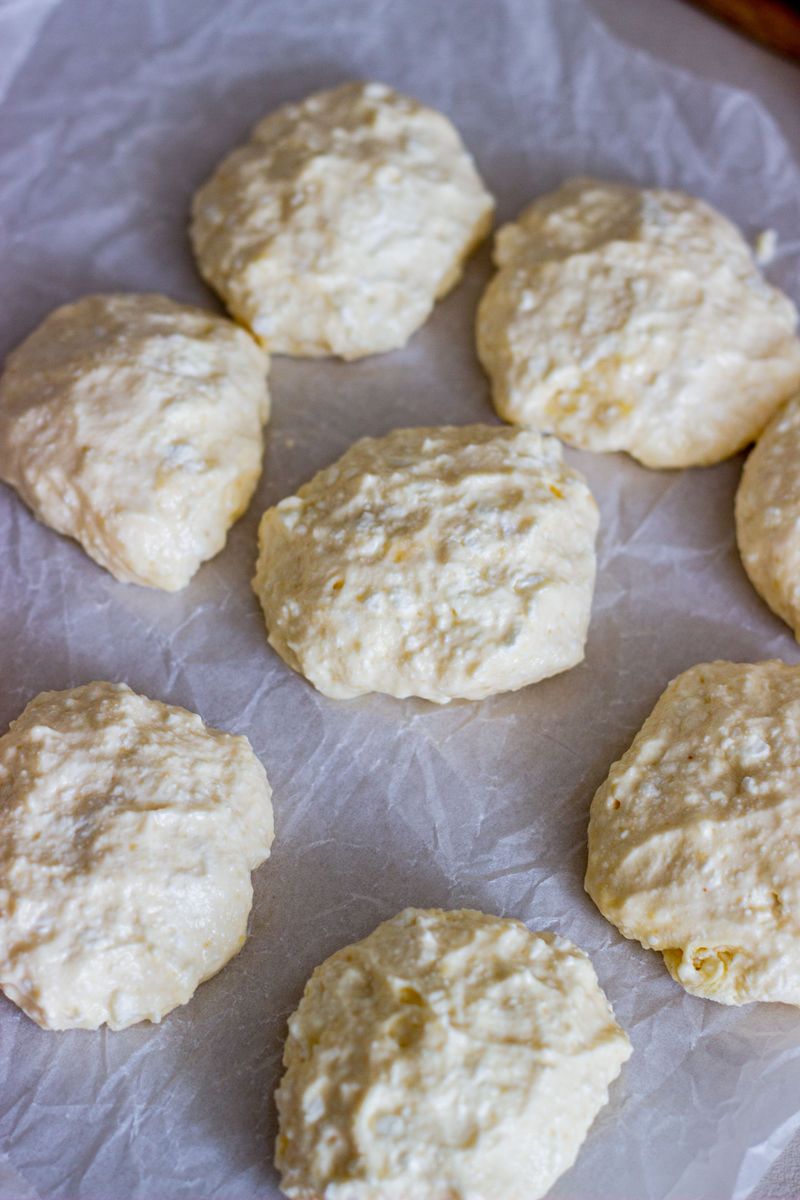
Grandpa cut cold butter into flour until it looked like pebbly snow. He patted dough gently, never twisting the cutter.
The result was tender, steamy centers and shattering tops.
You keep ingredients cold, handle lightly, and trust the oven’s first blast. Brush with buttermilk for glossy crowns.
Split and sneak in honey, ham, or sausage gravy.
If they seem tough, you probably overworked the dough, so mix just until shaggy. Freeze unbaked rounds for sleepy mornings.
Hot biscuits make simple eggs, soups, and leftover stews feel celebratory. Bake close together so they rise higher and share their steam inside nicely.
Enjoyed this story?
Add Fast Food Club as a preferred source to see more of our reporting on Google.