


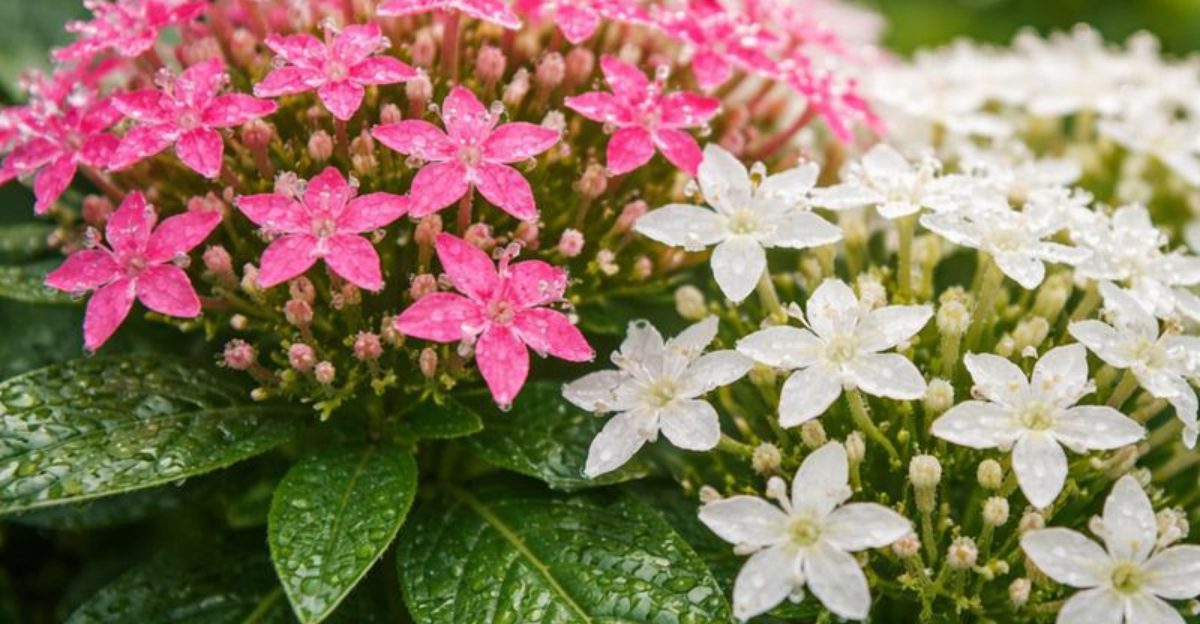
Florida summers are hot, humid, and relentless — but that does not mean your garden has to look tired and washed out. The right plants can thrive in the blazing sun and still pump out brilliant color from June through September.
Whether you are a seasoned gardener or just getting started, these tough and beautiful plants are built for the Sunshine State. Get ready to fill your yard with color that refuses to quit, no matter how high the temperature climbs.
Pentas
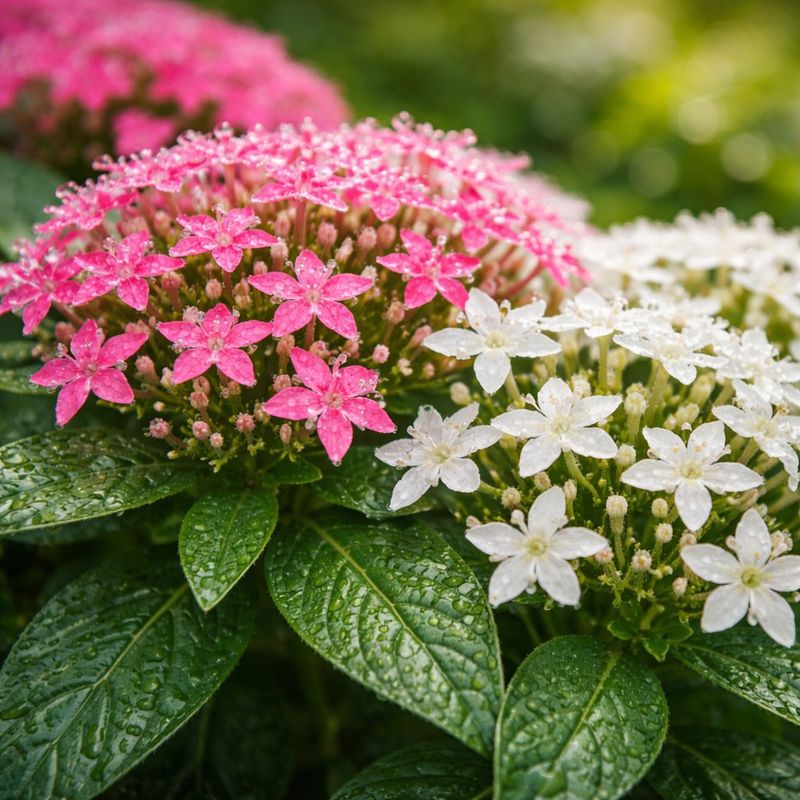
Butterflies cannot resist pentas, and honestly, neither can gardeners. These compact, star-shaped clusters of flowers bloom in shades of red, pink, white, and lavender all summer long without skipping a beat.
Pentas thrive in full sun and handle Florida’s humidity like a champ. They are also drought-tolerant once established, making them incredibly low-maintenance.
Plant them in borders, containers, or mass plantings for a bold, cheerful display that keeps pollinators buzzing from morning to evening.
Bougainvillea
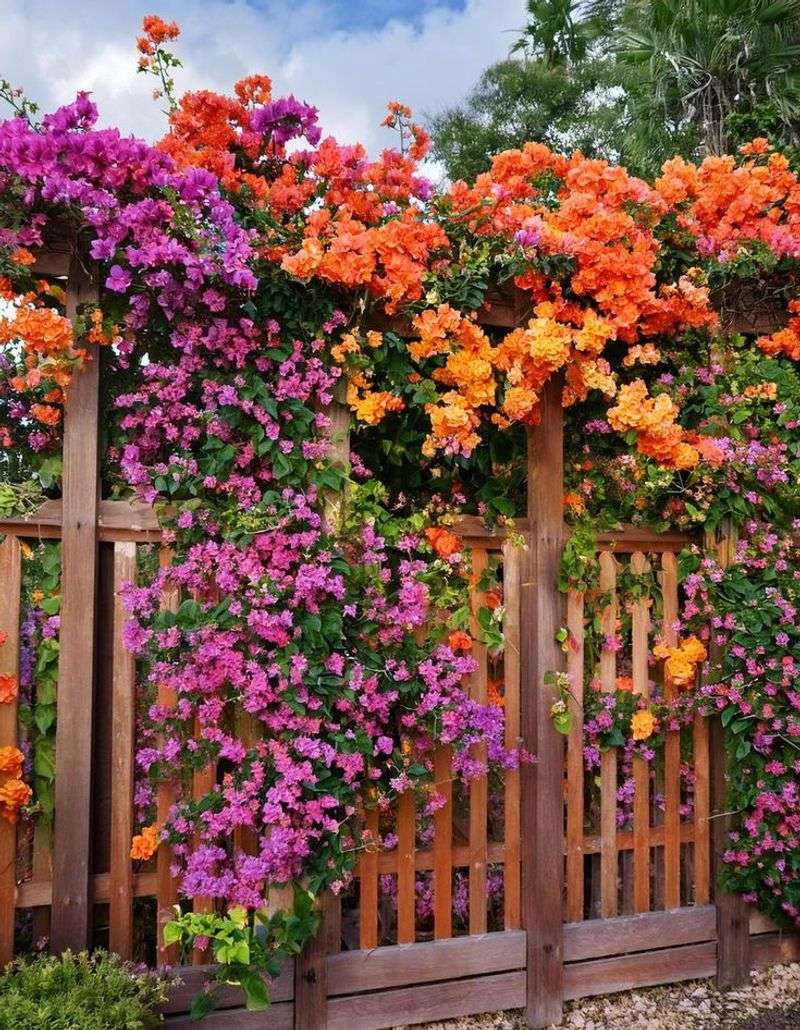
Few plants make a statement quite like bougainvillea. Its papery, jewel-toned bracts in shades of hot pink, orange, red, and purple practically glow in the Florida sun, turning any fence or trellis into a living work of art.
Bougainvillea loves dry heat and actually blooms more when you ease up on watering. Give it full sun, well-drained soil, and room to climb.
Minimal care yields maximum drama — a perfect trade-off for busy gardeners who still want a showstopper yard.
Lantana
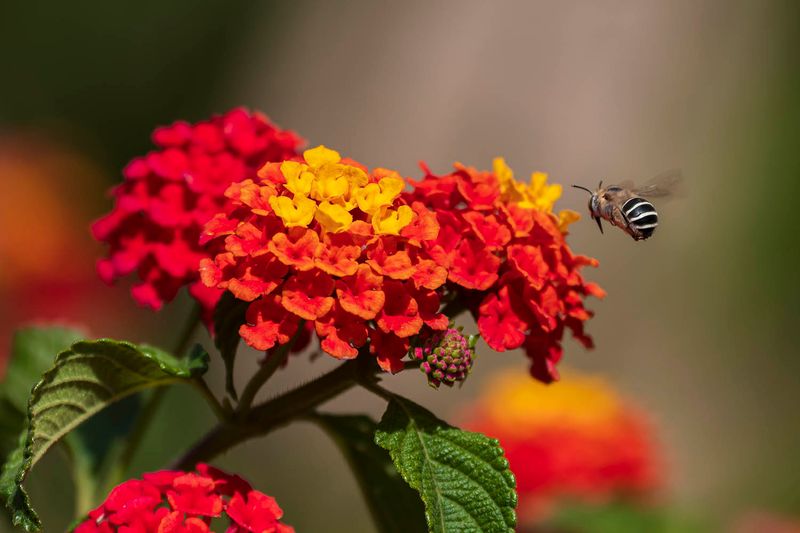
Lantana is basically Florida’s unofficial summer mascot — it blooms in multi-colored clusters that shift between yellow, orange, pink, and red as they age, creating a confetti-like effect across the whole plant.
Beyond its looks, lantana is incredibly tough. It shrugs off heat, drought, and poor soil conditions that would wilt most other plants.
Butterflies and hummingbirds flock to it. Trim it back occasionally to encourage fresh blooms and keep it from spreading beyond its welcome in the garden bed.
Portulaca (Moss Rose)
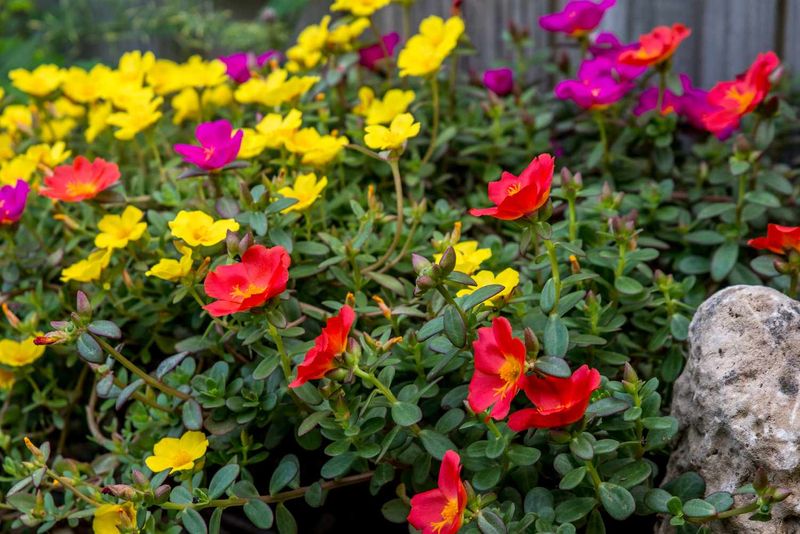
Portulaca is the ultimate sun worshipper. These low-growing, succulent-like plants produce silky, rose-shaped blooms in electric shades of pink, yellow, orange, and red — and they thrive in the hottest, driest spots where other flowers give up.
Sandy soil? No problem.
Intense afternoon sun? Even better.
Portulaca spreads into a colorful carpet that looks stunning along walkways or in rock gardens. Just plant it, step back, and watch it fill in beautifully with almost zero effort on your part.
Vinca (Catharanthus)
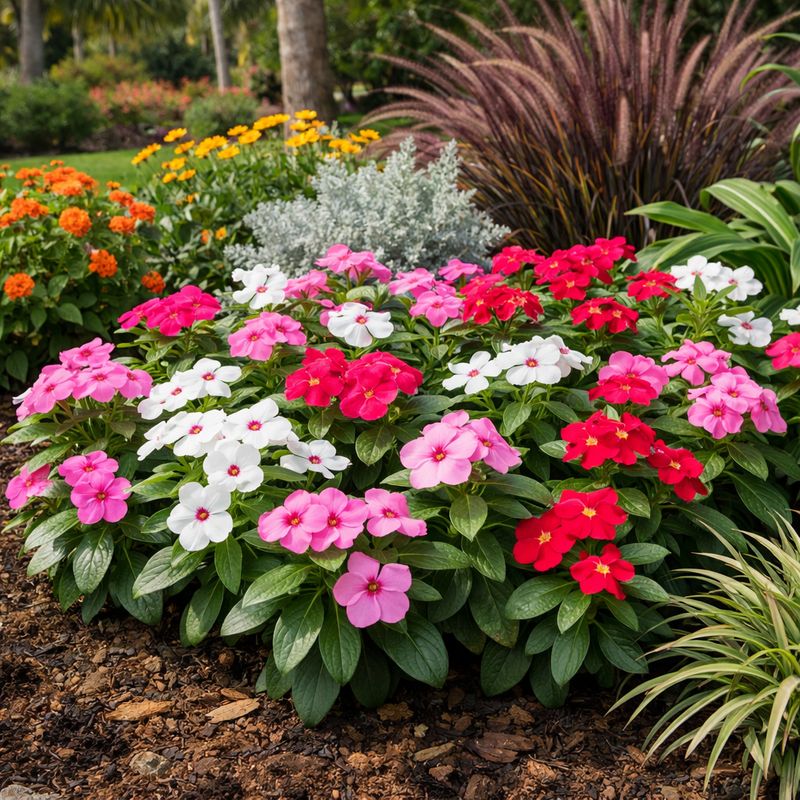
Walk through any Florida neighborhood in July and you will spot vinca everywhere — and for good reason. This reliable annual produces cheerful, pinwheel-shaped flowers in shades of pink, white, red, and lavender all season long.
Vinca is almost aggressively tough. It resists heat, humidity, and even brief dry spells without complaint.
It works beautifully as a bedding plant or in containers. Choose disease-resistant varieties for the best performance, and deadheading is optional since vinca is naturally self-cleaning throughout the growing season.
Gaillardia (Blanket Flower)
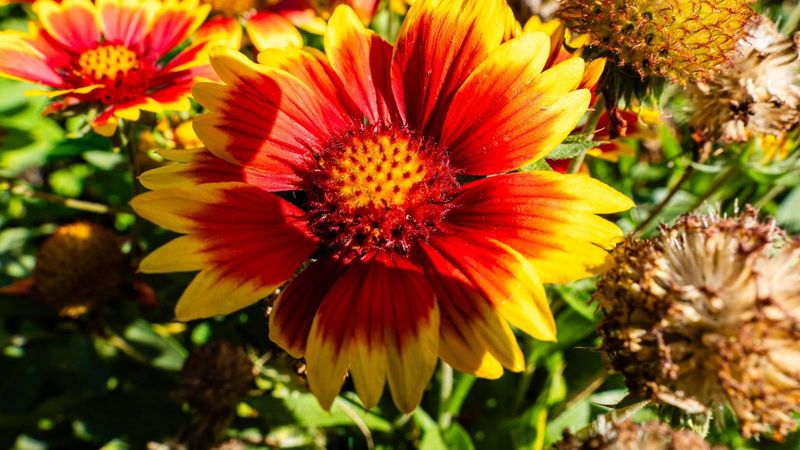
Gaillardia looks like it was painted by someone who could not decide between red, orange, and gold — so it chose all three at once. These bold, daisy-like flowers bring a fiery, sun-baked energy to any Florida garden.
Originally from the American prairies, gaillardia is built for heat, drought, and sandy soils — basically Florida in a nutshell. It blooms from spring through fall and attracts bees and butterflies consistently.
Deadhead spent flowers regularly to keep the blooms coming strong throughout the long summer season.
Celosia (Cockscomb)
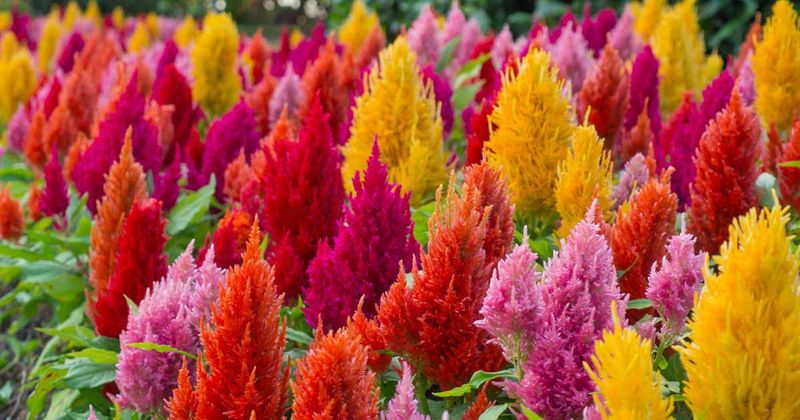
Celosia is one of those plants that makes people stop and stare. Its velvety, flame-shaped plumes or brain-like crested blooms in deep reds, oranges, pinks, and yellows look almost too vivid to be real in the Florida summer heat.
Heat and humidity are not problems for celosia — they are its preferred conditions. It thrives in full sun with well-drained soil and adds serious vertical interest to garden beds.
Use it as a bold focal point or mix it with softer-textured plants for a striking contrast that commands attention.
Coreopsis
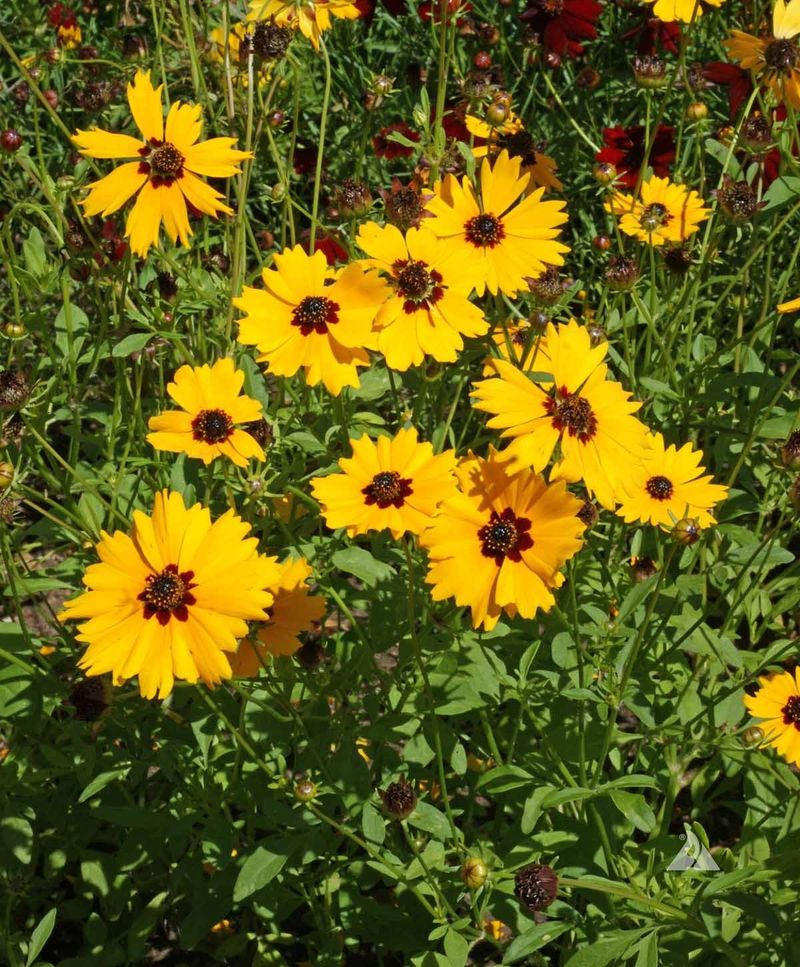
Florida even made coreopsis its official state wildflower — that is how perfectly suited this cheerful, golden-yellow bloom is to the local environment. Fields of coreopsis light up Florida roadsides every spring and summer like scattered sunshine.
In the garden, coreopsis is a low-fuss favorite. It tolerates poor, sandy soil and needs very little water once it is established.
Plant it in full sun for the best bloom performance. The feathery foliage and bright daisy-like flowers pair beautifully with ornamental grasses or deeper-colored companions like salvia.
Salvia
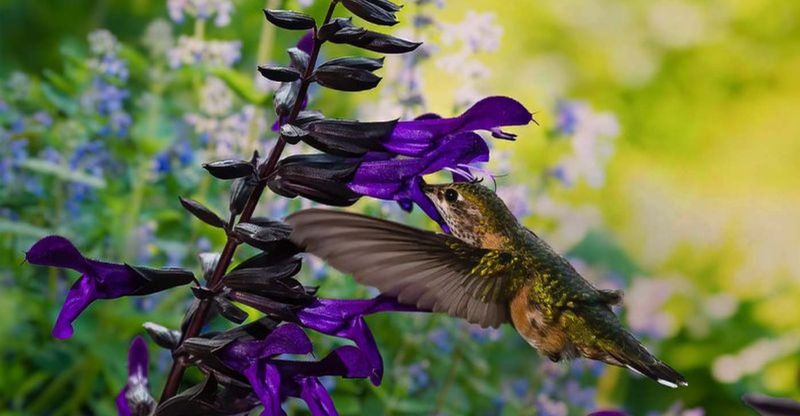
Salvia brings vertical drama and non-stop color to Florida gardens when summer heat is at its most intense. Spiky blooms in red, blue, purple, and coral rise above the foliage and attract hummingbirds like a magnet from June through October.
Tropical salvias, like Salvia coccinea and Salvia guaranitica, are especially well-adapted to Florida conditions. They handle full sun and high humidity without flinching.
Cut them back by about a third mid-summer to refresh the plant and encourage a fresh flush of blooms heading into fall.
Crossandra
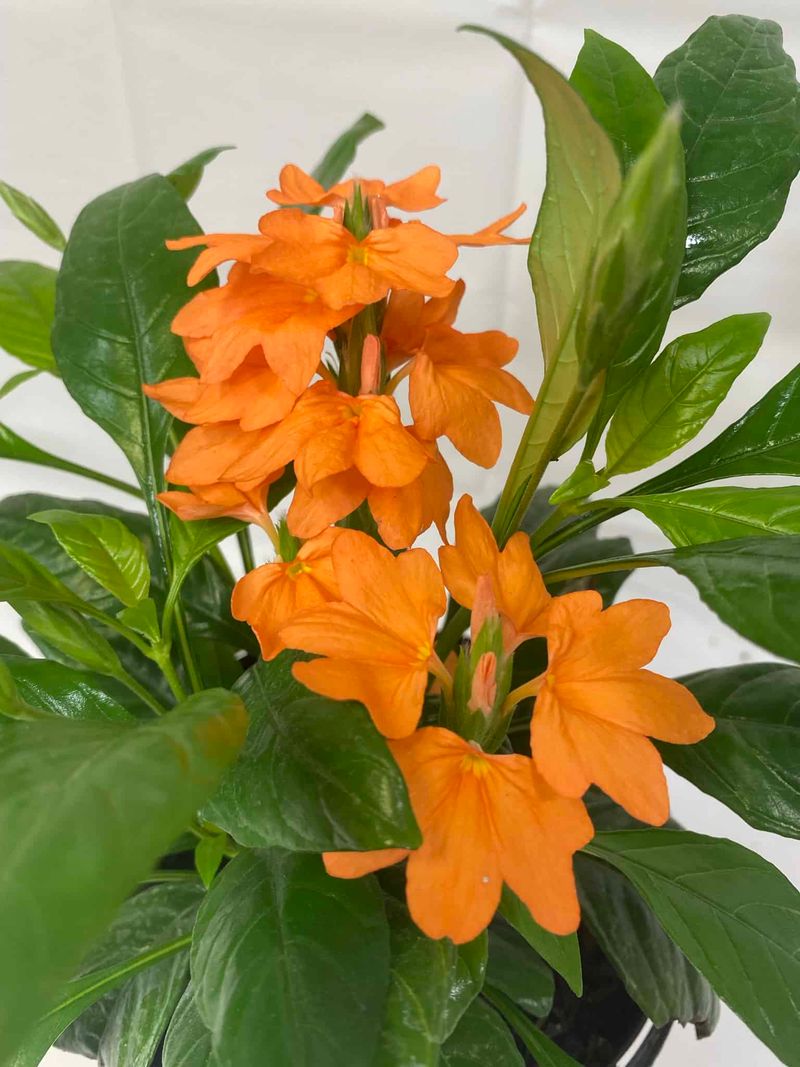
Not every Florida garden gets wall-to-wall sunshine, and that is exactly where crossandra shines. Nicknamed the “firecracker flower,” it produces stacked clusters of salmon-orange blooms that glow warmly even in partial shade during the hottest months.
Crossandra is a slow and steady bloomer — it does not explode all at once but keeps producing flowers consistently from spring through fall. It pairs beautifully with caladiums and impatiens in shadier spots.
Keep the soil consistently moist and watch this underrated gem reward you with months of quiet, tropical charm.
Plumbago
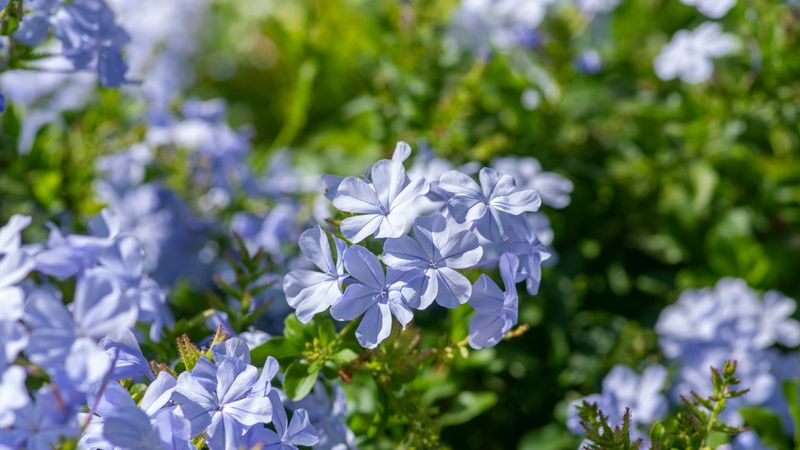
Powder-blue flowers in a Florida summer feel like a cool breeze you can actually see. Plumbago delivers exactly that — cascades of soft, sky-blue blooms that contrast beautifully against the intense greens and saturated colors of a Florida landscape.
Plumbago grows quickly into a sprawling, informal shrub that works well as a hedge, border plant, or spilling over a retaining wall. It loves full sun and blooms most heavily during the warmest months.
Prune it back in late fall to keep it tidy and encourage vigorous new growth the following spring.
Ixora
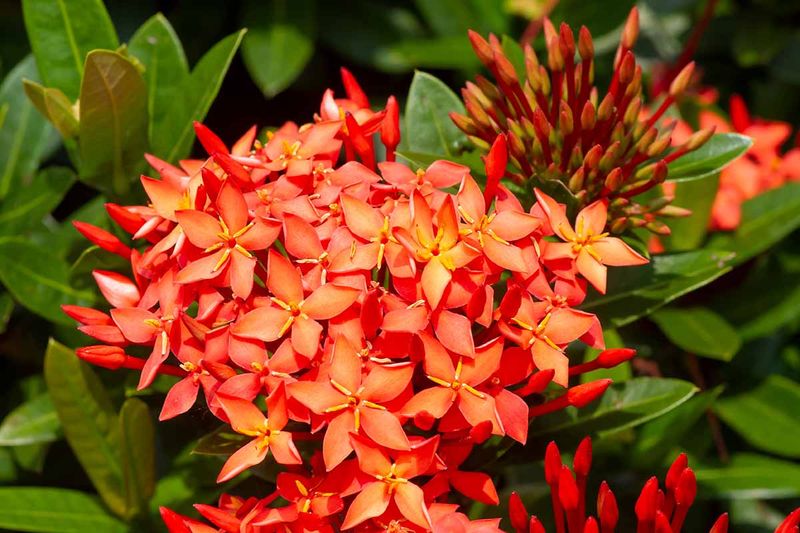
Ixora is a Florida landscape staple for good reason. Its tight, globe-shaped clusters of tiny flowers in blazing red, orange, yellow, and pink bloom almost year-round in South Florida, and reliably throughout summer across the entire state.
This tropical shrub loves acidic soil and full sun, making it a perfect match for Florida’s naturally sandy, slightly acidic conditions. Use it as a low hedge, a foundation plant, or a colorful accent near entryways.
Feed it with an acidic fertilizer a few times a year to keep the blooms coming strong and the foliage deep green.
Hamelia (Firebush)
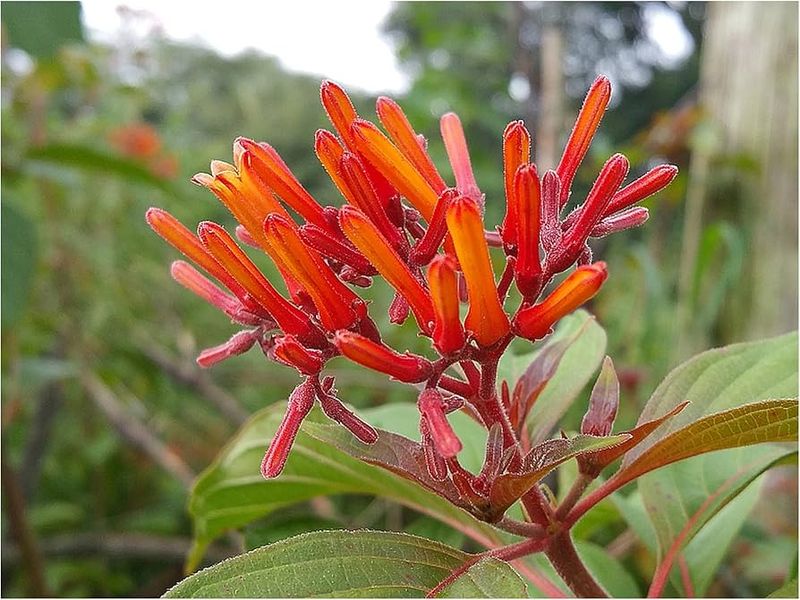
Firebush earns its name the moment it bursts into bloom — clusters of tubular, flame-colored flowers light up the shrub from summer through fall, drawing in hummingbirds, butterflies, and admiring neighbors in equal measure.
As a Florida native, firebush is practically indestructible once established. It thrives in full sun to partial shade, handles drought well, and grows fast enough to fill a bare corner in a single season.
The dark berries that follow the flowers are a bonus food source for birds heading into the cooler months.
Torenia (Wishbone Flower)
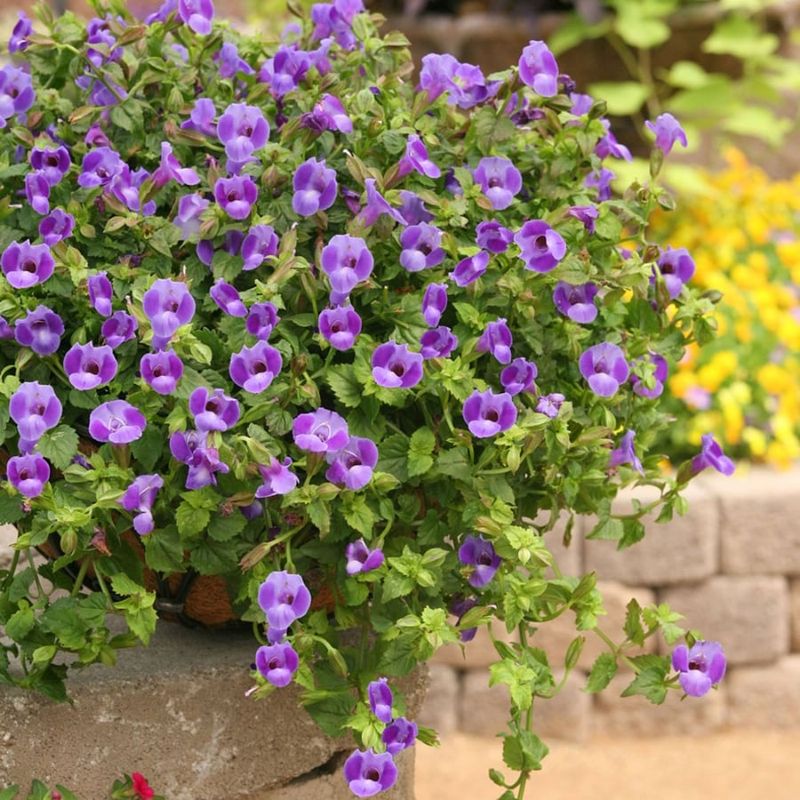
Torenia is the shade garden’s answer to summer color. These small, tubular flowers resemble tiny snapdragons and come in purple, pink, white, and bicolor combinations that brighten dim spots under trees or on covered patios.
Unlike many summer bloomers, torenia prefers partial to full shade and consistent moisture — making it a go-to for those tricky low-light corners of Florida gardens. It works wonderfully in hanging baskets and window boxes.
Plant it alongside caladiums or ferns for a lush, layered look that stays fresh even during the most suffocating summer humidity.
Caladium
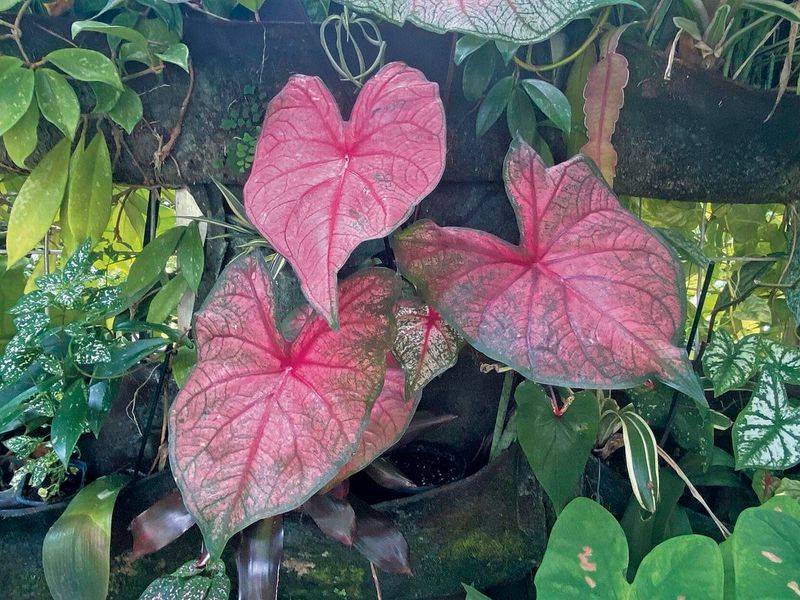
Caladiums prove that you do not need flowers to make a bold color statement. These dramatic, heart-shaped leaves come in stunning combinations of red, pink, white, and green — and they actually prefer the heat and humidity that Florida summers deliver in abundance.
Originally from South America, caladiums are perfectly tuned to tropical conditions. They thrive in partial to full shade, making them invaluable for brightening dark corners under oak trees or along shaded pathways.
Pair them with pentas or impatiens for a layered planting that balances bold foliage with cheerful blooms.
Angelonia (Summer Snapdragon)
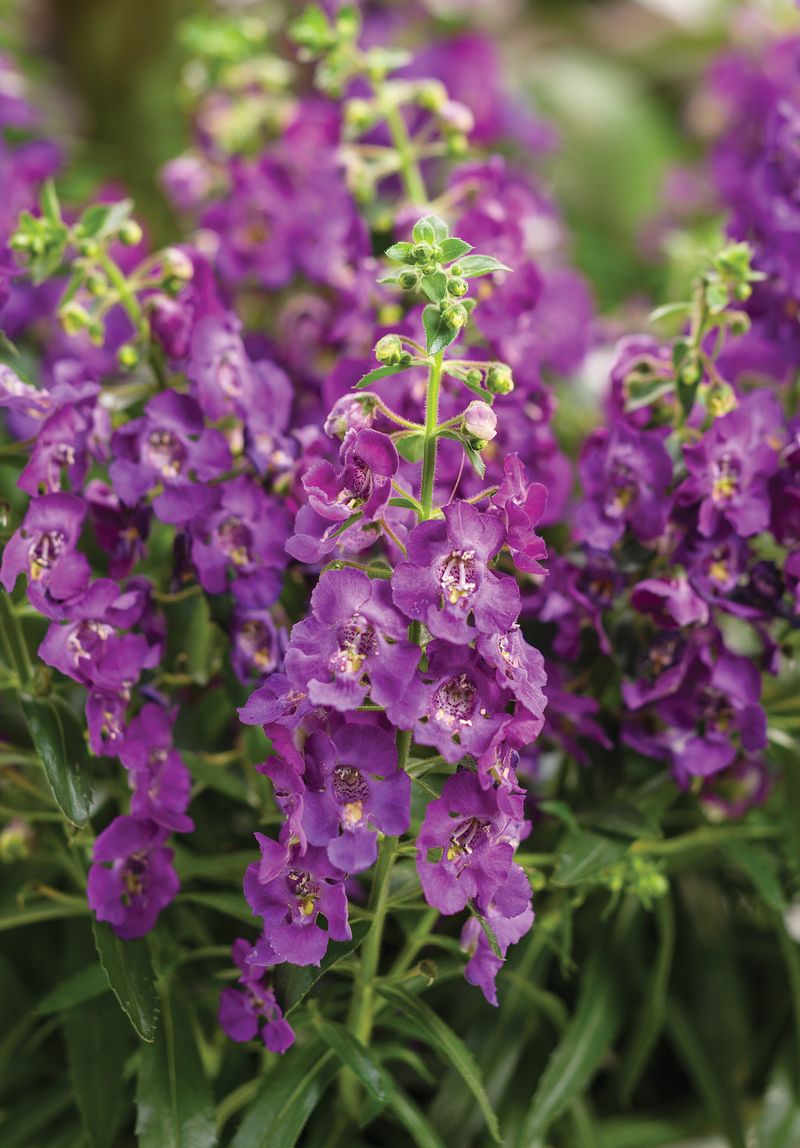
Angelonia is sometimes called the summer snapdragon, and once you see it thriving in 95-degree Florida heat while traditional snapdragons wilt away, the nickname makes perfect sense. Its slender spikes of orchid-like blooms carry a faint grape fragrance that makes it extra special.
Plant angelonia in full sun and well-drained soil for the best results. It blooms continuously without needing deadheading, which makes it a truly hands-off performer.
Use it in mixed borders, cutting gardens, or tall containers where its upright form adds nice height alongside lower-growing companions like portulaca or vinca.
Stokesia (Stokes Aster)
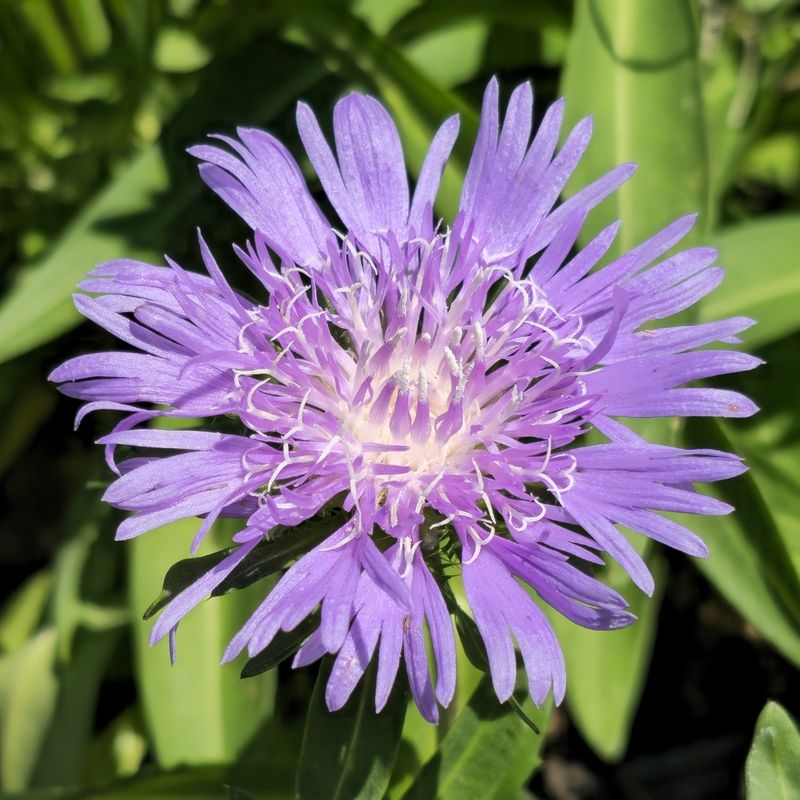
Stokesia is one of those quiet heroes of the Florida garden — not flashy, but reliably beautiful. Its fringed, lavender-blue blooms resemble a cross between a daisy and a bachelor button, and they hold up remarkably well in summer heat.
As a native to the southeastern United States, Stokes aster is naturally adapted to Florida soils and climate. It blooms from late spring through summer and attracts butterflies and bees throughout the season.
Plant it in well-drained soil with full to partial sun, and divide clumps every few years to keep plants healthy and blooming at their best.
Zinnia
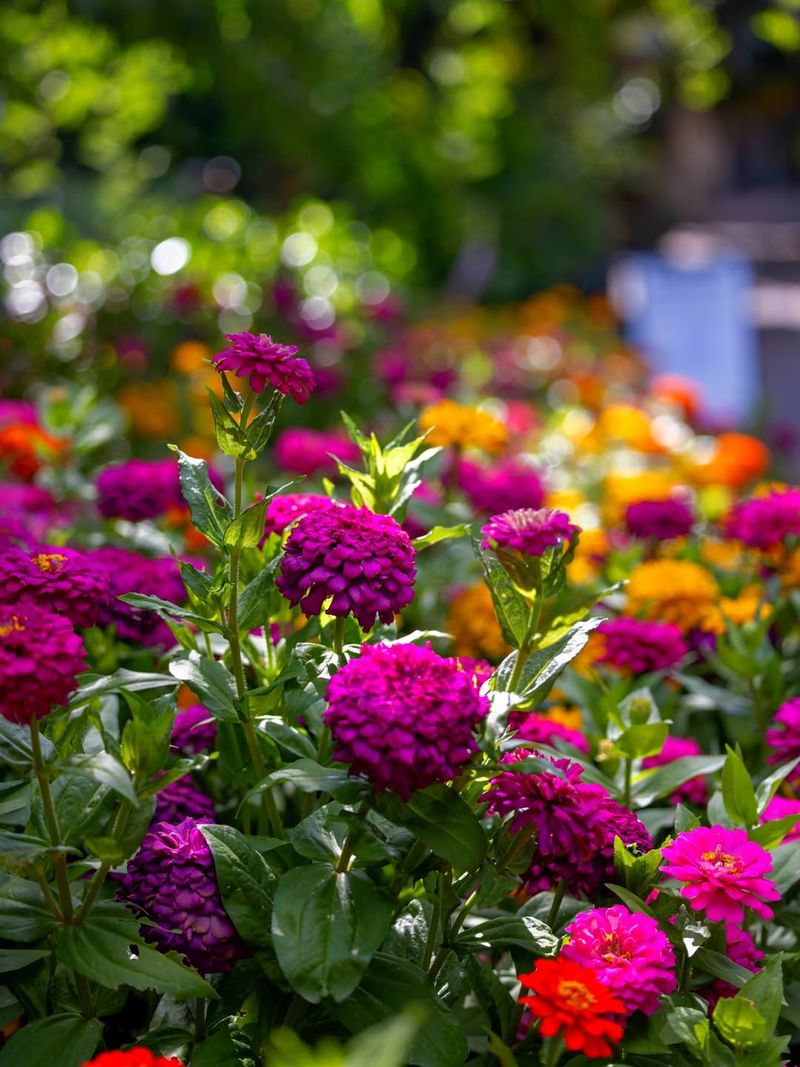
Zinnias are the workhorses of the summer cutting garden — fast-growing, brilliantly colored, and almost embarrassingly easy to grow from seed. They come in every shade imaginable, from pale cream to neon orange, and they keep blooming the more you cut them.
Direct sow zinnia seeds in a sunny garden bed after the last frost, and they will reward you quickly. Florida’s warm soil speeds up germination dramatically.
Powdery mildew can be an issue in humid spots, so choose mildew-resistant varieties and space plants well for good air circulation throughout the season.
Turk’s Cap (Malvaviscus)
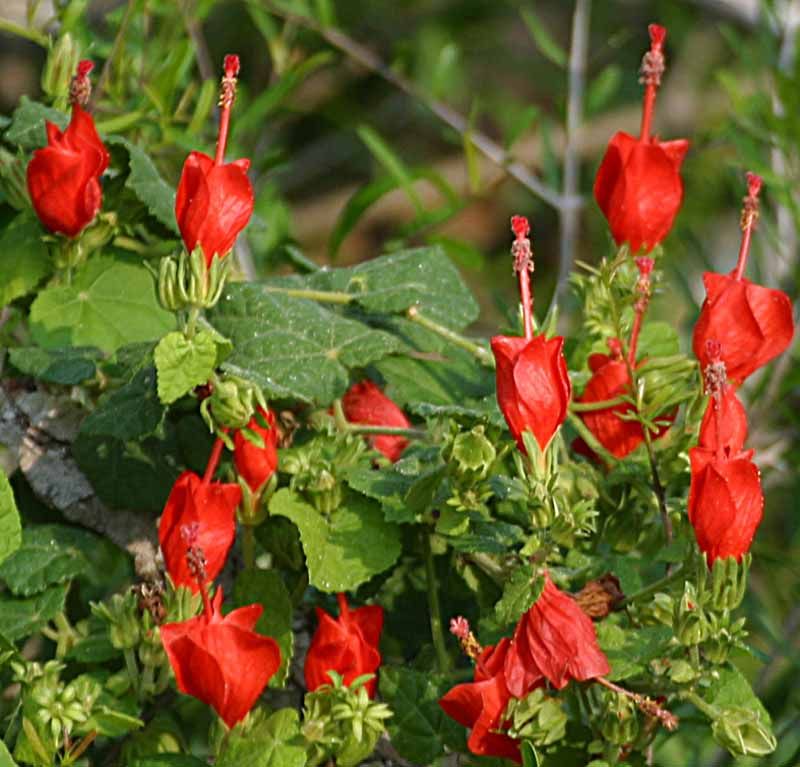
Turk’s cap looks like a hibiscus that never quite opened — its spiraled red petals stay partially furled, giving it a unique, lantern-like appearance that stands out in any garden. Hummingbirds are absolutely obsessed with its nectar-rich blooms.
This underused Florida native handles shade, drought, and poor soil better than almost anything else in the summer garden. It grows into a relaxed, informal shrub that works well under large trees or along fence lines.
Once established, it practically cares for itself, blooming faithfully from spring through fall without much attention from the gardener.
Porterweed (Stachytarpheta)
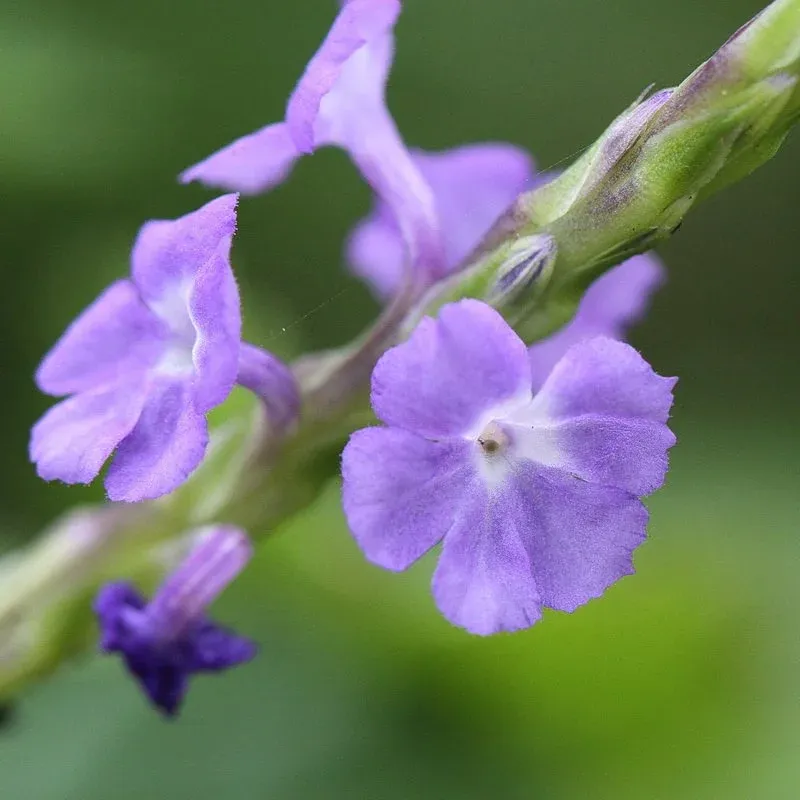
Porterweed might not be the most famous plant on this list, but ask any butterfly gardener in Florida and they will tell you it is absolutely essential. Its long, wand-like spikes dotted with tiny purple or blue flowers are irresistible to swallowtails, skippers, and queens.
Both native and non-native varieties grow vigorously in Florida heat with minimal care. Plant porterweed in full sun and watch it fill in quickly during the summer months.
It self-seeds readily, so deadhead if you want to control spreading, or let it naturalize for a relaxed, wildlife-friendly garden vibe.
Esperanza (Yellow Bells)
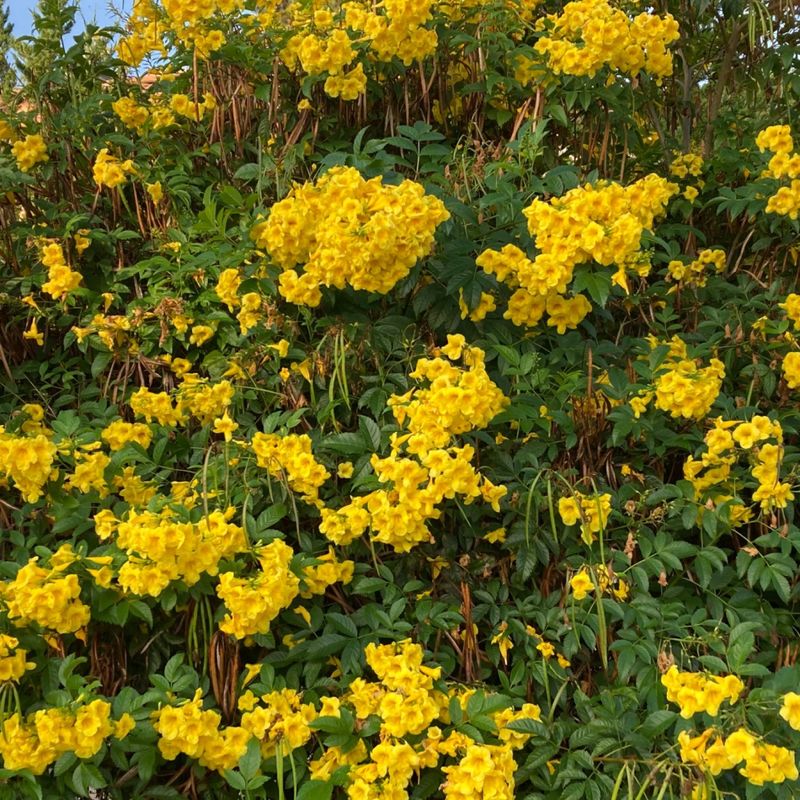
Few plants deliver pure sunshine quite like esperanza. Its clusters of trumpet-shaped, golden-yellow flowers bloom prolifically from late spring through fall, and they hold up beautifully in the kind of blistering heat that sends most gardeners back indoors.
Esperanza grows into a large, airy shrub that can reach six feet tall, making it a natural choice for a colorful privacy screen or a bold focal point in the back of a border. It handles drought with ease once established and requires very little pruning.
Give it full sun, step back, and enjoy the show all summer long.
Enjoyed this story?
Add Fast Food Club as a preferred source to see more of our reporting on Google.