


You can almost smell the kitchen when you think about what grandparents used to make. Slow simmering pots, warm ovens, and recipes that lived in heads instead of apps.
These meals were about patience, thrift, and big flavor from simple ingredients. Let’s revisit the dishes younger generations rarely learn, so you can bring at least one back to your table.
Pot roast
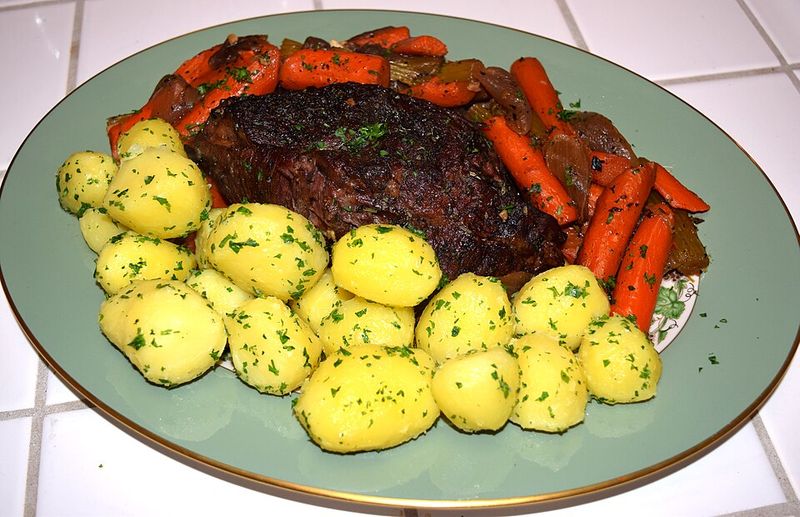
Pot roast takes its time, which is why it tastes like Sunday memories. Beef sears until browned, then simmers low with onions, carrots, and potatoes until everything turns fork tender.
The broth thickens into a savory gravy that begs for bread.
It is a masterclass in patience and economy, transforming tough cuts into comfort. You do not need fancy tools, just steady heat and a heavy pot.
Younger cooks rush past it, but you can bring it back with one quiet afternoon.
Meatloaf
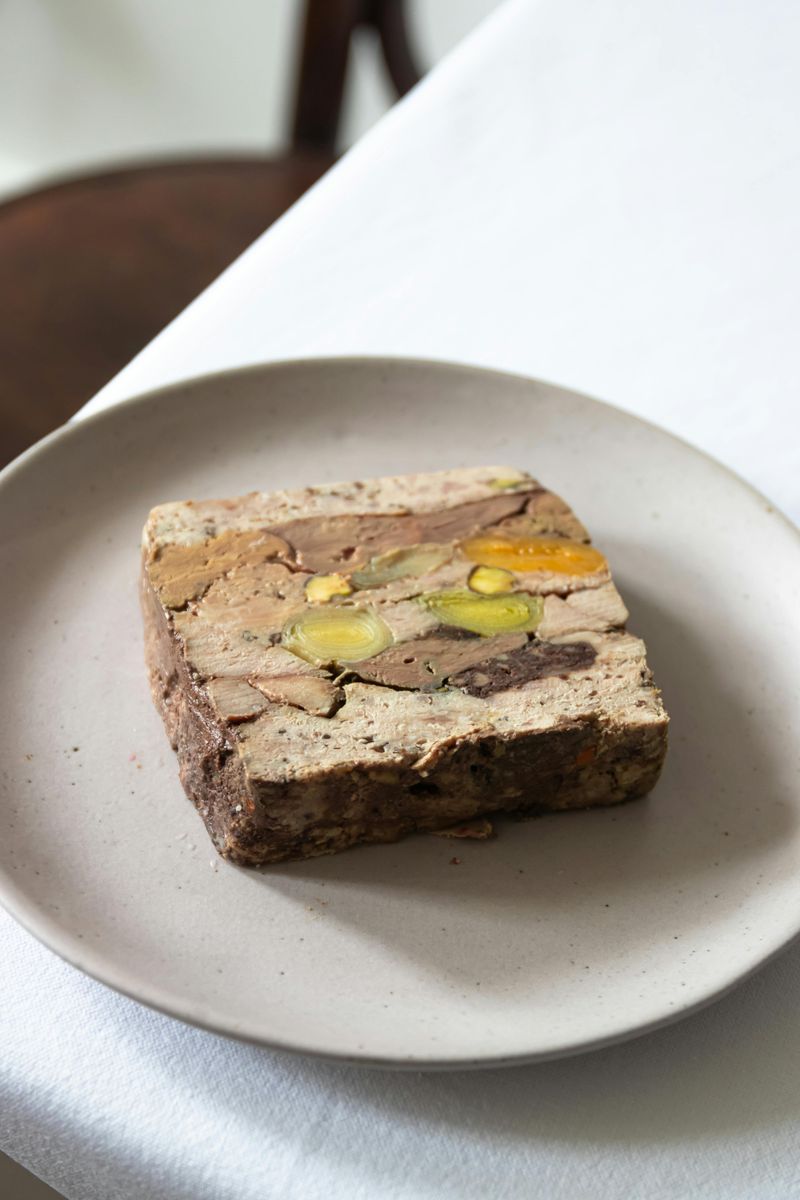
Meatloaf is humble and heroic, stretching ground meat with breadcrumbs, egg, and onion. The ketchup glaze caramelizes just enough to turn sticky and sweet.
Slice it thick, and you get dinner today and sandwiches tomorrow.
It is the art of making a little go further, something grandparents excelled at. Younger cooks skip it because it looks plain, but the magic is inside.
Try mixing beef and pork, and do not overwork the meat to keep it tender.
Beef stew
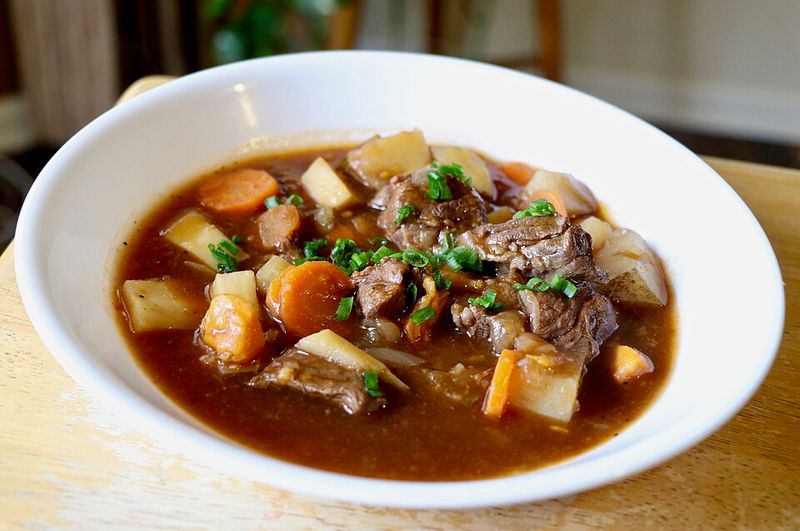
Beef stew rewards slow attention. Brown the meat properly, scrape up the fond, and let onions, carrots, and potatoes melt into something greater.
The broth turns glossy, kissed with bay and thyme.
Grandparents relied on stews to fill everyone with little waste. Younger cooks fear the time commitment, but most of it is hands off.
Put it on, let it burble, and your home will smell like patience and promise.
Chicken soup
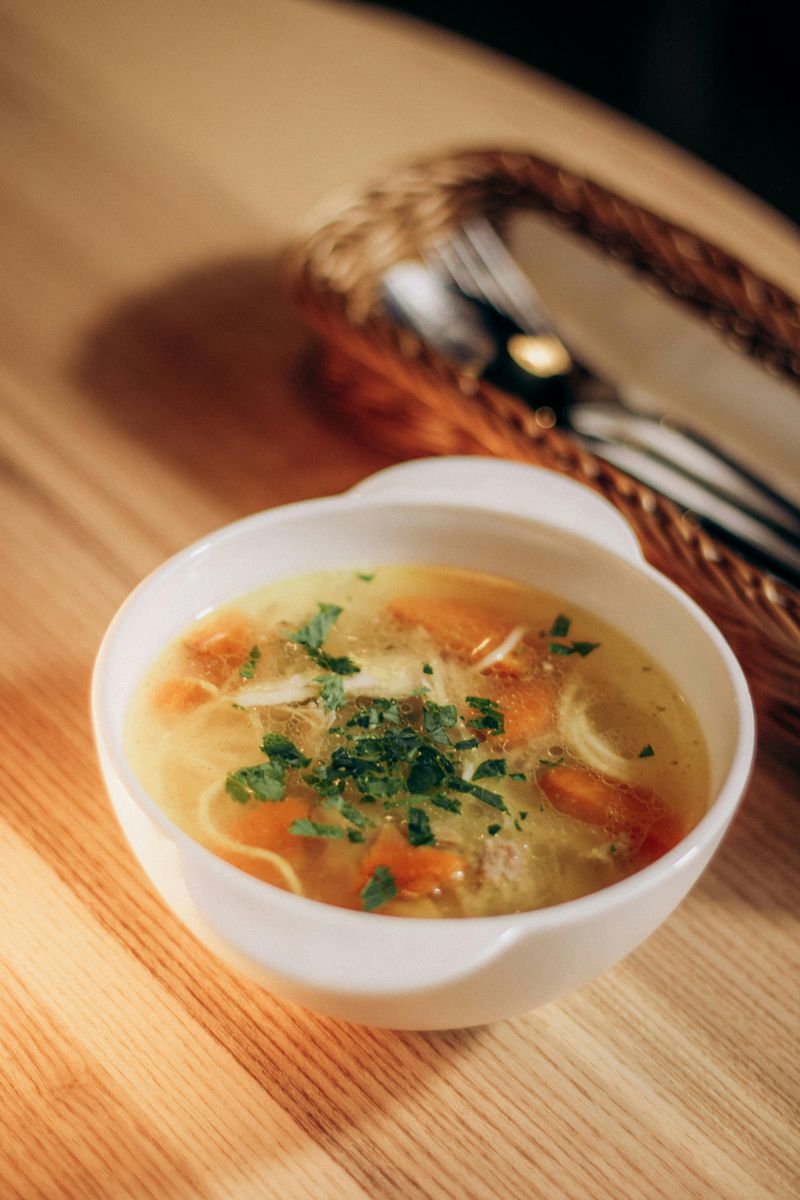
Chicken soup starts with bones and ends with comfort. Simmer a whole bird with onion, celery, carrot, and peppercorns until the stock turns as golden as afternoon light.
Strain, shred, and add noodles or rice.
Grandparents knew this was medicine without the bottle. Younger cooks grab cartons, but homemade stock tastes deeper, cleaner, and kinder.
You can freeze portions and thank yourself on rough days.
Gravy
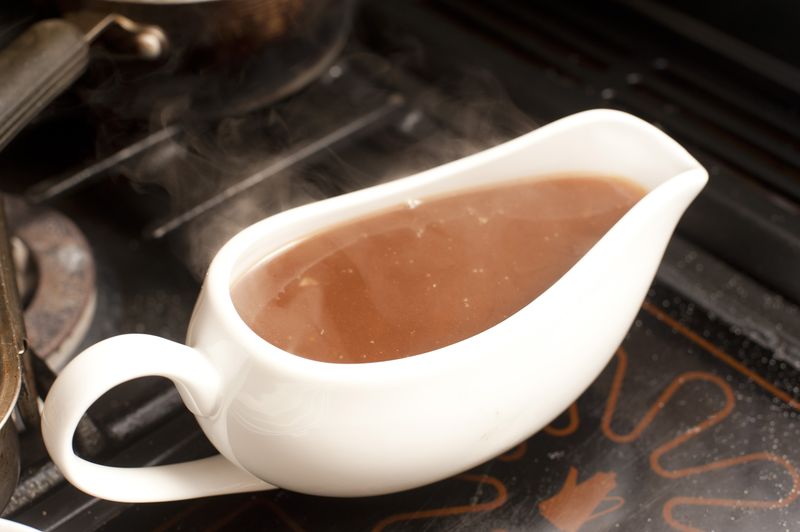
Gravy turns pan drippings into gold. Whisk flour into fat for a quick roux, splash stock, and scrape every browned bit.
Season confidently and watch it shine.
Grandparents never wasted flavor, and gravy proves it. Younger cooks fear lumps, but a steady whisk and warm liquid fix that.
Strain if you like, and finish with a touch of butter to make it gloss and cling just right.
Homemade bread
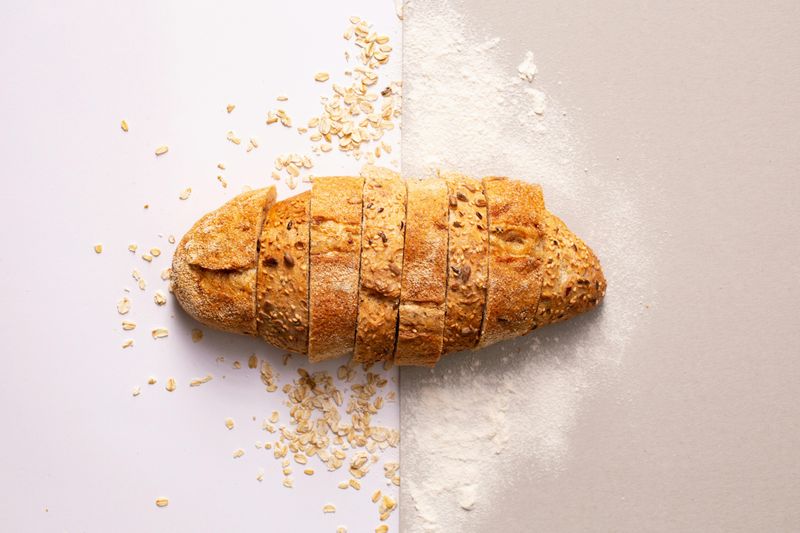
Homemade bread is time, water, flour, and faith. Knead until the dough springs back under your palm, then let patience do the lifting.
The oven gives you a crust that sings when tapped.
Grandparents baked to stretch budgets and nourish crowds. Younger cooks think it is fussy, but a simple lean loaf or no-knead dough is forgiving.
Slice thick, butter shamelessly, and taste the reason bakeries exist.
Cornbread
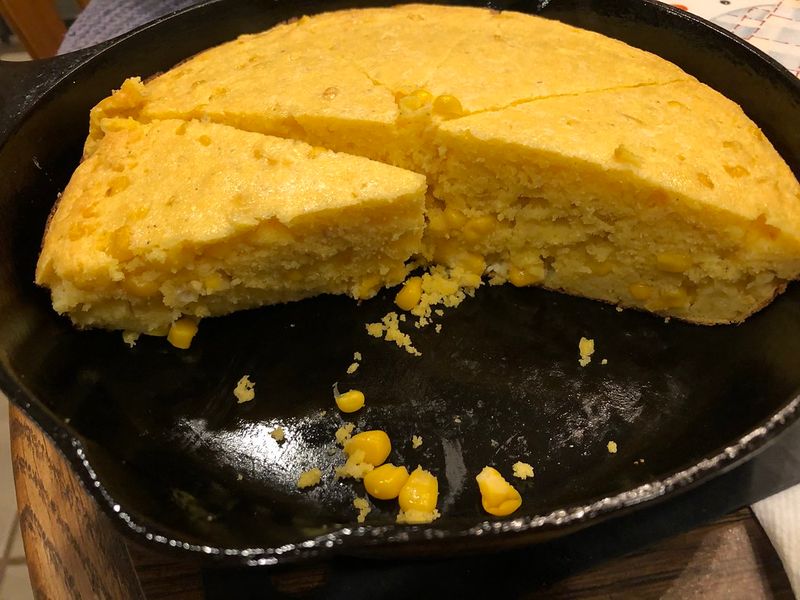
Cornbread is quick, humble, and perfect warm from a skillet. Cornmeal brings a gentle crunch, while buttermilk keeps it tender.
Some swear by sugar, others do not. You decide.
Grandparents served it with soup, greens, or simply butter and honey. Younger generations reach for boxed mixes, but scratch cornbread is mostly stirring.
Preheat the pan so the edges crisp, and enjoy that sizzling batter hiss.
Chicken pot pie
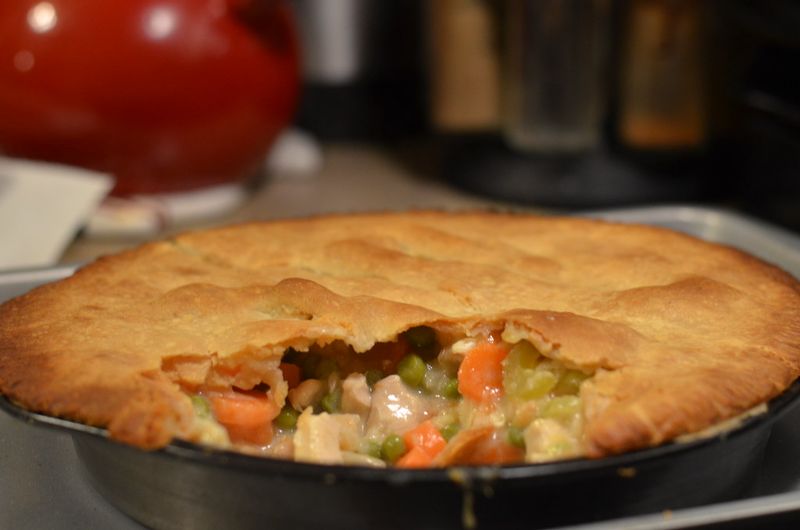
Chicken pot pie is a hug under pastry. The filling is silky with chicken, peas, carrots, and thyme, tucked beneath a shattering crust.
One slice makes silence fall around the table.
Grandparents used leftovers wisely, turning scraps into luxury. Younger cooks fear pastry, but store-bought works while you learn.
Brush the top with egg for gloss, cut vents, and wait for the bubbling edges to whisper ready.
Shepherds pie
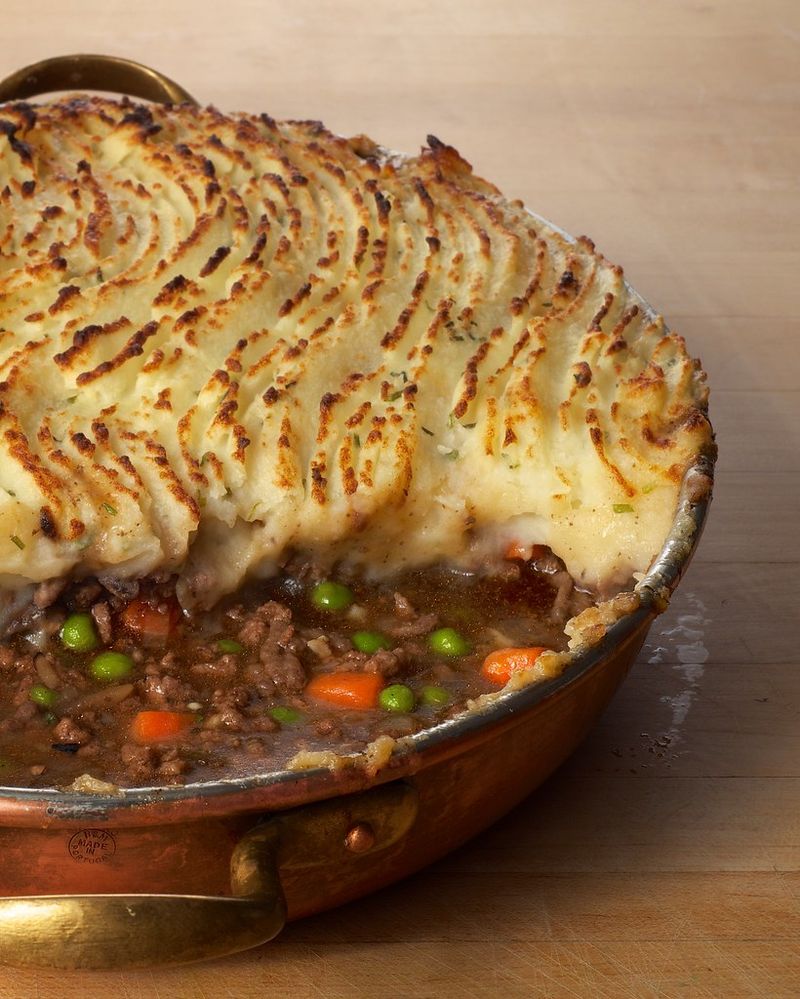
Shepherds pie layers savory meat and vegetables under mashed potato clouds. The top crisps into ridges you want to drag a fork across.
Underneath, gravy keeps everything spoonable and rich.
Grandparents used lamb or beef, whatever was on hand. Younger cooks skip it because it seems heavy, but a crisp salad brightens the plate.
Make extra and freeze, because future you will be grateful.
Baked casserole

Baked casseroles meant you could feed many with one pan. Noodles, a creamy binder, vegetables, and a crunchy topping made dinner certain.
Cheese held it all together like a promise.
Grandparents swapped ingredients based on what was cheap or seasonal. Younger cooks think casseroles feel dated, but they are weeknight superheroes.
Use sharp cheddar, toast the breadcrumbs, and let the corners get delightfully browned.
Roast chicken
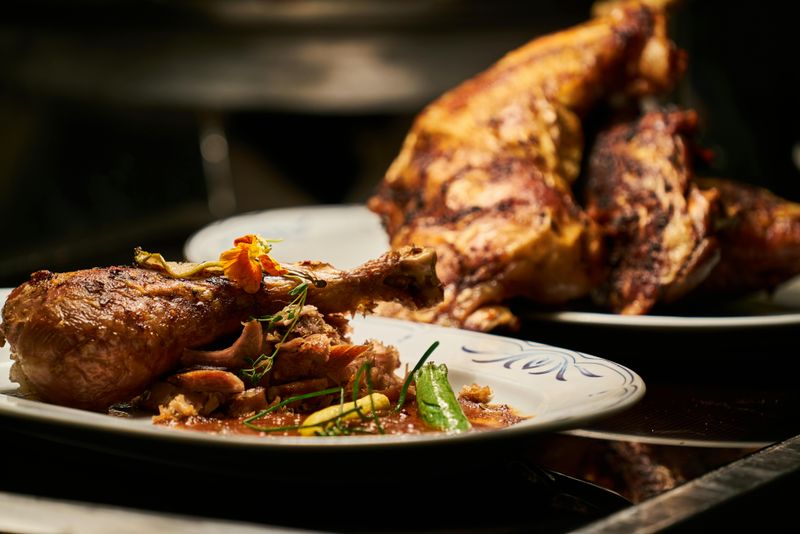
Roast chicken is simplicity that tastes like mastery. Salt early, dry the skin, and let high heat work.
The kitchen fills with aromas that make waiting hard.
Grandparents served it proudly on Sundays, then made stock with the bones. Younger cooks overthink it, but you just need heat and trust.
Rest the bird before carving, and spoon those savory juices over everything.
Boiled potatoes
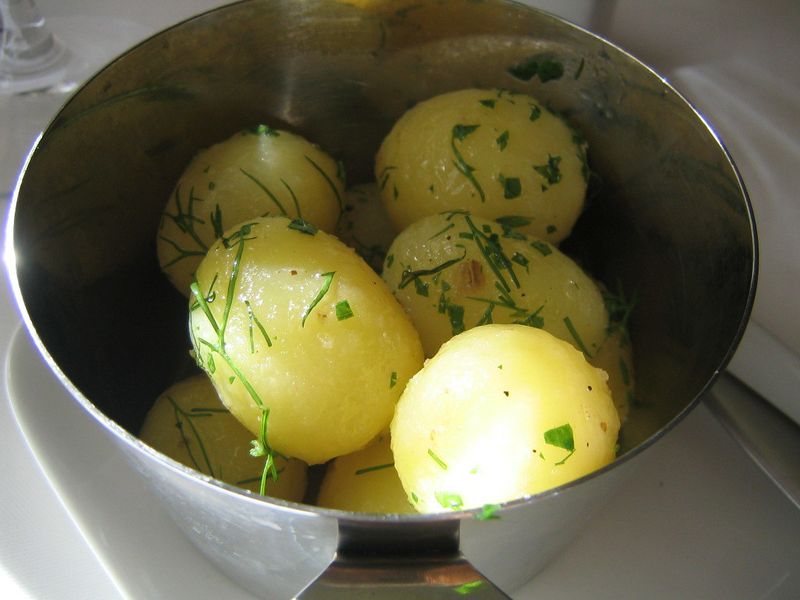
Boiled potatoes prove that plain can be perfect. Salt the water generously, cook until tender, then toss with butter and parsley.
The steam carries butter into every corner.
Grandparents used them as the steady side that never failed. Younger cooks chase flashier starches, but this is honest comfort.
Crack some pepper, maybe a splash of vinegar, and enjoy their quiet charm.
Vegetable soup
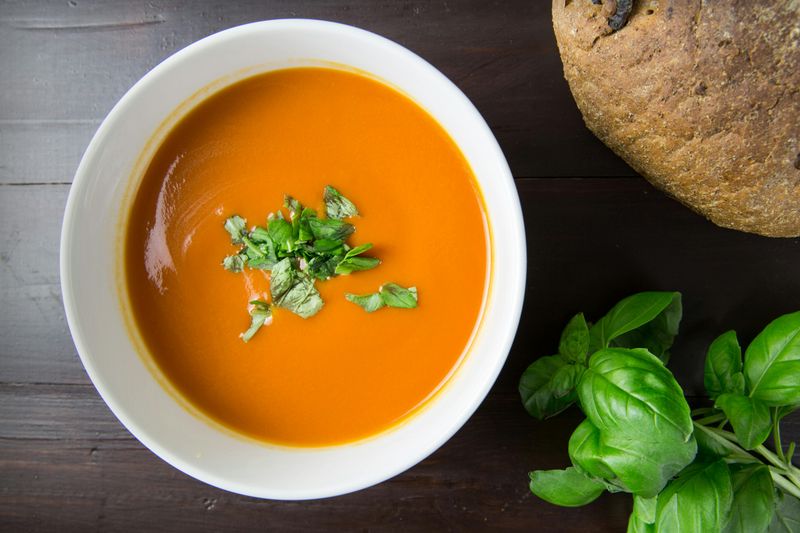
Vegetable soup tastes like a garden in a bowl. Start with sautéed aromatics, add tomatoes, beans, and seasonal vegetables, and simmer until flavors become friendly.
A handful of greens at the end keeps it lively.
Grandparents used whatever was abundant. Younger cooks buy canned, but fresh soup is easy and forgiving.
Keep parmesan rinds in the freezer and drop one in for depth you will taste but not see.
Rice pudding
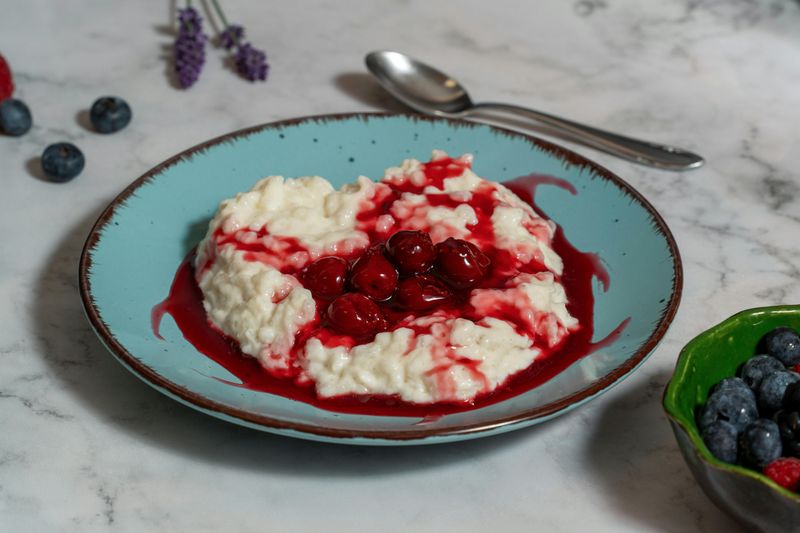
Rice pudding is comfort whispered softly. Simmer rice in milk with sugar, cinnamon, and a bit of vanilla until it turns velvety.
Raisins plump like little treasures.
Grandparents made it to use leftover rice and soothe sweet teeth. Younger cooks forget how soothing warm pudding can be.
Serve warm or chilled, and finish with nutmeg or a dollop of jam if you like.
Bread pudding
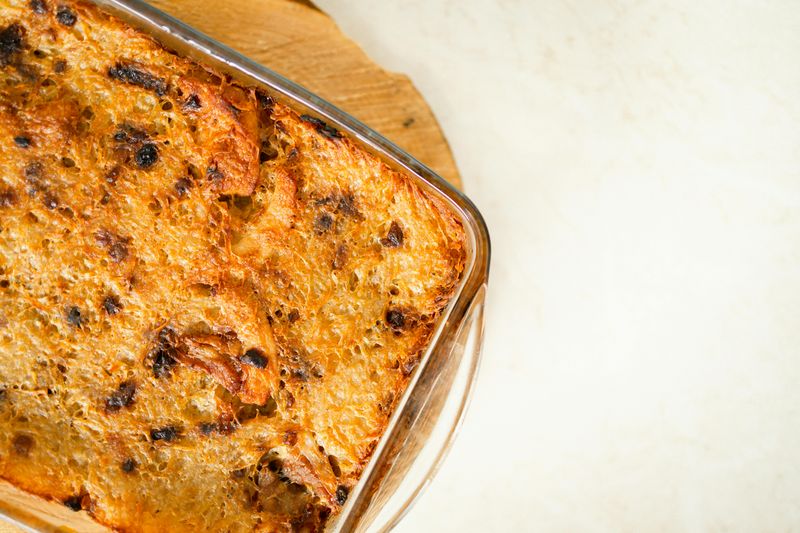
Bread pudding saves stale loaves from the bin. Cubes soak in custard, then bake into a crackly-topped, custardy-centered dessert.
A warm vanilla or whiskey sauce makes it unforgettable.
Grandparents loved it because nothing was wasted. Younger cooks overlook it for trendier sweets, but it is pure comfort.
Use brioche for luxury or everyday bread for honesty, and let the edges caramelize for contrast.
Apple pie
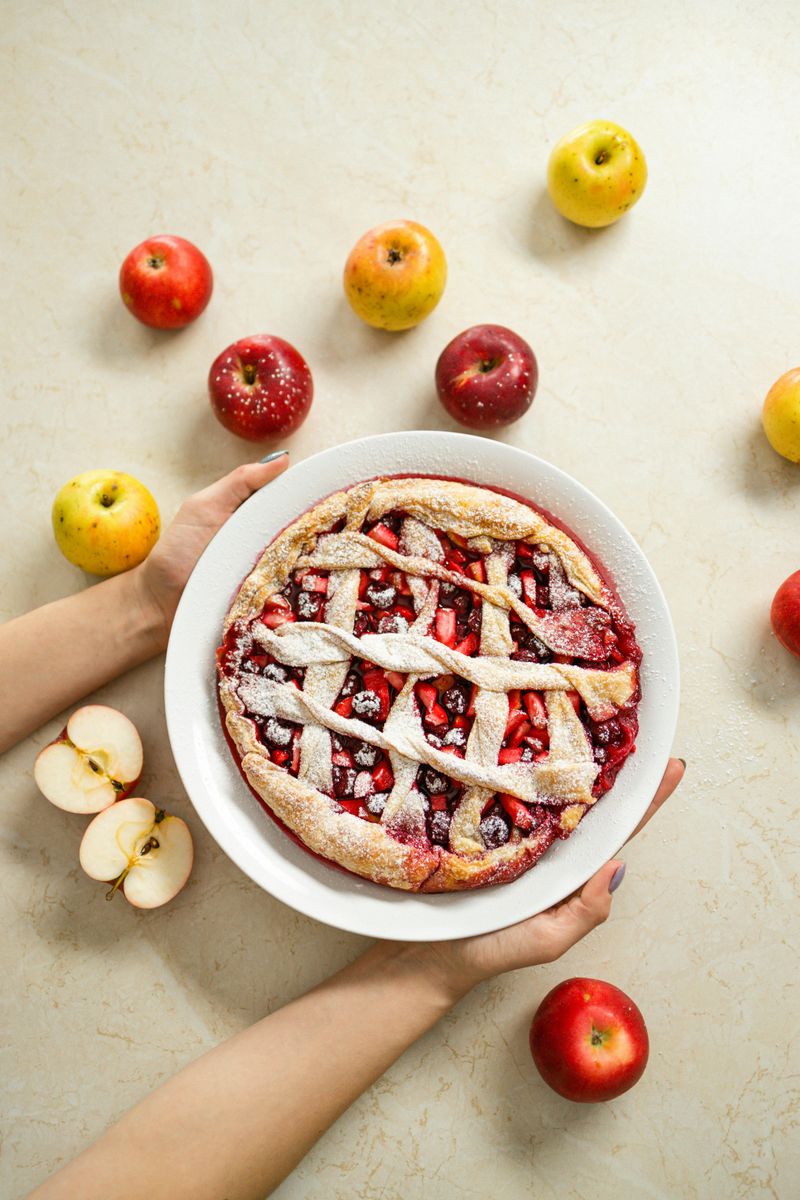
Apple pie tastes like holidays and home. Tart apples, sugar, and cinnamon tucked under a flaky crust that shatters with each slice.
The aroma alone feels like a hug.
Grandparents rolled dough by feel, not apps. Younger bakers fear pastry, but cold butter, minimal handling, and patience solve everything.
Serve warm with cheddar or ice cream, and listen for the quiet at first bite.
Baked apples
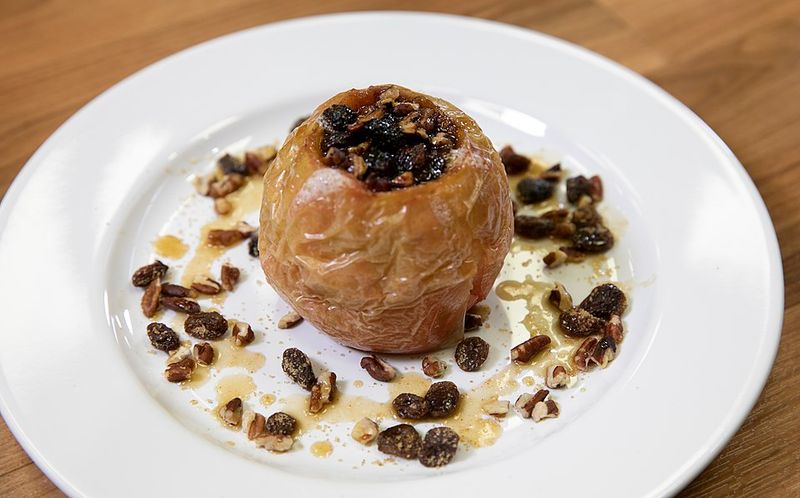
Baked apples are dessert with hardly any fuss. Core them, pack with brown sugar, butter, oats, and cinnamon, then bake until slumped and soft.
The syrup gathers like caramel in the pan.
Grandparents made them when pie felt like too much work. Younger cooks forget how elegant simple fruit can be.
Spoon over yogurt or ice cream, and do not skip the pan juices.
Pancakes
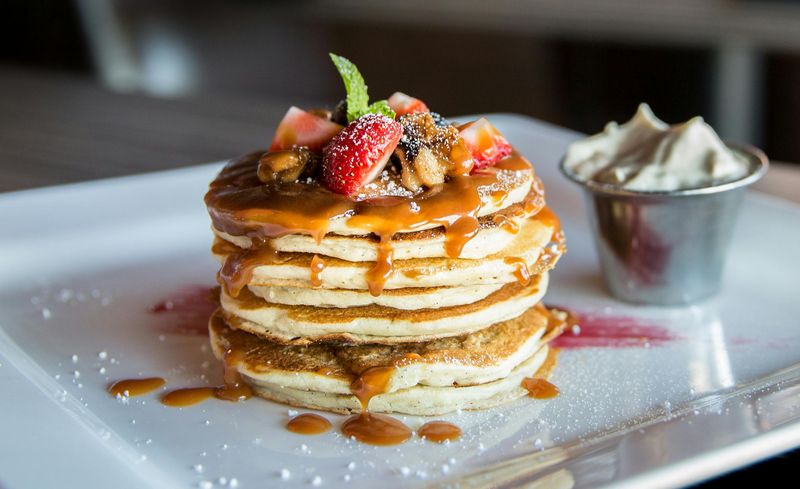
Pancakes turn a quiet morning into a small celebration. Stir just until the flour disappears, keep the griddle medium, and wait for bubbles before flipping.
The second side is quick.
Grandparents cooked them for crowds and kept them warm in a low oven. Younger folks buy mixes, but from-scratch batter is nearly as easy.
Add buttermilk for tang and loft, and never press them down with a spatula.
French toast
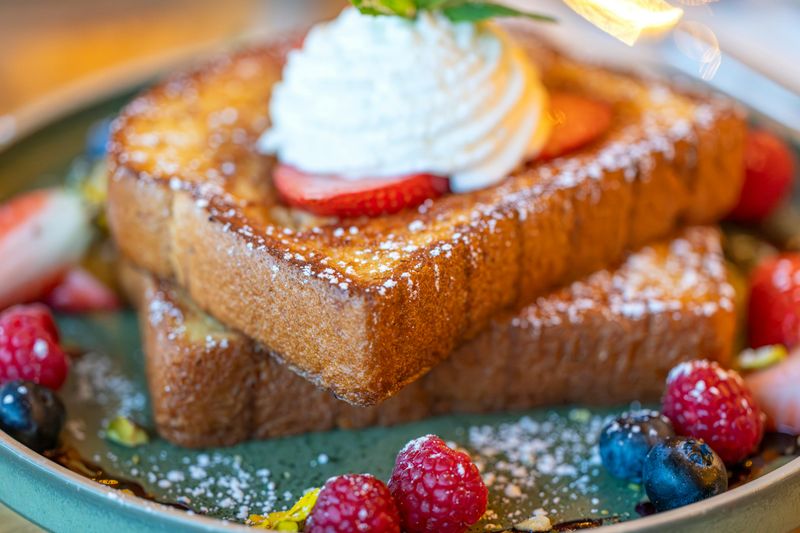
French toast rescues old bread and turns it into brunch. Soak slices in egg, milk, vanilla, and cinnamon until saturated, then cook until custardy inside and crisp outside.
The contrast is the point.
Grandparents used yesterday’s loaf without apology. Younger cooks forget this trick saves money and tastes luxurious.
Use sturdy bread, let it rest after griddling, and finish with sugar and syrup or a squeeze of lemon.
Sunday dinner
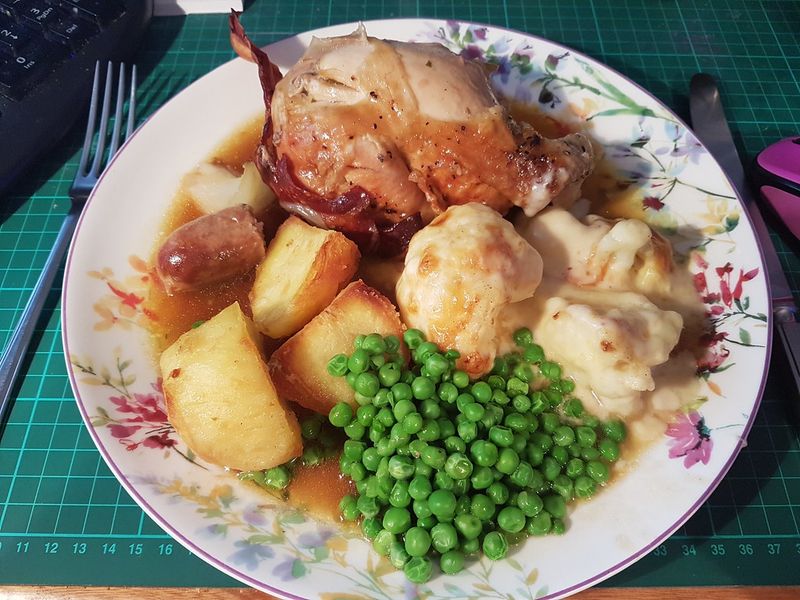
Sunday dinner was not just food, it was rhythm. A roast, potatoes, gravy, vegetables, rolls, and dessert brought everyone to the table.
Stories were served alongside seconds.
Grandparents guarded that ritual, even on tight budgets. Younger schedules scatter weekends, but you can reclaim one shared meal.
Keep it simple, light the candles, and let the phones rest elsewhere while conversation simmers.
Stuffed cabbage
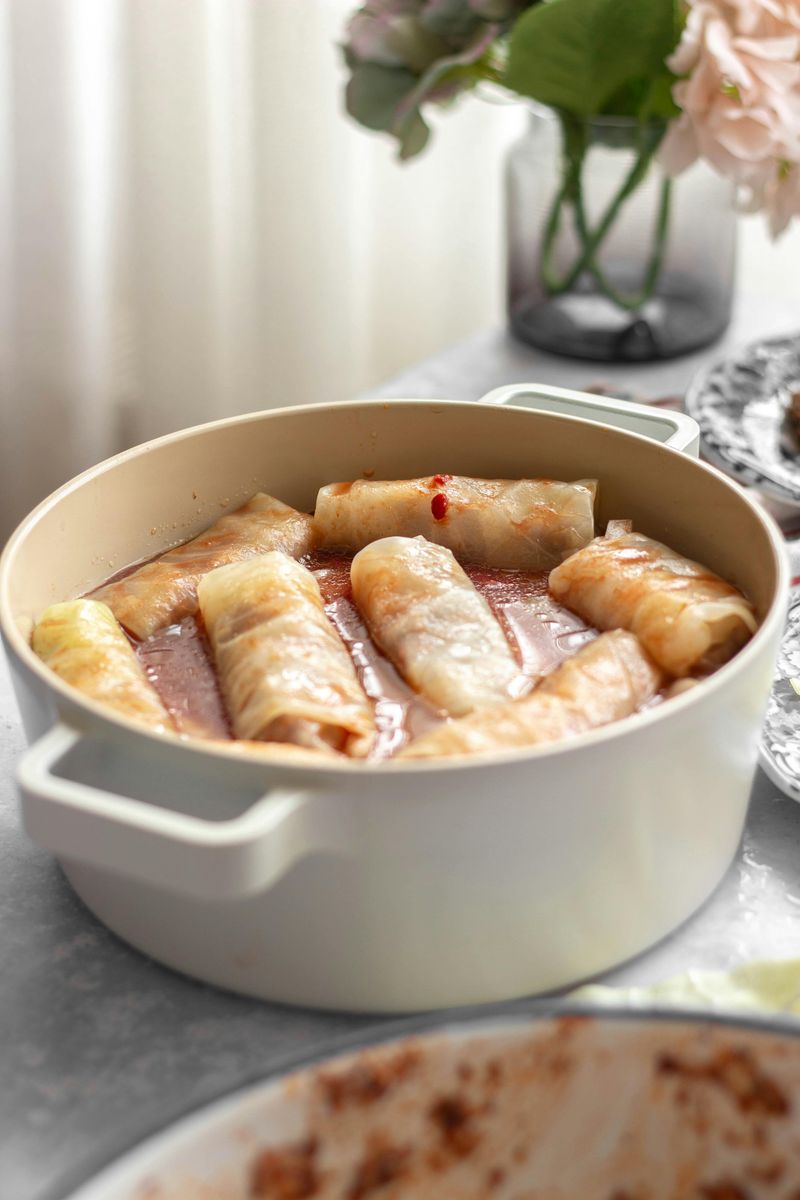
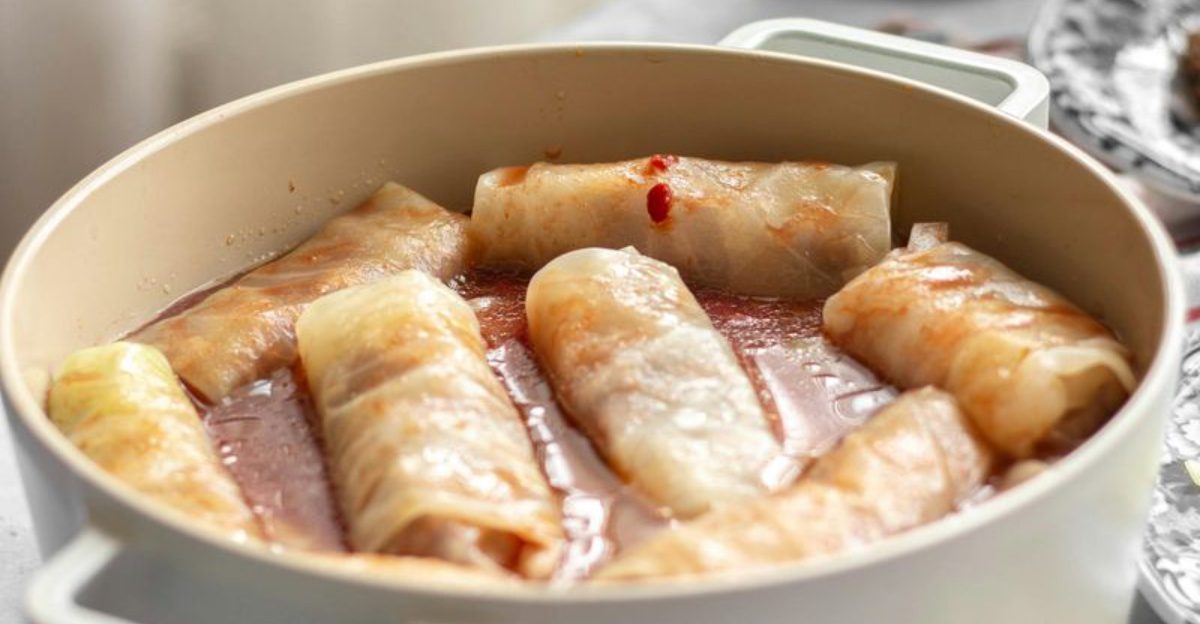
Stuffed cabbage asks you to slow down and roll. Tender leaves cradle a filling of rice, beef, onion, and gentle spices, all bathed in tangy tomato sauce.
It tastes like thrift and celebration at once.
Blanching leaves and shaping rolls intimidates newer cooks, but it is soothing once you start. The oven does the rest, melding flavors into something deeply homey.
Serve with sour cream and be generous with the sauce.
Liver and onions
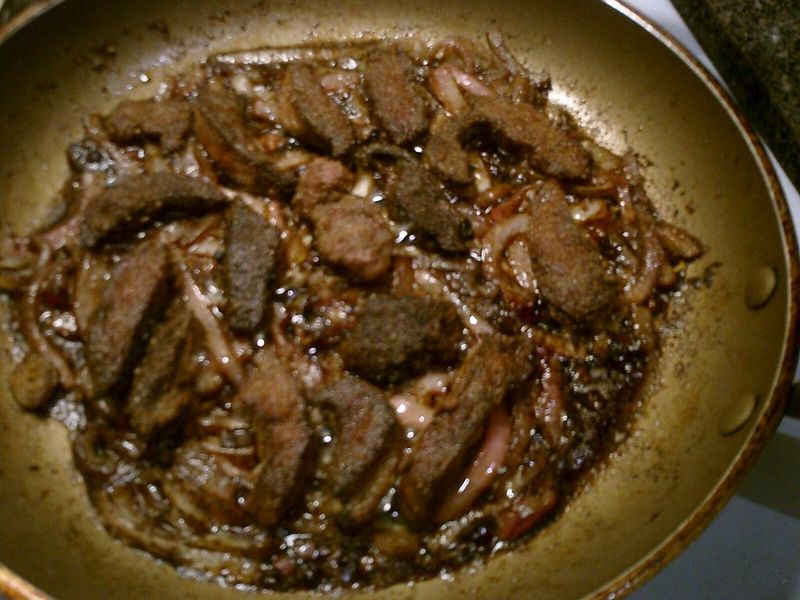
Liver and onions was never about glamour, but about making a humble supper taste rich and nourishing. The liver cooks quickly in a hot skillet, while onions turn soft, sweet, and deeply golden beside it.
A little flour, a little fat, and good timing keep it tender instead of tough.
Grandparents knew how to balance its bold flavor with patience and plenty of onions. It was practical, filling, and packed with the kind of thrift that shaped whole kitchens.
Once you taste it made well, you understand why this old plate lasted for generations on so many family tables everywhere.
Ham and beans
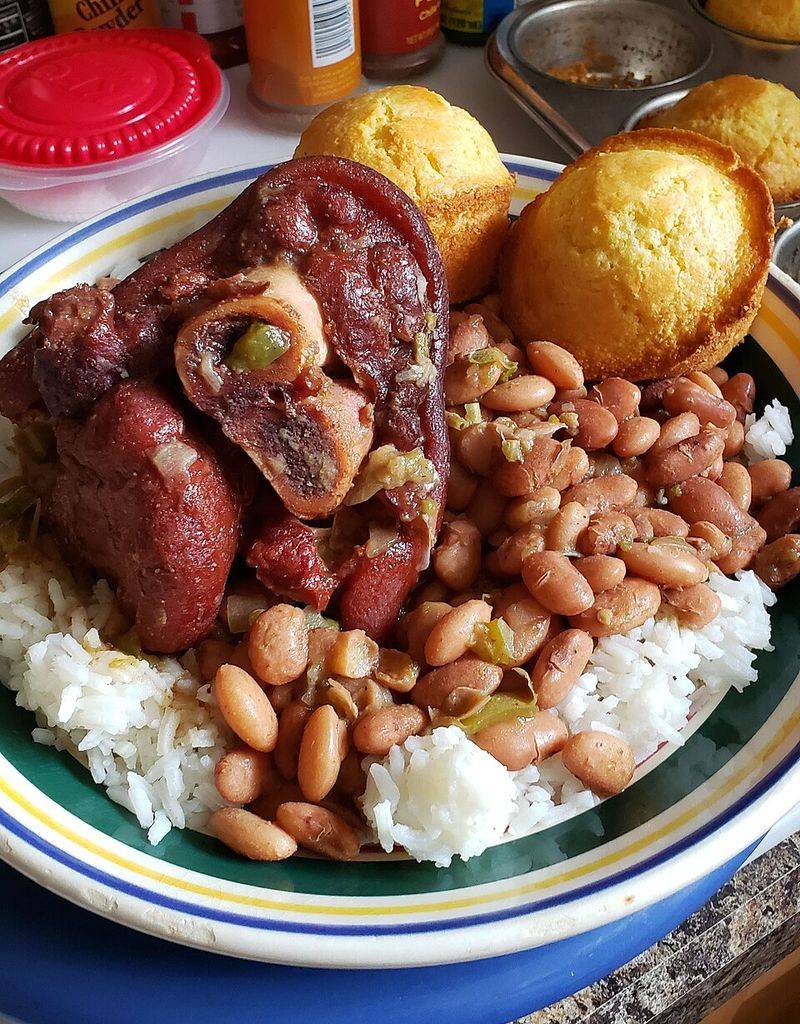
Ham and beans turns leftovers into something you actually crave, which is part of its quiet genius. A meaty ham bone simmers with dried beans for hours, seasoning every spoonful with smoky depth and salt.
The pot bubbles low, the broth thickens naturally, and the whole house smells like comfort.
Grandparents stretched one holiday ham into days of meals, and this was often the best one. You got tenderness, thrift, and flavor in the same bowl, usually with crackers or a wedge of bread.
It is the kind of simple cooking that asks for little and gives back plenty too.
Creamed corn
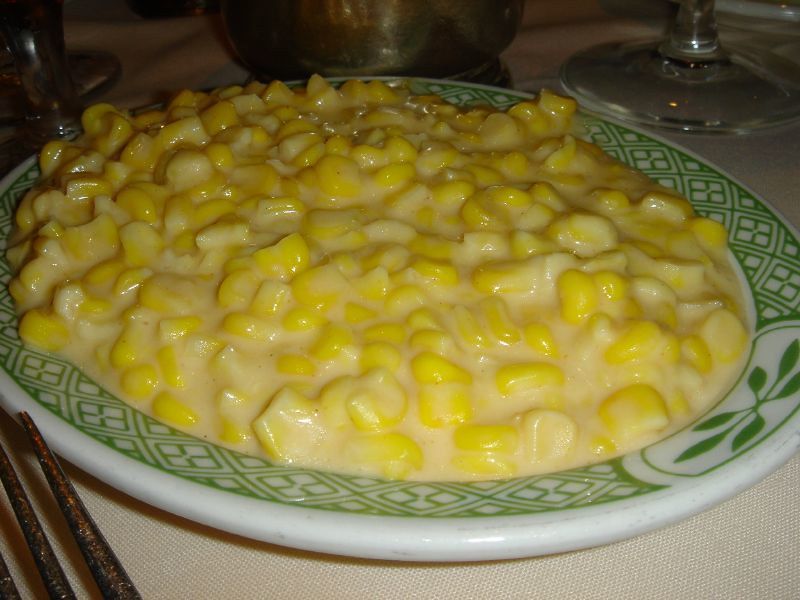
Creamed corn sounds modest until you taste the real thing, cut from fresh ears and cooked slowly with butter and milk. The kernels soften, their natural sweetness deepens, and the creamy base turns silky without feeling fussy.
It lands somewhere between a side dish and pure summer memory.
Grandparents knew that good corn barely needed help, just careful stirring and enough time on the stove. Served beside ham, roast, or biscuits, it made the whole plate feel fuller and warmer.
You rarely see younger cooks fuss with it now, which is a shame because the payoff is downright generous still.
Salisbury steak
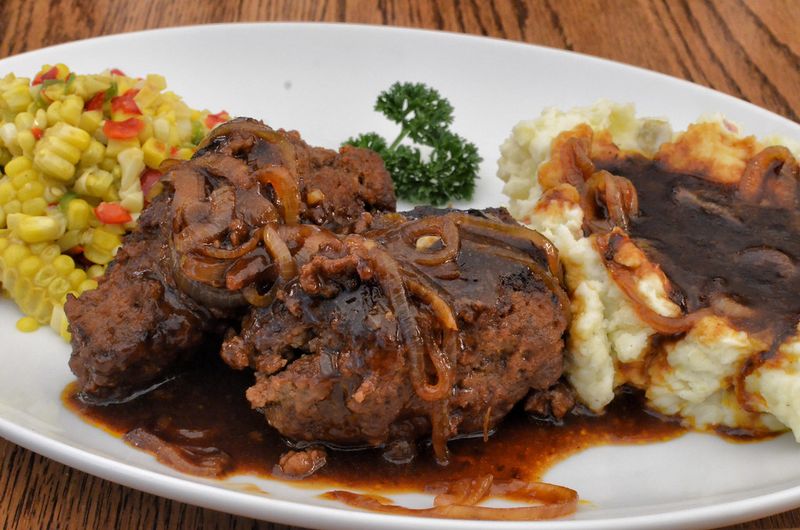
Salisbury steak was diner food by way of the family kitchen, and grandparents knew exactly how to make it sing. Seasoned beef patties hit the pan, brown deeply, then finish in onion gravy that turns every bite tender.
It is simple food, but it carries the kind of savory satisfaction that sticks with you.
Mashed potatoes usually waited nearby to catch every drop of that rich sauce. The meal felt special without costing much, which made it perfect for tight budgets and hungry tables.
Younger cooks may pass it by as old fashioned, yet one forkful still proves why it earned a lasting place.
Pea soup
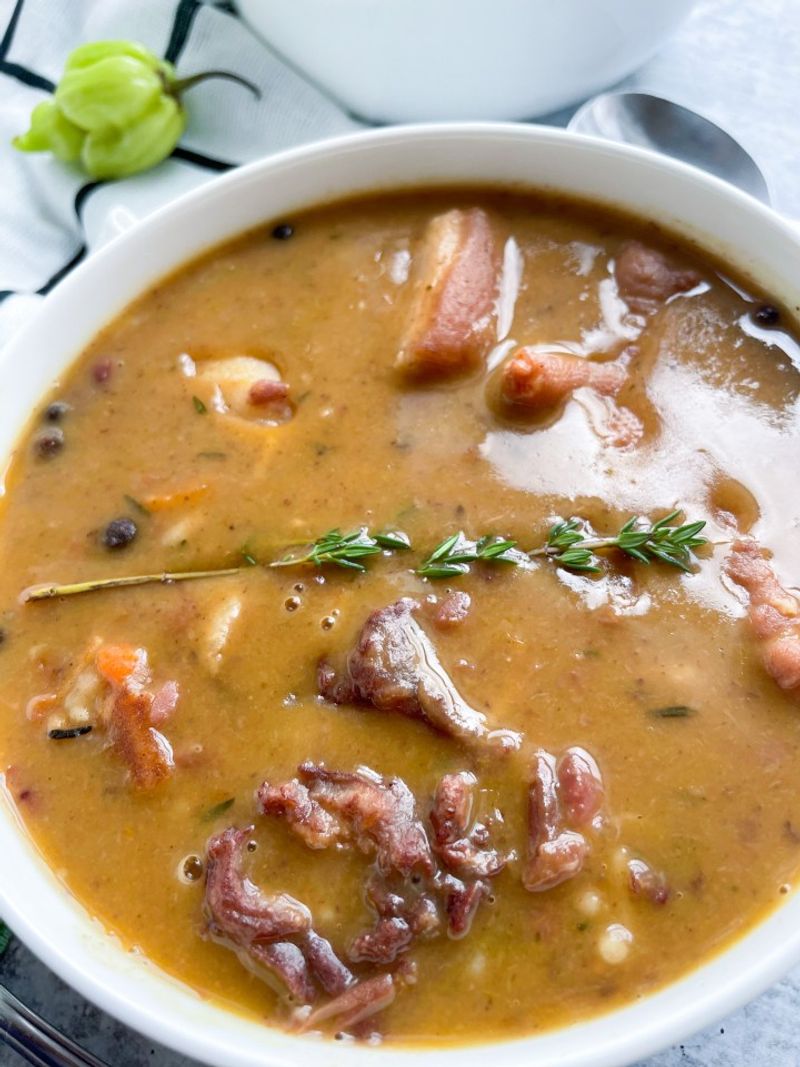
Pea soup asked for almost nothing and still managed to feel hearty, which is why it stayed in rotation. Split peas simmer down with onion, celery, and bits of ham until the pot turns thick, earthy, and satisfying.
It is the sort of meal that warms you twice, once while it cooks and again when you eat.
Grandparents valued dishes that could stretch, store well, and taste even better the next day. This one delivered all of that, plus a kind of comfort that never needed dressing up.
You may not see many people making it now, but a bowl still feels wise and timeless.
Enjoyed this story?
Add Fast Food Club as a preferred source to see more of our reporting on Google.