


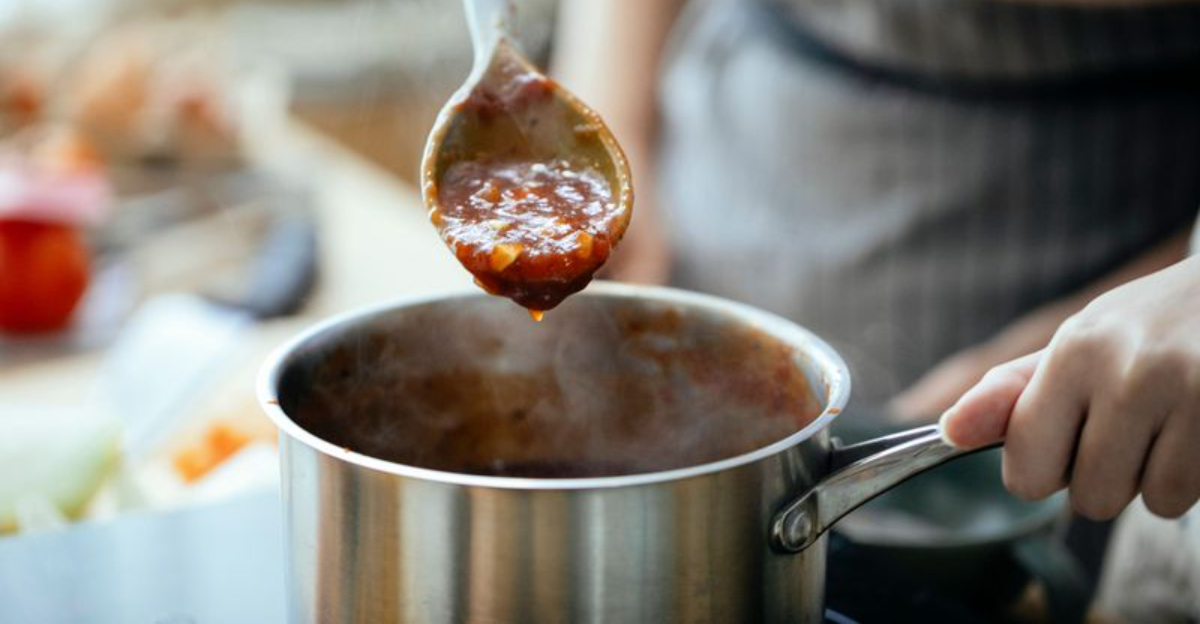
Some kitchen habits stick around because they simply work. The old ways may look slow, but they quietly build flavor you can taste from the first bite.
Borrow a few of these time-tested moves and dinner starts tasting richer, cozier, and more satisfying. You will cook with less stress and more confidence, using what you already have.
Making stock from leftover bones
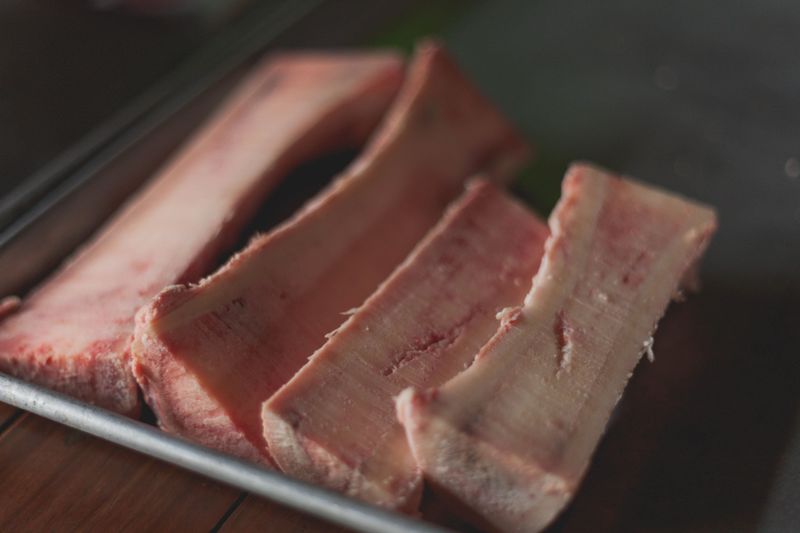
Save the bones from roasted chicken or beef, then simmer them gently with onion, carrot, and celery. Low heat coaxes collagen into the water, turning it silky and deeply flavorful.
You get a foundation that makes soups, risottos, and sauces taste like they simmered in a restaurant kitchen. Cold time creates complexity that shortcuts miss.
Skim the pot now and then, add a splash of vinegar, and let time do the work. Strain, cool, and stash it in jars or ice cube trays so you always have some on hand.
You will taste the difference immediately, and you will waste less food while cooking smarter.
Cooking with cast-iron skillets
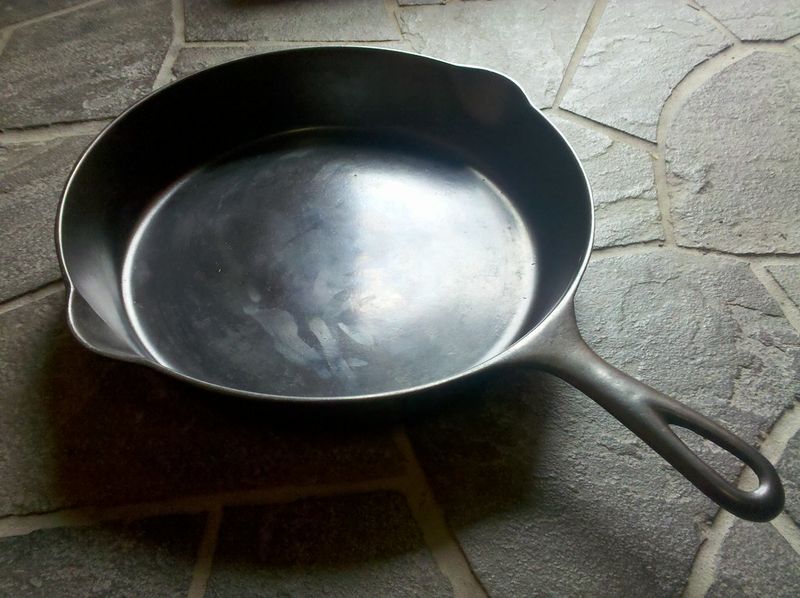
Cast iron holds heat like nothing else, so searing steak or crisping potatoes becomes effortless. The pan’s surface develops a natural seasoning that makes food release and taste richer.
You can take it from stovetop to oven without blinking, building deep browning that nonstick just cannot touch.
Keep it lightly oiled, avoid soaking, and use it often. A quick preheat and a sprinkle of salt create restaurant style crusts on everything from cornbread to salmon.
You will feel more confident, your dinners will cook more evenly, and cleanup usually needs only hot water and a wipe.
Letting bread dough rise slowly
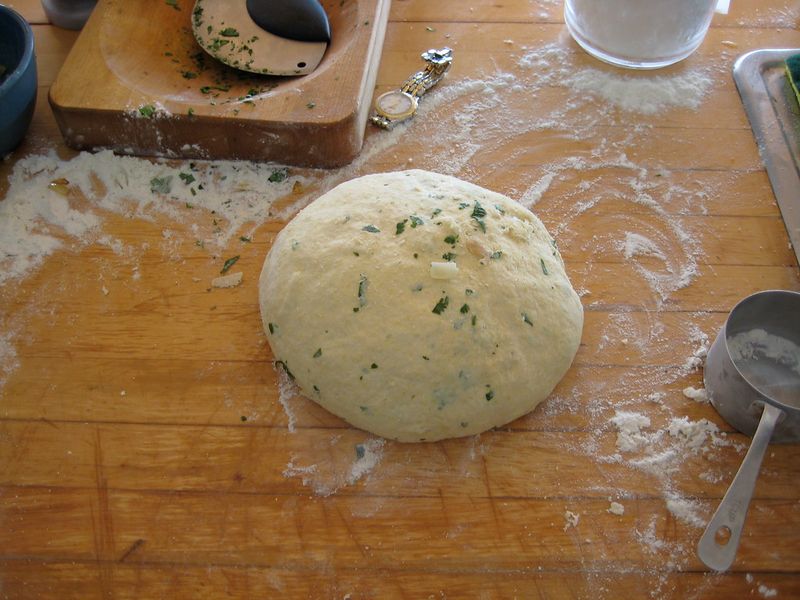
Slow rising lets yeast build flavor while gluten relaxes, giving loaves better chew and aroma. Tuck the dough in the fridge overnight and forget it.
The next day, you will find a bubbly, elastic dough that bakes into a caramel crust with tender crumb. Cold time creates complexity that shortcuts miss.
Long, cool fermentation also means you need less yeast and less kneading. Add a stretch and fold or two, then let patience do the heavy lifting.
Your kitchen will smell like a bakery, and slices will toast beautifully, staying moist longer and carrying butter, jam, or olive oil perfectly.
Saving bacon grease for cooking
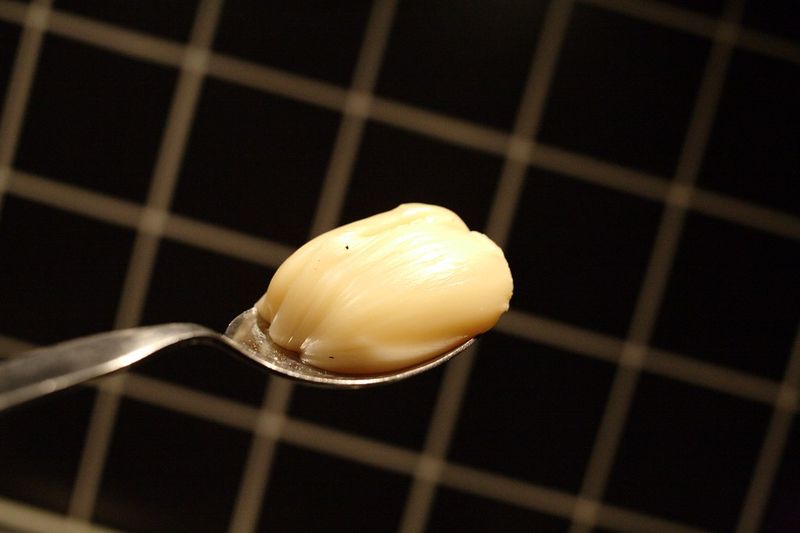
That jar of bacon drippings is liquid gold for weeknight cooking. A spoonful adds smoky depth to greens, beans, eggs, or cornbread.
It helps potatoes crisp beautifully while giving sautéed onions a savory backbone. Use it to grease cast iron before baking biscuits.
Strain bits, store it covered, and use it like any cooking fat. You will need less salt because the flavor runs deep.
Try a small dab when roasting Brussels sprouts or making gravy, and watch familiar dishes taste like they spent hours on the stove. A little goes a long way, so treat it like a seasoning.
Peeling potatoes by hand
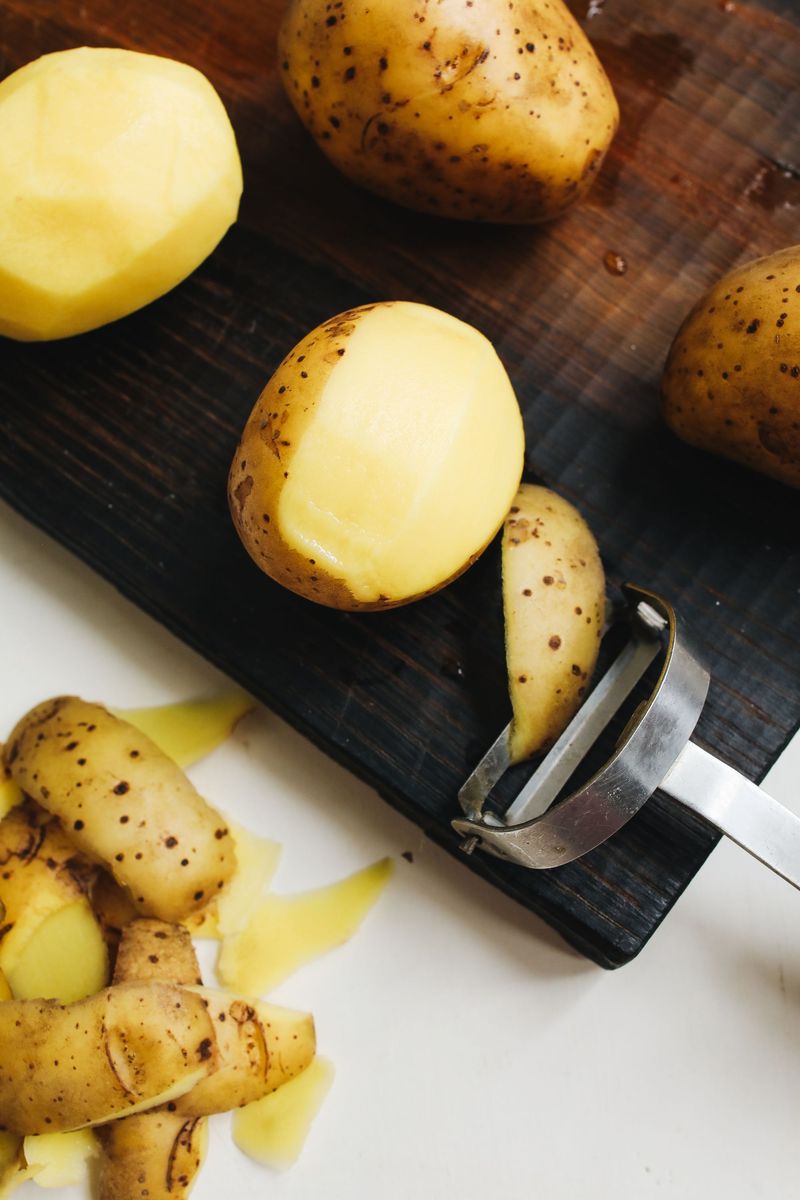
Peeling by hand keeps control over thickness, which protects flavor and texture. Thin peels leave enough starch to help mashed potatoes stay fluffy yet rich.
You also avoid the watery taste that comes from overexposed flesh. Leaving some skin adds minerals, color, and a rustic feel.
Work over a bowl of water to prevent browning, and save the peels for stock or crisps. A simple swivel peeler is fast, quiet, and oddly relaxing.
You finish with tidy pieces that cook evenly, brown better in the pan, and soak up butter, cream, or gravy like champions. Smaller waste means meals and fewer trips to the store.
Using real butter instead of spreads
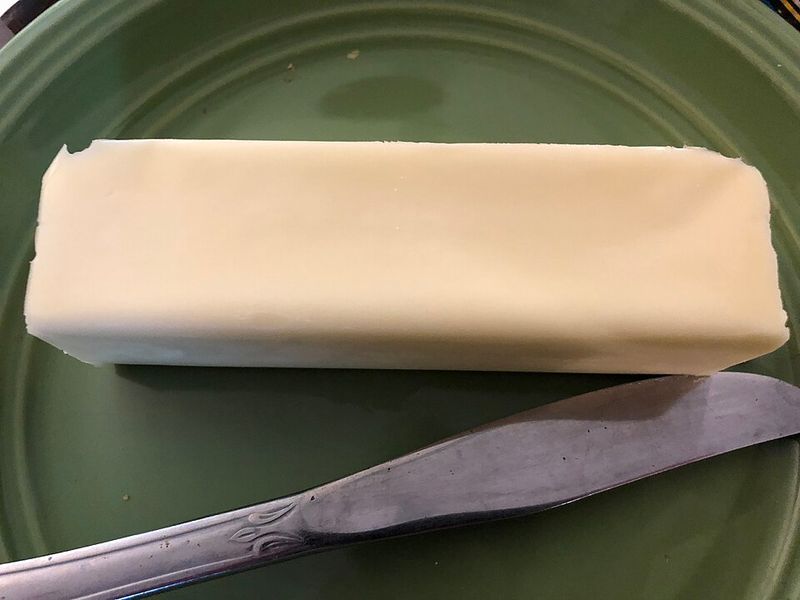
Real butter melts cleanly and browns into nutty, toffee aromas that spreads cannot match. It carries herbs, garlic, or lemon zest without the waxy aftertaste.
You taste dairy sweetness and gentle salt, not emulsifiers.
Use salted for finishing and unsalted for baking and sauces. Brown it for vegetables, mash it into compound butter, or whisk it slowly into pan juices.
Meals feel more satisfying, toast smells like a bakery, and cookies bake with crisp edges and tender centers you will crave. A smaller pat often does more than a big scoop of any margarine substitute.
Making gravy from pan drippings
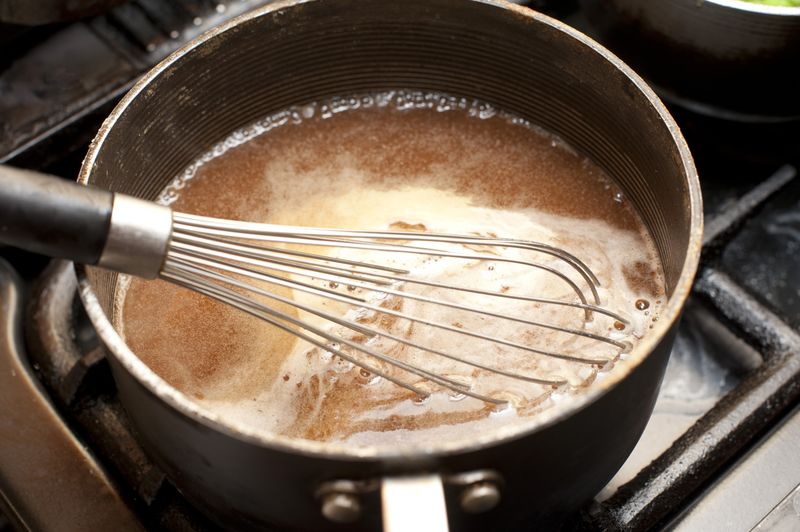
Do not waste those browned bits. Whisk flour into the hot fat, cook it briefly, then splash in stock while scraping the pan.
The fond dissolves, carrying roasted flavors straight into your gravy. A little wine or cider can brighten everything.
Season patiently with salt, pepper, and a touch of acidity. Simmer until it thickens glossy and coats a spoon.
Poured over mashed potatoes or chicken, it ties the whole plate together, making weeknight meals feel special without buying anything extra. Strain if you want it smoother.
Stir in a knob of butter at the end for shine.
Soaking dried beans overnight
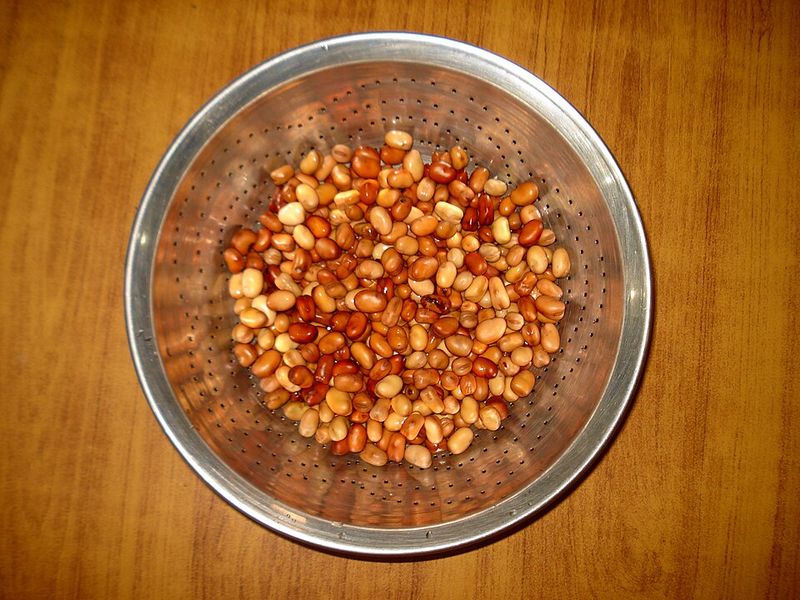
Soaking beans softens skins and shortens cooking time, which keeps interiors creamy. A salty soak seasons them all the way through.
You avoid the burst skins and chalky centers that happen when you rush it. A pinch of baking soda helps very hard water.
Drain, rinse, and simmer gently with aromatics. Add acid and tomatoes late, and salt steadily so the broth tastes great.
The pot will reward you with tender beans that hold shape, glossy cooking liquid, and a budget friendly base for salads, soups, tacos, or simple bowls with olive oil. Skim foam and keep the simmer calm, not rolling.
Cooking soups all afternoon
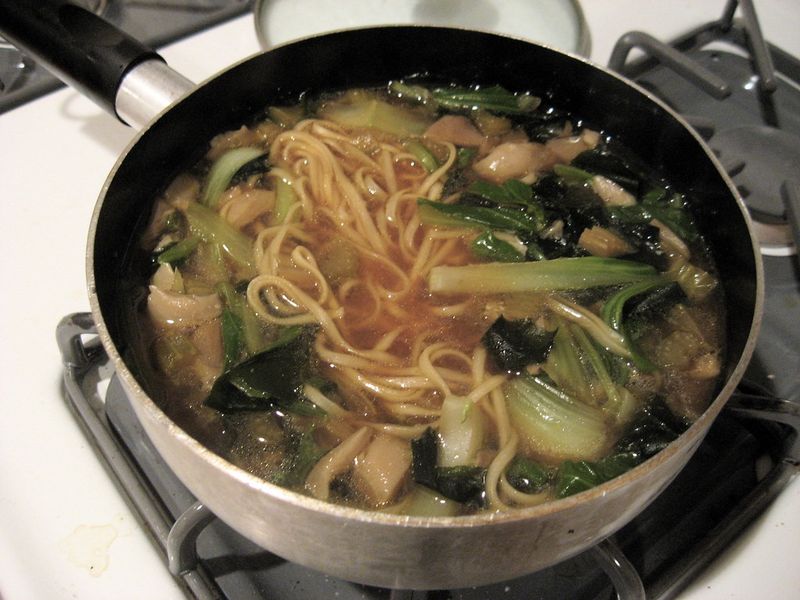
An afternoon simmer lets flavors marry, concentrate, and mellow. Vegetables sweeten, meats tenderize, and the broth gains body.
The house smells welcoming, and dinner basically cooks itself while you do other things. Low bubbles beat a hard boil every time.
Keep the lid ajar, skim occasionally, and adjust salt late. A handful of pasta, rice, or greens near the end makes it complete.
Leftovers taste even better tomorrow, so make extra, stash portions in the freezer, and feel like a future version of you already did the work. Finish with fresh lemon or a swirl of olive oil for brightness.
Using fresh herbs from the garden
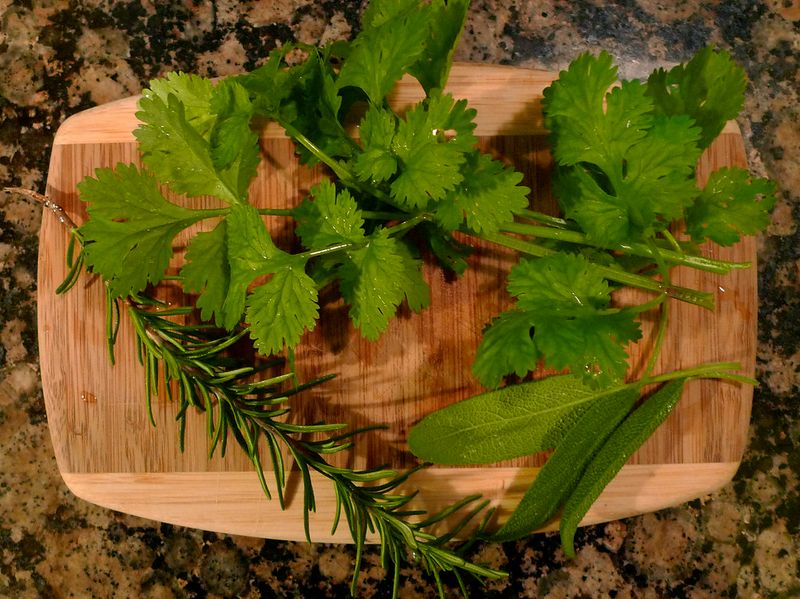
Fresh herbs wake up sleepy dishes with perfume you cannot bottle. Snip parsley, basil, or thyme right before serving, and the whole plate sings.
You use less salt because bright, green flavors carry the load.
Grow a small pot on a windowsill if you do not have a yard. Rinse, pat dry, and tear with your fingers to avoid bruising.
Toss them into salads, fold into butter, finish soups, and watch even Tuesday pasta taste like a gentle trip to summer. Stems have flavor too, so chop them for stews and save leaves for garnish.
Seasoning cast iron instead of replacing it
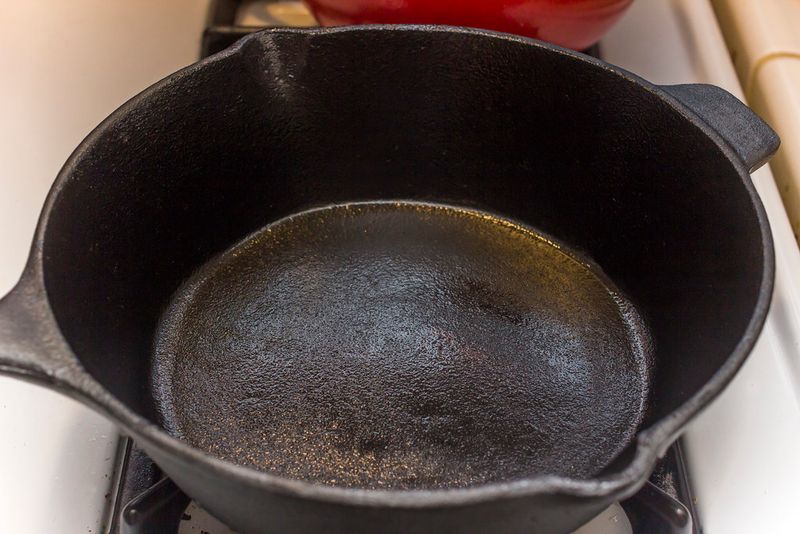
Do not toss a flaky pan. Scrub, dry over heat, then rub a thin layer of oil and bake until glossy.
Repeating light coats builds a hard, nonstick surface that makes eggs slide and pancakes flip clean. Smoke alarms may beep, but results are worth it.
Use it often, avoid soap soaks, and heat it gently to drive off moisture. A quick refresh keeps rust away and flavor developing.
You will spend less, cook better, and inherit a pan ready for another generation of crispy potatoes and beautifully seared chops. If it sticks, add oil, preheat longer, and keep going.
Toasting spices before cooking
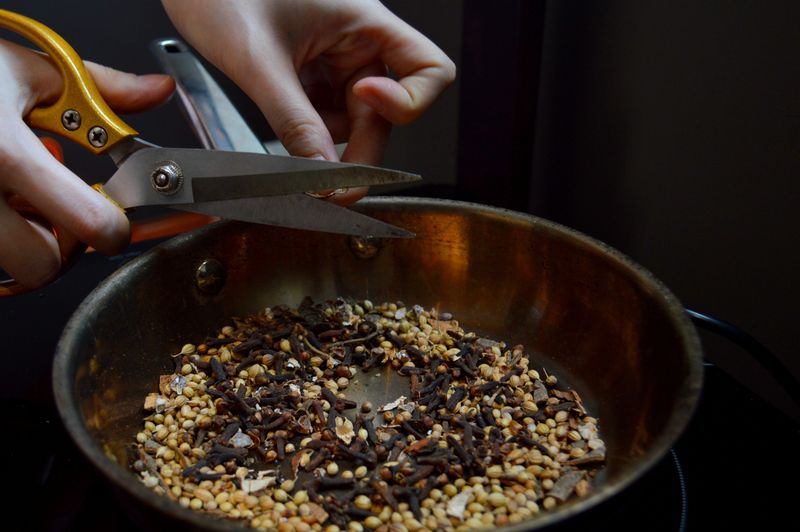
Toasting wakes oils in whole or ground spices, making aromas bloom. A dry pan and a minute of gentle heat transform flat seasoning into something vivid.
You will smell the change before you see it. Suddenly your kitchen smells like a spice shop.
Shake the pan, watch for a shade darker, and pull them off before burning. Grind while warm for the best payoff.
Curries, chilis, and rubs suddenly taste layered and confident, like you borrowed a secret from a favorite street vendor or a very patient grandmother. Even simple rice becomes special with cumin or cardamom briefly toasted first.
Baking pies from scratch
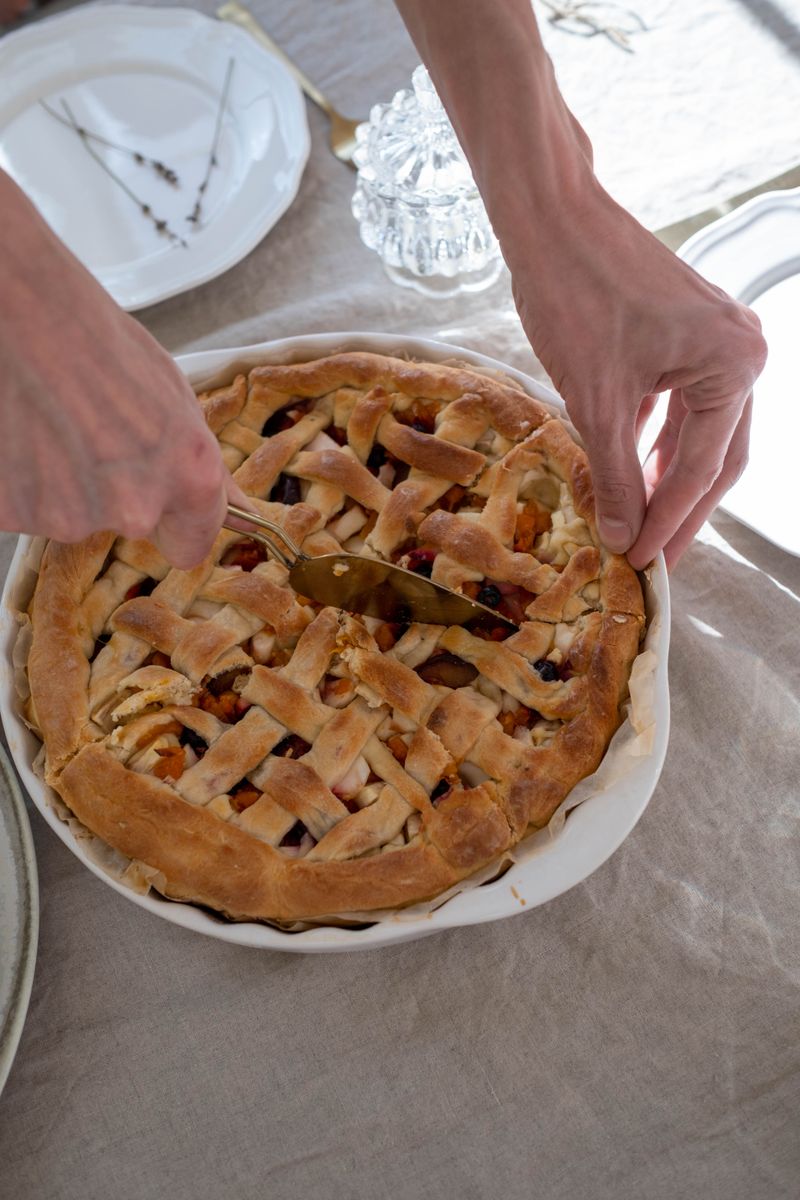
Scratch pies begin with cold butter, light hands, and patience. Flaky layers form when butter stays in small pieces and melts in the oven, not your fingers.
The filling tastes fresher because you control sugar, spice, and fruit texture. Homemade dough forgives small mistakes and still bakes beautifully.
Chill everything, use a hot oven, and let the pie rest before slicing. Brush with egg wash, sugar the lid, and listen for that shattering crackle.
You will taste butter in every bite, and the kitchen will smell like holidays, Sunday afternoons, and family stories told with forks tapping plates.
Using buttermilk in biscuits

Buttermilk brings tang and tender crumb to biscuits with almost no effort. Its acidity reacts with leaveners to create loft and soft, steamy centers.
Cold butter plus cold buttermilk equals layers that break cleanly when you crack one open.
Stir gently, pat the dough, and use a sharp cutter. Bake hot, then brush tops with melted butter.
You will get bakery style biscuits at home that taste rich with gravy, honey, or jam, and they reheat beautifully for breakfasts that feel like a calm, sunny morning. Swap in herbs or cheddar for savory versions that steal the show.
Letting meat rest before slicing
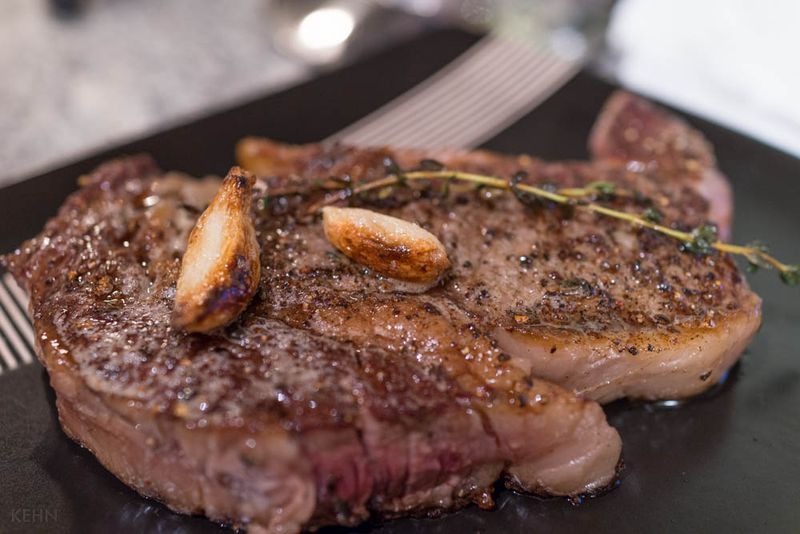
Resting meat keeps juices from running out the moment you cut. Carryover heat finishes the center while fibers relax.
The result is tender slices that stay moist instead of dry. Even burgers benefit from a short pause.
Resting also evens color from edge to center.
Tent with foil, wait a few minutes, and use that time to finish sides. Slice across the grain and watch the board stay cleaner.
You will feel like a pro, because every bite tastes juicier, and leftovers reheat better instead of turning into stringy regret. Warm plates help hold temperature without more cooking.
Canning summer produce
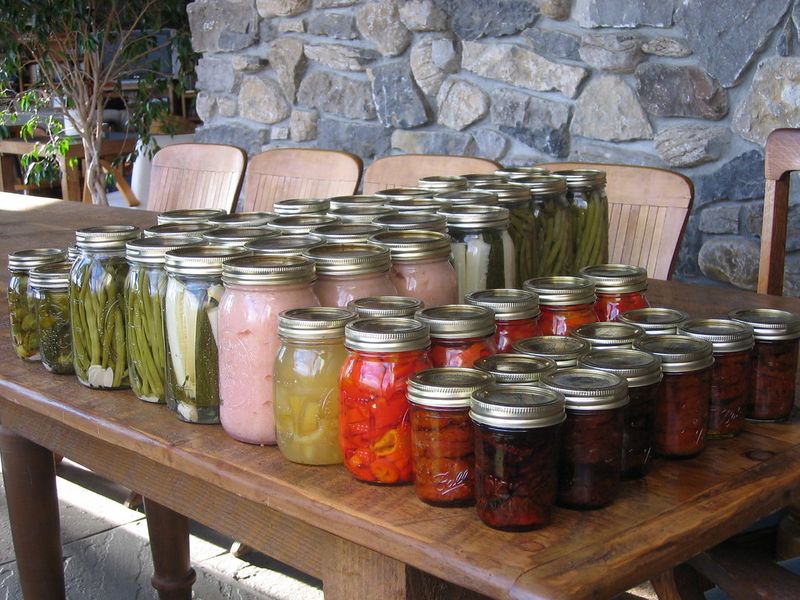
Canning captures peak tomatoes, peaches, and pickles so you can eat sunshine in January. Sterilized jars, hot packs, and careful headspace keep everything safe.
The process feels old fashioned, but the results taste fresh and bright. Follow tested recipes so acidity and timing are spot on.
Label, store in a cool place, and let the seals pop proudly. Open a jar midwinter and dinner gets easier, cheaper, and happier.
You control salt and sugar, you avoid food waste, and your pantry turns into a colorful promise of soups, sauces, quick desserts, and gifts that matter.
Making homemade jam
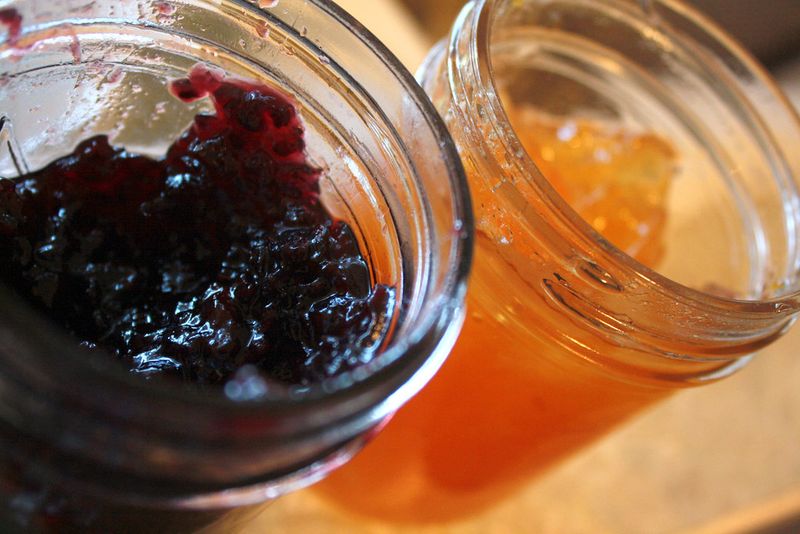
Homemade jam tastes like fruit, not candy. You choose ripe berries, adjust sugar, and cook just long enough for sparkle and set.
Lemon juice adds brightness while pectin or patience provides body. Small batches cook faster and keep flavor vivid.
Skim foam, test on a cold plate, and jar it hot. A smear on toast makes mornings kinder, and spoonfuls swirl into yogurt or cakes.
You will taste summer every time you open a jar, and you will quietly brag a little with every gift. Stir in herbs, vanilla, or a splash of liqueur for personality.
Sharpening kitchen knives regularly
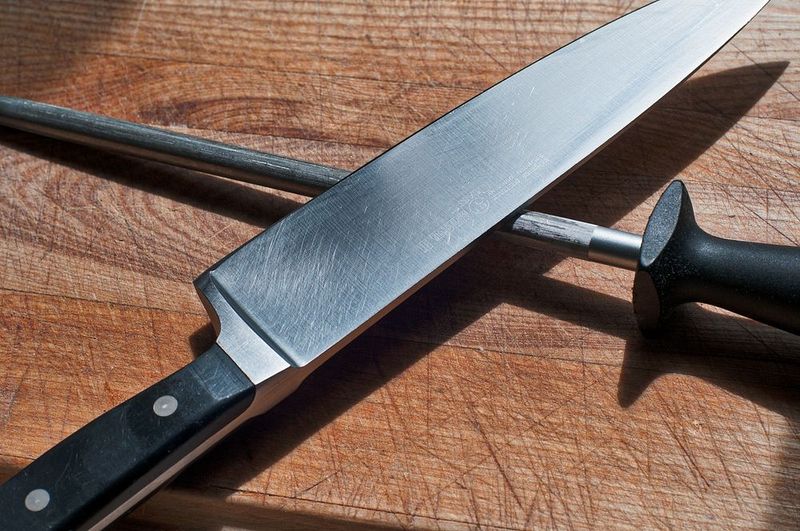
Sharp knives are safer because they slice without slipping. A few passes on a whetstone or professional tune ups keep edges true.
Food cuts cleaner, herbs stay greener, and tomatoes surrender without squashing. Your hands relax when the tool cooperates.
Hone between sessions to realign the edge, and store blades in a block or on a strip. Chopping feels calm instead of sweaty.
You will move faster with more accuracy, which means even simple salads, diced onions, and thin cutlets taste better because they cook evenly and release fewer juices. Keep a towel under the board for stability and safety.
Cooking low and slow
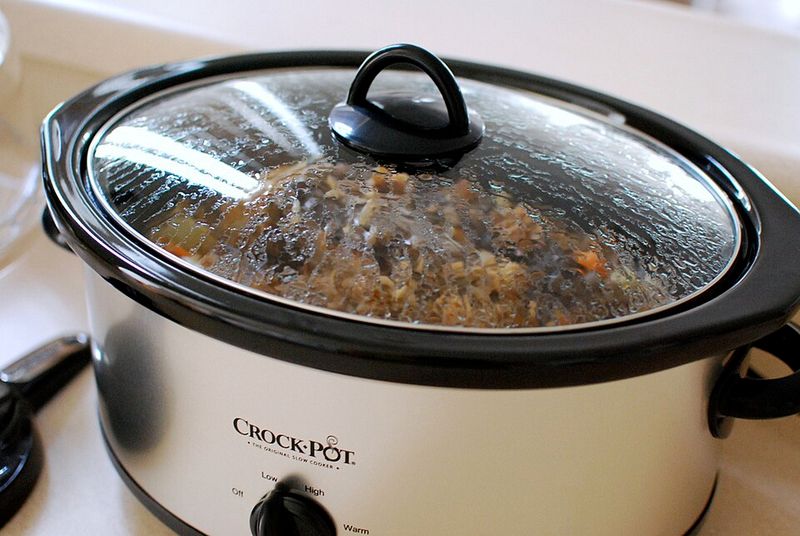
Low and slow turns tough cuts into silky, spoon tender meals. Collagen melts, fat renders, and flavors mingle without drying out.
The kitchen fills with cozy smells that make everyone hover near the pot. Think braises, stews, and barbecue done without panic.
Set the heat just right, keep the lid mostly on, and leave time to work. Browning first deepens the result, and a final bright splash balances richness.
You keep stress low, save money on ingredients, and still serve the kind of comfort dinner that gets remembered. Leftovers taste even better and freeze beautifully.
Eating leftovers the next day
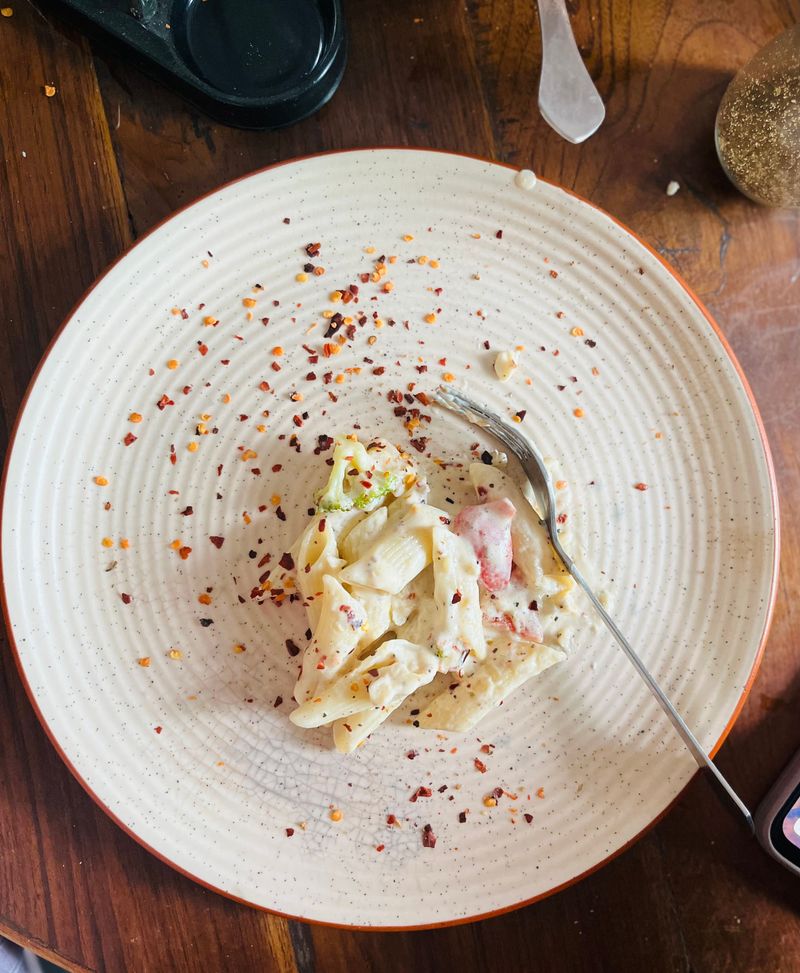
Time lets flavors settle and mingle, so yesterday’s dinner often tastes better. Sauces soak in, edges soften, and seasoning evens out.
You also get a break from cooking without sacrificing joy. Some dishes, like chili and curry, truly peak on day two.
Store smartly, reheat gently, and add a squeeze of lemon or fresh herbs to wake things up. Lunch becomes cheap and satisfying.
You will feel clever every time you open the fridge and find ready made comfort waiting for you like a tiny future gift. Toast stale bread into crunchy croutons and revive tired greens.
Stirring sauces by hand
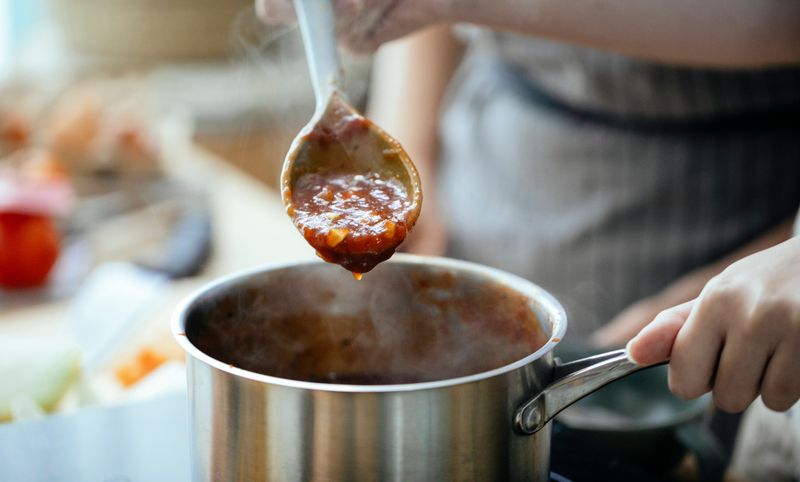
Hand stirring lets you feel thickness change and prevent scorching. A wooden spoon scrapes the pan gently, lifting flavor while keeping texture silky.
You can adjust heat and seasoning in real time instead of letting a gadget guess. You also catch lumps early and fix them before they spread.
Whisk slowly to emulsify, stir figure eights to coat evenly, and add butter off the heat. The sauce becomes glossy, clings to pasta, and tastes balanced.
You will trust your senses more, which makes every future batch smoother, quicker, and far less stressful on a busy night.
Enjoyed this story?
Add Fast Food Club as a preferred source to see more of our reporting on Google.