


Florida’s warm climate and year-round sunshine make it one of the best places in the country to grow stunning plants right in your front yard. The right plants can turn a plain lawn into a colorful, lush showstopper that neighbors stop to admire.
Whether you love bold tropical colors or low-maintenance greenery, there is something on this list for every Florida homeowner. Get ready to discover 21 amazing plants that will make your front yard the talk of the street.
Croton
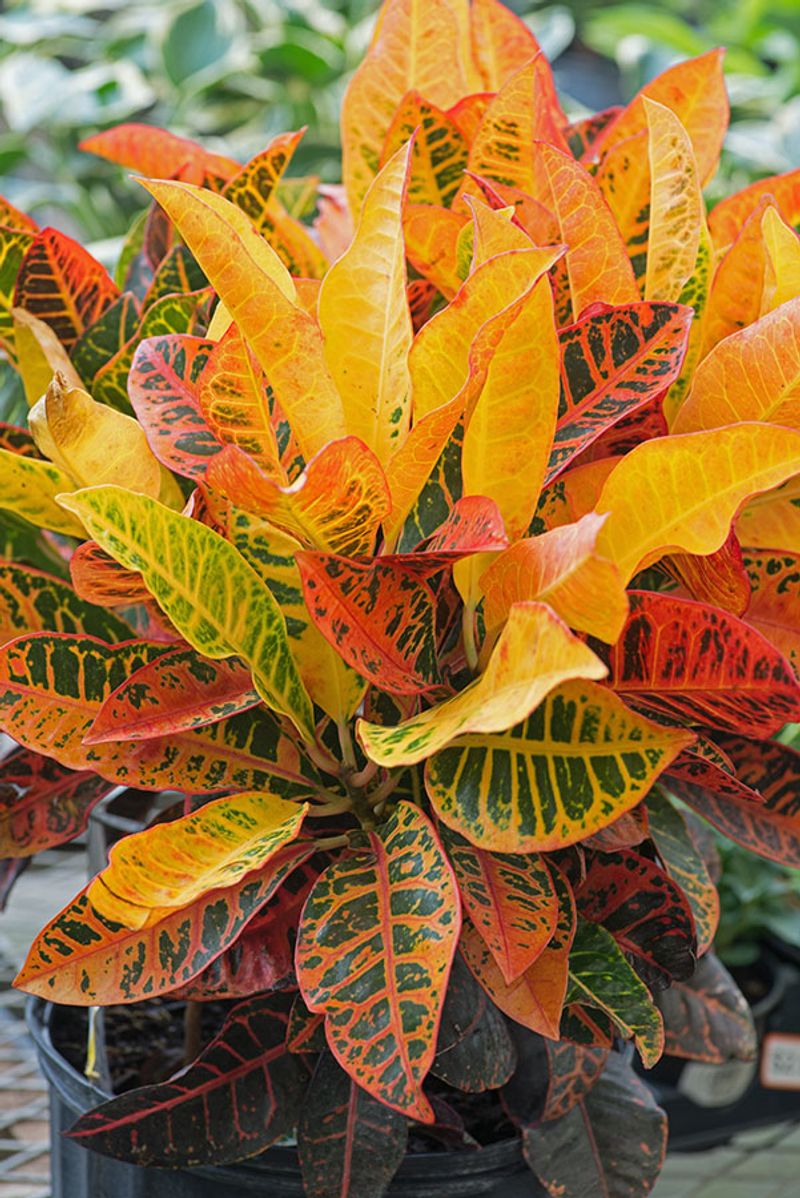
Few plants match the sheer drama of a croton in full color. With leaves splashed in red, orange, yellow, and green, this plant looks like nature took a paintbrush to your yard.
It thrives in full sun and loves Florida’s heat.
Crotons grow into bushy shrubs that work beautifully as borders or focal points near a front door. They need well-drained soil and regular watering to keep those bold colors popping all year long.
Cordyline
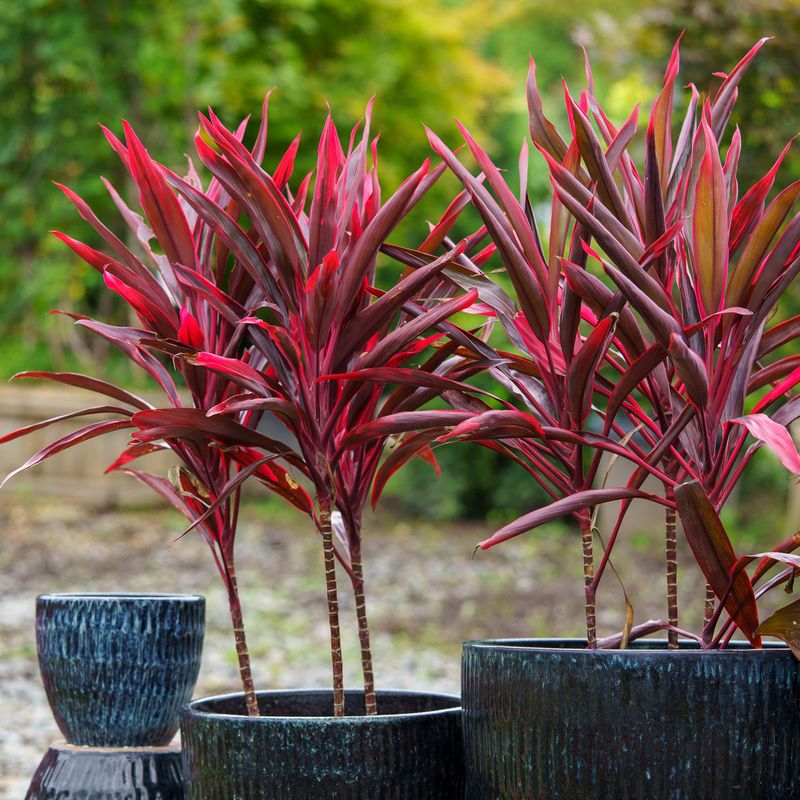
Cordyline brings a bold, architectural look to any front yard that feels instantly tropical and modern. Its long, sword-shaped leaves come in deep burgundy, green, or even pink, depending on the variety you choose.
Gardeners love it because it grows upright and stays tidy without much effort.
Plant it in a sunny spot with good drainage, and it will reward you with steady growth and striking color. It pairs especially well with low-growing ground covers for contrast.
Bird of paradise
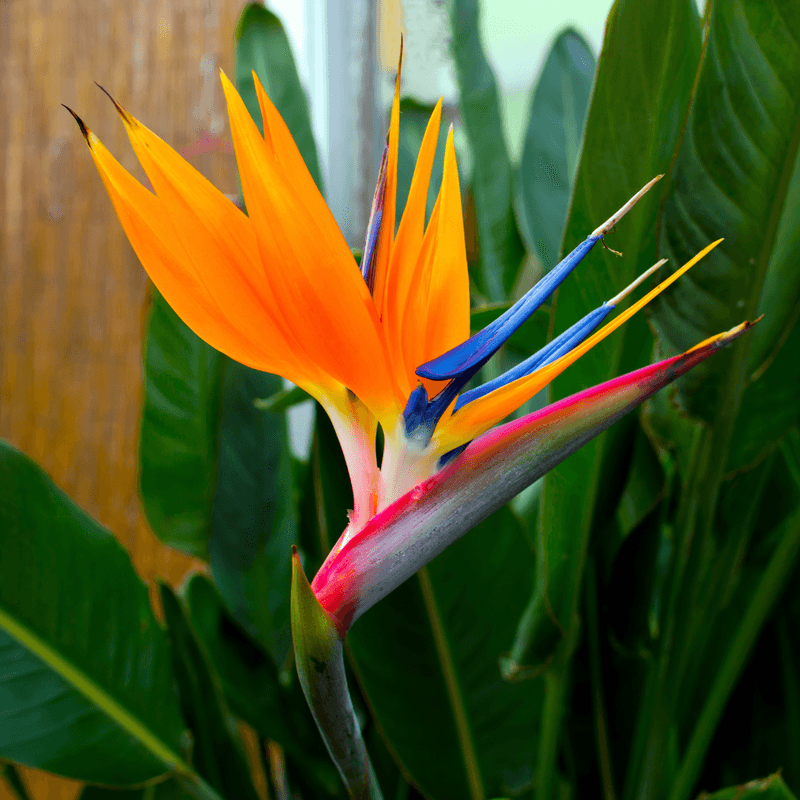
Named after an exotic tropical bird, this plant earns every bit of that dramatic title. The bird of paradise produces stunning orange and blue flowers that shoot up above wide, paddle-shaped leaves, creating a jaw-dropping display.
It is a showstopper that signals Florida living at its finest.
Give it full sun, sandy soil, and room to spread, and it will bloom reliably. Once established, it handles Florida’s dry spells surprisingly well without much extra care.
Ixora
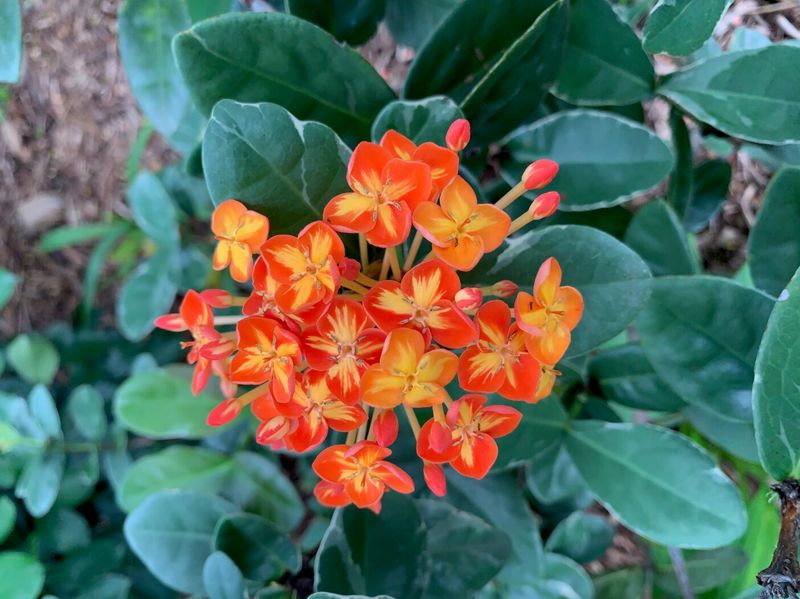
Walk past a blooming ixora and it is almost impossible not to stop and stare. Clusters of tiny, star-shaped flowers in fiery red, orange, or yellow cover this compact shrub nearly year-round in Florida’s warm climate.
It is a landscaper’s favorite for good reason.
Ixora loves acidic soil and full to partial sun, making it a reliable choice for front yard borders or hedges. Feed it with an acid-based fertilizer a few times a year to keep blooms coming.
Pentas
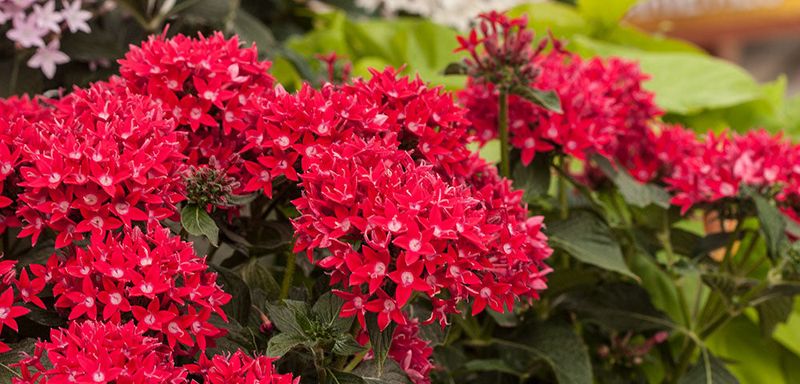
Butterflies absolutely cannot resist pentas, which makes it one of the most delightful plants you can add to a Florida front yard. The clusters of tiny star-shaped flowers bloom in shades of red, pink, white, and lavender through most of the year.
It is cheerful, colorful, and surprisingly easy to grow.
Pentas thrives in full sun and does not mind the heat at all. Deadhead spent flowers occasionally to encourage fresh blooms and keep the plant looking its best.
Lantana
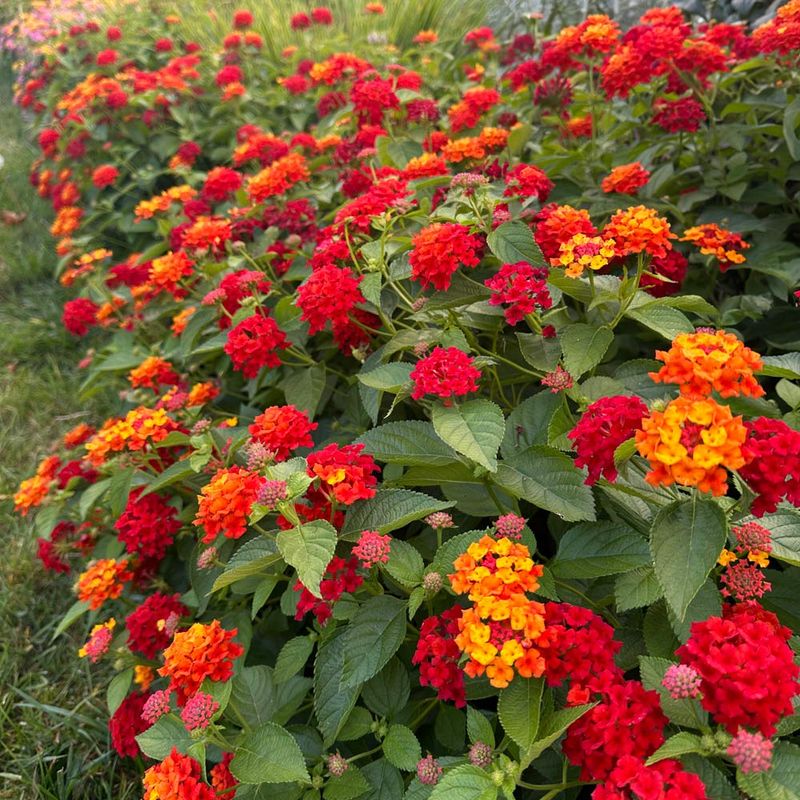
Tough as nails and gorgeous to look at, lantana is one of Florida’s most reliable flowering plants. Its flower clusters shift colors as they age, blending yellow, orange, pink, and red on the same stem at once.
Pollinators like butterflies and hummingbirds flock to it constantly.
Lantana handles heat, drought, and poor soil better than almost any other flowering plant. Trim it back occasionally to keep the shape neat, and it will reward you with non-stop blooms through warm months.
Plumbago
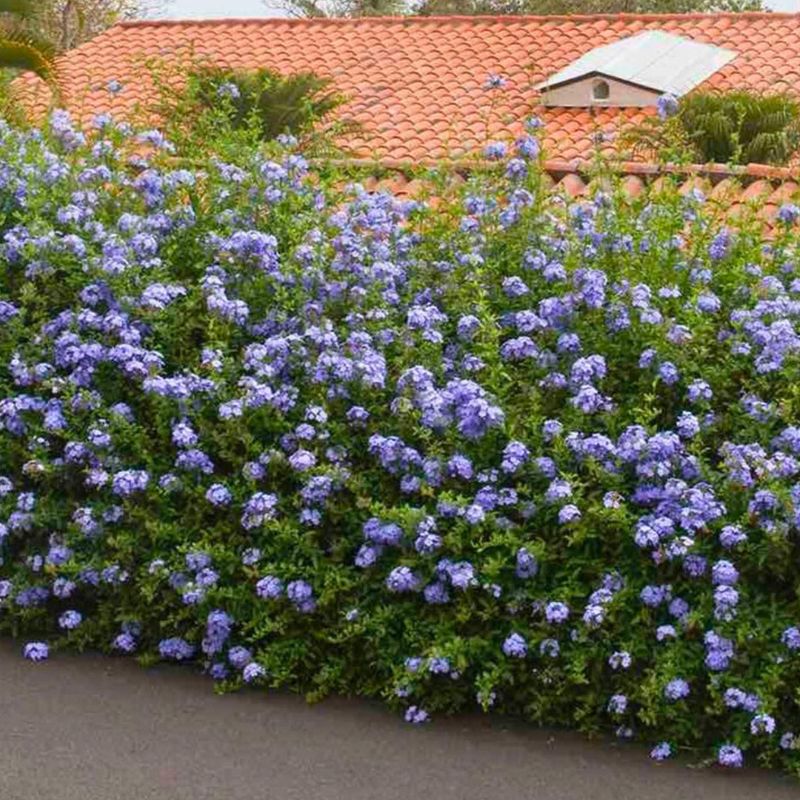
There is something quietly magical about plumbago’s soft, sky-blue flowers drifting across a front yard hedge. This fast-growing shrub blooms almost constantly in Florida, covering itself in clusters of delicate powder-blue or white blossoms that feel cool and refreshing on a hot day.
Plumbago works brilliantly as a sprawling border plant or a loose informal hedge. It tolerates heat and some drought once established, and butterflies visit it regularly, adding extra life and movement to your yard.
Firebush
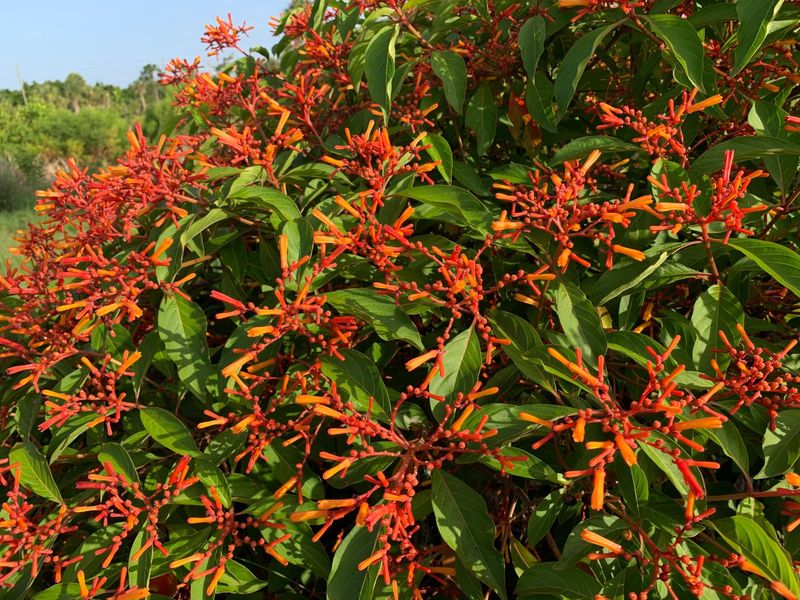
Hummingbirds treat firebush like their personal favorite restaurant, and once you see why, you will want to plant it everywhere. The tubular red-orange flowers glow like tiny flames against the dark green foliage, living up to the plant’s fiery name.
It is native to Florida, which means it is perfectly adapted to the local climate.
Firebush grows quickly and can reach several feet tall, making it ideal as a bold background plant. It handles heat, humidity, and brief dry spells without complaint.
Coontie
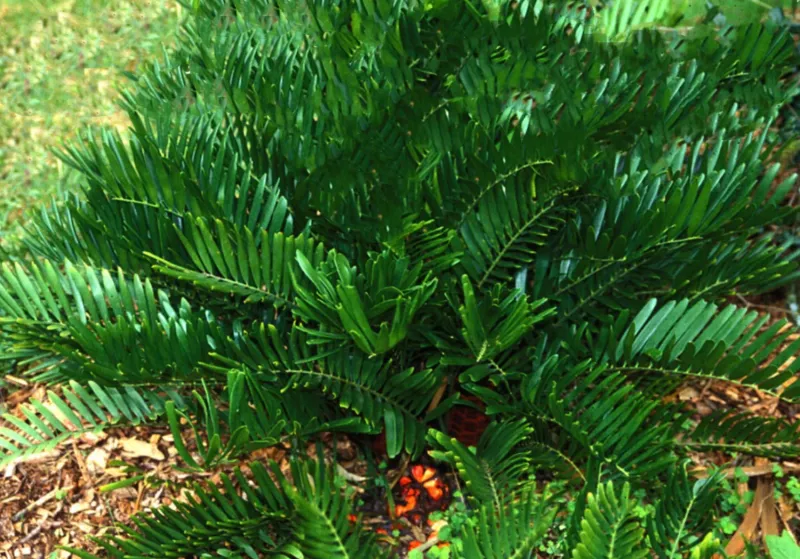
Coontie is one of Florida’s true originals, a native cycad that has been growing here since prehistoric times. Its dark, feathery fronds have a refined look that fits beautifully into both formal and casual landscapes.
Best of all, it is incredibly low-maintenance once it gets settled in.
Plant coontie in partial shade or full sun, and it will handle drought, poor soil, and even occasional cold snaps. It also serves as the only host plant for the rare atala butterfly, giving it serious ecological value.
Muhly grass
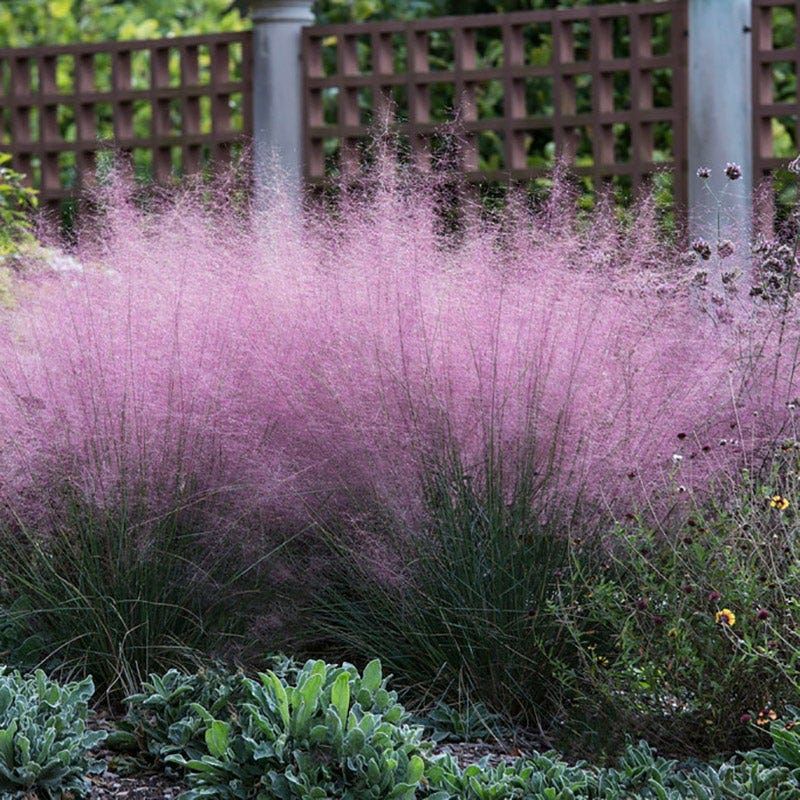
Every autumn, muhly grass puts on one of the most breathtaking shows in the Florida landscape world. Clouds of soft, feathery pink and purple plumes rise above the slender green blades, creating a dreamy, almost painterly effect in the yard.
It is a seasonal spectacle that makes neighbors slow down and look twice.
Muhly grass is drought-tolerant, loves full sun, and requires very little care once established. Cut it back in late winter to encourage fresh growth and another stunning bloom season.
Caladium
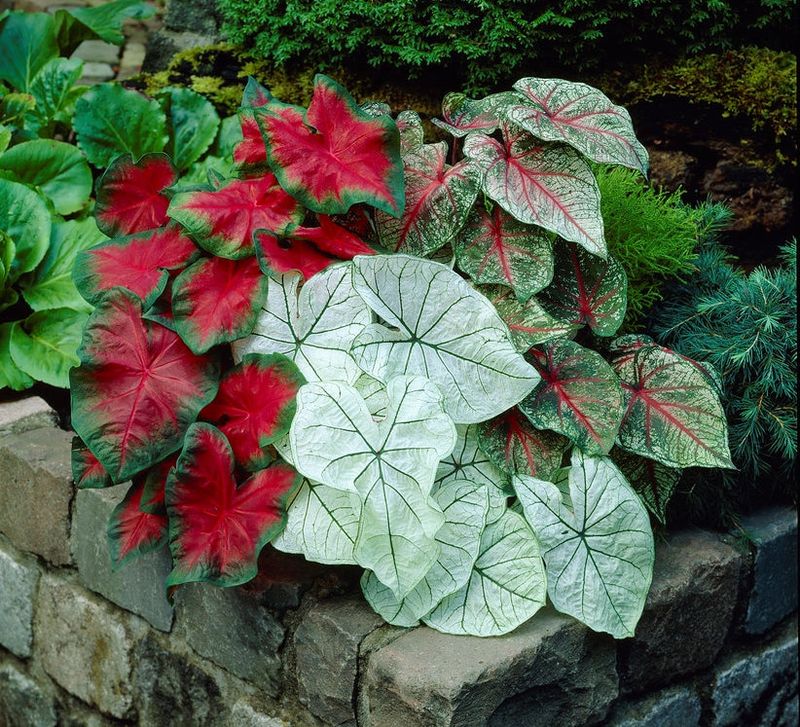
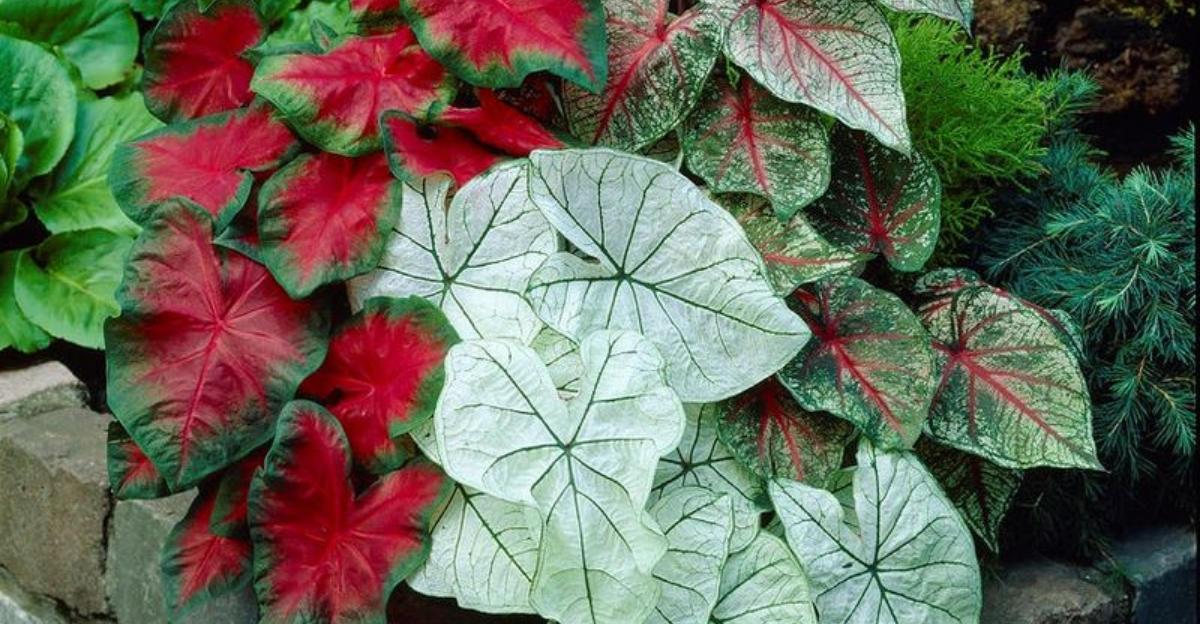
No other plant brings color to a shady Florida front yard quite like caladium. The large, heart-shaped leaves come in stunning combinations of pink, red, white, and green, turning dark corners of the yard into vibrant focal points.
They look almost too beautiful to be real.
Caladiums love warm weather and thrive in Florida’s summer heat, though they prefer shade or filtered light over direct sun. Plant the tubers in spring and watch them explode into a colorful display within just a few weeks.
Coleus
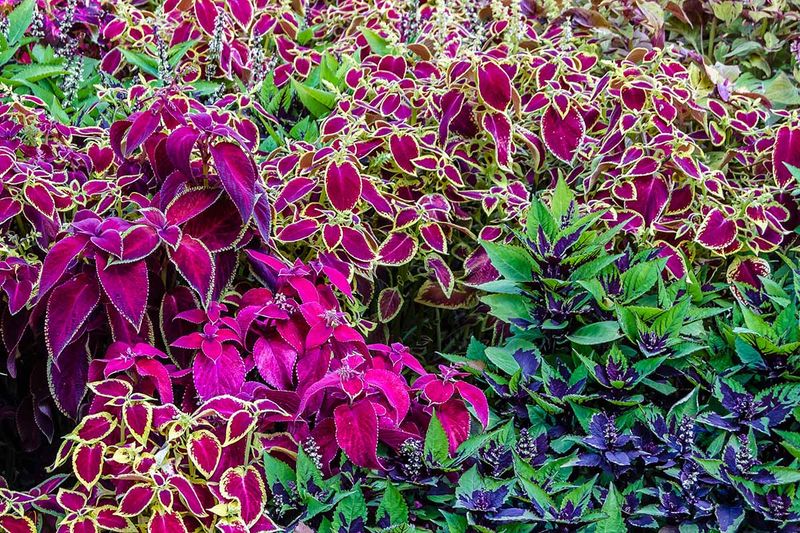
Coleus is the plant world’s answer to a living mosaic, offering foliage so richly patterned and colorful that flowers almost feel unnecessary. Leaves come in wild combinations of purple, burgundy, lime green, red, and cream, each variety looking more spectacular than the last.
It is a designer’s dream for shady spots.
Modern coleus varieties can handle more sun than older types, making them versatile for Florida yards. Pinch off any flower spikes as they appear to keep the plant focused on producing those gorgeous, show-stopping leaves.
Hibiscus
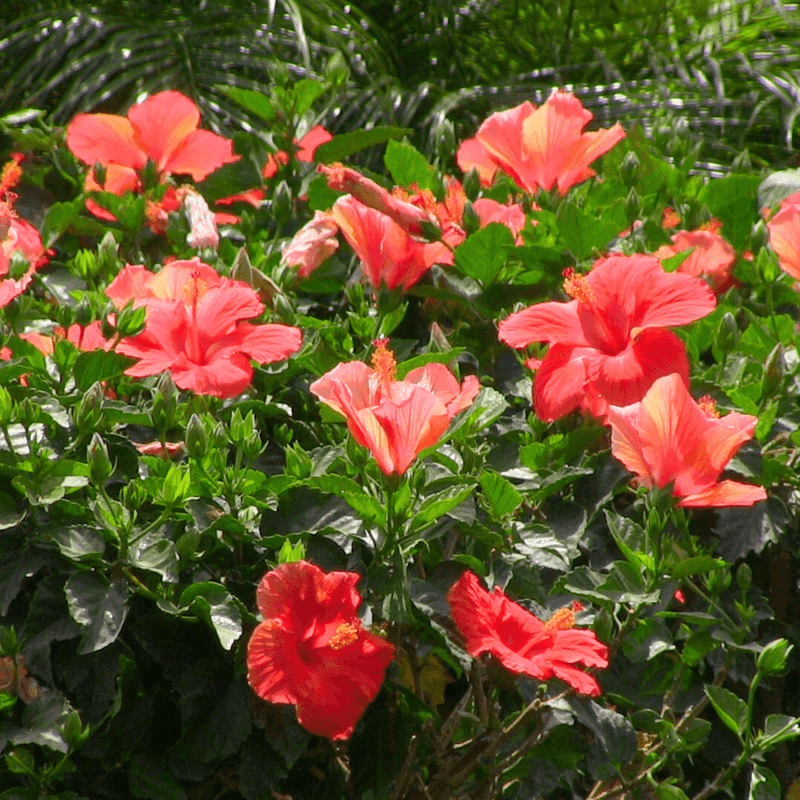
Nothing says Florida quite like a hibiscus in full bloom. The large, trumpet-shaped flowers come in almost every color imaginable, from deep crimson to soft peach to electric yellow, and each bloom can be as wide as a dinner plate.
It is practically the unofficial flower of the Sunshine State.
Hibiscus needs full sun and regular fertilizing to keep producing those spectacular flowers. Water it consistently, watch for pests like whiteflies, and it will reward your front yard with blooms nearly every day of the growing season.
Ti plant
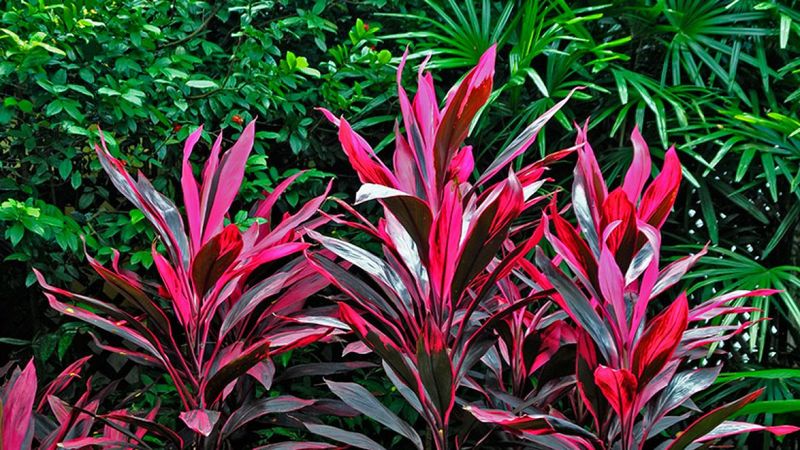
The ti plant carries a rich history across the Pacific Islands, where it was considered a symbol of good luck and spiritual protection. In Florida front yards, it earns its place through sheer visual impact, with long, glossy leaves in deep burgundy, green, or striped combinations.
It commands attention without trying too hard.
Ti plants grow well in partial sun to full sun and prefer moist, well-drained soil. They work beautifully as bold accent plants near entryways or as colorful backdrops for smaller flowering plants.
Areca palm
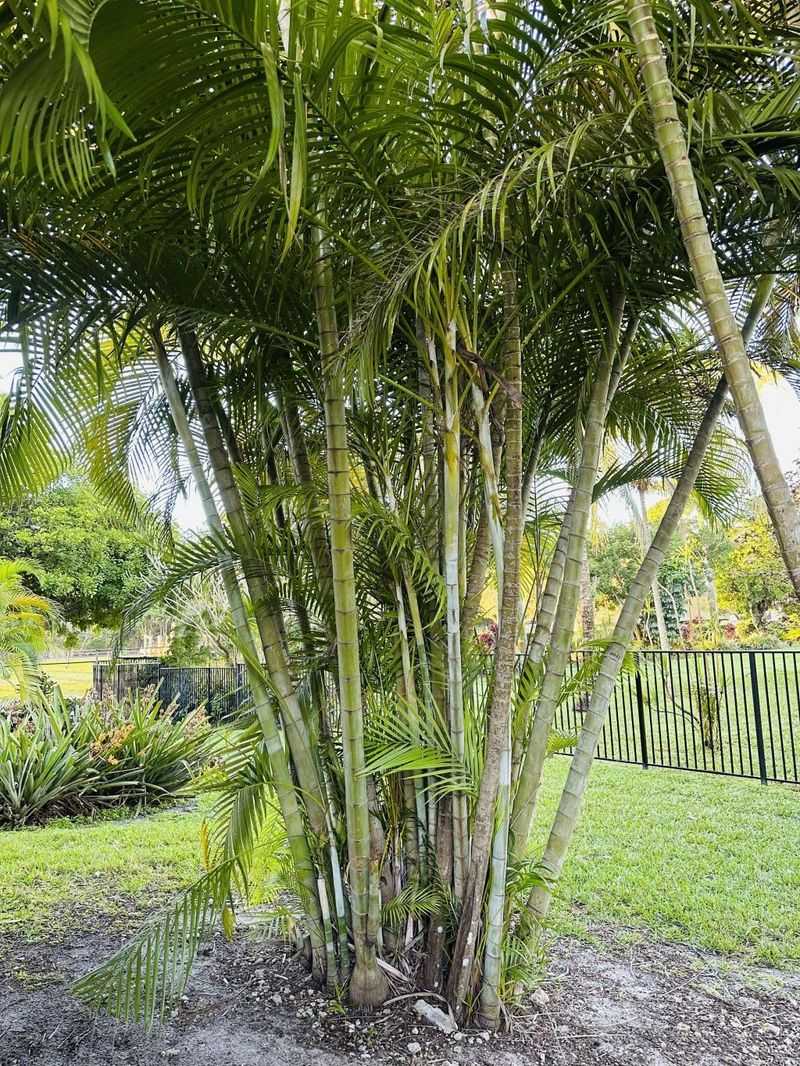
Elegant, feathery, and undeniably tropical, the areca palm is one of the most popular landscaping plants in all of Florida. Its graceful, arching fronds create a lush, resort-like atmosphere that instantly upgrades any front yard’s curb appeal.
Plant a row of them and you have a natural privacy screen that sways beautifully in the breeze.
Areca palms grow best in full sun to partial shade with well-drained soil. They are relatively fast growers and stay looking tidy with minimal pruning, removing only old brown fronds as needed.
Bromeliad
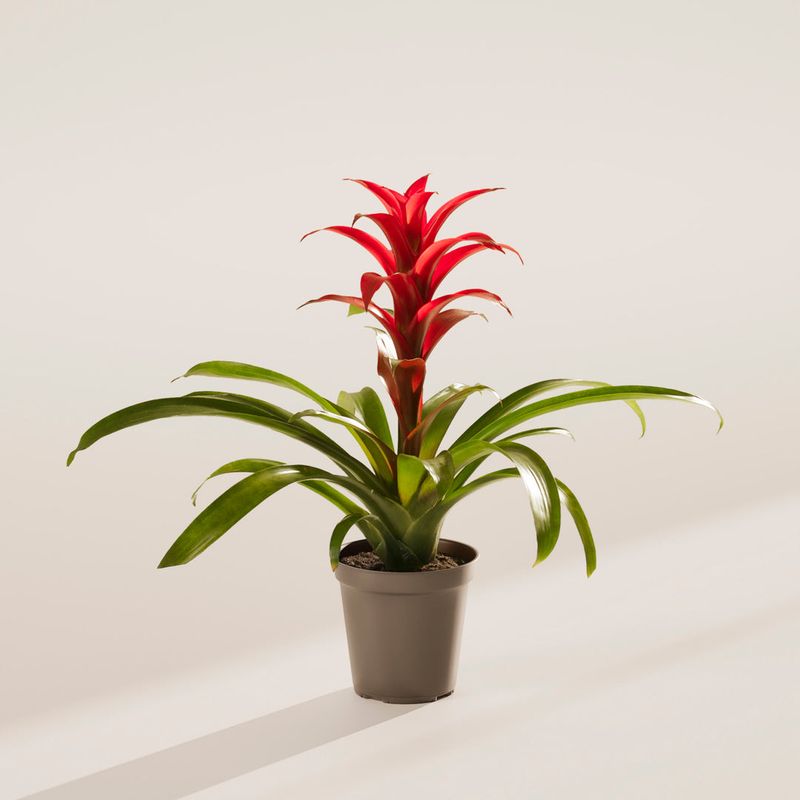
Bromeliads look like they belong in a botanical garden, yet they are surprisingly easy to grow in Florida’s climate. Their rosette-shaped forms hold water in a central cup, and they produce stunning flower spikes in electric shades of red, pink, orange, and purple that last for months.
Each bloom is a long-lasting centerpiece.
Most bromeliads thrive in bright, indirect light and need very little water or fertilizer. After the mother plant blooms, it produces offshoots called pups that you can separate and replant to multiply your collection for free.
Blue daze
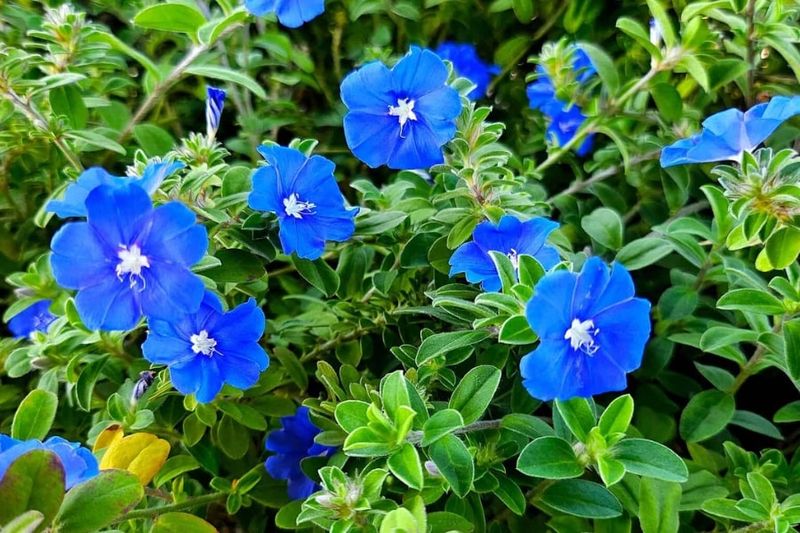
Blue daze is one of those plants that makes people stop and ask, what is that beautiful blue ground cover? The small, delicate sky-blue flowers open each morning and close by afternoon, creating a fresh, cheerful carpet of color along walkways and garden borders.
It is endlessly charming in a subtle, understated way.
This heat-loving ground cover thrives in full sun and handles Florida’s humidity like a champ. It spreads nicely to fill in bare spots and requires almost no maintenance beyond occasional watering during dry spells.
Angelonia
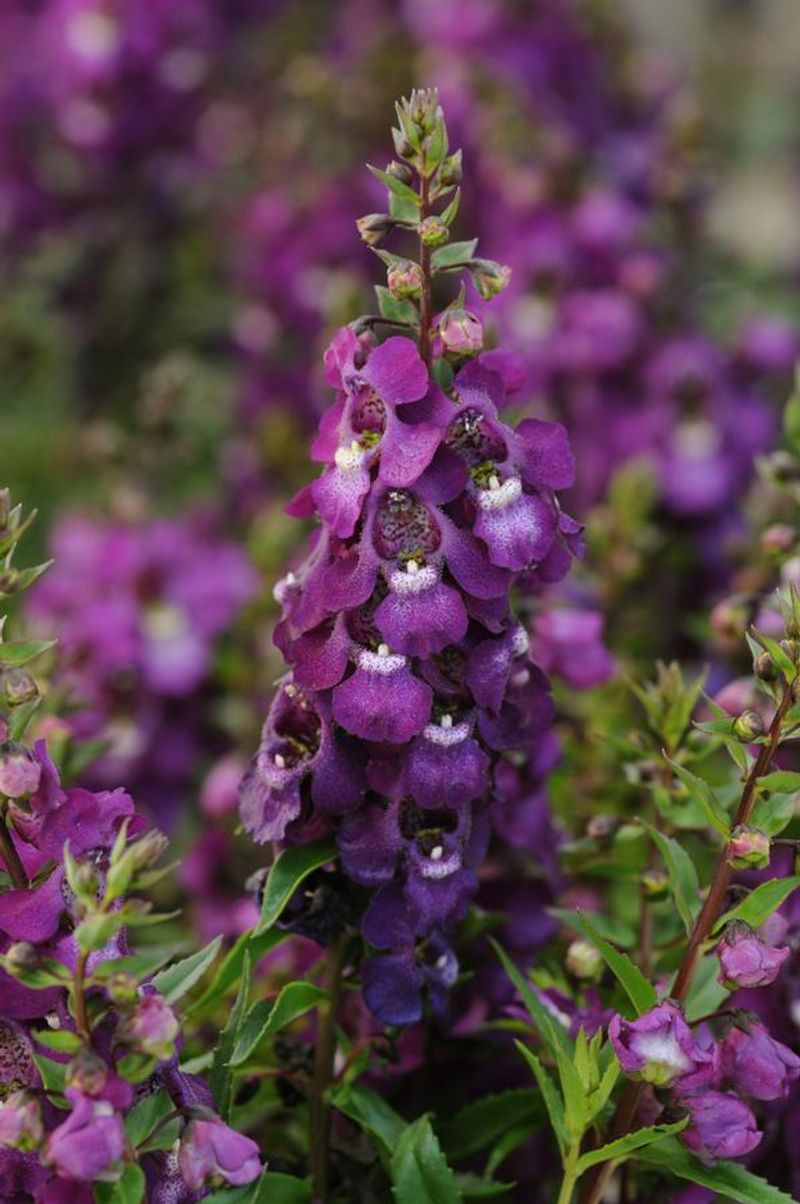
Sometimes called the summer snapdragon, angelonia blooms through Florida’s brutal summer heat without skipping a beat. Tall, slender spikes covered in small orchid-like flowers in shades of purple, pink, and white rise above the foliage, creating an elegant vertical accent in garden beds.
It even releases a light, sweet fragrance when you brush against it.
Angelonia loves full sun and well-drained soil, and it rarely needs deadheading to keep blooming. It is a low-fuss, high-reward plant that performs reliably from late spring straight through fall.
Crossandra
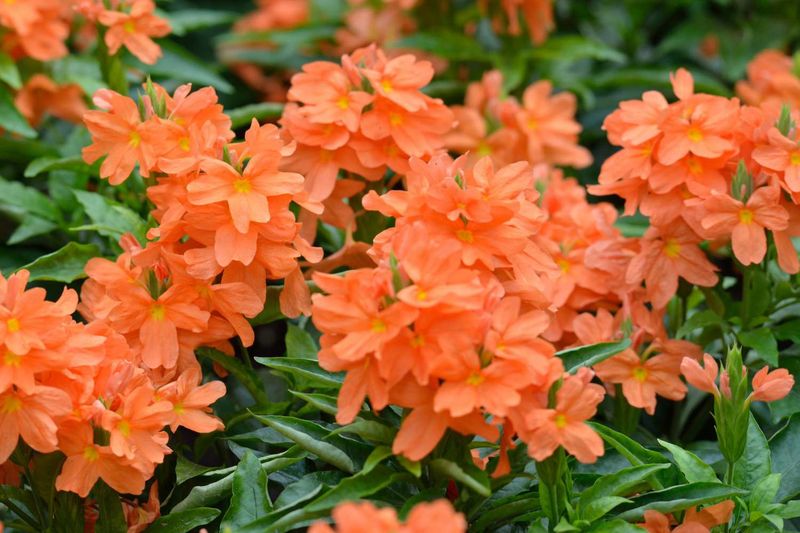
Crossandra is one of Florida’s best-kept landscaping secrets, offering vivid orange and salmon blooms that glow warmly in shaded garden spots where other flowering plants tend to struggle. Its glossy, dark green leaves make the bright flowers pop even more dramatically.
Once you plant it, you will wonder how you ever did without it.
It grows best in partial shade with moist, fertile soil and regular fertilizing during the growing season. Crossandra is compact and tidy, making it an excellent choice for borders, containers, or front yard foundation plantings.
Society garlic
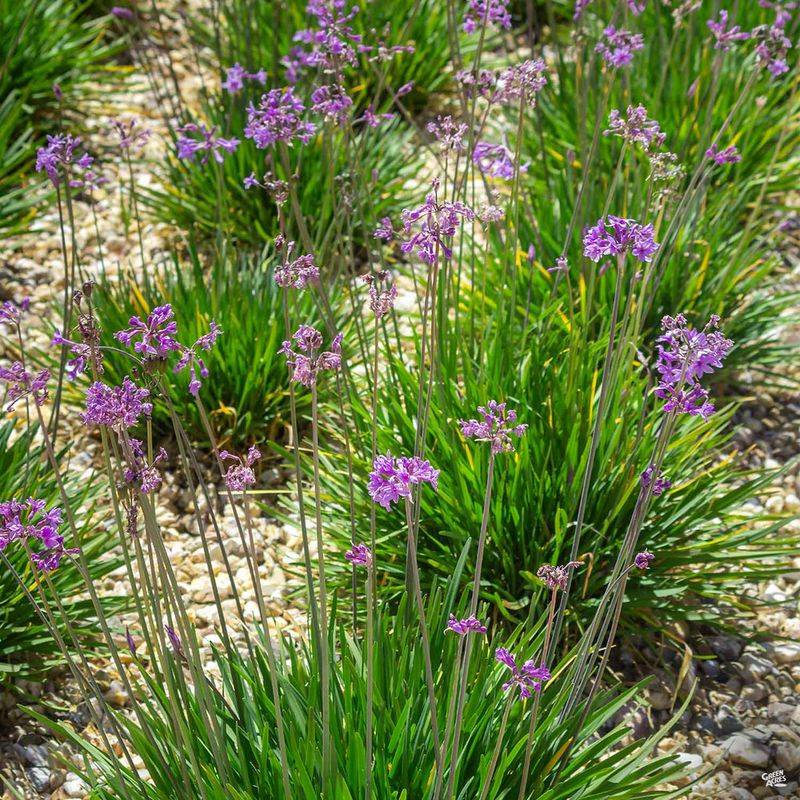
Society garlic has one of the most memorable names in the plant world, and it earns it with style. Clusters of delicate lavender flowers sit atop slender, grassy foliage and bloom reliably through Florida’s warm months, attracting butterflies and adding a soft, romantic look to front yard borders.
The leaves smell faintly of garlic when crushed, though the flowers are pleasantly fragrant.
It grows best in full sun with good drainage and tolerates drought once established. Society garlic also deters deer, making it both beautiful and practical for Florida landscapes.
Podocarpus
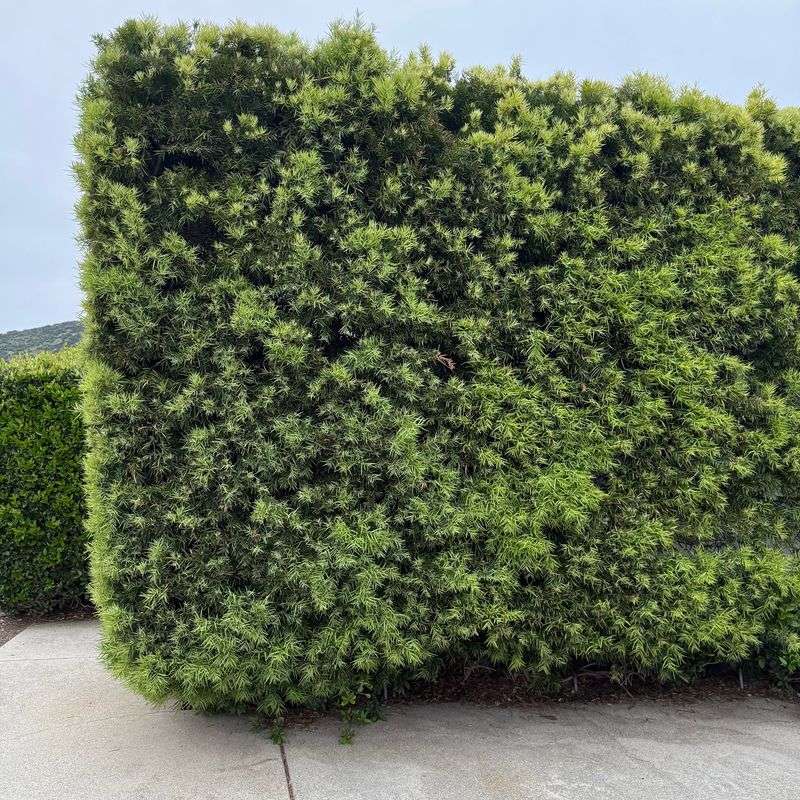
When Florida homeowners want a clean, formal look with year-round green color, podocarpus is the go-to answer. This versatile evergreen shrub takes to trimming beautifully, forming dense, tidy hedges or elegant columnar shapes that frame a home’s entrance with quiet sophistication.
It is the workhorse of the Florida landscape world.
Podocarpus grows well in full sun to partial shade and tolerates a range of soil types, including the sandy conditions common across much of Florida. It is also salt-tolerant, making it a smart pick for coastal front yards.
Enjoyed this story?
Add Fast Food Club as a preferred source to see more of our reporting on Google.