


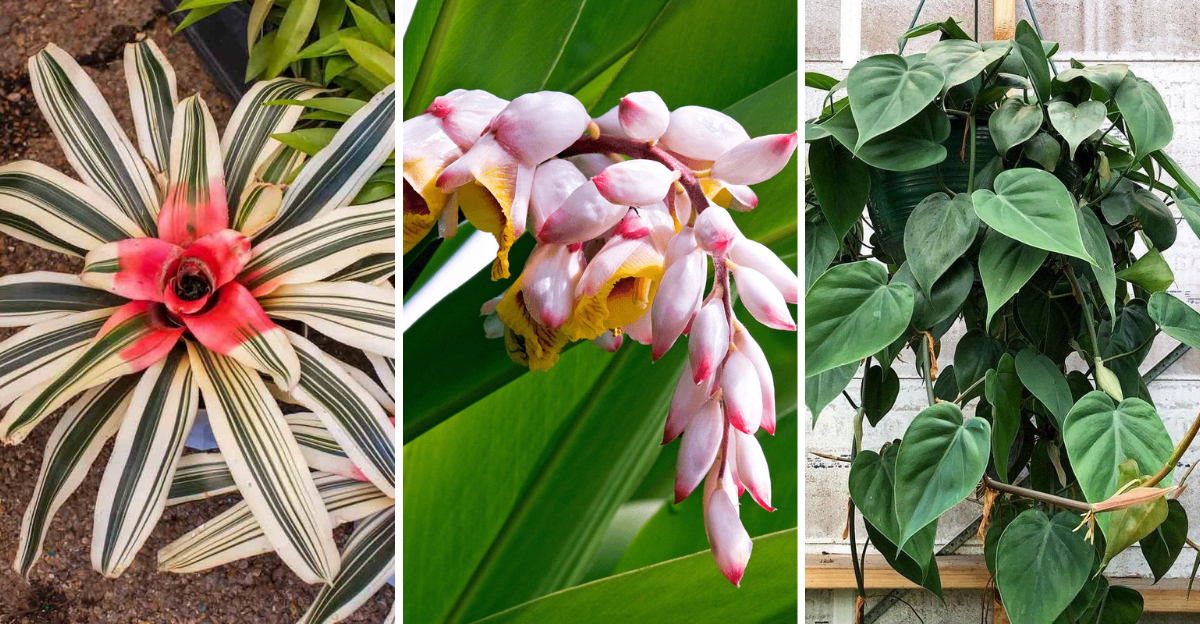
Florida gardening is a wild, colorful adventure unlike anything else in the country. With its warm climate, high humidity, and long growing season, the Sunshine State is basically a playground for big, dramatic plants that make jaws drop.
Whether you have a small backyard or a sprawling landscape, layering bold plants is the secret to creating that lush, tropical feel. These 22 standout plants will help you build a garden that looks like it belongs in a botanical paradise.
Philodendron
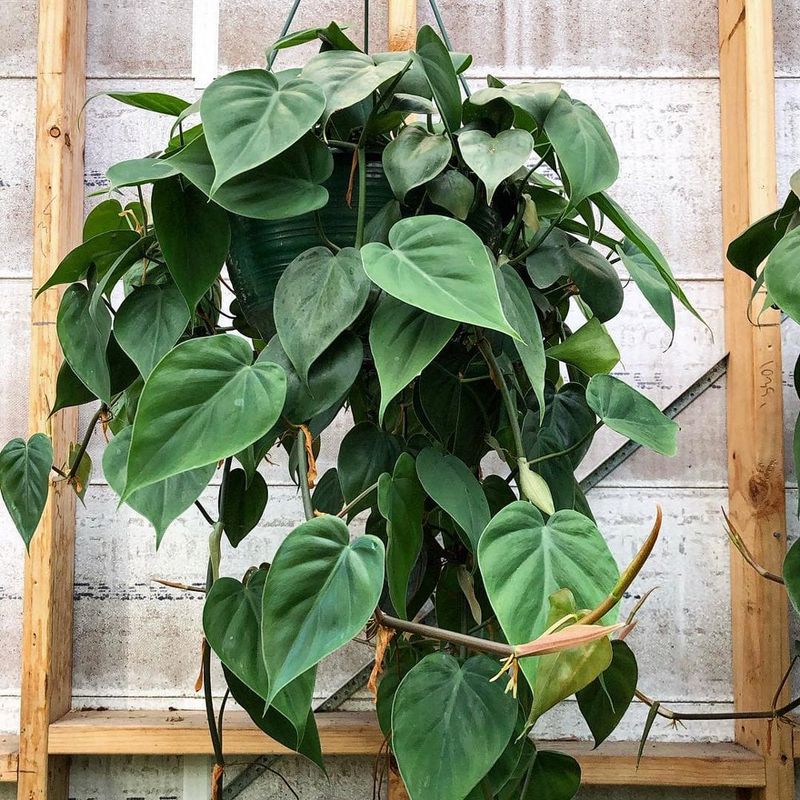
Walk into any lush Florida garden and you will almost certainly spot a philodendron lurking in the shade. These plants are the ultimate low-maintenance workhorses, thriving in spots where other plants struggle.
Their big, glossy leaves bring an instant jungle vibe to any corner of your yard.
They grow fast and can get surprisingly large, so give them room to spread. Split-leaf and heartleaf varieties are especially popular for creating that layered, tropical look.
Monstera

Monstera has become a social media superstar, and for good reason. Those giant, Swiss-cheese-style leaves are unmistakably dramatic.
In Florida, this plant goes absolutely wild outdoors, climbing up trees or sprawling across garden beds with serious enthusiasm.
It loves warm, humid conditions and partial shade, making it perfect for spots under larger trees. Give it a sturdy support to climb and watch it transform an ordinary garden corner into something truly spectacular.
Croton
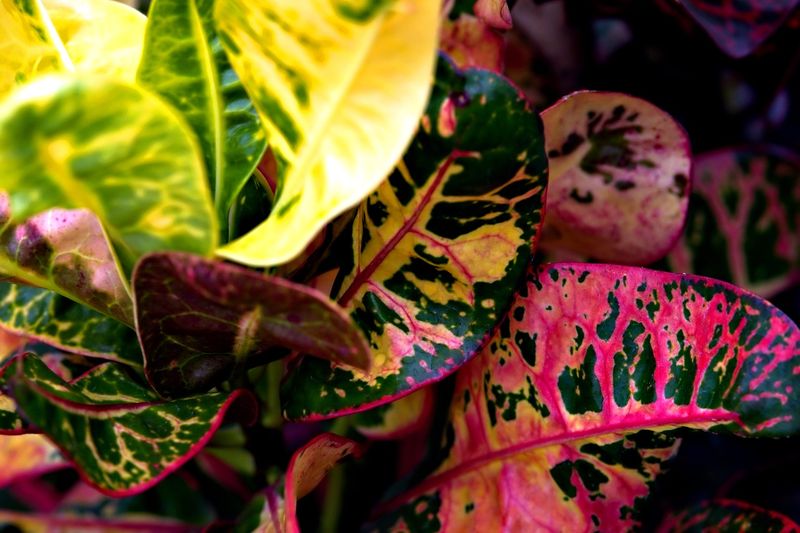
If your garden feels like it is missing some color, croton is the answer. The leaves come in a wild mix of red, orange, yellow, and green, sometimes all on the same plant.
Florida gardeners love it because it acts like a living piece of abstract art.
Croton performs best in full sun, where the colors become even more vivid. Use it to create contrast against green foliage or as a bold border plant along walkways and driveways.
Ti Plant
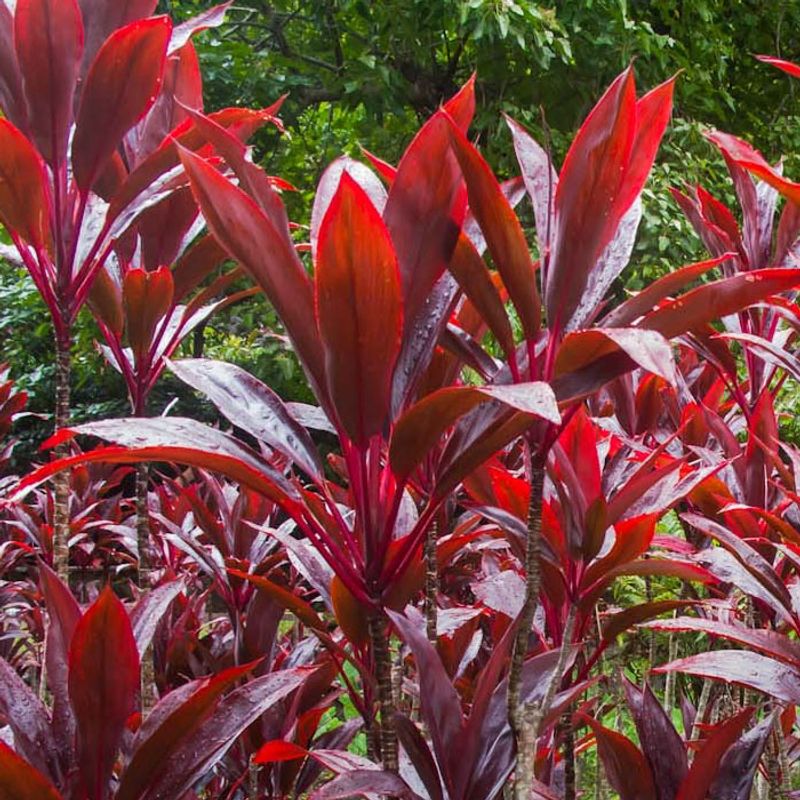
The ti plant has been considered a symbol of good luck in Hawaiian and Pacific Island cultures for centuries. Lucky for Florida gardeners, it grows just as beautifully here as it does in the tropics.
Its long, arching leaves come in shades ranging from deep purple to bright green and pink.
Plant it in clusters for a layered, dramatic effect or use it as a bold backdrop for shorter flowering plants. It handles Florida summers with ease.
Cordyline
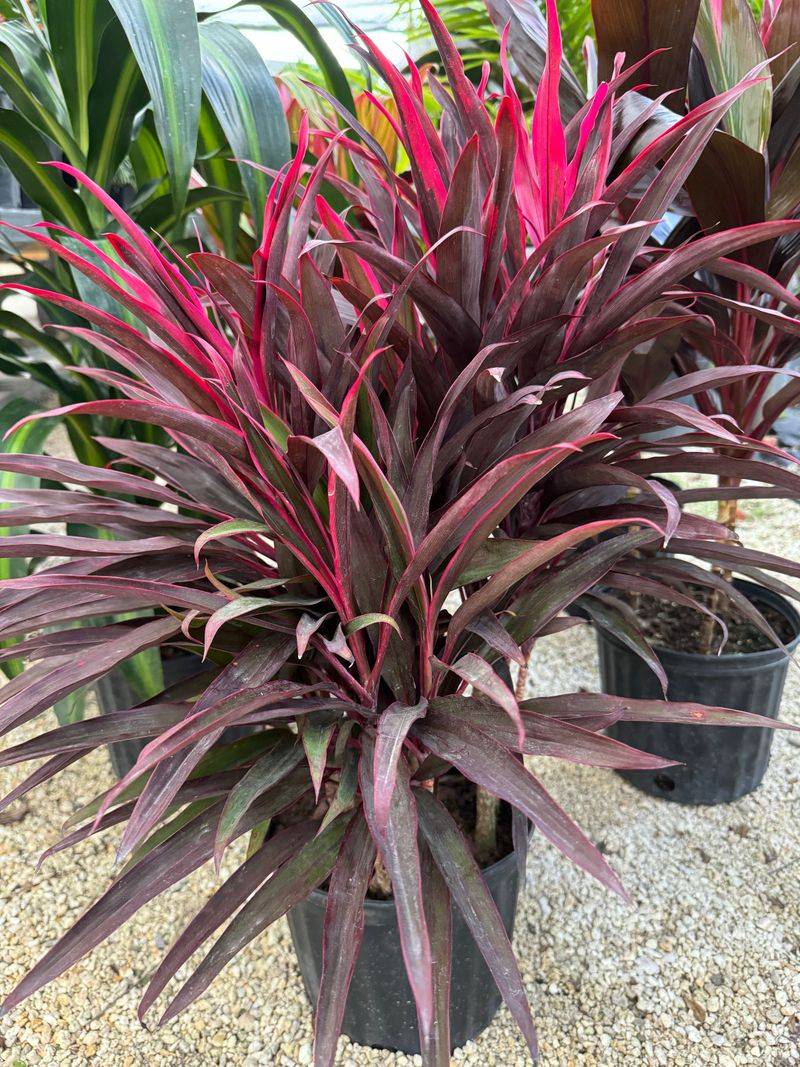
Cordyline is the ti plant’s close cousin, and the two are often confused at garden centers. Both bring that same spiky, architectural drama to Florida landscapes.
Cordyline varieties range from deep red to striped green and white, giving gardeners plenty of design options.
It works brilliantly as a vertical accent in layered garden beds, shooting upward while lower plants fill in around it. Cordyline is drought-tolerant once established, making it surprisingly easy to maintain.
Areca Palm
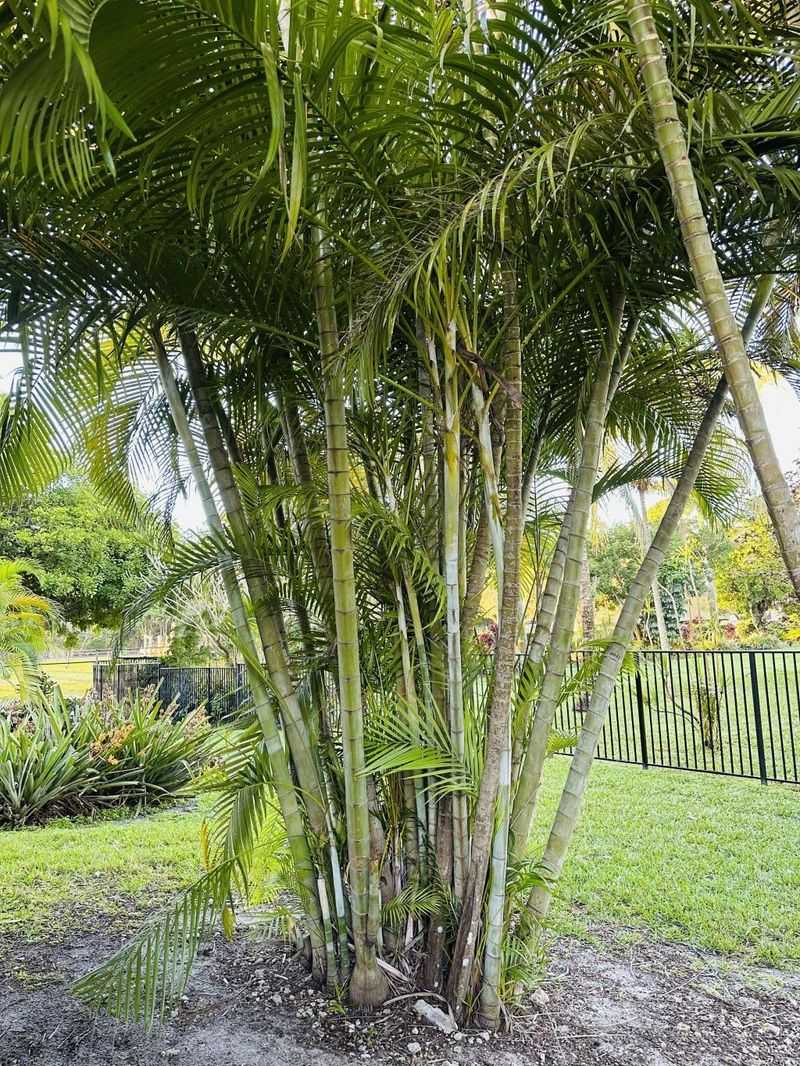
Want instant tropical atmosphere? Plant a row of areca palms and watch your backyard transform overnight.
These feathery, golden-stemmed palms grow in dense clusters that make excellent privacy screens and windbreaks. They are one of the most popular palms in Florida for a very good reason.
Areca palms prefer full sun to partial shade and well-drained soil. They grow fairly quickly, reaching up to 20 feet, and their graceful fronds sway beautifully in the Florida breeze all year long.
Lady Palm
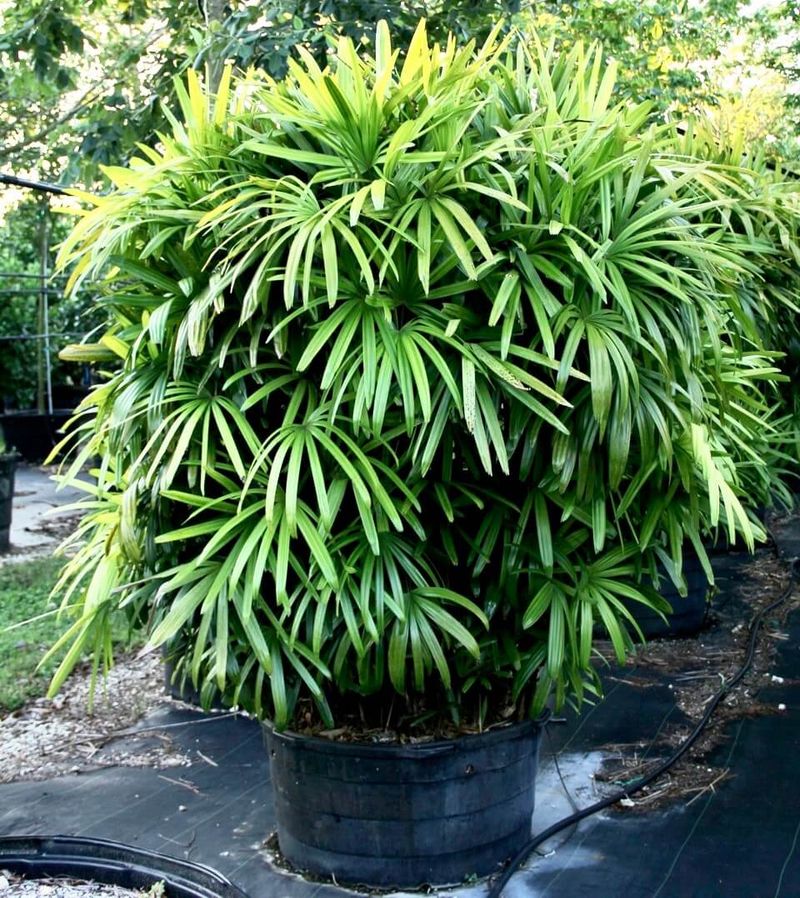
Elegance is the best word for the lady palm. Unlike many palms that shoot straight up with a bare trunk, this one stays compact and bushy, making it ideal for layering in shaded garden spots.
Its dark, fan-shaped fronds give it a refined look that suits both formal and casual landscapes.
Lady palms grow slowly and stay manageable in size, usually topping out around 10 feet. They tolerate low light and indoor conditions well, but truly shine in shaded outdoor Florida gardens.
Bird of Paradise
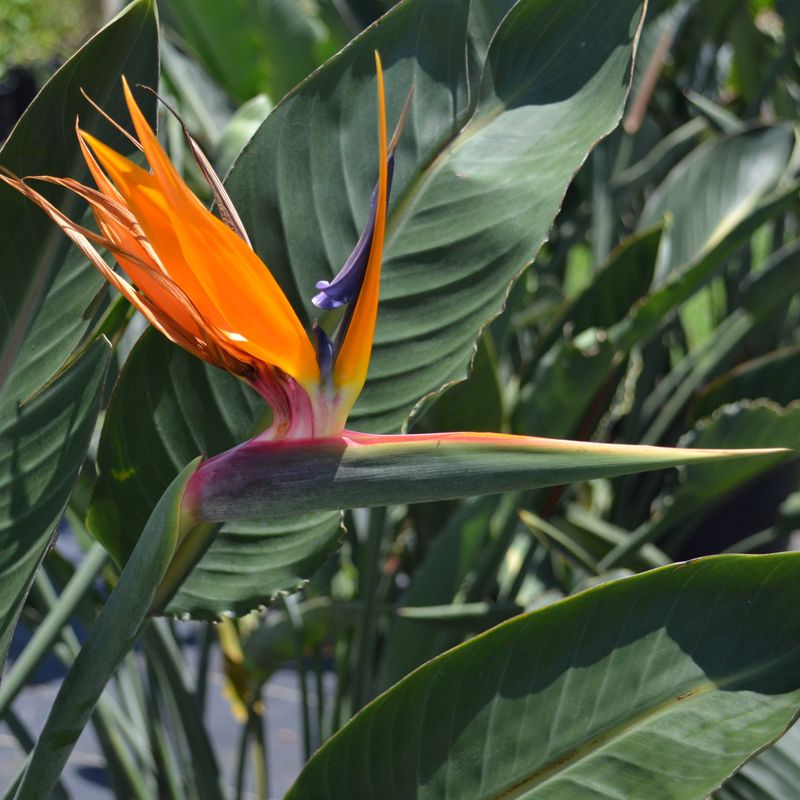
Few plants command attention quite like the bird of paradise. Its bold, paddle-shaped leaves and striking orange-and-blue blooms look like something out of a tropical painting.
Native to South Africa, this showstopper thrives in Florida’s full sun and handles the heat like a champ.
Plant it as a focal point near an entryway or pool. It grows slowly but rewards patience with jaw-dropping flowers that attract birds and butterflies throughout the year.
Shell Ginger
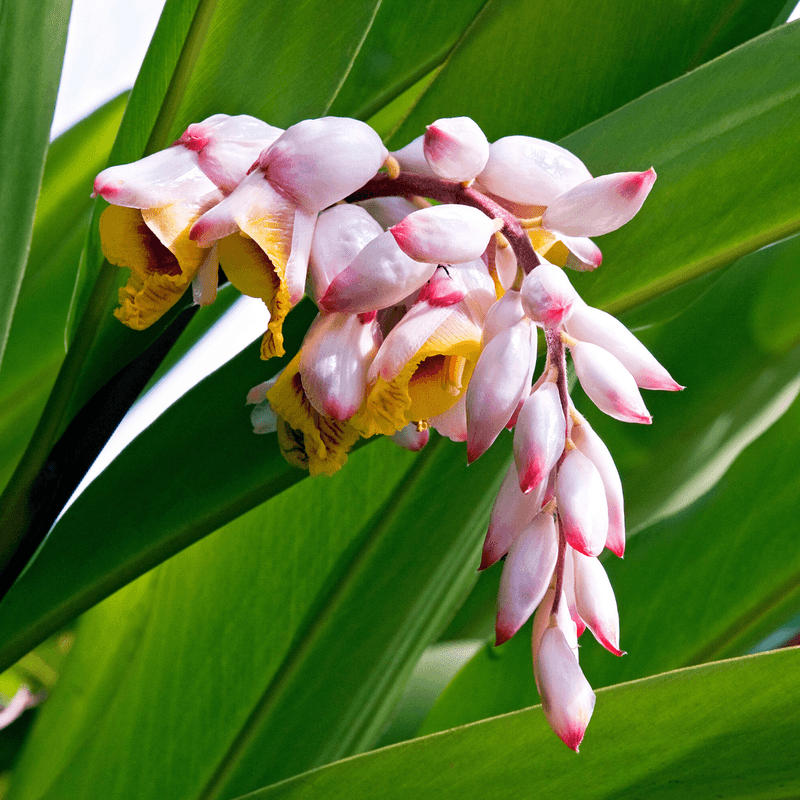
Shell ginger is the kind of plant that makes visitors stop and stare. Its dangling clusters of pink and white flowers look like delicate porcelain shells hanging from arching stems.
The leaves are large and fragrant, releasing a spicy ginger scent when brushed against.
It thrives in partial shade and moist soil, making it an ideal choice for shaded garden beds or alongside water features. Shell ginger spreads into impressive clumps over time, filling spaces with lush tropical beauty.
Variegated Ginger
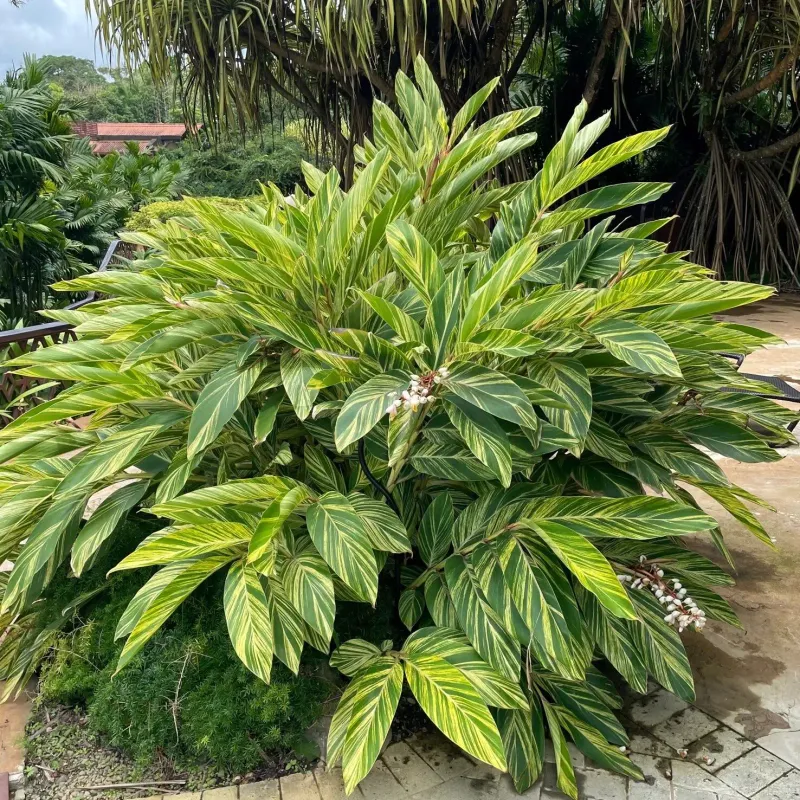
Stripes are having a serious moment in Florida gardens, and variegated ginger is leading the charge. Its bold, cream-and-green striped leaves create eye-catching texture even when the plant is not in bloom.
It is a close relative of shell ginger but puts the focus entirely on its dramatic foliage.
Grow it in partial shade for the best leaf color and water it regularly during dry spells. Over time, it forms large, spreading clumps that fill garden beds with a layered, tropical richness.
Elephant Ear
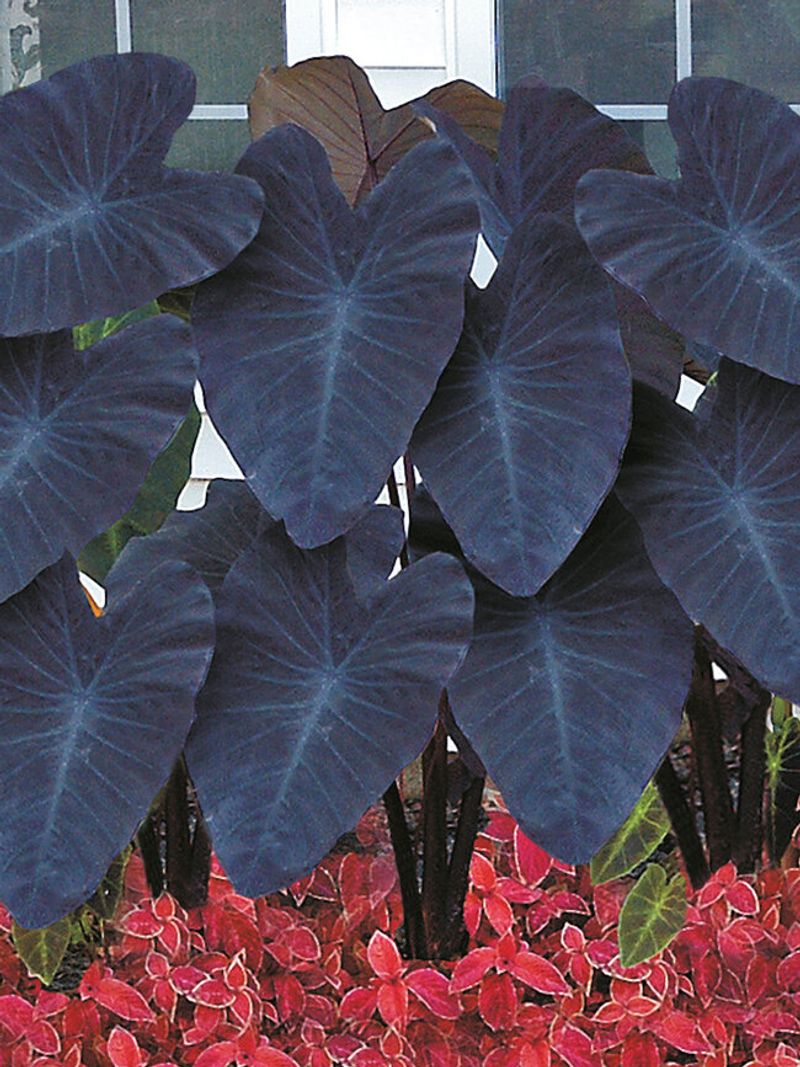
There is nothing subtle about the elephant ear plant. Its leaves can grow to an astonishing three feet wide, creating instant drama wherever it is planted.
Florida gardeners use it to create bold focal points, fill empty corners, or add a prehistoric, jungle-like feel to any landscape.
It loves moisture and can even grow at the edges of ponds or rain gardens. Varieties like black magic, with its deep purple leaves, add even more wow factor to an already unforgettable plant.
Bromeliad
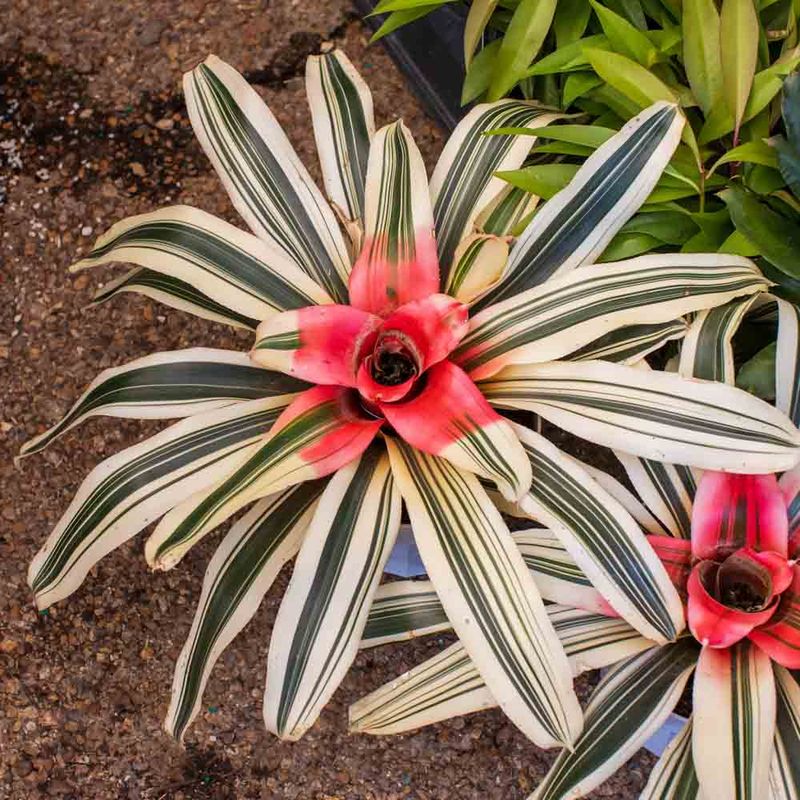
Bromeliads are basically nature’s fireworks show. Their vivid, cup-shaped centers come in blazing reds, oranges, pinks, and purples, and they hold water in their centers, which is a neat trick in Florida’s rainy season.
They belong to the same family as pineapples, which makes them a fun conversation starter.
Use them as ground cover under trees or tuck them between larger plants for pops of color. They thrive in filtered light and require almost no soil to grow well.
Coontie
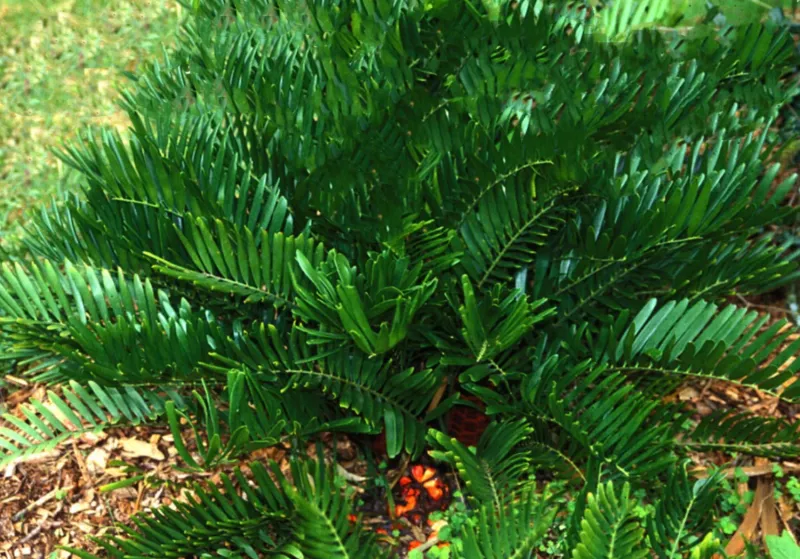
Coontie is one of Florida’s true originals. This ancient cycad has been growing in Florida for thousands of years and was once a critical food source for Native American tribes.
Today, it plays an equally important role as the sole host plant for the endangered Atala butterfly.
Its dark, feathery fronds create a tidy, low-growing layer in the landscape that looks polished year-round. Coontie is drought-tolerant and thrives in sandy Florida soil, making it a top choice for low-maintenance native gardens.
Muhly Grass
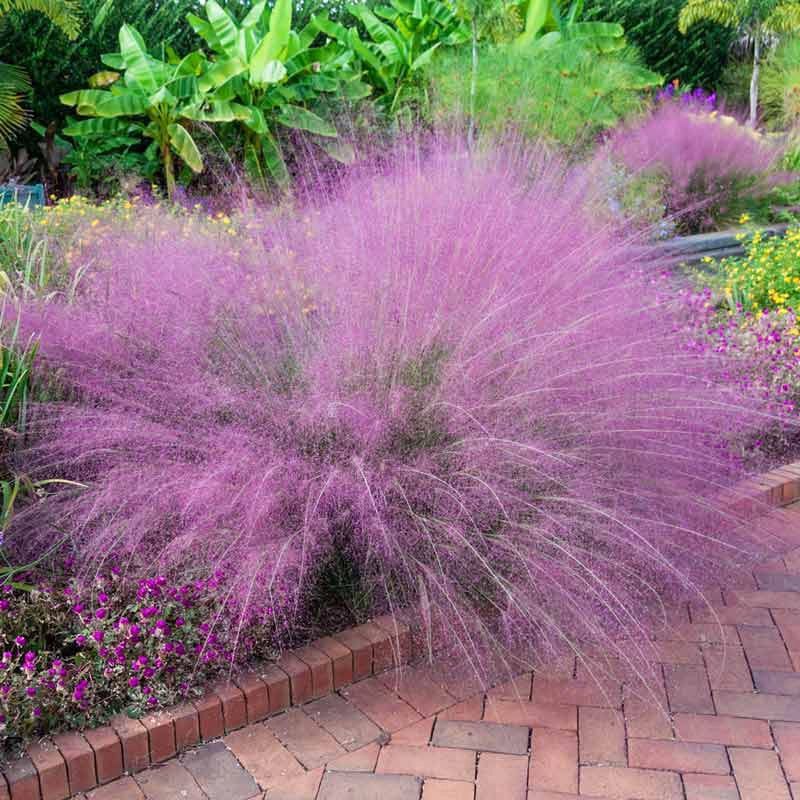
Every October, muhly grass puts on one of Florida’s most spectacular shows. Its feathery, pink-purple plumes catch the sunlight and seem to glow like cotton candy floating above the landscape.
It is a native grass that earns its keep for eleven months of the year with tidy, fine-textured green foliage.
Plant it in masses for the most dramatic effect, especially along sunny borders or driveways. Muhly grass is drought-tolerant, deer-resistant, and practically maintenance-free once established in well-drained soil.
Firebush
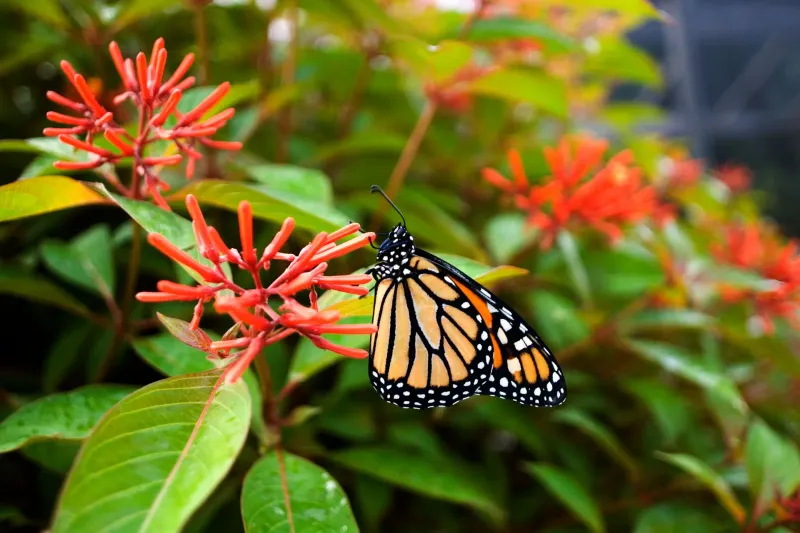
Hummingbirds cannot resist firebush, and honestly, neither can most Florida gardeners. This fast-growing native shrub produces an almost continuous display of fiery red-orange flowers that light up the landscape from spring through fall.
It earns bonus points for being incredibly tough and heat-tolerant.
Firebush works beautifully as a backdrop plant in layered garden designs, reaching six to eight feet when left unpruned. Butterflies and birds flock to it constantly, turning your garden into a lively wildlife habitat almost effortlessly.
Ixora
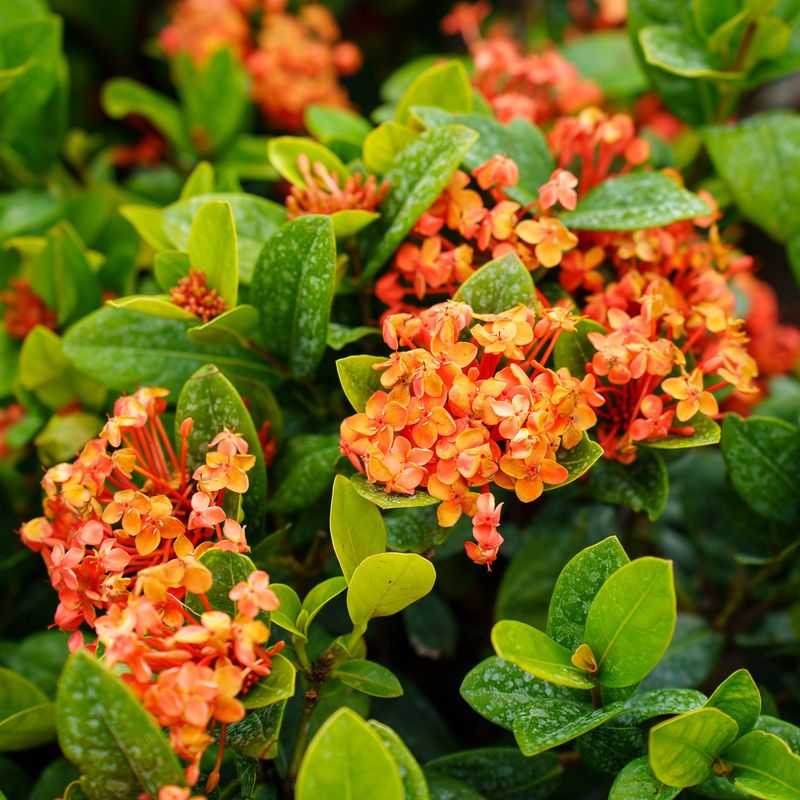
Ixora is the workhorse of Florida’s flowering shrubs. Those tight, round clusters of tiny flowers bloom in shades of red, orange, yellow, and pink almost year-round in South Florida.
It is a staple in residential landscapes because it is reliable, colorful, and relatively easy to care for.
It prefers acidic soil and full sun for the best flowering performance. Use it as a low hedge, a border plant, or tuck it between taller shrubs to add a mid-level splash of color to layered garden designs.
Hibiscus
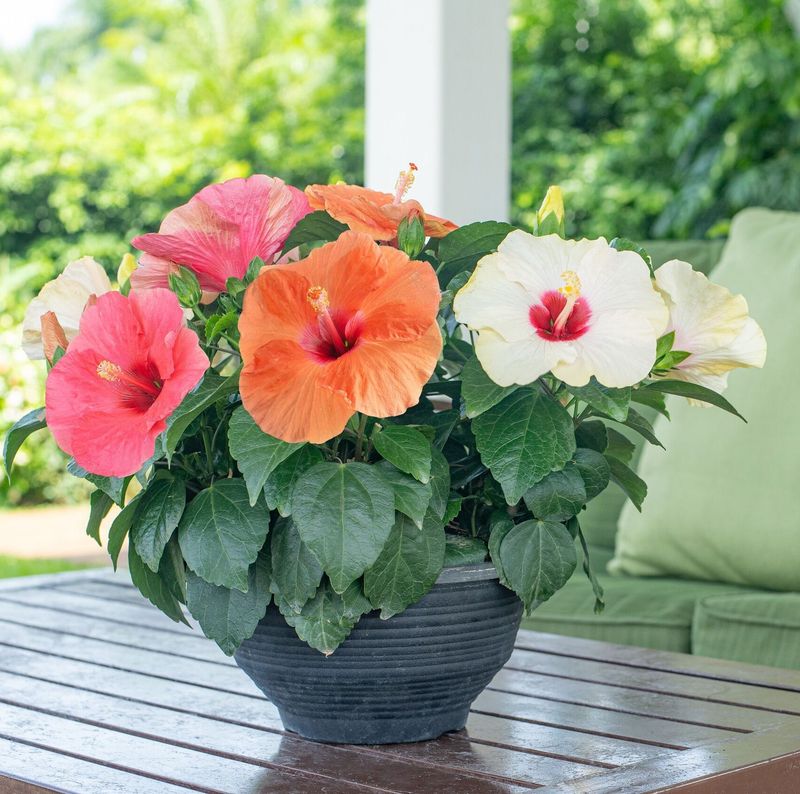
The hibiscus is basically Florida’s unofficial mascot. Its enormous, saucer-sized blooms come in every color imaginable, from classic red to peachy coral and deep purple.
Tropical hibiscus varieties are especially well-suited to Florida’s climate and can bloom almost continuously throughout the warm months.
Plant it in a sunny spot with well-drained soil and fertilize regularly to keep the flowers coming. It makes a stunning stand-alone specimen plant or a dramatic addition to mixed tropical garden beds.
Plumbago
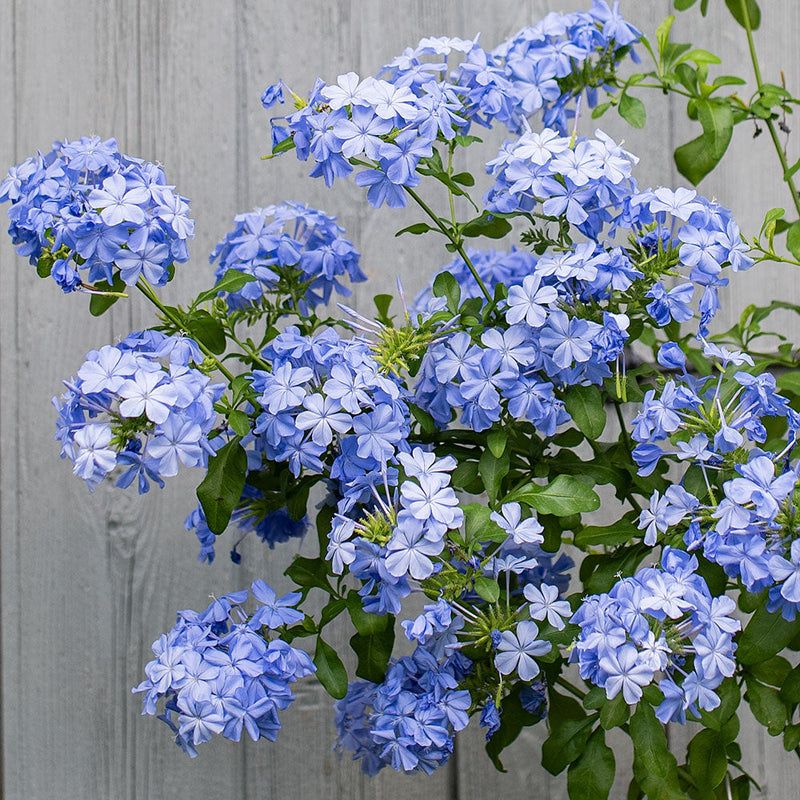
Plumbago is that cool, breezy blue that every Florida garden needs. Its clusters of periwinkle-blue flowers bloom nearly year-round in warmer parts of the state, creating a soft, airy contrast to bolder tropical plants.
It has a relaxed, sprawling habit that works well as a casual hedge or border plant.
Butterflies absolutely love it, particularly the Cassius blue butterfly. Plant plumbago in full sun for the most prolific blooming.
It is heat-tolerant, drought-resistant once established, and grows quickly to fill in large spaces.
Jatropha
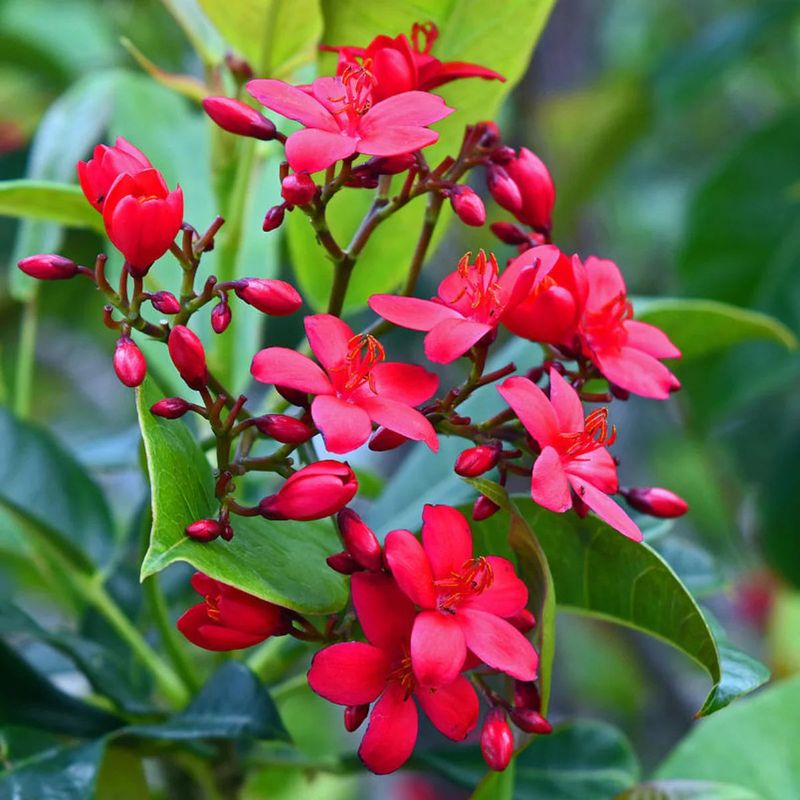
Jatropha is one of those plants that seems to bloom no matter what Florida throws at it. Its cheerful, coral-red flower clusters pop up on and off throughout the year, even during dry stretches when other plants wave the white flag.
It has a loose, open form that adds casual tropical flair.
This is a great choice for a sunny spot where you want height and color without constant fussing. Hummingbirds and butterflies visit regularly, making it as wildlife-friendly as it is beautiful.
Firespike
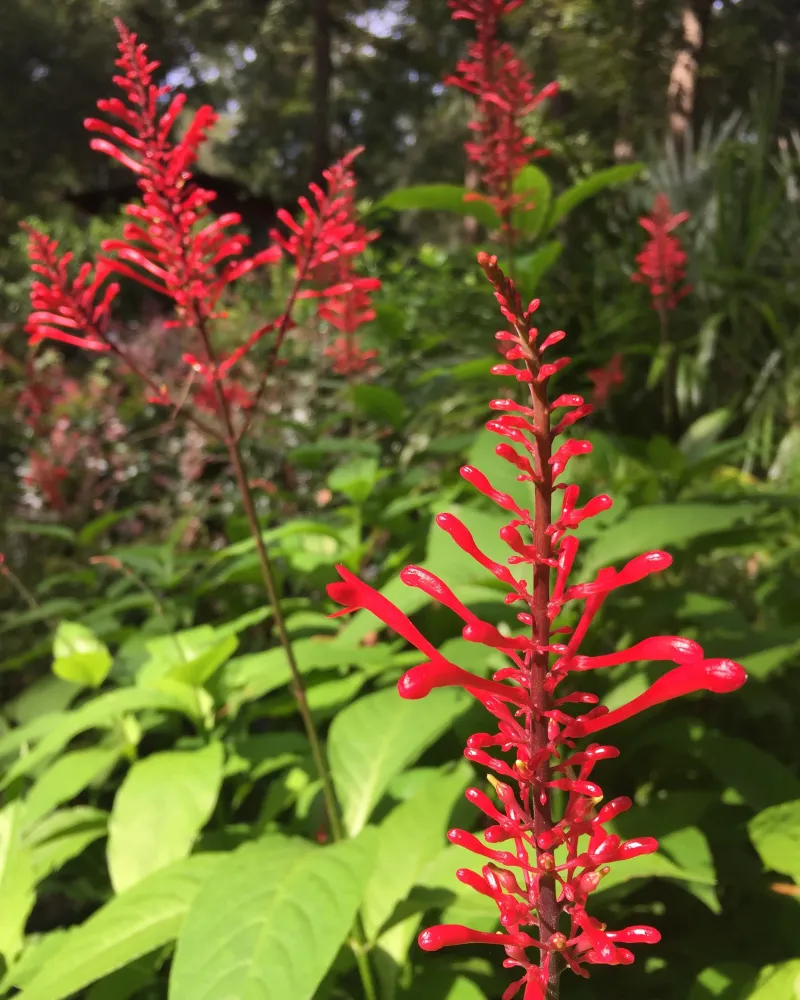
Firespike earns its dramatic name with tall, blazing red flower spikes that shoot upward from the plant like living torches. It blooms heavily in fall and winter, which is exactly when many other Florida plants take a break.
That makes it incredibly valuable for keeping the garden colorful year-round.
It grows well in partial shade, which is rare for a plant with such vivid blooms. Hummingbirds go absolutely wild for firespike during their winter migration, turning your garden into a popular rest stop.
Caladium
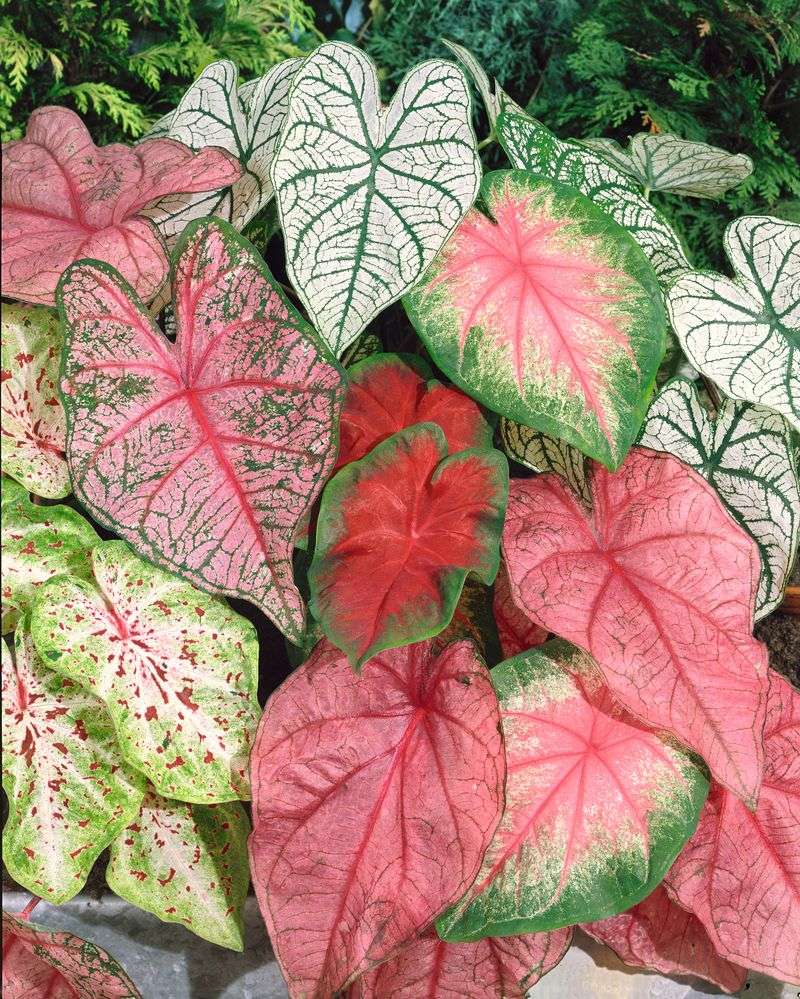
Caladiums are the undisputed champions of shade gardening in Florida. Their paper-thin leaves come in breathtaking combinations of pink, red, white, and green, creating a stained-glass effect in shaded garden beds.
Florida actually produces most of the world’s caladium bulbs, so this plant is practically a hometown hero.
Plant them in spring when soil temperatures warm up and watch them explode with color through summer. They pair beautifully with ferns and impatiens for a layered, richly textured shaded garden design.
Cast Iron Plant
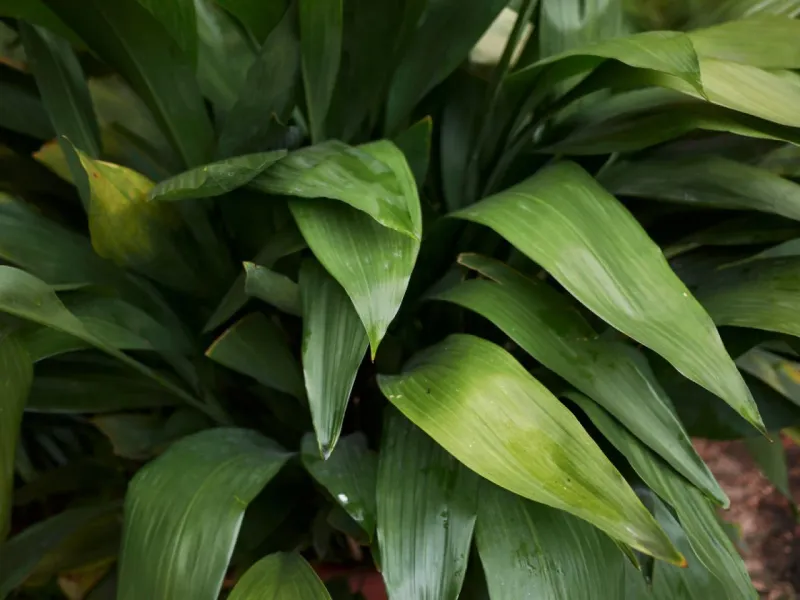
The cast iron plant lives up to its tough-as-nails name. It thrives in deep shade, tolerates drought, survives neglect, and keeps on looking good when practically every other plant would give up.
For those tricky dark spots under dense tree canopies, this plant is basically a miracle worker.
Its long, arching, dark green leaves create a lush, layered look at ground level that stays tidy all year. Slow-growing but incredibly long-lived, the cast iron plant is a true set-it-and-forget-it gem for Florida gardens.
Enjoyed this story?
Add Fast Food Club as a preferred source to see more of our reporting on Google.