


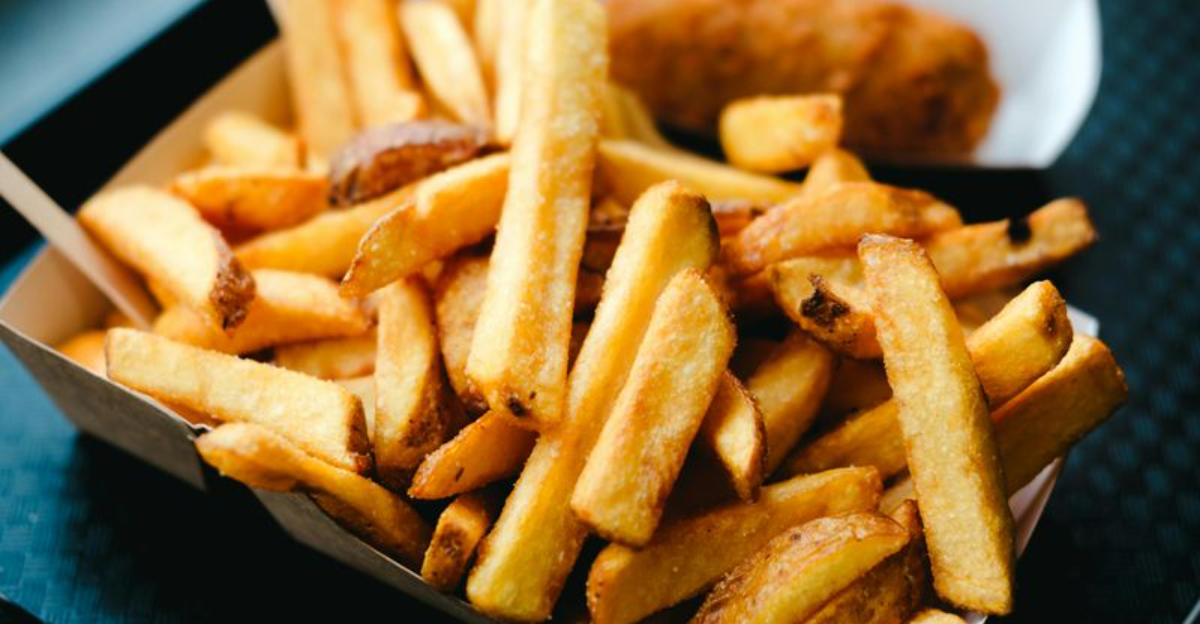
Some everyday favorites come with hidden strings attached. Doctors point to certain foods that may quietly raise inflammation, spike blood sugar, and nudge long term risk.
You do not need to swear them off forever, but you should understand what frequent bites might be doing to your body. Here is a straightforward guide that helps you swap smarter, feel better, and still enjoy what you love.
Sugary Breakfast Cereals
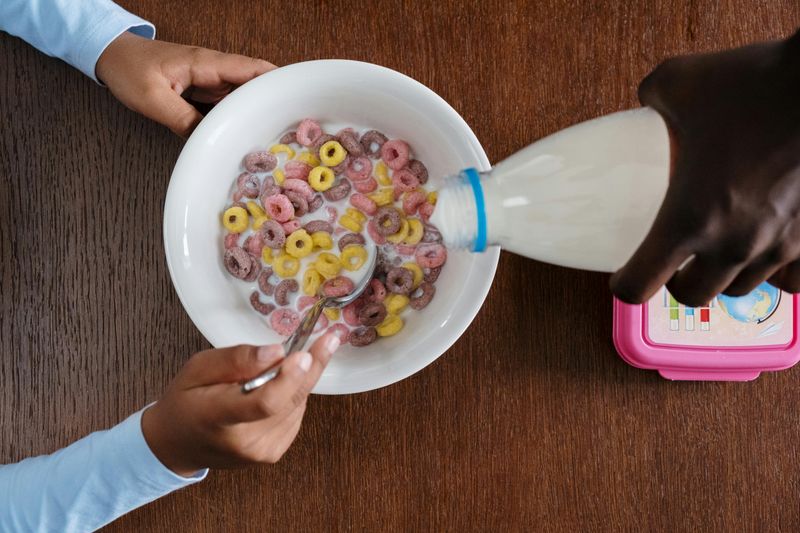
Sugary breakfast cereals seem harmless, but they hit your bloodstream fast. That spike can leave you hungry, cranky, and craving more within hours.
Many brands add refined grains, artificial colors, and candy-like pieces that do not belong in a regular morning routine.
Check labels and you will find tiny serving sizes that hide hefty sugar. Eating these often may nudge cholesterol, raise triglycerides, and train your palate to expect dessert at dawn.
Choose high fiber cereal, plain oatmeal, or eggs with fruit instead. Your energy, focus, and mood will thank you by midmorning each day.
Hot Dogs

Hot dogs combine processed meat, saturated fat, and preservatives that doctors worry about. Frequent intake is linked with higher risks for heart disease and certain cancers, especially colorectal cancer.
Sodium and nitrates add extra strain, and the fluffy white bun rarely helps your blood sugar.
If you love the ballpark vibe, save hot dogs for rare moments. Choose leaner sausages with no nitrates, or try chicken, turkey, or veggie options with whole grain buns.
Add crunchy veggies and mustard for flavor without a sugar bomb. You can keep the tradition while protecting long term health.
Sugary Sodas
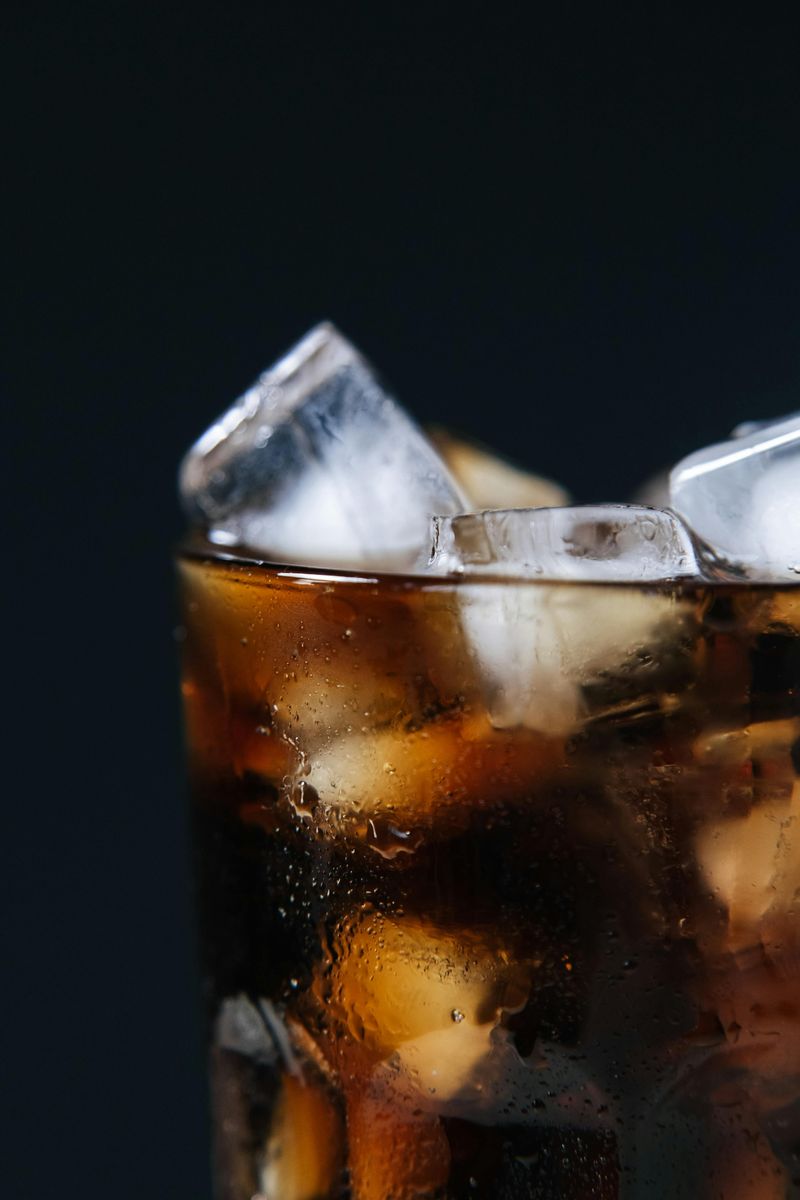
Sugary sodas deliver a rush of liquid sugar that bypasses fullness signals. You drink calories without feeling satisfied, which makes overeating easy.
Over time, that pattern raises diabetes risk, pushes triglycerides up, and can add stubborn belly fat.
Small swaps pay off quickly. Replace daily soda with sparkling water plus citrus, unsweetened iced tea, or a splash of 100 percent juice in seltzer.
Keep soda for occasional treats and sip slowly. If caffeine is the draw, try black coffee or tea.
Your teeth, liver, and energy swings will calm down, and cravings usually fade within weeks.
Packaged Pastries
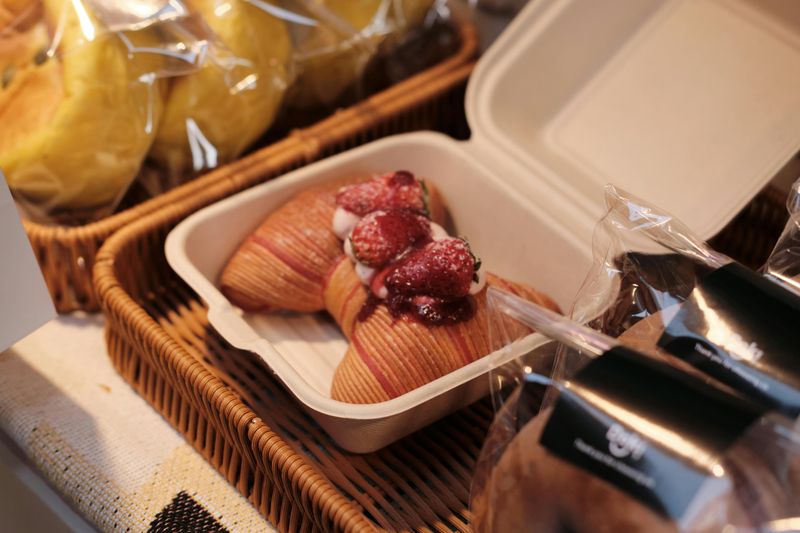
Packaged pastries combine refined flour, added sugars, and oils that keep shelves stocked but bodies sluggish. The quick carbohydrate hit can spike and crash energy, tempting you to grab another wrapper.
Many include trans fat sources or emulsifiers that are not friendly to metabolic health.
When a sweet breakfast calls, bake at home with whole grain flour and less sugar. Pair a small portion with protein like Greek yogurt or eggs to steady appetite.
Freeze extras to avoid daily temptation. You will still enjoy flaky moments without training your morning to need frosting.
Your focus later will thank you.
Frozen Pizza
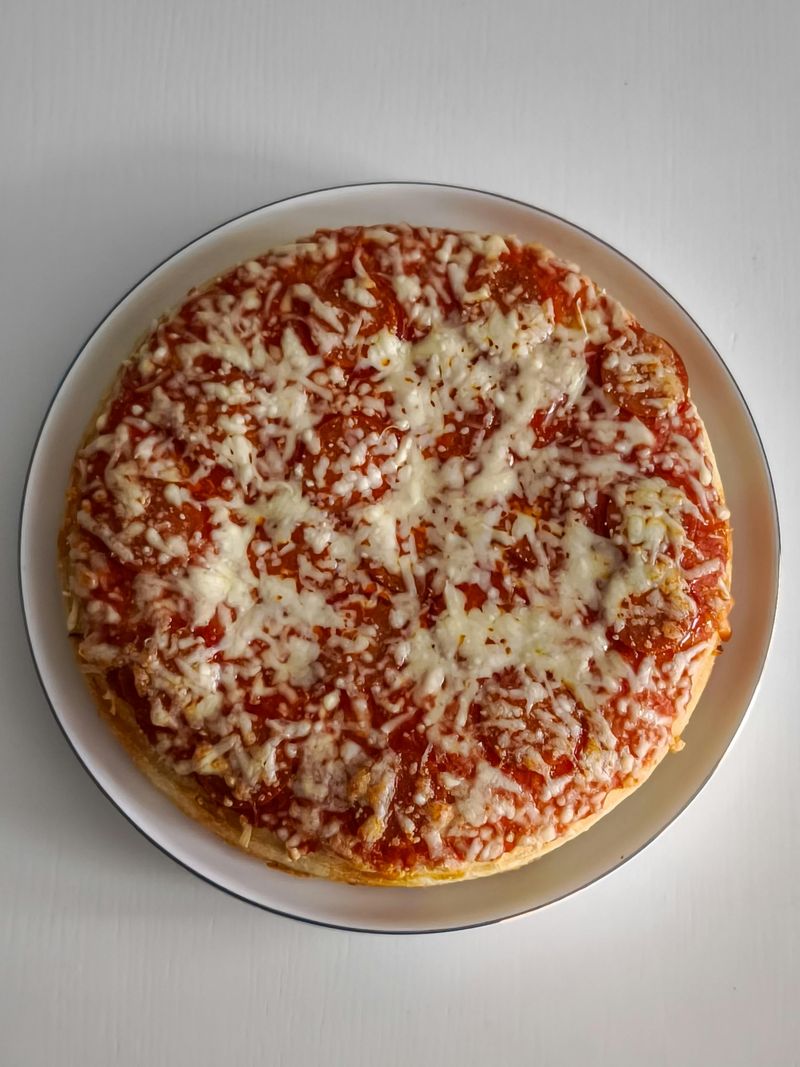
Frozen pizza often hides a surprising wallop of sodium, refined flour, and saturated fat. That combo can swell blood pressure, inflame arteries, and leave you thirsty all evening.
Processed toppings like pepperoni add preservatives that do not help your long game.
Better moves are simple. Choose thin crust, pile on vegetables, and look for lower sodium cheese or plant options.
Round it with a salad and protein to prevent eating the whole pie. If time allows, keep whole wheat dough in the freezer for speedy homemade nights.
You will still get cheesy comfort without the blood pressure tax.
Processed Cheese Slices
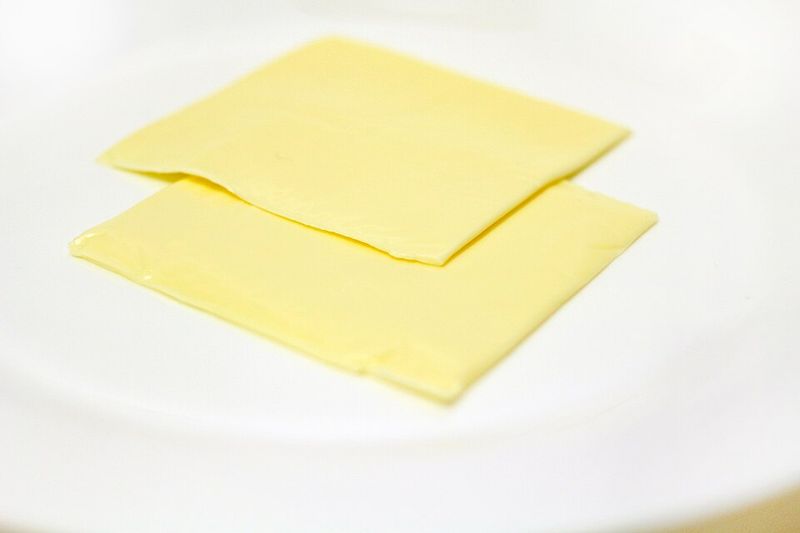
Processed cheese slices melt smoothly because they are engineered with emulsifiers, salt, and stabilizers. That convenience often means extra sodium and less real cheese nutrition per bite.
Regular slices on sandwiches can quietly boost daily salt and saturated fat beyond what your heart appreciates.
When you want creamy, choose thin-cut real cheese or try avocado for richness and potassium. Sharp flavors mean you can use less and still feel satisfied.
Keep portion sizes in check and balance with vegetables and lean proteins. Your blood pressure and taste buds will both benefit, and the ingredient list becomes easier to pronounce.
Instant Noodles
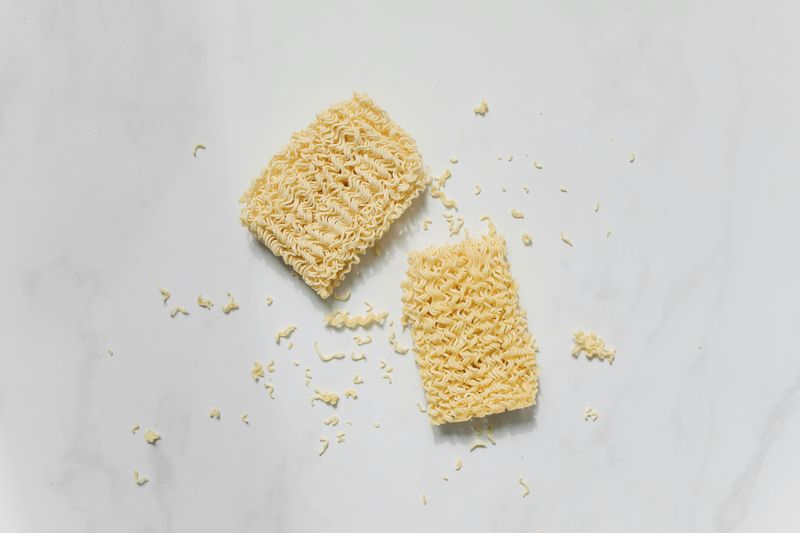
Instant noodles are budget friendly, but the seasoning brick often delivers a sodium avalanche. The refined noodles digest quickly, causing a fast rise in blood sugar and a quick return of hunger.
Some brands add saturated fat and additives that do little for long term health.
Make a smarter bowl at home. Use low sodium broth, add eggs or tofu, and toss in frozen veggies for fiber and minerals.
Choose whole grain or brown rice noodles when possible. Flavor with ginger, garlic, and chili.
You keep comfort and warmth, while skipping the salt shock that drags down energy.
Flavored Yogurts with Sugar
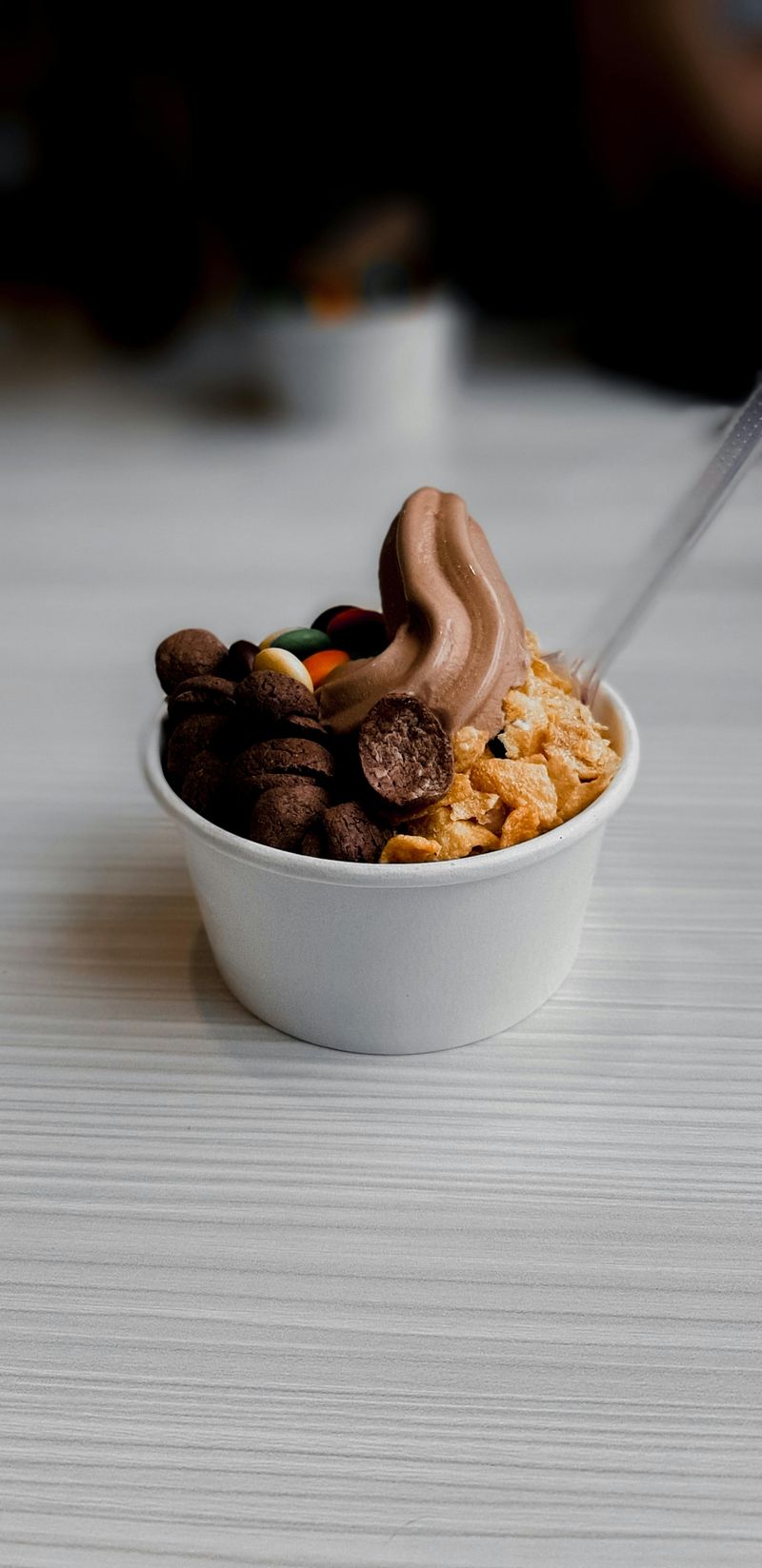
Flavored yogurts can look like health food, but many hide dessert-level sugar. That sweet swirl can overshadow the protein and probiotics you hoped to get.
Eating them often may condition cravings and make a balanced breakfast feel bland.
Pick plain yogurt and add your own fruit, cinnamon, and a drizzle of honey when truly needed. Greek styles offer more protein, which helps keep you satisfied until lunch.
Crunch with nuts or seeds instead of candy-like mix-ins. You will still enjoy creamy tang, while cutting back on added sugar and training taste buds to appreciate real fruit.
Candy Bars
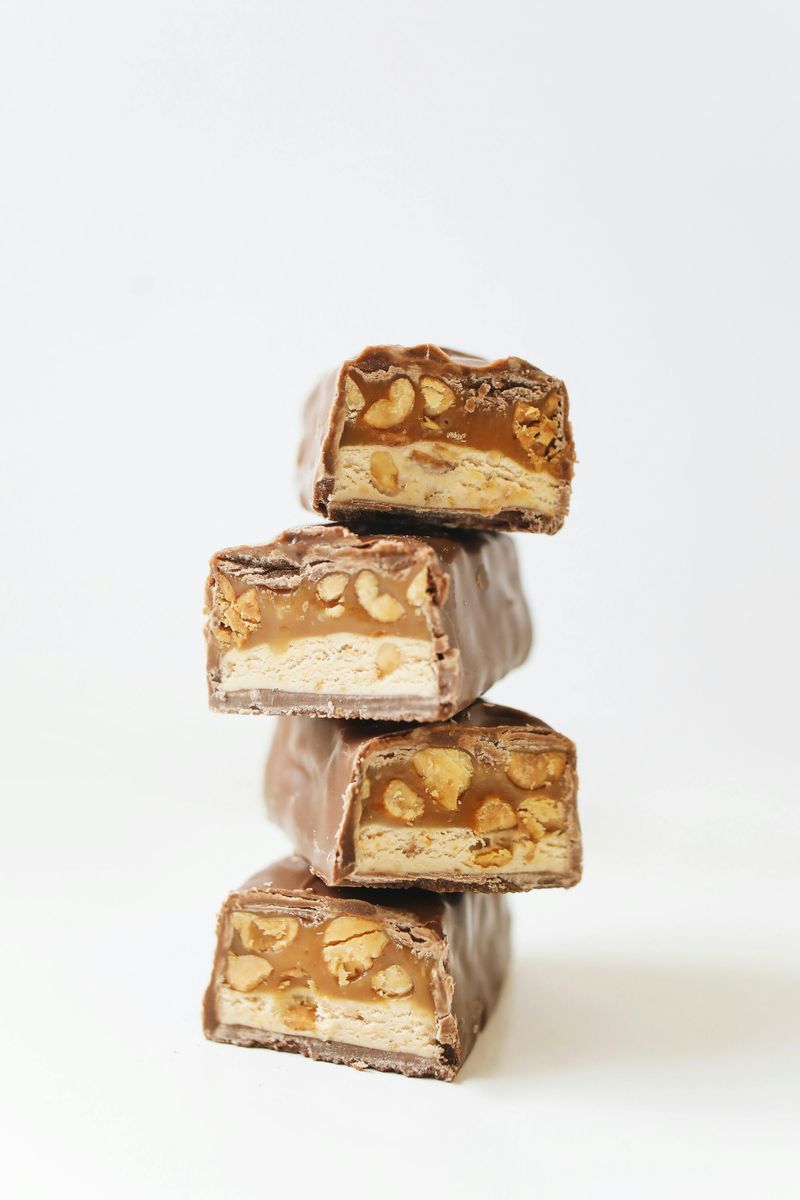
Candy bars combine quick sugar, processed fats, and minimal fiber, which sends blood sugar on a roller coaster. That surge and crash cycle can fuel afternoon slumps and extra snacking.
Frequent bites train your brain to chase a sweet reward every time fatigue hits.
Keep candy for planned treats, not desk emergencies. When cravings hit, try fruit plus nuts or dark chocolate with higher cocoa content.
Hydrate and go for a short walk to reset. If a candy bar is truly calling, split one and savor slowly.
You keep pleasure while avoiding a daily habit that undermines energy.
Store-Bought Muffins

Store-bought muffins wear a wholesome vibe, but many are frosted cupcakes in disguise. Jumbo sizes pack refined flour, added sugars, and oils that can rival a fast food meal.
The sweet crumb burns quickly, leaving you tired and snacky before lunch.
If muffins are your thing, bake mini versions at home with whole grains and fruit. Add nuts or seeds for fiber and healthy fats.
Pair with eggs or yogurt so breakfast lasts. Freeze extras and thaw as needed to avoid weekday sugar bombs.
You still enjoy a cozy bite without letting pastry run your morning.
Energy Drinks

Energy drinks stack caffeine with sugar or artificial sweeteners, which can push heart rate and blood pressure higher. Some cans pack the caffeine of several coffees, consumed in minutes.
That jolt may bring jitters, sleep problems, and a rough energy crash later.
If you need a lift, start with hydration, then coffee or tea in measured amounts. Pair caffeine with protein and complex carbs for steadier focus.
Reserve energy drinks for rare situations and avoid mixing with alcohol. You can protect your heart rhythm and sleep while keeping performance intact.
Real rest still outperforms any can.
Chicken Sandwiches
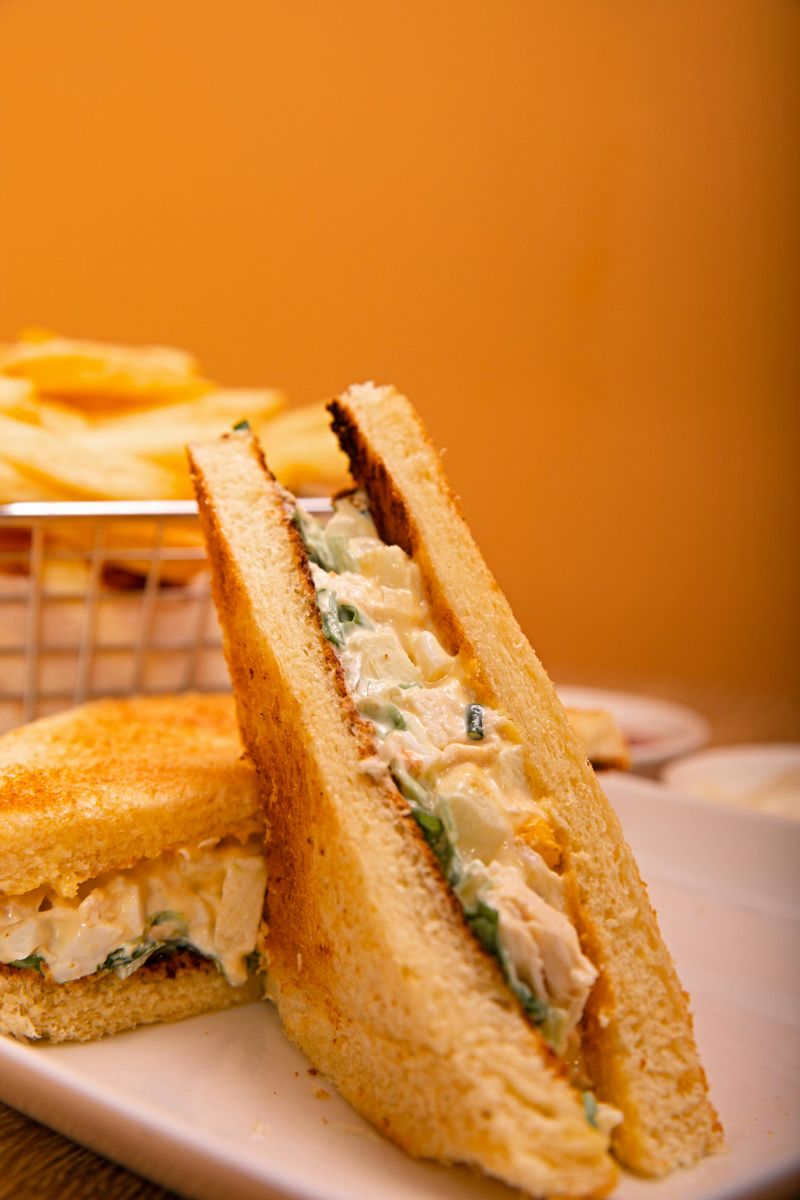
Chicken sounds lighter, but many fast food chicken sandwiches are fried, sauced, and salted heavily. The crispy coating soaks oil, and the bun plus mayo can rival a burger’s calories.
Frequent orders may raise LDL cholesterol and blood pressure over time.
Order grilled when available, skip creamy sauces, and add lettuce, tomato, and pickles for crunch. Choose a whole grain bun or go bunless with sides of fruit or salad.
Portion control matters, too. An occasional indulgence is fine, but a weekly habit stacks up.
You get the flavor you want without the hidden fryer tax.
Margarine Spreads

Modern margarines are often trans fat free, yet some still lean heavy on refined oils. That balance can skew toward omega-6 fats, which may promote inflammation when intake is high.
Salted versions also add sodium you probably do not need.
Prefer extra virgin olive oil or small amounts of butter for flavor, then add avocado or nut butters for everyday spreads. Rotate fats to keep variety and balance.
Read labels and skip anything listing partially hydrogenated oils. You will improve your fat quality without losing satisfaction.
Your cholesterol profile and taste buds can meet happily in the middle.
Microwave Popcorn

Microwave popcorn can be a smart snack, but not all bags are equal. Some use added oils, artificial flavors, or heavy salt that undermine benefits.
Big bowls while streaming make mindless munching easy, and servings disappear fast.
Look for air-popped or lightly seasoned versions with simple ingredients. Better yet, pop kernels on the stovetop or in an air popper and season with olive oil, nutritional yeast, or spices.
Measure portions into bowls instead of eating from the bag. You keep crunch and fiber without the extras.
Your blood pressure and taste buds will appreciate the upgrade.
Processed Deli Meats

Processed deli meats carry sodium, preservatives, and saturated fat that add up quickly. Regular intake has been linked to higher risks of heart disease and certain cancers.
Piling slices daily in sandwiches can quietly raise blood pressure and inflammation.
Rotate in grilled chicken, tuna with olive oil, or bean spreads for protein without preservatives. If you choose deli meat, pick low sodium, nitrate free options and use fewer slices.
Add crunchy vegetables and whole grain bread to balance the bite. You will still enjoy satisfying lunches while protecting long term health.
Small changes make a noticeable difference.
Sweetened Coffee Drinks

Sweetened coffee drinks can rival milkshakes in sugar and calories. Syrups, whipped cream, and oversized cups turn a simple caffeine fix into a dessert.
Drink these often and you may see creeping weight, energy swings, and stubborn cravings.
Order smaller sizes, choose half-sweet, and skip the whip. Try cold brew or an americano with a splash of milk and cinnamon.
If flavored syrups are must-haves, limit to special days and actually savor them. You will still enjoy your ritual while protecting sleep, blood sugar, and appetite control.
Coffee can be delicious without the candy treatment.
Frozen Burritos
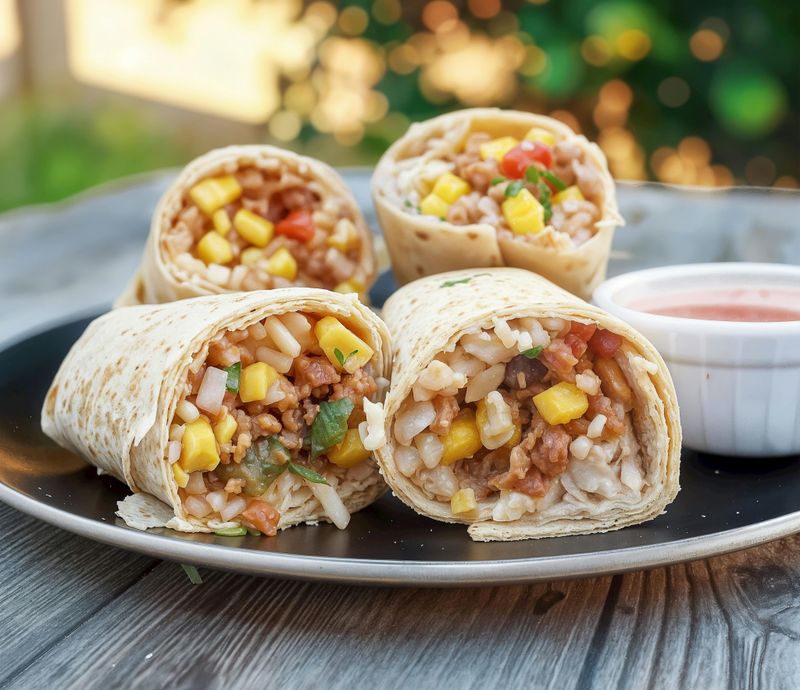
Frozen burritos are convenient, but many cram in sodium, refined tortillas, and heavy cheese. The portion looks small, yet calories stack quickly, especially when paired with chips.
Additives help texture, not your metabolic health.
There are better quick fixes. Choose brands with beans, vegetables, and whole grain tortillas, or batch cook burritos at home to freeze.
Top with salsa, avocado, and a side salad instead of queso. Microwave thoughtfully and chew slowly so fullness registers.
You can keep weeknights easy without asking your blood pressure to carry the burden every time dinner runs late.
Ice Cream Toppings Syrups
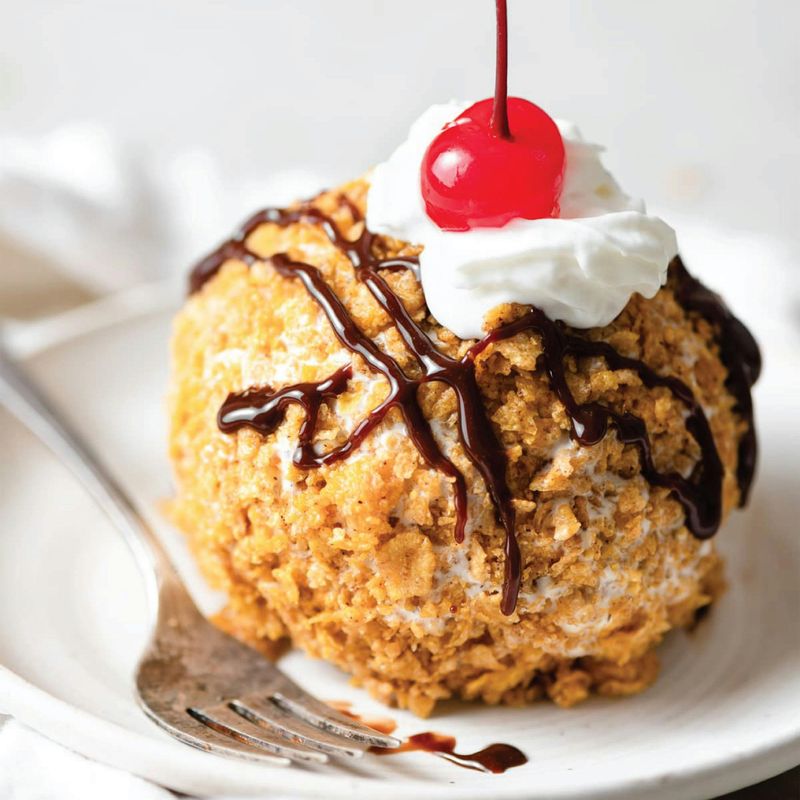
Ice cream toppings syrups are concentrated sugar with little nutritional upside. A generous squeeze can double dessert calories before the first bite melts.
Habitual drizzles train a sweet tooth to expect more sweetness tomorrow.
Enjoy ice cream simply, or top with fresh berries, chopped nuts, and a pinch of sea salt. If syrup is essential, measure a teaspoon into a spoon rather than free-pouring.
Consider melted dark chocolate, which brings cocoa antioxidants and richer flavor. You still get indulgence with less sugar.
Then sit, taste, and let cold bites linger. Mindfulness makes smaller amounts satisfying.
Fruit Snacks
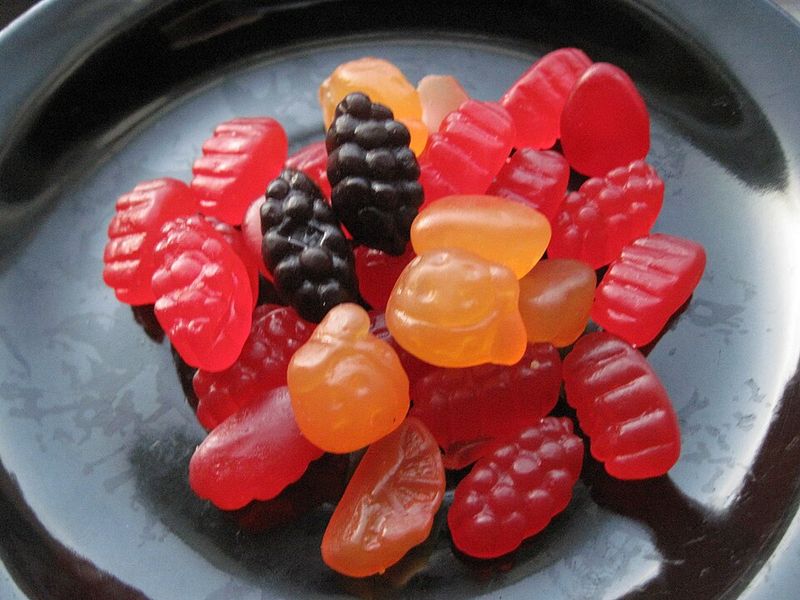
Fruit snacks wear a health halo, but many are basically candy shaped like fruit. They often contain added sugars, concentrates, and minimal fiber, which will not keep kids or adults full.
Sticky textures can also cling to teeth and feed cavities.
Reach for actual fruit, dried fruit without added sugar, or applesauce with no sugar added. Pair with nuts or cheese for staying power.
If gummies are a treat, serve them alongside a meal so brushing follows. You preserve fun while building better habits.
The lunchbox can still feel colorful without turning into a dessert tray.
Fast Food Burgers
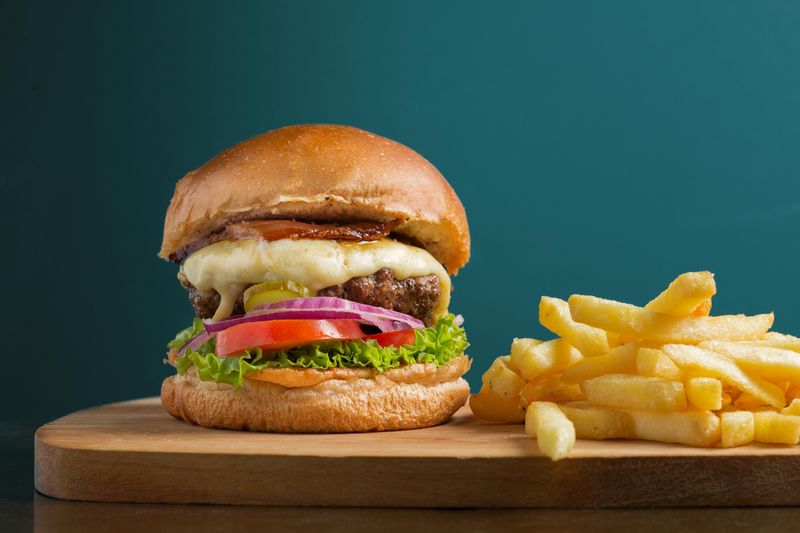
Fast food burgers pack refined buns, salty patties, and sauces that add sugar and fat. Large combos create a calorie bomb that rarely satisfies for long.
Regular drive-thru runs are linked with higher weight, blood pressure, and cholesterol.
Order smaller burgers, skip bacon and extra cheese, and add vegetables where you can. Choose water, side salads, or apple slices instead of fries and soda.
Eat slowly to let fullness cues catch up. Save big burgers for rare cravings and make them memorable.
You will still enjoy the flavor without turning lunch into a weekly setback.
Packaged Cookies

Packaged cookies make portion control tough. They blend refined flour, sugar, and oils that vanish quickly without satisfying hunger.
Before you notice, several sleeves can disappear, bringing more calories than expected and a sleepy afternoon.
Try baking small batches with oats, nuts, and dark chocolate to raise fiber and flavor. Keep cookies out of sight and plate a couple, not the whole package.
Pair with fruit or yogurt if you want dessert to actually satisfy. Special occasions deserve cookies, just not every night.
You will protect energy, mood, and long term goals while enjoying treats mindfully.
Fried Fries
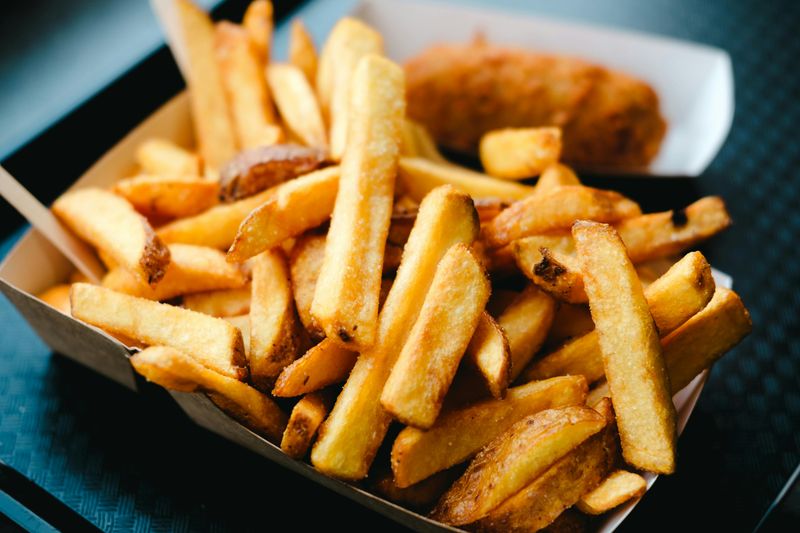
Fried fries are tasty, but the oil-soaked edges tell a story your arteries understand. High heat creates compounds that may inflame blood vessels while adding loads of calories.
Many restaurants reuse oil, which can degrade quality and increase harmful byproducts.
You can still enjoy potatoes without the deep fryer trap. Roast wedges at home with olive oil, garlic, and paprika, or air fry for crunch with less fat.
Pair them with a lean protein so hunger stays satisfied longer. When eating out, split a small order and savor slowly.
Your heart and waistline will notice.
Enjoyed this story?
Add Fast Food Club as a preferred source to see more of our reporting on Google.