


Some foods get canceled overnight, and suddenly you feel guilty for enjoying breakfast. Let’s push past the noise and look at what really matters: portions, context, and how a food fits your life.
Most of these so called bad foods can be smart, satisfying choices when you understand them. Ready to reclaim your favorites with a little common sense and zero fear mongering?
Butter

Butter gets villainized, but context matters. It is calorie dense and rich, yet a thin pat can elevate vegetables, fish, or a baked potato without wrecking your day.
You are not drinking butter. You are using it like a seasoning, which is how it shines.
Quality and quantity make the difference.
Choose real butter, keep portions small, and pair it with whole foods. That way you get flavor, satiety, and a bit of fat soluble vitamin A.
Swap in olive oil sometimes for variety and heart health. You can have both.
Food is not a contest.
Whole milk
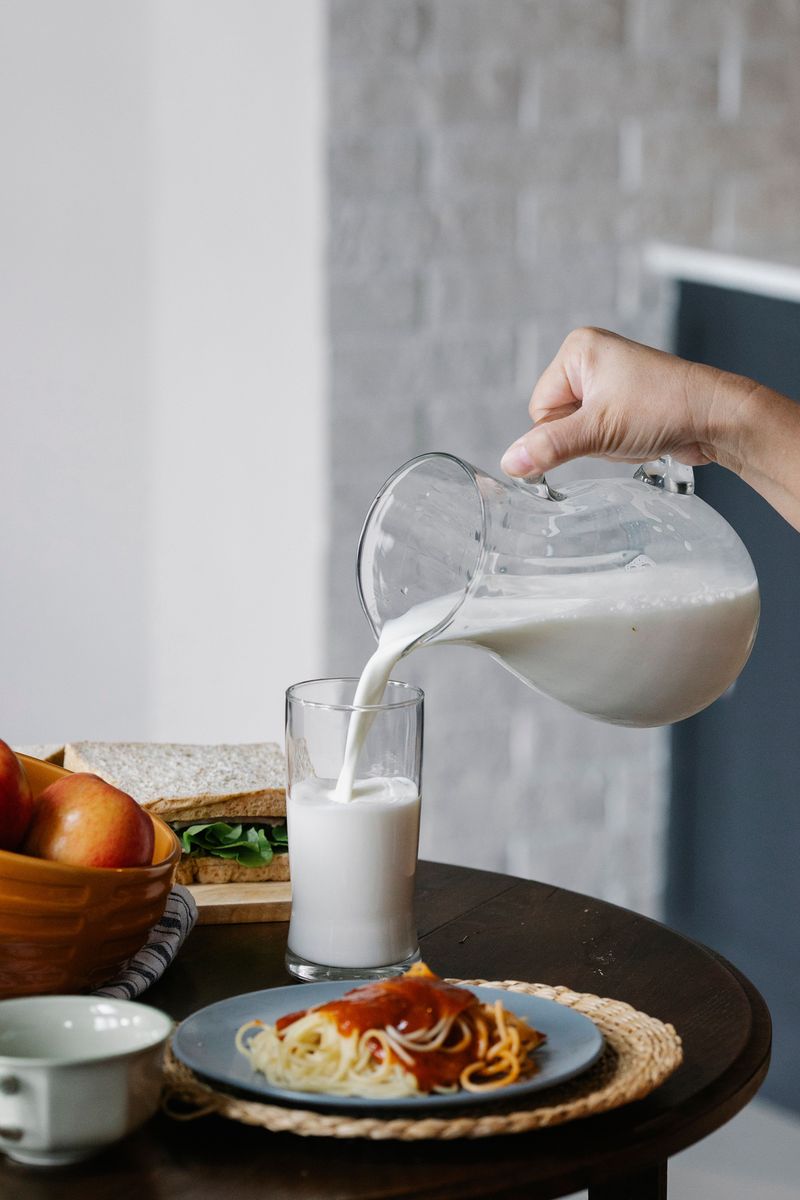
Whole milk is not the enemy. It is creamy, satisfying, and provides protein, calcium, vitamin D, and fat that can improve fullness.
For kids, whole milk can support growth. For adults, the choice depends on goals and preferences.
If it helps you feel satisfied and avoid mindless snacking, it can be a win.
Lactose intolerance and calorie needs matter, so pick what suits you. Rotate with lower fat options if that balances your day.
Add it to coffee, oatmeal, or smoothies for an easy nutrient boost. Food works best when it supports how you actually live.
Eggs
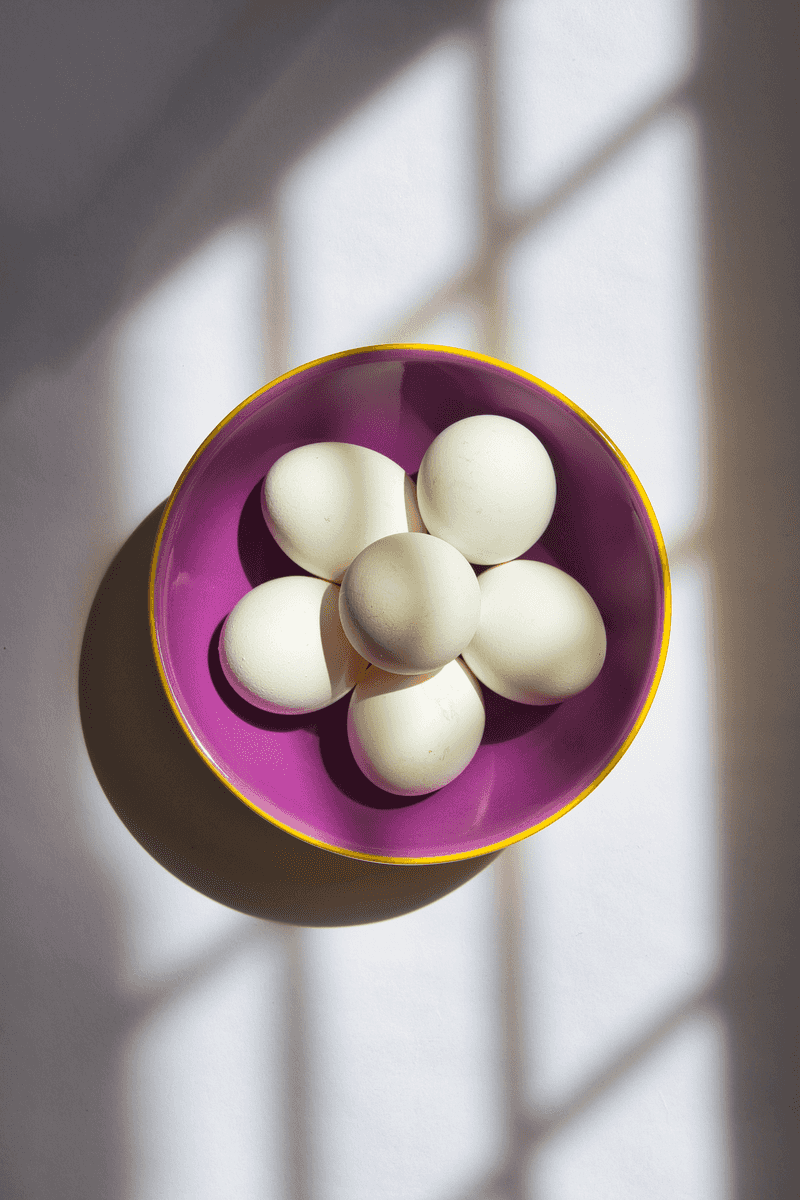
Eggs have been whiplashed by headlines, but they remain a nutrient powerhouse. You get high quality protein, choline for brain health, and satisfying fats in a tiny, affordable package.
Cholesterol in food impacts blood cholesterol less than people think. Overall diet and fiber matter more.
Enjoy eggs alongside vegetables and whole grains.
Hard boil a batch, scramble with spinach, or top a grain bowl. If you have specific cholesterol concerns, talk to your clinician and personalize frequency.
For most healthy people, eggs fit beautifully. They are versatile, quick, and kind to your budget and schedule.
White bread

White bread is not a nutritional superstar, but it is not a villain either. It is lower in fiber, so pair it with protein and produce to balance your meal.
Think turkey sandwich with lettuce and tomato, or toast with peanut butter and sliced banana. Fortified white bread can still provide iron and B vitamins.
If you love it, keep it. Just use your plate to fill in the gaps.
Rotate in whole grain options for extra fiber and staying power. Food variety beats strict rules.
Enjoy the bread that fits the moment, then move on.
White rice
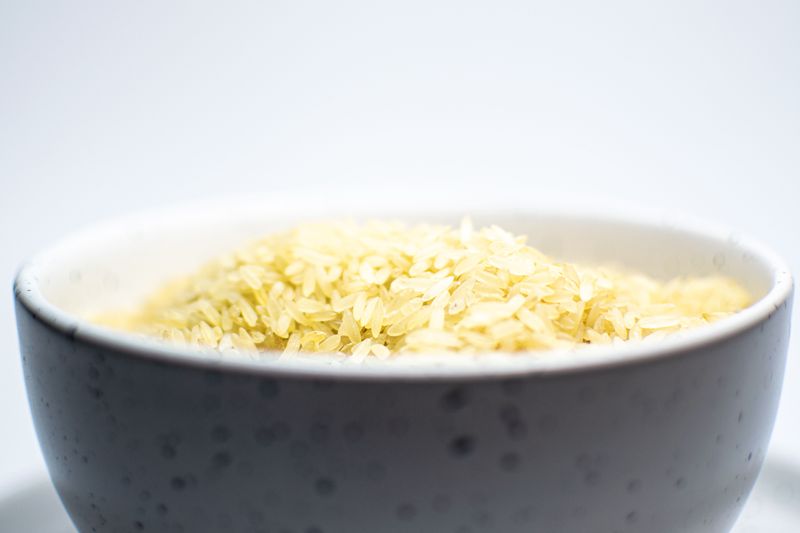
White rice catches heat for being refined, but it is gentle on the stomach and highly versatile. Pair it with beans, vegetables, eggs, tofu, or fish and you have a complete, balanced meal.
Plenty of healthy cultures thrive with white rice as a staple. What matters is the company it keeps on your plate.
Add volume with veggies, boost protein with lentils or chicken, and season well. If you need more fiber, mix in brown rice or quinoa.
Pick the texture you enjoy. Satisfaction helps you stay consistent, which is the real key to long term health.
Potatoes
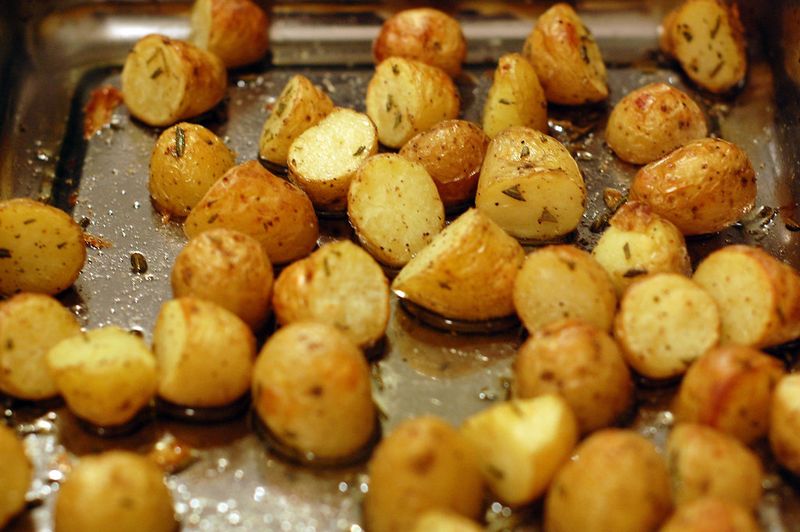
Potatoes are often blamed for everything, but they are just a starchy vegetable with potassium, vitamin C, and fiber in the skin. Preparation is the difference.
A baked potato with olive oil and herbs beats deep fried versions most days, but even fries can fit sometimes. You decide the frequency and portion.
Try roasting wedges, smashing boiled potatoes with yogurt, or adding cubes to soup for body. Pair them with protein and greens to keep energy steady.
Potatoes are affordable, comforting, and deeply satisfying. Demonizing them ignores how flexible and nutritious they can be in real life.
Red meat
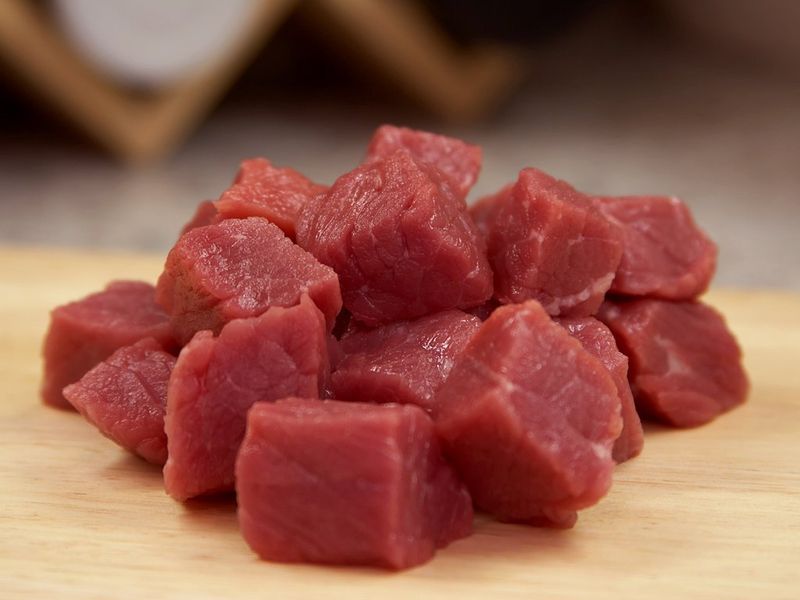
Red meat sparks heated debates, but nuance matters. It provides high quality protein, iron, zinc, B12, and creatine that support strength and energy.
The issue is frequency, portion size, and cooking method. Trim visible fat, avoid charring, and round out your plate with vegetables and fiber.
That is a balanced approach.
Choose leaner cuts like sirloin or round more often, and enjoy richer cuts occasionally. If sustainability is a priority, buy smaller amounts and savor them mindfully.
Your health is shaped by patterns, not single foods. Red meat can live in a mixed, thoughtful diet.
Peanut butter
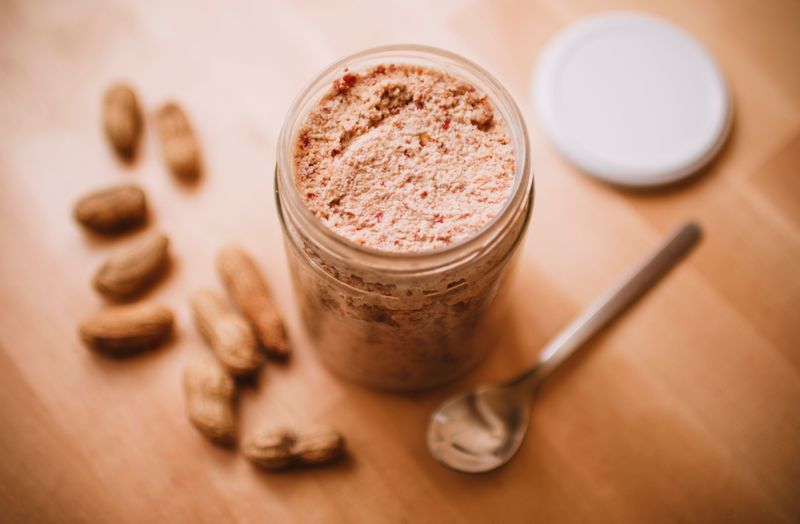
Peanut butter is calorie dense, yes, but that is why a spoonful is satisfying. It brings protein, fiber, and healthy fats to toast, oats, or smoothies.
Look for options with peanuts and salt, maybe a touch of sugar if you like. Stir natural jars or choose no stir styles if convenience helps you stay consistent.
Measure a tablespoon or two and enjoy. Pair with fruit for fiber and crunch, or add to sauces for easy weeknight meals.
Allergies are real, so swap almond or sunflower seed butter if needed. Peanut butter is comfort and nutrition in one scoop.
Cheese

Cheese is rich, salty, and delicious. That is not a crime.
It offers protein, calcium, and big flavor in small amounts. A thin slice on a sandwich or a sprinkle on pasta can go a long way.
Buy what you love, grate it fresh, and use it like a condiment for maximum impact.
If sodium concerns you, choose milder types or smaller portions. Pair cheese with fruits and whole grains to balance your plate.
Lactose sensitive? Many aged cheeses are friendlier.
You do not need daily mountains of it, but you also do not need fear.
Coffee
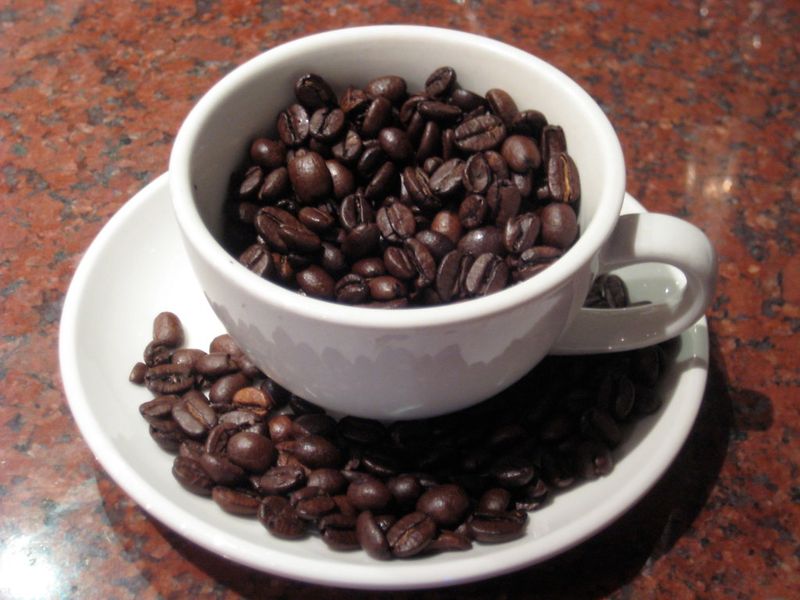
Coffee is not a moral failing. For many, it is a helpful, enjoyable routine with documented benefits for alertness and even some long term health outcomes.
The catch is what you add. Sugar heavy drinks can pile on calories fast, so tune sweetness to your tastes and needs.
Hydrate alongside it and mind caffeine timing.
If you are sensitive, go half caf or switch to earlier cups. Coffee can pair beautifully with protein or a balanced breakfast.
It is more than a buzz. It is a ritual that can easily fit into a thoughtful lifestyle.
Bananas

Bananas get labeled sugar bombs, but that misses the bigger picture. They provide potassium, vitamin B6, fiber, and convenient energy.
Perfect before a workout, in oatmeal, or with peanut butter for staying power. Ripeness changes texture and sweetness, not worth panicking over.
Choose the stage you enjoy and use it well.
Slice into yogurt, freeze for smoothies, or mash into quick breads. If blood sugar is a concern, pair with protein or opt for a smaller banana.
You control the context. Bananas are portable, affordable, and friendly to busy days that still deserve good food.
Popcorn

Popcorn can be a fantastic high volume, high fiber snack when you keep toppings simple. Air pop or use a little oil, then add salt, herbs, or nutritional yeast for savory goodness.
It is wildly satisfying for relatively few calories. Skip the bucket drenched in butter most nights, but do not fear flavor entirely.
Make it at home and season to taste. Portion into a bowl instead of the whole pot if that helps.
Pair with a sparkling water or tea. You get crunch, comfort, and a snack that feels indulgent without derailing your day.
Corn

Corn is often roasted online, which is ironic. It provides fiber, B vitamins, and carotenoids, especially in colorful varieties.
Fresh, frozen, or canned all have a place. The worry about corn syrup does not apply to a cob or a bag of kernels.
Think salsa, salads, chowders, or polenta. It is incredibly adaptable.
Balance it with protein and vegetables, and enjoy the natural sweetness. A pat of butter is fine if that makes corn irresistible.
You will likely eat more veggies overall. That is the big win.
Keep it simple, seasonal when possible, and unapologetically tasty.
Pasta
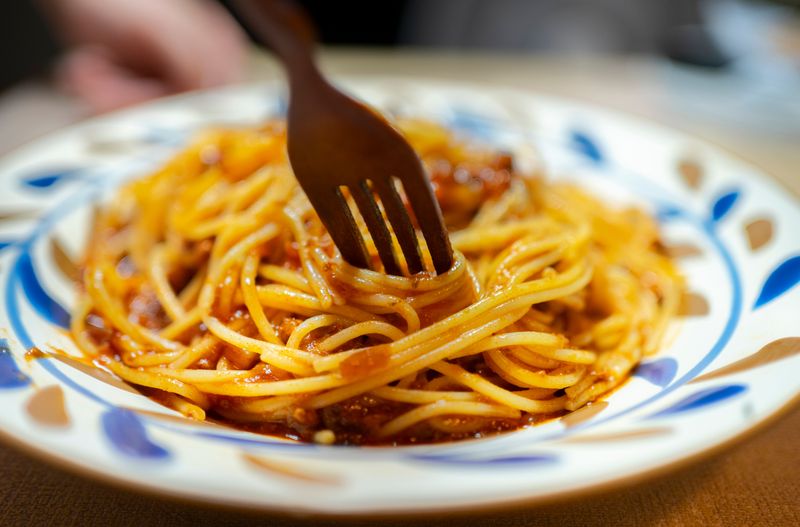
Pasta is a blank canvas. It delivers energy and satisfaction, especially when cooked al dente and paired with protein and vegetables.
Portion the pasta, then load the pan with mushrooms, spinach, tomatoes, or beans. A little olive oil and cheese bring it together.
That is balance, not guilt. Simple, delicious, repeatable.
Try chickpea or whole wheat versions for more fiber sometimes, and classic semolina when you crave it. Save extra for leftovers to rescue a busy night.
Comfort foods can be smart foods when the plate is built thoughtfully. Let pasta work for you, not against you.
Cottage cheese
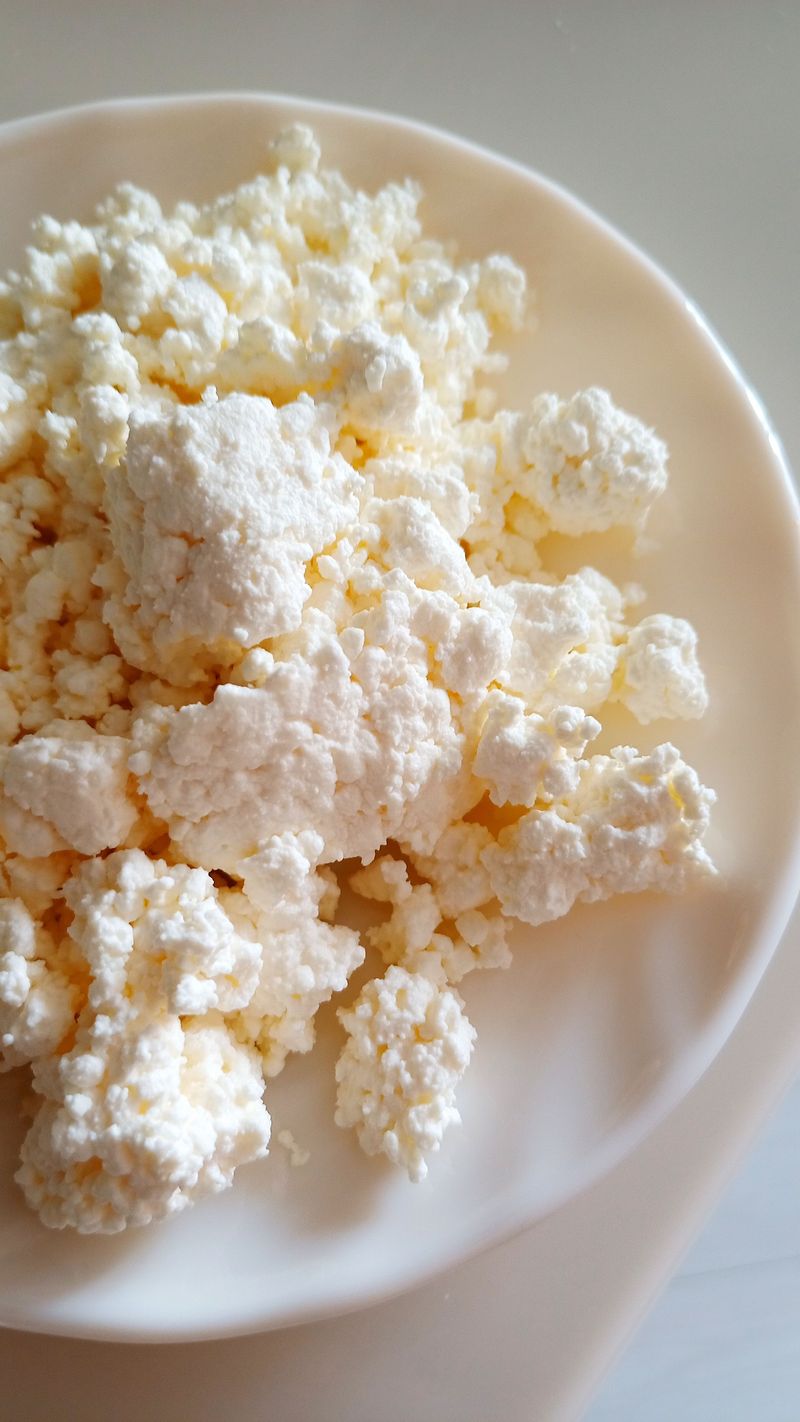
Cottage cheese had a comeback for good reason. It offers high protein, calcium, and an easy base for sweet or savory meals.
Blend it for a smooth texture or keep the curds for extra bite. Top with fruit and nuts, or stir into eggs and pasta.
It is quick, affordable, and surprisingly versatile.
Watch sodium if needed, and pick the fat level that keeps you satisfied. Single serve cups help with convenience.
You get a sturdy anchor for breakfast, snacks, or light dinners. If you wrote it off years ago, give it another try with fresh toppings.
Yogurt

Yogurt is a friendly base for so many meals. Go for plain, then add fruit, cinnamon, or honey to taste.
You get protein, calcium, and live cultures that can support gut health. Greek styles pack extra protein, while regular yogurt is lighter.
Both can work. Pick what you enjoy and will actually eat consistently.
Watch added sugars in flavored cups, and build your own parfait when you can. Use it as a creamy sauce with herbs and lemon for savory dishes.
Dairy sensitive? Try lactose free or cultured alternatives.
Yogurt rewards creativity and keeps you comfortably full.
Oatmeal
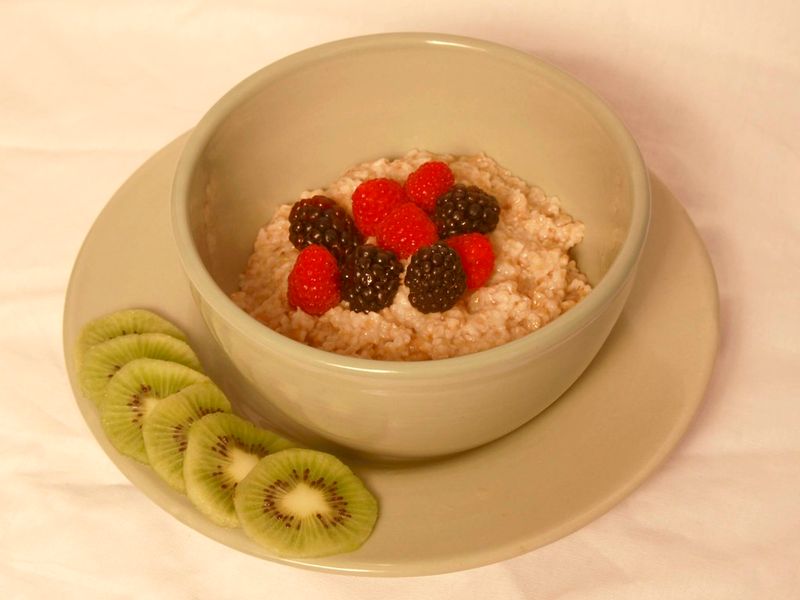
Oatmeal is not boring when you season it well. Oats bring soluble fiber that supports heart health and steady energy.
Cook with milk or water, add salt, then layer in fruit, nuts, seeds, or a touch of maple. Texture matters, so try steel cut, rolled, or overnight styles to find your favorite.
If blood sugar is a concern, add protein like yogurt or eggs on the side. Savory oats with olive oil and greens are a game changer.
Keep portions aligned with your hunger. Oatmeal is adaptable fuel that makes busy mornings feel calmer.
Orange juice

Orange juice is not the same as a soda. It brings vitamin C, potassium, and some folate, though fiber is lower than whole fruit.
Enjoy a small glass alongside breakfast or use it to brighten marinades and dressings. If you tend to sip endlessly, pour a portion and savor it.
That is mindful, not restrictive.
Pair it with protein or whole grains to keep energy steady. If you prefer whole oranges, great.
Mix and match based on appetite and convenience. The goal is a pattern you can sustain, not strict rules that make real life harder.
Dark chocolate
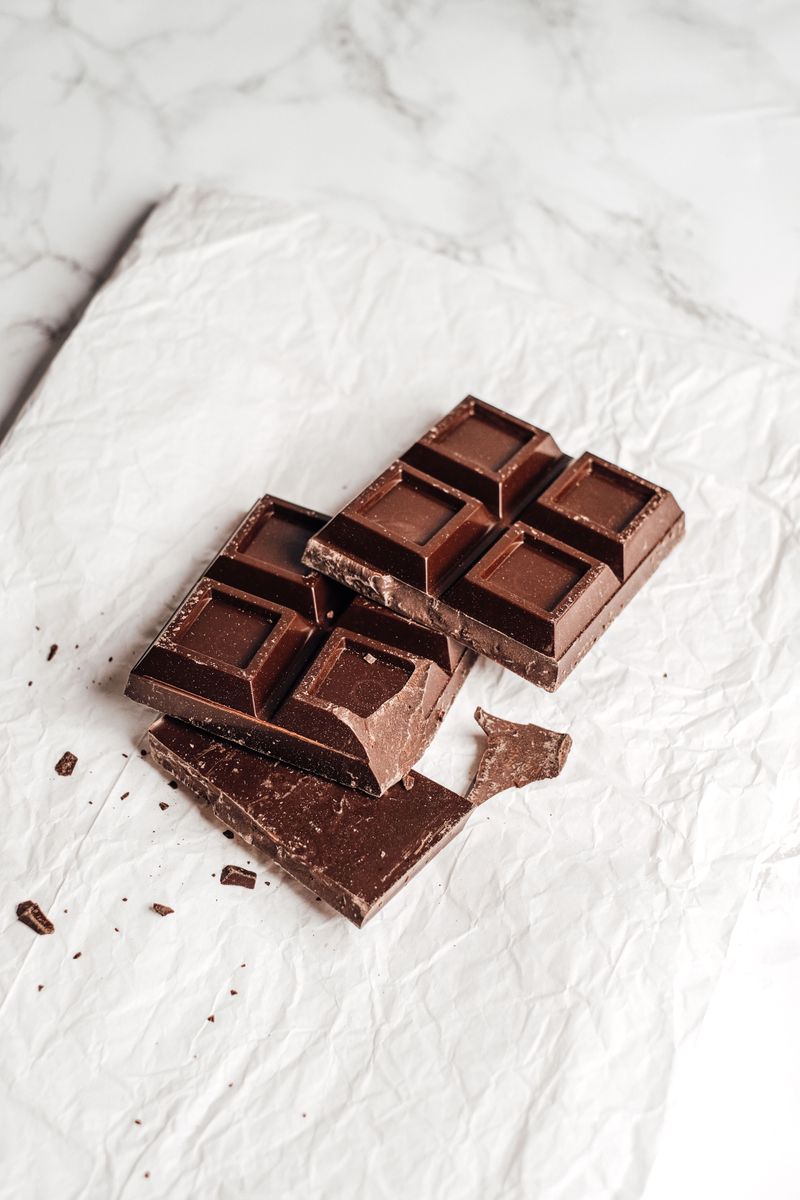
Dark chocolate is pleasure with benefits. Cocoa brings flavanols that can support vascular health, and a square or two can satisfy a sweet tooth without a sugar spiral.
Go for varieties you enjoy, often around 70 percent cocoa for balanced bitterness. Savor slowly.
Let it melt. This is self care that fits in a plan.
Pair with berries or nuts for a snack that feels special. Keep it in a place where you can choose it intentionally.
Food is not just fuel. It is joy and ritual, and dark chocolate proves you can have both.
Honey

Honey is often dismissed as just sugar, but it is a flavorful sweetener that can make nutritious foods more appealing. A drizzle on yogurt or oatmeal might help you eat more satisfying meals overall.
It also offers trace compounds and a distinct taste that refined sugar cannot match. Portion control is the real lever here.
Use a teaspoon, not a torrent. Choose local varieties if you love the floral notes.
For infants under one, avoid honey entirely. Everyone else can treat it like a condiment.
Small amounts can elevate everyday dishes without blowing up your routine.
Homemade soup

Homemade soup is comfort that doubles as meal prep. You control the salt, vegetables, protein, and noodles, making it easy to tailor for your needs.
Brothy soups hydrate and soothe. Pureed soups feel silky with little cream.
Add beans or grains for staying power. Freeze leftovers for fast lunches when life gets hectic.
Season generously with acid, herbs, and a pinch of salt so it tastes vibrant. Pair with bread or a salad if you need more oomph.
Soup stretches ingredients and budgets beautifully. It deserves applause, not side eye from trend chasing feeds.
Beef liver
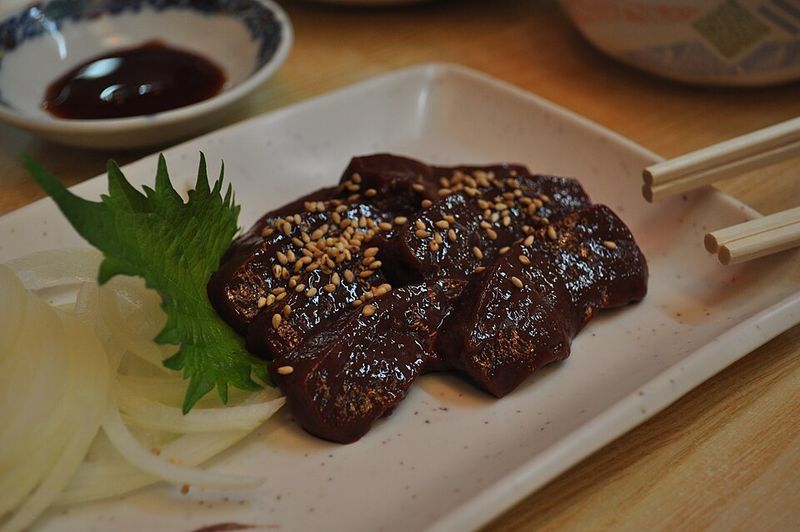
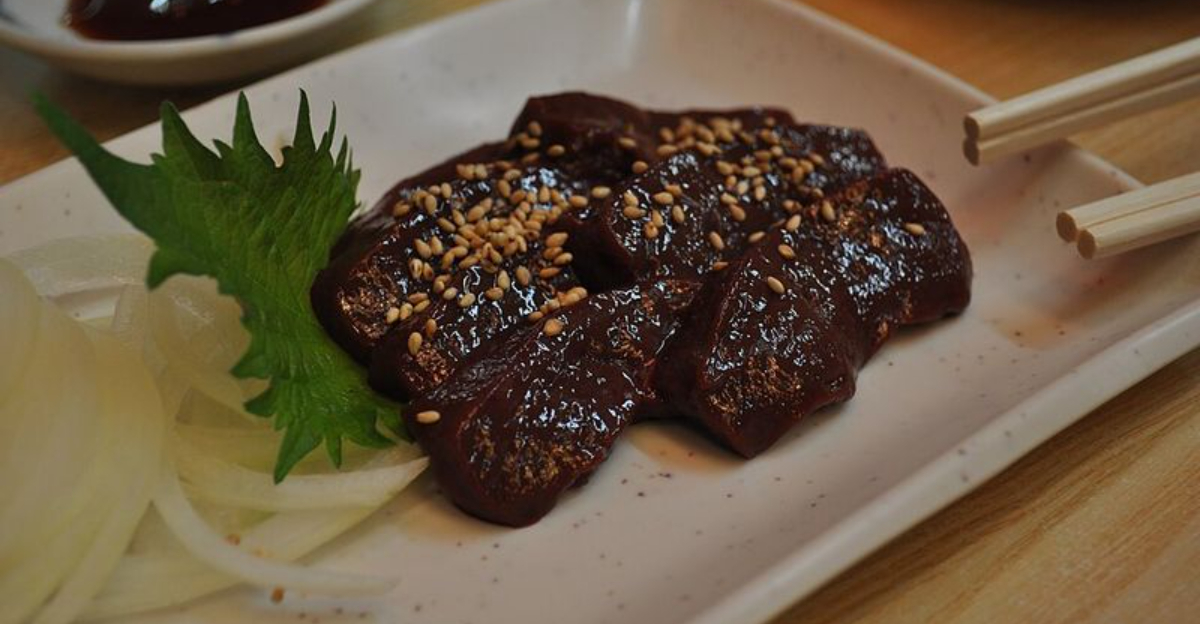
Beef liver is intensely nutrient dense, delivering iron, vitamin A, B12, and folate in rare amounts. That can feel intimidating, but small portions work well.
Sauté with onions, add to meatballs, or blend a little into ground beef for a gentle introduction. Frequency matters more than perfection.
Once a week or month can be meaningful.
Pregnant people should consult providers about vitamin A limits. For everyone else, keep servings modest and enjoy the benefits.
If flavor is strong for you, soak briefly in milk before cooking. Liver is a classic for good reason, not an internet villain.
Enjoyed this story?
Add Fast Food Club as a preferred source to see more of our reporting on Google.