


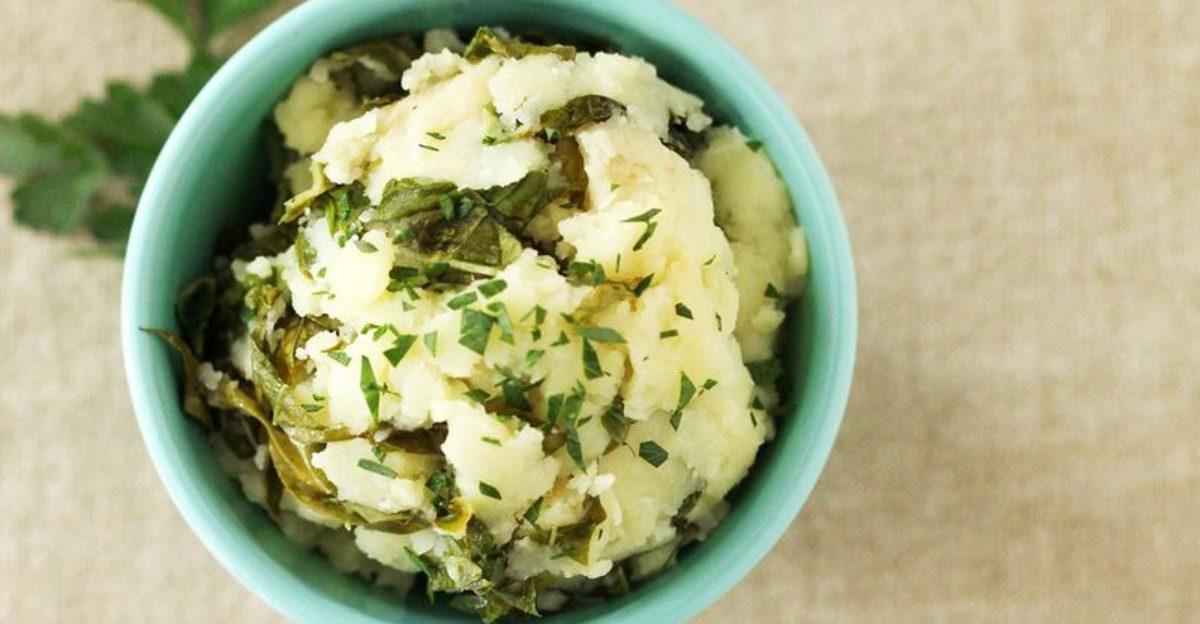
Some ingredients quietly hold your entire kitchen together. When they are missing, recipes struggle, flavors fade, and cook time suddenly feels harder.
This list highlights the everyday staples that are surprisingly tough to swap, plus how to use them well so your meals keep shining. Keep it handy and you will cook with more confidence, less stress, and better taste.
Table salt

Table salt seems simple, yet it unlocks flavor in almost everything you cook. A pinch balances bitterness, brightens sweetness, and makes aromas bloom.
When you forget it, dishes taste oddly flat, like the radio volume is stuck low. You can swap fancy salts, but the clean, predictable salinity here is hard to mimic.
Use it to season pasta water, brines, and baking where measurements matter. I like salting early, then tasting again before serving.
Keep a small bowl near the stove so your hands learn the rhythm. With practice, you season confidently, and everyday meals suddenly taste restaurant worthy good.
Olive oil
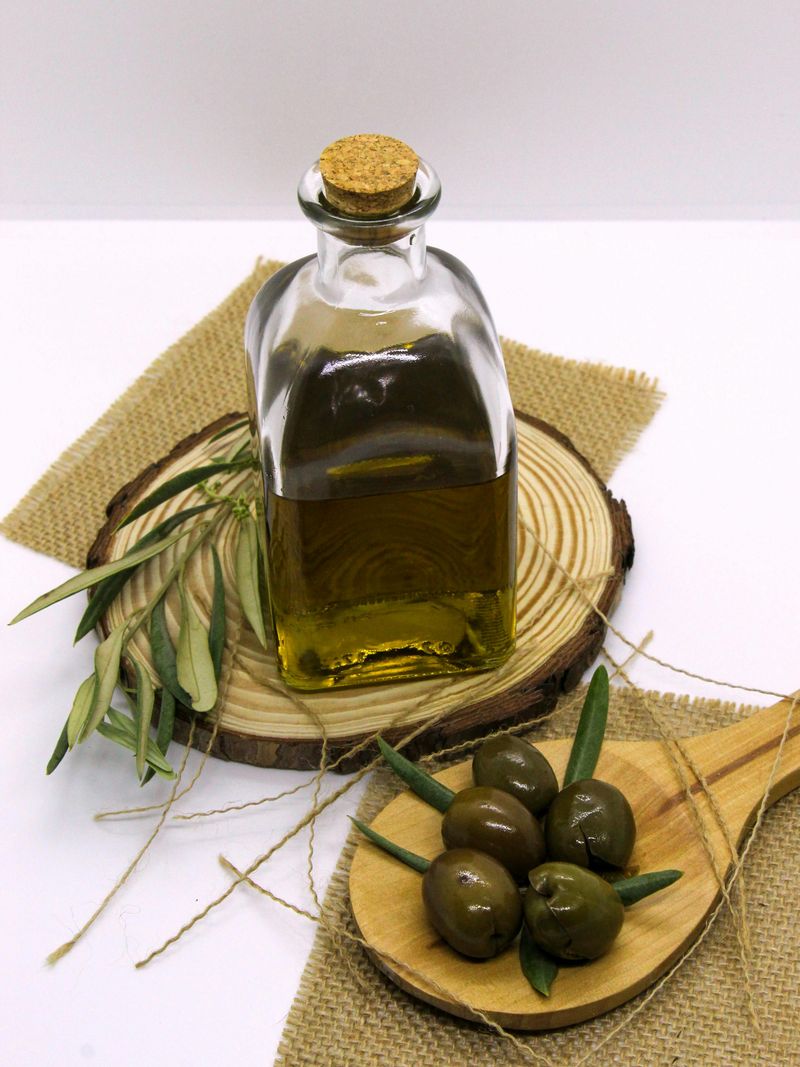
Olive oil brings fruitiness, gentle pepper, and silk to everyday meals. Use it to sauté onions, finish soups, or dress salads with just lemon and salt.
Good olive oil turns simple beans, tomatoes, or eggs into something warm and inviting. Cheaper neutral oils fry fine, but they cannot deliver the same aroma or depth.
Choose extra-virgin for finishing and vinaigrettes, and light olive oil for high heat. Taste a tiny spoonful before buying if you can.
You will notice grassy notes, almond, or green tomato. Keep it capped, dark, and fresh, because tired oil tastes dull and drags flavors down.
Salted butter
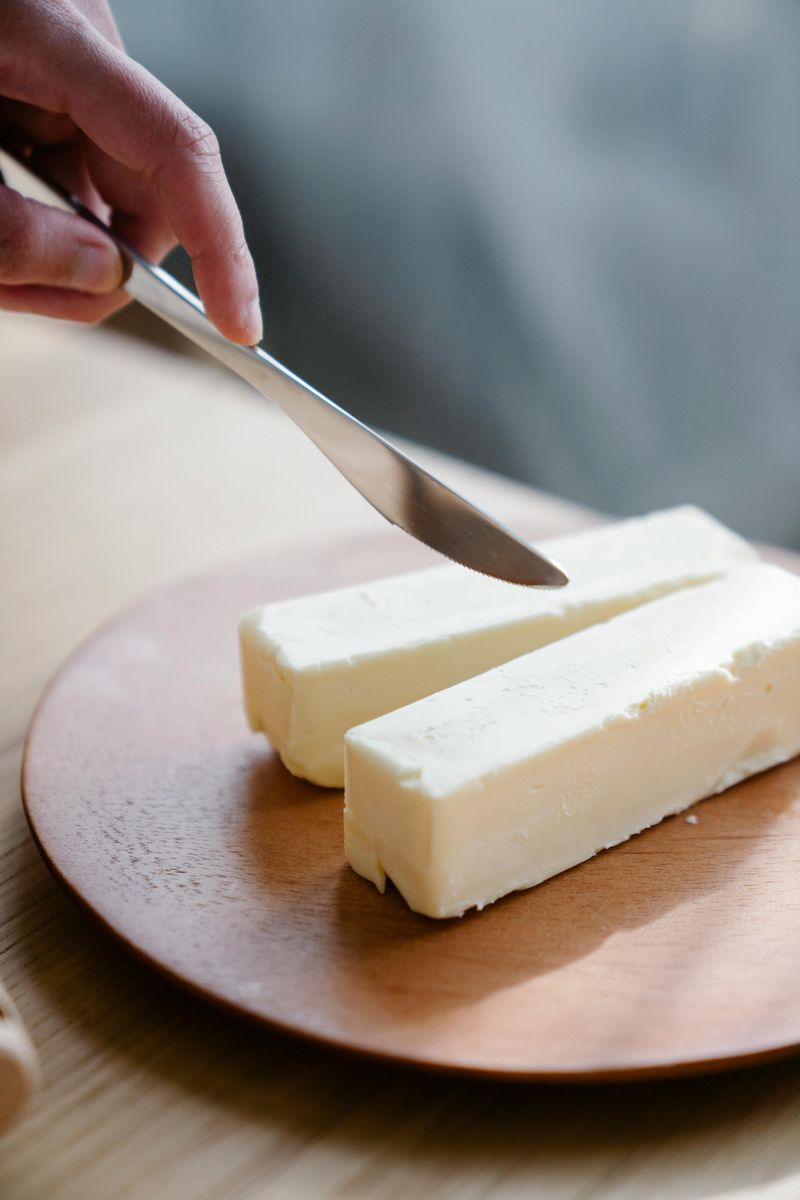
Salted butter is comfort in a wrapper. It melts into vegetables, finishes pan sauces, and makes toast sing.
The gentle salt seasons as it enriches, saving a step when you cook fast. You can mix unsalted butter with a pinch of salt, but the flavor never spreads quite the same way.
Use it for scrambled eggs, quick sautéed greens, and buttered noodles. I keep a stick at room temperature for easy spreading.
In baking, reach for unsalted to control salt precisely. For everyday cooking, salted butter gives a friendly baseline, a soft glow of flavor that makes dinners feel effortless.
All purpose flour
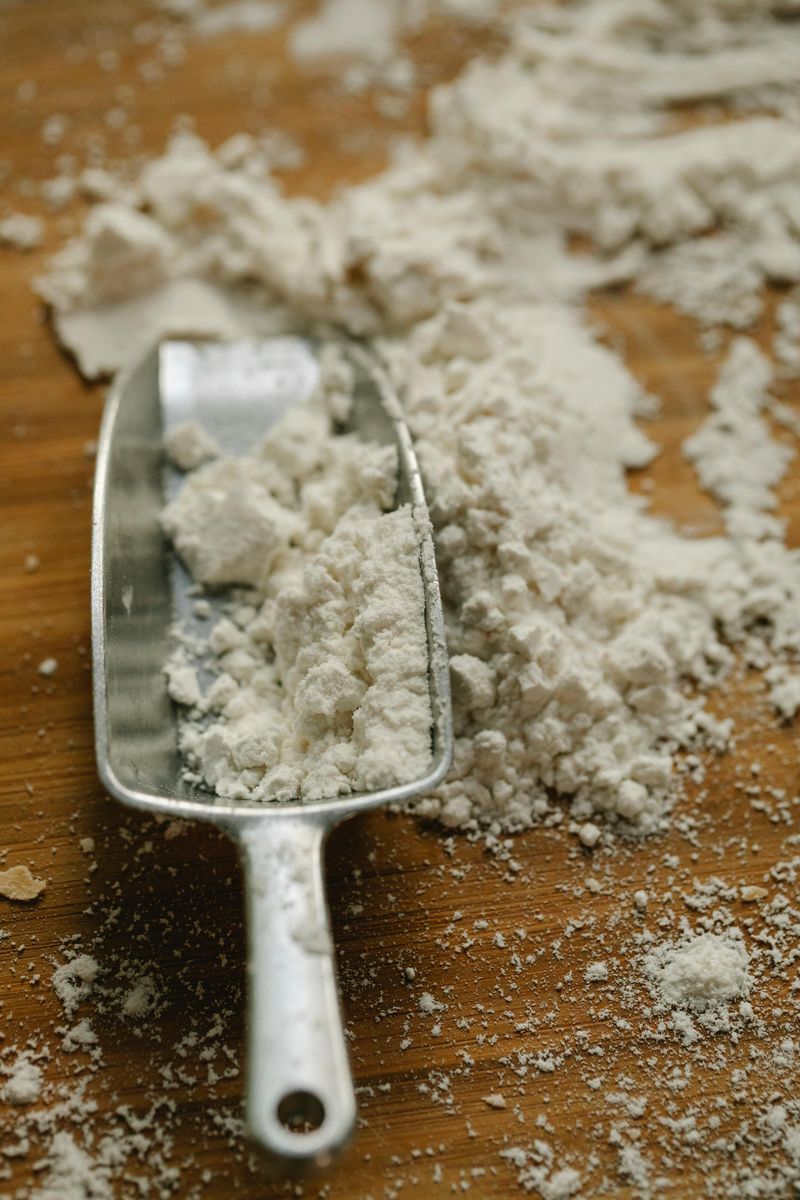
All purpose flour is true kitchen glue. It builds breads, thickens gravies, dredges cutlets, and stretches leftovers into pancakes or dumplings.
Specialty flours shine, but this one stands ready for nearly everything. When you need structure without fuss, it delivers predictable gluten and browning that help meals come together quickly.
Sift it for cakes, whisk into roux for sauces, or dust proteins before pan frying. Keep it in an airtight container to avoid odors and pests.
Measure by weight for consistency. With a simple bag nearby, you can pivot from pancakes to pizza dough, keeping weeknights relaxed.
White sugar
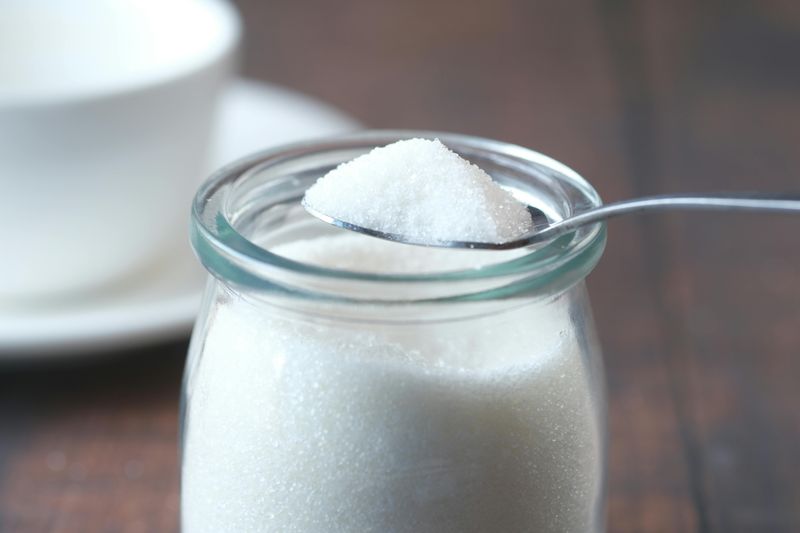
White sugar is more than sweetness. It tenderizes cakes, balances acid in tomatoes, and helps bread brown beautifully.
A pinch rounds off vinaigrettes or chili, making flavors play together instead of argue. Alternatives exist, yet none dissolve, caramelize, and measure with the same reliable clarity as granulated sugar.
Cream it with butter for cookies, sprinkle into sauces to mellow edges, or melt it patiently for caramel. Store in a sealed jar to keep clumps away.
If it hardens, pulse gently or warm with a little moisture. Once you learn restraint, sugar quietly lifts dishes without stealing the spotlight.
Eggs
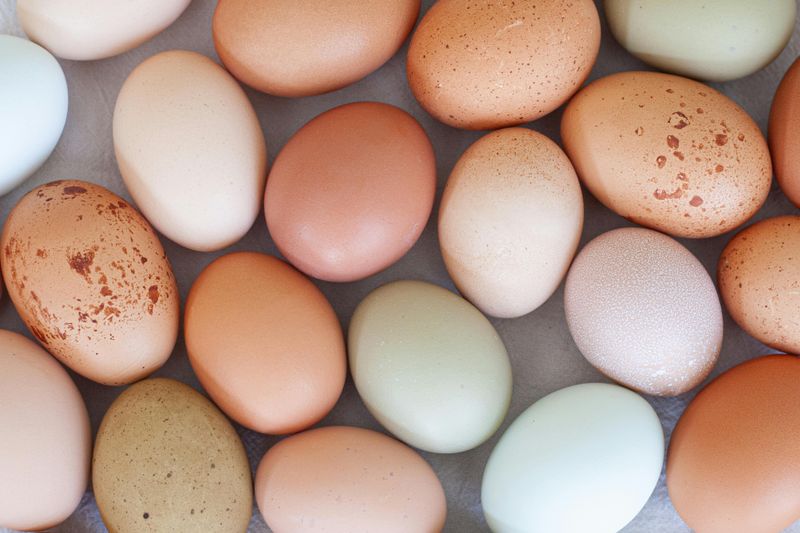
Eggs do almost everything. They thicken custards, bind meatballs, set carbonara, and become dinner in minutes as omelets or fried rice.
Yolks enrich sauces; whites create lift and delicate foam. Substitutes exist, but few give the same structure, sheen, and satisfying bite at this price point.
Keep a dozen on hand, and you are never far from a meal. Steam, scramble, or poach for fast protein.
For baking, bring them to room temperature to mix smoothly. When in doubt, make eggs on toast with herbs and olive oil.
It is humble, filling, and always tastes like care.
Whole milk

Whole milk brings body, sweetness, and gentle fat that make sauces silky. It stretches coffee, anchors pancakes, and softens tomato heat in soups.
Lower fat versions work, but lack that cozy roundness you notice when sipping cocoa or making mashed potatoes. For everyday cooking, whole milk is forgiving and reliably delicious.
Simmer it gently for cream sauces, soak bread for meatloaf, or whisk into batters. Avoid boiling hard, which can scorch.
I like keeping a small carton in the coldest fridge zone. When plans change, milk turns odds and ends into chowders, custards, and creamy scrambles without buying more ingredients.
Cheddar cheese
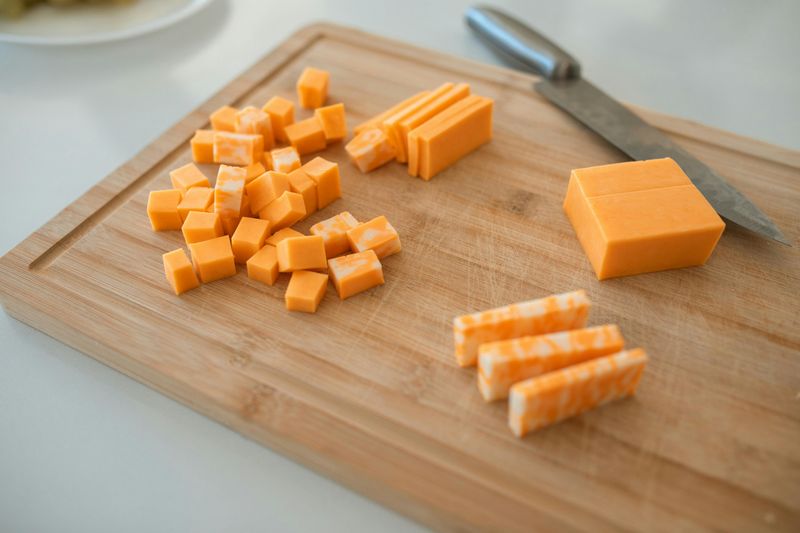
Cheddar is the weeknight hero. It melts into grilled cheese, tops casseroles, and finishes broccoli soup with tangy comfort.
Mild or extra sharp, it adds savory depth that is hard to mimic with processed slices. Even a small hunk can rescue leftovers, bringing body, salt, and a pleasant, lingering bite.
Grate it fresh for better melt and flavor. I store wedges tightly wrapped to prevent drying.
Add to eggs, tacos, or baked potatoes when dinner needs momentum. If you only keep one cheese around, cheddar handles the largest range, jumping from sandwiches to sauces with confident, crowd-pleasing reliability.
Onions
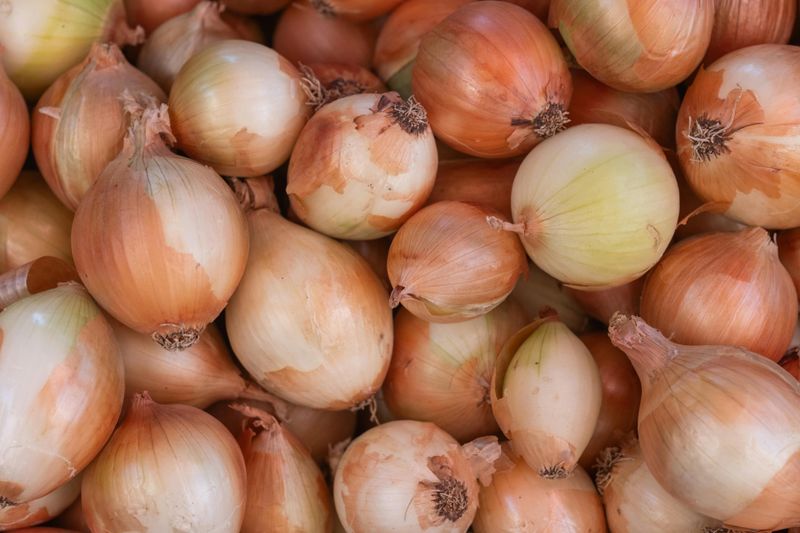
Onions are the quiet backbone of savory cooking. Sweat them slowly and you build sweetness; brown them and you get earthy depth.
Almost every cuisine leans on their aroma to kickstart soups, stews, and sauces. Without onions, many dishes feel hollow, like the stage is set but the actors never arrive.
Keep yellow onions for all purpose cooking, red for raw crunch, and sweet for caramelizing. Store them cool and dry, away from potatoes.
Slice evenly for predictable cooking. When in doubt, start with onion in the pan.
That familiar sizzle tells you dinner is on the way.
Garlic
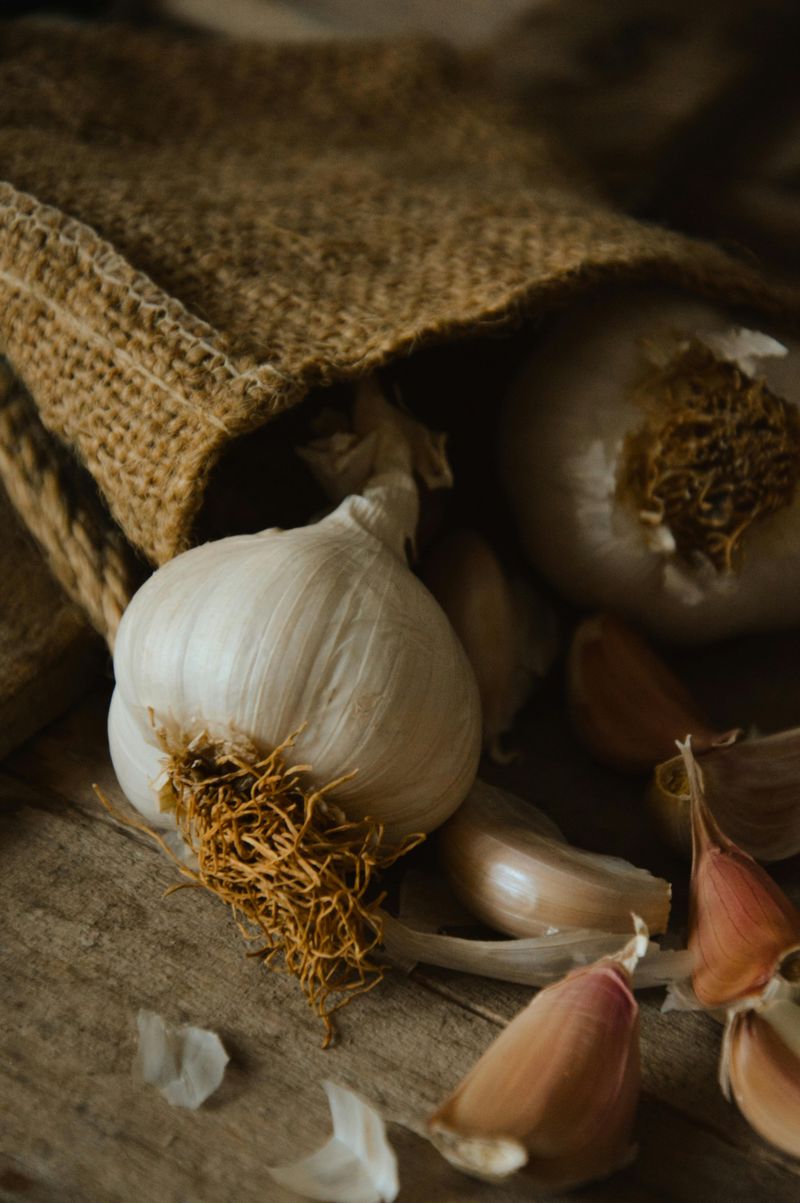
Garlic delivers instant character. One clove blooms in warm oil and perfumes the whole kitchen.
It can be assertive or gentle depending on how you slice, smash, or roast. Powder helps in a pinch, but fresh garlic brings sweetness, heat, and that unmistakable savory snap commercial seasonings cannot copy.
Slice for mildness, mince for punch, smash for sauces, or roast until spreadable and sweet. Mind the heat so it does not burn and turn bitter.
I add it late to protect flavor. Even quick weeknight greens taste complete when garlic joins the pan with salt and lemon.
Tomatoes
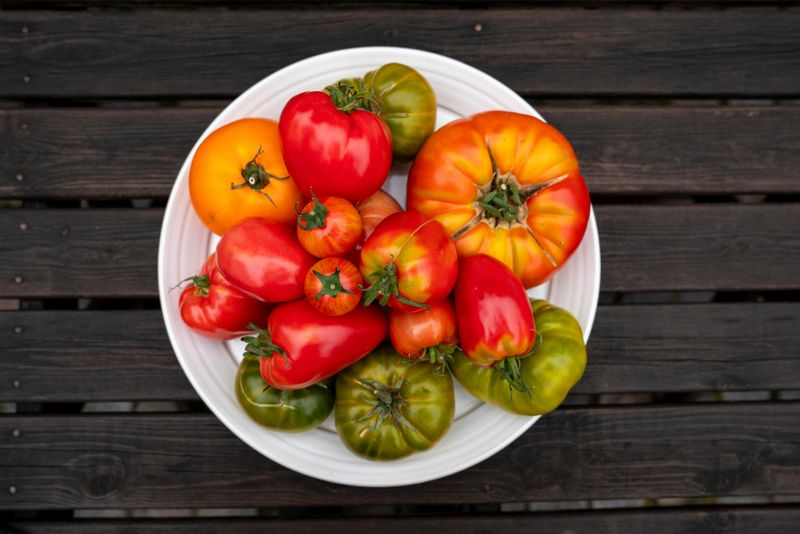
Tomatoes are sunshine in food form. Fresh ones bring brightness to salads and sandwiches, while canned versions deliver reliable depth for sauces and soups.
The balance of acid and sweetness is special, making simple dishes sparkle. Swap other produce if needed, but few ingredients transform so quickly with heat, salt, and olive oil.
Use cherry tomatoes for quick roasts, plum for sauces, and canned crushed for pasta nights. Salt early to draw juices, then reduce.
I reach for tomatoes when meals feel heavy or beige. They add color, lift, and a friendly nudge toward another satisfying bite.
White rice
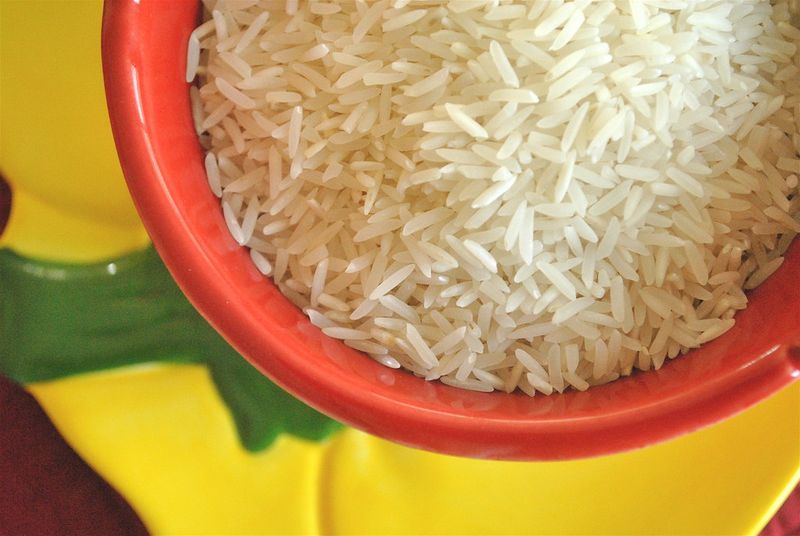
White rice is calm, steady comfort. It carries sauces, stretches leftovers, and turns bits of vegetables or eggs into a complete meal.
Unlike many grains, it cooks predictably and pairs with almost any cuisine. Brown rice is lovely, but white rice’s delicate texture is hard to replace on hurried nights.
Rinse until the water runs clearer, then rest after cooking to finish steaming. Use the absorption method or a rice cooker for consistency.
I refrigerate cooled rice for next day fried rice. With soy, scallions, and a splash of sesame oil, yesterday’s odds become today’s satisfying bowl.
Dry pasta
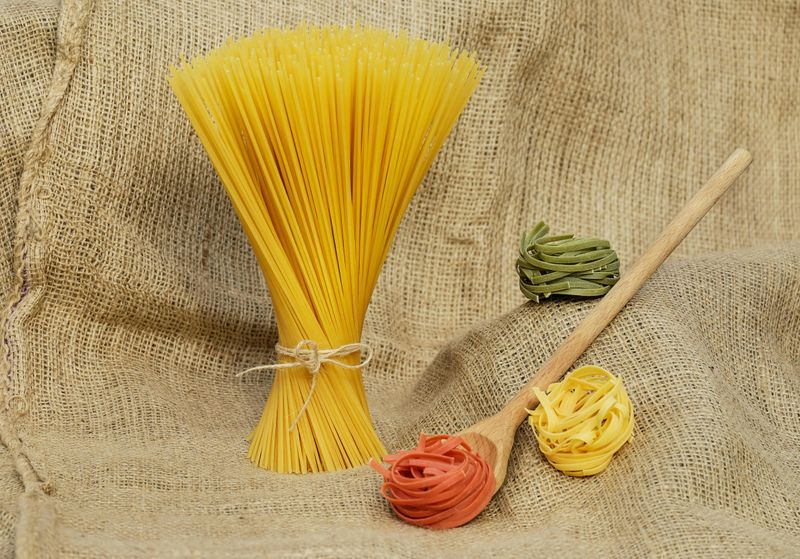
Dry pasta is dinner insurance. Boil water, add salt, and you are minutes from a satisfying meal.
Its texture, chew, and sauce-clinging shapes are tough to mimic with substitutes. Whether tossed with garlic and oil or a quick tomato sauce, pasta makes pantry cooking feel planned, not improvised.
Salt the water generously so the noodles taste seasoned. Finish cooking in the sauce with a splash of pasta water for silk.
I keep multiple shapes for variety. When schedules wobble, pasta welcomes vegetables, cheese, beans, or leftover meats and delivers comfort that feels like a small victory.
Chicken breast
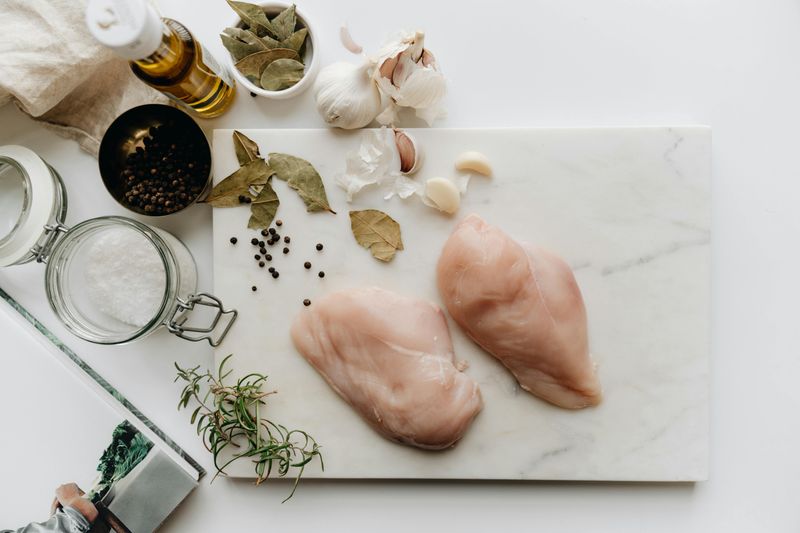
Chicken breast is lean, fast protein that adapts to almost any flavor. It grills, sautés, poaches, or bakes without drama when you manage heat and moisture.
The neutral taste is a canvas for spices, citrus, and herbs. Alternatives work, but few cook as quickly while pleasing picky eaters and budget plans.
Pound to even thickness, season well, and rest after cooking. Brining helps keep it juicy.
I like finishing with butter, lemon, and pan juices. Slice across the grain for tenderness.
With rice, greens, or pasta, chicken breast anchors weeknights while letting sauces and sides shine.
Beans
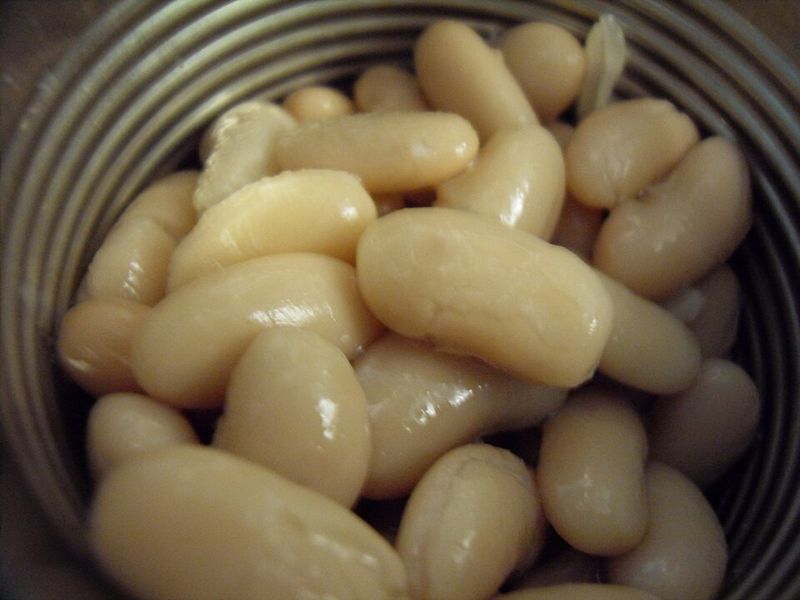
Beans are affordable, nourishing, and adaptable. They bring protein, fiber, and creamy texture that turns simple meals into filling bowls.
Canned beans deliver speed; dried beans reward planning with deeper flavor. They take on spices beautifully, making tacos, soups, and salads feel complete without much added cost.
Rinse canned beans and warm them with aromatics, salt, and olive oil. For dried, soak if you like, then simmer gently with onion and bay.
I salt mid-cook for tender skins. With beans ready, you can build dinner from pantry shelves, adding rice, greens, or eggs for easy satisfaction.
Lentils

Lentils cook quickly and deliver earthy comfort. They thicken soups, make hearty salads, and turn into weeknight dal with little effort.
Unlike many legumes, they do not require soaking and rarely miss dinner timelines. Their gentle flavor welcomes spices, vinegar, or lemon, giving you flexibility when the fridge looks sparse.
Use green or brown for stews, French for salads, and red for creamy dals. Rinse and simmer until just tender, then season boldly.
I like finishing with olive oil and herbs. With lentils, a single pot becomes a nourishing main that feels generous, satisfying, and smart.
Carrots

Carrots are sweet, sturdy, and always ready. They roast into candy-like edges, bring color to soups, and add crunch to salads.
Even when the crisper is bare, carrots hang on, making them a dependable base for broths and braises. Their gentle sweetness helps balance bold spices and acids.
Peel if the skins seem tough, and slice uniformly for even cooking. Glaze with butter and honey, or roast with olive oil and salt.
I toss carrot tops into pesto when they are fresh. With carrots on hand, dinners gain color, nutrients, and a friendly, reliable sweetness.
White bread
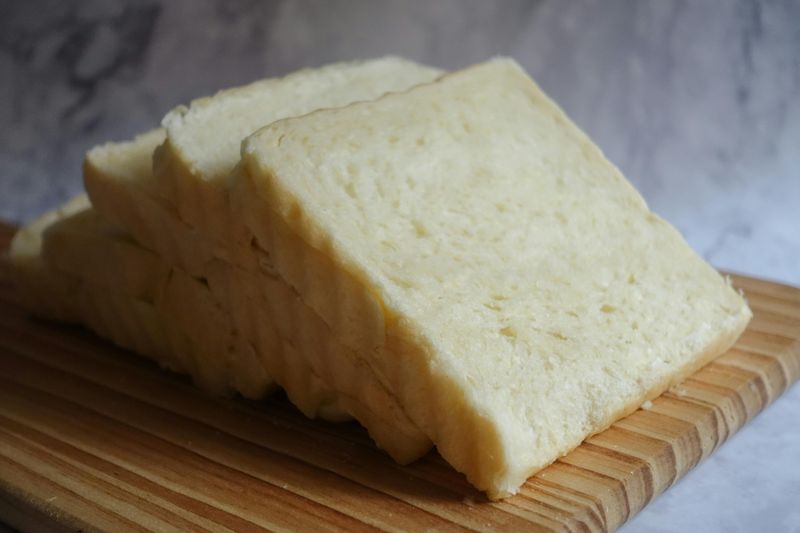
White bread is simple comfort you can count on. It toasts beautifully, makes grilled cheese golden, and turns yesterday’s chicken into a great sandwich.
The soft crumb is forgiving for kids and quick lunches. While artisan loaves are lovely, white bread’s tenderness and even slices keep weekday meals easy.
Store it sealed to hold moisture. If it goes stale, make croutons, breadcrumbs, or French toast.
I love buttered toast with eggs for a no-thinking breakfast. White bread plays background, letting fillings and spreads shine while providing structure that never fights your bite.
Plain yogurt
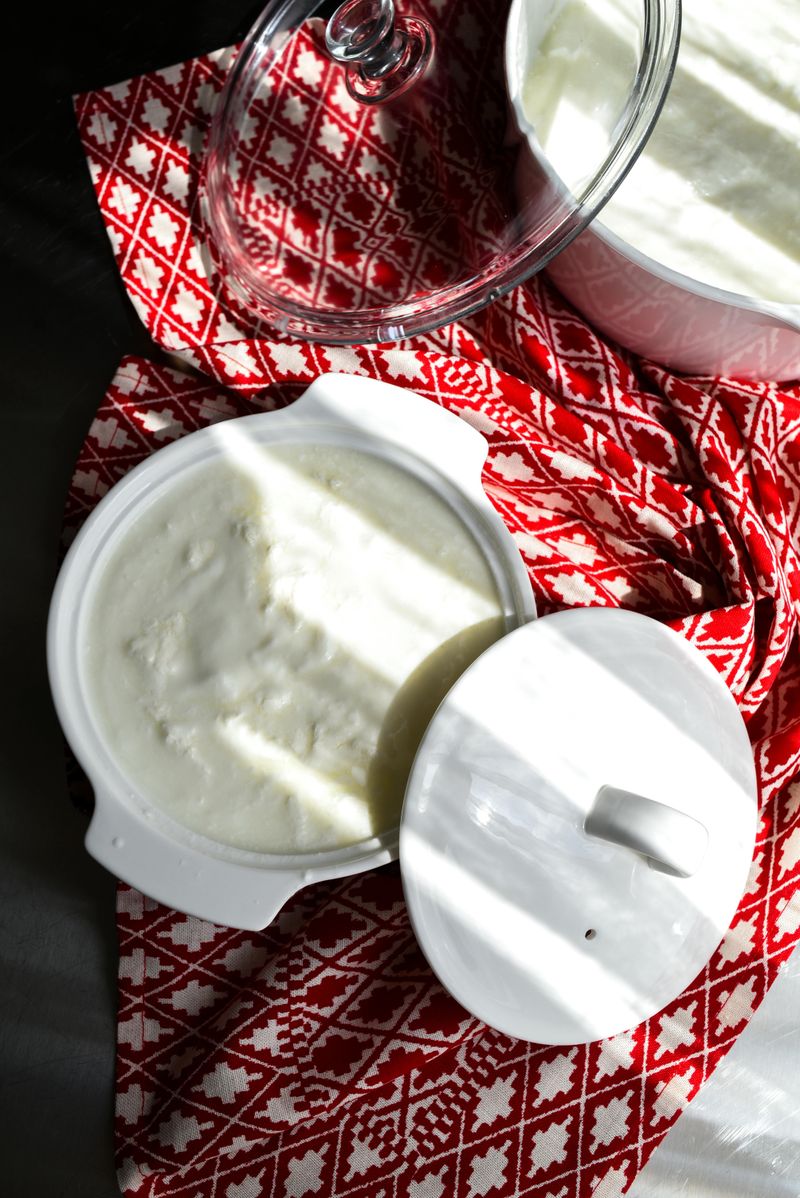
Plain yogurt is tangy, creamy balance in a tub. It cools spicy dishes, tenderizes meats, and becomes breakfast with fruit and nuts.
Unlike flavored cups, it fits sweet or savory, making it incredibly flexible. The live cultures add pleasant tang that sour cream or mayo cannot replicate as neatly.
Stir into sauces, dollop on chili, or whisk into dressings with lemon and herbs. Choose whole milk yogurt for richness, strained for thickness.
I keep a big container and season portions as needed. With yogurt nearby, you can finish plates with freshness that feels effortless and smart.
Heavy cream
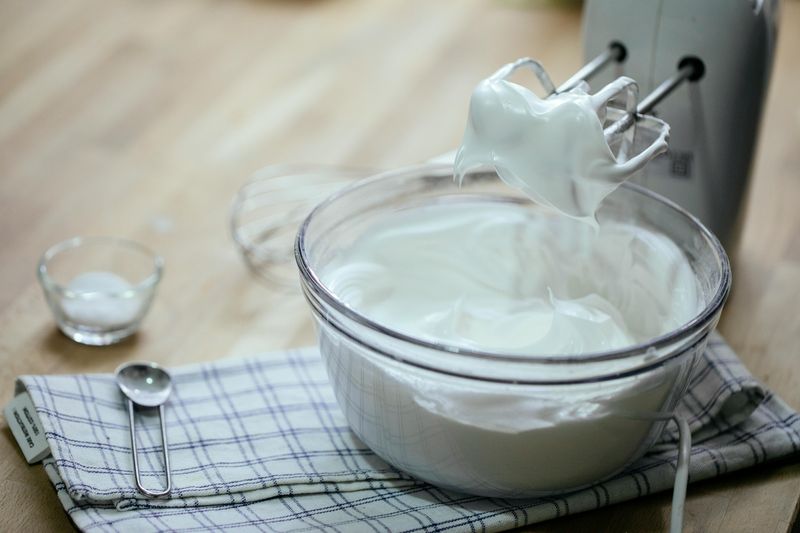
Heavy cream is luxury on call. A splash enriches soups and sauces, turning everyday pans into something company worthy.
Whip it with a little sugar for desserts or fold into scrambled eggs for lush softness. Milk helps, but cream delivers that unmistakable velvet you notice from the first spoonful.
Reduce gently to avoid splitting, and season lightly because fat carries flavor far. I like simmering cream with garlic for a quick pan sauce.
Keep it cold for whipping success. When dinner needs comfort fast, cream steps in and smooths every rough edge with quiet confidence.
Fresh herbs
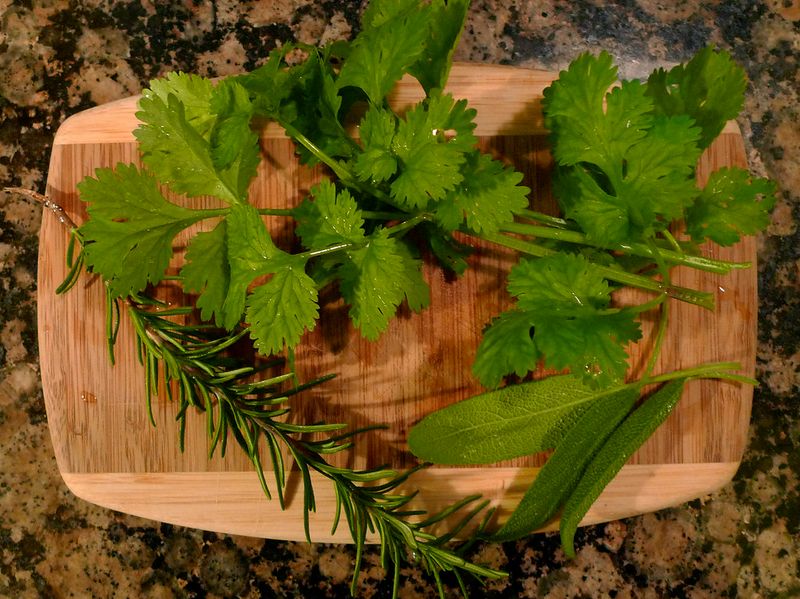
Fresh herbs are instant freshness. They wake up roasted vegetables, finish pastas, and turn plain eggs into something bright.
Dried herbs have their place, but a handful of parsley, basil, or cilantro delivers fragrance and color that make plates feel alive. When food tastes heavy, herbs pull it back into balance.
Chop just before serving and add off heat to protect flavor. Store stems in water, loosely covered, or wrap in damp towels.
I mix herbs together for complexity. With a squeeze of lemon and olive oil, fresh herbs can finish a dish so well you need nothing else.
Potatoes
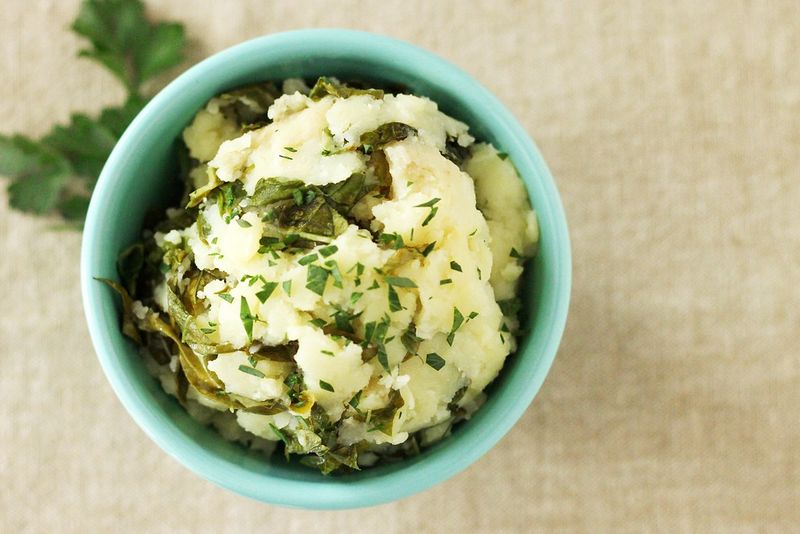
Potatoes are pure versatility. Mash them for comfort, roast for crisp edges, or pan fry into golden breakfast hash.
They soak up flavors while bringing their own earthy sweetness. When you need inexpensive satisfaction, potatoes step up with structure and heartiness other sides cannot match as easily.
Choose russets for fluffy bakes, Yukon Golds for creamy mash, and waxy reds for salads. Rinse cut pieces to remove excess starch before frying.
I parboil before roasting for craggier, crunchier edges. With salt, fat, and high heat, potatoes become the star, turning simple proteins into a meal everyone wants to eat.
Enjoyed this story?
Add Fast Food Club as a preferred source to see more of our reporting on Google.