


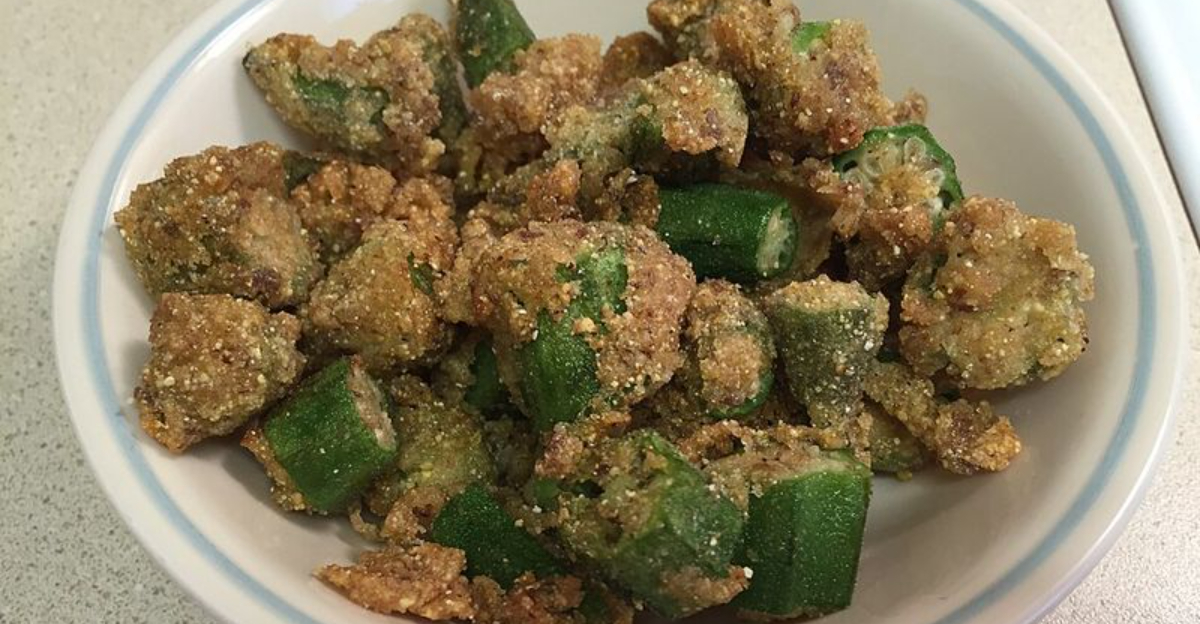
You can always tell who grew up around a real stove. It shows in the way they talk about simmering, how they judge doneness by smell, and how they plate the quiet comfort foods that never needed a label.
These dishes are more than recipes, they are family shorthand for care. Let’s see which ones make you nod without even thinking.
Chicken and dumplings

Chicken and dumplings feel like a quiet Sunday hug. When the broth turns silky and the doughy pillows puff, you can tell someone learned by watching a patient hand.
You taste pepper, steam, and a little thrift. The spoon sinks, and you know it is not from a box.
Flour dust on the counter gives away the real method. You knead lightly, rest the dough, and roll with a glass if needed.
The pot murmurs while you set the table, and the house smells like comfort. Serve it thick, with cracked pepper, and watch everyone lean in closer.
Meatloaf
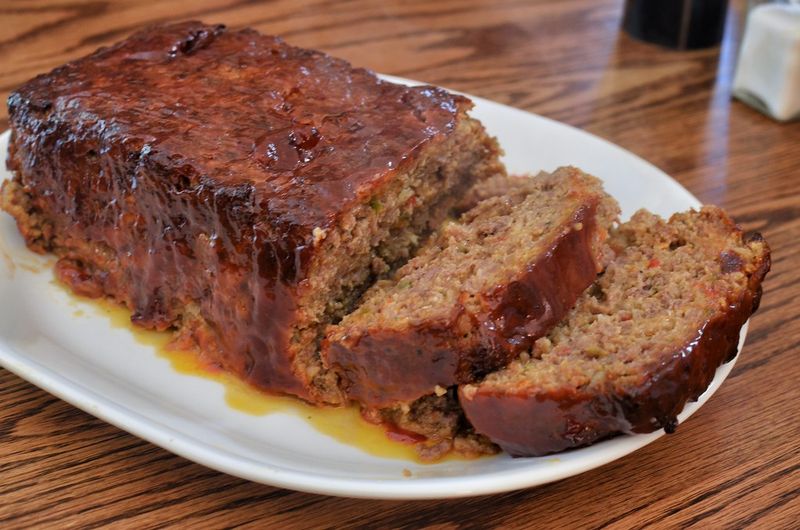
Real meatloaf is a weeknight lifeline that tastes like patience. You mix by hand, not with a spoon, and you do not pack it tight.
Bread soaked in milk keeps everything tender while onions sweat quietly in a pan. A zigzag of ketchup caramelizes into a shiny, sweet crust.
Slice it thick and serve with mashed potatoes that catch the juices. The ends are slightly chewy, the center stays soft, and the whole house goes quiet.
Leftovers make the best sandwiches with cold slices on white bread. If you know, you know, and you smile before the first bite.
Pot roast
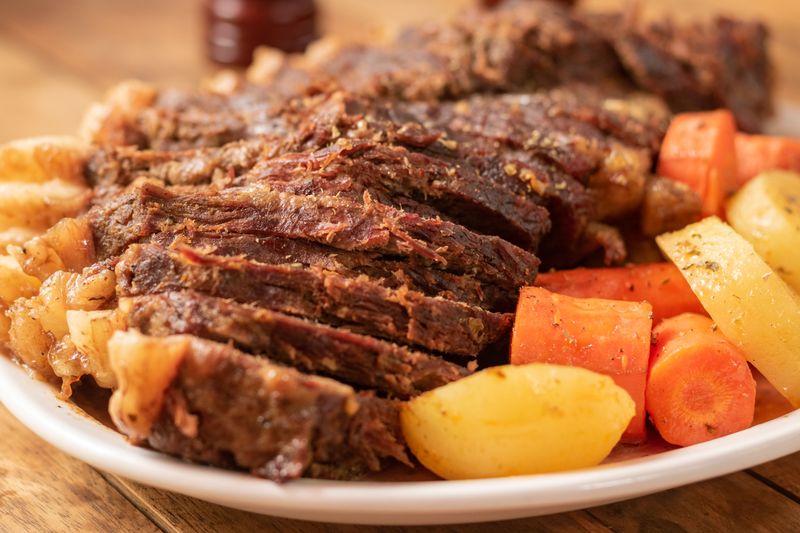
Pot roast announces itself hours before dinner. The aroma sneaks down the hallway, telling you carrots will be sweet and potatoes butter soft.
Browning the chuck is the secret you only learn from someone who nods at the sizzle. Deglaze with broth to pull up every fond treasure.
Then low heat does the work no timer can rush. The meat slumps tender, threads falling apart under a fork.
You spoon glossy gravy over everything and catch silence at the table. It tastes like winter evenings, scratch made effort, and the kind of love you remember without words.
Beef stew
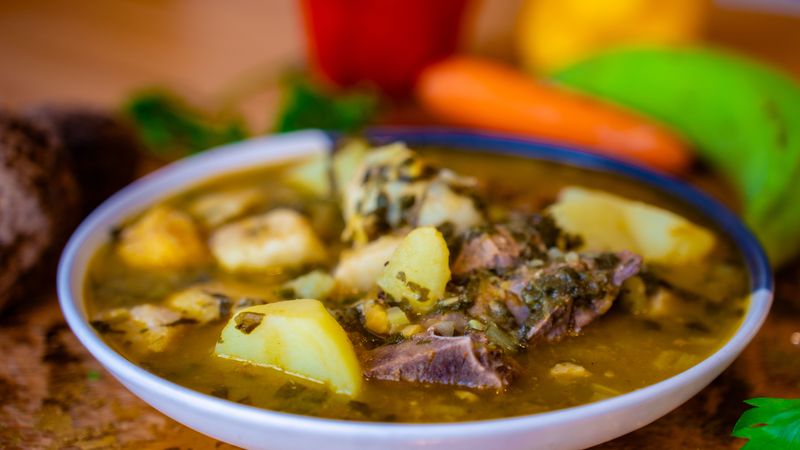
Beef stew is patience in a pot. Cubes sear hard to build that first layer, then onions, celery, and garlic join the party.
Tomato paste toasts until brick red before broth and bay bring it home. Potatoes and carrots simmer until a spoon slips through with almost no push.
You finish with a knob of butter and a scatter of parsley. The gravy clings to the bowl and to your fingers.
Bread is required for chasing the last glossy streaks. If you grew up with this on cold nights, you can spot the real thing anywhere, eyes closed.
Pinto beans and cornbread
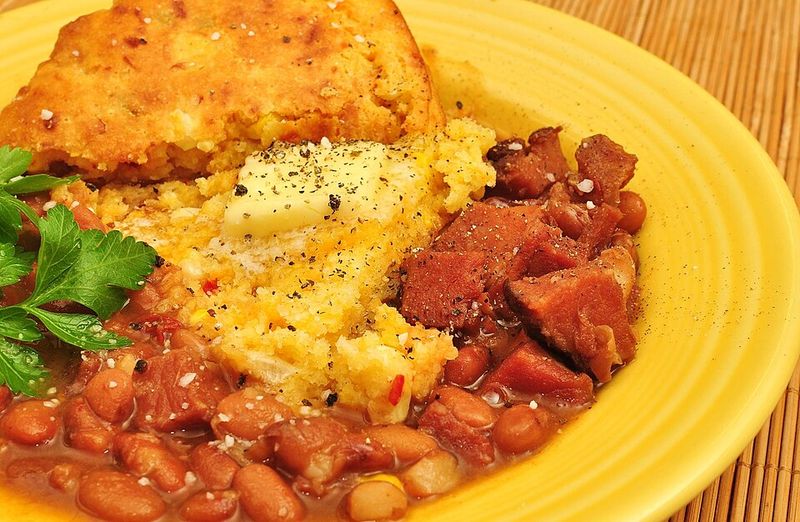
A pot of pinto beans and cornbread tells on you in the best way. Beans bubble slowly with onion, salt, and maybe a ham bone if luck smiles.
The liquor turns smoky and rich as the beans soften and bloom. Meanwhile, hot cornbread waits in a cast iron skillet.
You crumble a warm wedge into your bowl and watch it drink the pot liquor. A few diced onions on top, maybe a splash of vinegar, and it sings.
No packet seasoning needed. This is economy, comfort, and pride, the kind of supper that teaches patience and fills you up.
Collard greens
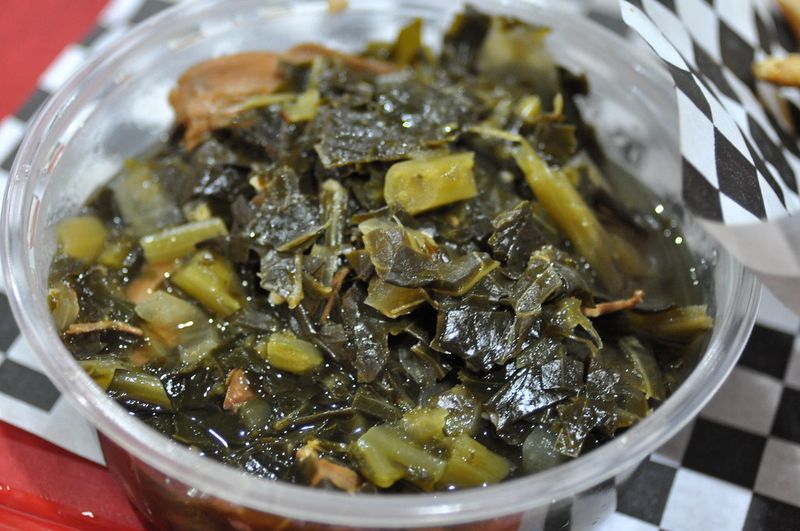
Collard greens teach slow cooking and respect. Washed well, stacked, rolled, and sliced, they hit the pot with onion, garlic, and a smoked something.
Vinegar brightens, sugar is optional, patience mandatory. They simmer until tender but not gray, turning the broth into pot liquor worth fighting over.
You splash a little vinegar at the table and chase every drop with cornbread. The greens shine, silky and savory, never mush.
If someone added red pepper flakes, you know they cared. Nothing about this is rushed, and nothing goes to waste, which is exactly why it tastes right.
Chicken fried steak
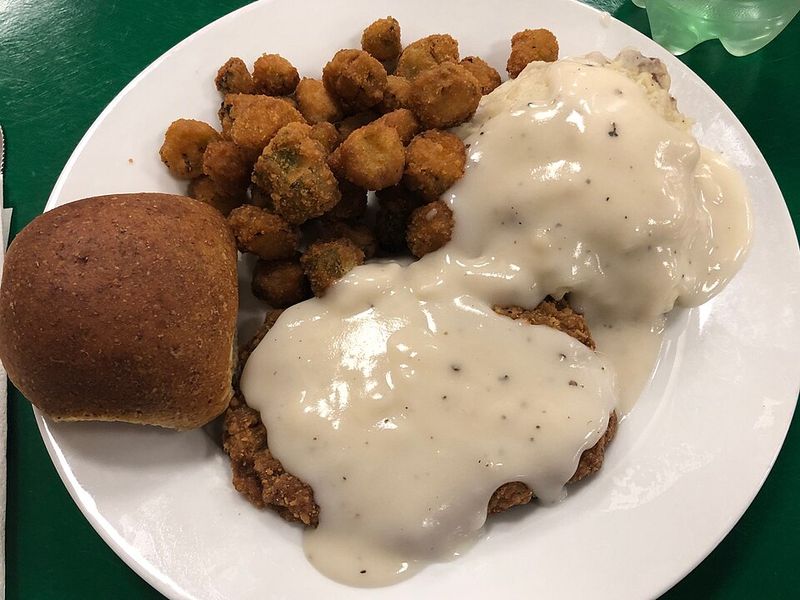
Chicken fried steak crunches loud enough to call everyone to the kitchen. You season the flour heavily, dip, dredge, rest, then fry until the crust blisters.
The pan drippings turn into cream gravy with pepper freckles you can see. It is country comfort that rewards patience and a steady hand.
Serve with mashed potatoes and green beans you snapped yourself. The fork yields with a crisp sigh, and the gravy finds every edge.
It is messy in the best way. If you can make this without measuring, just by feel and sound, you absolutely grew up around a real stove.
Stuffed peppers
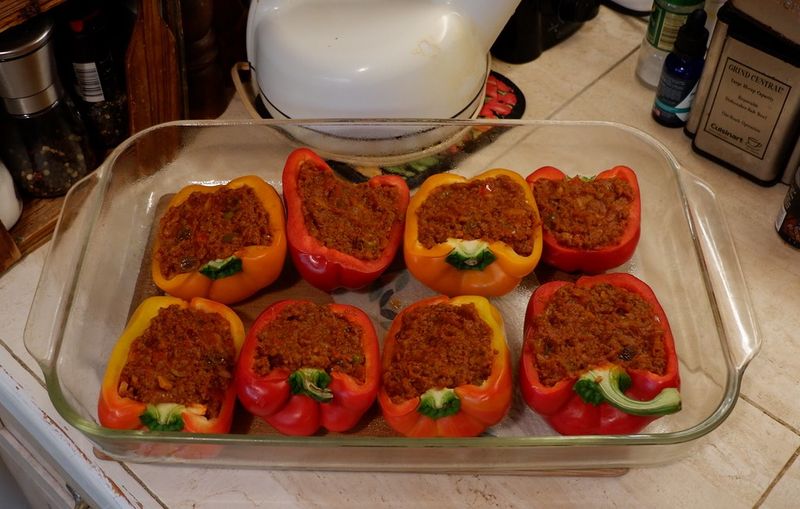
Stuffed peppers whisper leftovers turned lovely. Rice, ground meat, onion, and tomato get folded together with herbs and a handful of cheese.
The peppers soften in the oven until the edges slump a little. You spoon sauce over the tops halfway so everything stays juicy and tastes like home.
They are thrifty, colorful, and oddly elegant on a weeknight plate. A sprinkle of parsley or a sharp cheese crust seals the deal.
The best part is cutting through to catch every layer in one bite. If you look for the slightly blistered edges, you learned from someone who cared.
Cabbage rolls

Cabbage rolls prove tenderness can wear a blanket. Leaves blanch until pliable, then wrap seasoned meat and rice like a snug package.
They braise in tomato sauce that turns sweet and tangy while steam fogs the windows. The scent says someone started early and planned dinner like a promise.
Cut through and watch the juices run. A spoon of sour cream or a squeeze of lemon wakes everything up.
These rolls feed many with simple ingredients and quiet skill. If you automatically save the extra sauce for tomorrow, you grew up stretching flavor and time without losing a thing.
Cornbread dressing
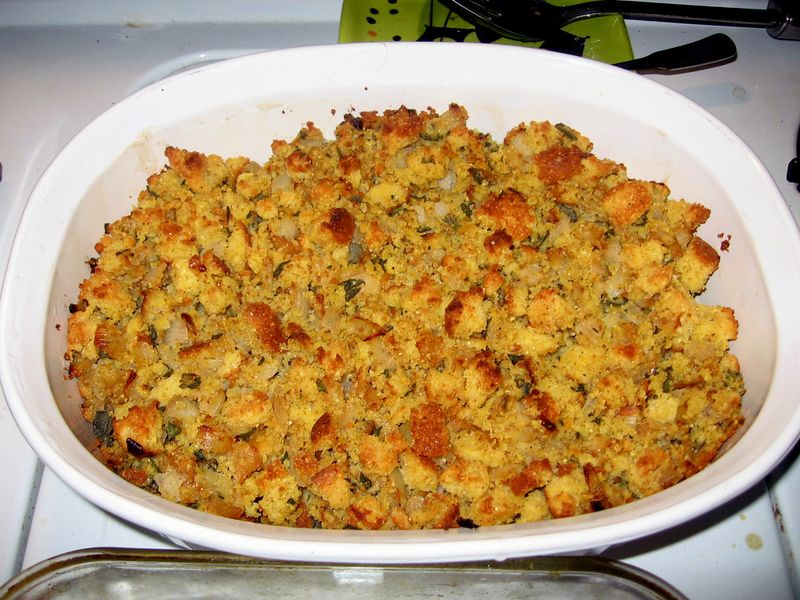
Cornbread dressing is holiday truth serum. If the cornbread was sweet, you notice.
If it was baked in cast iron and crumbled by hand, you also notice. Celery and onion melt into butter while sage and black pepper lead the choir.
Broth binds everything without turning it soggy or heavy.
You spread it in a shallow pan for maximum toasty edges. The top gets golden, the middle stays plush, and the serving spoon disappears.
Gravy optional, pride required. When you taste the balance of herbs and stock, you know someone stirred memories right into the bowl and baked them.
Navy bean soup
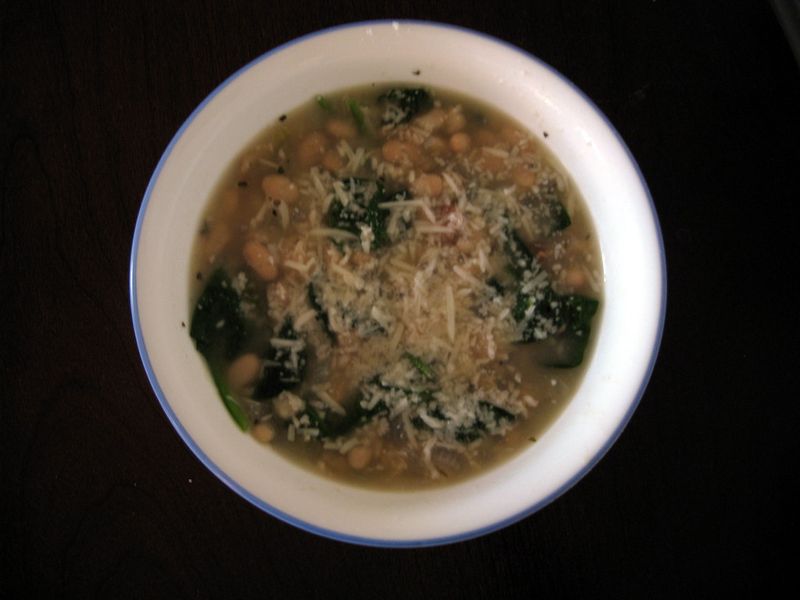
Navy bean soup tastes like snow days and wool socks. The beans soak overnight while a ham bone waits in the fridge.
Onions, carrots, and bay leaf join, then everything simmers until creamy without cream. You mash a few ladlefuls to thicken, tasting for salt and pepper as you go.
Serve with a splash of vinegar and warm bread on the side. The soup clings to the spoon and warms you straight through.
It is simple, frugal, and unbeatable on a cold night. If you know to save the ham bone ahead of time, you learned from a careful cook.
Ham hocks and beans
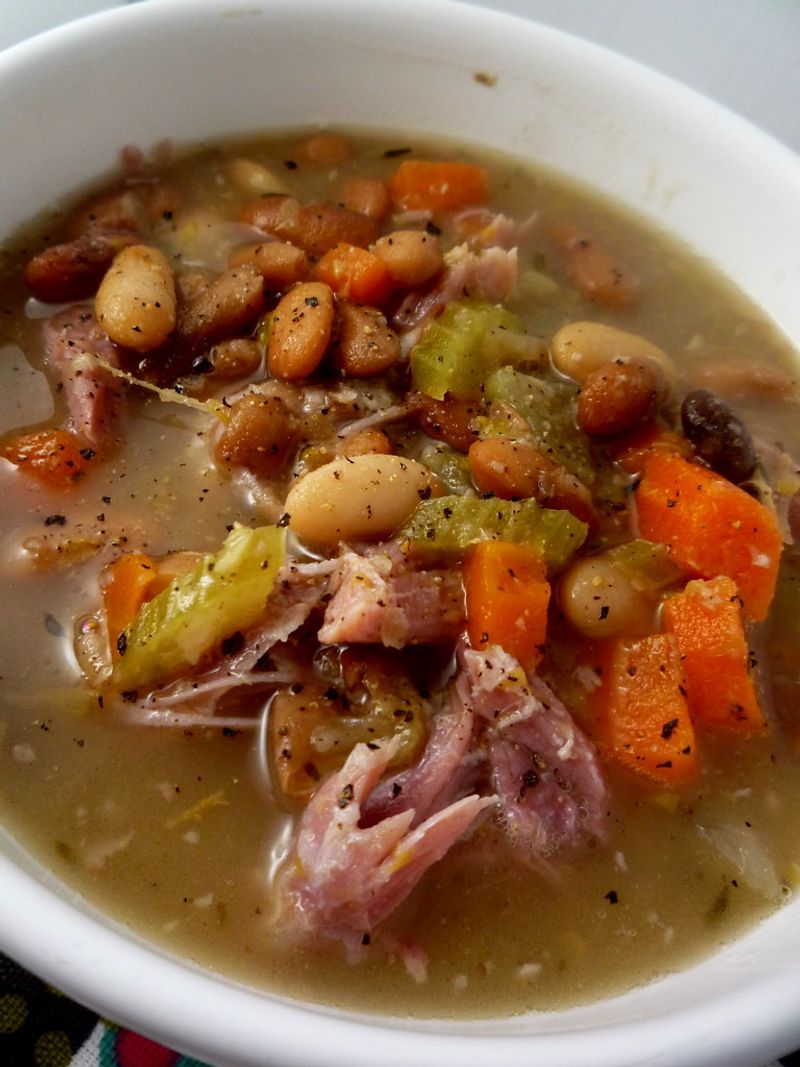
Ham hocks and beans tell a story of thrift turned feast. The hocks simmer until their smoky richness slides into the pot.
Beans swell slowly, absorbing every ounce of flavor while onions melt soft. A hint of chili or mustard powder is welcome, but salt and time do most work.
Serve with chopped onions, hot sauce, and cornbread to chase the liquor. The meat yields in shreds and nuggets that surprise your spoon.
You eat until full, then somehow go back for more. If you can judge doneness by how the house smells, you definitely grew up on pots like this.
Chicken pot pie
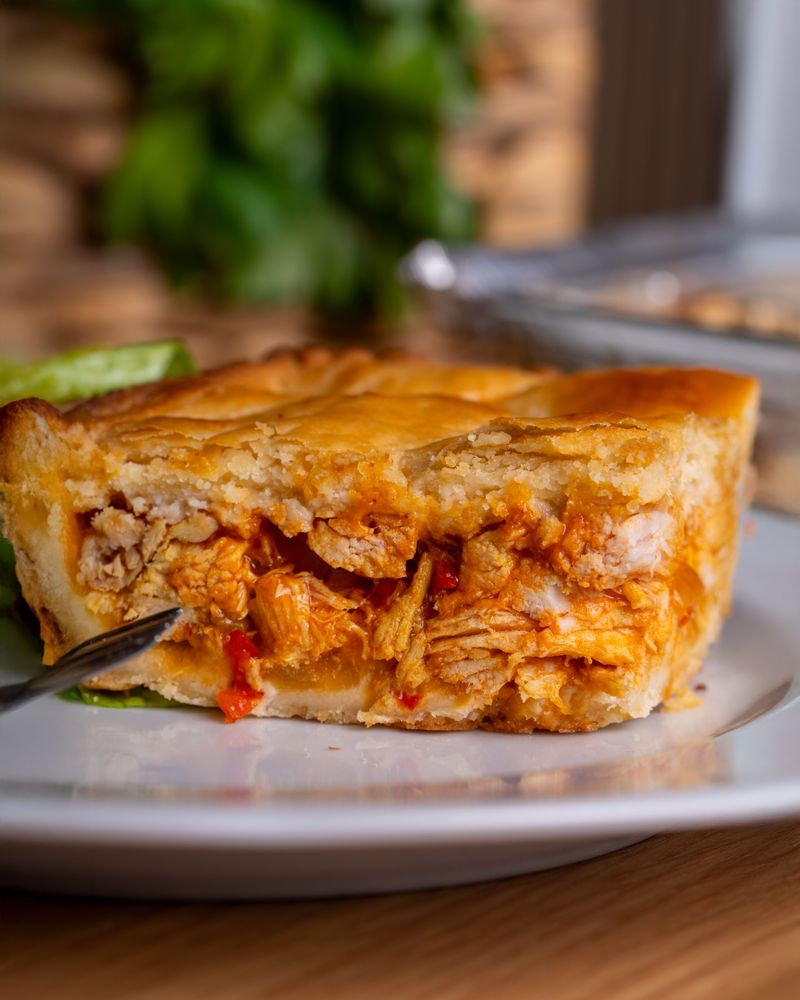
Chicken pot pie wears comfort under a flaky lid. Poached chicken, peas, carrots, and potatoes swim in a creamy sauce with thyme.
You roll the crust yourself or press in a quick biscuit top when time is tight. Vent slits release steam and perfume the kitchen with savory promise.
The first scoop breaks the crust and sends puffed flakes across the plate. The filling coats the spoon, then your ribs.
It tastes like someone watched the weather and planned accordingly. If you automatically save the last corner piece for the crust lover, you are fluent in cozy dinners.
Peach cobbler
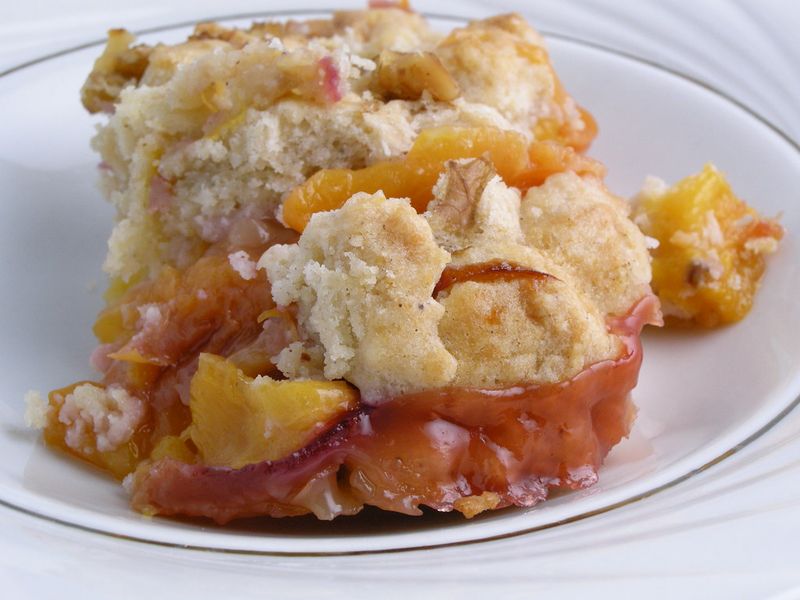
Peach cobbler is summer preserved in syrup and heat. You toss sliced fruit with sugar, lemon, and a whisper of cinnamon.
The batter or biscuit top rises through the bubbling juices, making caramelized edges you cannot fake. Butter pools in the corners, and the kitchen smells like warm sunshine.
Spoon it hot with vanilla ice cream that melts into a creamy river. The sweet and tart balance hits first, then the texture of soft fruit and crisp tops.
Every bite tastes like a porch swing. If you wait for the sound of bubbling before pulling it, you learned from family.
Rice pudding
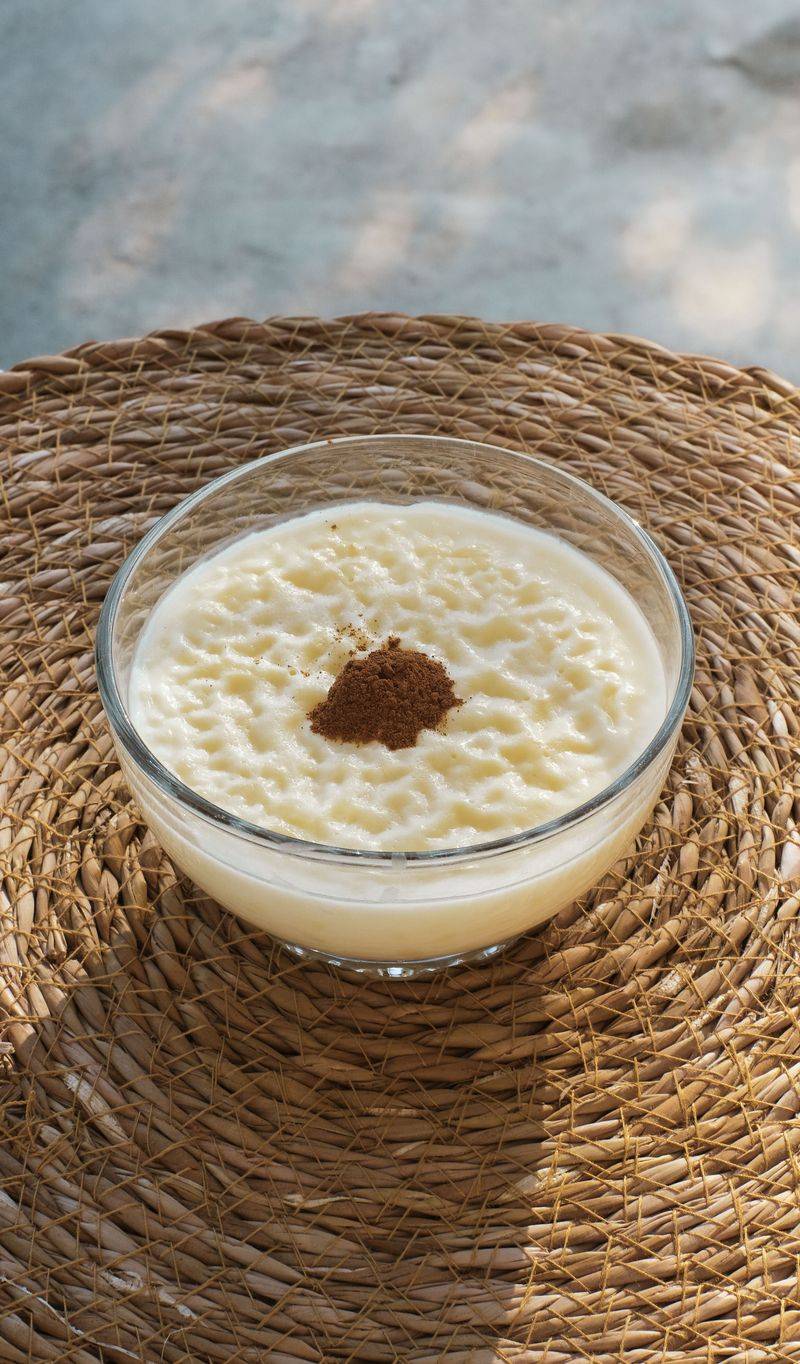
Rice pudding is pure comfort disguised as dessert. Leftover rice simmers in milk with sugar, vanilla, and a stick of cinnamon.
The grains swell and soften while the milk turns satin. Raisins are optional, nutmeg is lovely, and a pinch of salt makes everything brighter and more like childhood.
You serve it warm or chilled and dust the top lightly. The spoon should stand a moment, then slide.
It is soothing after a long day and even better the next morning. If you know the skin on top is prized, not a flaw, you have eaten this the right way.
Homemade biscuits
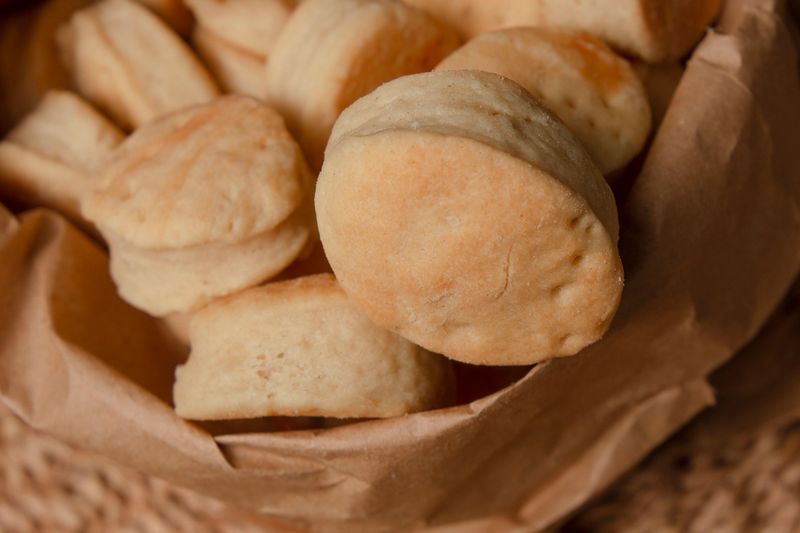
Homemade biscuits are a handshake test. Cold butter, gentle hands, and a hot oven tell the truth fast.
You cut the fat into the flour until it looks like pebbles. Then you pat, fold, and pat again, working quick so the layers stay tender and lift tall like little miracles.
When the tops kiss in the pan, the sides stay soft enough to pull. Steam escapes in a butter cloud as you split one open.
Honey, jam, or gravy all belong. If you reach for the back of a fork to crimp tops without thinking, you have done this many times.
Apple butter
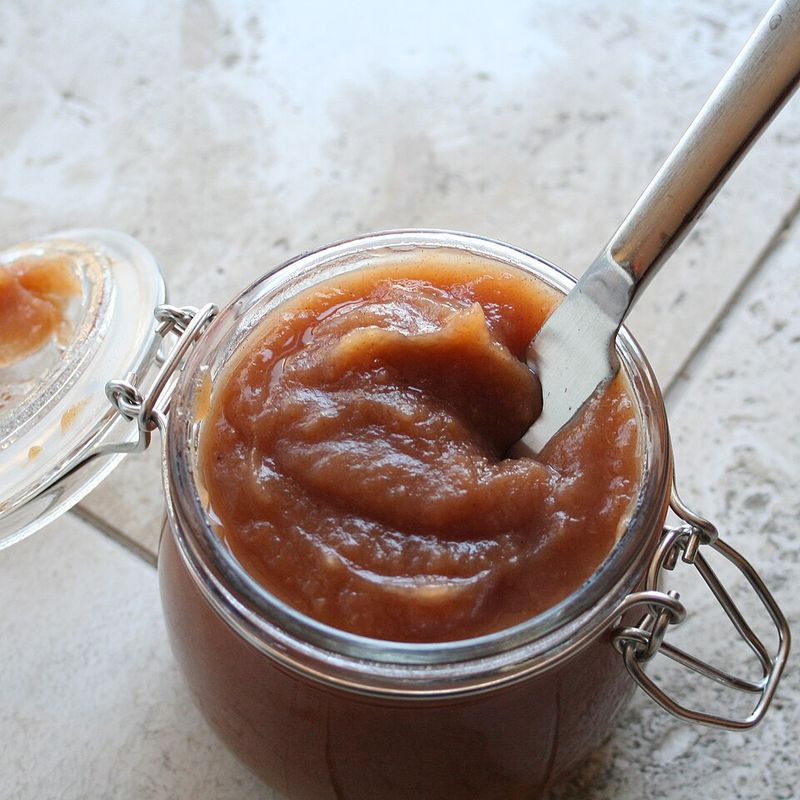
Apple butter is patience in a jar. Apples cook low and slow until they darken, thicken, and smell like cinnamon dreams.
You sweeten just enough, then blend until glossy and spreadable. The color shifts from sunset to mahogany while the spoon leaves a trail that refuses to fill quickly.
Spread it on biscuits, toast, or even pork chops if you know. The flavor is deep, spiced, and surprisingly bright.
A slow cooker works, but a heavy pot on the stove feels right. If you listen for the quiet plop against the lid, you learned timing from someone wise.
Baked apples
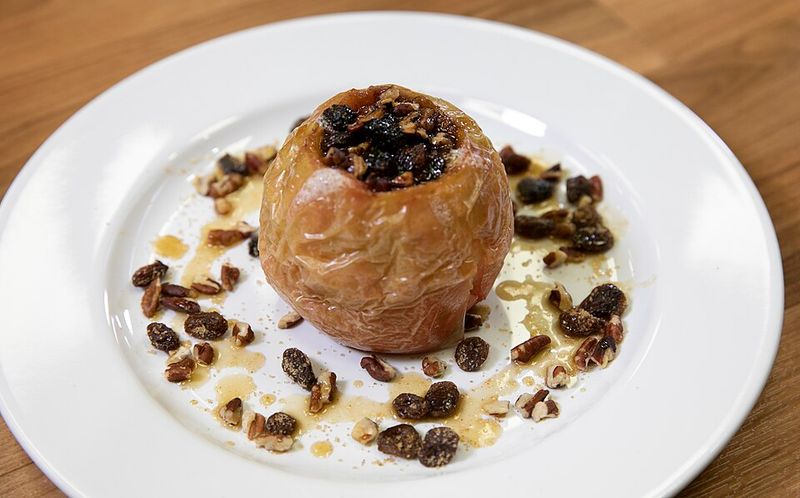
Baked apples make dessert out of pantry and patience. You core them, stuff with butter, brown sugar, oats, and maybe nuts.
Cinnamon joins while the fruit softens and the skins wrinkle slightly. The pan juices turn into a syrup that begs for a spoon and a little cream.
Serve warm so the centers stay cozy and the syrup pools. The texture shifts from crisp to tender in each bite.
You can taste the orchard, even in winter. If you know to tuck a pat of butter back inside halfway through, you learned from someone who cooked with feeling.
Tomato gravy
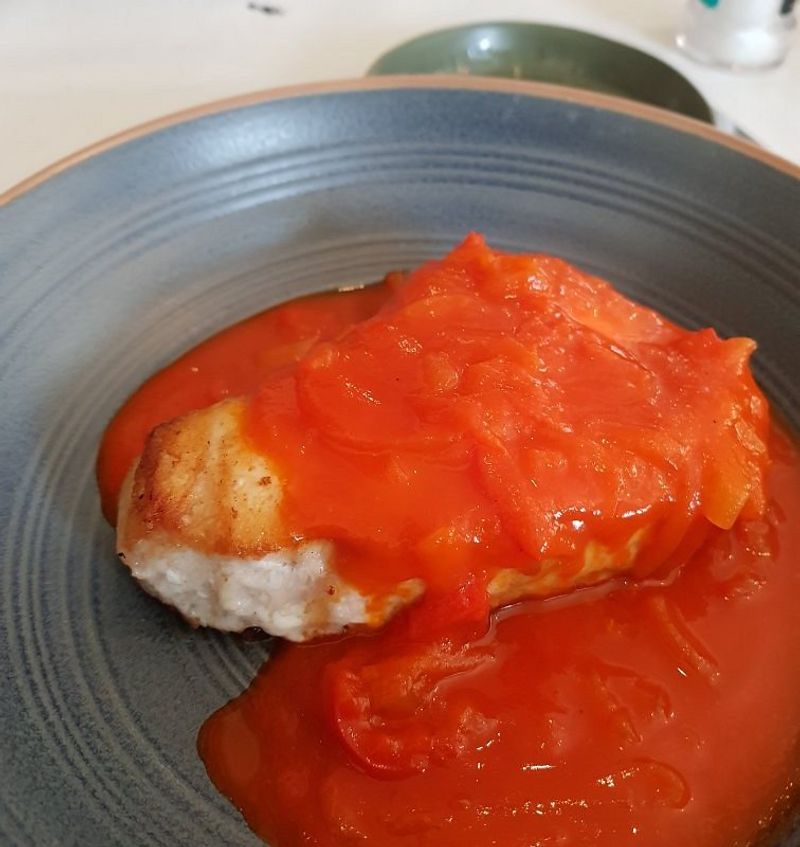
Tomato gravy tastes like morning gossip at a warm table. You start with bacon drippings, flour, and patience, stirring until the roux blushes.
Crushed tomatoes and milk join, turning the sauce rosy and rich. Black pepper wakes it up while a pinch of sugar softens any sharp edges.
Ladle it over hot biscuits or grits and stand back. The texture is silky, the flavor bright, salty, and comforting.
It turns a simple breakfast into a memory. If you taste for balance with a torn biscuit corner, you learned flavor by feel, not measurements, which is everything.
Homemade jam
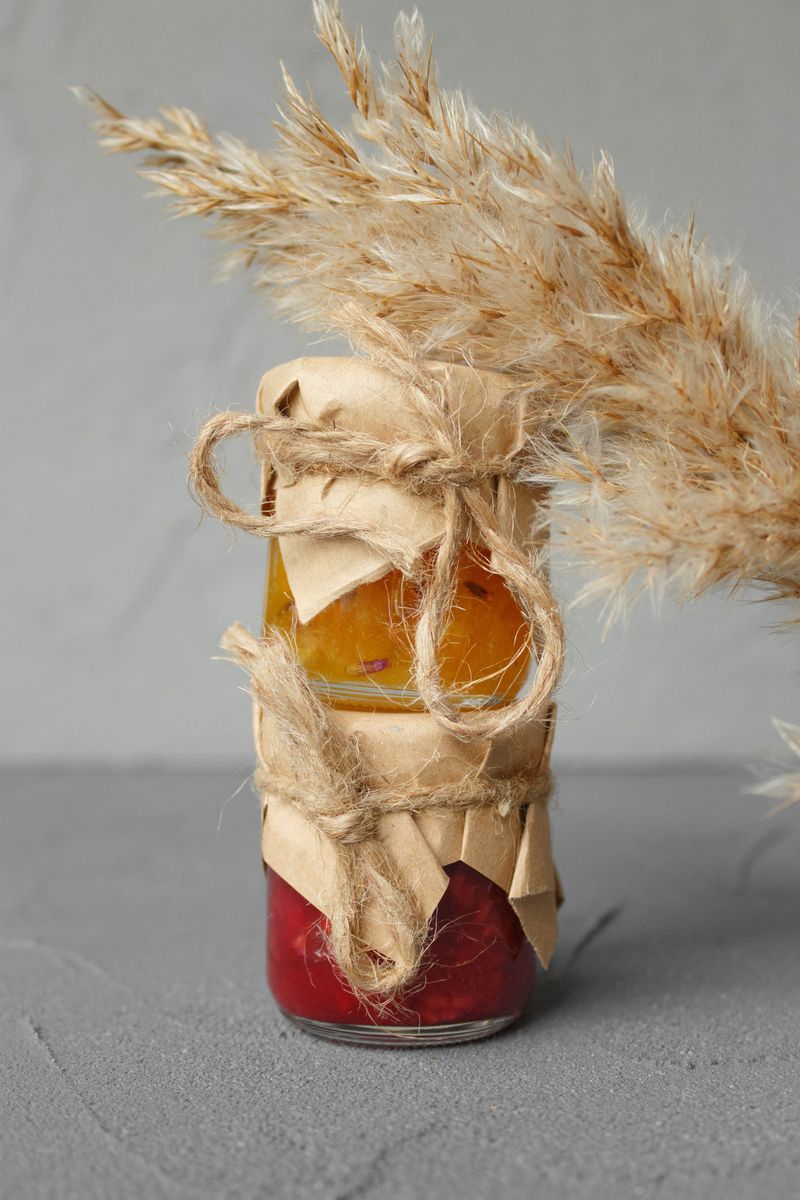
Homemade jam sets the calendar by fruit. You stir berries with sugar and lemon until the bubbles look glossy and slow.
A saucer test tells you when it will set. The kitchen smells like summer while jars warm in the oven and lids wait, lined up like little helmets.
You ladle, wipe rims, and twist on rings before the gentle ping sings success. The color glows, the texture spreads without running, and breakfast feels special.
A smear on toast beats store bought every time. If you save the foam for cooks treats, you grew up in a careful kitchen.
Blackberry cobbler
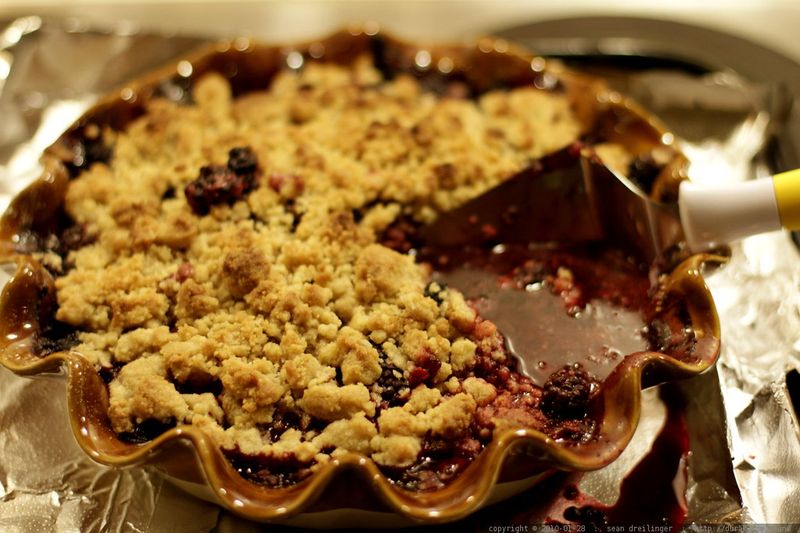
Blackberry cobbler tastes like purple stained fingers and happy noise. The berries bubble under a lid of batter or biscuits until juices thicken.
Seeds pop, sweetness tangles with tart, and the edges go sticky. You pull it when the top is deeply golden and the center still flickers slightly.
Spoon with vanilla ice cream and wait one minute so you do not burn your tongue. The contrast is perfect, hot against cold, jammy against crisp.
Every bowl disappears. If you know the pan corners are best and scrape them proudly, you learned dessert the honest, delicious, thrifty way.
Fried okra
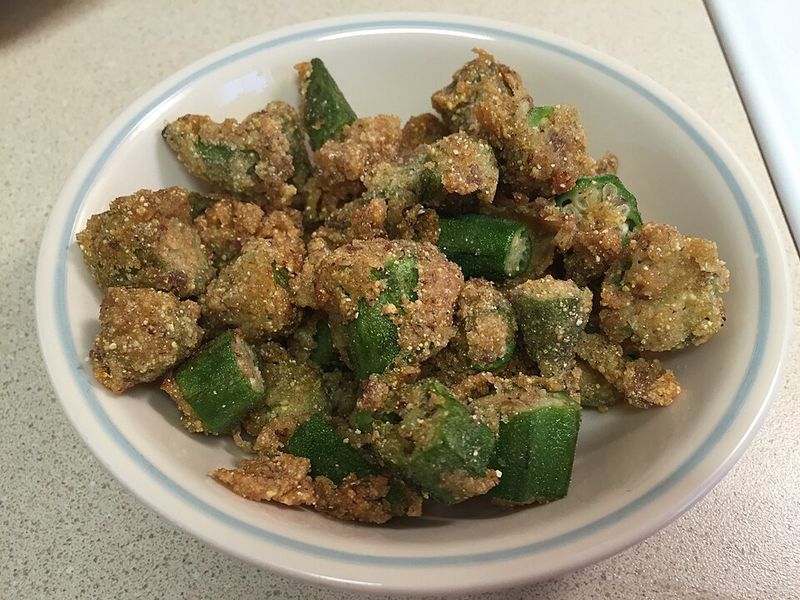
Fried okra separates the raised from the recently converted. You toss slices in cornmeal, not a wet batter, and let the skillet tell you when.
The oil must be hot, the okra must not crowd, and the color should be golden with speckled edges. Salt the second it lands.
The crunch shatters, the inside stays green and tender, and even doubters keep reaching. Serve with sliced tomatoes and a swipe of mayo if you like.
It never survives the walk from stove to table. If you know to eat the little crumbs with your fingers, you definitely grew up here.
Enjoyed this story?
Add Fast Food Club as a preferred source to see more of our reporting on Google.